


Explore Any Narratives
Discover and contribute to detailed historical accounts and cultural stories. Share your knowledge and engage with enthusiasts worldwide.
The landscape of film distribution has undergone a seismic shift in recent decades, evolving from traditional theatrical releases and home video sales to a multi-channel approach that includes streaming platforms, digital downloads, and more. This transformation is driven by technological advancements, changing consumer habits, and shifting market dynamics. In this article, we'll explore how these changes have reshaped the film distribution industry and what the future might hold.
In the past, film distribution was centralized around major theatrical releases. Studios like Paramount, Warner Bros., and Disney would create their own production pipelines, and then distribute films through their own theater chains or through independent distributors. The success or failure of a film was heavily dependent on its run time in theaters, with sequels providing a steady stream of income over several years.
The blockbuster model became increasingly dominant in the late 20th century. Films were promoted with massive marketing campaigns, generating buzz through social media and other avenues. Home video releases, typically one year after theatrical release, provided additional revenue streams. However, despite these successes, the film industry faced challenges such as declining theatrical attendance and piracy concerns.
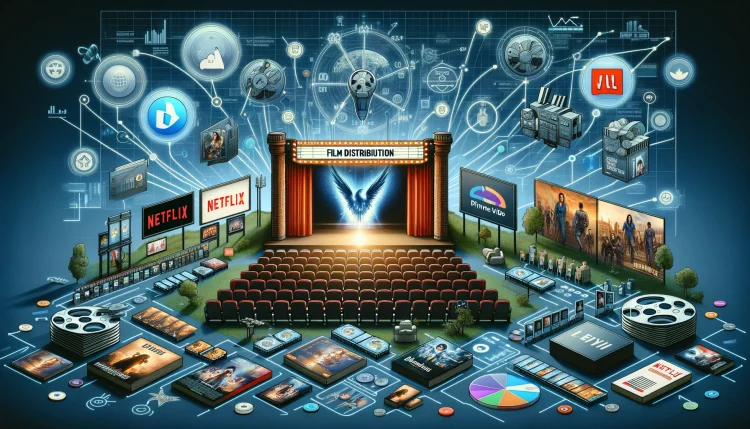
The introduction of streaming services like Netflix, Amazon Prime Video, and Disney+ marked a significant turning point for film distribution. Streaming services disrupted the traditional model in several ways:
The success of these platforms has influenced not only how films are distributed but also how they are produced and consumed. Hollywood studios began to produce exclusive content for streaming platforms, leading to intense competition.
The rise of streaming services has led to a phenomenon known as "day-and-date" release strategies. Films are simultaneously released both theatrically and on streaming platforms, bypassing the traditional window of time between a theatrical premiere and a home video release. This strategy has been employed by some high-profile filmmakers, hoping to capitalize on audience interest and generate more revenue.
However, the impact of this strategy on film theaters has been mixed. Some argue that it has cannibalized theater attendance, while others believe that it provides valuable exposure for films that may otherwise go unseen. Studios like Walt Disney Studios and Warner Bros. have experimented with hybrid models, releasing films in theaters exclusively for a limited period before making them available on streaming.
The adaptation to this new paradigm has forced film theaters to reconsider their business models. Many have invested in technology to enhance the theatrical experience and attract viewers who may otherwise opt for streaming at home. Others have experimented with subscription-based models, offering exclusive access to certain films.
In the midst of these changes, independent distributors have found themselves navigating uncharted waters. While traditional theatrical distribution remains crucial for many indie films, the ability to secure wide-release windows has diminished significantly. Streaming services have become viable distribution channels for these filmmakers, albeit with different commercial models and promotional strategies.
Innovative indie distributors are exploring hybrid models that combine traditional theatrical releases with direct-to-streaming options. Companies like A24 and翠
user
Continuing from the previous article section:
Innovative indie distributors are exploring hybrid models that combine traditional theatrical releases with direct-to-streaming options. Companies like A24 and Neon have pioneered this approach, recognizing that a diverse distribution strategy can maximize exposure and revenue. These models often include promotional events to build buzz and support theater-run premieres, followed by strategic uploads to streaming services to capture the global audience.
Advancements in digital technologies have further transformed the film distribution landscape. High-speed internet connections and improved coding standards have enabled high-quality video transmission over the web, reducing buffering and enhancing user experience. This has paved the way for larger, cinema-quality productions to be delivered directly to audiences without the need for physical copies.
New technologies such as 4K UHD, Dolby Atmos, and virtual theaters provide a cinematic experience akin to traditional theaters, albeit in the comfort of home viewing. These innovations cater to cinephiles and casual viewers alike, making the transition to digital distribution more appealing.
The global pandemic further accelerated the shift towards digital distribution. When theaters were closed, studios and independent producers had to find alternative ways to reach audiences. Streaming platforms stepped in, offering a lifeline to the industry. This period saw a flurry of new releases moving straight to digital channels, bypassing traditional release dates altogether.
The pandemic also highlighted the vulnerabilities of the traditional theatrical model, leading to increased scrutiny and questioning about its future viability. It became clear that theaters would be more resilient if they could offer a unique value proposition—such as immersive experiences, special events, and limited-time screenings—that streaming cannot replicate.
Consumer behavior has shifted significantly due to technological advancements and pandemics. Younger generations are increasingly favoring on-demand services over traditional theater experiences. According to a survey by Nielsen, the number of people choosing to stream films has surged, and this trend is expected to continue post-pandemic.
The convenience and flexibility of home viewing contribute to this shift, coupled with a growing awareness of environmental factors (the carbon footprint associated with theatrical release and distribution). Additionally, consumer reviews and word-of-mouth spread rapidly online, influencing decision-making processes.
To adapt to these changes, the film industry is striving to close gaps between different distribution channels. Platforms like Netflix and Amazon have started licensing their content for theatrical releases, blurring the lines between streaming services and traditional theaters. This creates opportunities for content creators and distributors to diversify their reach.
A key challenge in this integration is ensuring that each channel's unique strengths are leveraged effectively. For example, theaters can focus on creating immersive experiences and event-driven cinema, while streaming services can take advantage of their vast libraries and on-demand capabilities.
The film distribution industry is undergoing a transformative shift, driven by technological advancements, consumer behavior, and market dynamics. From traditional theatrical releases to hybrid models and global streaming platforms, the industry must adapt to stay relevant. As the line between different distribution methods continues to blur, there are both challenges and opportunities for content creators, distributors, and theaters.
The future of film distribution promises to be dynamic and unpredictable. However, by embracing innovation, understanding consumer needs, and leveraging technology, the industry can navigate these changes successfully, ensuring that films continue to reach audiences in meaningful ways.
The rapid evolution of film distribution has brought numerous legal and regulatory challenges. Studios and distributors must navigate complex copyright laws, contractual agreements, and international regulations governing digital rights management (DRM). Streaming platforms face additional pressures to comply with data protection and privacy laws, particularly in regions like the European Union with stringent GDPR regulations.
Another significant legal hurdle is the issue of piracy. With the ease of downloading films illegally, protecting intellectual property has become essential. Companies like Paramount and Warner Bros. have aggressively pursued anti-piracy measures, including legal actions against torrent sites and implementing advanced DRM solutions.
Regulatory bodies also play a crucial role in shaping the film distribution landscape. The Motion Picture Association (MPA) works internationally to address issues such as content theft and to promote industry standards. However, these efforts must balance with the need to accommodate the innovative distribution models adopted by newer players.
To stay competitive, film distributors are forging strategic partnerships and considering consolidation. Studios are increasingly partnering with streaming giants to co-develop content and ensure a wider reach. Collaborations such as The Walt Disney Company’s deal with Comcast’s NBCUniversal highlight the growing synergy between traditional players and tech giants.
Consolidation is also a trend. Major players like Comcast and AT&T are acquiring smaller distributors and theaters to strengthen their market positions. For example, Comcast’s acquisition of Universal Studios parent company NBCUniversal created a massive entertainment conglomerate that includes a diverse array of film, television, and streaming assets.
These strategic moves are not limited to domestic markets. International partnerships and acquisitions are becoming more common as companies look to expand their global presence. For instance, Netflix’s acquisition of MillarWorld, a comic book intellectual property company, signals its ambitions to diversify content and tap into a broader audience base.
The digital age has revolutionized the marketing and promotion of films. Marketing campaigns now leverage social media, influencer collaborations, and interactive content to engage audiences. Brands and filmmakers use platforms like Twitter, Instagram, and TikTok to create buzz and drive ticket sales. For example, Marvel’s promotion of its films often involves behind-the-scenes glimpses, teaser trailers, and interactive challenges.
Digital marketing strategies also extend to the pre-film experience. Movie theaters and streaming services collaborate to create immersive pre-release campaigns. These campaigns can include virtual reality (VR) experiences, augmented reality (AR) apps, and even live events that generate excitement months before the film’s official release.
Much is still uncertain about the future of film distribution. However, trends indicate a continuation of the current trajectory towards hybrid models combining traditional theaters and digital platforms. The rise of subscription-based services and ad-supported streaming models suggests a potential shift away from one-time pay-per-view models.
Technologies like AR/VR and artificial intelligence (AI) are poised to offer new ways to engage audiences. AR glasses and VR headsets could revolutionize the viewing experience, allowing viewers to step into immersive worlds and interact with storylines in novel ways. AI tools can also personalize movie recommendations based on individual watching habits, driving higher engagement and conversion rates.
Moreover, the film industry is likely to see a greater emphasis on data analytics to inform distribution decisions. Understanding audience preferences and behaviors through big data can help studios time releases precisely, optimize marketing strategies, and tailor content to specific demographics more effectively.
The global distribution map is also expected to evolve. Emerging markets in Asia and Africa present untapped territories for distribution networks. Companies will need to adapt their strategies to cater to local tastes and cultural nuances, ensuring that films resonate with diverse audiences worldwide.
The evolving landscape of film distribution reflects the complex interplay between innovation, consumer behavior, and regulatory constraints. As the industry continues to adapt, it faces both challenges and opportunities. Strategic partnerships, robust legal frameworks, and technological advancements will play pivotal roles in shaping the future of film distribution.
By embracing these changes and remaining agile, the film sector can ensure that movies continue to captivate and inspire audiences across multiple platforms. The journey ahead is full of possibilities, and the key lies in staying informed, innovative, and responsive to the ever-changing landscape of the film industry.
The emergence of blockchain technology also presents potential solutions for the film distribution industry. Blockchain can offer secure, transparent, and immutable records of ownership and distribution, potentially reducing conflicts over rights and royalties. Platforms like DASH FILMChain and FilmChain are already exploring how blockchain can streamline the process of tracking and monetizing film distribution. These blockchain solutions can ensure that all stakeholders, from directors to investors, receive accurate payments, thereby fostering trust within the industry.
To fully integrate various distribution channels, the industry is focusing on creating a seamless ecosystem from production to consumption. This involves developing platforms that can manage every aspect of a film’s lifecycle, from financing and production to marketing, distribution, and finally, consumption. Companies like FilmBuff and VOD (Video On Demand) providers are working towards creating a unified platform that connects creators with distributors and audiences.
A key component of this ecosystem is metadata management. Accurate, standardized metadata ensures that films and their related content are easily discoverable across all platforms. Standards organizations like the Metadata Interoperability Group (MIG) are working to develop and enforce metadata schemas that enable interoperability between different systems. This standardization helps in creating a more cohesive and efficient distribution network.
The increasing globalization of film distribution also necessitates adapting content to local preferences and cultural contexts. Localization services are becoming more sophisticated, allowing distributors to translate scripts, adapt marketing materials, and curate content tailored to specific regions. This approach not only enhances the relevance of films but also fosters a stronger connection with local audiences. For example, the success of films like Joker in multiple markets underscores the importance of nuanced localization.
Localization services are not limited to translations; they also involve cultural adaptation, which means tweaking plot elements, characters, and settings to align with local customs and norms. This effort ensures that films do not alienate local viewers and can effectively engage with cultural nuances. Additionally, localization can help in tapping into regional economies by offering localized financing and distribution deals.
As the industry shifts towards more flexible and diverse distribution models, concerns around creative freedom and artist autonomy have risen. Filmmakers and independent artists may find themselves under pressure from distribution deals that restrict their creative control. For instance, studios often negotiate terms that limit the number of theatrical releases, dictate the order of home media availability, or restrict the film’s exposure on certain platforms.
To mitigate these risks, artists are advocating for clearer contract terms and stronger protections for creative rights. Organizations like the Directors Guild of America (DGA) and the Writers Guild of America (WGA) are working to establish guidelines that prioritize artist autonomy while ensuring fair compensation. Artists are also exploring new funding models and direct-to-consumer distribution platforms that give them greater control over their work and revenues.
The increasing popularity of digital distribution also raises environmental concerns. Despite the efficiency of streaming services, the energy consumption associated with data centers and household devices remains a critical issue. Studios and distributors are adopting green practices to reduce their carbon footprint. This includes investing in renewable energy sources, improving data center efficiency, and encouraging the use of low-power hardware.
Consumers are also becoming more environmentally conscious, with many demanding sustainable practices from entertainment giants. Brands like Amazon and Netflix are responding to these demands by pledging to power their operations with renewable energy and by promoting eco-friendly viewing options. Innovative initiatives like "green streaming" campaigns educate audiences on the environmental impact of their viewing choices and encourage them to make more sustainable choices.
The film distribution industry is at a crossroads, facing transformative challenges and opportunities. From traditional theatrical releases to hybrid models and global streaming platforms, the industry must innovate and adapt to meet the evolving needs of both creators and audiences. Legal and regulatory hurdles, technological advancements, strategic partnerships, and emerging trends in blockchain and AI are reshaping the landscape.
As we move forward, it is crucial for all stakeholders to collaborate and prioritize transparency, creativity, and environmental sustainability. By doing so, the film industry can ensure that films remain a powerful medium for storytelling and entertainment, reaching audiences around the world in meaningful ways. The future may be unpredictable, but with determination and foresight, the industry can continue to thrive and inspire for generations to come.

Your personal space to curate, organize, and share knowledge with the world.
Discover and contribute to detailed historical accounts and cultural stories. Share your knowledge and engage with enthusiasts worldwide.
Connect with others who share your interests. Create and participate in themed boards about any topic you have in mind.
Contribute your knowledge and insights. Create engaging content and participate in meaningful discussions across multiple languages.
Already have an account? Sign in here

Explore how streaming platforms like Netflix, Disney+, and Amazon Prime Video are redefining the entertainment landscape...
View Board
The film industry has undergone a significant transformation due to the rise of streaming platforms, changing the way we...
View Board
Discover the latest film market trends 2025, including global growth projections, regional shifts, and technological inn...
View Board
Explore the challenges facing traditional movie theaters in "The Decline of Movie Theaters: A Cinematic Perspective." Di...
View Board
Discover how indie comedy films are redefining cinema with low budgets, high ROI, and authentic storytelling. Explore th...
View Board
Explore the multifaceted role of producers in filmmaking, from initializing visionary narratives to managing logistics, ...
View Board
Discover the fascinating evolution of box office records in "Box Office Records: A Cinematic History." Explore how iconi...
View Board
Discover the evolving film industry economics, from global growth trends to tech innovations. Learn how streaming, AI, a...
View Board
Explore the transformative reforms reshaping the film industry in "Reimagining the Silver Screen." From the economic imp...
View Board
The Rise of Streaming Platforms: A Game-Changer for the Entertainment Industry In recent years, the entertainment indus...
View Board
Explore the future of blockbusters in an ever-evolving cinema landscape. Discover how streaming services, international ...
View Board
Explore the vibrant world of indie filmmaking where innovation meets storytelling. Uncover the challenges indie filmmake...
View Board
Discover how COVID-19 has reshaped the film industry, impacting production, distribution, and storytelling. Explore the ...
View Board
The film industry in 2025 is dominated by major studios, with Warner Bros, Disney, Universal, Sony, and Paramount contro...
View Board
Explore the evolution and enduring appeal of Hollywood blockbusters in our in-depth article. Discover how these cinemati...
View Board
Explore the intricate history of film censorship and its evolution from local regulations to global debates. Discover ho...
View Board
Explore the resurgence of classic film franchises in our in-depth article, "Movie Franchise Reboots: Rediscovering Class...
View Board
Explore the captivating history and impact of film remakes in "The Evolution and Allure of Film Remakes: A Cinematic Jou...
View Board
The Cultural Impact of Cinema: A Global Force Since the inception of cinema in the late 19th century, the medium has not...
View Board
Discover the far-reaching impact of film piracy on the global economy, culture, and society, and explore innovative stra...
View Board
Comments