Explore Any Narratives
Discover and contribute to detailed historical accounts and cultural stories. Share your knowledge and engage with enthusiasts worldwide.
Bangkok, the bustling capital city of Thailand, is a melting pot of ancient traditions and modern innovation. Often referred to as the "City of Angels," it is a vivid representation of the rich history and vibrant culture that defines the nation. Set along the mighty Chao Phraya River, Bangkok has grown to become one of Asia's largest and most dynamic urban centers, drawing millions of visitors each year. Its blend of grand palaces, historic temples, buzzing markets, and cutting-edge skyscrapers makes it a fascinating destination.
Geographically speaking, Bangkok occupies an area of approximately 1,568.7 square kilometers (605 square miles) on the Chao Phraya River delta. Located at the confluence of several rivers, the city has developed into a sprawling metropolis over centuries. Historically, Bangkok’s location was crucial, as the river not only served as a transportation artery but also provided protection against flooding and invasion.
Packed with over ten million inhabitants, including an extensive urban sprawl, Bangkok is a city of contrasts. From the luxurious Grand Palace to the bustling street markets like Chatuchak Weekend Market, this city offers a sensory overload for all its visitors. With its iconic landmarks, diverse food scene, and cultural richness, Bangkok stands apart as a significant city in Southeast Asia.
The history of Bangkok begins in the early 18th century, when the city was known as Thonburi and served as the capital under King Taksin. Thonburi was a strategic fortification designed to thwart further Burmese invasions. However, in 1782, King Rama I relocated the royal court to its current location and founded the capital of the Rattanakosin Kingdom. Thus, Bangkok became the official seat of power, a title it still holds today.
The move from Ayutthaya to Bangkok marked a significant turning point in Thai history. The new capital symbolized both a strategic defense stance and a political shift towards modernization. Situated along the Chao Phraya River, Bangkok offered a more protected setting for the royal family and officials, while also providing better access to transportation and trade routes.
During the 19th century, Bangkok experienced considerable changes due to European colonial influence and subsequent reforms. In 1824, King Rama III opened Siam to limited foreign trade, signaling a tentative integration with the global market. This led to the construction of Western-style buildings, such as the Ananta Samakhom Throne Hall, reflecting a fusion between traditional Thai architecture and Western designs.
In the late 19th and early 20th centuries, the city underwent rapid modernization. Railways were introduced, and urban development flourished, particularly during the reign of King Rama VI who initiated comprehensive improvements in infrastructure. These developments laid the foundation for Bangkok’s transformation into a cosmopolitan city, capable of hosting the growing urban population and catering to international commerce.
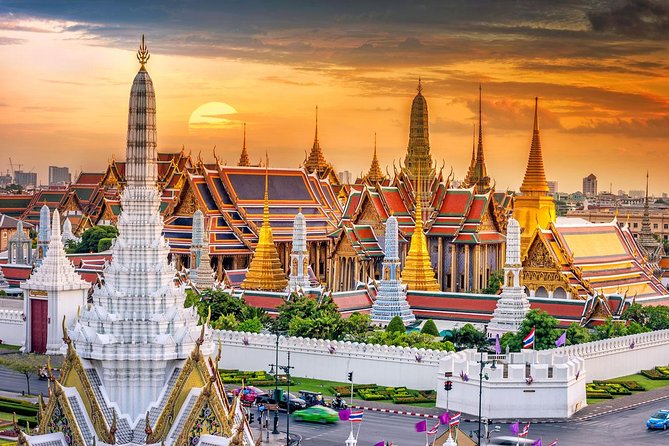
No exploration of Bangkok would be complete without visiting the iconic Grand Palace complex, which encompasses numerous historical structures and temples. Originally a small fort called the Wat Mahaophan, the palace grew under the patronage of King Rama I and his successors. Over the years, various monarchs added their own architectural contributions, resulting in a magnificent ensemble that spans over 215,000 square meters.
Within the Grand Palace, the Wat Phra Kaew temple houses the revered Emerald Buddha, one of Thailand’s most sacred relics. Crafted from green jade, the Buddha statue has a long and storied history, dating back to the 15th century. Legend has it that upon moving the statue to Bangkok, a favorable wind greeted the procession, marking its final resting place in the Grand Palace.
Another must-see historical site is Wat Arun, often referred to as the Temple of Dawn. Located on the banks of the Chao Phraya River, Wat Arun rises majestically, particularly when illuminated at night. Commissioned by King Rama II in the early 19th century, the temple showcases intricate architectural details and ornate decorations, making it a visual masterpiece. Its distinctive prang (tower) stands 80 meters tall and serves as a symbol of Thai architecture and engineering prowess.
Beyond the royal enclaves, Bangkok’s Khao San Road offers a different perspective of the city. Once a quiet residential street, Khao San Road transformed in the 1980s into a backpacker haven and cultural hub. Today, this lively area throngs with travelers from all over the world, enjoying its eclectic mix of restaurants, nightclubs, bars, and street performances. The road is divided into two main sections: Khao San Road itself and Ratchaworakit Road, where visitors can find various accommodations and local shops.
Khao San Road reflects Bangkok’s embrace of tourism and its willingness to cater to a diverse array of interests, providing both cultural enrichment and a taste of local life for tourists.
Bangkok is renowned for its rich culinary diversity, offering food enthusiasts a gastronomic adventure like no other. From street food stalls to high-end restaurants, Bangkok caters to every palate and budget. The city’s cuisine is a harmonious blend of Thai flavors, reflecting influences from neighboring countries and colonial-era adaptations.
No visit to Bangkok would be complete without indulging in its famous street food scene. Food peddlers line the streets, serving everything from spicy satay skewers to tender grilled crab. Each stall offers a unique dish, ensuring a memorable taste explosion for every visitor.
A few must-try local dishes include:
Visitors can find these dishes easily at any street corner or at one of Bangkok’s renowned floating markets, such as Talat Floating Market, where boats serve food while moored along the Chao Phraya River.
In addition to street food, Bangkok boasts a burgeoning fine dining scene. Restaurants range from Michelin-starred establishments to innovative fusion joints that blend traditional Thai flavors with contemporary culinary techniques. Some popular venues include:
Bangkok’s food landscape is a testimony to its cultural heritage and its ability to evolve while maintaining authenticity.
Bangkok is brimming with cultural festivals and events throughout the year, each celebrating different aspects of Thai culture and traditions. Some of the most noteworthy include:
These events provide a deeper insight into the cultural fabric of Bangkok and allow visitors to participate in unique activities that enrich their understanding of Thai society.
Beyond cultural festivals, Bangkok is a city always on display, where street performers and entertainers offer a continuous spectacle. Night markets like Charoen Krung Road and Petchaburi Road come alive with live performances ranging from acrobats to traditional dancers. Puppet shows, firework displays, and musical recitals add to the city's festive ambiance, making every visit a memorable one.
Bangkok’s growth has been unprecedented, leading to both impressive economic achievements and challenges related to urban sprawl. Over the past few decades, the city has expanded significantly, transforming vast tracts of farmland into bustling metropolitan areas. Residential estates, office buildings, and commercial complexes now stand alongside historic landmarks, creating a unique urban skyline.
Bangkok’s real estate sector has seen remarkable expansion, fueled by investments from national and international entities. High-rise condominiums and luxury apartments have become common, catering to the demands of local and foreign buyers alike. The city’s skyline, characterized by towers like MBK Center and The Emporium, reflects its status as a global financial hub.
To cope with the rapid growth, Bangkok has invested heavily in infrastructure and transportation systems. The city boasts a network of roads, bridges, and tunnels that connect the various districts seamlessly. Public transport options such as the BTS Skytrain and MRT subway ensure efficient movement across the sprawling metropolis.
Additionally, efforts are ongoing to improve traffic congestion through the implementation of smart city technologies, although the city still grapples with frequent traffic snarls. Nonetheless, initiatives like the Chao Phraya Express Boat project aim to provide more sustainable and convenient transport solutions along the river.
Educational institutions and healthcare facilities in Bangkok reflect the urban expansion. The city is home to numerous universities and colleges, providing opportunities for students from around the globe. Notable educational institutions include Mahidol University, Rangsit University, and Thammasat University, among others. These establishments offer a wide range of academic programs, from engineering to humanities, attracting students and scholars from various countries.
In terms of healthcare, Bangkok boasts some of the best hospitals and medical facilities in Thailand. Institutions like Bumrunyawee Hospital and Ramotraphai Hospital are highly regarded, offering advanced medical care services along with modern amenities. The city’s commitment to education and healthcare underscores its ambition to serve as a center of excellence in South-East Asia.
Bangkok is renowned for its dedication to preserving historical and cultural assets. Several areas within the city have been designated as historic districts or heritage zones to safeguard the architectural and cultural heritage of the city. One prominent example is the Asiatique Thonburi Night Market, a bustling entertainment district located south of the historic Old Bangkok. Featuring authentic buildings and traditional Thai facades, it provides a glimpse into the city’s past while also offering modern amenities and attractions.
Further north, the old town around Phra Nakhon Sila Luang and Sala Da En markets are preserved to reflect historical neighborhoods and provide a vibrant setting for locals and tourists. These areas house quaint streets, traditional wooden houses, and small temples that contribute to the city’s rich history and charm.
The Bangkok Metropolitan Administration (BMA), a government department, plays a crucial role in heritage conservation projects. Under its purview, the city has launched various initiatives aimed at preserving historically significant buildings and sites. For instance, the renovation of the Rajawongse Tower on Paholyothin Road, originally constructed in the early 20th century, demonstrates the BMA’s commitment to restoring historical structures for a new generation.
Additionally, the city offers incentives for property owners to maintain the historical integrity of their buildings. These incentives include tax breaks and subsidies, encouraging homeowners and businesses to preserve historical facades and interiors.
Bangkok has increasingly embraced sustainable tourism practices to address environmental concerns and promote responsible travel. Initiatives such as the Green Tourism Bangkok program encourage hotels and tour operators to adopt eco-friendly standards, reducing waste, conserving energy, and promoting biodiversity. Participating establishments are recognized with certificates acknowledging their commitment to sustainability, thereby guiding visitors toward environmentally conscious choices.
To combat environmental degradation, Bangkok implements numerous measures aimed at improving air quality, reducing pollution, and managing solid waste effectively. The city has introduced policies to control industrial emissions and promote cleaner transportation methods, such as electric vehicles. Furthermore, campaigns are underway to promote recycling and composting, raising awareness among the public about the importance of maintaining a clean environment.
A notable environmental initiative in Bangkok is the restoration of the Chao Phraya River. This project aims to transform the riverfront into an attractive public space while mitigating flood risks and promoting ecological health. The river’s cleanup involves removing debris, planting mangroves, and rehabilitating waterways to enhance natural habitats and biodiversity. The restored riverbanks also feature walking trails, parks, and recreational areas, making the area more accessible to residents and visitors alike.
Beyond its historical sites and cultural events, Bangkok offers a lively entertainment scene, especially during the night. Night markets are a cornerstone of the city’s nightlife, providing a vibrant atmosphere and a chance to experience local flavors and cultural expressions. Chatuchak Weekend Market, while less nocturnal than many other markets, is known for its sheer scale and diverse offerings, making it a popular spot for both tourists and locals alike.
Other notable night markets include:
For a more upscale experience, Bangkok’s skyline features a cluster of luxury clubs and rooftop bars that offer breathtaking views of the city. These venues cater to a cosmopolitan clientele, providing everything from sophisticated dance floors to serene outdoor terraces adorned with tropical plants and cocktails tailored to international tastes. Some popular venues include:
Bamboo Bar is a favorite among locals, attracting celebrities and socialites who enjoy the bar’s cozy ambiance and expert mixology.
Bangkok’s shopping scene is as diverse as its cultural offerings, featuring a vast array of luxury brands and traditional markets. For high-end shopping, the city is home to iconic malls such as CentralWorld, MBK Center, and Siam Paragon. These large retail hubs offer premium fashion labels, flagship stores, and gourmet dining options, catering to a clientele seeking top-tier goods and services.
In contrast to luxury retail, small boutiques and artisanal shops along Khao San Road and nearby areas provide a more personal and authentic shopping experience. Visitors can discover unique souvenirs, handwoven textiles, and artisan crafts, making for a truly memorable shopping trip.
Bangkok is a hub for specialty stores and boutiques that showcase local craftsmanship and creativity. Here, visitors can find everything from artisanal Thai jewelry to traditional Thai clothing like Lohit Phra (royal Thai dress). Stores like Sukhumvit 24 and Soi Kleang provide a concentrated space for boutique shopping, allowing shoppers to explore a wide range of curated products and local brands.
Bangkok frequently hosts fashion exhibitions and events that highlight local designers and emerging talents. The Thai Fashion Week, held annually, draws national and international attention, showcasing contemporary Thai fashion through runway shows and designer talks. These events not only promote Thai fashion globally but also provide a platform for independent designers to gain visibility and recognition.
Bangkok is synonymous with relaxation and rejuvenation, boasting a myriad of luxury spa and wellness centers. From traditional Thai massage therapies to cutting-edge holistic treatments, these establishments offer a wide range of services designed to ease the mind and body. Popular destinations like Apsara Spa, Four Seasons Resort, and Anantara Sukhumban Resort provide tranquil environments where guests can immerse themselves in therapeutic experiences.
Many hotels in Bangkok incorporate comprehensive wellness facilities into their offerings. The Grand Hyatt Erawan, for instance, features an expansive spa with state-of-the-art equipment and trained therapists. Similarly, the Marriott Marquis Queen Saigon in Bangkok offers a full-service wellness center, including yoga studios, fitness suites, and wellness classes led by qualified trainers.
Hotels with wellness facilities often provide packages that combine luxurious accommodations with personalized wellness retreats, making them a favored choice for both tourists and health-conscious travelers.
Bangkok has undeniably come a long way since its early days as a strategic trading post and the seat of the Rattanakosin Kingdom. It now stands as a vibrant city that seamlessly blends its historic charm with modern sophistication, catering to the varied needs of its residents and visitors. Whether exploring its rich cultural heritage, indulging in its delectable cuisine, or immersing oneself in its vibrant nightlife, Bangkok offers endless possibilities and experiences that are sure to leave a lasting impression.
As Bangkok evolves, its relentless spirit to innovate and preserve its identity ensures that it remains a beacon of Southeast Asia’s dynamic urban landscapes. Visitors to this enchanting city are invited to uncover its untold stories, embrace its multifaceted essence, and leave with a profound appreciation of a metropolis that continues to captivate the world.
Bangkok awaits—ready to enchant and inspire.
Bangkok’s rapid modernization extends beyond physical infrastructure to include technological advancements. The city has embraced digital transformation, leveraging technology to enhance convenience and efficiency. Smart city initiatives, such as the deployment of Internet of Things (IoT) devices, have enabled more effective city management and services. Traffic management systems, waste management programs, and emergency response networks have become increasingly sophisticated, improving the overall quality of life for residents.
Bangkok is a hotbed for startups and entrepreneurs, fostering a vibrant ecosystem that drives innovation and economic growth. Co-working spaces and incubators like Startup SGU, TechNode Bangkok, and Start-Up City have emerged to support budding entrepreneurs and provide resources for scaling their ventures. These hubs offer a range of services, from networking opportunities and mentorship to funding platforms and workshops on business development.
The city has established dedicated innovation districts aimed at nurturing entrepreneurial talent and driving technological advancements. The Bangmod Innovation District, for example, is centered around Siam Tower and integrates co-working spaces, accelerators, and incubators. Another notable district is T.Rex Thailand, which provides coworking spaces and resources specifically tailored for startups in the tech industry.
Bangkok is a major financial hub, hosting numerous multinational corporations, financial institutions, and government agencies. The city’s strong economy and strategic location attract businesses from around the world. Key sectors include banking, insurance, real estate, telecommunications, and tourism. Companies like Citibank, Shell, and KPMG operate robust offices in Bangkok, contributing to the city’s economic dynamism.
The job market in Bangkok is robust, offering a wide range of career opportunities for locals and expatriates alike. From finance and consulting to hospitality and technology, the city provides diverse employment prospects. Companies in the tech sector, finance, and creative industries are particularly thriving, with numerous startups and established firms opening branches here. Job seekers can leverage online platforms like Indeed, Glassdoor, and LinkedIn to explore openings and connect with potential employers.
Bangkok’s skilled workforce is a key factor in sustaining economic growth. Universities and professional training institutes ensure a steady supply of talent with the necessary skills and expertise. Programs like those offered by the Thailand Development Research Institute (TDRI) and the Bangkok Metropolitan Council focus on fostering research and development, providing valuable insights and data to inform policy and business strategies.
Urban sprawl continues to be a challenge, as rapid population growth necessitates constant expansion of infrastructure. Efficient land-use planning and sustainable development practices are crucial to manage the city’s spatial expansion effectively. Investment in public transportation, smart city technologies, and efficient urban planning will be key to addressing these issues and ensuring a livable environment for future generations.
The Bangkok Metropolitan Administrative Authority has outlined a vision for the city’s development through the Vision 2040 strategy. This framework aims to enhance the city’s resilience, sustainability, and livability while promoting economic growth. Initiatives include improving public transportation, expanding green spaces, and enhancing the quality of urban life through inclusive development practices.
Vision 2040 also emphasizes the importance of addressing climate change and environmental degradation. By integrating renewable energy sources, implementing green infrastructure, and promoting sustainable urban design, Bangkok aims to become a model smart city, balancing modernization with environmental stewardship.
Bangkok’s trajectory from a small trading post to a global metropolis is a testament to its resilience and adaptability. As it continues to grow and evolve, the city remains true to its rich cultural roots while embracing modern advancements. Whether one explores its historical charm, indulges in its culinary delights, or engages with its vibrant community, Bangkok offers a kaleidoscope of experiences that are as dynamic as they are enchanting.
Looking forward, Bangkok stands poised to navigate the complexities of urban growth while preserving its unique identity. With visionary strategies in place and continued efforts to address environmental challenges, the city promises a promising future filled with opportunities and innovations. As Bangkok enters the next chapter of its narrative, it invites the world to join in the journey of discovery and celebration of its enduring magic.
Bangkok waits, ever-ready to captivate and inspire.


Your personal space to curate, organize, and share knowledge with the world.
Discover and contribute to detailed historical accounts and cultural stories. Share your knowledge and engage with enthusiasts worldwide.
Connect with others who share your interests. Create and participate in themed boards about any topic you have in mind.
Contribute your knowledge and insights. Create engaging content and participate in meaningful discussions across multiple languages.
Already have an account? Sign in here
Funchal: The Flourishing Heart of Madeira Introduction to Funchal Funchal, the capital and largest city of Madeira, is ...
View Board
Discover Stockholm, the timeless capital of Scandinavia, where medieval charm meets modern innovation. Explore 14 island...
View Board
Discover Marrakech, a city where history and vibrant culture blend into modernity, offering a rich tapestry of sights, s...
View Board
Discover the enchanting allure of Manali, a Himalayan haven perfect for adventure seekers and tranquility lovers. Immers...
View Board
Bratislava, Slovakia's capital, blends rich history and modern charm, offering a unique cultural heritage, architectural...
View Board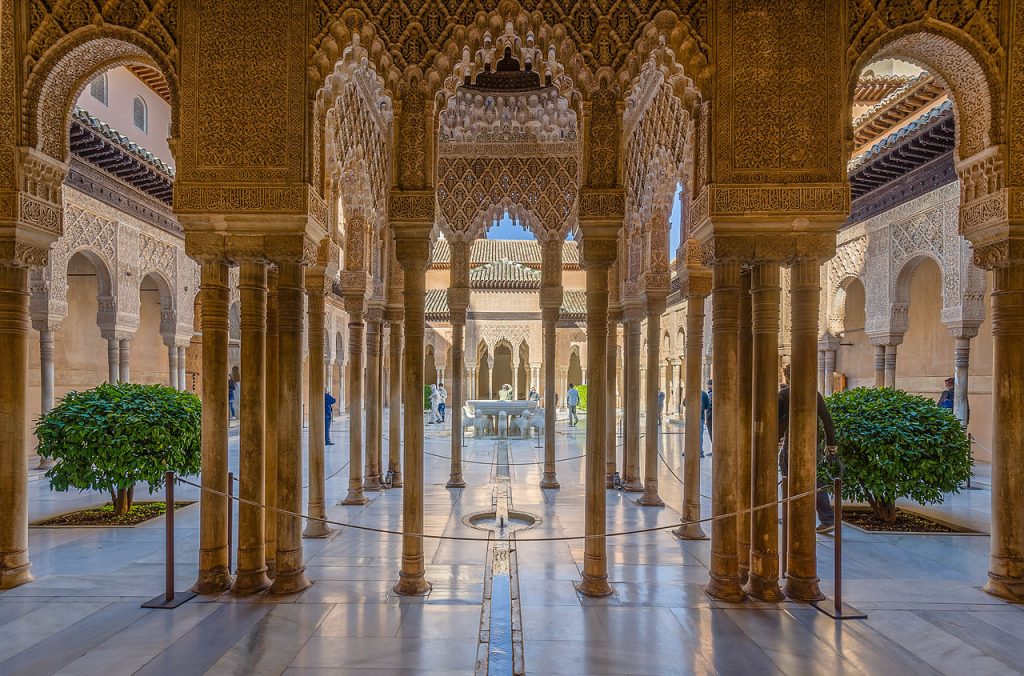
**Meta Description:** Discover Granada—Spain’s jewel where the Alhambra dazzles, flamenco pulses through Sacromonte, a...
View Board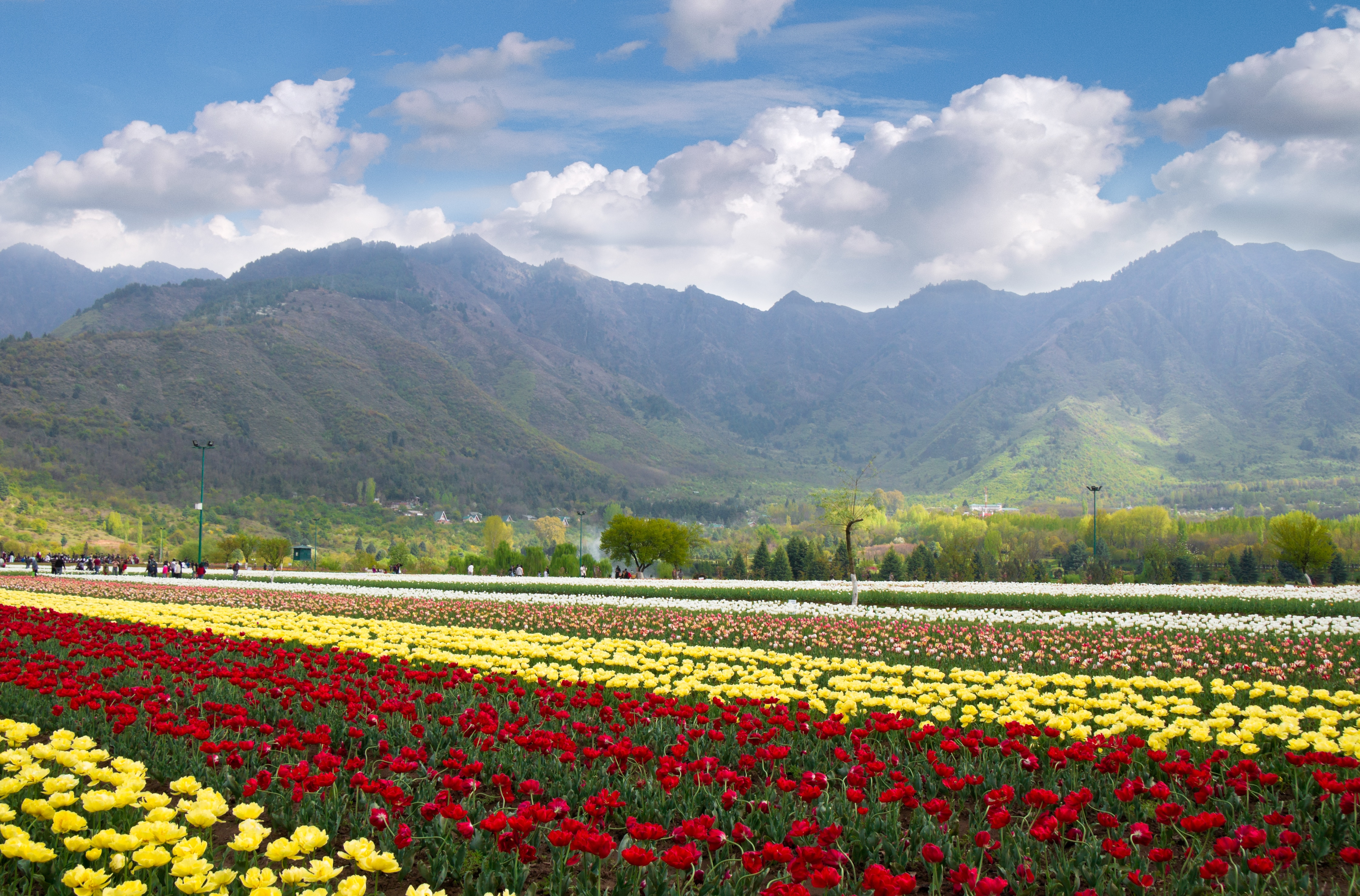
Explore Srinagar, the jewel of Kashmir, with its serene Dal Lake, Mughal gardens, and vibrant old city. Discover housebo...
View Board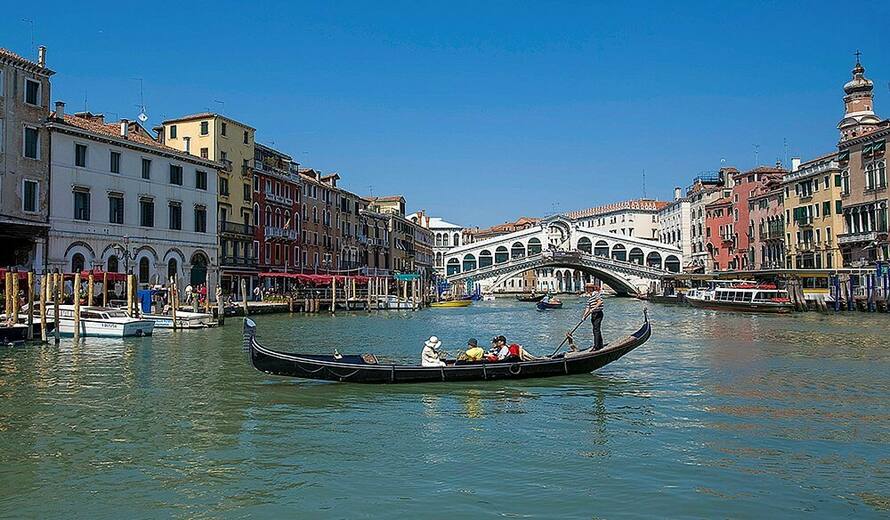
Venice: The Floating City of the Lagoons Introduction to Venice Venice, often referred to as “La Serenissima,” is one ...
View Board
Discover Muscat, Oman's vibrant capital, where ancient heritage meets modern charm, offering a unique blend of cultural ...
View Board
Explore Lima, the vibrant capital of Peru, where colonial heritage meets modern flair. Discover its rich history, stunni...
View Board
Berlin's rich history, from medieval origins to modern-day capital, a story of resilience, division and reunification, a...
View Board
Discover the captivating allure of Braga, Portugal's City of Archbishops, where over two millennia of history blend seam...
View Board
Discover why Podgorica is Montenegro's vibrant heart! Explore its rich history, green spaces, and cultural gems in this ...
View Board
Pokhara, Nepal's adventure capital, is a city of breathtaking natural beauty, rich cultural heritage, and diverse advent...
View Board
Discover the allure of Brașov, a Romanian gem nestled in the Carpathian Mountains, blending medieval charm with modern v...
View Board
Explore Sarajevo, a captivating city where history and modernity coexist. Discover its rich cultural tapestry, architect...
View Board
Discover the enchanting city of Salalah, Oman, a captivating blend of natural beauty and rich cultural heritage. This ar...
View Board
"Explore Surabaya, Indonesia's vibrant city blending history & modernity. Discover rich culture, nature, and exciting ac...
View Board
Discover the enchanting allure of Chiang Mai, Thailand's Rose of the North. Uncover its rich cultural heritage, vibrant ...
View Board
Discover the timeless charm of Aqaba, Jordan's sun-soaked coastal city blending rich history with modern vibrance. Explo...
View Board
Comments