![How To Book A Mount Bromo Tour In 2025 [What You Need To Know!] -](https://cdn.prod.website-files.com/576fd5a8f192527e50a4b95c/5da073352ca4f6bf8881f5af_mount%20bromo.avif)
Explore Any Narratives
Discover and contribute to detailed historical accounts and cultural stories. Share your knowledge and engage with enthusiasts worldwide.
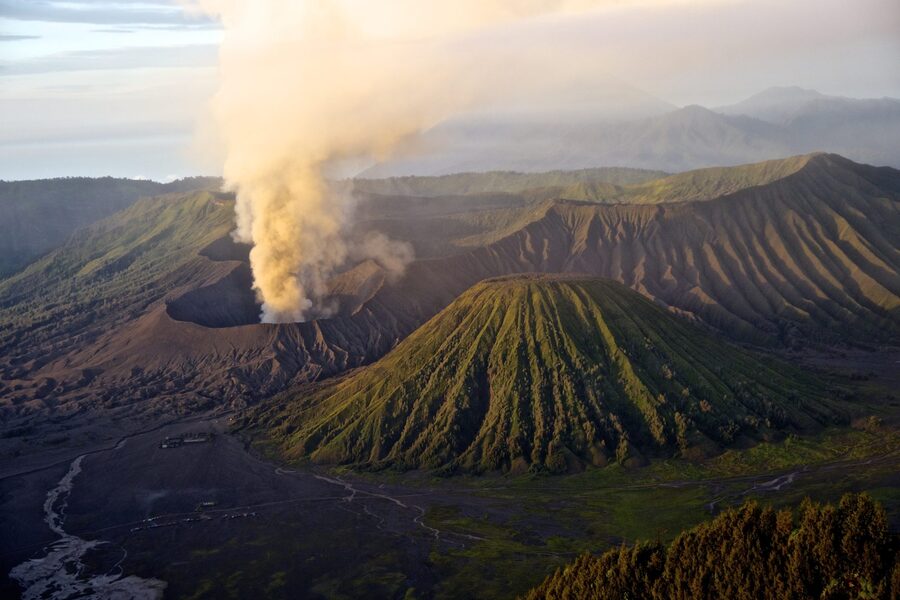
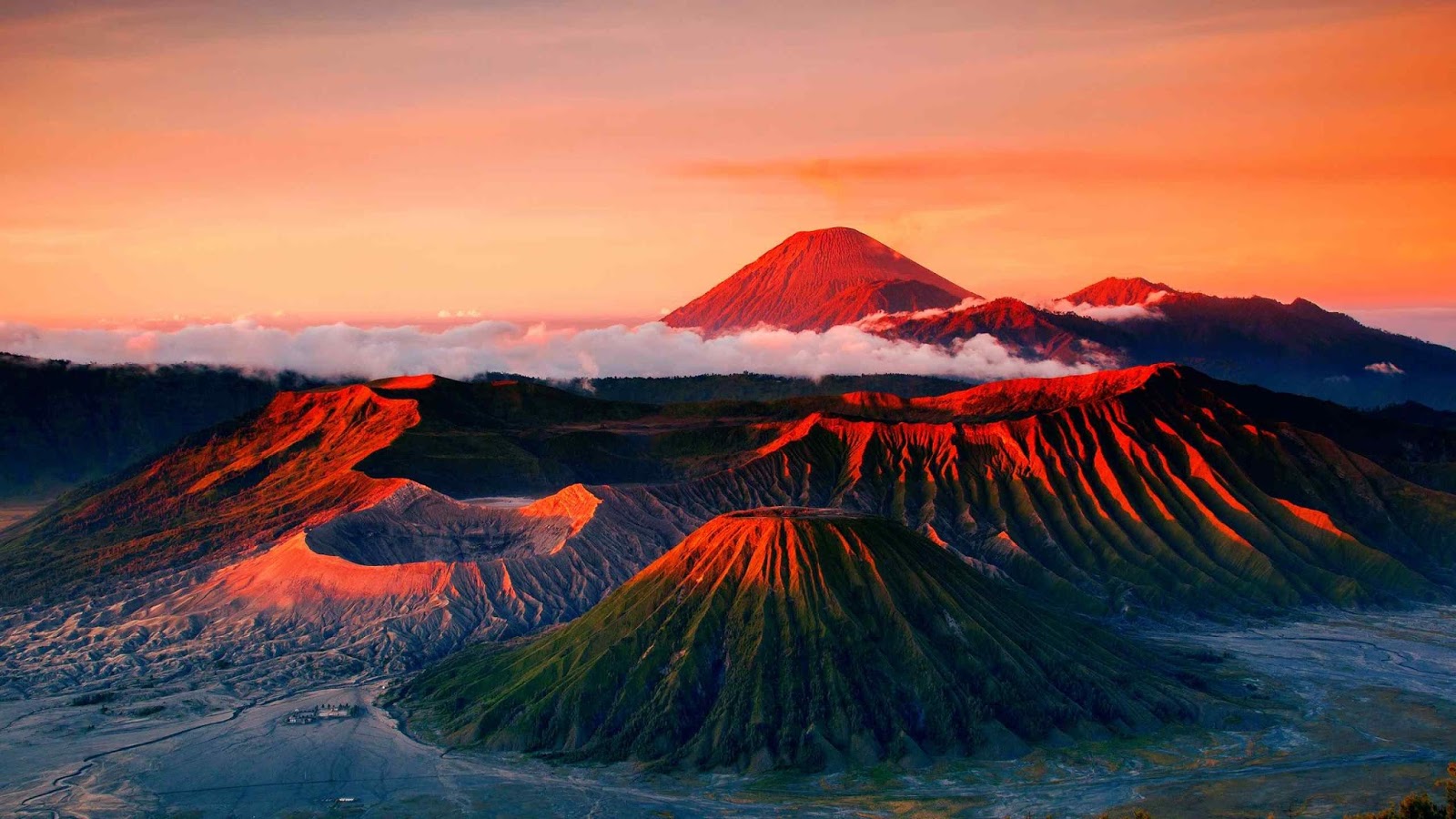
Mount Bromo, an active stratovolcanic cone in East Java, Indonesia, stands at 2,329 meters (7,641 feet) and is one of the most visited scenic and cultural sites in the Bromo Tengger Semeru National Park. Known for its breathtaking landscapes and cultural significance, Mount Bromo attracts thousands of tourists and pilgrims annually. However, its frequent eruptions and ongoing volcanic activity also pose significant challenges to local communities and visitors.
Mount Bromo is part of the Tengger caldera, a large volcanic depression known as the "Sea of Sand." This caldera is a remnant of a massive volcanic eruption that occurred in the late Pleistocene to Holocene era. The volcano is the youngest and most active vent of the Tengger massif, which is part of the Sunda Arc, formed by the subduction of the Indo-Australian Plate beneath the Eurasian Plate.
Mount Bromo has a long history of volcanic activity, with more than 55–61 documented eruptions since the early 19th century. This gives an average recurrence interval of a few years to decades, depending on the dataset used. The volcano's frequent eruptions have shaped its current landscape and continue to influence the surrounding environment.
Recent monitoring reports indicate that Mount Bromo has been in a state of ongoing unrest from 2023 to 2025, with intermittent ash and gas emissions. Agencies such as the Smithsonian Global Volcanism Program and Indonesia's PVMBG (Center for Volcanology and Geological Hazard Mitigation) have listed Bromo as "restless" and maintained an Alert Level 2 with a 1-kilometer exclusion zone during periods of heightened activity.
The name "Bromo" is derived from the Javanese pronunciation of the Hindu god Brahma. The Tengger people, who inhabit the region, maintain strong Hindu traditions and perform annual rituals, including the Yadnya Kasada ceremony, which takes place on the caldera. This ceremony attracts both pilgrims and tourists, adding to the cultural richness of the area.
The Yadnya Kasada ceremony is a significant event for the Tengger people, held annually at Mount Bromo. During this ceremony, locals offer sacrifices to the volcano gods, seeking blessings and protection. The event is a vibrant display of cultural heritage and draws visitors from around the world.
Mount Bromo is a popular tourist destination, with the village of Cemoro Lawang serving as the main hub for visitors. The village offers various accommodations and tour services, making it a convenient base for exploring the volcano. One of the most famous viewpoints is Mount Penanjakan, which stands at approximately 2,770 meters and provides stunning sunrise views over the caldera.
Tourists can enjoy a range of activities at Mount Bromo, including hiking, jeep tours, and photography. However, access to certain areas is often restricted due to the volcano's alert level. When the alert level is raised, authorities impose exclusion zones and limit activities to ensure visitor safety. It is essential for tourists to stay informed about the current volcanic activity and follow the guidelines provided by local authorities.
Mount Bromo's eruptions and ashfall have periodically disrupted tourism and damaged farmland and livestock in nearby communities. Reports indicate that tens of thousands of local residents can be affected by eruptions, leading to lost farmland, livestock deaths, and tourism losses. The environmental impact of these eruptions is primarily local and regional, with ashfall and gas emissions affecting air quality and agricultural productivity.
Indonesia's PVMBG is the lead agency responsible for monitoring Mount Bromo and issuing alerts and exclusion zones. International databases such as the Smithsonian Global Volcanism Program and VolcanoDiscovery also track the volcano's activity and provide situational updates. These efforts are crucial for managing hazards and ensuring the safety of local communities and visitors.
Mount Bromo is a fascinating blend of natural beauty, cultural significance, and geological activity. Its frequent eruptions and ongoing unrest highlight the importance of effective monitoring and hazard management. For tourists, the volcano offers a unique and memorable experience, but it is essential to stay informed about the current volcanic activity and follow safety guidelines. The cultural traditions of the Tengger people add a rich layer of heritage to the Mount Bromo experience, making it a must-visit destination in Indonesia.
In the next part of this article, we will delve deeper into the historical eruptions of Mount Bromo, the latest updates on its volcanic activity, and practical tips for visitors planning to explore this iconic volcano.
Mount Bromo's volcanic history is marked by frequent and sometimes powerful eruptions. Since the early 19th century, there have been more than 55–61 documented eruptions, with an average recurrence interval of a few years to decades. These eruptions have shaped the landscape and influenced the lives of local communities.
One of the most significant eruptions in recent history occurred in 2010–2011, when Mount Bromo experienced a series of explosive events. These eruptions resulted in ash plumes reaching several kilometers into the atmosphere and caused widespread disruption to air travel and local agriculture. The ashfall affected tens of thousands of residents, leading to evacuations and significant economic losses.
Another notable eruption took place in 2015–2016, characterized by intermittent ash emissions and volcanic tremors. This period of unrest led to the implementation of exclusion zones and temporary closures of tourist areas. The economic impact was substantial, particularly for the local tourism industry, which relies heavily on visitors to Mount Bromo.
From 2023 to 2025, Mount Bromo has experienced ongoing unrest, with monitoring agencies reporting intermittent ash and gas emissions. The volcano has been characterized as "restless," with Alert Level 2 frequently maintained by Indonesia's PVMBG. This level indicates heightened volcanic activity and the potential for sudden eruptions, necessitating a 1-kilometer exclusion zone around the crater.
Several agencies play a crucial role in monitoring Mount Bromo's activity. The PVMBG (Center for Volcanology and Geological Hazard Mitigation) is the primary authority in Indonesia responsible for issuing alerts and managing volcanic hazards. International organizations, such as the Smithsonian Global Volcanism Program and VolcanoDiscovery, also provide valuable data and updates on the volcano's status.
These agencies use a variety of tools to monitor volcanic activity, including seismometers, gas analyzers, and satellite imagery. For example, Copernicus imagery is used to track ash dispersal and assess the environmental impact of eruptions. This comprehensive monitoring helps authorities make informed decisions about safety measures and evacuation plans.
Despite its volcanic activity, Mount Bromo remains a popular tourist destination. The village of Cemoro Lawang serves as the main gateway for visitors, offering accommodations, guided tours, and transportation services. However, tourists must be aware of the potential hazards and follow safety guidelines to ensure a safe and enjoyable experience.
Visitors to Mount Bromo can enjoy a range of activities, including:
To ensure safety while visiting Mount Bromo, tourists should adhere to the following guidelines:
The frequent eruptions of Mount Bromo have significant environmental and economic impacts on the surrounding regions. Ashfall and volcanic gases can damage crops, contaminate water sources, and disrupt local ecosystems. Additionally, the tourism industry, which is a vital source of income for local communities, can suffer substantial losses during periods of heightened volcanic activity.
Volcanic eruptions release large quantities of ash, sulfur dioxide (SO2), and other gases into the atmosphere. These emissions can have several environmental effects:
The economic impact of Mount Bromo's eruptions is particularly pronounced in the tourism sector. When volcanic activity increases, authorities often impose restrictions on access to the volcano, leading to a decline in visitor numbers. This can result in significant financial losses for local businesses, including hotels, tour operators, and souvenir shops.
For example, during the 2015–2016 eruptions, the temporary closure of tourist areas led to an estimated loss of millions of dollars in revenue. Local communities, which rely heavily on tourism-related income, faced considerable economic hardship. Efforts to mitigate these impacts include diversifying local economies and promoting alternative tourist attractions in the region.
The Tengger people, who inhabit the region around Mount Bromo, have a deep cultural and spiritual connection to the volcano. Their traditions and rituals, particularly the Yadnya Kasada ceremony, are integral to the cultural heritage of the area. This annual event attracts both pilgrims and tourists, showcasing the unique blend of Hindu traditions and local customs.
The Tengger people are an ethnic group that has preserved their Hindu beliefs and practices despite living in a predominantly Muslim region. Their name is derived from the legendary couple Rara Anteng and Joko Seger, who are said to have founded the Tengger community. The Tengger people's cultural practices are deeply intertwined with the natural environment, particularly Mount Bromo.
The Yadnya Kasada ceremony is the most significant cultural event for the Tengger people. Held annually on the 14th day of the Kasada month in the Tenggerese calendar, the ceremony involves offerings of food, livestock, and other items to the volcano gods. Pilgrims hike to the crater rim to make their offerings, seeking blessings and protection for the coming year.
Efforts to preserve the cultural heritage of the Tengger people are crucial for maintaining the unique identity of the region. Local authorities and cultural organizations work together to promote and protect these traditions, ensuring that they are passed down to future generations. Additionally, the integration of cultural experiences into tourism activities helps raise awareness and appreciation for the Tengger people's way of life.
In the final part of this article, we will explore the future outlook for Mount Bromo, including ongoing research, potential hazards, and the long-term implications for tourism and local communities.
Mount Bromo's future is shaped by its ongoing volcanic activity, environmental impacts, and the resilience of local communities. As one of Indonesia's most iconic volcanoes, it continues to attract researchers, tourists, and cultural enthusiasts. Understanding the potential hazards and long-term implications is crucial for sustainable management and preservation of this natural wonder.
Scientific research and advanced monitoring techniques play a vital role in predicting and mitigating the risks associated with Mount Bromo's eruptions. Agencies like PVMBG and international organizations such as the Smithsonian Global Volcanism Program utilize cutting-edge technology to track volcanic activity. These efforts include:
These monitoring efforts help authorities issue timely warnings and implement necessary safety measures, reducing the risk to local communities and visitors.
While Mount Bromo's eruptions are typically moderate, they pose several hazards that require effective risk management strategies. Understanding these risks is essential for ensuring the safety of residents and tourists alike.
The primary hazards associated with Mount Bromo include:
To manage these hazards, local authorities and international agencies have implemented several strategies:
Tourism is a vital component of the local economy around Mount Bromo. However, the volcano's frequent eruptions and ongoing unrest present challenges that require careful management to ensure sustainable tourism growth.
The tension between tourism and volcanic hazards is a persistent issue for Mount Bromo. While the volcano's stunning landscapes and cultural significance attract visitors, periodic closures and access restrictions can lead to economic losses. To address this, stakeholders are focusing on:
Sustainable tourism practices are essential for preserving Mount Bromo's natural and cultural heritage. Efforts include:
Mount Bromo stands as a testament to the dynamic interplay between nature, culture, and human resilience. Its frequent eruptions and ongoing volcanic activity highlight the importance of effective monitoring and hazard management. For tourists, the volcano offers a unique blend of natural beauty and cultural richness, making it a must-visit destination in Indonesia.
The Tengger people's traditions, particularly the Yadnya Kasada ceremony, add a profound cultural dimension to the Mount Bromo experience. These customs, passed down through generations, underscore the deep connection between the local community and the volcano.
As we look to the future, sustainable tourism and ongoing research will play pivotal roles in preserving Mount Bromo's legacy. By balancing the needs of visitors, local communities, and the environment, we can ensure that this iconic volcano continues to inspire and captivate for generations to come.
In conclusion, Mount Bromo is more than just a volcano; it is a symbol of Indonesia's natural wonders and cultural heritage. Whether you are a traveler seeking adventure, a researcher studying volcanic activity, or a cultural enthusiast exploring local traditions, Mount Bromo offers an unforgettable experience that blends the awe-inspiring power of nature with the rich tapestry of human history.




Your personal space to curate, organize, and share knowledge with the world.
Discover and contribute to detailed historical accounts and cultural stories. Share your knowledge and engage with enthusiasts worldwide.
Connect with others who share your interests. Create and participate in themed boards about any topic you have in mind.
Contribute your knowledge and insights. Create engaging content and participate in meaningful discussions across multiple languages.
Already have an account? Sign in here
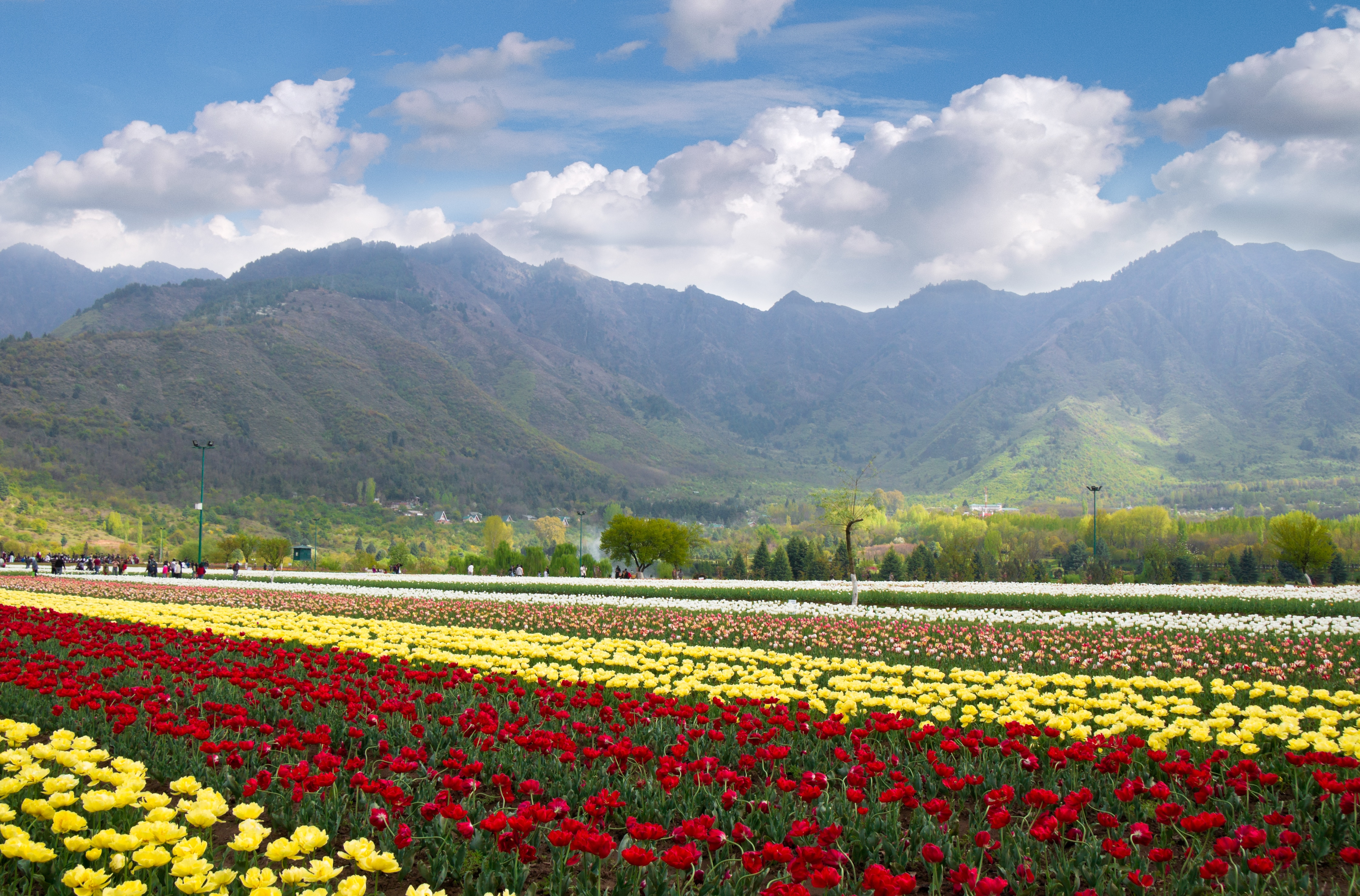
Explore Srinagar, the jewel of Kashmir, with its serene Dal Lake, Mughal gardens, and vibrant old city. Discover housebo...
View Board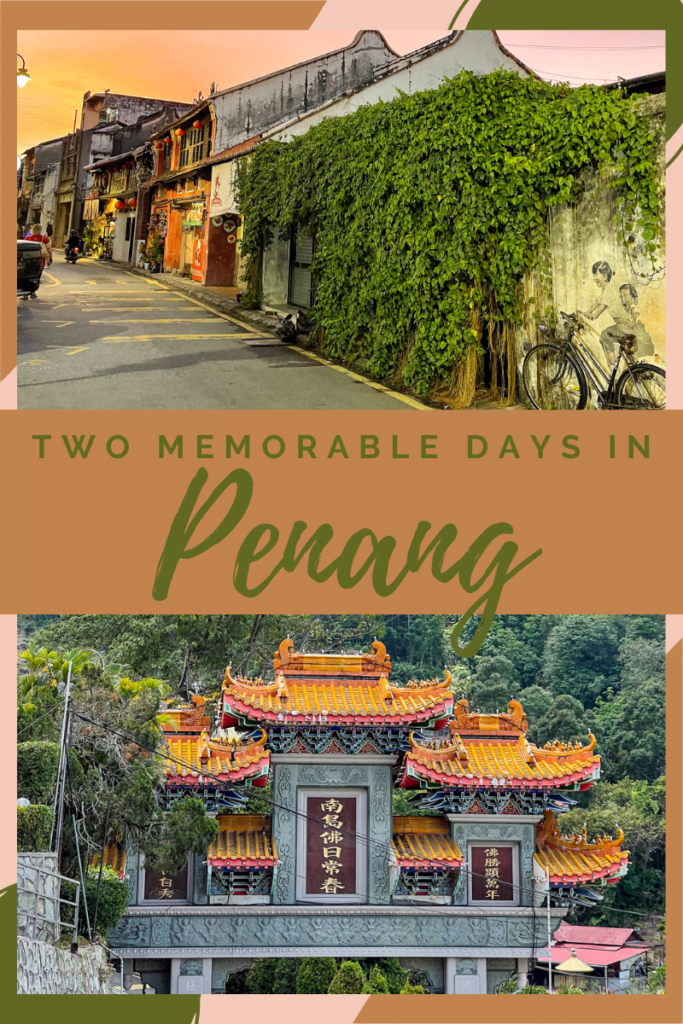
Dive into Penang's enchanting blend of history and culture in our comprehensive guide. Explore this Malaysian island's r...
View Board
Discover the enchanting allure of Chiang Mai, Thailand's Rose of the North. Uncover its rich cultural heritage, vibrant ...
View Board
Discover Marrakech, a city where history and vibrant culture blend into modernity, offering a rich tapestry of sights, s...
View Board
Funchal: The Flourishing Heart of Madeira Introduction to Funchal Funchal, the capital and largest city of Madeira, is ...
View Board
Discover the enchanting city of Bangkok, a melting pot of ancient traditions and modern innovation, where historic templ...
View Board
Discover the enchanting allure of Manali, a Himalayan haven perfect for adventure seekers and tranquility lovers. Immers...
View Board
Pokhara, Nepal's adventure capital, is a city of breathtaking natural beauty, rich cultural heritage, and diverse advent...
View Board
**Meta Description:** Discover Granada—Spain’s jewel where the Alhambra dazzles, flamenco pulses through Sacromonte, a...
View Board
Discover the enchanting city of Salalah, Oman, a captivating blend of natural beauty and rich cultural heritage. This ar...
View Board
Discover Muscat, Oman's vibrant capital, where ancient heritage meets modern charm, offering a unique blend of cultural ...
View Board
Explore Quetta, the capital of Balochistan, known as Pakistan's Fruit Garden. Discover its rich history, stunning landsc...
View Board
Explore Lima, the vibrant capital of Peru, where colonial heritage meets modern flair. Discover its rich history, stunni...
View Board
Discover the captivating allure of Braga, Portugal's City of Archbishops, where over two millennia of history blend seam...
View Board
Discover the allure of Brașov, a Romanian gem nestled in the Carpathian Mountains, blending medieval charm with modern v...
View Board
Explore Sarajevo, a captivating city where history and modernity coexist. Discover its rich cultural tapestry, architect...
View Board
Discover Stockholm, the timeless capital of Scandinavia, where medieval charm meets modern innovation. Explore 14 island...
View Board
Explore the captivating allure of Dubrovnik, a historical gem on the Adriatic Coast. Discover its rich tapestry of cultu...
View Board
Explore the timeless allure of Santorini, a captivating Greek island where breathtaking landscapes, rich history, and vi...
View Board
Discover the timeless charm of Aqaba, Jordan's sun-soaked coastal city blending rich history with modern vibrance. Explo...
View Board
Comments