Marrakech: A Journey Through Time
The Heart of Morocco
Marrakech: Where History Meets Splendor
Marrakech is a city where history and vibrant culture seamlessly blend into modernity, offering visitors a rich tapestry of sights, sounds, and smells that evoke a sense of timelessness and enchantment. Located in southwestern Morocco, it stands as one of North Africa’s most fascinating cities, enveloped in architectural grandeur and steeped in centuries-old traditions.
Nestled within the Atlas Mountains, Marrakech has captivated explorers and travelers alike for generations. Its warm climate and picturesque landscapes create a perfect backdrop for a plethora of activities, from exploring ancient medinas to enjoying serene gardens and bustling souks. Known as the "Red City" due to its ochre-colored walls, Marrakech offers countless reasons to visit, making it a must-see destination for any traveler.
A Historical Overview
Founded in the mid-11th century by the Almoravids, Marrakech grew rapidly under their patronage and later became the capital of various dynasties over the centuries. The city’s strategic location along caravan routes connecting the Mediterranean with West Africa positioned Marrakech as a vital trading center. Under the Almohads (1147–1269), Marrakech flourished as a cultural and economic hub, becoming one of the largest cities in the Muslim world.
The city’s golden era continued under the Marinid dynasty, which ruled from 1248 to 1465. They constructed many monumental buildings, further enhancing Marrakech’s reputation as a cultural melting pot where Islamic art, architecture, and scholarship thrived. This period saw the expansion of the Almoravid Koutoubia Mosque, which served as a model for other mosques throughout Morocco.
During the Saadian era (1554–1557; 1576–1626), Marrakech regained its prominence as the capital of Morocco. However, the Alaouite sultan Moulay Ismail (ruled 1672–1727) moved the capital to Fes, diminishing Marrakech’s political importance temporarily. Yet, the city retained its allure as a significant religious and commercial center.
In the late 19th century, during the reign of Abderrahman III (late 19th century), Marrakech regained some of its earlier stature. European influence began to seep in, leading to the adoption of some Western architectural styles alongside traditional ones. Today, Marrakech remains a dynamic blend, showcasing both historical heritage and contemporary life.
Notable Neighborhoods and Buildings
No discussion of Marrakech would be complete without mentioning its key neighborhoods and architectural landmarks that have shaped the city’s identity over the centuries.
Koutoubia Mosque: Situated at the heart of Marrakech, the Koutoubia Mosque stands as a magnificent testament to Islamic art and architecture. Built by Ali ibn Yusuf of the Almohad dynasty in the early 12th century, this minaret is one of the highest in Morocco, standing at approximately 109 feet tall. The mosque’s intricate tile work, soaring minarets, and ornate prayer hall reflect the refined craftsmanship characteristic of the Almohad period. Although the interior is not accessible to non-Muslims, the exterior provides a breathtaking vista of the city skyline.
La Médina: As the name suggests, La Médina, or the Medina, refers to the old walled city of Marrakech. This UNESCO World Heritage site is a labyrinthine network of winding alleyways, bustling souks, and narrow streets that date back several centuries. Within these walls lie traditional crafts’ shops, spice merchants, and craftsmen whose skills have been passed down through generations. Visitors can navigate this urban maze for hours, discovering hidden gems such as artisan workshops, ancient libraries, and secluded courtyards.
Bab Agnaou: One of the most iconic gates to the Medina, Bab Agnaou, built during the Marinid period, serves as a gateway to the city’s past. This imposing gateway, made of baked clay and decorated with geometric patterns, symbolizes the wealth and prosperity of Marrakech. It also marks the beginning of a scenic walkway filled with markets, cafes, and historical sites.
Jardin Majorelle: Founded in 1931 by Henri Matisse and later restored by Yves Saint Laurent, the Jardin Majorelle is a stunning oasis of exotic plants and lush greenery. Located in the heart of Marrakech, this garden showcases a mix of French colonial and Moroccan architecture, featuring intricate fountains, ponds, and flowering trees. Its vibrant blue facades, a signature feature of the garden, create a striking contrast against the red sandstone of the surrounding buildings. Visitors can explore interactive exhibits, learn about Moroccan flora, and relax amidst serene surroundings.
Musée des Confluences: Although not strictly a Marrakech landmark, this modern museum, which houses a section dedicated to Marrakech’s history and culture, is worth mentioning. Its unique design and innovative approach to displaying cultural artifacts provide a contemporary twist to traditional exhibitions. The museum’s exhibitions delve into local history through multimedia displays, providing visitors with a more immersive experience of the city’s cultural heritage.
These iconic locations form the physical core of Marrakech, each telling a story of the city’s past and present. Together, they paint a vivid picture of a vibrant metropolis that continues to evolve while retaining its rich historical legacy.
Gastronomy and Local Cuisine
Marrakech’s culinary landscape is a testament to its historical significance and diverse cultural influences. From street food stalls to traditional Moroccan cafes, the city offers an array of flavors, colors, and aromas that tantalize the taste buds of those willing to venture off the beaten path.
Djebena Coffee: A quintessential example of Moroccan hospitality, djebena coffee sets the stage for many social gatherings and meals. This hand-carved silver teapot, often adorned with intricate designs, serves as both a functional tool and a display piece. Each sip of coffee, rich and full-bodied, is accompanied by sweet pastries and light snacks, forming the basis of Moroccan social etiquette.
Tajines: No meal in Marrakech is complete without a variety of aromatic tajines. These slow-cooked stews, traditionally made in a conical clay dish, showcase the versatility of Moroccan cuisine. Meat and vegetables, cooked with spices like cumin, cinnamon, and paprika, simmer slowly to develop rich flavors and textures. Common ingredients include lamb, chicken, and a medley of fruits and vegetables, such as olives, apricots, and carrots.
Fresh Pastries and Berries: During the summer months, fresh pastries and berries take center stage. Marrakchi pastries, known as “gazelle horns” or “ghaifa,” are particularly beloved for their delicate dough and sweet fillings. Meanwhile, the seasonal availability of sweet figs and grapes adds a delightful freshness to traditional desserts like sfenj (deep-fried doughnuts).
Lamb Tagine: One of the city’s most famous dishes is the lamb tagine, often cooked with raisins, almonds, and a blend of fragrant spices. The savory richness of the meat, combined with the sweetness of the dried fruits, creates a harmonious balance of flavors that is both comforting and complex.
Marrakech Tea: To complement any meal, tea plays an essential role in Moroccan culture. Prepared with green tea, sugar, and sometimes mint, this ritual is deeply ingrained in social interactions. Moroccan tea is usually served in small glasses, often accompanied by dates to cleanse the palate between sips.
Sweet Treats: Among the numerous dessert options, m’hmiratiya, a type of syrup-soaked almond cookie, and chebakia, deep-fried dough balls covered in sugar and sesame seeds, stand out as favorites. These sweets, often dusted with powdered sugar, offer a sweet conclusion to any meal.
Marrakech’s gastronomy reflects its cosmopolitan heritage, blending elements of Berber, Arab, and Islamic traditions. Each bite not only fulfills a sensory craving but also offers a glimpse into the city’s vibrant tapestry of history and culture.
Cultural Festivals and Events
Marrakech is renowned for its vibrant annual festivals and events that bring the city’s spirit to life. These celebrations are a reflection of the city’s rich cultural heritage and diversity, attracting visitors from all corners of the globe.
Festival of Sufi Saints: Commemorating Sufi saints, this festival is held annually in January or February. Participants wear elaborate outfits and engage in devotional practices, adding a mystical and spiritual flavor to Marrakech’s festive atmosphere. The procession of thousands of devotees makes for an impressive sight, culminating in public sermons and performances in the streets.
International Film Festival: This biennial event, celebrated every October, brings together filmmakers and cinephiles from around the world. The festival showcases a range of films in various languages, providing a platform for emerging directors and established auteurs. The highlight of the festival includes award ceremonies, panel discussions, and networking opportunities, contributing significantly to Marrakech’s reputation as a global cultural hub.
Sultan Moulay Slimane Festival: Named after one of Marrakech’s most illustrious rulers, this festival occurs annually in November. Combining military parades, cultural performances, and traditional horse racing, it offers a glimpse into Morocco’s military and cultural heritage. The vibrant colors, costumes, and ceremonial displays create an immersive experience for attendees.
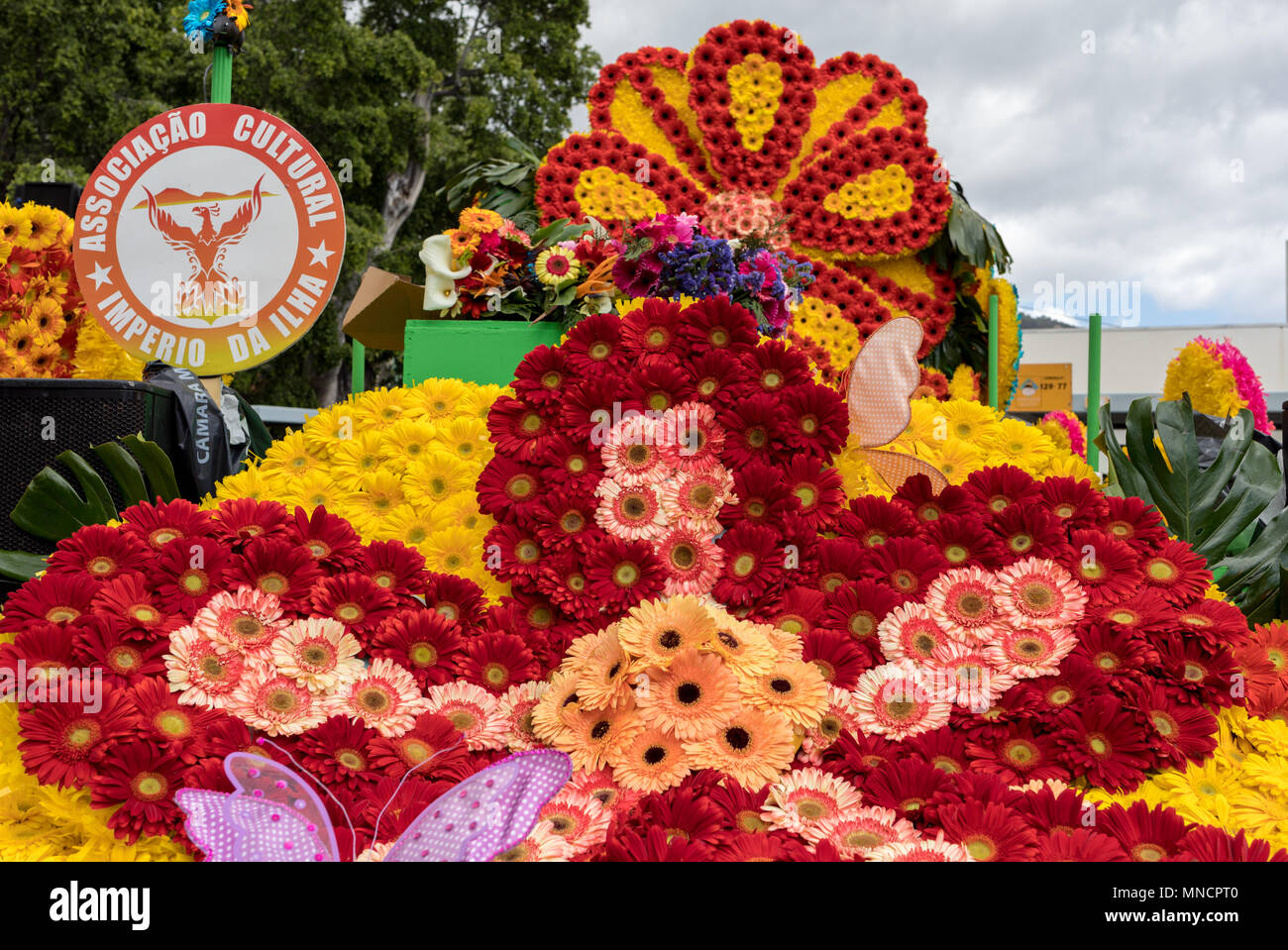
Carnival of Marrakech: Held in March or April, just before Ramadan, the carnival is celebrated with great fervor. Colorful floats, live music, and parades fill the city’s main thoroughfares, marking the end of winter and the onset of spring. Traditional dances, folk music, and costume contests add to the festive atmosphere, captivating both locals and tourists alike.
Night Market: While not a fixed festival, Marrakech’s night markets, often referred to as “Foufana,” take place weekly, especially on Fridays. These markets extend beyond the usual trading hours, offering a wide array of goods and services into the evening. Vendors sell everything from spices and textiles to jewelry and handicrafts, providing visitors with a taste of authentic Marrakchi nightlife.
These cultural events contribute significantly to Marrakech’s appeal, enriching the city’s atmosphere with a kaleidoscope of colors, music, and dance. They underscore the city’s resilience and adaptability, highlighting its enduring connection to tradition while embracing contemporary influences.
Shopping and Souks
Marrakech's souks are among the most famous and vibrant bazaars in Morocco, offering visitors a unique shopping experience that blends adventure and discovery. The bustling atmosphere, with its constant hustle and bustle, is a far cry from the serene beauty of the gardens and palaces. Here, merchants haggle over prices, weaving in and out of narrow passages filled with stalls selling everything from spices and textiles to jewelry and leather goods.
Ras el Hanout Market: One of the most popular souks is Ras el Hanout, named after the complex blend of spices used in Moroccan cooking. Here, you can find a vast array of aromatic spices, including saffron, turmeric, and cinnamon. The market is bustling with activity, with merchants calling out their prices and negotiating deals. Don't miss the chance to sample some fresh spices, perhaps wrapped in a bundle to take home.
Carpets and Textiles: The souks of Marrakech are renowned for their carpets and textiles, which have stood the test of time. Walk through the Jemaa el-Fnaa district to explore the textile stalls. Each merchant offers a variety of items, from intricately embroidered jackets and scarves to handwoven kilims and hassocks. The skill in crafting these textiles is truly remarkable, reflecting the cultural heritage and craftsmanship of the region.
Jewelry and Garnets: For those seeking unique pieces, Marrakech's souks are home to numerous jewelry shops selling a range of traditional and contemporary pieces. Garnets are particularly favored, often set in gold and sold alongside silver and brass ornaments. Visitors can choose from a broad selection of rings, necklaces, bracelets, and earrings, each representing a piece of Moroccan artistry.
Leather Goods: The leather industry is well represented in Marrakech, boasting shops that offer beautifully crafted wallets, bags, belts, and footwear. The leather itself is treated using age-old techniques, resulting in durable and stylish products. You might also encounter vendors selling boho-style leather accessories or leather-bound journals, which make for great souvenirs.
Wood, Brass, and Ceramics: Besides textiles and jewelry, wood, brass, and ceramics play important roles in Moroccan art. Souks often feature stalls displaying intricately carved wooden boxes, trays, and furniture. Brassware, including decorative bowls and pitchers, are highly prized, often inlaid with brass and copper filigree. Ceramic tiles and vases, adorned with floral patterns and traditional motifs, are also popular purchases.
Kasbahs and Shopping Centers: For those who prefer a more modern and organized shopping experience, Marrakech features several shopping centers situated within kasbahs (fortified houses). These areas offer air-conditioned malls and boutiques, perfect for browsing in cooler temperatures. Places like the Kasbah Mall and the Grand Socco are good examples where you can find international brands as well as local designers.
Haggling is a common practice in Marrakech's souks, so it's essential to keep your cool and enjoy the process. It's a negotiation and a social interaction, and haggling is considered part of the cultural exchange. Remember to smile and engage in friendly banter as you search for the best deals. With a little patience and persistence, you'll uncover treasures that will stand the test of time.
Spices and Herbs
Marrakech is not only a destination for exploring the city’s architectural marvels and vibrant culture but also for indulging in its aromatic spices and herbs. Spices and herbs play a crucial role in Moroccan cuisine and are an integral part of daily life. They enhance the flavor of dishes, promote wellness, and even serve as natural remedies.
Spice Markets: The Jemaa el-Fnaa square is home to several spice markets, where you can witness the vibrant trade and preparation of spices right in front of you. Here, you’ll see master spice merchants roasting their mixes over open flames to perfection. The most famous of these is perhaps the Ras el Hanout stall, where a mix of over sixty different spices is prepared.
Aromatic Herbal Teas: Beyond spices, Marrakech offers a wide array of herbal teas that are both soothing and flavorful. Masnoon tea, a sweet mint tea, is a staple beverage enjoyed in nearly every household. Other popular herbal infusions include chamomile, hibiscus, and rose hips. These teas are not only refreshing but also
Believed to offer various health benefits.
Herbal Remedies: The use of herbal remedies is deeply rooted in Moroccan tradition. Many stores and street vendors sell medicinal herbs, oils, and teas that claim to cure a range of ailments. Arnica, for instance, is used for treating bruises and inflammatory conditions, while mint tea is said to soothe stomach issues and improve digestion.
Preserved Lemon and Olives: Another essential component of Moroccan cuisine is preserved lemon. Lemons are soaked in brine for months, resulting in a tangy, fragrant addition to various dishes. Similarly, preserved olives offer a salty, flavorful zest to salads and sandwiches. These delicacies are staples in many households and can be found easily in local markets and grocery stores.
Perfumes and Aromatherapy: Perfumes are a significant part of Morocco’s cultural heritage, and Marrakech is no exception. The scent of jasmine, rose, and orange blossom permeates the air, making it an excellent destination for fragrance lovers. Visit traditional perfumeries to discover unique scents, and don’t forget to try samples before buying gifts or personal items.
Haggling for spices and herbs is a delightful process, and it’s not uncommon to find exquisite blends at very reasonable prices. Whether you’re looking for gourmet ingredients or traditional home remedies, Marrakech’s spice and herb markets are sure to satisfy your curiosity and delight your senses.
Nature and Gardens
Despite its urban charm, Marrakech also offers visitors the opportunity to immerse themselves in nature and admire the city’s stunning gardens. These outdoor spaces provide a tranquil escape and a way to appreciate the natural beauty of Morocco.
Hassan's Garden: A peaceful respite in the heart of the bustling city, Hassan’s Garden (also known as the Botanical Garden) offers a serene environment. Spanning a vast area, it includes botanical exhibits, flower beds, and a variety of trees that create a lush green canopy. This garden is an ideal spot for relaxation, particularly during hot summer months when it can be quite warm in the Medina.
Rocade Gardens: Located near the Rocade Avenue, these gardens are perfect for a leisurely stroll or jog. They offer a mixture of greenery, walking paths, and recreational facilities, making them a favorite among locals and tourists alike. The gardens provide a welcome break from the city noise, with water features and well-maintained lawns serving as tranquil centers.
Jardin Majorelle: As previously mentioned, the Jardin Majorelle is a stunning oasis of exotic plants and lush greenery. Founded in 1931 by Henri Matisse and later restored by Yves Saint Laurent, this garden showcases a mix of French colonial and Moroccan architectural elements. Visitors can explore interactive exhibits, learn about Moroccan flora, and relax amidst serene surroundings.
Menara Gardens: Nestled along the edge of Lake Ouzagh, the Menara Gardens are a verdant haven away from the city’s hustle and bustle. Established during the Marinid dynasty, these gardens feature beautiful pools, ornate fountains, and expansive green areas. They also house the nearby Menara Palace (Menzel Bni Messoudi), a significant historical site reflecting traditional Moroccan palace architecture.
These gardens provide a glimpse into the natural wonders that abound in Marrakech. Whether you seek tranquility, a touch of nature, or simply a pleasant change from the urban environment, these outdoor sanctuaries can help rejuvenate your spirit.
Music and Dance
Music and dance are an integral part of Marrakech’s cultural fabric, enriching the city’s social and artistic landscape. The rhythms and melodies of local musicians and dancers add a vibrant and lively ambiance to the city, transforming public spaces into stages of cultural celebration.
Jemaa el-Fnaa Square: Perhaps the most iconic gathering for both music and performance is Jemaa el-Fnaa Square. At night, this square transforms into a living stage, with musicians playing a variety of instruments ranging from ouds and qanuns to flutes and drums. Storytellers captivate audiences with tales of Moroccan folklore and history, while traditional singers perform timeless songs that reflect the rich cultural tapestry of the region.
Gnaoua Music: Gnaoua music, a unique form of Andalusian music brought to Morocco by African slaves, resonates deeply in Marrakech. Traditional Gnaoua
concerts are held annually during the Gnaoua World Music Festival, celebrating the fusion of African, Arab, and Berber musical traditions. These performances are typically energetic and soul-stirring, reflecting the deep spiritual and cultural roots of the Gnaoua people.
Belly Dancing: Known worldwide for its graceful movements and rhythmic beats, belly dancing is another highlight of Marrakech's dance scene. Evening shows are a popular attraction for tourists and locals alike, offering a dynamic and visually engaging performance that encapsulates Moroccan tradition and cultural pride.
Taqiyya Music and Dance: Taqiyya music and dance performances are often featured during the annual Fes-Belgra Festival and the International Festival of Marrakech, highlighting traditional forms of Moroccan folk music and dance. These performances include the intricate and colorful dances of the amazigh (Berbers) and the flamboyant steps of the raïtia dancers.
Oud Playing: The oud, a stringed instrument resembling a lute, plays a central role in Moroccan music. Nightclubs and cafes often feature live performances by skilled oud players, their melodious tunes echoing through the air. The sound of the oud can instantly transport visitors to a different era filled with nostalgia and cultural depth.
These musical and dance performances are not just forms of entertainment; they are profound expressions of cultural identity and heritage. Whether through the soulful tones of the oud, the fiery rhythms of Gnaoua music, or the expressive movements of belly dancers, Marrakech’s vibrant music and dance scenes reflect the city’s enduring connection to its rich cultural legacy.
Accommodation and Leisure Activities
Marrakech’s accommodation options span from luxury palace hotels to traditional riads and budget-friendly guesthouses. Each offers a unique experience that caters to different tastes and preferences. Whether you prefer opulence or authenticity, there is a place in Marrakech to suit your needs.
Palace Hotels: Luxury hotels like the Royal Mansour Marrakech or the Carrousel Palace are perfect for those seeking indulgence and comfort. These palatial accommodations boast lavish interiors, high-end amenities, and impeccable service. The Royal Mansour, forinstance, is a prime example of Moroccan opulence, with its lush gardens, traditional architecture, and personalized butler service.
Riad Stays: Riads are traditional Moroccan residences that have been converted into charming boutique hotels. They offer a more intimate and culturally immersive experience. Riads like Riad Azul or Riad La Maison des Plantes feature historic courtyard complexes, cozy rooms, and personalized touches. These accommodations often provide a sense of community and a deeper connection to the local lifestyle.
Guesthouses and Hostels: For budget-conscious travelers, guesthouses and hostels in Marrakech offer affordable stays with a touch of local charm. Places like Le Petit Palace or the Sahara Hostel are known for their friendly staff and lively atmospheres. These accommodations often serve as hubs for socializing, providing a great base for exploring the city and meeting fellow travelers.
Apart from the numerous lodging options, Marrakech also offers a myriad of leisure activities designed to entertain and engage visitors. From therapeutic spa treatments to thrilling outdoor adventures, there is always something exciting to do.
Spas and Wellness Centers: Spa and wellness centers in Marrakech cater to those seeking relaxation and rejuvenation. Services range from traditional Moroccan hammams (public baths) to massages and body treatments using natural ingredients such as argan oil. The Dar Mahkoul and Sofitel Marrakech are among the top spas offering these amenities, ensuring guests leave feeling revitalized and pampered.
Outdoor Adventures: Nature enthusiasts can take advantage of the proximity to the Atlas Mountains and other natural landscapes. Nearby destinations like Aït Ben Haddou or Tizi n'Tichka provide opportunities for hiking, trekking, and mountain biking. Guided tours are available, allowing visitors to explore these breathtaking areas safely and comfortably.
Shopping and Souvenir Hunting: As previously mentioned, Marrakech’s souks provide endless opportunities for shopping and souvenir hunting. However, there are also dedicated shops and boutiques in the city center that offer a wider selection of high-quality items. Stores like Marrakech Collection and Artisan Village showcase both local artisans and international designers, catering to various tastes and budgets.
Leisure activities extend beyond shopping and relaxation. Cultural excursions and guided tours offer a deeper understanding of Marrakech’s history and heritage.
Guided Tours: Tour operators in Marrakech provide a range of guided tours taking visitors to historical sites, cultural landmarks, and hidden gems. Some notable tours include those offered by Marrakech Private Tours, which focus on both the tangible and intangible aspects of the city. These tours can be customized based on individual interests and schedules, ensuring an unforgettable experience.
Morning Walks and Strolls: Exploring the city on foot is one of the best ways to appreciate its rhythm and energy. Join a guided morning walk or simply wander through the streets. Walking around areas like Jemaa el-Fnaa, Souk Semmarine, and Bab Doukkala allows you to feel the pulse of the city, meet locals, and immerse yourself in the vibrant atmosphere.
Finally, Marrakech’s nightlife is vibrant and varied, offering a wide range of venues to suit all tastes and moods. Bars, clubs, and restaurants provide opportunities to unwind and enjoy Moroccan hospitality.
Epicurean Dining: For those seeking fine dining experiences, Marrakech boasts numerous restaurants that offer both traditional and contemporary interpretations of Moroccan cuisine. Chez Mamet, Al Maaden, and Maison du Pain offer exceptional culinary experiences, with chefs known for their innovative approaches and adherence to authentic recipes.
Live Music Venues: Live music venues in Marrakech feature a mix of traditional and contemporary acts, ranging from jazz bars to cultural centers. Institutions like Café des Sports and Café des Amis host regular live performances and cultural events. These venues are perfect for experiencing the city’s vibrant music scene.
Beer and Breweries: In recent years, Marrakech has seen the rise of craft breweries. Breweries like Les Halles Brewery and Saharan Draft have gained popularity, offering a range of locally produced beers and spirits. Beer tasting events and workshops are also becoming more common, providing an interesting twist to nightlife in the city.
Marrakech’s offerings in accommodation and leisure activities cater to diverse interests and needs, ensuring a comprehensive and memorable experience for every visitor. Whether you prefer luxury, adventure, cultural immersion, or a simple stroll through the city’s winding streets, there is something here to delight and captivate your senses.
Conclusion: A Multilayered Experience
Marrakech is not merely a destination; it is a multilayered experience that unfolds over each visit and exploration. It invites you to peel back its layers—historical, cultural, architectural, and culinary—to uncover a city rich with stories and traditions. Whether you’re drawn by its ancient medinas, its vibrant festivals, or its bustling souks, Marrakech rewards those who take the time to dive deep into its tapestry.
As you prepare to embark on your journey to this captivating city, remember that every interaction, every aroma, and every sight in Marrakech is imbued with a unique blend of heritage and modernity. Embrace the spirit of Marrakech, let yourself be transported by its enchanting allure, and cherish the memories you create in this extraordinary place. Whether you spend days wandering through the Medina, tasting its delicious cuisine, or simply relaxing in its tranquil gardens, you are sure to leave Marrakech with a lasting sense of wonder and admiration.










Comments