Bangkok: The Enchanting Heart of Thailand
Introduction
The City of Angels
Bangkok, the bustling capital city of Thailand, is a melting pot of ancient traditions and modern innovation. Often referred to as the "City of Angels," it is a vivid representation of the rich history and vibrant culture that defines the nation. Set along the mighty Chao Phraya River, Bangkok has grown to become one of Asia's largest and most dynamic urban centers, drawing millions of visitors each year. Its blend of grand palaces, historic temples, buzzing markets, and cutting-edge skyscrapers makes it a fascinating destination.
An Overview of Bangkok
Geographically speaking, Bangkok occupies an area of approximately 1,568.7 square kilometers (605 square miles) on the Chao Phraya River delta. Located at the confluence of several rivers, the city has developed into a sprawling metropolis over centuries. Historically, Bangkok’s location was crucial, as the river not only served as a transportation artery but also provided protection against flooding and invasion.
Packed with over ten million inhabitants, including an extensive urban sprawl, Bangkok is a city of contrasts. From the luxurious Grand Palace to the bustling street markets like Chatuchak Weekend Market, this city offers a sensory overload for all its visitors. With its iconic landmarks, diverse food scene, and cultural richness, Bangkok stands apart as a significant city in Southeast Asia.
A Historical Journey Through Time
The Early Beginnings
The history of Bangkok begins in the early 18th century, when the city was known as Thonburi and served as the capital under King Taksin. Thonburi was a strategic fortification designed to thwart further Burmese invasions. However, in 1782, King Rama I relocated the royal court to its current location and founded the capital of the Rattanakosin Kingdom. Thus, Bangkok became the official seat of power, a title it still holds today.
From Ayutthaya to Bangkok
The move from Ayutthaya to Bangkok marked a significant turning point in Thai history. The new capital symbolized both a strategic defense stance and a political shift towards modernization. Situated along the Chao Phraya River, Bangkok offered a more protected setting for the royal family and officials, while also providing better access to transportation and trade routes.
The Impact of European Influence and Colonialism
During the 19th century, Bangkok experienced considerable changes due to European colonial influence and subsequent reforms. In 1824, King Rama III opened Siam to limited foreign trade, signaling a tentative integration with the global market. This led to the construction of Western-style buildings, such as the Ananta Samakhom Throne Hall, reflecting a fusion between traditional Thai architecture and Western designs.
In the late 19th and early 20th centuries, the city underwent rapid modernization. Railways were introduced, and urban development flourished, particularly during the reign of King Rama VI who initiated comprehensive improvements in infrastructure. These developments laid the foundation for Bangkok’s transformation into a cosmopolitan city, capable of hosting the growing urban population and catering to international commerce.
Cultural Heritage and Iconic Sites
The Grand Palace Complex
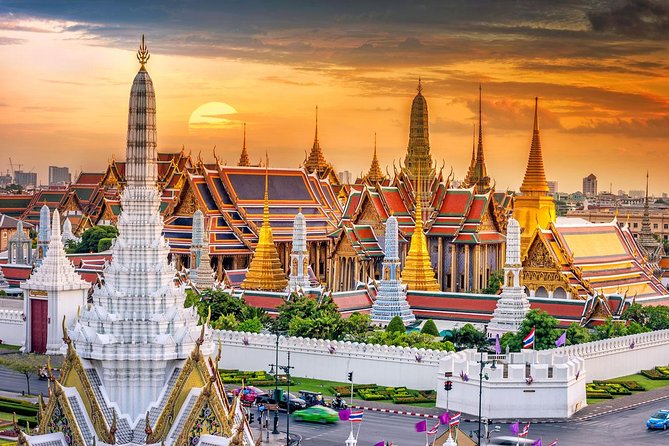
No exploration of Bangkok would be complete without visiting the iconic Grand Palace complex, which encompasses numerous historical structures and temples. Originally a small fort called the Wat Mahaophan, the palace grew under the patronage of King Rama I and his successors. Over the years, various monarchs added their own architectural contributions, resulting in a magnificent ensemble that spans over 215,000 square meters.
Wat Phra Kaew: Home of the Emerald Buddha
Within the Grand Palace, the Wat Phra Kaew temple houses the revered Emerald Buddha, one of Thailand’s most sacred relics. Crafted from green jade, the Buddha statue has a long and storied history, dating back to the 15th century. Legend has it that upon moving the statue to Bangkok, a favorable wind greeted the procession, marking its final resting place in the Grand Palace.
The Wat Arun (Temple of Dawn)
Another must-see historical site is Wat Arun, often referred to as the Temple of Dawn. Located on the banks of the Chao Phraya River, Wat Arun rises majestically, particularly when illuminated at night. Commissioned by King Rama II in the early 19th century, the temple showcases intricate architectural details and ornate decorations, making it a visual masterpiece. Its distinctive prang (tower) stands 80 meters tall and serves as a symbol of Thai architecture and engineering prowess.
Khao San Road
Beyond the royal enclaves, Bangkok’s Khao San Road offers a different perspective of the city. Once a quiet residential street, Khao San Road transformed in the 1980s into a backpacker haven and cultural hub. Today, this lively area throngs with travelers from all over the world, enjoying its eclectic mix of restaurants, nightclubs, bars, and street performances. The road is divided into two main sections: Khao San Road itself and Ratchaworakit Road, where visitors can find various accommodations and local shops.
Khao San Road reflects Bangkok’s embrace of tourism and its willingness to cater to a diverse array of interests, providing both cultural enrichment and a taste of local life for tourists.
The Vibrant Food Scene
A Culinary Journey Through Bangkok
Bangkok is renowned for its rich culinary diversity, offering food enthusiasts a gastronomic adventure like no other. From street food stalls to high-end restaurants, Bangkok caters to every palate and budget. The city’s cuisine is a harmonious blend of Thai flavors, reflecting influences from neighboring countries and colonial-era adaptations.
Street Food: A Must-Experience
No visit to Bangkok would be complete without indulging in its famous street food scene. Food peddlers line the streets, serving everything from spicy satay skewers to tender grilled crab. Each stall offers a unique dish, ensuring a memorable taste explosion for every visitor.
Local Dishes
A few must-try local dishes include:
- Tom Yum Goong: A classic Thai soup brimming with shrimp, lemongrass, and a hint of kick from chili paste.
- Mango Sticky Rice: A dessert featuring sticky rice soaked in coconut milk and topped with fresh mango slices.
- Larb: A spicy minced meat salad with herbs, lime juice, and chili peppers, typically made with pork, chicken, or beef.
- Rainbow Roti: Sweet pancakes filled with condensed milk and colored with natural dyes.
Visitors can find these dishes easily at any street corner or at one of Bangkok’s renowned floating markets, such as Talat Floating Market, where boats serve food while moored along the Chao Phraya River.
Modern Dining Scenes
In addition to street food, Bangkok boasts a burgeoning fine dining scene. Restaurants range from Michelin-starred establishments to innovative fusion joints that blend traditional Thai flavors with contemporary culinary techniques. Some popular venues include:
- Nuch’s Kitchen: Known for its creative approach to traditional Thai dishes.
- MooGaeMooS: Offers a unique experience with its multi-course tasting menus.
- Bo.lan: Specializes in Thai cuisine with a focus on sustainable and organic ingredients.
Bangkok’s food landscape is a testimony to its cultural heritage and its ability to evolve while maintaining authenticity.
Cultural Events and Festivals
Festive Celebrations
Bangkok is brimming with cultural festivals and events throughout the year, each celebrating different aspects of Thai culture and traditions. Some of the most noteworthy include:
- Vesak (Buddha Day): Marking the birth, enlightenment, and passing away of Buddha, Vesak is celebrated with candle-light processions, offerings at temples, and public speeches.
- Loi Krathong: A festival where Thais release small baskets (krathongs) into rivers and waterways, symbolizing washing away of sins and troubles.
- Hon Khao Phansa: Celebrates the beginning of Buddhist rains retreat, with monks visiting communities for alms food and devotees offering respect.
- Gaysakaphansadipok: Known as the Bangkok International Song Festival, it showcases musical talent from around the world and is a major event for music lovers.
These events provide a deeper insight into the cultural fabric of Bangkok and allow visitors to participate in unique activities that enrich their understanding of Thai society.
Street Performances and Shows
Beyond cultural festivals, Bangkok is a city always on display, where street performers and entertainers offer a continuous spectacle. Night markets like Charoen Krung Road and Petchaburi Road come alive with live performances ranging from acrobats to traditional dancers. Puppet shows, firework displays, and musical recitals add to the city's festive ambiance, making every visit a memorable one.
Modern Developments and Urban Expansion
Urban Sprawl and Real Estate
Bangkok’s growth has been unprecedented, leading to both impressive economic achievements and challenges related to urban sprawl. Over the past few decades, the city has expanded significantly, transforming vast tracts of farmland into bustling metropolitan areas. Residential estates, office buildings, and commercial complexes now stand alongside historic landmarks, creating a unique urban skyline.
Bangkok’s real estate sector has seen remarkable expansion, fueled by investments from national and international entities. High-rise condominiums and luxury apartments have become common, catering to the demands of local and foreign buyers alike. The city’s skyline, characterized by towers like MBK Center and The Emporium, reflects its status as a global financial hub.
Infrastructure and Transportation
To cope with the rapid growth, Bangkok has invested heavily in infrastructure and transportation systems. The city boasts a network of roads, bridges, and tunnels that connect the various districts seamlessly. Public transport options such as the BTS Skytrain and MRT subway ensure efficient movement across the sprawling metropolis.
Additionally, efforts are ongoing to improve traffic congestion through the implementation of smart city technologies, although the city still grapples with frequent traffic snarls. Nonetheless, initiatives like the Chao Phraya Express Boat project aim to provide more sustainable and convenient transport solutions along the river.
Education and Healthcare
Educational institutions and healthcare facilities in Bangkok reflect the urban expansion. The city is home to numerous universities and colleges, providing opportunities for students from around the globe. Notable educational institutions include Mahidol University, Rangsit University, and Thammasat University, among others. These establishments offer a wide range of academic programs, from engineering to humanities, attracting students and scholars from various countries.
In terms of healthcare, Bangkok boasts some of the best hospitals and medical facilities in Thailand. Institutions like Bumrunyawee Hospital and Ramotraphai Hospital are highly regarded, offering advanced medical care services along with modern amenities. The city’s commitment to education and healthcare underscores its ambition to serve as a center of excellence in South-East Asia.
In conclusion, Bangkok’s journey from its early settlements to a modern metropolis is nothing short of remarkable. Its rich history, vibrant culture, delectable cuisine, and dynamic urban landscape make it a city that continues to captivate and enchant visitors. As Bangkok moves forward, it strives to balance its rich heritage with future advancements, ensuring that its legacy remains intact while continuing to thrive in the global context.
Preservation Efforts and Heritage Conservation
Historic Districts and Heritage Zones
Bangkok is renowned for its dedication to preserving historical and cultural assets. Several areas within the city have been designated as historic districts or heritage zones to safeguard the architectural and cultural heritage of the city. One prominent example is the Asiatique Thonburi Night Market, a bustling entertainment district located south of the historic Old Bangkok. Featuring authentic buildings and traditional Thai facades, it provides a glimpse into the city’s past while also offering modern amenities and attractions.
Further north, the old town around Phra Nakhon Sila Luang and Sala Da En markets are preserved to reflect historical neighborhoods and provide a vibrant setting for locals and tourists. These areas house quaint streets, traditional wooden houses, and small temples that contribute to the city’s rich history and charm.
Government Initiatives
The Bangkok Metropolitan Administration (BMA), a government department, plays a crucial role in heritage conservation projects. Under its purview, the city has launched various initiatives aimed at preserving historically significant buildings and sites. For instance, the renovation of the Rajawongse Tower on Paholyothin Road, originally constructed in the early 20th century, demonstrates the BMA’s commitment to restoring historical structures for a new generation.
Additionally, the city offers incentives for property owners to maintain the historical integrity of their buildings. These incentives include tax breaks and subsidies, encouraging homeowners and businesses to preserve historical facades and interiors.
Sustainable Tourism and Environmental Initiatives
The Rise of Responsible Tourism
Bangkok has increasingly embraced sustainable tourism practices to address environmental concerns and promote responsible travel. Initiatives such as the Green Tourism Bangkok program encourage hotels and tour operators to adopt eco-friendly standards, reducing waste, conserving energy, and promoting biodiversity. Participating establishments are recognized with certificates acknowledging their commitment to sustainability, thereby guiding visitors toward environmentally conscious choices.
Environmental Protection Efforts
To combat environmental degradation, Bangkok implements numerous measures aimed at improving air quality, reducing pollution, and managing solid waste effectively. The city has introduced policies to control industrial emissions and promote cleaner transportation methods, such as electric vehicles. Furthermore, campaigns are underway to promote recycling and composting, raising awareness among the public about the importance of maintaining a clean environment.
Chao Phraya River Restoration Project
A notable environmental initiative in Bangkok is the restoration of the Chao Phraya River. This project aims to transform the riverfront into an attractive public space while mitigating flood risks and promoting ecological health. The river’s cleanup involves removing debris, planting mangroves, and rehabilitating waterways to enhance natural habitats and biodiversity. The restored riverbanks also feature walking trails, parks, and recreational areas, making the area more accessible to residents and visitors alike.
Entertainment and Nightlife
Night Markets and Nightlife Spots
Beyond its historical sites and cultural events, Bangkok offers a lively entertainment scene, especially during the night. Night markets are a cornerstone of the city’s nightlife, providing a vibrant atmosphere and a chance to experience local flavors and cultural expressions. Chatuchak Weekend Market, while less nocturnal than many other markets, is known for its sheer scale and diverse offerings, making it a popular spot for both tourists and locals alike.
Other notable night markets include:
- Suksa Market: Open daily, it focuses on fresh produce, handicrafts, and local delicacies.
- Makro Giant: Known for its variety of Asian foods and ingredients, suitable for both eating on-site and purchasing for home cooking.
- Talat Rot Fai: A quirky market with vintage and second-hand items, ideal for those looking for unusual souvenirs.
VVIP Nightclubs and Rooftop Bars
For a more upscale experience, Bangkok’s skyline features a cluster of luxury clubs and rooftop bars that offer breathtaking views of the city. These venues cater to a cosmopolitan clientele, providing everything from sophisticated dance floors to serene outdoor terraces adorned with tropical plants and cocktails tailored to international tastes. Some popular venues include:
- Blossom: Offers panoramic views of the city from an exquisite rooftop terrace.
- Royal Paragon Hill: A chic rooftop bar with elegant decor and a mix of Thai and international dishes.
- Bamboo Bar: Known for its extensive gin selection and creative cocktails, paired with an ambient jazz soundtrack.
Bamboo Bar is a favorite among locals, attracting celebrities and socialites who enjoy the bar’s cozy ambiance and expert mixology.
Shopping and Luxury Experiences
Luxury Shopping Destinations
Bangkok’s shopping scene is as diverse as its cultural offerings, featuring a vast array of luxury brands and traditional markets. For high-end shopping, the city is home to iconic malls such as CentralWorld, MBK Center, and Siam Paragon. These large retail hubs offer premium fashion labels, flagship stores, and gourmet dining options, catering to a clientele seeking top-tier goods and services.
In contrast to luxury retail, small boutiques and artisanal shops along Khao San Road and nearby areas provide a more personal and authentic shopping experience. Visitors can discover unique souvenirs, handwoven textiles, and artisan crafts, making for a truly memorable shopping trip.
Specialty Stores and Boutiques
Bangkok is a hub for specialty stores and boutiques that showcase local craftsmanship and creativity. Here, visitors can find everything from artisanal Thai jewelry to traditional Thai clothing like Lohit Phra (royal Thai dress). Stores like Sukhumvit 24 and Soi Kleang provide a concentrated space for boutique shopping, allowing shoppers to explore a wide range of curated products and local brands.
Exhibitions and Fashion Events
Bangkok frequently hosts fashion exhibitions and events that highlight local designers and emerging talents. The Thai Fashion Week, held annually, draws national and international attention, showcasing contemporary Thai fashion through runway shows and designer talks. These events not only promote Thai fashion globally but also provide a platform for independent designers to gain visibility and recognition.
Health and Wellness Retreats
Luxury Spa and Wellness Centers
Bangkok is synonymous with relaxation and rejuvenation, boasting a myriad of luxury spa and wellness centers. From traditional Thai massage therapies to cutting-edge holistic treatments, these establishments offer a wide range of services designed to ease the mind and body. Popular destinations like Apsara Spa, Four Seasons Resort, and Anantara Sukhumban Resort provide tranquil environments where guests can immerse themselves in therapeutic experiences.
Hotels with Wellness Facilities
Many hotels in Bangkok incorporate comprehensive wellness facilities into their offerings. The Grand Hyatt Erawan, for instance, features an expansive spa with state-of-the-art equipment and trained therapists. Similarly, the Marriott Marquis Queen Saigon in Bangkok offers a full-service wellness center, including yoga studios, fitness suites, and wellness classes led by qualified trainers.
Hotels with wellness facilities often provide packages that combine luxurious accommodations with personalized wellness retreats, making them a favored choice for both tourists and health-conscious travelers.
Concluding Thoughts
Bangkok has undeniably come a long way since its early days as a strategic trading post and the seat of the Rattanakosin Kingdom. It now stands as a vibrant city that seamlessly blends its historic charm with modern sophistication, catering to the varied needs of its residents and visitors. Whether exploring its rich cultural heritage, indulging in its delectable cuisine, or immersing oneself in its vibrant nightlife, Bangkok offers endless possibilities and experiences that are sure to leave a lasting impression.
As Bangkok evolves, its relentless spirit to innovate and preserve its identity ensures that it remains a beacon of Southeast Asia’s dynamic urban landscapes. Visitors to this enchanting city are invited to uncover its untold stories, embrace its multifaceted essence, and leave with a profound appreciation of a metropolis that continues to captivate the world.
Bangkok awaits—ready to enchant and inspire.
Modernization and Innovation
Technology and Digital Transformation
Bangkok’s rapid modernization extends beyond physical infrastructure to include technological advancements. The city has embraced digital transformation, leveraging technology to enhance convenience and efficiency. Smart city initiatives, such as the deployment of Internet of Things (IoT) devices, have enabled more effective city management and services. Traffic management systems, waste management programs, and emergency response networks have become increasingly sophisticated, improving the overall quality of life for residents.
Startups and Entrepreneurship
Bangkok is a hotbed for startups and entrepreneurs, fostering a vibrant ecosystem that drives innovation and economic growth. Co-working spaces and incubators like Startup SGU, TechNode Bangkok, and Start-Up City have emerged to support budding entrepreneurs and provide resources for scaling their ventures. These hubs offer a range of services, from networking opportunities and mentorship to funding platforms and workshops on business development.
Innovation Districts
The city has established dedicated innovation districts aimed at nurturing entrepreneurial talent and driving technological advancements. The Bangmod Innovation District, for example, is centered around Siam Tower and integrates co-working spaces, accelerators, and incubators. Another notable district is T.Rex Thailand, which provides coworking spaces and resources specifically tailored for startups in the tech industry.
Economic Growth and Job Market
Financial Hub and International Business
Bangkok is a major financial hub, hosting numerous multinational corporations, financial institutions, and government agencies. The city’s strong economy and strategic location attract businesses from around the world. Key sectors include banking, insurance, real estate, telecommunications, and tourism. Companies like Citibank, Shell, and KPMG operate robust offices in Bangkok, contributing to the city’s economic dynamism.
Growing Job Market and Career Opportunities
The job market in Bangkok is robust, offering a wide range of career opportunities for locals and expatriates alike. From finance and consulting to hospitality and technology, the city provides diverse employment prospects. Companies in the tech sector, finance, and creative industries are particularly thriving, with numerous startups and established firms opening branches here. Job seekers can leverage online platforms like Indeed, Glassdoor, and LinkedIn to explore openings and connect with potential employers.
Skilled Labor Market and Professional Development
Bangkok’s skilled workforce is a key factor in sustaining economic growth. Universities and professional training institutes ensure a steady supply of talent with the necessary skills and expertise. Programs like those offered by the Thailand Development Research Institute (TDRI) and the Bangkok Metropolitan Council focus on fostering research and development, providing valuable insights and data to inform policy and business strategies.
Challenges and Future Prospects
Environmental Challenges
Urban Sprawl and Infrastructure
Urban sprawl continues to be a challenge, as rapid population growth necessitates constant expansion of infrastructure. Efficient land-use planning and sustainable development practices are crucial to manage the city’s spatial expansion effectively. Investment in public transportation, smart city technologies, and efficient urban planning will be key to addressing these issues and ensuring a livable environment for future generations.
Future Prospects and Vision 2040
The Bangkok Metropolitan Administrative Authority has outlined a vision for the city’s development through the Vision 2040 strategy. This framework aims to enhance the city’s resilience, sustainability, and livability while promoting economic growth. Initiatives include improving public transportation, expanding green spaces, and enhancing the quality of urban life through inclusive development practices.
Vision 2040 also emphasizes the importance of addressing climate change and environmental degradation. By integrating renewable energy sources, implementing green infrastructure, and promoting sustainable urban design, Bangkok aims to become a model smart city, balancing modernization with environmental stewardship.
Conclusion
Bangkok’s trajectory from a small trading post to a global metropolis is a testament to its resilience and adaptability. As it continues to grow and evolve, the city remains true to its rich cultural roots while embracing modern advancements. Whether one explores its historical charm, indulges in its culinary delights, or engages with its vibrant community, Bangkok offers a kaleidoscope of experiences that are as dynamic as they are enchanting.
Looking forward, Bangkok stands poised to navigate the complexities of urban growth while preserving its unique identity. With visionary strategies in place and continued efforts to address environmental challenges, the city promises a promising future filled with opportunities and innovations. As Bangkok enters the next chapter of its narrative, it invites the world to join in the journey of discovery and celebration of its enduring magic.
Bangkok waits, ever-ready to captivate and inspire.

Bangkok, la Cité des Anges : Un Voyage au Cœur de la Thaïlande
Introduction
Bangkok, la capitale vibrante de la Thaïlande, est une ville qui ne dort jamais. Entre ses temples dorés, ses marchés animés, sa vie nocturne légendaire et sa gastronomie savoureuse, la "Cité des Anges" séduit les voyageurs du monde entier. Cette mégalopole fascinante allie tradition et modernité, offrant une expérience unique à chaque coin de rue. Plongez avec nous dans l’univers envoûtant de Bangkok, où l’aventure commence dès le premier pas.
Un Mélange Culturel Unique
Les Temples Emblématiques
Bangkok regorge de temples bouddhistes somptueux, véritables joyaux architecturaux. Le Wat Arun, ou Temple de l'Aube, est un incontournable avec sa silhouette majestueuse ornée de porcelaines colorées. Au lever ou au coucher du soleil, sa façade scintillante se reflète sur la rivière Chao Phraya, créant un spectacle magique.
Le Wat Phra Kaew, situé dans l’enceinte du Grand Palais, abrite le Bouddha d’Émeraude, une statue sacrée taillée dans un bloc de jade. Ce site, riche en histoire, est considéré comme le lieu le plus vénéré de Thaïlande et impressionne par ses détails minutieux et ses fresques murales.
La Vie Quotidienne et les Marchés
Pour découvrir l’âme de Bangkok, rien ne vaut une immersion dans ses marchés. Le Chatuchak Weekend Market, l’un des plus grands marchés à ciel ouvert au monde, propose de tout : vêtements, artisanat, nourriture exotique et même des animaux. Une expérience sensorielle inoubliable !
Les marchés flottants, comme Damnoen Saduak ou Amphawa, offrent une escapade pittoresque hors de la ville. Glissant sur les canaux en bateau, vous pourrez déguster des spécialités locales tout en observant le ballet des marchandises échangées entre les barques.
Une Gastronomie à Vous Couper le Souffle
Street Food et Saveurs Locales
Bangkok est un paradis pour les gourmets. La street food y est reine, avec des stands proposant des plats savoureux à chaque coin de rue. Le Pad Thaï, nouilles sautées aux crevettes et cacahuètes, ou la Tom Yum Goong, une soupe épicée et acidulée, sont des incontournables.
Pour une expérience authentique, dirigez-vous vers Yaowarat, le quartier chinois. La nuit, les rues s’animent avec des échoppes servant des fruits de mer grillés, des nouilles et des desserts sucrés. Un régal pour les papilles !
Restaurants Étoilés et Cuisine Raffinée
Bangkok ne se limite pas à la street food. La ville compte plusieurs restaurants étoilés au guide Michelin, comme Gaggan, célèbre pour sa cuisine moléculaire indienne, ou Le Normandie, où la gastronomie française rencontre les produits locaux.
Les rooftops, tels que Vertigo ou Sky Bar, allient repas gourmands et vues imprenables sur la skyline. Dîner à 60 mètres de haut, avec Bangkok scintillant sous vos pieds, est une expérience à ne pas manquer.
Une Vie Nocturne Légendaire
Bars et Clubs Branchés
Quand le soleil se couche, Bangkok s’illumine d’une toute autre énergie. Le quartier de Khao San Road, populaire auprès des backpackers, propose une ambiance décontractée avec ses bars à bas prix et ses concerts improvisés.
Pour une soirée plus chic, direction Thonglor ou RCA, où les clubs branchés et les DJ internationaux font danser la foule jusqu’au petit matin. Les bars à thème, comme Maggie Choo’s, avec son décor rétro chinois, ajoutent une touche d’originalité.
Spectacles et Culture de Nuit
Les cabarets de Bangkok, tels que le fameux Calypso Cabaret, offrent des shows époustouflants mêlant danse, musique et costumes flamboyants. Une plongée dans l’univers glamour et audacieux de la scène locale.
Pour quelque chose de plus traditionnel, les spectacles de Muay Thai (boxe thaïlandaise) dans les stades comme le Rajadamnern Stadium permettent de découvrir ce sport ancestral dans une atmosphère électrique.
Conclusion de la Première Partie
Bangkok est une ville aux mille visages, où le sacré côtoie le frivole, et où chaque quartier a sa propre identité. Entre ses temples majestueux, ses saveurs envoûtantes et son effervescence nocturne, elle captive tous les voyageurs. Dans la suite de cet article, nous explorerons les quartiers emblématiques, les activités insolites et les escapades aux alentours de la capitale thaïlandaise. Prêt à continuer l’aventure ?
Explorer les Quartiers Emblématiques de Bangkok
La Vie Trépidante de Sukhumvit
Le quartier de Sukhumvit est l’un des plus cosmopolites de Bangkok. Axé autour de son avenue principale, il abrite centres commerciaux luxueux, hôtels cinq étoiles et une multitude de restaurants internationaux. Les soi (ruelles) adjacentes regorgent de petits cafés branchés, de galeries d’art et de boutiques design. Le Terminal 21, un mall thématisé sur les voyages, est un incontournable avec ses étages dédiés à différentes villes du monde.
Sukhumvit est aussi réputé pour sa vie nocturne animée. Les bars à cocktails cachés, comme Iron Fairies ou Rabbit Hole, offrent des ambiances intimistes et des créations originales. Un régal pour les amateurs de mixologie.
Silom et Sathorn : Entre Business et Authenticité
Silom est le quartier financier de Bangkok, mais il cache aussi des trésors culturels. Le Wat Hualamphong, moins fréquenté que les grands temples touristiques, offre une immersion dans la spiritualité thaïlandaise hors des sentiers battus. Le soir, le quartier se transforme avec le célèbre Patpong Night Market, connu pour ses étals de souvenirs et ses shows atypiques.
Sathorn, adjacent à Silom, mélange gratte-ciel modernes et maisons traditionnelles en teck. Le Bangkok Art & Culture Centre (BACC) est un must pour les amateurs d’art contemporain, avec ses expositions audacieuses et son atmosphère créative.
Escapades et Activités Insolites
Croisière sur le Chao Phraya
Une balade en bateau sur le fleuve Chao Phraya est idéale pour découvrir Bangkok sous un nouvel angle. Les bateaux-taxis permettent de naviguer entre les principaux sites, tandis que les croisières dîner, comme celles organisées par Manohra Cruises, offrent un repas gastronomique avec vue sur les monuments illuminés.
Pour une expérience moins touristique, louez un long-tail boat et explorez les khlongs (canaux) de Thonburi. Vous y verrez des maisons sur pilotis, des temples isolés et la vie quotidienne des habitants.
Marchés de Nuit et Expériences Locales
Outre Chatuchak, Bangkok possède d’autres marchés nocturnes vibrants. Rod Fai Market (Train Night Market) attire avec ses stands vintage, ses food trucks et son ambiance rétro. Art Box, un marché éphémère, met en avant des créateurs locaux et des concerts live.
Pour goûter à la vie des Bangkokiens, essayez un cours de cuisine chez Blue Elephant ou participez à une méditation matinale avec les moines au Wat Mahathat. Ces activités offrent une connexion unique avec la culture locale.
Nature et Détente en Ville
Parcs et Espaces Verts
Malgré son urbanisation intense, Bangkok possède de véritables oasis de verdure. Le Lumphini Park, surnommé le "Central Park de Bangkok", est parfait pour une pause nature. Tôt le matin, les habitants y pratiquent le tai-chi ou le jogging, tandis que les varans géants se prélassent au soleil.
Le Bang Krachao, une péninsule verdoyante surnommée "le poumon vert de Bangkok", permet de s’évader en vélo parmi les mangroves et les jardins flottants. Un dépaysement total à quelques minutes du centre-ville.
Spas et Massages Traditionnels
Après une journée de visite, rien ne vaut un massage thaïlandais pour se détendre. Les institutions comme Wat Pho (berceau du massage traditionnel) ou les spas luxueux du Mandarin Oriental proposent des soins authentiques. Pour une alternative moderne, les fish spas, où des poissons exfolient vos pieds, ajoutent une touche ludique.
Bangkok, Ville de Contrastes
Entre Modernité et Traditions
Bangkok incarne un équilibre fascinant entre futurisme et respect des traditions. Les gigantesques centres commerciaux comme ICONSIAM, avec sa reconstitution de marchés flottants en intérieur, côtoient les petits shrines (autels) bouddhistes nichés entre les buildings. Même les nouveaux métros aériens croisent les klaxons des tuk-tuks.
Les Communautés qui Font la Ville
La présence de quartiers comme Little India (autour de Pahurat) ou Soi Arab (près de Nana) rappelle la diversité culturelle de Bangkok. Ces enclaves ethniques proposent des spécialités culinaires et des ambiances uniques, enrichissant le tissu urbain.
Conclusion de la Deuxième Partie
De Sukhumvit à Silom, en passant par les canaux paisibles et les marchés animés, Bangkok révèle une palette infinie d’expériences. Que l’on cherche l’aventure, la détente ou l’authenticité, la ville sait surprendre. Dans la troisième partie, nous partirons à la découverte des alentours de Bangkok, où les vestiges historiques et les paysages naturels ajoutent une autre dimension au voyage.
Les Alentours de Bangkok : Escapades Incontournables
Ayutthaya, l'Ancienne Capitale Royale
A seulement 80 kilomètres au nord de Bangkok, le parc historique d'Ayutthaya classé au patrimoine mondial de l'UNESCO offre un voyage dans le temps. Cette ancienne capitale du Royaume de Siam (1350-1767) regorge de temples en ruines et de statues de Bouddha impressionnantes. Le Wat Mahathat, avec sa célèbre tête de Bouddha enserrée dans les racines d'un figuier, est un must. Pour une expérience mémorable, louez un vélo ou embarquez sur une croisière fluviale pour découvrir ces vestiges sous différents angles.
Ne manquez pas le Bang Pa-In, le palais d'été royal aux architectures mi-thaïes, mi-européennes, témoignage fascinant des échanges culturels du 19ème siècle. Les meilleures périodes pour visiter sont tôt le matin ou en fin d'après-midi pour éviter la chaleur et les foules.
Les Marchés Flottants Authentiques
Si les marchés flottants proches de Bangkok peuvent être touristiques, ceux situés à 1-2 heures de route offrent une expérience plus authentique. Le Marché Flottant d'Amphawa, ouvert les week-ends, permet d'observer la vie des habitants tout en dégustant des spécialités préparées directement sur les bateaux. Préférez-y une visite en fin de journée pour assister au rituel impressionnant des moines recevant des offrandes au coucher du soleil.
Plus confidentiel, le Marché de Tha Kha n'est ouvert que certains jours selon le calendrier lunaire. Vous y verrez principalement des villageois échanger fruits frais et produits artisanaux. Optez pour un tour en barque traditionnelle pour explorer les canaux secondaires et découvrir l'artisanat local comme la fabrication de sucre de palme.
Nature et Aventure aux Portes de Bangkok
Le Parc National de Khao Yai
A trois heures de route, ce parc classé à l'UNESCO est une bouffée d'air pur avec ses forêts tropicales et ses cascades spectaculaires comme la chute d'eau Haew Narok. Les safaris nocturnes permettent d'observer éléphants sauvages, gibbons et même des tigres (plus rares). La randonnée jusqu'au point de vue de Pha Diao Dai offre un panorama à couper le souffle au lever du soleil.
Les mois les plus propices sont de novembre à février, quand les températures sont plus clémentes. N'oubliez pas de réserver un guide agréé pour maximiser vos chances d'observations animalières tout en respectant l'environnement.
La Riviera Thaïlandaise : Hua Hin et Phetchaburi
Hua Hin, station balnéaire préférée de la famille royale, contraste avec l'agitation de Bangkok. Outre ses longues plages, ne manquez pas le palais Klaikangwon, le marché nocturne Cicada dédié à l'art local, et la colline du Temple du Tigre avec son Bouddha géant. A seulement une heure avant Hua Hin, Phetchaburi mérite un arrêt pour ses temples troglodytes comme le Khao Luang et ses délicieuses spécialités sucrées.
Conseils Pratiques pour les Excursions
Transports et Visites Guidées
Les options de transport incluent :
- Trains depuis la gare de Hua Lamphong (économique mais lent)
- Minivans partagés (rapides mais bondés)
- Locations de voiture avec chauffeur (confortables)
- Circuits organisés (pratiques pour les sites éloignés)
Pour les temples et parcs naturels, privilégiez les guides francophones certifiés qui apportent une vraie valeur ajoutée historique et culturelle. Certains proposent des parcours thématiques comme "les anciennes capitales" ou "la route de la nature".
Équipements et Bonnes Pratiques
Prévoyez toujours :
- De l'eau en quantité (le climat est chaud et humide)
- Des vêtements couvrants pour les temples (épaules et genoux)
- Un parapluie en saison des pluies (de juillet à octobre)
- Des chaussures faciles à retirer (obligatoire dans les sites sacrés)
- De la monnaie pour les petits achats et pourboires
Bangkok Comme Point de Départ Idéal
Une Position Géographique Stratégique
Située au cœur de l'Asie du Sud-Est, Bangkok permet de rayonner vers :
- Les plages du Golfe de Thaïlande (3h de route)
- Les sites historiques du centre (1-2h)
- Les parcs naturels du nord-est (3-4h)
- Les frontières avec la Malaisie ou le Cambodge (pour prolonger le voyage)
L'aéroport international de Suvarnabhumi propose des vols intérieurs économiques vers Chiang Mai, Phuket ou même des liaisons directes vers Angkor Wat au Cambodge.
Adapter son Séjour à Ses Envies
Selon vos centres d'intérêt :
- Circuits historiques : combinez Ayutthaya, Sukhothai et Lopburi
- Détente : alternez Bangkok avec les plages de Hua Hin ou Koh Samet
- Aventure : jungle de Khao Yai + rafting à Kanchanaburi
- Culture : ateliers d'artisanat à Bang Saen + temples méconnus
Conclusion : Bangkok, un Voyage aux Mille Possibilités
De son cœur palpitant à ses alentours diversifiés, la région de Bangkok offre une incroyable variété d'expériences. Entre trésors historiques, sanctuaires naturels et escapades culturelles, chaque voyageur y trouve son bonheur. La magie thaïlandaise opère aussi bien dans l'énergie urbaine que dans la sérénité des sites environnants. Que vous partiez pour quelques jours ou plusieurs semaines, Bangkok et sa région sauront vous émerveiller et vous donner envie de revenir explorer davantage ce royaume aux multiples facettes.
Un séjour bien organisé permet de combiner harmonieusement découvertes urbaines, plaisirs gastronomiques et rencontres authentiques, pour des souvenirs qui resteront gravés à jamais. Comme le dit le proverbe thaïlandais : "Un voyage à Bangkok est comme une boîte de pandore - chaque ouverture révèle une nouvelle merveille".

