


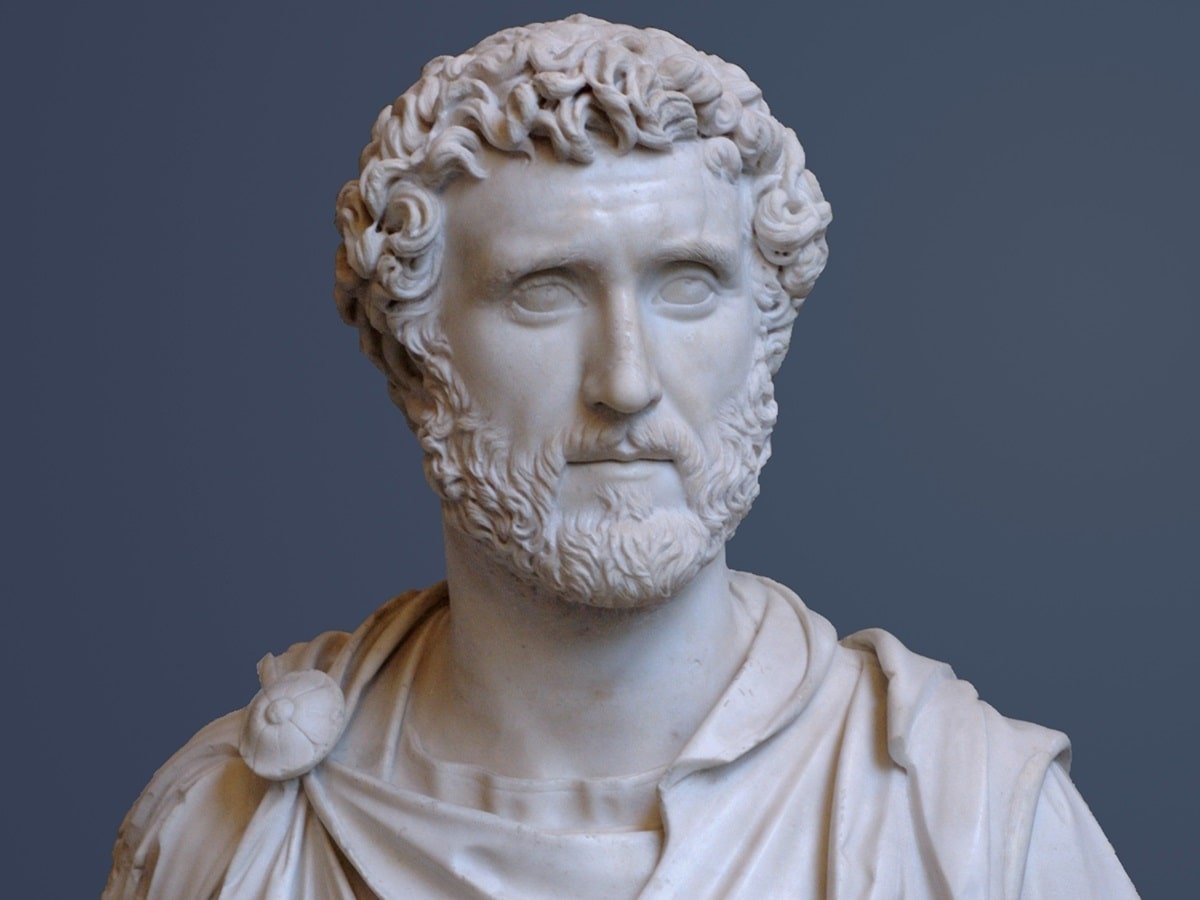

Antoninus Pius: Rome's Peaceful Emperor
The reign of Antoninus Pius stands as a golden chapter in Roman history, defining an era of unprecedented peace and prosperous administration. As the fourth of the celebrated Five Good Emperors, his rule from 138 to 161 AD is often described as the zenith of the Pax Romana. This article explores the life, governance, and enduring legacy of the emperor who prioritized stability and justice over military conquest.
Early Life and Path to the Principate
Titus Aelius Hadrianus Antoninus Augustus Pius was born on September 19, 86 AD, in Lanuvium, Italy. He hailed from a distinguished family of Gallic origin, with both his father and grandfathers having served as consuls. This aristocratic background provided him with a traditional Roman education and ingrained the virtues of duty and piety that would define his character.
Political Career Before Emperorship
Before his unexpected ascension, Antoninus Pius had a long and esteemed political career. He served in the traditional sequence of Roman offices, known as the cursus honorum. His roles included:
- Quaestor and Praetor in the early stages of his career.
- Consul in 120 AD, a prestigious magistracy.
- Governor of the prosperous province of Asia, circa 134–136 AD.
- Judicial administrator in Italy, demonstrating his reputation for fairness.
This extensive experience in governance made him a respected and capable senator, positioning him for the ultimate responsibility.
The Adoption by Hadrian
The path to the throne was set in motion by Emperor Hadrian. In 138 AD, following the death of his first chosen successor, Lucius Aelius, ailing Hadrian adopted the 51-year-old Antoninus Pius on the condition that he, in turn, adopt Marcus Aurelius and Lucius Verus. This move ensured a clear line of succession and stability for the empire. Antoninus's adherence to this wish and his vigorous defense of Hadrian's legacy after his death earned him the honorific title "Pius".
The Reign of Peace and Stability
Antoninus Pius became emperor on July 11, 138 AD, and his 23-year reign became synonymous with peace. His approach to governance was a stark contrast to the expansionist policies of his predecessors and the militaristic challenges that would face his successor, Marcus Aurelius.
A Commitment to Domestic Prosperity
The emperor's primary focus was the internal health of the Roman Empire. He believed that prosperity at home was more valuable than glory abroad. His administration was marked by several key priorities:
- Fiscal Prudence: He avoided costly military campaigns, which allowed him to manage the empire's finances expertly.
- Administrative Continuity: He retained many of Hadrian's capable officials, some for periods of up to nine years, ensuring stable provincial governance.
- Legal Reforms: He promoted equity in law, protected slaves from extreme abuse, and enacted measures to aid orphans.
The Historia Augusta praises his rule, stating, "Almost alone of all emperors he lived entirely unstained by the blood of either citizen or foe."
Military Policy: The Antonine Wall
While his reign was largely peaceful, Antoninus Pius did authorize one significant military action. Around 142 AD, Roman legates pushed north into what is now southern Scotland. The campaign's success led to the construction of the Antonine Wall, a turf fortification stretching across central Scotland. This wall represented the empire's northernmost frontier for a brief period and stands as the most tangible monument to his reign.
He adeptly managed other minor revolts and disturbances through his governors, avoiding the need for his personal presence on the battlefield. He never once left Italy during his entire rule, delegating military authority to trusted legates.
Administrative Genius and Social Reforms
The longevity and tranquility of the reign of Antoninus Pius were direct results of his skillful administration. He understood that a well-run empire was a stable empire.
Infrastructure and Public Works
Antoninus invested heavily in the empire's infrastructure to improve the quality of life for its citizens. He expanded and repaired aqueducts across the empire, ensuring free water access for urban populations. He also authorized reconstruction after natural disasters, such as a major fire that destroyed 340 tenements in Rome and earthquakes in Rhodes and Asia Minor.
Legal and Social Justice
His legal reforms reflected a humanitarian sensibility that was advanced for its time. Key aspects included:
- Enacting laws that protected slaves from cruel treatment by their masters.
- Creating the legal principle of praesumptio Muciana, which benefited wives in inheritance cases.
- Expanding the rights of freed slaves and streamlining the process of manumission.
These policies fostered social cohesion and reinforced the perception of the emperor as a just and caring ruler.
The Antonine Wall: Defining the Northern Frontier
The most significant military endeavor during the reign of Antoninus Pius was the advance into Britain. Around 142 AD, under the command of Governor Quintus Lollius Urbicus, Roman legions pushed north from Hadrian's Wall into what is now southern Scotland. This successful campaign resulted in the construction of the Antonine Wall, a turf fortification stretching approximately 39 miles across the narrowest part of the country.
Construction and Purpose
Unlike the stone construction of Hadrian's Wall, the Antonine Wall was primarily built from turf ramparts set on a stone base. It featured:
- 17 forts and multiple fortlets along its length.
- A deep V-shaped ditch on the northern side for defense.
- A military road, known as the Military Way, behind the wall for rapid troop movement.
The wall's purpose was not merely defensive but also symbolic, marking the northernmost extent of the Roman Empire for a brief but significant period. It represented a statement of control and authority, albeit one that was costly to maintain.
Strategic Impact and Abandonment
The occupation of the territory between the two walls was relatively short-lived. By the 160s AD, likely during the reign of Marcus Aurelius, the Roman army withdrew to the more defensible and economically sustainable Hadrian's Wall. The Antonine Wall remains a UNESCO World Heritage site today, a testament to this specific chapter of peaceful expansion under Antoninus Pius.
Economic Stewardship and Fiscal Prudence
A cornerstone of the era's stability was the emperor's masterful management of the imperial treasury. Unlike many of his predecessors and successors, Antoninus Pius avoided costly foreign wars, which allowed him to practice exceptional fiscal discipline. His reign is noted for leaving a substantial treasury surplus for his successors, a rare achievement in Roman history.
Sources of Revenue and Management
The economic prosperity of the period was built on several key policies:
- Efficient Tax Collection: He continued Hadrian's reforms, ensuring taxes were collected fairly and efficiently without crushing the provinces.
- Minimal Military Expenditure: The lack of major campaigns freed up vast resources for internal projects.
- Judicious Spending: Funds were directed toward practical infrastructure and disaster relief rather than monumental vanity projects.
Historian Cassius Dio noted the empire's financial health, stating the treasury was "most plentifully supplied" with funds during this time.
Handling Natural Disasters
The emperor's fiscal prudence was tested by several natural disasters, including a major fire in Rome and significant earthquakes in the provinces. Antoninus Pius responded not with panic but with organized, state-funded relief efforts. He authorized the use of public funds to rebuild devastated cities like Nicomedia and Rhodes, reinforcing the image of a benevolent and capable ruler who cared for the welfare of all his subjects.
Legal Reforms and Social Policy
The legacy of Antoninus Pius is deeply rooted in his contributions to Roman law and social justice. His legal rulings demonstrated a notable inclination toward equity and humanity, influencing Roman jurisprudence for centuries.
Protection of the Vulnerable
Antoninus enacted several significant legal principles aimed at protecting those with little power in Roman society. His reforms included:
- Slave Protection: He issued rulings that punished masters who killed their slaves without cause and encouraged the prosecution of excessively cruel owners.
- Rights of Freedmen: He streamlined the process of manumission and expanded the legal rights of freed slaves.
- Guardianship of Orphans: He strengthened laws surrounding the appointment and responsibilities of guardians for orphaned children, ensuring their property was protected.
These actions were not merely legal dictates; they reflected a Stoic-influenced philosophy that emphasized duty and the inherent value of all people.
Administration of Justice
As the supreme judicial authority in the empire, Antoninus Pius was known for his accessibility and fairness. He often heard cases himself, and his legal responses, or rescripts, were respected for their wisdom and adherence to precedent. He maintained a consistent policy of supporting local laws and customs within the provinces, which fostered loyalty and stability throughout the empire.
Cultural and Religious Patronage
Despite his focus on administration, Antoninus Pius was also a significant patron of arts and religion. His reign saw the continuation of traditional Roman religious practices, and his personal devotion earned him the title "Pius"—a mark of his faithfulness to the gods and to his adoptive father, Hadrian.
Promoting Roman Tradition
The emperor reinforced the state religion by funding temples, public games, and festivals. He also deified his wife, Faustina the Elder, after her death in 140 or 141 AD, founding a charity in her name for the support of young girls. This act solidified the imperial family's divine connection and provided a lasting social welfare institution.
Architectural Legacy
While not as prolific a builder as Hadrian, Antoninus Pius left his mark on the Roman landscape. His most famous surviving monument is the Temple of Antoninus and Faustina in the Roman Forum, whose imposing columns still stand today, later converted into the Church of San Lorenzo in Miranda. This structure symbolizes the enduring partnership of the imperial couple and the stability of his rule.
Relationship with Marcus Aurelius and the Succession
The final years of Antoninus Pius's reign were dedicated to ensuring a smooth transition of power. Having faithfully honored Hadrian's wish, he groomed his adopted son, Marcus Aurelius, for leadership. This careful preparation cemented the Antonine dynasty's stability and provided Rome with another capable philosopher-king.
Preparation for a New Era
Antoninus Pius involved Marcus Aurelius heavily in the administration of the empire, granting him tribunician power and imperium in 147 AD. This shared rule allowed for a seamless succession. The emperor's focus on mentorship ensured that Marcus was exceptionally prepared to face the greater military challenges that would define his own reign. The peaceful transfer of power in 161 AD was a testament to Antoninus's foresight.
The Final Days and Death
Antoninus Pius died of an illness on March 7, 161 AD, at his estate in Lorium, Etruria, at the age of 74. His death was peaceful, mirroring the tranquility of his rule. The Senate, honoring his legacy, immediately deified him. He was succeeded without conflict by Marcus Aurelius and Lucius Verus, whom he had also adopted, marking the first time the Roman Empire was ruled by two co-emperors.
Marcus Aurelius himself wrote fondly of his adopted father, praising his "calmness" and "unwavering adherence to decisions made after full consideration."
Modern Scholarly Perspectives and Legacy
In contemporary scholarship, Antoninus Pius is often characterized as Rome's "great forgotten emperor." His reign lacks the dramatic wars, personal scandals, or architectural marvels that often define historical narratives. Modern historians, however, increasingly recognize his administrative genius as the true foundation of the empire's golden age.
A Reassessment of "Peaceful" Rule
Recent analyses focus on the active management required to maintain such prolonged peace. Scholars argue that his delegation of military authority was a strategic strength, not a weakness. By appointing competent legates and avoiding the pitfalls of micromanagement, he achieved stability that eluded more militaristic emperors. His reign demonstrates that good governance can be more impactful than conquest.
Cultural and Historical Relevance Today
The legacy of Antoninus Pius extends beyond academic circles. He serves as a powerful symbol of pragmatic and ethical leadership. In an era often focused on charismatic or aggressive rulers, his example offers a model of stability, fiscal responsibility, and dedication to public welfare that remains relevant for modern governance.
- Documentary Focus: 21st-century documentaries and online educational content have sought to bring his story to a wider audience, highlighting his unique approach to power.
- Archaeological Interest: Ongoing research and digital reconstructions of the Antonine Wall continue to shed light on this period of frontier policy.
- Stoic Philosophy: His life is often studied alongside that of Marcus Aurelius as an exemplar of Stoic principles in practice.
Comparative Analysis with Other "Good Emperors"
To fully appreciate the reign of Antoninus Pius, it is essential to place him within the context of the Nerva-Antonine dynasty. His rule represents a distinct phase of consolidation and internal focus within this prosperous period.
Contrast with Hadrian and Marcus Aurelius
Antoninus's style of rule created a clear contrast with his predecessor and successor:
- vs. Hadrian: Hadrian was a restless emperor who traveled extensively to oversee the empire's vast borders. Antoninus, in stark contrast, never left Italy, governing through a trusted administration.
- vs. Marcus Aurelius: Marcus Aurelius's reign was dominated by near-constant warfare on the Danube frontier. The peaceful and financially sound empire he inherited was the direct result of Antoninus's policies.
This comparison underscores that the success of the Five Good Emperors was a collaborative effort, with each ruler contributing a different but essential strength to the dynasty's longevity.
The Peak of the Pax Romana
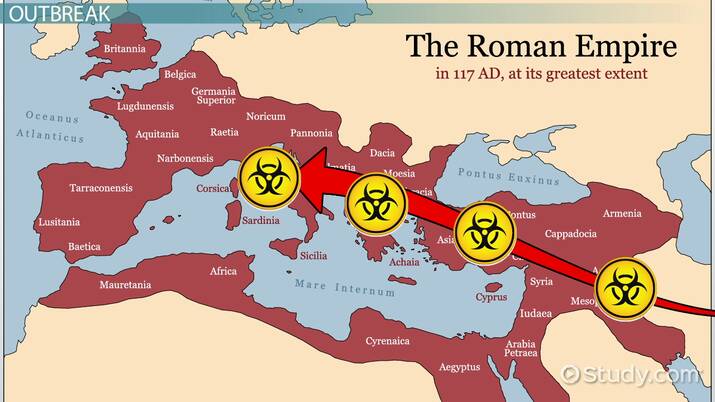
Historians widely regard the reign of Antoninus Pius as the absolute peak of the Pax Romana, the period of relative peace and stability from 96 to 180 AD. While other emperors expanded the borders or fought defensive wars, Antoninus perfected the art of peaceful administration. The empire reached its greatest geographical extent under him, yet it was managed with a lightness of touch that promoted prosperity and loyalty.
Conclusion: The Enduring Legacy of a Quiet Emperor
The story of Antoninus Pius is a powerful reminder that the most effective leadership is not always the loudest. His 23-year reign stands as a masterclass in competent and humane governance. By prioritizing the well-being of the empire's citizens, maintaining fiscal discipline, and ensuring judicial fairness, he created a period of stability that has seldom been matched in world history.
His legacy is not written in conquered territories or grand monuments, but in the prosperity and security experienced by millions of people across the Roman world. He successfully upheld the institutions of the empire, nurtured a worthy successor in Marcus Aurelius, and bequeathed a strong and financially healthy state. In an age obsessed with dramatic figures, the quiet, steady, and profoundly successful rule of Antoninus Pius offers an enduring lesson in the true meaning of power.
Ultimately, Antoninus Pius exemplified the ideal of the servant-leader. His name, Pius
:max_bytes(150000):strip_icc()/bronze-statue-of-augustus-the-roman-emperor-at-the-entrance-of-the-reconstructed-saalburg-the-roman-fort-limes-taunus-hesse-germany-150964537-589a394c3df78caebc6facb5.jpg)





:focal(1134x648:1135x649)/https://tf-cmsv2-smithsonianmag-media.s3.amazonaws.com/filer_public/49/26/4926c5f7-b1c9-4b5c-842c-cfe6cdb13a1d/panoramica_1.jpg)

.jpg)
Comments