Caracalla: The Ruthless Roman Emperor Who Reshaped History
Introduction to Caracalla's Reign
Caracalla, born Lucius Septimius Bassianus, was one of Rome's most controversial emperors. His rule from 198 to 217 CE was marked by military campaigns, brutal purges, and groundbreaking reforms like the Constitutio Antoniniana. Known for both his architectural legacy and his tyrannical acts, Caracalla remains a fascinating figure in Roman history.
Early Life and Rise to Power
Born on April 4, 188 CE in Lugdunum (modern Lyon, France), Caracalla was the son of Septimius Severus, Rome's first African-born emperor, and Julia Domna. His early years were shaped by the chaotic Year of the Five Emperors (193 CE), which saw his father rise to power.
Named Heir and Co-Emperor
In 195 CE, Caracalla was named Caesar by his father, securing his place as heir. By 198 CE, he became co-emperor alongside Severus, a title he held until his father's death in 211 CE. His rivalry with his younger brother Geta intensified during this period, foreshadowing future conflicts.
The Brutal Path to Sole Rule
After Severus' death, Caracalla briefly co-ruled with Geta. However, their strained relationship culminated in tragedy on December 26, 211 CE, when Caracalla orchestrated Geta's murder in their mother's presence. This act triggered a brutal purge, resulting in the deaths of approximately 20,000 of Geta's supporters.
The Constitutio Antoniniana: A Landmark Reform
One of Caracalla's most significant achievements was the Constitutio Antoniniana, issued in 212 CE. This edict granted Roman citizenship to all free inhabitants of the empire, a move that reshaped Roman society.
Motivations Behind the Edict
While the edict is often viewed as a unifying gesture, scholars suggest fiscal motives played a key role. By expanding citizenship, Caracalla increased the empire's tax base, providing much-needed revenue for his military campaigns and ambitious projects.
Impact on the Empire
The Constitutio Antoniniana transformed citizenship from a privilege to a mass right, affecting an estimated 30 to 50 million people. This integrationist policy had lasting effects on the empire's legal and social structures, laying the groundwork for future reforms.
Military Campaigns and Architectural Legacy
Caracalla's reign was defined by both military ambition and architectural innovation. His campaigns along the Germanic frontiers and his ill-fated Parthian expedition showcased his strategic prowess and recklessness.
Securing the Germanic Frontiers
In 213 CE, Caracalla successfully subdued the Alamanni, a Germanic tribe, reinforcing Rome's northern borders. His ability to lead troops and share their hardships earned him loyalty among the legions.
The Baths of Caracalla: A Monument of Grandeur
Among his most enduring legacies are the Baths of Caracalla, completed around 216 CE. These colossal baths could accommodate approximately 1,600 bathers and spanned over 10 hectares, showcasing advanced Roman engineering and civic generosity.
Controversies and Downfall
Despite his achievements, Caracalla's reign was marred by brutality. His assassination on April 8, 217 CE, near Carrhae in Mesopotamia, marked the end of his tumultuous rule. He was killed by a Praetorian soldier, Justin Martialis, who sought vengeance for Geta's murder.
Legacy of a Complex Ruler
Caracalla's legacy is a mix of tyranny and innovation. While his purges and paranoia earned him a reputation as one of Rome's cruelest emperors, his reforms and architectural projects left a lasting impact. Modern scholars continue to debate his true motivations and the long-term effects of his policies.
Conclusion of Part 1
Caracalla's early life, rise to power, and key reforms set the stage for a reign that would reshape the Roman Empire. In Part 2, we will delve deeper into his military strategies, personal life, and the cultural significance of his rule.
Military Strategies and Campaigns
Caracalla's reign was heavily influenced by his military ambitions. His campaigns were both strategic and ruthless, aimed at securing Rome's borders and expanding its influence. His approach to warfare reflected the militaristic ethos of the Severan dynasty.
Germanic Frontiers and the Alamanni
One of Caracalla's notable military achievements was his campaign against the Alamanni in 213 CE. This Germanic tribe posed a significant threat to Rome's northern borders. Caracalla's victory not only secured the frontier but also demonstrated his ability to lead and inspire his troops.
His success in this campaign was partly due to his willingness to share the hardships of his soldiers. This endeared him to the legions, who saw him as a leader willing to fight alongside them. However, his military expenditures placed a heavy burden on the empire's finances.
The Parthian Campaign and Its Aftermath
Caracalla's ambition led him to launch a campaign against the Parthian Empire in 216 CE. This expedition was marked by both strategic maneuvering and personal recklessness. He fabricated a marriage proposal to the daughter of Parthian king Artabanus V as a pretext for invasion.
The campaign, however, did not achieve its intended goals. Caracalla's forces faced significant challenges, and the expedition ultimately ended in failure. This setback, combined with his growing paranoia and brutality, contributed to his declining popularity and eventual downfall.
Personal Life and Controversies
Caracalla's personal life was as tumultuous as his reign. His relationships with family members, particularly his brother Geta, were fraught with tension and ultimately led to tragic consequences.
The Rivalry with Geta
Caracalla's rivalry with his younger brother Geta was a defining feature of his early life. The two brothers were in constant competition, both politically and personally. Their father, Septimius Severus, reportedly advised Caracalla to prioritize the loyalty of the army over the Senate, a strategy that Caracalla would later employ with devastating effects.
The tension between the brothers reached its peak after their father's death. Caracalla, unable to tolerate Geta's presence, orchestrated his murder on December 26, 211 CE. This act of fratricide shocked the Roman world and set the stage for Caracalla's brutal purge of Geta's supporters.
The Purge and Its Consequences
Following Geta's murder, Caracalla initiated a widespread purge that resulted in the deaths of approximately 20,000 people. This brutal campaign targeted not only political rivals but also anyone perceived as a threat to his rule. The purge had a profound impact on Roman society, instilling fear and uncertainty.
The aftermath of the purge saw Caracalla implementing damnatio memoriae against Geta, erasing his brother's image from coins, art, and public records. This act of historical erasure was a common practice in Roman politics, aimed at eliminating the memory of a disgraced individual.
Cultural and Architectural Legacy
Despite his reputation for brutality, Caracalla's reign also saw significant cultural and architectural achievements. His most enduring legacy is the Baths of Caracalla, a monumental complex that showcased the grandeur of Roman engineering and civic life.
The Baths of Caracalla: A Marvel of Engineering
Completed around 216 CE, the Baths of Caracalla were one of the largest and most impressive public baths in Rome. The complex could accommodate approximately 1,600 bathers and spanned over 10 hectares. It featured advanced hydraulic systems, expansive gardens, and intricate mosaics.
The baths were not just a place for bathing but also a center for social and cultural activities. They included libraries, gymnasiums, and spaces for public gatherings. This architectural marvel reflected Caracalla's desire to leave a lasting legacy and improve the quality of life for Roman citizens.
Other Architectural and Civic Projects
In addition to the baths, Caracalla initiated several other civic projects aimed at enhancing Rome's infrastructure and public spaces. These included the reconstruction of roads, the building of aqueducts, and the renovation of public buildings. His efforts in urban development were part of a broader strategy to consolidate his power and gain public favor.
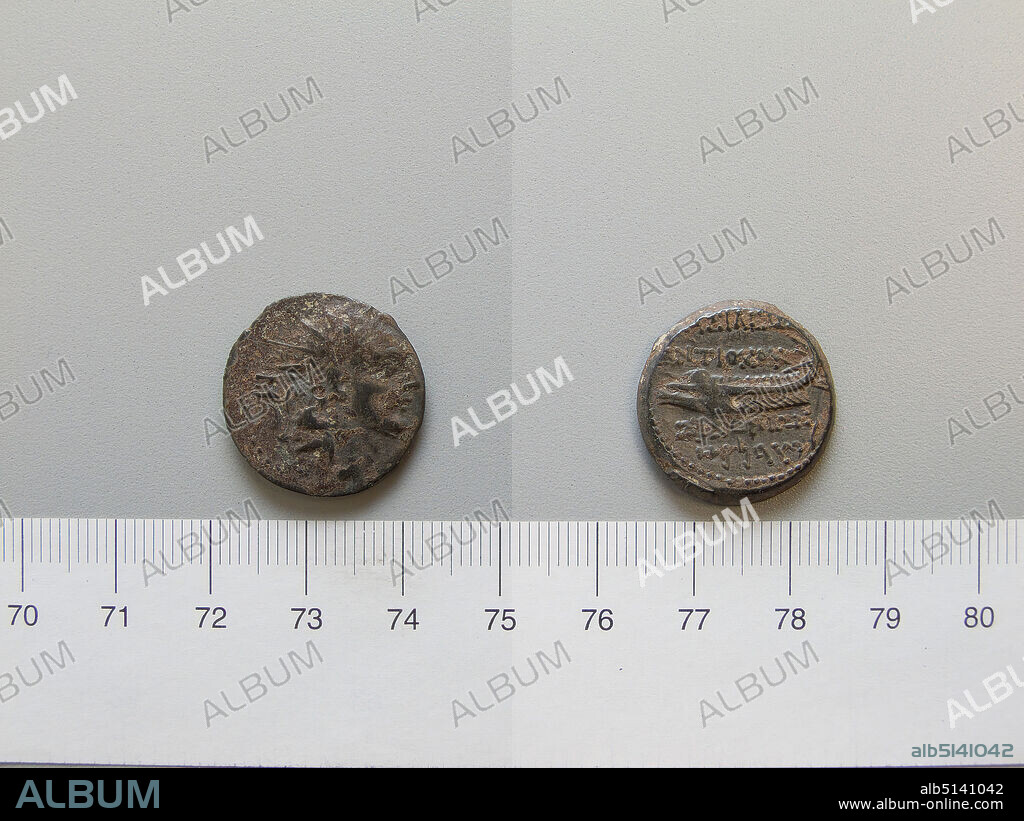
Caracalla also reformed the Roman currency and judiciary systems. His currency reforms aimed to stabilize the empire's economy, which had been strained by his military campaigns and excessive spending. These reforms, while necessary, were not enough to prevent the financial crises that would later plague his reign.
Modern Perspectives and Scholarly Debates
Caracalla's legacy continues to be a subject of debate among historians. Modern scholars have sought to balance the narrative of his tyranny with an appreciation for his pragmatic reforms and architectural achievements.
Reevaluating Caracalla's Reign
Recent scholarly trends have focused on reevaluating Caracalla's rule beyond the traditional "tyrant" narrative. His Constitutio Antoniniana is now seen as a precursor to the empire's "globalization," shifting citizenship from an elite privilege to a mass right. This integrationist policy had far-reaching consequences for the empire's legal and social structures.
Additionally, Caracalla's architectural projects, particularly the Baths of Caracalla, are viewed as symbols of civic benevolence amid his reputation for repression. These projects highlight his desire to improve public life and leave a lasting legacy.
Cultural Relevance and Representations
Caracalla's life and reign have captured the imagination of modern audiences. His complex personality and dramatic story have been featured in various cultural works, including the 2024 film "Gladiator II", where he is portrayed as a "mad emperor." This representation has sparked renewed public interest in his life and rule.
The Baths of Caracalla remain a popular tourist attraction in Rome, drawing visitors who marvel at the engineering prowess and grandeur of the ancient complex. The site serves as a tangible reminder of Caracalla's architectural legacy and his impact on Roman society.
Conclusion of Part 2
Caracalla's military strategies, personal controversies, and cultural achievements paint a complex picture of his reign. His ability to inspire loyalty among his troops, coupled with his brutal tactics and ambitious projects, left an indelible mark on Roman history. In Part 3, we will explore the final years of his rule, his assassination, and the lasting impact of his policies on the Roman Empire.
The Final Years: Paranoia and Downfall
Caracalla's later years were marked by increasing paranoia, military setbacks, and a growing disconnect from Rome's political elite. His once-strong grip on power began to slip as his brutal tactics alienated both the Senate and the people.
The Parthian Campaign: A Fatal Miscalculation
In 216 CE, Caracalla launched his ambitious but ultimately disastrous Parthian campaign. Using the pretext of a fabricated marriage proposal to King Artabanus V's daughter, he invaded Parthia with the goal of expanding Rome's eastern frontier. However, the campaign quickly stalled due to logistical challenges and fierce resistance.
His forces suffered heavy losses, and the expedition failed to achieve any meaningful territorial gains. The failure not only damaged his military reputation but also strained the empire's already fragile finances. Caracalla's inability to secure a decisive victory eroded his credibility among the legions, who had once been his most loyal supporters.
Growing Isolation and Assassination
As his military fortunes declined, Caracalla's paranoia intensified. He became increasingly suspicious of those around him, including his own advisors and generals. His brutal purges had already eliminated many potential threats, but his fear of betrayal persisted.
On April 8, 217 CE, while traveling near Carrhae in Mesopotamia, Caracalla was assassinated by Justin Martialis, a soldier in the Praetorian Guard. Martialis, who had a personal grudge against the emperor, struck Caracalla down while he was relieving himself, ending his tumultuous reign. His successor, Macrinus, briefly took power but struggled to stabilize the empire in the wake of Caracalla's death.
The Economic and Political Impact of Caracalla's Reign
Caracalla's rule had profound and lasting effects on Rome's economy and political landscape. His policies, while ambitious, often came at a significant cost to the empire's stability and prosperity.
Financial Strain and Currency Reform
One of the most pressing issues during Caracalla's reign was the empire's financial crisis. His military campaigns, lavish spending, and generous donations to the army placed an enormous burden on Rome's treasury. To address this, he implemented several controversial financial measures:
- Debasement of the denarius: Caracalla reduced the silver content of Roman coinage, leading to inflation and economic instability.
- Increased taxation: The expansion of citizenship via the Constitutio Antoniniana broadened the tax base, but the additional revenue was often offset by his excessive spending.
- Soldier pay raises: He doubled the stipendium (military pay), which further strained the imperial budget.
These measures provided short-term relief but contributed to long-term economic challenges, including rising inflation and a decline in the value of Roman currency.
Political Legacy: A Mixed Record
Caracalla's political legacy is a study in contrasts. On one hand, his Constitutio Antoniniana was a revolutionary step toward unifying the empire under a single legal framework. On the other, his reign was characterized by authoritarianism, purges, and political instability.
His relationship with the Senate was particularly contentious. Caracalla openly disdained the Senate, favoring the military's support over political alliances. This approach weakened Rome's traditional governance structures and set a precedent for future emperors who relied on the army for legitimacy rather than senatorial approval.
Caracalla's Enduring Influence on Roman Society
Despite his controversial reign, Caracalla's influence on Roman society endured long after his death. His policies and projects left an indelible mark on the empire's legal, cultural, and architectural landscape.
The Constitutio Antoniniana: A Turning Point
The Constitutio Antoniniana remains one of Caracalla's most significant contributions to Roman history. By granting citizenship to all free inhabitants of the empire, he effectively redefined what it meant to be Roman. This policy had several long-term effects:
- Legal unification: The edict standardized legal rights across the empire, reducing regional disparities.
- Cultural integration: It fostered a sense of shared identity among diverse populations, contributing to the empire's cohesion.
- Economic implications: The expanded citizenry increased tax revenues, though it also placed additional administrative burdens on provincial governments.
Modern historians view the edict as a precursor to later concepts of universal citizenship and a key moment in Rome's evolution toward a more inclusive imperial identity.
Architectural and Cultural Contributions
Caracalla's architectural projects, particularly the Baths of Caracalla, stand as testaments to his vision of imperial grandeur. These baths were not merely functional spaces but also centers of social and cultural life. Their design and scale influenced later Roman and Byzantine architecture.
Beyond the baths, Caracalla's civic projects, such as road repairs and aqueducts, improved infrastructure across the empire. His reforms in the judiciary system also aimed to streamline legal processes, though their effectiveness was often overshadowed by his authoritarian rule.
Caracalla in Modern Historiography and Popular Culture
Caracalla's complex legacy continues to fascinate historians and the public alike. His life has been the subject of numerous scholarly debates and cultural representations, each offering a different perspective on his reign.
Scholarly Reassessments
Modern historiography has sought to move beyond the traditional portrayal of Caracalla as a mere tyrant. Recent scholarship highlights several key aspects of his rule:
- Pragmatic reforms: His policies, while often brutal, were driven by a desire to strengthen the empire's administration and military.
- Integrationist vision: The Constitutio Antoniniana is now seen as an attempt to create a more unified and cohesive empire.
- Military leadership: Despite his failures, Caracalla's ability to command and inspire loyalty among his troops remains a notable aspect of his reign.
These reassessments challenge the one-dimensional view of Caracalla as a villain, instead presenting him as a complex figure whose actions had both positive and negative consequences.
Caracalla in Film and Media
Caracalla's dramatic life has made him a compelling figure in popular culture. The 2024 film "Gladiator II" prominently features him as a central character, portraying his rivalry with Geta and his descent into paranoia. This representation has reignited public interest in his story, particularly among audiences fascinated by Roman history.
Additionally, the Baths of Caracalla remain a popular tourist destination, attracting visitors who are drawn to the site's historical significance and architectural splendor. The baths serve as a tangible connection to Caracalla's legacy, offering insights into the daily life and culture of ancient Rome.
Conclusion: The Dual Legacy of Caracalla
Caracalla's reign was a period of profound transformation for the Roman Empire. His military campaigns, while ambitious, often ended in failure, and his brutal tactics alienated many within Rome's political elite. Yet, his Constitutio Antoniniana and architectural projects left a lasting impact on the empire's legal and cultural landscape.
His story is one of contradictions—a ruler capable of both remarkable vision and ruthless cruelty. The Baths of Caracalla stand as a symbol of his desire to leave a grand legacy, while his assassination serves as a reminder of the fragility of power in the face of betrayal.
Ultimately, Caracalla's legacy challenges us to look beyond the simplistic labels of "tyrant" or "reformer." His reign was a pivotal moment in Roman history, shaping the empire's future in ways that continue to resonate today. Whether remembered for his brutality or his innovations, Caracalla remains one of Rome's most enigmatic and influential emperors.











Comments