Sir Roger Penrose: Nobel Laureate and Revolutionary Physicist
Sir Roger Penrose, born August 8, 1931, is a pioneering English mathematician, mathematical physicist, and philosopher of science. In 2020, he earned the Nobel Prize in Physics for proving black hole formation as an inevitable outcome of general relativity. At 94 years old, Penrose remains a leading voice in cosmology, quantum gravity, and the nature of consciousness.
Groundbreaking Contributions to Physics
Penrose's work has reshaped our understanding of the universe. His theories combine deep mathematical insight with bold physical imagination.
Black Hole Formation and Singularity Theorems
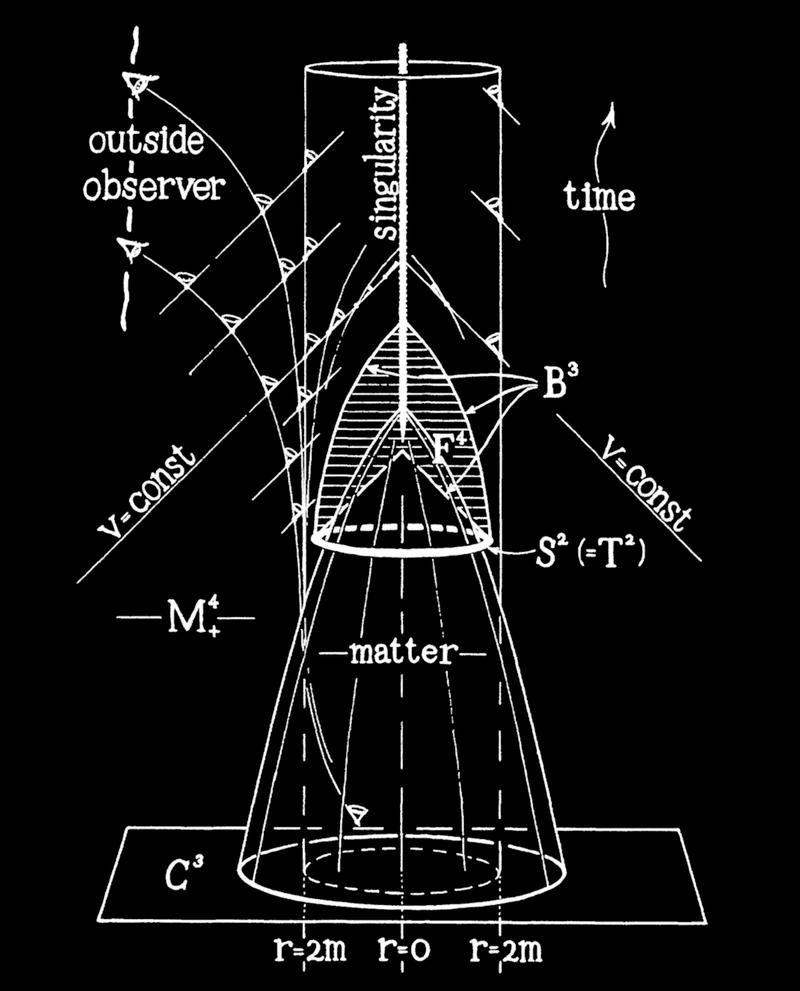
In the 1960s, Penrose revolutionized black hole physics. Working with Stephen Hawking, he developed singularity theorems proving that singularities—points of infinite density—must form in gravitational collapse.
"Spacetime singularities are not artifacts of idealized models but robust predictions of general relativity." — Roger Penrose
These proofs showed that black holes are not theoretical curiosities but inevitable consequences of Einstein's equations. His work provided the foundation for modern black hole research.
Penrose Tilings and Quasicrystals
In 1974, Penrose discovered non-periodic tilings using two rhombus-shaped tiles. These patterns exhibit fivefold rotational symmetry, impossible in traditional crystallography.
- Demonstrated aperiodic order in two dimensions
- Inspired the discovery of quasicrystals in 1984
- Influenced architecture, materials science, and art
This discovery challenged fundamental assumptions about order and symmetry in nature.
Key Awards and Recognition
Penrose's contributions have earned him global acclaim and numerous honors over his career.
Major Accolades
- 2020 Nobel Prize in Physics — Half of the prize for black hole theory
- 2008 Copley Medal — Royal Society's oldest scientific award
- 1988 Wolf Prize in Physics — Shared with Stephen Hawking
- Knighted in 1994 for services to science
Academic Legacy
Penrose holds prestigious positions and continues influencing new generations of scientists.
- Rouse Ball Professor of Mathematics (Emeritus), University of Oxford
- Fellow of Wadham College, Oxford
- Distinguished Visiting Professor at Penn State
His textbook "The Road to Reality" (2004) spans 1,099 pages, offering a comprehensive guide to physical laws and his quantum-gravity views.
Twistor Theory and Quantum Gravity
In 1967, Penrose introduced Twistor Theory, a geometric framework reimagining spacetime. It maps Minkowski space to complex 4D space, aiming to unify relativity and quantum mechanics. This approach transformed how physicists visualize fundamental interactions.
- Mapped spacetime to complex geometry
- Detailed in Spinors and Space-Time (1984–1986) with Wolfgang Rindler
- Provided new tools for quantum gravity research
Impact on Modern Physics
Twistor Theory laid groundwork for contemporary quantum gravity models. It introduced spin networks, now central to loop quantum gravity. Penrose's methods revitalized relativity studies in the 1960s.
"Twistor space offers a bridge between the geometric elegance of general relativity and the probabilistic nature of quantum mechanics." — Roger Penrose
Conformal Cyclic Cosmology: A New Cosmic Cycle
In 2010, Penrose proposed Conformal Cyclic Cosmology (CCC), suggesting the universe undergoes infinite cycles. Each cycle begins with a Big Bang, evolves, and ends in a remote future where expansions slow, allowing conformal rescaling to link successive eras.
- Resolves singularities through conformal rescaling
- Proposes endless cosmic recurrences
- Challenges standard Big Bang models
Scientific Reception and Evidence
CCC remains controversial but influential. Penrose argues cosmic microwave background anomalies support his model. While not universally accepted, it sparks debate on cosmology's ultimate fate.
Key prediction: Future civilizations might observe gravitational waves from the prior universe. Penrose suggests these imprints could exist in the cosmic microwave background. Such evidence remains speculative but drives new observational studies.
Penrose's Views on Consciousness and Reality
With Stuart Hameroff, Penrose developed the Orch-OR theory, linking quantum gravity to consciousness. It posits that microtubule vibrations in neurons could collapse via space-time curvature, producing conscious moments.
- Challenges standard quantum mechanics
- Suggests objective collapse in brain processes
- Influences ongoing studies of quantum effects in biology
Ongoing Influence and Debates
Penrose's consciousness ideas remain contentious but inspire research. At 94, he continues advocating for deeper links between quantum physics and the mind. His work fuels interdisciplinary dialogues on reality's nature.
Notable collaboration: Penrose remains active, confirmed as a plenary speaker at the 2026 Toward a Science of Consciousness conference. His ongoing work keeps the debate alive, challenging neuroscientists and physicists alike to reconsider the mind's quantum roots.
Academic Roles and Mentorship
As Emeritus Rouse Ball Professor of Mathematics at the University of Oxford, Penrose shaped generations of mathematicians and physicists. His mentorship extended beyond Oxford to institutions like Penn State and Syracuse.
- Emeritus fellow of Wadham College, Oxford
- Distinguished Visiting Professor at Penn State (1983–1987)
- Previously taught at Rice University and Syracuse University
Guiding Future Pioneers
Penrose's collaborations with Stephen Hawking and Wolfgang Rindler produced seminal works. His students and postdocs continue advancing relativity, quantum gravity, and mathematical physics.
"Roger Penrose doesn't just solve problems—he rewrites the questions." — Colleague at Oxford
Enduring Influence on Modern Science
At 94 years old, Penrose remains a活跃力 in theoretical physics. His ideas permeate multiple fields, driving new research and interdisciplinary breakthroughs.
Twistor Theory's Modern Resurgence
Twistor Theory gains renewed interest in quantum gravity and string theory. Recent papers cite its complex geometric framework as a potential pathway to unifying forces.
- Inspires amplituhedron research in scattering theory
- Provides tools for quantum field theory reformulation
Penrose Tilings in Technology and Art
Penrose's aperiodic tilings transcend theoretical math. They now appear in:
- Quasicrystal materials used in advanced alloys
- Architectural designs exhibiting fivefold symmetry
- Digital art and computer graphics algorithms
Conclusion: A Legacy of Intellectual Revolution
Sir Roger Penrose's career defies conventional scientific boundaries. From proving black hole inevitability to proposing cyclic universes, he transformed our cosmic perspective.
- 2020 Nobel Prize in Physics for black hole theory
- 1,099-page masterpiece "The Road to Reality" (2004)
- Knighted in 1994 for scientific contributions
Looking Ahead
Penrose's Conformal Cyclic Cosmology and Orch-OR consciousness theory continue sparking debate. His 2026 plenary speech at the Science of Consciousness conference will further challenge established paradigms.
"The universe is not only stranger than we imagine—it is stranger than we can imagine." — Inspired by Penrose's spirit
As Penrose approaches his centenary, his work remains a beacon for thinkers daring to question foundational assumptions. His legacy ensures that "impossible" ideas become tomorrow's breakthroughs.
Arthur Eddington: Pioneering Relativity and Stellar Science
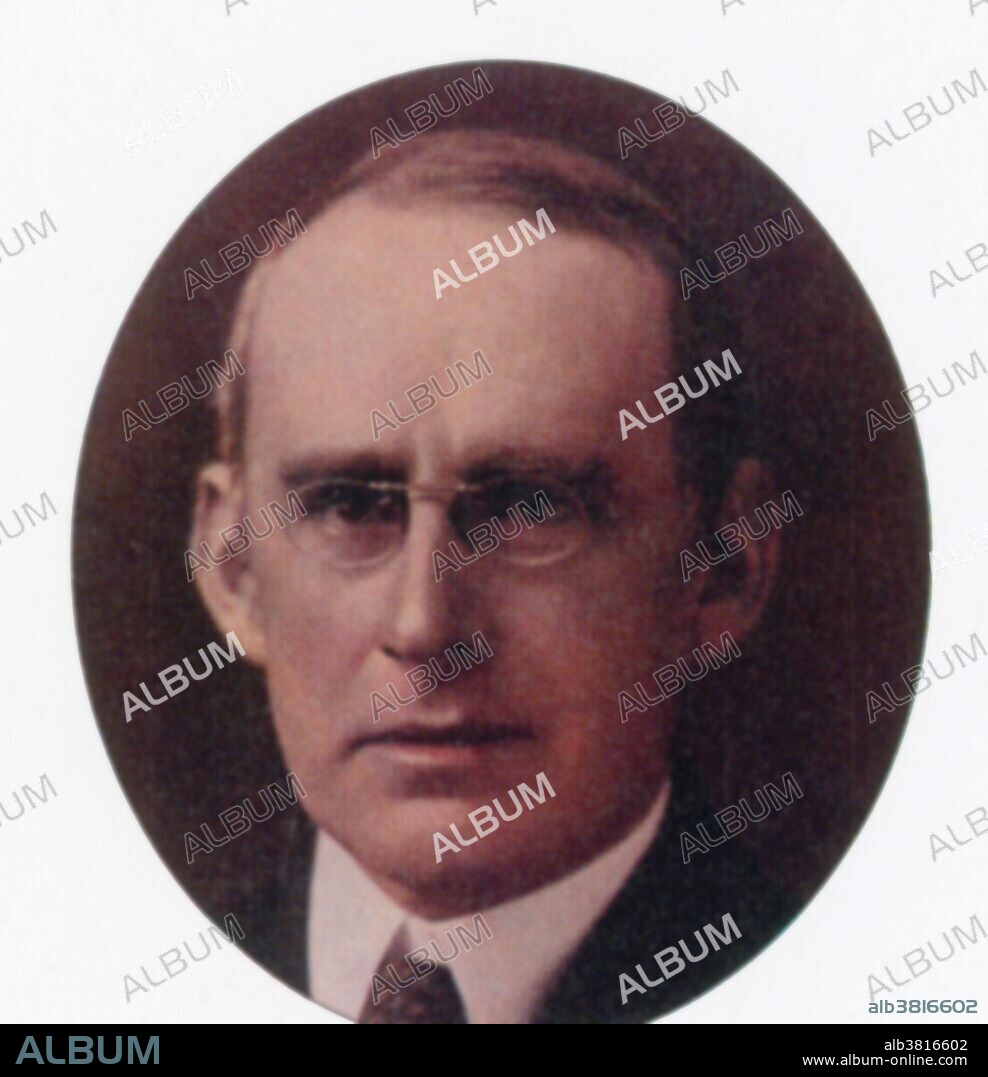
Arthur Stanley Eddington stands as one of the most influential astrophysicists of the early 20th century. His work bridged observation and theory, shaping modern understanding of stars and cosmology. Eddington's leadership in confirming Einstein’s general relativity and his groundbreaking models of stellar interiors placed him at the forefront of scientific revolution.
Early Life and Academic Foundations
Born on 28 December 1882, Eddington demonstrated exceptional mathematical talent from a young age. He studied at Owens College, Manchester, and later at Trinity College, Cambridge, where he excelled in physics and astronomy.
Education and Early Career
Eddington’s academic journey led him to the Royal Observatory, Greenwich, where he served as Chief Assistant from 1906 to 1913. His precision in observational work and theoretical insights quickly earned recognition.
Key Appointments
- Plumian Professor at Cambridge University
- Director of the Cambridge Observatory
- President of the Royal Astronomical Society (1924–1926)
The 1919 Eclipse Expedition: Proving Relativity
Eddington’s most famous achievement came during the 1919 solar eclipse. He led expeditions to the island of Príncipe and Sobral, Brazil, to measure starlight deflection near the Sun.
Observing Relativity in Action
The team’s measurements matched Einstein’s prediction of 1.75 arcseconds deflection for light grazing the solar limb. This confirmation made front-page news and catapulted relativity to global attention.
“Light deflected by gravity: a triumph of thought over observation.” — Arthur Eddington, 1919
Overcoming Challenges
The expedition faced immense logistical and environmental hurdles, including war-time restrictions and unpredictable weather. Eddington’s determination ensured the success of this historic experiment.
Revolutionizing Stellar Astrophysics
Eddington transformed our understanding of stars through innovative theories and mathematical models. His work laid the foundation for modern stellar physics.
The Mass–Luminosity Relation
He formulated the mass–luminosity relation, showing that a star’s brightness scales roughly with the third to fourth power of its mass. This became a cornerstone of stellar evolution studies.
Radiation Pressure and Stellar Structure
Eddington emphasized the role of radiation pressure in supporting massive stars against gravitational collapse. His equations described energy transport through radiative processes in stellar interiors.
The Eddington Limit
He introduced the Eddington limit, the maximum luminosity a star can achieve before radiation pressure blows away its outer layers. For a one-solar-mass object, this limit is approximately 3.3×10⁴ times the Sun’s luminosity.
Science Communication and Popular Books
Eddington didn’t limit himself to academic papers; he became a pioneering science communicator through accessible books. His ability to translate complex ideas for the public earned him a wide audience.
Influential Technical and Popular Works
Eddington authored books that shaped both specialists and the general public. Two of his most cited works are:
- The Internal Constitution of the Stars (1926) – introduced stellar structure models
- The Expanding Universe (1933) – explained relativistic cosmology
Making Relativity Accessible
His writings demystified Einstein’s theories for English readers. Eddington’s clear prose helped general relativity gain traction in academic and public discourse. He avoided jargon while preserving scientific rigor.
“The theory of relativity is a masterpiece of abstract thought… but its consequences are woven into the fabric of the universe.” — Arthur Eddington
Bridging Science During and After WWI
World War I severed scientific ties between Britain and Germany. Eddington took it upon himself to rebuild these connections through translation and advocacy.
Translating Einstein’s Work
He translated key German papers on relativity into English, ensuring Anglo-American scientists weren’t isolated. This effort was crucial in spreading Einstein’s ideas during a time of political tension.
Post-War Advocacy
Eddington used lectures, articles, and public debates to champion relativity. His 1919 eclipse results provided empirical evidence that resonated globally, helping to heal scientific diplomacy.
Impact on Anglophone Science
By 1920, Eddington’s efforts had made relativity a mainstream topic in British universities. He helped create a framework for English-speaking scientists to engage with Einstein’s revolution.
Philosophical Insights and Enduring Legacy
Beyond mathematics and observation, Eddington explored the philosophy of physics. His imaginative approach inspired generations of thinkers and scientists.
Exploring the Nature of Reality
Eddington questioned the limits of human perception in science. He argued that physical laws reflect our means of measurement rather than absolute truth. His essays often blended logic with poetic insight.
Concepts That Remain Central
Many of Eddington’s ideas persist in modern astrophysics. The Eddington limit, for instance, remains vital for understanding:
- Accretion around black holes
- Luminous transient events
- Massive star evolution
Historiography of the 1919 Expedition
Modern scholars re-examine the 1919 results for statistical robustness and context. While measurement limits existed, the core conclusion—that gravity bends light—stands uncontested. Eddington’s role as scientist and advocate continues to spark debate.
Eddington’s blend of rigorous theory, observational leadership, and public engagement made him a model scientist-intellectual. His legacy endures in both cosmic-scale physics and the broader dialogue about science’s place in society.
Legacy in Modern Astrophysics
Today, Arthur Eddington’s theoretical framework remains deeply embedded in cutting-edge astrophysical research. His concepts continue to guide investigations of extreme celestial phenomena and energy processes.
The Eddington Limit in Contemporary Studies
The Eddington limit serves as a critical benchmark for understanding high-energy astrophysical systems. Modern applications include:
- Studying super-Eddington accretion around black holes
- Analyzing luminous transients like quasars and supernovae
- Modeling radiation-driven winds in massive stars
For a solar-mass object, the Eddington luminosity approximates 3.3×10⁴ times the Sun’s luminosity, adjusted for composition and opacity.
Stellar Structure and Evolutionary Models
Eddington’s mass–luminosity relation—showing stellar brightness scaling as roughly M^3–M^4—remains a foundational empirical pattern in stellar evolution. This relationship underpins:
- Main-sequence stellar classification
- Predictions of stellar lifecycles
- Understanding of galactic chemical enrichment
Eddington’s Continuing Influence on Science Communication
Eddington’s dual role as researcher and public educator established a template for modern scientist-communicators. His approach resonates in today’s discussions about trust in scientific expertise.
The Scientist-Public Intellectual Model
Eddington’s books—like The Expanding Universe—demonstrated how complex ideas could be made accessible without sacrificing accuracy. This model now inspires initiatives such as:
- Public lecture series at major universities
- Science communication programs for policymakers
- Media engagement strategies for researchers
Narrative Power in Scientific Storytelling
The 1919 eclipse story remains a powerful narrative framework. Its elements—scientific curiosity, logistical challenges, wartime context—continue to captivate audiences in documentaries, museum exhibits, and educational materials.
“Science is a chase, and the greatest fascination lies in the chase itself.” — Arthur Eddington
Conclusion: The Lasting Vision of Arthur Eddington
Arthur Stanley Eddington transformed astrophysics through empirical verification, theoretical innovation, and exceptional communication. His confirmation of general relativity, revolutionary stellar models, and philosophical insights collectively reshaped 20th-century science.
Key Scientific Milestones
- Leadership of the 1919 eclipse expedition confirming light deflection (1.75 arcseconds)
- Development of the mass–luminosity relation for main-sequence stars
- Formulation of the Eddington limit for radiative luminosity
Enduring Philosophical Contributions
Eddington challenged contemporaries to consider the limits of human perception in scientific inquiry. He argued that physical laws reflect observational frameworks rather than absolute truths—a perspective that anticipates modern debates about theory-dependent knowledge.
As astronomy advances into new domains—from gravitational wave astronomy to exoplanet characterization—Eddington’s legacy endures. His integration of rigorous theory, precise observation, and public engagement remains a guiding ideal for scientists and communicators alike. The man who bent starlight to prove relativity continues to inspire both the equations and the narratives that shape our cosmic understanding.

Albert Einstein: The Genius Who Redefined Physics
Albert Einstein, a name synonymous with genius, revolutionized our understanding of the universe. Born in 1879 in Ulm, Germany, Einstein's contributions to theoretical physics, including the theories of special and general relativity, have left an indelible mark on science and technology. His iconic equation, E=mc², is one of the most recognized scientific formulas worldwide. This article delves into the life, achievements, and enduring legacy of Albert Einstein.
Early Life and Education
Albert Einstein was born on March 14, 1879, into a middle-class Jewish family. His early childhood was marked by a delay in speech, which concerned his parents. However, this late bloomer would go on to exhibit extraordinary intellectual capabilities. Einstein's fascination with science and mathematics began at an early age, fueled by his curiosity and the influence of his uncle, who introduced him to algebraic concepts.
Academic Journey
Einstein's academic journey was not without challenges. He attended the Swiss Federal Polytechnic in Zurich, where he studied physics and mathematics. Despite his brilliance, he struggled with the rigid educational system and often clashed with his professors. Nevertheless, he graduated in 1900 and began his quest for academic positions, which proved difficult due to his unconventional approach and Jewish heritage.
The Annus Mirabilis: 1905
The year 1905 is often referred to as Einstein's annus mirabilis, or "miracle year." During this period, he published four groundbreaking papers that would forever change the landscape of physics. These papers addressed the photoelectric effect, Brownian motion, special relativity, and mass-energy equivalence.
The Photoelectric Effect
One of Einstein's most significant contributions was his explanation of the photoelectric effect, which earned him the Nobel Prize in Physics in 1921. This work introduced the concept of light quanta, later known as photons, and laid the foundation for quantum mechanics. The photoelectric effect is crucial in understanding how light interacts with matter and has practical applications in solar panels and digital cameras.
Brownian Motion
Einstein's paper on Brownian motion provided empirical evidence for the existence of atoms. By explaining the random movement of particles suspended in a fluid, he confirmed the atomic theory of matter. This work was instrumental in advancing the field of statistical mechanics and provided a deeper understanding of the microscopic world.
Special Relativity
The theory of special relativity, published in 1905, challenged the long-held Newtonian concepts of space and time. Einstein proposed that the laws of physics are the same for all non-accelerating observers and that the speed of light in a vacuum is constant, regardless of the observer's motion. This theory introduced the famous equation E=mc², which describes the relationship between mass and energy.
General Relativity and Beyond
Building on his work on special relativity, Einstein developed the general theory of relativity in 1915. This theory redefined gravity as the curvature of spacetime caused by mass and energy. The theory was confirmed in 1919 during a solar eclipse, when observations showed that starlight bent as it passed near the sun, just as Einstein had predicted.
Impact on Modern Physics
Einstein's theories of relativity have had a profound impact on modern physics. They have influenced our understanding of the universe, from the behavior of planets and stars to the dynamics of black holes and the expansion of the cosmos. General relativity is essential for the accurate functioning of GPS technology, which relies on corrections for time dilation effects.
Political and Humanitarian Efforts
Einstein was not only a scientific genius but also a committed humanitarian and political activist. He was a pacifist and opposed World War I, using his influence to advocate for peace and progressive causes. In 1933, he fled Nazi Germany due to the rise of anti-Semitism and emigrated to the United States, where he continued his work at the Institute for Advanced Study in Princeton.
Advocacy and Legacy
Throughout his life, Einstein used his platform to speak out against injustice and promote human rights. He was a vocal supporter of civil rights and worked to aid refugees, drawing from his own experiences as a displaced person. His legacy extends beyond his scientific achievements, encompassing his commitment to social justice and his efforts to create a better world.
Conclusion
Albert Einstein's contributions to physics and his broader impact on society are unparalleled. His theories have shaped our understanding of the universe and continue to influence scientific research and technological advancements. Beyond his scientific genius, Einstein's humanitarian efforts and advocacy for peace and justice serve as an enduring inspiration. In the next part of this article, we will explore Einstein's later years, his pursuit of a unified field theory, and his lasting influence on modern science and technology.
Einstein's Later Years and the Quest for a Unified Theory
After establishing his groundbreaking theories, Albert Einstein spent his later years pursuing a unified field theory, aiming to reconcile general relativity with electromagnetism. This ambitious goal consumed much of his time at the Institute for Advanced Study in Princeton, where he worked from 1933 until his death in 1955. Though he never achieved this unification, his efforts laid the groundwork for future physicists exploring the fundamental forces of nature.
The Challenge of Unification
Einstein's quest for a unified theory was driven by his belief in the simplicity and elegance of the universe. He sought to describe all physical phenomena through a single, overarching framework. However, the complexity of merging gravity with other forces proved insurmountable during his lifetime. Despite this, his work inspired generations of scientists, including those developing string theory and loop quantum gravity today.
Critique of Quantum Mechanics
While Einstein's early work was foundational to quantum mechanics, he later became a vocal critic of its probabilistic nature. His famous quote, "God does not play dice with the universe," reflects his discomfort with the uncertainty principle. Einstein engaged in debates with contemporaries like Niels Bohr, arguing that quantum mechanics was incomplete and that a deeper, deterministic theory must exist.
Einstein's Influence on Technology and Modern Science
Einstein's theories have had far-reaching implications beyond theoretical physics. His work underpins many modern technologies, from GPS systems to nuclear energy. The practical applications of his discoveries continue to shape our daily lives and drive technological innovation.
GPS and Relativity
One of the most tangible impacts of Einstein's theories is on Global Positioning Systems (GPS). The accuracy of GPS relies on corrections derived from both special and general relativity. Without these adjustments, GPS devices would accumulate errors of about 10 kilometers per day, rendering them useless for precise navigation.
Nuclear Energy and E=mc²
The equation E=mc² is not just a theoretical concept; it has practical applications in nuclear energy. This mass-energy equivalence formula explains the immense energy released in nuclear reactions, forming the basis for both nuclear power and atomic weapons. Einstein's insights into the relationship between mass and energy have thus played a pivotal role in shaping the modern energy landscape.
Einstein's Humanitarian and Political Legacy
Beyond his scientific achievements, Albert Einstein was a passionate advocate for human rights and social justice. His experiences as a refugee and his opposition to oppression fueled his commitment to humanitarian causes. Einstein used his global influence to speak out against injustice and promote peace.
Refugee Advocacy
Having fled Nazi Germany in 1933, Einstein understood the plight of refugees firsthand. He worked tirelessly to aid displaced individuals, raising funds and awareness for refugee causes. His efforts included supporting organizations that helped scientists and intellectuals escape persecution, ensuring that their contributions to society were not lost.
Civil Rights and Pacifism
Einstein was a vocal supporter of civil rights in the United States. He publicly condemned racism and segregation, aligning himself with prominent African American activists. Additionally, his pacifist beliefs led him to advocate for disarmament and international cooperation, particularly in the aftermath of World War II. Einstein's political activism underscores his belief in the responsibility of scientists to engage with societal issues.
Einstein's Cultural and Intellectual Impact
Albert Einstein's influence extends beyond science and politics into the realm of culture and intellectual thought. His name has become synonymous with genius, and his ideas have permeated various aspects of society, from education to popular media.
Einstein in Popular Culture
Einstein's distinctive appearance and profound insights have made him a cultural icon. He has been featured in numerous films, television shows, and books, often symbolizing intellectual brilliance. His image is frequently used to represent scientific achievement, and his quotes are widely shared for their wisdom and wit.
Educational and Philosophical Influence
Einstein's approach to science and his philosophical views have had a lasting impact on education and intellectual discourse. He emphasized the importance of curiosity, imagination, and critical thinking, values that continue to inspire educators and students alike. His thoughts on the nature of reality, time, and the universe have also influenced philosophical debates, bridging the gap between science and metaphysics.
Recent Developments and Einstein's Enduring Legacy
Even decades after his death, Albert Einstein's work continues to inspire new discoveries and technological advancements. Recent developments in physics and astronomy often trace their roots back to his theories, demonstrating the enduring relevance of his contributions.
Gravitational Waves and Black Holes
One of the most significant confirmations of Einstein's theories came in 2015, when the Laser Interferometer Gravitational-Wave Observatory (LIGO) detected gravitational waves for the first time. This discovery, a century after Einstein predicted the existence of these waves, opened a new window into the study of the universe, particularly the behavior of black holes and neutron stars.
Quantum Technologies
Einstein's early work on the photoelectric effect and his collaborations with other scientists laid the foundation for quantum technologies. Today, advancements in quantum computing and quantum cryptography are building on these principles, promising to revolutionize fields such as information technology and cybersecurity.
Centennial Celebrations and Digital Archives
In recent years, there has been a renewed interest in Einstein's life and work, marked by centennial celebrations and the digitization of his archives. These efforts have made his papers and correspondence accessible to a global audience, allowing new generations to explore his ideas and contributions. Exhibits and educational programs continue to highlight his scientific achievements and humanitarian efforts.
Conclusion
Albert Einstein's legacy is a testament to the power of human intellect and the pursuit of knowledge. His theories have reshaped our understanding of the universe, and his humanitarian efforts have left an indelible mark on society. As we continue to explore the frontiers of science and technology, Einstein's ideas remain a guiding light, inspiring innovation and discovery. In the final part of this article, we will delve deeper into Einstein's personal life, his relationships, and the lesser-known aspects of his journey that contribute to his enduring fascination.
Einstein's Personal Life and Relationships
Beyond his scientific achievements, Albert Einstein's personal life offers insight into the man behind the genius. He married Mileva Marić in 1903, and their relationship produced two daughters and a son. However, personal struggles led to a divorce in 1919, after which he married his cousin Elsa Löwenthal. These relationships often influenced his work and public persona, balancing his intellectual pursuits with complex emotional dynamics.
Family and Parenthood
Einstein cherished his children, though his famed brilliance did not always translate into domestic harmony. He admitted to being distant at times, prioritizing his research over family life. Despite this, his daughters and son played significant roles in shaping his worldview, with moments of playful curiosity mirroring his own scientific mindset. His later years saw a closer bond with his sister Maja, who provided emotional support during his most challenging periods.
Lesser-Known Contributions to Science
While relativity and the photoelectric effect dominate discussions of Einstein, several lesser-known works underscore his versatility. These contributions reveal a scientist unafraid to explore beyond mainstream theories, often collaborating with lesser-known peers to push scientific boundaries.
Stimulated Emission and Laser Technology
In 1917, Einstein introduced the concept of stimulated emission, a process where an excited atom emits radiation in response to incoming photons. This foundational idea later enabled the development of lasers, revolutionizing fields from medicine to telecommunications. Though overlooked at the time, stimulated emission is now a cornerstone of modern technology, illustrating how theoretical insights can yield practical revolutions decades later.
Bose-Einstein Statistics
Einstein's collaboration with Indian physicist Satyendra Nath Bose in 1924 led to the development of Bose-Einstein statistics, which describe the behavior of particles that obey quantum Bose-Einstein statistics. This work laid the groundwork for the discovery of the Bose-Einstein condensate, a state of matter achieved at near-absolute-zero temperatures. Such advancements continue to influence quantum computing and ultracold atomic research today.
Einstein's Legacy in Education and Culture
Einstein’s name has become synonymous with genius, shaping how society perceives intellectual achievement. His image and ideas permeate education, media, and global culture, ensuring his influence endures across generations.
Educational Icon
In classrooms worldwide, Einstein is often the first scientist introduced to students, symbolizing curiosity and innovation. His theories are taught as pillars of modern physics, and his quotes—such as “Imagination is more important than knowledge”—are frequently used to inspire young minds. Educational programs and competitions frequently bear his name, reinforcing his role as a model for aspiring thinkers.
Cultural Symbolism
Beyond academia, Einstein’s wild hair and thoughtful gaze have made him an enduring cultural icon. He appears in films, cartoons, and advertisements, often representing wisdom or intellectual prowess. His advocacy for peace and justice has also cemented his status as a moral and ethical guide, with his legacy frequently invoked in debates about science’s role in society.
Conclusion: The Enduring Impact of Albert Einstein
Albert Einstein’s contributions to science, technology, and humanity are immeasurable. From rewriting the laws of physics with special and general relativity to advocating for peace and refugee rights, his life exemplifies the intersection of intellectual rigor and social responsibility.
- E=mc² remains one of the most iconic equations in scientific history, underpinning nuclear energy and astrophysics.
- His theories of relativity revolutionized our understanding of time, space, and gravity, influencing everything from GPS technology to black hole research.
- Einstein’s humanitarian efforts, including refugee advocacy and civil rights activism, highlight his belief in using knowledge for the greater good.
As we continue to explore the universe and address global challenges, Einstein’s legacy serves as both a foundation and an inspiration. His ability to merge profound theoretical insight with a deep concern for humanity ensures that his name will remain timeless—a beacon of genius, ethics, and hope for future generations.



Stephen Hawking: Visionary of Cosmology and Symbolic Figure of Science
Introduction to a Scientific Icon
Stephen Hawking remains one of the most influential figures in modern science, renowned for his groundbreaking contributions to cosmology and theoretical physics. His work on black holes and the origins of the universe has reshaped our understanding of the cosmos. This article explores his legacy, focusing on his role as a visionary of cosmology and a symbolic figure of science.
Early Life and Challenges
Born in 1942, Stephen Hawking was diagnosed with ALS at the age of 21. Despite a grim prognosis, he defied expectations, living for over five decades while continuing his scientific pursuits. His resilience and intellect made him a symbol of human determination and brilliance.
Diagnosis and Defiance
Hawking's diagnosis of ALS, a neurodegenerative disease, initially gave him only a few years to live. However, he outlived this prognosis by 53 years, a testament to his extraordinary willpower and the support of advanced medical technology.
Educational Pursuits
Despite his physical challenges, Hawking pursued his education with vigor. He earned his Ph.D. from the University of Cambridge, where he later became the Lucasian Professor of Mathematics, a position once held by Isaac Newton.
Groundbreaking Contributions to Cosmology
Hawking's most significant contributions lie in the field of cosmology, particularly his work on black holes and the Big Bang. His theories have had a profound impact on our understanding of the universe.
Hawking Radiation
In 1974, Hawking proposed the theory of Hawking radiation, which suggests that black holes are not entirely black but emit radiation and can eventually evaporate. This discovery bridged the gap between quantum mechanics and general relativity.
The No-Boundary Proposal
Hawking's no-boundary proposal for the universe's origin suggests that the universe has no beginning or end in the traditional sense. This theory has been supported by recent data from the James Webb Space Telescope, which has provided insights into the early universe.
Major Works and Publications
Hawking's ability to communicate complex scientific ideas to a broader audience is evident in his numerous publications. His books have sold millions of copies worldwide, making him a household name in the field of science.
A Brief History of Time
Published in 1988, A Brief History of Time has sold over 25 million copies worldwide. The book explains the fundamental concepts of cosmology in an accessible manner, making it a bestseller and a classic in scientific literature.
The Grand Design
In The Grand Design (2010), Hawking explores the origins of the universe and the role of a creator. He argues that the universe can arise spontaneously from nothing, challenging traditional notions of divine creation.
Recent Developments and Legacy
Even after his passing in 2018, Hawking's work continues to influence modern science. Recent developments in quantum gravity and AI simulations have validated many of his theories, ensuring his legacy endures.
AI Simulations and Hawking Radiation
In 2023–2025, AI simulations have validated analogs of Hawking radiation in laboratory settings using sound waves in Bose-Einstein condensates. These experiments provide empirical support for Hawking's theoretical predictions.
The James Webb Space Telescope
The James Webb Space Telescope (JWST) has provided data that supports Hawking's no-boundary proposal. Observations of early galaxies are consistent with inflationary models, further validating his theories.
Conclusion
Stephen Hawking's contributions to cosmology and theoretical physics have left an indelible mark on the scientific community. His work on black holes, the Big Bang, and the origins of the universe continues to inspire and challenge scientists worldwide. As a visionary of cosmology and a symbolic figure of science, Hawking's legacy will endure for generations to come.
Hawking’s Influence on Modern Physics and Pop Culture
Stephen Hawking was not just a scientist; he became a cultural icon whose ideas transcended academia. His theories reshaped modern physics, while his public persona made science accessible and inspiring to millions. This section explores his dual role as a scientific pioneer and a pop culture figure.
Bridging Science and Public Understanding
Hawking had a unique ability to simplify complex scientific concepts, making them understandable to non-experts. His appearances on television shows, documentaries, and even animated series like The Simpsons and Futurama brought cosmology into mainstream conversations.
- Guest appearances on Star Trek: The Next Generation and The Big Bang Theory.
- Voice cameos in Pink Floyd’s The Division Bell album.
- Documentaries like A Brief History of Time (1991) and Into the Universe with Stephen Hawking (2010).
Theory of Everything and Unified Physics
One of Hawking’s lifelong goals was to contribute to a Theory of Everything, a framework that unifies general relativity and quantum mechanics. While this remains an unfinished quest, his work laid critical groundwork for future physicists.
His collaboration with Roger Penrose on singularity theorems proved that the universe began as an infinitely dense point—a cornerstone of the Big Bang theory. This work earned them the Wolf Prize in Physics in 1988.
Hawking’s Philosophical and Ethical Contributions
Beyond his scientific achievements, Hawking engaged deeply with philosophical questions about the universe, human existence, and the future of technology. His views on artificial intelligence (AI), alien life, and the multiverse sparked global debates.
Views on Artificial Intelligence
Hawking was vocal about the potential dangers of uncontrolled AI development. In 2014, he warned:
"The development of full artificial intelligence could spell the end of the human race."
He advocated for ethical guidelines in AI research, emphasizing the need for safeguards to prevent catastrophic outcomes. His concerns remain relevant as AI technology advances rapidly.
The Multiverse and the Meaning of Existence
Hawking’s exploration of the multiverse theory suggested that our universe is just one of many. In The Grand Design, he argued that the existence of multiple universes could explain the fine-tuned laws of physics that allow life to exist.
This idea challenges traditional religious and philosophical views, positioning Hawking as a key figure in the science vs. religion debate. His atheistic stance, grounded in scientific evidence, continues to influence discussions about the nature of reality.
Hawking’s Collaborations and Scientific Relationships
Hawking’s work was often collaborative, involving partnerships with other leading physicists. These relationships not only advanced his research but also fostered a spirit of scientific cooperation that defined his career.
Partnership with Roger Penrose
Hawking’s collaboration with Roger Penrose in the 1960s and 1970s led to groundbreaking discoveries about black holes and singularities. Their joint work proved that:
- Singularities are an inevitable feature of general relativity.
- The universe began as a singularity, supporting the Big Bang theory.
- Black holes contain singularities at their cores, where the laws of physics break down.
This partnership earned them widespread acclaim, including the Albert Einstein Award and the Wolf Prize.
Work with Kip Thorne and the Black Hole Information Paradox
Hawking’s debates with Kip Thorne and other physicists led to significant advancements in understanding black hole thermodynamics. One of the most famous controversies was the black hole information paradox:
- Hawking initially argued that information is lost when matter falls into a black hole.
- This contradicted quantum mechanics, which states that information cannot be destroyed.
- In 2004, Hawking conceded that information might be preserved, a major shift in his stance.
This ongoing debate highlights the dynamic nature of scientific inquiry and Hawking’s willingness to revise his theories in light of new evidence.
The Cultural and Educational Impact of Hawking’s Work
Hawking’s influence extended far beyond the scientific community. His books, lectures, and public appearances inspired generations of students, educators, and enthusiasts to engage with cosmology and theoretical physics.
Inspiring Future Scientists
Hawking’s story of perseverance in the face of adversity has motivated countless individuals to pursue careers in STEM fields. His life demonstrates that physical limitations do not define intellectual potential.
- Many universities offer Hawking-inspired courses on cosmology and theoretical physics.
- Scholarships and research grants have been established in his name.
- His lectures and writings are frequently cited in educational curricula worldwide.
Global Recognition and Awards
Hawking received numerous accolades throughout his career, reflecting his global impact. Some of the most notable include:
- Presidential Medal of Freedom (2009), the highest civilian honor in the U.S.
- Copley Medal (2006), the Royal Society’s oldest and most prestigious award.
- Fundamental Physics Prize (2013), recognizing his contributions to black hole research.
- Over 12 honorary degrees from institutions like Oxford and Harvard.
These honors underscore his role as a symbolic figure of science, celebrated not just for his discoveries but for his ability to inspire and educate.
Challenges and Controversies in Hawking’s Career
Despite his immense contributions, Hawking’s career was not without challenges and controversies. His theories often sparked debates, and his personal life faced scrutiny. This section examines some of the key controversies and how they shaped his legacy.
The Black Hole Information Paradox Debate
The black hole information paradox remains one of the most contentious issues in modern physics. Hawking’s initial claim that information is lost in black holes clashed with the principles of quantum mechanics.
In 2004, after decades of debate, Hawking admitted that information might not be lost after all. This concession highlighted his intellectual honesty and commitment to scientific truth, even when it meant revising his own theories.
Criticism of Religious Views
Hawking’s outspoken atheism and his assertion that the universe does not require a creator drew criticism from religious groups. In The Grand Design, he wrote:
"Because there is a law such as gravity, the universe can and will create itself from nothing."
This statement challenged traditional creation narratives, sparking debates between science and religion. While some viewed his stance as provocative, others praised his courage in addressing fundamental questions about existence.
Hawking’s Final Years and Lasting Legacy
In his final years, Hawking continued to contribute to science and public discourse, even as his health declined. His last published works and public statements reflected his enduring curiosity and concern for humanity’s future.
Final Research and Warnings
Hawking’s final paper, published posthumously in 2018, explored the theoretical existence of a multiverse and the implications for cosmology. He also issued warnings about:
- The dangers of unregulated AI and its potential to outpace human control.
- The urgent need to address climate change and its threat to Earth’s habitability.
- The possibility of alien life and the risks of attempting contact.
These warnings underscored his role not just as a scientist but as a visionary deeply concerned with humanity’s future.
Preserving Hawking’s Voice and Ideas
After his passing, efforts were made to preserve Hawking’s voice and ideas for future generations. In 2024, his archives were digitized, making his lectures, notes, and personal correspondence accessible to researchers and the public.
- Virtual reality (VR) recreations of his lectures allow new audiences to experience his teachings.
- His speech synthesizer and wheelchair are displayed in museums as symbols of his resilience.
- Documentaries and biographies continue to explore his life and contributions.
These efforts ensure that Hawking’s legacy as a visionary of cosmology and a symbolic figure of science will endure for decades to come.
The Future of Hawking’s Theories: What’s Next?
Stephen Hawking’s theories continue to shape the future of cosmology and theoretical physics. As technology advances, scientists are finding new ways to test and expand upon his ideas, ensuring his legacy remains at the forefront of scientific discovery.
Testing Hawking Radiation in Laboratories
One of the most exciting developments in recent years is the attempt to observe Hawking radiation in controlled laboratory settings. While directly detecting this radiation from actual black holes remains beyond current technology, researchers have turned to analog systems to simulate the phenomenon.
- Bose-Einstein condensates are used to create sound wave analogs of black holes, allowing scientists to study radiation patterns.
- In 2023, a team at the Technion-Israel Institute of Technology reported evidence of Hawking-like radiation in these systems.
- Future experiments aim to refine these simulations, potentially confirming Hawking’s predictions with greater precision.
These experiments not only validate Hawking’s theories but also open new avenues for understanding quantum gravity.
The Search for Primordial Black Holes
Hawking’s work on primordial black holes—hypothetical black holes formed in the early universe—has gained renewed interest. These objects, if they exist, could provide insights into the Big Bang and the nature of dark matter.
- The James Webb Space Telescope (JWST) is searching for signs of these ancient black holes.
- Gravitational wave observatories like LIGO may detect mergers involving primordial black holes.
- If discovered, these black holes could serve as a direct test of Hawking’s theories about the early universe.
Confirming the existence of primordial black holes would be a monumental achievement, further cementing Hawking’s place in scientific history.
Hawking’s Influence on Education and Public Engagement
Beyond his scientific contributions, Hawking’s impact on education and public engagement with science is immeasurable. His ability to communicate complex ideas to a broad audience has inspired a new generation of scientists and educators.
Democratizing Science Through Accessible Content
Hawking’s books, particularly A Brief History of Time, set a new standard for science communication. His approach made abstract concepts like black holes and quantum mechanics accessible to millions.
- The book has been translated into over 40 languages, reaching a global audience.
- It spent 237 weeks on the London Sunday Times bestseller list, a record for a science book.
- Hawking’s follow-up works, such as The Universe in a Nutshell, continued this tradition of clarity and engagement.
His influence extends to modern science communicators, who strive to emulate his ability to make complex topics understandable and engaging.
Inspiring STEM Education Initiatives
Hawking’s life story has become a cornerstone of STEM education initiatives, particularly those aimed at encouraging students with disabilities to pursue careers in science.
- Programs like the Stephen Hawking Foundation provide scholarships and resources for students with physical challenges.
- Schools and universities worldwide use his story to teach resilience and perseverance in the face of adversity.
- His lectures and interviews are frequently featured in educational curricula, from high school physics classes to university seminars.
By breaking barriers, Hawking has shown that intellectual curiosity and determination can overcome even the most daunting obstacles.
The Ethical and Philosophical Debates Sparked by Hawking
Hawking’s work didn’t just advance science—it also sparked profound ethical and philosophical debates. His views on topics like artificial intelligence, alien life, and the future of humanity continue to shape global discussions.
The AI Debate: Promise and Peril
Hawking’s warnings about artificial intelligence have become increasingly relevant as AI technology advances. He argued that while AI has the potential to solve many of humanity’s greatest challenges, it also poses existential risks.
"Success in creating AI would be the biggest event in human history. Unfortunately, it might also be the last, unless we learn how to avoid the risks."
His concerns have influenced policymakers and researchers alike, leading to:
- The development of AI ethics guidelines by organizations like the IEEE and UNESCO.
- Increased funding for research into AI safety and alignment.
- Public debates about the role of AI in society, from automation to autonomous weapons.
Hawking’s legacy in this area ensures that the conversation about AI’s future remains grounded in both optimism and caution.
The Search for Extraterrestrial Life
Hawking was a vocal advocate for the search for extraterrestrial life, but he also warned of the potential dangers of making contact. His views on this topic have shaped modern approaches to projects like SETI (Search for Extraterrestrial Intelligence).
- He supported initiatives like Breakthrough Listen, which scans the cosmos for signals from intelligent civilizations.
- However, he cautioned that advanced alien civilizations might not be benevolent, comparing potential contact to the arrival of Europeans in the Americas.
- His warnings have led to debates about whether humanity should actively transmit signals into space or remain silent.
Hawking’s perspective on this issue reflects his broader concern for humanity’s long-term survival, a theme that defined much of his later work.
Hawking’s Legacy in the Digital Age
In the years since his passing, Hawking’s legacy has been preserved and expanded through digital technologies. From virtual reality to online archives, his ideas continue to reach new audiences in innovative ways.
Digitizing Hawking’s Archives
In 2024, the University of Cambridge and the Hawking Estate launched a digital archive of Hawking’s personal and professional papers. This project makes his work accessible to researchers and the public alike.
- The archive includes lecture notes, correspondence, and unpublished manuscripts.
- It provides insights into his thought process, from early drafts of A Brief History of Time to his later theories on the multiverse.
- Scholars can now study his collaborations with other scientists, including Roger Penrose and Kip Thorne.
This digital preservation ensures that future generations can explore Hawking’s contributions in unprecedented detail.
Virtual Reality and Interactive Learning
Emerging technologies like virtual reality (VR) are being used to bring Hawking’s lectures and ideas to life. These immersive experiences allow users to engage with his work in ways that were previously impossible.
- VR recreations of Hawking’s Cambridge office let users explore his workspace and interact with his theories.
- Interactive simulations of black holes and Hawking radiation help students visualize complex concepts.
- AI-powered chatbots can now answer questions about Hawking’s theories, making his ideas more accessible to a global audience.
These innovations ensure that Hawking’s legacy continues to inspire and educate in the digital age.
Conclusion: The Enduring Impact of a Scientific Giant
Stephen Hawking’s contributions to cosmology, theoretical physics, and science communication have left an indelible mark on the world. His work on black holes, the Big Bang, and the multiverse has reshaped our understanding of the universe, while his public engagement has inspired millions to explore the wonders of science.
Key Takeaways from Hawking’s Legacy
- Scientific Breakthroughs: Hawking’s discovery of Hawking radiation and his work on singularities revolutionized modern physics.
- Public Engagement: His books and lectures made complex scientific ideas accessible to a global audience.
- Resilience and Inspiration: Hawking’s life story demonstrates the power of intellect and determination in overcoming adversity.
- Ethical and Philosophical Influence: His warnings about AI and alien life continue to shape global debates.
- Digital Preservation: Modern technologies ensure that his ideas remain accessible and relevant for future generations.
A Visionary for the Ages
Stephen Hawking was more than a scientist—he was a visionary who pushed the boundaries of human knowledge and a symbol of the limitless potential of the human mind. His legacy reminds us that curiosity, courage, and creativity can overcome even the greatest challenges. As we continue to explore the mysteries of the universe, Hawking’s ideas will undoubtedly guide and inspire us, ensuring that his impact endures for centuries to come.
Arthur Eddington: A Luminary in the Cosmos
Introduction
Arthur Stanley Eddington, a name that resonates profoundly within the realms of astrophysics and cosmology, remains an emblematic figure due to his influential contributions to our understanding of the universe. Not just a scientist, but a communicator, philosopher, and a pivotal bridge connecting the abstract realm of Einstein's relativity to observable confirmations, Eddington's legacy is one that continues to illuminate the pathways of modern cosmological discoveries.
Early Life and Education
Born on December 28, 1882, in the small coastal town of Kendal in England, Eddington was immersed in an environment that valued education and intellectual curiosity from an early age. His father, an educational administrator, unfortunately passed away when Eddington was just two years old. Despite financial hardships, Eddington and his family maintained their allegiance to rigorous Quaker values, a belief system that would inform Eddington's philosophical outlook throughout his life.
Eddington's academic journey began at Brymelyn School in Weston-super-Mare, where his exemplary skills in mathematics rapidly distinguished him from his peers. This led to his enrollment at Owens College in Manchester at a mere age of 16, and subsequently, a scholarship to Trinity College, Cambridge. At Cambridge, Eddington’s prowess in mathematics flourished, earning him the prestigious Smith's Prize and thereby setting the foundation for his future scientific endeavors.
Path to Prominence
After completing his studies, Eddington joined the Royal Observatory in Greenwich as Chief Assistant. His tenure at the observatory honed his skills in observational astronomy and provided him with profound insights into the mechanics of stars. This phase marked the beginning of Eddington's venture into the depths of astrophysics.
In 1913, Eddington was appointed Plumian Professor of Astronomy at the University of Cambridge, a significant position that allowed him the autonomy to pursue his research interests with fervor. It was during this period that he became enraptured by the enigmatic ideas of Albert Einstein, who had published his Theory of General Relativity in 1915, a theory initially met with skepticism and little understanding outside of Germany.
The Eclipse Expedition of 1919
Eddington's most celebrated contribution to science is arguably the validation of Einstein's General Theory of Relativity during the solar eclipse of 1919. Comprised of concepts that challenged classical Newtonian perspectives, Einstein's theory proposed that gravity was not just a force but a product of the curvature of space-time caused by massive objects. To verify this, Eddington orchestrated an expedition to observe the bending of starlight around the sun, a direct prediction of General Relativity.
The total solar eclipse on May 29, 1919, provided the perfect setting for this verification. Eddington led one of two observation teams to the island of Príncipe off the west coast of Africa, while the other headed to Sobral, Brazil. Observations from these expeditions indeed confirmed that starlight passing near the sun was deflected by the amount predicted by Einstein's equations. This empirical validation catapulted Einstein to worldwide fame and marked a pivotal shift in modern physics, underscoring the universe's incomprehensible nature both mystical and mathematical.
Legacy and Impact
Eddington's expeditious verification of Einstein’s theory is often considered one of the landings on the shores of modern scientific enlightenment. However, his impact did not conclude with the eclipse expedition. Eddington's pursuits extended into the fields of stellar structures and the famous Eddington Limit, which describes the balance between radiation pressure and gravitational pull in a star, a fundamental principle in astrophysics.
Moreover, Eddington was a prolific science communicator. His writings, such as "The Internal Constitution of the Stars" and "The Mathematical Theory of Relativity," were designed to make complex subjects comprehensible, opening the doors of advanced astrophysical concepts to non-experts. These works contributed greatly to public understanding and appreciation of science during an era burgeoning with scientific revolutions.
Arthur Eddington's life paints the picture of a scientist striving not just to peer deeply into the cosmos but to invite humanity into that gaze, to wonder, and to understand. His story is imbued with the spirit of inquiry, the tenacity of scientific rigor, and an endless curiosity about the universe. Eddington’s passport into the annals of scientific history was stamped by an unyielding commitment to bridging the vast distances between theoretical physics and empirical reality, a legacy that remains pivotal as we continue exploring the cosmos today.
Advancements in Stellar Physics
Arthur Eddington's contributions to the field of stellar physics are both profound and enduring. His work delved deep into understanding the internal mechanics of stars, laying the groundwork for many concepts that contemporary astrophysical research is built upon. In particular, Eddington aimed to decipher the equilibrium of forces within stars, focusing on why stars do not collapse under their own gravity.
At the heart of Eddington's stellar physics lay the Eddington Limit, a concept that describes the maximum luminosity a star can achieve while maintaining a balance between gravitational pull and radiation pressure. Stars emit energy through radiation, which would typically cause them to expand. However, gravity works in opposition, countering that outward push. The Eddington Limit determines the point at which these forces achieve equilibrium. A star exceeding this limit would expel its outer layers due to the overwhelming radiation pressure, making this concept crucial for understanding stellar stability and evolution.
Eddington’s insights extended further, where he explored the principles of thermonuclear processes that might power stars, an area building the preface to what we know today about nuclear fusion reactions taking place at a star’s core. Although Eddington lived before nuclear fusion was fully understood, his conjectures hinted at the transformation of hydrogen into helium as a pivotal energy source. This foresight paved the way for later discoveries that confirmed his hypotheses, making him a crucial contributor to our understanding of stellar energy production.
Philosophical Musings and the Nature of Knowledge
Apart from his groundbreaking scientific achievements, Eddington was deeply philosophical about the implications of scientific discoveries on human knowledge and existence. He often ventured into discussions beyond empirical data and mathematical formulations, considering the broader philosophical ramifications of scientific understanding.
Eddington was a pioneer in advocating for the interpretation of scientific phenomena within a broader philosophical and even religious framework. His belief system, rooted in Quaker values, resulted in a conviction that science and spirituality could coexist harmoniously rather than conflict. This perspective often led him to argue that while science is an invaluable tool for exploring the universe, it should not be seen as the sole arbiter of truth. Instead, Eddington emphasized the need to understand the limits of scientific knowledge and to remain open to other avenues of understanding.
His book, "The Nature of the Physical World," reflected this philosophical contemplation. Here, Eddington discussed reconciliation between the laws of physics and concepts of free will, engaging readers with ideas about the subjective perception of reality versus its objective analysis. It was a work that resonated with both scientists and philosophers, pushing the boundaries of how scientific knowledge is integrated with human understanding.
Eddington's Influence on Scientific Culture
Arthur Eddington's influence extended beyond his direct contributions to science. Through his effective communication and public engagement, Eddington played a pivotal role in shaping scientific culture and perceptions in the 20th century. By translating complex scientific theories into accessible ideas, he became a crucial figure in popularizing science during an era characterized by rapid advancements.
Eddington's amicable relationship with the media and his efforts to garner public interest in science helped demystify abstract concepts such as relativity. Through lectures, publications, and public engagements, he cultivated a newfound respect and curiosity for scientific inquiry among the general populace. In doing so, Eddington laid the groundwork for a more enlightened public discourse, encouraging widespread interest in the unfolding mysteries of the cosmos.
Moreover, Eddington’s work encouraged international collaboration among scientists. During a time when global cooperation was often impeded by political tensions, especially post-World War I, Eddington maintained correspondences and exchanges with scientists across borders, emphasizing science's role as a universal endeavor. This approach not only enriched scientific advancements but also promoted pacifism and unity through shared scientific pursuits.
Legacy and Continuation
Eddington's legacy is multifaceted, encompassing his scientific contributions, philosophical insights, and cultural influence. He served as an intellectual compass for future generations of scientists, setting a standard for meticulous inquiry and open-minded exploration. His work, particularly on stellar processes and relativity, continues to be a cornerstone in physics and cosmology, esteemed for both its historical significance and ongoing relevance.
In the decades since Eddington's pioneering efforts, countless discoveries have refined and built upon his theories, yet the essence of inquiry he embodied continues to inspire new generations of scientists. Whether it's in mastering the cosmos or contemplating the universe's philosophical implications, Eddington's overarching message persists — that the quest for understanding, coupled with humility and open-mindedness, leads to the boundless frontiers of knowledge.
In academic circles today, educators still draw upon Eddington’s knack for communication and accessibility, striving to engage and inspire in the same manner he did. His life’s work remains a testament to the transformative power of interconnected thinking, advancing not just the scientific community but expanding humanity’s very imagination in its quest to comprehend the universe.
Challenges and Controversies
Despite Arthur Eddington's enduring contributions and revered status in the annals of science, his career was not without controversies and challenges that underscored the complexities and competitive nature of academic life. One such controversy arose around the Chandrasekhar Limit, a theoretical boundary related to the fate of collapsing stars.
In the 1930s, a young Indian physicist, Subrahmanyan Chandrasekhar, demonstrated that white dwarfs, the remnants of medium-sized stars, have a maximum mass (approximately 1.4 times that of the Sun) beyond which they cannot stabilize themselves, leading them to collapse further into neutron stars or black holes. While this discovery later gained acceptance and earned Chandrasekhar a Nobel Prize, Eddington initially opposed the idea. During a meeting of the Royal Astronomical Society in 1935, Eddington famously ridiculed the notion of black holes as "stellar buffoonery," a critique indicative of the intense scientific debates of the era.
Eddington’s resistance did not stem merely from scientific disagreements but reflected his philosophical reluctance to accept a concept as sensational and seemingly inconceivable as black holes. This incident exemplifies the occasional clash between established scientific authority and revolutionary ideas, further complicating the dynamic progress of knowledge.
Eddington’s Interdisciplinary Approach
Eddington's work was characterized by its interdisciplinary nature, blending physics, mathematics, and philosophy into a cohesive approach. This interconnected method was evident in how Eddington tackled the mysteries of the universe, analyzing cosmic phenomena not only with mathematical rigor but also with a philosophical lens that sought to contextualize scientific discoveries within broader narratives of understanding.
Eddington’s interdisciplinary inquiries often led him to explore the philosophical implications of modern physics on human perception. His outlook straddled the overlap between the deterministic nature of classical mechanics and the probabilistic themes emerging in quantum physics. Such examinations are seen in "The Philosophy of Physical Science," where he contemplated the limitations of scientific observation and theorized about what could lie beyond empirical evidence.
In today's multidisciplinary scientific ecosystem, Eddington’s approach is seen as pioneering. Current scientific endeavors increasingly recognize the importance of crossing traditional disciplinary boundaries to solve complex problems. Eddington’s legacy in promoting such interdisciplinary inquiry is thus not only historically significant but also continues to offer guidance for navigating the uncharted territories of science.
Honors and Recognition
Arthur Eddington's contributions have been celebrated through numerous accolades and recognitions. He received a knighthood in 1930, acknowledging his invaluable services to astronomy and cosmology. Throughout his career, Eddington was also awarded several prestigious international honors, including the Henry Draper Medal from the National Academy of Sciences, reflecting his prominent role in advancing astrophysical research on a global stage.
Beyond personal honors, Eddington's impact is also commemorated through academic and research institutions. The Eddington Astronomical Society and various academic chairs and lectureships named in his honor serve as enduring tributes to his influence. These recognitions highlight the breadth of his contributions and the lasting mark he left on the world of astronomy.
The Eddington Enigma
Arthur Eddington was an enigma of his time, a scientist whose quest was not just for empirical discoveries but for a deeper understanding of our place in the universe. While his work in advancing Einstein's theories and understanding stellar processes is celebrated, his philosophical inquiries prompt introspection on the multifaceted nature of knowledge itself.
Eddington's life embodied the essence of scientific exploration, characterized by curiosity, skepticism, and the continuous drive to bridge empirical evidence with philosophical understanding. His journey was a testament to the idea that in pursuing scientific understanding, one also uncovers questions about the nature of reality and the quest for meaning within the cosmic expanse.
Conclusion
Arthur Eddington's story is one of intellectual bravery and imagination, venturing beyond the confines of conventional science into realms where mathematical reasoning and philosophical reflection coexist. His legacy, composed of steadfast scientific inquiry coupled with open-mindedness, provides inspiration as we continue to explore the elegant mysteries of the cosmos.
Today, Eddington's work continues to serve as a guiding beacon for astronomers, physicists, and philosophers alike. His ability to synthesize diverse aspects of human thought into a coherent understanding of the universe remains a foundational asset for addressing the complex questions that define our existence. As we progress deeper into the unknown, Eddington’s legacy reminds us that the universe is not just a scientific puzzle to be solved but a wondrous mystery to be experienced, explored, and appreciated in all its infinite glory.