Explore Any Narratives
Discover and contribute to detailed historical accounts and cultural stories. Share your knowledge and engage with enthusiasts worldwide.
Have you ever tried something that didn't work out quite right, only to keep trying until you finally hit the mark? If so, congratulations! You've just done trial and error. It's a technique that's been around since the dawn of time, helping us learn from our mistakes and find solutions for problems. Whether you're a student figuring out how to solve a tricky math problem or an entrepreneur trying to figure out what makes your business tick, trial and error plays a crucial role.
In simplest terms, trial and error is a problem-solving approach where you test different methods and ideas to see which one works. Unlike the more conventional methods that focus on planning and theory before taking action, trial and error relies on practical experimentation and real-world feedback. This approach might seem simple on the surface, but it's incredibly powerful in the realm of learning and problem-solving.
Let's dive into some key facts and recent developments related to trial and error. First things first, it's important to understand what exactly we mean by this term. According to various sources, trial and error involves making repeated attempts to solve a problem, each time learning from any failures that you encounter. These failures are not seen as setbacks but rather as valuable data points that help guide you closer to a successful outcome.
One of the remarkable aspects of trial and error is its versatility. It's not confined to any single field—it's used all over the place! Here are a few examples:
While trial and error might seem like a relatively recent development, it’s actually one of the oldest and most fundamental learning methods known to both humans and animals. It serves as a cornerstone for how we learn from experience. Unlike purely theoretical methods that rely on logic and deduction, trial and error is rooted in the practical observation and experimentation.
So, what exactly is an empirical approach? Simply put, it means relying on observation and experiment to gather information and make decisions. In contrast to theories that might work well on paper but fail in practice, trial and error allows us to see what really works through direct experience. By going through the process of attempting something, observing the results, and then adapting our approach based on what happens, we can develop a deeper understanding of the situation.
The beauty of trial and error lies in the fact that it teaches us more effectively than purely theoretical learning. When you make a mistake, instead of ignoring it or feeling discouraged, you can use that information to do better next time. This doesn’t just apply to technical skills or academic knowledge—it applies to life in general. Whether you’re learning to cook a new dish, teach a pet a trick, or manage finances, trial and error helps you become more resilient and adaptable.
Trial and error isn’t just about solving problems; it's also about enhancing critical thinking skills. Each failed attempt is an opportunity to think critically about what went wrong and how you can adjust your approach. This process encourages creativity and innovation by pushing us out of our comfort zones and forcing us to explore new possibilities.
Rather than fearing failure, people who use trial and error embrace it as an essential part of the journey. They understand that every failed attempt brings them closer to success, allowing them to build resilience and a growth mindset. This way of thinking helps them to stay motivated even when the path ahead seems unclear, knowing that persistent effort will eventually lead to positive outcomes.
Modern technology has revolutionized the way we practice trial and error. Tools like computer simulations and artificial intelligence allow us to run numerous experiments quickly and efficiently. These digital platforms provide instant feedback and data analysis, making it easier to identify patterns and refine our methods. As a result, trial and error cycles have become much faster, enabling rapid learning and innovation.
Furthermore, online resources and communities offer vast libraries of examples and advice for anyone looking to improve their skills. Platforms such as YouTube tutorials, online forums, and educational apps are filled with tips and tricks from experts and enthusiasts alike. Leveraging these resources can significantly enhance our problem-solving abilities by showing us proven techniques and avoiding common pitfalls.
So, what does the future hold for trial and error? While it remains a cornerstone of learning and innovation, it's likely to evolve alongside advancements in technology. New AI tools, for instance, could automate much of the trial phase, leaving humans to interpret outcomes and make strategic decisions.
In addition, educators are increasingly recognizing the value of experiential learning methods like trial and error. By providing students with hands-on opportunities to explore and fail, they can develop a stronger grasp of concepts and better prepare for real-world challenges. Schools are incorporating more project-based learning and hands-on activities, fostering an environment where students can confidently embrace their mistakes as stepping stones towards success.
Finding Success Through Iteration
In the end, success in almost any endeavor often comes from a combination of persistence, creativity, and the willingness to accept failure as part of the learning process. Trial and error is a valuable tool that can help us navigate complex and unpredictable situations, teaching us valuable lessons along the way. So, the next time you face a challenge, remember: it’s okay to try something and not succeed at first. Embrace the process, learn from your mistakes, and keep trying until you reach your goal. That’s the true spirit of trial and error!
The application of trial and error extends far beyond entrepreneurship, scientific research, and everyday problem-solving. Its impact is particularly evident in the realm of education, especially in today's rapidly changing world. Educational institutions are increasingly adopting experiential learning methods to foster critical thinking, innovation, and resilience among young learners. These approaches not only enhance academic performance but also prepare students for real-world challenges by equipping them with practical skills and a growth mindset.
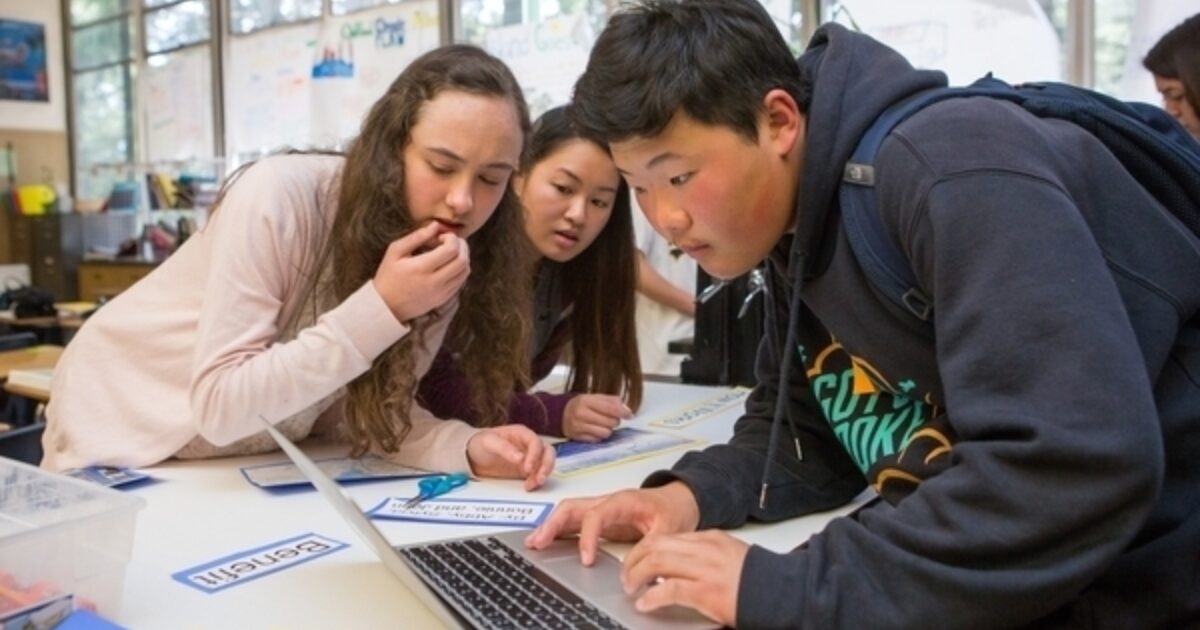
One striking example of this shift is seen in the growing number of youth-led initiatives and hackathons. Young individuals are using trial and error to come up with innovative solutions to pressing global issues like climate change, social injustice, and technological advancements. Through these events, they collaborate, brainstorm, and test their ideas, learning from feedback and refining their projects. For instance, many students participate in hackathons, building prototypes of technology gadgets or software applications that address specific problems.
These experiences not only provide hands-on learning but also instill confidence and a sense of agency in young learners. By actively participating in the problem-solving process, they develop a deep understanding of the subject matter and gain invaluable skills such as teamwork, creative thinking, and project management. Moreover, such activities often involve mentorship from older professionals and access to resources that would otherwise be out of reach, further enriching the learning experience.
Incorporating trial and error into the curriculum involves moving away from traditional lecture-based methods and towards more interactive and participatory forms of learning. Teachers are designing lessons that encourage students to engage in real-world problem-solving tasks. For instance, in mathematics classes, students might be given open-ended problems and asked to explore multiple methods to arrive at a solution. Similarly, science classes can involve experimental design projects where students hypothesize, conduct tests, and analyze data, all while receiving guidance and support from instructors.
Another effective strategy is project-based learning, where students work on long-term projects that require them to apply their knowledge and skills in creative and meaningful ways. These projects often involve collaboration with peers and can span multiple subjects, allowing students to see the interconnectedness of different areas of study. For example, a biology project might involve researching local ecosystems, collecting data, and presenting findings to the class, all while developing critical thinking skills.
The integration of digital tools and simulations has also greatly accelerated the trial and error process. Platforms like CodeLab and Google's Teachable Machine allow students to quickly develop and test code or machine learning models. These tools provide instant feedback, enabling students to iterate on their designs more efficiently. For instance, a user might create a simple game using Scratch and continuously adjust the code to improve gameplay mechanics, all within a few minutes.
Similarly, virtual reality (VR) and augmented reality (AR) technologies offer immersive learning environments where students can experiment with complex systems without real-world risks. For example, medical students can practice surgical procedures in VR, or engineers can simulate robotic movements and design improvements. These technologies not only make learning more engaging but also provide a safe space for students to make mistakes and learn from them.
To fully embrace the power of trial and error, it's crucial to create a culture that values and encourages failure. This means shifting the narrative from seeing mistakes as negative to viewing them as valuable learning opportunities. Educators should emphasize the importance of resilience and persistence, reinforcing the message that it's okay to stumble and that every failure brings us one step closer to success.
Classroom settings should be designed to foster a growth mindset—where students are encouraged to view challenges as opportunities for growth rather than obstacles to avoid. This can be achieved through various strategies, such as regular reflection sessions where students discuss what they learned from their mistakes, or group activities that promote collective problem-solving and peer support. By normalizing failure, students become more comfortable taking risks and pushing their boundaries, ultimately leading to greater overall success.
While trial and error is a powerful tool, combining it with other problem-solving strategies can yield even better results. Integrating trial and error with techniques like design thinking, where students follow a structured process of empathy, ideation, prototyping, and testing, can lead to more innovative and sustainable solutions. For example, a design thinking project might involve students conducting user interviews to understand needs, brainstorming solutions collectively, creating prototypes, and then testing and refining these solutions through iterative cycles of trial and error.
Similarly, combining trial and error with the scientific method can result in more robust research and development. By systematically testing hypotheses and analyzing data, students can develop a deeper understanding of the underlying processes and principles. This hybrid approach ensures that both creativity and rigor are maintained throughout the problem-solving process.
In conclusion, trial and error is a versatile and essential problem-solving technique that has stood the test of time. Its applications range from everyday problem-solving to cutting-edge scientific research and entrepreneurial ventures. As technology continues to advance, trial and error becomes faster and more efficient, making it a valuable tool for a wide array of industries and individuals.
The future of this approach lies in its seamless integration with other learning and problem-solving methods. By embracing this method and fostering a culture of resilience and continuous improvement, we can prepare ourselves and future generations to face and overcome whatever challenges may come our way. So remember, every mistake is a step towards success. Embrace trial and error, learn from it, and keep pushing forward!
Creating a culture of learning from mistakes is crucial for truly harnessing the power of trial and error. In schools and workplaces, leaders play a pivotal role in establishing an environment where failure is not shunned but embraced as a stepping stone to growth. This involves several key practices:
Trials and errors do not only benefit professional careers but also contribute to personal growth. Whether tackling a difficult puzzle or trying a new hobby, the process of trial and error cultivates a variety of skills and traits:
Some might argue that trial and error can be inefficient or costly. However, the cost of not trying at all is often much higher. Consider the example of an aspiring musician who fears playing an instrument in public due to the risk of failure. While making mistakes publicly can be embarrassing, not taking those risks prevents the musician from improving and potentially achieving great success in the future.
Misconceptions about trial and error often stem from a focus on immediate success rather than the long-term benefits. While it might take several attempts to get something right, each failure provides valuable data and insights that contribute to eventual mastery. In entrepreneurship, for instance, many startups undergo multiple pivot moments before finding a viable business model. These pivots are rarely linear and often involve numerous trials before they hit upon the right direction.
In summary, trial and error is a fundamental tool for learning and innovation that transcends fields and personal endeavors. By embracing this method, we cultivate problem-solving skills, build resilience, and foster a growth mindset. Whether you're a student, entrepreneur, scientist, or just someone facing everyday challenges, adopting a spirit of trial and error can propel you forward toward success.
As we look to the future, let us not only recognize the importance of trial and error but also nurture a community that values and supports it. By doing so, we empower individuals and organizations to innovate, persist, and thrive in an ever-changing world.
Remember, the next time you face a challenge, don't be afraid to give it a try. Every failure brings you closer to success. Embrace trial and error, learn from every step, and continue moving forward with determination and resilience.




Your personal space to curate, organize, and share knowledge with the world.
Discover and contribute to detailed historical accounts and cultural stories. Share your knowledge and engage with enthusiasts worldwide.
Connect with others who share your interests. Create and participate in themed boards about any topic you have in mind.
Contribute your knowledge and insights. Create engaging content and participate in meaningful discussions across multiple languages.
Already have an account? Sign in here

Discover Gina Marie's inspiring journey of resilience, escaping abuse and finding strength in faith. Learn about her tra...
View Board
Explore the impactful journeys of Mark Brown! From education and authorship to public speaking and digital arts, discove...
View Board
Discover Max Born, a giant of theoretical physics. Explore his Nobel Prize-winning work on quantum mechanics and his piv...
View Board
Explore Albert Einstein's groundbreaking theories, from relativity to E=mc², and his impact on modern physics. Discover ...
View Board
Explore Michael Faraday's groundbreaking contributions to electromagnetism, electrochemistry, and electrical engineering...
View Board
Uncovering the tumultuous history of Johannesburg, where gold rush fortunes and apartheid-era segregation forged a natio...
View Board
Discover Léon Foucault, the brilliant French physicist who proved Earth's rotation with his famous pendulum. Learn about...
View Board
From imperial resort to global capital, Addis Ababa's story is one of improbable birth, defiant survival, and audacious ...
View Board
Abu Dhabi's transformation from a desert outpost to a global capital, driven by oil wealth and visionary leadership, is ...
View Board
Discover Scott Buchanan, the visionary behind the Great Books program. Learn about his impact on liberal arts education ...
View Board
Madrid, the improbable capital, built on water and will, where a 16th-century king's whim forged a city from scratch, an...
View Board
Discover Aldo Pontremoli, the brilliant Italian physicist who pioneered theoretical physics and founded Milan's Physics ...
View Board
Explore the enduring legacy of service and excellence within the Marsh family of companies. From risk management to engi...
View Board
Ανακαλύψτε τη ζωή και τις σημαντικές συνεισφορές του Αρχιμήδη, ενός από τους μεγαλύτερους μαθηματικούς, φυσικούς και εφε...
View Board
Discover the diverse profiles of Amit Sharma in business. From e-commerce innovation to digital strategy, explore the le...
View Board
Explore the life of Jean Baptiste Joseph Delambre (1749-1822), a French astronomer celebrated for his planetary tables, ...
View Board
Explore the extraordinary life of George Gamow, the theoretical physicist who pioneered the Big Bang theory and made gro...
View Board
Remembering the impact of Manuel Gutierrez Jr. Explore the lives and legacies of several individuals with this name, fro...
View Board
Discover Andrew Huang, the partially deaf Canadian musician revolutionizing music. Explore his YouTube success, innovati...
View Board
Explore the critical perspectives of Guru Gembul, an Indonesian educator and content creator, on education, religion, an...
View Board
Comments