
Explore Any Narratives
Discover and contribute to detailed historical accounts and cultural stories. Share your knowledge and engage with enthusiasts worldwide.
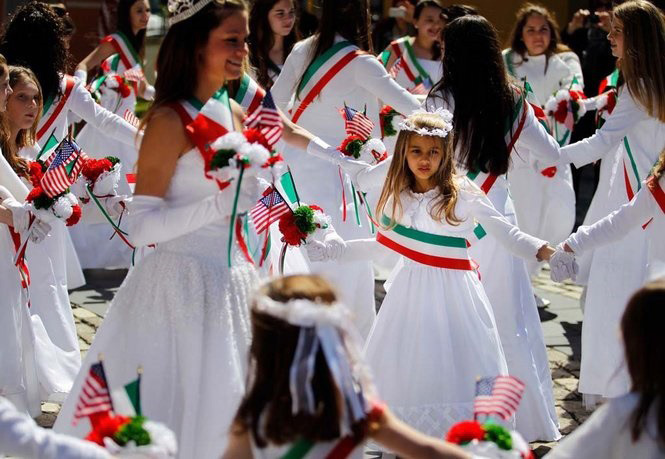
The annual celebration of San Giuseppe, known in English as Saint Joseph, is a cornerstone of Italian religious and cultural life. Observed on March 19, this feast day honors the husband of Mary and foster father of Jesus, a figure revered for his humility and steadfast protection. From Sicily to Rome and across the global Italian diaspora, the traditions associated with San Giuseppe weave together faith, food, and family in a vibrant tapestry of devotion.
Saint Joseph occupies a unique and beloved position within Catholicism and Italian culture. He is celebrated as a model of fatherhood, labor, and quiet strength. His patronage extends over a wide spectrum of life, making his feast a day of broad significance.
Venerated as the patron saint of workers and carpenters, Joseph symbolizes the dignity of manual labor. This connection makes his feast particularly meaningful in communities with strong artisanal traditions. Furthermore, he is honored as the protector of families, a role that resonates deeply in family-centric Italian culture.
In Italy, March 19 is officially recognized as Father’s Day (Festa del Papà), directly linking the spiritual father figure of Joseph with the celebration of earthly fathers. This dual significance amplifies the day's importance, blending secular and religious observance seamlessly.
Particularly in Sicily, Saint Joseph is invoked as a protector during drought and famine. This specific devotion stems from medieval times when, according to tradition, Sicilians prayed to San Giuseppe to end a devastating drought. Their prayers were answered with life-saving rains, cementing his role as a heavenly intercessor in times of crisis.
This act of gratitude and charity, born from desperation, evolved into the elaborate St. Joseph’s Table tradition, a practice that continues to this day as a powerful symbol of community and thanksgiving.
The celebration of San Giuseppe on March 19 is marked by a rich array of customs that vary from region to region across Italy. These observances blend solemn religious ceremony with joyful communal gatherings, each with its own local flavor.
The day is, first and foremost, a solemn liturgical feast in the Catholic Church. Special masses are held in parishes dedicated to Saint Joseph, often featuring processions where statues of the saint are carried through town streets. These processions are public displays of faith and community solidarity, often accompanied by bands and the participation of local confraternities.
One of the most significant Roman sites is San Giuseppe dei Falegnami (Saint Joseph of the Carpenters). This Baroque church, completed in 1663 and built above the ancient Mamertine Prison, has long been associated with the guild of carpenters. It was elevated to a titular church in 2012, underscoring its enduring importance.
No Italian celebration is complete without a focus on food, and the Festa di San Giuseppe is a premier example. The feast day often falls during the Lenten season, influencing the traditional foods served. The culinary customs are deeply symbolic and regionally diverse.
The most distinctive and profound tradition is the preparation of the Tavola di San Giuseppe or St. Joseph’s Table. This practice is a vibrant expression of gratitude, community, and charity with roots deeply planted in Sicilian history.
The tradition directly traces to the medieval Sicilian miracle. Following the end of the drought, grateful villagers prepared a communal feast using the newly harvested crops, especially the hardy fava bean. They invited the poor, the priest, and the entire community to share in the bounty as an act of thanksgiving to San Giuseppe. This established the table's core principles: thanksgiving for divine intervention and charitable sharing with the less fortunate.
This custom became an annual ritual, deeply embedded in Sicilian culture. It served as a form of social insurance, ensuring that in times of plenty, the community would remember and care for its most vulnerable members. The tradition proved so resilient that it survived migration, crossing oceans with Sicilian immigrants.
The St. Joseph’s Table is not merely a meal; it is an elaborate, altar-like display. Families and communities often create a tiered structure covered with white linens and decorated with flowers, candles, and statues of the Holy Family. The foods placed upon it are rich with symbolism.
The meal served from the table is typically a meatless feast, honoring the Lenten season. It is common to invite "saints" – individuals dressed as biblical figures – to partake, and leftovers are meticulously distributed to the poor, ensuring nothing goes to waste and the charitable intent is fulfilled.
While the veneration of San Giuseppe is nationwide, the expressions of devotion vary dramatically from Sicily to Rome and throughout the Italian peninsula. These regional variations showcase the rich local cultures that flourish within Italy’s broader Catholic traditions, each adding unique flavors and customs to the March 19 observance.
In Sicily, the celebration is profoundly centered on the Tavola di San Giuseppe. Communities and families spend days, even weeks, preparing an opulent altar. These tables are legendary for their size and artistry, featuring elaborate bread sculptures, mountains of pastries, and symbolic decorations. The event is deeply communal, often involving entire neighborhoods.
The Sicilian table is a meatless feast of thanksgiving. A typical menu includes pasta con le sarde (pasta with sardines), a dish rich in wild fennel and saffron, and various vegetable-based courses like lentil soup or artichokes. The fava bean, the star of the table, is prepared in multiple ways—soups, stews, or simply boiled—as a direct nod to the life-saving legend.
The Sicilian tradition is not just a meal; it is a living drama of faith and community, where the line between the sacred and the social beautifully blurs.
In central and southern regions like Lazio and Campania, the culinary spotlight shines on specific fried sweets. The zeppole di San Giuseppe is the undisputed star. These pastries, either fried or baked, consist of a light choux or doughnut-like dough piped into a ring or shell shape.
They are traditionally filled with rich vanilla pastry cream or sweetened ricotta cheese and topped with a sour cherry or a dusting of powdered sugar. Bakeries across Naples and Rome begin promoting and selling these treats weeks in advance, with many families considering them an essential element of the feast day.
In other parts of Italy, different traditions take precedence. In some northern towns and Alpine regions, bonfires known as "falo" or "fuochi di San Giuseppe" are lit on the eve of the feast. These fires symbolize the end of winter, light and warmth, and are often community gathering points with music and food.
Processions featuring large statues carried by local guilds or confraternities are common in many towns. In places like San Giuseppe Vesuviano near Naples, the town’s very identity is tied to the saint, and celebrations are particularly grandiose, blending the universal rites of the Church with intensely local pride.
The great waves of Italian immigration, particularly from Southern Italy and Sicily in the late 19th and early 20th centuries, carried the devotion to San Giuseppe across the oceans. In new lands, these traditions not only survived but often evolved, creating unique hybrid celebrations that honor the old ways while adapting to new contexts.
In cities with significant Sicilian populations like New York, Chicago, Boston, and New Orleans, the St. Joseph’s Table tradition took firm root. Churches, cultural societies, and families continue to erect elaborate altars each March. These events serve as powerful touchstones for cultural identity, connecting younger generations with their heritage.
These diaspora tables often maintain the core Sicilian elements: the three-tiered altar, the meatless meal, the fava beans, and the ornate breads. However, they may incorporate local ingredients or streamline preparations to fit contemporary, busier lifestyles. The charitable aspect remains central, with many altars set up in church halls where the public is invited to share the meal, often for a donation benefiting the parish or local food banks.
Perhaps the most distinctive diaspora celebration developed in New Orleans. Here, Sicilian immigrants merged their St. Joseph’s Day traditions with the local culture, creating a unique event. New Orleans altars are famous for their abundance and artistry, filling entire rooms with food, flowers, and symbolic offerings.
The New Orleans tradition includes specific local customs. It is common for those who visit altars to receive lucky fava beans and small bags containing a cookie, a fig, and a prayer card. Furthermore, the city’s celebration has absorbed influences from its African-American and French Catholic communities, resulting in a truly Creole cultural synthesis. Local restaurants and bakeries often feature special St. Joseph’s Day menus, highlighting dishes like pasta with anchovies or spicy tomato sauces.
The St. Joseph altars of New Orleans stand as a testament to how immigrant faith can enrich and be enriched by its new home, creating something wholly new yet deeply traditional.
Today, these diaspora celebrations are often highlighted in local media as key cultural heritage events. They attract not only those of Italian descent but also a wider public interested in food, tradition, and community. This visibility helps ensure the tradition's continuation.
Modern observances frequently emphasize the social justice and charitable angle more explicitly. Organizers frame the St. Joseph’s Table as a direct response to food insecurity and poverty, using the ancient tradition to address modern needs. This reframing has helped the custom remain relevant and vital in communities far from its Sicilian birthplace.
In recent years, there has been a noticeable surge of interest in the traditional foods associated with San Giuseppe. This culinary revival is driven by a broader trend towards artisanal foods, heritage tourism, and a desire to reconnect with authentic cultural roots.
The weeks leading up to March 19 see a proliferation of zeppole and St. Joseph’s pastries in Italian bakeries worldwide. Artisan bakers leverage this season to showcase their skills, offering both classic recipes and innovative interpretations. This commercial aspect plays a crucial role in keeping the tradition alive in the public consciousness.
Food blogs, cooking magazines, and culinary schools dedicate content to teaching how to make traditional zeppole, breads, and pasta dishes for the feast. This educational focus helps transmit practical knowledge to new generations who may not have learned these skills at home.
For many, preparing and eating these specific foods is a powerful act of cultural memory and identity. The taste of a zeppole or the scent of frying dough connects individuals to their family history and to a shared Italian past. This emotional connection fuels the tradition’s persistence.
Contemporary articles and media coverage often highlight this angle, profiling families who have maintained the St. Joseph’s Table for generations or chefs who are dedicated to preserving these culinary rituals. This storytelling reinforces the idea that these traditions are living, evolving practices, not mere museum pieces.
From December 8, 2020, to December 8, 2021, Pope Francis proclaimed a special Year of St. Joseph, marking the 150th anniversary of the saint's declaration as Patron of the Universal Church. This papal initiative provided a powerful, global impetus for renewed focus on the figure of San Giuseppe, encouraging Catholics to deepen their devotion and imitate his virtues.
The Apostolic Letter "Patris Corde" ("With a Father's Heart") outlined Joseph's character as a beloved, tender, obedient, accepting, courageous, and working father. This theological reflection brought fresh spiritual relevance to the saint, connecting ancient devotion to contemporary challenges facing families and workers. The momentum from this year continues to influence sermons, parish activities, and personal piety.
Pope Francis wrote that St. Joseph "reminds us that those who appear hidden or in the shadows can play an incomparable role in the history of salvation," a message that resonates deeply in today's world.
During and after the special year, dioceses and parishes worldwide organized dedicated pilgrimages, prayer services, and academic conferences centered on St. Joseph. This institutional emphasis helped to reinvigorate local traditions associated with the March 19 feast. Many communities reported increased participation in St. Joseph's Table celebrations and novenas.
Theological reflections highlighted Joseph's role as a protector and steadfast guardian, themes that found particular relevance during the global pandemic that coincided with the Year of St. Joseph. He was presented as a model of resilience and quiet strength in times of universal uncertainty, making his devotion feel more personal and urgent for many believers.
Beyond the feast day, the name San Giuseppe is etched into geography and institutions across Italy and the world. Countless towns, churches, hospitals, and schools bear his name, serving as permanent monuments to his widespread patronage and cultural significance.
Italy is dotted with churches dedicated to San Giuseppe. Beyond the renowned San Giuseppe dei Falegnami in Rome, notable examples include the Church of San Giuseppe in Florence and the Sanctuary of San Giuseppe in Sicily. These sites often become pilgrimage destinations, especially on the saint's feast day.
These churches are not just architectural landmarks but active centers of devotion. They often house venerated statues of the saint that are central to local processions. The art within these buildings, frequently depicting Joseph's life and works, serves as a visual catechism for the faithful.
Many Italian towns are named after the saint, such as San Giuseppe Vesuviano near Naples and San Giuseppe Jato in Sicily. These municipalities often have their most significant annual festival on March 19. The saint's patronage extends to a wide array of civic and charitable organizations.
Hospitals, orphanages, and schools frequently operate under the patronage of St. Joseph, embodying his virtues of care, protection, and education. These institutions reflect the practical application of his legacy, serving communities in his name and spirit.
In the 21st century, the celebration of San Giuseppe continues to adapt, finding new relevance in addressing modern social issues. The core themes of the feast—charity, community, and gratitude—are timeless, providing a framework for contemporary action.
The tradition of the St. Joseph's Table, with its inherent focus on feeding the poor, is increasingly framed as a powerful social justice initiative. Many parishes and community groups now explicitly connect the altar celebration to ongoing efforts to combat hunger and poverty. The feast day becomes a catalyst for food drives, fundraising for food banks, and raising awareness about food insecurity.
This modern interpretation strengthens the tradition's relevance, showing how a centuries-old religious practice can provide meaningful solutions to current problems. It transforms the celebration from a nostalgic ritual into an active, impactful community service project.
The St. Joseph's Table is not merely a reenactment of a medieval thanksgiving; it is a living, breathing act of charity that addresses the needs of the present day.
For families within the Italian diaspora, the Feast of San Giuseppe serves as a vital link to their heritage. The process of preparing traditional foods, setting the table, and explaining the symbols to children becomes an act of cultural transmission. It is a hands-on way to pass down stories, recipes, and values from one generation to the next.
Cultural associations and historical societies often play a key role in this preservation, organizing public events that educate both those of Italian descent and the wider community about the history and meaning of the feast. This helps ensure that the rich traditions are not lost but are understood and appreciated by new audiences.
The story of San Giuseppe is a multifaceted tapestry woven from threads of deep faith, unwavering family commitment, and celebratory food. From his biblical role as the quiet protector of the Holy Family to his position as a beloved patron saint, Joseph's influence is both profound and pervasive.
The annual Feast of San Giuseppe on March 19 is much more than a date on the liturgical calendar. It is a dynamic, living tradition that embodies the Italian spirit of celebrating life's blessings through community, prayer, and a shared table. The customs associated with the day—from the grand altars of Sicily to the fragrant zeppole of Naples—are vibrant expressions of a culture that finds joy and meaning in its traditions.
The enduring power of San Giuseppe lies in his accessibility and humility. He is not a saint of miracles and dramatic visions, but a model of quiet strength, diligent work, and protective love. These are virtues that resonate across centuries and cultures, making his devotion uniquely personal and universally appealing.
Whether observed in a small Sicilian village, a bustling Roman bakery, or a diaspora community center in a new world city, the feast day reinforces core human values. It celebrates the dignity of labor, the importance of fatherhood, the strength of the family unit, and the moral imperative of charity. The tradition of the St. Joseph's Table stands as a powerful, edible testament to gratitude, reminding us to share our abundance with those in need.
As both a spiritual guide and a cultural icon, San Giuseppe continues to inspire millions. His legacy is not confined to scripture or stone but lives on in the joyful preparation of a festive meal, the solemnity of a prayer, and the generous act of sharing bread with a neighbor. This is the timeless, living legacy of the humble carpenter who became a universal father.


Your personal space to curate, organize, and share knowledge with the world.
Discover and contribute to detailed historical accounts and cultural stories. Share your knowledge and engage with enthusiasts worldwide.
Connect with others who share your interests. Create and participate in themed boards about any topic you have in mind.
Contribute your knowledge and insights. Create engaging content and participate in meaningful discussions across multiple languages.
Already have an account? Sign in here

Explore the compelling story of Saint Agnes of Rome, a symbol of courage and faith that transcends time. Discover her un...
View Board
Discover the life and legacy of Saint Polycarp, a pivotal figure in early Christianity, who served as bishop of Smyrna f...
View Board
Pope Leo I, known as Leo the Great, shaped Christianity with his theological clarity, diplomatic negotiations with Attil...
View Board
Discover the rich heritage and vibrant modernization of Jaipur in this comprehensive historical overview. Explore how th...
View Board
Discover the historic legacy of Córdoba, a beacon of Andalusian culture and architectural marvels. Unveil its rich tapes...
View BoardDiscover the enchanting allure of Hyderabad, the "City of Pearls," where history, culture, and modernity coalesce. This ...
View Board
Explore the cultural vibrancy of Yogyakarta, the heart of Java, with its rich history dating back to the Mataram Sultana...
View Board
Explore the enchanting city of Seville, a vibrant tapestry of history and tradition nestled in the heart of Andalusia. D...
View Board
Explore the spiritual heart of Iran in our in-depth look at Qom, a city rich in religious significance, historical depth...
View Board
Explore the profound legacy of Saint Polycarp, a pivotal figure in early Christianity who bridged apostolic times with e...
View Board
Discover the profound history and spiritual significance of Rome’s Holy Doors as the 2025 Jubilee concludes. Learn about...
View Board
Explore the influential life of Saint Ambrose, a pivotal figure in early Christianity whose theological insights and lea...
View Board
Discover Rijeka, Croatia's hidden gem, nestled along the Adriatic Sea. With a rich tapestry of history and culture from ...
View Board
"Explore the cultural richness and vibrant spirit of Kolkata, India's 'City of Joy.' Delve into its colonial history, ar...
View Board
Discover the enchanting cultural heart of Bali in Ubud. Explore its rich history, vibrant arts scene, and natural beauty...
View Board
Explore the rich tapestry of Tripoli, a city where ancient history and vibrant modern culture intertwine. Discover Tripo...
View Board
Sulaymaniyah, a city in northern Iraq, is a cultural and historical gem with a rich heritage, unique blend of Kurdish, A...
View Board
Explore Chennai, the vibrant gateway to South India, where history meets modernity. Discover its rich colonial past, cul...
View Board
"Explore Mecca's spiritual significance, rich history, and cultural heritage. Discover why millions embark on pilgrimage...
View Board
Discover the enchanting allure of Thimphu, Bhutan's capital, where ancient traditions harmonize with modern life. Explor...
View Board
Comments