


Explore Any Narratives
Discover and contribute to detailed historical accounts and cultural stories. Share your knowledge and engage with enthusiasts worldwide.
Amid the complexities of early Christianity, Pope Linus stands as a pivotal figure, a bridge between the Apostolic Age and the development of the Catholic Church. Linus is believed to have served as the second Bishop of Rome, succeeding Saint Peter, according to early Church traditions. While his historical accuracy is subject to scholarly debate, the significance of his tenure remains undiminished, reflecting the evolving nature of early Christian leadership and the nascent organizational structure of the Church.
Linus' reign, approximately between 67 AD to 76 AD, occurred during a tumultuous period in the history of the Roman Empire. The Jewish revolt against Rome in the first century, particularly the First and Second Jewish-Roman Wars, created an atmosphere of instability that influenced religious and political landscapes. Against this backdrop, the early Church struggled to establish its doctrine and consolidate its authority, with Linus playing a crucial role in this process.
The early Christian community was a mosaic of diverse groups, from Jewish believers to Gentile converts. The emergence of Linus as a figurehead for leadership during this time suggests the need for a central authority to guide congregations and address doctrinal issues. His position as the Bishop of Rome, the first recorded in historical records, underscores the growing importance of this role in shaping the Church's future directions.
Historical documentation of Pope Linus is sparse, yet the few records that exist are invaluable. The Liberian Catalogue of Popes, a Latin list of Catholic bishops of Rome dating back to the reign of Pope Sylvester I (c. 315-335), lists Linus as the second bishop following Peter. Additionally, the "Liber Pontificalis," a biographical dictionary of the popes, includes information about Linus, although its exact date of composition and reliability are subjects of scholarly inquiry.
Early Christian texts, such as Eusebius of Caesarea's "Ecclesiastical History," provide limited yet insightful accounts of Linus' reign. Eusebius, a prominent early Christian historian, documents Linus as a significant figure who played a role in the early Church's stability and governance. His references to Linus help to establish a continuity in the early leadership of the Roman Church.
Despite the limited evidence, the historical significance of Pope Linus cannot be overstated. His reign coincides with the transition from apostles to early bishops, a crucial phase in the establishment of the Church as a distinct entity from paganism and Judaism. Linus' legacy, while somewhat overshadowed by other more prominent figures, has left an indelible mark on the early Christian narrative.
Legends and controversies surrounding Pope Linus add layers of complexity to his historical portrayal. According to some traditions, Linus, like his predecessor Peter, endured martyrdom, though the precise circumstances of his death remain unclear. Some sources suggest that Linus was martyred under Nero, while others assert that he died due to natural causes or in old age. These diverging accounts highlight the challenges in establishing a clear picture of Linus' life and the difficulties in verifying historical details from this period.
The legend of Linus as a martyr is often linked to the broader narrative of Christian persecution under various emperors of the Roman Empire. The persecution of Christians, including Peter's crucifixion and later the martyrdoms of early bishops, is well-documented in early Christian literature. These tragic events underscore the fraught nature of early Christian leadership, as new leaders emerged to guide congregations through periods of both stability and upheaval.
Another controversial aspect of Linus' tenure involves the early Church's governance. Some scholars posit that Linus initiated the practice of electing successors in the absence of a direct line of apostolic succession. This view suggests that Linus, like later popes, held a significant role in defining and maintaining the Church's hierarchy. Such claims highlight the evolving nature of ecclesiastical authority in the early Church and the need for leadership in a rapidly changing religious landscape.
These legends and controversies reflect the complex and often uncertain nature of historical evidence from the first century. The absence of extensive written records necessitates a reliance on traditions and secondary sources, which can sometimes lead to fragmented or contradictory accounts. Nevertheless, the role of Pope Linus in early Church history remains an important subject for historical and theological inquiry.
The position of Pope Linus as the second Bishop of Rome signifies a significant moment in the early Church's governance. As the Bishop, Linus was responsible for leading a diverse congregation, which included both Jewish and Gentile Christians. These early communities were often in tension, with doctrinal differences and varying interpretations of Christian teachings necessitating clear leadership.
During his tenure, Linus would have faced numerous challenges, including addressing doctrinal disputes, managing internal conflicts, and establishing the Church's official stance on various issues. The early Church was still in the process of consolidating its teachings, and Linus would have played a crucial role in ensuring the coherence and consistency of these teachings.
One of Linus' most significant responsibilities was maintaining apostolic tradition and ensuring that the teachings of the apostles, particularly those of Peter, were upheld. This would have involved interpreting the teachings of Peter and other apostles and presenting them in a way that was comprehensible and relevant to the changing religious environment. Linus' leadership would have been instrumental in the early formulation of Christian doctrine, laying the groundwork for later theological developments.
Linus' leadership was not without challenges. One of the most significant events during his tenure was the First Jewish-Roman War (66-73 AD). The Jewish revolt against Roman rule created a volatile political climate, which extended to the Christian communities. While specific details about how Linus navigated these challenges are limited, it is likely that he sought to maintain the Church's peace and stability, ensuring that Christian teachings were not used as a pretext for conflict.
Another challenge Linus would have faced was the emergence of different Christian sects and movements. Early Christianity was characterized by a diversity of beliefs and practices, with different groups developing their own interpretations of Christian teachings. Linus would have had to address these internal differences and promote a unity of faith, ensuring that the Church remained cohesive and focused on its central mission.
The early Church was also influenced by Roman cultural and religious practices, which posed a challenge for maintaining a distinct Christian identity. Linus would have had to navigate this complex environment, ensuring that Christian practices remained distinct from paganism while engaging with Roman culture in a meaningful way.
Linus' leadership would have also involved interactions with other early Christian figures and leaders. For instance, his relationship with Clement of Rome is particularly notable. Clement, as the third bishop of Rome, succeeded Linus, and the relationship between these two figures is an important aspect of early Christian leadership. Some historical accounts suggest that Linus played a role in guiding Clement, highlighting the importance of mentorship and succession in the early Church.
Linus' interactions with other early Christian leaders, such as Polycarp of Smyrna, demonstrate the interconnectedness of the early Christian community. Polycarp, a direct disciple of the apostle John, would have been a key figure for Linus to consult with in matters of doctrine and leadership. These interactions underscore the network of early Christian leaders who worked together to establish and consolidate the Church's authority and teachings.
The role of early Christian literature in understanding Linus' leadership and influence cannot be overstated. The writings of early Church fathers and the traditions they preserved provide valuable insights into the early Christian Church and the personalities who played key roles in its development. Eusebius of Caesarea's "Ecclesiastical History," for example, offers a detailed account of Linus' reign and the context in which he served. While this text is also limited in its scope and reliability, it offers a starting point for understanding Linus' place in early Christian history.
The writings of other early Church figures, such as Irenaeus of Lyons, also offer important perspectives. Irenaeus, in his work "Against Heresies," discusses the authority of the Roman bishop, which includes Linus. These early texts serve as a foundation for understanding the theological and ecclesiastical developments of the early Church, with Linus as an integral part of this narrative.
Furthermore, the early Christian hymns and liturgical practices that emerged during Linus' time provide evidence of the developing Christian traditions. These hymns and practices often included references to early Christian leaders, including Linus, highlighting their significance in the formation of the Church's liturgy and doctrine.
While the historical record of Pope Linus is sparse, his role as the second Bishop of Rome during the early Church era remains significant. Through legends, traditions, and early Christian texts, Linus emerges as a pivotal figure in the ongoing development of Christian leadership and doctrine. The challenges he faced, the roles he played, and the influences he exerted all contribute to a broader understanding of the early Church's journey from apostolic to hierarchical structure.
Linus' story, though shrouded in uncertainty, offers a window into the early Christian landscape, a time of significant transformation and growth for the faith. As we continue to explore the historical records and traditions surrounding Linus, we gain insights into the formative years of the Catholic Church and the leaders who shaped it.
Linus' reign falls within a period of significant theological developments in early Christianity. The early Church was grappling with foundational questions such as Christ's nature, the Trinity, and the relationship between God the Father, Jesus Christ, and the Holy Spirit. Linus' leadership would have played a crucial role in guiding the Church through these emerging theological issues.
The concept of the Trinity, although not formally defined, was beginning to take shape during Linus' time. The early Church fathers, including Linus, were formulating these core beliefs through theological discussions and writings. Linus would have been involved in these theological debates, which often involved reconciling Jewish and Greek philosophical concepts within the Christian framework. This period was characterized by the emergence of what would later become the Nicene Creed, which Linus might have contributed to or been informed by.
Theological debates and discussions during Linus' time also included the nature of Christ and the divinity of Jesus. These discussions were contentious, with various heretical groups proposing alternative views. Linus, as a key leader, would have had to navigate these complexities and ensure that the Church's teachings remained orthodox. His role in this process would have been crucial for maintaining the integrity of Christian doctrine and preventing the adoption of heretical beliefs.
Linus' leadership extended beyond theological discussions to include ecumenical considerations and relations. The early Christian communities were scattered across the Roman Empire and beyond, each with its own congregations and leaders. Maintaining unity and coherence among these diverse groups was a significant challenge.
Linus, as bishop of Rome, would have been at the center of these efforts. His position as a leader in Rome, one of the largest and most influential early Christian communities, would have given him considerable influence. He would have been involved in inter-ecumenical dialogues and relations with other early Christian leaders, including those in Jerusalem and other major centers of Christian activity.
The relationship between the Roman Church and the Jerusalem community, led by James the Just, a half-brother of Jesus, was particularly complex. Linus would have had to navigate these relations, ensuring that both communities remained aligned with the core teachings of Jesus and the apostles. The early Church was still in the process of defining its official stance on various issues, and Linus' role in fostering these relationships would have been key.
The role of early Christian governance, including the position of bishop, was also a critical aspect of Linus' leadership. The Bishop of Rome, during Linus' time, began to take on a more distinct and centralized role in the Church's organizational structure. This was a period of transformation, as the early Church was moving from a loose network of house churches to a more hierarchical and organized system.
Linus would have had to establish the protocols and practices for the bishop's role, including the selection process for future bishops. This was an important stage in the development of the papacy, with Linus laying the groundwork for the future role of the bishop of Rome. His leadership would have involved setting precedents for how the Church would be led and governed, ensuring that the Church remained a cohesive and unified entity.
One of the most significant aspects of Linus' legacy is the concept of succession in the early Church. Linus' leadership and the continuity of the bishop of Rome's role established a foundation for the papal succession, a fundamental aspect of Catholicism. The early Church needed a clear and stable leadership structure, and Linus' role in this transition was critical.
The notion of apostolic succession, where the bishop of Rome would be the direct line of succession from the apostles, particularly Peter, became a cornerstone of Church doctrine. Linus' role in this process, although not fully defined in historical records, would have been influential in establishing this understanding. This continuity of leadership was essential for maintaining the Church's doctrinal coherence and authority.
Linus' contributions to Christian doctrine, although not extensively documented, were significant. His leadership during a formative period of early Christian theology ensured that the Church's core teachings were understood and maintained. Linus would have played a role in defining and interpreting the teachings of Jesus, Peter, and other apostles, contributing to the early formulation of Christian doctrine.
The early Church was also dealing with emerging heresies and false teachings, such as the Docetism and Gnosticism. Linus' role in addressing these issues and ensuring that the Church remained grounded in orthodox teachings was crucial. His contributions to these discussions helped to solidify the theological foundations of the early Church, shaping the doctrine that would later be codified in the Nicene Creed.
Linus' role extended to the interpretative role of providing guidance to the faithful. In a time of rapid change and growth, the Church needed clear leadership to navigate the complexities of the emerging Christian faith. Linus would have been involved in providing pastoral care, addressing the spiritual needs of the faithful, and offering guidance on matters of faith and practice.
Through his sermons, letters, and decrees, Linus would have played a key role in shaping the early Christian liturgy and practice. His leadership would have involved establishing the liturgical norms and practices that would later become standard in the Church, ensuring that the faithful had a clear understanding of their religious duties and practices.
Linus' position as the second bishop of Rome during a period of significant transition for the early Church underscores the importance of his role. As the Church moved from a loose network of house churches to a more structured and organized entity, Linus would have played a pivotal role in this process. His leadership helped to lay the groundwork for the future organization and governance of the Church.
The challenges Linus faced, such as theological disputes, political tensions, and the need for unity among scattered communities, were all managed through his leadership. His approach to these challenges would have involved a blend of firmness, compassion, and pragmatism, ensuring that the Church remained a stable and resilient institution.
While the historical record of Pope Linus is limited, his importance in the early development of the Christian faith cannot be overstated. Linus' leadership during a critical period in the Church's history provided the foundation for the organization, governance, and theological development of the early Christian community. His role in maintaining continuity and addressing the challenges of the time ensures that his impact endures in the annals of Church history.
Linus emerges as a figure who, through his leadership and contributions, helped to shape the early Christian narrative and laid the groundwork for the future development of the Catholic Church. As we continue to explore the historical and theological context of Linus' life, we gain a deeper understanding of the formative years of the Christian faith and the enduring legacy of the early Church leaders.
The study of Pope Linus continues to attract scholarly interest and debate. Historians and theologians have long debated the extent of Linus' influence and the accuracy of the historical records attributed to him. Contemporary scholarship approaches Linus through multiple lenses, examining textual, archaeological, and comparative evidence to piece together his portrait.
One area of intense academic scrutiny is the reliability of early Christian texts. Many scholars argue that the Liberian Catalogue and Liber Pontificalis, while providing valuable information, may contain embellishments and inconsistencies due to their compilation centuries after Linus’ time. Scholars like Robert Louis Wilken and Jean-Daniel Wegner focus on these texts, emphasizing the need for critical analysis and caution when drawing conclusions about Linus' life and deeds.
A contemporary perspective often involves contextualizing Linus' role within the broader socio-political landscape of the early first century. For instance, scholars like Bart D. Ehrman consider the influence of Roman imperial politics on early Christian leadership. They suggest that Linus' tenure occurred during a period when the Roman Empire was actively engaging with and occasionally persecuting religious minorities, including Christians. Understanding Linus' leadership within this context helps scholars to appreciate the challenges he faced and the resilience of early Christian communities.
The legacy of Pope Linus extends beyond his immediate contemporaries; his influence resonated throughout subsequent generations of Christian leaders. Clement of Rome, who succeeded Linus as the third bishop of Rome, continued the tradition of leadership established by Linus. Clement’s writings, particularly his Epistle to the Corinthians, reflect Linus' emphasis on apostolic succession and the importance of maintaining orthodoxy.
In a broader sense, Linus’ leadership in the early Church set precedents for future bishops and popes. The idea of the Bishop of Rome as a central figure in the Christian world order likely owes much to Linus’ foundational role. Subsequent popes and bishops looked to Linus as a model of apostolic fidelity and administrative acumen, helping to solidify the concept of papal authority.
The relevance of Pope Linus extends beyond historical and academic circles into modern discussions about leadership and governance. Modern theologians and church leaders draw upon Linus’ experiences and teachings to inform contemporary issues. For example, discussions around ecclesiastical governance, the role of women in leadership, and the integration of diverse communities reflect debates that were present during Linus' time.
Furthermore, Linus’ legacy provides valuable insights into the challenges faced by religious leaders in times of social, political, and ideological changes. The modern church continues to grapple with issues such as inclusivity, doctrinal purity, and community solidarity—issues that Linus would recognize from his own time.
The life and legacy of Pope Linus remain a subject of fascination and study. From the sparse historical records to the rich narratives crafted by early Christian authors, Linus emerges as a figure whose contributions to early Christianity were profound and lasting. Despite the challenges inherent in reconstructing his life, the study of Linus offers important lessons for understanding the formative years of the Christian church and the evolution of ecclesiastical leadership.
As historians, theologians, and religious leaders continue to explore Linus' role, his story serves as a mirror reflecting the complexities of leadership and faith in a rapidly changing world. By studying Linus, we can better appreciate the enduring impact of early Christian leaders and the vital role they played in shaping the course of religious history.
These resources offer detailed insights into the historical context and scholarly debates surrounding Pope Linus, providing a comprehensive foundation for further exploration.
While the life and historical accuracy of Pope Linus remain subjects of debate, his significance and the lessons drawn from his leadership continue to inform our understanding of early Christianity.
By delving into the life and times of Pope Linus, we gain a richer appreciation for the early Church and the leaders who shaped its foundation.

Your personal space to curate, organize, and share knowledge with the world.
Discover and contribute to detailed historical accounts and cultural stories. Share your knowledge and engage with enthusiasts worldwide.
Connect with others who share your interests. Create and participate in themed boards about any topic you have in mind.
Contribute your knowledge and insights. Create engaging content and participate in meaningful discussions across multiple languages.
Already have an account? Sign in here

Explore the profound legacy of Saint Polycarp, a pivotal figure in early Christianity who bridged apostolic times with e...
View Board
Discover Pope Clement I, the first Apostolic Father who shaped early Christianity. Explore his life, the First Epistle o...
View Board
Discover Saint Jerome's life, his Vulgate Bible translation, and lasting impact on Christianity. Explore his scholarly l...
View Board
Discover the profound legacy of Saint Ignatius of Antioch, a pivotal figure in early Christianity whose teachings on uni...
View Board
Pope Leo I, known as Leo the Great, shaped Christianity with his theological clarity, diplomatic negotiations with Attil...
View Board
Discover the life and legacy of Saint Polycarp, a pivotal figure in early Christianity, who served as bishop of Smyrna f...
View Board
Explore the influential life of Saint Ambrose, a pivotal figure in early Christianity whose theological insights and lea...
View Board
Discover the profound history and spiritual significance of Rome’s Holy Doors as the 2025 Jubilee concludes. Learn about...
View Board
Discover the biblical roots and theological significance of Melbin-Kalbin-H-Zwh-kai-To-Ergo-enos-Prwtoporoy-Xhmikoy. Exp...
View Board
Explore the compelling story of Saint Agnes of Rome, a symbol of courage and faith that transcends time. Discover her un...
View Board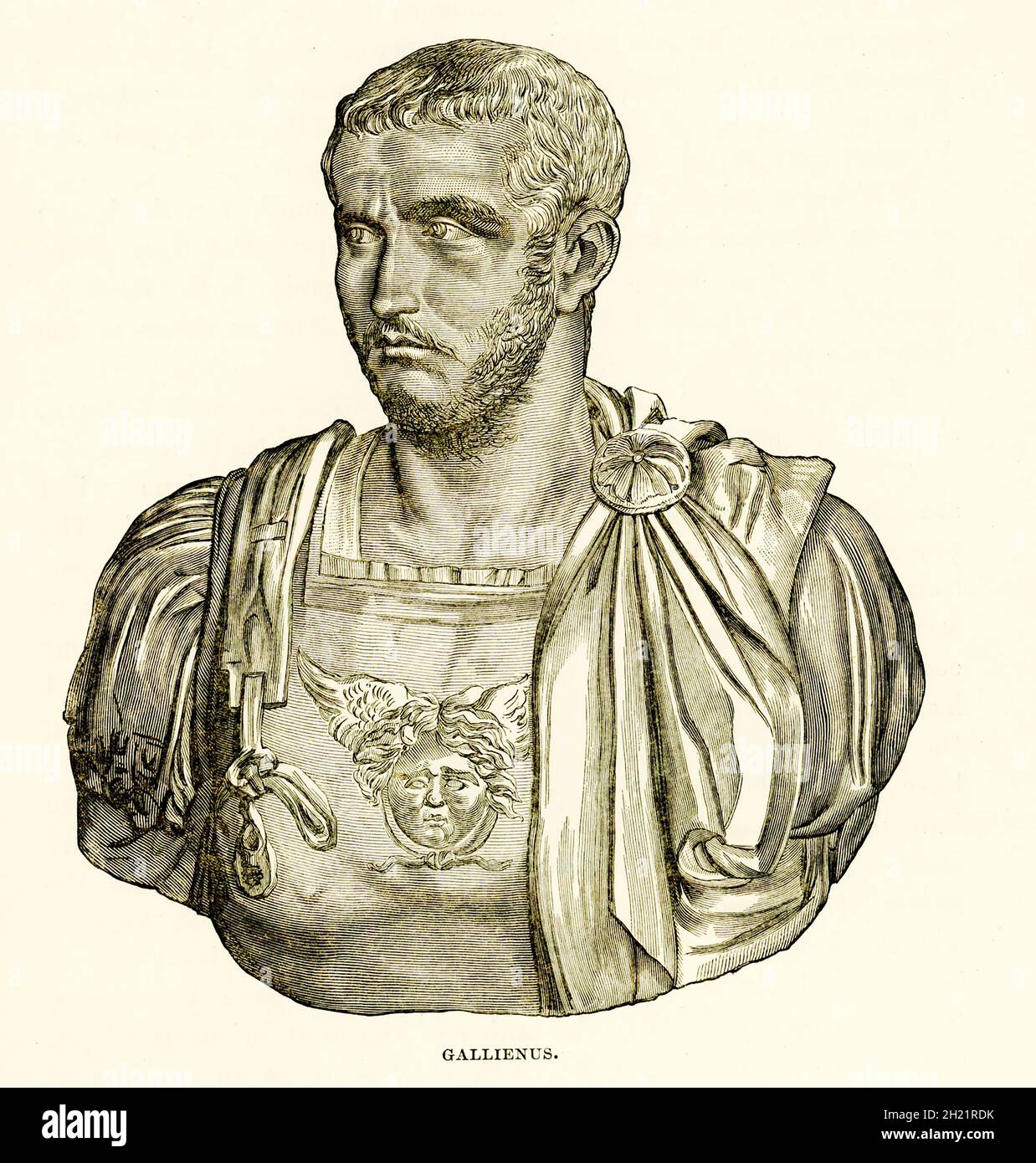
Explore the reign of Roman Emperor Gallienus in "Gallienus: Rethinking the Reign of a Burdened Roman Emperor." Discover ...
View Board
Explore the transformative reign of Theodosius I, the last emperor to rule both Eastern and Western Roman Empires. Dive ...
View Board
Explore the enduring legacy of Quintus Aurelius Symmachus, a pivotal figure in late Roman history. This comprehensive ar...
View Board
Explore the reign of Julian the Apostate, a Roman emperor whose ambitious reforms and controversial attempts to revive p...
View Board
Discover Alexander Severus' rise, reign, and tragic fall. Explore his reforms, religious tolerance, and the chaos that f...
View Board
> Constantine the Great: The Visionary Emperor Who Shaped History Constantine the Great, born Flavius Valerius Constanti...
View Board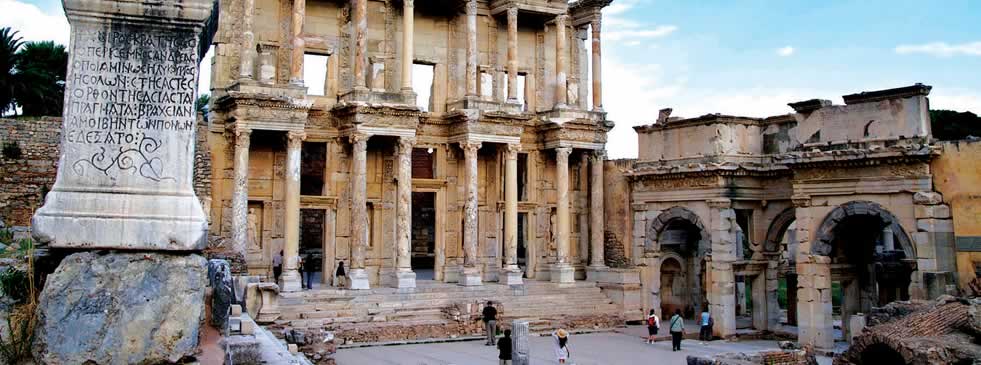
Discover the timeless splendor of Ephesus, Turkey's ancient Aegean marvel. Explore where history echoes through grand te...
View Board
Explore the tumultuous reign of Valentinian III, Emperor of the Western Roman Empire from 425-455 AD, amid pivotal histo...
View Board
Discover the captivating allure of Braga, Portugal's City of Archbishops, where over two millennia of history blend seam...
View Board
Baba Ali was a legendary Sufi saint whose teachings on love, compassion, and ethical living continue to inspire individu...
View Board
Comments