
Explore Any Narratives
Discover and contribute to detailed historical accounts and cultural stories. Share your knowledge and engage with enthusiasts worldwide.
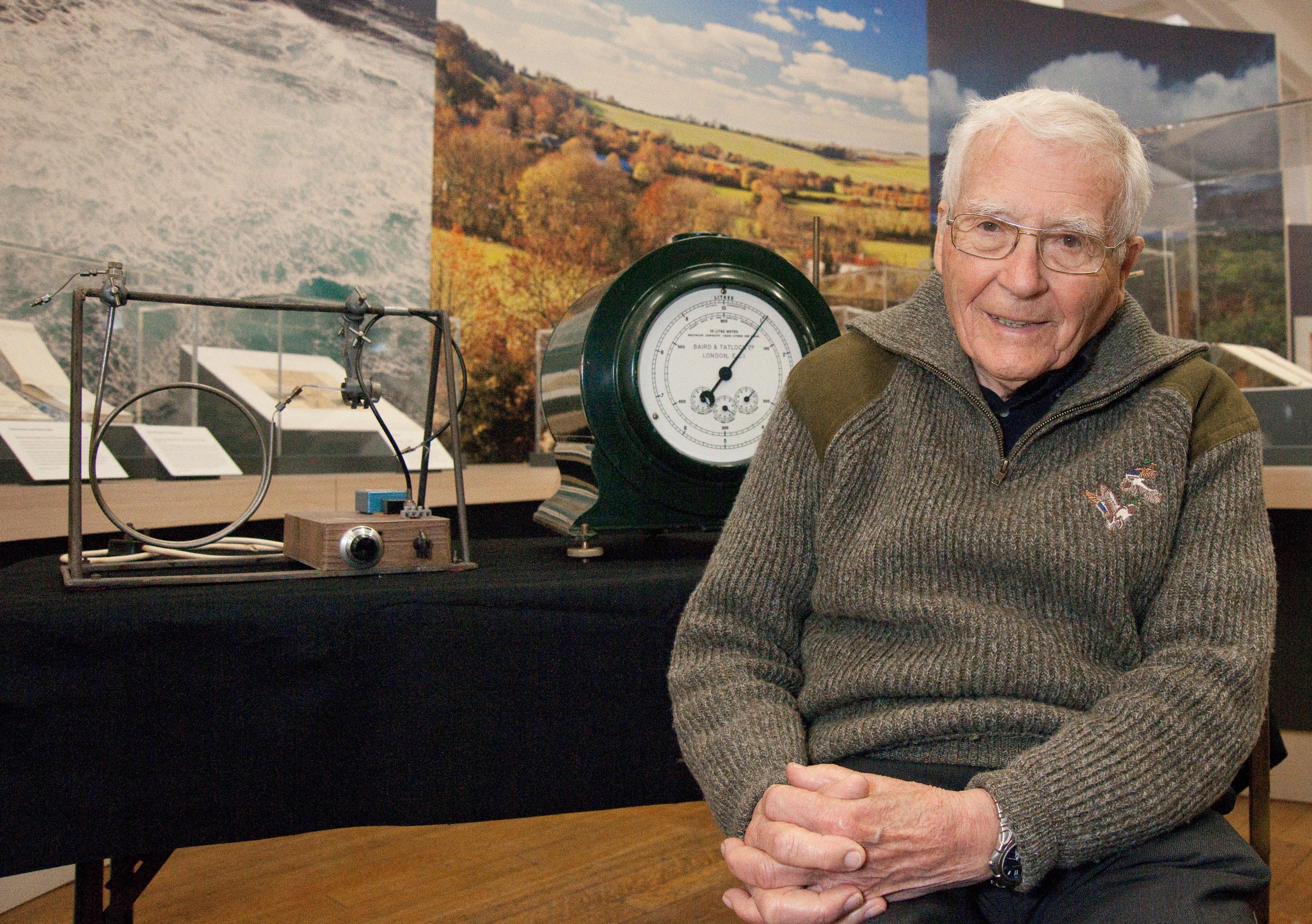
James Lovelock, born on July 26, 1919, in Letchworth Garden City, Hertfordshire, England, was a pioneering scientist whose work revolutionized our understanding of Earth as a living system. His journey began with a chemistry degree from Manchester University in 1941, followed by a PhD in medicine from the London School of Hygiene and Tropical Medicine in 1948. He later earned a DSc in biophysics from the University of London in 1959, laying the foundation for his multidisciplinary career.
Lovelock is best known for developing the Gaia hypothesis, which proposes that Earth functions as a self-regulating system where life maintains optimal conditions through feedback loops involving the biosphere, atmosphere, oceans, and soil. This groundbreaking idea was first introduced in a 1965 paper in *Nature*, where Lovelock suggested that the composition of Earth's atmosphere, particularly the presence of gases like oxygen and methane, is a signature of life.
Lovelock's work with NASA in the 1960s played a crucial role in shaping the Gaia hypothesis. While developing instruments to detect life on Mars for the Viking missions, he realized that Earth's atmosphere is in a state of disequilibrium, maintained by the presence of life. This insight led him to propose that the chemical composition of a planet's atmosphere could indicate whether life exists there.
Beyond his theoretical work, Lovelock was a prolific inventor. He held over 50 patents, including the electron-capture detector (ECD), invented in 1957. The ECD was instrumental in detecting pesticide residues and chlorofluorocarbons (CFCs), which later became critical in research on ozone depletion. His inventions not only advanced scientific research but also had a profound impact on environmental monitoring and policy.
In the early stages of his career, Lovelock made significant contributions to medical research. In 1952, he developed a theory on cryobiology, explaining how cells are damaged during freezing. This work led to successful experiments in freezing and thawing hamsters, paving the way for advancements in cryopreservation and medical storage techniques.
Lovelock's collaboration with Lynn Margulis, a renowned biologist, was pivotal in formalizing the Gaia hypothesis. Funded by NASA Exobiology grants, their partnership in the 1970s helped refine and promote the theory, despite initial skepticism from the scientific community. Margulis's expertise in microbiology complemented Lovelock's background in chemistry and instrumentation, creating a robust framework for the hypothesis.
Throughout his career, Lovelock held various academic positions, including roles as a professor at Baylor University (1961–1964) and a visiting professor at the University of Houston (1964–1974) and the University of Reading (1964–1989). However, much of his most influential work was conducted as an independent researcher, operating from a home laboratory in Dorset, England. This independence allowed him the freedom to explore unconventional ideas and pursue interdisciplinary research.
The Gaia hypothesis has had a lasting impact on multiple scientific fields, including Earth system science, climate science, and astrobiology. Lovelock's ideas have influenced how scientists view Earth as a cybernetic entity, capable of self-regulation through complex feedback mechanisms. His work has also shaped discussions on planetary habitability and the search for extraterrestrial life.
Lovelock's contributions to science were widely recognized. In 2003, he was appointed a Companion of Honour for his services to environmental science. His work with NASA earned him three certificates of recognition, highlighting his role in advancing life-detection technologies and planetary science. Even after his passing on July 26, 2022, his legacy continues to inspire new generations of scientists and environmentalists.
Lovelock was a prolific writer, authoring approximately 200 scientific papers and several influential books. His 1979 book, *Gaia: A New Look at Life on Earth*, introduced the Gaia hypothesis to a broader audience, while subsequent works like *The Ages of Gaia* (1988) and *The Revenge of Gaia* (2006) expanded on his theories and addressed contemporary environmental challenges. These publications have been instrumental in shaping public and scientific discourse on climate change and sustainability.
In his later years, Lovelock became increasingly vocal about the urgent need to address climate change. In *The Revenge of Gaia*, he warned of climate tipping points and the potentially catastrophic consequences of human impacts on the planet. His evolving views reflected a deepening concern for the future of Earth and a call to action for policymakers and the public alike.
James Lovelock's life and work exemplify the power of interdisciplinary thinking and independent research. From his early contributions to medical science and instrumentation to the development of the Gaia hypothesis, Lovelock's ideas have reshaped our understanding of Earth and our place within it. His legacy continues to influence scientific research, environmental policy, and the ongoing search for life beyond our planet.
The Gaia hypothesis challenged conventional views of Earth as a passive planet, instead proposing it as a dynamic, self-regulating system. Lovelock's theory suggested that life interacts with the physical environment to maintain conditions suitable for its continuation. This idea was revolutionary, as it implied that Earth's biosphere, atmosphere, oceans, and soil are interconnected in a way that sustains life through feedback loops.
The hypothesis is built on several core principles:
When Lovelock first proposed the Gaia hypothesis, it faced significant skepticism from the scientific community. Critics argued that the theory was teleological, implying a purpose or goal in nature, which contradicted Darwinian evolution. However, over time, the hypothesis gained traction as evidence accumulated. By the 1980s and 1990s, many scientists began to accept that Earth's systems are indeed interconnected in ways that promote stability and resilience.
Beyond the Gaia hypothesis, Lovelock made groundbreaking contributions to environmental science and technology. His inventions and research have had lasting impacts on how we monitor and understand the environment.
One of Lovelock’s most influential inventions was the electron-capture detector (ECD), developed in 1957. This device revolutionized environmental monitoring by enabling the detection of trace amounts of chemicals, including:
The ECD became a cornerstone of environmental chemistry, allowing scientists to track pollutants at parts-per-trillion levels. This technology was instrumental in the 1974 discovery of CFCs in the atmosphere, which led to global efforts to phase out these ozone-depleting substances.
Lovelock’s collaboration with NASA in the 1960s was another highlight of his career. He worked on developing instruments to detect life on Mars as part of the Viking missions. His approach was innovative: instead of looking for direct signs of life, he proposed analyzing the chemical composition of a planet’s atmosphere to determine if life could exist there.
This work led to a critical insight: Earth’s atmosphere is in a state of chemical disequilibrium, maintained by the presence of life. For example, the coexistence of oxygen and methane in Earth’s atmosphere is highly unusual from a chemical standpoint, as these gases would normally react and neutralize each other. Lovelock argued that this disequilibrium is a signature of life, a concept that has since been adopted in the field of astrobiology.
As Lovelock aged, his views on environmental issues evolved, reflecting a deepening concern for the planet’s future. In his later works, he became increasingly alarmist about the impacts of climate change, warning that humanity was pushing Earth’s systems toward dangerous tipping points.
In his 2006 book, *The Revenge of Gaia*, Lovelock presented a stark warning about the consequences of unchecked climate change. He argued that Earth’s self-regulating systems were being overwhelmed by human activities, particularly the burning of fossil fuels and deforestation. Key points from the book include:
While some critics dismissed Lovelock’s warnings as overly pessimistic, his book sparked important debates about the urgency of addressing climate change and the need for innovative solutions.
In his later years, Lovelock became a vocal advocate for nuclear energy as a solution to climate change. He argued that renewable energy sources, such as wind and solar, were insufficient to meet global energy demands without causing significant environmental damage. Lovelock believed that nuclear power, despite its risks, was the most viable option for reducing carbon emissions while providing reliable energy.
His stance on nuclear energy was controversial, particularly among environmentalists who traditionally oppose nuclear power due to concerns about radioactive waste and nuclear accidents. However, Lovelock’s position reflected his pragmatic approach to solving global challenges, prioritizing evidence-based solutions over ideological preferences.
James Lovelock’s contributions to science extend far beyond the Gaia hypothesis. His work has influenced multiple fields, from environmental chemistry to astrobiology, and his inventions have had practical applications in pollution monitoring and medical research.
The Gaia hypothesis laid the groundwork for Earth system science, a field that studies the planet as a complex, interconnected system. Lovelock’s ideas helped shape modern models of climate regulation, biogeochemical cycles, and ecological resilience. Today, scientists use these models to understand how human activities are altering Earth’s systems and to predict future environmental changes.
Key areas where Lovelock’s influence is evident include:
Lovelock’s work with NASA and his insights into planetary atmospheres have had a lasting impact on astrobiology. His idea that a planet’s atmospheric composition can indicate the presence of life has become a cornerstone of the search for extraterrestrial life. Scientists now use atmospheric spectroscopy to analyze the chemical makeup of exoplanet atmospheres, looking for signs of disequilibrium that could suggest biological activity.
Lovelock’s contributions to this field include:
The electron-capture detector (ECD) and other inventions by Lovelock remain essential tools in environmental science. These technologies are used to monitor:
Lovelock’s legacy in this area is a testament to his ability to bridge the gap between theoretical science and practical applications, creating tools that have real-world impacts on environmental protection.
Throughout his life, Lovelock received numerous awards and honors in recognition of his scientific contributions. These accolades highlight the significance of his work and its enduring influence on multiple fields.
Some of the most notable recognitions Lovelock received include:
Following Lovelock’s death on July 26, 2022, tributes poured in from scientists, environmentalists, and policymakers worldwide. NASA issued a statement honoring his pioneering work in life-detection and his collaboration with Lynn Margulis on the Gaia hypothesis. The scientific community continues to celebrate his legacy through:
The Gaia hypothesis is not just a scientific theory—it carries profound philosophical and ethical implications for how humanity perceives its relationship with Earth. Lovelock’s work challenges the traditional view of humans as separate from nature, instead positioning us as an integral part of a living, self-regulating planet. This shift in perspective has influenced environmental ethics, policy, and even spiritual movements.
Lovelock’s Gaia theory suggests that Earth operates like a single, living organism, where all components—from microorganisms to vast ocean currents—work together to maintain balance. This idea has resonated deeply with:
By framing Earth as a self-sustaining entity, Lovelock’s theory encourages a sense of stewardship and responsibility toward the planet.
Lovelock’s later works, particularly *The Revenge of Gaia*, pose difficult ethical questions about humanity’s impact on Earth. He argued that human activities—such as deforestation, fossil fuel combustion, and industrial pollution—are disrupting Gaia’s regulatory mechanisms. This raises critical questions:
Lovelock’s warnings about climate tipping points underscore the urgency of these ethical dilemmas, pushing scientists and policymakers to consider long-term consequences over short-term gains.
As climate change accelerates, the Gaia hypothesis remains more relevant than ever. Modern scientists continue to refine and expand Lovelock’s ideas, applying them to new challenges in climate science, astrobiology, and sustainability. However, the theory also faces criticism and limitations that shape its future trajectory.
Today, Gaia theory informs several cutting-edge scientific fields:
These applications demonstrate how Lovelock’s ideas continue to drive innovation in science and policy.
Despite its influence, the Gaia hypothesis has faced ongoing debate. Critics argue that:
Lovelock himself acknowledged these challenges, refining his theory over time to address scientific skepticism. His later works emphasized that Gaia is not a benevolent force but a system that can shift violently in response to disturbances.
James Lovelock’s legacy extends far beyond his scientific discoveries. His work has shaped public perception of environmental issues, inspired new generations of researchers, and even influenced art, literature, and popular culture. From documentaries to policy debates, Lovelock’s ideas continue to resonate in unexpected ways.
Lovelock’s theories have become a rallying cry for environmental activists. Movements such as:
often cite Gaia theory as a foundation for their work. Lovelock’s warnings about ecological collapse have galvanized efforts to protect biodiversity and reduce carbon emissions.
The Gaia hypothesis has also permeated art and culture, inspiring:
This cultural influence reflects how deeply Lovelock’s ideas have embedded themselves in the collective consciousness.
James Lovelock’s life and work offer valuable lessons for scientists, policymakers, and the public. His interdisciplinary approach, willingness to challenge conventions, and commitment to evidence-based solutions provide a model for addressing today’s global challenges.
Lovelock’s career demonstrates the power of:
His story encourages scientists to think beyond disciplinary boundaries and embrace unconventional ideas.
Lovelock’s warnings about climate change and ecological limits offer critical insights for decision-makers:
His legacy underscores the importance of science-informed policy in safeguarding the planet.
James Lovelock’s contributions to science and environmental thought are unparalleled. From the Gaia hypothesis to his groundbreaking inventions, his work has reshaped our understanding of Earth and our place within it. Lovelock’s ability to connect disparate fields—chemistry, biology, climate science, and astrobiology—demonstrates the power of interdisciplinary thinking in solving global challenges.
As we face the climate crisis and other environmental threats, Lovelock’s ideas remain as relevant as ever. His warnings about tipping points and the need for radical solutions serve as a call to action for future generations. Whether through scientific research, policy changes, or cultural shifts, the legacy of James Lovelock will continue to inspire efforts to protect and sustain our planet.
In the end, Lovelock’s greatest gift may be his reminder that Earth is not merely a collection of resources to be exploited but a living, dynamic system that demands our respect, care, and urgent attention. His vision of Gaia challenges us to rethink our relationship with nature and to strive for a future where humanity lives in harmony with the planet that sustains us all.




Your personal space to curate, organize, and share knowledge with the world.
Discover and contribute to detailed historical accounts and cultural stories. Share your knowledge and engage with enthusiasts worldwide.
Connect with others who share your interests. Create and participate in themed boards about any topic you have in mind.
Contribute your knowledge and insights. Create engaging content and participate in meaningful discussions across multiple languages.
Already have an account? Sign in here

Explore the life and legacy of James Lovelock, the pioneering environmental scientist behind the Gaia hypothesis. Discov...
View Board
**Meta Description:** Explore the enchanting world of forests—their biodiversity, vital ecological roles, and threats ...
View Board
Last news about Earth and Environmental Sciences Week from 21/10/2024 to 27/10/2024
View Board
Discover the inspiring journey of Joey Santore, a self-taught botanist who brings the world of botany to life with engag...
View Board
The Remarkable Life and Legacy of Charles Lyell Introduction In the annals of science, few figures have had as profoun...
View Board
Jacques Cousteau: Explorer, inventor, and conservationist who revolutionized marine science with the Aqua-Lung, the Caly...
View Board
**Meta Description:** "Explore the life and legacy of Jacques Monod, Nobel Prize-winning molecular biologist who revol...
View Board
Last news about Biology Week from 14/10/2024 to 20/10/2024
View Board
Last news about Biology Week from 07/10/2024 to 13/10/2024
View Board
"Explore Pwl-Lanzeben's work, blending nature and humanity. Discover how interdisciplinary thinking merges science and e...
View Board
Discover the remarkable life and enduring legacy of Arturo Miolati, a trailblazer whose groundbreaking work in quantum m...
View Board
Discover Konrad Lorenz's ethology impact on behavioral ecology & human-nature bonds. Explore his conservation legacy & a...
View Board
Discover the intriguing life of Léon Foucault, the pioneering French physicist who elegantly demonstrated the Earth's ro...
View Board
"Discover Konrad Lorenz, Nobel-winning ethology pioneer. Explore his imprinting studies, legacy, and impact on science &...
View Board
Explore the remarkable life and enduring legacy of Max von Laue, the pioneering physicist behind the groundbreaking tech...
View Board
Explore the inspiring journey of Gerty Cori, the first woman Nobel laureate in Physiology or Medicine, who defied societ...
View Board
Explore the complicated legacy of James Watson, the controversial architect of DNA. Delve into his groundbreaking achiev...
View Board
Discover the influential life of Konrad Lorenz, a trailblazer in ethology whose research on animal behavior revolutioniz...
View Board
158 ̩ Meta Description: Explore the groundbreaking contributions of Giovanni Battista Amici - the Italian physicist w...
View Board
**Meta Description:** Discover how Francisco Mojica, the Spanish microbiologist behind CRISPR’s groundbreaking discove...
View Board
Comments