Harold Urey: Químico Nobel y el Descubrimiento del Deuterio
Harold Clayton Urey es una figura monumental en la historia de la ciencia del siglo XX. Este químico estadounidense dejó una huella imborrable en campos tan diversos como la química isotópica, la energía nuclear y la astrobiología. Su trabajo pionero, coronado con el Premio Nobel de Química en 1934, no solo revolucionó la comprensión de los elementos básicos de la materia, sino que también abrió puertas a descubrimientos sobre el origen de la vida y la historia de nuestro planeta. La vida y obra de Harold Urey representan un legado de rigor científico e innovación transversal.
Vida Temprana y Formación Académica
Harold Clayton Urey nació el 29 de abril de 1893 en Walkerton, Indiana, en el seno de una familia humilde. Sus primeros años estuvieron marcados por la dedicación al estudio y al trabajo, valores que mantendría durante toda su carrera. Tras completar la educación secundaria, comenzó sus estudios superiores en la Universidad de Montana, donde inicialmente se interesó por la zoología. Obtuvo su licenciatura en esta disciplina en 1917, un primer paso que, aunque alejado de la química, forjó su disciplina investigadora.
De la Zoología a la Química Pura
Tras graduarse, Urey impartió clases de química y zoología en la Universidad de Montana durante dos años. Esta experiencia en la docencia le permitió profundizar en la química, descubriendo su verdadera vocación. Decidió entonces dar un giro radical a su carrera y perseguir un doctorado en química física. En 1923, culminó con éxito su doctorado en la prestigiosa Universidad de California, Berkeley, bajo la tutela del eminente Gilbert N. Lewis. Su tesis doctoral versó sobre las propiedades termodinámicas de las moléculas gaseosas, sentando las bases de su futuro trabajo con isótopos.
Este periodo formativo fue crucial. La influencia de Lewis y el ambiente intelectual de Berkeley dotaron a Urey de las herramientas teóricas y experimentales que más tarde emplearía para sus descubrimientos más famosos. Su transición de la zoología a la química de vanguardia es un testimonio de su curiosidad intelectual sin límites y su capacidad para trascender las fronteras disciplinarias tradicionales.
El Descubrimiento del Deuterio y el Premio Nobel
El momento culminante de la carrera de Harold Urey llegó a principios de la década de 1930. Tras un fructífero periodo de investigación postdoctoral en Copenhague con Niels Bohr, Urey se incorporó a la Universidad de Columbia. Fue allí donde, en 1932, realizó el descubrimiento que cambiaría su vida y el curso de la ciencia moderna: el deuterio, un isótopo pesado del hidrógeno.
Urey y su equipo lograron aislar el deuterio mediante un meticuloso proceso de destilación fraccionada de hidrógeno líquido, seguido de un análisis espectroscópico que confirmó la existencia de este nuevo átomo. La abundancia natural del deuterio es extremadamente baja, aproximadamente 15 átomos por cada 100.000 átomos de hidrógeno común. Este hallazgo demostró que los elementos podían existir en formas isotópicas estables con propiedades diferentes.
El descubrimiento del deuterio no solo le valió el Premio Nobel de Química en 1934, sino que también condujo al aislamiento del agua pesada (D₂O), una sustancia con propiedades únicas cruciales para la ciencia y la tecnología.
Repercusiones del Hallazgo del Deuterio
El descubrimiento del deuterio tuvo implicaciones inmediatas y de largo alcance. El agua pesada, que contiene deuterio en lugar de hidrógeno común, se convirtió en un material de enorme importancia. Entre sus aplicaciones clave se encuentran:
- Moderador en reactores nucleares: El agua pesada frena los neutrones en las reacciones de fisión, permitiendo el control de reactores nucleares civiles.
- Trazador bioquímico: El deuterio se utiliza como marcador no radiactivo en estudios metabólicos y de reacciones químicas complejas.
- Fundamento para la bomba de hidrógeno: Su trabajo en isótopos de hidrógeno sentó las bases físicas para el desarrollo posterior de armamento termonuclear.
Por este logro trascendental, Harold Urey recibió el Premio Nobel de Química en 1934. El reconocimiento no se detuvo allí; ese mismo año también fue galardonado con la Medalla Willard Gibbs, consolidando su reputación como uno de los químicos más importantes de su generación.
Contribución al Proyecto Manhattan y la Energía Atómica
Con el estallido de la Segunda Guerra Mundial, el expertise de Urey en separación de isótopos se volvió de interés estratégico nacional. Fue reclutado para contribuir al Proyecto Manhattan, el esfuerzo secreto de los Aliados para desarrollar la primera bomba atómica. En Columbia, Urey dirigió el grupo de separación de isótopos, enfocándose en uno de los desafíos más complejos del proyecto: enriquecer el uranio-235 fisionable a partir del uranio-238 más abundante.
Su equipo investigó y desarrolló métodos como la difusión gaseosa, un proceso crítico aunque extremadamente difícil, para lograr la separación a escala industrial. Aunque este método no fue el principal utilizado en Oak Ridge, el trabajo de Urey proporcionó conocimientos científicos invaluables y alternativas tecnológicas. Además, sus investigaciones sobre el tritio, otro isótopo del hidrógeno, fueron fundamentales para el desarrollo posterior de la bomba de hidrógeno.
Una Posición Ética y Política
La participación de Urey en el Proyecto Manhattan fue compleja y marcada por una profunda reflexión ética. Tras el fin de la guerra, se convirtió en un defensor abierto del control internacional de la energía atómica. Abogó por la creación de organismos supranacionales que evitaran una carrera armamentística y promovieran el uso pacífico de la energía nuclear. Su activismo político lo llevó a asesorar al Partido Demócrata e incluso al presidente John F. Kennedy, evidenciando su compromiso con la responsabilidad social de la ciencia.
Esta etapa de su vida ilustra la dualidad del científico moderno: un creador de conocimiento que también debe enfrentar las consecuencias de sus descubrimientos. Urey transitó de ser un arquitecto de la energía atómica a ser uno de sus críticos más lúcidos, siempre guiado por un principio de beneficio para la humanidad.
El Experimento Miller-Urey y el Origen de la Vida
En la década de 1950, el interés científico de Harold Urey dio otro giro trascendental, pasando de la química nuclear a una de las preguntas fundamentales de la humanidad: el origen de la vida. Junto con su estudiante Stanley Miller, diseñó y llevó a cabo en 1953 uno de los experimentos más famosos y emblemáticos del siglo XX, conocido mundialmente como el experimento Miller-Urey. Este trabajo buscaba poner a prueba la hipótesis de que las condiciones de la Tierra primitiva podían haber generado los componentes básicos de la vida a partir de materia inorgánica.
Simulando la Sopa Primordial
El experimento consistió en simular las condiciones atmosféricas y oceánicas que se creía existían en el planeta hace miles de millones de años. En un aparato de vidrio sellado, recrearon un océano primitivo con agua caliente y una atmósfera reductora compuesta por metano, amoníaco, hidrógeno y vapor de agua. Descargas eléctricas, que simulaban los relámpagos de las tormentas prehistóricas, fueron aplicadas continuamente a esta mezcla durante varios días.
Los resultados fueron asombrosos: en una semana, el agua inicialmente clara se volvió de un color rosa y posteriormente rojo oscuro, y el análisis reveló la presencia de varios compuestos orgánicos, incluyendo cuatro aminoácidos diferentes, los bloques constituyentes de las proteínas.
Este hallazgo demostró por primera vez de manera experimental que las moléculas orgánicas complejas, esenciales para la vida, podían formarse espontáneamente bajo condiciones prebióticas plausibles. El experimento Miller-Urey se convirtió instantáneamente en la piedra angular de la abiogénesis y catapultó el campo de la astrobiología. Su legado persiste hoy, con científicos que continúan refinando el experimento con distintas composiciones atmosféricas y fuentes de energía, descubriendo incluso más variedad de compuestos orgánicos.
Pionero en Ciencias Planetarias y Geoquímica
Tras su etapa en el Proyecto Manhattan y durante su trabajo en el experimento del origen de la vida, Urey desarrolló un profundo interés por las ciencias planetarias y la geoquímica. Cuando se unió a la facultad de la Universidad de Chicago en 1945, comenzó a aplicar su maestría en el estudio de isótopos a problemas de la Tierra y el sistema solar. Su enfoque innovador revolucionó nuestra capacidad para leer la historia antigua del planeta.
El Termómetro de los Isótopos de Oxígeno
Una de sus contribuciones más perdurables en este campo fue el desarrollo de la paleotermometría por isótopos de oxígeno. Urey descubrió que la proporción entre los isótopos oxígeno-18 y oxígeno-16 en los caparazones de organismos marinos fósiles (como los foraminíferos) dependía de la temperatura del agua en la que habían vivido. Mediante el análisis meticuloso de estas proporciones isotópicas, los científicos pudieron estimar temperaturas oceánicas de hasta 180 millones de años de antigüedad.
Este método se convirtió en una herramienta fundamental para la paleoclimatología, permitiendo reconstruir el clima del pasado con una precisión sin precedentes. Hoy, las técnicas derivadas de su trabajo son esenciales para entender los ciclos climáticos naturales y contextualizar el actual cambio climático antropogénico. La geoquímica isotópica, en gran parte impulsada por Urey, es una disciplina central en las ciencias de la Tierra.
El Análisis de las Muestras Lunares del Apolo
El interés de Urey por los cuerpos celestes lo llevó a formular hipótesis sobre la formación de la Luna. Su trabajo teórico llamó la atención de la NASA, y cuando la misión Apolo 11 trajo las primeras muestras de roca lunar en 1969, Urey, ya en la Universidad de California en San Diego, fue uno de los científicos principales seleccionados para analizarlas. Su participación directa en el examen de este material extraterrestre fue un momento cumbre en su carrera.
Sin embargo, en un ejemplo notable de integridad científica, las evidencias encontradas en las muestras lunares refutaron su propia hipótesis sobre el origen de la Luna. Urey había apoyado la idea de que la Luna se había formado en frío y se había mantenido así. Los nuevos datos indicaban un pasado mucho más volcánico y caliente. Lejos de aferrarse a su teoría, Urey aceptó públicamente la nueva evidencia, demostrando que para un verdadero científico, los hechos observados están por encima de las ideas preconcebidas.
Legado y Reconocimientos de una Carrera Excepcional
A lo largo de su vida, Harold Urey acumuló una serie de honores y distinciones que reflejan la amplitud e impacto de su trabajo. Más allá del Premio Nobel, su contribución a la ciencia fue reconocida repetidamente por las instituciones más prestigiosas del mundo. Estos premios no solo celebran descubrimientos específicos, sino también una carrera marcada por la curiosidad incansable y la voluntad de explorar nuevos campos.
Galardones y Distinciones Principales
La lista de reconocimientos de Urey es extensa y cubre diversas áreas de la química, la física y la astronomía. Entre los más destacados se encuentran:
- Medalla Davy (1940): Otorgada por la Royal Society del Reino Unido por sus trabajos en el descubrimiento del deuterio.
- Medalla Nacional de Ciencias (1964): La máxima distinción científica en Estados Unidos, concedida por el Presidente Lyndon B. Johnson.
- Medalla de Oro de la Real Sociedad Astronómica (1966): Un reconocimiento a sus contribuciones pioneras en el campo de las ciencias planetarias y el estudio del sistema solar.
- Medalla Priestley (1973): El honor más alto conferido por la American Chemical Society, considerado el premio máximo de la química en Estados Unidos.
Estos galardones muestran cómo Urey fue valorado tanto por sus colegas químicos como por las comunidades de la física y la astronomía, un hecho poco común que subraya la naturaleza interdisciplinaria de su legado.
Influencia en la Educación y la Política Científica
Además de su investigación, Urey fue un educador dedicado y un defensor público de la ciencia. Escribió libros influyentes que acercaron la ciencia compleja al público general, como "Los planetas: su origen y desarrollo" (1952). También fue un mentor para numerosos científicos que luego tendrían carreras distinguidas, incluyendo a Stanley Miller y a otros que se especializaron en geoquímica isotópica.
Su activismo político posterior a la Segunda Guerra Mundial, abogando por el desarme y el control internacional de la energía atómica, refleja su profunda conciencia sobre las implicaciones éticas del trabajo científico. Urey comprendió que el conocimiento conlleva una responsabilidad, y utilizó su prestigio para influir en el debate público sobre uno de los temas más cruciales de la era moderna.
La Herencia Científica y las Aplicaciones Modernas
El legado de Harold Urey trasciende el siglo XX y continúa vivo en una amplia gama de disciplinas científicas y tecnologías modernas. Sus descubrimientos fundamentales actúan como piedras angulares en campos que van desde la energía nuclear hasta la exploración espacial y la comprensión del cambio climático. La versatilidad de su trabajo es un testimonio de cómo la ciencia básica puede generar aplicaciones transformadoras décadas después.
El Deuterio y el Agua Pesada en la Tecnología Actual
El descubrimiento del deuterio por parte de Urey no fue solo un hazo académico. Hoy, el deuterio y el agua pesada (D₂O) son materiales críticos en la industria y la investigación. Su papel como moderador en reactores nucleares de tipo CANDU es vital para la generación de energía en varios países. En la investigación científica, el deuterio se emplea como una herramienta de trazado no radiactiva en espectroscopía de RMN (Resonancia Magnética Nuclear) y en estudios de cinética química, permitiendo a los científicos seguir el camino de átomos individuales en reacciones complejas.
Además, el trabajo de Urey sobre isótopos pesados del hidrógeno es esencial para el campo de la fusión nuclear controlada. Experimentos como el ITER (Reactor Experimental Termonuclear Internacional) dependen del conocimiento profundo del comportamiento del deuterio y el tritio, isótopos cuyo estudio Urey ayudó a impulsar, en su búsqueda por recrear la energía de las estrellas en la Tierra de manera segura y sostenible.
El Miller-Urey en la Astrobiología Contemporánea
El experimento Miller-Urey sigue siendo un referente obligado en la investigación sobre el origen de la vida. Los astrobiólogos modernos continúan refinando su diseño original, probando diferentes composiciones para la atmósfera primitiva de la Tierra e incorporando nuevas fuentes de energía, como la radiación ultravioleta o el calor geotérmico. Investigaciones recientes han demostrado que, bajo condiciones ajustadas, el experimento puede producir no solo aminoácidos, sino también nucleótidos, los componentes básicos del ARN y el ADN.
Este legado experimental directo vincula a Urey con misiones espaciales modernas, como las de los rovers en Marte, que buscan compuestos orgánicos siguiendo el principio fundamental que él ayudó a establecer: donde hay los ingredientes y condiciones adecuadas, puede surgir la química de la vida.
Refinamientos y Controversias en las Teorías de Urey
Aunque el marco establecido por Urey sigue siendo sólido, el avance de la ciencia ha llevado a refinamientos e incluso a la revisión de algunas de sus hipótesis específicas. Esto no resta valor a su contribución, sino que ilustra el proceso normal y saludable del método científico, donde las ideas se ponen a prueba continuamente con nueva evidencia.
La Evolución del Modelo Atmosférico Primigenio
Una de las principales actualizaciones a su trabajo concierne a la composición de la atmósfera primitiva utilizada en el experimento Miller-Urey. La mayoría de los científicos actuales creen que la atmósfera de la Tierra joven era menos reductora de lo que se pensaba en la década de 1950, conteniendo más dióxido de carbono y nitrógeno molecular. Sin embargo, experimentos con estas mezclas actualizadas también han logrado producir moléculas orgánicas complejas, validando el concepto central de Urey y Miller.
Fuentes alternativas de moléculas prebióticas, como los respiraderos hidrotermales en el fondo oceánico o la llegada de compuestos a través de meteoritos, complementan ahora la hipótesis de la "sopa primordial". El trabajo de Urey no se ha invalidado, sino que se ha integrado en un marco teórico más amplio y robusto sobre los orígenes de la vida, mostrando cómo una idea seminal puede evolucionar y expandirse.
El Origen de la Luna: Una Hipótesis Superada
Como se mencionó, Urey defendía la teoría de que la Luna se había formado en frío y era primordial. Su análisis directo de las rocas del Apolo 11, que esperaba que respaldara su idea, terminó proporcionando pruebas en contra. La evidencia de un pasado volcánico y un océano de magma lunar fue abrumadora. La aceptación pública de esta refutación por parte de Urey es una lección magistral de ética científica. Hoy, la teoría aceptada es la del impacto gigante, donde un cuerpo del tamaño de Marte colisionó con la Tierra joven, expulsando material que formó la Luna. La contribución de Urey aquí fue, irónicamente, ayudar a descartar una idea errónea mediante la evidencia empírica que él mismo ayudó a recolectar.
Conclusión: El Arquitecto de la Ciencia Interdisciplinaria
Harold Clayton Urey falleció el 5 de enero de 1981 en La Jolla, California, dejando tras de sí un panorama científico irreconociblemente transformado por su curiosidad e ingenio. Su carrera es un poderoso ejemplo de cómo un científico puede operar con éxito en múltiples fronteras del conocimiento sin quedarse atrapado en una sola especialidad. Desde la química fundamental hasta la geología, la planetología y la exobiología, Urey construyó puentes entre disciplinas que antes parecían distantes.
Los puntos clave de su legado son claros y permanecen vigentes:
- Descubrimiento del deuterio: Un hallazgo que abrió las puertas a la química isotópica moderna y a tecnologías críticas en energía e investigación.
- Experimento Miller-Urey: La demostración experimental pionera de que los bloques de la vida pueden surgir de procesos naturales, fundamentando la astrobiología.
- Pionero en geoquímica isotópica: Desarrolló herramientas como el paleotermómetro de oxígeno-18, que permite leer la historia climática de la Tierra.
- Contribución crucial al Proyecto Manhattan: Su expertise en separación de isótopos fue vital para el esfuerzo bélico, seguida de una defensa ética del control nuclear.
- Modelo de integridad científica: Su voluntad de aceptar evidencias que contradecían sus propias teorías, como con las muestras lunares, es un estándar de conducta profesional.
El Impacto Duradero en el Siglo XXI
En el siglo XXI, el nombre de Urey sigue resonando en laboratorios, reactores nucleares y centros de control de misiones espaciales. Su trabajo es citado en investigaciones sobre el cambio climático histórico, al utilizar sus métodos isotópicos para contextualizar el calentamiento global actual. Es honrado en el nombre de cráteres lunares y en premios que llevan su nombre, como la Medalla Urey que otorga la European Association of Geochemistry.
La figura de Harold Urey se erige como la del científico completo: un investigador de mente abierta, un maestro inspirador y un ciudadano comprometido con las implicaciones sociales de su trabajo. Demostró que la búsqueda del conocimiento, guiada por la rigurosidad y la honestidad intelectual, puede iluminar desde los secretos del átomo hasta los misterios del cosmos y el origen mismo de nuestra existencia. Su vida es un recordatorio eterno de que la ciencia más profunda y transformadora nace de la capacidad de hacer preguntas sencillas sobre la naturaleza y de la perseverancia para encontrar sus respuestas.
En conclusión, la obra de Harold Urey fue fundamental para el desarrollo de la química isotópica y campos afines, legado por el que merecidamente recibió el Premio Nobel. Su historia nos invita a reflexionar sobre cómo la curiosidad científica por los componentes más básicos de la materia puede desvelar secretos del universo y cambiar el curso de la ciencia.



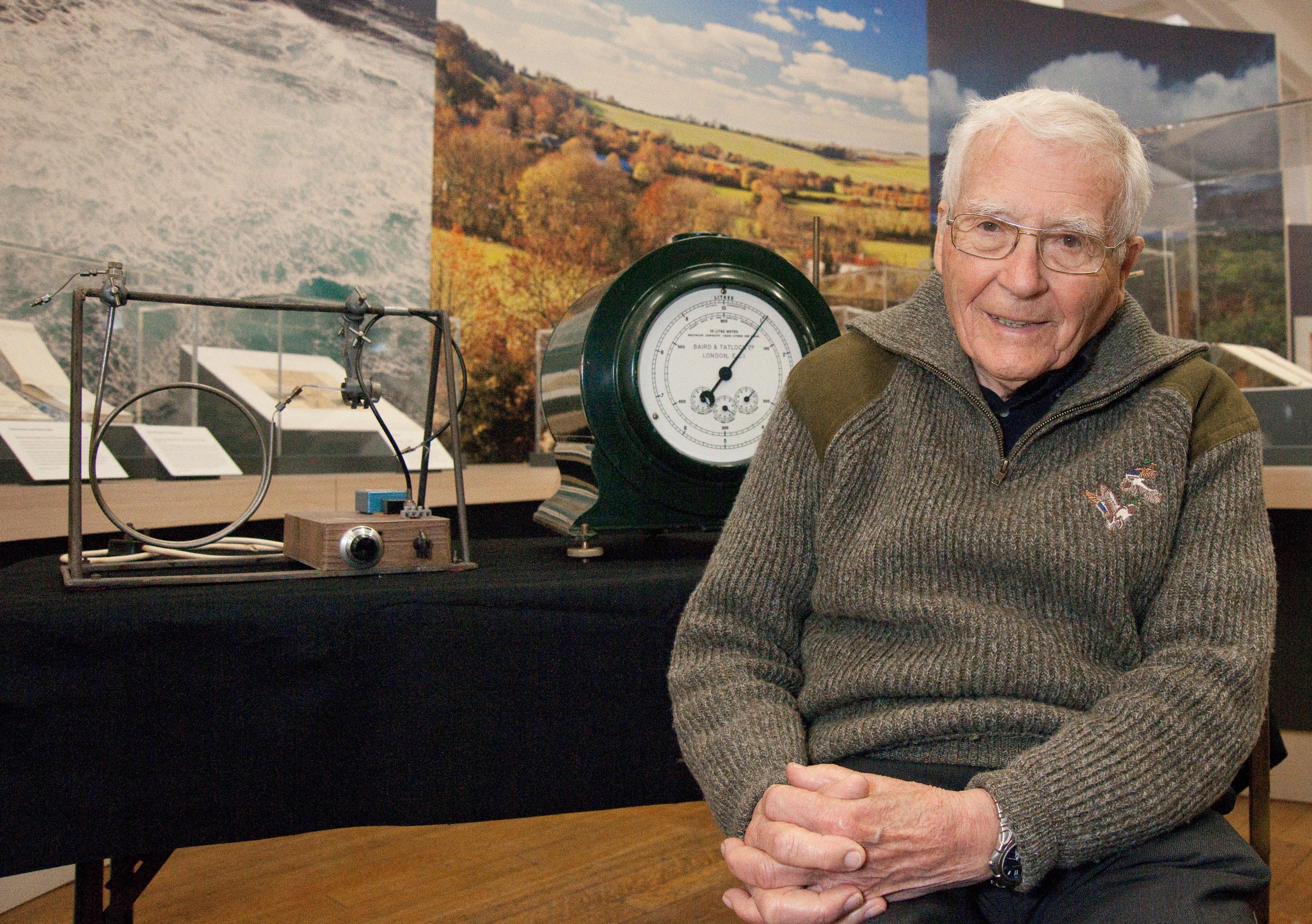
James Lovelock: The Visionary Behind the Gaia Hypothesis
Early Life and Education
James Lovelock, born on July 26, 1919, in Letchworth Garden City, Hertfordshire, England, was a pioneering scientist whose work revolutionized our understanding of Earth as a living system. His journey began with a chemistry degree from Manchester University in 1941, followed by a PhD in medicine from the London School of Hygiene and Tropical Medicine in 1948. He later earned a DSc in biophysics from the University of London in 1959, laying the foundation for his multidisciplinary career.
The Birth of the Gaia Hypothesis
Lovelock is best known for developing the Gaia hypothesis, which proposes that Earth functions as a self-regulating system where life maintains optimal conditions through feedback loops involving the biosphere, atmosphere, oceans, and soil. This groundbreaking idea was first introduced in a 1965 paper in *Nature*, where Lovelock suggested that the composition of Earth's atmosphere, particularly the presence of gases like oxygen and methane, is a signature of life.
Inspiration from NASA and Extraterrestrial Life
Lovelock's work with NASA in the 1960s played a crucial role in shaping the Gaia hypothesis. While developing instruments to detect life on Mars for the Viking missions, he realized that Earth's atmosphere is in a state of disequilibrium, maintained by the presence of life. This insight led him to propose that the chemical composition of a planet's atmosphere could indicate whether life exists there.
Inventions and Scientific Contributions
Beyond his theoretical work, Lovelock was a prolific inventor. He held over 50 patents, including the electron-capture detector (ECD), invented in 1957. The ECD was instrumental in detecting pesticide residues and chlorofluorocarbons (CFCs), which later became critical in research on ozone depletion. His inventions not only advanced scientific research but also had a profound impact on environmental monitoring and policy.
Cryobiology and Medical Research
In the early stages of his career, Lovelock made significant contributions to medical research. In 1952, he developed a theory on cryobiology, explaining how cells are damaged during freezing. This work led to successful experiments in freezing and thawing hamsters, paving the way for advancements in cryopreservation and medical storage techniques.
Collaborations and Key Relationships
Lovelock's collaboration with Lynn Margulis, a renowned biologist, was pivotal in formalizing the Gaia hypothesis. Funded by NASA Exobiology grants, their partnership in the 1970s helped refine and promote the theory, despite initial skepticism from the scientific community. Margulis's expertise in microbiology complemented Lovelock's background in chemistry and instrumentation, creating a robust framework for the hypothesis.
Academic and Professional Roles
Throughout his career, Lovelock held various academic positions, including roles as a professor at Baylor University (1961–1964) and a visiting professor at the University of Houston (1964–1974) and the University of Reading (1964–1989). However, much of his most influential work was conducted as an independent researcher, operating from a home laboratory in Dorset, England. This independence allowed him the freedom to explore unconventional ideas and pursue interdisciplinary research.
Legacy and Impact
The Gaia hypothesis has had a lasting impact on multiple scientific fields, including Earth system science, climate science, and astrobiology. Lovelock's ideas have influenced how scientists view Earth as a cybernetic entity, capable of self-regulation through complex feedback mechanisms. His work has also shaped discussions on planetary habitability and the search for extraterrestrial life.
Recognition and Awards
Lovelock's contributions to science were widely recognized. In 2003, he was appointed a Companion of Honour for his services to environmental science. His work with NASA earned him three certificates of recognition, highlighting his role in advancing life-detection technologies and planetary science. Even after his passing on July 26, 2022, his legacy continues to inspire new generations of scientists and environmentalists.
Publications and Influence
Lovelock was a prolific writer, authoring approximately 200 scientific papers and several influential books. His 1979 book, *Gaia: A New Look at Life on Earth*, introduced the Gaia hypothesis to a broader audience, while subsequent works like *The Ages of Gaia* (1988) and *The Revenge of Gaia* (2006) expanded on his theories and addressed contemporary environmental challenges. These publications have been instrumental in shaping public and scientific discourse on climate change and sustainability.
Evolving Views on Climate Change
In his later years, Lovelock became increasingly vocal about the urgent need to address climate change. In *The Revenge of Gaia*, he warned of climate tipping points and the potentially catastrophic consequences of human impacts on the planet. His evolving views reflected a deepening concern for the future of Earth and a call to action for policymakers and the public alike.
Conclusion of Part 1
James Lovelock's life and work exemplify the power of interdisciplinary thinking and independent research. From his early contributions to medical science and instrumentation to the development of the Gaia hypothesis, Lovelock's ideas have reshaped our understanding of Earth and our place within it. His legacy continues to influence scientific research, environmental policy, and the ongoing search for life beyond our planet.
The Gaia Hypothesis: A Paradigm Shift in Earth Science
The Gaia hypothesis challenged conventional views of Earth as a passive planet, instead proposing it as a dynamic, self-regulating system. Lovelock's theory suggested that life interacts with the physical environment to maintain conditions suitable for its continuation. This idea was revolutionary, as it implied that Earth's biosphere, atmosphere, oceans, and soil are interconnected in a way that sustains life through feedback loops.
Key Components of the Gaia Hypothesis
The hypothesis is built on several core principles:
- Homeostasis: Earth maintains a stable environment through biological and geological processes.
- Feedback Mechanisms: Positive and negative feedback loops regulate temperature, atmospheric composition, and ocean chemistry.
- Co-evolution: Life and the environment evolve together, shaping each other over geological time.
- Disequilibrium: Earth's atmosphere is in a state of chemical disequilibrium, indicating the presence of life.
Initial Criticism and Later Acceptance
When Lovelock first proposed the Gaia hypothesis, it faced significant skepticism from the scientific community. Critics argued that the theory was teleological, implying a purpose or goal in nature, which contradicted Darwinian evolution. However, over time, the hypothesis gained traction as evidence accumulated. By the 1980s and 1990s, many scientists began to accept that Earth's systems are indeed interconnected in ways that promote stability and resilience.
Lovelock’s Contributions to Environmental Science and Technology
Beyond the Gaia hypothesis, Lovelock made groundbreaking contributions to environmental science and technology. His inventions and research have had lasting impacts on how we monitor and understand the environment.
The Electron-Capture Detector (ECD)
One of Lovelock’s most influential inventions was the electron-capture detector (ECD), developed in 1957. This device revolutionized environmental monitoring by enabling the detection of trace amounts of chemicals, including:
- Pesticides such as DDT, which were previously difficult to measure.
- Chlorofluorocarbons (CFCs), which were later identified as major contributors to ozone depletion.
- Polychlorinated biphenyls (PCBs), toxic industrial compounds that persist in the environment.
The ECD became a cornerstone of environmental chemistry, allowing scientists to track pollutants at parts-per-trillion levels. This technology was instrumental in the 1974 discovery of CFCs in the atmosphere, which led to global efforts to phase out these ozone-depleting substances.
Work with NASA and the Search for Extraterrestrial Life
Lovelock’s collaboration with NASA in the 1960s was another highlight of his career. He worked on developing instruments to detect life on Mars as part of the Viking missions. His approach was innovative: instead of looking for direct signs of life, he proposed analyzing the chemical composition of a planet’s atmosphere to determine if life could exist there.
This work led to a critical insight: Earth’s atmosphere is in a state of chemical disequilibrium, maintained by the presence of life. For example, the coexistence of oxygen and methane in Earth’s atmosphere is highly unusual from a chemical standpoint, as these gases would normally react and neutralize each other. Lovelock argued that this disequilibrium is a signature of life, a concept that has since been adopted in the field of astrobiology.
Lovelock’s Later Years and Evolving Perspectives
As Lovelock aged, his views on environmental issues evolved, reflecting a deepening concern for the planet’s future. In his later works, he became increasingly alarmist about the impacts of climate change, warning that humanity was pushing Earth’s systems toward dangerous tipping points.
The Revenge of Gaia: A Warning on Climate Change
In his 2006 book, *The Revenge of Gaia*, Lovelock presented a stark warning about the consequences of unchecked climate change. He argued that Earth’s self-regulating systems were being overwhelmed by human activities, particularly the burning of fossil fuels and deforestation. Key points from the book include:
- Earth is approaching a climate tipping point, beyond which irreversible changes will occur.
- Humanity’s impact on the planet is comparable to a geological force, altering Earth’s systems at an unprecedented rate.
- Traditional approaches to environmentalism, such as reduction in carbon emissions, may not be sufficient to avert catastrophe.
- Radical solutions, such as geoengineering, may be necessary to stabilize the climate.
While some critics dismissed Lovelock’s warnings as overly pessimistic, his book sparked important debates about the urgency of addressing climate change and the need for innovative solutions.
Lovelock’s Views on Nuclear Energy
In his later years, Lovelock became a vocal advocate for nuclear energy as a solution to climate change. He argued that renewable energy sources, such as wind and solar, were insufficient to meet global energy demands without causing significant environmental damage. Lovelock believed that nuclear power, despite its risks, was the most viable option for reducing carbon emissions while providing reliable energy.
His stance on nuclear energy was controversial, particularly among environmentalists who traditionally oppose nuclear power due to concerns about radioactive waste and nuclear accidents. However, Lovelock’s position reflected his pragmatic approach to solving global challenges, prioritizing evidence-based solutions over ideological preferences.
Lovelock’s Legacy in Modern Science
James Lovelock’s contributions to science extend far beyond the Gaia hypothesis. His work has influenced multiple fields, from environmental chemistry to astrobiology, and his inventions have had practical applications in pollution monitoring and medical research.
Influence on Earth System Science
The Gaia hypothesis laid the groundwork for Earth system science, a field that studies the planet as a complex, interconnected system. Lovelock’s ideas helped shape modern models of climate regulation, biogeochemical cycles, and ecological resilience. Today, scientists use these models to understand how human activities are altering Earth’s systems and to predict future environmental changes.
Key areas where Lovelock’s influence is evident include:
- Climate modeling: Understanding how feedback loops amplify or mitigate climate change.
- Oceanography: Studying the role of marine life in regulating atmospheric carbon dioxide.
- Biodiversity research: Exploring how species interactions contribute to ecosystem stability.
Impact on Astrobiology and the Search for Extraterrestrial Life
Lovelock’s work with NASA and his insights into planetary atmospheres have had a lasting impact on astrobiology. His idea that a planet’s atmospheric composition can indicate the presence of life has become a cornerstone of the search for extraterrestrial life. Scientists now use atmospheric spectroscopy to analyze the chemical makeup of exoplanet atmospheres, looking for signs of disequilibrium that could suggest biological activity.
Lovelock’s contributions to this field include:
- Developing instruments for the Viking Mars missions to detect signs of life.
- Proposing that methane and oxygen in a planet’s atmosphere could be a biosignature.
- Influencing the design of future missions, such as the James Webb Space Telescope, which will study exoplanet atmospheres.
Continued Relevance in Environmental Monitoring
The electron-capture detector (ECD) and other inventions by Lovelock remain essential tools in environmental science. These technologies are used to monitor:
- Air quality, tracking pollutants such as ozone and particulate matter.
- Water contamination, detecting pesticides and industrial chemicals in rivers and oceans.
- Soil health, measuring the presence of toxic substances that affect agriculture and ecosystems.
Lovelock’s legacy in this area is a testament to his ability to bridge the gap between theoretical science and practical applications, creating tools that have real-world impacts on environmental protection.
Honors and Recognition
Throughout his life, Lovelock received numerous awards and honors in recognition of his scientific contributions. These accolades highlight the significance of his work and its enduring influence on multiple fields.
Major Awards and Honors
Some of the most notable recognitions Lovelock received include:
- Companion of Honour (2003): Awarded by the British government for his services to environmental science.
- NASA Certificates of Recognition: Received three certificates for his contributions to life-detection instruments and planetary science.
- Wollaston Medal (2006): Awarded by the Geological Society of London for his work on the Gaia hypothesis.
- Blue Planet Prize (1997): A prestigious environmental award recognizing his contributions to Earth system science.
Posthumous Tributes
Following Lovelock’s death on July 26, 2022, tributes poured in from scientists, environmentalists, and policymakers worldwide. NASA issued a statement honoring his pioneering work in life-detection and his collaboration with Lynn Margulis on the Gaia hypothesis. The scientific community continues to celebrate his legacy through:
- Conferences and symposia dedicated to his theories and their applications.
- Public lectures exploring the implications of the Gaia hypothesis for modern environmental challenges.
- Research grants funded in his name to support interdisciplinary studies in Earth and planetary sciences.
James Lovelock’s Philosophical and Ethical Implications
The Gaia hypothesis is not just a scientific theory—it carries profound philosophical and ethical implications for how humanity perceives its relationship with Earth. Lovelock’s work challenges the traditional view of humans as separate from nature, instead positioning us as an integral part of a living, self-regulating planet. This shift in perspective has influenced environmental ethics, policy, and even spiritual movements.
A New Worldview: Earth as a Living Organism
Lovelock’s Gaia theory suggests that Earth operates like a single, living organism, where all components—from microorganisms to vast ocean currents—work together to maintain balance. This idea has resonated deeply with:
- Environmental philosophers, who argue for a more holistic approach to ecology.
- Indigenous communities, whose traditions often emphasize the interconnectedness of life.
- Climate activists, who use Gaia as a framework to advocate for systemic change.
By framing Earth as a self-sustaining entity, Lovelock’s theory encourages a sense of stewardship and responsibility toward the planet.
Ethical Considerations: Humanity’s Role in Gaia
Lovelock’s later works, particularly *The Revenge of Gaia*, pose difficult ethical questions about humanity’s impact on Earth. He argued that human activities—such as deforestation, fossil fuel combustion, and industrial pollution—are disrupting Gaia’s regulatory mechanisms. This raises critical questions:
- How can humanity reduce its ecological footprint while maintaining progress?
- Should we intervene with geoengineering to counteract climate change?
- What is our moral obligation to future generations and other species?
Lovelock’s warnings about climate tipping points underscore the urgency of these ethical dilemmas, pushing scientists and policymakers to consider long-term consequences over short-term gains.
The Future of Gaia Theory: Applications and Challenges
As climate change accelerates, the Gaia hypothesis remains more relevant than ever. Modern scientists continue to refine and expand Lovelock’s ideas, applying them to new challenges in climate science, astrobiology, and sustainability. However, the theory also faces criticism and limitations that shape its future trajectory.
Modern Applications of Gaia Theory
Today, Gaia theory informs several cutting-edge scientific fields:
- Climate Modeling: Researchers use Gaia-inspired models to study feedback loops in Earth’s climate system, such as the role of forests in regulating rainfall.
- Astrobiology: The search for extraterrestrial life relies on Lovelock’s atmospheric disequilibrium concept to identify potential biosignatures on distant planets.
- Sustainability Science: Policymakers apply Gaia principles to design circular economies that mimic natural cycles.
- Oceanography: Studies on phytoplankton and carbon sequestration draw from Gaia’s emphasis on biological regulation.
These applications demonstrate how Lovelock’s ideas continue to drive innovation in science and policy.
Criticisms and Controversies
Despite its influence, the Gaia hypothesis has faced ongoing debate. Critics argue that:
- The theory overstates Earth’s self-regulating capacity, ignoring instances of catastrophic environmental collapse (e.g., mass extinctions).
- It may imply teleology—a sense of purpose in nature—which conflicts with Darwinian evolution.
- Some interpretations of Gaia romanticize nature, potentially downplaying the severity of human impacts.
Lovelock himself acknowledged these challenges, refining his theory over time to address scientific skepticism. His later works emphasized that Gaia is not a benevolent force but a system that can shift violently in response to disturbances.
James Lovelock’s Enduring Influence on Science and Society
James Lovelock’s legacy extends far beyond his scientific discoveries. His work has shaped public perception of environmental issues, inspired new generations of researchers, and even influenced art, literature, and popular culture. From documentaries to policy debates, Lovelock’s ideas continue to resonate in unexpected ways.
Influence on Environmental Movements
Lovelock’s theories have become a rallying cry for environmental activists. Movements such as:
- Extinction Rebellion, which advocates for urgent climate action.
- Deep Ecology, a philosophy that emphasizes humanity’s interconnectedness with nature.
- Regenerative Agriculture, which seeks to restore ecosystems through sustainable farming.
often cite Gaia theory as a foundation for their work. Lovelock’s warnings about ecological collapse have galvanized efforts to protect biodiversity and reduce carbon emissions.
Cultural and Artistic Impact
The Gaia hypothesis has also permeated art and culture, inspiring:
- Films and documentaries, such as *An Inconvenient Truth* and *Home*, which explore Earth’s fragility.
- Music and literature, including works by composers and authors who draw on Gaia as a metaphor for planetary unity.
- Visual art, where artists depict Earth as a living, breathing entity.
This cultural influence reflects how deeply Lovelock’s ideas have embedded themselves in the collective consciousness.
Key Takeaways: What We Can Learn from James Lovelock
James Lovelock’s life and work offer valuable lessons for scientists, policymakers, and the public. His interdisciplinary approach, willingness to challenge conventions, and commitment to evidence-based solutions provide a model for addressing today’s global challenges.
Lessons for Scientists and Researchers
Lovelock’s career demonstrates the power of:
- Interdisciplinary thinking, blending chemistry, biology, and geophysics to solve complex problems.
- Independent research, as many of his breakthroughs came from working outside traditional academic structures.
- Bold hypotheses, even when they face initial skepticism.
His story encourages scientists to think beyond disciplinary boundaries and embrace unconventional ideas.
Lessons for Policymakers and Environmentalists
Lovelock’s warnings about climate change and ecological limits offer critical insights for decision-makers:
- Urgent action is needed to avoid irreversible damage to Earth’s systems.
- Innovative solutions, such as geoengineering or nuclear energy, may be necessary to address global challenges.
- Long-term thinking must prevail over short-term political or economic interests.
His legacy underscores the importance of science-informed policy in safeguarding the planet.
Conclusion: The Legacy of a Visionary Scientist
James Lovelock’s contributions to science and environmental thought are unparalleled. From the Gaia hypothesis to his groundbreaking inventions, his work has reshaped our understanding of Earth and our place within it. Lovelock’s ability to connect disparate fields—chemistry, biology, climate science, and astrobiology—demonstrates the power of interdisciplinary thinking in solving global challenges.
As we face the climate crisis and other environmental threats, Lovelock’s ideas remain as relevant as ever. His warnings about tipping points and the need for radical solutions serve as a call to action for future generations. Whether through scientific research, policy changes, or cultural shifts, the legacy of James Lovelock will continue to inspire efforts to protect and sustain our planet.
In the end, Lovelock’s greatest gift may be his reminder that Earth is not merely a collection of resources to be exploited but a living, dynamic system that demands our respect, care, and urgent attention. His vision of Gaia challenges us to rethink our relationship with nature and to strive for a future where humanity lives in harmony with the planet that sustains us all.


Joseph Boussinesq: Pioneer of Hydrodynamics and Foundational Scientist
Introduction to a Fluid Dynamics Visionary
In the realm of fluid dynamics and hydrodynamics, few names resonate as profoundly as Joseph Boussinesq. A French mathematician and physicist, Boussinesq's groundbreaking work in the late 19th century laid the foundation for modern understanding of fluid behavior, wave propagation, and buoyancy-driven flows. His Boussinesq approximation, developed between 1871 and 1872, remains a cornerstone in modeling natural convection, ocean waves, and atmospheric flows. This article delves into the life, contributions, and enduring legacy of this pioneering scientist, whose theories continue to shape contemporary research and engineering.
Early Life and Academic Journey
Born as Joseph Valentin Boussinesq in Saint-Hilaire, France, in 1821, Boussinesq exhibited an early aptitude for mathematics and physics. His academic journey was marked by a relentless pursuit of knowledge, leading him to become a professor at the University of Lille and later at the prestigious Sorbonne. Despite being largely self-taught, Boussinesq's interdisciplinary approach allowed him to make significant contributions not only to fluid dynamics but also to fields such as elasticity, heat conduction, and seismology.
The Polymath's Approach
Boussinesq's work was characterized by a unique blend of theoretical rigor and practical application. His ability to bridge complex mathematical theories with real-world phenomena set him apart as a fundamental scientist. This polymathic approach enabled him to tackle diverse challenges, from understanding wave propagation in water to extending Darcy's law for flow through porous media.
The Boussinesq Approximation: A Revolutionary Concept
At the heart of Boussinesq's contributions lies the Boussinesq approximation, a seminal simplification in fluid mechanics. This approximation is pivotal in modeling scenarios where density variations are small yet significant, such as in natural convection, ocean waves, and atmospheric flows. By assuming that density differences are negligible except where they contribute to buoyancy forces, Boussinesq's model allows for more manageable and insightful analyses of complex fluid systems.
Applications in Modern Science
The Boussinesq approximation has found widespread applications in contemporary research. For instance, it is integral to computational fluid dynamics (CFD) simulations, enabling engineers and scientists to model and predict fluid behavior with greater accuracy. Recent studies, such as those conducted in 2023, have leveraged improved Boussinesq-type equations for tsunami modeling, enhancing our ability to understand and mitigate the impacts of these devastating natural phenomena.
Pioneering Work in Hydrodynamics
Boussinesq's contributions to hydrodynamics extend beyond the Boussinesq approximation. His theories on wave propagation in water have been instrumental in advancing our understanding of solitary waves, now known as Boussinesq equations. These equations describe the behavior of waves in shallow water, providing critical insights for coastal engineering and hydraulics.
Extensions to Porous Media Flow
In addition to his work on wave propagation, Boussinesq made significant advancements in the study of flow through porous media. His extensions to Darcy's law have been foundational in understanding groundwater seepage and have laid the groundwork for modern techniques in aquifer management and carbon capture storage. These contributions underscore Boussinesq's role as a pioneer in both theoretical and applied hydrodynamics.
Legacy and Recognition
The enduring impact of Boussinesq's work is evident in the numerous concepts and theories named in his honor. The Boussinesq coefficient in hydraulics and the Boussinesq problem in soil mechanics are testaments to his lasting influence. His theories have bridged the gap between 19th-century mathematical rigor and 20th-century engineering advancements, making him a fundamental scientist whose contributions continue to inspire and guide researchers today.
Academic and Cultural Homage
In academic and cultural contexts, Boussinesq's name is often celebrated with descriptive titles that reflect his pioneering spirit. For example, the Greek phrase "Ζοζέφ-Μπουσίνεςκ-Ένας-Πρωτόπορος-της-Υδροδυναμικής-και-Θεμελιώδης-Επιστήμονας" translates to "Joseph-Boussinesq – A Pioneer of Hydrodynamics and Fundamental Scientist." This stylistic homage, reminiscent of ancient Greek compound names, underscores the high regard in which Boussinesq is held within the scientific community.
Current Trends and Future Directions
As we move further into the 21st century, Boussinesq's theories continue to find new applications and interpretations. Recent trends include the use of hybrid Boussinesq-Navier-Stokes solvers for modeling non-hydrostatic waves in offshore wind farms. Additionally, advancements in machine learning have led to enhanced approximations for climate flows, further extending the reach of Boussinesq's foundational work.
Renewable Energy and Environmental Applications
One of the most promising areas of application for Boussinesq's theories is in the field of renewable energy. His models are being used to optimize the design and efficiency of wave energy converters, which harness the power of ocean waves to generate electricity. Furthermore, his work on porous media flow is informing strategies for carbon capture and storage, a critical component in the fight against climate change.
Conclusion: A Lasting Impact
Joseph Boussinesq's contributions to fluid dynamics and hydrodynamics have left an indelible mark on the scientific community. From the Boussinesq approximation to his pioneering work on wave propagation and porous media flow, his theories continue to shape our understanding of fluid behavior and inspire innovative solutions to modern challenges. As we look to the future, the legacy of this fundamental scientist will undoubtedly continue to guide and inspire generations of researchers and engineers.
Boussinesq's Influence on Modern Computational Fluid Dynamics
The advent of computational fluid dynamics (CFD) has revolutionized the way scientists and engineers approach fluid flow problems. At the core of many CFD models lies the Boussinesq approximation, which simplifies the complex Navier-Stokes equations by assuming constant density except in buoyancy terms. This approximation has become indispensable in simulating natural convection, ocean currents, and atmospheric circulation, making it a cornerstone of modern fluid dynamics research.
Advancements in Tsunami and Wave Modeling
Recent studies have highlighted the critical role of Boussinesq-type equations in tsunami modeling. In 2023, researchers developed enhanced Boussinesq equations that account for nonlinear and dispersive effects, significantly improving the accuracy of tsunami propagation forecasts. These advancements have been instrumental in coastal hazard assessment and the design of early warning systems. Key improvements include:
- Incorporation of non-hydrostatic pressure terms for better wave representation.
- Integration with high-resolution bathymetry data to model near-shore wave transformation.
- Coupling with machine learning algorithms to predict wave breaking and run-up.
Climate Modeling and Atmospheric Flows
The Boussinesq approximation is also pivotal in climate modeling, where it helps simulate large-scale atmospheric flows and ocean circulation patterns. A 2024 study demonstrated how machine learning-enhanced Boussinesq models could improve the prediction of El Niño-Southern Oscillation (ENSO) events. These models leverage historical climate data to refine the approximation, leading to more accurate forecasts of temperature anomalies and precipitation patterns.
Applications in Renewable Energy Technologies
As the world shifts toward sustainable energy solutions, Boussinesq's theories are finding new applications in renewable energy technologies. His work on wave propagation and fluid dynamics is particularly relevant to the development of wave energy converters (WECs), which harness the kinetic and potential energy of ocean waves to generate electricity. The efficiency and reliability of these systems depend heavily on accurate modeling of wave behavior, an area where Boussinesq's equations excel.
Wave Energy Conversion and Coastal Engineering
In the field of wave energy conversion, Boussinesq-type equations are used to optimize the design of WECs and assess their performance under varying wave conditions. Recent advancements include:
- Development of hybrid Boussinesq-Navier-Stokes models for simulating wave-structure interactions.
- Use of adaptive mesh refinement techniques to capture fine-scale wave dynamics near WECs.
- Integration of real-time wave forecasting to enhance the operational efficiency of wave energy farms.
These innovations are not only improving the viability of wave energy as a renewable resource but also contributing to broader coastal engineering efforts, such as shoreline protection and erosion control.
Offshore Wind Farms and Fluid-Structure Interactions
Boussinesq's theories are also being applied to the design and optimization of offshore wind farms. The interaction between wind turbines and ocean waves presents complex fluid-structure interaction challenges that require sophisticated modeling techniques. Boussinesq-type equations, combined with finite element methods, are used to simulate the dynamic response of wind turbine foundations to wave loading. This research is critical for ensuring the structural integrity and longevity of offshore wind infrastructure.
Boussinesq's Contributions to Porous Media Flow and Groundwater Hydrology
Beyond his work in fluid dynamics, Boussinesq made significant contributions to the study of flow through porous media. His extensions to Darcy's law have been foundational in understanding groundwater seepage and have laid the groundwork for modern techniques in aquifer management and contaminant transport modeling. These contributions have had a lasting impact on the fields of hydrology and environmental engineering.
Groundwater Seepage and Aquifer Management
Boussinesq's theories on porous media flow have been instrumental in developing models for groundwater seepage and aquifer behavior. His work has enabled hydrologists to:
- Predict the movement of groundwater in response to pumping and recharge.
- Assess the impact of land-use changes on aquifer sustainability.
- Design effective remediation strategies for contaminated groundwater sites.
These applications are critical for ensuring the sustainable management of water resources, particularly in regions facing water scarcity and pollution challenges.
Carbon Capture and Storage (CCS) Technologies
In recent years, Boussinesq's theories have found new relevance in the development of carbon capture and storage (CCS) technologies. CCS involves the injection of carbon dioxide (CO₂) into deep geological formations, where it is stored to mitigate greenhouse gas emissions. Boussinesq's extensions to Darcy's law are used to model the flow of CO₂ through porous rock formations, helping engineers optimize injection strategies and assess the long-term stability of storage sites. Key advancements in this area include:
- Development of multi-phase flow models to simulate CO₂ migration in heterogeneous formations.
- Integration of geomechanical models to predict the impact of CO₂ injection on rock integrity.
- Use of uncertainty quantification techniques to assess the risks associated with CO₂ leakage.
The Boussinesq Problem and Its Implications for Soil Mechanics
The Boussinesq problem, named in honor of Joseph Boussinesq, is a fundamental concept in soil mechanics and geotechnical engineering. This problem involves the calculation of stresses and displacements in an elastic half-space due to a point load applied at the surface. The solution to the Boussinesq problem has been widely used in the design of foundations, pavements, and other structures that transmit loads to the underlying soil.
Applications in Geotechnical Engineering
The Boussinesq problem has numerous applications in geotechnical engineering, including:
- Design of shallow foundations, such as footings and mat foundations.
- Analysis of pavement structures under traffic loading.
- Assessment of slope stability and landslide risk.
By providing a theoretical framework for understanding the distribution of stresses in soil, the Boussinesq problem has enabled engineers to develop safer and more efficient foundation systems.
Extensions and Modern Developments
While the original Boussinesq problem assumes an elastic, homogeneous, and isotropic half-space, modern extensions have incorporated more complex soil behaviors, such as:
- Anisotropy, where soil properties vary with direction.
- Nonlinearity, accounting for stress-dependent soil stiffness.
- Porosity and fluid flow, integrating Boussinesq's porous media theories.
These advancements have expanded the applicability of the Boussinesq problem to a wider range of geotechnical challenges, from offshore foundation design to seismic soil-structure interaction.
Educational Impact and Academic Recognition
Joseph Boussinesq's contributions to science and engineering have not gone unnoticed in the academic community. His theories are taught in universities worldwide as part of fluid mechanics, hydrodynamics, and geotechnical engineering curricula. The Boussinesq approximation, in particular, is a staple in courses on computational fluid dynamics and environmental fluid mechanics.
Honors and Named Concepts
In recognition of his groundbreaking work, several key concepts and theories bear Boussinesq's name, including:
- The Boussinesq approximation, a fundamental tool in fluid dynamics.
- The Boussinesq equations, governing wave propagation in shallow water.
- The Boussinesq coefficient, used in hydraulics and soil mechanics.
- The Boussinesq problem, a cornerstone of geotechnical engineering.
These named concepts serve as a testament to Boussinesq's enduring influence and the widespread adoption of his theories across multiple disciplines.
Influence on Modern Researchers
Boussinesq's work continues to inspire modern researchers, who build upon his theories to tackle contemporary challenges. For example, his theories on buoyancy-driven flows have been extended to study thermal convection in planetary interiors, while his work on porous media flow informs research on biological tissue mechanics and fuel cell technology. The interdisciplinary nature of Boussinesq's contributions ensures that his legacy will endure for generations to come.
Boussinesq's Enduring Legacy in Scientific Research
The impact of Joseph Boussinesq on modern science and engineering cannot be overstated. His foundational theories continue to shape research across multiple disciplines, from fluid dynamics to geotechnical engineering. As we explore the final sections of this article, we will examine the broader implications of his work, its influence on contemporary research, and the future directions inspired by his pioneering contributions.
Interdisciplinary Influence and Cross-Disciplinary Applications
Boussinesq's theories have transcended their original domains, finding applications in fields as diverse as biomedical engineering, environmental science, and renewable energy. For instance, his work on porous media flow has been adapted to model fluid transport in biological tissues, aiding in the development of drug delivery systems and tissue engineering techniques. Similarly, his theories on wave propagation are being used to optimize offshore renewable energy systems, including both wave and wind energy technologies.
Boussinesq's Theories in Environmental Science
In environmental science, Boussinesq's contributions are instrumental in modeling pollutant transport in groundwater and surface water systems. His extensions to Darcy's law enable researchers to simulate the movement of contaminants through soil and aquifers, which is critical for environmental remediation and water resource management. Recent studies have leveraged these models to:
- Assess the impact of agricultural runoff on groundwater quality.
- Develop strategies for contaminant plume containment in industrial sites.
- Predict the long-term behavior of subsurface pollutants under varying hydraulic conditions.
The Future of Boussinesq's Theories: Emerging Trends and Innovations
As technology advances, so too does the application of Boussinesq's theories. Emerging trends in computational modeling, machine learning, and experimental techniques are opening new avenues for exploring and extending his work. This section highlights some of the most promising developments on the horizon.
Machine Learning and AI-Driven Fluid Dynamics
The integration of machine learning (ML) and artificial intelligence (AI) with traditional fluid dynamics models is revolutionizing the field. Researchers are now using ML algorithms to enhance the Boussinesq approximation, improving its accuracy and computational efficiency. Key innovations include:
- Neural network-based models that predict fluid behavior with unprecedented precision.
- Hybrid models combining Boussinesq's theories with deep learning for real-time simulations.
- AI-driven optimization of wave energy converters and offshore structures.
These advancements are not only accelerating research but also enabling the development of more sustainable and efficient engineering solutions.
Quantum Computing and Fluid Dynamics
The advent of quantum computing presents another exciting frontier for Boussinesq's theories. Quantum algorithms have the potential to solve complex fluid dynamics problems that are currently intractable with classical computers. For example, quantum simulations could provide deeper insights into turbulent flows and multi-phase fluid interactions, areas where Boussinesq's theories play a crucial role. While still in its infancy, this field holds immense promise for future breakthroughs.
Challenges and Limitations in Applying Boussinesq's Theories
Despite their widespread use and adaptability, Boussinesq's theories are not without challenges. Understanding these limitations is essential for researchers and engineers seeking to apply his work effectively. This section explores some of the key challenges and ongoing efforts to address them.
Assumptions and Simplifications
The Boussinesq approximation, while powerful, relies on several simplifying assumptions that may not hold in all scenarios. For instance, the assumption of small density variations can break down in highly stratified fluids or extreme thermal gradients. Researchers are actively working to:
- Develop extended Boussinesq models that account for larger density variations.
- Incorporate non-Boussinesq effects in high-performance computing simulations.
- Validate models against experimental data to ensure accuracy across diverse conditions.
Computational Complexity and Resource Demands
Another challenge lies in the computational complexity of applying Boussinesq's theories to large-scale or highly detailed models. Simulating complex fluid-structure interactions, for example, can require substantial computational resources. To mitigate these challenges, researchers are exploring:
- Parallel computing techniques to distribute computational loads.
- Model reduction strategies to simplify simulations without sacrificing accuracy.
- Cloud-based platforms for collaborative and scalable fluid dynamics research.
Educational Resources and Learning Opportunities
For students and professionals alike, a wealth of educational resources is available to deepen their understanding of Boussinesq's theories and their applications. This section highlights some of the most valuable learning opportunities, from academic courses to online platforms.
University Courses and Academic Programs
Many leading universities offer courses and programs that cover Boussinesq's contributions as part of their fluid mechanics, hydrodynamics, and geotechnical engineering curricula. Notable examples include:
- Massachusetts Institute of Technology (MIT): Courses on computational fluid dynamics and environmental fluid mechanics.
- Stanford University: Programs in renewable energy and offshore engineering.
- Delft University of Technology: Specialized training in coastal engineering and wave mechanics.
These programs provide students with both theoretical knowledge and practical skills, preparing them to apply Boussinesq's theories in real-world scenarios.
Online Learning and Professional Development
In addition to traditional academic programs, numerous online platforms offer courses and tutorials on Boussinesq's theories and their applications. Platforms such as:
- Coursera: Courses on fluid dynamics and computational modeling.
- edX: Programs in environmental engineering and renewable energy.
- Udemy: Tutorials on CFD software and wave energy technologies.
These resources make it easier than ever for professionals to stay updated on the latest advancements and refine their expertise.
Case Studies: Real-World Applications of Boussinesq's Theories
To illustrate the practical impact of Boussinesq's work, this section presents a series of case studies highlighting real-world applications of his theories. These examples demonstrate the versatility and relevance of his contributions in addressing contemporary challenges.
Tsunami Modeling and Coastal Protection
One of the most critical applications of Boussinesq's theories is in tsunami modeling. Following the devastating 2011 Tōhoku tsunami, researchers developed advanced Boussinesq-type models to improve the accuracy of tsunami forecasts. These models were instrumental in:
- Designing tsunami-resistant infrastructure in vulnerable coastal regions.
- Developing early warning systems that provide timely alerts to at-risk communities.
- Assessing the effectiveness of natural barriers, such as mangroves and coral reefs, in mitigating tsunami impacts.
This case study underscores the life-saving potential of Boussinesq's theories in disaster preparedness and response.
Offshore Wind Farm Optimization
In the realm of renewable energy, Boussinesq's theories have been applied to optimize the design and operation of offshore wind farms. A notable example is the Hornsea Project in the UK, one of the world's largest offshore wind farms. Engineers used Boussinesq-type models to:
- Simulate wave-structure interactions and optimize turbine foundation designs.
- Assess the impact of wave loading on turbine performance and longevity.
- Develop predictive maintenance strategies to minimize downtime and maximize energy output.
This application demonstrates how Boussinesq's work is driving innovation in sustainable energy solutions.
Conclusion: The Lasting Impact of a Pioneering Scientist
Joseph Boussinesq's contributions to fluid dynamics, hydrodynamics, and geotechnical engineering have left an indelible mark on the scientific community. His theories, from the Boussinesq approximation to his extensions of Darcy's law, continue to underpin cutting-edge research and engineering solutions. As we have explored throughout this article, his work has found applications in diverse fields, from tsunami modeling to renewable energy optimization, demonstrating its enduring relevance and adaptability.
Key Takeaways
To summarize the key points discussed:
- Boussinesq's theories remain fundamental in fluid dynamics and hydrodynamics.
- His work has been extended and adapted to address modern challenges, such as climate modeling and carbon capture.
- Emerging technologies, including machine learning and quantum computing, are enhancing the application of his theories.
- Educational resources and real-world case studies highlight the practical impact of his contributions.
A Legacy of Innovation and Inspiration
As we look to the future, the legacy of Joseph Boussinesq serves as a reminder of the power of interdisciplinary research and theoretical innovation. His ability to bridge complex mathematical concepts with practical engineering solutions has inspired generations of scientists and engineers. By continuing to build upon his foundational work, we can address some of the most pressing challenges of our time, from climate change to sustainable energy. In the words of Boussinesq himself, "The pursuit of knowledge is a journey without end, and each discovery opens new horizons for exploration."
In conclusion, Joseph Boussinesq's pioneering spirit and groundbreaking contributions have cemented his place as one of the most influential scientists in the history of fluid dynamics. His theories will undoubtedly continue to shape the future of science and engineering, driving innovation and inspiring new generations of researchers to push the boundaries of what is possible.