

Explore Any Narratives
Discover and contribute to detailed historical accounts and cultural stories. Share your knowledge and engage with enthusiasts worldwide.
Jakarta, officially the Special Capital Region of Jakarta (DKI Jakarta), stands as Indonesia's de facto capital and economic powerhouse. According to a landmark 2025 UN report, its metropolitan region is now the world's most populous urban area, housing a staggering 42 million people. This vibrant metropolis is a study in contrasts, blending ultramodern skyscrapers with deep historical roots, all while navigating the immense challenges of rapid growth and urban density.
Understanding Jakarta requires looking beyond its official administrative borders. The city's true scale is captured by the Jabodetabek metropolitan region, a sprawling urban agglomeration. This area includes satellite cities like Bogor, Depok, Tangerang, and Bekasi, creating a contiguous economic and social zone.
A November 2025 UN World Urbanization Prospects report delivered a historic declaration. Using a new methodology focused on urban density and contiguity, it crowned Greater Jakarta as the planet's largest megacity. The report estimates the metropolitan population at approximately 41.9 to 42 million inhabitants, surpassing giants like Tokyo and Dhaka.
This new ranking methodology defines cities as contiguous built-up areas with a density of at least 1,500 inhabitants per square kilometer and a total population exceeding 50,000. This captures the true extent of urban sprawl beyond traditional national statistics.
The core area of DKI Jakarta itself spans 661.23 square kilometers and is home to over 11 million residents. This density fuels both its dynamic energy and its most pressing infrastructural challenges. The city's growth reflects a broader global trend, with urban centers now hosting 45% of the world's 8.2 billion people.
Jakarta is indisputably the economic engine of Indonesia and a key player in ASEAN. The city's economic output is monumental, contributing roughly 17% of Indonesia's entire GDP. In 2021, this translated to a nominal GDP of US$203.7 billion and a purchasing power parity (PPP) GDP of US$602.9 billion.
This economic strength is consistently reinforced by robust investment. Data from the third quarter of 2025 shows Jakarta realized Rp63.3 trillion in combined domestic and foreign direct investment. This figure represented 12.9% of the national total, securing Jakarta a place in the top three regions nationwide for investment appeal.
Jakarta's commercial significance resonates on the world stage. It was ranked 21st globally in the CEOWORLD magazine's 2020 Cities of Economic Influence Index. The city serves as the headquarters for the Association of Southeast Asian Nations (ASEAN) and hosts the corporate offices of countless multinational and domestic corporations. Key sectors driving recent investment growth include metals, mining, transportation, telecommunications, and services.
Located on the northwest coast of Java, facing the Java Sea, Jakarta's geography has shaped its destiny. Its position made it a strategic trading hub for centuries. The city was historically known as Batavia during the Dutch colonial era, a legacy still visible in its older quarters.
Today, it functions as an autonomous province-level region, bordered by West Java and Banten. From its origins as a colonial port, it evolved into the political, economic, and cultural center of the Indonesian archipelago. This role has made it a magnet for internal migration, creating a diverse "melting pot" of cultures from across the nation's thousands of islands.
Jakarta is famed for its striking juxtapositions. Glittering financial district skyscrapers stand alongside preserved colonial buildings in Kota Tua (Old Town). The iconic Monas (National Monument) symbolizes the nation's hard-fought independence. Nearby, the Istiqlal Mosque, the largest in Southeast Asia, showcases the country's deep religious faith.
Jakarta's unprecedented expansion comes with significant urban strains. The core area's extreme population density exerts immense pressure on infrastructure, housing, transportation, and public services. The city grapples with chronic traffic congestion, annual flooding, and land subsidence.
In response to these systemic challenges, the Indonesian government is advancing one of the most ambitious urban projects of the 21st century: the construction of a new capital city, Nusantara, in East Kalimantan.
The Nusantara capital relocation project carries an estimated cost of US$32 billion. Its completion, initially targeted for 2024, has been delayed and is now projected for 2028.
The primary goal is to alleviate the intense burdens on Jakarta by moving the central government's administrative functions. This aims to rebalance economic development across the archipelago and allow Jakarta to focus on its role as a commercial and financial hub. However, Jakarta will undoubtedly remain Indonesia's de facto megacity and primary economic center for the foreseeable future.
Despite the challenges, Jakarta offers its residents a high standard of living relative to much of Indonesia. It consistently ranks first among all Indonesian provinces in the Human Development Index, driven by better access to jobs, education, and healthcare.
Jakarta possesses the most developed and integrated public transportation system in Indonesia. This network includes:
Experts warn that as populations continue to concentrate, public needs for housing, efficient transport, and affordable living costs will intensify. Managing this growth sustainably is the city's defining task for the 21st century.
Jakarta’s phenomenal growth presents complex environmental hurdles that require innovative solutions. The city’s location on a swampy coastal plain, combined with excessive groundwater extraction, has led to severe land subsidence. Some northern areas of the city are sinking at a rate of up to 25 centimeters per year, making them increasingly vulnerable to flooding from the Java Sea.
Urban planners are implementing a multi-faceted approach to combat these threats. A cornerstone of this effort is the monumental National Capital Integrated Coastal Development (NCICD) project, often called the "Giant Sea Wall." This ambitious initiative aims to protect the city from tidal floods and create new sustainable urban spaces.
The NCICD project represents one of the world's largest urban adaptation efforts, designed to safeguard a metropolitan economy contributing 17% to Indonesia's GDP.
Other critical measures include stricter regulations on groundwater usage, promoting alternative water sources, and enhancing the city's green infrastructure. Parks, urban forests, and green buildings are becoming priorities in new development projects to improve air quality and reduce the urban heat island effect.
Jakarta’s economy is a dynamic and diversified powerhouse, attracting both domestic and international capital. The Q3 2025 investment figure of Rp63.3 trillion underscores the city’s relentless economic momentum. This growth is spread across several key sectors that form the backbone of its financial strength.
The financial services industry is centered in the golden triangle of Sudirman, Thamrin, and Rasuna Said, hosting the headquarters of Indonesia's largest banks and financial institutions. Meanwhile, the digital economy is booming, with Jakarta becoming a hub for tech startups, e-commerce, and fintech innovation.
This economic diversity not only provides employment for millions but also makes Jakarta’s economy remarkably resilient to global market fluctuations. The city’s ability to maintain its top-three national ranking for investment highlights its enduring appeal to businesses.
Jakarta is a true melting pot, where people from across the Indonesian archipelago converge, bringing their distinct traditions, languages, and cuisines. This diversity is the city’s greatest social asset, creating a rich and vibrant cultural tapestry. From the Betawi indigenous culture to influences from Java, Sumatra, Sulawesi, and beyond, Jakarta embodies the national motto of "Bhinneka Tunggal Ika" (Unity in Diversity).
The cityscape tells the story of its layered history. In Kota Tua (Old Town), Dutch colonial-era buildings stand as monuments to the past, housing museums and cafes. Contrasting this is the modern architecture of SCBD (Sudirman Central Business District), with its gleaming skyscrapers symbolizing Indonesia’s economic aspirations.
Istiqlal Mosque, the largest in Southeast Asia, and the Jakarta Cathedral standing side-by-side exemplify the city's long-standing religious harmony and pluralism.
Cultural expression is vibrant and accessible. Weekly car-free days on main thoroughfares become impromptu festivals filled with street performers, food vendors, and families. Traditional music like Gambang Kromong coexists with a thriving modern music and arts scene.
Despite the social challenges that come with immense scale and inequality, Jakarta’s communities demonstrate remarkable resilience. The city consistently achieves the highest Human Development Index score in Indonesia, reflecting better outcomes in health, education, and income, even as it works to extend these benefits to all residents.
Keeping a megacity of 42 million people moving is a monumental task. Jakarta has invested heavily in creating an integrated transportation network designed to reduce dependency on private vehicles. The Jakarta MRT system, opened in 2019, has become a backbone of public transit, with plans for significant expansion to cover more of the metropolitan area.
The city’s infrastructure is a complex web of interconnected systems. The TransJakarta bus rapid transit (BRT) system, one of the longest in the world, works in tandem with the MRT and commuter rail lines to serve millions of passengers daily. The adoption of unified, cashless payment systems has made this network more accessible and efficient for users.
These investments in connectivity are crucial not just for daily mobility but for maintaining Jakarta’s competitive edge as a global business hub. The efficiency of its logistics and transportation networks directly impacts its ability to attract and retain the investment that fuels its economy.
The planned relocation of Indonesia's capital to Nusantara in East Kalimantan represents the most significant geopolitical shift in the nation's modern history. This ambitious project, with an estimated cost of US$32 billion, is designed to alleviate the immense pressures of overcentralization currently burdening Jakarta. While the move of government administrative functions is delayed until 2028, its implications for Jakarta's future are profound.
Jakarta will transition from serving as the nation's political and administrative heart to focusing more intensely on its role as Indonesia's undisputed commercial and financial epicenter. This evolution could allow city planners to redirect resources toward solving long-standing urban challenges without the added burden of hosting the entire national government apparatus. The goal is to create a more sustainable, business-friendly global city.
The decentralization of government functions to Nusantara is expected to spur more balanced national development while allowing Jakarta to consolidate its position as ASEAN's economic powerhouse.
Experts anticipate that Jakarta will continue to attract major corporate headquarters, financial institutions, and international investment. The city's mature infrastructure, deep talent pool, and established business networks give it a competitive advantage that will endure long after the capital relocation. The metropolitan area's population is projected to continue growing, albeit potentially at a slightly moderated pace.
Life in Jakarta is a dynamic experience defined by contrast, opportunity, and constant motion. For its millions of residents, the city offers a unique blend of modern convenience and traditional community values. The daily rhythm is fast-paced, driven by the ambitions of those seeking to advance their careers and provide better futures for their families.
As the nation's premier urban center, Jakarta boasts the highest concentration of top-tier educational and medical facilities in Indonesia. Prestigious universities and international schools attract students from across the archipelago and beyond. Likewise, state-of-the-art hospitals and specialist medical centers make Jakarta a primary destination for healthcare, serving not only its residents but also medical tourists from other regions.
Despite the challenges of congestion and cost of living, the city's cultural vitality, culinary diversity, and career prospects continue to draw new residents. The ability to access everything from global brand experiences to hidden local gems makes Jakarta a city of endless discovery.
For visitors, Jakarta offers an overwhelming yet rewarding travel experience that defies simple categorization. Tourism is a growing sector, with the city serving as both a business travel destination and a gateway for exploring Indonesia's vast cultural and natural wonders. The contrast between historical sites and ultra-modern developments provides a compelling narrative for explorers.
Jakarta's attractions showcase its layered history and contemporary ambitions. The National Monument (Monas) stands as a proud symbol of independence, while the Istiqlal Mosque represents religious devotion on a grand scale. The old port district of Sunda Kelapa offers a glimpse into the city's maritime origins, with traditional wooden pinisi schooners still docking there.
The city's tourism infrastructure continues to develop, with new hotels, convention centers, and improved public transportation making it increasingly accessible to international visitors. Jakarta serves as the ideal starting point for journeys to other Indonesian destinations like Bali, Yogyakarta, and Raja Ampat.
Jakarta stands at a pivotal moment in its history, balancing its new status as the world's most populous urban area with the monumental challenges and opportunities that come with that title. The city embodies both the promises and perils of rapid urbanization in the developing world. Its future will be shaped by how effectively it addresses critical issues of sustainability, equity, and livability.
The key statistics tell a story of immense scale and influence. With a metropolitan population of approximately 42 million people, contributing 17% of Indonesia's GDP, and attracting billions in investment quarterly, Jakarta's importance to Indonesia and Southeast Asia cannot be overstated. Its recognition as a global megacity underscores its significant role on the world stage.
Jakarta's continued success will depend on strategic investments in several key areas:
As the capital relocation to Nusantara progresses, Jakarta has a unique opportunity to reinvent itself. Freed from some administrative burdens, the city can focus on enhancing its core strengths as a center of commerce, culture, and innovation. The challenges are daunting, but the resilience and energy that have characterized Jakarta throughout its history provide cause for optimism.
Jakarta is more than just a city of record-breaking statistics; it is a living, evolving organism of astonishing diversity and determination. It represents both the immense potential and complex challenges of urban life in the 21st century. As it navigates its future, the world will be watching this dynamic Indonesian megacity, whose story is still very much being written.



Your personal space to curate, organize, and share knowledge with the world.
Discover and contribute to detailed historical accounts and cultural stories. Share your knowledge and engage with enthusiasts worldwide.
Connect with others who share your interests. Create and participate in themed boards about any topic you have in mind.
Contribute your knowledge and insights. Create engaging content and participate in meaningful discussions across multiple languages.
Already have an account? Sign in here

Bratislava, Slovakia's capital, blends rich history and modern charm, offering a unique cultural heritage, architectural...
View Board
Explore the rich historical and cultural tapestry of Jeddah, a vibrant Saudi Arabian city located on the Red Sea. Discov...
View Board
Discover the enchanting city of Bangkok, a melting pot of ancient traditions and modern innovation, where historic templ...
View Board
Discover Chennai's vibrant blend of ancient temples and modern innovation. Explore landmarks, cuisine, and culture. Star...
View Board
Explore the rich historical and cultural tapestry of Karachi, Pakistan's largest city, in our in-depth article. Discover...
View Board
Explore Abu Dhabi, a dynamic city where tradition and modernity coalesce effortlessly. Discover its rich history, iconic...
View Board
Lusaka is Zambia's dynamic capital, evolving from a small railway stop to a vibrant metropolis, balancing economic growt...
View Board
Explorez Riyad, la vibrante capitale de l'Arabie Saoudite, où tradition et modernité se rencontrent. Découvrez son riche...
View Board
Découvrez Téhéran, une métropole fascinante où traditions séculaires et modernité dynamique cohabitent harmonieusement. ...
View Board
Explore the enchanting city of Tallinn, Estonia's capital, known as the "Jewel of the Baltic." Discover the perfect blen...
View Board
Explore Braga, Portugal's ancient gem! Discover historic landmarks, vibrant culture, and 2025 European Capital of Cultur...
View Board
Découvrez Johannesburg, la métropole vibrante et diversifiée d'Afrique du Sud, alliant histoire fascinante, cultures mêl...
View Board
Découvrez Gaborone, la capitale dynamique du Botswana, où modernité et traditions africaines se côtoient harmonieusement...
View Board
Explore Quetta, the capital of Balochistan, known as Pakistan's Fruit Garden. Discover its rich history, stunning landsc...
View Board
Discover Stockholm, the timeless capital of Scandinavia, where medieval charm meets modern innovation. Explore 14 island...
View Board
Explorez Hyderabad : un voyage inoubliable au cœur de l'histoire et de la modernité où le charme ancestral rencontre l'i...
View Board
Explore the rich tapestry of Male, the bustling capital of the Maldives, where ancient history meets vibrant modernity. ...
View Board
Berlin's rich history, from medieval origins to modern-day capital, a story of resilience, division and reunification, a...
View Board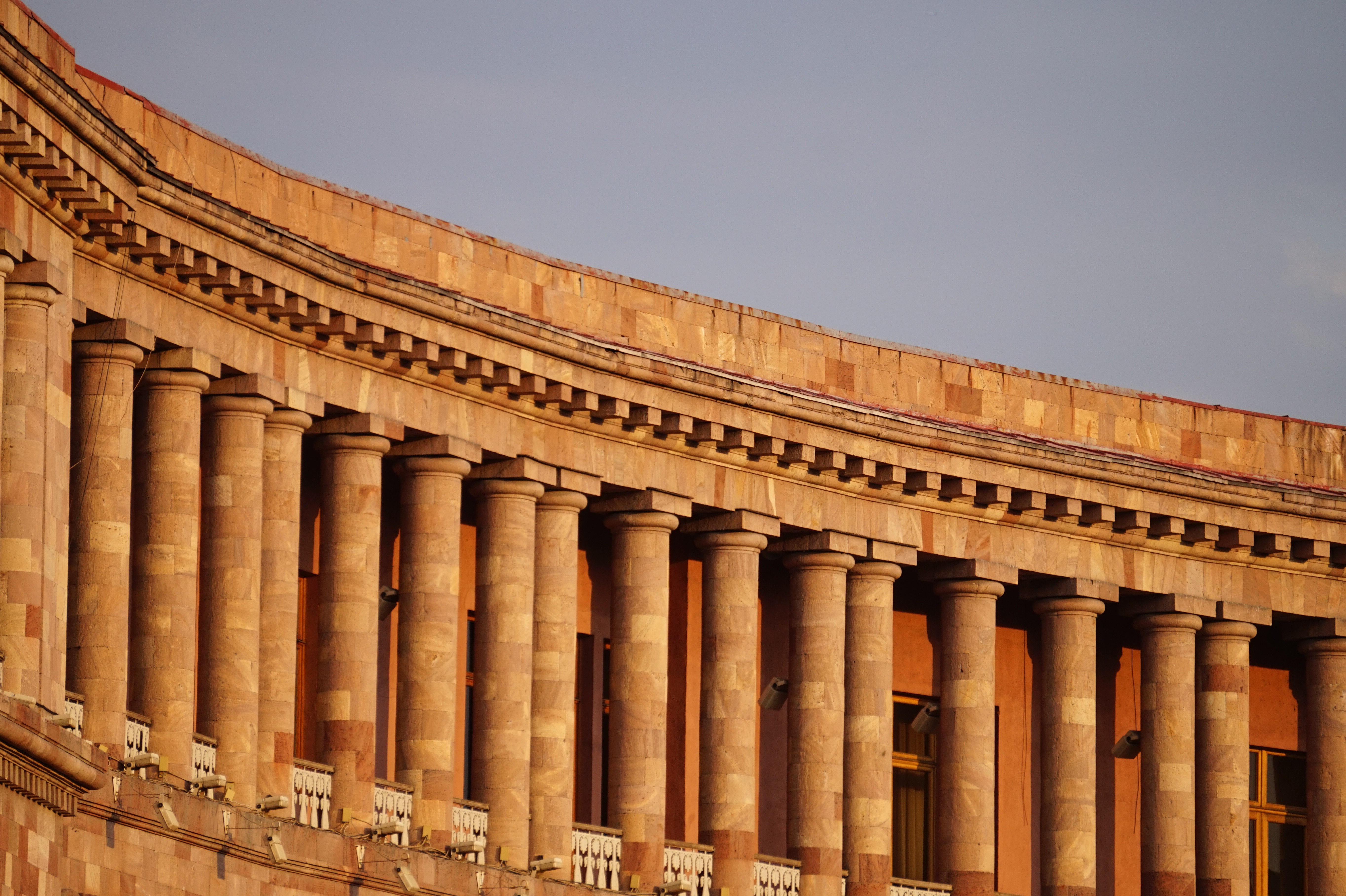
Découvrez Yerevan, joyau caché d'Arménie, où histoire millénaire et innovation moderne se rencontrent. Plongez dans sa r...
View Board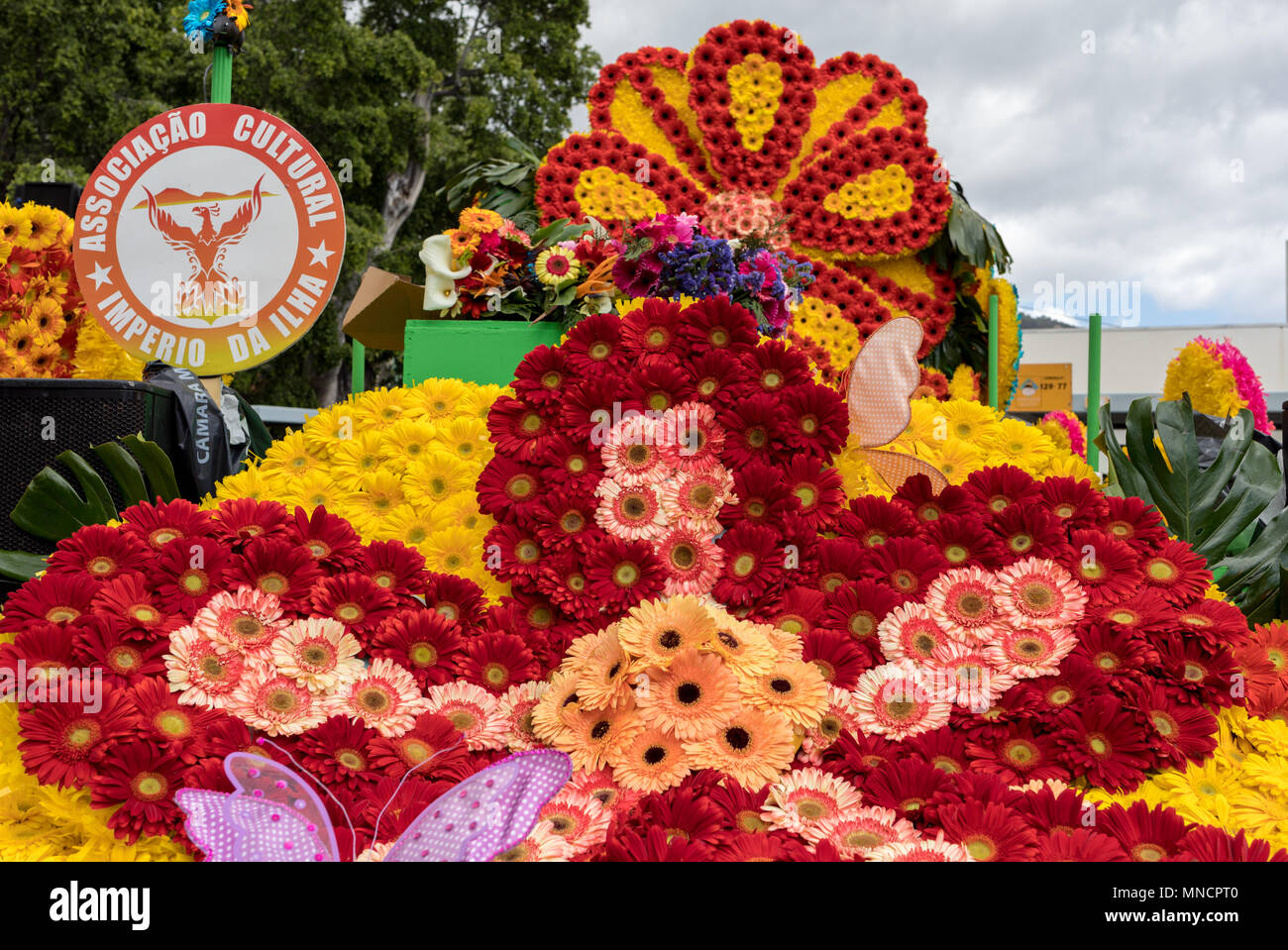
Funchal: The Flourishing Heart of Madeira Introduction to Funchal Funchal, the capital and largest city of Madeira, is ...
View Board
Comments