
Explore Any Narratives
Discover and contribute to detailed historical accounts and cultural stories. Share your knowledge and engage with enthusiasts worldwide.
Braga, Portugal's oldest city, is a captivating destination where ancient history meets modern innovation. Established over two millennia ago as the Roman city of Bracara Augusta, it is now the nation's third-largest urban center. This vibrant city in the Minho region offers a unique blend of profound religious heritage, a dynamic university atmosphere, and a forward-looking cultural vision.
The foundation of Braga dates back to around 16 BC, making its history a central part of its identity. As the capital of the Roman province of Gallaecia, it was a pivotal administrative and economic hub. This deep-rooted past is palpable throughout the city, earning it the evocative nickname, the "Rome of Portugal."
Today, Braga has successfully transformed into a major inland hub for northern Portugal. It is a recognized center for entrepreneurship and technology, while still serving as an important stop on the Portuguese Way of the Camino de Santiago. The city skillfully balances its prestigious past with a progressive, energetic present.
Visitors to Braga are greeted by an impressive collection of historical monuments that chart the city's long and varied history. These sites are not just tourist attractions; they are the living heart of the community.
The Braga Cathedral, or Sé de Braga, is the country's oldest cathedral, with construction beginning in the 11th century. Its architecture is a fascinating tapestry, exhibiting styles from Romanesque to Baroque due to centuries of additions and renovations. The cathedral complex houses royal tombs and a significant Sacred Art Museum.
Perhaps the most iconic image of Braga is the Bom Jesus do Monte Sanctuary. This celebrated pilgrimage site is famous for its stunning Baroque stairway that climbs the hillside. The intricate zigzagging stairs, with their thematic fountains, chapels, and sculptures, represent a powerful spiritual journey and offer breathtaking views.
The pedestrianized historic center is a delight to explore, centered around lively squares like the Largo da Sé. Here, visitors can admire medieval streets, charming cafes, and the preserved tower of the ancient Braga Castle. This area pulsates with the daily life of the city.
A defining chapter in Braga's contemporary story is its designation as the Portuguese Capital of Culture for 2025. The ambitious "Braga'25" program officially launched on January 25th with spectacular events, including concerts by fado star Mariza and artist Kim Gordon, as well as dazzling drone shows.
This year-long cultural celebration is a massive undertaking, involving 180 local, 50 national, and 40 international partners. With a budget of €13.5 million, the initiative aims to decentralize culture across all 37 parishes of the municipality. The city's goal is to increase cultural spending to 8% of the municipal budget by 2027.
The Braga'25 program represents a strategic investment in the city's future, positioning it as a leading European cultural destination.
The city has already hosted prestigious international events like ARTECH 2025 and the Eurocities 2025 conference, highlighting its commitment to urban innovation and digital arts. This aligns with Braga's growing reputation as a center for creative and technological convergence.
Understanding Braga's current dynamics requires a look at its population and layout. As of 2023, the municipality has a population of 201,583, making it the seventh-largest municipality in Portugal. The city's density is significant, with approximately 962 inhabitants per square kilometer.
After a period of decline in the 20th century, Braga experienced revitalization from the 1980s onward. This was driven by rural-to-urban migration and immigration, particularly from Brazil. This growth spurred substantial infrastructure development and cemented its status as a key northern urban center.
The spiritual significance of Braga is deeply woven into the cultural fabric of Portugal. Its long-standing role as an archbishopric has earned it the title of the country's religious capital. This devotion is most spectacularly displayed during its world-renowned festivals and within the walls of its many churches and sanctuaries.
Braga's Holy Week celebrations are among the most elaborate in the Iberian Peninsula, attracting approximately 100,000 visitors annually. The city transforms into a vast open-air theater of faith, with solemn processions winding through the historic streets. The air fills with incense and the sound of sacred music, creating an unforgettable atmosphere.
A distinctive feature of these celebrations are the ornate temporary street altars, known as "Passos." These intricately decorated installations depict scenes from the Passion of Christ and are focal points for prayer and reflection. The combination of ancient ritual and profound community participation makes this event a cornerstone of Braga's identity.
Beyond the cathedral and Bom Jesus, Braga is dotted with significant religious sites. The Sanctuary of Sameiro, a major Marian shrine, and the Igreja de Santa Cruz are just two examples of the city's rich ecclesiastical architecture. These sites are not only places of worship but also key landmarks on the spiritual map of northern Portugal.
As a crucial stop on the Portuguese Way of the Camino de Santiago, the city has welcomed pilgrims for centuries. This constant flow of travelers has enriched Braga's culture, making it a crossroads of faith and tradition. The pilgrim's shell symbol is a common sight, signaling the city's enduring connection to this ancient journey.
Braga's gaze is firmly fixed on the future, driven by a robust academic and technological sector. The city has successfully carved out a reputation as a center for innovation, balancing its historical prestige with a dynamic, forward-thinking economy. This transformation is largely powered by its youthful population and world-class institutions.
The University of Minho, founded in 1973, has been a catalyst for the city's modern development. With campuses in Braga and the nearby city of Guimarães, it is renowned for its schools of engineering, sciences, and arts. The university fosters a strong culture of interdisciplinary research and collaboration with industry.
This academic powerhouse attracts thousands of students from across Portugal and internationally, injecting a vibrant, youthful energy into the city. The presence of the university has been instrumental in attracting technology companies and research centers, creating a thriving ecosystem of innovation.
Building on its academic strengths, Braga has emerged as a significant hub for technology and entrepreneurship. The city is home to the International Iberian Nanotechnology Laboratory (INL), a leading cross-border research organization. This presence has helped to position Braga at the forefront of cutting-edge scientific advancement.
This focus on technology and innovation ensures that Braga is not only preserving its past but is also actively building its future as a competitive and modern European city.
In recent decades, Braga has undertaken significant efforts to reinvent its urban landscape. The focus has shifted towards creating a more sustainable, inclusive, and livable city for its residents and visitors. These regeneration projects respect the city's history while embracing contemporary design and functionality.
A key success story has been the pedestrianization of the historic city center. By limiting vehicle access, the city has reclaimed its public spaces for people, enhancing the quality of life and boosting local commerce. Squares like Praça da República have become vibrant social hubs filled with cafes and cultural activity.
Current major projects include the East End revitalization and the development of a new Urban Innovation District. These initiatives aim to transform underutilized areas into modern, mixed-use neighborhoods that combine housing, business, and green spaces. The goal is to create a more connected and efficient urban environment.
Braga's urban planning prioritizes environmental sustainability and the well-being of its citizens. The city is increasing its network of parks, gardens, and cycling paths to promote a healthier lifestyle. This green infrastructure provides essential lungs for the city and enhances its aesthetic appeal.
The integration of sustainability into urban development is a core principle for Braga's future growth, ensuring resilience and a high quality of life.
These efforts are part of a broader strategy to position Braga as a model of sustainable urban living in Portugal. The city's participation in networks like Eurocities underscores its commitment to sharing best practices and implementing innovative solutions to urban challenges.
While the Braga'25 designation is a major highlight, the city's cultural life is a year-round phenomenon. A diverse array of festivals, artistic collaborations, and culinary traditions ensure that there is always something happening in Braga.
The most famous celebration is the Festas de São João in June, a vibrant street party honoring St. John the Baptist. The city erupts with music, traditional dance, and the scent of grilled sardines. A charming tradition involves playfully hitting strangers on the head with soft plastic hammers or releasing illuminated paper balloons into the night sky.
Other key events include the Braga em Risco illustration festival and the Convergências program, which fosters artistic dialogue between Portugal and Galicia. These events attract both local families and international visitors, creating a festive and inclusive atmosphere.
Braga's cultural prestige is amplified through strategic partnerships with leading national institutions. Collaborations with the National Theater Dona Maria II and the Serralves Foundation bring world-class exhibitions and performances to the city. These partnerships ensure that Braga's residents have access to a high caliber of artistic programming without needing to travel to Lisbon or Porto.
The city regularly features renowned international artists, such as pianist Maria João Pires and choreographer Meg Stuart. This demonstrates Braga's ambition to be not just a regional cultural center, but a player on the international stage.
The gastronomic experience in Braga is a highlight for any visitor, deeply rooted in the traditions of the Minho region. The city's location places it at the heart of the Vinho Verde wine region, influencing both its cuisine and its social culture. Meals here are a celebration of fresh, local produce and time-honored recipes.
Braga's restaurants and traditional "tascas" offer hearty and flavorful dishes. Classics include Rojões à Moda do Minho (marinated pork cubes), Bacalhau à Braga (codfish prepared in the local style), and Papas de Sarrabulho (a rich pork and blood stew). Freshly baked pão de ló sponge cake and the famous Pudim Abade de Priscos (a rich, port wine-infused caramel pudding) are essential desserts.
These dishes are often enjoyed in a convivial, family-style atmosphere, reflecting the warm hospitality of northern Portugal. Exploring the city's food markets, like the Mercado Municipal, provides a direct connection to the local farmers and artisans who supply these ingredients.
No culinary journey in Braga is complete without tasting Vinho Verde, or "green wine." This unique wine is typically young, light, slightly fizzy, and low in alcohol, making it incredibly refreshing. While "green" refers to its youthful character, not its color, the region also produces excellent white, red, and rosé varieties.
This connection to the Vinho Verde region makes Braga a perfect base for food and wine enthusiasts looking to explore the authentic flavors of Portugal.
Beyond its tourist appeal, Braga is increasingly recognized as an excellent place to live, work, and study. The city offers a high quality of life at a more accessible cost than Portugal's larger coastal metropolises. This balance attracts a diverse mix of students, professionals, families, and retirees.
Compared to Lisbon and Porto, Braga offers more affordable housing options, from historic apartments in the center to modern developments in the expanding suburbs. The overall cost of living, including dining and services, is generally lower, allowing for a comfortable lifestyle. This affordability is a key factor in its growing popularity among both Portuguese nationals and international residents.
Braga combines the amenities of a major city with the manageable scale and community feel of a smaller town, offering an attractive lifestyle proposition.
The city's ongoing urban regeneration projects are also enhancing its livability, creating new public spaces, improving transportation links, and adding modern residential and commercial facilities to complement its historic charm.
The presence of the University of Minho provides world-class higher education and drives innovation. The city also boasts a strong network of public and private primary and secondary schools. For healthcare, Braga is served by the state-run Braga Hospital and several modern private clinics, ensuring comprehensive medical services for residents.
This robust infrastructure in education and health, combined with the city's safety and cleanliness, makes it a particularly attractive destination for families. The blend of historical environment and modern facilities provides a unique setting for raising children.
Braga is well-connected and easy to navigate, making it an ideal destination for a short break or a longer exploration of the Minho region. Understanding the practicalities of travel will help you make the most of your visit to this captivating city.
Braga is efficiently served by Francisco Sá Carneiro Airport (OPO) in Porto, which is approximately a 50-minute drive or a short train ride away. Regular trains and buses connect Braga directly to Porto, Lisbon, and other major Portuguese cities. The train station is conveniently located near the city center.
Within the city, the historic core is best explored on foot. For longer distances, Braga has a reliable and affordable local bus network. Taxis and ride-sharing services are also readily available. For maximum flexibility to visit surrounding areas like Guimarães or the Peneda-Gerês National Park, renting a car is recommended.
The ideal time to visit Braga depends on your interests. The summer months (June-September) offer warm weather and major festivals like São João, but also larger crowds. Spring (April-May) and autumn (October-November) provide milder temperatures and fewer tourists, perfect for sightseeing.
Accommodation options range from charming guesthouses and boutique hotels within the historic center to larger, modern hotels on the city outskirts. It is advisable to book well in advance during major festivals and the peak summer season.
Braga stands as a city of remarkable duality, where ancient Roman foundations support a dynamic, forward-looking urban community. It is a place where the sacred and the secular, the historic and the innovative, exist in a harmonious and vibrant balance. From its spiritual resonance as the "Rome of Portugal" to its growing status as a hub for technology and culture, Braga offers a deeply authentic Portuguese experience.
The designation as Portuguese Capital of Culture for 2025 is not an isolated event but a catalyst for long-term transformation. The investments in cultural infrastructure, urban regeneration, and sustainable development are shaping a city ready for the 21st century. Braga is confidently stepping onto a wider European stage while preserving the unique character that defines it.
Whether you are drawn by its profound history, its stunning Baroque architecture, its lively festivals, its innovative spirit, or its delectable cuisine and wines, Braga delivers a rich and multifaceted journey. It invites visitors to look beyond Portugal's coastal giants and discover the beating heart of the Minho region.
Braga is more than just a destination; it is an experience that engages all the senses. It is the echo of Gregorian chant in a centuries-old cathedral, the lively beat of drummers during São João, the crisp taste of a young Vinho Verde on a sunny terrace, and the inspiring atmosphere of a university lecture hall. This city, with its over 2,000 years of history and its eyes firmly on the future, promises lasting memories and a compelling reason to return. To visit Braga is to understand a fundamental part of Portugal's soul and to witness a city proudly writing the next chapter of its extraordinary story.




Your personal space to curate, organize, and share knowledge with the world.
Discover and contribute to detailed historical accounts and cultural stories. Share your knowledge and engage with enthusiasts worldwide.
Connect with others who share your interests. Create and participate in themed boards about any topic you have in mind.
Contribute your knowledge and insights. Create engaging content and participate in meaningful discussions across multiple languages.
Already have an account? Sign in here

Discover the captivating allure of Braga, Portugal's City of Archbishops, where over two millennia of history blend seam...
View Board
Explore Hanoi, Vietnam's capital, where ancient history meets modern dynamism. Discover a city rich in cultural landmark...
View Board
Explore Chennai, the vibrant gateway to South India, where history meets modernity. Discover its rich colonial past, cul...
View Board
Explore Tehran, the vibrant heart of Iran, where ancient history meets modernity. Discover its rich cultural tapestry, d...
View Board
Discover the timeless allure of Fez, a city steeped in Moroccan culture and history. Explore the ancient medina, vibrant...
View Board
Explore Rabat, Morocco's capital and a UNESCO World Heritage site, where history and modernity intertwine. Discover its ...
View Board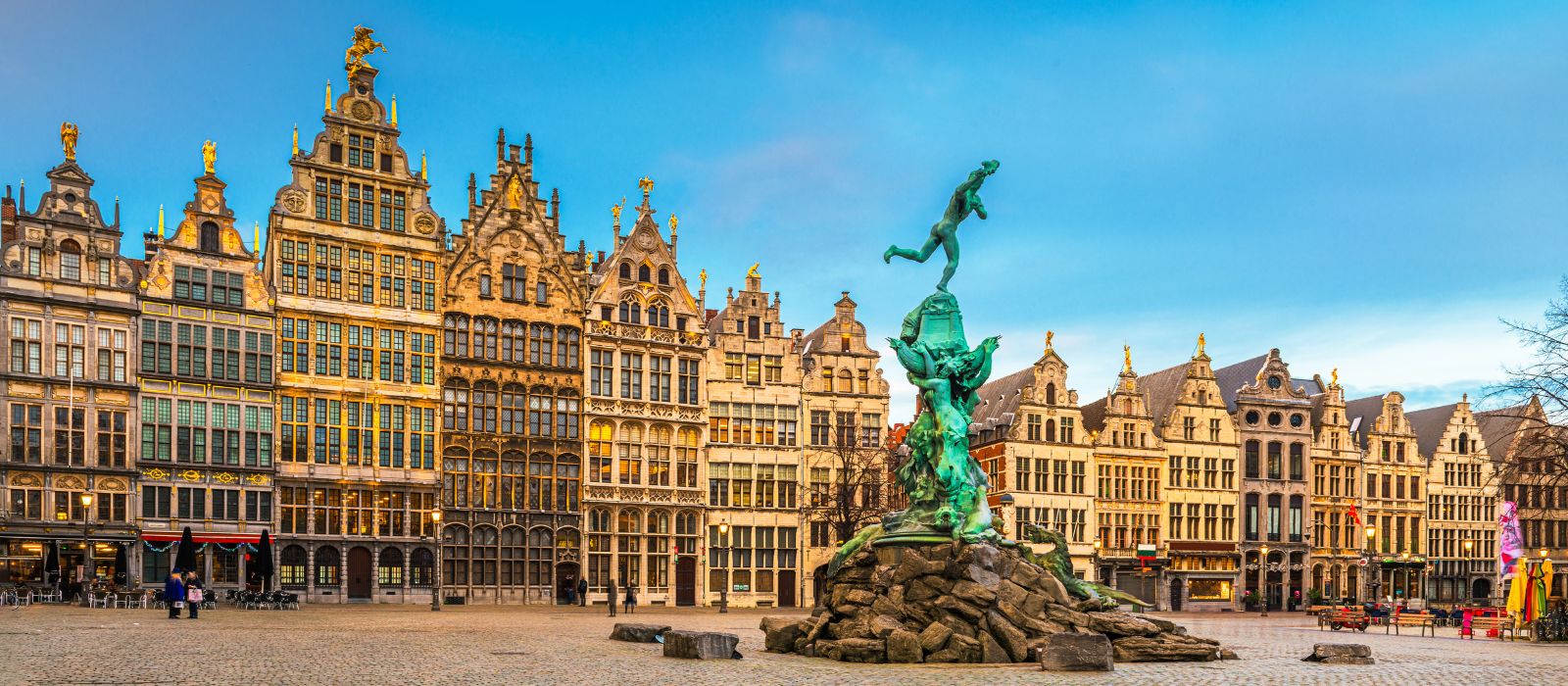
Discover Antwerp: the world's diamond capital & vibrant port city. Explore Gothic architecture, Rubens' art, & avant-gar...
View Board
Discover Ahmedabad, a vibrant blend of tradition and modernity, where historic architectural wonders meet thriving trade...
View Board
Discover Rijeka, Croatia's hidden gem, nestled along the Adriatic Sea. With a rich tapestry of history and culture from ...
View Board
Discover the captivating allure of Budapest, the heart of Central Europe, with our comprehensive guide. Explore its rich...
View Board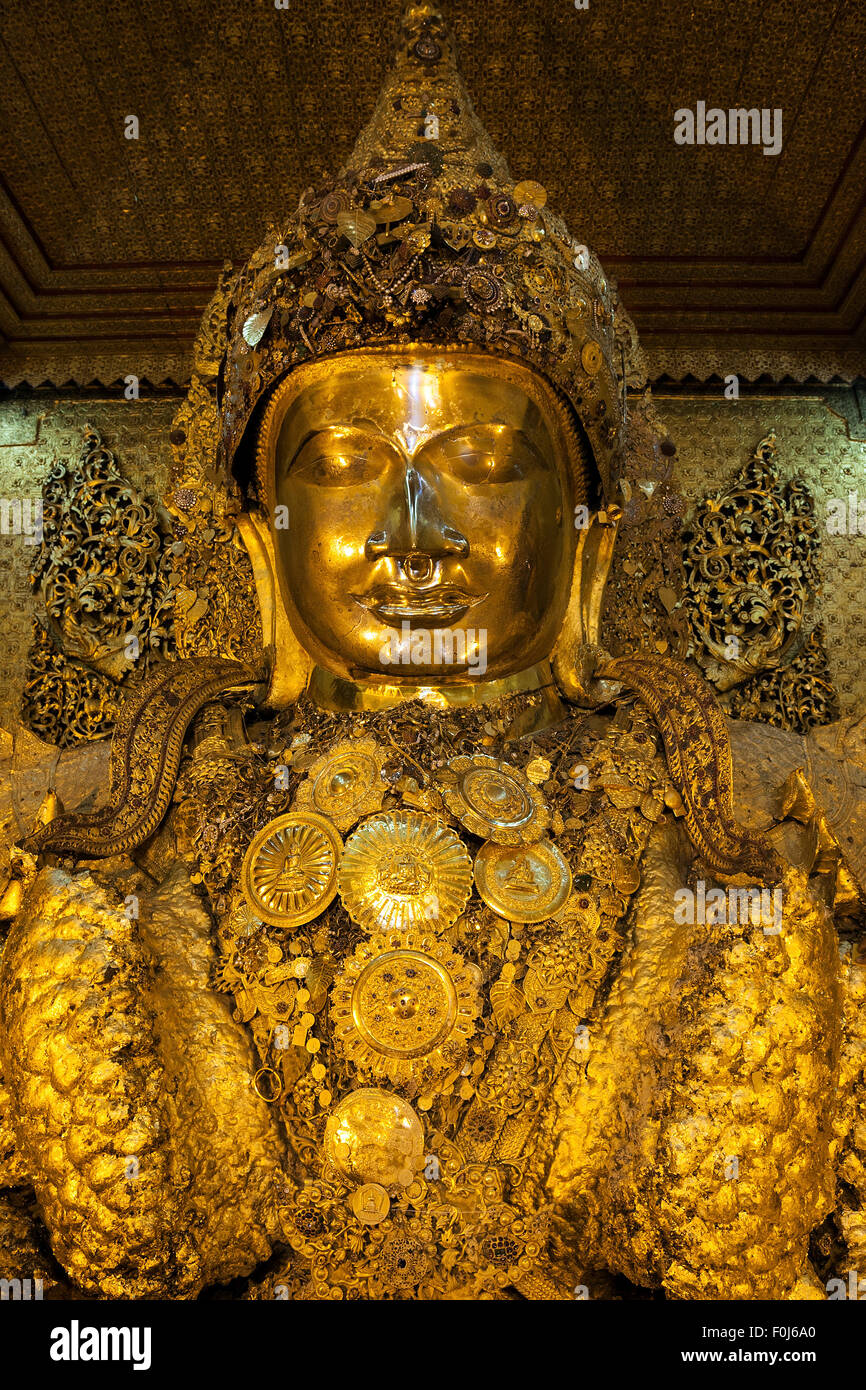
Mandalay, the former capital of Myanmar, is a city steeped in royal history and cultural heritage, featuring ancient tem...
View Board
Explore Tabriz, Iran's historic Silk Road city blending 4,500 years of culture with modern industry. Discover UNESCO-lis...
View Board
Explore Cordoba, Spain: historic Mezquita, lively nightlife, and Andalusian cuisine await in this enchanting city. Plan ...
View Board
Explore Lima, the vibrant capital of Peru, where colonial heritage meets modern flair. Discover its rich history, stunni...
View Board
Discover Sharjah, the jewel of the Eastern Frontier, where traditional charm meets modern innovation, rich culture, and ...
View Board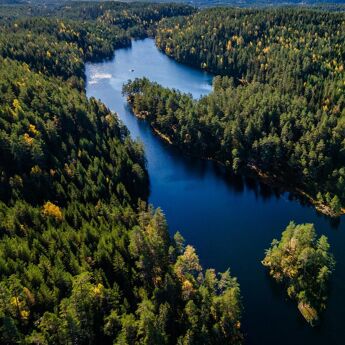
Discover Oslo's captivating blend of history, vibrant culture, and breathtaking nature. From iconic landmarks like Akers...
View Board
Explore the rich tapestry of Tripoli, a city where ancient history and vibrant modern culture intertwine. Discover Tripo...
View Board
Discover Chennai's vibrant blend of ancient temples and modern innovation. Explore landmarks, cuisine, and culture. Star...
View Board
Explore Vienna's rich tapestry of history, culture, and innovation with our comprehensive guide. Uncover the city’s Roma...
View Board
Explore St Petersburg, Russia's cultural capital, with its imperial palaces, world-class museums, and vibrant canals. Pl...
View Board
Comments