Explore Any Narratives
Discover and contribute to detailed historical accounts and cultural stories. Share your knowledge and engage with enthusiasts worldwide.
Chennai, the vibrant capital of Tamil Nadu, is a metropolis where ancient history and a booming modern economy converge. Originally known as Madras, this city has transformed from a colonial trading post into a powerhouse of culture, industry, and innovation. As the gateway to South India, it offers a unique blend of tradition and progress that captivates visitors and residents alike.
This article provides a comprehensive guide to one of India's most significant urban centers. We will explore Chennai's rich history, dynamic economy, world-renowned culture, and essential travel information.
Strategically positioned on the Coromandel Coast of the Bay of Bengal, Chennai serves as the administrative heart of Tamil Nadu. The city is coterminous with Chennai district, forming a massive urban agglomeration. It ranks as the fourth-most-populous urban area in India and the 35th-largest in the world by population.
The city's governance is managed by the esteemed Greater Chennai Corporation, an institution with a remarkable legacy. Established in 1688, it holds the distinction of being the oldest municipal corporation in India and the second oldest in the world after London.
The municipal government operates under a democratic council system. Members are elected to five-year terms, with a mayor elected from among the councilors. This structure has guided the city's development for centuries, overseeing its expansion into a modern metropolis.
Chennai's municipal corporation, founded in 1688, is the oldest in India and a testament to the city's long-established administrative systems.
The economy of Chennai is a remarkable story of diversification and strength. As of March 31, 2023, the city boasted an estimated GDP of $143.9 billion, placing it among India's most productive metropolitan areas. This economic vigor is fueled by several key industries that have earned the city international recognition.
Chennai possesses the fifth-largest urban economy in India and consistently ranks among the nation's most productive metropolitan regions. Its export performance is particularly impressive, with the district ranking among the country's top exporters.
The city's industrial base is both broad and deep, encompassing several critical sectors:
As of 2021, Chennai's export figures exceeded an astounding $2,563 billion, underscoring its crucial role in India's international trade. The city's economic resilience and adaptability continue to attract significant foreign investment.
Chennai's cultural significance extends far beyond its economic metrics. The city was ranked 36th among the most-visited cities globally in 2019 by Euromonitor and remains one of the most-visited Indian cities by international tourists. Its cultural appeal is multifaceted, spanning cuisine, film, and the arts.
In 2015, Chennai earned prestigious recognition from National Geographic, which listed it as the only South Asian city in its "Top 10 food cities." That same year, Lonely Planet ranked Chennai ninth on its list of the world's best cosmopolitan cities, highlighting its unique urban charm.
In October 2017, Chennai achieved a significant cultural milestone by being added to the UNESCO Creative Cities Network (UCCN) list. This recognition celebrates the city's substantial contributions to global culture and its commitment to fostering creativity.
The city also serves as a major film production center and is the proud home of the Tamil-language film industry, popularly known as Kollywood. This vibrant cinema culture adds another layer to Chennai's rich artistic landscape, producing films enjoyed by millions worldwide.
Chennai's inclusion in the UNESCO Creative Cities Network in 2017 highlights its global cultural significance and vibrant artistic community.
The origins of present-day Chennai trace back to the British East India Company's fort and trading post at Fort St. George. Established as a strategic foothold, this fort would become the nucleus around which the modern city developed. By 1652, Fort St. George was officially recognized as a presidency, marking its growing importance.
Between 1668 and 1749, the Company dramatically expanded its control over the region, systematically establishing Madras as the administrative and commercial capital of southern India. The construction and fortification of Fort St. George laid the essential foundation for the British Empire's subsequent expansion throughout the Indian subcontinent.
Chennai's population reflects its status as a major metropolitan magnet. According to the 2011 Indian census, the city proper was home to 4,646,732 people. The larger urban agglomeration, however, encompassed a population of 8,696,010, securing its position as the sixth-most-populous city in India.
The city's population density and growth are driven by economic opportunities and its role as a regional hub. Chennai maintains the third-largest expatriate population in India, a testament to its international business appeal and cosmopolitan character. This diverse demographic makeup contributes significantly to the city's dynamic social fabric.
Following India's independence in 1947, the city continued as the capital of Madras State. A significant moment in its modern history occurred in 1969 when the state was formally renamed Tamil Nadu. This set the stage for the city's own transformation.
In 1996, the capital city officially changed its name from Madras to Chennai. This change was part of a broader movement to reclaim and celebrate native Tamil names, shedding colonial-era nomenclature. The name Chennai is derived from "Chennapattanam," a historical settlement that existed near Fort St. George.
The official name change from Madras to Chennai in 1996 marked a significant cultural reclamation for the city and its people.
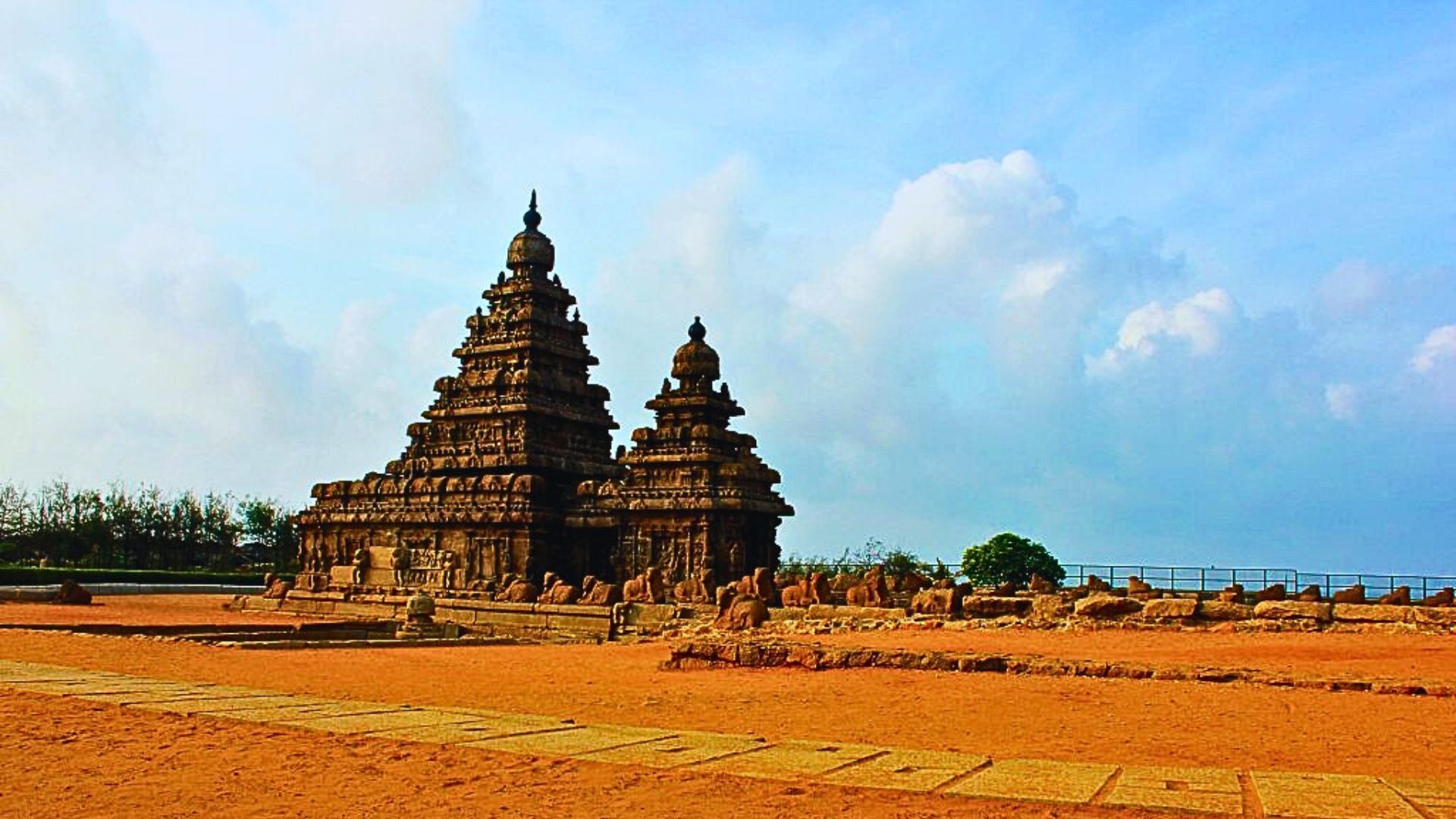
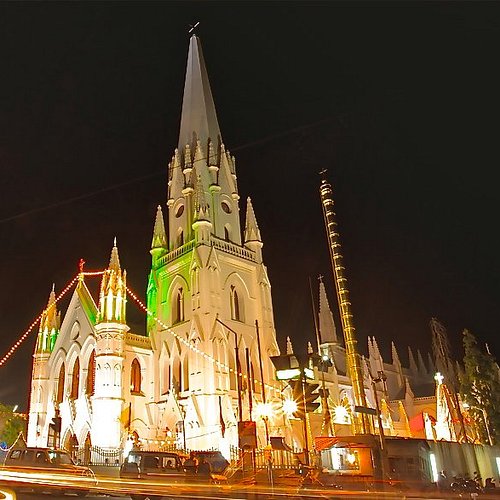
Chennai offers an incredible array of attractions that showcase its rich heritage. The cityscape is famously dotted with towering temple spires reflecting Hindu spirituality. These stand alongside architectural marvels influenced by British colonial design, creating a unique visual blend of tradition and modernity that defines the city's character.
Visitors can explore centuries of history, from ancient places of worship to institutions established during the British Raj. Each landmark tells a part of Chennai's story, making it a fascinating destination for history buffs and casual tourists alike.
The Government Museum, founded in 1851, is a cornerstone of Chennai's cultural landscape. It is one of the oldest museums in India and sprawls across an impressive 16 acres. The complex includes six independent buildings and forty-six galleries.
These galleries house extensive collections including:
The museum serves as a vital educational resource for students, researchers, and history enthusiasts from around the world.
Established in 1855, the Arignar Anna Zoological Park holds the distinction of being India's first public zoo. It has grown to become the largest zoological park in the country, encompassing a vast area of 602 hectares (approximately 1,490 acres).
The park is not just a tourist attraction but also a serious conservation center. It includes a dedicated rescue and rehabilitation center for animals, emphasizing wildlife protection and education. The zoo provides a natural habitat for a wide variety of species and plays a crucial role in biodiversity conservation.
Chennai has invested significantly in building world-class infrastructure to support its growing population and economy. The city boasts a modern transportation network, including an international airport, a major seaport, and an expanding metro rail system. These developments facilitate both domestic connectivity and international trade.
The Chennai Metropolitan Area (CMA) continues to expand, with planned developments focusing on sustainable growth. Urban planners are working to balance rapid industrialization with environmental considerations, creating a livable city for future generations.
Chennai's connectivity is a key factor in its economic success. The Chennai International Airport handles millions of passengers annually, connecting the city to major global destinations. The Chennai Port, one of the largest in India, is a critical hub for cargo and trade.
The city's public transportation system includes:
This multi-modal transport infrastructure ensures efficient movement of people and goods, supporting the city's commercial and social activities.
Chennai's culinary landscape is as diverse as its culture, earning it a place among the world's top food destinations. The city's food reflects its coastal location, with an abundance of fresh seafood featuring prominently in local cuisine. Traditional Tamil food coexists with international flavors, creating a paradise for food lovers.
The city is particularly famous for its authentic South Indian vegetarian cuisine, including iconic dishes like idli, dosa, and sambar. Street food culture thrives across neighborhoods, offering affordable and delicious options for every palate. From lavish hotel restaurants to humble roadside stalls, Chennai's food scene is incredibly vibrant.
Several dishes define the Chennai culinary experience. Chettinad cuisine, known for its aromatic and spicy flavors, has gained international fame. The city's biryanis, particularly the Ambur and Dindigul varieties, attract food enthusiasts from across the country.
Must-try Chennai specialties include:
The city's sweet offerings are equally impressive, with traditional desserts like payasam and jangiri satisfying sweet cravings. Chennai's food culture is an essential part of its identity and a major draw for tourists.
Chennai has established itself as a premier destination for quality education and world-class healthcare. The city boasts numerous prestigious educational institutions, including the University of Madras, Indian Institute of Technology Madras, and Anna University. These institutions attract students from across India and internationally, contributing to the city's intellectual capital.
The healthcare sector in Chennai is equally impressive, earning the city its nickname "India's health capital." The city features a concentration of multi-specialty hospitals that provide advanced medical treatments at a fraction of Western costs. This has made Chennai a leading destination for medical tourism, with patients traveling from around the world for treatment.
Chennai's hospitals are renowned for their expertise in several medical specialties. The city has become particularly famous for its cardiac care, orthopedics, and oncology treatments. Many hospitals boast international accreditation and state-of-the-art technology comparable to the best facilities globally.
Key medical institutions include:
These institutions not only serve local patients but also attract thousands of medical tourists annually, contributing significantly to the local economy while providing critical healthcare services.
The information technology sector has transformed Chennai's economic landscape since the late 1990s. The city has developed numerous technology parks and special economic zones that host offices of major multinational corporations. This IT boom has created hundreds of thousands of jobs and established Chennai as a key player in the global technology ecosystem.
Areas like Old Mahabalipuram Road (OMR) have emerged as the city's primary IT corridor, housing campuses of companies like TCS, Infosys, and Cognizant. The state government's supportive policies and the availability of a skilled workforce have been crucial factors in attracting technology investments to the region.
Chennai's IT ecosystem encompasses several specialized zones and parks designed to foster innovation and collaboration. The Tidel Park, one of Asia's largest IT parks, set the standard for technology infrastructure in the city. Other significant developments include DLF IT Park, Ascendas IT Park, and the Ramanujan IT City.
The city's technology strengths include:
This diversified technology base ensures Chennai remains competitive in the rapidly evolving global digital economy, with continued growth in emerging fields like artificial intelligence and cybersecurity.
Chennai's real estate market reflects its status as a major metropolitan center with diverse residential options. The city offers everything from traditional homes in older neighborhoods to modern high-rise apartments in newly developed areas. Property values have shown consistent appreciation, driven by the city's economic growth and infrastructure development.
The residential landscape is characterized by distinct neighborhoods, each with its own unique character and amenities. Areas like Anna Nagar, Adyar, and Besant Nagar offer well-established communities with excellent social infrastructure. Meanwhile, newer developments in OMR and GST Road cater to the growing IT workforce.
Chennai's residential areas cater to diverse preferences and budgets. The city maintains a unique blend of traditional Tamil culture and modern urban living. Each neighborhood offers distinct advantages, from beachfront properties to areas with proximity to business districts.
Popular residential areas include:
The city's real estate market continues to evolve, with new developments focusing on sustainable features and smart home technologies to meet the demands of modern urban dwellers.
Chennai offers a rich and diverse shopping experience that ranges from traditional markets to modern shopping malls. The city is famous for its silk sarees, traditional jewelry, and handicrafts. T. Nagar remains the premier shopping destination, particularly during festival seasons when it attracts shoppers from across South India.
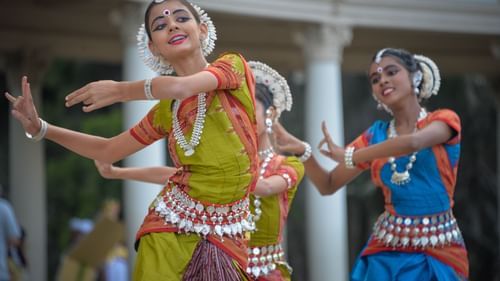
The entertainment scene has grown significantly with the development of multiplex cinemas, entertainment zones, and cultural centers. Chennai's music and dance scene is particularly vibrant, with numerous performances of Carnatic music and Bharatanatyam dance throughout the year. The city also hosts several cultural festivals that celebrate its artistic heritage.
Shoppers in Chennai can choose between traditional bazaars and contemporary retail spaces. Each offers a unique experience, from bargaining in crowded markets to browsing international brands in air-conditioned malls.
Key shopping and entertainment venues include:
These venues contribute to Chennai's reputation as a city that successfully blends traditional culture with modern entertainment options, providing diverse experiences for residents and visitors alike.
Chennai stands as a testament to successful urban transformation while maintaining its cultural roots. The city has evolved from a colonial trading post into a dynamic metropolitan hub that balances economic progress with cultural preservation. Its unique identity combines ancient traditions with modern innovation, creating a city that is both progressive and deeply connected to its heritage.
The future prospects for Chennai appear bright, with continued growth in key sectors like information technology, automobile manufacturing, and healthcare. The city's strategic location on the Bay of Bengal, combined with its developed infrastructure and skilled workforce, positions it for sustained economic expansion. Ongoing urban development projects aim to address challenges like traffic congestion while improving quality of life.
Chennai's success stems from several interconnected factors that have shaped its development. The city has managed to leverage its strengths while adapting to changing economic and social dynamics.
Critical factors in Chennai's growth include:
These elements combine to make Chennai one of India's most livable and economically vibrant cities, with a unique character that distinguishes it from other metropolitan centers.
Chennai embodies the perfect synthesis of tradition and modernity, offering visitors and residents an unparalleled urban experience. From its historic temples to its cutting-edge technology parks, from its traditional silk weavers to its modern automotive plants, the city represents India's journey into the 21st century. As Chennai continues to grow and evolve, it remains firmly grounded in the rich cultural heritage that has defined it for centuries, ensuring its place as one of Asia's most dynamic and appealing metropolitan destinations.


Your personal space to curate, organize, and share knowledge with the world.
Discover and contribute to detailed historical accounts and cultural stories. Share your knowledge and engage with enthusiasts worldwide.
Connect with others who share your interests. Create and participate in themed boards about any topic you have in mind.
Contribute your knowledge and insights. Create engaging content and participate in meaningful discussions across multiple languages.
Already have an account? Sign in here

Explore St Petersburg, Russia's cultural capital, with its imperial palaces, world-class museums, and vibrant canals. Pl...
View Board
Discover Antwerp: the world's diamond capital & vibrant port city. Explore Gothic architecture, Rubens' art, & avant-gar...
View Board
Discover Rabat, Morocco’s capital & UNESCO gem. Explore historic landmarks, vibrant culture, and modern charm in this co...
View Board
Explore Tabriz, Iran's historic Silk Road city blending 4,500 years of culture with modern industry. Discover UNESCO-lis...
View Board
Mandalay, the former capital of Myanmar, is a city steeped in royal history and cultural heritage, featuring ancient tem...
View Board
Explore Braga, Portugal's ancient gem! Discover historic landmarks, vibrant culture, and 2025 European Capital of Cultur...
View Board
Explore the storied city of Belgrade, where ancient history meets vibrant modernity. Discover its rich cultural tapestry...
View Board
Explore Vienna's rich tapestry of history, culture, and innovation with our comprehensive guide. Uncover the city’s Roma...
View Board
Explore Sarajevo, a captivating city where history and modernity coexist. Discover its rich cultural tapestry, architect...
View Board
Discover the captivating allure of Braga, Portugal's City of Archbishops, where over two millennia of history blend seam...
View Board
Explore Tehran, the vibrant heart of Iran, where ancient history meets modernity. Discover its rich cultural tapestry, d...
View Board
Discover Jakarta's vibrant culture, rich heritage, and modern marvels in the world's largest megacity. Plan your unforge...
View Board
Explore Krakow's rich history with our guide, "Krakow: A Journey Through Time." Discover Poland's former royal capital a...
View Board
Discover Sharjah, the jewel of the Eastern Frontier, where traditional charm meets modern innovation, rich culture, and ...
View Board
Discover Muscat, Oman's vibrant capital, where ancient heritage meets modern charm, offering a unique blend of cultural ...
View Board
Discover Tbilisi, the historic capital of Georgia, with its rich cultural heritage, strategic location, and vibrant mode...
View Board
Discover the enchanting allure of Thimphu, Bhutan's capital, where ancient traditions harmonize with modern life. Explor...
View Board
The Historical Gem of Salamanca: A Tapestry of Culture and Heritage Introduction Cities often reflect the soul of thei...
View Board
Explore Chennai, the vibrant gateway to South India, where history meets modernity. Discover its rich colonial past, cul...
View Board
Discover the historic legacy of Córdoba, a beacon of Andalusian culture and architectural marvels. Unveil its rich tapes...
View Board
Comments