Explore Any Narratives
Discover and contribute to detailed historical accounts and cultural stories. Share your knowledge and engage with enthusiasts worldwide.
The Spartans (Spartiates) political party, known in Greek as Σπαρτιάτες, has emerged as a controversial force in Greece's political landscape. Founded in 2017 by Vasilis Stigkas, the party has been classified as far-right, with notable ties to the now-dismantled neo-Nazi organization Golden Dawn. This article delves into the party's origins, its rapid rise, and the recent crises that have led to its funding suspension and dissolution of parliamentary status.
The Spartans party was established in 2017 by Vasilis Stigkas, a figure with a background in far-right politics. The party's ideology and rhetoric have drawn significant attention, particularly due to its connections with Golden Dawn, a group that was convicted as a criminal organization in 2020. This connection has been a defining characteristic of the Spartans, influencing both its support base and its political strategies.
The Spartans party is rooted in nationalist and far-right ideologies, advocating for policies that emphasize Greek sovereignty and traditional values. The party's platform often includes anti-immigration stances and a focus on national security, resonating with a segment of the Greek electorate that feels disenfranchised by mainstream political parties.
The party's ties to Golden Dawn have been a significant point of contention. Golden Dawn, once a prominent far-right group in Greece, was dismantled following its conviction as a criminal organization. The Spartans party has been seen by many as a successor to Golden Dawn, inheriting its support base and continuing its political legacy.
The 2023 Greek legislative election marked a turning point for the Spartans party. The party secured five seats in the Greek Parliament, a significant achievement that highlighted its growing influence. This electoral success was partly attributed to the support of Ilias Kasidiaris, the jailed leader of Golden Dawn, whom Stigkas publicly thanked.
Ilias Kasidiaris, a former leader of Golden Dawn, played a crucial role in the Spartans' electoral success. Despite being incarcerated, Kasidiaris's endorsement and influence were instrumental in mobilizing support for the party. This connection, however, also brought scrutiny and legal challenges, as Kasidiaris's involvement raised questions about the party's legitimacy and adherence to democratic principles.
With five MPs in the Greek Parliament, the Spartans party gained a platform to advocate for its policies and ideologies. This parliamentary presence allowed the party to influence national discourse and policy debates, particularly on issues related to immigration, national security, and traditional values.
The party's success was short-lived, as an internal crisis erupted in August 2023. Vasilis Stigkas expelled three MPs who had supported Kasidiaris's candidacy for the mayoral election in Athens. Stigkas accused these MPs of being influenced by "extra-parliamentary foreign centres acting like the Greek mafia."
The expulsions were driven by a power struggle within the party, with Stigkas seeking to assert his leadership and distance the party from direct associations with Kasidiaris. The expelled MPs were seen as loyalists to Kasidiaris, creating a rift that highlighted the party's internal divisions and the ongoing influence of Golden Dawn's legacy.
The expulsions reduced the party's parliamentary representation, weakening its position and influence. This internal turmoil also drew public and media attention, further complicating the party's efforts to maintain a cohesive and effective political presence.
The Spartans party faced significant legal challenges, culminating in a funding suspension in January 2025. The Greek Parliament's Ethics Committee recommended the suspension of state funding due to the party's ties to Kasidiaris and its perceived continuation of Golden Dawn's extremist agenda.
On 9-10 January 2025, the Ethics Committee voted overwhelmingly to recommend the suspension of funding. The committee cited the party's de facto leadership by Kasidiaris and its continuation of Golden Dawn's extremist policies as key reasons for the recommendation. This decision was supported by a majority vote in the committee, with only a few dissenting voices.
The recommendation was brought to a plenary vote, where it was approved with a significant majority (267 yes, 15 no, 5 abstentions). This vote marked a crucial step in the Greek government's efforts to curb far-right extremism and ensure that political parties adhere to democratic principles and legal standards.
The Spartans party's journey from its founding to its recent crises highlights the complexities and challenges of far-right politics in Greece. The party's ties to Golden Dawn, its electoral success, and the subsequent legal and internal challenges provide a compelling narrative of political struggle and ideological conflict. In the next part, we will delve deeper into the party's ideological stance, its impact on Greek politics, and the broader implications of its funding suspension.
The Spartans party has positioned itself as a staunch advocate for Greek nationalism and traditional values. Its ideological foundation is deeply rooted in far-right principles, which emphasize national sovereignty, strict immigration policies, and a return to what the party describes as Greece's cultural and historical heritage. This stance has resonated with a segment of the Greek population that feels marginalized by mainstream political parties.
The party's core principles include:
The Spartans party's entry into the Greek Parliament in 2023 marked a significant shift in the country's political landscape. The party's presence has forced mainstream parties to address issues related to nationalism and immigration more directly. Additionally, the party's rhetoric has influenced public discourse, bringing far-right ideologies into the forefront of political debates.
The Spartans party has faced numerous legal challenges, primarily due to its ties to Golden Dawn and its perceived continuation of extremist ideologies. These legal interventions have been crucial in shaping the party's trajectory and influencing its political future.
The Greek Supreme Court has played a pivotal role in addressing the Spartans party's legal status. Rulings have framed the party as a successor to Golden Dawn, highlighting its continuation of extremist policies. These rulings have been instrumental in justifying judicial interventions aimed at protecting democratic institutions from far-right influence.
The suspension of state funding for the Spartans party was based on Articles 187/187A of Greece's anti-terrorism laws. These articles provide the legal framework for barring political parties led by convicted criminals from receiving state funds. The Interior Ministry provisions were invoked to ensure that the Spartans party, with its ties to Kasidiaris, would not benefit from public financing.
The Spartans party's rise and subsequent crises have elicited strong reactions from the public and political spheres. These reactions have been divided, with some supporting the party's nationalist agenda and others condemning its extremist ties.
The party has garnered support from individuals and groups who align with its nationalist and anti-immigration stance. This support base includes former Golden Dawn supporters and those disillusioned with mainstream politics. However, the party has also faced significant opposition from political parties, civil society organizations, and the general public who view its ideologies as a threat to democratic values.
The media has played a crucial role in shaping public perception of the Spartans party. Extensive coverage of the party's ties to Golden Dawn, its internal crises, and the funding suspension has fueled public debate. This debate has centered on the balance between free speech and the need to curb extremist ideologies, highlighting the complexities of addressing far-right politics in a democratic society.
The Spartans party's current status, with its parliamentary dissolution and funding suspension, has significant implications for future elections. The party's ability to contest upcoming elections and maintain its influence will be heavily impacted by these developments.
With its parliamentary presence reduced to two independent MPs and its state funding suspended, the Spartans party faces an uphill battle in maintaining its electoral relevance. The party's ability to organize and campaign effectively has been severely hampered, limiting its prospects in future elections.
The Spartans party's trajectory offers valuable insights into the broader dynamics of Greek politics. The party's rise and fall highlight the challenges of addressing far-right extremism within a democratic framework. Additionally, the legal and judicial interventions against the party set important precedents for handling similar cases in the future, ensuring that democratic institutions remain protected from extremist influence.
The Spartans party's journey from its founding to its current crises underscores the complexities of far-right politics in Greece. The party's ideological stance, legal challenges, and public reactions provide a comprehensive narrative of its impact on Greek politics. In the final part of this article, we will explore the broader implications of the Spartans party's trajectory, its influence on far-right movements, and the lessons learned for democratic governance.
The Spartans party serves as a case study in the broader context of far-right movements in Europe. Its rise and subsequent challenges highlight the persistent appeal of nationalist and extremist ideologies, as well as the legal and political mechanisms employed to counter them. Understanding these implications is crucial for addressing similar movements across the continent.
The Spartans party is not an isolated phenomenon. Across Europe, far-right parties have gained traction by capitalizing on issues such as immigration, national sovereignty, and economic discontent. Countries like France, Italy, and Germany have seen similar movements, each with unique characteristics but sharing a common thread of nationalist rhetoric. The Spartans' experience underscores the need for vigilance and proactive measures to prevent the normalization of extremist ideologies.
The legal actions taken against the Spartans party, including the funding suspension and parliamentary dissolution, demonstrate the importance of robust legal frameworks in safeguarding democracy. Greece's use of anti-terrorism laws to curb extremist influence sets a precedent for other nations grappling with similar challenges. These measures highlight the delicate balance between protecting free speech and preventing the spread of harmful ideologies.
The Spartans party's trajectory offers several key lessons for democratic governance. These lessons are particularly relevant for countries facing the rise of far-right movements and seeking to maintain the integrity of their political systems.
One of the most critical lessons is the role of judicial oversight in addressing extremist political parties. The Greek Supreme Court's interventions in the Spartans case illustrate how judicial bodies can act as a check on political movements that threaten democratic values. This oversight is essential for ensuring that political parties operate within the bounds of the law and do not undermine the principles of democracy.
The Spartans party's internal crises and legal challenges underscore the importance of transparency and accountability in political organizations. The party's ties to Golden Dawn and its lack of transparency regarding leadership and funding sources contributed to its downfall. Political parties must be held accountable for their actions and associations, particularly when these pose a threat to democratic institutions.
The Spartans party's rise and fall also highlight the crucial role of public awareness and civic engagement in countering extremist ideologies. Informed and engaged citizens are essential for maintaining a healthy democracy and preventing the spread of harmful political movements.
The media plays a vital role in shaping public perception and fostering informed debate. In the case of the Spartans party, extensive media coverage brought attention to the party's extremist ties and legal challenges, influencing public opinion and political outcomes. Additionally, education is a powerful tool for promoting critical thinking and resilience against extremist rhetoric. By fostering a well-informed citizenry, societies can better resist the appeal of far-right ideologies.
Civil society organizations and grassroots movements have been instrumental in countering the influence of far-right parties. These groups provide alternative narratives, promote inclusive values, and mobilize public opposition to extremist ideologies. The Spartans party's experience underscores the importance of a vibrant civil society in safeguarding democratic principles and fostering social cohesion.
The future of the Spartans party remains uncertain. With its parliamentary status dissolved and state funding suspended, the party faces significant challenges in maintaining its relevance and influence. However, the underlying issues that fueled its rise—such as economic discontent, immigration concerns, and nationalist sentiments—persist, leaving the door open for potential resurgence or the emergence of similar movements.
Several scenarios could unfold for the Spartans party in the coming years:
Regardless of the Spartans party's future, its impact on Greek politics will be long-lasting. The party's rise has brought far-right ideologies into the mainstream political discourse, forcing other parties to address these issues more directly. Additionally, the legal and judicial interventions against the party have set important precedents for handling extremist movements, shaping the future of Greek democracy.
The story of the Spartans party is a complex narrative of political rise, internal strife, and legal challenges. From its founding in 2017 to its electoral breakthrough in 2023 and subsequent crises, the party's journey offers valuable insights into the dynamics of far-right politics in Greece and beyond. Here are the key takeaways:
As Greece and other European nations continue to grapple with the rise of far-right movements, the lessons learned from the Spartans party's trajectory will be invaluable. The party's story serves as a reminder of the ongoing challenges faced by democratic societies and the importance of vigilance, transparency, and civic engagement in preserving the principles of democracy. The future of the Spartans party may be uncertain, but its impact on Greek politics and the broader fight against extremism will undoubtedly leave a lasting legacy.
In conclusion, the Spartans party's journey from its founding to its current crises underscores the complexities of addressing far-right extremism within a democratic framework. By understanding the party's ideological stance, legal challenges, and public reactions, we gain a comprehensive narrative of its impact on Greek politics. The broader implications for far-right movements, democratic governance, and civic engagement highlight the need for continued vigilance and proactive measures to safeguard the principles of democracy and ensure a more inclusive and resilient political future.
Your personal space to curate, organize, and share knowledge with the world.
Discover and contribute to detailed historical accounts and cultural stories. Share your knowledge and engage with enthusiasts worldwide.
Connect with others who share your interests. Create and participate in themed boards about any topic you have in mind.
Contribute your knowledge and insights. Create engaging content and participate in meaningful discussions across multiple languages.
Already have an account? Sign in here

"Explore New Democracy's rise, scandals, and Greece's democratic struggles. Economic recovery vs. migration & corruption...
View Board
Michael Collins: The Architect of Irish Independence Michael Collins (1890–1922) remains one of Ireland's most pivotal ...
View Board
Explore Ramallah Muqata'a, the heart of Palestinian governance. Discover its rich history, political significance, and c...
View Board
Discover Guru Gembul, Indonesia's bold educator & YouTuber. Explore his controversial views on education reform, religio...
View Board
Discover the polarizing online influence of Paul Joseph Watson, a British YouTube personality known for his controversia...
View Board
Explore the complexities of political commentary through the lens of Lauren Southern, a controversial figure whose rise ...
View Board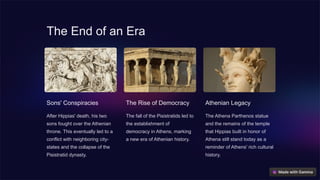
Explore the enigmatic legacy of Hippias, the notorious tyrant of Athens, in this captivating article. Delve into his ris...
View Board
Phocion: The Athenian Statesman and Strategist Introduction Phocion the Young (ca. 402–317 BC), also known simply as P...
View Board
Discover Lucius Licinius Crassus, Rome’s forgotten orator and statesman. Explore his pivotal role in law, rhetoric, and ...
View Board
Explore the pivotal role of Sextus Afranius Burrus, Rome's Praetorian Prefect, in maintaining imperial stability during ...
View Board
Explore the compelling journey of Naevius Sutorius Macro, a prominent Roman Prefect, through his rapid rise and dramatic...
View Board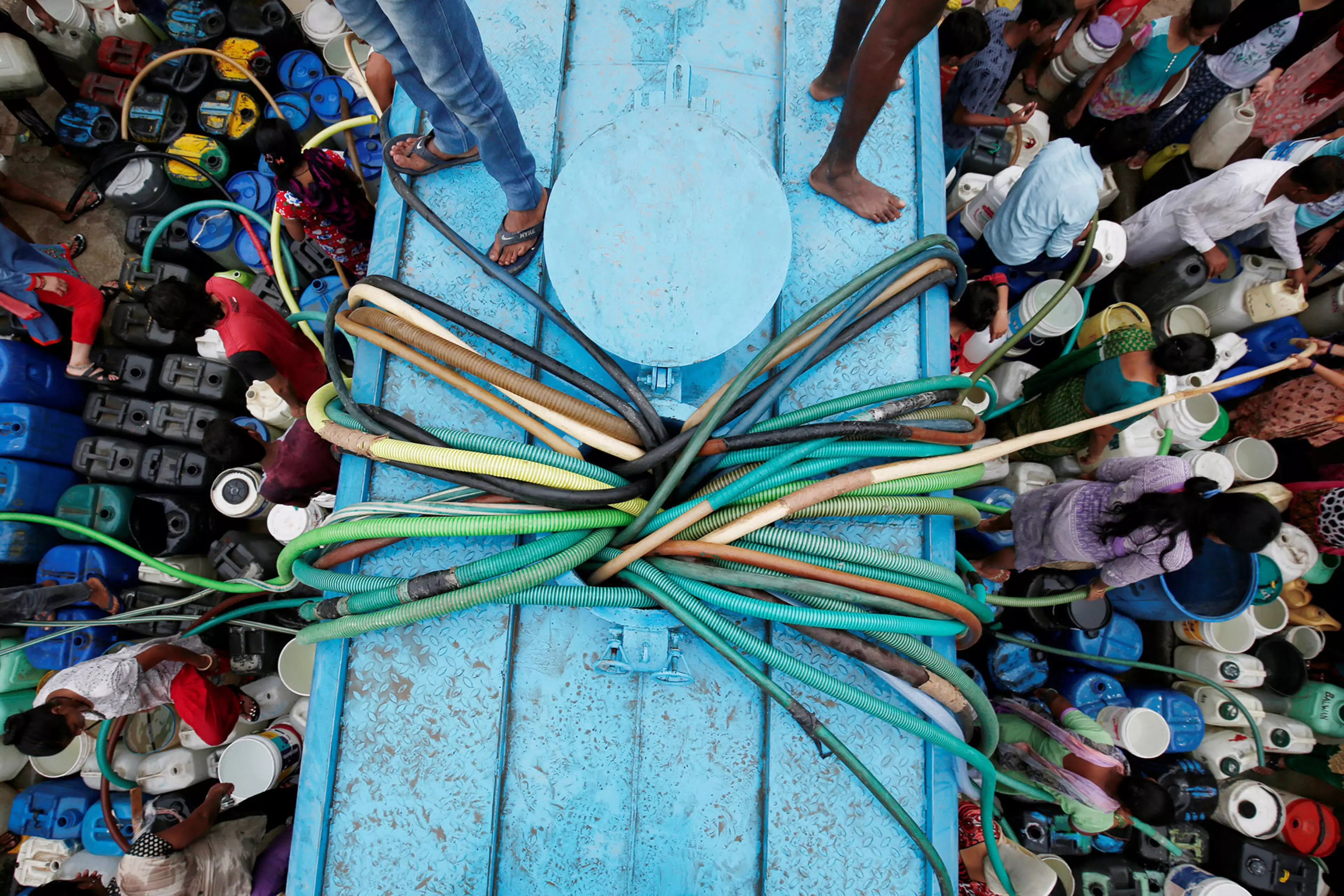
Gain a deeper understanding of the global water scarcity crisis with our comprehensive article. Learn about the causes, ...
View Board
Discover how Julius Caesar rose to power, reshaped Rome, and left a legacy that still influences the world today. Explor...
View Board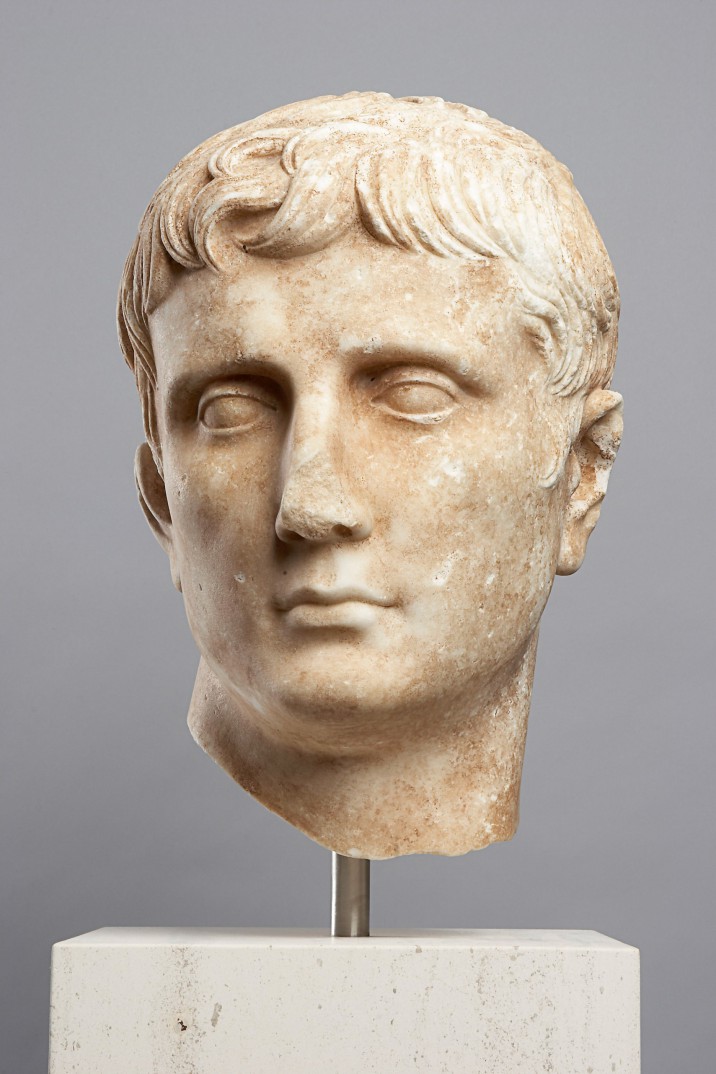
Discover the legacy of Augustus, the first Roman Emperor, whose transformative reign reshaped Roman history. Explore his...
View Board
Explore the compelling story of Daniel Keem, better known as Keemstar, in his engaging journey through the world of onli...
View Board
Discover the thought-provoking journey of Gonzalo Lira, a multi-talented commentator, filmmaker, and author, as he navig...
View Board
Explore the intriguing life of Jerzy Urban, a pivotal figure in Polish history known for his sharp wit and controversial...
View Board
Explore the multifaceted journey of Carl Benjamin, known as Sargon of Akkad, in our comprehensive overview. Discover how...
View Board.jpg)
**Meta Description:** Discover the dramatic rise and fall of Emperor Pertinax, Rome's short-lived ruler during the "Ye...
View Board
Discover the rise and fall of Hippias of Athens, a tyrant whose rule shaped Athenian democracy. Explore key events, poli...
View Board
Comments