Explore Any Narratives
Discover and contribute to detailed historical accounts and cultural stories. Share your knowledge and engage with enthusiasts worldwide.
Enzo Bonaventura (1891–1948) was a pioneering figure in the fields of psychology and education, whose groundbreaking work laid the foundation for modern psychological research in Italy and Israel. His contributions to experimental psychology, particularly in areas such as time perception, attention, and child development, continue to influence contemporary studies. This article explores his life, key achievements, and enduring legacy in the realm of psychological science.
Born in Pisa, Italy, in 1891, Enzo Bonaventura was raised in Florence, where he developed an early interest in psychology and philosophy. Although he was not initially aware of his Jewish heritage, he later embraced it under the influence of Rabbi S.H. Margulies after World War I. This period of self-discovery shaped his academic and personal journey, leading him to blend classical philosophical traditions with modern empirical methods.
The aftermath of World War I played a crucial role in Bonaventura's intellectual development. The war's societal upheavals prompted him to explore the intersections of psychology, philosophy, and education. His conversion to Judaism during this time further deepened his commitment to understanding human behavior and cognitive processes, setting the stage for his future contributions to psychological research.
In 1922, Bonaventura was appointed as a professor of psychology at the University of Florence, where he established and directed its first psychological laboratory. This milestone marked the beginning of his influential career in experimental psychology, where he focused on studying time perception, attention, and volition. His work during this period was characterized by a unique blend of Aristotelian philosophy and modern empirical techniques.
Bonaventura's research in Florence covered a wide range of psychological phenomena. Some of his most notable areas of study included:
During his tenure in Florence, Bonaventura authored several seminal works that remain influential in psychology. These include:
As antisemitism rose in Europe during the late 1930s, Bonaventura emigrated to Palestine in 1938. There, he joined the faculty of the Hebrew University of Jerusalem, where he continued his psychological research and teaching. His work in Palestine focused on adapting his psychological theories to the needs of a burgeoning nation, particularly in the areas of youth guidance and vocational education.
In Palestine, Bonaventura recognized the importance of applying psychological principles to the challenges of nation-building. He emphasized the role of education in shaping the minds of young people, advocating for programs that would prepare them for the demands of a new society. His work during this period included:
Enzo Bonaventura's contributions to psychology and education have left an indelible mark on both Italian and Israeli academia. His integration of classical philosophy with modern experimental methods paved the way for future generations of psychologists. In 2018, his granddaughter presented a paper at the 27th Annual Meeting of the International Society for the History of the Behavioral and Social Sciences, highlighting his pivotal role in shaping Israel's psychological research landscape.
Bonaventura's work continues to be cited in contemporary discussions on time perception, volition, and developmental psychology. His establishment of psychological laboratories in both Florence and Jerusalem provided the infrastructure necessary for advancing empirical research. Today, his theories and methodologies remain relevant, particularly in the fields of educational psychology and cognitive development.
As we delve deeper into Bonaventura's life and work in the subsequent sections, we will explore his specific contributions to psychological theory, his role in the development of Israeli psychology, and the lasting impact of his research on modern psychological practices.
Enzo Bonaventura's theoretical work remains a cornerstone of modern psychological thought. His research bridged the gap between classical philosophical traditions and emerging empirical methodologies, creating a unique framework for understanding human cognition and behavior. This section explores his key theoretical contributions, which continue to influence contemporary psychology.
One of Bonaventura's most significant contributions was his exploration of time perception. In his 1929 work, Il problema psicologico del tempo, he delved into how individuals experience and interpret time. His research highlighted the subjective nature of time perception, demonstrating that it is influenced by various psychological factors, including attention, memory, and emotional state.
Bonaventura's experiments revealed that time perception is not a fixed phenomenon but rather a dynamic process shaped by individual experiences. For instance, he found that stressful situations could distort one's sense of time, making moments feel either prolonged or compressed. These insights laid the groundwork for future studies on the psychological dimensions of time.
In his 1927 publication, L'educazione della volontà, Bonaventura examined the psychological mechanisms underlying volition and willpower. He argued that willpower is not merely an innate trait but a skill that can be cultivated through education and practice. His work emphasized the role of self-discipline and goal-setting in developing strong volitional capacities.
Bonaventura's theories on volition were particularly influential in the field of educational psychology. He proposed that educators could foster willpower in students by encouraging structured routines, clear objectives, and positive reinforcement. These principles remain relevant in modern pedagogical approaches, particularly in programs aimed at enhancing student motivation and resilience.
Bonaventura's contributions to developmental psychology are equally noteworthy. His 1930 work, Psicologia dell'età evolutiva, provided a comprehensive analysis of cognitive and emotional development in children. This section explores his key findings and their implications for child education.
Bonaventura's research identified distinct stages in children's cognitive development, each characterized by unique psychological processes. He emphasized the importance of early childhood experiences in shaping later cognitive abilities. For example, he observed that children's problem-solving skills and language acquisition are heavily influenced by their interactions with caregivers and peers.
His work also highlighted the role of play in cognitive development. Bonaventura argued that play is not merely a recreational activity but a critical component of learning. Through play, children develop creative thinking, social skills, and emotional regulation, all of which are essential for their overall growth.
Building on his developmental theories, Bonaventura advocated for educational strategies that align with children's cognitive stages. He proposed that educators should tailor their teaching methods to the specific needs of each developmental phase. For instance:
These strategies have been widely adopted in modern educational systems, particularly in Montessori and constructivist approaches to learning.
Upon his emigration to Palestine in 1938, Bonaventura played a pivotal role in shaping the field of psychology in what would later become Israel. His work at the Hebrew University of Jerusalem laid the foundation for psychological research and education in the region. This section explores his contributions to Israeli psychology and their lasting impact.
One of Bonaventura's most significant achievements in Israel was the establishment of psychological laboratories at the Hebrew University. These laboratories provided the infrastructure necessary for conducting empirical research, which was previously lacking in the region. His efforts enabled Israeli psychologists to engage in experimental studies on a range of topics, from cognitive processes to social behavior.
Bonaventura's laboratories also served as training grounds for a new generation of Israeli psychologists. Many of his students went on to become leading figures in the field, further solidifying his legacy as a founder of Israeli psychology.
In Palestine, Bonaventura recognized the unique psychological challenges faced by a society in the process of nation-building. He adapted his theories to address the needs of Hebrew-speaking audiences, particularly in the areas of youth guidance and vocational education. His work during this period included:
Bonaventura's efforts were instrumental in shaping Israel's approach to psychological research and education, ensuring that the field would thrive in the nascent state.
Enzo Bonaventura's contributions to psychology and education have had a lasting impact on both Italian and Israeli academia. His integration of classical philosophy with modern empirical methods continues to inspire contemporary researchers. This section explores his enduring influence and the ways in which his theories are applied in modern psychological practices.
Bonaventura's work on time perception and volition remains relevant in today's psychological research. His theories have been cited in numerous studies on cognitive processes, decision-making, and emotional regulation. For example, modern researchers have built upon his findings to explore the neurological basis of time perception, using advanced imaging techniques to study brain activity.
Additionally, Bonaventura's emphasis on the role of education in shaping willpower has influenced contemporary approaches to motivational psychology. His principles are applied in various settings, from classroom management to corporate training programs, where the development of self-discipline and goal-setting skills is crucial.
Bonaventura's contributions to educational psychology are particularly enduring. His theories on child development and cognitive stages have been integrated into modern pedagogical frameworks, such as the Montessori method and constructivist learning theories. Educators continue to draw on his insights to create learning environments that foster critical thinking, creativity, and emotional intelligence.
Furthermore, Bonaventura's work on the psychological needs of adolescents has informed contemporary programs aimed at supporting youth mental health. His emphasis on the importance of social interactions and emotional support in adolescent development remains a cornerstone of modern educational and psychological practices.
As we move into the final section of this article, we will explore Bonaventura's personal philosophy, his impact on the broader field of psychology, and the ways in which his legacy continues to shape our understanding of human cognition and behavior.
Enzo Bonaventura’s work was deeply rooted in a personal philosophy that blended Aristotelian traditions with modern empirical methods. His belief in the interconnectedness of mind, education, and society shaped his research and teachings. This section explores his philosophical foundations and how they influenced his contributions to psychology.
Bonaventura was a firm believer in the relevance of classical philosophy to modern psychological research. He drew heavily from Aristotle’s theories on perception, memory, and volition, while also embracing contemporary empirical techniques. This synthesis allowed him to develop a holistic approach to understanding human cognition, one that respected both historical wisdom and scientific rigor.
His philosophical stance was reflected in his experimental methods. For instance, while studying time perception, he combined Aristotelian concepts of time as a subjective experience with modern psychological measurements. This approach not only enriched his findings but also provided a bridge between traditional and contemporary psychological thought.
Central to Bonaventura’s philosophy was the idea that education is the cornerstone of human development. He argued that psychological growth is not merely a biological process but one that is profoundly shaped by learning environments, social interactions, and cultural influences. This perspective led him to emphasize the importance of structured educational programs that nurture both cognitive and emotional development.
His belief in the transformative power of education extended beyond the classroom. Bonaventura advocated for lifelong learning as a means of fostering resilience, adaptability, and personal growth. This philosophy remains influential in modern educational theories, particularly in approaches that prioritize student-centered learning and holistic development.
Enzo Bonaventura’s life was tragically cut short on April 13, 1948, when he was killed in an Arab attack on a convoy to Mount Scopus during Israel’s War of Independence. His untimely death was a profound loss to the fields of psychology and education, but his legacy endured through his writings, his students, and the institutions he helped establish.
In the decades following his death, Bonaventura’s work has been increasingly recognized for its foundational role in both Italian and Israeli psychology. In 2018, his granddaughter presented a paper at the 27th Annual Meeting of the International Society for the History of the Behavioral and Social Sciences, highlighting his pivotal contributions to the development of psychological research in Israel. The paper underscored his role in establishing the first psychological laboratories at the Hebrew University of Jerusalem, which became a hub for empirical research in the region.
Bonaventura’s influence is also evident in the continued citation of his works in contemporary psychological literature. His theories on time perception, volition, and child development are frequently referenced in studies exploring cognitive processes, educational strategies, and developmental psychology. This posthumous recognition is a testament to the enduring relevance of his ideas.
The principles and theories developed by Enzo Bonaventura continue to shape modern psychological practices. His work has left an indelible mark on various subfields, from cognitive psychology to educational psychology. This section examines how his contributions are applied in contemporary settings.
Bonaventura’s research on time perception has had a lasting impact on cognitive psychology. Modern studies on the neurological and psychological mechanisms of time perception often build upon his foundational work. For example, contemporary researchers use fMRI scans and behavioral experiments to explore how the brain processes time, drawing on Bonaventura’s early insights into the subjective nature of temporal experience.
In the realm of developmental psychology, Bonaventura’s theories on child cognition and education remain highly influential. His emphasis on the importance of early childhood experiences and play-based learning has been integrated into modern pedagogical approaches. Programs such as Montessori education and constructivist learning models reflect his belief in the critical role of interactive and experiential learning in cognitive development.
Bonaventura’s ideas have also shaped educational systems and policies, particularly in Israel and Italy. His advocacy for structured educational frameworks that align with children’s cognitive stages has informed curriculum design and teaching methodologies. For instance, many modern educational programs incorporate his principles of tailored learning, where instruction is adapted to the developmental needs of students at different ages.
Furthermore, his work on youth guidance and vocational education has influenced policies aimed at supporting adolescent development. In Israel, programs that provide career counseling and mental health support for young people can trace their roots back to Bonaventura’s emphasis on the psychological needs of adolescents in a rapidly changing society.
Enzo Bonaventura’s contributions to psychology and education offer several key takeaways that remain relevant today. These insights not only highlight his intellectual legacy but also provide valuable lessons for contemporary researchers, educators, and policymakers.
Enzo Bonaventura’s life and work exemplify the power of integrating diverse intellectual traditions to advance the field of psychology. From his early days in Florence to his foundational contributions in Israel, Bonaventura’s research and teachings have left an indelible mark on the study of human cognition, development, and education. His ability to bridge classical philosophy with modern empirical methods set a precedent for future generations of psychologists, demonstrating the value of a holistic approach to understanding the human mind.
Bonaventura’s legacy is not merely historical but deeply practical. His theories continue to inform contemporary psychological research, educational practices, and public policies. Whether through his pioneering work on time perception, his insights into child development, or his establishment of psychological laboratories in Israel, Bonaventura’s influence persists in the ways we understand and nurture human potential.
As we reflect on his contributions, it is clear that Enzo Bonaventura was more than a psychologist; he was a visionary who recognized the profound interplay between mind, education, and society. His work reminds us that the pursuit of knowledge is not just an academic endeavor but a transformative force that shapes individuals and communities alike. In honoring his legacy, we continue to build upon the foundations he laid, ensuring that his insights remain a guiding light in the ever-evolving field of psychology.
Your personal space to curate, organize, and share knowledge with the world.
Discover and contribute to detailed historical accounts and cultural stories. Share your knowledge and engage with enthusiasts worldwide.
Connect with others who share your interests. Create and participate in themed boards about any topic you have in mind.
Contribute your knowledge and insights. Create engaging content and participate in meaningful discussions across multiple languages.
Already have an account? Sign in here

Discover the extraordinary legacy of Enzo Bonaventura, a pioneering figure in psychology known for his significant contr...
View Board
Last news about Psychology Week from 14/10/2024 to 20/10/2024
View Board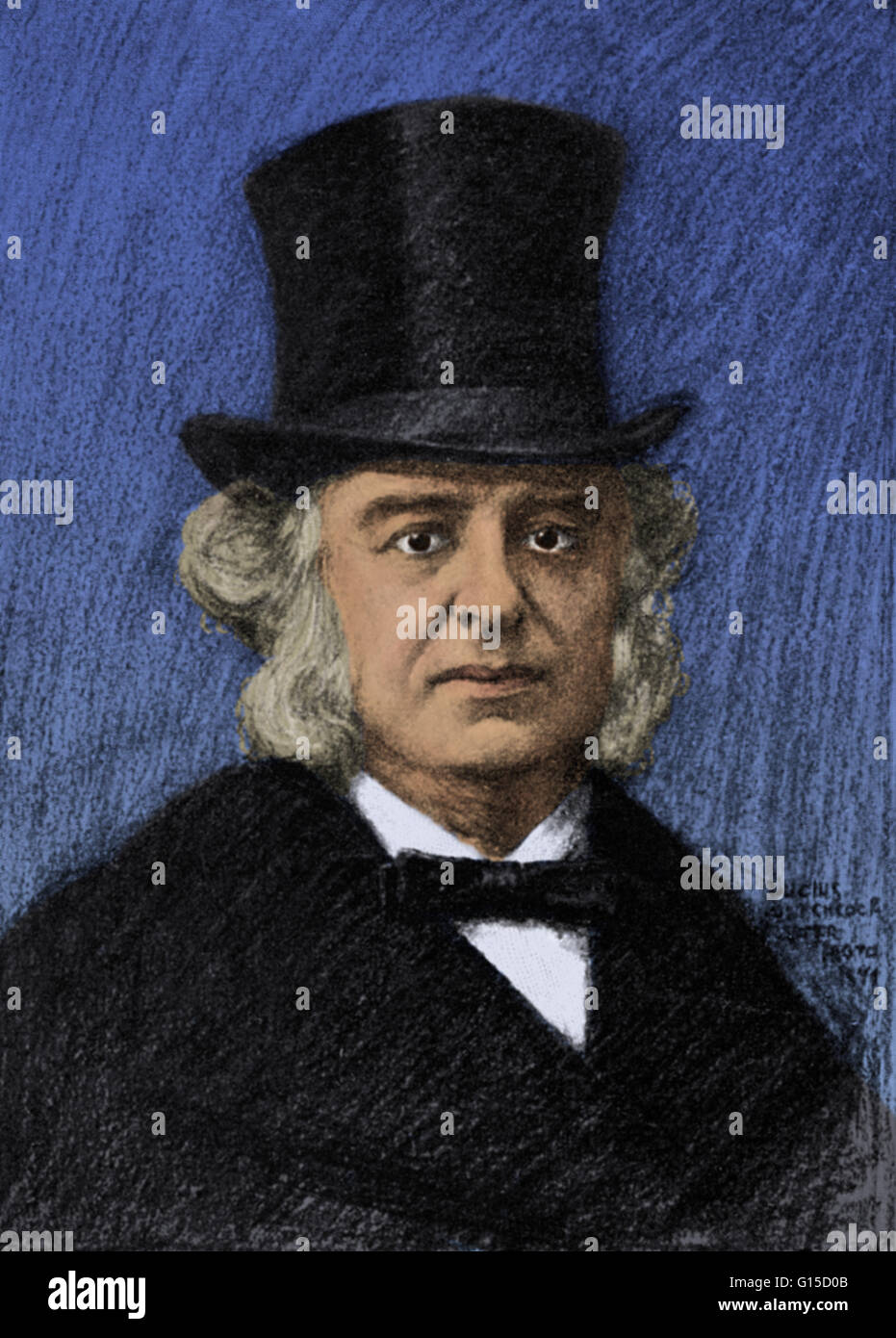
Explore the transformative legacy of Paul Broca, a pioneering figure in neuroanatomy whose groundbreaking discovery of “...
View Board
"Discover how neuroscience and linguistic research transform brain-language insights. Explore neurolinguistics breakthro...
View Board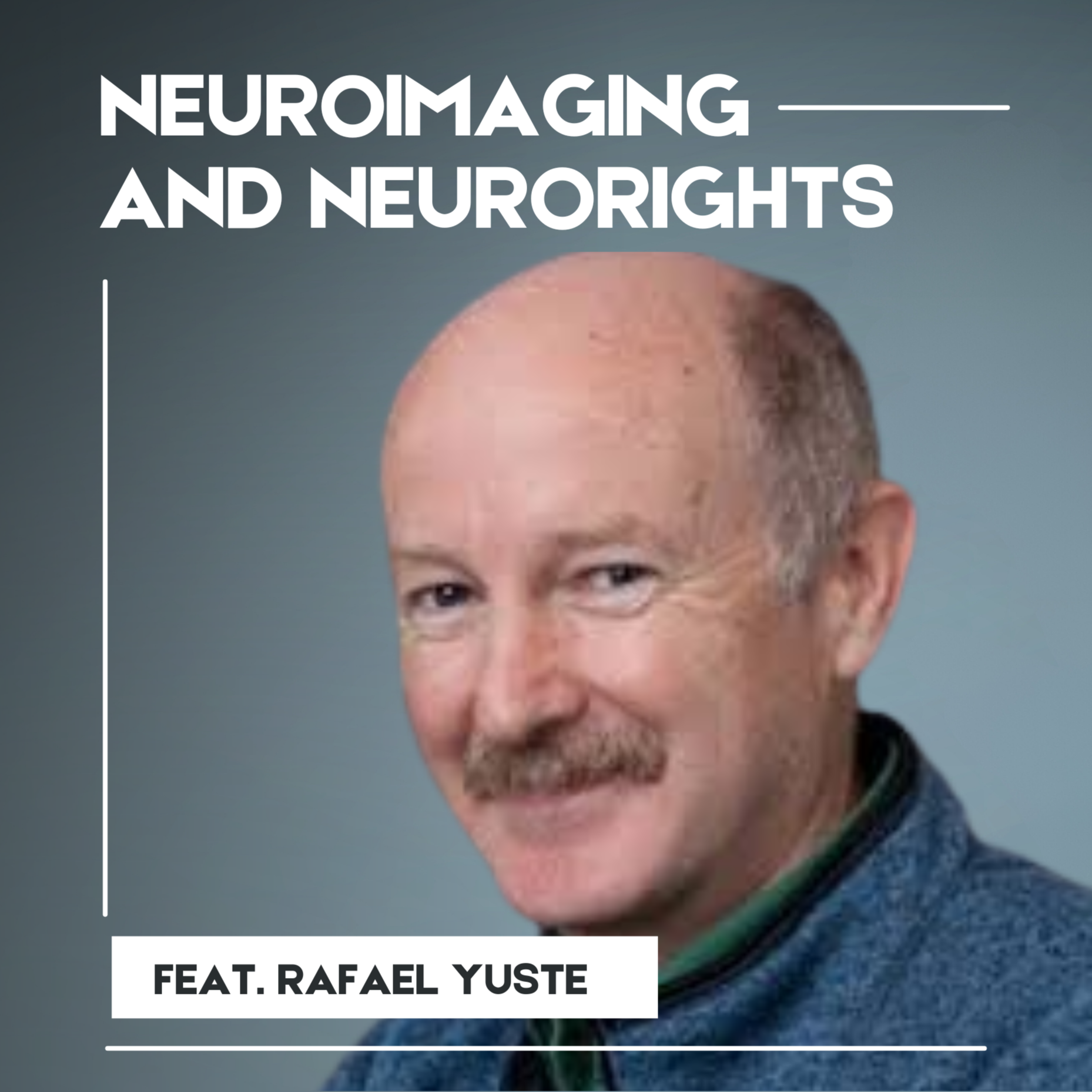
Explore how Dr. Rafael Yuste is transforming neuroscience through innovation and ethical stewardship. Discover his impac...
View Board
Explore how time perception evolves throughout human life in our comprehensive article. Discover insights into the intri...
View Board
Explore the profound legacy of Scott Buchanan, a pioneering thinker in philosophy and liberal arts education. Discover h...
View Board
Discover how Eddie Woo is revolutionizing mathematics education with his innovative teaching methods and global reach th...
View Board
"Discover Luigi Galvani's frog leg experiments that sparked modern neurophysiology. Learn how his work shaped neuroscien...
View Board
Explore the complexities of procrastination, from cognitive struggles to practical strategies for overcoming it. This co...
View Board
**Meta Description:** Discover Carl Wieman’s groundbreaking journey from Nobel Prize-winning physicist to science educ...
View Board
Discover the influential life of Konrad Lorenz, a trailblazer in ethology whose research on animal behavior revolutioniz...
View Board
Explore the enduring legacy of Desmond Amofah, known as Etika, whose vibrant presence revolutionized the digital space. ...
View Board
Discover the vibrant journey of Evan Edinger, a digital creator who blends humor, travel insights, and education to capt...
View Board
Explore the inspiring life and lasting legacy of Danielle Jones, a remarkable advocate for mental health and child safet...
View Board
Explore the inspiring journey of Daniel Howell, from a renowned YouTube star to a passionate mental health advocate. Dis...
View Board
Explore the tragic events involving Jared Lee Loughner, analyzing the factors leading to the Tucson shooting and its aft...
View Board
Discover the captivating legacy of Byron Bernstein, better known as "Reckful," who transformed the gaming world with his...
View Board
Discover the inspiring journey of Paige Layle, a pioneering advocate and educator shedding light on neurodiversity. Dive...
View Board
**Meta Description:** Explore the life and legacy of Hermann von Helmholtz, the 19th-century polymath who revolutionized...
View Board
Comments