Explore Any Narratives
Discover and contribute to detailed historical accounts and cultural stories. Share your knowledge and engage with enthusiasts worldwide.
In the annals of ancient Greek history, few phrases encapsulate the essence of Spartan bravery and military ethos as powerfully as Ἢ τὰν ἢ ἐπὶ τᾶς ("Either with it or on it"). This article explores the profound significance of this laconic phrase, its historical context, and its enduring legacy in modern culture.
The phrase Ἢ τὰν ἢ ἐπὶ τᾶς (pronounced "Ē tàn ē epì tâs") is a quintessential example of Spartan laconic speech. It was traditionally spoken by Spartan mothers to their sons as they departed for battle. The message was clear: return victorious carrying your shield, or be carried home dead upon it. The shield, known as τὰν or τήν, was not merely a piece of equipment but a symbol of honor and duty.
In Spartan society, losing one's shield was considered the ultimate act of cowardice. The phrase underscores the Spartan commitment to unwavering bravery and the refusal to retreat. This ethos was deeply ingrained in Spartan military culture, where the collective valor of the state outweighed individual survival.
The origins of this phrase can be traced back to the 5th century BCE, a period when Sparta was at the height of its military power. The Spartan military culture was unique among Greek city-states, emphasizing discipline, endurance, and a collective sense of duty. The phrase reflects the broader Spartan ethos, which prioritized the welfare of the state over individual desires.
In battles, helots—state-owned slaves—were tasked with carrying wounded or dead warriors home on their shields. This practice reinforced the idea that a Spartan warrior's shield was not just a tool for protection but a symbol of their commitment to Sparta. The phrase Ἢ τὰν ἢ ἐπὶ τᾶς encapsulates this sentiment, urging soldiers to either return victorious or perish in battle.
Laconic speech, named after the region of Laconia where Sparta was located, is characterized by its terseness and directness. This style of communication was highly valued in Spartan society, where brevity and clarity were seen as virtues. The phrase Ἢ τὰν ἢ ἐπὶ τᾶς is a prime example of this laconic tradition.
The use of such concise and powerful phrases served multiple purposes in Spartan culture. It reinforced the importance of discipline and self-control, qualities that were essential for a Spartan warrior. Additionally, it conveyed complex ideas in a manner that was easily understood and remembered, ensuring that the core values of Spartan society were passed down through generations.
The Spartan emphasis on laconic speech and military discipline stood in stark contrast to the more verbose and philosophical traditions of other Greek city-states, such as Athens. While Athenians valued rhetoric and intellectual debate, Spartans prioritized action and direct communication. This difference in cultural values is evident in the way each city-state approached warfare and governance.
In Athens, for example, the focus was often on individual achievement and intellectual pursuits. In Sparta, however, the collective good of the state took precedence over individual desires. This contrast is beautifully captured in the phrase Ἢ τὰν ἢ ἐπὶ τᾶς, which emphasizes the Spartan commitment to duty and honor above all else.
Despite its ancient origins, the phrase Ἢ τὰν ἢ ἐπὶ τᾶς continues to resonate in modern culture. It has been referenced in numerous books, films, and motivational contexts, often as a symbol of unwavering resolve and military discipline. One notable example is the film 300, which depicts the Battle of Thermopylae and the heroic stand of King Leonidas and his Spartan warriors.
The phrase has also found its way into contemporary discussions of leadership and resilience. In business and sports, it is often cited as a metaphor for the importance of perseverance and the refusal to give up in the face of adversity. This enduring legacy is a testament to the timeless appeal of the Spartan ethos and the power of laconic speech.
While the phrase Ἢ τὰν ἢ ἐπὶ τᾶς is widely recognized, there have been occasional debates about its authenticity and historical accuracy. Some scholars argue that the phrase may have been embellished or romanticized over time, while others point to literary sources such as Plutarch's Sayings of Spartan Women as evidence of its genuine use in ancient Sparta.
Despite these debates, the phrase remains a powerful symbol of Spartan culture and military ethos. Its continued use in popular culture and motivational contexts underscores its enduring relevance and the universal appeal of its message. Whether in ancient battles or modern boardrooms, the phrase serves as a reminder of the importance of courage, duty, and unwavering resolve.
The phrase Ἢ τὰν ἢ ἐπὶ τᾶς is more than just a historical artifact; it is a testament to the enduring power of Spartan values. Its message of bravery, duty, and unwavering resolve continues to inspire and motivate people across different cultures and generations. As we explore the origins and significance of this phrase, we gain a deeper appreciation for the unique ethos of Spartan society and the timeless appeal of its laconic tradition.
In the next part of this article, we will delve further into the historical context of the phrase, its role in Spartan military culture, and its influence on modern interpretations of leadership and resilience. Stay tuned for a deeper exploration of the enduring legacy of Ἢ τὰν ἢ ἐπὶ τᾶς.
The phrase Ἢ τὰν ἢ ἐπὶ τᾶς is deeply rooted in the military culture of ancient Sparta, a city-state renowned for its disciplined and formidable warriors. Sparta's military prowess was not merely a product of rigorous training but also a reflection of its unique social and political structure. From a young age, Spartan males were subjected to a rigorous education system known as the agoge, which emphasized physical endurance, military skills, and unwavering loyalty to the state.
The agoge was designed to produce soldiers who were not only physically strong but also mentally resilient. Young Spartans were taught to endure hardship, pain, and deprivation, preparing them for the rigors of battle. This education system was a cornerstone of Spartan society, ensuring that every citizen was a capable and committed warrior. The phrase Ἢ τὰν ἢ ἐπὶ τᾶς encapsulates the essence of this military culture, emphasizing the importance of honor and duty above all else.
The shield, or aspís, was a crucial piece of equipment in Spartan warfare. It was not merely a tool for protection but a symbol of the warrior's commitment to the state. The shield was large and heavy, designed to protect not only the individual soldier but also his comrades in the phalanx formation. Discarding the shield was seen as an act of cowardice, as it not only endangered the individual but also compromised the integrity of the entire formation.
The phrase Ἢ τὰν ἢ ἐπὶ τᾶς underscores the significance of the shield in Spartan culture. It was a reminder that the shield was not just a piece of equipment but a symbol of the warrior's honor and duty. Losing the shield was tantamount to losing one's honor, a fate worse than death in Spartan society. This emphasis on the shield reflects the broader Spartan ethos, which prioritized the collective good of the state over individual survival.
The values embodied in the phrase Ἢ τὰν ἢ ἐπὶ τᾶς have had a profound influence on modern military culture. The emphasis on discipline, duty, and unwavering resolve is a common thread that runs through many military traditions around the world. The Spartan ethos of collective valor and self-sacrifice has been adopted and adapted by various military organizations, serving as a source of inspiration and motivation.
In modern military training, the importance of discipline and mental resilience is often emphasized. The Spartan model of rigorous physical and mental conditioning has been studied and emulated, with many military academies incorporating elements of the agoge into their training programs. The phrase Ἢ τὰν ἢ ἐπὶ τᾶς serves as a reminder of the timeless appeal of these values and their relevance in contemporary military contexts.
The influence of Spartan military culture can be seen in various aspects of modern military training. For example, the emphasis on physical endurance and mental resilience is a hallmark of many military boot camps. The Spartan practice of subjecting young warriors to harsh conditions and rigorous training has been adopted by modern military organizations, albeit in a more controlled and structured manner.
Additionally, the Spartan ethos of collective valor and self-sacrifice is often invoked in military leadership training. The idea that the welfare of the unit takes precedence over individual desires is a core principle in many military doctrines. The phrase Ἢ τὰν ἢ ἐπὶ τᾶς serves as a powerful symbol of this principle, reminding soldiers of the importance of duty and honor.
The phrase Ἢ τὰν ἢ ἐπὶ τᾶς has found its way into various forms of popular culture and media, often as a symbol of unwavering resolve and military discipline. One notable example is the film 300, which depicts the Battle of Thermopylae and the heroic stand of King Leonidas and his Spartan warriors. The film has brought the phrase to a wider audience, highlighting its enduring relevance and appeal.
In addition to films, the phrase has been referenced in books, television shows, and even video games. It is often used as a metaphor for the importance of perseverance and the refusal to give up in the face of adversity. This widespread use in popular culture underscores the timeless appeal of the Spartan ethos and the power of laconic speech.
The phrase Ἢ τὰν ἢ ἐπὶ τᾶς has also been adopted in motivational and self-help contexts, often as a symbol of resilience and determination. In business and sports, it is frequently cited as a reminder of the importance of perseverance and the refusal to retreat in the face of challenges. This use of the phrase highlights its universal appeal and relevance, transcending its original military context.
For example, in the business world, the phrase is often used to emphasize the importance of commitment and unwavering resolve in achieving success. In sports, it serves as a reminder of the importance of mental toughness and the refusal to give up, even in the face of seemingly insurmountable odds. This widespread use in motivational contexts underscores the enduring power of the Spartan ethos and the timeless appeal of its values.
Despite its widespread recognition, there have been occasional debates about the authenticity and historical accuracy of the phrase Ἢ τὰν ἢ ἐπὶ τᾶς. Some scholars argue that the phrase may have been embellished or romanticized over time, while others point to literary sources such as Plutarch's Sayings of Spartan Women as evidence of its genuine use in ancient Sparta.
The debate over the phrase's authenticity is a reminder of the challenges inherent in studying ancient history. While literary sources provide valuable insights into the culture and values of ancient Sparta, they must be approached with a critical eye. The phrase Ἢ τὰν ἢ ἐπὶ τᾶς serves as a powerful symbol of Spartan culture, regardless of its historical accuracy, highlighting the enduring appeal of its message.
Literary sources play a crucial role in our understanding of ancient Spartan culture. Works such as Plutarch's Sayings of Spartan Women provide valuable insights into the values and ethos of Spartan society. These sources offer a glimpse into the mindset of the Spartans, highlighting their emphasis on discipline, duty, and unwavering resolve.
While literary sources must be approached with a critical eye, they remain an essential tool for understanding the culture and values of ancient Sparta. The phrase Ἢ τὰν ἢ ἐπὶ τᾶς is a prime example of the insights that can be gleaned from these sources, offering a powerful reminder of the enduring appeal of Spartan values.
The phrase Ἢ τὰν ἢ ἐπὶ τᾶς is more than just a historical artifact; it is a testament to the enduring power of Spartan values. As we explore the origins and significance of this phrase, we gain a deeper appreciation for the unique ethos of Spartan society and the timeless appeal of its laconic tradition.
In the final part of this article, we will conclude our exploration of the phrase Ἢ τὰν ἢ ἐπὶ τᾶς, examining its influence on modern interpretations of leadership and resilience. Stay tuned for a comprehensive conclusion to our deep dive into the enduring legacy of this powerful Spartan phrase.
The phrase Ἢ τὰν ἢ ἐπὶ τᾶς has transcended its ancient military origins to become a powerful metaphor in modern discussions of leadership and resilience. Today, it is often invoked in corporate training, sports psychology, and even political rhetoric as a symbol of unwavering commitment. Leaders in various fields use the phrase to emphasize the importance of perseverance, accountability, and the refusal to abandon one’s principles or team.
In business, for example, executives and entrepreneurs frequently reference the Spartan ethos to inspire employees to remain steadfast in the face of challenges. The phrase serves as a reminder that success often requires sacrifice and discipline, much like the Spartan warriors who stood their ground regardless of the odds. Similarly, in sports, coaches use the phrase to instill mental toughness in athletes, reinforcing the idea that quitting is never an option.
Several modern leaders have drawn explicit parallels between Spartan values and contemporary leadership principles. For instance, former U.S. Navy SEALs and military strategists often cite Spartan discipline as a model for building resilient teams. The phrase Ἢ τὰν ἢ ἐπὶ τᾶς is used to illustrate the concept of "no retreat, no surrender," a mindset that is crucial in high-stakes environments.
In the corporate world, companies like Google and Apple have incorporated Spartan-like training programs to foster teamwork and mental fortitude. These programs emphasize:
Beyond its applications in leadership and resilience, the phrase Ἢ τὰν ἢ ἐπὶ τᾶς has also found a place in educational and philosophical discussions. Educators use it to teach students about the importance of commitment and integrity, while philosophers analyze its implications for ethics and moral duty. The phrase challenges individuals to reflect on what they are willing to stand for—and what they are willing to die for.
In academic settings, the phrase is often discussed in the context of stoicism, a philosophy that emphasizes endurance, self-control, and rationality. Stoic thinkers, much like the Spartans, believed in facing adversity with courage and resolve. The phrase serves as a bridge between ancient wisdom and modern philosophical thought, offering a timeless lesson in perseverance.
The phrase raises profound questions about the balance between duty and survival. In Spartan society, the expectation was that a warrior would rather die than abandon their post. This extreme commitment to duty has sparked debates among modern philosophers about the ethics of self-sacrifice. Some argue that the Spartan ideal is an admirable example of loyalty, while others question whether such rigid adherence to duty is practical or even moral in today’s world.
Despite these debates, the phrase continues to resonate because it forces individuals to confront their own values. It asks:
In modern military culture, the phrase Ἢ τὰν ἢ ἐπὶ τᾶς holds a special significance. It is often cited in military academies and training programs to instill a sense of honor and duty in new recruits. The phrase’s emphasis on never abandoning one’s post aligns with the core values of many armed forces, including loyalty, courage, and selflessness.
Veterans, too, find meaning in the phrase as they transition to civilian life. For many, it serves as a reminder of the bonds forged in battle and the importance of maintaining those connections. Organizations that support veterans frequently use the phrase in their messaging to reinforce the idea that the values learned in service—such as resilience and camaraderie—are just as vital in civilian life.
Several military traditions around the world draw inspiration from Spartan culture, and the phrase Ἢ τὰν ἢ ἐπὶ τᾶς is a recurring motif. For example:
The phrase Ἢ τὰν ἢ ἐπὶ τᾶς is far more than a relic of ancient history. It is a living testament to the enduring power of Spartan values—values that continue to inspire and challenge individuals across the globe. From the battlefields of ancient Greece to the boardrooms of modern corporations, the phrase serves as a reminder of the importance of courage, duty, and unwavering resolve.
Throughout this article, we have explored the phrase’s origins, its role in Spartan military culture, and its influence on modern leadership, resilience, and philosophy. We have seen how it has been adopted in popular culture, military traditions, and even educational discourse. The phrase’s ability to transcend time and context is a testament to its universal appeal and relevance.
As we reflect on the legacy of Ἢ τὰν ἢ ἐπὶ τᾶς, several key takeaways emerge:
In a world that often prioritizes convenience and self-interest, the Spartan ethos stands as a powerful counterpoint. It reminds us that true strength lies not in avoiding struggle but in facing it with courage and conviction. Whether in battle, business, or personal growth, the phrase Ἢ τὰν ἢ ἐπὶ τᾶς challenges us to live with honor, to stand firm in our commitments, and to never abandon the principles that define us. As we move forward, let us carry this lesson with us—a timeless call to bravery, duty, and unwavering resolve.
Your personal space to curate, organize, and share knowledge with the world.
Discover and contribute to detailed historical accounts and cultural stories. Share your knowledge and engage with enthusiasts worldwide.
Connect with others who share your interests. Create and participate in themed boards about any topic you have in mind.
Contribute your knowledge and insights. Create engaging content and participate in meaningful discussions across multiple languages.
Already have an account? Sign in here

Discover the captivating story of Timycha of Sparta, a formidable Pythagorean woman who defied tyranny in ancient Greece...
View Board
Explore the timeless legacy of Hesiod, the poet of ancient wisdom and myth, whose works like "Theogony" and "Works and D...
View Board
Discover the enchanting allure of Kathmandu, Nepal's capital in the heart of the Himalayas. Explore its rich history, vi...
View Board
Explore Warsaw, a vibrant city where history and modernity coexist. Discover its resilient past, cultural richness, and ...
View Board
Explore the rich tapestry of Kandahar, Afghanistan, where history and culture converge at a historic crossroads. Discove...
View Board
Honor the legacy of Manuel Gutierrez Jr., a beacon of resilience and inspiration. This in-depth exploration delves into ...
View Board
Discover the legacy of Lycurgus, the eminent orator of Ancient Athens, whose eloquence and influential reforms shaped th...
View Board
# James Jackson: A Legacy of Leadership, Innovation, and Social Impact **Meta Description:** Discover the inspiring j...
View Board
The Marsh family's enduring legacy of excellence and service in education, business, and philanthropy, shaping American ...
View Board
"Discover the meaning of 'Alfrento-Nompel-O-An8rwpos-Pisw-apo-ta-Brabeia-kai-th-Dynamith'—its Greek roots, philosophy, a...
View Board
Leonidas: The Enduring Legacy of the Lion King Introduction to Leonidas: A Name Steeped in History The name Leonidas re...
View Board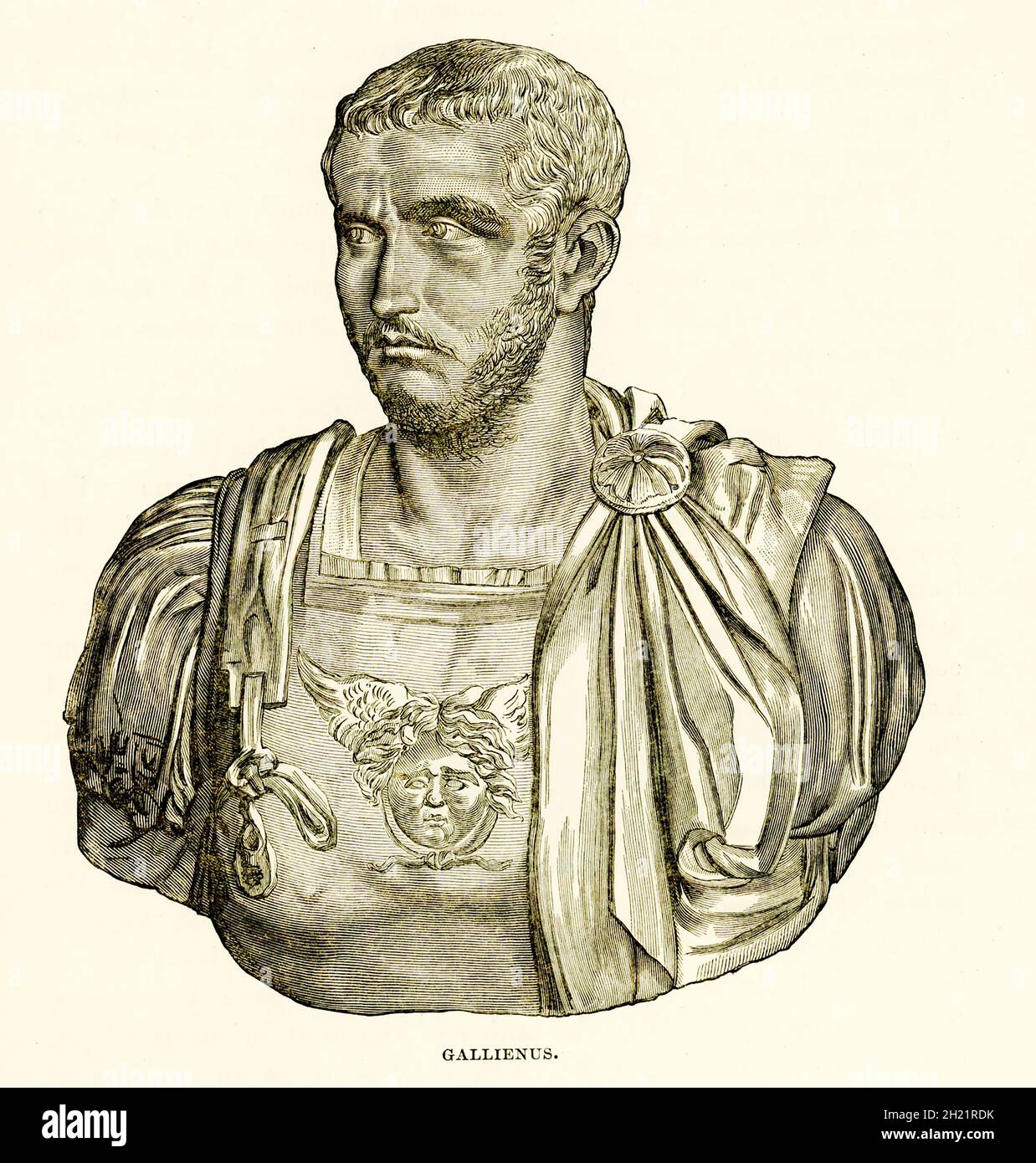
Explore the reign of Roman Emperor Gallienus in "Gallienus: Rethinking the Reign of a Burdened Roman Emperor." Discover ...
View Board
Discover the legendary tale of Milo of Croton, the iconic strongman of ancient Greece. Explore his life, from his unpara...
View Board
Explore the captivating history of Aleppo, one of the world's oldest cities, tracing its journey from ancient trade hub ...
View Board
Explore the rich tapestry of Tripoli, a city where ancient history and vibrant modern culture intertwine. Discover Tripo...
View Board
Explore the rich history and vibrant transformation of Łódź, Poland's city of contrasts. Discover how this former indust...
View Board
Discover the timeless allure of Damascus, one of the world's oldest continuously inhabited cities. Journey through its r...
View Board
Explore Socrates' timeless method and enduring legacy, from ancient Athens to modern AI ethics, in this journey through ...
View Board
Joshua Richards' journey from small-town entrepreneur to tech visionary, exploring his leadership, innovation at NexGen ...
View Board
Comments