Explore Any Narratives
Discover and contribute to detailed historical accounts and cultural stories. Share your knowledge and engage with enthusiasts worldwide.
Muscat, the vibrant capital city of Oman, stands as a beacon of historic and contemporary significance. Nestled on the northeastern coast, overlooking the Gulf of Oman and the Strait of Hormuz, Muscat has long been a crucial maritime hub connecting the Western and Eastern worlds since at least the first century AD.
Geographically, Muscat plays a pivotal role in regional and global affairs due to its proximity to the Strait of Hormuz, a strategic maritime chokepoint. This narrow strait connects the Gulf of Oman to the Persian Gulf, making it vital for international shipping. The city's location on the shores of the Gulf of Oman provides a picturesque setting for the modern metropolis, yet retains the rich tapestry of its ancient maritime heritage.
The urban agglomeration alone houses a population of over 600,000 individuals, while the population of Muscat proper was around 25,000 in 2003. These numbers underscore the city’s evolving dynamics from its historical roots to its current role as an economic and political powerhouse.
Muscat’s strategic importance has been evident for millennia. Historically, it was a key trading port on the famous maritime Silk Road, facilitating the exchange of goods such as spices, silk, timber, and other treasures from Asia, Africa, and Europe. This maritime connection played a crucial role in shaping Muscat’s cultural landscape, fostering a unique blend of influences from diverse civilizations.
The city's historical legacy is further enriched by its succession of rulers. From indigenous tribes and Islamic Imams in the 7th century to the Portuguese who occupied and fortified the city with structures like Al Jalali and Al Mirani castles from 1507 to 1650, each power left indelible marks on Muscat’s architecture and culture. Notably, the Al Bu Sa'id dynasty, which took power in 1749 following the expulsion of Persian invaders, established the current ruling family and has been responsible for maintaining the city’s sovereignty.
Under the Yaruba Imams and the subsequent rule of the Al Bu Sa'id dynasty, Muscat emerged as the center of a vast maritime empire with influence extending to East Africa. The city became particularly significant in the 19th century when Zanzibar served as the capital of the Omani Sultanate, further cementing Muscat’s role in regional politics and trade.
The economy historically relied heavily on maritime trade, although the period from the late 19th century to the early 20th century saw the contentious practice of the slave trade within its borders. Today, while oil exploration began in the early 20th century, Muscat’s economy is diversifying with a focus on trade, tourism, and services, marking a shift away from reliance on a single natural resource.
Muscat’s cultural heritage is a testament to its long history as a cosmopolitan trading hub. Its architecture and way of life reflect a fusion of Arab, Portuguese, Persian, Indian, and African influences. These diverse elements can be seen in the city’s traditional buildings, such as the iconic Al Jalali fortress and Al Mirani Castle, which stand as enduring symbols of its strategic past.
The preservation of historical forts and areas like the Old City has preserved much of Muscat’s rich cultural heritage, attracting cultural tourists and scholars. Meanwhile, modern infrastructure development continues apace, ensuring that Muscat remains a bustling and dynamic city.
Located near the Strait of Hormuz, Muscat’s geopolitical significance cannot be overstated. The strait is crucial for global energy and maritime security, as it serves as a waterway for oil tankers transporting approximately one-fifth of the world’s oil supply. This strategic position underscores Muscat’s role not only in regional geopolitics but also in international affairs.
As a capital city, Muscat balances the challenges of maintaining its historical identity with modernization initiatives. Cultural preservation efforts alongside urban renewal projects ensure that the city retains its heritage while adapting to the needs of a rapidly evolving society.
In essence, Muscat continues to play a vital role in regional geopolitics and commerce. Its rich history, strategic location, and cultural diversity make it a fascinating city to explore, offering a glimpse into the intersection of past and present. As Muscat moves forward, it does so with a deep appreciation for its storied past and a forward-looking vision for its future.
As Muscat continues to evolve, there are concerted efforts towards urban modernization while preserving its historical heritage. Major infrastructure projects have transformed the cityscape, with new high-rises, business districts, and transportation networks springing up alongside ancient fortresses and marketplaces.
Downtown Muscat features a mix of modern skyscrapers and traditional bazaars. Key landmarks like the Sultan Qaboos Grand Mosque, built in the late 1980s, showcase Oman’s distinct architectural style, blending traditional influences with sleek modern design. Other modern constructions, such as the Pearl of the Gulf Towers and the National Museum of Oman, have become focal points for both locals and visitors.
The government of Oman has embarked on several initiatives aimed at preserving its cultural heritage. For instance, the restoration and conservation of traditional Omani architecture are ongoing activities, with many old buildings carefully refurbished to retain their historical integrity. Programs like the National Centre for Culture and Arts (NCCA) and the Ministry of Tourism actively promote traditional crafts, music, and literature through various educational and promotional campaigns.
Culturally, Muscat hosts a range of events that celebrate its diverse heritage. Annual festivals like Eid Al Adha and Eid Al Fitr attract large crowds to witness traditional prayer ceremonies, local food markets, and cultural performances. In addition, museums such as the Oman National Museum and the Museum of Science and Technology offer glimpses into the city’s history, archaeology, and scientific advancements.
Tourism is a growing sector in Muscat, driven by its rich history and natural beauty. Visitors come to explore its historic sites, enjoy beaches, and experience traditional Omani hospitality. The Royal Opera House Muscat (RAHM) and the National Museum of Oman have become cultural hubs, hosting theater performances, art exhibitions, and historical reenactments.
Muscat’s old town, known for its narrow streets and traditional Omani houses, provides a living museum for tourists interested in authentic Omani culture. Forts like Al Alam Barracks and Dhofar Fort also offer panoramic views and insights into Oman’s military history. The nearby Corniche, a scenic waterfront promenade, complements these attractions and serves as a popular spot for local residents and tourists alike.
While Muscat’s economy has traditionally been linked to maritime trade, its current economic strategy focuses on diversification. The government has introduced policies to develop sectors such as tourism, information technology, finance, and renewable energy, aiming to reduce dependence on oil and gas.
The development of Muscat International Airport (MCT) has enhanced the city’s connectivity, making it easier for travelers to visit Omani destinations. The airport serves as a gateway for regional and international flights, boosting tourism and facilitating business travel. Additionally, the government is investing in smart city technologies and sustainable energy solutions to ensure long-term growth and environmental sustainability.
The Omani Investment Authority (OMIA) and other public bodies are promoting private sector investments in various sectors. The establishment of special economic zones, such as the Duqm Special Economic Zone, encourages foreign direct investment (FDI) and supports innovation in manufacturing, logistics, and green technology. These initiatives are crucial in preparing Muscat for a future where global economic trends are increasingly influenced by technological advancements and sustainable practices.
Muscat stands at the crossroads of tradition and progress, a city that seamlessly combines its ancient heritage with modern aspirations. Its strategic location and rich history continue to shape its role as a global player in maritime trade, energy security, and cultural exchange.
Through careful planning and visionary leadership, Muscat is poised to become a shining example of how a city can thrive while honoring its origins. As it looks towards the future, Muscat embraces opportunities for growth and development, ensuring that its legacy endures while forging new paths into the 21st century.
Muscat’s strategic location and rich historical ties make it a desirable partner for countries and organizations worldwide. Diplomatic relations extend from neighboring states to more distant allies. Close ties with the United States, particularly through the Sultanate of Oman’s neutrality in regional conflicts, have strengthened mutual understanding and cooperation in areas such as security, culture, and education.
Oman’s engagement with countries like Germany, the United Kingdom, and France includes diplomatic visits, trade negotiations, and joint ventures in sectors like energy, construction, and education. These partnerships enhance Muscat’s image as a reliable and strategic partner, capable of fostering economic growth and regional stability.
Educational institutions in Muscat, such as Sultan Qaboos University and the American University of Sharjah campus in Muscat, contribute significantly to the city’s intellectual landscape. These universities offer a wide range of programs, including STEM fields, humanities, and business management, attracting students from around the globe.
The establishment of research centers and think tanks in Muscat has bolstered its academic profile. The Sultan Qaboos Center for Strategic Studies and the Sultan Qaboos Foundation for Medical Research address pressing issues ranging from healthcare to energy conservation. These institutions help shape Muscat’s approach to governance, social cohesion, and sustainable development.
Muscat has embraced sports and recreational activities as a means to foster community engagement and promote a healthy lifestyle. The city hosts several sporting events throughout the year, including marathons, swimming competitions, and traditional games like al-Nahij (the stick fighting game).
Facilities such as the Oman Sports Complex and the Corniche Beach provide accessible spaces for residents and tourists alike. The Oman National Olympic Committee (ONOC) works to develop athletic talent and prepare teams for international competitions, further enhancing Muscat’s standing as a sports destination.
As Muscat looks towards its future, several key areas require close attention and strategic planning. Environmental sustainability remains a priority, with initiatives focused on reducing carbon emissions and promoting eco-friendly technologies. Water conservation, particularly in the face of growing population and increasing urbanization, is another critical challenge that the government is addressing through efficient management and desalination plants powered by renewable energy.
Technological advancements and digital transformation are also central to Muscat’s development plans. The government’s Vision 2040 aims to enhance digital connectivity, support startup ecosystems, and foster innovation in sectors like cybersecurity and artificial intelligence. These efforts are expected to drive economic growth and create new job opportunities, while maintaining the cultural and historical fabric of the city.
Despite the numerous benefits of these advancements, Muscat faces challenges related to socio-economic inequality and the need for inclusive growth. Initiatives to improve social services, reduce poverty, and enhance access to education and healthcare are essential to ensuring that the benefits of economic development reach all segments of the population.
Muscat’s story is one of resilience, innovation, and cultural richness. From its ancient maritime trade routes to its modern skyline, Muscat embodies the best of both past and present. As it continues to evolve, the city will undoubtedly play an even more significant role in shaping regional and global narratives, serving as a model of sustainable and inclusive development for generations to come.
The journey ahead for Muscat is marked by promise and potential. With careful stewardship and unwavering commitment to its heritage and future, Muscat is poised to become an exemplar of how a city can balance tradition and modernity, ensuring prosperity and harmony for all its citizens.
Your personal space to curate, organize, and share knowledge with the world.
Discover and contribute to detailed historical accounts and cultural stories. Share your knowledge and engage with enthusiasts worldwide.
Connect with others who share your interests. Create and participate in themed boards about any topic you have in mind.
Contribute your knowledge and insights. Create engaging content and participate in meaningful discussions across multiple languages.
Already have an account? Sign in here

Uncover Skopje! Explore North Macedonia's vibrant capital city, a blend of ancient history and modern development. Disco...
View Board
Discover Sharjah, the UAE's cultural heart! Explore its rich history, stunning architecture, booming economy, and family...
View Board
Explore Yangon, Myanmar's largest city and former capital. Discover its rich history as a vital port, its stunning Shwed...
View Board
Discover Tehran, Iran's capital! Explore its history, economy, culture, and current challenges like water scarcity & pro...
View Board
Explore Tbilisi, Georgia: a captivating city with a rich history spanning millennia. Discover its founding legend, Golde...
View Board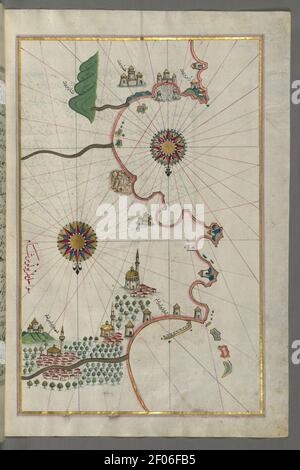
Discover Tripoli, Libya's capital! Explore ancient Roman ruins, Ottoman architecture, and vibrant souks with our guide. ...
View Board
Discover Santiago de Compostela, a timeless pilgrimage destination. Explore its history, traditions, and modern resurgen...
View Board
Discover Dubrovnik, Croatia! Uncover the rich history of this Adriatic gem, from its medieval origins to its UNESCO Worl...
View Board
Embark on a historical and cultural journey in Dili, Timor-Leste! Explore landmarks, connect with locals, and uncover th...
View Board
Explore Podgorica, Montenegro! Discover top attractions, hidden gems, culture, and travel tips in our essential guide to...
View Board
Discover Kazan, Russia's officially recognized 'third capital'! Explore its rich history, from the Kazan Khanate to mode...
View Board
Uncover Santorini's secrets! Explore Minoan ruins, stunning caldera views, and hidden gems. Plan your journey through ti...
View Board
Explore Rijeka's rich history as Croatia's principal seaport. From Roman roots to Habsburg rule and a vibrant cultural s...
View Board
Explore Bandung, the 'Paris of Java'! Discover colonial history, vibrant culture, stunning landscapes, and modern attrac...
View Board
Discover Denpasar, Bali's vibrant capital! Explore ancient temples, bustling markets, cultural museums, and delicious st...
View Board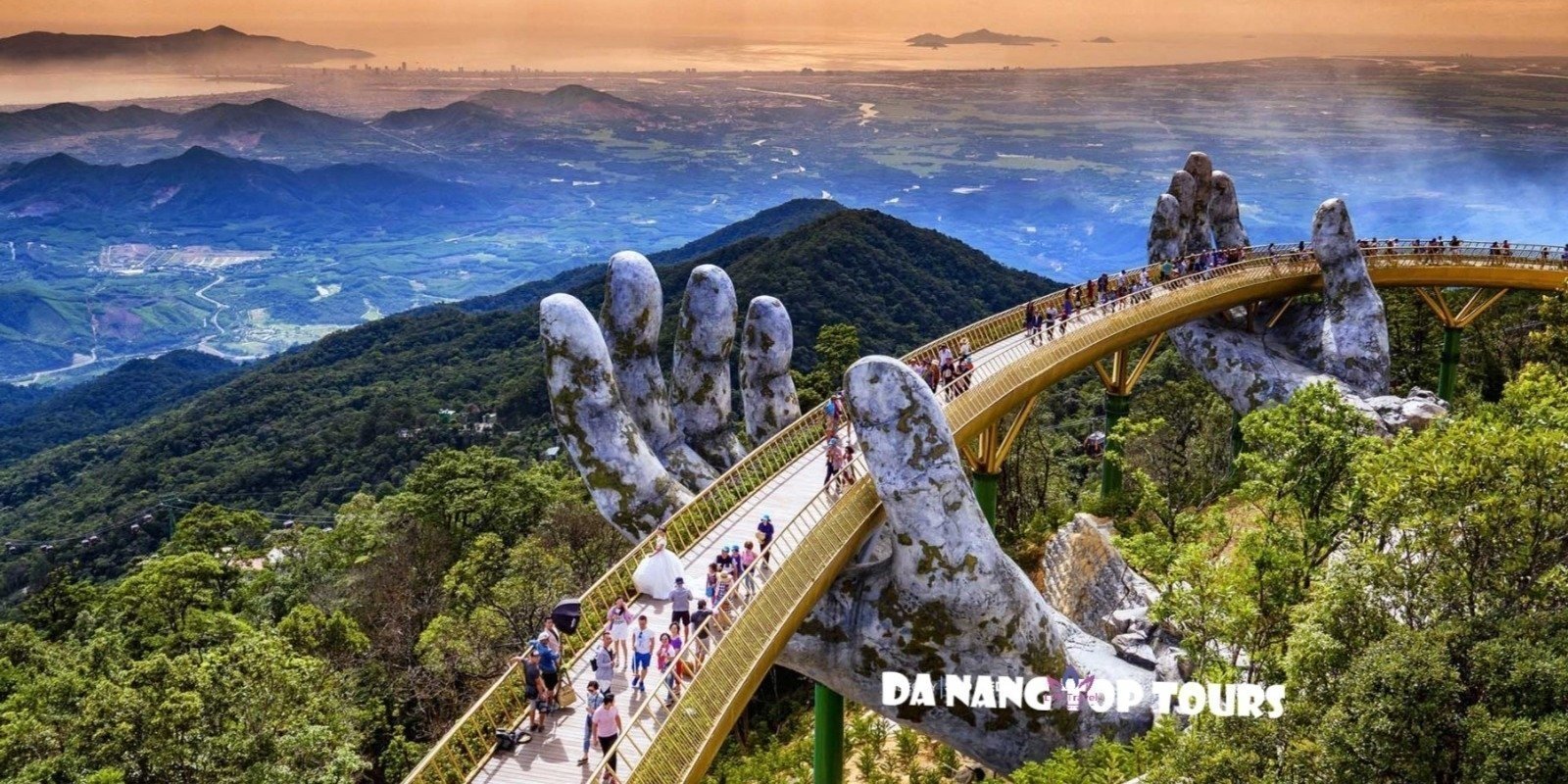
Discover Hanoi, Vietnam! Explore ancient temples, the Old Quarter, & modern sustainable upgrades. Plan your 2026 trip wi...
View Board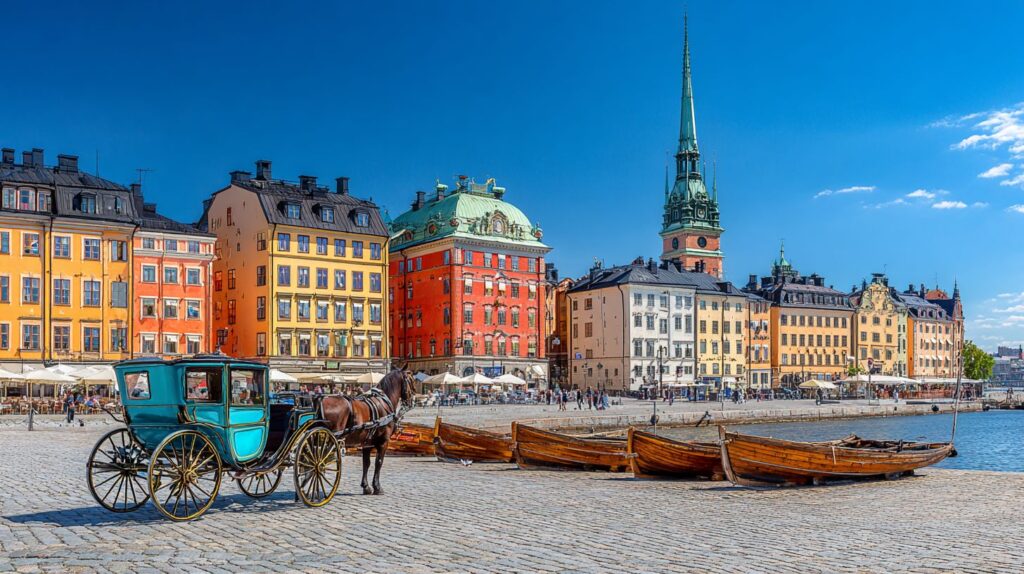
Discover Stockholm, the captivating capital of Scandinavia! Explore its rich history, stunning architecture, vibrant cul...
View Board
Discover Brussels! Explore the Grand Place, Atomium, and vibrant culture. Plan your 2026 trip with our guide to tours, f...
View Board
Explore Baghdad, the historic capital of Iraq. Discover its Golden Age, iconic architecture, vibrant culture, and ongoin...
View Board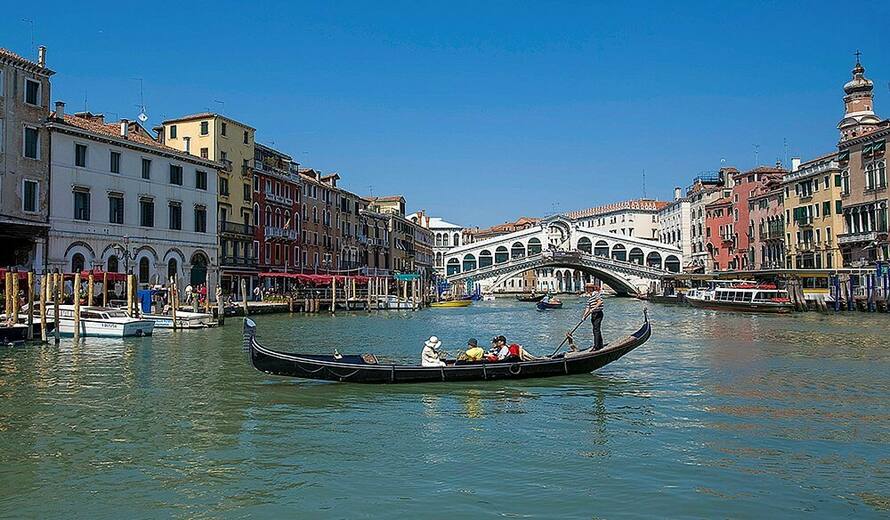
Discover Venice, the floating city of lagoons! Explore its history, unique engineering, and challenges. Learn about cana...
View Board
Comments