Explore Any Narratives
Discover and contribute to detailed historical accounts and cultural stories. Share your knowledge and engage with enthusiasts worldwide.
Bukhara, one of the oldest and most historically significant cities in Central Asia, stands as a testament to the region's rich cultural and architectural heritage. Located in modern-day Uzbekistan, this ancient city has witnessed the rise and fall of empires, served as a crucial hub on the Silk Road, and preserved its spiritual and intellectual legacy for centuries. With its maze of narrow streets, towering minarets, and majestic madrasas, Bukhara transports visitors back to a golden age of Islamic civilization.
Dating back over 2,500 years, Bukhara has long been a center of trade, learning, and religion. Founded as early as the 6th century BCE, it became a key stop along the Silk Road, linking China with the Mediterranean world. Bukhara's strategic location made it a melting pot of cultures, religions, and ideas, fostering intellectual exchanges that shaped the medieval world. It was also a major center of Islamic scholarship, home to renowned theologians, scientists, and poets.
During the Samanid Empire (9th–10th centuries), Bukhara reached its zenith as a beacon of culture and learning. The city’s scholars, such as Avicenna (Ibn Sina), contributed immensely to medicine, philosophy, and astronomy. Its libraries were among the most extensive in the Islamic world, attracting thinkers from across Eurasia.
Bukhara's skyline is dominated by stunning examples of Islamic architecture, many of which date back to the medieval period. The city boasts over 140 historic buildings, each reflecting the artistic and engineering prowess of its time.
The heart of Bukhara’s architectural splendor lies in the Po-i-Kalyan complex, a UNESCO World Heritage site. This ensemble includes the Kalyan Minaret, Kalyan Mosque, and Miri-Arab Madrasa. The Kalyan Minaret, often referred to as the "Tower of Death" due to its historical use as an execution site, stands 45 meters tall and is adorned with intricate brickwork patterns.
Another iconic landmark is the Ark Fortress, an ancient citadel that served as the residence of Bukhara's rulers for over a millennium. Though partially destroyed, its massive walls and gateways still evoke the grandeur of bygone dynasties.
For a more serene experience, visitors can relax at Lyab-i Hauz, a charming plaza centered around a historic pond. Surrounded by mulberry trees and flanked by three 16th-century structures—the Kukeldash Madrasa, Nadir Divan-Begi Madrasa, and Khanaka—this site offers a peaceful retreat from the bustling bazaars.
As one of Islam’s holiest cities, Bukhara is home to numerous religious sites that attract pilgrims and history enthusiasts alike. The city’s spiritual significance is embedded in its mosques, mausoleums, and Sufi shrines.
A unique architectural gem, the Chor Minor (Four Minarets) stands out with its four distinct turquoise domes. Originally part of a now-lost madrasa, this whimsical structure reflects the eclectic influences that shaped Bukhara’s religious and cultural identity.
The Samanid Mausoleum, one of the oldest surviving structures in Central Asia, is an early masterpiece of Islamic architecture. Built in the 10th century, its intricate brickwork and geometric designs demonstrate the ingenuity of Samanid craftsmen.
Beyond its monuments, Bukhara is renowned for its vibrant traditions, from handicrafts to cuisine. The city's bazaars, particularly the Trading Domes, offer a glimpse into its mercantile past, where spices, silk, and ceramics were traded for centuries.
Bukhara remains a hub for artisans specializing in textiles, ceramics, and metalwork. The city's famed Suzani embroidery and handwoven carpets are sought after worldwide, preserving centuries-old techniques.
No visit to Bukhara is complete without sampling its distinctive cuisine. Dishes like Bukharian plov (pilaf), shashlik (grilled meat skewers), and non (flatbread) reflect the melding of Persian, Turkic, and Arab influences.
Bukhara is a living museum, offering an unparalleled journey through time. Its enduring legacy as a crossroads of trade, faith, and intellect makes it a must-visit destination for anyone seeking to uncover the soul of Central Asia. Stay tuned for the second part of this article, where we’ll delve deeper into Bukhara’s role in the Silk Road, its legendary scholars, and its modern-day revival.
As one of the most influential cities along the Silk Road, Bukhara played a pivotal role in connecting civilizations. Merchants, scholars, and travelers from Europe, the Middle East, India, and China converged here, exchanging not just goods but also ideas, technologies, and spiritual beliefs. This cross-cultural interaction turned Bukhara into a cosmopolitan center where innovation thrived.
Bukhara's position at the crossroads of major trade routes made it a thriving commercial hub. The city was renowned for its bustling markets, where caravans loaded with silk, spices, precious metals, and ceramics bartered under the domes of its famed trading centers. The Taq-i-Zargaron (Jewelers’ Dome), Taq-i-Sarrafon (Money Changers’ Dome), and Taq-i-Telpak Furushon (Hat Makers’ Dome) still stand today as remnants of this mercantile glory.
The wealth generated from trade funded Bukhara’s magnificent architectural projects, including madrasas, mosques, and caravanserais. These structures not only served religious and educational purposes but also provided lodging for merchants, ensuring the city remained a key node in the Silk Road network.
Beyond commerce, Bukhara was a beacon of knowledge. The city’s scholars contributed to advancements in mathematics, astronomy, medicine, and philosophy. The House of Wisdom in Bukhara rivaled Baghdad’s famed institution, attracting intellectuals like the polymath Avicenna (Ibn Sina), whose medical encyclopedia, The Canon of Medicine, became a standard text in European universities for centuries.
Madrasas such as Ulugh Beg Madrasa and Kukeldash Madrasa became centers of learning, where students from across the Islamic world studied theology, science, and literature. The legacy of these institutions lives on in Uzbekistan’s emphasis on preserving scholarly traditions.
Bukhara’s golden age flourished under the Samanid dynasty (9th–10th centuries), when it became a capital of culture and governance. Later, it endured the rise and fall of various khanates, including the Shaybanids, who left behind an indelible architectural imprint.
The Samanid rulers transformed Bukhara into a political and cultural powerhouse. Persian language and literature thrived, and innovations in astronomy, medicine, and philosophy were celebrated. The Samanid Mausoleum, with its intricate brickwork, symbolizes this era’s architectural brilliance.
In the 16th century, the Shaybanid dynasty ushered in another period of prosperity. Landmarks like the Abdulaziz Khan Madrasa and Nadir Divan-Begi Khanaka exemplify the ornate tilework and grandiose designs of this period. The city’s religious infrastructure expanded, with mosques and madrasas dotting its skyline.
Sufism, the mystical branch of Islam, found a welcoming home in Bukhara. The city became a sanctuary for revered saints and dervishes, whose teachings emphasized spiritual connection and tolerance.
Just outside Bukhara lies the mausoleum of Bahauddin Naqshband, the founder of the Naqshbandi Sufi order. Pilgrims from around the world visit this sacred site, seeking blessings and spiritual solace. The complex includes a mosque, minaret, and necropolis, embodying Sufi simplicity and devotion.
Sufi poetry, music, and rituals remain integral to Bukhara’s cultural identity. The haunting melodies of Sufi chants and the whirling dances of dervishes enchant visitors, offering glimpses into the city’s deeply rooted spirituality.
In the late 19th century, Bukhara fell under Russian control, marking a dramatic shift in its political landscape. The emirate became a Russian protectorate, and though it retained some autonomy, traditional structures began to erode.
In 1920, the Red Army overthrew the last emir, leading to Bukhara’s incorporation into the Soviet Union. Many historic buildings were repurposed or fell into disrepair during this period. However, Soviet policies also introduced modernization, including education reforms and infrastructure development.
Despite ideological challenges, Soviet archaeologists and historians worked to preserve Bukhara’s heritage. Restoration projects saved key monuments, ensuring their survival for future generations. The city was later designated a UNESCO World Heritage site in 1993.
Today, Bukhara harmonizes its illustrious past with contemporary life. Tourism has revitalized the economy, while cultural festivals and handicraft fairs keep ancient traditions alive.
Visitors flock to Bukhara to explore its timeless streets, stay in beautifully restored caravanserais, and witness artisans practicing centuries-old crafts. The annual Silk and Spices Festival celebrates the city’s mercantile history with vibrant performances and exhibitions.
Balancing preservation with modernization remains a challenge. Efforts to restore crumbling monuments and promote sustainable tourism are underway, ensuring Bukhara remains a jewel of Central Asia.
Bukhara’s journey through history—from a Silk Road metropolis to a Soviet outpost and now a cultural treasure—reveals its resilience and enduring allure. In the final part of this article, we’ll explore Bukhara’s artistic legacy, its vibrant festivals, and the untold stories of its people that bring the city to life. Stay tuned for the third installment.
Bukhara's artistic heritage is as rich as its history, with centuries of craftsmanship and creativity woven into the fabric of the city. From intricate tilework to vibrant textiles, the artistic traditions of Bukhara continue to captivate visitors and inspire modern artisans. The city's cultural festivals, which celebrate its diverse heritage, offer a window into the soul of this ancient metropolis.
Bukhara has long been a center for traditional crafts, with skills passed down through generations. The city is particularly famous for its ceramics, metalwork, and textiles. The blue and turquoise tiles adorning its mosques and madrasas are a testament to the mastery of local ceramicists. These tiles, often featuring geometric patterns and floral motifs, reflect the Islamic artistic tradition of avoiding human figures in favor of abstract designs.
Metalworkers in Bukhara are renowned for their intricate brass and copperware, including engraved plates, teapots, and jewelry. The city's bazaars are filled with these handcrafted items, each piece telling a story of skill and dedication. Textiles, especially the famed Bukhara carpets, are another highlight. These carpets, known for their deep red hues and intricate patterns, are woven using techniques that date back centuries.
Music and dance have always played a central role in Bukhara's cultural life. The city is home to a unique musical tradition that blends Persian, Turkic, and Arabic influences. The haunting melodies of the tanbur (a long-necked lute) and the doira (a frame drum) are often heard in performances of classical Shashmaqam music, a Central Asian genre that UNESCO has recognized as a Masterpiece of the Intangible Heritage of Humanity.
Dance in Bukhara is equally expressive, with performances often telling stories of love, war, and spiritual devotion. The whirling dances of Sufi dervishes, performed in sacred spaces, are a mesmerizing sight, symbolizing the soul's journey toward divine love. These performances are not just entertainment but a spiritual practice that connects the audience to the mystical traditions of Sufism.
Bukhara's festivals are a vibrant celebration of its cultural heritage. The Silk and Spices Festival, held annually, is a highlight, drawing visitors from around the world. The festival recreates the atmosphere of the Silk Road, with merchants selling spices, textiles, and handicrafts, while musicians and dancers perform in the streets. It's a sensory feast that transports attendees back to the days when Bukhara was a bustling trade hub.
Another notable event is the Asrlar Sadosi (Echo of Centuries) Festival, which showcases traditional crafts, music, and dance. Artisans demonstrate their skills, from carpet weaving to calligraphy, while storytellers share tales of Bukhara's past. These festivals are not just about preserving traditions but also about fostering a sense of community and pride among Bukhara's residents.
Behind Bukhara's monuments and festivals are the people who keep its traditions alive. Artisans, musicians, and storytellers dedicate their lives to preserving the skills and stories passed down through generations. Their work ensures that Bukhara's cultural heritage remains vibrant and relevant in the modern world.
One such figure is Master Abdullo, a ceramicist whose family has been crafting tiles for Bukhara's buildings for over 200 years. "Every tile I make carries the spirit of my ancestors," he says. "It's not just a job; it's a duty to our history." Similarly, musicians like Otabek Nazarov, a master of the tanbur, perform not just for audiences but to honor the legacy of Bukhara's musical traditions.
As Bukhara moves forward, it faces the challenge of balancing preservation with progress. The city's historic center is a UNESCO World Heritage Site, and efforts are underway to protect its architectural treasures. At the same time, Bukhara is embracing modernity, with new museums, cultural centers, and educational programs aimed at engaging younger generations with their heritage.
One such initiative is the Bukhara Art School, where students learn traditional crafts alongside contemporary art techniques. "We want to show that our traditions are not just relics of the past," says director Dilfuza Rahimova. "They are living, evolving forms of expression." Similarly, digital projects like virtual tours of Bukhara's historic sites are making its heritage accessible to a global audience.
Bukhara is more than a city; it's a living testament to the enduring power of culture and tradition. Its ancient streets, filled with the echoes of merchants, scholars, and mystics, invite visitors to step into a world where history and modernity coexist. Whether through its art, music, or festivals, Bukhara continues to inspire and enchant, offering a timeless connection to the past.
As the sun sets over the Lyab-i Hauz, casting golden light on the city's domes and minarets, it's easy to understand why Bukhara has captivated travelers for centuries. This is a place where the past is not just remembered but celebrated, where every corner tells a story, and where the spirit of the Silk Road lives on. For those who seek to uncover the soul of Central Asia, Bukhara is a journey like no other.
And so, our exploration of Bukhara comes to a close, but the city's magic lingers. Its stories, its art, and its people are a reminder of the beauty and resilience of human culture. Whether you walk its streets in person or through the pages of history, Bukhara will always be a beacon of the Silk Road's golden age, shining brightly across the centuries.
Your personal space to curate, organize, and share knowledge with the world.
Discover and contribute to detailed historical accounts and cultural stories. Share your knowledge and engage with enthusiasts worldwide.
Connect with others who share your interests. Create and participate in themed boards about any topic you have in mind.
Contribute your knowledge and insights. Create engaging content and participate in meaningful discussions across multiple languages.
Already have an account? Sign in here

The Historical Gem of Salamanca: A Tapestry of Culture and Heritage Introduction Cities often reflect the soul of thei...
View Board
Kandy, the last capital of the Sinhalese monarchy, is a city steeped in history and culture, with a rich legacy of resil...
View Board
Discover Tbilisi, the historic capital of Georgia, with its rich cultural heritage, strategic location, and vibrant mode...
View Board
Discover Mdina, Malta's ancient Silent City, with its rich history, stunning Baroque architecture, and enduring legacy, ...
View Board
Discover Rijeka, Croatia's hidden gem, nestled along the Adriatic Sea. With a rich tapestry of history and culture from ...
View Board
Explore the captivating blend of history, culture, and modernity in Hue, Vietnam's enchanting former capital. Discover t...
View Board
Discover the timeless allure of Damascus, one of the world's oldest continuously inhabited cities. Journey through its r...
View Board
Explore Tehran, the vibrant heart of Iran, where ancient history meets modernity. Discover its rich cultural tapestry, d...
View Board
Discover the rich history and cultural significance of Malacca, a city that has been a gateway to Southeast Asian cultur...
View Board
Discover Marrakech, a city where history and vibrant culture blend into modernity, offering a rich tapestry of sights, s...
View Board
Mandalay, the former capital of Myanmar, is a city steeped in royal history and cultural heritage, featuring ancient tem...
View Board
Bratislava, Slovakia's capital, blends rich history and modern charm, offering a unique cultural heritage, architectural...
View Board
Explore the rich tapestry of Tripoli, a city where ancient history and vibrant modern culture intertwine. Discover Tripo...
View Board
Explore Vienna's rich tapestry of history, culture, and innovation with our comprehensive guide. Uncover the city’s Roma...
View Board
Discover Muscat, Oman's vibrant capital, where ancient heritage meets modern charm, offering a unique blend of cultural ...
View Board
Discover the captivating allure of Braga, Portugal's City of Archbishops, where over two millennia of history blend seam...
View Board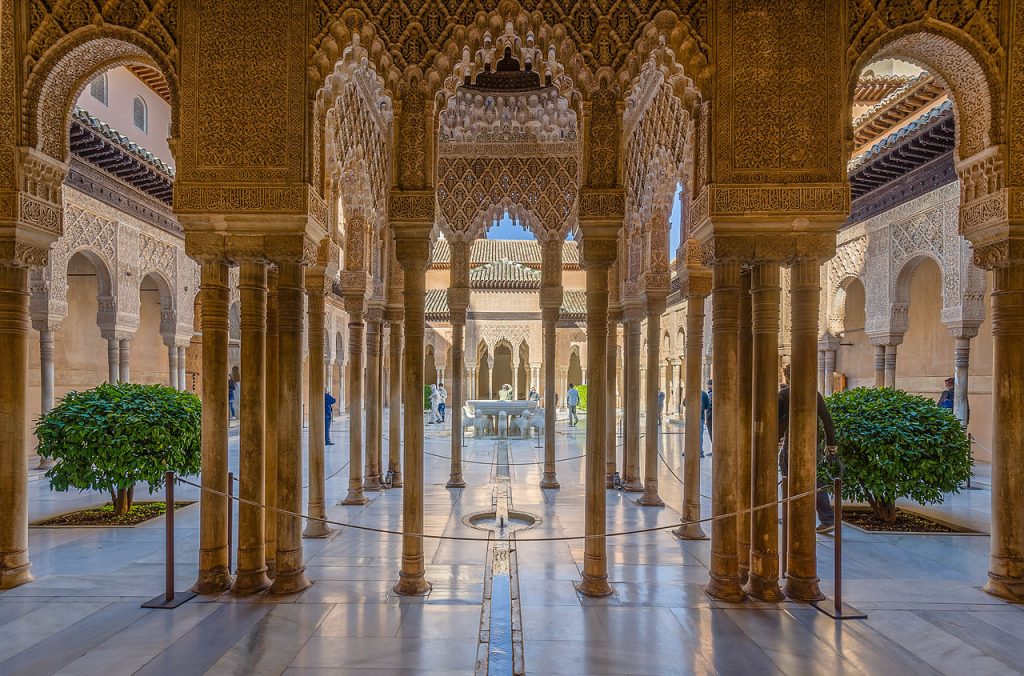
**Meta Description:** Discover Granada—Spain’s jewel where the Alhambra dazzles, flamenco pulses through Sacromonte, a...
View Board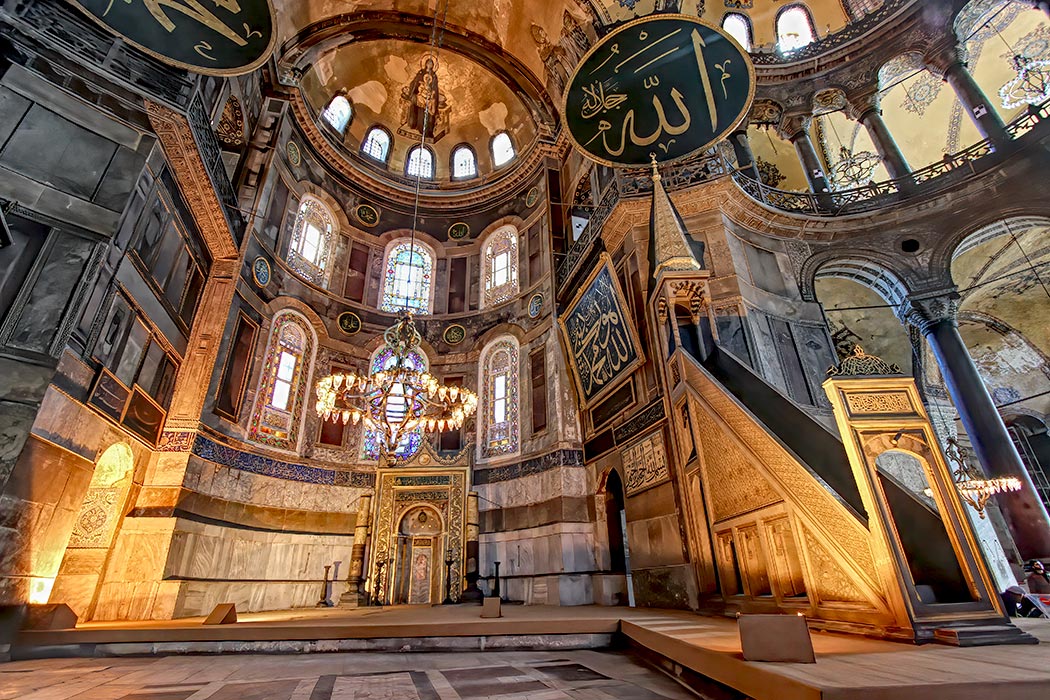
Istanbul, a city bridging Europe and Asia, embodies a rich history, cultural diversity, and modern transformation, offer...
View Board
Explore Sarajevo, a captivating city where history and modernity coexist. Discover its rich cultural tapestry, architect...
View Board
Explore Rabat, Morocco's capital and a UNESCO World Heritage site, where history and modernity intertwine. Discover its ...
View Board
Comments