
Explore Any Narratives
Discover and contribute to detailed historical accounts and cultural stories. Share your knowledge and engage with enthusiasts worldwide.
Nestled in the lush verdure of central Sri Lanka's central highlands, the ancient city of Kandy stands as a testament to the rich history and resilience of the Sinhalese people. From its establishment in the late 15th century to its fall to British colonial forces in 1815, Kandy served not only as a political and administrative center but also as a refuge embodying the enduring spirit of Sinhalese independence and cultural heritage.
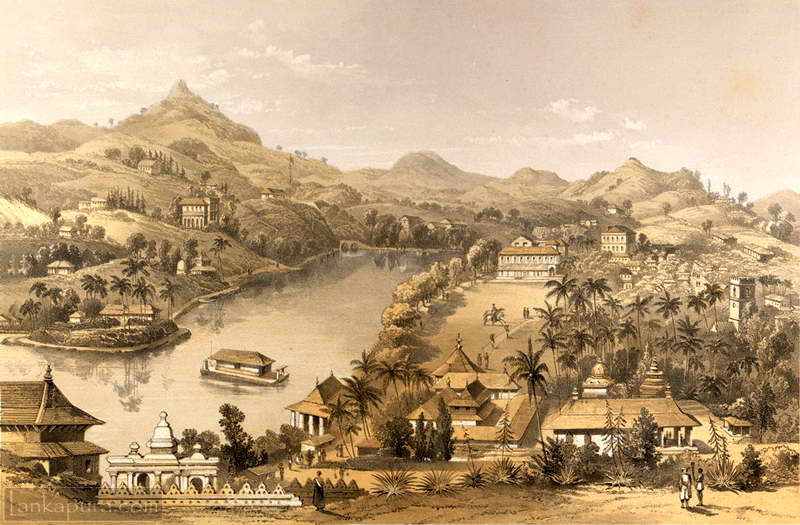
The city’s roots trace back to the 1470s when King Wickramabahu III founded the Kingdom of Kandy as a sanctuary from encroaching European powers. This strategic move was pivotal; as coastal territories fell under Portuguese and Dutch control, the central highlands became the last stronghold of the Sinhalese kingdom. Kandy's geographical advantage, perched on a plateau surrounded by mountains, provided a natural defensive barrier, ensuring its longevity as a native polity until its eventual conquest by the British.
Historically, the Kingdom of Kandy has been celebrated for its robust resistance against European colonization. The late 16th and early 17th centuries saw Kandy emerge as a formidable opponent to colonial forces, employing guerrilla warfare tactics and diplomatic negotiations. Notably, during this period, a strategic alliance between the Kandyan Kingdom and the Dutch against the Portuguese in the 1630s further underscored its military prowess. Despite these valiant efforts, the Kingdom of Kandy ultimately succumbed to the might of the British Empire, marking the end of a long era of Sinhalese sovereignty.
Kandy's final capitulation came in 1815 with the signing of the Kandyan Convention. The treaty resulted in the deposition of King Sri Vickrama Rajasinha, effectively bringing an end to the last native monarchy in Sri Lanka. However, the convention preserved certain local rights, allowing a measure of autonomy within the broader framework of British colonial rule. This transition from independence to semi-autonomy was marked by the suppression of internal dissent among Kandyan chiefs who, disillusioned with their king, favored collaboration with British interests.
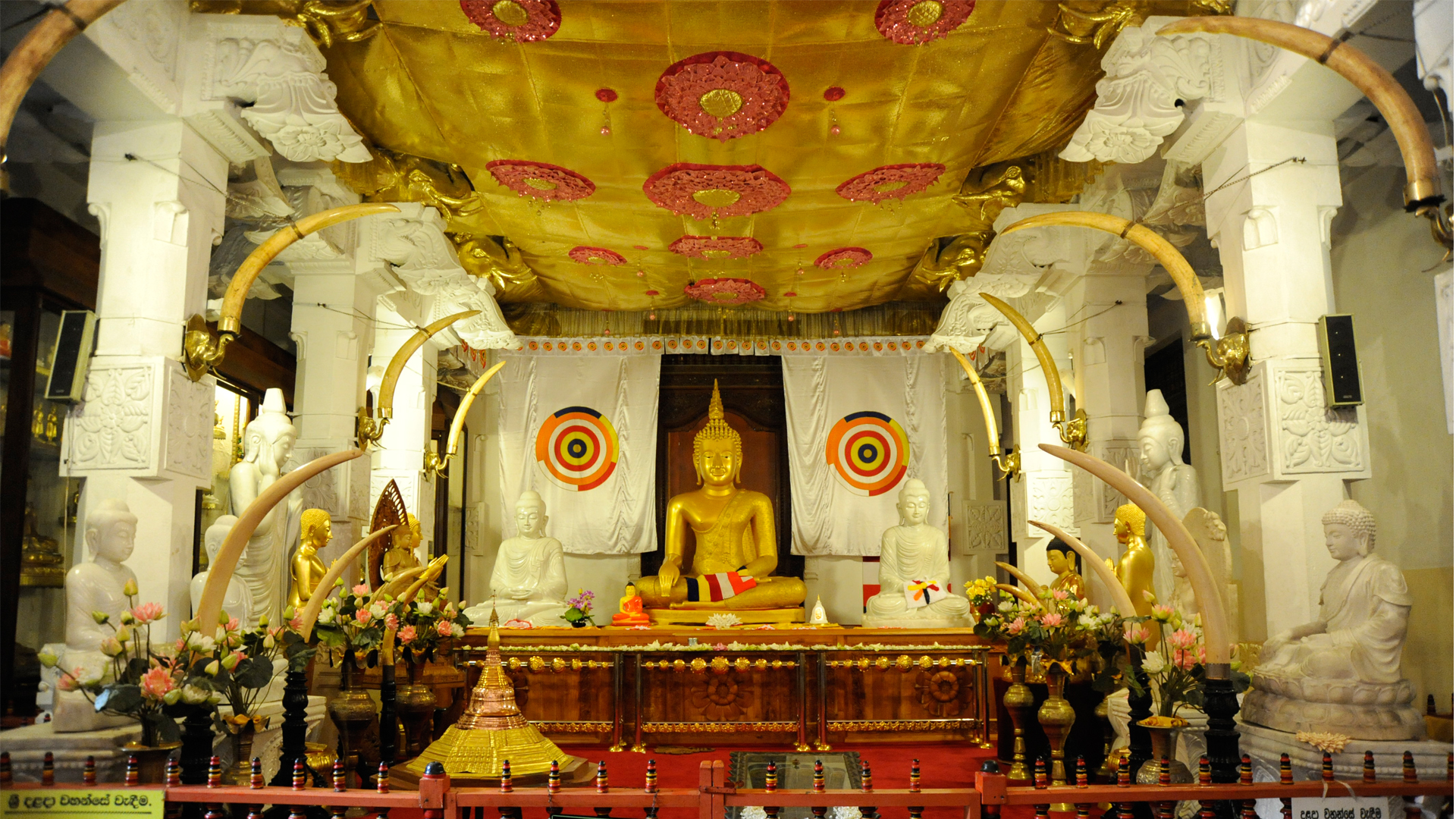
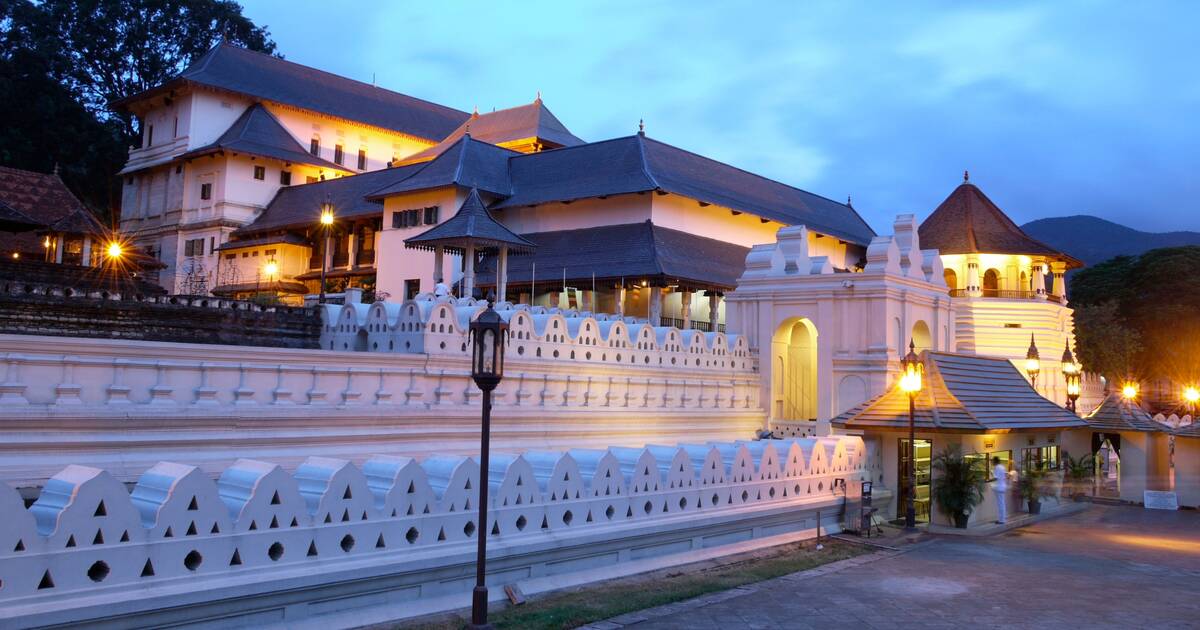
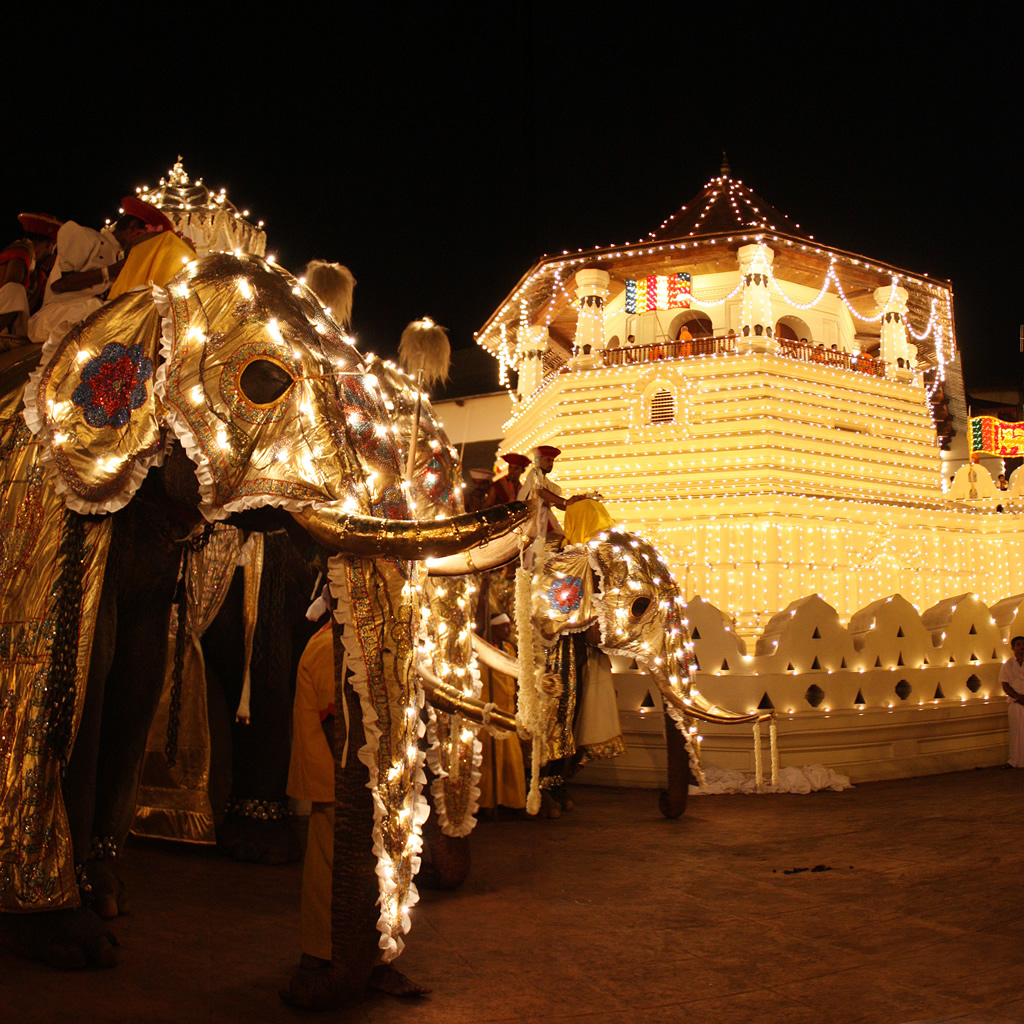
Despite its turbulent political history, Kandy has always been revered for its profound cultural and spiritual significance. Central to this significance is the famous Temple of the Tooth (Sri Dalada Maligawa), a UNESCO World Heritage Site that houses one of Buddhism's most revered relics—the tooth of the Buddha. Visitors from across the world are drawn to Kandy annually for the grand Esala Perahera festival, a spectacular pageant featuring intricate costumes, elephants, drumming, and dancing in honor of the sacred relic.
The temple and the surrounding precincts have been meticulously preserved over centuries, maintaining their cultural and religious functions. The Kandy Esala Perahera, traditionally held in July–August, is an extravagant ritual procession where the relic is worshipped with elaborate ceremonies and colorful displays. This event encapsulates the enduring traditions and spiritual practices that define Sinhalese culture, making the city a place brimming with heritage and reverence.
Moreover, Kandy has long been instrumental in sustaining various forms of traditional art and craftsmanship, such as Kandyan Dance, wooden sculpture, and weaving. These disciplines play a crucial role in perpetuating the unique cultural identity of the region and serve as a bridge connecting past generations to contemporary ones.
While Kandy’s historical legacy remains deeply embedded in its landscape and architecture, the city has also undergone significant modern development, harmonizing its old-world charm with contemporary needs. Today, Kandy functions as a vital regional economic and educational center, leveraging its rich cultural heritage for tourism while ensuring sustainable urban growth. The city has made strides in preserving historical sites while embracing innovative approaches to education and healthcare.
Infrastructure improvements and technological advancements have enhanced Kandy’s connectivity, positioning it as a key player in Sri Lanka’s modern economy. Educational institutions like the University of Peradeniya, located within close proximity, contribute significantly to the region’s intellectual and academic ecosystem.
Education, healthcare, and cultural preservation are all integral components of Kandy’s current socio-economic framework. The city continues to thrive by balancing its historical riches with modern development, ensuring that future generations can inherit a thriving and vibrant center of culture and learning.
Today, Kandy stands as more than just a historical relic; it is a living testament to resilience and cultural continuity, continuing to shape the identity of Sri Lanka even in the modern era.
The city’s blend of traditional and modern elements is evident in its bustling streets, adorned with colonial architecture alongside contemporary commercial enterprises. Kandy’s central business district remains anchored by historic structures, providing a unique urban landscape that reflects its storied past. Shops selling local crafts, textiles, and spices intermingle with cafes offering traditional beverages and gourmet options, captivating both locals and visitors alike.
The Temple of the Tooth (Sri Dalada Maligawa) dominates the skyline and remains the most prominent landmark in Kandy. Its golden spire and elaborate decorations serve as an enduring symbol of national pride and religious devotion. Surrounding the temple are numerous other sites of historical and cultural significance, such as the Royal Palace, which was once the residence of the Kandyan kings. While the palace itself has not survived intact, its site continues to be a focal point for guided tours and reflections on the royal legacy.
Natural beauty surrounds Kandy, enhancing its appeal as a tourist destination. The picturesque mountain ranges provide panoramic views, making it an ideal spot for hikers and nature enthusiasts. The nearby Knuckles Mountain Range and the Adam’s Peak area offer diverse hiking trails, each revealing breathtaking vistas and unique flora and fauna. Eco-tourism initiatives have gained traction in recent years, promoting sustainable practices and environmental stewardship among visitors.
Efforts to preserve Kandyan arts and culture are ongoing and well-supported. Traditional dance forms, particularly Kandyan Dance, are performed regularly in various venues around the city. These performances showcase intricate movements, elegant costumes, and vibrant music, drawing audiences from all walks of life. The city hosts numerous festivals throughout the year, celebrating not just the Esala Perahera but also other local customs and traditions.
The Kandyan Dance school at the State School in Kandy provides training to young dancers, ensuring the continuation of this important cultural practice. Other initiatives, such as the Kandyan Folk Museum, offer insights into the daily lives of Sinhalese people during the Kandyan era. These museums exhibit artifacts, clothing, and other items that help preserve the rich tapestry of Kandyan culture.
Beyond its cultural and religious significance, Kandy plays a crucial role in the economic development of central Sri Lanka. As the capital of the Central Province, the city serves as a hub for trade, commerce, and services. Local industry focuses on agriculture, particularly tea production, which has been a defining feature of the region for centuries. Tea factories dot the countryside, reflecting Kandy’s status as the birthplace of the Ceylon Tea Industry.
The city’s economic strength is also supported by its status as a major educational center. Institutions like Peradeniya University and several other colleges and schools attract students from all over Sri Lanka and beyond. Research facilities and academic programs in fields ranging from science to humanities contribute to the city’s intellectual landscape. This educational infrastructure fosters innovation, enhances scientific research, and provides skilled graduates for the region’s workforce.
In addition to education, healthcare facilities in Kandy are advanced and accessible, reflecting the city’s commitment to public welfare. Hospitals and clinics offer a range of medical services, catering to both residents and visitors. Modern amenities and healthcare initiatives ensure that the population enjoys high standards of health and well-being, contributing to the overall quality of life in the region.
Efforts toward integrating traditional culture with contemporary urban planning have produced innovative solutions. Architectural designs in Kandy today often incorporate traditional Sinhalese styles with modern functionalities, creating buildings that pay homage to the city’s rich heritage while meeting contemporary needs. Public spaces, parks, and green areas have been designed to foster community engagement and promote environmental sustainability.
Local initiatives focused on sustainable development have garnered international recognition. Programs such as community-based tourism and conservation projects highlight Kandy’s commitment to preserving its natural and cultural resources. These initiatives often involve collaboration between government bodies, NGOs, and community members, fostering a sense of shared responsibility for the city’s future.
The blend of tradition and modernity in Kandy creates a unique urban environment that attracts tourists and residents alike. The city’s efforts to balance its historical heritage with the demands of the 21st century exemplify the challenges and opportunities faced by many cities in the post-colonial era. Kandy continues to evolve, ensuring that its rich history remains a guiding force for its future direction.
Despite its many achievements, Kandy faces several challenges that must be addressed to sustain its growth and development. Infrastructure upgrades remain a priority, especially in ensuring efficient transportation networks and reliable utilities. The city continues to grapple with issues related to waste management and water supply, necessitating innovative solutions to enhance sustainability. Environmental degradation, driven partly by rapid urbanization and tourism, also poses a significant challenge.
Efforts are underway to address these challenges through collaborative initiatives. Local governments and international organizations are working together to implement sustainable development programs that balance economic growth with environmental protection. Community-driven projects have shown promising results in areas like renewable energy adoption and waste recycling. These initiatives not only contribute to the city’s green credentials but also educate the public on the importance of sustainable practices.
Kandy’s journey from a medieval Kingdom of Kandy to a thriving provincial capital is a story of resilience, adaptation, and cultural preservation. The city’s strategic position and historical significance continue to make it a vital part of Sri Lanka’s national identity. Today, Kandy stands as a testament to the enduring spirit of the Sinhalese people and their capacity to integrate tradition with progress.
As Kandy looks towards the future, it must continue to find ways to balance its rich heritage with the demands of modernization. By doing so, it can ensure that the legacy of its past is never forgotten while paving the way for a sustainable, prosperous, and inclusive future.
Kandy’s story is far from over, and with continued effort and collaboration, the city is poised to continue its role as a vibrant cultural and economic hub in central Sri Lanka.
End of Article

Your personal space to curate, organize, and share knowledge with the world.
Discover and contribute to detailed historical accounts and cultural stories. Share your knowledge and engage with enthusiasts worldwide.
Connect with others who share your interests. Create and participate in themed boards about any topic you have in mind.
Contribute your knowledge and insights. Create engaging content and participate in meaningful discussions across multiple languages.
Already have an account? Sign in here

The Historical Gem of Salamanca: A Tapestry of Culture and Heritage Introduction Cities often reflect the soul of thei...
View Board
**Meta Description:** "Discover Bukhara, the timeless jewel of the Silk Road. Explore its ancient history, stunning Is...
View Board
Discover Mdina, Malta's ancient Silent City, with its rich history, stunning Baroque architecture, and enduring legacy, ...
View Board
Discover the rich history and cultural significance of Malacca, a city that has been a gateway to Southeast Asian cultur...
View Board
Istanbul, a city bridging Europe and Asia, embodies a rich history, cultural diversity, and modern transformation, offer...
View Board
Discover the rich heritage and vibrant modernization of Jaipur in this comprehensive historical overview. Explore how th...
View Board
Discover Marrakech, a city where history and vibrant culture blend into modernity, offering a rich tapestry of sights, s...
View Board
Bratislava, Slovakia's capital, blends rich history and modern charm, offering a unique cultural heritage, architectural...
View Board
Explore Yekaterinburg, a vibrant city at the heart of the Ural Mountains, where cultural fusion meets historical signifi...
View Board
Explore the enchanting city of Tallinn, Estonia's capital, known as the "Jewel of the Baltic." Discover the perfect blen...
View Board
Venice: The Floating City of the Lagoons Introduction to Venice Venice, often referred to as “La Serenissima,” is one ...
View Board
Explore the rich historical and cultural tapestry of Jeddah, a vibrant Saudi Arabian city located on the Red Sea. Discov...
View Board
Explore the captivating blend of history, culture, and modernity in Hue, Vietnam's enchanting former capital. Discover t...
View Board
Bagan: A Living Legacy of Myanmar's Past The Enchanting Heritage of Bagan Bagan, also spelled Pagan, is a sprawling ar...
View Board
Discover Tbilisi, the historic capital of Georgia, with its rich cultural heritage, strategic location, and vibrant mode...
View Board
Berlin's rich history, from medieval origins to modern-day capital, a story of resilience, division and reunification, a...
View Board
Explore Colombo, Sri Lanka's dynamic capital, where rich history and diverse cultures meet modern progress. Discover anc...
View Board
Discover the ancient marvel of Elephanta Caves, a UNESCO World Heritage Site near Mumbai, showcasing intricate Shiva scu...
View Board
Explore the enchanting city of Seville, a vibrant tapestry of history and tradition nestled in the heart of Andalusia. D...
View Board
Discover Rijeka, Croatia's hidden gem, nestled along the Adriatic Sea. With a rich tapestry of history and culture from ...
View Board
Comments