A Taste of Antiquity: Exploring the Cuisine of Ancient Rome


The Roman Empire, at its zenith, was a melting pot of cultures and traditions, reflected not least in its cuisine. This culinary legacy offers a fascinating lens into the lives of ancient Romans, from the opulent tables of the patricians to the more modest meals of the plebeians. To truly appreciate the Roman approach to food, we must delve into historical texts, archaeological findings, and even recipes that have survived the test of time.

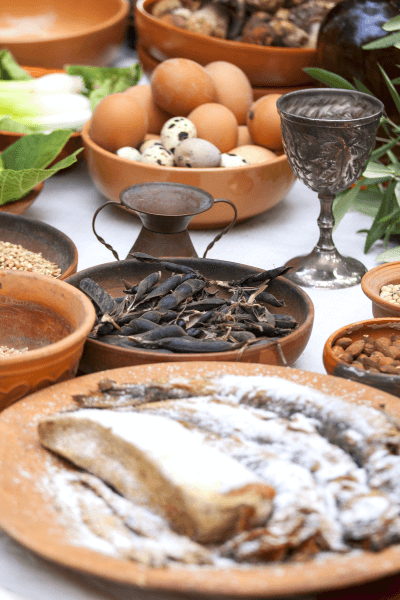
At the heart of Roman cooking was simplicity, coupled with an eagerness to incorporate ingredients from the various corners of their vast empire. Such ingredients included a myriad of grains, vegetables, fruits, meats, and fish, which formed the backbone of the Roman diet. Grains such as wheat and barley were staples, primarily used to make bread and porridge. Vegetables like cabbage, leeks, and onions were common, as were legumes, which provided essential protein.

One cannot discuss Roman food without mentioning the ubiquitous garum, a fermented fish sauce akin to the modern Southeast Asian fish sauce. This pungent condiment enhanced the flavor of countless dishes and was valued both in the kitchen and as a trade commodity. Similarly, olive oil played a crucial role, used in cooking and as a dressing.

Meat was a luxury, more prevalent in the meals of the wealthy. However, when available, Romans enjoyed a variety of meats including pork, beef, lamb, and poultry. Wild game featured in feasts, showcasing the Romans' hunting prowess. For the lower classes, meat was less accessible, often reserved for special occasions.

The significance of bread cannot be overstated, ranging from the common panis plebeius to the more refined varieties enjoyed by the upper class. Bread was consumed at virtually every meal, accompanied by wine, which was a staple beverage for all social classes. Wine varied greatly in quality and was often diluted with water and flavored with spices or sweeteners.

Roman cuisine also showcased an affinity for sweets. Honey was the primary sweetener, as sugar was not yet known to them. Fruits, both fresh and dried, were commonly consumed, sometimes preserved with honey themselves. Elaborate desserts were prepared during feasts, often featuring fruits, nuts, cheese, and honey.

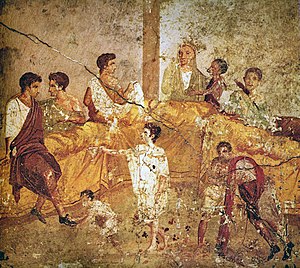
The dining practices of ancient Romans also warrant attention. For instance, the cena, or main meal, would typically commence in the late afternoon and continue into the evening. This meal was a social event, particularly among the elite, who reclined on dining couches known as lecti while enjoying multiple courses accompanied by entertainment.

It is from the excavated ruins of Pompeii and Herculaneum that we obtain a vivid picture of Roman cuisine. The remnants of foodstuffs in the shops and homes, along with frescoes depicting various fruits, vegetables, and meats, tell us much about their dietary habits. One of the most important literary sources is Apicius' "De Re Coquinaria," a collection of Roman recipes that provides insight into the sophistication of Roman palates.

Drawing upon these historical fragments, we can piece together the sumptuous banquets and daily meals that fed a civilization that continues to captivate the imagination. Rome's gastronomic history is not just a portal into their culture but also a testament to their influence, with echoes of their culinary tradition still resonating in modern kitchens.

As we continue, we will explore the specific dishes that graced the Roman table, the role of dining in Roman society, and the lasting impact of their culinary practices on subsequent generations. In doing so, we will attempt to recreate the tastes and experiences of a bygone era that, to this day, influences the gastronomic world.### Culinary Gladiators: The Innovations and Influence of Roman Cuisine

Building on the foundation laid out in the previous section, let’s take a closer look at the specific dishes and practices that characterized the culinary life of ancient Rome. The Roman table, while diverse, had several staples indicative of the gastronomic culture of the time.

One of the most indicative features of Roman cuisine was its penchant for combining sweet, sour, and salty flavors, a practice that led to the creation of distinct dishes, the predecessors of which continue to appear in modern Italian cuisine. For example, the Roman love for combining fruits with meats and seafood can be seen in the penchant for dishes such as duck with damsons or apricots.

Cereals formed the crux of the Roman diet, especially in the form of puls, a type of porridge that was eaten across various strata of society. This humble dish was typically made from spelt or barley and could be enhanced with bits of meat, vegetables, or cheese for those who could afford the luxury. The more sumptuous version of this dish, known as polenta, might still be recognized today in the culinary traditions of Italy.

Among the elite, dining was not merely about sustenance but about display and extravagance. At opulent banquets, an array of exotic dishes would be paraded to impress guests. Dormice glazed with honey and poppy seeds, flamingo tongues, and roasted peacock were all delicacies that showcased the wealth and the power of the host. The most famous gourmet of ancient Rome, Marcus Gavius Apicius, reputedly invented many such exotic dishes, and his name has become synonymous with luxury and gastronomy in the Roman era.

Conversely, for the common Romans, the diet was more about energy and efficiency. A typical meal for a plebeian might include bread dipped in wine or vinegar, accompanied by olives, cheese, and possibly some dried fish or meat. This simplicity, however, did not mean a lack of flavor. Herbs and spices, often imported from afar, were used to enliven the basic fare.

In the realm of fast food, the ancient Romans were ahead of their time. Thermopolia, the equivalent of today’s fast-food outlets, were common in Roman cities. These establishments served up hot, ready-to-eat meals like stews and soups to those who, due to space or resource constraints, were unable to cook at home.

Socially, the act of dining was deeply entwined with Roman identity. The cena, which evolved over time to become more elaborate, could last several hours and include a variety of courses known as gustatio (appetizers), primae mensae (main courses), and secundae mensae (desserts). This structure hinted at the splendour of Roman banquets, where the gastronomic experience was heightened by recitations, music, and intellectual conversation.

The decline of the Roman Empire and the rise of Christianity brought changes to the culinary landscape. The decadence of Roman eating habits was one of the many aspects criticized by the early Church fathers, and as a result, the excesses of the banquets gradually abated. However, the influence of Roman culinary art did not fade away. Many techniques and principles, not to mention the ingredients themselves, were handed down through the ages, influencing European, and thereby world cuisines, profoundly.

The ingenuity of Roman cuisine lay in its adaptability and receptiveness to outside influences. This gastronomic open-mindedness, facilitated by the vast trade networks and the diversity within the empire, contributed significantly to its richness and sustained legacy. The sumptuous feasts of ancient Rome may have vanished in the dust of ruins, but they have left behind an indelible mark on the culinary narrative that continues to be studied, celebrated, and enjoyed today.

As we unearth more about the ancient Roman kitchen, we are continually reminded that our modern dining tables owe a great debt to the gastronomic adventures of a civilization that flourished over two millennia ago. The echoes of their culinary triumphs are tasted in the Italian osterias, echoed in French cuisine, and celebrated in the never-ending human love affair with food. A plate of pasta, a sip of fine wine, a drizzle of olive oil—each a silent homage to the antique masters of the meal, the Romans.
Video -
Video -
image not described
image not described
image not described
image not described

Comments

Welcome

Discover Haporium

Your personal space to curate, organize, and share knowledge with the world.

Explore Any Narratives

Discover and contribute to detailed historical accounts and cultural stories. Share your knowledge and engage with enthusiasts worldwide.

Join Topic Communities

Connect with others who share your interests. Create and participate in themed boards about any topic you have in mind.

Share Your Expertise

Contribute your knowledge and insights. Create engaging content and participate in meaningful discussions across multiple languages.

Get Started Free
10K+ Boards Created
50+ Countries
100% Free Forever

Related Boards

Octavia the Younger: Rome’s Virtuous Sister of Augustus

Octavia the Younger: Rome’s Virtuous Sister of Augustus

Discover Octavia the Younger, Rome’s virtuous sister of Augustus. Explore her strategic marriages, diplomatic skills, an...

View Board

Otho: The Brief Reign of Rome's Forgotten Emperor

Otho: The Brief Reign of Rome's Forgotten Emperor

Discover Otho, Rome's forgotten emperor, whose brief 3-month reign in 69 AD shaped history. Explore his rise, military s...

View Board
Gaius Valerius Catullus: Rome's Poet of Passion and Scandal

Gaius Valerius Catullus: Rome's Poet of Passion and Scandal

Discover Gaius Valerius Catullus, Rome’s fiery poet of love and scandal. Explore his 116 surviving poems, from passionat...

View Board
Alexander-Severus-The-Last-Severan-Emperor-s-Rise-and-Reign

Alexander-Severus-The-Last-Severan-Emperor-s-Rise-and-Reign

Discover Alexander Severus' rise, reign, and tragic fall. Explore his reforms, religious tolerance, and the chaos that f...

View Board
The-Life-and-Legacy-of-Petronius-The-Arbiter-of-Elegance

The-Life-and-Legacy-of-Petronius-The-Arbiter-of-Elegance

Explore the enigmatic life and enduring legacy of Gaius Petronius Arbiter, Nero's arbiter of elegance. Delve into his ma...

View Board
Aemilius-Lepidus-An-Intriguing-Figure-of-the-Late-Roman-Republic

Aemilius-Lepidus-An-Intriguing-Figure-of-the-Late-Roman-Republic

Explore the life of Aemilius Lepidus, a pivotal yet understated figure in the late Roman Republic. From his rise under J...

View Board

Spartacus-The-Rebel-Gladiator-Who-Defied-Rome

Spartacus-The-Rebel-Gladiator-Who-Defied-Rome

Spartacus: the Thracian gladiator who led history's greatest slave revolt against Rome. Explore his origins, military ta...

View Board
Pompey-the-Great-The-Rise-and-Fall-of-a-Roman-Titan

Pompey-the-Great-The-Rise-and-Fall-of-a-Roman-Titan

Discover the compelling life of Pompey the Great in this insightful article. From his meteoric rise and military brillia...

View Board
Lucius-Aelius-Sejanus-The-Rise-and-Fall-of-Tiberius-Notorious-Praetorian-Prefect

Lucius-Aelius-Sejanus-The-Rise-and-Fall-of-Tiberius-Notorious-Praetorian-Prefect

**Meta Description:** Discover the rise and dramatic fall of Lucius Aelius Sejanus, Rome’s most infamous Praetorian Pr...

View Board
The-Legacy-of-Sextus-Julius-Frontinus-Rome-s-Ingenious-Water-Commissioner

The-Legacy-of-Sextus-Julius-Frontinus-Rome-s-Ingenious-Water-Commissioner

Discover the timeless legacy of Sextus Julius Frontinus, Rome's ingenious water commissioner, whose profound contributio...

View Board
Octavia-the-Younger-The-Silent-Pillar-of-Roman-Imperial-Power

Octavia-the-Younger-The-Silent-Pillar-of-Roman-Imperial-Power

Explore the fascinating life of Octavia the Younger, a silent yet formidable pillar of Roman Imperial power. Discover ho...

View Board
Septimius-Severus-Architect-of-a-New-Roman-Era

Septimius-Severus-Architect-of-a-New-Roman-Era

Explore the transformative reign of Septimius Severus, the dynamic leader who redefined the Roman Empire with strategic ...

View Board
Gallienus-Rethinking-the-Reign-of-a-Burdened-Roman-Emperor

Gallienus-Rethinking-the-Reign-of-a-Burdened-Roman-Emperor

Explore the reign of Roman Emperor Gallienus in "Gallienus: Rethinking the Reign of a Burdened Roman Emperor." Discover ...

View Board
Naevius-Sutorius-Macro-The-Rise-and-Fall-of-a-Roman-Prefect

Naevius-Sutorius-Macro-The-Rise-and-Fall-of-a-Roman-Prefect

Explore the compelling journey of Naevius Sutorius Macro, a prominent Roman Prefect, through his rapid rise and dramatic...

View Board
Praetorian-Prefect-Burrus-Guardian-of-Imperial-Stability

Praetorian-Prefect-Burrus-Guardian-of-Imperial-Stability

Explore the pivotal role of Sextus Afranius Burrus, Rome's Praetorian Prefect, in maintaining imperial stability during ...

View Board

The-Life-and-Legacy-of-Gaius-Maecenas-Patron-of-the-Arts-and-Political-Advisor

The-Life-and-Legacy-of-Gaius-Maecenas-Patron-of-the-Arts-and-Political-Advisor

Explore the life and enduring legacy of Gaius Maecenas, the iconic Roman patron of the arts and political advisor whose ...

View Board
Quintus-Sertorius-The-Elusive-Roman-Rebel

Quintus-Sertorius-The-Elusive-Roman-Rebel

Explore the captivating story of Quintus Sertorius, the elusive Roman rebel who defied the mighty Roman Republic with in...

View Board

The-Rise-and-Fall-of-Servius-Sulpicius-Galba-A-Momentous-Chapter-in-Roman-History

The-Rise-and-Fall-of-Servius-Sulpicius-Galba-A-Momentous-Chapter-in-Roman-History

Explore the tumultuous reign of Servius Sulpicius Galba in Roman history, from his rise amidst political chaos to his sw...

View Board
Marcus-Vipsanius-Agrippa-The-Unsung-Architect-of-the-Roman-Empire

Marcus-Vipsanius-Agrippa-The-Unsung-Architect-of-the-Roman-Empire

Discover the untold story of Marcus Vipsanius Agrippa, the mastermind behind the foundation of the Roman Empire. From hu...

View Board

Vitellius-The-Short-Reigned-Emperor

Vitellius-The-Short-Reigned-Emperor

Explore the brief yet impactful reign of Aulus Vitellius, one of the Roman emperors during the chaotic Year of the Four ...

View Board