


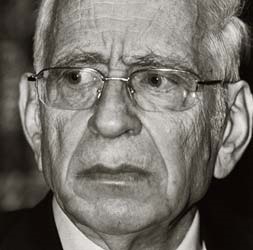

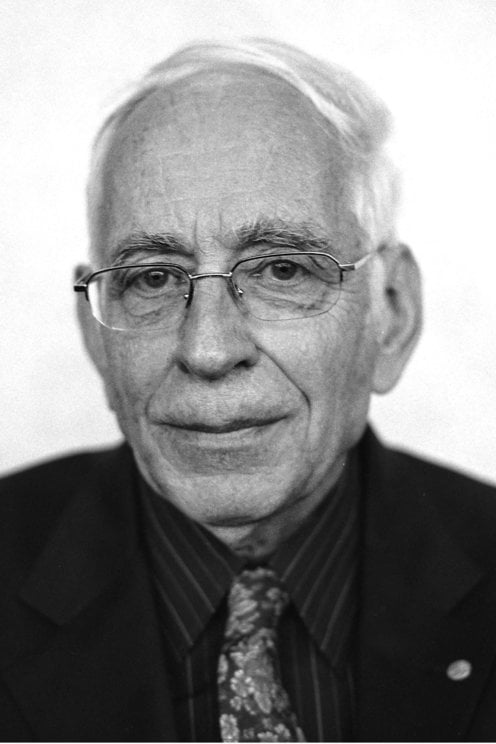
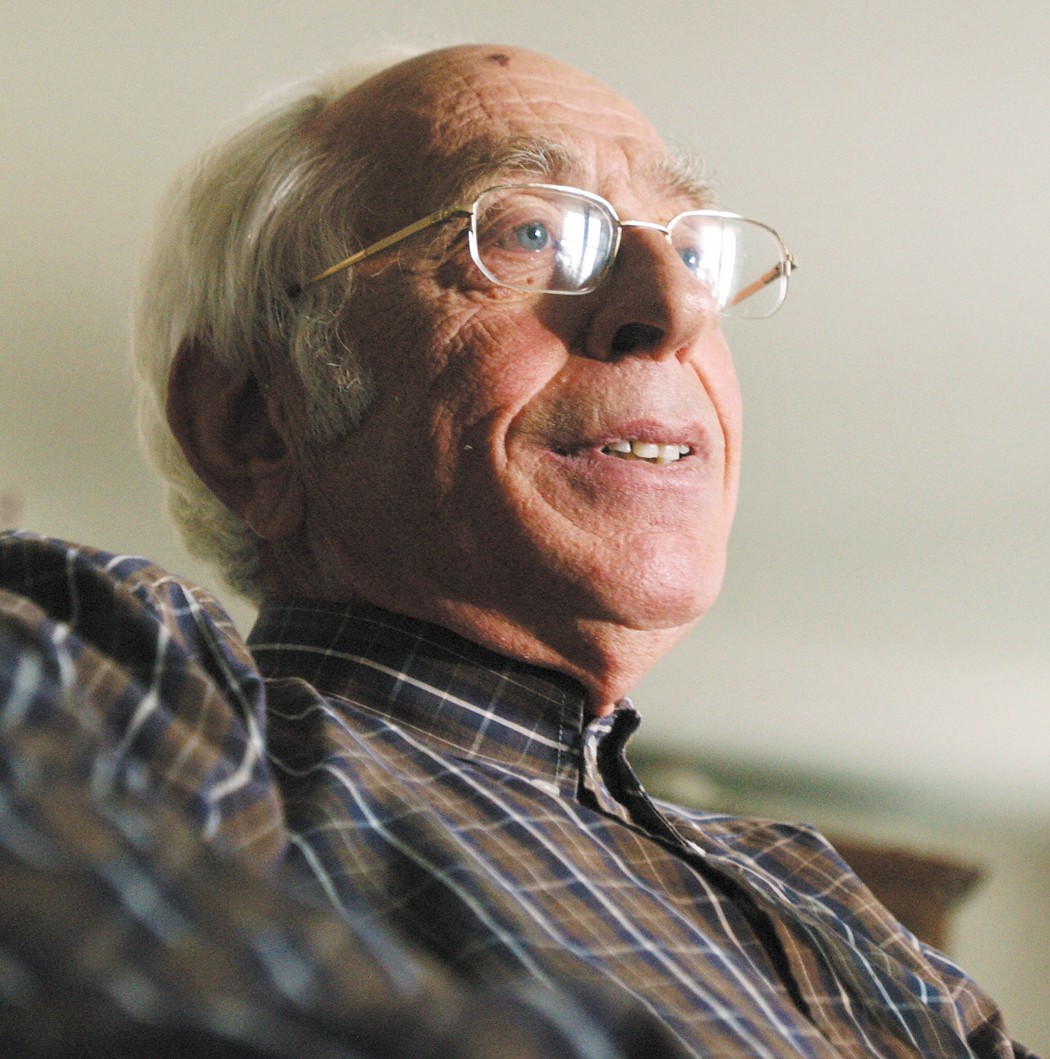
Yves Chauvin: Nobel Laureate Who Revolutionized Chemistry
Yves Chauvin was a pioneering French chemist whose groundbreaking work on olefin metathesis earned him the 2005 Nobel Prize in Chemistry. His discoveries transformed organic synthesis, enabling greener and more efficient production of pharmaceuticals, polymers, and petrochemicals. This article explores his life, career, and the enduring impact of his contributions to science and industry.
Early Life and Education
Yves Chauvin was born on October 10, 1930, in Menen, Belgium. His family later moved to France, where he developed an early interest in chemistry. He pursued his higher education at the Lyon School of Chemistry, Physics, and Electronics, graduating in 1954.
After completing his studies, Chauvin began his career in research, focusing on catalysis and organic chemistry. His early work laid the foundation for his later breakthroughs in metathesis reactions, which would eventually earn him global recognition.
The Discovery of Olefin Metathesis
Understanding the Mechanism
In 1971, Yves Chauvin proposed a revolutionary mechanism for olefin metathesis, a chemical reaction where carbon-carbon double bonds are broken and reformed. This process, often described as a "dance of molecular partners," allows for the swapping of molecular groups in a highly controlled manner.
Chauvin's work demonstrated that metal carbene catalysts were key to facilitating these reactions. His insights provided a clear explanation for a phenomenon that had puzzled chemists for decades, paving the way for further advancements in the field.
Impact on Organic Synthesis
The discovery of the metathesis mechanism had a profound impact on organic synthesis. It enabled chemists to create complex molecules with greater precision and efficiency, reducing waste and energy consumption. This breakthrough was particularly significant for the production of pharmaceuticals, polymers, and petrochemicals.
Chauvin's work also contributed to the development of green chemistry, a field focused on minimizing the environmental impact of chemical processes. By enabling more efficient and sustainable synthesis methods, his discoveries helped reduce hazardous waste and improve industrial practices.
Career at the French Institute of Petroleum
Joining IFP and Early Research
In 1960, Yves Chauvin joined the French Institute of Petroleum (IFP), now known as IFP Energies Nouvelles. His early research at IFP focused on homogeneous catalysis, particularly the use of transition metals to facilitate chemical reactions.
Chauvin's work at IFP was characterized by a strong connection between fundamental research and industrial applications. His discoveries in catalysis had immediate practical implications, leading to the development of new processes for the petrochemical industry.
Development of Industrial Processes
During his tenure at IFP, Chauvin played a key role in developing several industrial processes that are still in use today. These include:
- Dimersol: A process that uses nickel catalysts to dimerize propene, producing isohexenes used as petrol additives. By 2005, there were 35 plants worldwide producing 3.5 million tonnes per year.
- Alphabutol: A process that uses titanium catalysts to dimerize ethene, producing 1-butene for linear low-density polyethylene. This process was operational in 20 plants by 2005, with production exceeding 400,000 tonnes per year.
- Difasol: An enhanced variant of Dimersol that uses ionic liquids as solvents, improving safety and efficiency. This process achieved commercial success in refining.
These processes not only improved the efficiency of petrochemical production but also contributed to sustainable development by reducing energy use and byproducts.
Recognition and Legacy
The Nobel Prize in Chemistry
In 2005, Yves Chauvin was awarded the Nobel Prize in Chemistry for his work on olefin metathesis. He shared the prize with Robert H. Grubbs and Richard R. Schrock, who further developed and applied his discoveries.
The Nobel Committee recognized Chauvin's contribution as fundamental to the advancement of organic synthesis. His work enabled the creation of more efficient and environmentally friendly chemical processes, aligning with the growing emphasis on green chemistry.
Election to the French Academy of Sciences
In the same year he received the Nobel Prize, Chauvin was elected to the French Academy of Sciences. This honor reflected his significant contributions to chemistry and his role in advancing scientific knowledge.
Chauvin's election to the Academy was a testament to his influence in the scientific community. His work continued to inspire researchers and industry professionals, driving innovation in catalysis and organic synthesis.
Conclusion of Part 1
Yves Chauvin's discoveries in olefin metathesis revolutionized the field of chemistry, enabling more efficient and sustainable industrial processes. His career at the French Institute of Petroleum showcased the power of bridging fundamental research with practical applications. In the next part of this article, we will delve deeper into his specific contributions to industrial processes and the broader impact of his work on modern chemistry.
Industrial Applications of Chauvin’s Metathesis Research
Yves Chauvin transformed theoretical chemistry into tangible industrial processes. His work at the French Institute of Petroleum (IFP) led to the creation of multiple catalytic systems that remain vital in petrochemical production. These innovations not only improved efficiency but also advanced sustainable chemistry by reducing waste and energy consumption.
Dimersol: A Game-Changer in Petrochemicals
The Dimersol process, developed under Chauvin’s leadership, uses nickel-based catalysts to convert propene into isohexenes. These compounds are essential as high-octane additives in gasoline. By 2005, the process was operational in 35 plants worldwide, producing an estimated 3.5 million tonnes annually. This innovation significantly enhanced fuel quality while minimizing environmental impact.
Dimersol’s success lies in its ability to operate under mild conditions, reducing the need for extreme temperatures or pressures. This efficiency translates into lower operational costs and a smaller carbon footprint, aligning with modern green chemistry principles.
Alphabutol: Enabling High-Performance Polymers
Another key contribution was the Alphabutol process, which employs titanium catalysts to dimerize ethene into 1-butene. This compound is a critical building block for linear low-density polyethylene (LLDPE), a versatile plastic used in packaging, automotive parts, and medical devices.
By 2005, 20 plants were using Alphabutol, with an annual production exceeding 400,000 tonnes. The process was projected to expand further, highlighting its growing importance in the global plastics industry. Chauvin’s work ensured that this polymerization method was both scalable and environmentally responsible.
Difasol: Innovating with Ionic Liquids
Chauvin also pioneered the use of ionic liquids in catalysis through the Difasol process. This method improved upon Dimersol by using nickel catalysts dissolved in ionic liquids, which allowed for 10 times smaller reaction volumes. The result was a safer, more compact, and energy-efficient system for petrochemical refining.
The adoption of ionic liquids marked a significant shift in industrial catalysis. These solvents are non-volatile and reusable, reducing hazardous waste and aligning with sustainable development goals. Difasol’s success demonstrated Chauvin’s ability to merge cutting-edge research with practical industrial needs.
Chauvin’s Influence on Green Chemistry
Yves Chauvin was a visionary in promoting green chemistry, an approach that minimizes the environmental impact of chemical processes. His work on olefin metathesis and catalytic systems provided the foundation for cleaner, more efficient industrial methods. These innovations continue to shape modern chemical manufacturing.
Reducing Hazardous Waste
Traditional chemical synthesis often generates significant waste, including toxic byproducts and solvent emissions. Chauvin’s catalytic processes, such as Dimersol and Alphabutol, drastically reduced these outputs. By using highly selective catalysts, his methods ensured that reactions produced fewer unwanted side products, lowering the environmental burden.
For example, the metathesis reaction allows for the precise assembly of complex molecules without excessive energy input. This precision reduces the need for harsh chemicals and solvents, further contributing to sustainable industrial practices.
Energy Efficiency in Chemical Processes
Energy consumption is a major concern in chemical manufacturing. Chauvin’s processes were designed to operate under mild conditions, reducing the need for high temperatures and pressures. This approach not only cuts energy costs but also decreases greenhouse gas emissions associated with industrial production.
The Difasol process, with its use of ionic liquids, exemplifies this efficiency. By enabling reactions in smaller volumes and at lower temperatures, it set a new standard for energy-efficient catalysis. These principles are now widely adopted in the development of next-generation chemical technologies.
Patents and Publications: A Legacy of Innovation
Throughout his career, Yves Chauvin was a prolific inventor and researcher. His contributions are documented in over 90 scientific publications and 130 patents, many of which remain foundational in industrial chemistry. These works reflect his deep understanding of catalysis and his commitment to advancing chemical science.
Key Patents and Their Impact
Chauvin’s patents cover a wide range of catalytic processes, from olefin metathesis to the use of ionic liquids in chemical reactions. Some of his most influential patents include:
- Dimersol Process (1970s): Revolutionized the production of high-octane fuel additives.
- Alphabutol Process (1980s): Enabled the efficient synthesis of 1-butene for polymer production.
- Difasol Process (1990s): Introduced ionic liquids to catalysis, improving safety and efficiency.
These patents not only secured Chauvin’s legacy but also provided the chemical industry with tools to enhance productivity while reducing environmental harm. His work continues to inspire new generations of chemists and engineers.
Scientific Publications and Collaborations
Chauvin’s research was widely published in prestigious journals, where he shared insights into catalysis, metathesis, and green chemistry. His collaborations with other leading scientists, including Robert H. Grubbs and Richard R. Schrock, further advanced the field of organic synthesis.
One of his most cited works involves the mechanism of olefin metathesis, which provided a theoretical framework for subsequent experimental breakthroughs. This publication remains a cornerstone in chemical education and research, demonstrating the enduring relevance of his contributions.
Global Recognition and Awards
Yves Chauvin received numerous accolades throughout his career, culminating in the 2005 Nobel Prize in Chemistry. This prestigious award recognized his role in developing the metathesis method, a tool that has become indispensable in modern chemistry.
The Nobel Prize and Its Significance
The Nobel Prize highlighted Chauvin’s foundational work on olefin metathesis, which enabled the creation of complex molecules with unprecedented efficiency. The prize was shared with Grubbs and Schrock, who built upon Chauvin’s theoretical insights to develop practical catalytic systems.
This recognition underscored the importance of fundamental research in driving industrial innovation. Chauvin’s ability to bridge theory and application set a precedent for how scientific discoveries can transform entire industries.
Other Notable Honors
In addition to the Nobel Prize, Chauvin was elected to the French Academy of Sciences in 2005, further cementing his status as a leader in chemical research. His election reflected the broad impact of his work on both academic and industrial chemistry.
Other honors included:
- Grand Prix de la Fondation de la Maison de la Chimie (1990): Recognized his contributions to catalysis.
- Chevalier de la Légion d’Honneur (2006): Awarded for his service to science and industry.
These awards highlight the global appreciation for Chauvin’s contributions, which continue to influence chemical research and industrial practices worldwide.
Conclusion of Part 2
Yves Chauvin left an indelible mark on chemistry through his pioneering work on olefin metathesis and catalytic processes. His innovations at the French Institute of Petroleum revolutionized industrial chemistry, making production more efficient and sustainable. In the final part of this article, we will explore his lasting legacy, the ongoing impact of his research, and how his principles continue to guide modern chemical advancements.
Legacy of Yves Chauvin
Yves Chauvin’s contributions to chemistry continue to shape modern science and industry. His pioneering work on olefin metathesis remains a cornerstone of organic synthesis, enabling precise molecular construction with minimal waste. Even after his passing in 2015, the processes he developed—such as Dimersol, Alphabutol, and Difasol—are still operational in refineries and chemical plants worldwide.
The metathesis method he proposed in 1971 has become integral to producing advanced plastics, pharmaceuticals, and fuel additives. By allowing chemists to rearrange carbon-carbon double bonds with unmatched precision, his discovery supports green chemistry principles, reducing energy use and byproducts. Industries continue to build on his insights, ensuring his legacy endures in both academic research and commercial applications.
Enduring Industrial Relevance
Chauvin’s catalytic processes remain vital to the petrochemical industry. For example:
- Dimersol continues to produce 3.5 million tonnes of isohexenes annually, used as high-octane fuel additives.
- Alphabutol supports the synthesis of linear low-density polyethylene (LLDPE), with global production exceeding 400,000 tonnes per year.
- Difasol’s use of ionic liquids has inspired safer, more efficient catalytic systems in refining.
These processes not only boost productivity but also align with sustainability goals by minimizing hazardous waste and energy consumption. Chauvin’s ability to bridge fundamental research and industrial application set a benchmark for modern chemical innovation.
Educational Impact and Mentorship
Beyond his scientific discoveries, Yves Chauvin influenced countless researchers through his publications and collaborations. His over 90 scientific papers and 130 patents serve as educational resources for students and professionals alike. By clearly explaining the mechanism of olefin metathesis, he empowered future chemists to explore new catalytic pathways.
Chauvin’s work at the French Institute of Petroleum (IFP) also emphasized practical training. He fostered a culture where theoretical insights were tested in real-world scenarios, preparing generations of scientists for careers in both academia and industry. His mentorship style encouraged interdisciplinary collaboration, a legacy evident in the global adoption of his methods.
Future of Metathesis and Sustainable Chemistry
The principles established by Yves Chauvin are guiding next-generation technologies in sustainable chemistry. Researchers are leveraging metathesis to develop novel materials, such as biodegradable polymers and targeted drug delivery systems. These applications promise to further reduce environmental impact while meeting global demand for high-performance chemicals.
Emerging Applications
Modern scientists are expanding metathesis into new domains, including:
- Pharmaceutical synthesis: Creating complex drug molecules with fewer steps and less waste.
- Bio-based materials: Designing plastics from renewable resources using metathesis-based processes.
- Catalysis in microreactors: Miniaturizing reactions for cleaner, faster industrial production.
Chauvin’s foundational work provides the framework for these advancements, demonstrating how green chemistry can drive both innovation and environmental stewardship.
Conclusion
Yves Chauvin transformed chemistry by turning theoretical insights into industrial revolutions. His 1971 proposal of the metal carbene mechanism for olefin metathesis earned him the 2005 Nobel Prize in Chemistry and reshaped organic synthesis. From the Dimersol process producing millions of tonnes of fuel additives to the Alphabutol method enabling life-saving polymers, his innovations continue to power global industries.
Chauvin’s legacy is a testament to the power of bridging science and application. By prioritizing efficiency and sustainability, he laid the groundwork for a cleaner, more resourceful chemical industry. As researchers worldwide build on his discoveries, Yves Chauvin remains a guiding light in the pursuit of green chemistry and innovative catalysis.
In a world increasingly focused on sustainability, Chauvin’s work serves as a blueprint for balancing industrial progress with environmental responsibility. His insights will continue to inspire chemists, engineers, and policymakers to create solutions that benefit both society and the planet.









Comments