The Impact of Film Piracy: A Global Perspective
The Epidemic of Film Piracy
In the digital age, film piracy has emerged as one of the most pressing issues in the entertainment industry. The unauthorized distribution and sharing of copyrighted films have become rampant, affecting not only the filmmakers and studios but also the global economy. This phenomenon is not confined to any particular region; it spans continents and cultures, impacting both developing and developed nations. With the internet and peer-to-peer networks making it easier than ever to distribute pirated content, the challenge of combating this issue continues to grow more complex.
Technological Facilitators of Film Piracy
The rise of film piracy can largely be attributed to advancements in technology. Streaming services like BitTorrent, Kazaa, and torrent sites offer free access to films, allowing users to download movies without legal boundaries. Streaming devices such as Smart TVs, laptops, tablets, and smartphones further contribute to the proliferation of pirated content, making it highly accessible and convenient. Additionally, the ease of creating and sharing content through platforms like YouTube and social media exacerbates the problem. Despite numerous attempts by the entertainment industry to curb these practices, the rapid evolution of digital technologies continues to pose significant challenges.
Economic Implications of Film Piracy
One of the primary concerns surrounding film piracy is its detrimental impact on the economy. Studios and filmmakers lose substantial revenue when their films are illegally distributed, leading to a decrease in funding for future productions. According to a report by IFPI (International Federation of the Phonographic Industry), illegal music and film file sharing cost the creative industries around $15 billion globally in 2021 alone. This loss of revenue not only affects the direct stakeholders but also impacts related ancillary markets such as merchandise, concerts, and tourism.
Moreover, piracy contributes to job losses within the industry. With reduced earnings, studios may cut back on personnel, resulting in fewer acting roles, fewer production jobs, and fewer opportunities for behind-the-scenes crew members. Additionally, the decline in box office revenues due to piracy can discourage the release of new films, leading to a cycle of decreased innovation and creativity in filmmaking. In many cases, independent filmmakers are hit particularly hard as they often rely on smaller budgets and have less financial cushioning against potential losses from piracy.
Legal Measures Against Film Piracy
The entertainment industry has taken several measures to combat film piracy, including lawsuits against infringing websites, lobbying for stricter copyright laws, and using technological tools like DRM (Digital Rights Management) to protect their content. Streaming platforms have invested heavily in securing their content, employing advanced encryption techniques and user authentication methods to prevent unauthorized access. However, despite these efforts, piracy remains widespread, highlighting the need for a multi-faceted approach involving law enforcement, international cooperation, and public education.
International organizations like the International Anti-Piracy Committee (IAPC) and regional bodies have undertaken initiatives aimed at curbing piracy. These include launching awareness campaigns, fostering collaboration between law enforcement agencies, and advocating for stronger legislative frameworks. For instance, the European Union has implemented Directive 2001/29/EC to harmonize copyright laws across member states, while countries like India have launched anti-piracy taskforces to tackle the problem on their domestic fronts.
The Broader Social Impact of Film Piracy
Film piracy extends beyond economic and legal considerations, as it has significant social implications as well. Firstly, it threatens the cultural significance of cinema. Piracy often results in the circulation of low-quality versions of films, which can overshadow the original artistic vision and the meticulous work put into creating high-quality content. This is especially concerning in regions where legal distribution channels may already be limited.
Secondly, film piracy can promote a culture of entitlement among consumers. When individuals regularly access content without paying, they may develop a sense that they do not need to respect intellectual property rights, potentially extending this attitude to other areas of life. This could erode the trust and support needed for creators and the arts community to thrive.
Furthermore, the proliferation of pirated content can lead to copyright infringement cases targeting ordinary citizens. As enforcement becomes more stringent, individuals who have unknowingly downloaded pirated materials may face fines or legal action. This can result in unnecessary legal costs and stress for consumers, further straining the relationship between content producers and audiences.
The Role of Education and Awareness
To effectively address the problem of film piracy, there is a critical need for increased education and awareness campaigns. Governments, non-profit organizations, and the entertainment industry must collaborate to promote understanding of the value of intellectual property and the importance of supporting legitimate distribution channels. Educational programs targeting schoolchildren and young adults, in particular, can play a crucial role in shaping future generations' attitudes towards content creation and consumption.
Campaigns should focus on providing accurate information about the impacts of piracy, including its economic consequences and the potential for legal ramifications. By educating consumers about the quality and benefits of legally obtained content, these campaigns aim to shift consumer behavior towards ethical consumption practices. Additionally, emphasizing the positive contributions that the film industry brings, such as job creation, cultural exchange, and economic growth, can help build a strong case for supporting legitimate forms of distribution.
In conclusion, the impact of film piracy is multifaceted, touching upon economic, legal, and social dimensions. While advances in technology continue to complicate efforts to combat piracy, collaborative and informed approaches offer hope in mitigating its effects. By addressing the root causes and working together, it is possible to preserve the creative industries and ensure a sustainable future for film and other forms of content.
Tackling Film Piracy: Innovative Strategies and Solutions
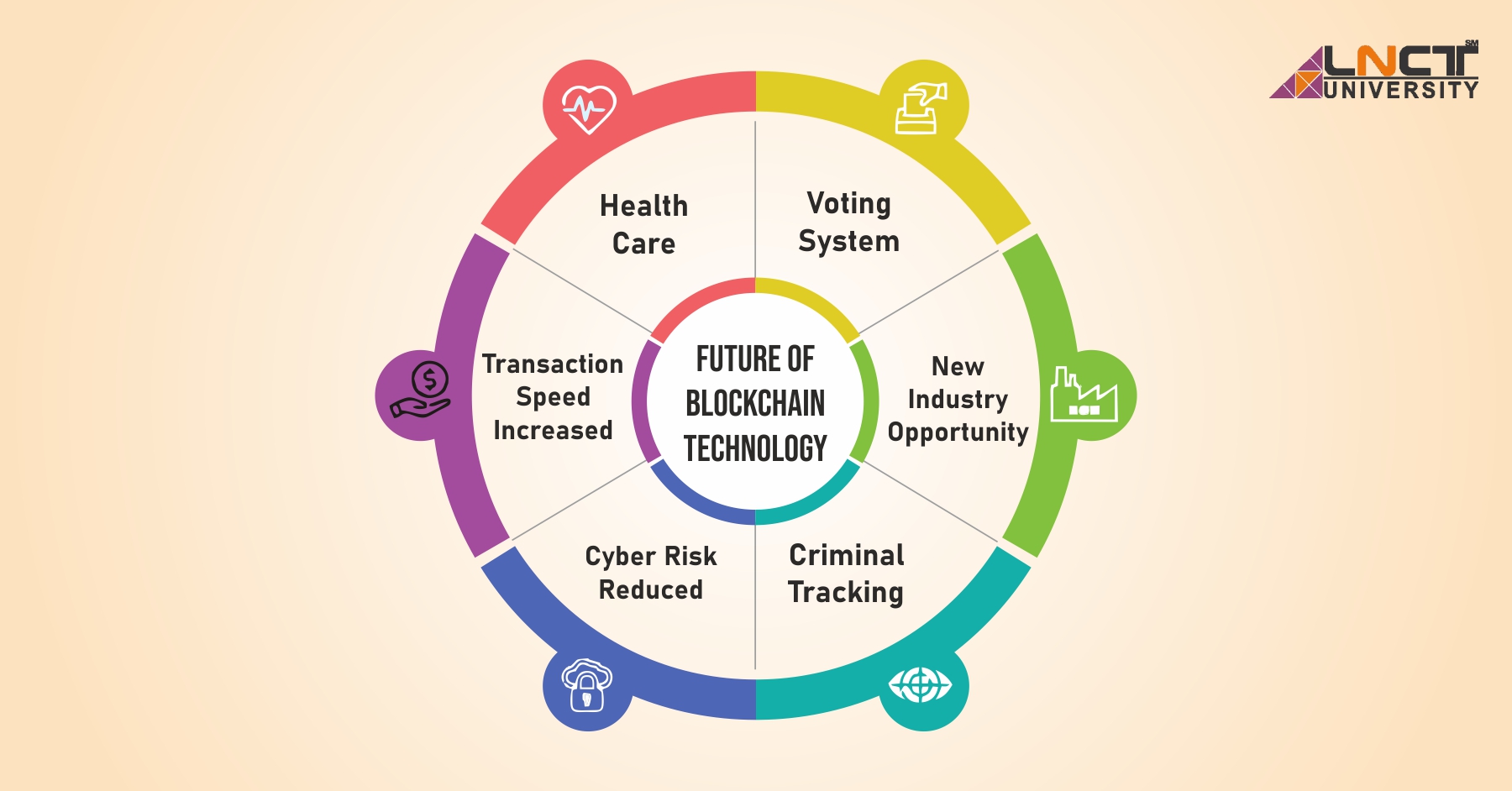
Given the pervasive nature of film piracy, innovative strategies are needed to effectively address this global challenge. One promising approach involves employing blockchain technology to enhance transparency and traceability in the distribution of films. Blockchain can provide immutable records of transactions, ensuring that all aspects of the supply chain—from production to delivery—are transparent and secure. This technology could help verify the authenticity of content and prevent unauthorized copying and distribution.
Another promising solution is the implementation of more effective digital rights management (DRM) systems. DRM technologies can encrypt content and restrict access to authorized users only. Advances in DRM solutions, such as those utilizing AI and machine learning, can adaptively enforce content restrictions based on real-time monitoring of user behavior. For instance, AI algorithms can detect and prevent unauthorized streaming, ensuring that content remains protected even on devices with advanced capabilities.
Educational initiatives are equally crucial. Public awareness campaigns must be designed to reach diverse audiences, leveraging social media, schools, universities, and community organizations. These campaigns should focus on the following key areas:
Raising Awareness Through Educational Campaigns
- Information Dissemination: Educators and influencers can disseminate accurate information about the risks and legal implications of piracy, highlighting how it undermines the entire creative process.
- Collaborations with film studios, filmmakers, and legal experts can provide authentic, trustworthy content to students and the general public.
- Real-Life Examples: Case studies on the economic and personal impacts of piracy can be effective in illustrating why supporting legitimate content is important.
- Stories of filmmakers who faced financial ruin due to piracy can serve as powerful teaching tools.
- Interactive Activities: Workshops, quizzes, and interactive presentations can engage young people and reinforce the message.
- For example, a competition to design a campaign against piracy can inspire creative thinking and engagement.
Public Policy and Industry Collaboration
In addition to educational efforts, public policy and industry collaboration are vital components in combating film piracy. Industry bodies like the Motion Picture Association (MPA) and the Screen Actors Guild-American Federation of Television and Radio Artists (SAG-AFTRA) play critical roles in shaping policies and guidelines that protect intellectual property rights.
Government bodies must also step up, particularly in enforcing existing laws and collaborating internationally to crack down on piracy hotspots. Cooperation between jurisdictions can facilitate extradition, evidence sharing, and coordinated legal actions against piracy rings. International treaties and agreements, such as the Agreement on Trade-Related Aspects of Intellectual Property Rights (TRIPS), need to be strengthened to ensure that member states uphold strict copyright standards.
Sector-specific regulations can also be tailored to address emerging threats. For instance, regulations for e-commerce platforms and internet service providers (ISPs) can mandate them to take proactive measures to prevent the hosting or promotion of pirated content. This includes requiring ISP filtering technologies to block known piracy sites and holding platforms accountable for failing to do so.
The Future of Film Distribution
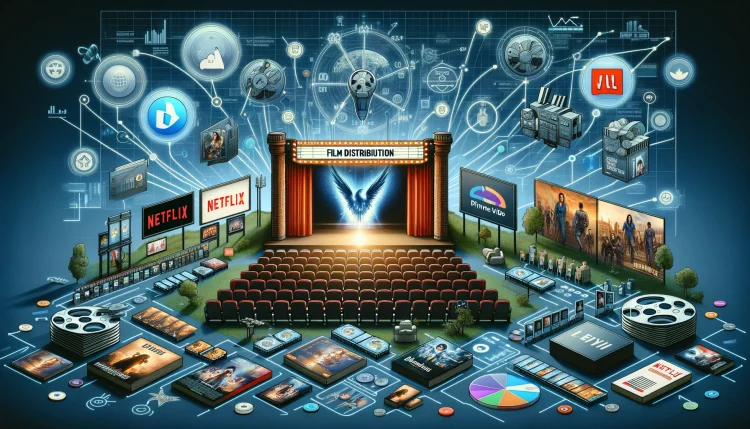
The future of film distribution lies in a hybrid model that combines traditional theatrical releases with broader, more inclusive online dissemination. Theatrical releases can create a buzz and generate initial interest, while online platforms ensure wider accessibility and longer lifecycles for films.
Virtual reality (VR) and augmented reality (AR) present exciting possibilities for expanding the viewer experience. These immersive technologies can offer audiences unique viewing options that enhance engagement and foster deeper connections with the content. Streaming services like Netflix and Amazon Prime are already experimenting with VR experiences, and these platforms can become crucial in delivering high-quality, legally sourced content directly to consumers.
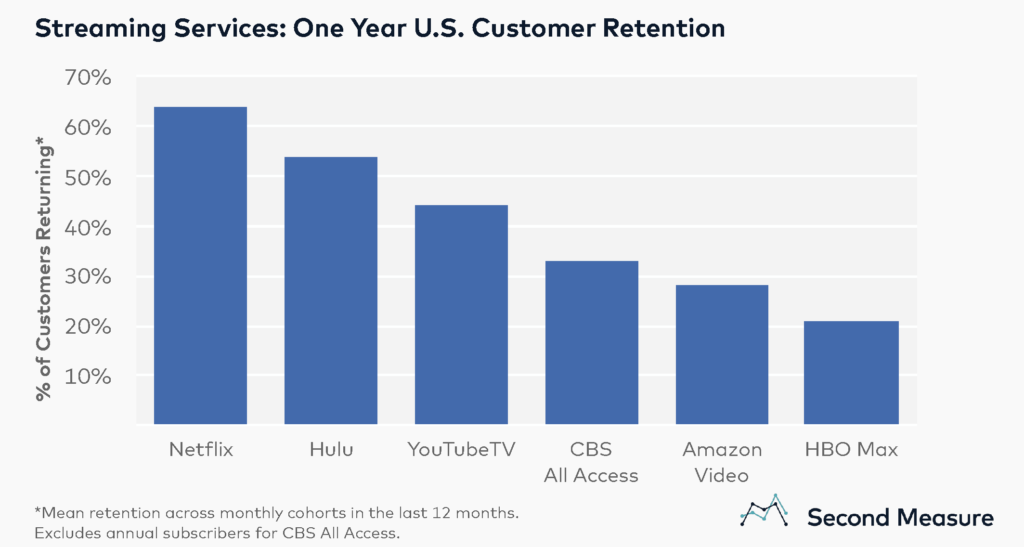
The growth of streaming services has further diversified the landscape, offering alternatives to traditional theatrical releases. Services like Apple TV+, Disney+, and Paramount+ provide consumers with extensive libraries of films and TV shows, often with exclusive premieres. As these services expand, they create new revenue streams for the industry and reduce reliance on piracy.
The Importance of Consumer Support
Ultimately, consumers play a pivotal role in shaping the future of film distribution. Supporting legal forms of content consumption directly impacts the industry's ability to produce and distribute high-quality films. Consumers can make a difference by choosing to subscribe to streaming services, purchasing tickets to theatrical releases, and attending festivals and screenings.
Encouraging consumers to share their experiences through social media and word-of-mouth also helps build a community of supporters. Reviews, ratings, and recommendations can guide others towards legally acquired content and highlight the quality and value of legitimate distribution channels.
By promoting a culture of ethical consumption, consumers can help ensure that the film industry thrives, fostering a vibrant ecosystem that supports innovation, creativity, and economic growth.
The Role of Technology in Enhancing Legal Content Consumption
While legal forms of content consumption are gaining traction, technology plays a pivotal role in making these platforms more appealing to consumers. Advanced streaming technologies and user-friendly interfaces can improve the overall viewing experience, reducing the temptation to pirate content. For instance, adaptive bitrate streaming ensures that videos stream smoothly regardless of internet connection quality, enhancing viewer satisfaction and loyalty to legal platforms.
Personalization features, such as recommendation engines and customized playlists, can also increase engagement with legal content. Platforms like Netflix and Amazon Prime use sophisticated machine learning algorithms to suggest films and TV shows tailored to individual preferences. This level of personalization makes streaming services more attractive and less likely to lose viewers to piracy.
Add-ons and integrations with other digital services can further extend the reach and functionality of legal content platforms. For example, seamless integration with gaming consoles, smart TVs, and wearable devices can make consuming legal content a more seamless and enjoyable experience. These integrations can also provide users with additional value, such as bonus content, behind-the-scenes footage, and interactive features, which might not be available via pirate channels.
Marketing and Branding Strategies
Effective marketing and branding are essential in promoting legal content consumption. Studios and distributors need to invest in robust marketing campaigns that highlight the quality and exclusivity of their content. Highlighting high production values, acclaimed directors, talented actors, and unique storylines can set legal content apart from pirated alternatives.
Content marketing plays a significant role in this strategy. Creating engaging trailers, behind-the-scenes videos, and exclusive interviews can generate buzz and anticipation for upcoming releases. Additionally, leveraging influencer partnerships and social media platforms can help reach younger and tech-savvy audiences who may otherwise turn to piracy.
Brand loyalty can also be fostered through subscription models and package deals. Offering bundled services that include streaming, music, and gaming can incentivize consumers to subscribe to more comprehensive packages rather than seeking individual content through illegal means. Loyalty programs, discounts, and early access can further reward subscribers and keep them engaged.
The Long-Term Benefits of Combating Film Piracy
Combating film piracy offers long-term benefits that extend far beyond immediate financial gains. By preserving the integrity of the creative process, piracy can be seen as a threat to the very heart of artistic expression. Protecting intellectual property safeguards the rights of creators who invest time, energy, and resources into crafting unique works of art.
In the long run, supporting legitimate content consumption supports a healthy ecosystem that fosters innovation and creativity. It encourages filmmakers, writers, and artists to continue pushing boundaries and experimenting with new ideas. Without legal protections, many creative projects may never see the light of day due to the constant risk and uncertainty of piracy.
A thriving cinematic industry translates to economic prosperity and cultural richness. It drives job creation, fuels local economies, and supports a wide range of ancillary businesses, from theaters and cinemas to hotels and restaurants. Moreover, a strong film industry attracts tourism and enhances a country’s soft power and cultural reputation.
The Ethical Argument Against Film Piracy
From an ethical standpoint, film piracy undermines the labor and creativity of countless individuals involved in producing films. From screenwriters and actors to production designers, editors, and sound engineers, every professional in the industry relies on fair compensation to sustain themselves and support their families. Piracy deprives these professionals of the earnings they deserve, robbing them of the means to continue their work.
Furthermore, the ethical implications extend to the broader community. Pirated content often lacks the legal obligations that ensure proper distribution, which can affect various aspects of film production, including censorship laws, rating systems, and age-restricted content. This can lead to inappropriate material being easily accessible to vulnerable populations, posing risks to public health and safety.
The Future Outlook
The future of film piracy looks increasingly uncertain as technology continues to evolve and legal protections strengthen. Advancements in blockchain, DRM, and other cybersecurity measures will play a crucial role in safeguarding content. As consumers become more aware of the risks and benefits of legal content consumption, they are likely to gravitate towards platforms that offer quality, security, and convenience.
Ultimately, the future of the film industry depends on the collective efforts of policymakers, industry leaders, and consumers. By working together, we can ensure that the creative arts remain vibrant, thriving entities that enrich our lives and communities. Piracy may pose a persistent challenge, but with a multi-pronged approach, it is possible to mitigate its impact and secure a prosperous future for film and other forms of content.








Comments