Youna Kang: The Pioneer of Virtual Reality Streaming
Meet Youna Kang, a South Korean-American who is revolutionizing live streaming with her groundbreaking VTuber persona, CodeMiko. Born on February 27, 1990, Kang's journey from a Nickelodeon employee to a leading figure in virtual technology is a testament to the power of innovation and creativity.
Growing up, Youna Kang was always fascinated by the intersection of technology and art. After studying fine arts and computer-related fields, she found herself drawn to the burgeoning world of virtual streaming. However, her path to stardom wasn’t straightforward. During the peak of the 2020s, the global pandemic forced many industries to pause, and Kang was among those affected. After losing her job at Nickelodeon, she decided to take a leap of faith and pursue streaming full-time.
The transition wasn't easy. Kang invested over $20,000 in motion capture equipment, putting herself deeply into debt to make her vision a reality. Her determination paid off; her breakthrough came in 2021, when her streams gained viral attention on platforms like Twitter and Reddit’s r/LiveStreamFails. This sudden surge of popularity catapulted her to over 900,000 followers on Twitch, making her one of the most recognizable faces in the VTuber community.
Beyond the numbers, the impact of her live streams goes beyond mere views. Kang's innovative use of Unreal Engine for realistic avatar creation, along with full-body motion capture and facial tracking, transforms traditional live streaming. Her pioneering techniques have set a new standard for interactive entertainment, where viewers can actively shape the virtual environment alongside CodeMiko.
The Making of CodeMiko
CodeMiko isn't just a catchy name; it's a meticulously crafted virtual persona that embodies both artistry and technical prowess. Kang designed and rigged her avatar herself, using a blend of her education and practical experience in coding and animation. The result is a stunningly lifelike 3D model that seamlessly integrates with Kang's real-life presence.
One of the key aspects of CodeMiko's appeal is the seamless interaction between her real self and the digital avatar. Known in live streams as "The Technician," Kang often breaks the fourth wall, showcasing the intricate mechanics behind CodeMiko. This dual-layered persona allows viewers to see the process as well as the final product, fostering a deeper connection with her content.
"I want people to understand that it's not just a fancy avatar," Kang explains. "There's a lot of hard work and creativity behind it." Through her streams, she not only entertains but also educates her audience about the technical aspects of virtual reality and live streaming.
Award-Winning Innovator and Advocate
In recognition of her groundbreaking work, Kang won the Best VTuber award at the 2022 Streamy Awards. Her innovations have also landed her featured mentions in prominent tech publications such as Kotaku and The Financial Times. These accolades highlight her significant contributions to the evolving landscape of digital entertainment.
Beyond her technical achievements, Kang is also vocal about the challenges she faces within the industry. She frequently discusses Twitch's content policies, often referred to as "TOS PTSD," which she believes restricts the creative freedom of VTubers. Despite these obstacles, sponsorships have helped stabilize her income, allowing her to continue pushing the boundaries of what's possible in live streaming.
"It's important to be heard," Kang emphasizes. "Sometimes, you need to speak up for what you believe in, even if it means challenging existing norms." Her advocacy for more open and inclusive policies not only benefits her personally but also sets a precedent for future creators.
Pushing Boundaries in Virtual Reality
Leveraging advanced motion capture technology, Youna Kang continually explores new frontiers in VTuber creation. Recently, she demonstrated the capability to 3D-scan and interact with real-world objects within her virtual environment. This groundbreaking demonstration showcases her goal to bridge the gap between digital and physical reality. By doing so, she continues to push the limits of what can be achieved in virtual streaming.
Incorporating such sophisticated technology isn't just about showing off. For Kang, it's about enriching the viewer experience. Whether it's playing a game, discussing current events, or simply chatting, every element of her streams aims to provide a genuinely interactive space. Viewers aren’t just passive observers; they become active participants in the narrative.
“The real magic happens when the audience feels like they’re part of the show,” says Kang. This sense of involvement is central to her approach, ensuring that each interaction feels genuine and impactful.
The Future of Virtual Streaming
The VTuber phenomenon is rapidly expanding, and Kang's success serves as a blueprint for other creators looking to merge technology with artistic expression. Her focus on interactivity, coupled with cutting-edge technology, provides a model for others to follow. As more individuals embrace similar approaches, the possibilities for virtual engagement grow exponentially.
"We're still in the early stages," Kang reflects. "But the potential is immense." She envisions a future where virtual personas aren't just spectacles but active participants in our increasingly digital world. By staying at the forefront of technological advancements and maintaining a deep connection with her audience, Kang is well-positioned to lead this exciting evolution.
Through her journey from Nickelodeon to VTuber royalty, Youna Kang exemplifies the power of persistence and innovation. Her story inspires aspiring artists and technologists alike, reminding us that even in the face of challenges, dreams can be realized through hard work and a little bit of creativity.
Interactivity and Realism in Streams
One of the hallmarks of CodeMiko's streams is the high level of interactivity. Viewers aren’t merely spectators; they are integral parts of the show, influencing the virtual environment in real time. This interactive nature stems from the sophisticated motion capture technology Kang uses, which is integrated into both her real-life movements and the avatars in her virtual scenes.
Kang often incorporates real-time polls, questions, and challenges during her broadcasts. She creates scenarios where the audience can choose outcomes based on their preferences, making the experience truly collaborative. For example, she might ask viewers to vote on what CodeMiko should do next, whether it's participating in a game, engaging in a discussion, or exploring a virtual space.
Certainly, the technical setup is not something to be taken lightly. Kang’s use of Unreal Engine for realistic hair simulation and object interaction sets a technical benchmark. This level of detail ensures that her virtual environment feels authentic and dynamic. The virtual chair mentioned earlier is perhaps the most striking example, where Kang showed viewers not just the concept but the tangible results of her motion capture technology.
Moreover, CodeMiko's interactivity extends beyond simple responses. She occasionally introduces games and puzzles that require viewers to collaborate to solve them. These activities not only entertain but also foster a sense of community among her followers. Viewers often form groups, strategize together, and feel a strong connection to the show because they participate in shaping its direction.
Artistic Fusion and Performance
CodeMiko embodies a fusion of art, programming, and performance that pushes the boundaries of what virtual personas can achieve. Kang's background in fine arts and computer science allows her to design and rig her avatar in a way that enhances her live performances. This artistic aspect is crucial in differentiating her from other VTubers.
"Virtual streaming is more than just a stream," Kang explains. "It’s an art form that combines multiple disciplines to create something unique and immersive." Her virtual avatars are far more than just representations; they are living, breathing characters that reflect her creativity and storytelling skills.
Viewers often comment on how well-developed CodeMiko appears, thanks to Kang's meticulous attention to detail. From the avatar's animations to the textures of virtual objects, everything is crafted to enhance the overall experience. This effort pays off in terms of audience engagement, as viewers are more likely to stay engaged when they perceive the effort put into every aspect of the show.
Kang’s performances aren't limited to the virtual realm either. During her streams, she occasionally breaks the fourth wall and shares behind-the-scenes footage of creating CodeMiko and testing new features. This transparency builds trust and allows her audience to see her creative process firsthand. It’s a powerful strategy for fostering a loyal following that understands and appreciates the hard work involved in producing top-quality content.
The Impact of Innovation
The innovation driven by Youna Kang has had a profound impact on the VTuber community. Her methods and technologies have inspired a new generation of creators striving to bring their own virtual personalities to life. Many VTubers cite her as a significant influence, noting how her work has raised the bar for realistic and interactive virtual content.
"CodeMiko is a prime example of what can be achieved when you combine creativity and technical expertise," says John Kim, a fellow VTuber. "Kang's innovative approaches inspire me to think outside the box and push my own limitations."
Furthermore, Kang's success has led to increased investment in VTuber technology. Companies are now more willing to support innovative projects, recognizing the potential for market expansion in the digital space. This increased backing has made it easier for other creators to enter the field and develop their own virtual personas.
Yet, despite the positive reception, Kang is acutely aware of the challenges facing the VTuber community. Advertiser-friendly content policies and content moderation issues remain persistent concerns. She advocates for more flexible guidelines that allow creators to express themselves without fear of censorship.
"The VTuber scene needs more freedom to experiment and evolve," Kang asserts. "Without room for creativity, we risk stunting the growth of the entire industry."
Global Expansion and Community Building
As the VTuber phenomenon gains momentum globally, Kang sees huge opportunities for expansion. Her current base in North America is just the beginning. With plans to expand into other regions, she aims to build a diverse and inclusive community where people from all walks of life can connect and discover new forms of entertainment.
"Digital communities are no longer confined by geographical borders," Kang notes. "With the right tools and platform support, we can reach audiences across the globe and share cultural experiences like never before."
To achieve this goal, Kang focuses on creating content that resonates universally while maintaining her unique style. She regularly invites international guests to her streams, discussing topics relevant to a global audience. These cross-cultural interactions help build bridges between different communities and promote understanding and unity.
Additionally, Kang works closely with localization teams to ensure her streams are accessible in multiple languages. This approach not only enhances her appeal but also supports a wider range of creators who want to reach diverse audiences.
"Language barriers shouldn’t limit your ability to connect with fans," says Kang. "By offering multilingual content, we can truly democratize the VTuber experience."
Looking Ahead
As technology continues to advance, Kang is excited about the future of digital entertainment. She envisions a world where virtual and augmented realities seamlessly blend, creating new forms of immersive experiences. Her long-term goals include developing more advanced VR systems that allow users to interact with virtual environments in novel ways.
“The future is wide open for those willing to explore new possibilities,” Kang remarks. “I’m honored to be part of this exciting journey and look forward to seeing what the next decade brings.”
Through her groundbreaking work and unwavering passion, Youna Kang is not only a pioneer in the VTuber scene but also a role model for aspiring creatives seeking to merge technology and art. Her journey from a Nickelodeon employee to a leading figure in virtual streaming serves as a powerful reminder that with dedication, innovation, and a bit of luck, anything is possible.
Community Engagement and Fan Interaction
Building a strong and engaged community is a cornerstone of Youna Kang’s success as a VTuber. Her streams are not just about entertainment; they are interactive spaces where fans can contribute, learn, and grow together. Kang fosters this community through various mechanisms, including fan Q&As, live discussions, and collaborative experiences.
One of the most effective ways Kang builds community is through regular fan Q&As. These sessions, typically held several times a week, provide a forum where viewers can ask questions about everything from her daily life to the technical aspects of her streams. Kang answers these questions candidly, often involving her audience directly in the conversation. This interaction helps create a sense of intimacy and belonging.
During these Q&As, Kang also engages in live problem-solving and brainstorming sessions. She frequently encourages viewers to suggest topics or ideas, and sometimes these suggestions lead to new streams or segments. This collaborative approach makes fans feel valued and involved, enhancing their connection with CodeMiko and The Technician.
Engagement doesn't stop at Q&As. Kang regularly holds live discussions on trending topics, from current events and pop culture to more niche subjects. These discussions often involve guest appearances, fostering a vibrant and dynamic community. Fan involvement is also encouraged through live polls and discussions, ensuring that every stream feels fresh and relevant.
Another key aspect of Kang’s community-building efforts is the use of social media and other platforms to supplement her streams. She maintains a consistent presence on platforms like Twitter, Reddit, and Instagram, sharing behind-the-scenes content, updates, and engaging with fans directly. This multi-platform approach helps maintain high levels of interaction even when audiences can't be present live.
Kang’s commitment to her fans is evident in her response to criticism and feedback. She addresses negative comments constructively and uses them as opportunities for improvement. By embracing constructive criticism, she demonstrates a willingness to grow and evolve, which strengthens the bond between her and her community.
Educational Content and Collaboration
Beyond entertainment, Kang uses her platform to educate her audience about the technical aspects of virtual reality and live streaming. She often shares tutorials and insights into her workflow, demystifying some of the complexities involved in creating high-quality VTuber content. These educational elements make her streams not just enjoyable but also informative, encouraging viewers to explore VR technology themselves.
Collaboration is another important aspect of Kang’s broader impact. She frequently collaborates with other VTubers and creators, participating in joint streams and projects. These collaborations expose her audience to new content and styles, enriching the overall experience. Collaborations also provide learning opportunities for others in the VTuber community by showcasing best practices and innovative techniques.
One of Kang’s notable collaborations is with fellow VTuber, Yuno. Together, they created a series of tutorials aimed at beginners in the VTuber scene, guiding them through the process of setting up their own channels and improving their streaming skills. These collaborative efforts help foster a supportive and collaborative environment within the VTuber community.
Sustainability and Long-Term Goals
Despite her successes, Kang remains cautious about the long-term sustainability of her venture. She understands that the online ecosystem is highly competitive and subject to rapid change. To ensure stability and growth, she is focused on diversifying her income sources and building a sustainable model.
"Sustainability is key," Kang emphasizes. "While streaming is currently my main revenue source, I'm exploring additional opportunities such as merchandise, speaking engagements, and partnerships with tech companies." This diversified approach not only helps manage risks but also ensures that her brand remains resilient in the face of changing trends.
Another long-term goal for Kang is to push the boundaries of what can be done with VTuber technology. She continues to invest in research and development, experimenting with new tools and techniques. This ongoing innovation keeps her ahead of the curve and ensures she remains a leader in the field.
In addition to personal growth, Kang aims to inspire other creators to pursue their passions and innovate. She encourages young creators to embrace technology and creativity without fear, providing mentorship and support where possible. By sharing her knowledge and experiences, she helps nurture a new generation of VTubers and digital content producers.
"Every creator has their own story and voice," says Kang. "I want to empower them to express themselves and chase their dreams, just as I did."
Conclusion
Yona Kang’s journey from a Nickelodeon employee to a trailblazer in virtual reality streaming is a testament to the transformative power of innovation, creativity, and perseverance. Through her groundbreaking VTuber persona, CodeMiko, she has redefined what is possible in live streaming and virtual entertainment.
Kang’s success is not just about numbers and awards; it is about creating meaningful connections, inspiring others, and pushing the boundaries of technology. As the VTuber phenomenon continues to grow, Youna Kang stands as a beacon of inspiration, demonstrating that with the right mindset and a relentless drive to innovate, dreams can come true.
Whether through her complex virtual personas, her transparent advocacy for better policies, or her dedication to nurturing a vibrant community, Kang continues to make her mark on the digital landscape. Her story is one of resilience, creativity, and the endless possibilities that emerge when passion meets technology.
As we look to the future, it's clear that Youna Kang’s legacy will continue to shape the digital entertainment landscape, inspiring generations of creators and audiences alike.


The Revolution of Virtual Reality in Cinema: A New Era of Storytelling
The cinematic world has always thrived on innovation and the breaking of boundaries in storytelling. From the transition of silent films to "talkies" to the advent of CGI and 3D technology, the pursuit of more immersive experiences is relentless. One of the most significant innovations in recent years is the integration of Virtual Reality (VR) into cinema. This technological leap is reshaping not just how audiences experience films, but also how filmmakers tell their stories, offering an almost tactile sense of presence and immersion previously unimaginable.
Understanding VR in Cinema
Virtual Reality, in its simplest form, refers to a computer-generated simulation of a three-dimensional environment that can be interacted with in a seemingly real or physical way by a person using special electronic equipment, such as a helmet with a screen inside or gloves fitted with sensors. In the context of cinema, VR allows viewers not just to watch a film, but to step inside it, offering a 360-degree perspective that enriches the storytelling potential for filmmakers.
Traditional cinema, while dynamic and visually engaging, is confined to the passive viewpoint of the screen, where audiences are merely observers. VR, however, transforms this dynamic, placing viewers directly in the heart of the narrative, thus providing a more interactive and personal experience. This shift represents more than just a change in how films are viewed; it marks a transformation in audience engagement and participation.
The Evolution of VR in the Cinematic Landscape
While VR technology has been around for decades, its commercial potential in the realm of cinema has only started to gain traction relatively recently. Initial experiments with VR in film were mostly confined to short films and experimental projects due to technological limitations and high production costs. However, advancements in technology and a reduction in costs have paved the way for VR to become a viable medium for mainstream cinema.
One of the most exciting elements of VR film is the narrative freedom it grants to filmmakers. Directors are no longer constrained by the rectangular frame of traditional cinema and can explore stories in a boundless virtual space. This freedom allows them to craft narratives that are more immersive, letting the audience take control of their own viewing pathway. For instance, rather than simply following a character along a set path, viewers can explore different parts of the virtual world, uncovering side stories and discovering new layers of the narrative.
Pioneers and Their VR Projects
Several filmmakers have already embraced VR, aiming to push the boundaries of traditional storytelling. Notable among them is Alejandro G. Iñárritu, whose VR project “Carne y Arena” offered a groundbreaking exploration into the human condition. This experience allows users to walk in the footsteps of refugees, blending cinematic storytelling with immersive elements that evoke empathy and understanding on a profound level.
Similarly, filmmaker Chris Milk has been a prominent figure in using VR to push cinematic narratives. His projects explore the emotional potential of VR, utilizing its immersive qualities to create deeply personal experiences that resonate with audiences. Milk’s work, along with other pioneers, underscores the potential of VR not just as a tool for entertainment, but as a powerful medium for empathy and understanding.
The Challenges and Criticisms
Despite its potential, VR cinema is not without its challenges and criticisms. One significant issue is the lack of standardization in VR technology itself. Different headsets and platforms provide differing levels of quality and immersion, which means that the viewer's experience can vary significantly based on the equipment used. This inconsistency poses a challenge for filmmakers who need to ensure their creations remain universally accessible.
Furthermore, the storytelling aspect of VR can be a double-edged sword. While the ability to craft an immersive environment is a draw, it also means that filmmakers need to relinquish a certain level of narrative control. Traditional film relies heavily on pacing, framing, and editing to convey the story, and with VR, these elements require reimagining. Directors must learn to guide the narrative subtly without dictating every viewer's experience, creating a balance between immersion and storytelling direction.
Another criticism is the physical discomfort and motion sickness that some users experience during VR experiences. This barrier not only limits the audience size but also affects how long and how complex VR stories can be. As the technology continues to evolve, solutions such as improving frame rates and developing more ergonomic headset designs are actively being explored.
As Virtual Reality continues to carve out its place within the cinematic landscape, it is essential to consider not just its technical possibilities but its profound impact on the art of storytelling. VR is more than a mere technological novelty; it is a new language of cinema. In the world of VR, the line between viewer and participant blurs, unlocking uncharted creative territories for filmmakers and diving audiences deeper into the worlds they wish to explore.
In the forthcoming sections, we will delve deeper into the economic implications, future potential, and the evolving relationship between VR and traditional filmmaking, continuing to explore how these dynamic convergences are reshaping the cinematic experience.
The Economic Implications of VR in Cinema
As virtual reality carves a niche within the cinematic domain, its economic implications are profound, presenting both opportunities and challenges for the industry. The initial investment in VR production can be steep, given the high costs associated with advanced technology, specialized equipment, and the skills needed to create these immersive experiences. However, as with many technological innovations, these costs are expected to decrease over time as the technology becomes more widespread and standardized.
The financial aspect is not only about the costs of production but also entails new revenue streams and business models. Virtual reality offers cineplexes and streaming platforms new ways to attract audiences, potentially boosting revenue through unique VR-specific content which can be marketed as premium experiences. Imagine a future where viewers not only pay to watch a film but also to virtually step into their favorite scenes, engaging with the story on an unprecedented level.
VR can also breathe new life into the traditional cinema-going experience. Theater chains can leverage VR to offer immersive pre-show experiences or exclusive VR-only content, creating an incentive for audiences to step back into the theaters, a particularly appealing prospect in the wake of declining box office numbers due to the rise of streaming services.
VR Filmmaking: A Gateway for Independent Filmmakers
Interestingly, VR in cinema may also democratize filmmaking in unexpected ways. While the initial costs have been a barrier, the accessibility of VR equipment is queuing a new wave of independent creators. Indie filmmakers have always been at the forefront of experimenting with new forms, often willing to take more significant risks than their mainstream counterparts. VR provides these creators with an even broader canvas, allowing them to push beyond traditional storytelling confines without the prohibitive cost of traditional film production.
This democratization is currently evidenced by the increasing number of VR film festivals and competitions, providing platforms specifically for VR storytelling. These events not only offer recognition but can also attract investment and distribution opportunities from networks hungry for fresh content. The open playground of VR technology enables these indie creators to compete on a more level playing field with established entities, presenting themselves as pioneers of a new era in filmmaking.
Integrating VR and Traditional Filmmaking Techniques
One of the most interesting facets of VR in the cinematic realm is its potential to enhance traditional filmmaking techniques rather than replace them. As the technology matures, we're seeing an increasing number of hybrid projects that blend VR with classic film techniques. For example, mixed-reality productions can provide real-time interactive story layers, wherein traditional footage is augmented with VR elements to deepen engagement.
This integration enhances storytelling possibilities, allowing more complex narratives to unfold by incorporating interactive storylines. Directors can maintain the look and feel of conventional cinema while providing select scenes that allow the audience to experience crucial narrative moments in VR, creating a hybrid storytelling approach that amplifies both mediums' strengths. This approach allows filmmakers to guide audiences through the story while maintaining their ability to explore deeper narrative elements through virtual reality.
Moreover, VR offers unique behind-the-scenes opportunities. How-to content, documentaries about film production, and even interactive filmmaking courses are now possible. For example, audiences can be transported to a virtual film set, allowing them to see through the eyes of the cast and crew, gaining insights into the filmmaking process like never before.
Future Potential and Innovation
Looking forward, the future of VR in cinema is brimming with possibilities. With tech giants like Facebook (Meta), Google, and Apple investing heavily in AR and VR technologies, the infrastructure for broader adoption is rapidly developing. These shifts suggest that VR experiences could become a more prominent fixture in mainstream media, evolving alongside other technologies like augmented reality (AR) and artificial intelligence (AI).
The intersection of VR and AI holds particularly intriguing prospects for the cinematic experience. Imagine a VR film where the narrative shape-shifts based on viewer interactions, powered by AI-driven scripts that adapt in real-time. This would create unprecedented levels of personalized engagement, where every viewing experience is unique and tailored to the individual.
Another fascinating prospect lies in VR's potential to transcend the boundaries between film and other forms of entertainment, such as gaming or music. VR films with interactive elements could overlap significantly with video games, creating hybrids that operate as both narrative-driven experiences and gaming platforms. Likewise, VR music videos or concerts could soon follow suit, providing multi-sensory experiences that blur the lines between cinematic and musical storytelling.
Despite these exciting prospects, mainstream adoption of VR cinema will hinge on overcoming existing technological and economic barriers, as well as providing content that showcases the unique storytelling capabilities of VR. As technology advances and creators continue to experiment with its potential, the world of virtual reality in cinema is on course to become not just an immersive addition but a transformative element redefining the landscape of the film industry.
In the final section, we will explore the social and cultural implications of VR cinema, consider how audiences are adapting to these novel ways of storytelling, and further speculate on the long-term impacts of this rapidly growing technology in the cinematic world.
The Social and Cultural Implications of VR in Cinema
As VR technology becomes increasingly integrated into the cinematic experience, its social and cultural implications are significant. VR is not just transforming how audiences engage with stories but also how these stories are told, shared, and understood across diverse cultural landscapes. It invites a new era of culturally immersive storytelling, offering a powerful medium for exploring and showcasing different cultures and perspectives in ways traditional cinema may not fully encapsulate.
One of the most compelling cultural potentials of VR cinema lies in its ability to foster empathy and understanding. By allowing audiences to step into someone else's shoes, VR dissolves geographical, cultural, and emotional barriers, fostering a deeper connection and insight into others' experiences. Such stories can humanize complex, often abstract social issues, facilitating a broader societal dialogue about topics ranging from migration and poverty to the effects of climate change.
An exemplary demonstration of VR's cultural power is its use in educational contexts. Documentarians and educators are increasingly turning to VR to bring historical events and cultural experiences to life in ways that textbooks and documentaries cannot match. Whether students are exploring ancient civilizations or understanding the harsh realities faced by displaced communities, VR offers an interactive and engaging platform to enhance learning and cultural appreciation.
Adapting Audiences and Storytellers
The adaptation of both audiences and content creators to VR cinema is a critical aspect of this evolving medium. For audiences, the transition involves shifting from passive viewership to active participation. This change can be both exciting and daunting, requiring viewers to engage on a deeper level and take an active role in their storytelling experience. As VR technology becomes more ubiquitous, audiences will likely become more accustomed to this active form of viewing.
Filmmakers, on the other hand, face the challenge of crafting compelling narratives that harness the interactive potential of VR without overwhelming the viewer. This balance is achieved through innovative storytelling techniques that blend interactivity with narrative depth. Directors must consider pacing, focus, and viewer agency while maintaining a coherent storyline, ensuring that interactivity enhances rather than detracts from the cinematic experience.
Moreover, there is a growing emphasis on inclusive storytelling within the VR space. Filmmakers are increasingly aware of the need to craft stories that reflect diverse voices and perspectives, pushing for representation both in front of and behind the camera. This awareness is crucial in ensuring VR cinema evolves into an inclusive platform that tells a wide array of stories reflecting the richness and diversity of human experience.
Long-Term Impacts and Ethical Considerations
The long-term impacts of VR in cinema are far-reaching, with the potential to redefine both the film industry and societal interactions with media. As VR technology becomes increasingly sophisticated, it is likely to impact related industries such as gaming, education, and live events, creating interdisciplinary collaborations that push the boundaries of immersive storytelling.
However, the rise of VR cinema also brings ethical considerations to the forefront. The immersive nature of VR means that the impact of distressing or graphic content is magnified. Filmmakers must navigate the ethical implications of depicting sensitive subjects and ensure that the experiences they create are thoughtful and responsible. This consideration extends to ensuring that VR content is accessible and inclusive, so it does not inadvertently marginalize or exclude audiences with disabilities.
There is also the consideration of privacy and data security. With VR headsets potentially tracking user movements, emotions, and interactions, the ethical handling and protection of this data become crucial. As the technology develops, industry standards and regulations must evolve to ensure the privacy and security of users are upheld, creating transparent and trustworthy systems for content creators and audiences alike.
Conclusion: Embracing the Future of Storytelling
Virtual reality in cinema stands at the cusp of a transformative era in storytelling, offering infinite possibilities for how stories are told and experienced. As filmmakers and audiences continue to explore the unique capabilities of VR, the medium's potential to inspire empathy, understanding, and cultural appreciation will only grow. While challenges in technology, economics, and ethics remain, the ongoing dialogue among creators, technologists, and regulators will be pivotal in shaping the trajectory of VR in cinema.
The future of VR cinema is not just an extension of the current media landscape but a reimagining of how stories intertwine with technology to create wholly immersive experiences. Its ability to blend visual storytelling with interactive elements offers an untapped potential that promises not only to enhance entertainment but also to enrich educational experiences, broaden cultural understanding, and redefine the role of media in society.
As we move forward into this new frontier, it will be exciting to watch how creators harness VR's capabilities to push artistic boundaries and craft narratives that resonate on a visceral level. In doing so, VR cinema has the potential to become not just a part of the film industry but a central pillar in the future of global storytelling, shaping how we understand and engage with the world, one immersive narrative at a time.

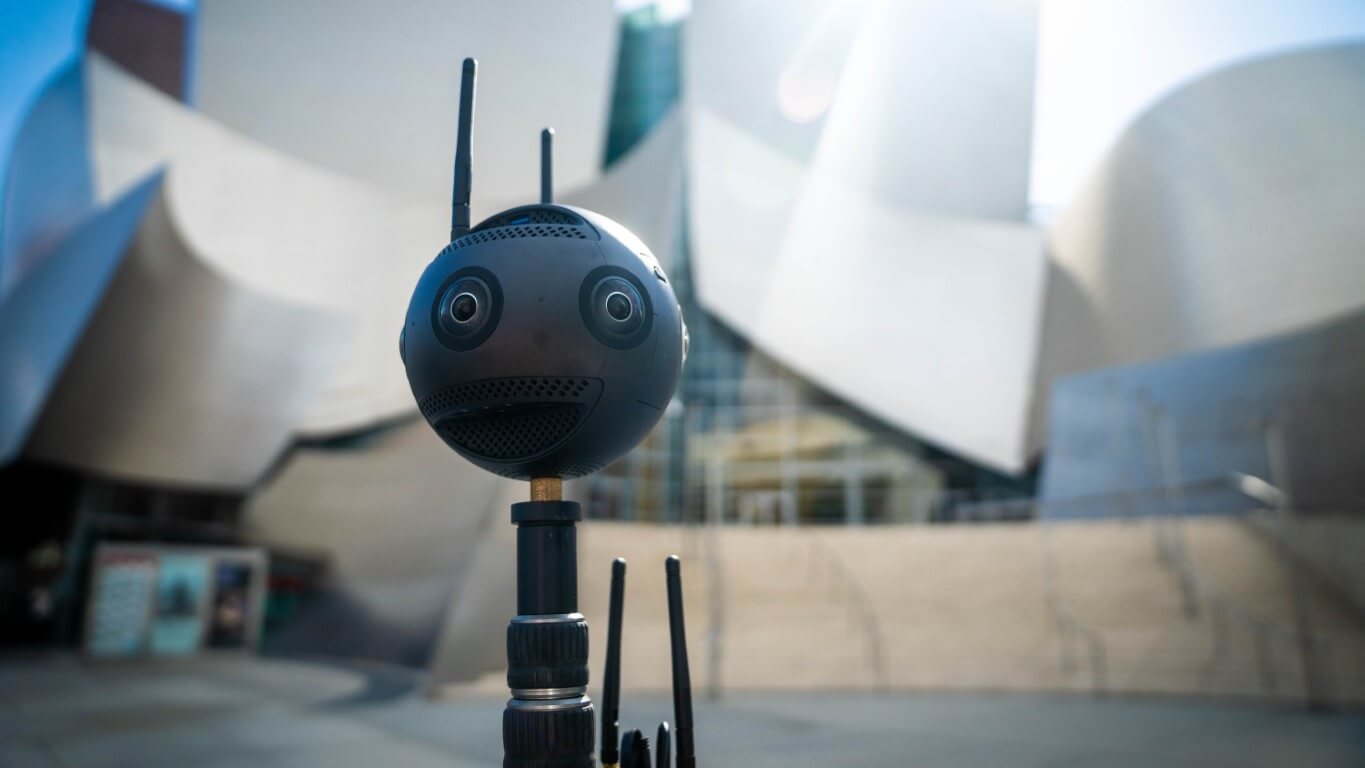

Taryn Southern: A Modern Renaissance Woman
In the contemporary landscape of entertainment, few individuals embody the term "multitalented" quite like Taryn Southern. With a career spanning across acting, music, digital content creation, and innovation, Southern has diligently carved out a niche for herself as a modern-day renaissance woman. Her journey is both inspirational and reflective of the dynamic nature of the modern creative industry.
Early Beginnings and Breakthrough
Taryn's foray into the world of entertainment began at a young age. Born on July 16, 1986, in Wichita, Kansas, she exhibited a keen interest in performing arts. She nurtured her passion by participating in local theater productions and honing her skills in acting and singing. Her early dedication bore fruit when she secured a spot on the third season of the reality TV show American Idol in 2004. Although she didn't reach the final stages of the competition, the exposure proved invaluable, giving her a springboard to explore various other opportunities.
From Traditional to Digital Media
Taryn Southern made a significant shift from traditional TV to digital platforms, recognizing early on the immense potential of the internet. Her YouTube channel, launched in 2007, became a cornerstone of her career. Here, she showcased her eclectic talents as a singer, comedian, and content creator. Through relatable, often humorous, and sometimes poignant videos, Taryn quickly amassed a substantial online following. Her digital presence allowed her to experiment and pivot her content, maintaining relevance in a fast-evolving online environment.
Music in the Digital Age
Music has always been a prominent aspect of Southern's repertoire. However, her most groundbreaking work came in 2018 with the release of I AM AI, an album entirely co-produced with artificial intelligence (AI). This project marked a milestone in the music industry as it was one of the first full-length albums created using AI technology. I AM AI not only showcased her ingenuity but also demonstrated the potential of technology in art, sparking conversations across the industry about the future of music production.
Expanding Horizons
Beyond music and traditional acting, Taryn Southern's career thrived in content that explored the intersection of technology and human experience. Her fascination with technology didn't stop at music. She became an avid advocate and commentator on AI and new media, often speaking at conferences and engaging with audiences about the possibilities and implications of technology in creative expressions.



The Art of Cinematic Storyboarding: Bringing Scripts to Life
In the realm of filmmaking, every director envisions their film as a living tapestry of dynamic visuals and engaging narratives. However, translating the written word of a script to the silver screen is a complex process that demands meticulous planning and a keen eye for detail. This is where cinematic storyboarding steps in—a crucial, yet often unsung hero in the storytelling process that plays a pivotal role in visualizing a film’s storyline and ensuring a smooth production process.
What is Storyboarding?
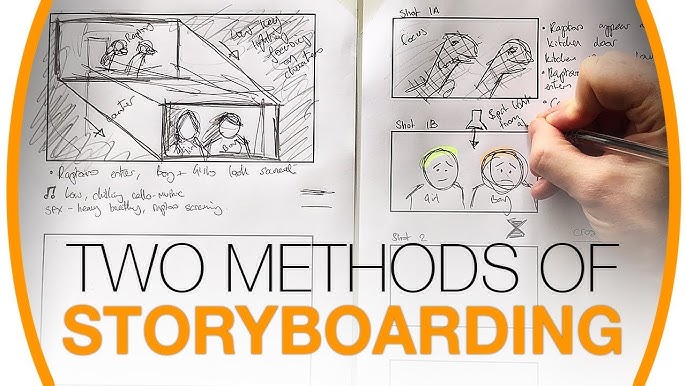
Storyboarding is a pre-production technique that involves creating a visual representation of a film's narrative. It consists of a sequence of drawings that chart the movement of scenes, beginning from the opening frame and leading to the film's climax. Each panel or frame within the storyboard acts much like a comic book, detailing actions, camera angles, and transitions, guiding both the director and the crew toward the desired visual direction of the film.
The practice of storyboarding was first popularized by Walt Disney Studios during the early 1930s. Since then, it has become an indispensable tool not only for animated films but also for live-action and TV productions, offering a bird’s-eye view of the story arc by aligning creative vision with practical execution.
The Importance of Storyboarding in Filmmaking
Storyboarding is analogous to a blueprint used in architecture. Just as an architect needs a blueprint to build a structure, filmmakers rely on storyboards to create their cinematic masterpieces. This tool allows filmmakers to:
- Visualize Each Scene: Before cameras start rolling, storyboards provide a framework for visualizing each scene, aiding filmmakers in understanding how one shot transitions into the next while preserving the narrative’s essence.
- Plan the Shot Composition: Storyboards help in planning the camera angles and movements for each shot, determining how each scene should be framed to convey mood and emotion effectively.
- Communicate Ideas: Filmmaking is inherently collaborative. Storyboards serve as a coherent visual language that directors can share with the cast and crew, ensuring everyone is on the same creative page.
- Identify Potential Problems: Storyboarding allows filmmakers to foresee potential narrative or logistical issues in their visual plan, enabling them to resolve these issues before production begins, saving both time and money.
- Manage Time Efficiently: When every frame is planned out, it becomes easier to manage the shooting schedule, ensuring that every minute on set is maximized efficiently.
The Storyboarding Process
Creating a storyboard is a meticulous process that typically involves several steps:
- Script Breakdown: The process begins with a thorough breakdown of the script into individual scenes and sequences. This step is crucial as it helps identify key moments in the narrative that require detailed visualization.
- Thumbnail Sketches: Initial thumbnail sketches are drawn, capturing the essence of each scene. These sketches are usually quick and rough, focusing more on positioning and action rather than intricate details.
- Refinement: Once the initial sketches are complete, more detailed drawings are created. These refined panels will depict the camera angles, actor positioning, and other elements critical to the storytelling process.
- Director’s Input: Constant collaboration with the director ensures that the creative vision aligns with the storyboard’s progress. Feedback is integrated and necessary adjustments are made.
- Finalization: The completed storyboard serves as the definitive guide throughout the film's production process, providing a visual script that helps maintain consistency in story composition and execution.
Conclusion
In summary, storyboarding is a fundamental step in the filmmaking process that transforms the abstract words of a script into a visual narrative, ready to be immortalized on film. It is a delicate balance of art and strategy, ensuring that all members of the production team are aligned towards a common vision. As digital media continues to evolve, so too does the process of storyboarding, blending traditional hand-drawn panels with digital technology to offer filmmakers limitless possibilities in storytelling.