



Día de la Reconciliación en Sudáfrica: Un Viaje hacia la Unidad
El Día de la Reconciliación es una fiesta pública en Sudáfrica celebrada cada 16 de diciembre. Fue establecida en 1995 tras las primeras elecciones democráticas. Su objetivo es unificar dos narrativas históricamente opuestas dentro de una sociedad igualitaria.
Este día busca sanar las heridas del pasado y construir una identidad nacional inclusiva. Representa un esfuerzo consciente por transformar el símbolo de una fecha polémica. La jornada promueve la reflexión, el diálogo y el compromiso con la unidad nacional.
"El 16 de diciembre fue oficialmente celebrado como el Día de la Reconciliación por primera vez en 1995, simbolizando la unión de las tradiciones afrikáner y de la lucha de liberación."
Origen Histórico y Significado Dual del 16 de Diciembre
La elección del 16 de diciembre no es casual. Esta fecha carga con el peso de dos acontecimientos históricos fundamentales para diferentes comunidades sudafricanas. Durante décadas, cada grupo conmemoraba este día desde perspectivas diametralmente opuestas.
El gobierno democrático post-apartheid decidió no eliminar la fecha, sino reinterpretar su significado. La intención fue crear un nuevo símbolo compartido que reconociera un pasado complejo. Este acto buscaba fomentar el entendimiento mutuo y la reconciliación nacional.
1838: La Batalla del Río Blood y el Día del Voto
El primer evento crucial ocurrió en 1838. Los Voortrekkers, descendientes de colonos holandeses, se enfrentaron al ejército zulú del Rey Dingane. La Batalla del Río Blood terminó con una victoria decisiva de los voortrekkers.
Antes de la batalla, los voortrekkers hicieron un voto religioso. Prometieron construir una iglesia y observar el día como de acción de gracias si salían victoriosos. Este evento se conmemoró originalmente como Dingane's Day y luego como el Día del Voto.
- Dingane's Day: Nombre original de la conmemoración.
- Día del Pacto (1952): Cambio de nombre durante la era del nacionalismo afrikáner.
- Día del Voto (1980): Nombre oficial durante el apogeo del apartheid.
1961: La Fundación de Umkhonto we Sizwe (MK)
Exactamente 123 años después, el 16 de diciembre de 1961, ocurrió un segundo evento transformador. El Congreso Nacional Africano (ANC) fundó su ala militar, Umkhonto we Sizwe (MK), que significa "La Lanza de la Nación". Este acto marcó un cambio estratégico crucial en la lucha contra el apartheid.
La creación de MK fue una respuesta directa a la creciente represión estatal. El evento más influyente fue la Masacre de Sharpeville en 1960, donde la policía disparó contra manifestantes pacíficos. Esta violencia demostró los límites de la resistencia no violenta para muchos activistas.
La misión principal de MK era realizar actos de sabotaje contra infraestructura gubernamental. El objetivo no era causar bajas humanas, sino llamar la atención internacional sobre la brutalidad del régimen del apartheid. Sus operaciones buscaban hacer el país ingobernable y forzar un cambio político.
El Apartheid: Contexto de un Conflicto Profundo
Para entender la importancia del Día de la Reconciliación, es esencial conocer el sistema que dividió a Sudáfrica. El apartheid fue un régimen institucionalizado de segregación racial y discriminación. Sin embargo, sus raíces son mucho más profundas que su formalización en 1948.
La exclusión racial sistemática comenzó con la colonización holandesa en 1652. Se intensificó bajo el control británico a partir de 1795. Este sistema creó una estructura social y económica basada en la supremacía blanca que despojó de derechos a la mayoría negra.
La Formalización del Apartheid y la Resistencia
En 1948, el Partido Nacional llegó al poder y codificó el apartheid en leyes. En 1950, abolieron la representación política para las personas no blancas. Esta medida fue una de las muchas diseñadas para fragmentar y controlar a la población.
Las leyes del apartheid regulaban todos los aspectos de la vida. Desde los matrimonios mixtos hasta la elección de lugar de residencia, todo estaba estrictamente segregado. La respuesta fue una resistencia interna masiva y protestas internacionales que llevaron a sanciones y embargos comerciales.
El sistema de segregación racial tuvo sus raíces en la regla colonial holandesa en 1652 y persistió bajo el control británico, intensificándose en 1950 cuando se abolió la representación política para los no blancos.
La lucha contra este sistema fue larga y costosa. Organizaciones como el ANC, inicialmente comprometidas con la no violencia, enfrentaron una represión cada vez más violenta. Este contexto de opresión y lucha es el telón de fondo necesario para valorar el milagro de la reconciliación.
1994: El Punto de Inflexión Hacia la Democracia
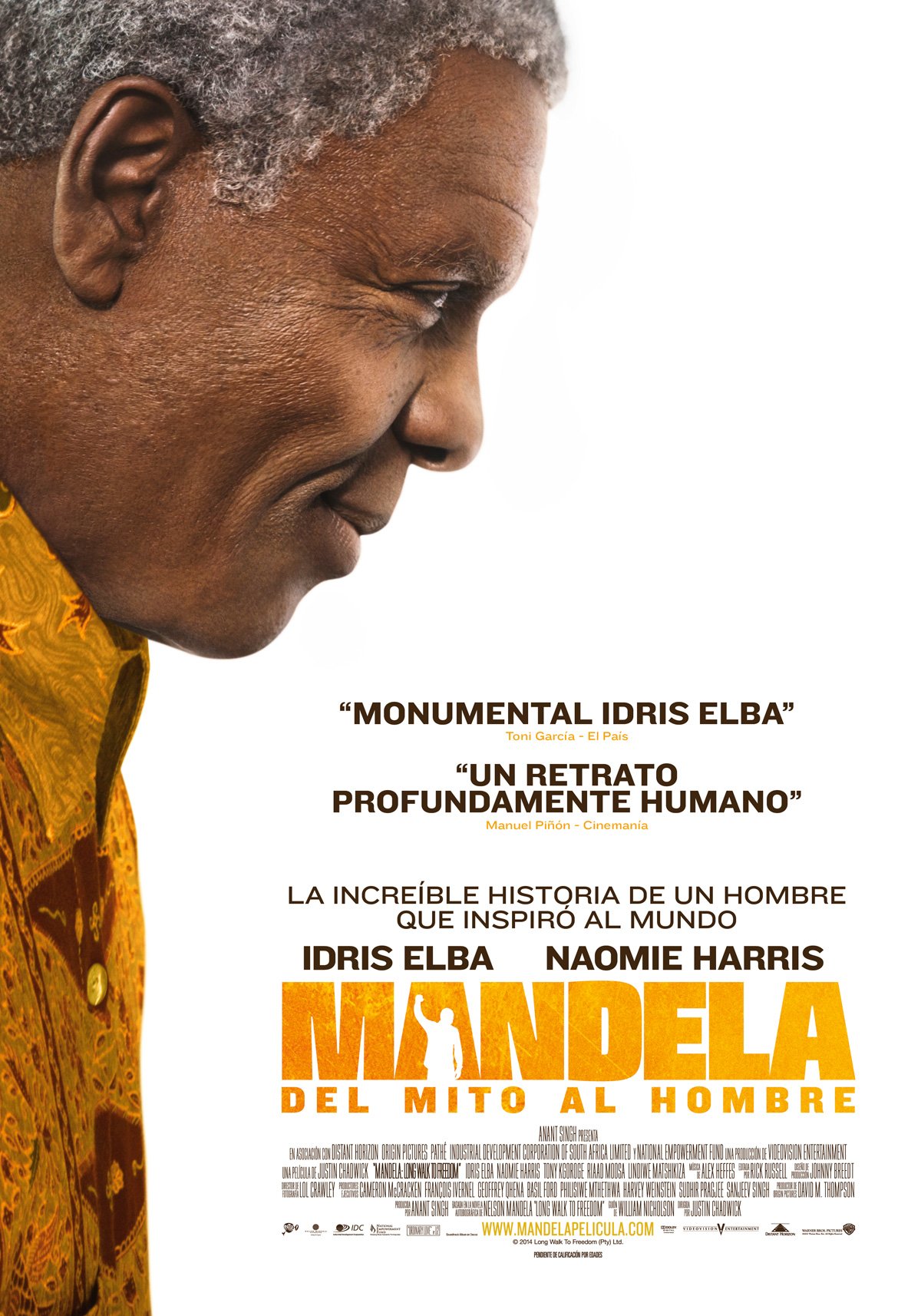
El año 1994 marcó el fin oficial del régimen del apartheid con las primeras elecciones democráticas multirraciales. Nelson Mandela se convirtió en el primer presidente negro de Sudáfrica. El país enfrentó el monumental desafío de unir a una nación profundamente dividida por décadas de injusticia.
El nuevo gobierno democrático buscó activamente promover la unidad nacional y la armonía racial. En este espíritu, se examinaron los símbolos y festividades nacionales. Muchas conmemoraciones estaban cargadas de divisiones y necesitaban una reinterpretación o un reemplazo.
El 16 de diciembre, una fecha ya profundamente arraigada en el calendario nacional, presentó una oportunidad única. En lugar de eliminar un día festivo asociado con un grupo, se propuso transformar su significado para incluir a todos los sudafricanos. Esta decisión fue tanto práctica como profundamente simbólica.
En 1995, el Día de la Reconciliación fue celebrado oficialmente por primera vez como fiesta pública. La fecha fue elegida para reconocer simbólica y solemnemente tanto la tradición afrikáner como la de la lucha de liberación. Se buscaba crear un nuevo marco de memoria compartida dentro del proyecto democrático.








Comments