
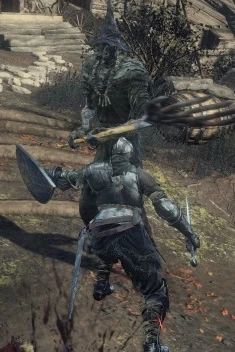

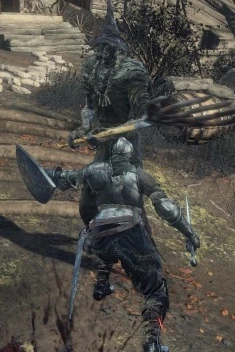
Dark Souls III: Mastering the Brutal Action RPG
Introduction to Dark Souls III
Dark Souls III is the third main entry in FromSoftware's critically acclaimed Souls series, released in March 2016 for PlayStation 4, Xbox One, and PC. Developed by Hidetaka Miyazaki and published by Bandai Namco, this action RPG is renowned for its punishing difficulty, intricate world design, and deep combat mechanics.
The game sold over 3 million copies in its first month and has since become a cornerstone of the Souls-like genre. With two DLC expansions—Ashes of Ariandel and The Ringed City—Dark Souls III offers a rich, interconnected world filled with formidable bosses, hidden secrets, and a thriving online community.
Core Gameplay Mechanics
Dark Souls III refines the series' signature combat with a focus on methodical, strategic gameplay. Players must master mechanics like rolling, parrying, and backstabs to survive. The introduction of weapon arts adds a new layer of depth, allowing unique abilities tied to specific weapons.
Combat and Movement
The combat in Dark Souls III is faster and more fluid than its predecessors but retains the deliberate pacing that defines the series. Key mechanics include:
- Rolling: Essential for dodging attacks, with invulnerability frames (i-frames) that vary based on equip load.
- Parrying: A high-risk, high-reward technique to counter enemy attacks.
- Backstabs: Rewarding precise positioning with devastating damage.
- Jump Attacks and Plunging Attacks: Useful for breaking enemy poise and dealing bonus damage.
Enemies in Dark Souls III are more aggressive and adaptive, often changing stances or countering player tactics, which keeps combat engaging and unpredictable.
New Stats and Systems
Dark Souls III introduces new stats that expand build variety:
- Attunement: Increases spell slots and FP (Focus Points), which are used for casting spells and using weapon arts.
- Luck: Boosts item discovery rates and enhances bleed/poison buildup, making it a valuable stat for specific builds.
These additions allow for more diverse character customization, catering to both melee-focused and magic-oriented playstyles.
World Design and Exploration
The world of Dark Souls III is a masterclass in interconnected level design. Areas loop back on themselves, creating a seamless experience that encourages exploration. Key features include:
- Bonfires: Serve as checkpoints for healing, leveling up, and fast travel.
- Illusory Walls: Hidden paths that reward curious players with valuable loot or shortcuts.
- Verticality: The game makes extensive use of vertical space, with platforms, ladders, and elevation changes adding depth to exploration.
This design philosophy ensures that every area feels distinct yet cohesive, reinforcing the game's immersive atmosphere.
Online Features and Community
Dark Souls III includes robust online features that enhance the single-player experience:
- Co-op and PvP: Players can summon phantoms for assistance or invade others' worlds for competitive play.
- Messages and Bloodstains: Asynchronous multiplayer elements that provide hints or warnings from other players.
- Ember System: Activating an ember increases health and allows for co-op/PvP interactions.
The game's online community remains active, with 15,000-20,000 concurrent players on Steam as of 2025, showcasing its enduring popularity.
Builds and Character Customization
Character builds in Dark Souls III are highly customizable, with stats and equipment playing a crucial role in defining playstyles. Key considerations include:
- Equip Load: Staying below 70% allows for medium rolls, balancing mobility and defense.
- Poise and Hyper Armor: Determines resistance to being staggered during attacks.
- Stamina Management: Critical for sustained combat, especially in prolonged battles.
Popular builds often revolve around specific weapon classes, such as greatswords, katanas, or magic staves, each offering unique advantages in combat.
Damage Types and Scaling
Dark Souls III features a variety of damage types, each with its own strengths and weaknesses:
- Physical: The most common type, effective against most enemies.
- Fire, Lightning, Magic, Dark: Elemental damage types that can exploit enemy weaknesses.
Weapon scaling is tied to stats like Strength and Dexterity, with soft caps at 60 for optimal performance.
Conclusion of Part 1
Dark Souls III stands as a pinnacle of the Souls series, blending brutal combat, intricate world design, and deep customization. Its enduring appeal is a testament to FromSoftware's mastery of the action RPG genre. Stay tuned for Part 2, where we'll delve into the game's bosses, DLC content, and advanced strategies.
Bosses and DLC Expansions
Dark Souls III features 19 main bosses and 4 additional bosses in its two DLC expansions, each offering unique challenges and lore. These encounters are the heart of the game, testing players' mastery of combat mechanics and adaptability.
Main Game Bosses
The base game includes iconic bosses like Iudex Gundyr, Pontiff Sulyvahn, and Nameless King. Each boss has distinct attack patterns, requiring players to learn and exploit weaknesses. Some key strategies include:
- Plunging Attacks: Effective against larger bosses like Yhorm the Giant.
- Parrying: Useful against human-sized bosses such as Champion Gundyr.
- Elemental Weaknesses: Bosses like Wolnir are vulnerable to specific damage types.
Defeating these bosses rewards players with souls, unique weapons, and progression through the game's intricate world.
DLC Expansions: Ashes of Ariandel and The Ringed City
The Ashes of Ariandel DLC introduces a snowy, painted world with bosses like Sister Friede, known for her relentless, multi-phase battle. The Ringed City DLC expands the lore with bosses such as Demon Prince and Slave Knight Gael, offering some of the most challenging encounters in the series.
These expansions add new weapons, armor sets, and lore, deepening the game's rich narrative and providing additional content for veteran players.
Advanced Combat Techniques
Mastering Dark Souls III requires more than basic combat skills. Advanced techniques can turn the tide in difficult battles, especially in PvP and high-level PvE.
Weapon Arts and Unique Abilities
Weapon Arts are special abilities tied to specific weapons, activated using the L2 button. These can range from stance shifts to elemental buffs, adding strategic depth to combat. Examples include:
- Greatsword Stance: Allows for powerful charged attacks.
- Fire Buffs: Enhances weapons with fire damage for a limited time.
- Parry Follow-ups: Some weapon arts enable unique parry animations.
Utilizing these abilities effectively can provide a significant advantage in both PvE and PvP scenarios.
Dead Angling and Shield Pierce
In the PvP meta, techniques like dead angling and shield pierce are crucial. Dead angling involves attacking from an angle to avoid being parried, while shield pierce allows certain weapons to bypass an opponent's shield defense.
These techniques require precise timing and positioning, making them essential for competitive play. The community continues to refine these strategies, with YouTube breakdowns and wiki guides providing in-depth tutorials.
Community and Modding Scene
The Dark Souls III community remains vibrant, with players engaging in speedruns, challenge runs, and modding projects. This ongoing involvement keeps the game fresh and exciting years after its release.
Speedrunning and Challenge Runs
Speedrunning Dark Souls III has become a popular activity, with the current world record for completing the game hovering around 25 minutes. These runs often involve:
- Sequence Breaks: Skipping optional areas or bosses.
- Glitch Exploits: Using game mechanics in unintended ways to save time.
- Optimized Routes: Finding the fastest path through the game's interconnected world.
Challenge runs, such as SL1 (Soul Level 1) or no-hit runs, push players to their limits, showcasing the game's depth and difficulty.
Modding and Custom Content
The modding community for Dark Souls III is active, with projects like randomizers and convergence overhauls adding new layers of replayability. Popular mods include:
- Randomizers: Shuffle enemy placements, items, and bosses for a fresh experience.
- Convergence Overhaul: A comprehensive mod that rebalances weapons, spells, and enemy AI.
- Crossover Mods: Introduce elements from other FromSoftware games, like Elden Ring.
These mods extend the game's lifespan, offering new challenges and experiences for veteran players.
Beginner Tips and Strategies
For newcomers, Dark Souls III can be overwhelming. However, mastering a few key strategies can make the journey more manageable and enjoyable.
Prioritizing Stats
When starting out, focus on leveling up Vigor and Endurance. These stats provide:
- Vigor: Increases HP, making survivability easier.
- Endurance: Boosts stamina, allowing for more attacks and dodges.
Once these stats are sufficiently leveled, players can branch out into Strength, Dexterity, or magic-based stats depending on their preferred playstyle.
Plunging Attacks and Boss Strategies
Plunging attacks are a reliable way to deal significant damage to bosses. Jumping and attacking from above can break an enemy's poise, leaving them vulnerable to follow-up strikes. Additional beginner tips include:
- Learn Enemy Patterns: Observing and adapting to attack sequences is crucial.
- Use the Environment: Lure enemies into traps or use terrain to your advantage.
- Summon Help: Don't hesitate to use NPC phantoms or co-op partners for tough bosses.
By focusing on these strategies, beginners can overcome the game's steep learning curve and enjoy the rich, rewarding experience that Dark Souls III offers.
Conclusion of Part 2
Dark Souls III continues to captivate players with its challenging gameplay, intricate world design, and deep customization options. From mastering advanced combat techniques to exploring the vibrant modding scene, there's always something new to discover. Stay tuned for Part 3, where we'll conclude with a look at the game's legacy, its impact on the genre, and final thoughts for both new and veteran players.
The Legacy and Impact of Dark Souls III
Dark Souls III has left an indelible mark on the gaming industry, solidifying its place as a cornerstone of the Souls-like genre. Its influence extends beyond its own series, inspiring countless games and redefining what players expect from action RPGs.
Influence on the Souls-like Genre
The success of Dark Souls III has had a ripple effect across the gaming landscape. Key contributions include:
- Combat Mechanics: The game's emphasis on methodical combat, stamina management, and precision timing has become a benchmark for similar titles.
- World Design: Its interconnected levels and environmental storytelling have set a new standard for immersive game worlds.
- Difficulty and Reward: The game's high difficulty coupled with a deep sense of accomplishment has resonated with players seeking challenging experiences.
Games like Elden Ring, Nioh, and The Surge have drawn inspiration from Dark Souls III, adopting and adapting its mechanics to create their own unique experiences.
Critical Reception and Awards
Upon release, Dark Souls III received widespread acclaim from critics and players alike. It was praised for its:
- Refined Combat: The faster, more fluid combat system was hailed as an evolution of the series' trademark gameplay.
- Atmospheric World: The game's dark, gothic aesthetic and intricate level design were celebrated for their immersive quality.
- Challenging Bosses: The diverse and formidable boss encounters were highlighted as some of the best in the series.
The game won numerous awards, including Best RPG at The Game Awards 2016 and Best Action Game at the Golden Joystick Awards. Its lasting appeal is evident in its Steam player count, which remains robust with 15,000-20,000 concurrent players as of 2025.
Dark Souls III in the Esports and Streaming Scene
The competitive and streaming communities have embraced Dark Souls III, turning it into a staple of both esports and content creation. Its depth and complexity make it a favorite among viewers and players alike.
PvP Tournaments and Competitive Play
The PvP scene in Dark Souls III is thriving, with numerous tournaments and events held regularly. These competitions showcase the game's deep combat mechanics and the skill of its top players. Key aspects of the competitive scene include:
- Dueling: One-on-one battles that test players' mastery of parrying, spacing, and weapon arts.
- Invasion Tournaments: Events where players compete in asymmetric PvP, adding an extra layer of strategy.
- Build Diversity: Competitors experiment with a wide range of builds, from dexterity-based katanas to magic-infused staves.
These tournaments often attract large audiences, highlighting the game's enduring appeal in the competitive gaming space.
Streaming and Content Creation
Dark Souls III has become a popular choice for streamers and content creators, thanks to its high replay value and engaging gameplay. Popular content includes:
- Speedruns: Streamers attempt to beat the game as quickly as possible, often using glitches and sequence breaks.
- Challenge Runs: Creators take on self-imposed challenges, such as no-hit runs or SL1 (Soul Level 1) playthroughs.
- Lore Videos: Deep dives into the game's intricate story and hidden narratives, often explored through item descriptions and environmental clues.
Platforms like Twitch and YouTube are filled with Dark Souls III content, showcasing the game's lasting popularity and the creativity of its community.
Final Tips for Mastering Dark Souls III
Whether you're a newcomer or a veteran, there's always more to learn in Dark Souls III. Here are some final tips to help you master the game and enjoy all it has to offer.
Advanced Build Strategies
Experimenting with different builds can keep the game fresh and exciting. Consider these advanced strategies:
- Hybrid Builds: Combine Strength and Dexterity with magic stats for versatile combat options.
- Status Effect Builds: Focus on bleed or poison to exploit enemy weaknesses.
- Quality Builds: Balance multiple stats to use a wide range of weapons effectively.
Don't be afraid to respec your character using Rosaria's Rebirth to try out new playstyles and keep the experience engaging.
Exploring Hidden Mechanics
Dark Souls III is filled with hidden mechanics and secret techniques that can give you an edge in combat. Some notable examples include:
- Estus Shortcuts: Quickly accessing your Estus flask mid-combo for rapid healing.
- Running Spells: Casting spells while moving to maintain pressure on enemies.
- Backstab Chains: Linking multiple backstabs in quick succession for massive damage.
Discovering and mastering these techniques can elevate your gameplay and provide a deeper appreciation for the game's complexity.
Conclusion: The Enduring Appeal of Dark Souls III
Dark Souls III stands as a testament to FromSoftware's ability to craft immersive, challenging, and rewarding experiences. Its refined combat, intricate world design, and deep customization have set a new standard for action RPGs. The game's influence on the Souls-like genre is undeniable, inspiring countless titles and captivating a dedicated community of players.
From its iconic bosses and expansive DLCs to its thriving PvP scene and vibrant modding community, Dark Souls III offers something for everyone. Whether you're a beginner looking to conquer your first playthrough or a veteran seeking new challenges, the game's depth and complexity ensure that there's always more to discover.
As we look to the future, Dark Souls III remains a benchmark for what action RPGs can achieve. Its legacy continues to grow, and its impact on the gaming industry will be felt for years to come. So, grab your controller, light the bonfire, and embark on a journey that will test your skills, reward your perseverance, and leave you with memories that last a lifetime.











Comments