Stockholm: The Timeless Capital of Scandinavia
Nestled across 14 islands connected by 57 bridges, Stockholm stands as Sweden’s vibrant capital, blending medieval charm with modern innovation. Founded in 1252 by Birger Jarl, this city has evolved from a fortified Viking-era settlement into a global hub for culture, trade, and sustainability. Known as the “Venice of the North”, Stockholm’s unique geography and rich history make it a must-visit destination. Whether you're drawn to its Gamla Stan (Old Town), royal palaces, or cutting-edge green initiatives, Stockholm offers a captivating journey through time.
The Birth of Stockholm: From Viking Roots to Medieval Power
Stockholm’s origins trace back to the Stone Age, with evidence of settlements dating to the 6th millennium BC. However, its official founding in 1252 marked the beginning of its rise as a strategic stronghold. Birger Jarl, a powerful Swedish statesman, established the city on islands between Lake Mälaren and the Baltic Sea, leveraging its natural defenses and access to trade routes. This location proved pivotal, as Stockholm quickly became a key player in the Hanseatic League, a powerful medieval trade network.
The Hanseatic Influence and Gamla Stan
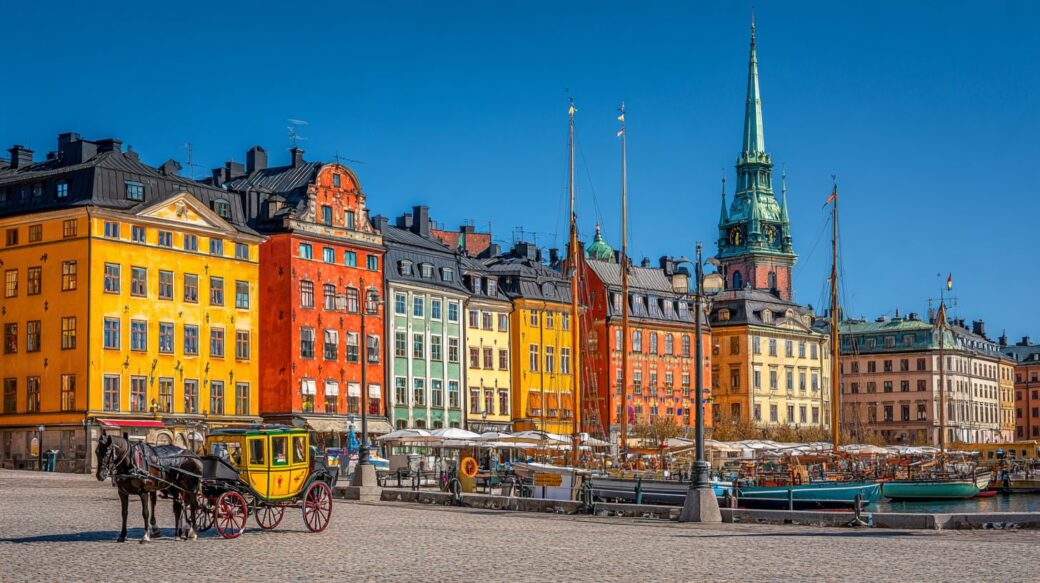
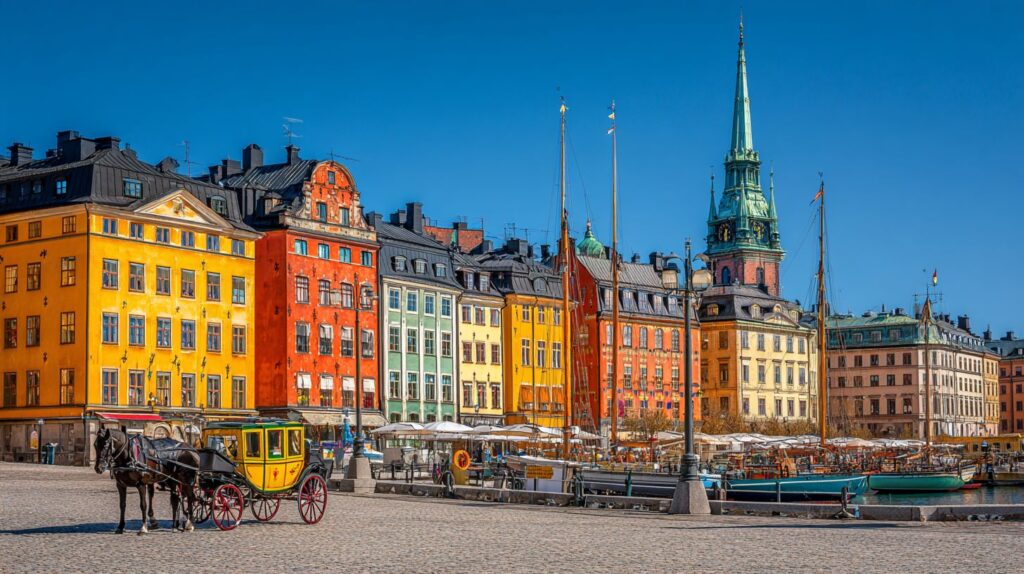
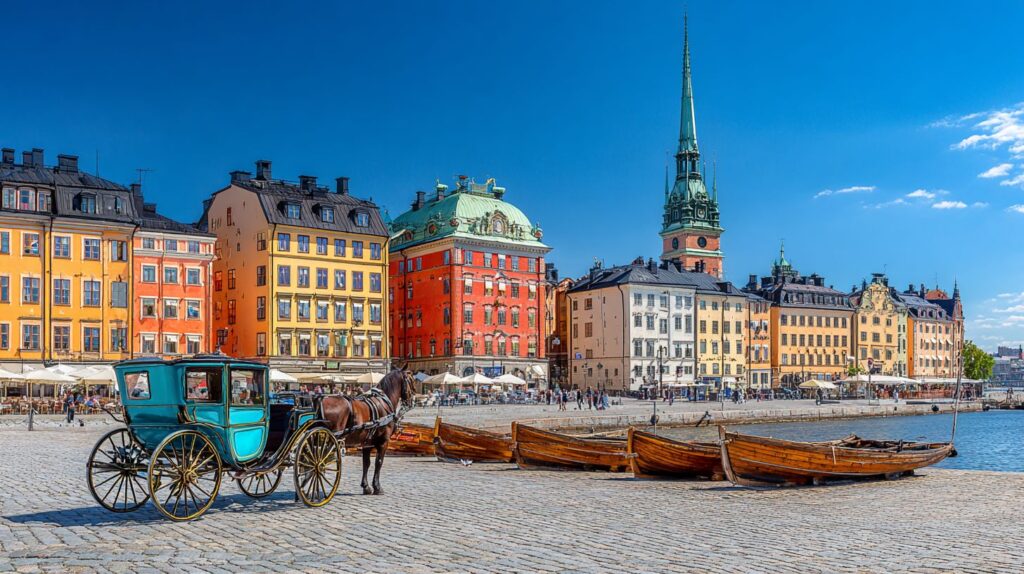
The heart of medieval Stockholm is Gamla Stan, the Old Town, which emerged in the mid-13th century. This labyrinth of cobblestone streets and colorful buildings was once encircled by defensive walls, centered around the Three Crowns Castle, a precursor to today’s royal landmarks. Gamla Stan’s layout reflects its mercantile past, with streets like Köpmangatan (Merchant’s Street) and Järntorget (Iron Square) hinting at the bustling trade that once thrived here.
The city’s early prosperity was tied to its Hanseatic connections, particularly with German cities like Lübeck and Hamburg. For centuries, Low German was commonly spoken in Stockholm’s markets, a testament to the league’s influence. This era also saw the construction of Riddarholmen Church in 1270, the oldest surviving building in the city, which still stands as a symbol of Stockholm’s medieval heritage.
Surviving Sieges and the Road to Independence
Stockholm’s strategic importance made it a target during the turbulent Kalmar Union (1397–1523), a period when Denmark, Norway, and Sweden were united under a single monarch. The city faced multiple sieges, including devastating attacks by Danish forces in 1452 and 1471. One of the most pivotal moments in Swedish history occurred in 1520, when Danish King Christian II ordered the Stockholm Bloodbath. On Stortorget, the city’s main square, approximately 80–100 Swedish nobles were executed, sparking a nationwide rebellion.
This brutal event galvanized Swedish resistance, leading to Gustav Vasa’s triumphant entry into Stockholm in 1523. His conquest marked the end of Danish rule and the birth of modern Sweden. Today, June 6 is celebrated as Sweden’s National Day, commemorating this defining moment. The Bloodbath also signaled the end of the Middle Ages in Sweden, propelling Stockholm into a new era of growth and influence.
Stockholm’s Golden Age: The Rise of the Swedish Empire
By the 17th century, Stockholm had transformed into the beating heart of the Swedish Empire (1611–1718). This period, often called Sweden’s “Great Power Era”, saw the city’s population explode, growing sixfold between 1610 and 1680. Stockholm’s dominance in Baltic trade was unrivaled, with its harbor bustling with ships laden with goods from across Europe. The city’s political and economic clout was solidified in 1634, when it was officially declared Sweden’s capital.
Architectural Marvels and Urban Transformation
The Swedish Empire’s wealth funded grand architectural projects that reshaped Stockholm’s skyline. One of the most iconic structures, the Tre Kronor Castle (Three Crowns), served as the royal residence until it was destroyed by fire in 1697. In its place rose the magnificent Stockholm Palace, a Baroque masterpiece that remains one of the largest royal palaces in the world. This era also saw the construction of Stora Nygatan, a broad boulevard created after a devastating fire in 1625 razed much of the city’s medieval core.
The empire’s ambition extended beyond architecture. Stockholm became a center of learning and culture, with institutions like the Swedish Academy, founded in 1786 by King Gustav III. This Enlightenment-era monarch also championed the arts, establishing the Royal Swedish Opera and transforming the Haga Park into a lush retreat. His reign marked a cultural renaissance, even as Sweden’s military power began to wane following the Great Northern War (1700–1721).
Crisis and Resilience: Fires, Plagues, and Rebirth
Stockholm’s golden age was not without its challenges. The city endured repeated catastrophes, including fires that swept through its wooden buildings. The most devastating occurred in 1625 and 1697, the latter destroying the royal palace and much of the surrounding area. These disasters spurred a shift to stone construction, giving Stockholm the sturdy, elegant buildings that define its historic districts today.
Another dark chapter unfolded in 1710, when the Great Plague struck Stockholm, killing roughly one-third of its population. The outbreak devastated the city, but Stockholm’s resilience shone through. In the aftermath, urban planning improved, and public health measures were introduced, setting the stage for the city’s revival under Gustav III. His vision for a modern, culturally rich capital helped Stockholm regain its footing, even as Sweden’s empire faded.
Stockholm Today: A Blend of History and Innovation
Modern Stockholm is a city that honors its past while embracing the future. Its island geography remains a defining feature, with 14 islands seamlessly connected by bridges, tunnels, and ferries. The city’s commitment to sustainability is evident in its extensive public transportation, green spaces, and ambitious climate goals. Stockholm was named the first European Green Capital in 2010, a testament to its leadership in environmental stewardship.
A Cultural and Economic Powerhouse
As Sweden’s political and economic center, Stockholm is home to the country’s government, royal family, and major corporations. It’s also a thriving cultural hub, with world-class museums like the Vasa Museum, which houses the remarkably preserved 17th-century warship Vasa. The city’s music and arts scene is equally vibrant, from the historic Royal Swedish Opera to contemporary venues like Fotografiska, a renowned photography museum.
Stockholm’s tech and startup ecosystem has earned it the nickname “the Unicorn Factory”, thanks to its high concentration of billion-dollar companies. Firms like Spotify, Klarna, and Skype (founded in Stockholm) have put the city on the global innovation map. This entrepreneurial spirit is complemented by a strong emphasis on work-life balance, with residents enjoying ample green spaces, such as the Royal National City Park, one of the world’s largest urban national parks.
Preserving the Past, Embracing the Future
Despite its modern advancements, Stockholm remains deeply connected to its history. Gamla Stan continues to enchant visitors with its medieval alleys, while the Stockholm Palace and Riddarholmen Church stand as enduring symbols of its royal legacy. The city’s museums and historical sites offer immersive glimpses into its Viking, Hanseatic, and imperial past.
Looking ahead, Stockholm is poised to remain a leader in sustainability, technology, and cultural innovation. Its unique blend of natural beauty, historical depth, and forward-thinking policies ensures that it will continue to captivate residents and visitors alike. Whether you’re strolling through the cobbled streets of the Old Town or exploring its cutting-edge districts, Stockholm offers an unforgettable experience that bridges centuries of history with the promise of tomorrow.
In the next section, we’ll delve deeper into Stockholm’s cultural landmarks, culinary scene, and the hidden gems that make this city a true Scandinavian treasure.
Exploring Stockholm’s Iconic Landmarks and Hidden Gems
Stockholm’s skyline is a testament to its layered history, where medieval towers stand alongside sleek modern architecture. The city’s landmarks tell stories of royal grandeur, maritime triumphs, and cultural milestones. From the cobblestone streets of Gamla Stan to the futuristic Ericsson Globe, Stockholm’s attractions offer a journey through time and innovation.
The Royal Palaces: Symbols of Swedish Monarchy
No visit to Stockholm is complete without exploring its royal palaces, each a masterpiece of architecture and history. The Stockholm Palace, with its 608 rooms, is one of the largest palaces in the world still used by a monarchy. Built in the 18th century after the Tre Kronor Castle fire, it houses the Royal Apartments, the Tre Kronor Museum, and the Royal Armory, where visitors can see artifacts from Sweden’s royal past.
Another must-see is Drottningholm Palace, a UNESCO World Heritage Site located on the island of Lovön. Often called the “Versailles of Sweden”, this 17th-century palace was the residence of the Swedish royal family for centuries. Its Baroque gardens, Chinese Pavilion, and opera house are among the most exquisite in Europe. The palace remains the private residence of the current royal family, adding a touch of modern relevance to its historic grandeur.
Maritime Marvels: The Vasa Museum and More
Stockholm’s deep connection to the sea is celebrated in its maritime museums. The Vasa Museum is the city’s most visited attraction, home to the Vasa warship, which sank on its maiden voyage in 1628 and was salvaged 333 years later. This 69-meter-long vessel is the world’s best-preserved 17th-century ship, offering a fascinating glimpse into Sweden’s naval ambitions during the Great Power Era.
For those intrigued by maritime history, the Swedish Museum of Maritime History and the ABBA Museum (housed on the island of Djurgården) provide additional insights. The latter celebrates Sweden’s most famous pop group, ABBA, with interactive exhibits that appeal to music lovers of all ages. Meanwhile, the Nordic Museum showcases Sweden’s cultural heritage, from traditional folk costumes to contemporary design.
Hidden Gems: Beyond the Tourist Trail
While Stockholm’s famous landmarks draw crowds, the city is also home to hidden gems that offer a more intimate experience. One such place is Monteliusvägen, a scenic walking path on the cliffs of Södermalm. This 500-meter-long promenade provides breathtaking views of Lake Mälaren and the city’s skyline, making it a favorite spot for locals and photographers.
Another lesser-known treasure is the Subway Art of Stockholm. Often called the “world’s longest art gallery”, the city’s 100 subway stations feature stunning mosaics, sculptures, and installations by over 150 artists. Stations like T-Centralen (with its iconic blue vines) and Stadium (adorned with a rainbow arch) turn daily commutes into artistic experiences.
Stockholm’s Culinary Scene: From Traditional Smörgåsbord to Modern Gastronomy
Stockholm’s culinary landscape is as diverse as its history, blending traditional Swedish flavors with innovative global influences. The city’s food scene reflects its maritime heritage, forest riches, and multicultural present. Whether you’re sampling a classic smörgåsbord or dining at a Michelin-starred restaurant, Stockholm offers a feast for the senses.
Traditional Swedish Cuisine: A Taste of History
At the heart of Swedish cuisine is the smörgåsbord, a lavish buffet that originated in 16th-century Stockholm. This culinary tradition features an array of herring dishes, meatballs, pickled vegetables, and rye bread. One of the best places to experience an authentic smörgåsbord is Den Gyldene Freden, a historic restaurant in Gamla Stan that has served Swedish delicacies since 1722.
Other must-try dishes include:
- Gravlax: Cured salmon with dill and mustard sauce.
- Köttbullar: Swedish meatballs, often served with lingonberry jam.
- Surströmming: Fermented herring, a polarizing but iconic Swedish delicacy.
- Semla: A sweet cardamom bun filled with almond paste and whipped cream, traditionally eaten during Lent.
For a taste of Stockholm’s street food, head to Östermalmshallen, a historic market hall where vendors sell everything from fresh seafood to artisanal cheeses. This 19th-century market is a food lover’s paradise, offering a mix of traditional and contemporary Swedish flavors.
Modern Gastronomy: Innovative Dining in Stockholm
Stockholm’s dining scene has evolved beyond traditional fare, with a new generation of chefs pushing the boundaries of Nordic cuisine. The city boasts 12 Michelin-starred restaurants, including Frantzén, which has been ranked among the world’s best restaurants. Here, diners can enjoy a multi-course tasting menu that highlights seasonal, locally sourced ingredients.
Another standout is Oaxen Slip, located on the island of Djurgården. This restaurant focuses on New Nordic cuisine, with dishes that celebrate Sweden’s natural bounty, from foraged mushrooms to freshly caught seafood. For a more casual yet equally innovative experience, Meatballs for the People offers a modern twist on Sweden’s most famous dish, with creative variations like vegan meatballs and reindeer meatballs.
Stockholm’s craft beer and coffee culture are also thriving. The city is home to numerous microbreweries, such as Omnipollo and BrewDog, where visitors can sample unique, locally brewed beers. Meanwhile, Stockholm’s fika (coffee break) tradition is alive and well in cafés like Vete-Katten, a historic bakery known for its princess cake and freshly baked pastries.
Stockholm’s Green Initiatives: A Model of Sustainable Urban Living
Stockholm is a global leader in sustainability, with ambitious goals to become fossil fuel-free by 2040. The city’s commitment to green living is evident in its public transportation, renewable energy projects, and urban planning. These efforts have earned Stockholm numerous accolades, including the title of European Green Capital in 2010.
Public Transportation and Eco-Friendly Mobility
Stockholm’s public transportation system is one of the most efficient and eco-friendly in the world. The city’s metro, buses, and commuter trains run on renewable energy, significantly reducing carbon emissions. Additionally, Stockholm has invested in bike lanes and electric vehicle infrastructure, making it easy for residents and visitors to choose sustainable transportation options.
One of the city’s most innovative projects is the Stockholm Congestion Tax, introduced in 2006. This system charges drivers a fee for entering the city center during peak hours, reducing traffic congestion and air pollution. The results have been impressive, with a 20% decrease in traffic and a 14% reduction in emissions since its implementation.
Green Spaces and Urban Biodiversity
Stockholm is uniquely positioned as a city where nature and urban life coexist. The Royal National City Park, established in 1995, is one of the world’s first urban national parks. Spanning 27 square kilometers, it offers residents and visitors a chance to explore forests, lakes, and wildlife just minutes from the city center. The park is home to elk, deer, and over 100 species of birds, making it a haven for nature lovers.
Another notable green space is Djurgården, an island that serves as both a recreational area and a cultural hub. Here, visitors can stroll through lush gardens, visit museums, or enjoy a picnic by the water. Stockholm’s commitment to urban biodiversity is further demonstrated by its green roofs and vertical gardens, which help reduce the urban heat island effect and promote sustainability.
Renewable Energy and Waste Management
Stockholm’s renewable energy initiatives are at the forefront of its sustainability efforts. The city sources over 50% of its energy from renewable sources, including hydropower, wind power, and bioenergy. One of the most impressive projects is the Stockholm Royal Seaport, a carbon-neutral district powered entirely by renewable energy.
In addition to clean energy, Stockholm has implemented a cutting-edge waste management system. The city recycles over 99% of its household waste, with much of it converted into biogas and district heating. This closed-loop system ensures that waste is minimized, and resources are used efficiently. Stockholm’s waste-to-energy plants are so effective that the city imports waste from other countries to meet its energy needs.
These initiatives highlight Stockholm’s dedication to creating a sustainable future. By prioritizing green transportation, urban biodiversity, and renewable energy, the city sets an example for urban centers worldwide. In the final section, we’ll explore Stockholm’s vibrant neighborhoods and the seasonal experiences that make it a year-round destination.
Stockholm’s Neighborhoods: A Tapestry of Culture and Charm
Stockholm’s diverse neighborhoods each offer a unique slice of the city’s personality. From the medieval alleys of Gamla Stan to the trendy streets of Södermalm, exploring these districts provides a deeper understanding of Stockholm’s cultural richness and local life. Whether you're seeking history, nightlife, or scenic beauty, Stockholm’s neighborhoods deliver unforgettable experiences.
Gamla Stan: The Heart of Medieval Stockholm
Gamla Stan, or Old Town, is Stockholm’s best-preserved medieval district, where cobblestone streets and colorful 17th-century buildings transport visitors back in time. This island is the birthplace of Stockholm, founded in 1252, and remains a hub of history and culture. Key landmarks include:
- Stortorget: The oldest square in Stockholm, site of the 1520 Stockholm Bloodbath.
- Stockholm Cathedral (Storkyrkan): A 13th-century church where Swedish royals have been crowned.
- Royal Palace: The official residence of the Swedish monarchy, with daily changing of the guard ceremonies.
- Nobel Prize Museum: Celebrates the legacy of Alfred Nobel and the prestigious Nobel Prizes.
Gamla Stan is also a treasure trove of boutique shops, cafés, and restaurants. Don’t miss Mårten Trotzigs Gränd, the narrowest alley in Stockholm, or a visit to Chokladkoppen, a cozy café known for its Swedish pastries and hot chocolate.
Södermalm: The Hipster Haven with a View
Södermalm, often called “Söder” by locals, is Stockholm’s trendiest district, blending bohemian charm with modern creativity. This area was once a working-class neighborhood but has evolved into a hub for artists, musicians, and entrepreneurs. Its vintage shops, indie boutiques, and craft breweries make it a must-visit for those seeking Stockholm’s alternative side.
Highlights of Södermalm include:
- Fotografiska: A world-renowned photography museum with stunning views of the city.
- SOFO: The “South of Folkungagatan” area, packed with vintage stores and hip cafés.
- Monteliusvägen: A scenic cliffside walk offering panoramic views of Lake Mälaren.
- Hornstull Market: A weekend flea market with local crafts, food trucks, and live music.
Södermalm is also famous for its nightlife, with bars like Himlen (Heaven) and Debaser offering everything from craft cocktails to live indie music. For a taste of local flavor, try Meatballs for the People, a modern take on Sweden’s classic dish, or Urban Deli, a food hall celebrating Scandinavian cuisine.
Östermalm: Elegance and Sophistication
Östermalm is Stockholm’s most upscale neighborhood, known for its grand architecture, high-end shopping, and gourmet dining. This district attracts affluent locals and visitors who appreciate luxury and refinement. The centerpiece of Östermalm is Stureplan, a square surrounded by designer boutiques, fine restaurants, and exclusive nightclubs.
Key attractions in Östermalm include:
- Östermalmshallen: A historic food market offering fresh seafood, cheeses, and Swedish delicacies.
- Strindbergs Intima Teater: A legendary theater founded by playwright August Strindberg.
- Humlegården: A lush urban park perfect for picnics and leisurely strolls.
- Biblioteket: A chic cocktail bar housed in a former library.
Östermalm is also home to some of Stockholm’s best restaurants, including Frantzén, a three-Michelin-starred dining experience, and Riche, a classic brasserie with a lively atmosphere. For a taste of Swedish tradition, visit Operakällaren, a historic restaurant that has served royalty and celebrities since the 18th century.
Seasonal Stockholm: Experiencing the City Year-Round
Stockholm’s distinct seasons transform the city throughout the year, each offering unique experiences and festivals. From the midnight sun of summer to the cozy winter markets, Stockholm’s seasonal charm makes it a year-round destination. Whether you’re visiting in the warmth of July or the snow-covered months of December, the city’s natural beauty and cultural events ensure an unforgettable stay.
Summer in Stockholm: Midnight Sun and Outdoor Adventures
Summer is arguably the best time to visit Stockholm, when the city basks in the midnight sun and temperatures hover around a pleasant 20°C (68°F). The long days, with up to 18 hours of sunlight, create a magical atmosphere where locals and visitors alike make the most of the outdoors. Key summer highlights include:
- Archipelago Cruises: Explore Stockholm’s 30,000 islands with a boat tour or kayak adventure.
- Stockholm Pride: One of Europe’s largest LGBTQ+ festivals, held annually in July/August.
- Outdoor Dining: Enjoy al fresco meals at waterfront restaurants like Sturehof or Oaxen Slip.
- Midsummer Celebrations: Experience Sweden’s most iconic festival, featuring maypole dancing, traditional folk music, and feasts of herring and new potatoes.
Summer is also the perfect time to visit Stockholm’s open-air museums, such as Skansen, the world’s oldest outdoor museum, where visitors can explore historic Swedish homes and meet Nordic animals like moose and reindeer.
Winter in Stockholm: Cozy Markets and Northern Lights
Winter in Stockholm is a fairy-tale experience, with snow-covered streets, twinkling lights, and a festive atmosphere. Despite the cold, the city comes alive with Christmas markets, ice skating, and warm gatherings. Key winter activities include:
- Stockholm Christmas Market: Held in Gamla Stan, this market offers handmade crafts, mulled wine (glögg), and Swedish holiday treats like pepparkakor (ginger snaps).
- Ice Skating: Glide across the ice at Kungsträdgården, the city’s most famous outdoor skating rink.
- Northern Lights: While rare, the Aurora Borealis can sometimes be seen from Stockholm’s outskirts on clear winter nights.
- Nobel Week: Celebrate the Nobel Prize ceremonies in December, including lectures, concerts, and the prestigious award banquet.
For a truly Swedish winter experience, visit Vasa Park for a traditional julbord (Christmas smörgåsbord) or warm up in a sauna followed by a dip in the icy waters—a beloved local tradition!
Spring and Autumn: Quiet Beauty and Cultural Delights
Spring and autumn offer a quieter, more intimate side of Stockholm, with mild weather and fewer crowds. These seasons are ideal for exploring the city’s parks, museums, and cultural events.
In spring, Stockholm bursts into color with cherry blossoms in Kungsträdgården and tulips in Djurgården. Highlights include:
- Walpuski Night: A quirky April 30 celebration involving bonfires, singing, and herring feasts.
- Stockholm Marathon: Held in June, this event draws runners from around the world.
Autumn brings a golden hue to Stockholm’s trees, creating a picturesque backdrop for cozy cafés and cultural festivals. Don’t miss:
- Stockholm Culture Night: A free annual event in April where museums, galleries, and theaters open their doors to the public.
- Crayfish Parties: A Swedish tradition in August, featuring crayfish feasts, silly hats, and schnapps songs.
Conclusion: Why Stockholm Captivates the World
Stockholm is a city of contrasts and harmonies, where ancient history meets modern innovation, and urban life blends seamlessly with natural beauty. From its medieval roots in Gamla Stan to its cutting-edge sustainability initiatives, Stockholm offers a unique and enriching experience for every traveler.
Here are the key takeaways that make Stockholm a must-visit destination:
- Historical Richness: Founded in 1252, Stockholm’s past is preserved in its royal palaces, medieval streets, and world-class museums.
- Cultural Diversity: The city’s neighborhoods, from Södermalm’s hipster vibe to Östermalm’s elegance, cater to every taste.
- Culinary Excellence: Stockholm’s food scene ranges from traditional smörgåsbord to Michelin-starred dining, with a focus on local and sustainable ingredients.
- Sustainability Leadership: As the first European Green Capital, Stockholm sets the standard for eco-friendly urban living.
- Seasonal Magic: Whether it’s summer’s midnight sun or winter’s cozy markets, Stockholm’s seasons offer unique and memorable experiences.
Stockholm’s ability to preserve its past while embracing the future is what makes it truly special. Whether you’re wandering through the cobblestone alleys of Gamla Stan, savoring a Michelin-starred meal, or exploring the archipelago’s pristine islands, Stockholm leaves an indelible mark on every visitor. It’s a city that inspires, delights, and welcomes all who step into its charming embrace.
As you plan your journey to this Scandinavian gem, remember that Stockholm is more than just a destination—it’s an experience that will stay with you long after you’ve left its shores. Whether you’re a history buff, a foodie, a nature lover, or a culture seeker, Stockholm promises a voyage of discovery that is as rich and diverse as the city itself.



.jpg)







Comments