Découvrez Lorient : Joyau Maritime et Culturel de Bretagne
Située en Bretagne sud, Lorient est une ville portuaire dynamique, riche en histoire navale et en traditions bretonnes. Avec ses sites emblématiques comme la base sous-marine de Keroman et son célèbre Festival Interceltique, Lorient attire chaque année des milliers de visiteurs en quête d’authenticité et de paysages marins. Plongez dans l’univers unique de cette destination bretonne, où patrimoine et modernité se rencontrent.
Pourquoi Lorient est-elle une destination incontournable ?
Lorient, souvent surnommée le « joyau caché de la Bretagne », séduit par son mélange d’histoire maritime, de culture celte et de paysages à couper le souffle. Cette ville, autrefois base stratégique de la Compagnie des Indes, est aujourd’hui un pôle touristique majeur, alliant tradition et innovation.
Un patrimoine naval exceptionnel
Fondée au XVIIe siècle, Lorient doit son nom à son orientation vers les Indes orientales. Son histoire est profondément liée à la mer, avec des sites comme la base sous-marine de Keroman, construite pendant la Seconde Guerre mondiale. Ce lieu, aujourd’hui transformé en musée, offre une plongée fascinante dans le passé naval de la ville.
- La base de Keroman, classée parmi les sites les plus visités de Bretagne.
- Le sous-marin Flore, une attraction unique pour les passionnés d’histoire.
- La Cité de la Voile Éric Tabarly, dédiée à la navigation et aux exploits maritimes.
Une culture celte vibrante
Lorient est également le cœur battant de la culture celte en Bretagne. Chaque année, le Festival Interceltique attire des milliers de visiteurs venus du monde entier. Cet événement, qui célèbre la musique, la danse et les traditions celtes, est un véritable hommage à l’identité bretonne.
« Le Festival Interceltique de Lorient est l’un des plus grands rassemblements de culture celte au monde, avec des participants venus de Galice, d’Écosse et d’Irlande. »
Les attractions phares de Lorient
La base sous-marine de Keroman
La base sous-marine de Keroman est un témoignage poignant de l’histoire de Lorient pendant la Seconde Guerre mondiale. Construite par les Allemands pour abriter les U-boots, elle est aujourd’hui un musée fascinant, où les visiteurs peuvent explorer les vestiges de cette période sombre.
Avec une note de 4,3/5 sur Tripadvisor, ce site est un incontournable pour les amateurs d’histoire et de patrimoine militaire.
L’île de Groix, un paradis naturel
À quelques kilomètres de Lorient, l’île de Groix est une escapade idéale pour les amoureux de la nature. Ses paysages sauvages, ses plages de sable fin et ses sentiers de randonnée en font une destination prisée des touristes. L’île est également réputée pour ses fruits de mer frais, un délice pour les gourmets.
Avec une note de 4,4/5 sur Tripadvisor, l’île de Groix est un must pour ceux qui cherchent à s’évader dans un cadre préservé.
La Cité de la Voile Éric Tabarly
Dédiée à la navigation et aux exploits maritimes, la Cité de la Voile Éric Tabarly est un hommage au célèbre navigateur breton. Ce musée interactif propose des expositions captivantes sur l’histoire de la voile et des défis maritimes. Une visite incontournable pour les passionnés de mer et d’aventure.
Avec une note de 4,2/5 sur Tripadvisor, ce site est une étape essentielle pour comprendre l’âme maritime de Lorient.
Lorient, une destination touristique en plein essor
Une fréquentation touristique en hausse
En 2024, la France a accueilli 89,4 millions de touristes, confirmant sa place de première destination mondiale. La Bretagne, et notamment Lorient, bénéficie de cette dynamique, avec une fréquentation en constante augmentation. Les événements culturels, comme le Festival Interceltique, jouent un rôle clé dans cette attractivité.
Selon les données de Tripadvisor, Lorient compte 23 885 avis, avec des notes élevées pour ses principaux sites touristiques.
Un tourisme durable et responsable
Lorient s’engage dans une démarche de tourisme durable, avec des investissements dans des infrastructures respectueuses de l’environnement. Les sentiers de randonnée, comme celui de l’Étang du Ter, offrent aux visiteurs une expérience immersive dans la nature bretonne.
Cette approche durable permet de préserver les paysages tout en offrant aux touristes une expérience authentique et respectueuse de l’environnement.
Quand visiter Lorient ?
La meilleure période pour un séjour
La période idéale pour visiter Lorient s’étend de fin juin à début septembre, lorsque le climat est doux et les températures agréables. En été, les températures moyennes en France atteignent 25°C, offrant des conditions parfaites pour explorer la ville et ses alentours.
Pour ceux qui préfèrent éviter la foule, la basse saison, de décembre à février, offre des tarifs plus attractifs et une ambiance plus calme.
Les événements à ne pas manquer
Lorient est une ville animée tout au long de l’année, avec des événements majeurs comme :
- Le Festival Interceltique en août, un incontournable pour les amateurs de culture celte.
- Le Quai des Bulles, un festival de bande dessinée qui attire 46 000 visiteurs chaque année.
- Les compétitions de voile au Stade du Moustoir, un lieu emblématique pour les passionnés de sport.
Ces événements contribuent à faire de Lorient une destination dynamique et attractive, tout au long de l’année.
Conclusion : Lorient, une destination à découvrir
Avec son patrimoine naval, sa culture celte vibrante et ses paysages marins, Lorient est une destination qui mérite d’être explorée. Que vous soyez amateur d’histoire, de nature ou de gastronomie, cette ville bretonne saura vous séduire par son authenticité et son charme unique.
Dans la prochaine partie, nous explorerons en détail les activités incontournables à Lorient, ainsi que les conseils pratiques pour organiser votre séjour.
Explorez les activités incontournables à Lorient
Lorient regorge d’activités pour tous les goûts, des amateurs d’histoire aux passionnés de nature. Voici une sélection des expériences à ne pas manquer lors de votre visite.
Découverte des sites historiques
La ville est un véritable musée à ciel ouvert, avec des sites qui racontent son passé maritime et militaire.
- La base sous-marine de Keroman, un lieu chargé d’histoire où vous pourrez explorer les vestiges de la Seconde Guerre mondiale.
- Le musée de la Compagnie des Indes, qui retrace l’histoire de la ville et son rôle dans le commerce maritime.
- Le sous-marin Flore, une attraction unique qui permet de découvrir l’intérieur d’un sous-marin.
Ces sites sont parfaits pour les familles et les passionnés d’histoire, offrant une plongée fascinante dans le passé de Lorient.
Balades et randonnées en pleine nature
Lorient est entourée de paysages naturels préservés, idéaux pour les randonnées et les balades.
- L’île de Groix, accessible en bateau, offre des sentiers de randonnée avec des vues spectaculaires sur l’océan.
- L’Étang du Ter, un lieu paisible pour une promenade en famille ou une séance de pêche.
- Les plages de la baie de Quiberon, à proximité, sont parfaites pour une journée de détente.
Ces espaces naturels sont idéaux pour se ressourcer et profiter de la beauté de la Bretagne.
Gastronomie et spécialités locales
Lorient est également une destination gourmande, où vous pourrez découvrir les saveurs de la Bretagne.
Les fruits de mer et poissons frais
En tant que port de pêche, Lorient est réputée pour ses fruits de mer frais et ses poissons.
- Les huîtres de Bretagne, à déguster directement chez les producteurs.
- Le homard breton, un met raffiné à savourer dans les restaurants locaux.
- Les crêpes et galettes, incontournables pour un repas typique breton.
Les marchés locaux, comme le marché de Lorient, sont des lieux parfaits pour découvrir ces spécialités.
Les restaurants à ne pas manquer
Lorient compte plusieurs restaurants qui valent le détour pour leur cuisine bretonne authentique.
- Le Restaurant Le Terroir, connu pour ses plats traditionnels et son ambiance chaleureuse.
- Le Bistro de la Mer, où vous pourrez déguster des fruits de mer frais dans un cadre moderne.
- La Crêperie Bretonne, pour des crêpes et galettes préparées selon les recettes traditionnelles.
Ces adresses sont parfaites pour une expérience culinaire mémorable à Lorient.
Conseils pratiques pour votre séjour
Pour profiter pleinement de votre visite à Lorient, voici quelques conseils pratiques.
Se déplacer à Lorient
Lorient est une ville facile à explorer, avec plusieurs options de transport.
- Les bus urbains, qui desservent les principaux sites touristiques.
- Les vélos en location, idéaux pour une balade le long de la côte.
- Les bateaux pour se rendre sur l’île de Groix ou explorer la baie.
Ces options permettent de se déplacer facilement et de découvrir la ville à votre rythme.
Où séjourner à Lorient ?
Lorient offre une large gamme d’hébergements, des hôtels de luxe aux chambres d’hôtes.
- Les hôtels en bord de mer, pour une vue imprenable sur l’océan.
- Les chambres d’hôtes, pour une expérience plus intimiste et authentique.
- Les locations de vacances, idéales pour les familles ou les longs séjours.
Quel que soit votre budget, vous trouverez un hébergement qui répond à vos besoins.
Les alentours de Lorient à explorer
Lorient est également un excellent point de départ pour découvrir les trésors de la Bretagne.
Les sites à proximité
Plusieurs sites incontournables se trouvent à moins d’une heure de Lorient.
- Les alignements de Carnac, un site mégalithique unique au monde.
- La baie de Quiberon, avec ses plages de sable fin et ses paysages sauvages.
- Le Golfe du Morbihan, un lieu magique pour une excursion en bateau.
Ces destinations sont parfaites pour une journée d’excursion depuis Lorient.
Les activités nautiques
La région de Lorient est idéale pour les activités nautiques, grâce à son littoral préservé.
- La voile, avec des écoles et des clubs pour tous les niveaux.
- Le kayak de mer, pour explorer les côtes et les îles environnantes.
- La plongée sous-marine, pour découvrir les fonds marins de la Bretagne.
Ces activités permettent de profiter pleinement de la beauté des paysages marins de la région.
Conclusion : Lorient, une destination polyvalente
Lorient est une ville qui allie patrimoine historique, nature préservée et culture celte. Que vous soyez amateur d’histoire, de gastronomie ou de sports nautiques, vous trouverez à Lorient de quoi satisfaire toutes vos envies.
Dans la prochaine partie, nous vous donnerons des conseils pour organiser votre voyage et des idées d’itinéraires pour découvrir Lorient et ses alentours.
Itinéraires et circuits pour découvrir Lorient
Pour profiter pleinement de votre séjour à Lorient, voici des itinéraires thématiques qui vous permettront d'explorer la ville et ses alentours de manière organisée.
Itinéraire historique : Sur les traces du patrimoine maritime
Cet itinéraire vous emmène à la découverte des sites historiques de Lorient.
- Commencez par la base sous-marine de Keroman, un lieu emblématique de la Seconde Guerre mondiale.
- Poursuivez avec le musée de la Compagnie des Indes, pour comprendre l'histoire maritime de la ville.
- Terminez par le sous-marin Flore, une expérience immersive unique.
Cet itinéraire est idéal pour les amateurs d'histoire et de patrimoine militaire.
Itinéraire nature : À la découverte des paysages bretons
Pour les amoureux de la nature, cet itinéraire met en avant les paysages préservés de Lorient.
- Commencez par une balade sur l'île de Groix, accessible en bateau depuis Lorient.
- Poursuivez avec une randonnée autour de l'Étang du Ter, un lieu paisible et verdoyant.
- Terminez par une visite des plages de la baie de Quiberon, à proximité de Lorient.
Cet itinéraire est parfait pour se ressourcer et profiter de la beauté naturelle de la Bretagne.
Conseils pour organiser votre voyage à Lorient
Pour un séjour réussi à Lorient, voici quelques conseils pratiques à suivre.
Comment se rendre à Lorient ?
Lorient est facilement accessible depuis plusieurs villes françaises et européennes.
- En train, avec des liaisons directes depuis Paris et d'autres grandes villes.
- En voiture, via les autoroutes A1 et A83, pour une arrivée flexible.
- En avion, avec l'aéroport de Lorient Bretagne Sud, desservi par plusieurs compagnies.
Ces options permettent de choisir le mode de transport le plus adapté à vos besoins.
Budget et coûts à prévoir
Lorient offre des options pour tous les budgets, des hébergements économiques aux restaurants gastronomiques.
- Les hôtels économiques commencent à environ 50 € par nuit.
- Les restaurants locaux proposent des menus à partir de 15 €.
- Les activités culturelles, comme les musées, coûtent entre 5 € et 15 €.
Avec une bonne planification, il est possible de profiter de Lorient sans se ruiner.
Les meilleurs souvenirs à rapporter de Lorient
Pour prolonger votre expérience à Lorient, voici quelques souvenirs typiques à rapporter.
Les produits locaux à ne pas manquer
Lorient et la Bretagne regorgent de produits artisanaux et gourmands.
- Les crêpes et galettes bretonnes, à déguster sur place ou à emporter.
- Les fruits de mer frais, comme les huîtres et les homards.
- Les produits artisanaux, comme les poteries et les bijoux bretons.
Ces souvenirs vous permettront de garder un morceau de Bretagne avec vous.
Les boutiques et marchés à visiter
Pour acheter vos souvenirs, voici quelques adresses incontournables.
- Le marché de Lorient, pour des produits frais et locaux.
- Les boutiques d'artisanat du centre-ville, pour des créations uniques.
- Les épiceries fines, pour des spécialités bretonnes à emporter.
Ces lieux sont parfaits pour trouver des souvenirs authentiques et de qualité.
Conclusion : Lorient, une destination à vivre
Lorient est une ville qui allie patrimoine historique, nature préservée et culture celte. Que vous soyez amateur d'histoire, de gastronomie ou de sports nautiques, vous trouverez à Lorient de quoi satisfaire toutes vos envies.
Avec ses sites emblématiques, ses paysages marins et son ambiance authentique, Lorient est une destination qui mérite d'être découverte. Planifiez votre voyage dès maintenant et laissez-vous séduire par le charme unique de cette ville bretonne.
Nous espérons que cet article vous a inspiré et vous a donné envie de visiter Lorient. Bon voyage et profitez pleinement de votre séjour en Bretagne !
Grand Mosque: The Heart of Islam and Its Sacred Legacy
Introduction to the Grand Mosque
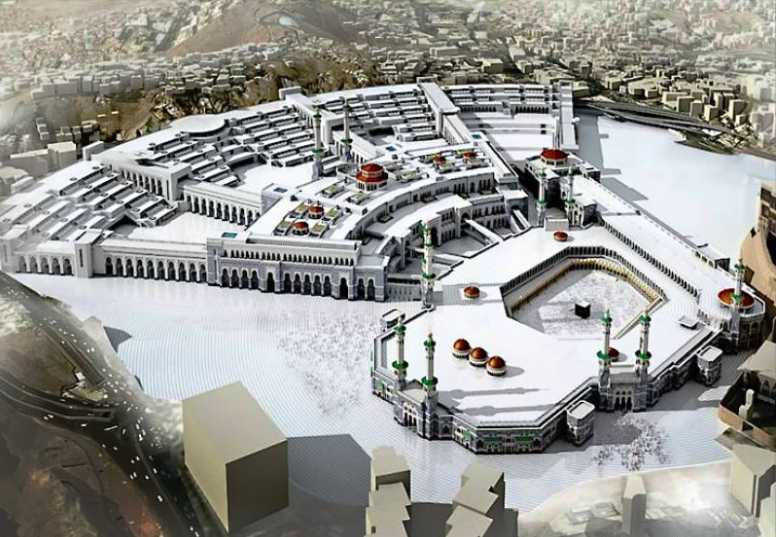
The Grand Mosque, also known as Masjid al-Haram, stands as the largest and most sacred mosque in Islam. Located in Mecca, Saudi Arabia, it encircles the Kaaba, the holiest site in Islam. This mosque is not only a place of worship but also a symbol of unity and devotion for Muslims worldwide. With an area of approximately 356,000 square meters, it can accommodate up to 2 million worshippers, making it a marvel of architectural and spiritual significance.
The Historical Significance of the Grand Mosque
The history of the Grand Mosque is deeply intertwined with the origins of Islam. According to Islamic tradition, the Kaaba was built by the Prophet Abraham (Ibrahim) and his son Ishmael (Ismail). The mosque itself originated as a simple enclosure around the Kaaba, constructed by Caliph Umar in 638 CE. This site has been a focal point for Muslim pilgrimage and worship for centuries.
The Role of the Kaaba
The Kaaba is the most sacred structure in Islam. Muslims around the world face the Kaaba during their daily prayers, symbolizing unity and devotion. The Black Stone, embedded in the eastern corner of the Kaaba, is a significant relic that pilgrims aim to touch or kiss during their rituals.
Expansions and Renovations
The Grand Mosque has undergone numerous expansions and renovations throughout history. Major developments occurred under the Umayyads, Abbasids, Mamluks, Ottomans, and Saudis. These expansions were driven by the need to accommodate the growing number of pilgrims and to address damages caused by floods and fires. The most recent renovations, initiated in 1955, have included modern amenities such as marble floors, escalators, air-conditioning, and tunnels to manage the massive crowds.
Architectural Marvels of the Grand Mosque
The Grand Mosque is an architectural masterpiece, blending historical significance with modern innovations. Its design and features reflect the rich cultural and religious heritage of Islam.
Seven Minarets
The mosque is renowned for its seven minarets, the most of any mosque in the world. These minarets, added progressively since the 8th century, serve as iconic landmarks and are used for the call to prayer. Each minaret stands tall, symbolizing the mosque's grandeur and spiritual importance.
Key Ritual Sites
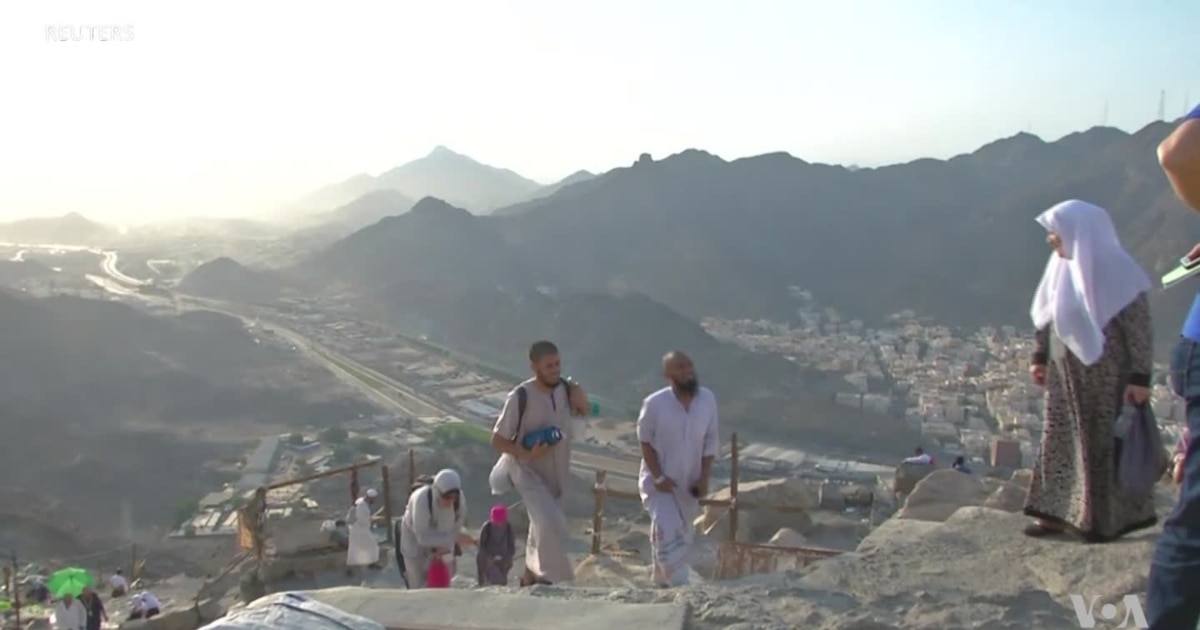
Within the Grand Mosque, several key ritual sites hold special significance. The Mas'a gallery, located between the hills of Safa and Marwah, is where pilgrims perform the Sa'i, a ritual walk that commemorates Hagar's search for water for her son Ishmael. This site is an integral part of the Hajj and Umrah pilgrimages.
Modern Amenities
Recent renovations have equipped the Grand Mosque with modern amenities to enhance the pilgrimage experience. These include electric lighting, public-address systems, and advanced communication technologies. The mosque also features air-conditioning, escalators, and tunnels to facilitate the movement of large crowds, ensuring safety and comfort for all worshippers.
The Spiritual and Cultural Impact of the Grand Mosque
The Grand Mosque is not just a physical structure but a spiritual beacon for Muslims worldwide. Its significance extends beyond its architectural grandeur, deeply influencing the cultural and religious practices of Islam.
Pilgrimage and Worship
Praying at the Grand Mosque is considered highly rewarding in Islam. According to hadith, prayers offered here are multiplied 100,000-fold, drawing millions of Muslims each year. The mosque is the focal point for the Hajj and Umrah pilgrimages, which are central to the Islamic faith.
Global Unity
The Grand Mosque serves as a symbol of unity for Muslims around the world. Regardless of their nationality or background, Muslims come together in Mecca to perform their religious duties, fostering a sense of global community and shared faith.
Economic and Social Influence
The Grand Mosque plays a significant role in the economic and social fabric of Mecca. The influx of pilgrims during Hajj and Ramadan significantly boosts the local economy. The Saudi government's Vision 2030 initiative aims to further enhance the pilgrimage experience and diversify the economy, with projections of over 30 million annual visitors by 2030.
Conclusion of Part 1
The Grand Mosque is a testament to the rich history and spiritual significance of Islam. Its architectural marvels, historical expansions, and modern amenities make it a unique and revered site. As we delve deeper into its story in the next parts, we will explore more about its cultural impact, recent developments, and the experiences of pilgrims who visit this sacred place.
The Grand Mosque in Modern Times: Vision 2030 and Beyond
The Grand Mosque continues to evolve under Saudi Arabia's ambitious Vision 2030 plan, which seeks to modernize infrastructure while preserving its spiritual essence. This initiative aims to accommodate over 30 million annual visitors by 2030, enhancing both capacity and pilgrim experience. Recent developments include advanced crowd management systems, expanded prayer areas, and state-of-the-art facilities to ensure safety and comfort.
Technological Advancements
Technology plays a pivotal role in the Grand Mosque's modern operations. From electric lighting introduced in the early 20th century to today's smart crowd monitoring, innovations have transformed pilgrimage logistics. Key upgrades include:
- Public-address systems (installed in 1948) for clear prayer calls
- Air-conditioning to combat Mecca's extreme heat
- Escalators and tunnels to ease movement during peak times
- Real-time translation services for international pilgrims
Expansion Projects
Ongoing expansions focus on increasing the mosque's capacity while maintaining its historical integrity. The Saudi government has invested billions in projects such as:
- Adding new prayer halls to reduce congestion
- Constructing pedestrian walkways for safer access
- Integrating hotels and shopping centers (e.g., Abraj Al Bait Towers) nearby
These efforts ensure the Grand Mosque remains the world's most expensive building, with renovations exceeding $100 billion in recent decades.
The Grand Mosque's Role in Hajj and Umrah
The Grand Mosque is the epicenter of Islam's two most sacred pilgrimages: Hajj and Umrah. These journeys are obligatory for financially and physically capable Muslims, drawing millions annually.
Hajj: The Annual Pilgrimage
Hajj, performed in the Islamic month of Dhu al-Hijjah, is one of the Five Pillars of Islam. Pilgrims follow a series of rituals, including:
- Tawaf: Circling the Kaaba seven times
- Sa'i: Walking between Safa and Marwah hills
- Standing at Arafat: A day of prayer and repentance
The Grand Mosque accommodates up to 2.5 million pilgrims during Hajj, with Mecca's population tripling during this period.
Umrah: The Lesser Pilgrimage
Umrah, often called the "lesser pilgrimage," can be performed year-round. While not obligatory, it holds immense spiritual value. Key rituals include:
- Tawaf around the Kaaba
- Sa'i between Safa and Marwah
- Shaving or trimming hair as a symbol of renewal
Unlike Hajj, Umrah can be completed in a few hours, making it accessible to more Muslims globally.
Cultural and Educational Significance
Beyond its religious role, the Grand Mosque serves as a cultural and educational hub. It preserves Islamic heritage while fostering learning and community engagement.
Historical Artifacts and Exhibits
The mosque houses priceless artifacts, including:
- The Black Stone, embedded in the Kaaba
- Ancient Quranic manuscripts in its libraries
- Ottoman-era calligraphy and architectural elements
These treasures attract scholars and historians, offering insights into Islam's rich history.
Educational Initiatives
The Grand Mosque supports educational programs, such as:
- Quran memorization classes for children
- Islamic studies for international students
- Multilingual guided tours for visitors
These initiatives ensure the mosque remains a center for spiritual and intellectual growth.
Challenges and Future Outlook
Despite its grandeur, the Grand Mosque faces challenges, including overcrowding, security concerns, and environmental sustainability. However, Saudi Arabia's proactive measures under Vision 2030 aim to address these issues.
Overcrowding Solutions
To manage the influx of pilgrims, authorities have implemented:
- AI-powered crowd control systems
- Expanded prayer areas with retractable roofs
- Digital permit systems to regulate entry
Sustainability Efforts
Eco-friendly initiatives include:
- Solar-powered facilities to reduce energy consumption
- Water recycling systems for conservation
- Green spaces within the mosque complex
As the Grand Mosque continues to evolve, it remains a beacon of faith, unity, and progress for Muslims worldwide. The final part of this series will explore personal pilgrim experiences and the mosque's global impact.
Pilgrim Experiences: Personal Stories from the Grand Mosque
The Grand Mosque is not just a physical structure but a profound spiritual journey for millions. Pilgrims from diverse backgrounds share transformative experiences, highlighting the mosque's universal appeal and emotional impact.
Stories of Faith and Devotion
Many pilgrims describe their visit to the Grand Mosque as life-changing. A pilgrim from Indonesia shared:
"Standing before the Kaaba, I felt an overwhelming sense of peace. The unity among Muslims from every corner of the world was breathtaking."
Another from Nigeria reflected:
"Performing Tawaf with thousands of others, all dressed in white, made me realize the true meaning of equality in Islam."
Challenges and Rewards
While the journey is spiritually rewarding, pilgrims often face challenges such as:
- Physical exhaustion from long rituals
- Language barriers in a multicultural crowd
- Emotional intensity of the experience
Yet, these challenges are outweighed by the spiritual fulfillment and sense of accomplishment.
The Grand Mosque's Global Impact
The Grand Mosque transcends its physical location, influencing Muslim communities worldwide. Its significance extends to cultural, economic, and diplomatic spheres.
Cultural Influence
The mosque's rituals and architecture inspire Islamic practices globally:
- Mosque designs often mimic its features
- Prayer times are synchronized with Mecca
- Hajj stories are shared across generations
Economic Contributions
The Grand Mosque drives Saudi Arabia's economy through:
- Pilgrimage tourism, generating billions annually
- Job creation in hospitality and services
- Infrastructure development in Mecca
Under Vision 2030, these contributions are expected to grow exponentially.
Preserving the Grand Mosque for Future Generations
Ensuring the Grand Mosque's legacy requires balancing modernization with preservation. Saudi Arabia employs cutting-edge techniques to maintain its historical and spiritual integrity.
Conservation Efforts
Key preservation strategies include:
- Restoration of ancient calligraphy and artifacts
- Digital archiving of historical documents
- Structural reinforcements against natural disasters
Technological Innovations
Modern technology aids in preservation:
- 3D scanning for architectural documentation
- AI monitoring for structural health
- Virtual reality tours for global access
Conclusion: The Enduring Legacy of the Grand Mosque
The Grand Mosque stands as a testament to Islam's rich history and global unity. From its origins with the Kaaba to its modern expansions under Vision 2030, it remains the heart of Muslim worship and culture.
Key takeaways include:
- The mosque's spiritual significance as Islam's holiest site
- Its architectural marvels, including seven minarets and advanced amenities
- The global impact of Hajj and Umrah on Muslim communities
- Ongoing modernization efforts to accommodate millions
As the Grand Mosque continues to evolve, it remains a beacon of faith, unity, and progress. For Muslims worldwide, it is more than a destination—it is a lifelong spiritual journey.


The Enigmatic History of Malacca: A Gateway to Southeast Asian Culture
The city of Malacca, now known as Melaka, stands as a vibrant testament to its rich and complex history. Located on the Strait of Malacca, the narrowest point between the Indian Ocean and the South China Sea, Malacca played a crucial role as a trading hub and influenced the religious and cultural landscapes of Southeast Asia. Founded in the early 15th century, Malacca grew to become an epicenter of commerce and diplomacy, attracting traders and adventurers from across the globe.
The Founding of Malacca
Malacca was founded around 1400–1402 by Parameswara, also known as Iskandar Shah, a prince who had been forced out of his kingdom of Singapura (now Singapore). Following the decline of the Srivijaya empire and the rise of the Javanese Majapahit empire, the region was in a state of political upheaval. Parameswara, seeking refuge and a prosperous new home, looked to the west coast of the Malay Peninsula. With the help of the Orang Laut ("sea people"), an indigenous group of sailors and fishermen who controlled the seas around the peninsula, Parameswara discovered Malacca. This location was ideal as it sat at the narrowest point of the Strait of Malacca, allowing for easy access to both the Indian and Pacific Oceans.
The Trade Boom and Cultural Exchange
By the 15th century, Malacca had evolved into a bustling trading port and city. It was a melting pot for various cultures, including Malays, Chinese, Indians, Arabs, and other maritime peoples. Merchants from countries such as China, India, Arabia, and Persia gathered at Malacca to exchange products ranging from spices, Indian cloth, Chinese porcelain, to Malay aromatics and timber. The strategic position of Malacca not only facilitated trade but also enabled the city to become a conduit for cultural and technological exchanges. This cosmopolitan environment fostered a unique blend of Southeast Asian, Indian, and Islamic influences.
The Influence of Ming China
Malacca's strategic location also attracted attention from China. During the Ming dynasty, Malacca developed a close relationship with the imperial court of China under the reign of Emperor Chengzu, also known for sending emissary ships led by Admiral Zheng He to explore the world. Zheng He's numerous voyages to Malacca reinforced the city's status as a critical link between East and West. Emperor Chengzu recognized the importance of controlling Malacca to ensure safe passage for Chinese ships on their way back from Southeast Asia. Consequently, Malacca became part of the Ming protectorate and received diplomatic and military support. The alliance provided much-needed protection against rival powers like Siam and the Majapahit empire, allowing Malacca to maintain its prominence as a trading center.
Elevating Islam in Southeast Asia
The spread of Islam across Maritime Southeast Asia was significantly influenced by the Malacca Sultanate. Sultan Mansur Shah, who ascended the throne in the early 15th century, encouraged the practice of Islam, building mosques and promoting Islamic scholarship. Scholars were invited from various parts of the Muslim world to enrich the city’s academic institutions. The influence of Malacca extended far beyond its shores, contributing to the widespread adoption of Islam among coastal communities and inland regions of Southeast Asia. The city became a hub for religious and cultural activities, solidifying its reputation as a center of Islamic learning.
Colonial Conquest and Transformation
Malacca's golden age ended with the arrival of European colonizers in the 16th century. In 1511, the Portuguese explorer Afonso de Albuquerque conquered Malacca, initiating a series of colonial transformations. The Portuguese introduced new forms of governance, religion, and trade. They dismantled some of the traditional structures of the sultanate and erected forts like St. Paul's Church and St. Francis Xavier Church to assert their dominance.
Following the Portuguese, the Dutch arrived in the early 17th century, establishing themselves as the dominant colonial power in the region. Despite initial resistance, the Dutch managed to forge a close alliance with the Sultanate of Johor. This cooperation allowed the Dutch to consolidate their hold over Malacca and other key areas along the Strait of Malacca. Later in the 18th century, under the Treaty of Westminster, King George III of Britain gained control over Malacca, marking a significant shift in the region's colonial landscape.
Modern Legacies and Cultural Evolution
The colonial period left Malacca with a rich architectural, cultural, and linguistic legacy. Numerous structures remain from the Portuguese, Dutch, and British eras, reflecting the multi-layered history of the city. Fortifications like St. Paul's Church and the A.F. Ribeiro Palace stand as silent witnesses to the colonial past, alongside colonial-era buildings and residences that now serve as museums and public spaces.
In contemporary times, Malacca has transformed into a major tourist destination, attracting visitors from around the world who come to experience its historical charm. The city is known for its well-preserved European architecture, bustling markets, and vibrant cultural festivals. The legacy of Peranakan culture, which blends Chinese and Malay traditions, adds to the city’s unique flavor. Local communities preserve traditional practices and crafts, offering visitors a hands-on glimpse into their heritage.
While no longer a primary port, Malacca continues to play a vital role in Malaysia's economy through manufacturing, agriculture, and hospitality sectors. Efforts to sustain historical sites and promote sustainable development have ensured that this ancient city remains a living testimony to its tumultuous and fascinating past.
The story of Malacca is one of resilience, adaptation, and cultural synthesis, a story that continues to unfold in the present day. Its strategic location and historical significance make Malacca not just a place of historical interest, but also a dynamic center of cultural and economic activity in modern Southeast Asia.
Continue to read to delve deeper into the strategic importance and cultural melting pot of Malacca as we explore more about its context and background.
Strategic Importance and Cultural Context
Strategic Location: Malacca's position on the Strait of Malacca made it a vital chokepoint for maritime trade between East and West. Historically, controlling Malacca meant dominating one of the busiest shipping lanes globally, which was crucial for the spice trade and other vital commodities. This strategic location endowed Malacca with immense economic and geopolitical leverage, enabling it to become a focal point of maritime commerce for centuries.
Sailing vessels, be they small dhows or large merchant ships, had to pass through the strait to travel between the Indian Ocean and the South China Sea. Malacca controlled the passage, imposing tolls and taxes on passing ships and ensuring safety and order. This control over the strait became a source of wealth and power for the Malacca Sultanate and subsequently influenced the colonial powers who sought to exploit its strategic importance.
Political Influence and Rivalry
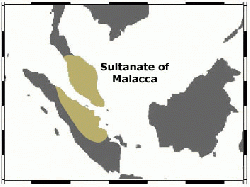
The Malacca Sultanate emerged as a successor to earlier regional powers like Srivijaya and rivaled the Javanese Majapahit Empire. At its height, the sultanate controlled significant territories, including parts of the Malay Peninsula and Sumatra. Its naval strength—built upon a robust fleet manned by skilled Orang Laut—and sophisticated administrative systems allowed it to maintain stability and attract merchants from around the world. Parameswara's astute leadership in forming alliances and maintaining diplomatic relations with neighboring kingdoms further strengthened the sultanate's position.
The rivalry with the Majapahit Empire, which sought to expand its control over the region, posed a constant threat to Malacca. However, the strategic acumen of the Malacca leaders allowed them to navigate these challenges effectively. For instance, Sultan Parameswara's alliance with the Chinese Ming dynasty provided him with additional support against Majapahit. This political acumen laid the foundation for Malacca's continued relevance and power in the region.
Cosmopolitan Society: A Cultural Melting Pot
The diversity of Malacca was a defining characteristic of its society. The city hosted a blend of Malays, Chinese, Indians, Arabs, Persians, and Europeans, fostering a rich cultural tapestry. This diversity was not just a matter of demographics but also reflected in the city's governance, trade, and daily life. The cosmopolitan nature of Malacca attracted intellectuals, scholars, and artisans from various backgrounds, contributing to the city's intellectual and cultural vibrancy.
The interactions between these different communities led to the blending of religions, languages, and customs. Islam, originally introduced by Indian merchants and Sufi orders, gained prominence as a result of the Malaccan influence. Similarly, Chinese and Indian religious traditions, particularly Buddhism and Hinduism, coexisted alongside Islam. The Peranakan culture, which blended Chinese and Malay traditions, emerged as a unique manifestation of this cultural fusion.
Malacca became a linguistically diverse city, with local dialects, Malay, Chinese Hokkien and Cantonese, Tamil, and Arabic being commonly spoken. This linguistic diversity enriched the city's cultural expressions, evident in literature, art, and even in daily discourse. The city's cosmopolitan character made it a hub for exchange of ideas, leading to innovations in various fields, including medicine, science, and technology.
Colonial Legacy and Modern Challenges
Successive Colonial Rule: After the Portuguese conquest of Malacca in 1511, the city experienced a series of colonial transformations under subsequent European powers. Initially, the Portuguese introduced Western education and infrastructure, but their rule was marked by conflict and instability. The Dutch, with the assistance of the Sultan of Johor, consolidated their control over Malacca in the 17th century, bringing a new era of governance and trade.
The British gained control in the late 18th century, formalized through the Anglo-Dutch Treaty of 1824. Under British administration, Malacca underwent significant socio-economic changes, including the development of plantations, mining, and other commercial enterprises. The British also introduced railways and telegraph lines, enhancing connectivity and trade within the region. However, these changes came at the cost of local autonomy and cultural erosion.
Tourism and Modern Tourism Industry
In the modern era, Malacca has leveraged its rich historical and cultural heritage to develop a thriving tourism industry. Today, the city is a UNESCO World Heritage Site recognized for its well-preserved colonial architecture, historic museums, and multicultural attractions. Visitors can explore remnants of European rule such as St. Paul's Church and the Malaccan Sultanate, including A Famosa Fortress and the Jonker Walk area.
The city's heritage sites not only attract tourists but also serve as educational resources for locals and students interested in history. Initiatives like guided tours, historical reenactments, and cultural festivals celebrate the city's diverse heritage. Malacca's efforts to preserve its historical buildings and promote its cultural identity have helped maintain a connection to its past while embracing the future.
Economic Diversification and Sustainability
Following the decline of Malacca as a major port, the city has had to adapt to new economic realities. The rubber industry, driven by favorable climatic conditions and innovative technologies, remained a significant contributor to the local economy. Malacca continues to diversify its industrial base, developing sectors such as manufacturing, agriculture, and tourism. The focus on economic sustainability has included initiatives aimed at preserving natural resources, managing urban growth, and promoting sustainable tourism practices.
Efforts to balance economic development with environmental conservation have seen the city implement green policies and urban planning initiatives. Projects like wetland preservation and reforestation aim to protect Malacca's natural beauty while supporting ecological sustainability. Promoting eco-tourism, such as nature walks and wildlife sanctuaries, also aligns with the broader goals of environmental stewardship.
Conclusion
Malacca, from its founding as a fledgling trading post by Parameswara to its transformation through successive colonial rule and into a modern cultural hub, embodies the complexities of Southeast Asian history. Its strategic location, cultural diversity, and strategic acumen have shaped not only Malacca but also the broader cultural and economic landscape of Southeast Asia. As a UNESCO World Heritage Site, Malacca continues to serve as a bridge between its rich past and an increasingly globalized future, offering insights into the enduring impact of maritime trade, colonial legacies, and regional politics.
Continued efforts to preserve Malacca's historical sites and promote sustainable development highlight the city's ongoing significance in the region. As it moves forward, Malacca remains a poignant example of how historical narratives shape the identity and destiny of a place, making it a vital center of cultural and economic activity in modern times.
Contemporary Malacca: Preserving the Past for the Future
Malacca's journey from a strategic trading port to a UNESCO World Heritage Site continues today with a renewed emphasis on preserving its rich history and cultural heritage. The city's commitment to sustainable development and cultural preservation has ensured that its historical significance remains intact while welcoming modern challenges.
Preservation Efforts and Historical Sites
The Malacca State Government has implemented several initiatives to conserve the city's historical sites and architecture. Projects like the restoration of historical landmarks and the creation of thematic museums have been instrumental in maintaining the city's authentic charm. For example, the Malacca State Museum showcases artifacts and documents that illuminate the city's historical milestones. Nearby, Stadthuys, the oldest surviving European building in Southeast Asia, serves as a museum dedicated to the history of Malacca under colonial rule.
Efforts to preserve specific landmarks include the ongoing restoration of Fort A Famosa and St. Paul’s Church. These projects not only restore physical structures but also educate the public about the historical significance of these sites. Additionally, the Jonker Walk area, filled with traditional shophouses and street food vendors, has been revitalized to reflect its past glory. These revitalization efforts ensure that visitors can experience the authenticity of Malacca's history while enjoying contemporary amenities.
Cultural Festivals and Events
Malacca hosts a variety of cultural festivals and events that celebrate its diverse heritage. The Malacca Night Carnival and the Malacca Festival are two significant events that draw large crowds each year. These festivals showcase traditional music, dance, and culinary arts, providing a platform for cultural interaction and appreciation. Local communities participate actively in these events, reinforcing the sense of collective identity and pride.
The Malacca Peranakan Museum is another highlight that highlights the unique Peranakan culture, which combines elements of Chinese and Malay traditions. Peranakan costumes, jewelry, and traditional dishes are displayed in this engaging museum, offering visitors a glimpse into this rich cultural heritage. The museum also conducts workshops and educational programs to teach visitors about Peranakan culture and its significance.
Education and Research3h3>
In addition to preserving physical structures, Malacca invests heavily in education and research to ensure that the next generation understands and appreciates its history. Universities and private institutions offer courses and programs focused on Southeast Asian history and culture. These educational initiatives not only enrich academic knowledge but also provide resources for researchers and enthusiasts to explore Malacca's past.
The Malacca Heritage Conservation Office and the Malacca Museum work closely with local universities and international organizations to conduct research and documentation of Malacca's historical sites. These efforts include compiling oral histories, documenting architectural styles, and analyzing historical documents. By combining academic rigor with community engagement, these initiatives ensure that Malacca's rich history remains accessible and relevant to both locals and visitors.
Sustainable Urban Development3h3>
As Malacca continues to grow, the city faces challenges related to sustainable urban development. Urban planners and policymakers work collaboratively to strike a balance between modernization and preservation. Green space development, such as public parks and gardens, helps mitigate the urban heat island effect and provides recreational areas for residents and visitors. Smart city initiatives, including the implementation of renewable energy sources and efficient public transportation systems, enhance the living standards of the city without compromising its historic character.
Malacca's commitment to sustainable urban development includes promoting eco-friendly practices among businesses and residents. Initiatives like waste management programs and conservation of water resources are designed to reduce the city's carbon footprint. These efforts also encourage the adoption of sustainable tourism practices, ensuring that the economic benefits of tourism do not come at the expense of the environment.
Conclusion2h2>
Malacca's journey from a humble trading post to a bustling urban center with significant historical and cultural significance reflects the complexities and challenges of Southeast Asian history. The city's ability to preserve its heritage while embracing modernity makes it a unique case study in cultural conservation and sustainable development.
As Malacca continues to evolve, its rich history remains a cornerstone of its identity. Whether through historical preservation, cultural festivals, or sustainable urban development, Malacca ensures that its past informs its future. By balancing tradition and progress, the city offers a compelling narrative of how historical and cultural legacies can be maintained and celebrated.
The future of Malacca lies in its ability to continue to innovate while remaining true to its roots. As a gateway to Southeast Asia, Malacca stands not just as a historical monument but as a vibrant example of how the past can inspire and shape the present and the future.
Malacca, with its unique blend of history, culture, and contemporary life, remains a captivating destination for those curious about the rich tapestry of Southeast Asian civilization. Its stories continue to unfold, reflecting the ever-evolving narrative of a city that has captivated travelers and historians for centuries.
The Arbaeen Pilgrimage: History and Significance of the World's Largest Gathering
The Arbaeen pilgrimage, meaning "forty" in Arabic, is the world's largest annual gathering of people. This profound event marks the 40th day of mourning after the martyrdom of Imam Husayn ibn Ali, the grandson of Prophet Muhammad. Every year, millions embark on a spiritual journey, walking approximately 80 kilometers from Najaf to Karbala in Iraq. The pilgrimage symbolizes themes of sacrifice, justice, and spiritual resilience.
The Historical Roots of Arbaeen
The origins of Arbaeen are deeply tied to a pivotal moment in Islamic history: the Battle of Karbala in 680 CE (61 Hijri). Imam Husayn and his small band of followers were martyred after refusing to pledge allegiance to the Umayyad caliph Yazid. This event became a defining moment for Shia Islam and a powerful symbol of resistance against oppression.
Jabir ibn Abdullah al-Ansari and the First Pilgrimage
The tradition began with Jabir ibn Abdullah al-Ansari, a companion of Prophet Muhammad. Forty days after the martyrdom, Jabir undertook an arduous journey of roughly 1,300 kilometers from Medina to visit the grave of Imam Husayn in Karbala. His journey, performed in 61 Hijri, established the foundational act of commemorating Arbaeen.
This first pilgrimage, undertaken by an elderly companion of the Prophet, set a powerful precedent for remembrance and spiritual dedication that continues to inspire millions today.
Centuries of Suppression and Revival
For centuries, the observance of Arbaeen faced severe suppression. Ruling powers, from the Umayyads and Abbasids to Saddam Hussein's Ba'athist regime, viewed the pilgrimage as a threat. Participants faced bans, arrests, and even torture.
The modern revival is credited to Iranian scholar Sheikh Mirza Hussein Noori in 1901. He began walking from Najaf to Karbala with a small group, growing the annual practice steadily despite ongoing restrictions. The pilgrimage's character transformed dramatically after 2003.
Understanding the Scale: The World's Largest Gathering
The sheer size of the Arbaeen pilgrimage is difficult to comprehend. It consistently draws crowds that dwarf other major global gatherings.
- Annual Attendance: Estimates range from 17 to 25 million pilgrims each year.
- Recent Peaks: Recent years have seen numbers around 21.5 million, with steady growth.
- Primary Route: The main walk covers roughly 80 kilometers between the cities of Najaf and Karbala.
- Duration: Most pilgrims complete the journey on foot in 3 to 5 days.
This scale makes it the largest annual human gathering on the planet, far surpassing other pilgrimages and festivals in raw attendance numbers.
The Spiritual Significance of the Arbaeen Walk
For participants, the Arbaeen walk is far more than a physical journey. It is a deeply spiritual act of devotion, mourning, and solidarity.
Commemorating Imam Husayn's Sacrifice
The core purpose is to commemorate the martyrdom of Imam Husayn. Pilgrims walk to express their love, grief, and connection to his stand for justice. The 40th day holds special significance in Islamic tradition, marking a time for reflection and renewed commitment.
The physical hardship of the walk—enduring heat, fatigue, and distance—is embraced as a form of empathy. It connects pilgrims to the suffering endured by Imam Husayn, his family, and his companions in Karbala.
A Universal Message of Justice
While the pilgrimage is primarily observed by Shia Muslims, its message resonates more broadly. It has become a powerful symbol of the fight against tyranny and the pursuit of humanitarian principles. The gathering transcends sectarian boundaries, attracting Sunnis, Christians, and people of other faiths.
The walk embodies a universal narrative of standing against oppression, making it a uniquely powerful and inclusive spiritual event.
The Arbaeen Route: From Najaf to Karbala
The physical path of the pilgrimage is as iconic as the event itself. The journey begins at the shrine of Imam Ali in Najaf and concludes at the shrine of Imam Husayn in Karbala.
Key Cities and Holy Sites
Najaf, the starting point, is home to the tomb of Imam Ali, the first Shia Imam and father of Imam Husayn. Karbala, the destination, is the sacred ground where the Battle of Karbala took place and where the shrines of Imam Husayn and his brother Abbas stand.
Pilgrims travel this route retracing steps of history. The landscape is dotted with stations, tents, and historical markers that tell the story of the event being commemorated.
Logistics and Pilgrim Experience
Walking 80 kilometers requires significant preparation. Pilgrims face Iraq's challenging climate, with daytime temperatures often soaring. Despite the hardships, the route is famed for its atmosphere of communal support and incredible hospitality.
A vast volunteer network sets up thousands of roadside tents known as "Mawkibs." These provide pilgrims with free food, water, medical aid, and places to rest. This volunteer effort is a cornerstone of the Arbaeen experience, feeding millions for free throughout the event.
The Modern Arbaeen: Transformation and International Growth
The Arbaeen pilgrimage has undergone a dramatic transformation in the 21st century. The fall of Saddam Hussein's regime in 2003 was a pivotal moment, lifting decades of severe suppression. This change allowed the event to evolve from a primarily Iraqi and sectarian ritual of mourning into a truly global phenomenon.
Explosive Growth Post-2003
Since 2003, participation numbers have soared exponentially. From gatherings in the thousands during the era of suppression, the event now attracts tens of millions. This explosive growth is a direct result of newfound religious freedom and the powerful desire of Shia communities worldwide to express their faith openly.
The pilgrimage's growth from a suppressed practice to a gathering of over 20 million is one of the most significant religious transformations of the modern era.
International pilgrims now flood into Iraq from across the globe. The pilgrimage route is adorned with flags from Iran, Kuwait, Syria, Lebanon, Gulf states, Europe, and North America. This internationalization has broadened the event's cultural and social impact significantly.
Resilience in the Face of Security Threats
This growth has occurred despite significant security challenges. The rise of terrorist groups like ISIS presented a direct threat to pilgrims. Attacks targeting Shia gatherings have occurred in Iraq, creating a dangerous environment.
Yet, the resilience of the pilgrims has been remarkable. Record-breaking attendance figures have been recorded even in years of heightened threat. This demonstrates the deep spiritual commitment that drives participants, for whom the journey is worth profound personal risk.
The Unique Culture of Hospitality: Mawkibs and Volunteerism
One of the most defining and celebrated aspects of the Arbaeen pilgrimage is its unparalleled culture of hospitality. This is embodied by the Mawkib system, a vast network of volunteer-run service stations.
What is a Mawkib?
A Mawkib (plural: Mawakib) is a temporary roadside tent or structure set up specifically to serve pilgrims. These are organized and funded entirely by volunteers from local communities and international groups. Their sole purpose is to provide free services to walkers.
- Free Food and Water: Volunteers cook and serve massive quantities of meals, snacks, tea, and cold water.
- Medical Services: Many Mawkibs offer first aid, foot massage stations, and even basic medical care from volunteer professionals.
- Rest and Shelter: They provide shaded areas, carpets, and sometimes overnight sleeping spaces.
- Other Services: This can include shoe repair, mobile phone charging, and religious lectures.
The Scale of Service
The statistics behind this volunteer effort are staggering. Volunteers collectively prepare and distribute food for millions of pilgrims daily. It is estimated that over the course of the pilgrimage, volunteers feed upwards of 20 million people for free.
This massive act of charity, known as "Khidma" (service), is considered an integral part of the spiritual experience. Serving a pilgrim is seen as serving Imam Husayn himself. This creates an atmosphere of selflessness and community that is often cited as the pilgrimage's most powerful feature.
Logistics and Challenges of a Mega-Gathering
Organizing an event the size of a large nation's population moving on foot presents immense logistical and infrastructural challenges. Iraqi authorities and volunteer groups work year-round to prepare for Arbaeen.
Managing the Massive Flow of Pilgrims
The primary logistical focus is managing the flow of people along the main routes. This involves coordinating security checkpoints, medical emergency services, and crowd control measures. Roads are closed to vehicular traffic to create safe walking corridors for the millions on the move.
Sanitation and waste management are critical concerns. Temporary toilet facilities and trash collection systems are installed along the entire route. Providing enough clean drinking water for millions in Iraq's often harsh climate is a monumental task tackled by both government and volunteers.
Environmental and Physical Challenges
Pilgrims face significant environmental challenges. The walk typically occurs in high heat, with temperatures sometimes reaching 48°C (118°F). This necessitates constant hydration and medical attention for heat-related illnesses.
Cold nights and the potential for dust storms or rain add to the physical difficulty. The sheer distance of 80 kilometers is demanding for people of all ages and physical conditions. The presence of elderly pilgrims and young children highlights the deeply personal nature of the journey.
Arbaeen's Evolving Identity and Global Perception
While rooted in Shia Islamic tradition, the Arbaeen pilgrimage's identity is evolving. It is increasingly recognized not just as a religious event, but as a cultural and humanitarian phenomenon with global relevance.
From Sectarian Ritual to Symbol of Peace
Academic observers note a shift in the pilgrimage's narrative. Initially framed externally as a sectarian display, it is now increasingly portrayed—and experienced—as a massive peace march. The dominant imagery is of diverse people walking together, cared for by volunteers, demonstrating unity and compassion.
This narrative focuses on the event's message of anti-oppression and its extraordinary model of volunteerism. It highlights how the gathering, despite its scale, sees remarkably low rates of crime or conflict, emphasizing its peaceful character.
Digital Promotion and Global Awareness
Global awareness of Arbaeen has grown significantly through digital media. Pilgrims and journalists use social media platforms to share real-time photos, videos, and stories. This has broken the event out of regional news cycles and onto international feeds.
Hashtags and online campaigns bring the experience to a global audience. They showcase the visual spectacle of the crowds, the beauty of the shrines, and the heartfelt interactions between pilgrims and volunteers. This digital layer adds a new dimension to the ancient practice.
Despite being the world's largest annual gathering, Arbaeen receives relatively sparse coverage in Western mainstream media, a point often noted by its observers and participants.
Interfaith and International Dimensions
The participation of non-Shia and non-Muslim individuals is a small but meaningful trend. Christians, Sunnis, and people of other or no faith have joined the walk out of curiosity, solidarity, or to witness the event's unique spirit.
This interfaith aspect, along with the sea of international flags, strengthens the perception of Arbaeen as a global event. It fosters a sense of shared humanity that transcends specific religious doctrine, focusing instead on universal values of sacrifice and service.
Contemporary Significance and Future of the Arbaeen Pilgrimage
The Arbaeen pilgrimage today stands as a powerful testament to faith, resilience, and community. Its significance extends far beyond its religious origins, offering lessons in organization, peaceful coexistence, and the power of collective action. As it continues to grow, its future trajectory is a subject of great interest.
Arbaeen as a Model of Grassroots Organization
The event provides a unique case study in large-scale grassroots management. The coordination between Iraqi government authorities and the massive volunteer network is crucial for success. This partnership manages crowd control, security, sanitation, and medical emergencies for a temporary city of millions.
The efficiency of the Mawkib system, operating without central commercial motive, challenges conventional ideas about managing mega-events. It demonstrates how shared purpose and community spirit can achieve logistical feats that typically require vast corporate or state apparatus.
Economic and Social Impact on Iraq
The pilgrimage has a substantial impact on Iraq's economy and society. It stimulates local economies in Najaf, Karbala, and the towns along the route.
- Hospitality Sector: Hotels, guesthouses, and transport services see massive demand.
- Local Vendors: Shops selling food, religious items, and supplies thrive during the season.
- Employment: The event creates temporary jobs in security, construction, and service industries.
- Infrastructure Development: The need to host millions drives investments in roads, water systems, and public facilities.
Socially, it fosters a sense of national pride and showcases Iraq's ability to host a peaceful, world-class event. It also strengthens ties with the global Shia community and other international visitors.
Spiritual and Personal Dimensions of the Journey
For the individual pilgrim, Arbaeen is a profoundly personal and transformative experience. The physical journey mirrors an inner spiritual quest, with each step holding symbolic meaning.
The Inner Journey of the Pilgrim
Walking the 80-kilometer route is an act of devotion that tests physical and mental limits. Pilgrims often speak of the walk as a process of purification and renewal. The hardship of the road—the fatigue, blisters, and heat—is embraced as a means of expressing grief and solidarity with the martyrs of Karbala.
This personal sacrifice is voluntary and deeply meaningful. It represents a break from daily life and a commitment to spiritual priorities. The shared purpose among millions creates a powerful sense of belonging and unity that many describe as life-changing.
The pilgrimage is not merely about reaching a destination; it is about the transformation that occurs along the path, through service, prayer, and community.
The Role of Ziyarat and Ritual
The culmination of the walk is the performance of Ziyarat, a ritual visitation to the shrines in Karbala. The Ziyarat of Arbaeen is a specific prayer recited at the shrine of Imam Husayn, expressing loyalty, grief, and a reaffirmation of his stand for justice.
The atmosphere in Karbala upon the pilgrims' arrival is intensely emotional. The city, centered around the magnificent shrines of Imam Husayn and his brother Abbas, becomes a focal point of prayer, mourning, and spiritual reflection. This ritual closure gives profound meaning to the physical effort of the journey.
Challenges and Considerations for the Future
As the Arbaeen pilgrimage grows, it faces ongoing and future challenges that will shape its evolution. Addressing these is critical for the safety and sustainability of the event.
Sustaining Safety and Security
Providing security for such a large, concentrated gathering remains a top priority. The threat of terrorism, though diminished since the peak of ISIS, persists. Iraqi security forces undertake massive operations to protect the routes and shrines.
This includes deploying thousands of personnel, implementing checkpoints, using surveillance technology, and coordinating intelligence. The goal is to maintain the pilgrimage's open and accessible nature while ensuring participant safety—a complex balance to achieve.
Managing Environmental Impact and Infrastructure
The environmental footprint of millions of people is significant. Issues of waste management, water usage, and land impact require ongoing attention. Future planning involves creating more sustainable systems to handle the waste generated and to provide services without long-term ecological damage.
Infrastructure must continually expand and improve to accommodate the growing numbers. This includes permanent improvements to the walkway, more robust sanitation facilities, enhanced medical stations, and better traffic management for international arrivals.
Navigating Politics and Perception
The pilgrimage exists within a complex political landscape in Iraq and the broader Middle East. It can be a point of sectarian tension or national unity, depending on the political climate. Ensuring it remains a peaceful, inclusive event requires careful navigation by religious and community leaders.
Increasing its accurate representation in global media is another challenge. Countering misinformation and providing a fuller picture of the event's scale, peacefulness, and humanitarian spirit is an ongoing effort for scholars and participants.
Conclusion: The Enduring Power of Arbaeen
The Arbaeen pilgrimage is a multifaceted phenomenon of staggering scale and deep meaning. It is simultaneously an ancient religious ritual, a modern logistical marvel, a powerful political symbol, and a unique model of human generosity.
Its core significance lies in commemorating a foundational story of sacrifice for justice. This story continues to resonate powerfully, drawing millions who find in it a source of spiritual strength and moral guidance. The walk from Najaf to Karbala is a physical enactment of this commitment.
The event's most visible miracle may be its demonstration of human goodness through the Mawkib system of volunteerism. In a world often focused on division and transaction, Arbaeen showcases the possibility of selfless service on a massive scale. It proves that communities can come together to support one another without expectation of payment or reward.
As it moves forward, the Arbaeen pilgrimage will likely continue to grow in both numbers and global recognition. It stands as a powerful reminder of the enduring human capacities for faith, resilience, and compassion. The journey of millions on the road to Karbala is more than a pilgrimage; it is a moving testament to the enduring search for meaning and justice in the human experience.
Kandy: Last Capital of the Sinhalese Monarchy
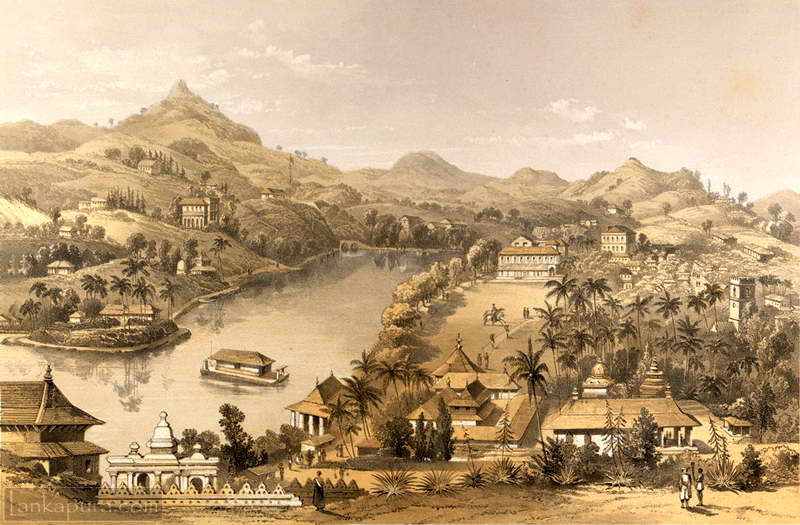
Nestled in the lush verdure of central Sri Lanka's central highlands, the ancient city of Kandy stands as a testament to the rich history and resilience of the Sinhalese people. From its establishment in the late 15th century to its fall to British colonial forces in 1815, Kandy served not only as a political and administrative center but also as a refuge embodying the enduring spirit of Sinhalese independence and cultural heritage.
The city’s roots trace back to the 1470s when King Wickramabahu III founded the Kingdom of Kandy as a sanctuary from encroaching European powers. This strategic move was pivotal; as coastal territories fell under Portuguese and Dutch control, the central highlands became the last stronghold of the Sinhalese kingdom. Kandy's geographical advantage, perched on a plateau surrounded by mountains, provided a natural defensive barrier, ensuring its longevity as a native polity until its eventual conquest by the British.
Historically, the Kingdom of Kandy has been celebrated for its robust resistance against European colonization. The late 16th and early 17th centuries saw Kandy emerge as a formidable opponent to colonial forces, employing guerrilla warfare tactics and diplomatic negotiations. Notably, during this period, a strategic alliance between the Kandyan Kingdom and the Dutch against the Portuguese in the 1630s further underscored its military prowess. Despite these valiant efforts, the Kingdom of Kandy ultimately succumbed to the might of the British Empire, marking the end of a long era of Sinhalese sovereignty.
Kandy's final capitulation came in 1815 with the signing of the Kandyan Convention. The treaty resulted in the deposition of King Sri Vickrama Rajasinha, effectively bringing an end to the last native monarchy in Sri Lanka. However, the convention preserved certain local rights, allowing a measure of autonomy within the broader framework of British colonial rule. This transition from independence to semi-autonomy was marked by the suppression of internal dissent among Kandyan chiefs who, disillusioned with their king, favored collaboration with British interests.
A Sanctuary of Culture and Religion
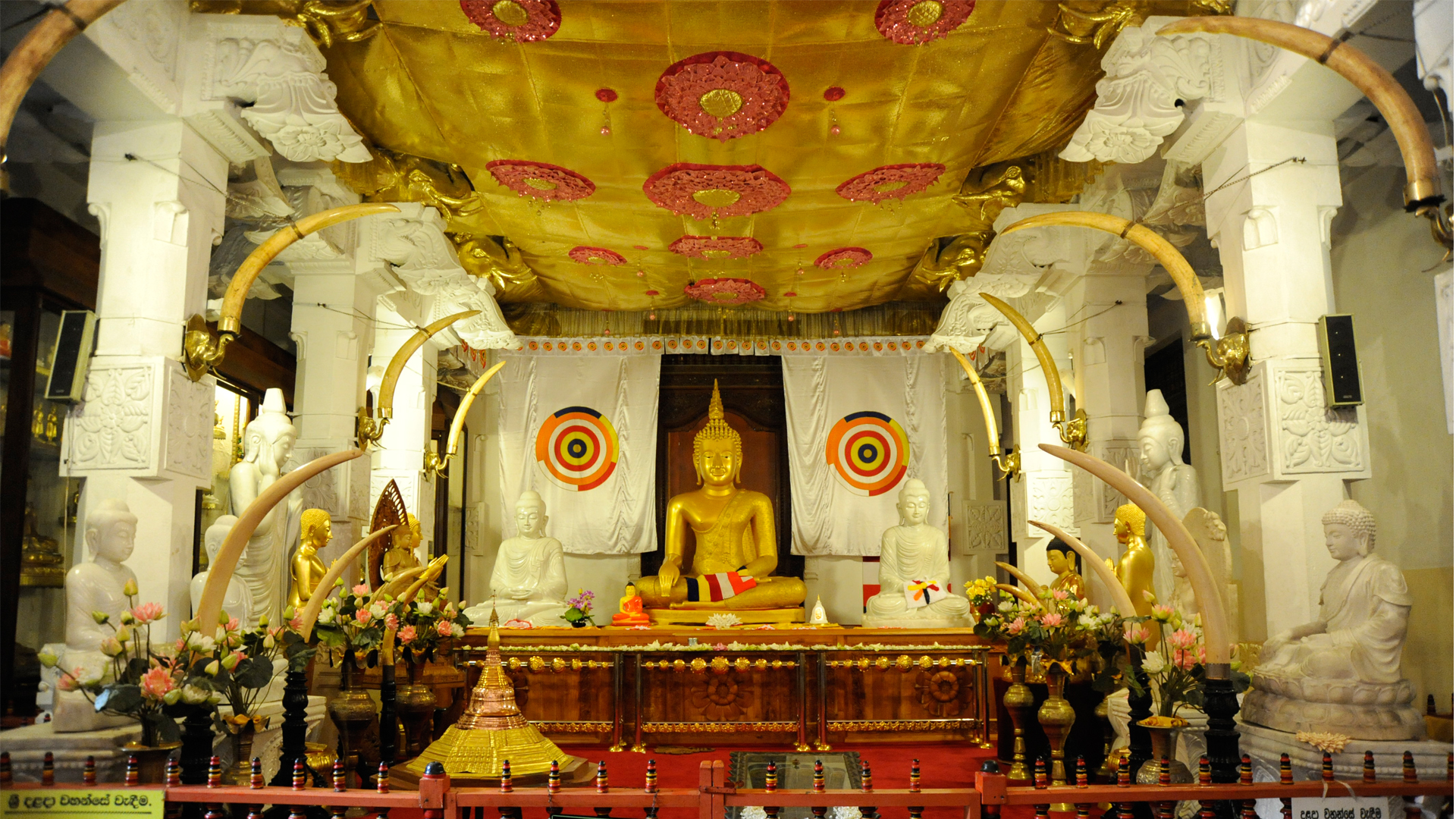
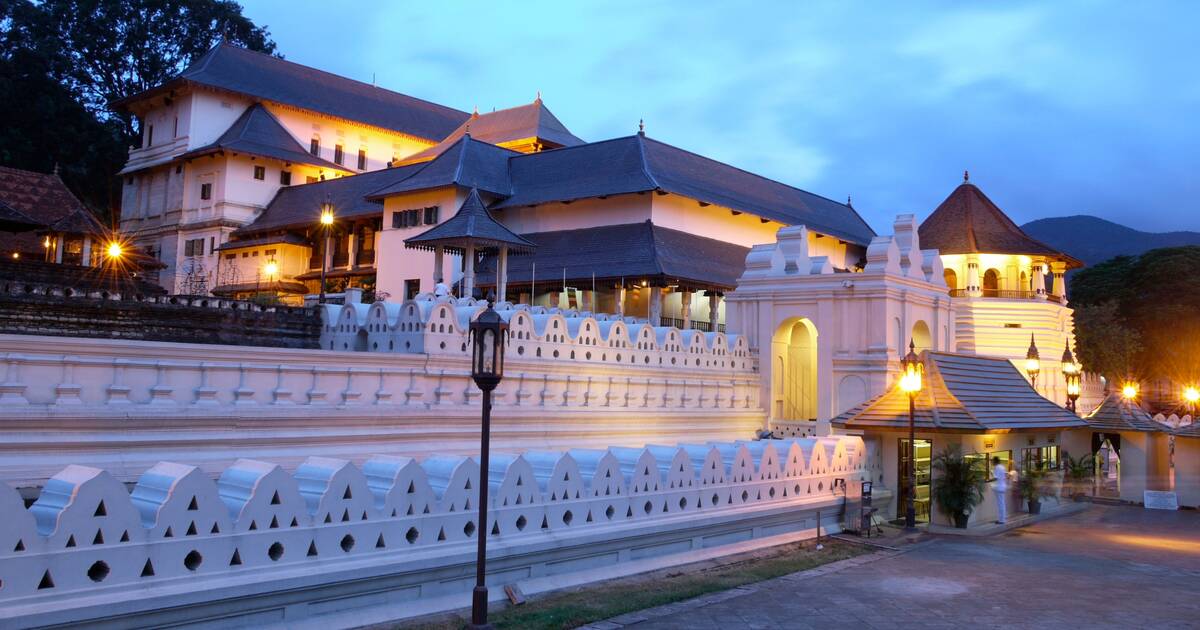
Despite its turbulent political history, Kandy has always been revered for its profound cultural and spiritual significance. Central to this significance is the famous Temple of the Tooth (Sri Dalada Maligawa), a UNESCO World Heritage Site that houses one of Buddhism's most revered relics—the tooth of the Buddha. Visitors from across the world are drawn to Kandy annually for the grand Esala Perahera festival, a spectacular pageant featuring intricate costumes, elephants, drumming, and dancing in honor of the sacred relic.
The temple and the surrounding precincts have been meticulously preserved over centuries, maintaining their cultural and religious functions. The Kandy Esala Perahera, traditionally held in July–August, is an extravagant ritual procession where the relic is worshipped with elaborate ceremonies and colorful displays. This event encapsulates the enduring traditions and spiritual practices that define Sinhalese culture, making the city a place brimming with heritage and reverence.
Moreover, Kandy has long been instrumental in sustaining various forms of traditional art and craftsmanship, such as Kandyan Dance, wooden sculpture, and weaving. These disciplines play a crucial role in perpetuating the unique cultural identity of the region and serve as a bridge connecting past generations to contemporary ones.
Urban Development and Modern Significance
While Kandy’s historical legacy remains deeply embedded in its landscape and architecture, the city has also undergone significant modern development, harmonizing its old-world charm with contemporary needs. Today, Kandy functions as a vital regional economic and educational center, leveraging its rich cultural heritage for tourism while ensuring sustainable urban growth. The city has made strides in preserving historical sites while embracing innovative approaches to education and healthcare.
Infrastructure improvements and technological advancements have enhanced Kandy’s connectivity, positioning it as a key player in Sri Lanka’s modern economy. Educational institutions like the University of Peradeniya, located within close proximity, contribute significantly to the region’s intellectual and academic ecosystem.
Education, healthcare, and cultural preservation are all integral components of Kandy’s current socio-economic framework. The city continues to thrive by balancing its historical riches with modern development, ensuring that future generations can inherit a thriving and vibrant center of culture and learning.
Today, Kandy stands as more than just a historical relic; it is a living testament to resilience and cultural continuity, continuing to shape the identity of Sri Lanka even in the modern era.
The city’s blend of traditional and modern elements is evident in its bustling streets, adorned with colonial architecture alongside contemporary commercial enterprises. Kandy’s central business district remains anchored by historic structures, providing a unique urban landscape that reflects its storied past. Shops selling local crafts, textiles, and spices intermingle with cafes offering traditional beverages and gourmet options, captivating both locals and visitors alike.
Historical Sites and Modern Tourism
The Temple of the Tooth (Sri Dalada Maligawa) dominates the skyline and remains the most prominent landmark in Kandy. Its golden spire and elaborate decorations serve as an enduring symbol of national pride and religious devotion. Surrounding the temple are numerous other sites of historical and cultural significance, such as the Royal Palace, which was once the residence of the Kandyan kings. While the palace itself has not survived intact, its site continues to be a focal point for guided tours and reflections on the royal legacy.
Natural beauty surrounds Kandy, enhancing its appeal as a tourist destination. The picturesque mountain ranges provide panoramic views, making it an ideal spot for hikers and nature enthusiasts. The nearby Knuckles Mountain Range and the Adam’s Peak area offer diverse hiking trails, each revealing breathtaking vistas and unique flora and fauna. Eco-tourism initiatives have gained traction in recent years, promoting sustainable practices and environmental stewardship among visitors.
Preserving Cultural Identities
Efforts to preserve Kandyan arts and culture are ongoing and well-supported. Traditional dance forms, particularly Kandyan Dance, are performed regularly in various venues around the city. These performances showcase intricate movements, elegant costumes, and vibrant music, drawing audiences from all walks of life. The city hosts numerous festivals throughout the year, celebrating not just the Esala Perahera but also other local customs and traditions.
The Kandyan Dance school at the State School in Kandy provides training to young dancers, ensuring the continuation of this important cultural practice. Other initiatives, such as the Kandyan Folk Museum, offer insights into the daily lives of Sinhalese people during the Kandyan era. These museums exhibit artifacts, clothing, and other items that help preserve the rich tapestry of Kandyan culture.
Economic Role in Central Sri Lanka
Beyond its cultural and religious significance, Kandy plays a crucial role in the economic development of central Sri Lanka. As the capital of the Central Province, the city serves as a hub for trade, commerce, and services. Local industry focuses on agriculture, particularly tea production, which has been a defining feature of the region for centuries. Tea factories dot the countryside, reflecting Kandy’s status as the birthplace of the Ceylon Tea Industry.
The city’s economic strength is also supported by its status as a major educational center. Institutions like Peradeniya University and several other colleges and schools attract students from all over Sri Lanka and beyond. Research facilities and academic programs in fields ranging from science to humanities contribute to the city’s intellectual landscape. This educational infrastructure fosters innovation, enhances scientific research, and provides skilled graduates for the region’s workforce.
In addition to education, healthcare facilities in Kandy are advanced and accessible, reflecting the city’s commitment to public welfare. Hospitals and clinics offer a range of medical services, catering to both residents and visitors. Modern amenities and healthcare initiatives ensure that the population enjoys high standards of health and well-being, contributing to the overall quality of life in the region.
Cultural Integration and Urban Planning
Efforts toward integrating traditional culture with contemporary urban planning have produced innovative solutions. Architectural designs in Kandy today often incorporate traditional Sinhalese styles with modern functionalities, creating buildings that pay homage to the city’s rich heritage while meeting contemporary needs. Public spaces, parks, and green areas have been designed to foster community engagement and promote environmental sustainability.
Local initiatives focused on sustainable development have garnered international recognition. Programs such as community-based tourism and conservation projects highlight Kandy’s commitment to preserving its natural and cultural resources. These initiatives often involve collaboration between government bodies, NGOs, and community members, fostering a sense of shared responsibility for the city’s future.
The blend of tradition and modernity in Kandy creates a unique urban environment that attracts tourists and residents alike. The city’s efforts to balance its historical heritage with the demands of the 21st century exemplify the challenges and opportunities faced by many cities in the post-colonial era. Kandy continues to evolve, ensuring that its rich history remains a guiding force for its future direction.
Challenges and Opportunities for Future Growth
Despite its many achievements, Kandy faces several challenges that must be addressed to sustain its growth and development. Infrastructure upgrades remain a priority, especially in ensuring efficient transportation networks and reliable utilities. The city continues to grapple with issues related to waste management and water supply, necessitating innovative solutions to enhance sustainability. Environmental degradation, driven partly by rapid urbanization and tourism, also poses a significant challenge.
Efforts are underway to address these challenges through collaborative initiatives. Local governments and international organizations are working together to implement sustainable development programs that balance economic growth with environmental protection. Community-driven projects have shown promising results in areas like renewable energy adoption and waste recycling. These initiatives not only contribute to the city’s green credentials but also educate the public on the importance of sustainable practices.
Conclusion
Kandy’s journey from a medieval Kingdom of Kandy to a thriving provincial capital is a story of resilience, adaptation, and cultural preservation. The city’s strategic position and historical significance continue to make it a vital part of Sri Lanka’s national identity. Today, Kandy stands as a testament to the enduring spirit of the Sinhalese people and their capacity to integrate tradition with progress.
As Kandy looks towards the future, it must continue to find ways to balance its rich heritage with the demands of modernization. By doing so, it can ensure that the legacy of its past is never forgotten while paving the way for a sustainable, prosperous, and inclusive future.
Kandy’s story is far from over, and with continued effort and collaboration, the city is poised to continue its role as a vibrant cultural and economic hub in central Sri Lanka.
End of Article
Saint Polycarp: A Prominent Figure in the Early Church
Dating back to the very origins of Christianity, Saint Polycarp remains a pivotal figure in the story of the early Church. Born in Asia Minor around the end of the first century, Polycarp was both a witness and a guardian of the apostolic heritage, serving as bishop of Smyrna for an astonishing eighty years.
The Birth and Early Years of Polycarp
Saint Polycarp's birth, traditionally placing it around 69 or 70 AD, marks the beginning of a life closely intertwined with the early history of Christianity. Born likely in Asia Minor, an area rich in cultural and religious diversity, Polycarp's journey from a humble beginning to his status as a revered bishop spans nearly half a millennium of Christian history. Much of what we know about his early years comes from tradition and later writings, suggesting he was indeed a direct disciple of the Apostle John. This apostolic connection provides invaluable context for understanding not only his personal life but also the theological and cultural landscapes of the era.
As a young convert to Christianity, Polycarp would have been steeped in the teachings of the apostle, absorbing his interpretations of the New Testament and the principles of the early Church. This firsthand connection to the apostles adds a layer of authenticity and authority to Polycarp's teachings, setting him apart from subsequent generations of Christians who would base their understandings largely on written texts rather than oral traditions.
Polycarp as Bishop of Smyrna
Polycarpus' rise to the position of bishop of Smyrna around 109 AD marked the beginning of his enduring legacy. Serving as bishop for approximately six decades until his martyrdom around 155 AD, Polycarp's tenure as spiritual leader of Smyrna coincided with some of the most transformative periods in Christian history. His appointment came at a time when Christianity was transitioning from a minority religion to a more structured and organized institution, a process characterized by challenges both internal and external.
During his lengthy tenure, Polycarp was known for his pastoral care, zeal in preserving apostolic teaching, and his unwavering dedication to the defense of orthodox Christian doctrine. These qualities were crucial in a time when the early Church faced numerous challenges—both from external pressures like persecution at the hands of pagans and internal challenges involving the emergence of various heresies.
The Defense of Orthodoxy
Polycarp played a significant role in defending the orthodox Christian faith against various heresies, none more prominent than Marcionism. The Marcionites rejected the Old Testament and advocated for a Gnostic interpretation of Christianity, viewing it as a higher, more enlightened truth in contrast to Judaism. Polycarp's stance against these heresies reinforced the need for a clear and unified Christian doctrine, emphasizing the compatibility of the Hebrew Bible and early Christian teachings.
In dealing with heretical teachings, Polycarp emphasized the continuation of apostolic tradition. Through his writings and public disputations, he sought to preserve the authentic teachings handed down from the apostles, ensuring their relevance and integrity within the developing Christian church. This focus on apostolic authority and continuity reflects a fundamental aspect of early Christian thought, where the living tradition of faith and practice was seen as crucial for maintaining theological orthodoxy.
The Epistle to the Philippians
Aside from his contributions as a bishop and defender of faith, Polycarp is also remembered for one of his surviving works—The Epistle to the Philippians. Written in the later years of his ministry, this letter offers profound insights into the early Church's practices and beliefs. While only fragments remain, the text emphasizes themes of moral conduct, spiritual growth, and Christological perspectives. Through this epistle, Polycarp demonstrates his continued commitment to upholding apostolic tradition and fostering spiritual maturity among his flock.
Legacy and Martyrdom
Polycarpus' legacy extends beyond mere pastoral duties and intellectual discourse. His martyrdom stands as perhaps his most enduring legacy, serving as a powerful symbol of faith and sacrifice in the face of persecution. Described in vivid detail by contemporaries, particularly in The Martyrdom of Polycarp, his final moments underscore the risks and costs associated with adhering to Christian teachings in a predominantly pagan world.
According to historical accounts, Polycarp was arrested during persecutions under Emperor Antoninus Pius and faced execution. Despite attempts to have him burned alive, Polycarp miraculously survived and was ultimately dispatched by a soldier with a sword. His courage and steadfastness in the face of adversity have made him a hero among Christians, embodying the spirit of unwavering faith. The Martyrdom of Polycarp serves not only as a testament to his personal bravery but also as a historical document providing valuable insights into the experiences and perceptions of early Christians under persecution.
Polycarp's Impact on the Development of Early Christian Thought
Polycarpus' long and influential life had a profound impact on the development of early Christian thought. His teachings, while based on apostolic authority, contributed significantly to shaping the theological foundations of the growing Christian community. His efforts to maintain doctrinal orthodoxy and combat heresies helped ensure that the core teachings of Christianity remained cohesive and consistent, even amidst periods of rapid change and uncertainty.
Potential future articles can delve deeper into specific debates and controversies that shaped the early Church, as well as explore how Polycarp's writings and actions influenced later Christian thinkers and leaders. Additionally, examining the ways in which Polycarp's legacy continues to resonate across different Christian traditions might provide further insights into his enduring significance.
Greek Influence and Cultural Context
The cultural and linguistic environment of Asia Minor also played a significant role in shaping Polycarp’s legacy. As Smyrna was a cosmopolitan city with deep roots in Greek philosophy and culture, Polycarp was adept at navigating these complexities while promoting Christian values. His ability to articulate the Gospel within the broader intellectual framework of the time ensured that Christian teachings could find a receptive audience among those immersed in pagan thought.
Polycarp’s familiarity with Greek literature and philosophical debates allowed him to engage effectively with intellectuals and educated pagans, making Christianity accessible to a wider populace. This cultural fluency enhanced his credibility and effectiveness as a teacher and leader within the early Church.
Apostolic Succession and Leadership
The concept of apostolic succession was central to Polycarp’s leadership and teachings. By claiming direct lineage from the apostolic heritage, Polycarp strengthened his position as a legitimate spiritual authority. This emphasis on apostolic succession served multiple purposes:
- Legitimacy: It affirmed his role as a continuator of apostolic teachings, making his guidance and interpretations more persuasive.
- Unification: It helped to unify local churches and maintain doctrinal consistency across different regions.
- Resistance to Heresy: By associating himself with the original apostles, Polycarp effectively countered the claims of heretical groups who often derived their authority from alternative sources.
This approach not only bolstered his position but also provided a robust framework for addressing the numerous heresies that emerged during his time. For example, Marcionism’s rejection of the Old Testament and its emphasis on a Gnostic interpretation of Christianity presented a significant challenge to traditional Christian beliefs. By asserting his apostolic credentials, Polycarp could counter these heretical views with a clear and unambiguous stance rooted in apostolic authority.
Ecclesiastical Controversies and Interactions
Polycarp was engaged in several ecclesiastical controversies during his lifetime, particularly concerning the dating of Easter. One of the most notable disputes involved reconciling the differences between the Eastern and Western churches regarding the timing of Easter celebrations.
Polycarp represented the Asian churches in their interactions with the Roman Church. These discussions were critical in establishing common practices and resolving differences. The Easter debate highlights the challenges the early Church faced in harmonizing traditions and practices that had developed independently in different regions.
Through these interactions, Polycarp demonstrated diplomatic skills and a desire to maintain unity within the Church. His efforts in resolving such disputes illustrate his role not merely as a local bishop but as a key figure in early Christian ecclesiastical governance.
Impact on the Liturgy and Worship
Polycarp’s leadership extended to the liturgical practices and rituals of the Church. His involvement in shaping these aspects helped to standardize and codify early Christian worship. By ensuring that liturgical norms were consistent with apostolic teachings, Polycarp reinforced the authenticity of Christian practices.
In liturgical matters, Polycarp would have focused on maintaining the use of familiar elements from apostolic times, such as prayers, hymns, and communal meals. These practices not only honored the past but also strengthened the sense of continuity and identity within the Christian community. His influence in liturgical matters underscores his broader efforts to maintain a robust and unified Christian faith.
Interactions with Other Church Leaders
Polycarp maintained close relationships with other prominent Church leaders of his time. For instance, his correspondence with Ignatius of Antioch, another important figure in the early Church, highlights the interconnected nature of these early Church communities. Their mutual respect and collaboration exemplified the cooperative spirit that characterized much of early Christian leadership.
Such interactions were vital for the propagation of apostolic teaching and the resolution of conflicting views. By exchanging perspectives and sharing insights gained through their respective ministries, Polycarp and other leaders like Ignatius contributed to the cohesion and stability of the early Church.
Polycarp’s Teachings on Perseverance and Faithfulness
Polycarp’s teachings on perseverance and faithfulness were central to his ministry. In the face of persecution, his steadfast dedication to Christian principles inspired countless followers. His final words and actions, documented in The Martyrdom of Polycarp, became a template for later martyrs, reinforcing the idea that true Christianity demanded a willingness to endure suffering for one’s faith.
Polemics like Justin Martyr and Tertullian echoed Polycarp’s emphasis on perseverance and the value of steadfast faith. His legacy includes not only his martyrdom but also the manner in which he lived out his faith in daily life, serving as a model for Christian character and conduct.
Continuing Influence in Modern Times
The impact of Polycarp’s teachings and actions extends far beyond his immediate era. His legacy lives on in the modern Church, where his name is venerated as a saint and a respected figure in ecclesiastical history. Polycarp’s contributions to the development of Christian doctrine and his example of courage and devotion continue to inspire believers.
Polycarp remains a crucial reference point for understanding the early Church, providing insights into the challenges faced by early Christians and the strategies employed to overcome them. His story serves as a reminder of the importance of continuity and faith in the face of adversity, resonating deeply with contemporary Christians.
Future articles could delve deeper into Polycarp’s specific theological contributions, his impact on local and international church governance, and the enduring relevance of his teachings in modern times. Exploring how his legacy inspires contemporary Christian leaders and believers might offer fresh perspectives on his continuing significance.
Theological Contributions and Writings
While only a fragment of Polycarp’s writings has survived, what remains provides invaluable insight into the theological landscape of the early Church. Among his surviving works is The Epistle to the Philippians, a brief but profound letter that offers glimpses into his theological perspectives. Although incomplete, this epistle conveys themes of moral conduct, eschatology, and apostolic authority.
Polycarp emphasized the importance of moral discipline and ethical living, urging his readers to maintain a pure and godly walk. This stress on personal ethics reflected a broader concern for moral integrity in the face of external challenges and internal divisions. His teachings also touched upon the Second Coming of Christ, encouraging his congregation to prepare themselves spiritually for the imminent return of Christ.
The emphasis on apostolic authority and continuity is evident throughout Polycarp’s remaining writings. In the epistle to the Philippians, he frequently references the apostles’ testimony and teachings, grounding his own perspectives within a rich tradition inherited from the apostolic era. This emphasis on apostolic succession served not only to legitimize his own authority but also to uphold the integrity of Christian doctrine.
Veneration and Canonization
The veneration of Polycarp within the Christian Church began immediately after his death. During the persecutions of the early Church, his martyrdom was seen as a manifestation of divine approval and the ultimate sacrifice for faith. The Martyrdom of Polycarp, written by a companion named Ignatius of Antioch, served as a powerful narrative that captured the broader Christian imagination.
This text described Polycarp’s arrest, trial, and execution in vivid and moving detail, painting him as a martyr and a role model for others facing persecution. The Martyrdom of Polycarp was read aloud in churches and became a key religious text, illustrating the early practice of reading martyrdom tales together with worship. This tradition of veneration eventually led to his canonization as a saint across various Christian denominations, including Eastern Orthodox, Catholic, Oriental Orthodox, Lutheran, and Anglican churches.
Polycarp’s martyrdom and the stories surrounding it reinforced his status as a martyr and a saint, ensuring his lasting place in Christian history. His legacy was further solidified through the compilation and preservation of early Christian martyrologies, which celebrated the sacrifices and virtues of early Christian leaders.
Modern Relevance and Scholarly Interest
Despite the passage of nearly two millennia, Polycarp remains relevant in modern times. Scholars continue to study his life and writings, particularly his contributions to the understanding of early Christian doctrine and the challenges faced during the formative years of Christianity.
The study of Polycarp’s martyrdom, particularly through texts like the Martyrdom of Polycarp, provides valuable insights into early Christian attitudes towards persecution and death for faith. These narratives help modern readers understand the psychological and societal contexts that shaped early Christian beliefs and practices.
Polycarp’s example of steadfast faith and enduring devotion resonates across different epochs. His story continues to inspire contemporary Christians, highlighting the importance of moral integrity, apostolic authority, and unwavering commitment to the Gospel.
Conclusion
Throughout his life and career, Saint Polycarp played a pivotal role in the early Christian Church. As a direct disciple of the Apostle John, a bishop who served for over six decades, and a martyr whose legacy continues to reverberate, Polycarp embodies the essence of apostolic continuity and Christian perseverance. His teachings, writings, and deeds have left an indelible mark on Christian history and provide a rich tapestry for modern scholars and faithful alike to explore.
From his birth in Asia Minor, through his long and influential ministry, and finally, to his martyrdom, Polycarp exemplifies the transformative power of faith. His story serves as a testament to the enduring impact of early Christian leaders and the unchanging message of Christ.
The life and legacy of Saint Polycarp remind us of the ongoing struggle for faith, the importance of moral integrity, and the enduring relevance of apostolic tradition. As we navigate the complexities of our own times, Polycarp’s example continues to offer guidance and inspiration, reminding us of the eternal truths that unite the Christian community.


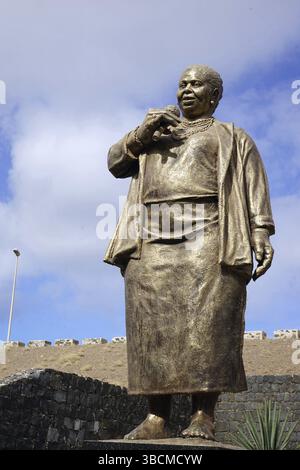


Marrakech: A Journey Through Time
The Heart of Morocco
Marrakech: Where History Meets Splendor
Marrakech is a city where history and vibrant culture seamlessly blend into modernity, offering visitors a rich tapestry of sights, sounds, and smells that evoke a sense of timelessness and enchantment. Located in southwestern Morocco, it stands as one of North Africa’s most fascinating cities, enveloped in architectural grandeur and steeped in centuries-old traditions.
Nestled within the Atlas Mountains, Marrakech has captivated explorers and travelers alike for generations. Its warm climate and picturesque landscapes create a perfect backdrop for a plethora of activities, from exploring ancient medinas to enjoying serene gardens and bustling souks. Known as the "Red City" due to its ochre-colored walls, Marrakech offers countless reasons to visit, making it a must-see destination for any traveler.
A Historical Overview
Founded in the mid-11th century by the Almoravids, Marrakech grew rapidly under their patronage and later became the capital of various dynasties over the centuries. The city’s strategic location along caravan routes connecting the Mediterranean with West Africa positioned Marrakech as a vital trading center. Under the Almohads (1147–1269), Marrakech flourished as a cultural and economic hub, becoming one of the largest cities in the Muslim world.
The city’s golden era continued under the Marinid dynasty, which ruled from 1248 to 1465. They constructed many monumental buildings, further enhancing Marrakech’s reputation as a cultural melting pot where Islamic art, architecture, and scholarship thrived. This period saw the expansion of the Almoravid Koutoubia Mosque, which served as a model for other mosques throughout Morocco.
During the Saadian era (1554–1557; 1576–1626), Marrakech regained its prominence as the capital of Morocco. However, the Alaouite sultan Moulay Ismail (ruled 1672–1727) moved the capital to Fes, diminishing Marrakech’s political importance temporarily. Yet, the city retained its allure as a significant religious and commercial center.
In the late 19th century, during the reign of Abderrahman III (late 19th century), Marrakech regained some of its earlier stature. European influence began to seep in, leading to the adoption of some Western architectural styles alongside traditional ones. Today, Marrakech remains a dynamic blend, showcasing both historical heritage and contemporary life.
Notable Neighborhoods and Buildings
No discussion of Marrakech would be complete without mentioning its key neighborhoods and architectural landmarks that have shaped the city’s identity over the centuries.
Koutoubia Mosque: Situated at the heart of Marrakech, the Koutoubia Mosque stands as a magnificent testament to Islamic art and architecture. Built by Ali ibn Yusuf of the Almohad dynasty in the early 12th century, this minaret is one of the highest in Morocco, standing at approximately 109 feet tall. The mosque’s intricate tile work, soaring minarets, and ornate prayer hall reflect the refined craftsmanship characteristic of the Almohad period. Although the interior is not accessible to non-Muslims, the exterior provides a breathtaking vista of the city skyline.
La Médina: As the name suggests, La Médina, or the Medina, refers to the old walled city of Marrakech. This UNESCO World Heritage site is a labyrinthine network of winding alleyways, bustling souks, and narrow streets that date back several centuries. Within these walls lie traditional crafts’ shops, spice merchants, and craftsmen whose skills have been passed down through generations. Visitors can navigate this urban maze for hours, discovering hidden gems such as artisan workshops, ancient libraries, and secluded courtyards.
Bab Agnaou: One of the most iconic gates to the Medina, Bab Agnaou, built during the Marinid period, serves as a gateway to the city’s past. This imposing gateway, made of baked clay and decorated with geometric patterns, symbolizes the wealth and prosperity of Marrakech. It also marks the beginning of a scenic walkway filled with markets, cafes, and historical sites.
Jardin Majorelle: Founded in 1931 by Henri Matisse and later restored by Yves Saint Laurent, the Jardin Majorelle is a stunning oasis of exotic plants and lush greenery. Located in the heart of Marrakech, this garden showcases a mix of French colonial and Moroccan architecture, featuring intricate fountains, ponds, and flowering trees. Its vibrant blue facades, a signature feature of the garden, create a striking contrast against the red sandstone of the surrounding buildings. Visitors can explore interactive exhibits, learn about Moroccan flora, and relax amidst serene surroundings.
Musée des Confluences: Although not strictly a Marrakech landmark, this modern museum, which houses a section dedicated to Marrakech’s history and culture, is worth mentioning. Its unique design and innovative approach to displaying cultural artifacts provide a contemporary twist to traditional exhibitions. The museum’s exhibitions delve into local history through multimedia displays, providing visitors with a more immersive experience of the city’s cultural heritage.
These iconic locations form the physical core of Marrakech, each telling a story of the city’s past and present. Together, they paint a vivid picture of a vibrant metropolis that continues to evolve while retaining its rich historical legacy.
Gastronomy and Local Cuisine
Marrakech’s culinary landscape is a testament to its historical significance and diverse cultural influences. From street food stalls to traditional Moroccan cafes, the city offers an array of flavors, colors, and aromas that tantalize the taste buds of those willing to venture off the beaten path.
Djebena Coffee: A quintessential example of Moroccan hospitality, djebena coffee sets the stage for many social gatherings and meals. This hand-carved silver teapot, often adorned with intricate designs, serves as both a functional tool and a display piece. Each sip of coffee, rich and full-bodied, is accompanied by sweet pastries and light snacks, forming the basis of Moroccan social etiquette.
Tajines: No meal in Marrakech is complete without a variety of aromatic tajines. These slow-cooked stews, traditionally made in a conical clay dish, showcase the versatility of Moroccan cuisine. Meat and vegetables, cooked with spices like cumin, cinnamon, and paprika, simmer slowly to develop rich flavors and textures. Common ingredients include lamb, chicken, and a medley of fruits and vegetables, such as olives, apricots, and carrots.
Fresh Pastries and Berries: During the summer months, fresh pastries and berries take center stage. Marrakchi pastries, known as “gazelle horns” or “ghaifa,” are particularly beloved for their delicate dough and sweet fillings. Meanwhile, the seasonal availability of sweet figs and grapes adds a delightful freshness to traditional desserts like sfenj (deep-fried doughnuts).
Lamb Tagine: One of the city’s most famous dishes is the lamb tagine, often cooked with raisins, almonds, and a blend of fragrant spices. The savory richness of the meat, combined with the sweetness of the dried fruits, creates a harmonious balance of flavors that is both comforting and complex.
Marrakech Tea: To complement any meal, tea plays an essential role in Moroccan culture. Prepared with green tea, sugar, and sometimes mint, this ritual is deeply ingrained in social interactions. Moroccan tea is usually served in small glasses, often accompanied by dates to cleanse the palate between sips.
Sweet Treats: Among the numerous dessert options, m’hmiratiya, a type of syrup-soaked almond cookie, and chebakia, deep-fried dough balls covered in sugar and sesame seeds, stand out as favorites. These sweets, often dusted with powdered sugar, offer a sweet conclusion to any meal.
Marrakech’s gastronomy reflects its cosmopolitan heritage, blending elements of Berber, Arab, and Islamic traditions. Each bite not only fulfills a sensory craving but also offers a glimpse into the city’s vibrant tapestry of history and culture.
Cultural Festivals and Events
Marrakech is renowned for its vibrant annual festivals and events that bring the city’s spirit to life. These celebrations are a reflection of the city’s rich cultural heritage and diversity, attracting visitors from all corners of the globe.
Festival of Sufi Saints: Commemorating Sufi saints, this festival is held annually in January or February. Participants wear elaborate outfits and engage in devotional practices, adding a mystical and spiritual flavor to Marrakech’s festive atmosphere. The procession of thousands of devotees makes for an impressive sight, culminating in public sermons and performances in the streets.
International Film Festival: This biennial event, celebrated every October, brings together filmmakers and cinephiles from around the world. The festival showcases a range of films in various languages, providing a platform for emerging directors and established auteurs. The highlight of the festival includes award ceremonies, panel discussions, and networking opportunities, contributing significantly to Marrakech’s reputation as a global cultural hub.
Sultan Moulay Slimane Festival: Named after one of Marrakech’s most illustrious rulers, this festival occurs annually in November. Combining military parades, cultural performances, and traditional horse racing, it offers a glimpse into Morocco’s military and cultural heritage. The vibrant colors, costumes, and ceremonial displays create an immersive experience for attendees.
Carnival of Marrakech: Held in March or April, just before Ramadan, the carnival is celebrated with great fervor. Colorful floats, live music, and parades fill the city’s main thoroughfares, marking the end of winter and the onset of spring. Traditional dances, folk music, and costume contests add to the festive atmosphere, captivating both locals and tourists alike.
Night Market: While not a fixed festival, Marrakech’s night markets, often referred to as “Foufana,” take place weekly, especially on Fridays. These markets extend beyond the usual trading hours, offering a wide array of goods and services into the evening. Vendors sell everything from spices and textiles to jewelry and handicrafts, providing visitors with a taste of authentic Marrakchi nightlife.
These cultural events contribute significantly to Marrakech’s appeal, enriching the city’s atmosphere with a kaleidoscope of colors, music, and dance. They underscore the city’s resilience and adaptability, highlighting its enduring connection to tradition while embracing contemporary influences.
Shopping and Souks
Marrakech's souks are among the most famous and vibrant bazaars in Morocco, offering visitors a unique shopping experience that blends adventure and discovery. The bustling atmosphere, with its constant hustle and bustle, is a far cry from the serene beauty of the gardens and palaces. Here, merchants haggle over prices, weaving in and out of narrow passages filled with stalls selling everything from spices and textiles to jewelry and leather goods.
Ras el Hanout Market: One of the most popular souks is Ras el Hanout, named after the complex blend of spices used in Moroccan cooking. Here, you can find a vast array of aromatic spices, including saffron, turmeric, and cinnamon. The market is bustling with activity, with merchants calling out their prices and negotiating deals. Don't miss the chance to sample some fresh spices, perhaps wrapped in a bundle to take home.
Carpets and Textiles: The souks of Marrakech are renowned for their carpets and textiles, which have stood the test of time. Walk through the Jemaa el-Fnaa district to explore the textile stalls. Each merchant offers a variety of items, from intricately embroidered jackets and scarves to handwoven kilims and hassocks. The skill in crafting these textiles is truly remarkable, reflecting the cultural heritage and craftsmanship of the region.
Jewelry and Garnets: For those seeking unique pieces, Marrakech's souks are home to numerous jewelry shops selling a range of traditional and contemporary pieces. Garnets are particularly favored, often set in gold and sold alongside silver and brass ornaments. Visitors can choose from a broad selection of rings, necklaces, bracelets, and earrings, each representing a piece of Moroccan artistry.
Leather Goods: The leather industry is well represented in Marrakech, boasting shops that offer beautifully crafted wallets, bags, belts, and footwear. The leather itself is treated using age-old techniques, resulting in durable and stylish products. You might also encounter vendors selling boho-style leather accessories or leather-bound journals, which make for great souvenirs.
Wood, Brass, and Ceramics: Besides textiles and jewelry, wood, brass, and ceramics play important roles in Moroccan art. Souks often feature stalls displaying intricately carved wooden boxes, trays, and furniture. Brassware, including decorative bowls and pitchers, are highly prized, often inlaid with brass and copper filigree. Ceramic tiles and vases, adorned with floral patterns and traditional motifs, are also popular purchases.
Kasbahs and Shopping Centers: For those who prefer a more modern and organized shopping experience, Marrakech features several shopping centers situated within kasbahs (fortified houses). These areas offer air-conditioned malls and boutiques, perfect for browsing in cooler temperatures. Places like the Kasbah Mall and the Grand Socco are good examples where you can find international brands as well as local designers.
Haggling is a common practice in Marrakech's souks, so it's essential to keep your cool and enjoy the process. It's a negotiation and a social interaction, and haggling is considered part of the cultural exchange. Remember to smile and engage in friendly banter as you search for the best deals. With a little patience and persistence, you'll uncover treasures that will stand the test of time.
Spices and Herbs
Marrakech is not only a destination for exploring the city’s architectural marvels and vibrant culture but also for indulging in its aromatic spices and herbs. Spices and herbs play a crucial role in Moroccan cuisine and are an integral part of daily life. They enhance the flavor of dishes, promote wellness, and even serve as natural remedies.
Spice Markets: The Jemaa el-Fnaa square is home to several spice markets, where you can witness the vibrant trade and preparation of spices right in front of you. Here, you’ll see master spice merchants roasting their mixes over open flames to perfection. The most famous of these is perhaps the Ras el Hanout stall, where a mix of over sixty different spices is prepared.
Aromatic Herbal Teas: Beyond spices, Marrakech offers a wide array of herbal teas that are both soothing and flavorful. Masnoon tea, a sweet mint tea, is a staple beverage enjoyed in nearly every household. Other popular herbal infusions include chamomile, hibiscus, and rose hips. These teas are not only refreshing but also Believed to offer various health benefits.
Herbal Remedies: The use of herbal remedies is deeply rooted in Moroccan tradition. Many stores and street vendors sell medicinal herbs, oils, and teas that claim to cure a range of ailments. Arnica, for instance, is used for treating bruises and inflammatory conditions, while mint tea is said to soothe stomach issues and improve digestion.
Preserved Lemon and Olives: Another essential component of Moroccan cuisine is preserved lemon. Lemons are soaked in brine for months, resulting in a tangy, fragrant addition to various dishes. Similarly, preserved olives offer a salty, flavorful zest to salads and sandwiches. These delicacies are staples in many households and can be found easily in local markets and grocery stores.
Perfumes and Aromatherapy: Perfumes are a significant part of Morocco’s cultural heritage, and Marrakech is no exception. The scent of jasmine, rose, and orange blossom permeates the air, making it an excellent destination for fragrance lovers. Visit traditional perfumeries to discover unique scents, and don’t forget to try samples before buying gifts or personal items.
Haggling for spices and herbs is a delightful process, and it’s not uncommon to find exquisite blends at very reasonable prices. Whether you’re looking for gourmet ingredients or traditional home remedies, Marrakech’s spice and herb markets are sure to satisfy your curiosity and delight your senses.
Nature and Gardens
Despite its urban charm, Marrakech also offers visitors the opportunity to immerse themselves in nature and admire the city’s stunning gardens. These outdoor spaces provide a tranquil escape and a way to appreciate the natural beauty of Morocco.
Hassan's Garden: A peaceful respite in the heart of the bustling city, Hassan’s Garden (also known as the Botanical Garden) offers a serene environment. Spanning a vast area, it includes botanical exhibits, flower beds, and a variety of trees that create a lush green canopy. This garden is an ideal spot for relaxation, particularly during hot summer months when it can be quite warm in the Medina.
Rocade Gardens: Located near the Rocade Avenue, these gardens are perfect for a leisurely stroll or jog. They offer a mixture of greenery, walking paths, and recreational facilities, making them a favorite among locals and tourists alike. The gardens provide a welcome break from the city noise, with water features and well-maintained lawns serving as tranquil centers.
Jardin Majorelle: As previously mentioned, the Jardin Majorelle is a stunning oasis of exotic plants and lush greenery. Founded in 1931 by Henri Matisse and later restored by Yves Saint Laurent, this garden showcases a mix of French colonial and Moroccan architectural elements. Visitors can explore interactive exhibits, learn about Moroccan flora, and relax amidst serene surroundings.
Menara Gardens: Nestled along the edge of Lake Ouzagh, the Menara Gardens are a verdant haven away from the city’s hustle and bustle. Established during the Marinid dynasty, these gardens feature beautiful pools, ornate fountains, and expansive green areas. They also house the nearby Menara Palace (Menzel Bni Messoudi), a significant historical site reflecting traditional Moroccan palace architecture.
These gardens provide a glimpse into the natural wonders that abound in Marrakech. Whether you seek tranquility, a touch of nature, or simply a pleasant change from the urban environment, these outdoor sanctuaries can help rejuvenate your spirit.
Music and Dance
Music and dance are an integral part of Marrakech’s cultural fabric, enriching the city’s social and artistic landscape. The rhythms and melodies of local musicians and dancers add a vibrant and lively ambiance to the city, transforming public spaces into stages of cultural celebration.
Jemaa el-Fnaa Square: Perhaps the most iconic gathering for both music and performance is Jemaa el-Fnaa Square. At night, this square transforms into a living stage, with musicians playing a variety of instruments ranging from ouds and qanuns to flutes and drums. Storytellers captivate audiences with tales of Moroccan folklore and history, while traditional singers perform timeless songs that reflect the rich cultural tapestry of the region.
Gnaoua Music: Gnaoua music, a unique form of Andalusian music brought to Morocco by African slaves, resonates deeply in Marrakech. Traditional Gnaoua concerts are held annually during the Gnaoua World Music Festival, celebrating the fusion of African, Arab, and Berber musical traditions. These performances are typically energetic and soul-stirring, reflecting the deep spiritual and cultural roots of the Gnaoua people.
Belly Dancing: Known worldwide for its graceful movements and rhythmic beats, belly dancing is another highlight of Marrakech's dance scene. Evening shows are a popular attraction for tourists and locals alike, offering a dynamic and visually engaging performance that encapsulates Moroccan tradition and cultural pride.
Taqiyya Music and Dance: Taqiyya music and dance performances are often featured during the annual Fes-Belgra Festival and the International Festival of Marrakech, highlighting traditional forms of Moroccan folk music and dance. These performances include the intricate and colorful dances of the amazigh (Berbers) and the flamboyant steps of the raïtia dancers.
Oud Playing: The oud, a stringed instrument resembling a lute, plays a central role in Moroccan music. Nightclubs and cafes often feature live performances by skilled oud players, their melodious tunes echoing through the air. The sound of the oud can instantly transport visitors to a different era filled with nostalgia and cultural depth.
These musical and dance performances are not just forms of entertainment; they are profound expressions of cultural identity and heritage. Whether through the soulful tones of the oud, the fiery rhythms of Gnaoua music, or the expressive movements of belly dancers, Marrakech’s vibrant music and dance scenes reflect the city’s enduring connection to its rich cultural legacy.
Accommodation and Leisure Activities
Marrakech’s accommodation options span from luxury palace hotels to traditional riads and budget-friendly guesthouses. Each offers a unique experience that caters to different tastes and preferences. Whether you prefer opulence or authenticity, there is a place in Marrakech to suit your needs.
Palace Hotels: Luxury hotels like the Royal Mansour Marrakech or the Carrousel Palace are perfect for those seeking indulgence and comfort. These palatial accommodations boast lavish interiors, high-end amenities, and impeccable service. The Royal Mansour, forinstance, is a prime example of Moroccan opulence, with its lush gardens, traditional architecture, and personalized butler service.
Riad Stays: Riads are traditional Moroccan residences that have been converted into charming boutique hotels. They offer a more intimate and culturally immersive experience. Riads like Riad Azul or Riad La Maison des Plantes feature historic courtyard complexes, cozy rooms, and personalized touches. These accommodations often provide a sense of community and a deeper connection to the local lifestyle.
Guesthouses and Hostels: For budget-conscious travelers, guesthouses and hostels in Marrakech offer affordable stays with a touch of local charm. Places like Le Petit Palace or the Sahara Hostel are known for their friendly staff and lively atmospheres. These accommodations often serve as hubs for socializing, providing a great base for exploring the city and meeting fellow travelers.
Apart from the numerous lodging options, Marrakech also offers a myriad of leisure activities designed to entertain and engage visitors. From therapeutic spa treatments to thrilling outdoor adventures, there is always something exciting to do.
Spas and Wellness Centers: Spa and wellness centers in Marrakech cater to those seeking relaxation and rejuvenation. Services range from traditional Moroccan hammams (public baths) to massages and body treatments using natural ingredients such as argan oil. The Dar Mahkoul and Sofitel Marrakech are among the top spas offering these amenities, ensuring guests leave feeling revitalized and pampered.
Outdoor Adventures: Nature enthusiasts can take advantage of the proximity to the Atlas Mountains and other natural landscapes. Nearby destinations like Aït Ben Haddou or Tizi n'Tichka provide opportunities for hiking, trekking, and mountain biking. Guided tours are available, allowing visitors to explore these breathtaking areas safely and comfortably.
Shopping and Souvenir Hunting: As previously mentioned, Marrakech’s souks provide endless opportunities for shopping and souvenir hunting. However, there are also dedicated shops and boutiques in the city center that offer a wider selection of high-quality items. Stores like Marrakech Collection and Artisan Village showcase both local artisans and international designers, catering to various tastes and budgets.
Leisure activities extend beyond shopping and relaxation. Cultural excursions and guided tours offer a deeper understanding of Marrakech’s history and heritage.
Guided Tours: Tour operators in Marrakech provide a range of guided tours taking visitors to historical sites, cultural landmarks, and hidden gems. Some notable tours include those offered by Marrakech Private Tours, which focus on both the tangible and intangible aspects of the city. These tours can be customized based on individual interests and schedules, ensuring an unforgettable experience.
Morning Walks and Strolls: Exploring the city on foot is one of the best ways to appreciate its rhythm and energy. Join a guided morning walk or simply wander through the streets. Walking around areas like Jemaa el-Fnaa, Souk Semmarine, and Bab Doukkala allows you to feel the pulse of the city, meet locals, and immerse yourself in the vibrant atmosphere.
Finally, Marrakech’s nightlife is vibrant and varied, offering a wide range of venues to suit all tastes and moods. Bars, clubs, and restaurants provide opportunities to unwind and enjoy Moroccan hospitality.
Epicurean Dining: For those seeking fine dining experiences, Marrakech boasts numerous restaurants that offer both traditional and contemporary interpretations of Moroccan cuisine. Chez Mamet, Al Maaden, and Maison du Pain offer exceptional culinary experiences, with chefs known for their innovative approaches and adherence to authentic recipes.
Live Music Venues: Live music venues in Marrakech feature a mix of traditional and contemporary acts, ranging from jazz bars to cultural centers. Institutions like Café des Sports and Café des Amis host regular live performances and cultural events. These venues are perfect for experiencing the city’s vibrant music scene.
Beer and Breweries: In recent years, Marrakech has seen the rise of craft breweries. Breweries like Les Halles Brewery and Saharan Draft have gained popularity, offering a range of locally produced beers and spirits. Beer tasting events and workshops are also becoming more common, providing an interesting twist to nightlife in the city.
Marrakech’s offerings in accommodation and leisure activities cater to diverse interests and needs, ensuring a comprehensive and memorable experience for every visitor. Whether you prefer luxury, adventure, cultural immersion, or a simple stroll through the city’s winding streets, there is something here to delight and captivate your senses.
Conclusion: A Multilayered Experience
Marrakech is not merely a destination; it is a multilayered experience that unfolds over each visit and exploration. It invites you to peel back its layers—historical, cultural, architectural, and culinary—to uncover a city rich with stories and traditions. Whether you’re drawn by its ancient medinas, its vibrant festivals, or its bustling souks, Marrakech rewards those who take the time to dive deep into its tapestry.
As you prepare to embark on your journey to this captivating city, remember that every interaction, every aroma, and every sight in Marrakech is imbued with a unique blend of heritage and modernity. Embrace the spirit of Marrakech, let yourself be transported by its enchanting allure, and cherish the memories you create in this extraordinary place. Whether you spend days wandering through the Medina, tasting its delicious cuisine, or simply relaxing in its tranquil gardens, you are sure to leave Marrakech with a lasting sense of wonder and admiration.
Bagan: A Living Legacy of Myanmar's Past
The Enchanting Heritage of Bagan
Bagan, also spelled Pagan, is a sprawling archaeological site located in central Myanmar (formerly Burma). This ancient city, once the capital of the powerful Pagan Empire, is renowned for its vast collection of Buddhist temples, pagodas, and monasteries spread across a vast landscape. Nestled along the banks of the river Irrawaddy, Bagan offers a unique and captivating journey through the region’s rich history.
The ruins of Bagan cover an area of approximately 25 square miles (64 square kilometers) and are home to more than 2,200 pagodas, temples, and monasteries, many of which have survived earthquakes and centuries of abandonment. The largest and most famous of these structures includes Ananda Temple, which dates back to the early 11th century and remains a significant symbol of the site’s religious and cultural significance.
Ancient History and Cultural Significance
The history of Bagan spans over a millennium, with the earliest known settlements dating back to around the 6th century AD. It was during the reign of King Kyansittha in the 11th century that Bagan began to flourish as the capital of the unified Pagan Kingdom.
The Pagan Empire lasted until the late 13th century when it was sacked by the Mongols under Kublai Khan. Despite this setback, Bagan continued to be an important center of Buddhist practice and learning. Today, the site remains a living testament to the culture and religion of the past, attracting thousands of visitors each year who come to marvel at the ancient architecture and explore the rich history encapsulated within the walls of these historic structures.
Pilgrimages and Travel
For many travelers and pilgrims, visiting Bagan is not merely a sightseeing tour but a spiritual experience. The sunrise and sunset are particularly magical times to visit the sites, casting a warm and golden hue across the sprawling plains of temples and monuments. Each temple carries its own story and significance, making them fascinating destinations for both tourists and scholars alike.
To reach Bagan, one typically flies into Mandalay or Naypidaw, both major cities in Myanmar, and then travels by car or bus to the site. Visitors can spend several days exploring the area to get a comprehensive view of the ancient structures, many of which are open for public viewing or require admission fees for entry into specific areas.
Architectural Marvels and Iconic Temples
The architectural style of Bagan temples combines various elements from earlier Burmese styles with local influences, resulting in a unique blend of aesthetic and spiritual significance. These structures are built using traditional Burmese brick and decorated with intricate sculptures and carvings that tell stories from Buddhist mythology and history.
Key features of the Bagan temples include:
Ananda Temple
- Date of Construction: Early 11th century
- Significance: One of the oldest and most famous temples, dedicated to Buddha
- Architecture: Four equal sides, each containing a main entrance and numerous small stupas
- Sculptures: Intricate carvings depicting scenes from the life of Buddha and Buddhist deities
Htilominlo Temple:
- Date of Construction: 1218 AD
- Significance: Named after King Htilominlo of the Pagan Dynasty
- Architecture: Known for its large spire and richly decorated exterior
- Highlights: Intricate sculptures and murals inside the temple
Shwezigon Pagoda:
- Date of Construction: Around 1090 AD
- Significance: Often referred to as Burma’s equivalent of the Egyptian pyramids due to its resemblance
- Architecture: Pyramid-shaped structure topped with a gilded stupa
- Features: A sacred site associated with the Buddha and housing relics
Mandalay Palace Paya:
- Date of Construction: 1784 AD
- Significance: Built during the time of King Bodawpaya as part of the Royal Palace complex
- Architecture: Reflects Shan-Burmese architectural style with brick walls and terracotta tiles
- Features: Includes various halls and pavilions adorned with sculptures and paintings
Visitors can also explore less popular yet equally fascinating structures such as Dhammayangyi Temple, with its massive sandstone blocks, and Dhammayazika Pagoda, known for its ornate frescoes depicting the life of the Buddha.
Cultural Practices and Local Life
Bagan’s local community plays a vital role in preserving the historical significance of these ancient structures. Villagers in the surrounding area continue to live in harmony with the legacy of their ancestors, maintaining simple lifestyles that reflect traditional practices and beliefs. Local monks, or bhikkhus, are integral to daily life, conducting rituals and teaching in the temples and monasteries.
Cultural festivals like the Bagan Hot Air Balloon Festival, held annually during the full moon of Tabaung (mid-April), attract international participants and highlight the region’s vibrant cultural tapestry. The festival involves hot air balloon rides over the temples, adding an additional layer of excitement and celebration to the already storied landscape.
Conservation Efforts and Sustainable Tourism
With the increasing attention placed on Bagan’s cultural heritage, conservation efforts have become paramount. UNESCO has recognized the site as a World Heritage Site, prompting significant initiatives aimed at protecting and restoring the buildings. Various organizations work collaboratively to preserve the structures, ensuring they stand the test of time.
Sustainable tourism practices are also encouraged to minimize environmental impact. This includes reducing plastic waste, promoting eco-friendly transportation options (such as bicycles), and supporting local businesses that follow sustainable practices. Visitors are encouraged to adopt responsible behaviors, contributing to the ongoing preservation of this invaluable historical site.
The ongoing commitment to conservation and the promotion of sustainable tourism ensures that future generations can continue to appreciate and learn from the remarkable history embedded in Bagan’s temples and monuments.
In the following part of this article, we will delve deeper into the specific challenges faced in the conservation efforts and the impact of modernization on Bagan’s historical integrity. We will also explore the significance of cultural preservation and the role of local communities in maintaining their heritage. Stay tuned!
Challenges in Conservation Efforts
Bagan faces a myriad of challenges in its conservation efforts, primarily stemming from the natural hazards it encounters, including frequent earthquakes and the effects of climate change. The loose construction materials used in building these ancient structures make them susceptible to damage during seismic activity. In recent decades, several significant earthquakes have caused substantial structural damage, necessitating urgent restoration work.
Another pressing issue is the encroachment of vegetation, which threatens the stability and appearance of these ancient edifices. Without proper management, trees and shrubs can grow roots that destabilize the ground, leading to cracks and collapses. Efforts to control this growth involve periodic manual removal and the application of herbicides to prevent re-growth. However, these methods must be carefully managed to avoid causing further harm to the delicate structures.
Erosion is also a significant concern, particularly on the slopes of pagodas and temples where water can lead to soil loss and instability. Measures such as reinforced retaining walls and the installation of drainage systems help mitigate this problem. Furthermore, regular monitoring and maintenance are essential to identifying weak spots early and addressing them promptly.
Modernization and Its Impact
The rapid pace of modernization poses another challenge to the historical integrity of Bagan. As Myanmar emerges from decades of isolation, there is an increasing demand for development that can bring economic growth and improve the quality of life for its citizens. While these initiatives aim to uplift the region, they can inadvertently pose risks to the cultural heritage of Bagan.
The construction of roads and buildings near the archaeological sites, for instance, can disrupt the historical context and visual aesthetics of the area. Urban sprawl threatens to encroach upon the buffer zones around the temples, potentially compromising their preservation. To address these issues, local authorities and international heritage organizations are implementing strict guidelines and regulations to ensure that new developments do not undermine the cultural significance of Bagan.
The juxtaposition of old and new in Bagan is evident even in individual structures. Renovations to restore some temples often involve modern techniques and materials, which can sometimes be controversial among preservationists who fear they might detract from the original architecture. Balancing the need for restoration with respect for historical authenticity is a delicate process that requires careful consideration.
Community Engagement and Preservation Initiatives
The active involvement of the local community is crucial to the preservation efforts in Bagan. Villagers and monks not only rely on the sites for their livelihood but also play a key role in upholding the traditions and values associated with these historical landmarks. Training programs are being conducted to educate community members on the importance of conservation and sustainable practices.
One such initiative involves the establishment of village committees responsible for maintaining the cleanliness and upkeep of the archaeological site. These committees organize regular cleanup drives and patrols to ensure that the surroundings remain pristine. Additionally, there are educational programs targeting schoolchildren to instill a sense of pride and responsibility towards their cultural heritage.
Furthermore, partnerships between local authorities and international organizations support these efforts by providing funding, expertise, and resources. Projects funded through collaborative endeavors often include community-Based tourism initiatives that generate income while fostering a sense of ownership and stewardship among locals.
Involving the community also helps in addressing challenges such as vandalism. Local residents are trained to recognize signs of unauthorized access or damage, allowing for prompt reporting and intervention. This collaborative approach ensures that both preservation goals and community needs are met, creating a sustainable model for the future.
Cultural Preservation and Educational Outreach
Preserving the cultural legacy of Bagan involves not only physical preservation but also the transmission of knowledge and traditions to future generations. Educational programs play a vital role in achieving this objective. Schools in the surrounding areas incorporate Bagan’s history and cultural significance into their curricula, ensuring that students are exposed from an early age to the rich tapestry of their heritage.
Workshops and training sessions are organized for artisans and craftsmen to pass down traditional skills related to temple architecture and artistry. Master craftsmen work alongside apprentices, teaching them how to carve intricate designs, mold bricks, and paint frescoes. These skills are crucial for restoring and maintaining the many ancient structures within Bagan.
Documentation and digitization projects are also underway to preserve valuable records and artifacts. Photographs, drawings, and digital scans capture details of the temples and surrounding areas, creating comprehensive archives for researchers, educators, and enthusiasts alike. These efforts not only aid in research but also serve as educational tools, allowing individuals from around the world to virtually explore Bagan’s cultural treasures.
The importance of engaging with the broader academic community cannot be overstated. International collaborations bring together experts from various disciplines to contribute to ongoing research and analysis. Seminars, conferences, and publication of scholarly works help disseminate knowledge and foster a deeper understanding of Bagan’s significance in the broader context of Asian and world history.
In conclusion, the preservation of Bagan’s cultural heritage is an ongoing and multifaceted endeavor that requires the concerted efforts of community members, local authorities, international organizations, and the academic community. By working together, these groups can ensure that future generations can continue to appreciate the magnificent history and cultural richness of this ancient site.
To be continued...
The Future of Bagan: Challenges and Hope
Despite the numerous challenges, the future of Bagan holds promise. Continued efforts in conservation, sustainable tourism, and community engagement offer hope for preserving this unparalleled cultural heritage. As Myanmar transitions to a more open and economically vibrant nation, the global spotlight on Bagan increases, bringing attention and resources to ensure its longevity.
Collaborative initiatives between local and international partners are critical in addressing the multifaceted issues facing Bagan. For example, partnerships with UNESCO, the World Monuments Fund, and other heritage organizations provide financial and technical support for preservation projects. These collaborations often involve community-driven approaches that empower local stakeholders to take an active role in shaping the future of Bagan.
One promising development is the implementation of sustainable tourism practices. Eco-friendly initiatives, such as guided tours led by local residents, promote authentic experiences and reduce the negative impact of mass tourism. Programs that support local artisans and craftspeople help sustain traditional skills, offering economic benefits while preserving cultural heritage.
Governance and Policy Frameworks
Effective governance and policy frameworks are essential to managing the complexities of preserving Bagan. The Myanmar government, recognizing the site’s significance, has established the Bagan Archaeological Zone Administration, which oversees the conservation and management of the archaeological site. This administration works closely with international partners to develop comprehensive plans that balance the needs of preservation with those of local communities and visitors.
Regulations are put in place to manage visitor numbers, controlling the flow of tourists to prevent overcrowding and damage. Guidelines for appropriate behavior and interaction with the sites are also disseminated, educating visitors on how to respect and protect the cultural heritage. Additionally, efforts to enhance security measures aim to safeguard against theft, vandalism, and natural disasters.
Education and Awareness Campaigns
Educational campaigns and awareness programs have been launched to inform both local and international audiences about the importance of Bagan’s preservation. These initiatives include public lectures, documentary films, and online resources that highlight the historical and cultural significance of the site. Social media platforms and educational institutions play significant roles in spreading awareness and encouraging global participation in conservation efforts.
Youth empowerment programs are especially important in inspiring the next generation of custodians of Bagan. These programs engage young people in hands-on preservation activities, fostering a sense of pride and responsibility toward their cultural heritage. Summer camps, workshops, and internships provide opportunities for students to learn from experienced conservation professionals and contribute to ongoing projects.
Conclusion and Final Thoughts
Bagan stands as a testament to the rich cultural heritage of Myanmar, embodying the spirit of a civilization that has endured for centuries. Through a combination of community engagement, sustainable practices, and international collaboration, there is a collective effort to ensure that this legacy continues to thrive. As the world pays increasing attention to Bagan, the site becomes a beacon of hope for the preservation of cultural treasures around the globe.
The future of Bagan is not just about maintaining the physical structures; it is about sustaining the cultural narratives and traditional practices that define its essence. By fostering a sense of shared responsibility among all stakeholders, both local and global, Bagan can continue to inspire and educate future generations, ensuring that the lessons of the past are never forgotten.
Explore More: If you wish to delve deeper into the history and cultural significance of Bagan, you can visit the official websites of the Myanmar Ministry of Hotels and Tourism and the Bagan Archaeological Zone Administration. Additionally, reading scholarly articles and participating in virtual tours available through heritage organizations can provide a richer understanding of this magnificent archaeological site.
Bagan invites you to become part of its enduring story—a story filled with discovery, reflection, and admiration for human creativity and resilience.

Mashhad: La Ville Sainte de la Lutte Contre le Mal
L'Épopée Religieuse de Mashhad
La ville de Mashhad se trouve dans le nord-est de l'Iran, réputée pour son histoire riche en religion et en légende. Elle est principalement connue comme le centre du sunnisme iranien. Mashhad est essentiellement célèbre pour sa vénérable mosquée Imam Rezoua, qui marque un lieu saint extrêmement important qui attire des millions de pèlerins chaque année. Fondé il y a plus de 1000 ans, ce site sacré abrite les reliques du huitième Imam chiite Imam Reza (Rdz), qui est également connu sous le nom d'Imam Rezoua.
Le Pèlerinage Mystique à Mashhad
Les pèlerins, aussi appelés "hajj" ou "zarih," viennent de toutes les régions de l'Iran et même de la planète entière pour rendre leur hommage à Imam Reza. Le voyage pour atteindre ce lieu sacré est considéré comme une épreuve spirituelle parmi les plus difficiles et honorables. Pendant ces pèlerinages, les fidèles déambulent dans les nombreux marchés, les bazaars, et visitent de nombreuses mosquées et sites historiques. Leurs prières et leurs souliers sont décorés avec des motifs de tissus colorés connus sous le nom de “takhme,” témoignant de leur dévotion et de leur foi profonde.
Maison de Imam Rezoua : Une Démarche Saint
La maison de Imam Rezoua a été transformée en un magnifique complexe, connu sous le nom de la mosquée Imam Rezoua. Cette mosquée abrite une des plus grandes foules religieuses au monde, où des milliers de pèlerins se rassemblent pour faire la prière chaque jour. À l'intérieur de cette sanctuaire, il y a des chambres où les visiteurs peuvent dormir pour leurs nuitées, des salles où ils peuvent manger des repas frugaux, et des zones où ils pourront méditer sans être dérangés. Bien que l’endroit soit en grande partie réservé aux pèlerins musulmans, l’attitude accueillante des locaux rend la visite d'autant plus agréable.
Histoire et Architectures de Mashhad
La ville de Mashhad a été fondée à l'intersection des anciennes routes commerciales reliant Bagdad à Téhéran. Ses rues étroites et ses marchés pittoresques témoignent du passé de commerce florissant de la ville. C'est également un point clé sur la route de Mahomé, qui passait par là en fuite de la Syrie en 70 A.H. (688 C.E.). Mashhad s’est développée non seulement en tant que lieu de pèlerinage, mais aussi grâce aux richesses de ses marchés, surtout connus pour leurs tapis de haute qualité.
Architectures Religieuses à Mashhad
Mashhad compte plusieurs complexes religieux majestueux, dont les plus grands sont les mosquées Imam Rezoua et Hazar Masoumeh. Le complexe de la Mosquée Imam Rezoua est impressionnant par ses dimensions imposantes et sa magnificence architecturale. Il comprend de nombreux espaces sacrés, dont la Grande Mosquée centrale qui abrite l’autel où Imam Rezoua repose et une mosquée séparée réservée aux femmes. Les mosaïques et les motifs précieux qui couvrent les murs ajoutent une dimension artifique unique à l'ensemble. En complément, l’édifice de la Grande Mosquée de Hazare Masoumeh, construit il y a plus de quatre siècles, est encore plus grand et encore plus spectaculaire.
Culture Locale à Mashhad
Mashhad offre également une riche et variée culture locale. Sa cuisine traditionnelle comporte de nombreux plats typiques, tels que le "dugh," un breuvage frais fait à base de yaourt et de carottes, et le "sohan," une confiserie sucrée. Les musiques locales, comme la qawwali, et les danses traditionnelles, comme le Satt, donnent vie aux soirées culturelles et aux festivals. De plus, la ville possède de nombreux musées, dont le Museum of Islamic Art, qui présente des collections impressionnantes de mosaïques, de tapis, de verrières de mosquée et d'autres objets d'art religieux.
Tourisme à Mashhad
La visite de Mashhad est un réel délice culturel et spirituel. Les touristes qui cherchent à découvrir plus de la mystérieuse culture iranienne trouveront en Mashhad une oasis d’émerveillement et de tranquillité. Que vous soyez un adepte de la culture orientale, un explorateur de la religion musulmane ou un simple curieux, Mashhad vous offrira une expérience unique et inoubliable. Si vous prévoyez de visiter Mashhad, il est conseillé de prévoir au moins quelques jours pour explorer pleinement cette belle ville sacrée et son environnement magique.
Activités et Loisirs à Mashhad
La ville de Mashhad offre une gamme variée d'activités culturelles et de loisirs, offrant aux visiteurs une expérience complète. Outre les visites historiques et religieuses, Mashhad propose également des festivals de musique et de danse traditionnelle qui attirent des artistes et des amateurs à travers la région. La Foire des tapis de Mashhad, qui se tient chaque année pendant la Moulid ou festival du Saint Imam Rezoua, est une attraction importante et offre une opportunité unique de voir et acheter des tapis iraniens de haute qualité.
Fêtes et Fêtes à Mashhad
L'un des événements les plus populaires est la Foire des tapis, qui se déroule en octobre. Cette foire est l'occasion idéale pour les acheteurs passionnés de découvertes inattendues et de merveilleux tapis persans. Les musiciens folkloriques et les danseurs participent également à des performances enflammées pour créer une atmosphère festive.
Gardens and Parks
Mashhad possède des jardins verdoyants où les visiteurs peuvent s'évader et se détendre. Les Jardins Charak sont particulièrement célèbres et offrent un paisible cadre naturel avec des piscines, des fontaines et des sentiers ombragés. Ces jardins sont une merveille de l'architecture paysagiste traditionnelle, où l'on peut profiter d'une ambiance apaisante loin de l’agitation des sites historiques et religieux.
Nuitées et Restaurants à Mashhad
Pour les overnight stays, Mashhad dispose de nombreuses options d'hôtels confortables et coûteuses ainsi que de guesthouses charmantes offertes par les communautés locales. Ces dernières offrent souvent un accueil chaleureux aux visiteurs et permettent de vivre la culture locale dans toute sa splendeur.
Dégustation de Plats Locaux
La cuisine iranienne est savoureuse et diversifiée, et Mashhad en est fier. Les restaurants locaux proposent des plats authentiques tels que "Gheymeh" (un plat de poissons en sauce de raisins), kebabs, et des desserts tel que "Berenj-e Aash", un riz mijoté avec du lait et de petites billes de fruits séchés.
Transport dans Mashhad
Mashhad est bien desservie par divers moyens de transport. L'aéroport international Imam Khomeini est situé à proximité, facilitant l'accès facile à la ville. Les taxis, les bus et les voitures de location sont également disponibles pour les déplacements touristiques.
Autres Sites Historiques à Visiter
En plus de la mosquée Imam Rezoua, Mashhad offre une multitude d'autres sites historiques fascinants pour les visiteurs :
Château Qajar
Ce château historique est l'un des bâtiments les plus importants de Mashhad. Construit au 19e siècle pendant l'époque qajar, il abrite aujourd'hui divers musées et expositions temporaires. C'est un excellent endroit pour explorer la riche histoire de la région sous le règne des dynasties des Qajars.
Bazar Grand Bazaar
Le Bazar Grand Bazaar est l'un des plus grands et des plus anciens bazars du monde. Il date de plusieurs siècles et regorge de marchandises allant de tapis aux bijoux en passant par des herbes médicinales et des médicaments traditionnels iraniens.
Minaret Sheykh Lotfollah
Ce minaret est construit dans le 15e siècle et est célèbre pour sa beauté architecturale et ses peintures murales détaillées. Bien que petit, il est une merveille de l'art et de la culture iranienne.
Surcharges et Précautions
Bien que Mashhad soit une ville accueillante, les visiteurs doivent prendre certaines précautions pour assurer une sécurité maximale. Il est recommandé de porter des habits couvrants respectueux des normes locales et de rester en groupe, surtout dans des quartiers moins connus. En outre, les autorités locales encouragent les visiteurs à respecter les règles en vigueur dans les sites religieux, notamment la nécessité de se déchausser avant d'entrer dans certains lieux.
Conclusion
Dans les longues lignes de tradition et d’histoire, la ville de Mashhad demeure un lieu de paix et de spiritualité. Sa grande mosquée et ses complexes religieux attirent des pèlerins du monde entier, tandis que sa cuisine, ses festivals et ses sites historiques invitent les visiteurs à explorer toutes les facettes de cet endroit fascinant. Que vous recherchiez la tranquillité d'un pèlerinage spirituel ou l'excitation d'une découverte culturelle, Mashhad vous offre une expérience unique et enrichissante.
Conclusion
La ville de Mashhad brille comme une perle rare au milieu des montagnes de l'Iran. Non seulement elle héberge le sanctuaire du Imam Rezoua mais aussi elle révèle des trésors culturels, historiques et naturels qui captivent chaque visiteur. Mashhad invite chacun à découvrir son passé riche, à célébrer sa présence en terre d'Islam, et à apprécier sa modernité enracinée dans son héritage traditionnel.
FAQ: Questions Fréquemment Posées Au sujet de Mashhad
Voici quelques réponses à des questions courantes que les visiteurs peuvent avoir au sujet de Mashhad :
Est-il possible de visiter Mashhad sans être musulman ?
Bien sûr ! Bien que Mashhad soit principalement un lieu de pèlerinage pour les musulmans, elle propose également des expériences culturelles fascinantes pour les visiteurs de toutes religions. Les sites historiques, les musées et les jardins sont accessibles à tout le monde, fournissant une perspective unique sur la culture iranienne.
Quelles sont les meilleures périodes pour visiter Mashhad ?
Les meilleures périodes pour visiter Mashhad sont généralement les mois d'avril à juin et septembre à novembre. À ces moments, le climat est moins chaud et plus agréable, offrant une meilleure expérience de visite. Évitez également le mois de Ramadan car les horaires de prière changent et les déplacements peuvent être plus limités.
Peut-on obtenir des informations touristiques à Mashhad ?
Oui, Mashhad possède des bureaux de tourisme qui peuvent fournir toutes les informations pratiques nécessaires. Ils peuvent également aider avec des réservations d'hébergement, des billets d'entrée pour les sites et des conseils utiles concernant la sécurité et les lois locales.
A-t-on besoin d'une invitation spéciale pour visiter Mashhad ?
Non, pas nécessairement. Toutefois, il est conseillé de vérifier les exigences de visa selon votre nacionalidad. Il est toujours judicieux de contacter le consulat iranien pour obtenir les informations les plus actuelles et précises.
Résumé : Pourquoi Choisir Mashhad ?
Mashhad offre une expérience touristique unique avec une combinaison impressionnante d'enrichissement culturel, de beauté architecturel et de spiritualité. Que vous visitiez pour les rites religieux, pour comprendre mieux la culture iranienne ou simplement pour explorer son histoire et sa beauté naturelle, Mashhad se présente comme une destination à ne pas manquer.
Conclusion Finale
Mashhad est bien plus qu’un simple point de pèlerinage ; elle est une mosaïque de cultures, d'histoires et de traditions qui ont contribué à façonner l'Iran comme nous le connaissons aujourd'hui. Elle attire non seulement les croyants mais aussi tous ceux qui cherchent à découvrir les facettes multiples de la culture iranienne. Au-delà des grandes mosquées et des marchés traditionnels, Mashhad offre une expérience riche et profonde que chaque visiteur mérite de célébrer.