Lisbon Landmarks: A Historic Tour of Portugal's Capital
Lisbon's landmarks are a spectacular journey through time, from Moorish castles to Age of Discovery monuments and grand post-earthquake plazas. This vibrant city offers an unparalleled mix of UNESCO World Heritage sites, panoramic viewpoints, and architectural masterpieces. Exploring these iconic sites reveals the soul of a nation built on exploration and resilience.
The city's most famous attractions are deeply connected to Portugal's maritime history and its recovery from the devastating 1755 Lisbon earthquake. Districts like Belém and Alfama serve as open-air museums, each corner telling a story. This guide will navigate the essential monuments that define Lisbon's breathtaking landscape.
The Historic Heart: São Jorge Castle and Alfama
Perched atop one of Lisbon's seven hills, São Jorge Castle (Castelo de São Jorge) is one of the city's most ancient and commanding landmarks. The site dates back to Moorish times, long before the Christian reconquest of Lisbon in 1147. Visitors today can walk its imposing ramparts for some of the best Tagus River views in the entire capital.
Within the castle walls, you'll find archaeological remains, peaceful gardens, and a small museum with exhibits detailing the site's long history. It serves as a perfect starting point for any tour of Lisbon's landmarks, offering literal and figurative perspective on the city's layout. The walk down through the Alfama district, a maze of narrow streets and traditional houses, is an attraction in itself.
Lisbon Cathedral: Sé de Lisboa
A short walk from the castle, the Lisbon Cathedral, known as the Sé, stands as the city's oldest church. Originally built in 1147, its architecture is a physical timeline of Lisbon's history. The structure showcases a mix of Romanesque, Gothic, and Baroque styles due to multiple reconstructions after earthquakes.
The cathedral survived the 1755 earthquake, though it sustained significant damage. Its robust, fortress-like façade and beautiful rose window are iconic. Stepping inside offers a solemn glimpse into the medieval past of the city, contrasting with the lively atmosphere of the surrounding Alfama streets.
Belém: Lisbon's UNESCO World Heritage District
The Belém district is the undeniable epicenter of Lisbon's most celebrated landmarks, most linked to Portugal's 15th and 16th-century maritime explorations. This area hosts a concentration of UNESCO World Heritage sites that draw millions of visitors annually. It was from Belém's shores that explorers like Vasco da Gama set sail to chart new worlds.
A visit to Belém is a full-day immersion into the Age of Discoveries. The key monuments are within walking distance of each other, set against the backdrop of the Tagus River. This district perfectly encapsulates the pride, ambition, and artistic achievement of Portugal's golden era.
Belém Tower: Iconic Fortress on the Tagus
Belém Tower (Torre de Belém) is perhaps Lisbon's most recognizable landmark. This ornate 16th-century fortress was constructed to defend the entrance to the city's harbor. It stands on the banks of the Tagus River as a enduring symbol of Portugal's maritime power during the Age of Discoveries.
Over the centuries, the tower served multiple purposes, including as a lighthouse, a customs post, and even a prison. Its intricate Manueline architecture, featuring motifs of ropes, corals, and shields, is a testament to the period's artistry. Today, visitors can explore its interior and terraces for stunning riverside views.
Jerónimos Monastery: A Manueline Masterpiece
Just a short stroll from the tower, the Jerónimos Monastery is a breathtaking architectural triumph. King Manuel I commissioned its construction in the early 1500s to honor Vasco da Gama's successful voyage to India. The monastery is considered the pinnacle of the Portuguese Manueline architectural style.
The scale and detail of the cloisters and the church interior are awe-inspiring. Intricate stone carvings depicting maritime elements cover every surface. Like Belém Tower, it is a designated UNESCO World Heritage site. The monastery also houses the tombs of Vasco da Gama and the famed poet Luís de Camões.
Lisbon ranks exceptionally high in 2025 TripAdvisor traveler sights, with Jerónimos Monastery ranked 1, São Jorge Castle 3, and Belém Tower 4 among the city's top 20 attractions.
Praça do Comércio and the Pombaline Baixa
Following the catastrophic 1755 earthquake, the city's downtown, known as the Baixa, was completely redesigned by the Marquis of Pombal. The centerpiece of this new urban plan is the magnificent Praça do Comércio (Terreiro do Paço). As the largest square in Portugal at 175 meters by 175 meters, it opens grandly to the Tagus River.
The square is surrounded on three sides by elegant yellow Pombaline buildings with arcades, now housing government departments and cafes. At its center stands an imposing bronze statue of King José I on horseback. This landmark square symbolizes Lisbon's resilience and rebirth, a powerful statement of recovery facing the water that once brought it wealth.
The Rua Augusta Arch: Gateway to the City
At the northern end of Praça do Comércio stands the monumental Rua Augusta Arch (Arco da Rua Augusta). This triumphal arch was built to commemorate the city's reconstruction after the 1755 earthquake. It serves as a ceremonial gateway from the grand square into the bustling pedestrian street of Rua Augusta.
Visitors can take an elevator and climb a total of 74 steps to the top of the arch. The reward is one of Lisbon's best 360-degree viewpoints, offering panoramic vistas over the Baixa grid, the ruins of Carmo Convent, São Jorge Castle, and the Tagus River. It provides a unique perspective on the city's symmetrical lower town.
National Pantheon and Alfama's Viewpoints
The National Pantheon (Panteão Nacional), with its brilliant white dome dominating the Alfama skyline, is a baroque masterpiece. Its construction began in the 17th century but spanned nearly 300 years, only being completed in the 20th century. Originally the Church of Santa Engrácia, it was repurposed as a national monument.
Today, the Pantheon serves as the final resting place for many of Portugal's most revered figures, including presidents and cultural icons like Amália Rodrigues, the queen of Fado. The interior is vast and solemn, but the highlight for many is the walk around the exterior dome for another exceptional view over the Alfama district and the river.
Embracing the Miradouros
No tour of Lisbon's landmarks is complete without visiting its famous miradouros, or viewpoints. These are integral to the city's character and offer some of the best photography opportunities.
- Miradouro da Senhora do Monte: Often cited as the highest viewpoint in Lisbon, providing a breathtaking, unobstructed postcard view.
- Christ the King Statue (Cristo Rei): Located across the Tagus River in Almada, this statue offers a panoramic view back across the entire cityscape of Lisbon.
- Miradouro das Portas do Sol: Located in the heart of Alfama, this is a classic and easily accessible spot with beautiful light, especially at sunset.
These viewpoints are more than just photo stops; they are social hubs where locals and tourists mingle, making them essential landmarks in their own right. They embody the Lisbon spirit of appreciating beauty and community.
Monument to the Discoveries and Maritime Legacy
The Monument to the Discoveries (Padrão dos Descobrimentos) is a powerful, modern tribute to Portugal’s seafaring history. This striking 52-meter tall monument, shaped like a ship’s prow slicing into the Tagus River, was inaugurated in 1960. It commemorates the 500th anniversary of the death of Prince Henry the Navigator, the visionary who sponsored the early voyages of exploration.
Standing on the Belém waterfront, the monument features a line of statues of key historical figures from the Age of Discoveries. These include explorers like Vasco da Gama, cartographers, missionaries, and chroniclers. Visitors can take an elevator to the top for a superb view of the Belém district and a stunning maritime mosaic compass laid out on the plaza below.
The Legacy of Exploration in Lisbon
Lisbon’s identity is inextricably linked to its maritime past, and its landmarks are a direct reflection of this. The wealth generated from trade routes to Africa, India, and Brazil financed the construction of grandiose sites like the Jerónimos Monastery. This era established Lisbon as a global economic and cultural hub in the 15th and 16th centuries.
The city’s layout, with its focus on the Tagus River, still speaks to this history. Museums like the Maritime Museum and the Coach Museum, both located in Belém, offer deeper dives into this golden age. Exploring these landmarks in sequence tells a cohesive story of ambition, innovation, and global connection.
Carmo Convent and the 1755 Earthquake
The Carmo Convent (Convento do Carmo) stands as one of Lisbon’s most poignant landmarks, a permanent reminder of the 1755 earthquake. Its roofless Gothic arches frame the sky above the Chiado district. Once one of the city’s greatest churches, it was gutted by the quake and subsequent fire, and was never fully rebuilt.
Today, the ruins house the Carmo Archaeological Museum. Visitors walk among the open-air nave, where stonework and tombs are on display under the arches. This landmark offers a powerful, tangible connection to the catastrophic event that reshaped the city. It provides essential context for understanding the Pombaline architecture that defines much of downtown Lisbon today.
The 1755 Lisbon earthquake, estimated at a magnitude of 8.5–9.0, destroyed approximately 85% of the city's structures and prompted one of the earliest examples of large-scale, seismically aware urban planning.
The Pombaline Downtown Reconstruction
The reconstruction led by the Marquis of Pombal after the earthquake resulted in the world’s first earthquake-resistant architecture. The Baixa district is a grid of streets designed for commerce, with uniform building facades and innovative structural features. This architectural style is now referred to as Pombaline, a key part of Lisbon’s landmark appeal.
Key features of this design included wooden cage frameworks inside walls for flexibility and symmetry to distribute weight evenly. Rua Augusta, the main pedestrian boulevard leading from the arch to the Rossio Square, is the perfect example of this orderly and rational urban design. It transformed Lisbon into a modern Enlightenment city.
Rossio Square and Historic Theaters
At the top of Rua Augusta lies the lively Rossio Square (Praça Dom Pedro IV). This has been Lisbon’s main public square since the Middle Ages and remains a bustling hub of activity. Its distinctive wave-pattern cobblestones and central column are instantly recognizable. The square is flanked by the beautiful Dona Maria II National Theatre and historic cafes.
Rossio perfectly represents the continuous layers of Lisbon’s history, from a medieval meeting place to a modern transportation center. It connects the Baixa to neighborhoods like Chiado and Bairro Alto. The square’s energy, with its fountains, street performers, and constant flow of people, makes it a living landmark essential to the city’s daily rhythm.
Elevadores: Lisbon's Historic Lifts
Navigating Lisbon’s hills is made easier and more scenic by its historic funiculars and elevators, which are themselves protected landmarks. They are a charming and practical part of the city’s transport heritage.
- Santa Justa Lift: The most famous, this iron Gothic-style tower connects Baixa to Carmo Square. Its viewing platform offers another spectacular city view.
- Elevador da Glória: This funicular climbs from Restauradores Square to the Bairro Alto district, passing street art-covered walls.
- Elevador da Bica: Perhaps the most picturesque, this funicular runs down a steep, narrow street towards the Tagus River, a classic Lisbon photo spot.
These engineering marvels from the late 19th and early 20th centuries are not just tourist attractions but are still used daily by locals. Riding them is an experience that combines utility with incredible views.
Modern Landmarks and Cultural Hubs
While steeped in history, Lisbon also boasts dynamic modern landmarks that reflect its contemporary culture. The MAAT – Museum of Art, Architecture and Technology, with its undulating riverside building, has quickly become an iconic part of the city’s skyline. It represents Lisbon’s forward-looking cultural vision alongside its historic treasures.
Similarly, the Oceanário de Lisboa in Parque das Nações is one of the world’s largest and best aquariums. Built for the 1998 World Expo, it transformed a former industrial zone into a modern district. Its striking design and focus on global ecosystems continue the city’s historic connection to the sea in a new, educational format.
LX Factory and Time Out Market
For a taste of Lisbon’s vibrant contemporary scene, two landmarks stand out. LX Factory, located under the 25 de Abril Bridge in Alcântara, is a revitalized industrial complex. It now houses creative businesses, unique shops, art galleries, and some of the city’s trendiest restaurants and cafes.
The Time Out Market in the Cais do Sodré district is a food hall that brings together the best of Portuguese cuisine under one roof. Curated by the editors of Time Out Lisboa, it features dozens of stalls from award-winning chefs and traditional vendors. This landmark is a celebration of Lisbon’s current gastronomic boom and serves as a major social gathering place.
Both locations exemplify how Lisbon embraces its past while innovating for the future. They are essential stops for visitors seeking to understand the city’s modern pulse and creative energy, which complements its ancient monuments.
Navigating Lisbon's Landmarks: Practical Tips
Experiencing Lisbon’s wealth of landmarks efficiently requires some planning. The city’s public transport network, including metro, trams, and buses, is excellent. A Lisboa Card can offer significant savings, providing free or discounted entry to many sites and unlimited public transport. This is highly recommended for a landmark-intensive itinerary.
Consider grouping visits geographically. The Belém landmarks (Tower, Monastery, Monument) can be covered in one day. The Alfama/Castle/Cathedral area is another logical cluster. The central Baixa district, with the Arch, Praça do Comércio, and Santa Justa Lift, is easily walkable. This strategy minimizes travel time and maximizes your immersion in each historic zone.
Sustainable Tourism and Accessibility
Lisbon is increasingly focused on sustainable tourism. Using the metro to reach farther-flung sites like the Oceanário or Belém reduces traffic congestion. Many of the city’s panoramic viewpoints (miradouros) are free, offering incredible value. Supporting local businesses in historic neighborhoods like Alfama helps preserve their authentic character.
Accessibility can be a challenge due to Lisbon’s famous hills and cobblestone streets. However, the city’s elevators and funiculars help, and many key landmarks have improved access. Tram 28, while often crowded, provides a classic and scenic way to traverse many historic districts, passing by or near several major sites.
- Book Tickets Online: For major sites like Jerónimos Monastery and Belém Tower, pre-booking online is essential to avoid very long queues.
- Wear Comfortable Shoes: Exploring Lisbon’s landmarks inevitably involves a significant amount of walking on uneven surfaces.
- Start Early: The most popular sites are less crowded in the morning, especially during peak tourist season.
- Use the Tram Network: Historic trams like Tram 28 are a landmark experience in themselves and a practical way to get around.
Sintra: A Day Trip to Fairy-Tale Landmarks
No exploration of Lisbon's landmarks is complete without mentioning the UNESCO World Heritage site of Sintra. Located just a 40-minute train ride from the city, this hilltop retreat is a treasure trove of romantic palaces and castles. It represents a completely different but equally essential chapter in Portugal's architectural and cultural history.
The most iconic site is the Pena Palace (Palácio da Pena), a 19th-century Romanticist castle painted in vibrant yellows and reds. Perched high on a peak, it looks like something from a storybook. Its eclectic mix of architectural styles and breathtaking views make it one of Portugal's most visited monuments. Sintra's microclimate, often cooler and mistier than Lisbon, adds to its mystical atmosphere.
Quinta da Regaleira and the Moorish Castle
Sintra offers more than just Pena Palace. The Quinta da Regaleira is a vast estate featuring a Gothic palace, lush gardens, and enigmatic initiation wells linked to Templar and Masonic symbolism. Exploring its underground tunnels and towers is an unforgettable adventure. It showcases the mystical and esoteric interests of Portugal's 19th-century elite.
For a more ancient experience, the Moorish Castle (Castelo dos Mouros) provides dramatic ruins dating back to the 8th and 9th centuries. Walking its crumbling walls offers unparalleled panoramic views of Sintra's forested hills and the Pena Palace in the distance. This site connects directly to the Islamic period of Iberian history that also shaped Lisbon's São Jorge Castle.
The Azulejo: Portugal's Artistic Landmark
The beautiful painted ceramic tiles known as azulejos are a defining artistic landmark found all over Lisbon. These tiles adorn everything from grand church interiors and palace facades to ordinary subway stations and shop fronts. Their history in Portugal spans centuries, and they tell visual stories of religion, history, and daily life.
To fully appreciate this art form, a visit to the National Azulejo Museum (Museu Nacional do Azulejo) is highly recommended. Housed in the former Madre de Deus Convent, the museum traces the evolution of tile-making in Portugal. Its collection includes a stunning panoramic tile panel of pre-earthquake Lisbon, offering a priceless glimpse of the city's lost landscapes.
Tram 28: A Moving Landmark
While not a stationary monument, the historic Tram 28 (Elétrico 28) is undeniably one of Lisbon's most beloved landmarks. This iconic yellow tram rattles along a scenic route through the city's oldest neighborhoods. It passes by or near major sites including the Sé Cathedral, São Jorge Castle, the Miradouro de Santa Luzia, and the Basílica da Estrela.
Riding Tram 28 is a journey through Lisbon's living history. It offers a practical and charming way to see the city's hills and narrow streets, providing a constantly changing view of its architectural beauty. Securing a window seat on this tram is a quintessential Lisbon experience, blending everyday transport with timeless tourist spectacle.
According to recent tourism trends, panoramic viewpoints like those from Tram 28, the Rua Augusta Arch, and the Cristo Rei statue are among the most Instagrammed and sought-after experiences for visitors to Lisbon in 2025.
Fado: The Soundtrack of Lisbon's Soul
The mournful and beautiful music of Fado is an intangible cultural landmark of Lisbon, recognized by UNESCO as Intangible Cultural Heritage. Born in the historic Alfama and Mouraria districts, this music expresses the Portuguese concept of saudade—a deep sense of longing and nostalgic melancholy. Experiencing a live Fado performance is essential to understanding the city's emotional depth.
Many traditional Fado houses (casas de fado) are located in Alfama, often in spaces that are historic landmarks themselves. An evening of dinner and music in one of these intimate venues provides a powerful connection to the soul of old Lisbon. It complements the visual exploration of landmarks with an auditory journey into the city's heart.
Culinary Landmarks: From Pastéis de Belém to Time Out
Lisbon's culinary scene offers its own set of iconic destinations. The most famous is Pastéis de Belém, the legendary bakery founded in 1837 near the Jerónimos Monastery. Here, you can taste the original recipe for Pastel de Nata, Portugal's beloved custard tart, kept secret for generations. The line out the door is a testament to its status as a gastronomic landmark.
As mentioned earlier, the Time Out Market represents the modern, curated pinnacle of Lisbon's food culture. This landmark brings together the very best of Portuguese and international cuisine under one roof. From fresh seafood to gourmet sandwiches and fine wines, it showcases the innovation and quality driving Lisbon's current culinary renaissance.
Wine and the Lisboa Region
The greater Lisbon region is one of Portugal's most important wine-producing areas. Visiting a local wine cellar (adega) or taking a short trip to the vineyards of the Bucelas, Colares, or Carcavelos appellations offers a delicious extension of the cultural tour. Wine has been an integral part of Portuguese life since Roman times, and tasting local varieties adds another layer to understanding the region's identity.
Many historic establishments in the city, like the Solar do Vinho do Porto, offer tastings in elegant, centuries-old settings. Pairing a glass of local wine with the view from a miradouro is a perfect way to savor the Lisbon experience, connecting the land's produce with the city's stunning vistas.
Planning Your Landmark Itinerary
With so many incredible landmarks, structuring your visit is key. A typical three-day itinerary allows for a balanced exploration. Day one could focus on Belém (Tower, Monastery, Monument, tasting a pastel de nata). Day two can be dedicated to the historic center (Castle, Cathedral, Alfama, Tram 28, and an evening Fado show). Day three offers options: Sintra for palaces, or exploring modern sites like MAAT and the Oceanário.
For a deeper dive, consider thematic tours focusing on specific eras, like the Age of Discoveries or the Pombaline Reconstruction. Many tour operators offer guided walks that provide historical context you might miss on your own. Utilizing a Lisboa Card for transport and entry discounts can provide significant savings and convenience for such a packed schedule.
Respecting and Preserving Lisbon's Heritage
As visitor numbers continue to grow, responsible tourism is crucial for preserving Lisbon's landmarks. This means respecting site rules, not touching ancient stonework or azulejos, and disposing of trash properly. Supporting preservation efforts through entrance fees is vital, as these funds are directly used for maintenance and restoration.
Choosing to visit slightly off-peak months (like late autumn or early spring) can reduce pressure on the most popular sites. Exploring lesser-known but equally fascinating landmarks, such as the National Azulejo Museum or the National Pantheon, helps distribute tourist impact. Every visitor plays a role in ensuring these treasures endure for future generations.
Conclusion: The Enduring Allure of Lisbon's Landmarks
Lisbon's landmarks offer a unparalleled journey through a thousand years of history, art, and human endeavor. From the Moorish walls of São Jorge Castle to the Manueline exuberance of Belém and the orderly grids of Pombaline Baixa, each layer of the city tells a compelling story. They are physical manifestations of Portugal's explorations, triumphs, disasters, and rebirths.
More than just a checklist of sites, these landmarks create the unique atmosphere that defines Lisbon. The sound of Fado in Alfama, the view from a tram climbing a steep hill, the taste of a warm pastel de nata by the river—these sensory experiences are intertwined with the monuments themselves. Together, they form the complete, rich tapestry of the city.
Ultimately, Lisbon invites you not just to see its history, but to feel it. To walk where explorers planned voyages that changed the world, to stand in squares rebuilt from rubble, and to gaze from viewpoints that have inspired generations. Its landmarks are not relics behind glass; they are living, breathing parts of the city's daily life. To visit them is to engage in an ongoing conversation with one of Europe's most captivating and resilient capitals. Your journey through these iconic places will leave you with a profound appreciation for the spirit of Lisbon—a spirit of discovery, resilience, and beauty that endures.

Discover Braga: Portugal's Historic and Cultural Gem
Braga, Portugal's oldest city, is a captivating destination where ancient history meets modern innovation. Established over two millennia ago as the Roman city of Bracara Augusta, it is now the nation's third-largest urban center. This vibrant city in the Minho region offers a unique blend of profound religious heritage, a dynamic university atmosphere, and a forward-looking cultural vision.
Braga's Rich Historical Legacy and Identity
The foundation of Braga dates back to around 16 BC, making its history a central part of its identity. As the capital of the Roman province of Gallaecia, it was a pivotal administrative and economic hub. This deep-rooted past is palpable throughout the city, earning it the evocative nickname, the "Rome of Portugal."
From Ancient Capital to Modern Hub
Today, Braga has successfully transformed into a major inland hub for northern Portugal. It is a recognized center for entrepreneurship and technology, while still serving as an important stop on the Portuguese Way of the Camino de Santiago. The city skillfully balances its prestigious past with a progressive, energetic present.
Key Landmarks and Architectural Marvels
Visitors to Braga are greeted by an impressive collection of historical monuments that chart the city's long and varied history. These sites are not just tourist attractions; they are the living heart of the community.
Braga Cathedral: The Oldest in Portugal
The Braga Cathedral, or Sé de Braga, is the country's oldest cathedral, with construction beginning in the 11th century. Its architecture is a fascinating tapestry, exhibiting styles from Romanesque to Baroque due to centuries of additions and renovations. The cathedral complex houses royal tombs and a significant Sacred Art Museum.
Bom Jesus do Monte Sanctuary
Perhaps the most iconic image of Braga is the Bom Jesus do Monte Sanctuary. This celebrated pilgrimage site is famous for its stunning Baroque stairway that climbs the hillside. The intricate zigzagging stairs, with their thematic fountains, chapels, and sculptures, represent a powerful spiritual journey and offer breathtaking views.
The Historic Center and Largo da Sé
The pedestrianized historic center is a delight to explore, centered around lively squares like the Largo da Sé. Here, visitors can admire medieval streets, charming cafes, and the preserved tower of the ancient Braga Castle. This area pulsates with the daily life of the city.
Braga 2025: Portuguese Capital of Culture
A defining chapter in Braga's contemporary story is its designation as the Portuguese Capital of Culture for 2025. The ambitious "Braga'25" program officially launched on January 25th with spectacular events, including concerts by fado star Mariza and artist Kim Gordon, as well as dazzling drone shows.
This year-long cultural celebration is a massive undertaking, involving 180 local, 50 national, and 40 international partners. With a budget of €13.5 million, the initiative aims to decentralize culture across all 37 parishes of the municipality. The city's goal is to increase cultural spending to 8% of the municipal budget by 2027.
The Braga'25 program represents a strategic investment in the city's future, positioning it as a leading European cultural destination.
Highlight Events and International Recognition
The city has already hosted prestigious international events like ARTECH 2025 and the Eurocities 2025 conference, highlighting its commitment to urban innovation and digital arts. This aligns with Braga's growing reputation as a center for creative and technological convergence.
Braga's Demographic and Urban Profile
Understanding Braga's current dynamics requires a look at its population and layout. As of 2023, the municipality has a population of 201,583, making it the seventh-largest municipality in Portugal. The city's density is significant, with approximately 962 inhabitants per square kilometer.
After a period of decline in the 20th century, Braga experienced revitalization from the 1980s onward. This was driven by rural-to-urban migration and immigration, particularly from Brazil. This growth spurred substantial infrastructure development and cemented its status as a key northern urban center.
- Municipal Population (2023): 201,583
- Total Area: 183.40 km²
- Population Density: ~962/km² (2011 data)
- Urban Rank in Portugal: 3rd Largest
The Religious Heart of Portugal: Faith and Festivals
The spiritual significance of Braga is deeply woven into the cultural fabric of Portugal. Its long-standing role as an archbishopric has earned it the title of the country's religious capital. This devotion is most spectacularly displayed during its world-renowned festivals and within the walls of its many churches and sanctuaries.
Holy Week: A Spectacle of Devotion
Braga's Holy Week celebrations are among the most elaborate in the Iberian Peninsula, attracting approximately 100,000 visitors annually. The city transforms into a vast open-air theater of faith, with solemn processions winding through the historic streets. The air fills with incense and the sound of sacred music, creating an unforgettable atmosphere.
A distinctive feature of these celebrations are the ornate temporary street altars, known as "Passos." These intricately decorated installations depict scenes from the Passion of Christ and are focal points for prayer and reflection. The combination of ancient ritual and profound community participation makes this event a cornerstone of Braga's identity.
A City of Churches and Pilgrimage
Beyond the cathedral and Bom Jesus, Braga is dotted with significant religious sites. The Sanctuary of Sameiro, a major Marian shrine, and the Igreja de Santa Cruz are just two examples of the city's rich ecclesiastical architecture. These sites are not only places of worship but also key landmarks on the spiritual map of northern Portugal.
As a crucial stop on the Portuguese Way of the Camino de Santiago, the city has welcomed pilgrims for centuries. This constant flow of travelers has enriched Braga's culture, making it a crossroads of faith and tradition. The pilgrim's shell symbol is a common sight, signaling the city's enduring connection to this ancient journey.
Academic and Technological Innovation in Braga
Braga's gaze is firmly fixed on the future, driven by a robust academic and technological sector. The city has successfully carved out a reputation as a center for innovation, balancing its historical prestige with a dynamic, forward-thinking economy. This transformation is largely powered by its youthful population and world-class institutions.
The University of Minho: An Engine of Growth
The University of Minho, founded in 1973, has been a catalyst for the city's modern development. With campuses in Braga and the nearby city of Guimarães, it is renowned for its schools of engineering, sciences, and arts. The university fosters a strong culture of interdisciplinary research and collaboration with industry.
This academic powerhouse attracts thousands of students from across Portugal and internationally, injecting a vibrant, youthful energy into the city. The presence of the university has been instrumental in attracting technology companies and research centers, creating a thriving ecosystem of innovation.
Braga as a Tech and Startup Hub
Building on its academic strengths, Braga has emerged as a significant hub for technology and entrepreneurship. The city is home to the International Iberian Nanotechnology Laboratory (INL), a leading cross-border research organization. This presence has helped to position Braga at the forefront of cutting-edge scientific advancement.
- International Iberian Nanotechnology Laboratory (INL): A premier research center in nanoscience.
- Tech Parks and Incubators: Supporting a growing community of startups and tech firms.
- Digital Innovation: The city actively promotes smart city initiatives and digital transformation.
This focus on technology and innovation ensures that Braga is not only preserving its past but is also actively building its future as a competitive and modern European city.
Urban Regeneration and Sustainable Development
In recent decades, Braga has undertaken significant efforts to reinvent its urban landscape. The focus has shifted towards creating a more sustainable, inclusive, and livable city for its residents and visitors. These regeneration projects respect the city's history while embracing contemporary design and functionality.
Revitalizing the Urban Core
A key success story has been the pedestrianization of the historic city center. By limiting vehicle access, the city has reclaimed its public spaces for people, enhancing the quality of life and boosting local commerce. Squares like Praça da República have become vibrant social hubs filled with cafes and cultural activity.
Current major projects include the East End revitalization and the development of a new Urban Innovation District. These initiatives aim to transform underutilized areas into modern, mixed-use neighborhoods that combine housing, business, and green spaces. The goal is to create a more connected and efficient urban environment.
Commitment to Sustainability and Green Spaces
Braga's urban planning prioritizes environmental sustainability and the well-being of its citizens. The city is increasing its network of parks, gardens, and cycling paths to promote a healthier lifestyle. This green infrastructure provides essential lungs for the city and enhances its aesthetic appeal.
The integration of sustainability into urban development is a core principle for Braga's future growth, ensuring resilience and a high quality of life.
These efforts are part of a broader strategy to position Braga as a model of sustainable urban living in Portugal. The city's participation in networks like Eurocities underscores its commitment to sharing best practices and implementing innovative solutions to urban challenges.
The Vibrant Cultural Scene Beyond 2025
While the Braga'25 designation is a major highlight, the city's cultural life is a year-round phenomenon. A diverse array of festivals, artistic collaborations, and culinary traditions ensure that there is always something happening in Braga.
Major Annual Festivals and Events
The most famous celebration is the Festas de São João in June, a vibrant street party honoring St. John the Baptist. The city erupts with music, traditional dance, and the scent of grilled sardines. A charming tradition involves playfully hitting strangers on the head with soft plastic hammers or releasing illuminated paper balloons into the night sky.
Other key events include the Braga em Risco illustration festival and the Convergências program, which fosters artistic dialogue between Portugal and Galicia. These events attract both local families and international visitors, creating a festive and inclusive atmosphere.
Collaborations with National Institutions
Braga's cultural prestige is amplified through strategic partnerships with leading national institutions. Collaborations with the National Theater Dona Maria II and the Serralves Foundation bring world-class exhibitions and performances to the city. These partnerships ensure that Braga's residents have access to a high caliber of artistic programming without needing to travel to Lisbon or Porto.
The city regularly features renowned international artists, such as pianist Maria João Pires and choreographer Meg Stuart. This demonstrates Braga's ambition to be not just a regional cultural center, but a player on the international stage.
Culinary Delights and the Vinho Verde Region
The gastronomic experience in Braga is a highlight for any visitor, deeply rooted in the traditions of the Minho region. The city's location places it at the heart of the Vinho Verde wine region, influencing both its cuisine and its social culture. Meals here are a celebration of fresh, local produce and time-honored recipes.
Traditional Minho Cuisine
Braga's restaurants and traditional "tascas" offer hearty and flavorful dishes. Classics include Rojões à Moda do Minho (marinated pork cubes), Bacalhau à Braga (codfish prepared in the local style), and Papas de Sarrabulho (a rich pork and blood stew). Freshly baked pão de ló sponge cake and the famous Pudim Abade de Priscos (a rich, port wine-infused caramel pudding) are essential desserts.
These dishes are often enjoyed in a convivial, family-style atmosphere, reflecting the warm hospitality of northern Portugal. Exploring the city's food markets, like the Mercado Municipal, provides a direct connection to the local farmers and artisans who supply these ingredients.
The Vinho Verde Wine Experience
No culinary journey in Braga is complete without tasting Vinho Verde, or "green wine." This unique wine is typically young, light, slightly fizzy, and low in alcohol, making it incredibly refreshing. While "green" refers to its youthful character, not its color, the region also produces excellent white, red, and rosé varieties.
- Wine Tours and Tastings: Numerous quintas (wine estates) around Braga offer tours and tastings.
- Perfect Pairings: Vinho Verde pairs excellently with the region's seafood, grilled meats, and light appetizers.
- Cultural Significance: Wine production is a centuries-old tradition integral to the local economy and social life.
This connection to the Vinho Verde region makes Braga a perfect base for food and wine enthusiasts looking to explore the authentic flavors of Portugal.
Living in Braga: Quality of Life and Modern Amenities
Beyond its tourist appeal, Braga is increasingly recognized as an excellent place to live, work, and study. The city offers a high quality of life at a more accessible cost than Portugal's larger coastal metropolises. This balance attracts a diverse mix of students, professionals, families, and retirees.
Cost of Living and Real Estate
Compared to Lisbon and Porto, Braga offers more affordable housing options, from historic apartments in the center to modern developments in the expanding suburbs. The overall cost of living, including dining and services, is generally lower, allowing for a comfortable lifestyle. This affordability is a key factor in its growing popularity among both Portuguese nationals and international residents.
Braga combines the amenities of a major city with the manageable scale and community feel of a smaller town, offering an attractive lifestyle proposition.
The city's ongoing urban regeneration projects are also enhancing its livability, creating new public spaces, improving transportation links, and adding modern residential and commercial facilities to complement its historic charm.
Education and Healthcare
The presence of the University of Minho provides world-class higher education and drives innovation. The city also boasts a strong network of public and private primary and secondary schools. For healthcare, Braga is served by the state-run Braga Hospital and several modern private clinics, ensuring comprehensive medical services for residents.
This robust infrastructure in education and health, combined with the city's safety and cleanliness, makes it a particularly attractive destination for families. The blend of historical environment and modern facilities provides a unique setting for raising children.
Planning Your Visit to Braga: Travel Essentials
Braga is well-connected and easy to navigate, making it an ideal destination for a short break or a longer exploration of the Minho region. Understanding the practicalities of travel will help you make the most of your visit to this captivating city.
Getting to and Around Braga
Braga is efficiently served by Francisco Sá Carneiro Airport (OPO) in Porto, which is approximately a 50-minute drive or a short train ride away. Regular trains and buses connect Braga directly to Porto, Lisbon, and other major Portuguese cities. The train station is conveniently located near the city center.
Within the city, the historic core is best explored on foot. For longer distances, Braga has a reliable and affordable local bus network. Taxis and ride-sharing services are also readily available. For maximum flexibility to visit surrounding areas like Guimarães or the Peneda-Gerês National Park, renting a car is recommended.
Best Time to Visit and Accommodation
The ideal time to visit Braga depends on your interests. The summer months (June-September) offer warm weather and major festivals like São João, but also larger crowds. Spring (April-May) and autumn (October-November) provide milder temperatures and fewer tourists, perfect for sightseeing.
- For Religious Events: Visit during Holy Week (March/April) for an unparalleled cultural experience.
- For Culture: 2025 is a standout year due to the Braga'25 Capital of Culture program.
- For Good Weather & Festivals: June is excellent for the São João festivities.
Accommodation options range from charming guesthouses and boutique hotels within the historic center to larger, modern hotels on the city outskirts. It is advisable to book well in advance during major festivals and the peak summer season.
Conclusion: The Enduring Allure of Braga
Braga stands as a city of remarkable duality, where ancient Roman foundations support a dynamic, forward-looking urban community. It is a place where the sacred and the secular, the historic and the innovative, exist in a harmonious and vibrant balance. From its spiritual resonance as the "Rome of Portugal" to its growing status as a hub for technology and culture, Braga offers a deeply authentic Portuguese experience.
A City Poised for the Future
The designation as Portuguese Capital of Culture for 2025 is not an isolated event but a catalyst for long-term transformation. The investments in cultural infrastructure, urban regeneration, and sustainable development are shaping a city ready for the 21st century. Braga is confidently stepping onto a wider European stage while preserving the unique character that defines it.
Whether you are drawn by its profound history, its stunning Baroque architecture, its lively festivals, its innovative spirit, or its delectable cuisine and wines, Braga delivers a rich and multifaceted journey. It invites visitors to look beyond Portugal's coastal giants and discover the beating heart of the Minho region.
Braga is more than just a destination; it is an experience that engages all the senses. It is the echo of Gregorian chant in a centuries-old cathedral, the lively beat of drummers during São João, the crisp taste of a young Vinho Verde on a sunny terrace, and the inspiring atmosphere of a university lecture hall. This city, with its over 2,000 years of history and its eyes firmly on the future, promises lasting memories and a compelling reason to return. To visit Braga is to understand a fundamental part of Portugal's soul and to witness a city proudly writing the next chapter of its extraordinary story.


Découvrir la Tourisme Historique : Une Invitation aux Richesses du Passé
L'Importance du Tourisme Historique dans notre Société Moderne
Le tourisme historique est une industrie qui sert de miroir à notre passé et de passeport vers notre futur. C'est un moyen incroyable de mieux comprendre nos racines culturelles et historiques, tout en offrant une expérience enrichissante qui allie émerveillement et apprentissage. L'essor du tourisme historique est un reflet de notre intérêt grandissant pour le patrimoine culturel et notre volonté de préserver ces joyaux qui témoignent de l'histoire humaine.
En ce début de siècle, le tourisme n'est plus uniquement une activité de loisirs mais bien une passionnante exploration du patrimoine mondial. Qu'il s'agisse des cités anciennes d'Italie, des ruines majestueuses de l'Egypte Ancienne ou des palais somptueux de l'Angleterre victorienne, chaque destination historique offre une opportunité unique de revivre des moments cruciaux de notre héritage. Cette industrie ne se limite pas à la dégustation de vin et aux bains de soleil : elle suscite une curiosité intellectuelle et un sens des valeurs qui transcendent les frontières.
Même si le tourisme historique attire principalement les amateurs d'histoire, il répond à une demande croissante d'excursions qui allient culture, nature et relaxation. Les voyageurs cherchent plus qu'un simple itinéraire touristique ; ils aspirent à comprendre le contexte social, économique et politique de chaque lieu visité. Le tourisme historique permet non seulement de visiter des sites importants, mais aussi d'étudier les façons dont ces lieux ont façonné nos sociétés actuelles.
Les Avantages du Tourisme Historique
L’un des plus grands atouts du tourisme historique réside dans sa capacité à éduquer et à informer. À travers les visiteurs qui découvrent les vestiges archéologiques, les manuscrits antiques et les collections muséales, des milliers de personnes apprennent au sujet de la façon dont le passé a façonné notre monde contemporain. Par exemple, les musées d’art sacré comme Saint Peter à Rome offrent des perspectives uniques sur la religion et l’histoire de l’art qui restent vivantes grâce à ces œuvres précieuses.
Au-delà de l'éducation, le tourisme historique booste également l’économie locale. Les revenus génrés par les visites de lieux historiques contribuent directement à l'emploi local et à la conservation des sites. Ces sites fonctionnent souvent comme sources de revenus pour les familles et la communauté, soutenant leurs modes de vie tout en préservant l'héritage cultural local. Dans de nombreux cas, les sites historiques sont la clé d'une économie durable, favorisant une requalification des espaces qui sinon seraient délaissés.
De plus, le tourisme historique encouragerait la solidarité interculturelle. En visitant des lieux historiques, les gens peuvent développer une empathie envers différentes cultures et époques. Ils peuvent apprécier les différences de coutumes et de pratiques, ce qui contribue à une compréhension plus large du monde et encourage la tolérance et la réflexion sur leur propre rôle dans la société.
Le Défis du Conservation Historique et le Tourisme
Malgré les nombreux avantages, le tourisme historique pose aussi plusieurs défis, notamment la conservation et la préservation des sites historiques. La surpopulation touristique peut conduire à un accès imprudent aux vestiges, menaçant leur intégrité et leur durée de vie. De plus, certains sites historiques souffrent de problèmes de trafic, de pollution sonore et de pollution environnementale causées par les touristes et les écuries de transports des visiteurs.
Il est essentiel de trouver un équilibre entre la promotion du tourisme et la préservation du patrimoine historique. Les gouvernements, les organismes historiques et les entreprises de voyages doivent collaborer à mettre en place des politiques durables pour préserver ces richesses culturelles pour les générations futures.
Pour garantir que les sites historiques soient conservés correctement, il est nécessaire de surveiller soigneusement leur état de conservation et de mettre en place des restrictions lorsqu’il y a des dommages ou du stress trop intense. Les technologies modernes, comme les inspections régulières par drones et l'utilisation de systèmes de suivi GPS pour monitorer le comportement des visiteurs, aident à améliorer la gestion de ces sites.
À côté de la préservation physique, il est crucial de préserver la connaissance historique. Des efforts constants sont nécessaires pour documenter et transmettre l’histoire de ces sites à travers des médias diversifiés - documents, expositions virtuelles, applications mobiles et autres formats éducatifs.
Types de Destinations Historiques Populaires
En matière de voyage historique, il existe une grande variété de destinations populaires à explorer. Les villes anciennes européennes ont toujours un attrait inégalé. Paris, avec ses magnifiques monuments et ses célèbres bibliothèques, est une destination absolument indispensable pour les amateurs d’histoire. La capitale française possède une histoire riche qui va de la Renaissance à la Révolution française et même jusqu'à la Seconde Guerre mondiale.
L'Italie est autrement une destination idéale pour les voyageurs historiques. De Rome, le berceau de la culture antique, aux splendides palais de Florence et Venise, il n'y a pas une rue ici qui n'offre une histoire fascinante. Parmi les sites les plus fascinants, le Colisée de Rome, le Palais Pitti et la Basilique Saint-Pierre restent incomparablement magnifiques.
Naturellement, le Royaume-Uni compte parmi les pays où le voyageur historique rêve de s'arrêter. Londres regorge de magie historique avec des sites comme Buckingham Palace, Windsor Castle et la Tour de Londres. Chaque coin de la ville raconte une histoire différente, qu'elle soit reliée à la Royauté, à la Révolution Industrielle ou encore à la guerre de la Seconde Guerre mondiale.
Au-delà de ces destinations classiques, il existe aussi une multitude de lieux moins connus mais aussi intéressants. La Mongolie, par exemple, offre une histoire exceptionnelle. Les ruines de Karakorum, ancienne capitale mongole, sont un point culminant fascinant à explorer pour les historiens, tandis que Machu Picchu en Bolivie reste une destination archéologique incontournable qui témoigne de l'importance de la culture incas.
Tendance à l'Exclusion du Parcours Historique
Toutefois, le tourisme historique rencontre également des tendances actuelles qui ont un impact significatif sur cette indiscipline. Un des exemples les plus frappants est la popularisation des circuits de voyage en groupe. Bien que ces excursions puissent être很方便地为您提供一段法语的文章,并按您要求的格式进行划分,以下为第一部分:
---
Découvrir la Tourisme Historique : Une Invitation aux Richesses du Patrimoine Mondial
L'Importance du Tourisme Historique dans notre Société Moderne
Le tourisme historique est un domaine qui joue un rôle crucial dans notre société moderne en favorisant une meilleure compréhension de notre passé et en offrant des expériences de voyage enrichissantes. Il s'agit d'un moyen efficace de découvrir et de préserver notre patrimoine culturel et historique. L’essor du tourisme historique peut être considéré comme reflétant un intérêt grandissant du public pour le patrimoine culturel ainsi que une volonté de préserver ces témoins de notre héritage.
En ce début de siècle, le tourisme ne se limite plus à une simple escapade de vacances. Il s’agit maintenant d’une exploration passionnante de notre patrimoine mondial où chaque destination historique nous offre une occasion de redécouvrir des moments essentiels de notre histoire. Que ce soit la beauté des cités anciennes en Italie, les ruines majestueuses de l'Égypte Antique ou les palais somptueux de Londres, chaque lieu visite est une mémoire vivante de l’histoire humaine.
Avantages du Tourisme Historique
Le tourisme historique est particulièrement apprécié pour sa capacité à éduquer et à informer. Il met en lumière la manière dont le passé a façonné notre monde contemporain. Par exemple, en visitant des musées comme le Louvre à Paris, les visiteurs peuvent plonger dans l'art et l'histoire de la Renaissance. Dans le monde entier, de nombreuses destinations historiques offrent des perspectives uniques sur les pratiques religieuses, artistiques et culturelles d’une époque donnée.
Tout comme l’éducation, le tourisme historique est bénéfique pour l’économie locale. Les revenus générés par le tourisme historique contribuent directement à la création d’emplois locaux et à la préservation des sites patrimoniaux. Le patrimoine historique est souvent à la base d’une économie durable qui permet le reconditionnement des espaces et soutient les moyens de subsistance des communautés locales.
L’autre avantage majeur du tourisme historical est sa capacité à favoriser la solidarité inter culturelle. À travers leurs visites de lieux historiques, les touristes développent une empathie avec différentes cultures et périodes de l’histoire. Ils peuvent apprécier les différences de coutumes et de pratiques qui renforcent leur compréhension du monde et encouragent la tolérance envers les autres sociétés.
Les Défis du Tourism Historique
Parallèlement à tous ces avantages, le tourisme historique soulève des défis importants, notamment la préservation et la protection des sites historiques. Les sites touristiques populaires subissent souvent une surutilisation, entraînant des dommages à la structure et à l’intégrité des sites. Aussi, le tourisme massif peut créer des problèmes environnementaux tels que la pollution sonore et une pression accrue sur l’environnement.
Ces défis nécessitent des efforts conjoints de la part de l’État, des autorités chargées du patrimoine et des entreprises de voyage pour mettre en place des politiques éthiques durables et assurer la survie des sites historiques. Les technologies modernes, telles que l’utilisation d’outils de surveillance technologiques et des applications de suivi GPS, jouent également un rôle crucial pour gérer de manière efficace le flux de tourisme.
Types de Destinations Historiques Populaires
Il existe de nombreuses destinations historiques populaire à explorer, notamment les sites historiques européens. Les villes anciennes telles que Rome, Londres et Paris regorgent de mondes historiques captivants. Mais d'autres sites moins connus mais tout autant intéressants méritent également une exploration. Dans l’Égypte, la découverte des pyramides de Gizeh et des temples de Luxor offre une perspective unique sur la civilisation antique. En Russie, le Kremlin de Moscou présente un mélange fascinant d’architecture médiévale et moderne.
Tendances Actuelles du Tourisme Historique
Enfin, le tourisme historique rencontre des tendances actuelles qui influencent la manière dont nous vivons et percevons cet art de vivre. Le tourisme en groupe est parmi les plus importantes tendances qui ont transformé la façon dont nous explorons les sites historiques. Alors que les excursions organisées peuvent fournir une expérience enrichissante, elles soulèvent également des préoccupations quant à la surconsommation et à l’effet néfaste sur les ressources touristiques.
---
请继续进行第二部分的文章写作。
Tendances Actuelles du Tourisme Historique
Alors que de nombreuses tendances actuelles influencent le domaine du tourisme historique, celle du tourisme en groupe reste particulièrement prononcée. Ces excursions organisées ont largement facilité l’accès au patrimoine historique pour beaucoup de voyageurs, qui peuvent désormais découvrir des sites fascinants sans avoir besoin de faire face aux défis liés à la planification individuelle. Cependant, ce phénomène pose également de nouveaux défis pour la préservation des sites.
Les voyages en groupe peuvent entraîner une surutilisation des sites historiques, ce qui soulève des préoccupations concernant leur conservation. Les guides touristiques professionnels organisent souvent des visites guidées qui attirent de très nombreux visiteurs chaque jour. Bien que cela puisse être gratifiant pour les visiteurs, cela peut également accroître la pression sur les installations du site, ce qui peut entraîner des dommages physiques et la surconsommation des ressources.
Pour atténuer ces effets, les gestionnaires de sites historiques peuvent mettre en place des mesures strictes pour limiter la taille des groupes. Cela permet de réduire la pression sur les sites et d’offrir une expérimentation plus respectueuse et enrichissante à chaque visiteur. De plus, la mise en place d'itinéraires structurés可以帮助您进一步完成接下来的部分。以下是第二部分:
---
可以设计为更紧凑和有序的参观方式,从而使游客能够更深入和细致地了解这些珍贵的历史地点。
可持续性和负责任的旅游实践
随着旅游业的发展,对于可持续性和负责任的旅游实践的需求日益增长。游客们越来越意识到他们对自然环境和社会经济的影响,因此许多旅游公司正在采取措施减少碳足迹,提供环保替代方案,并鼓励游客参与保护行动。例如,一些旅行团会采用太阳能灯或电动交通工具来减少能源消耗,而其他团体则通过捐赠给当地社区项目来回馈所到之地。
负责任的旅游还包括尊重当地文化和习俗。教育导游如何以适当的方式介绍和解释历史遗址,可以帮助减少文化冲突并促进跨文化交流的理解与包容。此外,选择当地的住宿和餐饮服务,而不是跨国公司,也能支持当地经济发展。
技术在旅游中的作用
技术的进步也极大地改变了旅游业,并对其产生了深远影响。虚拟现实(VR)和增强现实(AR)等技术使游客能够在不实际参观的情况下体验历史遗址。这种互动体验不仅使人们更容易访问这些难以到达的地点,而且还可以提供丰富详尽的历史信息。
智能手机应用和服务也使得获取相关信息变得更加便利。许多博物馆现在提供免费的应用程序供游客下载,这不仅允许游客随时随地访问展览,而且还增强了他们的参观体验。
个人化的旅游体验
最后,现代旅游趋势还强调个性化和定制化的旅游体验。越来越多的公司致力于根据客户的具体需求制定独特的行程计划,从而提供定制的历史文化旅游路线。这种个性化的方法确保了每个人都有机会深入了解自己最感兴趣的特定历史时期或地区。
结语
总的来说,旅游不仅是探索世界的一种方式,也是了解我们共同文化遗产的途径。通过明智地规划和支持可持续、负责任的旅游实践,我们可以确保保护那些重要的历史地和文物,让它们在未来世代中继续发光发热。
---
请继续进行第三部分的文章写作。
Conclusion : Une Voie Élevée vers le Patrimoine de demain
Le tourisme historique représente donc une voie privilégiée pour découvrir et préserver notre héritage du passé. À l'ère numérique où l'information et la technologie façonnent notre monde, il est plus important que jamais de préserver ces sites sacrés et de garantir leur pérennité pour les générations futures. En mettant en œuvre des pratiques durables et responsables, nous pouvons non seulement protéger ces lieux importants mais aussi enrichir les expériences de visite des touristes actuels et futurs.
S'il nous faut veiller à protéger et à préserver notre patrimoine historique, il est également essentiel de continuer à valoriser les expériences touristiques historiques. En combinant les traditions historiques avec les innovations technologiques, nous pouvons créer des expériences encore plus enrichissantes qui encouragent la compréhension et l'empathie. Par conséquent, le tourisme historique ne représente pas simplement une escapade culturelle, mais une véritable voyage spirituel vers l'âme de nos ancêtres et de notre monde.
Mieux encore, nous devons nous engager à inclure et à valoriser différents points de vue et cultures dans nos voyages historiques. Ainsi, en explorant l'histoire d'une manière plus inclusive, nous permettrons une compréhension plus profonde de notre patrimoine global. Il est temps de considérer le tourisme historique non comme une activité de loisir isolée, mais plutôt comme un engagement durable avec notre passé, pour que celui-ci continue de jouer un rôle significatif dans notre avenir.
Rappelez-vous, chaque visite d'un site historique est une occasion à ne pas manquer pour apprendre et se connecter avec notre héritage. En adoptant une approche responsable et respectueuse, nous pouvons assurer que les belles histoires de ces sites continuent d'être racontées et appréciées dans les siècles à venir.
En conclusion, le tourisme historique est une pratique qui réunit la beauté de l'émerveillement, l'apprentissage et l'intériorisation de notre héritage. Toutefois, pour que cette industrie continue à prospérer de manière éthique et significative, elle doit être gérée avec prudence et intelligence. Il est temps de réfléchir sur la façon dont nous traitons notre patrimoine historique et d’adopter des pratiques qui favorisent à la fois la conservation et l'épanouissement des communautés locales.
En tant que touriste attentif et conscient, vous avez un rôle crucial à jouer dans la préservation de ce patrimoine. Chaque visite, chaque geste respectueux et chaque effort pour comprendre et apprécier l'histoire que nous partageons ensemble contribue à assurer que nos descendants pourront continuera à admirer et à apprendre de ce qui nous unit en tant qu’espèce humaine.
Ce voyage à travers l’histoire est un chemin qui mérite d'être franchi avec passion, respect et amour pour enrichir nos vies et ceux à venir. N'ayez aucun scrupule, prenez la décision de vous immerger pleinement dans votre voyage historique et laissez-vous emporter par la richesse et diversité de notre patrimoine mondial.

Visiter Lyon : Découvrez la Capitale des Gaules
Introduction
Lyon, troisième plus grande ville de France, est une destination incontournable pour les amateurs d'histoire, de gastronomie et de culture. Nichée entre les fleuves du Rhône et de la Saône, cette ville classée au patrimoine mondial de l'UNESCO vous séduira par son charme authentique, ses ruelles médiévales et son ambiance chaleureuse. Que vous soyez passionné d'architecture, gourmand ou simplement curieux, Lyon a de quoi vous émerveiller.
Les quartiers emblématiques de Lyon
Vieux Lyon
Le Vieux Lyon est le cœur historique de la ville, avec ses ruelles pavées, ses cours intérieures et ses célèbres traboules. Ces passages secrets, typiques de l'architecture lyonnaise, vous permettront de traverser les immeubles pour passer d'une rue à l'autre. Ne manquez pas la cathédrale Saint-Jean, un joyau gothique, et la pittoresque rue Saint-Jean, bordée de boutiques et de bouchons lyonnais.
La Presqu'île
Entre le Rhône et la Saône, la Presqu'île est le centre névralgique de Lyon. Vous y trouverez la place Bellecour, l'une des plus grandes places piétonnes d'Europe, ainsi que la majestueuse place des Terreaux avec sa fontaine Bartholdi. C'est aussi ici que se concentrent de nombreux magasins, restaurants et lieux culturels comme l'Opéra de Lyon.
La Croix-Rousse
Perchée sur une colline, la Croix-Rousse fut le quartier des canuts, les ouvriers de la soie. Aujourd'hui, c'est un endroit bohème et animé, où l'on découvre des fresques murales impressionnantes comme le "Mur des Canuts". Son marché local et ses petites cafés en font un lieu prisé des Lyonnais.
Les sites historiques à ne pas manquer
La Basilique Notre-Dame de Fourvière
Dominant la ville depuis la colline de Fourvière, cette basilique offre une vue panoramique à couper le souffle. Son architecture néo-byzantine et ses mosaïques dorées en font un incontournable. Prenez le funiculaire pour y accéder et profiter d'une des plus belles vues sur Lyon.
Le Théâtre antique de Fourvière
Un autre joyau de la colline de Fourvière : le théâtre antique de Lugdunum, construit sous Auguste. Encore utilisé aujourd'hui pour des spectacles, ce site archéologique témoigne du riche passé romain de la ville.
Les musées lyonnais
Lyon abrite des musées exceptionnels, comme le Musée des Beaux-Arts, souvent surnommé le "petit Louvre", ou encore le Musée des Confluences, moderne et fascinant avec son mélange de sciences et d'histoire.
La gastronomie lyonnaise : un régal pour les papilles
Les bouchons lyonnais
Impossible de visiter Lyon sans goûter à sa gastronomie réputée dans le monde entier. Les bouchons, ces petits restaurants typiques, vous proposent des plats traditionnels comme les quenelles, les salades lyonnaises ou le fameux tablier de sapeur.
Les Halles Paul Bocuse
Pour les gourmets, un passage aux Halles Paul Bocuse est obligatoire. Ce temple de la gastronomie regroupe les meilleurs produits régionaux : fromages, charcuteries, pâtisseries... Un vrai paradis pour les amateurs de bonne chère.
Les spécialités à déguster
Ne repartez pas sans avoir goûté aux bugnes (beignets lyonnais), à la rosette (saucisson) ou aux cervelle de canut (fromage blanc aux herbes). Et bien sûr, accompagnez le tout d'un beaujolais ou d'un côtes-du-rhône, vignobles proches de Lyon.
Les événements et festivals à Lyon
La Fête des Lumières
Chaque année en décembre, Lyon s'illumine pendant quatre jours lors de la célèbre Fête des Lumières. Un spectacle magique où monuments et rues deviennent le support d'œuvres lumineuses époustouflantes.
Les Nuits de Fourvière
En été, le théâtre antique de Fourvière accueille des concerts et spectacles en tout genre lors des Nuits de Fourvière, un festival culturel réputé.
Conseils pratiques pour visiter Lyon
Se déplacer dans la ville
Avec son réseau de métros, bus et tramways très développé, il est facile de circuler à Lyon. Les vélos en libre-service (Vélo'v) sont aussi une excellente option pour explorer la ville.
Meilleure période pour visiter
Le printemps et l'automne sont des saisons idéales pour découvrir Lyon, avec des températures agréables et moins de monde qu'en été. Si vous souhaitez assister à la Fête des Lumières, préparez-vous cependant à la foule !
Où loger à Lyon ?
Selon votre budget et vos envies, vous pourrez choisir entre les hôtels de la Presqu'île, les chambres d'hôtes du Vieux Lyon ou les auberges de jeunesse pour les petits budgets. Chaque quartier offre une expérience différente.
Cette première partie de notre guide vous a donné un aperçu des richesses que Lyon a à offrir. Dans la suite de cet article, nous approfondirons les découvertes avec plus de détails sur les activités, les lieux insolites et les expériences uniques que vous pourrez vivre dans la capitale des Gaules.
Explorer Lyon autrement : expériences et lieux insolites
Les traboules secrètes du Vieux Lyon
Au-delà des traboules les plus connues, Lyon recèle des passages cachés que seuls les initiés connaissent. Partez à la découverte de la "Longue Traboule" rue du Bœuf, qui traverse quatre cours intérieures, ou de celle du 54 rue Saint-Jean avec son escalier en spirale. Certaines traboules sont ornées de plaques historiques racontant leur passé, souvent lié à la Résistance durant la Seconde Guerre mondiale.
Les fresques murales lyonnaises
Lyon est célèbre pour ses fresques monumentales. La plus impressionnante reste le "Mur des Canuts" dans le quartier de la Croix-Rousse, une œuvre régulièrement mise à jour qui raconte l'histoire du quartier. Ne manquez pas non plus la "Fresque des Lyonnais" près de la Saône, où l'on peut reconnaître les figures historiques de la ville comme les frères Lumière ou Antoine de Saint-Exupéry.
Les jardins et espaces verts méconnus
Si le Parc de la Tête d'Or est incontournable, Lyon possède d'autres espaces verts tout aussi charmants. Le Jardin des Curiosités sur les pentes de la Croix-Rousse offre une vue imprenable avec ses installations artistiques. Plus secret, le Jardin Rosa Mir près de la Croix-Rousse est une œuvre d'art insolite créée par un maçon espagnol, entièrement recouverte de coquillages et de pierres.
Les activités culturelles à ne pas rater
Les visites guidées thématiques
Pour approfondir votre découverte, participez aux visites guidées organisées par l'Office du Tourisme : parcours gastronomique, visite des théâtres romains ou découverte du street art. Certaines associations proposent même des visettes nocturnes à la lueur des lampes torches pour une ambiance mystérieuse.
Les ateliers culinaires lyonnais
Plongez dans la tradition gourmande avec des cours de cuisine dans un vrai bouchon lyonnais. Apprenez à préparer une quenelle maison ou à cuisiner les abats comme le traditionnel tablier de sapeur. Certains chefs ouvrent même leurs cuisines pour des démonstrations culinaires suivies de dégustations.
Croisière sur le Rhône ou la Saône
Découvrez Lyon depuis l'eau avec une croisière commentée. Plusieurs compagnies proposent des formules repas ou simplement des balades d'une heure permettant d'admirer la ville sous un angle différent. La vue sur les quais illuminés le soir est particulièrement magique.
Shopping et souvenirs typiques
Les boutiques d'artisans lyonnais
Dans le Vieux Lyon et autour de la rue Auguste Comte, de nombreux artisans perpétuent les traditions : tisserands de soie, fabricants de chocolats ou créateurs de santons. La Boutique des Canuts propose de magnifiques écharpes en soie fabriquées sur place avec des métiers à tisser anciens.
Marchés typiques lyonnais
Outre le célèbre marché de la Croix-Rousse ouvert tous les matins, ne manquez pas le marché Saint-Antoine le long de la Saône (les week-ends) où producteurs et artisans viennent proposer leurs produits. Pour les amateurs de brocante, le marché aux puces de Villeurbanne est un véritable paradis.
Les spécialités à rapporter
Dans vos valises, pensez à glisser quelques spécialités locales : pralines roses pour les gourmands, coussin de Lyon (chocolat fourré à la ganache), saucisson lyonnais ou encore céramique de Gien décorée aux motifs lyonnais. Pour les connaisseurs, une bouteille de côte-rôtie ou de condrieu fera un cadeau apprécié.
Lyon la nuit : vie nocturne et sorties
Les bars à vins et caves lyonnaises
Lyon compte d'excellentes caves où déguster les crus locaux. Le quartier des Terreaux regorge de bars à vins conviviaux comme "Le Passage" ou "Les Arpenteurs". Certains proposent des dégustations commentées pour découvrir les différents terroirs rhônalpins.
Les soirées sur les péniches
Original et typique : plusieurs péniches amarrées sur les quais du Rhône se transforment en bars ou clubs le soir. L'ambiance y est souvent très détendue, avec des terrasses flottantes offrant une vue imprenable sur la ville illuminée.
Les scènes musicales lyonnaises
De la jazz au rock indépendant, Lyon a une scène musicale très active. Le Hot Club de Lyon est mythique pour les amateurs de jazz, tandis que le Marché Gare accueille des groupes émergents. En été, les berges du Rhône se transforment en gigantesque zone de détente avec des concerts improvisés.
Lyon avec des enfants
Le parc de la Tête d'Or
Ce vaste parc de 117 hectares est un paradis pour les familles : zoo gratuit, petit train, bateaux sur le lac et immenses aires de jeux. La serre tropicale et le jardin botanique raviront les petits explorateurs en herbe.
Les musées ludiques
Le Musée des Confluences propose des ateliers scientifiques très pédagogiques pour les jeunes. Le Lugdunum - Musée gallo-romain organise régulièrement des chasses au trésor et animations pour faire découvrir l'histoire antique de façon ludique.
Les activités insolites
Embarquez à bord du Vélo'bateau, sorte de pédalo géant sur la Saône que les enfants adorent piloter. La Miniature & Cinéma museum présente également des décors de films reconstitués qui fascinent les plus jeunes.
Les environs de Lyon : escapades d'une journée
Pérouges, village médiéval
A seulement 30 km de Lyon, ce petit village fortifié semble sorti tout droit du Moyen Âge. Ses ruelles pavées, ses maison en pierre et sa fameuse galette sucrée en font une destination idéale pour une journée hors du temps.
Les vignobles du Beaujolais
Les amateurs de vin apprécieront une excursion dans les villages viticoles proches de Lyon comme Villefranche-sur-Saône ou Brouilly. De nombreux domaines proposent des dégustations et certains restaurants offrent des menus accompagnés des meilleurs crus.
Après ces découvertes plus insolites, la troisième partie de notre guide vous révélera toutes les astuces pour profiter au maximum de votre séjour à Lyon, avec nos bons plans et adresses préférées qui feront de votre visite une expérience inoubliable.
Nos meilleurs conseils et adresses pour un séjour réussi à Lyon
Les quartiers où dormir selon vos envies
Pour une immersion historique, optez pour le Vieux Lyon avec ses hôtels de charme comme La Tour Rose ou Le Phénix Hôtel. Si vous préférez l'animation, la Presqu'île propose des établissements modernes à deux pas des boutiques et restaurants, tel que l'Hôtel des Célestins. En quête d'authenticité ? Les chambres d'hôtes de la Croix-Rousse comme La Maison des Canuts offrent une expérience typiquement lyonnaise.
Nos coups de cœur gastronomiques
Pour une expérience bouchon authentique :
- Le Garet - Institution lyonnaise depuis 1870 pour ses plats traditionnels
- Les Ventre Jaune - Table moderne revisitée avec talent
- Café Comptoir Abel - Le plus ancien bouchon de Lyon (1726)
Pour une cuisine étoilée : Paul Bocuse (3 étoiles) ou Takao Takano (1 étoile) pour une fusion franco-japonaise.
Itinéraires sur mesure à Lyon
Week-end express (48h)
- Matin : Vieux Lyon + traboules + cathédrale Saint-Jean
- Midi : Déjeuner dans un bouchon rue des Marronniers
- Après-midi : Musée des Beaux-Arts + shopping Presqu'île
- Soir : Dîner gastronomique + balade sur les quais
- Jour 2 : Fourvière + théâtre romain
- Midi : Pique-nique au Parc de la Tête d'Or
- Après-midi : Croix-Rousse + mur des canuts
Semaine culturelle
Ajoutez à cet itinéraire :
- Musée des Confluences
- Visite du quartier de la Guillotière
- Excursion à Pérouges
- Dégustation dans les vignobles
- Spectacle aux Nuits de Fourvière (en saison)
Conseils de Lyonais
Éviter les pièges à touristes
Méfiez-vous des restaurants proposant des "menus touristiques" autour de la place Bellecour. Privilégiez les adresses fréquentées par les locaux comme Chez Paul ou Le Bouchon des Filles. Évitez aussi les boutiques de souvenirs bas de gamme du Vieux Lyon - préférez les véritables artisans.
Se déplacer comme un local
La carte TCL Liberté (6€ la journée) est bien plus économique que les billets unitaires. Pour les courts trajets, les Vélov' sont parfaits, avec des pistes cyclables sécurisées le long des quais. Enfin, sachez que Lyon est très bien desservie en transports en commun jusqu'à 00h30 en semaine.
Les bonnes manières à table
Quelques usages locaux :
- Commandez votre vin "pot" (46cl) plutôt qu'au verre
- Attendez qu'on vous propose la moutarde pour les salades lyonnaises
- Ne refusez pas le fromage blanc en fin de repas (souvent offert)
- Préférez les "chapons" (petites carafes) aux bouteilles entières
Budget et économies
Lyon sans se ruiner
Adresses économiques :
- Le Bistrot de St-Paul : formules à 15€
- Glacier Terre Adélice : sorbets artisanaux à petits prix
- Nombreux food-tracks place Sathonay
- Pique-nique avec produits des Halles
Bon plans culture :
- Musées gratuits le 1er dimanche du mois
- Gratuité pour les étudiants
- Visites guidées gratuites certains week-ends
Météo et bonnes périodes
Saison par saison
Printemps : Idéal (15-20°C), moins de monde et jardins fleuris
Été : Chaud mais animé (25-30°C), festivals
Automne : Très agréable (15-20°C), beaujolais nouveau
Hiver : Froid mais magique (Fête des Lumières)
Nos dates coup de cœur
- Juillet : Nuits de Fourvière
- Décembre : Fête des Lumières
- Mi-septembre : Biennales d'art contemporain/danse
- Toute l'année : Marché de Noël (décembre) et vogue des marrons (octobre)
FAQ Pratique
Questions fréquentes
Quel aéroport ? Saint-Exupéry (45min du centre en Rhônexpress)
Combien de jours ? Minimum 2 jours, idéal 4-5 jours
Est-ce sécuritaire ? Oui, éviter seulement Guillotière tard la nuit
Quel passe transport ? Carte TCL selon durée séjour
Erreurs à éviter
- Vouloir tout faire à pied (la ville est vaste)
- Oublier de réserver les restaurants étoilés
- Visiter un lundi (musées fermés)
- Manquer les illuminations du soir
Pourquoi nous aimons Lyon
Entre son histoire riche, sa gastronomie légendaire et son art de vivre typiquement français, Lyon est bien plus qu'une simple escale. C'est une ville à vivre autant qu'à visiter, où chaque repas devient fête et chaque balade réserve des surprises architecturales. De la majesté de Fourvière aux ruelles secrètes des traboules, de l'effervescence des Halles à la sérénité des quais au coucher de soleil, Lyon est une invitation permanente au plaisir des sens.
Que vous veniez pour son patrimoine, sa culture ou simplement ses spécialités culinaires, Lyon saura vous charmer et vous donner envie d'y retourner. Comme le disent si bien les Lyonnais : "À Lyon, on vient pour les plaisirs de la table, on reste pour ceux de la vie..."

Agra: The Timeless City of Mughal Grandeur
Introduction to Agra
Agra, a city steeped in history and romance, is one of India's most iconic destinations. Located in the northern state of Uttar Pradesh, it is best known as the home of the Taj Mahal, a UNESCO World Heritage Site and one of the Seven Wonders of the Modern World. But Agra's allure extends far beyond this marble masterpiece. The city is a treasure trove of Mughal architecture, rich cultural heritage, and vibrant traditions that captivate visitors from around the globe.
Once the capital of the mighty Mughal Empire, Agra flourished under the patronage of emperors like Akbar, Jahangir, and Shah Jahan. Their legacy lives on in the city's magnificent forts, tombs, and gardens, each telling a story of power, love, and artistic brilliance. From the bustling markets to the serene banks of the Yamuna River, Agra offers a fascinating blend of the past and present.
The Crown Jewel: The Taj Mahal
No visit to Agra is complete without witnessing the ethereal beauty of the Taj Mahal. Commissioned in 1632 by Emperor Shah Jahan as a mausoleum for his beloved wife Mumtaz Mahal, this white marble monument is a testament to love and architectural genius. The Taj Mahal's exquisite symmetry, intricate carvings, and shimmering domes are a sight to behold, especially at sunrise or sunset when the marble glows with a golden hue.
The monument is surrounded by lush gardens, reflecting pools, and red sandstone walkways, creating a harmonious balance between nature and human craftsmanship. Inside, the cenotaphs of Shah Jahan and Mumtaz Mahal are adorned with semi-precious stones in delicate floral patterns, showcasing the pinnacle of Mughal artistry.
Agra Fort: The Mughal Stronghold
Another architectural marvel in Agra is the Agra Fort, a UNESCO World Heritage Site that served as the main residence of the Mughal emperors for generations. Built by Emperor Akbar in 1565, the fort is a massive red sandstone structure with imposing walls and majestic gates. Within its confines lies a complex of palaces, mosques, and audience halls, each reflecting the opulence of the Mughal era.
The Diwan-i-Aam (Hall of Public Audience) and Diwan-i-Khas (Hall of Private Audience) are among the fort's most notable structures, where emperors addressed the public and held private meetings. The Jahangir Palace, with its intricate carvings and Persian-style gardens, offers a glimpse into the lavish lifestyle of the royals. From the fort's ramparts, visitors can enjoy breathtaking views of the Taj Mahal in the distance.
Itmad-ud-Daulah's Tomb: The Baby Taj
Often referred to as the "Baby Taj," Itmad-ud-Daulah's Tomb is a lesser-known but equally stunning monument in Agra. Constructed between 1622 and 1628 by Empress Nur Jahan for her father, Mirza Ghiyas Beg, this tomb is considered a precursor to the Taj Mahal in terms of design and craftsmanship. Unlike the grand scale of the Taj, this tomb is more intimate, with delicate marble inlay work and intricate lattice screens.
The tomb's gardens, laid out in the Persian char-bagh style, add to its serene charm. The use of white marble and pietra dura (stone inlay) techniques here set the standard for later Mughal architecture, making it a must-visit for history and art enthusiasts.
The Bustling Markets of Agra
Agra is not just about monuments; its vibrant markets offer a sensory feast for visitors. Sadar Bazaar, Kinari Bazaar, and Shah Market are popular spots to explore, where you can find everything from exquisite marble handicrafts and leather goods to spices and textiles. The city is famous for its petha, a sweet made from ash gourd, and visitors often take boxes of this delicacy home as souvenirs.
Haggling is common in Agra's markets, and bargaining for a good deal can be an exciting experience. The narrow lanes, filled with the aroma of street food and the chatter of locals, provide a lively contrast to the quiet grandeur of the city's historical sites.
Local Cuisine: A Taste of Agra
Agra's culinary scene is as rich as its history. The city offers a mix of Mughlai, North Indian, and local delicacies that are sure to tantalize your taste buds. From succulent kebabs and biryanis to the famous Agra ka petha, the flavors of Agra are unforgettable. Popular eateries like Pinch of Spice and Dasaprakash serve mouthwatering dishes in a cozy ambiance, while street food stalls offer quick and tasty bites.
A visit to Agra would be incomplete without trying the iconic bedai and jalebi for breakfast—a combination of spicy lentil-filled pastries paired with sweet, syrupy jalebis. The city's food culture reflects its diverse influences, making it a paradise for food lovers.
The Spiritual Side of Agra
Religious diversity is another hallmark of Agra. The city is home to several historic temples, mosques, and shrines that reflect its multicultural heritage. The Mankameshwar Temple, dedicated to Lord Shiva, is one of the oldest and most revered shrines in Agra. Jama Masjid, built by Shah Jahan in 1648, is an architectural gem with its grand domes and towering minarets.
Sikandra, the tomb of Emperor Akbar, is another significant site that blends Islamic, Hindu, and Christian architectural elements. The tranquil atmosphere here provides a perfect setting for reflection and admiration of Akbar's secular vision.
Conclusion of Part One
This first part of our journey through Agra has touched upon its iconic monuments, bustling markets, and rich culinary traditions. However, there is much more to discover in this historic city. Stay tuned for the next part, where we will delve deeper into Agra's hidden gems, cultural festivals, and the best ways to experience its timeless charm.
Exploring Agra's Hidden Gems
Beyond its world-famous monuments, Agra conceals numerous lesser-known treasures waiting to be discovered. Chini Ka Rauza, a stunning mausoleum built in 1635, showcases exquisite Persian-style glazed tile work that remains remarkably preserved. This lesser-visited site honors Allama Afzal Khan Mullah, a poet and scholar in Shah Jahan's court, offering visitors a peaceful retreat from the city's busier attractions.
Mehtab Bagh, directly across the Yamuna River from the Taj Mahal, provides one of the most spectacular views of the monument without the crowds. This charbagh (Mughal-style garden) was originally designed as the Taj's moonlight garden and today serves as the perfect spot for photographers seeking that iconic reflection shot during sunset.
Mughal Heritage in Daily Life
The Mughal influence permeates contemporary Agra in surprising ways. The city's traditional crafts, including marble inlay work (pietra dura) and leather goods manufacturing, continue ancient techniques perfected during the empire's golden age. At workshops scattered throughout the city, master craftsmen demonstrate how they create intricate floral patterns using semi-precious stones, just as artisans did for the Taj Mahal centuries ago.
Many families in Agra can trace their lineage back to the original builders and craftsmen of the Mughal monuments. Their oral histories and family traditions offer unique perspectives on the city's golden era that you won't find in guidebooks. Some heritage walks through the old city include visits to these ancestral homes for authentic glimpses into Agra's living history.
Festivals and Cultural Events
Agra celebrates its Mughal heritage through vibrant annual festivals. The Taj Mahotsav, held every February near the Taj Mahal, transforms Shilpgram into a cultural extravaganza featuring classical dance performances, folk music, craft demonstrations, and culinary exhibitions. This 10-day event showcases India's diverse traditions while honoring Agra's central place in the country's artistic heritage.
During Ramadan, the streets around Jama Masjid come alive with nightly food bazaars and spiritual gatherings. The Taj Literature Festival has recently emerged as an important cultural event, attracting writers and thinkers from across India to discuss literature, history, and conservation against the backdrop of Agra's architectural wonders.
The Yamuna River: Agra's Lifeline
Often overshadowed by its iconic monuments, the Yamuna River has played a crucial role in Agra's development since Mughal times. Boat rides along the river at dawn offer magical views of the Taj Mahal and Agra Fort while revealing a different perspective on the city's geography. Ecotourism initiatives are gradually restoring the riverfront, with cycling paths and small parks allowing locals and visitors to reconnect with this vital waterway.
Environmentalists are working to preserve the Yamuna's ecosystem, which faces challenges from urban development. Visitors can participate in responsible tourism by supporting these efforts or simply enjoying the river's natural beauty without adding to pollution. Sunset boat rides, with the Taj Mahal's silhouette reflected in the water, remain one of Agra's most romantic experiences.
Architectural Marvels Beyond the Main Attractions
Several architectural wonders lie off the typical tourist path. Fatehpur Sikri, though technically outside Agra proper, represents one of the most perfectly preserved examples of Mughal urban planning. This abandoned city, built by Akbar in 1571, features stunning red sandstone structures like the Buland Darwaza (Gate of Victory) and Panch Mahal that showcase the empire's architectural innovation.
The Roman Catholic Cemetery contains striking European-style tombs dating back to the colonial era, including the elaborate resting place of John Hessing, a Dutch mercenary who served in the Maratha army. These sites provide fascinating counterpoints to Agra's dominant Mughal aesthetic.
Traditional Performing Arts
Agra maintains a vibrant performing arts scene deeply rooted in its history. Kathak dance, which reached its zenith in Mughal courts, remains a living tradition here. Several cultural centers offer performances of this graceful storytelling dance form, often accompanied by classical Hindustani music.
For something more contemporary, the Kalakriti Cultural & Convention Center stages "Mohabbat the Taj," a spectacular musical drama that recounts the love story behind the Taj Mahal's creation. Performed in a state-of-the-art theater with advanced lighting and sound systems, this show has become a favorite among visitors seeking to understand the monument's emotional significance.
Exploring Rural Agra
Venturing beyond the city limits reveals a completely different aspect of Agra's character. The surrounding countryside features traditional villages where artisans continue centuries-old crafts like carpet weaving and pottery. Some community tourism initiatives allow visitors to experience rural life through homestays, organic farm visits, and craft workshops.
The annual Kachhpura Mela, held in a village near Mehtab Bagh, offers an authentic taste of rural Uttar Pradesh's folk traditions. This lively fair features bullock cart races, kabaddi competitions, local handicraft markets, and traditional wrestling matches – a stark contrast to Agra's urban environment yet equally representative of the region's culture.
Conclusion of Part Two
This second installment has taken us deeper into Agra's cultural tapestry, from hidden architectural gems to living traditions and rural experiences. We've seen how the city's Mughal heritage continues to shape contemporary life while coexisting with newer cultural expressions. In our final section, we'll explore practical travel tips, conservation efforts, and the future of this historic city as it balances preservation with modernity.
Practical Tips for Visiting Agra
To truly appreciate Agra's wonders, timing and planning are crucial. The best months to visit are between October and March when temperatures are milder. Consider purchasing the "Golden Triangle Tourist Card" which provides discounted entry to major attractions across Agra, Jaipur and Delhi. Arrive at the Taj Mahal right at opening time (sunrise) to avoid crowds and experience the monument in its most magical light.
Engaging a certified local guide enhances the experience tremendously - they can point out architectural details and share stories you'd miss otherwise. Many guides are descendants of the original builders and offer unique family perspectives. For photography enthusiasts, professional photo permits are available that allow tripod use during special hours.
Conservation and Sustainability Efforts
The Archaeological Survey of India has implemented several innovative conservation projects across Agra's monuments. At the Taj Mahal, mud pack therapy helps cleanse yellowish discoloration from the marble, while advanced lighting systems minimize pollution impact. Nearby industries have been relocated to reduce air pollution damage to the monuments.
Several hotels now participate in responsible tourism initiatives, including water conservation programs and solar energy adoption. Visitors can contribute by choosing eco-friendly accommodations, minimizing plastic use, and respecting monument guidelines. The "Green Agra" initiative promotes cycling tours and pedestrian-friendly routes to reduce vehicular emissions.
Accommodation: From Heritage to Modern
Agra offers accommodation options for every preference and budget. Heritage hotels like the Oberoi Amarvilas provide unobstructed Taj Mahal views from every room, while restored havelis offer atmospheric stays in historical settings. Budget travelers will find clean guesthouses near the Taj's South Gate area with rooftop views.
New boutique hotels are creatively blending Mughal design elements with contemporary comforts. Some homesteads in the rural outskirts offer heritage stays with traditional home-cooked meals and craft demonstrations. For business travelers, several international chains provide modern conference facilities while incorporating local architectural motifs.
Transportation and Getting Around
Agra's well-connected transport system makes navigation easy. The Yamuna Expressway allows smooth access from Delhi. The city has implemented electric auto-rickshaws and cycle rickshaws specifically for tourist areas. App-based taxis operate efficiently, though traditional horse-drawn tonga rides remain charming for short distances.
The Agra Metro, currently under construction, will eventually connect major railway stations with tourist sites. For now, the best way to navigate crowded areas near monuments is on foot. Many hotels offer bicycle rentals - an eco-friendly way to explore at your own pace while discovering hidden corners of the city.
Shopping for Authentic Souvenirs
Beyond souvenir shops, Agra offers authentic shopping experiences. The Sadar Bazaar area hosts generations-old marble workshops where you can watch artisans create Taj Mahal replicas using traditional pietra dura techniques. Leather goods from Agra's tanneries make excellent purchases - look for IG marked government-approved handicraft stores.
Carpet weaving centers demonstrate how Mughal-era designs are still handwoven today. For textile lovers, Akbar's ancient marketplace, Kinari Bazaar, offers stunning embroidered fabrics. Avoid street touts and instead visit government emporiums or designer boutiques in Taj Ganj for quality assurance.
Health and Safety Considerations
Agra's medical tourism industry flourishes with specialty hospitals offering world-class care. However, visitors should drink only bottled water and be cautious with street food if unaccustomed to local cuisine. Air pollution can be challenging in winter - sensitive travelers may want to carry masks.
Standard safety precautions apply: use hotel safes for valuables and avoid deserted areas at night. Tourist police in identifiable uniforms patrol major sites and can assist with directions or concerns. Emergency numbers are prominently displayed at all monuments and hotels.
Future Plans for Agra's Development
Agra's Smart City initiative aims to improve infrastructure while preserving heritage. Plans include expanded pedestrian zones around monuments, underground cabling to remove visual clutter, and enhanced drainage to prevent water damage. The proposed Taj Museum will consolidate archaeological finds from Mughal-era excavations.
Environmental projects focus on reviving the Yamuna riverfront with ecological parks and cleaning systems. The tourism department is developing thematic circuits like a Mughal cuisine trail and architecture walks to disperse visitors beyond the main sites.
Agra Beyond the Mughal Era
While known predominantly for its Mughal heritage, Agra has fascinating colonial and post-independence layers worth exploring. The sprawling cantonment area features British-era churches and colonial bungalows. St. George's Cathedral showcases Gothic Revival architecture with distinctive Indian adaptations.
Modern Agra boasts excellent educational institutions and research centers studying history, architecture and conservation. The city's thriving literary scene includes poetry readings and book festivals that examine its multilayered past through contemporary perspectives.
Final Thoughts and Lasting Impressions
What makes Agra truly special is how its living culture intersects with frozen moments of architectural perfection. The scent of jasmine floating through Mehtab Bagh at dusk, the rhythmic tapping of stone inlay artisans at work, the evening call to prayer echoing across Mughal courtyards - these sensory experiences become as memorable as the monuments themselves.
Visitors often arrive for the Taj Mahal but depart with profound appreciation for Agra's enduring spirit. As custodians of these global treasures, locals blend pride with hospitality, eager to share their city's stories. Whether you come for history, romance, architecture or cuisine, Agra offers revelations that transcend time, inviting you to see India's soul reflected in its most polished marble surfaces.
From careful planning to spontaneous discovery, every moment in Agra becomes part of your personal journey through India's layered history. As the city continues evolving while honoring its past, it promises future visitors even richer experiences at the crossroads of heritage and modernity.
Londres : Une Mélange Captivant d'Histoire et de Modernité
Introduction
Londres, la capitale du Royaume-Uni, est une ville qui fascine par son mélange unique d'histoire séculaire et d'innovation contemporaine. Avec ses monuments emblématiques, ses quartiers animés et sa diversité culturelle, Londres attire des millions de visiteurs chaque année. Que vous soyez passionné par l'histoire, l'art, la gastronomie ou la vie nocturne, cette ville offre une expérience inoubliable à chaque coin de rue.
Un Voyage à Travers l'Histoire
La Tour de Londres : Un Symbole du Passé Royal
La Tour de Londres, classée au patrimoine mondial de l'UNESCO, est un site incontournable pour les amateurs d'histoire. Construite au XIe siècle par Guillaume le Conquérant, cette forteresse a servi de résidence royale, de prison et même de ménagerie. Aujourd'hui, elle abrite les joyaux de la Couronne, une collection spectaculaire de diamants, de couronnes et de sceptres utilisés lors des couronnements britanniques.
Westminster : Le Cœur Politique et Religieux
Le quartier de Westminster incarne le pouvoir et la tradition britannique. L'Abbaye de Westminster, lieu de couronnement et de sépulture des monarques, est un chef-d'œuvre d'architecture gothique. Juste à côté, le Palais de Westminster, avec son célèbre Big Ben, abrite le Parlement britannique. Une promenade le long de la Tamise offre une vue imprenable sur ces monuments qui racontent des siècles d'histoire politique et religieuse.
La Culture Londinienne : Entre Tradition et Avant-Garde
Les Musées Gratuits : Un Trésor Accessible à Tous
Londres est réputée pour ses musées de renommée mondiale, dont beaucoup sont gratuits. Le British Museum abrite des artefacts historiques comme la Pierre de Rosette et les statues du Parthénon. Le Tate Modern, installé dans une ancienne centrale électrique, expose des œuvres d'art contemporain qui défient les conventions. Pour les passionnés de sciences, le Natural History Museum propose des collections fascinantes sur l'évolution et les dinosaures.
Le West End : La Mecque du Théâtre
Le West End est l'équivalent londonien de Broadway, avec une offre théâtrale aussi variée que prestigieuse. Des comédies musicales comme Le Roi Lion ou Les Misérables y côtoient des pièces de Shakespeare au Globe Theatre. Une soirée dans ce quartier est une immersion dans le monde du spectacle, où l'émotion et le divertissement sont garantis.
Les Quartiers Emblématiques : Chacun Son Caractère
Camden : L'Énergie Alternative
Camden Town est un vibrant hommage à la contre-culture. Ses marchés regorgent de stands vendant des vêtements vintage, des bijoux artisanaux et des plats internationaux. Les graffitis colorés et les concerts improvisés dans les pubs en font un lieu de rencontre pour les artistes et les rebelles. Camden est un must pour ceux qui cherchent une ambiance décalée et authentique.
Notting Hill : Chic et Bohème
Immortalisé par le film éponyme, Notting Hill allie élégance et bohème. Ses maisons victoriennes aux façades pastel et ses rues pavées en font un quartier pittoresque. Le marché de Portobello Road est célèbre pour ses antiquaires et ses étals gourmands. Chaque année, le Carnaval de Notting Hill transforme le quartier en une fête endiablée aux rythmes caraïbes.
La Gastronomie : Un Voyage Culinaire Mondial
Plats Traditionnels : Fish & Chips et Afternoon Tea
La cuisine britannique a bien plus à offrir que des clichés. Le fish & chips, croustillant et servi avec du malt vinegar, est à déguster dans un pub historique comme The Golden Hind. Pour une pause typiquement britannique, l'afternoon tea est une institution : scones, sandwiches et pâtisseries accompagnés de thé dans des établissements luxueux comme The Ritz ou plus intimistes comme Sketch.
La Diversité Ethnique : Une Influence Globale
Grâce à sa population multiculturelle, Londres propose une gastronomie variée. Brick Lane est le paradis des amateurs de curry, tandis que Chinatown séduit avec ses restaurants cantonnais animés. Des food markets comme Borough Market mettent en avant des produits locaux et internationaux, reflétant le melting-pot londonien.
Conclusion de la Première Partie
Londres est une ville aux multiples facettes, où chaque quartier, chaque monument raconte une histoire différente. Entre patrimoine historique et scène contemporaine effervescente, la capitale britannique ne laisse personne indifférent. Dans la deuxième partie, nous explorerons ses parcs verdoyants, ses événements annuels et ses lieux secrets souvent méconnus des touristes.
Les Espaces Verts de Londres : Des Havres de Paix Urbains
Hyde Park : Le Poumon de la Ville
Hyde Park est l’un des plus grands et des plus célèbres parcs de Londres, offrant un refuge paisible au cœur de l'agitation urbaine. Avec ses vastes pelouses, ses lacs serpentins et ses sentiers ombragés, c’est l’endroit idéal pour une promenade relaxante, un pique-nique ou même une balade à cheval. Le Serpentine, un lac artificiel, permet aux visiteurs de faire du pédalo ou de nager dans une partie spécialement aménagée. Durant l'été, le parc accueille des concerts en plein air et des événements culturels, comme les prestigieuses BBC Proms.
Kew Gardens : Un Joyau Botanique
Inscrit au patrimoine mondial de l'UNESCO, les Jardins botaniques royaux de Kew sont un paradis pour les amoureux de la nature. Abritant plus de 50 000 espèces de plantes, ces jardins impressionnent avec leurs serres victoriennes, notamment la Palm House, et leur passerelle aérienne qui offre une vue spectaculaire sur la canopée. Une visite à Kew Gardens est une expérience immersive, où l’on découvre des plantes rares, des forêts anciennes et des expositions interactives sur la biodiversité.
Événements Annuels : La Ville en Fête
Le Carnaval de Notting Hill : Une Explosion de Couleurs
Chaque dernier week-end d’août, le quartier de Notting Hill se transforme en une gigantesque fête de rue, célébrant la culture caribéenne. Avec des défilés de costumes extravagants, des chars musicaux et des stands de nourriture proposant des spécialités jamaïcaines, le carnaval est l’un des plus grands festivals en plein air au monde. L’ambiance est électrique, portée par les rythmes entraînants de la soca et du reggae, attirant près de deux millions de visiteurs chaque année.
Les Trooping the Colour : La Célébration de la Monarchie
Cet événement marque officiellement l’anniversaire de la Reine (ou du Roi) et est un spectacle militaire des plus impressionnants. Des centaines de soldats, des chevaux et des membres de la famille royale paradent devant Buckingham Palace, suivis d’un survol aérien de la Royal Air Force. Les billets pour assister à la parade sont très prisés, mais il est possible de suivre les festivités gratuitement depuis The Mall, décorée aux couleurs du drapeau britannique.
Londres Insolite : Les Secrets Méconnus
Le Churchill War Rooms : Plongée dans l'Histoire de la Seconde Guerre Mondiale
Niché sous les rues de Westminster, ce musée occupe les anciens bunkers où Winston Churchill et son cabinet dirigeaient les opérations militaires pendant la guerre. Les salles sont restées intactes depuis 1945, offrant une immersion poignante dans cette période sombre. Les visiteurs peuvent y voir la carte marquée par les stratégies militaires, le téléphone rouge utilisé pour parler au président Roosevelt, et même la chambre à coucher spartiate de Churchill.
Le Little Venice : Un Coin Pittoresque et Méconnu
À l’ouest de la ville, ce quartier bucolique est surnommé "la Petite Venise" en raison de ses canaux bordés de maisons-bateaux et de cafés charmants. Une promenade en bateau depuis Little Venice jusqu’à Camden offre une perspective unique sur la ville, loin des foules touristiques. C’est également un lieu prisé des artistes et des écrivains en quête d’inspiration.
La Vie Nocturne : Entre Élégance et Excentricité
Les Clubs Légendaires : Fabric et Ministry of Sound
Londres est une capitale mondiale de la vie nocturne, notamment grâce à ses clubs mythiques. Le Fabric, situé dans une ancienne usine, est célèbre pour ses soirées techno et son système audio puissant. Le Ministry of Sound, quant à lui, est un temple de la house music depuis les années 90. Pour une expérience plus exclusive, le Annabel’s, un club privé de Mayfair, attire l’élite internationale avec son décor luxueux et ses soirées thématiques.
Les Pubs Historiques : L'Âme de Londres
Les pubs londoniens sont bien plus que des lieux de boisson – ce sont des institutions sociales. Le Ye Olde Cheshire Cheese, reconstruit après le Grand Incendie de 1666, a accueilli des écrivains comme Charles Dickens et Mark Twain. The Spaniards Inn, cité dans *Dracula* de Bram Stoker, est un autre lieu chargé d’histoire, avec son jardin ombragé et son atmosphère typiquement britannique.
Conseils Pratiques pour les Voyageurs
Se Déplacer : Le Réseau de Transports Efficace
Le métro londonien, surnommé "The Tube", est le moyen le plus rapide pour parcourir la ville. Pour économiser, optez pour une Oyster Card ou utilisez votre carte bancaire sans contact. Les bus rouges à impériale offrent une façon pittoresque de découvrir les rues, surtout la ligne 24 qui passe devant de nombreux monuments. Enfin, pour les courtes distances, le vélo en libre-service (Santander Cycles) est une option pratique et écologique.
Où Dormir : Des Hébergements pour Tous les Budgets
Londres propose un large éventail d’hébergements. Pour un séjour luxueux, des hôtels comme The Savoy ou Claridge’s incarnent l’élégance britannique. Les voyageurs économiques trouveront leur bonheur dans les auberges conviviales (comme Generator Hostel) ou les hôtels-boutiques de quartiers comme Shoreditch. Enfin, pour une expérience insolite, des hôtels comme The Zetter Townhouse marient design avant-gardiste et confort.
À Suivre...
Dans la troisième et dernière partie, nous explorerons les excursions incontournables aux alentours de Londres, comme Oxford ou Brighton, ainsi que des astuces pour profiter au mieux de la ville selon les saisons. Restez connectés !
Excursions Autour de Londres : Escapades Incontournables
Oxford : La Cité des Sciences et des Savoirs
A moins d'une heure de train de Londres, Oxford offre une plongée dans l'histoire académique britannique. La prestigieuse université, fondée au XIIe siècle, comprend des collèges historiques comme Christ Church (lieu de tournage d'Harry Potter) et Magdalen College avec son parc aux daims. Ne manquez pas la Bodleian Library, l'une des plus anciennes bibliothèques d'Europe, et le musée Ashmolean, premier musée universitaire au monde. Une promenade en barque sur la rivière Cherwell permet d'admirer les "dreaming spires" (flèches rêveuses) qui caractérisent la ville.
Brighton : L'Esprit Bohème au Bord de Mer
Cette station balnéaire à seulement une heure au sud de Londres combine charme victorien et culture alternative. Le Royal Pavilion, palais exotique construit pour le Prince Régent, contraste avec les ruelles bohèmes des Lanes. Le pier (jetée) de Brighton propose des attractions vintage et une vue spectaculaire sur la Manche. L'été, la plage de galets devient le lieu de rencontre des Londoniens en quête d'air marin, tandis que le festival Fringe en mai transforme la ville en scène artistique à ciel ouvert.
Londres au Fil des Saisons
Hiver : Marchés de Noël et Ambiance Féerique
Décembre à Londres est magique : les illuminations d'Oxford Street et Regent Street créent une atmosphère étincelante. Le marché de Noël de Hyde Park (Winter Wonderland) propose villages alpins, patinoires et spectacles. A Covent Garden, le décor monumental et les concerts de Noël enchantent les visiteurs. C'est aussi la période idéale pour assister à un spectacle du Royal Ballet ou goûter un vin chaud épicé dans les pubs décorés.
Printemps : Floralia et Fêtes Traditionnelles
Le réveil de la nature transforme les parcs londoniens en tableaux impressionnistes. Les jardins de Kew voient éclore des milliers de jonquilles et de jacinthes, tandis que le Chelsea Flower Show en mai rassemble les plus grands paysagistes mondiaux. Le marathon de Londres en avril attire des coureurs du monde entier, créant une ambiance sportive unique. Le Diamond Jubilee Celebration en juin est l'occasion de découvrir les traditions équestres britanniques.
Londres Pratique : Conseils d'Initiiés
Économiser Sans Se Priver
Plusieurs astuces permettent de profiter de Londres sans se ruiner. La London Pass donne accès à plus de 80 attractions avec des files prioritaires. Les "meal deals" dans les supermarchés (sandwich + boisson + snack pour £5) conviennent pour le déjeuner. De nombreux musées (Victoria & Albert, National Gallery) sont gratuits, tout comme les concerts dans les églises. Le Sky Garden offre une vue panoramique gratuite sur la ville (réservation obligatoire).
Se Déplacer Comme un Londonien
Evitez le métro aux heures de pointe (7h30-9h30 et 16h30-19h) quand il est bondé et plus cher. Privilégiez le vélo avec les pistes cyclables protégées le long de la Tamise. Le Thames Clipper (bateau-bus) offre un moyen rapide et pittoresque de traverser la ville. Les bus nocturnes (24h/24 sur les lignes principales) sont plus économiques que les taxis la nuit.
L'Art de Vivre à la Londonienne
Les Afterworks sur les Rooftops
Les terrasses panoramiques sont devenues une institution. Le Radio Rooftop (Me London Hotel) propose des cocktails face à la Tamise, tandis que le Queen of Hoxton change de thème chaque saison. En été, le Netil360 dans East London devient un spot branché pour admirer le coucher de soleil avec vue sur le quartier financier.
Le Brunch du Week-end
Rituel sacré des Londoniens, le brunch se décline dans toute la ville : des pancakes au caramel salé du Granger & Co à Notting Hill aux œufs bénédicte du Dishoom (inspiré des Irani cafés de Bombay). Le Borough Market le samedi matin permet de composer son propre brunch avec des produits artisanaux.
Adresses Secrètes Connues des Locaux
Leighton House Museum
Cette ancienne maison-atelier de l'artiste victorien Frederic Leighton est un joyau méconnu. La salle arabe, recouverte de mosaïques dorées et de faïences persanes, offre un dépaysement total. Situé à Kensington, ce musée échappe généralement aux circuits touristiques classiques.
God's Own Junkyard
Cette caverne d'Ali Baba nichée à Walthamstow rassemble la plus grande collection d'enseignes néons d'Europe. On y trouve aussi bien des publicités vintage que des créations contemporaines dans une ambiance psychédélique. Le café sur place sert des gâteaux maison sous une pluie de lumières colorées.
Conclusion : Londres, Une Expérience Inépuisable
De ses monuments iconiques à ses quartiers secrets, de ses traditions séculaires à son avant-garde créative, Londres ne cesse de surprendre et d'inspirer. Cette ville-monde, en perpétuelle évolution tout en restant fidèle à son histoire, offre une richesse culturelle et humaine exceptionnelle. Que vous veniez pour la première fois ou que vous soyez un habitué, Londres vous réservera toujours de nouvelles découvertes. Comme le disait Samuel Johnson au XVIIIe siècle : "Quand un homme est fatigué de Londres, il est fatigué de la vie."


Anthemius of Tralles: A Visionary of Ancient Architecture
Anthemius of Tralles, born in the thriving Byzantine city of Tralles around 474 AD, remains an integral figure in the annals of architectural history. A polymath in the truest sense, his work seamlessly interwove the realms of mathematics, engineering, and architecture. The Byzantine period, known for its intricate art and architectural marvels, owes much to the genius of individuals like Anthemius, whose innovations and designs have continued to inspire and educate generations of architects and scholars.
Early Life and Education
The early life of Anthemius is shrouded in mystery, testified only by scant historical records. However, it is well-documented that Anthemius hailed from a distinguished family; his father Stephanus was a physician. This background likely provided Anthemius with access to a vast array of knowledge and resources. Raised in a milieu that encouraged scholarly pursuit, he was exposed to diverse disciplines from an early age, which undoubtedly cultivated his multifaceted expertise.
Anthemius pursued formal education at the University of Alexandria, one of the most prestigious centers of learning in the ancient world. Here, he was mentored by eminent scholars and immersed himself in the study of mathematics, engineering, and geometry. His deep understanding of these fields laid the foundation for his later architectural endeavors, marking him as a thinker ahead of his time. Anthemius's mastery in mathematics and engineering would soon be critical in his most notable works, specifically in his contributions to Byzantine architecture.
Architectural Legacy
Among Anthemius’s most celebrated achievements, the Hagia Sophia in Constantinople stands preeminent. Designed in collaboration with fellow mathematician Isidore of Miletus, the Hagia Sophia is a masterpiece of Byzantine architecture and engineering. Completed in 537 AD, this monumental basilica was unique for its enormous dome, a feature that challenged existing architectural capabilities and traditions. The dome of the Hagia Sophia, a daring innovation, stands testament to Anthemius's brilliance, marrying form and function in a harmonious balance.
The Hagia Sophia was more than just a religious edifice; it was a symbolic representation of the empire's dominion and divine favor. Anthemius's use of pendentives—a revolutionary architectural solution allowing the circular dome to be placed atop a square nave—demonstrated not only his ingenuity but also his courage in bending the norms of classical architecture. This technique would become instrumental in future architectural developments, influencing the construction of cathedrals and mosques worldwide.
Geometric and Mathematical Contributions
In addition to his architectural feats, Anthemius made noteworthy contributions to the field of geometry. His work “On Burning Mirrors” discusses parabolic mirrors, an endeavor indicative of his affinity for complex mathematical concepts and their practical applications. His exploration of optics and the properties of light served multiple purposes, notably in the design of architectural structures that needed to optimize natural light and acoustics.
Anthemius's mathematical prowess extended beyond architecture and mirrors to potentially influencing early concepts of calculus. Although the leap to modern calculus would occur much later, his investigations into conic sections laid crucial groundwork, hinting at a depth of understanding that transcended his era. His writings reveal a sophisticated grasp of geometry, one that encouraged subsequent scholars to investigate further into the interconnections between mathematics and the natural world.



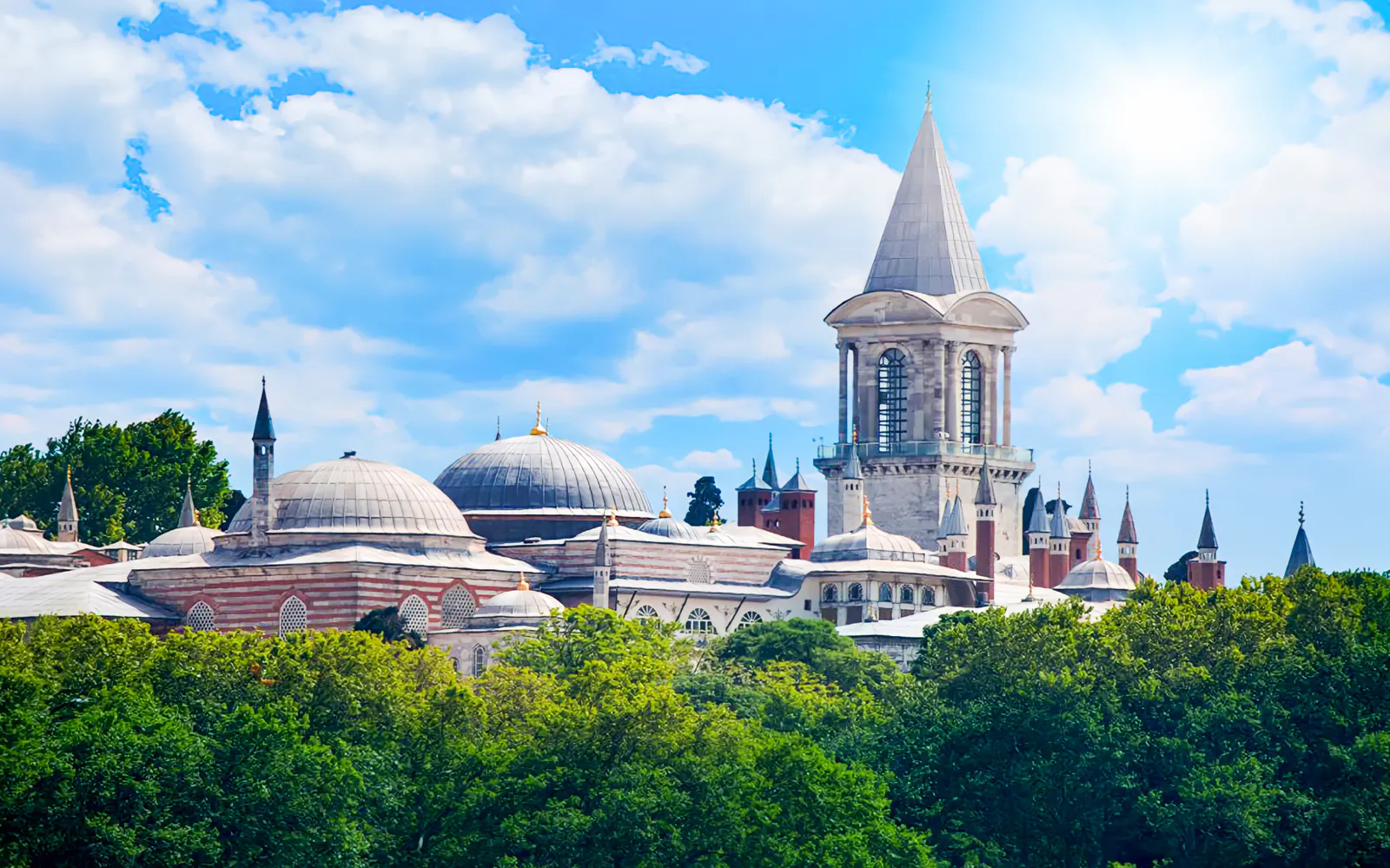
Mogadiscio : Un Voyage à Travers le Temps et la Culture
Mogadiscio, la capitale vibrante et surprenante de la Somalie, est une ville où l'histoire millénaire rencontre une résurgence contemporaine. Nichée sur les rives de l'océan Indien, Mogadiscio est bien plus qu'un simple port commercial ; elle est le cœur culturel et économique du pays, offrant un kaléidoscope d'expériences anciennes et modernes.
Un Aperçu Historique
Fondée au Xe siècle et ayant servi comme une plaque tournante majeure pour les commerçants arabes, persans et africains, Mogadiscio a une histoire fascinante à raconter. Cette ville a été marquée par diverses influences, allant de l'Empire Ottoman aux colonisateurs italiens, chacun laissant une empreinte indélébile sur son architecture et sa culture.
Les Attractions Touristiques Incontournables
Mogadiscio abrite certains des monuments les plus emblématiques du pays. La mosquée Fakr-ad-Din, une merveille datant du XIIIe siècle, attire les visiteurs par son architecture islamique traditionnelle. Non loin de là, le marché de Bakara, l'un des plus grands marchés d'Afrique, offre une explosion de couleurs et d'arômes, avec ses épices, ses textiles et son artisanat local.
La Cuisine et les Saveurs de Mogadiscio
Un voyage à Mogadiscio n'est pas complet sans une incursion dans sa cuisine riche et diversifiée. Les influences arabes, indiennes et africaines se retrouvent dans chaque plat, depuis le traditionnel "bariis" (riz épicé) au succulent "suqaar" (ragoût de viande). N'oubliez pas de goûter le thé somalien, spécialement épicé avec du gingembre et de la cardamome, une véritable invitation au voyage sensoriel.
La Résilience et le Renouveau
Mogadiscio, autrefois ravagée par des années de guerre civile, fait aujourd'hui preuve d'une résilience remarquable. La reconstruction de la ville témoigne d'un renouveau prometteur, émaillé de nouveaux bâtiments et d'initiatives culturelles. La plage de Lido, avec ses sables blancs et ses eaux cristallines, est désormais prise d'assaut par les locaux et les touristes, symbolisant cette renaissance.
Conclusion
Bien que les défis demeurent, Mogadiscio fait preuve d'un dynamisme et d'une chaleur humaine qui dépassent l'imaginaire. La capitale somalienne accueille les visages de demain avec l'âme de ses ancêtres, offrant une expérience inoubliable à chaque voyageur audacieux qui ose franchir ses frontières.


Rome : Un Voyage Intemporel Au Cœur De L'Histoire
La ville éternelle, comme on la surnomme affectueusement, Rome est une destination qui parvient à capturer l’imagination de tous ceux qui foulent ses pavés anciens. C’est dans un enchevêtrement de ruelles pittoresques et de monuments emblématiques que se dessine l’histoire d'un empire qui a façonné le monde occidental. Chaque coin de rue à Rome résonne avec l'écho des siècles passés, et invite le voyageur à une véritable odyssée à travers le temps.
Dès l'arrivée à Rome, on est frappé par le contraste fascinant entre la modernité et les vestiges du passé. Des scooters vrombissants se faufilent habilement entre des colonnades millénaires, et les terrasses de café trendy jouxtent des sites archéologiques. Cette cohabitation harmonieuse entre le présent et la longue histoire de la ville est omniprésente et profondément enracinée dans la vie quotidienne des Romains.
L'un des premiers points de chute pour tout visiteur est sans doute le majestueux Colisée. Véritable symbole de la puissance de l’Empire Romain, cette arène antique a été témoin de combats de gladiateurs, de chasses spectaculaires et de représentations publiques qui attiraient les foules. En se tenant devant cet édifice colossal, on ne peut qu’être saisi par l’ingéniosité et la démesure des architectes du passé. Aujourd'hui, le Colisée continue de captiver les visiteurs qui viennent du monde entier pour s’imprégner de sa grandeur.
Non loin se trouve le Forum Romain, le cœur politique et social de la Rome antique, où chaque pierre raconte une histoire. Marcher dans le forum, c'est fouler le même sol que les plus grands empereurs et penseurs de l'époque. Le regard se perd entre les ruines du temple de Saturne, l'arc de Titus et la Curie, où siègent autrefois les sénateurs. La contemplation du Mont Palatin tout proche, berceau légendaire de Rome fondée par Romulus et Remus, ne peut laisser indifférent.
Mais Rome ne serait pas Rome sans les étincelants repères du catholicisme. L'État du Vatican, siège de la papauté, est un incontournable. La majestueuse Basilique Saint-Pierre avec sa coupole vertigineuse conçue par Michel-Ange, est un chef-d'œuvre architectural et artistique. C’est également là que se trouve la célèbre Chapelle Sixtine, dont les fresques de Michel-Ange attirent les regards émerveillés : le Jugement Dernier et la Création d'Adam restent gravés dans la mémoire de tout visiteur.
Les badauds peuvent ensuite se laisser porter par les ruelles pour arriver à la Piazza Navona, avec ses fontaines baroques et ses terrasses animées. La Fontaine des Quatre-Fleuves, conçue par le Bernin, est un joyau de sculpture qui semble figer en marbre le mouvement et l’émotion.
Et qui peut ignorer la Fontaine de Trevi, légendaire pour ses sculptures et la tradition qui consiste à y lancer une pièce par-dessus son épaule pour s'assurer un retour à Rome? Ce rituel, ancré dans le cœur des amoureux de la ville, s'accompagne du bruit apaisant de l'eau qui coule, une bande-son idéale pour un moment de rêverie.
La gastronomie romaine, elle aussi, mérite qu'on s'y attarde. La cuisine romaine est une célébration des saveurs simples mais robustes. Les pâtes comme les carbonara ou l’amatriciana ont leur racines ici, tout comme la fameuse pizza al taglio, parfaite pour un déjeuner sur le pouce entre deux visites. Les gourmands s'arrêteront dans une gelateria pour savourer une glace artisanale, ou dans une trattoria pour découvrir les spécialités locales accompagnées d'un verre de vin du Latium.
En somme, Rome est une mosaïque vivante, un lieu où l'histoire est palpable à chaque pas. C’est un témoignage de la grandeur humaine, une source d'inspiration qui ne tarit jamais. Dans la suite de cet article, nous continuerons notre exploration en découvrant d'autres trésors romains moins connus, mais tout aussi fascinants – les quartiers authentiques, les musées riches en art et en histoire, et les parcs où les Romains aiment flâner et profiter de la dolce vita.Au-delà des sites les plus emblématiques, Rome recèle des trésors qui attendent d’être découverts par le voyageur curieux de sortir des sentiers battus. La richesse de son patrimoine culturel est telle qu'une vie ne suffirait pas pour en embrasser toute la diversité.
Un lieu souvent oublié des foules est le quartier Trastevere. Situé au-delà du Tibre, d'où son nom, Trastevere est le cœur battant de la vie locale romaine. Ses rues pavées serpentent entre des bâtiments aux façades colorées, ornées de linge suspendu qui sèche au soleil. L'atmosphère y est celle d'un village dans la ville, avec ses nombreux cafés, marchés de rue et restaurants offrant une cuisine de grande qualité dans un cadre authentique. La basilique Santa Maria in Trastevere, avec ses mosaïques chatoyantes, est un joyau de l'art médiéval qui ne manquera pas d'émerveiller les visiteurs.
Pour les amateurs d'art et d'histoire, la ville éternelle est également riche en musées. Le Vatican lui-même abrite l'un des plus grands et des plus importants musées du monde : les Musées du Vatican. On y découvre une collection inégalée d'œuvres d'art accumulées par les papes au fil des siècles, y compris la célèbre Galerie des cartes et les chambres de Raphaël. En dehors du Vatican, le Capitole et ses musées offrent une immersion dans l'art et l'architecture renaissance et baroque, avec des vues spectaculaires sur les forums romains.
Les jardins et parcs de Rome sont également des lieux propices à la détente, contrastant avec le fourmillement urbain. Le parc de la Villa Borghèse est l'un des espaces verts les plus charmants et les plus vastes de la ville. Avec ses lacs, ses temples, ses statues et sa flore luxuriante, c'est un havre de paix où l'on peut aussi visiter la Galleria Borghese, qui abrite une collection impressionnante de sculptures de Bernini et de tableaux de Caravage et Titien.
Dans un autre genre, le quartier de l'EUR, conçu à l'origine pour une exposition universelle en 1942 qui n'a jamais eu lieu à cause de la guerre, offre une perspective sur l'architecture fasciste et est devenu un business district moderne et un lieu de loisirs avec son lac artificiel.
Pour une pause au calme, la colline de l'Aventin est un lieu à ne pas manquer. Il suffit de s'asseoir dans le jardin des Orangers pour profiter d'une vue panoramique sur Rome. Non loin de là, le trou de la serrure du Prieuré des Chevaliers de Malte offre une vue surprenante et parfaitement cadrée de la basilique Saint-Pierre, une curiosité que les Romains aiment partager avec les visiteurs.
Dans le domaine du sacré, les catacombes de Rome sont un passage incontournable. Ces anciens lieux d'inhumations souterrains tracent un récit poignant de la Rome chrétienne des premiers siècles. Les catacombes de Saint-Callixte et Saint-Sébastien, avec leurs labyrinthes de galeries et leurs tombes, témoignent de rites funéraires et d'une foi qui a profondément marqué l'histoire de la ville.
À l'heure du crépuscule, la quintessence de Rome se révèle peut-être mieux encore sur la Piazza di Spagna, au pied de l'élégante escalinata de la Trinité-des-Monts. C'est l'endroit idéal pour voir le soleil se coucher sur les toits ocre de la ville, tandis que les notes d'un violoniste de rue ajoutent une touche romantique à l'atmosphère déjà chargée de magie.
Enfin, une visite de Rome ne serait pas complète sans une immersion dans les rues commerçantes et les marchés vibrants. Le mercato di Campo de' Fiori, par exemple, offre un éclatant mélange de couleurs, d'odeurs et de saveurs. Des fruits et légumes frais, des épices, des fromages et des charcuteries s'y étalent chaque matin, excepté le dimanche, dans une tradition commerçante qui remonte au Moyen-âge.
Chaque jour passé à Rome est une découverte, un enchantement, une leçon d'histoire vivante. C'est une épopée entre passé et présent, un dialogue constant entre l'héritage ancré dans la pierre et la vie bouillonnante des Romains. La ville éternelle, dans sa magnificence, continue de susciter émerveillement et admiration, faisant d'elle une destination de voyage sans égal.