Explore Any Narratives
Discover and contribute to detailed historical accounts and cultural stories. Share your knowledge and engage with enthusiasts worldwide.
Lisbon's landmarks are a spectacular journey through time, from Moorish castles to Age of Discovery monuments and grand post-earthquake plazas. This vibrant city offers an unparalleled mix of UNESCO World Heritage sites, panoramic viewpoints, and architectural masterpieces. Exploring these iconic sites reveals the soul of a nation built on exploration and resilience.
The city's most famous attractions are deeply connected to Portugal's maritime history and its recovery from the devastating 1755 Lisbon earthquake. Districts like Belém and Alfama serve as open-air museums, each corner telling a story. This guide will navigate the essential monuments that define Lisbon's breathtaking landscape.
Perched atop one of Lisbon's seven hills, São Jorge Castle (Castelo de São Jorge) is one of the city's most ancient and commanding landmarks. The site dates back to Moorish times, long before the Christian reconquest of Lisbon in 1147. Visitors today can walk its imposing ramparts for some of the best Tagus River views in the entire capital.
Within the castle walls, you'll find archaeological remains, peaceful gardens, and a small museum with exhibits detailing the site's long history. It serves as a perfect starting point for any tour of Lisbon's landmarks, offering literal and figurative perspective on the city's layout. The walk down through the Alfama district, a maze of narrow streets and traditional houses, is an attraction in itself.
A short walk from the castle, the Lisbon Cathedral, known as the Sé, stands as the city's oldest church. Originally built in 1147, its architecture is a physical timeline of Lisbon's history. The structure showcases a mix of Romanesque, Gothic, and Baroque styles due to multiple reconstructions after earthquakes.
The cathedral survived the 1755 earthquake, though it sustained significant damage. Its robust, fortress-like façade and beautiful rose window are iconic. Stepping inside offers a solemn glimpse into the medieval past of the city, contrasting with the lively atmosphere of the surrounding Alfama streets.
The Belém district is the undeniable epicenter of Lisbon's most celebrated landmarks, most linked to Portugal's 15th and 16th-century maritime explorations. This area hosts a concentration of UNESCO World Heritage sites that draw millions of visitors annually. It was from Belém's shores that explorers like Vasco da Gama set sail to chart new worlds.
A visit to Belém is a full-day immersion into the Age of Discoveries. The key monuments are within walking distance of each other, set against the backdrop of the Tagus River. This district perfectly encapsulates the pride, ambition, and artistic achievement of Portugal's golden era.
Belém Tower (Torre de Belém) is perhaps Lisbon's most recognizable landmark. This ornate 16th-century fortress was constructed to defend the entrance to the city's harbor. It stands on the banks of the Tagus River as a enduring symbol of Portugal's maritime power during the Age of Discoveries.
Over the centuries, the tower served multiple purposes, including as a lighthouse, a customs post, and even a prison. Its intricate Manueline architecture, featuring motifs of ropes, corals, and shields, is a testament to the period's artistry. Today, visitors can explore its interior and terraces for stunning riverside views.
Just a short stroll from the tower, the Jerónimos Monastery is a breathtaking architectural triumph. King Manuel I commissioned its construction in the early 1500s to honor Vasco da Gama's successful voyage to India. The monastery is considered the pinnacle of the Portuguese Manueline architectural style.
The scale and detail of the cloisters and the church interior are awe-inspiring. Intricate stone carvings depicting maritime elements cover every surface. Like Belém Tower, it is a designated UNESCO World Heritage site. The monastery also houses the tombs of Vasco da Gama and the famed poet Luís de Camões.
Lisbon ranks exceptionally high in 2025 TripAdvisor traveler sights, with Jerónimos Monastery ranked 1, São Jorge Castle 3, and Belém Tower 4 among the city's top 20 attractions.
Following the catastrophic 1755 earthquake, the city's downtown, known as the Baixa, was completely redesigned by the Marquis of Pombal. The centerpiece of this new urban plan is the magnificent Praça do Comércio (Terreiro do Paço). As the largest square in Portugal at 175 meters by 175 meters, it opens grandly to the Tagus River.
The square is surrounded on three sides by elegant yellow Pombaline buildings with arcades, now housing government departments and cafes. At its center stands an imposing bronze statue of King José I on horseback. This landmark square symbolizes Lisbon's resilience and rebirth, a powerful statement of recovery facing the water that once brought it wealth.
At the northern end of Praça do Comércio stands the monumental Rua Augusta Arch (Arco da Rua Augusta). This triumphal arch was built to commemorate the city's reconstruction after the 1755 earthquake. It serves as a ceremonial gateway from the grand square into the bustling pedestrian street of Rua Augusta.
Visitors can take an elevator and climb a total of 74 steps to the top of the arch. The reward is one of Lisbon's best 360-degree viewpoints, offering panoramic vistas over the Baixa grid, the ruins of Carmo Convent, São Jorge Castle, and the Tagus River. It provides a unique perspective on the city's symmetrical lower town.
The National Pantheon (Panteão Nacional), with its brilliant white dome dominating the Alfama skyline, is a baroque masterpiece. Its construction began in the 17th century but spanned nearly 300 years, only being completed in the 20th century. Originally the Church of Santa Engrácia, it was repurposed as a national monument.
Today, the Pantheon serves as the final resting place for many of Portugal's most revered figures, including presidents and cultural icons like Amália Rodrigues, the queen of Fado. The interior is vast and solemn, but the highlight for many is the walk around the exterior dome for another exceptional view over the Alfama district and the river.
No tour of Lisbon's landmarks is complete without visiting its famous miradouros, or viewpoints. These are integral to the city's character and offer some of the best photography opportunities.
These viewpoints are more than just photo stops; they are social hubs where locals and tourists mingle, making them essential landmarks in their own right. They embody the Lisbon spirit of appreciating beauty and community.
The Monument to the Discoveries (Padrão dos Descobrimentos) is a powerful, modern tribute to Portugal’s seafaring history. This striking 52-meter tall monument, shaped like a ship’s prow slicing into the Tagus River, was inaugurated in 1960. It commemorates the 500th anniversary of the death of Prince Henry the Navigator, the visionary who sponsored the early voyages of exploration.
Standing on the Belém waterfront, the monument features a line of statues of key historical figures from the Age of Discoveries. These include explorers like Vasco da Gama, cartographers, missionaries, and chroniclers. Visitors can take an elevator to the top for a superb view of the Belém district and a stunning maritime mosaic compass laid out on the plaza below.
Lisbon’s identity is inextricably linked to its maritime past, and its landmarks are a direct reflection of this. The wealth generated from trade routes to Africa, India, and Brazil financed the construction of grandiose sites like the Jerónimos Monastery. This era established Lisbon as a global economic and cultural hub in the 15th and 16th centuries.
The city’s layout, with its focus on the Tagus River, still speaks to this history. Museums like the Maritime Museum and the Coach Museum, both located in Belém, offer deeper dives into this golden age. Exploring these landmarks in sequence tells a cohesive story of ambition, innovation, and global connection.
The Carmo Convent (Convento do Carmo) stands as one of Lisbon’s most poignant landmarks, a permanent reminder of the 1755 earthquake. Its roofless Gothic arches frame the sky above the Chiado district. Once one of the city’s greatest churches, it was gutted by the quake and subsequent fire, and was never fully rebuilt.
Today, the ruins house the Carmo Archaeological Museum. Visitors walk among the open-air nave, where stonework and tombs are on display under the arches. This landmark offers a powerful, tangible connection to the catastrophic event that reshaped the city. It provides essential context for understanding the Pombaline architecture that defines much of downtown Lisbon today.
The 1755 Lisbon earthquake, estimated at a magnitude of 8.5–9.0, destroyed approximately 85% of the city's structures and prompted one of the earliest examples of large-scale, seismically aware urban planning.
The reconstruction led by the Marquis of Pombal after the earthquake resulted in the world’s first earthquake-resistant architecture. The Baixa district is a grid of streets designed for commerce, with uniform building facades and innovative structural features. This architectural style is now referred to as Pombaline, a key part of Lisbon’s landmark appeal.
Key features of this design included wooden cage frameworks inside walls for flexibility and symmetry to distribute weight evenly. Rua Augusta, the main pedestrian boulevard leading from the arch to the Rossio Square, is the perfect example of this orderly and rational urban design. It transformed Lisbon into a modern Enlightenment city.
At the top of Rua Augusta lies the lively Rossio Square (Praça Dom Pedro IV). This has been Lisbon’s main public square since the Middle Ages and remains a bustling hub of activity. Its distinctive wave-pattern cobblestones and central column are instantly recognizable. The square is flanked by the beautiful Dona Maria II National Theatre and historic cafes.
Rossio perfectly represents the continuous layers of Lisbon’s history, from a medieval meeting place to a modern transportation center. It connects the Baixa to neighborhoods like Chiado and Bairro Alto. The square’s energy, with its fountains, street performers, and constant flow of people, makes it a living landmark essential to the city’s daily rhythm.
Navigating Lisbon’s hills is made easier and more scenic by its historic funiculars and elevators, which are themselves protected landmarks. They are a charming and practical part of the city’s transport heritage.
These engineering marvels from the late 19th and early 20th centuries are not just tourist attractions but are still used daily by locals. Riding them is an experience that combines utility with incredible views.
While steeped in history, Lisbon also boasts dynamic modern landmarks that reflect its contemporary culture. The MAAT – Museum of Art, Architecture and Technology, with its undulating riverside building, has quickly become an iconic part of the city’s skyline. It represents Lisbon’s forward-looking cultural vision alongside its historic treasures.
Similarly, the Oceanário de Lisboa in Parque das Nações is one of the world’s largest and best aquariums. Built for the 1998 World Expo, it transformed a former industrial zone into a modern district. Its striking design and focus on global ecosystems continue the city’s historic connection to the sea in a new, educational format.
For a taste of Lisbon’s vibrant contemporary scene, two landmarks stand out. LX Factory, located under the 25 de Abril Bridge in Alcântara, is a revitalized industrial complex. It now houses creative businesses, unique shops, art galleries, and some of the city’s trendiest restaurants and cafes.
The Time Out Market in the Cais do Sodré district is a food hall that brings together the best of Portuguese cuisine under one roof. Curated by the editors of Time Out Lisboa, it features dozens of stalls from award-winning chefs and traditional vendors. This landmark is a celebration of Lisbon’s current gastronomic boom and serves as a major social gathering place.
Both locations exemplify how Lisbon embraces its past while innovating for the future. They are essential stops for visitors seeking to understand the city’s modern pulse and creative energy, which complements its ancient monuments.
Experiencing Lisbon’s wealth of landmarks efficiently requires some planning. The city’s public transport network, including metro, trams, and buses, is excellent. A Lisboa Card can offer significant savings, providing free or discounted entry to many sites and unlimited public transport. This is highly recommended for a landmark-intensive itinerary.
Consider grouping visits geographically. The Belém landmarks (Tower, Monastery, Monument) can be covered in one day. The Alfama/Castle/Cathedral area is another logical cluster. The central Baixa district, with the Arch, Praça do Comércio, and Santa Justa Lift, is easily walkable. This strategy minimizes travel time and maximizes your immersion in each historic zone.
Lisbon is increasingly focused on sustainable tourism. Using the metro to reach farther-flung sites like the Oceanário or Belém reduces traffic congestion. Many of the city’s panoramic viewpoints (miradouros) are free, offering incredible value. Supporting local businesses in historic neighborhoods like Alfama helps preserve their authentic character.
Accessibility can be a challenge due to Lisbon’s famous hills and cobblestone streets. However, the city’s elevators and funiculars help, and many key landmarks have improved access. Tram 28, while often crowded, provides a classic and scenic way to traverse many historic districts, passing by or near several major sites.
No exploration of Lisbon's landmarks is complete without mentioning the UNESCO World Heritage site of Sintra. Located just a 40-minute train ride from the city, this hilltop retreat is a treasure trove of romantic palaces and castles. It represents a completely different but equally essential chapter in Portugal's architectural and cultural history.
The most iconic site is the Pena Palace (Palácio da Pena), a 19th-century Romanticist castle painted in vibrant yellows and reds. Perched high on a peak, it looks like something from a storybook. Its eclectic mix of architectural styles and breathtaking views make it one of Portugal's most visited monuments. Sintra's microclimate, often cooler and mistier than Lisbon, adds to its mystical atmosphere.
Sintra offers more than just Pena Palace. The Quinta da Regaleira is a vast estate featuring a Gothic palace, lush gardens, and enigmatic initiation wells linked to Templar and Masonic symbolism. Exploring its underground tunnels and towers is an unforgettable adventure. It showcases the mystical and esoteric interests of Portugal's 19th-century elite.
For a more ancient experience, the Moorish Castle (Castelo dos Mouros) provides dramatic ruins dating back to the 8th and 9th centuries. Walking its crumbling walls offers unparalleled panoramic views of Sintra's forested hills and the Pena Palace in the distance. This site connects directly to the Islamic period of Iberian history that also shaped Lisbon's São Jorge Castle.
The beautiful painted ceramic tiles known as azulejos are a defining artistic landmark found all over Lisbon. These tiles adorn everything from grand church interiors and palace facades to ordinary subway stations and shop fronts. Their history in Portugal spans centuries, and they tell visual stories of religion, history, and daily life.
To fully appreciate this art form, a visit to the National Azulejo Museum (Museu Nacional do Azulejo) is highly recommended. Housed in the former Madre de Deus Convent, the museum traces the evolution of tile-making in Portugal. Its collection includes a stunning panoramic tile panel of pre-earthquake Lisbon, offering a priceless glimpse of the city's lost landscapes.
While not a stationary monument, the historic Tram 28 (Elétrico 28) is undeniably one of Lisbon's most beloved landmarks. This iconic yellow tram rattles along a scenic route through the city's oldest neighborhoods. It passes by or near major sites including the Sé Cathedral, São Jorge Castle, the Miradouro de Santa Luzia, and the Basílica da Estrela.
Riding Tram 28 is a journey through Lisbon's living history. It offers a practical and charming way to see the city's hills and narrow streets, providing a constantly changing view of its architectural beauty. Securing a window seat on this tram is a quintessential Lisbon experience, blending everyday transport with timeless tourist spectacle.
According to recent tourism trends, panoramic viewpoints like those from Tram 28, the Rua Augusta Arch, and the Cristo Rei statue are among the most Instagrammed and sought-after experiences for visitors to Lisbon in 2025.
The mournful and beautiful music of Fado is an intangible cultural landmark of Lisbon, recognized by UNESCO as Intangible Cultural Heritage. Born in the historic Alfama and Mouraria districts, this music expresses the Portuguese concept of saudade—a deep sense of longing and nostalgic melancholy. Experiencing a live Fado performance is essential to understanding the city's emotional depth.
Many traditional Fado houses (casas de fado) are located in Alfama, often in spaces that are historic landmarks themselves. An evening of dinner and music in one of these intimate venues provides a powerful connection to the soul of old Lisbon. It complements the visual exploration of landmarks with an auditory journey into the city's heart.
Lisbon's culinary scene offers its own set of iconic destinations. The most famous is Pastéis de Belém, the legendary bakery founded in 1837 near the Jerónimos Monastery. Here, you can taste the original recipe for Pastel de Nata, Portugal's beloved custard tart, kept secret for generations. The line out the door is a testament to its status as a gastronomic landmark.
As mentioned earlier, the Time Out Market represents the modern, curated pinnacle of Lisbon's food culture. This landmark brings together the very best of Portuguese and international cuisine under one roof. From fresh seafood to gourmet sandwiches and fine wines, it showcases the innovation and quality driving Lisbon's current culinary renaissance.
The greater Lisbon region is one of Portugal's most important wine-producing areas. Visiting a local wine cellar (adega) or taking a short trip to the vineyards of the Bucelas, Colares, or Carcavelos appellations offers a delicious extension of the cultural tour. Wine has been an integral part of Portuguese life since Roman times, and tasting local varieties adds another layer to understanding the region's identity.
Many historic establishments in the city, like the Solar do Vinho do Porto, offer tastings in elegant, centuries-old settings. Pairing a glass of local wine with the view from a miradouro is a perfect way to savor the Lisbon experience, connecting the land's produce with the city's stunning vistas.
With so many incredible landmarks, structuring your visit is key. A typical three-day itinerary allows for a balanced exploration. Day one could focus on Belém (Tower, Monastery, Monument, tasting a pastel de nata). Day two can be dedicated to the historic center (Castle, Cathedral, Alfama, Tram 28, and an evening Fado show). Day three offers options: Sintra for palaces, or exploring modern sites like MAAT and the Oceanário.
For a deeper dive, consider thematic tours focusing on specific eras, like the Age of Discoveries or the Pombaline Reconstruction. Many tour operators offer guided walks that provide historical context you might miss on your own. Utilizing a Lisboa Card for transport and entry discounts can provide significant savings and convenience for such a packed schedule.
As visitor numbers continue to grow, responsible tourism is crucial for preserving Lisbon's landmarks. This means respecting site rules, not touching ancient stonework or azulejos, and disposing of trash properly. Supporting preservation efforts through entrance fees is vital, as these funds are directly used for maintenance and restoration.
Choosing to visit slightly off-peak months (like late autumn or early spring) can reduce pressure on the most popular sites. Exploring lesser-known but equally fascinating landmarks, such as the National Azulejo Museum or the National Pantheon, helps distribute tourist impact. Every visitor plays a role in ensuring these treasures endure for future generations.
Lisbon's landmarks offer a unparalleled journey through a thousand years of history, art, and human endeavor. From the Moorish walls of São Jorge Castle to the Manueline exuberance of Belém and the orderly grids of Pombaline Baixa, each layer of the city tells a compelling story. They are physical manifestations of Portugal's explorations, triumphs, disasters, and rebirths.
More than just a checklist of sites, these landmarks create the unique atmosphere that defines Lisbon. The sound of Fado in Alfama, the view from a tram climbing a steep hill, the taste of a warm pastel de nata by the river—these sensory experiences are intertwined with the monuments themselves. Together, they form the complete, rich tapestry of the city.
Ultimately, Lisbon invites you not just to see its history, but to feel it. To walk where explorers planned voyages that changed the world, to stand in squares rebuilt from rubble, and to gaze from viewpoints that have inspired generations. Its landmarks are not relics behind glass; they are living, breathing parts of the city's daily life. To visit them is to engage in an ongoing conversation with one of Europe's most captivating and resilient capitals. Your journey through these iconic places will leave you with a profound appreciation for the spirit of Lisbon—a spirit of discovery, resilience, and beauty that endures.

Your personal space to curate, organize, and share knowledge with the world.
Discover and contribute to detailed historical accounts and cultural stories. Share your knowledge and engage with enthusiasts worldwide.
Connect with others who share your interests. Create and participate in themed boards about any topic you have in mind.
Contribute your knowledge and insights. Create engaging content and participate in meaningful discussions across multiple languages.
Already have an account? Sign in here
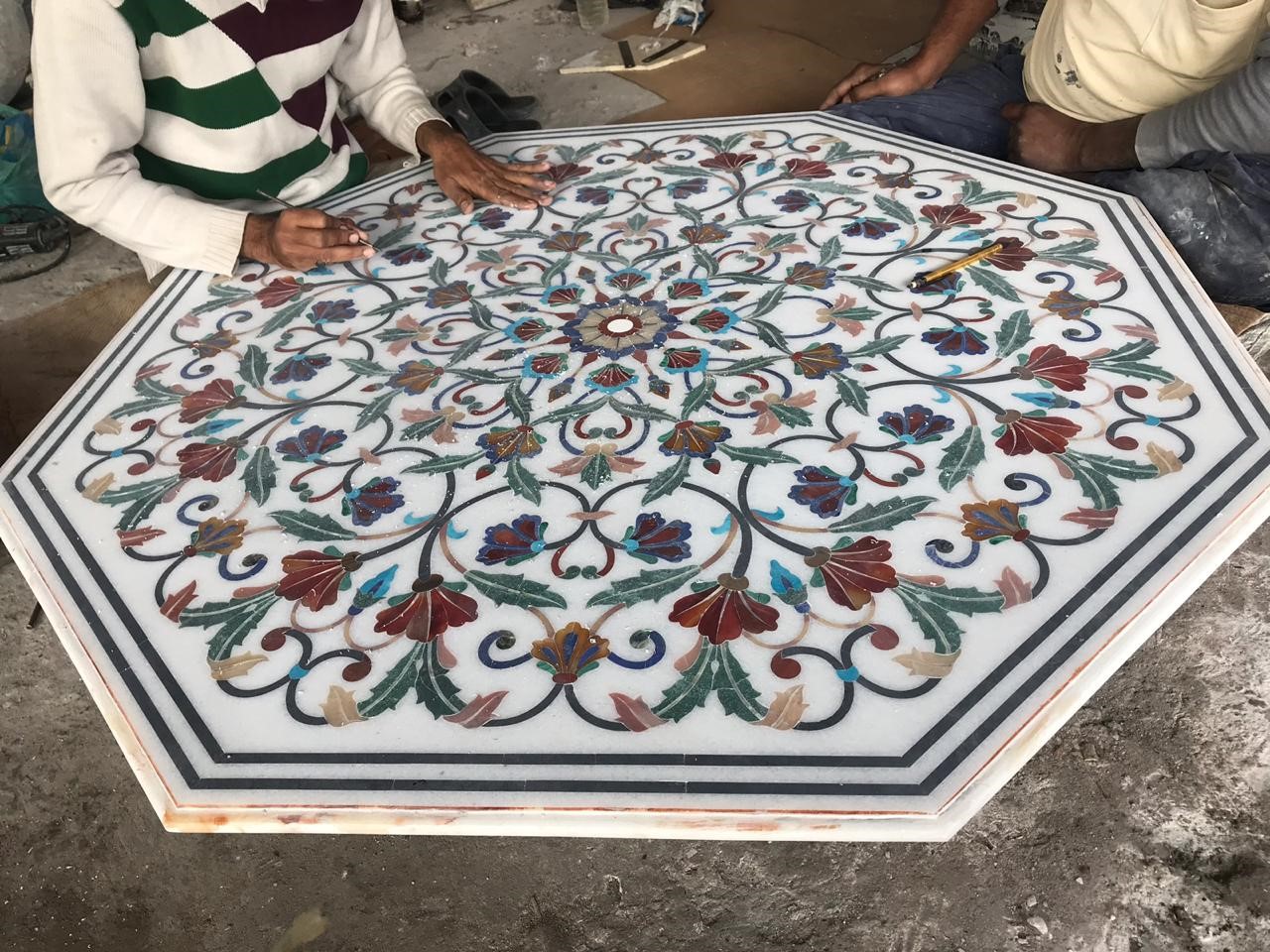
**Meta Description:** Discover Agra – home to the iconic Taj Mahal, Agra Fort & Mughal heritage. Explore historical ma...
View Board
Explore Cordoba, Spain: historic Mezquita, lively nightlife, and Andalusian cuisine await in this enchanting city. Plan ...
View Board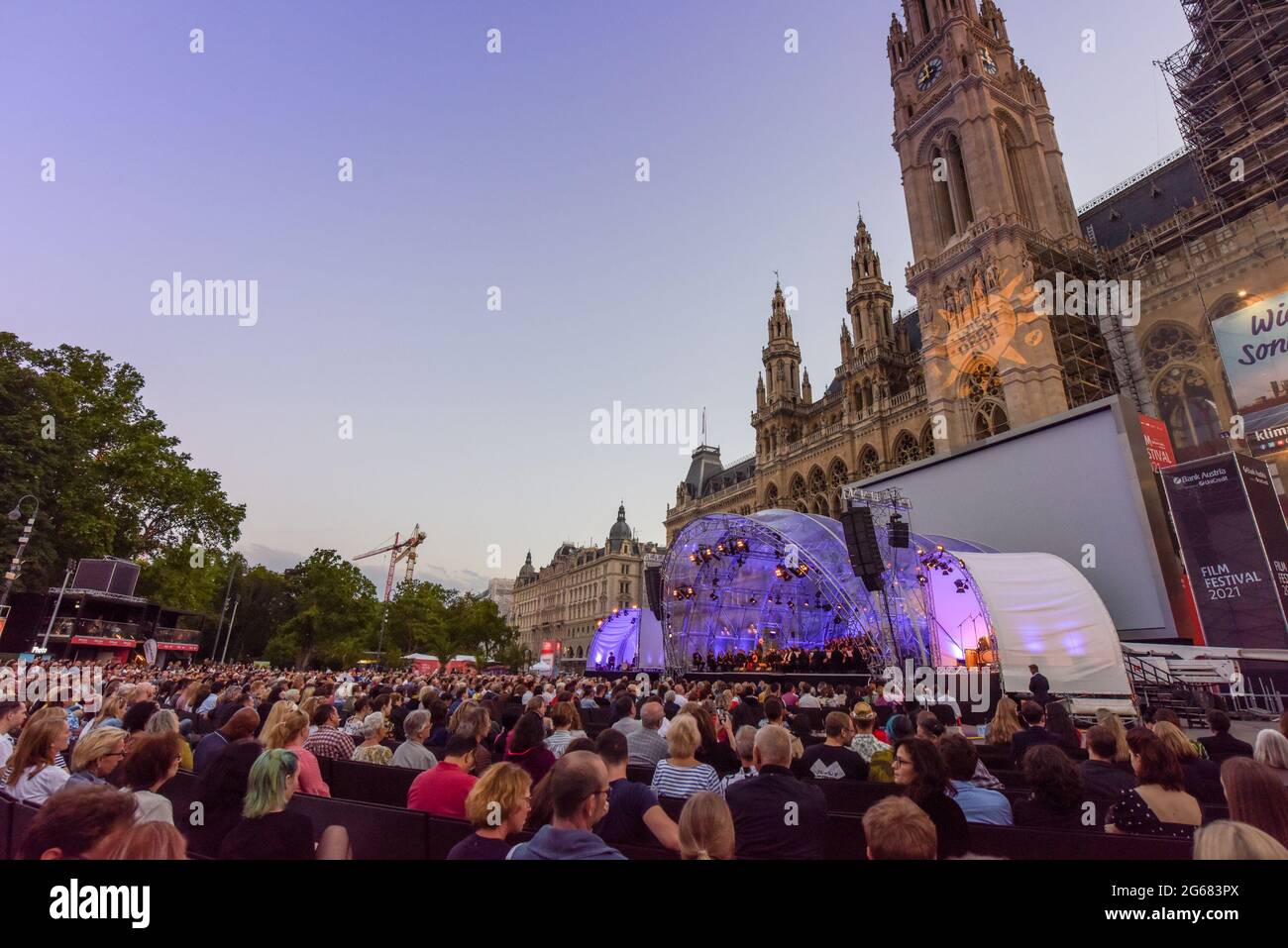
Explore Vienna's rich tapestry of history, culture, and innovation with our comprehensive guide. Uncover the city’s Roma...
View Board
Discover the timeless charm of Aqaba, Jordan's sun-soaked coastal city blending rich history with modern vibrance. Explo...
View Board
Discover Muscat, Oman's vibrant capital, where ancient heritage meets modern charm, offering a unique blend of cultural ...
View Board
Discover the captivating allure of Budapest, the heart of Central Europe, with our comprehensive guide. Explore its rich...
View Board
Explore Skopje, North Macedonia's vibrant capital, where ancient Roman ruins, Ottoman bazaars, and modern landmarks blen...
View Board
Discover Yangon’s rich history, colonial architecture, and cultural vibrancy. Explore Myanmar’s largest city, blending t...
View Board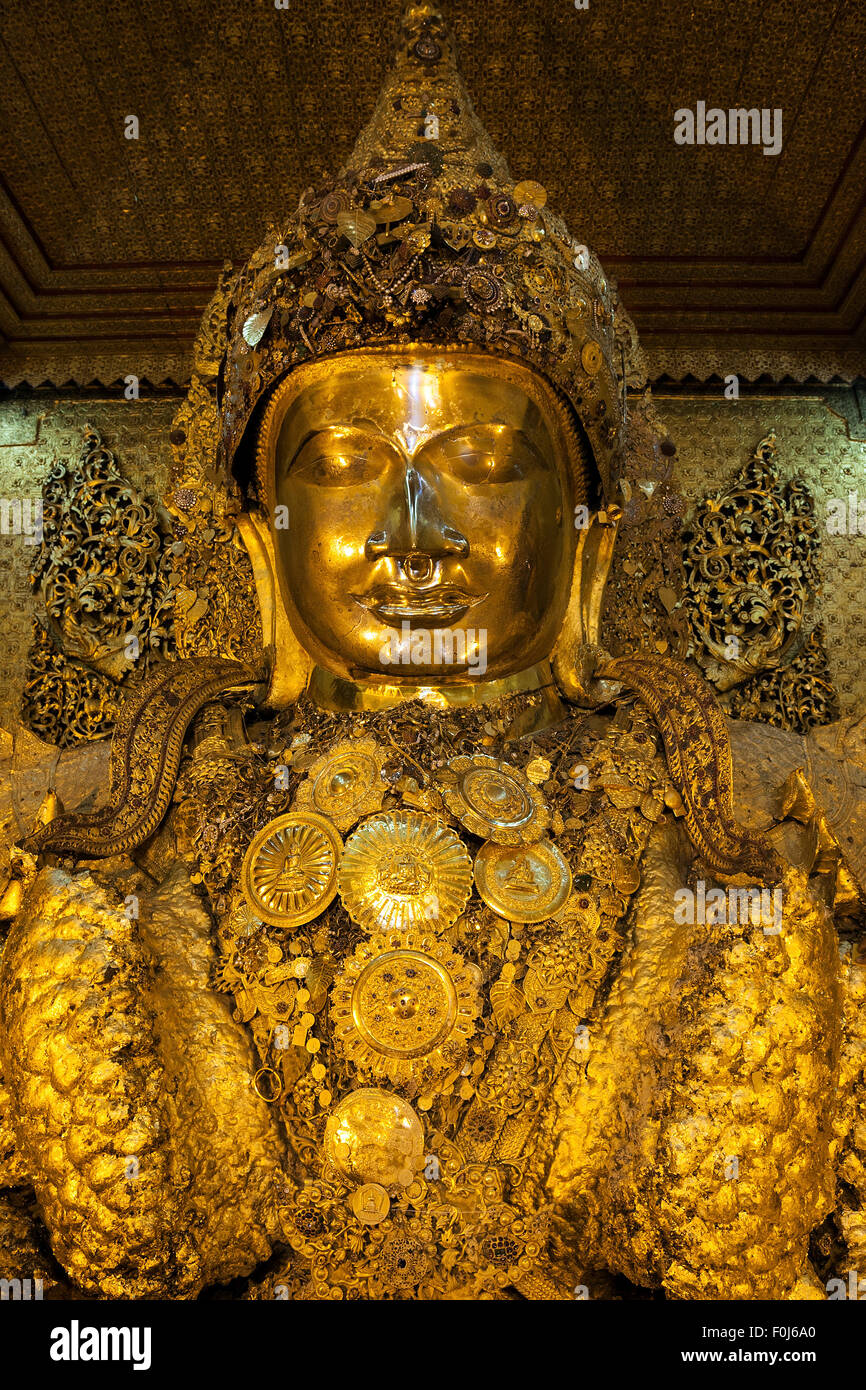
Mandalay, the former capital of Myanmar, is a city steeped in royal history and cultural heritage, featuring ancient tem...
View Board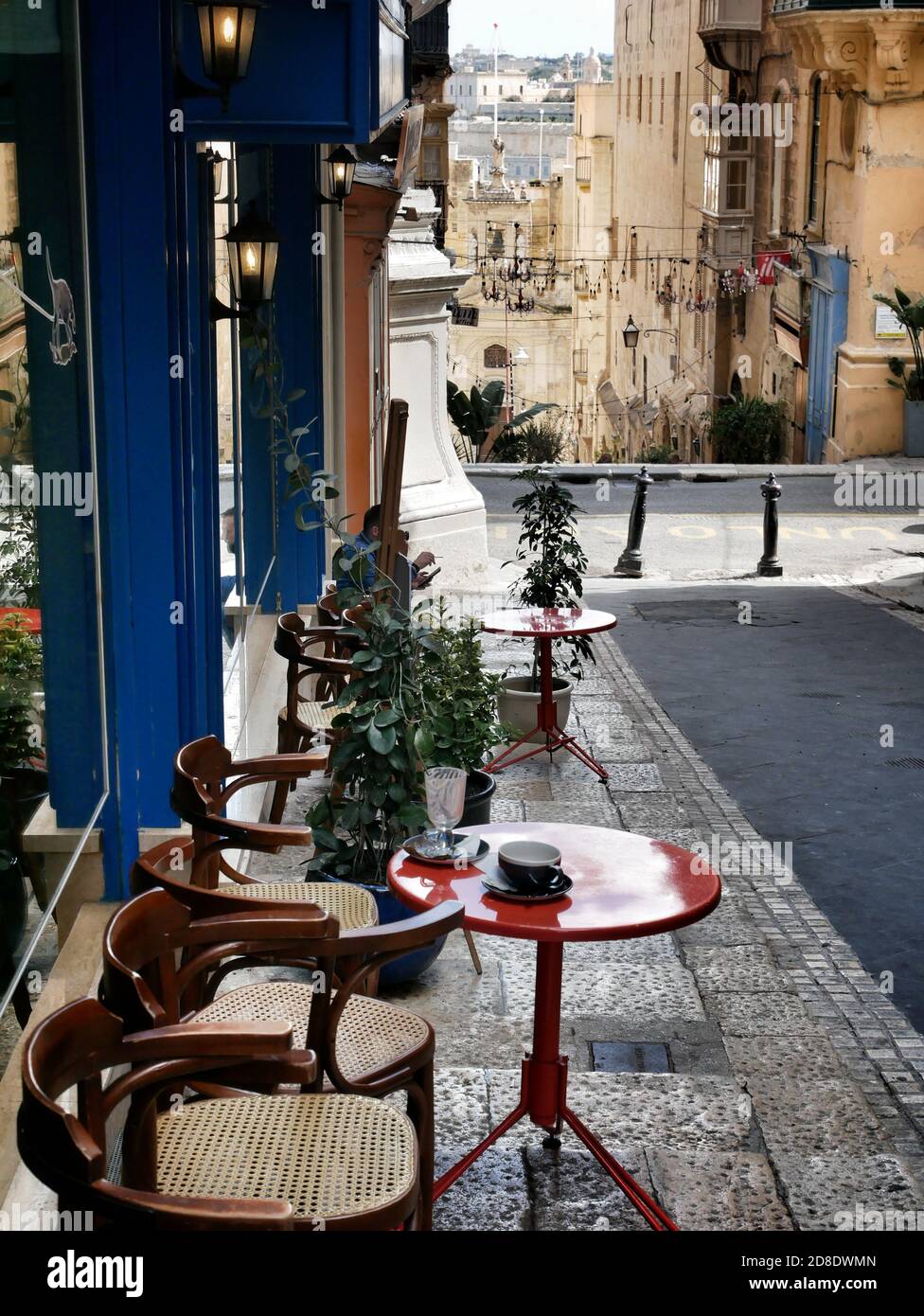
Discover Valletta, the mesmerizing capital of Malta and a UNESCO World Heritage Site. Dive into its rich history, baroqu...
View Board
Explore Lima, the vibrant capital of Peru, where colonial heritage meets modern flair. Discover its rich history, stunni...
View Board
Discover Mazar-i-Sharif: Visit the Blue Mosque, explore ancient ruins, and experience vibrant bazaars in Afghanistan's h...
View Board
Discover Santiago de Compostela, the timeless pilgrimage capital. Explore its UNESCO-listed Old Town, marvel at the Cath...
View Board
Discover Kazan, Russia's Third Capital, where history meets modernity. Explore its rich cultural heritage, iconic landma...
View Board
Discover the allure of Brașov, a Romanian gem nestled in the Carpathian Mountains, blending medieval charm with modern v...
View Board
Discover Galle, a historical gem on Sri Lanka's southern coast, celebrated for its rich cultural heritage, iconic Galle ...
View Board
Discover Sharjah, the jewel of the Eastern Frontier, where traditional charm meets modern innovation, rich culture, and ...
View Board
Discover the enchanting allure of Chiang Mai, Thailand's Rose of the North. Uncover its rich cultural heritage, vibrant ...
View Board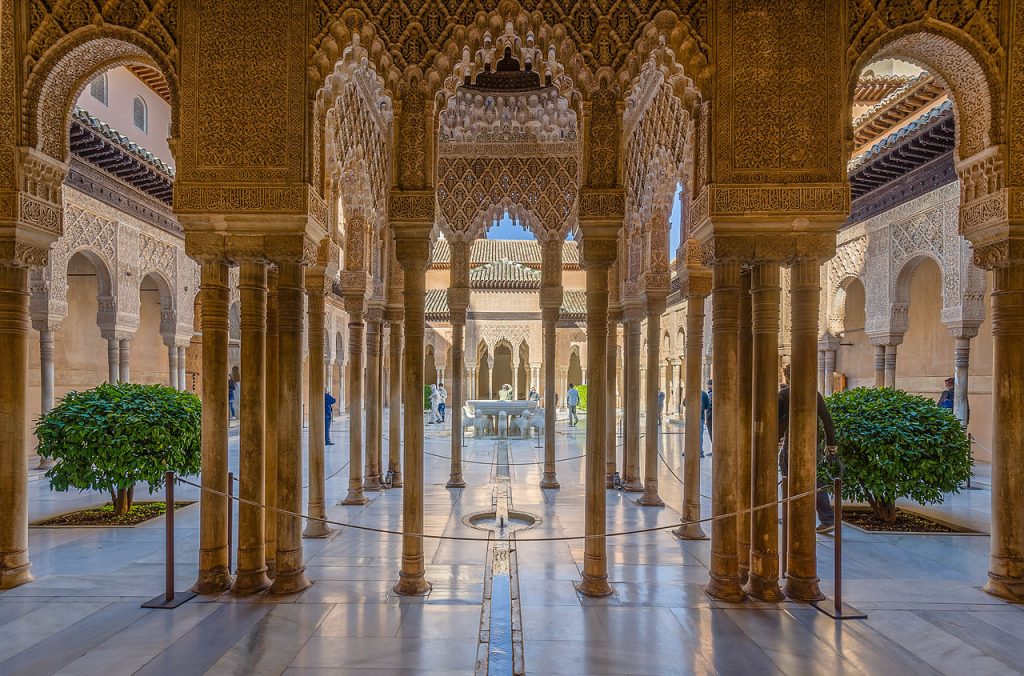
**Meta Description:** Discover Granada—Spain’s jewel where the Alhambra dazzles, flamenco pulses through Sacromonte, a...
View Board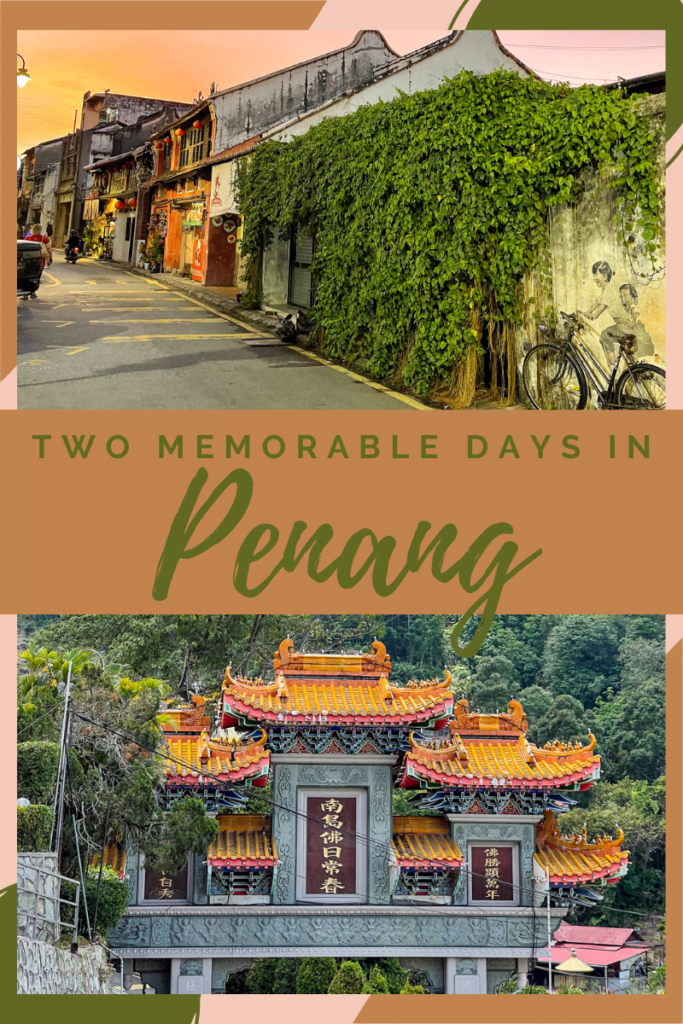
Dive into Penang's enchanting blend of history and culture in our comprehensive guide. Explore this Malaysian island's r...
View Board
Comments