Mazar-i-Sharif: Afghanistan's Historic Northern Hub
Mazar-i-Sharif is the historic and spiritual heart of northern Afghanistan. As the capital of Balkh province, it stands as a vital economic and cultural crossroads. Its name translates to "Tomb of the Exalted," a title reflecting its deep religious significance and iconic landmark. This city combines ancient pilgrimage traditions with its role as a modern regional trade hub.
A Crossroads City of History and Faith
Mazar-i-Sharif's identity is inextricably linked to its most famous site. The city is globally renowned for the Blue Mosque, also known as the Shrine of Ali. Many Sunni Muslims believe it houses the tomb of Ali ibn Abi Talib, the cousin and son-in-law of Prophet Muhammad. This belief, though debated by historians, has made the city a major pilgrimage destination for centuries.
The mosque's stunning blue-tiled architecture provides a serene oasis in the bustling city. The surrounding plaza comes alive with pilgrims, especially during the annual Nawroz (New Year) celebrations. The city’s economy and culture are profoundly shaped by this spiritual focal point.
Geographical and Demographic Profile
Situated in a fertile plain, Mazar-i-Sharif is Afghanistan's lowest major city at an elevation of 357 meters (1,171 feet). It benefits from irrigation by the Balkh River, supporting robust agriculture. The city's population is a multi-ethnic mosaic including Uzbeks, Tajiks, Turkmen, and Hazaras.
Urban population projections estimate 681,531 people for Mazar-i-Sharif in 2025, reflecting an annual growth rate of approximately 4.29%.
This growth underscores its continued importance as a destination within Afghanistan. The city also boasts the highest percentage of built-up land among Afghan provincial capitals at 91%.
Strategic Importance and Economic Role
Mazar-i-Sharif's location is key to its regional influence. It serves as Afghanistan's primary gateway to Central Asia, positioned near the borders of Uzbekistan and Tajikistan. This strategic placement has cemented its role in trade and logistics for centuries.
Connectivity and Infrastructure
The city is well-connected by vital infrastructure. It hosts an international airport and is a node for major highways linking it to Kabul, Herat, Kunduz, and Termez in Uzbekistan. This network facilitates the movement of goods and people across the region.
- Trade Hub: A crucial transit point for goods moving between South and Central Asia.
- Agricultural Center: The irrigated plains support cotton, grain, and fruit production.
- Industrial Activity: Includes flour milling and the production of silk and cotton textiles.
The distance to the national capital is approximately 320 kilometers (200 miles), making Mazar-i-Sharif a northern counterweight to Kabul's influence.
A Turbulent Modern History
The recent decades have placed Mazar-i-Sharif at the center of Afghanistan's conflicts. Its modern political story is deeply tied to the Uzbek military leader Abdul Rashid Dostum. In the 1990s, he created a relatively stable and liberal enclave here.
The Dostum Enclave and Taliban Conflicts
Under Dostum's control in the early 1990s, the city was known for its coeducational schools and a level of social freedom unusual for the region. It received foreign aid from nations like Russia, Turkey, and Uzbekistan. This period of stability was shattered when the Taliban first captured the city in 1998.
A pivotal moment came in November 2001 during the U.S.-led invasion. The Battle of Mazar-i-Sharif saw Northern Alliance forces, with critical U.S. Special Forces and air support, recapture the city. This was the first major Taliban stronghold to fall.
The Taliban's recapture of the city on August 14, 2021, marked it as the 25th provincial capital to fall in their rapid offensive that year.
This event underscored the city's continued strategic military importance. It had long hosted the 209th Corps (Shaheen) of the Afghan National Army and the Northern Zone Border Police headquarters.
Recent Seismic Events
Beyond conflict, the region faces natural challenges. In November 2025, a significant earthquake struck southeast of Mazar-i-Sharif. While causing damage to various structures, reports confirmed the main building of the Blue Mosque remained intact. This event tested the resilience of the city's infrastructure and its iconic landmark.
The Spiritual and Cultural Heart: The Blue Mosque
No exploration of Mazar-i-Sharif is complete without focusing on its spiritual centerpiece. The Blue Mosque is not just an architectural marvel; it is the beating heart of the city's identity. Its dazzling turquoise dome and minarets are visible from across the city, serving as a constant navigational and spiritual landmark.
Architectural Splendor and Daily Life
The mosque complex is a masterpiece of Islamic architecture, featuring intricate tile work and calligraphy. The large courtyard becomes a communal space where the social and religious life of the city converges. It is a place for prayer, reflection, and community gathering.
Evening prayers draw large crowds, transforming the area into a scene of profound devotion and peaceful activity. For independent travelers and pilgrims alike, the mosque offers an oasis of calm. The site embodies the city's nickname, "The Noble Shrine," and its reputation for tolerance and spirituality.
This enduring symbol has witnessed the city's many transformations, from ancient times through empire, war, and changes in governance. Its continued prominence highlights the deep-rooted faith that defines much of Afghan culture, separate from the political tides that sweep through the region.
The Economy of Mazar-i-Sharif: Trade, Agriculture, and Industry
Mazar-i-Sharif functions as the primary commercial engine for northern Afghanistan. Its economy is a blend of traditional agriculture, transit trade, and light manufacturing. The city’s strategic location on the Silk Road corridor continues to define its economic fortunes, linking markets in Central Asia with those in South Asia.
The Agricultural Base and Local Production
The fertile plains surrounding the city, irrigated by the Balkh River, form a productive agricultural belt. This “breadbasket” supports a variety of crops that fuel both local consumption and trade. Cotton is a particularly significant cash crop, forming the foundation for local textile industries.
- Cotton Farming: Provides raw material for ginning and textile mills.
- Grain Production: Wheat and barley are staples for local and regional markets.
- Fruit Orchards: Melons, grapes, and pomegranates thrive in the climate.
- Flour Milling: A major processing industry for the region's grain.
This agricultural output not only feeds the local population but also supplies processing industries within the city. The production of silk and cotton textiles leverages local raw materials, creating finished goods for sale in the bustling bazaars.
Trade and Connectivity as Economic Drivers
As a key trade gateway, Mazar-i-Sharif's economy is heavily dependent on its cross-border links. The city is a critical transit point for goods moving to and from Uzbekistan, Tajikistan, and beyond. The Hairatan border crossing with Uzbekistan, connected by a short railroad spur, is one of Afghanistan's most important commercial ports of entry.
The flow of goods through this northern corridor includes fuel, construction materials, foodstuffs, and consumer goods, making the city a vital logistics and distribution hub.
This transit role generates significant revenue through tariffs, transport services, and market activity. The city's bazaars, such as the famed Blue Mosque bazaar, are filled with goods from across Central Asia and beyond, reflecting its connected economy.
Cultural Tapestry and Social Life
The social fabric of Mazar-i-Sharif is woven from its diverse ethnic groups. This diversity has historically contributed to a more cosmopolitan and tolerant atmosphere compared to some other regions of Afghanistan. The city's culture is a vibrant fusion of Persian, Turkic, and Central Asian influences.
Ethnic Composition and Traditions
The population is predominantly composed of Uzbeks, Tajiks, Turkmen, and Hazaras. This mix is reflected in the languages spoken, which include Dari (Persian), Uzbeki, and Turkmen. Each community contributes to the city's culinary, artistic, and musical traditions.
Traditional crafts such as carpet weaving, pottery, and embroidered textiles showcase this cultural synthesis. The city is also known for its poetry and music, maintaining a rich tradition of maqam performance. This cultural vibrancy is most visibly celebrated during the annual Nawroz (New Year) festival centered at the Blue Mosque.
The Nawroz Festival: A City Transformed
Nawroz, marking the spring equinox, is the most significant cultural event of the year in Mazar-i-Sharif. The city becomes a national and regional focal point for celebrations. The Janda (flag-raising ceremony) at the Blue Mosque is the festival's iconic opening event, attracting hundreds of thousands of pilgrims and tourists.
- Pilgrimage: Muslims from across Afghanistan and neighboring countries visit the shrine.
- Cultural Events: Music, poetry readings, and traditional sports like Buzkashi (goat-grabbing) take place.
- Economic Boost: Markets thrive with vendors selling festive foods, clothes, and crafts.
For two weeks, the city pulses with an energy that highlights its unique position as a place of shared celebration amidst Afghanistan's often turbulent history. This festival underscores the city's enduring role as a cultural unifier.
Governance and Political Significance
Mazar-i-Sharif's political importance has fluctuated with the tides of Afghan history. As the capital of Balkh province, it is the administrative center for northern Afghanistan. Its governance has often reflected the balance of power between local militias, central governments, and international actors.
Historical Role as a Northern Power Center
Following the Soviet withdrawal and the civil war of the 1990s, the city emerged as an independent power base under the control of Abdul Rashid Dostum. His administration, supported by neighboring Central Asian states, created a zone of relative stability and secular governance. This period saw policies unusual for Afghanistan at the time.
The city featured coeducational schools and permitted activities like public music and betting, setting it apart from the increasingly strict Taliban-controlled south.
This era cemented Mazar-i-Sharif's reputation as a more liberal and commercially open urban center. Its political autonomy, however, made it a constant target for the Taliban during their rise to power in the late 1990s.
Military and Security Infrastructure
The city has long been of paramount military importance. It served as the headquarters for the Afghan National Army's 209th Corps (Shaheen) and the Northern Zone Border Police. This made it the central command for Afghan government forces across several northern provinces.
Its airport has served both civilian and military purposes, including as a key logistics hub for NATO forces during the post-2001 mission. The city's capture has historically been a bellwether for control over northern Afghanistan, explaining the fierce battles fought over it in 1998, 2001, and 2021.
Urban Development and Cityscape
Mazar-i-Sharif presents a unique urban profile among Afghan cities. With 91% of its land built up, it has the highest urban density of any provincial capital in the country. This reflects its history as a concentrated trade and pilgrimage center, as well as more recent growth.
Architectural Identity Beyond the Blue Mosque
While the Blue Mosque dominates the city's skyline and identity, the surrounding urban fabric tells its own story. The city center features a mix of traditional single-story mud-brick buildings and more modern concrete structures. Broad avenues radiate from the shrine complex, lined with markets and shops.
Recent decades saw some development of modern infrastructure, including hotels, government buildings, and educational institutions. However, much of the city's growth has been organic and rapid, responding to population increases and its status as a refuge for those fleeing conflict in other regions.
Challenges of Growth and Infrastructure
The city's rapid projected growth—over 28,000 new residents annually—presents significant challenges. Strain on water resources, electricity provision, and waste management are ongoing concerns. The 2025 earthquake also highlighted vulnerabilities in building standards and infrastructure resilience outside the core historic areas.
- Water Management: Reliance on the Balkh River and groundwater for irrigation and drinking water.
- Housing: Pressure to accommodate a growing population within a constrained urban area.
- Services: Need for expanded healthcare, education, and transportation networks.
Despite these challenges, the city's essential role as a regional hub ensures continued focus on its development, even under changing political administrations.
Mazar-i-Sharif Under Taliban Rule (Post-2021)
The Taliban’s capture of Mazar-i-Sharif on August 14, 2021, marked a profound shift in the city's modern trajectory. As the 25th provincial capital to fall in their offensive, its takeover signaled the imminent collapse of the Republic. Unlike the violent takeover in 1998, the 2021 seizure was largely peaceful, with government forces offering little resistance.
A New Era of Governance and Daily Life
Under Taliban control, the city has experienced a period of relative stability, particularly when compared to more restive regions in southern Afghanistan. The Taliban administration has sought to maintain the city's function as a commercial and transit hub crucial for national revenue. However, significant social changes have been implemented, reversing many of the liberal policies of previous decades.
- Educational Changes: Coeducational schools have been ended, with strict separation imposed.
- Cultural Restrictions: Public music and entertainment, once tolerated, have been heavily curtailed.
- Security Environment: Despite the restrictions, the overall security situation has remained calm, allowing basic commerce and pilgrimage to continue.
The administration has prioritized keeping trade routes open to Uzbekistan and Tajikistan, recognizing the economic necessity. The Blue Mosque remains open for worship, though the atmosphere and demographics of pilgrims may have shifted.
Economic Impacts and International Relations
The change in governance has altered the city's international connections. While trade with immediate Central Asian neighbors continues, the loss of direct foreign aid and development projects has strained the local economy. The city's role as a logistics hub for NATO forces vanished overnight, impacting related service industries.
Despite political isolation, the pragmatic need for cross-border trade has preserved Mazar-i-Sharif's fundamental economic role as a gateway to Central Asia.
Engagement with neighboring countries like Uzbekistan focuses primarily on trade, electricity imports, and rail links. The future of major infrastructure projects initiated by the previous government, however, remains uncertain under the current regime.
Tourism and Pilgrimage: Potential and Reality
For centuries, Mazar-i-Sharif has been a destination for pilgrims drawn to the Shrine of Ali. In more peaceful times, it also held potential for cultural tourism, appealing to those interested in Silk Road history and Afghan architecture. The current reality is complex, shaped by security and political considerations.
The Enduring Pull of the Blue Mosque
The Blue Mosque continues to be a powerful spiritual magnet. Domestic pilgrimage, especially during Nawroz, remains a significant activity. Independent travel reports from 2024 describe the mosque as a "pilgrimage oasis amid markets," noting the profound beauty of evening prayers. For many Afghans, a visit to the shrine remains a life goal.
The annual Nawroz celebrations, while potentially moderated, still represent the city's biggest annual gathering. The event showcases the enduring cultural traditions that transcend political changes. The mosque's maintenance and the preservation of its artifacts are of utmost importance to both the local population and the governing authorities.
Challenges for International Tourism
International tourism to Afghanistan, including Mazar-i-Sharif, is extremely limited and fraught with challenges. Severe travel advisories from most governments, the lack of formal consular support, and security uncertainties deter all but the most determined independent travelers. The sector that once envisioned showcasing the city's history to the world is largely dormant.
However, the city's inherent attractions—its history, architecture, and position as a historic Silk Road city—ensure it remains a point of interest for future potential. Any revival of tourism would be entirely dependent on a significant and sustained improvement in the national security and political situation.
Future Prospects and Challenges
Looking ahead, Mazar-i-Sharif stands at a crossroads. Its geographic and economic advantages are permanent, but its development trajectory is heavily dependent on national stability and international engagement. The city's future will be shaped by how several key challenges are addressed.
Demographic and Environmental Pressures
The city's rapid population growth, with a projected 4.29% annual increase, will continue to strain resources. This growth is fueled by both natural increase and internal migration from less stable provinces. Managing this expansion within an arid environment poses a serious challenge.
- Water Scarcity: The Balkh River system is under pressure; sustainable water management is critical.
- Urban Services: Expanding electricity, sanitation, and housing for a growing population.
- Economic Opportunity: Creating enough jobs for a young and growing workforce.
The 2025 earthquake was a reminder of the region's seismic vulnerability, underscoring the need for improved building codes and disaster preparedness in future urban planning.
The Central Asian Nexus
Mazar-i-Sharif's greatest strategic asset is its proximity and connectivity to Central Asia. Its long-term prosperity is tied to regional trade agreements, transport corridors, and energy projects. The city is a natural candidate for any future initiatives aiming to connect South Asia to Eurasian markets.
Potential rail links, energy pipelines, and cross-border economic zones could transform the city into a much larger commercial and logistics center, but this requires regional stability and international investment.
The degree to which the current administration can foster positive relations with its northern neighbors will be a major determinant of the city's economic future. Its role as a stable northern anchor for Afghanistan remains as crucial as ever.
Conclusion: The Resilient Heart of the North
Mazar-i-Sharif is a city of profound contrasts and enduring spirit. It is a place where deep spiritual devotion meets pragmatic cross-border trade. Its history is a microcosm of Afghanistan's recent decades—marked by episodes of relative liberalism, brutal conflict, and shifting governance. Through all these changes, its core identity has persisted.
The city’s significance rests on three immutable pillars: its status as a major pilgrimage site centered on the Blue Mosque, its position as the primary economic gateway between Afghanistan and Central Asia, and its role as the historic and administrative capital of the north. These pillars have ensured its survival and relevance through empires, wars, and political transformations.
Final Reflections
Today, Mazar-i-Sharif navigates a new chapter under Taliban rule. While social freedoms have contracted, the city maintains a fragile stability that allows daily life and commerce to proceed. Its streets still lead to the breathtaking Blue Mosque, its markets still buzz with regional trade, and its people continue to embody the diverse tapestry of northern Afghanistan.
The city's projected growth to over 680,000 residents by 2025 speaks to its continued pull as a place of opportunity and refuge. Whether it can harness its strategic advantages for the broader prosperity of its inhabitants will depend on factors both within and beyond its control. One certainty remains: Mazar-i-Sharif will continue to stand as the resilient, complex, and indispensable heart of the Afghan north, a city whose story is forever intertwined with the fate of the nation itself.


Lisbon Landmarks: A Historic Tour of Portugal's Capital
Lisbon's landmarks are a spectacular journey through time, from Moorish castles to Age of Discovery monuments and grand post-earthquake plazas. This vibrant city offers an unparalleled mix of UNESCO World Heritage sites, panoramic viewpoints, and architectural masterpieces. Exploring these iconic sites reveals the soul of a nation built on exploration and resilience.
The city's most famous attractions are deeply connected to Portugal's maritime history and its recovery from the devastating 1755 Lisbon earthquake. Districts like Belém and Alfama serve as open-air museums, each corner telling a story. This guide will navigate the essential monuments that define Lisbon's breathtaking landscape.
The Historic Heart: São Jorge Castle and Alfama
Perched atop one of Lisbon's seven hills, São Jorge Castle (Castelo de São Jorge) is one of the city's most ancient and commanding landmarks. The site dates back to Moorish times, long before the Christian reconquest of Lisbon in 1147. Visitors today can walk its imposing ramparts for some of the best Tagus River views in the entire capital.
Within the castle walls, you'll find archaeological remains, peaceful gardens, and a small museum with exhibits detailing the site's long history. It serves as a perfect starting point for any tour of Lisbon's landmarks, offering literal and figurative perspective on the city's layout. The walk down through the Alfama district, a maze of narrow streets and traditional houses, is an attraction in itself.
Lisbon Cathedral: Sé de Lisboa
A short walk from the castle, the Lisbon Cathedral, known as the Sé, stands as the city's oldest church. Originally built in 1147, its architecture is a physical timeline of Lisbon's history. The structure showcases a mix of Romanesque, Gothic, and Baroque styles due to multiple reconstructions after earthquakes.
The cathedral survived the 1755 earthquake, though it sustained significant damage. Its robust, fortress-like façade and beautiful rose window are iconic. Stepping inside offers a solemn glimpse into the medieval past of the city, contrasting with the lively atmosphere of the surrounding Alfama streets.
Belém: Lisbon's UNESCO World Heritage District
The Belém district is the undeniable epicenter of Lisbon's most celebrated landmarks, most linked to Portugal's 15th and 16th-century maritime explorations. This area hosts a concentration of UNESCO World Heritage sites that draw millions of visitors annually. It was from Belém's shores that explorers like Vasco da Gama set sail to chart new worlds.
A visit to Belém is a full-day immersion into the Age of Discoveries. The key monuments are within walking distance of each other, set against the backdrop of the Tagus River. This district perfectly encapsulates the pride, ambition, and artistic achievement of Portugal's golden era.
Belém Tower: Iconic Fortress on the Tagus
Belém Tower (Torre de Belém) is perhaps Lisbon's most recognizable landmark. This ornate 16th-century fortress was constructed to defend the entrance to the city's harbor. It stands on the banks of the Tagus River as a enduring symbol of Portugal's maritime power during the Age of Discoveries.
Over the centuries, the tower served multiple purposes, including as a lighthouse, a customs post, and even a prison. Its intricate Manueline architecture, featuring motifs of ropes, corals, and shields, is a testament to the period's artistry. Today, visitors can explore its interior and terraces for stunning riverside views.
Jerónimos Monastery: A Manueline Masterpiece
Just a short stroll from the tower, the Jerónimos Monastery is a breathtaking architectural triumph. King Manuel I commissioned its construction in the early 1500s to honor Vasco da Gama's successful voyage to India. The monastery is considered the pinnacle of the Portuguese Manueline architectural style.
The scale and detail of the cloisters and the church interior are awe-inspiring. Intricate stone carvings depicting maritime elements cover every surface. Like Belém Tower, it is a designated UNESCO World Heritage site. The monastery also houses the tombs of Vasco da Gama and the famed poet Luís de Camões.
Lisbon ranks exceptionally high in 2025 TripAdvisor traveler sights, with Jerónimos Monastery ranked 1, São Jorge Castle 3, and Belém Tower 4 among the city's top 20 attractions.
Praça do Comércio and the Pombaline Baixa
Following the catastrophic 1755 earthquake, the city's downtown, known as the Baixa, was completely redesigned by the Marquis of Pombal. The centerpiece of this new urban plan is the magnificent Praça do Comércio (Terreiro do Paço). As the largest square in Portugal at 175 meters by 175 meters, it opens grandly to the Tagus River.
The square is surrounded on three sides by elegant yellow Pombaline buildings with arcades, now housing government departments and cafes. At its center stands an imposing bronze statue of King José I on horseback. This landmark square symbolizes Lisbon's resilience and rebirth, a powerful statement of recovery facing the water that once brought it wealth.
The Rua Augusta Arch: Gateway to the City
At the northern end of Praça do Comércio stands the monumental Rua Augusta Arch (Arco da Rua Augusta). This triumphal arch was built to commemorate the city's reconstruction after the 1755 earthquake. It serves as a ceremonial gateway from the grand square into the bustling pedestrian street of Rua Augusta.
Visitors can take an elevator and climb a total of 74 steps to the top of the arch. The reward is one of Lisbon's best 360-degree viewpoints, offering panoramic vistas over the Baixa grid, the ruins of Carmo Convent, São Jorge Castle, and the Tagus River. It provides a unique perspective on the city's symmetrical lower town.
National Pantheon and Alfama's Viewpoints
The National Pantheon (Panteão Nacional), with its brilliant white dome dominating the Alfama skyline, is a baroque masterpiece. Its construction began in the 17th century but spanned nearly 300 years, only being completed in the 20th century. Originally the Church of Santa Engrácia, it was repurposed as a national monument.
Today, the Pantheon serves as the final resting place for many of Portugal's most revered figures, including presidents and cultural icons like Amália Rodrigues, the queen of Fado. The interior is vast and solemn, but the highlight for many is the walk around the exterior dome for another exceptional view over the Alfama district and the river.
Embracing the Miradouros
No tour of Lisbon's landmarks is complete without visiting its famous miradouros, or viewpoints. These are integral to the city's character and offer some of the best photography opportunities.
- Miradouro da Senhora do Monte: Often cited as the highest viewpoint in Lisbon, providing a breathtaking, unobstructed postcard view.
- Christ the King Statue (Cristo Rei): Located across the Tagus River in Almada, this statue offers a panoramic view back across the entire cityscape of Lisbon.
- Miradouro das Portas do Sol: Located in the heart of Alfama, this is a classic and easily accessible spot with beautiful light, especially at sunset.
These viewpoints are more than just photo stops; they are social hubs where locals and tourists mingle, making them essential landmarks in their own right. They embody the Lisbon spirit of appreciating beauty and community.
Monument to the Discoveries and Maritime Legacy
The Monument to the Discoveries (Padrão dos Descobrimentos) is a powerful, modern tribute to Portugal’s seafaring history. This striking 52-meter tall monument, shaped like a ship’s prow slicing into the Tagus River, was inaugurated in 1960. It commemorates the 500th anniversary of the death of Prince Henry the Navigator, the visionary who sponsored the early voyages of exploration.
Standing on the Belém waterfront, the monument features a line of statues of key historical figures from the Age of Discoveries. These include explorers like Vasco da Gama, cartographers, missionaries, and chroniclers. Visitors can take an elevator to the top for a superb view of the Belém district and a stunning maritime mosaic compass laid out on the plaza below.
The Legacy of Exploration in Lisbon
Lisbon’s identity is inextricably linked to its maritime past, and its landmarks are a direct reflection of this. The wealth generated from trade routes to Africa, India, and Brazil financed the construction of grandiose sites like the Jerónimos Monastery. This era established Lisbon as a global economic and cultural hub in the 15th and 16th centuries.
The city’s layout, with its focus on the Tagus River, still speaks to this history. Museums like the Maritime Museum and the Coach Museum, both located in Belém, offer deeper dives into this golden age. Exploring these landmarks in sequence tells a cohesive story of ambition, innovation, and global connection.
Carmo Convent and the 1755 Earthquake
The Carmo Convent (Convento do Carmo) stands as one of Lisbon’s most poignant landmarks, a permanent reminder of the 1755 earthquake. Its roofless Gothic arches frame the sky above the Chiado district. Once one of the city’s greatest churches, it was gutted by the quake and subsequent fire, and was never fully rebuilt.
Today, the ruins house the Carmo Archaeological Museum. Visitors walk among the open-air nave, where stonework and tombs are on display under the arches. This landmark offers a powerful, tangible connection to the catastrophic event that reshaped the city. It provides essential context for understanding the Pombaline architecture that defines much of downtown Lisbon today.
The 1755 Lisbon earthquake, estimated at a magnitude of 8.5–9.0, destroyed approximately 85% of the city's structures and prompted one of the earliest examples of large-scale, seismically aware urban planning.
The Pombaline Downtown Reconstruction
The reconstruction led by the Marquis of Pombal after the earthquake resulted in the world’s first earthquake-resistant architecture. The Baixa district is a grid of streets designed for commerce, with uniform building facades and innovative structural features. This architectural style is now referred to as Pombaline, a key part of Lisbon’s landmark appeal.
Key features of this design included wooden cage frameworks inside walls for flexibility and symmetry to distribute weight evenly. Rua Augusta, the main pedestrian boulevard leading from the arch to the Rossio Square, is the perfect example of this orderly and rational urban design. It transformed Lisbon into a modern Enlightenment city.
Rossio Square and Historic Theaters
At the top of Rua Augusta lies the lively Rossio Square (Praça Dom Pedro IV). This has been Lisbon’s main public square since the Middle Ages and remains a bustling hub of activity. Its distinctive wave-pattern cobblestones and central column are instantly recognizable. The square is flanked by the beautiful Dona Maria II National Theatre and historic cafes.
Rossio perfectly represents the continuous layers of Lisbon’s history, from a medieval meeting place to a modern transportation center. It connects the Baixa to neighborhoods like Chiado and Bairro Alto. The square’s energy, with its fountains, street performers, and constant flow of people, makes it a living landmark essential to the city’s daily rhythm.
Elevadores: Lisbon's Historic Lifts
Navigating Lisbon’s hills is made easier and more scenic by its historic funiculars and elevators, which are themselves protected landmarks. They are a charming and practical part of the city’s transport heritage.
- Santa Justa Lift: The most famous, this iron Gothic-style tower connects Baixa to Carmo Square. Its viewing platform offers another spectacular city view.
- Elevador da Glória: This funicular climbs from Restauradores Square to the Bairro Alto district, passing street art-covered walls.
- Elevador da Bica: Perhaps the most picturesque, this funicular runs down a steep, narrow street towards the Tagus River, a classic Lisbon photo spot.
These engineering marvels from the late 19th and early 20th centuries are not just tourist attractions but are still used daily by locals. Riding them is an experience that combines utility with incredible views.
Modern Landmarks and Cultural Hubs
While steeped in history, Lisbon also boasts dynamic modern landmarks that reflect its contemporary culture. The MAAT – Museum of Art, Architecture and Technology, with its undulating riverside building, has quickly become an iconic part of the city’s skyline. It represents Lisbon’s forward-looking cultural vision alongside its historic treasures.
Similarly, the Oceanário de Lisboa in Parque das Nações is one of the world’s largest and best aquariums. Built for the 1998 World Expo, it transformed a former industrial zone into a modern district. Its striking design and focus on global ecosystems continue the city’s historic connection to the sea in a new, educational format.
LX Factory and Time Out Market
For a taste of Lisbon’s vibrant contemporary scene, two landmarks stand out. LX Factory, located under the 25 de Abril Bridge in Alcântara, is a revitalized industrial complex. It now houses creative businesses, unique shops, art galleries, and some of the city’s trendiest restaurants and cafes.
The Time Out Market in the Cais do Sodré district is a food hall that brings together the best of Portuguese cuisine under one roof. Curated by the editors of Time Out Lisboa, it features dozens of stalls from award-winning chefs and traditional vendors. This landmark is a celebration of Lisbon’s current gastronomic boom and serves as a major social gathering place.
Both locations exemplify how Lisbon embraces its past while innovating for the future. They are essential stops for visitors seeking to understand the city’s modern pulse and creative energy, which complements its ancient monuments.
Navigating Lisbon's Landmarks: Practical Tips
Experiencing Lisbon’s wealth of landmarks efficiently requires some planning. The city’s public transport network, including metro, trams, and buses, is excellent. A Lisboa Card can offer significant savings, providing free or discounted entry to many sites and unlimited public transport. This is highly recommended for a landmark-intensive itinerary.
Consider grouping visits geographically. The Belém landmarks (Tower, Monastery, Monument) can be covered in one day. The Alfama/Castle/Cathedral area is another logical cluster. The central Baixa district, with the Arch, Praça do Comércio, and Santa Justa Lift, is easily walkable. This strategy minimizes travel time and maximizes your immersion in each historic zone.
Sustainable Tourism and Accessibility
Lisbon is increasingly focused on sustainable tourism. Using the metro to reach farther-flung sites like the Oceanário or Belém reduces traffic congestion. Many of the city’s panoramic viewpoints (miradouros) are free, offering incredible value. Supporting local businesses in historic neighborhoods like Alfama helps preserve their authentic character.
Accessibility can be a challenge due to Lisbon’s famous hills and cobblestone streets. However, the city’s elevators and funiculars help, and many key landmarks have improved access. Tram 28, while often crowded, provides a classic and scenic way to traverse many historic districts, passing by or near several major sites.
- Book Tickets Online: For major sites like Jerónimos Monastery and Belém Tower, pre-booking online is essential to avoid very long queues.
- Wear Comfortable Shoes: Exploring Lisbon’s landmarks inevitably involves a significant amount of walking on uneven surfaces.
- Start Early: The most popular sites are less crowded in the morning, especially during peak tourist season.
- Use the Tram Network: Historic trams like Tram 28 are a landmark experience in themselves and a practical way to get around.
Sintra: A Day Trip to Fairy-Tale Landmarks
No exploration of Lisbon's landmarks is complete without mentioning the UNESCO World Heritage site of Sintra. Located just a 40-minute train ride from the city, this hilltop retreat is a treasure trove of romantic palaces and castles. It represents a completely different but equally essential chapter in Portugal's architectural and cultural history.
The most iconic site is the Pena Palace (Palácio da Pena), a 19th-century Romanticist castle painted in vibrant yellows and reds. Perched high on a peak, it looks like something from a storybook. Its eclectic mix of architectural styles and breathtaking views make it one of Portugal's most visited monuments. Sintra's microclimate, often cooler and mistier than Lisbon, adds to its mystical atmosphere.
Quinta da Regaleira and the Moorish Castle
Sintra offers more than just Pena Palace. The Quinta da Regaleira is a vast estate featuring a Gothic palace, lush gardens, and enigmatic initiation wells linked to Templar and Masonic symbolism. Exploring its underground tunnels and towers is an unforgettable adventure. It showcases the mystical and esoteric interests of Portugal's 19th-century elite.
For a more ancient experience, the Moorish Castle (Castelo dos Mouros) provides dramatic ruins dating back to the 8th and 9th centuries. Walking its crumbling walls offers unparalleled panoramic views of Sintra's forested hills and the Pena Palace in the distance. This site connects directly to the Islamic period of Iberian history that also shaped Lisbon's São Jorge Castle.
The Azulejo: Portugal's Artistic Landmark
The beautiful painted ceramic tiles known as azulejos are a defining artistic landmark found all over Lisbon. These tiles adorn everything from grand church interiors and palace facades to ordinary subway stations and shop fronts. Their history in Portugal spans centuries, and they tell visual stories of religion, history, and daily life.
To fully appreciate this art form, a visit to the National Azulejo Museum (Museu Nacional do Azulejo) is highly recommended. Housed in the former Madre de Deus Convent, the museum traces the evolution of tile-making in Portugal. Its collection includes a stunning panoramic tile panel of pre-earthquake Lisbon, offering a priceless glimpse of the city's lost landscapes.
Tram 28: A Moving Landmark
While not a stationary monument, the historic Tram 28 (Elétrico 28) is undeniably one of Lisbon's most beloved landmarks. This iconic yellow tram rattles along a scenic route through the city's oldest neighborhoods. It passes by or near major sites including the Sé Cathedral, São Jorge Castle, the Miradouro de Santa Luzia, and the Basílica da Estrela.
Riding Tram 28 is a journey through Lisbon's living history. It offers a practical and charming way to see the city's hills and narrow streets, providing a constantly changing view of its architectural beauty. Securing a window seat on this tram is a quintessential Lisbon experience, blending everyday transport with timeless tourist spectacle.
According to recent tourism trends, panoramic viewpoints like those from Tram 28, the Rua Augusta Arch, and the Cristo Rei statue are among the most Instagrammed and sought-after experiences for visitors to Lisbon in 2025.
Fado: The Soundtrack of Lisbon's Soul
The mournful and beautiful music of Fado is an intangible cultural landmark of Lisbon, recognized by UNESCO as Intangible Cultural Heritage. Born in the historic Alfama and Mouraria districts, this music expresses the Portuguese concept of saudade—a deep sense of longing and nostalgic melancholy. Experiencing a live Fado performance is essential to understanding the city's emotional depth.
Many traditional Fado houses (casas de fado) are located in Alfama, often in spaces that are historic landmarks themselves. An evening of dinner and music in one of these intimate venues provides a powerful connection to the soul of old Lisbon. It complements the visual exploration of landmarks with an auditory journey into the city's heart.
Culinary Landmarks: From Pastéis de Belém to Time Out
Lisbon's culinary scene offers its own set of iconic destinations. The most famous is Pastéis de Belém, the legendary bakery founded in 1837 near the Jerónimos Monastery. Here, you can taste the original recipe for Pastel de Nata, Portugal's beloved custard tart, kept secret for generations. The line out the door is a testament to its status as a gastronomic landmark.
As mentioned earlier, the Time Out Market represents the modern, curated pinnacle of Lisbon's food culture. This landmark brings together the very best of Portuguese and international cuisine under one roof. From fresh seafood to gourmet sandwiches and fine wines, it showcases the innovation and quality driving Lisbon's current culinary renaissance.
Wine and the Lisboa Region
The greater Lisbon region is one of Portugal's most important wine-producing areas. Visiting a local wine cellar (adega) or taking a short trip to the vineyards of the Bucelas, Colares, or Carcavelos appellations offers a delicious extension of the cultural tour. Wine has been an integral part of Portuguese life since Roman times, and tasting local varieties adds another layer to understanding the region's identity.
Many historic establishments in the city, like the Solar do Vinho do Porto, offer tastings in elegant, centuries-old settings. Pairing a glass of local wine with the view from a miradouro is a perfect way to savor the Lisbon experience, connecting the land's produce with the city's stunning vistas.
Planning Your Landmark Itinerary
With so many incredible landmarks, structuring your visit is key. A typical three-day itinerary allows for a balanced exploration. Day one could focus on Belém (Tower, Monastery, Monument, tasting a pastel de nata). Day two can be dedicated to the historic center (Castle, Cathedral, Alfama, Tram 28, and an evening Fado show). Day three offers options: Sintra for palaces, or exploring modern sites like MAAT and the Oceanário.
For a deeper dive, consider thematic tours focusing on specific eras, like the Age of Discoveries or the Pombaline Reconstruction. Many tour operators offer guided walks that provide historical context you might miss on your own. Utilizing a Lisboa Card for transport and entry discounts can provide significant savings and convenience for such a packed schedule.
Respecting and Preserving Lisbon's Heritage
As visitor numbers continue to grow, responsible tourism is crucial for preserving Lisbon's landmarks. This means respecting site rules, not touching ancient stonework or azulejos, and disposing of trash properly. Supporting preservation efforts through entrance fees is vital, as these funds are directly used for maintenance and restoration.
Choosing to visit slightly off-peak months (like late autumn or early spring) can reduce pressure on the most popular sites. Exploring lesser-known but equally fascinating landmarks, such as the National Azulejo Museum or the National Pantheon, helps distribute tourist impact. Every visitor plays a role in ensuring these treasures endure for future generations.
Conclusion: The Enduring Allure of Lisbon's Landmarks
Lisbon's landmarks offer a unparalleled journey through a thousand years of history, art, and human endeavor. From the Moorish walls of São Jorge Castle to the Manueline exuberance of Belém and the orderly grids of Pombaline Baixa, each layer of the city tells a compelling story. They are physical manifestations of Portugal's explorations, triumphs, disasters, and rebirths.
More than just a checklist of sites, these landmarks create the unique atmosphere that defines Lisbon. The sound of Fado in Alfama, the view from a tram climbing a steep hill, the taste of a warm pastel de nata by the river—these sensory experiences are intertwined with the monuments themselves. Together, they form the complete, rich tapestry of the city.
Ultimately, Lisbon invites you not just to see its history, but to feel it. To walk where explorers planned voyages that changed the world, to stand in squares rebuilt from rubble, and to gaze from viewpoints that have inspired generations. Its landmarks are not relics behind glass; they are living, breathing parts of the city's daily life. To visit them is to engage in an ongoing conversation with one of Europe's most captivating and resilient capitals. Your journey through these iconic places will leave you with a profound appreciation for the spirit of Lisbon—a spirit of discovery, resilience, and beauty that endures.

Carthagène : Histoire et Patrimoine des Deux Rives
Le nom de Carthagène résonne avec puissance dans l'histoire de deux continents, désignant deux cités majeures : l'une en Espagne et l'autre en Colombie. Ces deux joyaux, séparés par l'océan Atlantique, partagent une saga commune de fondations stratégiques, de fortifications colossales et d'un héritage culturel inestimable. Leur histoire est une fascinante exploration de la conquête, du commerce et de la résilience à travers les siècles.
Les Deux Visages de Carthagène : Un Héritage Transatlantique
Bien que distinctes, Carthagène en Espagne et Carthagène des Indes en Colombie sont liées par un fil historique indéniable. La seconde a été nommée en hommage à la première en raison de leurs baies similaires et de leur importance stratégique pour les empires. Toutes deux ont été des pivots économiques et militaires, protégées par des systèmes défensifs parmi les plus ambitieux de leur époque.
Cet article plonge au cœur de l'épopée de ces deux villes. Nous explorerons leurs origines antiques, leur ascension comme places fortes navales et leur transformation en trésors patrimoniaux modernes. De la Méditerranée aux Caraïbes, découvrez comment Carthagène a marqué l'histoire du monde.
Carthagène en Espagne : L'Ancêtre Méditerranéenne
Située dans la région de Murcie, sur la côte méditerranéenne espagnole, Carthagène est une ville chargée de plus de 3000 ans d'histoire. Son port naturel en a fait un enjeu de pouvoir pour toutes les civilisations successives, des Carthaginois aux Romains, et des Byzantins à l'Espagne moderne. Son paysage urbain est un véritable livre d'architecture à ciel ouvert.
Fondation Carthaginoise et Conquête Romaine
La ville fut fondée en 227 av. J.-C. par le général carthaginois Hasdrubal le Beau. Il lui donna le nom de Qart Hadasht, signifiant "Nouvelle Ville", en référence à la capitale africaine Carthage. L'objectif était clair : contrôler les riches gisements de minerais, notamment d'argent, du sud-est de la péninsule Ibérique.
La conquête de Carthagène par Scipion l'Africain en 209 av. J.-C. fut un tournant décisif de la Seconde Guerre Punique, privant Carthage de sa principale base en Europe.
Sous la domination romaine, la ville, rebaptisée Carthago Nova, prospéra. Elle devint une colonie romaine majeure et la capitale de la province romaine d'Hispanie Carthaginiensis. Ses mines d'argent financèrent l'effort de guerre romain et sa position en fit un centre commercial et naval de premier plan.
Une Succession d'Empires : Vandales, Byzantins et Musulmans
Après la chute de Rome, Carthagène subit les invasions. Vers 425, la ville fut pillée par les Vandales. Elle retrouva une certaine importance au VIe siècle lorsqu'elle fut intégrée à l'Empire byzantin pendant plus d'un siècle, devenant une rare possession européenne de Constantinople.
La ville passa ensuite sous domination musulmane après la conquête de la péninsule. Pendant cette période, son rôle stratégique sembla s'atténuer quelque peu, avant de renaître spectaculairement avec la Reconquista et les Rois Catholiques, qui comprirent à nouveau la valeur inestimable de son port.
L'Âge d'Or des Fortifications Espagnoles
À partir du XVIe siècle, Carthagène entra dans une ère de transformations majeures. Avec la découverte des Amériques et l'expansion de l'Empire espagnol, la ville retrouva un rôle crucial. Elle devint un point clé pour le commerce transatlantique et la défense des côtes contre les pirates barbaresques et les puissances rivales.
Le Rêve Défensif de Philippe II et Charles III
Conscient de sa vulnérabilité, le roi Philippe II ordonna la fortification de la ville. En 1587, il chargea l'ingénieur italien Bautista Antonelli de concevoir un système défensif moderne. Ce projet s'inscrivait dans un plan global visant à protéger les possessions espagnoles aux Amériques et aux Philippines.
Le programme atteignit son apogée sous le règne de Charles III au XVIIIe siècle. Les plus grands ingénieurs militaires du royaume œuvrèrent à faire de Carthagène une forteresse imprenable. La ville fut dotée d'arsenaux, de bastions, de batteries côtières et de murailles majestueuses.
- Un arsenal majeur : Carthagène fut désignée comme l'un des trois arsenaux principaux d'Espagne, avec Cadix et Ferrol.
- Un port de guerre : Elle servit de base navale essentielle pour la flotte espagnole en Méditerranée.
- Un patrimoine préservé : Aujourd'hui, ces constructions militaires constituent un patrimoine historique exceptionnel.
Carthagène dans la Guerre Civile Espagnole
L'importance stratégique de Carthagène persista jusqu'au XXe siècle. Lors de la Guerre civile espagnole (1936-1939), la ville fut un bastion républicain crucial en raison de sa base navale. Elle fut l'avant-dernière ville à tomber aux mains des forces franquistes, résistant farouchement jusqu'en mars 1939.
Ce siège final marqua la fin d'un chapitre tumultueux et confirma, une fois de plus, le statut de place forte inexpugnable de la ville. Son port et ses installations militaires en firent un enjeu jusqu'au bout.
Carthagène des Indes : Le Joyau Colonial des Caraïbes
De l'autre côté de l'Atlantique, Carthagène des Indes incarne le rêve colonial espagnol en Amérique du Sud. Fondée le 1er juin 1533 par le conquistador Pedro de Heredia, elle doit son nom à sa ressemblance avec sa sœur méditerranéenne et à la baie magnifique découverte plus tôt.
Établie sur le site de l'ancien village indigène de Kalamar ("crabe"), la ville se développa à une vitesse vertigineuse. Elle devint rapidement le port le plus important de la vice-royauté de Nouvelle-Grenade, canalisant les richesses du continent vers l'Europe.
Au XVIe siècle, Carthagène des Indes était le passage obligé de l'or, de l'argent et des émeraudes extraits des colonies, attirant autant la convoitise que la prospérité.
La Corne d'Abondance et la Convoitise des Pirates
La position stratégique de Carthagène en fit le centre névralgique du commerce dans les Caraïbes. Les marchands de tout le continent s'y réunissaient pour les grandes foires commerciales. Cependant, cette richesse en fit une cible de choix pour les corsaires et les pirates.
Les attaques répétées, comme le fameux sac de la ville par le flibustier français Baron de Pointis en 1697, démontrèrent la nécessité absolue de protéger la cité. La réponse de la Couronne espagnole fut à la hauteur des enjeux : construire le plus grand système fortifié des Amériques.
La Forteresse Imprenable des Caraïbes
Face à la menace permanente, le roi Philippe II ordonna la construction d'une enceinte monumentale. Les travaux, débutés au XVIe siècle, s'étalèrent sur près de deux siècles. Les murailles, longues de plus de 11 kilomètres, encerclent encore aujourd'hui la vieille ville, offrant un témoignage saisissant de l'ingénierie militaire.
Le joyau de ce système défensif est sans conteste le Castillo San Felipe de Barajas. Cette forteresse colossale, construite sur la colline de San Lázaro, domine la ville et la baie. Conçue pour résister aux assauts terrestres et maritimes, elle est considérée comme le plus grand ouvrage militaire construit par les Espagnols dans leurs colonies.
Le Système Fortifié de Carthagène des Indes : Un Chef-d'Œuvre d'Architecture Militaire
Face aux attaques incessantes des pirates et des puissances rivales, Carthagène des Indes se transforma en un bastion imprenable. Le système défensif, ordonné par le roi Felipe II puis perfectionné sous Charles III, représente l'apogée de l'ingénierie militaire espagnole dans le Nouveau Monde. Ces fortifications, classées au patrimoine mondial de l'UNESCO, sont aujourd'hui la principale attraction de la ville.
Les Murailles Monumentales : Une Ceinture de Pierre
Les célèbres murailles de Carthagène s'étendent sur plus de 11 kilomètres, encerclant complètement le centre historique. Leur construction débuta au XVIe siècle et s'étala sur près de deux siècles, faisant appel aux meilleurs ingénieurs militaires venus d'Espagne.
Ces remparts avaient pour objectif principal de protéger la ville des assauts maritimes. Leur épaisseur pouvait atteindre plusieurs mètres à certains endroits stratégiques, les rendant pratiquement invulnérables aux bombardements de l'époque.
- Las Bóvedas : Un complexe de 23 voûtes construites au XVIIIe siècle qui servaient de caserne et de dépôt de munitions.
- La Puerta del Reloj : L'entrée principale de la ville fortifiée, symbole architectural de Carthagène.
- Les bastions : Plusieurs bastions comme Santa Catalina, Santa Clara et San Lucas renforçaient les points vulnérables.
Le Castillo San Felipe de Barajas : L'Apogée Défensive
Perché sur la colline de San Lázaro, le Castillo San Felipe de Barajas est la pièce maîtresse du système défensif. Sa construction débuta en 1657 sur les plans de l'ingénieur militaire néerlandais Richard Carr, puis fut agrandie et renforcée tout au long du XVIIIe siècle.
Avec ses batteries superposées, ses tunnels acoustiques et ses positions de tir imbriquées, le château était considéré comme la forteresse la plus redoutable des Amériques espagnoles.
Le château fut le témoin du siège le plus célèbre de l'histoire de Carthagène : en 1741, lors de la guerre de l'oreille de Jenkins, l'amiral anglais Edward Vernon tenta de prendre la ville avec une flotte massive de 186 navires et 23,000 hommes. La défense héroïque menée par l'amiral Blas de Lezo entra dans la légende.
L'Indépendance de la Colombie : Le Siège Héroïque de 1815
Le début du XIXe siècle marqua un tournant décisif dans l'histoire de Carthagène des Indes. Alors que les mouvements indépendantistes gagnaient toute l'Amérique du Sud, la ville fut le théâtre d'événements capitaux pour la libération de la Nouvelle-Grenade.
La Première Déclaration d'Indépendance
Le 11 novembre 1811, Carthagène proclama son indépendance de l'Espagne, devenant ainsi la première ville de l'actuelle Colombie à se libérer du joug colonial. Cette date est aujourd'hui célébrée comme fête nationale en Colombie.
Pendant quatre jours, la ville vibre au rythme des "Fiestas de Independencia", commémorant cet acte courageux. Les rues s'animent de défilés, de musique et de reconstitutions historiques qui attirent des visiteurs du monde entier.
Le Siège de Pablo Morillo : 106 Jours de Résistance
La réponse de la couronne espagnole ne se fit pas attendre. En 1815, le général Pablo Morillo, surnommé « El Pacificador », fut envoyé avec une puissante armée pour reconquérir la ville. Commença alors l'un des sièges les plus dramatiques de l'histoire des Amériques.
- Durée : 106 jours de résistance acharnée
- Forces en présence : 15,000 soldats espagnols contre 3,000 défenseurs
- Bilan humain : Plus de 6,000 morts, principalement due à la famine et aux maladies
Malgré une défense héroïque, la ville finit par tomber le 6 décembre 1815. La reconquête espagnole fut brutale, avec l'exécution de nombreux leaders indépendantistes. Cependant, cet épisode renforça la détermination des patriotes et inspira les mouvements qui aboutirent à l'indépendance définitive en 1821.
Patrimoine Architectural : Entre Colonialisme et Modernité
Le centre historique de Carthagène des Indes, connu sous le nom de "Ciudad Amurallada" (Ville Murée), constitue l'un des ensembles architecturaux coloniaux les mieux préservés d'Amérique latine. Ses rues colorées, ses places ombragées et ses églises majestueuses racontent quatre siècles d'histoire.
L'Architecture Coloniale Typique
L'architecture coloniale de Carthagène se caractérise par ses maisons basses aux façades colorées, ses balcons en bois sculpté surplombant les rues pavées, et ses patios intérieurs verdoyants qui apportent fraîcheur et intimité.
Les bâtiments religieux occupent une place particulière dans le paysage urbain. L'église de San Pedro Claver, nommée en l'honneur du "saint des esclaves", et la cathédrale Santa Catalina de Alejandría, avec son dôme caractéristique, sont des joyaux de l'art colonial.
La Ciudad Amurallada compte plus de 500 bâtiments classés patrimoine national, formant un ensemble urbain homogène qui transporte les visiteurs dans le temps.
Restauration et Mise en Valeur
Depuis son inscription au patrimoine mondial de l'UNESCO en 1984, d'importants efforts de restauration ont été entrepris pour préserver l'authenticité du centre historique tout en l'adaptant aux besoins modernes.
- Reconversion intelligente : Les anciennes demeures coloniales sont transformées en hôtels boutique, restaurants gastronomiques et galeries d'art
- Protection du patrimoine : Des règles strictes régissent toute modification des bâtiments classés
- Tourisme culturel : La ville mise sur un tourisme durable qui valorise son héritage historique
Aujourd'hui, Carthagène des Indes représente un modèle réussi de conservation patrimoniale qui sert de référence à d'autres villes historiques d'Amérique latine. Son équilibre entre préservation du passé et développement contemporain en fait une destination culturelle de premier plan.
Patrimoine Moderne et Tourisme Culturel à Carthagène des Indes
Au-delà de son histoire glorieuse, Carthagène des Indes s'est imposée comme une destination touristique majeure et un centre culturel dynamique. La ville réussit le pari difficile de conjuguer son patrimoine colonial exceptionnel avec une vie contemporaine vibrante et ouverte sur le monde.
Les Quartiers Emblématiques et Leur Identité
La ville se structure autour de plusieurs quartiers aux personnalités distinctes. La Ciudad Amurallada reste le cœur historique et touristique, avec ses rues pavées et son architecture préservée. Juste à l'extérieur des murs, le quartier de Getsemaní, autrefois populaire, s'est transformé en épicentre bohème et artistique.
Les quartiers modernes comme Bocagrande et El Laguito contrastent avec leurs hauts buildings et leurs plages urbaines. Cette diversité urbaine offre aux visiteurs des expériences variées, de la plongée historique dans le centre à la détente balnéaire sur les plages de sable blanc.
- Getsemaní : Ancien quartier ouvrier devenu le repère des artistes et des bars à la mode
- Bocagrande : La "Miami de Carthagène" avec ses hôtels modernes et sa vie nocturne animée
- Manga : Quartier résidentiel paisible avec de superbes maisons républicaines du XIXe siècle
Culture et Festivals : L'Âme Caribéenne
Carthagène vibre au rythme de sa culture caribéenne métissée. La ville est le théâtre de nombreux festivals tout au long de l'année qui célèbrent sa musique, sa littérature et ses traditions. Le Festival International de Cinéma, créé en 1960, est le plus ancien d'Amérique latine et attire des cinéastes du monde entier.
Le Festival International de Musique de Carthagène réunit chaque janvier les plus grands noms de la musique classique dans des lieux patrimoniaux exceptionnels.
Les influences africaines, indigènes et espagnoles se mélangent dans la musique, la danse et la gastronomie locale. La cumbia et le vallenato résonnent dans les places, tandis que la cuisine créole ravit les papilles avec ses plats aux fruits de mer et ses fruits tropicaux.
Carthagène en Espagne : De l'Arsenal Militaire à la Destination Touristique
De l'autre côté de l'Atlantique, Carthagène espagnole a également connu une transformation remarquable. De ville arsenal et bastion militaire, elle s'est muée en une destination culturelle de premier plan sur la Costa Cálida, valorisant son patrimoine archéologique unique en Méditerranée.
Un Musée à Ciel Ouvert : Les Vestiges Romains
Carthagène possède l'un des ensembles archéologiques romains les plus importants d'Espagne. Les fouilles ont mis au jour des trésors qui témoignent de la grandeur de Carthago Nova. Le Teatro Romano, découvert en 1988, est le joyau de la ville.
Ce théâtre du Ier siècle avant J.-C., construit sous le règne d'Auguste, pouvait accueillir jusqu'à 6,000 spectateurs. Sa découverte fortuite lors de travaux urbains a conduit à un projet de réhabilitation majeur qui intègre parfaitement le monument dans le tissu urbain moderne.
- Le Musée du Théâtre Romain : Conçu par l'architecte Rafael Moneo, il offre une visite spectaculaire à travers les vestiges
- La Muralla Púnica : Vestiges des murailles carthaginoises du IIIe siècle avant J.-C.
- La Casa de la Fortuna : Une demeure romaine avec des mosaïques et peintures murales exceptionnelles
- Le Musée National d'Archéologie Sous-Marine : Unique en son genre en Espagne
L'Architecture Moderniste et Éclectique
L'essor économique du début du XXe siècle, grâce à l'exploitation minière, a doté Carthagène d'un patrimoine moderniste significatif. Des architectes comme Víctor Beltrí ont transformé le visage de la ville avec des bâtiments audacieux qui mélangent styles moderniste, éclectique et néo-mudéjar.
Le Palais de l'Agrupación, l'Hôtel de Ville et la Maison Cervantes sont des exemples remarquables de cette période faste. Cette architecture reflète la prospérité d'une bourgeoisie industrielle qui voulait afficher son succès.
Tourisme et Économie Contemporaine
Les deux villes de Carthagène ont su transformer leur héritage historique en atout économique majeur. Le tourisme culturel est devenu un pilier de leur développement, mais elles ont également diversifié leurs activités pour assurer une croissance durable.
Carthagène des Indes : L'Économie du Patrimoine
À Carthagène des Indes, le tourisme représente une part significative de l'économie locale. La ville accueille plus de 2 millions de visiteurs par an, attirés par son centre historique, ses plages et ses festivals culturels.
Le secteur des congrès et réunions s'est également fortement développé, faisant de Carthagène une plateforme importante pour les événements internationaux en Amérique latine. Le Centre de Conventions moderniste, conçu par l'architecte colombien Giancarlo Mazzanti, symbolise cette vocation.
Le port de Carthagène est le premier terminal conteneurs de la côte caraïbe colombienne et l'un des plus importants d'Amérique latine, montrant la diversification économique de la ville.
Carthagène Espagne : Entre Tourisme et Industrie
En Espagne, Carthagène a diversifié son économie au-delà du tourisme. Son port reste un acteur économique majeur, spécialisé dans le transport de conteneurs et le trafic de passagers. L'industrie chimique et énergétique est également présente dans la région.
Le tourisme culturel et de croisière connaît une croissance soutenue. La ville est devenue une escale prisée pour les croisières en Méditerranée, avec un terminal moderne capable d'accueillir les plus grands navires.
- Tourisme archéologique : Axé sur les vestiges romains et les musées
- Tourisme de congrès : Grâce au Palais des Congrès et Expositions
- Tourisme nautique : Avec une marina moderne et des activités liées à la mer
Conclusion : Deux Cités, Un Héritage Commun
Les deux Carthagène, bien que séparées par un océan, partagent une destinée historique étonnamment parallèle. Toutes deux furent fondées pour des raisons stratégiques et économiques, devinrent des places fortes imprenables grâce à des systèmes défensifs monumentaux, et ont su transformer leur patrimoine militaire en atout culturel et touristique majeur.
Légacies et Perspectives Futures
Aujourd'hui, ces deux villes font face à des défis similaires : concilier la préservation de leur patrimoine exceptionnel avec les exigences du développement urbain contemporain, gérer l'afflux touristique de manière durable, et continuer à écrire leur histoire dans un monde globalisé.
La Carthagène colombienne mise sur son statut de joyau colonial pour attirer un tourisme haut de gamme tout en développant son port comme hub logistique régional. La Carthagène espagnole valorise son extraordinaire patrimoine archéologique tout en renforçant sa position comme port commercial et de croisière en Méditerranée occidentale.
Ces deux cités sœurs démontrent qu'un riche passé historique n'est pas un frein à la modernité, mais bien un tremplin pour un développement respectueux de l'identité et des traditions. Leur capacité à réinventer leur patrimoine militaire en attractions culturelles vivantes est un modèle de valorisation patrimoniale réussie.
Un Patrimoine Mondial à Préserver
Le classement au patrimoine mondial de l'UNESCO de Carthagène des Indes en 1984 et la reconnaissance des vestiges romains de Carthagène Espagne comme Bien d'Intérêt Culturel confirment l'importance universelle de leur héritage. Ces protections assurent la transmission aux générations futures de témoignages uniques de l'histoire humaine.
Les deux villes continuent d'investir dans la recherche archéologique, la restauration des monuments et la médiation culturelle. Elles représentent des destinations incontournables pour les amateurs d'histoire, d'architecture et de culture, offrant un voyage dans le temps depuis l'Antiquité jusqu'à l'époque coloniale.
En définitive, Carthagène en Espagne et Carthagène des Indes en Colombie sont plus que des villes homonymes. Elles sont les gardiennes d'une mémoire transatlantique, des phares de résilience qui ont traversé les siècles en conservant leur singularité. Leur histoire commune, forgée par la stratégie militaire, le commerce maritime et la fusion des cultures, continue de fasciner et d'inspirer tous ceux qui foulent leurs pierres chargées d'histoire.

Explore Córdoba: Spain's Historic Gem with Four UNESCO Sites
Nestled in the heart of Andalusia, Córdoba, Spain is a city where history breathes through every cobblestone. With a population of 324,902 in 2024, it stands as the 12th-largest city in Spain and the third-largest in Andalusia. Known for its rich tapestry of Roman, Visigothic, Muslim, Jewish, and Christian heritage, Córdoba is a treasure trove of cultural landmarks. It boasts an impressive four UNESCO World Heritage sites, including the iconic Mezquita-Catedral and the historic Madinat al-Zahra. Recently crowned the world's most walkable city in 2025, Córdoba is a must-visit destination for history enthusiasts and travelers alike.
Geography and Climate: A Unique Setting
Located on the right bank of the Guadalquivir River in southern Spain, Córdoba spans an expansive 1,254.25 km², making it the largest municipality in Andalusia and the fourth-largest in Spain. The city's geography is as diverse as its history, with narrow, winding streets that tell tales of ancient times.
Climate: Hot Summers and Mild Winters
Córdoba is renowned for its extreme summer temperatures, often recording Europe's highest summer temperatures. During July and August, the average high temperature soars to 37°C (99°F). The summers are dry, while the winters are mild and rainy, creating a unique climate that shapes the city's lifestyle and architecture.
UNESCO World Heritage Sites: A Cultural Legacy
Córdoba's cultural significance is underscored by its four UNESCO World Heritage sites, a record for a single city. These sites are a testament to Córdoba's rich and diverse history.
The Mezquita-Catedral: A Symbol of Religious Harmony
The Mezquita-Catedral is perhaps the most famous landmark in Córdoba. Originally a mosque, it was converted into a cathedral after the Reconquista. This architectural marvel showcases a blend of Islamic and Christian influences, making it a unique symbol of religious harmony and cultural exchange.
Historic Centre: A Journey Through Time
The Historic Centre of Córdoba, inscribed as a UNESCO site in 1994, is a labyrinth of narrow streets and historic buildings. It offers a glimpse into the city's past, with structures dating back to Roman, Visigothic, and Muslim eras. The Historic Centre is a living museum, where every corner tells a story.
Festival de los Patios: A Celebration of Culture
The Festival de los Patios is an annual event that celebrates the city's unique courtyard culture. These flower-filled courtyards are a testament to Córdoba's love for beauty and tradition. The festival has been recognized as an Intangible Cultural Heritage by UNESCO, attracting visitors from around the world.
Madinat al-Zahra: The Shining City
Madinat al-Zahra, the ruins of a vast Moorish palace-city, is another UNESCO site that highlights Córdoba's golden age. Built in the 10th century, it was once the seat of the Umayyad Caliphate and a center of political and cultural life. Today, its ruins offer a fascinating insight into the opulence and sophistication of Moorish rule.
Historical Background: From Roman Colony to Cultural Hub
Founded as a Roman colony, Córdoba has a history that spans over two millennia. Its strategic location and rich cultural heritage have made it a significant player in the history of Spain and Europe.
Roman and Visigothic Eras
Córdoba's history begins with its founding as a Roman colony. The city flourished under Roman rule, becoming an important center of trade and culture. After the fall of the Roman Empire, Córdoba was conquered by the Visigoths in the 6th century, who continued to develop the city.
The Muslim Conquest and the Golden Age
In 711 AD, Córdoba was conquered by the Muslims, who made it the capital of al-Andalus. Under the Umayyad Emirate and later the Caliphate (929–1031), Córdoba experienced a golden age. It rivaled cities like Constantinople, Damascus, and Baghdad, with around 300 mosques, palaces, and public buildings. The city was renowned for its silks, brocades, leatherwork, jewelry, and scholarly copyists, becoming a beacon of learning and culture.
The Reconquista and Christian Rule
In 1236, Córdoba fell to Ferdinand III during the Reconquista. The Great Mosque was converted into a cathedral, and new structures like the Alcázar de los Reyes Cristianos and the Calahorra Tower were added. The city's Jewish Quarter, or Judería, also flourished during this period, adding another layer to Córdoba's cultural tapestry.
Current Trends: Tourism and Sustainability
Today, Córdoba is experiencing a tourism boom, with visitors flocking to see its historic sites and experience its unique culture. The city's recent recognition as the world's most walkable city in 2025 has further boosted its appeal, making it a top destination for eco-tourism and sustainable travel.
Popular Attractions and Cultural Events
Among the most popular attractions are the Mezquita-Catedral, the Alcázar gardens, and the Museum of al-Andalus Life. The Festival de los Patios continues to draw crowds, offering a unique glimpse into Córdoba's cultural heritage. Additionally, the Casa de Sefarad and the Bullfighting Museum provide insights into the city's Jewish and bullfighting traditions, respectively.
Walkability and Sustainability
Córdoba's walkability is one of its greatest assets. The city's organic urban growth over 2,000 years has preserved its authenticity, with minimal renovations. This, combined with its low elevation, safety, and air quality, has earned it the top spot in the 2025 walkability rankings. Visitors can explore the city's historic sites and cultural landmarks on foot, making it an ideal destination for eco-conscious travelers.
Conclusion: A City of Timeless Beauty
Córdoba is a city where history and modernity coexist harmoniously. Its rich cultural heritage, combined with its recent recognition as the world's most walkable city, makes it a must-visit destination for travelers. Whether you're exploring the Mezquita-Catedral, strolling through the Historic Centre, or admiring the flower-filled courtyards during the Festival de los Patios, Córdoba offers a unique and unforgettable experience.
Architectural Marvels: Exploring Córdoba's Iconic Landmarks
Córdoba's skyline is a testament to its layered history, where each era has left an indelible mark. From Roman bridges to Moorish palaces and Christian cathedrals, the city's architecture tells a story of cultural fusion and artistic brilliance.
The Alcázar de los Reyes Cristianos: A Royal Residence
The Alcázar de los Reyes Cristianos, or the Fortress of the Christian Monarchs, is a stunning example of medieval architecture. Built in the 14th century, it served as a residence for the Spanish monarchs and played a pivotal role in the Reconquista. The Alcázar is renowned for its beautiful gardens, which feature fountains, ponds, and a variety of flora. It was also the site where Christopher Columbus sought support for his voyages to the New World.
The Roman Bridge: A Timeless Connection
Spanning the Guadalquivir River, the Roman Bridge is one of Córdoba's most iconic landmarks. Originally built in the 1st century BC, it has undergone several renovations over the centuries. The bridge's 16 arches are a testament to Roman engineering prowess and offer breathtaking views of the city. Today, it serves as a popular spot for both locals and tourists to enjoy a leisurely stroll.
The Calahorra Tower: A Guardian of History
The Calahorra Tower, located at the southern end of the Roman Bridge, is a fortified gate that dates back to the 12th century. It was built to defend the city from potential invasions and has served various purposes over the centuries, including as a prison and a school. Today, it houses the Living Museum of al-Andalus, which offers insights into the city's multicultural past.
Cultural Experiences: Immersing in Córdoba's Heritage
Beyond its architectural wonders, Córdoba offers a wealth of cultural experiences that allow visitors to delve deeper into its rich heritage. From museums to festivals, the city provides a vibrant tapestry of traditions and customs.
The Museum of al-Andalus Life: A Journey Through Time
The Museum of al-Andalus Life is a must-visit for anyone interested in the city's Islamic heritage. Located in a beautifully restored 14th-century building, the museum showcases artifacts and exhibits that highlight the daily life, art, and culture of al-Andalus. Visitors can explore everything from intricate ceramics to ancient manuscripts, gaining a deeper understanding of Córdoba's golden age.
The Casa de Sefarad: Celebrating Jewish Heritage
The Casa de Sefarad is dedicated to preserving and celebrating Córdoba's Jewish heritage. Located in the heart of the Jewish Quarter, or Judería, this museum offers a fascinating glimpse into the life of the Sephardic Jews who once thrived in the city. Exhibits include religious artifacts, historical documents, and interactive displays that bring the past to life.
The Bullfighting Museum: A Controversial Tradition
For those interested in Spain's controversial yet deeply rooted tradition of bullfighting, the Bullfighting Museum provides a comprehensive overview. Located in the Plaza de Toros, the museum features exhibits on the history of bullfighting, famous matadors, and the cultural significance of this tradition in Córdoba. While it may not be for everyone, it offers a unique perspective on a contentious aspect of Spanish culture.
Gastronomy: Savoring Córdoba's Culinary Delights
No visit to Córdoba would be complete without indulging in its culinary offerings. The city's gastronomy is a reflection of its multicultural past, blending flavors and techniques from Roman, Moorish, and Christian traditions.
Traditional Dishes: A Taste of History
Córdoba is famous for its traditional dishes, many of which have been passed down through generations. Some must-try delicacies include:
- Salmorejo: A chilled tomato soup thickened with bread and garnished with ham and eggs.
- Flamenquín: A rolled pork loin stuffed with ham and cheese, breaded, and fried to perfection.
- Rabo de Toro: A hearty oxtail stew slow-cooked in a rich sauce.
- Pastel Cordobés: A sweet pastry filled with cabello de ángel (a type of pumpkin jam).
Local Markets: A Feast for the Senses
To truly experience Córdoba's culinary scene, a visit to one of its local markets is a must. The Mercado Victoria is a popular choice, offering a wide range of fresh produce, meats, cheeses, and other local delicacies. It's the perfect place to sample traditional dishes and soak up the vibrant atmosphere.
Wine and Tapas: A Social Affair
Córdoba is also known for its lively tapas culture. Many bars and restaurants offer a variety of small plates, or tapas, that are perfect for sharing. Pair your tapas with a glass of local wine, such as Montilla-Moriles, a fortified wine similar to sherry. This social dining experience is a great way to immerse yourself in the local culture and meet new people.
Day Trips and Excursions: Exploring Beyond the City
While Córdoba itself offers a wealth of attractions, the surrounding region is also rich in history and natural beauty. Several day trips and excursions allow visitors to explore the broader Andalusian landscape.
Madinat al-Zahra: The Shining City
Located just a short drive from Córdoba, Madinat al-Zahra is the ruins of a vast Moorish palace-city. Built in the 10th century by Caliph Abd al-Rahman III, it was once a symbol of the Umayyad Caliphate's power and opulence. Today, visitors can explore the extensive ruins, which include palaces, gardens, and baths, offering a fascinating glimpse into the city's golden age.
The Subbética Mountains: A Natural Escape
For those looking to escape the city and enjoy some outdoor adventure, the Subbética Mountains offer a stunning natural landscape. This mountain range is part of the Sierras Subbéticas Natural Park, which features hiking trails, caves, and breathtaking views. It's a great place to enjoy a day of hiking, birdwatching, or simply soaking up the scenery.
Priego de Córdoba: A Picturesque Village
The charming village of Priego de Córdoba is another popular day trip destination. Known for its beautiful Baroque architecture and scenic surroundings, Priego offers a peaceful retreat from the bustling city. Visitors can explore its historic center, visit the Castle of Priego, and enjoy the local cuisine, which includes delicious olive oils and traditional pastries.
Practical Information: Planning Your Visit
To make the most of your trip to Córdoba, it's important to plan ahead. Here are some practical tips to help you navigate the city and ensure a memorable experience.
Getting Around: Transportation Options
Córdoba is a compact city, and many of its attractions are within walking distance of each other. However, for those who prefer not to walk, there are several transportation options available:
- Public Buses: Córdoba has an extensive bus network that connects all major attractions and neighborhoods.
- Taxis: Taxis are readily available and offer a convenient way to get around, especially for those with limited mobility.
- Bike Rentals: For a more eco-friendly option, consider renting a bike. Córdoba has several bike lanes and scenic routes that are perfect for exploring the city on two wheels.
Accommodation: Where to Stay
Córdoba offers a wide range of accommodation options to suit every budget and preference. From luxury hotels to budget-friendly hostels, there's something for everyone. Some popular areas to stay include:
- Historic Centre: For those who want to be in the heart of the action, the Historic Centre offers a variety of hotels and guesthouses within walking distance of major attractions.
- Judería (Jewish Quarter): This charming neighborhood is known for its narrow streets and historic buildings, offering a unique and atmospheric place to stay.
- Modern District: For those who prefer a more contemporary setting, the Modern District offers a range of modern hotels and apartments.
Best Time to Visit: Weather and Events
The best time to visit Córdoba depends on your preferences and what you hope to experience. Here are some factors to consider:
- Spring (March to May): This is one of the best times to visit, with mild temperatures and blooming flowers. The Festival de los Patios takes place in May, offering a unique cultural experience.
- Summer (June to August): While the summer months can be hot, with temperatures often exceeding 37°C (99°F), they also offer a lively atmosphere with various festivals and events.
- Autumn (September to November): This is another great time to visit, with pleasant temperatures and fewer crowds. The harvest season also brings a variety of local food and wine festivals.
- Winter (December to February): While the winter months are mild, they can be rainy. However, this is a great time to explore the city's indoor attractions, such as museums and historic sites.
Planning Your Perfect Trip to Córdoba
Córdoba’s blend of history, culture, and modern accessibility makes it a destination that rewards thoughtful planning. Whether you’re a history buff, food enthusiast, or simply seeking a walkable city, these tips will help you make the most of your visit.
When to Go
Córdoba’s climate plays a significant role in planning your trip. The city experiences Europe’s highest summer temperatures, with July and August averages reaching 37°C (99°F). For milder weather and fewer crowds, consider visiting in spring (April–May) or autumn (September–October). The Festival de los Patios in May offers a vibrant cultural experience, while winter months are ideal for indoor exploration.
What to Pack
Given Córdoba’s extreme summers, pack light, breathable clothing and sunscreen. For cooler months, bring layers. Include comfortable walking shoes—the city’s narrow streets and UNESCO sites demand plenty of steps—and a reusable water bottle to stay hydrated. A guidebook or local tour app can also enhance your experience.
Must-See Attractions
While Córdoba’s entire historic center deserves exploration, prioritize these highlights:
- Mezquita-Catedral: A masterpiece of Islamic architecture, now a cathedral.
- Madinat al-Zahra: The ruins of a towering palace-city from the Caliphate era.
- Alcázar de los Reyes Cristianos: A fortress with lush gardens and royal history.
- Judería (Jewish Quarter): Narrow streets lined with shops, cafes, and historic synagogues.
Córdoba’s Commitment to Sustainability
Córdoba’s recognition as the world’s most walkable city in 2025 reflects its dedication to preserving both its heritage and environment. The city’s organic growth over 2,000 years has minimized modern redevelopment, keeping its authentic charm intact.
Preservation Efforts
Authorities prioritize protecting Córdoba’s architectural legacy. Strict regulations limit building heights and materials in the historic center, ensuring new developments blend seamlessly with ancient structures. Projects like pedestrian-only zones and green spaces enhance livability while honoring the past.
Eco-Tourism and Green Initiatives
Córdoba encourages sustainable travel through initiatives such as:
- Bike-friendly routes and public transit expansions to reduce emissions.
- Organic markets like Mercado Victoria, promoting local, low-impact produce.
- Eco-certified accommodations that prioritize energy efficiency and waste reduction.
“Córdoba’s walkability isn’t just about convenience—it’s a testament to a city that values its history and its future.”
Conclusion: A City Where History Meets Modernity
From the echoing halls of the Mezquita-Catedral to the blooming patios of the Festival de los Patios, Córdoba offers an unparalleled journey through time. With four UNESCO World Heritage sites, a walkable layout, and a culinary tradition rooted in centuries-old recipes, it stands as Spain’s most culturally dense gem.
Key takeaways for travelers include:
- History unfolds around every corner—Córdoba’s layers of Roman, Muslim, Jewish, and Christian influence are visible daily.
- Accessibility meets authenticity—The city’s pedestrian-friendly design ensures ease of exploration without sacrificing character.
- Food is a cultural experience—Dishes like salmorejo and flamenquín tell stories of the region’s past.
Whether you’re wandering the Judería’s timeless alleys, sipping Montilla-Moriles wine in a tapas bar, or marveling at Madinat al-Zahra’s grandeur, Córdoba leaves an indelible mark. ThisAndalusan treasure proves that some cities don’t just preserve history—they live it breath by breath.



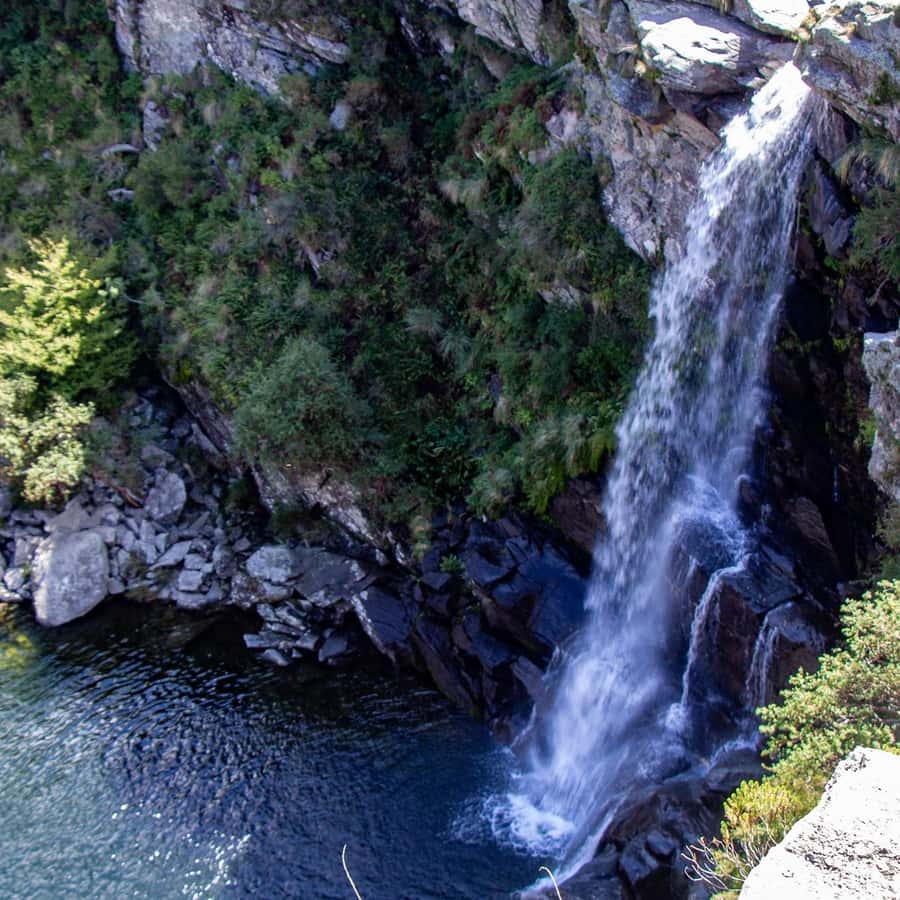
Discover Rabat: Morocco's Capital City & Cultural Gem
Rabat, the political and administrative capital of Morocco, is a captivating blend of ancient history and modern sophistication. Located on the Atlantic coast at the mouth of the Bou Regreg River, this city offers a more relaxed and cosmopolitan experience than other Moroccan destinations. As a UNESCO World Heritage Site, Rabat masterfully preserves its historic heart while embracing contemporary development.
Rabat Overview: Capital City and Cultural Hub
As the nation's royal and administrative center, Rabat holds a unique position in Morocco. Unlike the bustling economic powerhouse of Casablanca or the tourist-heavy medinas of Marrakech, Rabat operates with a dignified, official air. The city's urban area is home to around 580,000 residents, with the broader metropolitan population exceeding 1.2 million.
This makes it the seventh largest city in Morocco. Visitors are often struck by its cleanliness, wide boulevards, and green spaces. The city’s identity is deeply tied to its status as the seat of the monarchy, housing the King's primary residence, the Royal Palace.
Rabat was inscribed as a UNESCO World Heritage Site in 2012, recognized for its "shared heritage" as an intentionally modern 20th-century capital built alongside older historic elements.
Geography and Demographic Landscape
Rabat is situated in northwestern Morocco on the Atlantic coast. The city faces the historic town of Salé across the Bou Regreg River, forming a combined metropolitan area. The geography features coastal cliffs, riverbanks, and gentle hills.
The population is predominantly Arab-Berber, with neighborhoods ranging from the historic medina to affluent modern districts. Key residential areas include the upscale Hay Riad and Agdal neighborhoods, known for their villas, embassies, and diplomatic missions.
A Journey Through Rabat's Rich History
The story of Rabat Morocco is a tapestry woven across centuries. Its origins trace back to a 10th-century ribat, or fortified monastery, established by the Umayyad dynasty. This strategic defensive outpost gave the city its name.
The city's most significant early expansion came under the Almohad Caliphate in the 12th century. They constructed impressive city walls and embarked on an ambitious project: the Hassan Tower.
From Ancient Ribat to Modern Capital
The Almohad vision for a grand capital was tragically halted. The death of Sultan Yaqub al-Mansur in 1199 led to the abandonment of the Hassan Tower and its adjoining mosque. For centuries afterwards, Rabat entered a period of decline.
Its fortunes changed dramatically in the 20th century. When France established its protectorate over Morocco in 1912, the colonial administration moved the capital from Fez to Rabat. This decision shaped the city's modern destiny.
- 1912: Rabat becomes the capital under French protectorate.
- 1956 Morocco gains independence; Rabat remains the capital under King Mohammed V.
- 2012: Rabat gains UNESCO World Heritage status.
- Post-2014: Major infrastructure projects like high-speed rail transform connectivity.
The French introduced the Ville Nouvelle, or "New Town," characterized by wide avenues, administrative buildings, and public gardens. After independence in 1956, King Mohammed V wisely retained Rabat as the capital, cementing its role as the nation's enduring political heart.
Rabat's Premier Landmarks and Attractions
The city's landscape is dotted with iconic sites that tell the story of its layered past. These landmarks form the core of any visit to Rabat Morocco and are central to its UNESCO designation.
From unfinished minarets to royal mausoleums, each site offers a unique window into a different era. Exploring them provides a physical chronology of Moroccan history and architectural evolution.
The Hassan Tower and Mohammed V Mausoleum
The Hassan Tower is Rabat's most recognizable symbol. This unfinished 12th-century minaret was intended to be the largest in the Islamic world. Though only reaching 44 meters of its planned 86-meter height, its red sandstone presence is awe-inspiring.
Standing adjacent is the Mausoleum of Mohammed V. This 20th-century masterpiece of traditional Moroccan craftsmanship houses the tombs of King Mohammed V and his sons, King Hassan II and Prince Abdallah. The brilliant white structure, green tiled roof, and lavish interior represent modern Moroccan reverence for its monarchy.
Kasbah of the Oudaias and the Andalusian Gardens
Perched on a cliff overlooking the river and the Atlantic, the Kasbah of the Oudaias is a 17th-century fortress. Its blue-and-white painted walls and narrow lanes transport visitors to another time. Within its walls lies a serene oasis: the Andalusian Gardens.
These beautifully landscaped gardens, designed during the French protectorate, feature fragrant flowers, fruit trees, and quiet fountains. They offer a peaceful escape and stunning panoramic views of the river, Salé, and the ocean.
Chellah: Layers of Roman and Medieval History
The Chellah necropolis is one of Rabat's most extraordinary sites. It began as the Roman city of Sala Colonia. Later, in the 14th century, a Merinid dynasty Sultan built a fortified Muslim cemetery and religious complex atop the ruins.
Today, visitors can explore layered ruins including Roman baths, medieval gateways, and the remains of a mosque. The site is now a tranquil garden, famously inhabited by storks and surrounded by ancient walls.
Rabat's Modern Infrastructure and Development
Contemporary Rabat Morocco is a city focused on the future. A major five-year economic plan launched in 2014 set in motion a wave of modernization. This plan prioritized cultural attractions, mixed-use developments, and critical transportation upgrades.
The goal has been to enhance the city's status as a modern capital while preserving its unique heritage. This balanced approach is evident in its clean streets, efficient services, and growing reputation as a livable, cosmopolitan metropolis.
Transportation and High-Speed Connectivity
Rabat's infrastructure has seen revolutionary improvements. The city boasts a modern tram system that connects key districts. A major highway network and a new tunnel have eased urban congestion.
The most transformative project is the Al Boraq high-speed rail line. This service seamlessly links Rabat to Casablanca and Tangier. It has dramatically shortened travel times and integrated the capital more closely with Morocco's major economic hubs.
- Tram System: Connects the medina, Ville Nouvelle, and outlying neighborhoods.
- Al Boraq High-Speed Rail: Connects Rabat to Tangier in under 90 minutes.
- Upgraded Rail Station: Rabat-Ville station is a major modern transport hub.
- Modern Highway Network: Facilitates easy road travel in and out of the city.
Cultural and Educational Institutions
As a capital city, Rabat is home to premier national institutions. The Mohammed V University is one of the country's most important centers of higher learning. The National Library and various museums, including a renowned archaeology museum, contribute to the city's intellectual life.
The central post office is itself a landmark, an excellent example of Mauresque architecture blending Moroccan and Art Deco styles. These institutions underscore Rabat's role as a guardian of national culture and a center for education and research.
Exploring Rabat's Distinctive Districts and Neighborhoods
Rabat's urban landscape tells a story of layered history and modern development. Each district offers a unique glimpse into the city's character, from ancient fortified walls to chic contemporary avenues.
The city's layout is broadly divided into three key areas: the historic Medina, the French-built Ville Nouvelle, and expanding modern suburbs. Understanding these districts is crucial to appreciating Rabat's identity as a city that honors its past while embracing its future.
The Historic Medina: Authentic Moroccan Life
Enclosed by 12th-century Almohad walls, Rabat's Medina offers a more tranquil experience than the medinas of Fez or Marrakech. Its narrow, winding streets are a vibrant hub of authentic local life, filled with traditional crafts, food markets, and residential neighborhoods.
Unlike more tourist-centric old towns, Rabat's medina maintains a genuine residential atmosphere. Visitors can explore its traditional markets (souks) without the intense pressure often found elsewhere. Key highlights within the medina walls include:
- Souk es-Sebat: Known for fine leather goods, traditional babouches, and handicrafts.
- Rue des Consuls: Historically where foreign diplomats lived, now famous for carpet sellers.
- Andalusian Wall: A well-preserved section of historic fortifications with impressive gates.
- Local Cafés: Perfect for observing daily life while enjoying Moroccan mint tea.
The Ville Nouvelle: French Colonial Legacy
The Ville Nouvelle, or "New Town," represents Rabat's modern face. Designed during the French protectorate era beginning in 1912, this district features wide, tree-lined boulevards, administrative buildings, and European-style architecture.
This area serves as the city's administrative and commercial heart. Key landmarks here include the National Parliament, various ministry buildings, and the central business district. The Ville Nouvelle exemplifies urban planning with its organized grid pattern, public gardens, and elegant facades that blend Moroccan motifs with Art Deco influences.
Affluent Suburbs: Hay Riad and Agdal
Beyond the central districts, Rabat expands into sophisticated suburbs that house diplomatic missions and affluent residents. Hay Riad is particularly notable for its spacious villas, international schools, and numerous embassies.
Agdal, located south of the Ville Nouvelle, is another prestigious residential area known for its modern apartments, shopping avenues, and proximity to Mohammed V University. These neighborhoods represent Rabat's growth as a cosmopolitan capital attracting international communities and skilled professionals.
The contrast between the historic medina and modern Ville Nouvelle creates a unique urban tapestry that UNESCO recognized as demonstrating "an interchange of human values" over more than eight centuries.
Rabat's Economy and Modern Development
As Morocco's political capital, Rabat's economy differs significantly from the commercial powerhouse of Casablanca. The city's economic landscape is dominated by public administration, diplomatic services, and a growing knowledge sector.
Recent development strategies have focused on enhancing Rabat's status as a modern capital while preserving its cultural heritage. The post-2014 economic initiatives have transformed the city's infrastructure and economic potential.
Government and Diplomatic Presence
Rabat's primary economic driver is its status as the administrative capital of Morocco. The city hosts all major government institutions, including:
- The Royal Palace (Dar al-Makhzen), the king's primary residence
- Parliament and all ministerial departments
- Supreme Court and other judicial bodies
- Over 50 embassies and international organizations
This concentration of governmental and diplomatic activity creates stable employment and stimulates supporting industries including professional services, security, and hospitality.
Thriving Sectors: Technology, Education, and Tourism
Beyond government, Rabat has developed strong sectors in technology and education. Mohammed V University serves as a major research and innovation hub, while technology parks attract IT companies and startups.
The tourism sector has grown strategically, focusing on Rabat's unique selling points as a cultural destination rather than mass tourism. Recent developments include:
- Renovation of cultural sites like the Archaeology Museum
- Development of the Bouregreg Valley between Rabat and Salé
- Enhanced conference facilities for diplomatic and business events
- Promotion of cultural tourism around UNESCO World Heritage sites
Major Infrastructure Projects
Rabat's modernization is most visible in its infrastructure projects. The Rabat-Salé tramway, launched in 2011, was Morocco's first tram system and has significantly improved urban mobility.
The Al Boraq high-speed rail service connects Rabat to Tangier in just under 90 minutes and to Casablanca in approximately one hour. This project has positioned Rabat at the center of Morocco's economic corridor and enhanced its connectivity for business and tourism.
Ongoing projects include the development of the Bouregreg Marina and continued expansion of highway networks, ensuring Rabat remains well-connected both nationally and internationally.
Cultural Life and Contemporary Scene
Rabat offers a sophisticated cultural scene that balances traditional Moroccan heritage with contemporary artistic expression. The city's status as the national capital ensures a continuous calendar of cultural events, exhibitions, and performances.
Unlike more tourist-focused cities, Rabat's cultural life often feels more authentic and geared toward local residents. This creates opportunities for visitors to experience genuine Moroccan culture beyond typical tourist presentations.
Museums and Galleries
Rabat boasts several world-class museums that showcase Morocco's rich history and artistic traditions. The Mohammed VI Museum of Modern and Contemporary Art (MMVI) is particularly noteworthy as the first major museum in Morocco dedicated to modern art.
Other significant cultural institutions include:
- Bank Al-Maghrib Museum: Exhibiting Moroccan currency, traditional arts, and archaeological finds
- Museum of History and Civilizations: Housing prehistoric to Islamic-era artifacts
- Oudayas Museum: Located within the kasbah, displaying traditional Moroccan arts
- Villa des Arts: A cultural space hosting contemporary exhibitions
Festivals and Annual Events
Rabat's cultural calendar features numerous festivals that attract international participants and audiences. The Mawazine Rhythms of the World Festival is one of Africa's largest music festivals, featuring international stars alongside Moroccan performers.
Other notable events include:
- Jazz au Chellah: Evening jazz concerts within the ancient Chellah ruins
- Rabat International Film Festival: Showcasing Arab and African cinema
- Contemporary Art Biennale: Highlighting Morocco's vibrant art scene
- National Festival of Popular Arts: Celebrating traditional Moroccan music and dance
The Mawazine Festival attracts over 2 million spectators annually, demonstrating Rabat's capacity to host world-class cultural events while promoting cultural dialogue.
Culinary Scene and Nightlife
Rabat's dining scene reflects its status as an international capital. While traditional Moroccan cuisine remains central, the city offers diverse culinary experiences from casual street food to fine dining establishments.
The city's nightlife is more subdued than in Casablanca but offers sophisticated options including:
- Rooftop bars with views of the Hassan Tower
- Traditional cafes in the medina serving mint tea
- Modern lounges in the Agdal and Hay Riad districts
- Cultural centers hosting musical performances
This balanced approach to entertainment means visitors can enjoy both traditional Moroccan experiences and contemporary international amenities, all within Rabat's generally relaxed and safe environment.
Living in Rabat: Quality of Life and Residential Appeal
Rabat Morocco consistently ranks as one of Africa's most livable cities, offering residents a high quality of life with modern amenities. The city's reputation for safety, cleanliness, and efficient infrastructure makes it attractive to both Moroccans and the large expatriate community associated with diplomatic missions.
The cost of living in Rabat is generally lower than in many European capitals but higher than in other Moroccan cities. This reflects its status as the political and administrative center of the kingdom. Residential neighborhoods cater to diverse preferences, from historic areas to modern planned communities.
Education and Healthcare Facilities
As the nation's capital, Rabat offers some of Morocco's finest educational and healthcare institutions. The city serves as a major center for higher education, anchored by Mohammed V University, one of the country's oldest and most prestigious universities.
International residents benefit from several international schools following American, French, and other foreign curricula. The healthcare system includes modern public hospitals and private clinics that serve both the local population and the diplomatic community.
- Mohammed V University: Comprehensive public university with multiple faculties
- International University of Rabat (UIR): Private institution with focus on engineering and business
- Rabat American School: Established to serve diplomatic and international families
- Ibn Sina University Hospital: Major public teaching hospital and research center
- Private Medical Clinics: Numerous facilities in Agdal and Hay Riad districts
Green Spaces and Recreational Activities
Rabat is notable among Moroccan cities for its abundance of green spaces and public gardens. The French colonial influence left a legacy of planned parks and tree-lined boulevards that enhance the city's livability.
Residents enjoy access to both urban and natural recreational areas, including the expansive Hilton Forest (Forêt de la Maâmora) on the city's outskirts. The Atlantic coastline provides opportunities for water sports, particularly surfing at nearby beaches like Plage des Nations and Skhirat.
Rabat in the Wider Moroccan Context
Understanding Rabat's position requires comparing it to other major Moroccan cities. While Casablanca serves as the economic and financial hub, and Marrakech attracts mass tourism, Rabat fulfills the distinct role of political capital and royal seat.
This specialization creates a different urban character—more orderly, less crowded, and focused on governance and diplomacy. The city's development has been carefully managed to preserve its dignity as the nation's capital while incorporating modern amenities.
Transportation Connections to Other Cities
Rabat's central location on the Atlantic coast makes it an excellent base for exploring Morocco. The Al Boraq high-speed rail system has revolutionized north-south travel, connecting the capital efficiently to key destinations.
The high-speed rail link between Rabat and Casablanca travels at speeds up to 320 km/h (199 mph), covering the 86-kilometer distance in approximately 50 minutes, making day trips between the two cities exceptionally convenient.
Key transportation connections include:
- To Casablanca: 50 minutes by high-speed rail, 1 hour by car
- To Tangier: 90 minutes by high-speed rail, 2.5 hours by car
- To Fez: 2 hours by conventional train, 2.5 hours by car
- To Marrakech: 3.5 hours by conventional train, 3 hours by car
- Rabat-Salé Airport: Located just 10 kilometers from city center, with domestic and limited international flights
Rabat's Relationship with Salé
The city maintains a unique symbiotic relationship with its neighbor, Salé, located directly across the Bou Regreg River. Historically, the two cities had distinct identities—Rabat as the political center and Salé as an important religious and trading city.
Today, they function essentially as a single metropolitan area, with many residents commuting between them for work, education, and services. The Bouregreg Valley development project aims to better integrate the two cities with new bridges, the tram system, and shared cultural and commercial spaces along the riverfront.
Visitor's Guide: Planning Your Trip to Rabat
For travelers seeking an authentic Moroccan experience without the intense crowds, Rabat offers an ideal destination. The city provides excellent tourist infrastructure while maintaining its genuine character as a working capital rather than a tourist-centered locale.
Visitors typically spend two to three days exploring Rabat's main sites, though it also serves perfectly as a stop on a longer Moroccan itinerary. The city's manageable scale makes it highly walkable, particularly in the central areas between the medina and Ville Nouvelle.
Best Times to Visit and Climate
Rabat enjoys a Mediterranean climate with mild, wet winters and warm, dry summers. The Atlantic Ocean moderates temperatures, preventing the extreme heat found in interior cities like Marrakech.
The most pleasant seasons for visitors are spring (March to May) and autumn (September to November), when temperatures average 20-25°C (68-77°F). Summer sees more tourists but can be warm, while winter offers fewer crowds but occasional rain.
Accommodation Options for Every Budget
Rabat offers diverse accommodation ranging from luxury hotels to charming riads and budget-friendly options. Unlike other Moroccan destinations, the city has fewer traditional riads in the medina but compensates with excellent modern hotels.
- Luxury Hotels: International chains and upscale Moroccan hotels in the Ville Nouvelle and diplomatic district
- Boutique Hotels: Often located in converted historic buildings near the kasbah or medina
- Mid-Range Accommodation: Numerous comfortable options in the Agdal and Hassan districts
- Budget Hostels and Guesthouses: Limited but growing options, particularly near the medina
Recommended Itineraries for Different Travelers
A well-planned itinerary helps visitors make the most of Rabat's diverse attractions. For first-time visitors, a balanced approach covering historic, cultural, and modern aspects is ideal.
Classic Two-Day Itinerary:
- Day 1 Morning: Explore the Kasbah of the Oudaias and Andalusian Gardens
- Day 1 Afternoon: Walk through the medina, visit the Grand Mosque and souks
- Day 2 Morning: Visit Hassan Tower and Mohammed V Mausoleum
- Day 2 Afternoon: Explore Chellah ruins, then leisure time in Ville Nouvelle
Extended Four-Day Experience:
- Additional Activities: Visit Mohammed VI Modern Art Museum, take a river cruise on the Bou Regreg, explore the Archaeology Museum, day trip to Salé, relax at coastal beaches
Rabat's Future: Development and Sustainability
Looking ahead, Rabat faces the challenge of modernizing while preserving its unique heritage. City planners and the national government have implemented forward-thinking strategies to ensure sustainable development that benefits both residents and visitors.
The UNESCO World Heritage designation in 2012 created both obligations and opportunities for heritage conservation. This status has encouraged more sensitive development approaches that respect the city's historic fabric.
Major Urban Development Projects
Several major projects will shape Rabat's future urban landscape. The Bouregreg Valley development between Rabat and Salé represents one of Morocco's most ambitious urban planning initiatives, transforming the riverfront with cultural facilities, residential areas, and business districts.
Other significant developments include:
- Rabat City Center: A large mixed-use development including shopping, entertainment, and offices
- Green City Initiatives: Expansion of parks, pedestrian zones, and cycling infrastructure
- Cultural Infrastructure: New museums and performance spaces to enhance the city's cultural offerings
- Public Transportation Expansion: Extensions to the tram network and improvements to regional rail connections
Sustainable Tourism Strategy
Rabat has deliberately pursued a quality over quantity approach to tourism. Rather than competing for mass tourism, the city positions itself as a destination for cultural, educational, and business travelers who appreciate its authentic character.
This strategy focuses on:
- Preserving the tranquility and authenticity of historic areas
- Developing cultural tourism around UNESCO sites
- Promoting Rabat as a conference and diplomatic meeting destination
- Encouraging longer stays that allow deeper engagement with local culture
- Developing community-based tourism initiatives that benefit local residents
Conclusion: Rabat as Morocco's Enduring Capital
Rabat Morocco stands as a testament to successful urban evolution, where centuries of history harmonize with 21st-century development. As both a UNESCO World Heritage Site and a modern administrative capital, the city offers a unique Moroccan experience that differs distinctly from other destinations in the kingdom.
The city's strengths are numerous: its manageable scale creates a welcoming atmosphere for visitors, its rich layering of history from Roman to contemporary times provides endless exploration opportunities, and its role as the political center offers glimpses into modern Moroccan governance and society.
For travelers seeking more than tourist clichés, Rabat presents an authentic, sophisticated destination. It provides the perfect introduction to Morocco for first-time visitors while offering deeper discoveries for those familiar with the country. The city embodies what many find most appealing about Morocco—the seamless blending of ancient traditions with modern aspirations, all within an atmosphere of safety, cleanliness, and genuine hospitality.
Whether exploring the unfinished grandeur of the Hassan Tower, strolling through French-colonial gardens, or witnessing the dignified proceedings of government, visitors to Rabat experience the many dimensions of modern Morocco. As the country continues to develop its position in Africa and the world, Rabat will undoubtedly remain its dignified, historic, and forward-looking capital—a city that honors its past while confidently building its future.
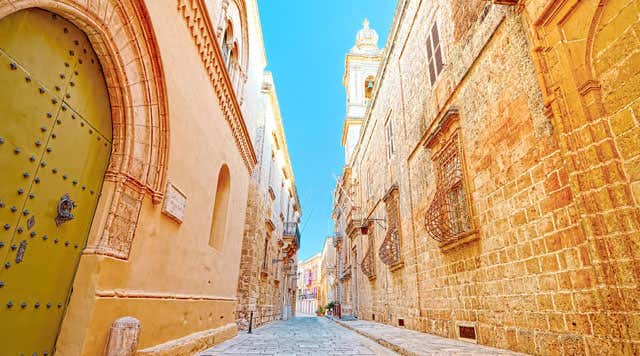
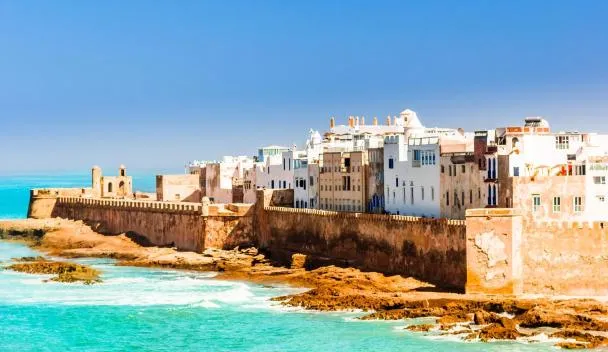


Exploring O-Omhros-O-My8ikos-Poihths-ths-Arxaias-Elladas: Greece's Cultural Heritage in 2025
Greece, a land steeped in history and culture, continues to captivate the world with its rich heritage. In 2025, the country stands as the world's top cultural heritage destination, boasting 18 UNESCO World Heritage Sites that span millennia. From the ancient ruins of Mycenae to the Byzantine monasteries of Meteora, Greece's cultural tapestry is as diverse as it is profound. This article delves into the significance of O-Omhros-O-My8ikos-Poihths-ths-Arxaias-Elladas, exploring the recent developments, key facts, and the enduring allure of Greece's cultural heritage.
The Significance of Greece's Cultural Heritage
Greece's cultural heritage is a testament to its enduring legacy. The country's 18 UNESCO World Heritage Sites are a blend of ancient, classical, Byzantine, and Orthodox Christian influences. These sites not only attract millions of tourists but also serve as a bridge connecting the past with the present. The Acropolis of Athens, the Meteora monasteries, and the ancient city of Mycenae are just a few examples of the architectural and historical marvels that define Greece's cultural landscape.
UNESCO World Heritage Sites in Greece
Greece's UNESCO World Heritage Sites are a testament to its rich history. These sites include:
- Acropolis of Athens: A symbol of ancient Greek civilization.
- Meteora: A stunning complex of monasteries perched atop rock formations.
- Mycenae: An ancient city dating back to the 15th century BC.
- Delphi: The sanctuary of Apollo, once considered the center of the world.
- Rhodes: A medieval city with a rich history.
Cultural Tourism and Economic Impact
Heritage tourism is a significant contributor to Greece's economy. In 2024, it generated €20 billion, supporting jobs in hospitality, retail, and the arts. The country's cultural heritage sites are not just historical landmarks but also vital economic assets that drive local economies and foster cultural exchange.
Recent Developments in Greek Cultural Heritage
Greece's commitment to preserving and promoting its cultural heritage is evident in the recent developments and initiatives undertaken by the Ministry of Culture. These efforts aim to enhance the visitor experience, protect historical sites, and ensure the sustainable management of cultural resources.
Restoration and Conservation Projects
In September 2025, the Ministry of Culture completed the restoration of the Churches of Saint Anna and Christ Pantocrator in Veria. This project is part of a broader initiative that has seen over €25 million invested in the Imathia region since 2019. These restoration efforts are crucial for preserving Greece's architectural heritage and ensuring that future generations can appreciate these historical treasures.
Cultural Routes Network
A significant development in 2025 is the launch of the cultural routes network, funded by a €50 million EU Recovery and Resilience grant. This initiative aims to connect thematic heritage itineraries across various regions, promoting regional connectivity and enhancing the visitor experience. The cultural routes network is a testament to Greece's commitment to integrating its cultural heritage into broader economic and social development strategies.
European Heritage Days 2025
The European Heritage Days, held on September 28, 2025, were a highlight of Greece's cultural calendar. The Acropolis Museum hosted free events focused on the Erechtheion, with the theme "Architectural heritage - bridging past and future." These events included sold-out tours and free evening access, attracting thousands of visitors and showcasing the enduring appeal of Greece's cultural heritage.
The Cultural Charter of Development and Prosperity
The Greek Ministry of Culture has launched the “Cultural Charter of Development and Prosperity”, a comprehensive plan that runs until 2030. This charter aims to integrate heritage protection, museum upgrades, and urban links to sites like Byzantine Anchialos for economic growth and job creation. The charter is a strategic framework that underscores the importance of cultural heritage in driving sustainable development and prosperity.
Key Objectives of the Cultural Charter
The Cultural Charter of Development and Prosperity has several key objectives:
- Heritage Protection: Ensuring the preservation and conservation of Greece's cultural heritage sites.
- Museum Upgrades: Enhancing the visitor experience through modernized museum facilities.
- Urban Links: Connecting cultural sites with urban centers to promote economic growth.
- Job Creation: Supporting local economies through cultural tourism and related industries.
Investment in Cultural Infrastructure
Greece's commitment to its cultural heritage is further evidenced by the €1.3 billion national cultural investment program, the largest in the country's history. This program, funded by EU NSRF/RRF funds, aims to open 28 new museums by 2028 and allocate €100 million for projects in Thessaly, including the ancient city of Demetrias. These investments are crucial for preserving Greece's cultural heritage and ensuring its continued relevance in the modern world.
Challenges and Opportunities in Cultural Heritage Management
While Greece's cultural heritage is a source of national pride and economic benefit, it also faces several challenges. Overtourism, climate change, and urbanization are significant threats that require careful management and innovative solutions. The Greek Ministry of Culture is actively addressing these challenges through various initiatives and strategies.
Overtourism and Sustainable Strategies
Overtourism is a pressing issue for popular sites like the Acropolis and Santorini. The influx of visitors can lead to erosion and damage to historical structures. To mitigate these effects, the Ministry of Culture has allocated over €25 million for restorations and sustainable strategies. These efforts include visitor management plans, conservation projects, and the promotion of lesser-known cultural sites to distribute tourist traffic more evenly.
Climate Change and Heritage Preservation
Climate change poses a significant threat to Greece's cultural heritage. Rising temperatures, increased rainfall, and extreme weather events can accelerate the deterioration of ancient structures and artifacts. The Heritage Site Management Field School in Athens, held in June 2025, focused on training participants to address these threats. The field school emphasized the importance of climate-resilient management practices and the role of indigenous knowledge in heritage preservation.
European Days of Conservation-Restoration 2025
The European Days of Conservation-Restoration 2025 highlighted the importance of preserving Greece's antiquities. This event brought together experts, conservators, and policymakers to discuss best practices and innovative techniques for heritage conservation. The focus on conservation and restoration underscores Greece's commitment to safeguarding its cultural heritage for future generations.
Conclusion
Greece's cultural heritage is a testament to its rich history and enduring legacy. The country's 18 UNESCO World Heritage Sites, recent developments in heritage management, and the Cultural Charter of Development and Prosperity underscore the importance of preserving and promoting Greece's cultural treasures. While challenges like overtourism and climate change pose significant threats, the Greek Ministry of Culture is actively addressing these issues through innovative strategies and substantial investments. As the world's top cultural heritage destination in 2025, Greece continues to inspire and captivate visitors from around the globe.
Living Heritage: Traditions and Innovations in Modern Greece
Beyond its monumental sites, Greece's living heritage plays a vital role in preserving cultural identity. In 2025, UNESCO recognized four new elements of Greece's Intangible Cultural Heritage, including the beloved Karagiozis shadow theater. These traditions, passed down through generations, offer a dynamic counterpoint to static archaeological sites, creating a holistic cultural experience for visitors and locals alike.
The Revival of Traditional Greek Arts
The Greek government has prioritized the preservation of traditional arts through targeted initiatives. The 2025 Melina Mercouri Prize, awarded by UNESCO and Greece, celebrated projects that safeguard cultural landscapes using indigenous knowledge. This award highlights Greece's commitment to protecting not just physical sites but also the living traditions that give them meaning.
Key traditional arts receiving renewed attention include:
- Byzantine icon painting in monasteries like Meteora
- Folk music and dance festivals across regional villages
- Traditional pottery techniques in Sifnos and Crete
- Shadow theater performances featuring Karagiozis
Innovative Cultural Routes Connecting Past and Present
The €50 million EU-funded cultural routes network represents Greece's most ambitious heritage connectivity project to date. These thematic itineraries link:
- Ancient trade paths with modern market towns
- Byzantine pilgrimage routes to active monasteries
- Mythological sites with contemporary art installations
One standout route follows the journey of O-Omhros-O-My8ikos-Poihths-ths-Arxaias-Elladas, connecting literary landmarks with archaeological sites mentioned in ancient texts. This approach creates immersive experiences that appeal to both history enthusiasts and casual travelers.
Archaeological Discoveries Reshaping Greece's Historical Narrative
Ongoing excavations continue to uncover Greece's hidden past. In 2025, archaeologists made significant discoveries that challenge existing historical narratives and attract global scholarly attention.
Recent Excavation Highlights
Notable findings from 2024-2025 include:
- A well-preserved 4th-century BC mosaic in Pella depicting mythological scenes
- An ancient shipwreck off the coast of Kasos with intact amphorae
- A Byzantine-era workshop in Thessaloniki with rare fresco fragments
These discoveries not only enrich our understanding of ancient Greek civilization but also create new tourism opportunities. The Ministry of Culture has developed specialized archaeological tours that allow visitors to witness ongoing excavations at select sites.
Technology in Archaeological Preservation
Greece is leveraging cutting-edge technology to document and preserve its archaeological treasures. Innovative methods include:
- 3D laser scanning of fragile ruins
- AI-assisted reconstruction of damaged artifacts
- Virtual reality experiences at major museums
The Acropolis Museum's digital restoration project allows visitors to see how the Parthenon sculptures originally appeared in full color—a revelation that has changed public perception of ancient Greek art.
Economic Impact: How Heritage Tourism Transforms Local Communities
Heritage tourism's €20 billion annual contribution to Greece's economy extends far beyond major attractions. Smaller communities are experiencing revitalization through cultural tourism initiatives that create sustainable livelihoods.
Case Studies of Heritage-Led Development
Several regions demonstrate how cultural heritage drives economic transformation:
- Veria, Central Macedonia: The €25 million restoration of Byzantine churches has revitalized the local tourism sector, with visitor numbers increasing by 40% since 2022.
- Meteora, Thessaly: The €100 million investment in infrastructure has created 300 new jobs in hospitality and guided services.
- Monemvasia, Peloponnese: Despite being listed among Europe's most endangered sites, targeted conservation efforts have increased cultural tourism revenue by 25% in 2025.
Challenges in Balancing Tourism and Preservation
While heritage tourism brings economic benefits, it also presents challenges that require careful management:
- Seasonal overcrowding at popular sites
- Environmental strain on fragile ecosystems
- Cultural commodification risks
The Ministry of Culture's sustainable tourism strategy includes measures like:
- Implementing timed entry systems at major sites
- Developing off-season cultural programs
- Promoting lesser-known heritage destinations
The Role of Education in Heritage Preservation
Greece recognizes that long-term heritage preservation requires investing in education and professional training. The country has become a global leader in heritage management education through innovative programs.
Heritage Management Field Schools
The Heritage Site Management Field School in Athens, held annually since 2021, has trained over 500 professionals from 30 countries. The 2025 program focused on:
- Climate change adaptation for archaeological sites
- Digital documentation techniques
- Community engagement strategies
Participants gain hands-on experience at sites like the Temple of Bassae, which has been under protective tenting since 1987 due to its fragile condition.
University Programs and Research Initiatives
Greek universities are expanding their heritage-related offerings:
- The University of Athens launched a new MA in Digital Cultural Heritage
- The Aristotle University of Thessaloniki established a research center for Byzantine studies
- The University of Crete developed a program on Minoan civilization preservation
These academic initiatives ensure a steady pipeline of skilled professionals to manage Greece's cultural resources. International collaborations, such as the partnership with the Getty Conservation Institute, bring global expertise to local preservation challenges.
International Recognition and Collaborations
Greece's cultural heritage efforts have gained international acclaim, fostering valuable collaborations that enhance preservation capabilities and global visibility.
UNESCO Partnerships and Awards
The 2025 Melina Mercouri Prize not only honored Greek conservation projects but also strengthened Greece's position as a leader in cultural heritage management. The prize, named after the famous Greek actress and politician, recognizes innovative approaches to:
- Integrating indigenous knowledge in conservation
- Developing sustainable tourism models
- Promoting cultural diversity
Greece's collaboration with UNESCO extends to joint initiatives like the World Heritage Marine Programme, which protects underwater cultural heritage in the Mediterranean.
European Union Support and Funding
The European Union remains a crucial partner in Greece's heritage preservation efforts. Beyond the €50 million cultural routes funding, EU programs support:
- Cross-border heritage projects with Balkan countries
- Digital preservation initiatives through Horizon Europe
- Youth employment programs in cultural sectors
The European Heritage Label has been awarded to several Greek sites, including the Ancient Theatre of Epidaurus, recognizing their European significance and promoting transnational cultural dialogue.
Looking Ahead: Greece's Cultural Heritage in the Next Decade
As Greece approaches 2030, its cultural heritage strategy evolves to address emerging challenges while capitalizing on new opportunities. The Cultural Charter of Development and Prosperity provides a roadmap for the next five years, with ambitious goals that include:
- Opening 28 new museums by 2028
- Achieving carbon-neutral operations at all major heritage sites
- Developing 10 new cultural routes annually
The integration of O-Omhros-O-My8ikos-Poihths-ths-Arxaias-Elladas into modern cultural narratives ensures that Greece's ancient literary and artistic traditions remain vibrant and relevant. Through innovative preservation techniques, sustainable tourism practices, and international collaborations, Greece is positioning itself as a global model for cultural heritage management.
The challenges ahead—from climate change to overtourism—are significant, but Greece's proactive approach and substantial investments demonstrate a commitment to preserving its cultural legacy for future generations. As the world's top cultural heritage destination, Greece continues to inspire through its remarkable ability to bridge ancient traditions with modern innovations.
Digital Transformation: Revolutionizing Access to Greek Cultural Heritage
The digital revolution has transformed how the world engages with Greece's cultural treasures. In 2025, the country has embraced cutting-edge technologies to make its heritage more accessible than ever before, breaking down geographical barriers and creating immersive experiences that appeal to global audiences.
Virtual Reality and Augmented Reality Experiences
Greece's museums and archaeological sites are leading the way in digital innovation. The Acropolis Museum now offers a virtual reality tour that allows visitors to explore the Parthenon as it appeared in 438 BC, complete with vibrant colors and missing elements. This experience has increased visitor engagement by 60% since its launch in 2024.
Other notable digital initiatives include:
- Augmented reality guides at Delphi that bring ancient oracles to life
- 360-degree virtual tours of Meteora's inaccessible monasteries
- Interactive holograms of ancient philosophers at the Ancient Agora
Online Archives and Digital Preservation
The Greek Ministry of Culture has digitized over 1 million artifacts and documents, creating one of the world's most comprehensive online cultural archives. This digital repository includes:
- High-resolution scans of ancient manuscripts
- 3D models of archaeological finds
- Historical photographs and maps
This initiative not only preserves fragile artifacts but also makes them accessible to researchers and enthusiasts worldwide. The National Archaeological Museum's online collection received 2.3 million virtual visits in 2025 alone.
The Economic Multiplier Effect of Cultural Heritage
Greece's cultural heritage sector creates a powerful economic multiplier effect that extends far beyond direct tourism revenue. The €20 billion annual contribution generates secondary economic benefits that transform local communities and national industries.
Job Creation Across Multiple Sectors
The heritage economy supports diverse employment opportunities:
- 35,000 direct jobs in museums and archaeological sites
- 50,000 indirect jobs in hospitality and retail
- 12,000 specialized positions in conservation and digital preservation
Notably, the restoration projects in Veria created 400 new jobs in 2025, reducing local unemployment by 18%. These positions range from skilled artisans to digital content creators, demonstrating the diverse career paths enabled by cultural heritage.
Stimulating Related Industries
Cultural tourism catalyzes growth in complementary sectors:
- Traditional crafts experience a 45% revenue increase from tourist demand
- Local agriculture benefits from farm-to-table experiences at heritage sites
- Transportation networks expand to connect cultural routes
The €1.3 billion cultural investment program has particularly benefited small businesses, with 70% of contracts awarded to local enterprises in 2025.
Climate Change: The Greatest Threat to Greece's Heritage
While Greece's cultural heritage faces numerous challenges, climate change represents the most urgent and complex threat. Rising temperatures, extreme weather events, and sea-level rise are accelerating the deterioration of ancient sites at an alarming rate.
Specific Climate Threats to Key Sites
Different regions face distinct climate-related challenges:
- Coastal sites like Delphi and Epidaurus suffer from erosion and salt damage
- Mountainous monasteries in Meteora experience increased landslide risks
- Urban archaeological sites in Athens face heat stress and pollution
A 2025 study revealed that 60% of Greece's UNESCO sites are at high risk from climate impacts, with some structures deteriorating 30% faster than previous estimates.
Innovative Climate Adaptation Strategies
Greece is implementing pioneering solutions to protect its heritage:
- Smart monitoring systems that track structural integrity in real-time
- Climate-resilient materials for restoration projects
- Vegetation management programs to prevent wildfire damage
The Temple of Bassae serves as a test case for these innovations, with its protective tenting system now incorporating climate control technology to regulate temperature and humidity.
Community Engagement: The Human Dimension of Heritage Preservation
Greece recognizes that sustainable heritage preservation requires active community participation. Local engagement programs ensure that cultural sites remain relevant to contemporary society while fostering a sense of ownership among residents.
Education and Outreach Programs
Initiatives connecting communities with their heritage include:
- School adoption programs where students "adopt" local monuments
- Intergenerational workshops teaching traditional crafts
- Community archaeology projects involving residents in excavations
The "Heritage in Our Hands" program reached 15,000 students in 2025, creating a new generation of cultural ambassadors.
Volunteer Conservation Efforts
Volunteer programs play a crucial role in heritage preservation:
- 4,000 volunteers participated in cleanup and maintenance activities
- 200 community groups monitor local heritage sites
- Digital volunteer initiatives transcribe ancient texts online
These grassroots efforts not only preserve cultural sites but also strengthen social cohesion and local pride.
International Best Practices: What Greece Can Learn and Share
As a global leader in cultural heritage management, Greece both adopts international best practices and shares its expertise with other nations. This exchange of knowledge enhances preservation efforts worldwide.
Lessons from Global Heritage Management
Greece has successfully implemented strategies from other countries:
- Italy's visitor management systems for crowded sites
- Japan's earthquake-proofing techniques for ancient structures
- UK's digital preservation standards for archives
The Heritage Site Management Field School incorporates these international approaches into its curriculum, creating a global standard for heritage education.
Greece's Contributions to Global Heritage
Greece shares its expertise through various international platforms:
- UNESCO training programs on Mediterranean heritage
- EU-funded knowledge exchange with Balkan countries
- Collaborative research projects with Middle Eastern nations
The 2025 Melina Mercouri Prize has become a model for recognizing indigenous knowledge in conservation, inspiring similar awards in other regions.
Conclusion: The Enduring Legacy and Future of Greek Cultural Heritage
Greece's cultural heritage stands as a testament to human creativity and resilience across millennia. From the ancient verses of O-Omhros-O-My8ikos-Poihths-ths-Arxaias-Elladas to the digital innovations of 2025, Greece continues to bridge past and present in remarkable ways. The country's 18 UNESCO World Heritage Sites, vibrant living traditions, and groundbreaking preservation techniques create a cultural ecosystem that is both profoundly ancient and dynamically modern.
The economic impact of heritage tourism—generating €20 billion annually—demonstrates that cultural preservation and economic development can go hand in hand. However, challenges like overtourism and climate change require ongoing innovation and international cooperation. Greece's proactive approach, including the €1.3 billion cultural investment program and pioneering climate adaptation strategies, positions the country as a global leader in sustainable heritage management.
As we look to the future, Greece's cultural heritage will continue to evolve through digital transformation, community engagement, and international collaboration. The Cultural Charter of Development and Prosperity provides a visionary roadmap for preserving this legacy while ensuring it remains accessible and meaningful to future generations. In an increasingly globalized world, Greece's cultural heritage serves not just as a national treasure but as a universal inspiration—a living connection to our shared human story that continues to captivate, educate, and unite people across continents and centuries.
The story of O-Omhros-O-My8ikos-Poihths-ths-Arxaias-Elladas and Greece's cultural heritage is far from static; it is a dynamic narrative that grows richer with each discovery, each restoration, and each new generation that engages with its timeless wonders. As Greece continues to write new chapters in this extraordinary cultural journey, the world watches, learns, and remains endlessly inspired by the cradle of Western civilization.
Agra: The Timeless City of Mughal Grandeur
Introduction to Agra
Agra, a city steeped in history and romance, is one of India's most iconic destinations. Located in the northern state of Uttar Pradesh, it is best known as the home of the Taj Mahal, a UNESCO World Heritage Site and one of the Seven Wonders of the Modern World. But Agra's allure extends far beyond this marble masterpiece. The city is a treasure trove of Mughal architecture, rich cultural heritage, and vibrant traditions that captivate visitors from around the globe.
Once the capital of the mighty Mughal Empire, Agra flourished under the patronage of emperors like Akbar, Jahangir, and Shah Jahan. Their legacy lives on in the city's magnificent forts, tombs, and gardens, each telling a story of power, love, and artistic brilliance. From the bustling markets to the serene banks of the Yamuna River, Agra offers a fascinating blend of the past and present.
The Crown Jewel: The Taj Mahal
No visit to Agra is complete without witnessing the ethereal beauty of the Taj Mahal. Commissioned in 1632 by Emperor Shah Jahan as a mausoleum for his beloved wife Mumtaz Mahal, this white marble monument is a testament to love and architectural genius. The Taj Mahal's exquisite symmetry, intricate carvings, and shimmering domes are a sight to behold, especially at sunrise or sunset when the marble glows with a golden hue.
The monument is surrounded by lush gardens, reflecting pools, and red sandstone walkways, creating a harmonious balance between nature and human craftsmanship. Inside, the cenotaphs of Shah Jahan and Mumtaz Mahal are adorned with semi-precious stones in delicate floral patterns, showcasing the pinnacle of Mughal artistry.
Agra Fort: The Mughal Stronghold
Another architectural marvel in Agra is the Agra Fort, a UNESCO World Heritage Site that served as the main residence of the Mughal emperors for generations. Built by Emperor Akbar in 1565, the fort is a massive red sandstone structure with imposing walls and majestic gates. Within its confines lies a complex of palaces, mosques, and audience halls, each reflecting the opulence of the Mughal era.
The Diwan-i-Aam (Hall of Public Audience) and Diwan-i-Khas (Hall of Private Audience) are among the fort's most notable structures, where emperors addressed the public and held private meetings. The Jahangir Palace, with its intricate carvings and Persian-style gardens, offers a glimpse into the lavish lifestyle of the royals. From the fort's ramparts, visitors can enjoy breathtaking views of the Taj Mahal in the distance.
Itmad-ud-Daulah's Tomb: The Baby Taj
Often referred to as the "Baby Taj," Itmad-ud-Daulah's Tomb is a lesser-known but equally stunning monument in Agra. Constructed between 1622 and 1628 by Empress Nur Jahan for her father, Mirza Ghiyas Beg, this tomb is considered a precursor to the Taj Mahal in terms of design and craftsmanship. Unlike the grand scale of the Taj, this tomb is more intimate, with delicate marble inlay work and intricate lattice screens.
The tomb's gardens, laid out in the Persian char-bagh style, add to its serene charm. The use of white marble and pietra dura (stone inlay) techniques here set the standard for later Mughal architecture, making it a must-visit for history and art enthusiasts.
The Bustling Markets of Agra
Agra is not just about monuments; its vibrant markets offer a sensory feast for visitors. Sadar Bazaar, Kinari Bazaar, and Shah Market are popular spots to explore, where you can find everything from exquisite marble handicrafts and leather goods to spices and textiles. The city is famous for its petha, a sweet made from ash gourd, and visitors often take boxes of this delicacy home as souvenirs.
Haggling is common in Agra's markets, and bargaining for a good deal can be an exciting experience. The narrow lanes, filled with the aroma of street food and the chatter of locals, provide a lively contrast to the quiet grandeur of the city's historical sites.
Local Cuisine: A Taste of Agra
Agra's culinary scene is as rich as its history. The city offers a mix of Mughlai, North Indian, and local delicacies that are sure to tantalize your taste buds. From succulent kebabs and biryanis to the famous Agra ka petha, the flavors of Agra are unforgettable. Popular eateries like Pinch of Spice and Dasaprakash serve mouthwatering dishes in a cozy ambiance, while street food stalls offer quick and tasty bites.
A visit to Agra would be incomplete without trying the iconic bedai and jalebi for breakfast—a combination of spicy lentil-filled pastries paired with sweet, syrupy jalebis. The city's food culture reflects its diverse influences, making it a paradise for food lovers.
The Spiritual Side of Agra
Religious diversity is another hallmark of Agra. The city is home to several historic temples, mosques, and shrines that reflect its multicultural heritage. The Mankameshwar Temple, dedicated to Lord Shiva, is one of the oldest and most revered shrines in Agra. Jama Masjid, built by Shah Jahan in 1648, is an architectural gem with its grand domes and towering minarets.
Sikandra, the tomb of Emperor Akbar, is another significant site that blends Islamic, Hindu, and Christian architectural elements. The tranquil atmosphere here provides a perfect setting for reflection and admiration of Akbar's secular vision.
Conclusion of Part One
This first part of our journey through Agra has touched upon its iconic monuments, bustling markets, and rich culinary traditions. However, there is much more to discover in this historic city. Stay tuned for the next part, where we will delve deeper into Agra's hidden gems, cultural festivals, and the best ways to experience its timeless charm.
Exploring Agra's Hidden Gems
Beyond its world-famous monuments, Agra conceals numerous lesser-known treasures waiting to be discovered. Chini Ka Rauza, a stunning mausoleum built in 1635, showcases exquisite Persian-style glazed tile work that remains remarkably preserved. This lesser-visited site honors Allama Afzal Khan Mullah, a poet and scholar in Shah Jahan's court, offering visitors a peaceful retreat from the city's busier attractions.
Mehtab Bagh, directly across the Yamuna River from the Taj Mahal, provides one of the most spectacular views of the monument without the crowds. This charbagh (Mughal-style garden) was originally designed as the Taj's moonlight garden and today serves as the perfect spot for photographers seeking that iconic reflection shot during sunset.
Mughal Heritage in Daily Life
The Mughal influence permeates contemporary Agra in surprising ways. The city's traditional crafts, including marble inlay work (pietra dura) and leather goods manufacturing, continue ancient techniques perfected during the empire's golden age. At workshops scattered throughout the city, master craftsmen demonstrate how they create intricate floral patterns using semi-precious stones, just as artisans did for the Taj Mahal centuries ago.
Many families in Agra can trace their lineage back to the original builders and craftsmen of the Mughal monuments. Their oral histories and family traditions offer unique perspectives on the city's golden era that you won't find in guidebooks. Some heritage walks through the old city include visits to these ancestral homes for authentic glimpses into Agra's living history.
Festivals and Cultural Events
Agra celebrates its Mughal heritage through vibrant annual festivals. The Taj Mahotsav, held every February near the Taj Mahal, transforms Shilpgram into a cultural extravaganza featuring classical dance performances, folk music, craft demonstrations, and culinary exhibitions. This 10-day event showcases India's diverse traditions while honoring Agra's central place in the country's artistic heritage.
During Ramadan, the streets around Jama Masjid come alive with nightly food bazaars and spiritual gatherings. The Taj Literature Festival has recently emerged as an important cultural event, attracting writers and thinkers from across India to discuss literature, history, and conservation against the backdrop of Agra's architectural wonders.
The Yamuna River: Agra's Lifeline
Often overshadowed by its iconic monuments, the Yamuna River has played a crucial role in Agra's development since Mughal times. Boat rides along the river at dawn offer magical views of the Taj Mahal and Agra Fort while revealing a different perspective on the city's geography. Ecotourism initiatives are gradually restoring the riverfront, with cycling paths and small parks allowing locals and visitors to reconnect with this vital waterway.
Environmentalists are working to preserve the Yamuna's ecosystem, which faces challenges from urban development. Visitors can participate in responsible tourism by supporting these efforts or simply enjoying the river's natural beauty without adding to pollution. Sunset boat rides, with the Taj Mahal's silhouette reflected in the water, remain one of Agra's most romantic experiences.
Architectural Marvels Beyond the Main Attractions
Several architectural wonders lie off the typical tourist path. Fatehpur Sikri, though technically outside Agra proper, represents one of the most perfectly preserved examples of Mughal urban planning. This abandoned city, built by Akbar in 1571, features stunning red sandstone structures like the Buland Darwaza (Gate of Victory) and Panch Mahal that showcase the empire's architectural innovation.
The Roman Catholic Cemetery contains striking European-style tombs dating back to the colonial era, including the elaborate resting place of John Hessing, a Dutch mercenary who served in the Maratha army. These sites provide fascinating counterpoints to Agra's dominant Mughal aesthetic.
Traditional Performing Arts
Agra maintains a vibrant performing arts scene deeply rooted in its history. Kathak dance, which reached its zenith in Mughal courts, remains a living tradition here. Several cultural centers offer performances of this graceful storytelling dance form, often accompanied by classical Hindustani music.
For something more contemporary, the Kalakriti Cultural & Convention Center stages "Mohabbat the Taj," a spectacular musical drama that recounts the love story behind the Taj Mahal's creation. Performed in a state-of-the-art theater with advanced lighting and sound systems, this show has become a favorite among visitors seeking to understand the monument's emotional significance.
Exploring Rural Agra
Venturing beyond the city limits reveals a completely different aspect of Agra's character. The surrounding countryside features traditional villages where artisans continue centuries-old crafts like carpet weaving and pottery. Some community tourism initiatives allow visitors to experience rural life through homestays, organic farm visits, and craft workshops.
The annual Kachhpura Mela, held in a village near Mehtab Bagh, offers an authentic taste of rural Uttar Pradesh's folk traditions. This lively fair features bullock cart races, kabaddi competitions, local handicraft markets, and traditional wrestling matches – a stark contrast to Agra's urban environment yet equally representative of the region's culture.
Conclusion of Part Two
This second installment has taken us deeper into Agra's cultural tapestry, from hidden architectural gems to living traditions and rural experiences. We've seen how the city's Mughal heritage continues to shape contemporary life while coexisting with newer cultural expressions. In our final section, we'll explore practical travel tips, conservation efforts, and the future of this historic city as it balances preservation with modernity.
Practical Tips for Visiting Agra
To truly appreciate Agra's wonders, timing and planning are crucial. The best months to visit are between October and March when temperatures are milder. Consider purchasing the "Golden Triangle Tourist Card" which provides discounted entry to major attractions across Agra, Jaipur and Delhi. Arrive at the Taj Mahal right at opening time (sunrise) to avoid crowds and experience the monument in its most magical light.
Engaging a certified local guide enhances the experience tremendously - they can point out architectural details and share stories you'd miss otherwise. Many guides are descendants of the original builders and offer unique family perspectives. For photography enthusiasts, professional photo permits are available that allow tripod use during special hours.
Conservation and Sustainability Efforts
The Archaeological Survey of India has implemented several innovative conservation projects across Agra's monuments. At the Taj Mahal, mud pack therapy helps cleanse yellowish discoloration from the marble, while advanced lighting systems minimize pollution impact. Nearby industries have been relocated to reduce air pollution damage to the monuments.
Several hotels now participate in responsible tourism initiatives, including water conservation programs and solar energy adoption. Visitors can contribute by choosing eco-friendly accommodations, minimizing plastic use, and respecting monument guidelines. The "Green Agra" initiative promotes cycling tours and pedestrian-friendly routes to reduce vehicular emissions.
Accommodation: From Heritage to Modern
Agra offers accommodation options for every preference and budget. Heritage hotels like the Oberoi Amarvilas provide unobstructed Taj Mahal views from every room, while restored havelis offer atmospheric stays in historical settings. Budget travelers will find clean guesthouses near the Taj's South Gate area with rooftop views.
New boutique hotels are creatively blending Mughal design elements with contemporary comforts. Some homesteads in the rural outskirts offer heritage stays with traditional home-cooked meals and craft demonstrations. For business travelers, several international chains provide modern conference facilities while incorporating local architectural motifs.
Transportation and Getting Around
Agra's well-connected transport system makes navigation easy. The Yamuna Expressway allows smooth access from Delhi. The city has implemented electric auto-rickshaws and cycle rickshaws specifically for tourist areas. App-based taxis operate efficiently, though traditional horse-drawn tonga rides remain charming for short distances.
The Agra Metro, currently under construction, will eventually connect major railway stations with tourist sites. For now, the best way to navigate crowded areas near monuments is on foot. Many hotels offer bicycle rentals - an eco-friendly way to explore at your own pace while discovering hidden corners of the city.
Shopping for Authentic Souvenirs
Beyond souvenir shops, Agra offers authentic shopping experiences. The Sadar Bazaar area hosts generations-old marble workshops where you can watch artisans create Taj Mahal replicas using traditional pietra dura techniques. Leather goods from Agra's tanneries make excellent purchases - look for IG marked government-approved handicraft stores.
Carpet weaving centers demonstrate how Mughal-era designs are still handwoven today. For textile lovers, Akbar's ancient marketplace, Kinari Bazaar, offers stunning embroidered fabrics. Avoid street touts and instead visit government emporiums or designer boutiques in Taj Ganj for quality assurance.
Health and Safety Considerations
Agra's medical tourism industry flourishes with specialty hospitals offering world-class care. However, visitors should drink only bottled water and be cautious with street food if unaccustomed to local cuisine. Air pollution can be challenging in winter - sensitive travelers may want to carry masks.
Standard safety precautions apply: use hotel safes for valuables and avoid deserted areas at night. Tourist police in identifiable uniforms patrol major sites and can assist with directions or concerns. Emergency numbers are prominently displayed at all monuments and hotels.
Future Plans for Agra's Development
Agra's Smart City initiative aims to improve infrastructure while preserving heritage. Plans include expanded pedestrian zones around monuments, underground cabling to remove visual clutter, and enhanced drainage to prevent water damage. The proposed Taj Museum will consolidate archaeological finds from Mughal-era excavations.
Environmental projects focus on reviving the Yamuna riverfront with ecological parks and cleaning systems. The tourism department is developing thematic circuits like a Mughal cuisine trail and architecture walks to disperse visitors beyond the main sites.
Agra Beyond the Mughal Era
While known predominantly for its Mughal heritage, Agra has fascinating colonial and post-independence layers worth exploring. The sprawling cantonment area features British-era churches and colonial bungalows. St. George's Cathedral showcases Gothic Revival architecture with distinctive Indian adaptations.
Modern Agra boasts excellent educational institutions and research centers studying history, architecture and conservation. The city's thriving literary scene includes poetry readings and book festivals that examine its multilayered past through contemporary perspectives.
Final Thoughts and Lasting Impressions
What makes Agra truly special is how its living culture intersects with frozen moments of architectural perfection. The scent of jasmine floating through Mehtab Bagh at dusk, the rhythmic tapping of stone inlay artisans at work, the evening call to prayer echoing across Mughal courtyards - these sensory experiences become as memorable as the monuments themselves.
Visitors often arrive for the Taj Mahal but depart with profound appreciation for Agra's enduring spirit. As custodians of these global treasures, locals blend pride with hospitality, eager to share their city's stories. Whether you come for history, romance, architecture or cuisine, Agra offers revelations that transcend time, inviting you to see India's soul reflected in its most polished marble surfaces.
From careful planning to spontaneous discovery, every moment in Agra becomes part of your personal journey through India's layered history. As the city continues evolving while honoring its past, it promises future visitors even richer experiences at the crossroads of heritage and modernity.
Siem Reap: Gateway to the Ancient Wonders of Cambodia
Introduction
Siem Reap, a small yet bustling city located in northwestern Cambodia, serves as the primary gateway to one of the world's most awe-inspiring archaeological sites: Angkor Archaeological Park. This mesmerizing city, with its combination of historical allure and vibrant street life, has become a favorite destination for travelers embarking on a journey through Southeast Asia. Known for its proximity to the ancient temple complex of Angkor Wat, Siem Reap encapsulates a perfect blend of splendid antiquity, colonial charm, and modern conveniences.
A Glimpse into Siem Reap's History
The history of Siem Reap is intricately tied to that of the Angkor region. The city rose to prominence due to its strategic location near Angkor, the heart of the Khmer Empire from the 9th to the 15th centuries. Angkor was a flourishing metropolis, renowned for its architectural and artistic achievements, depicted through the massive monuments and temples that still stand today.
During the colonial period, particularly in the late 19th century, Siem Reap began to modernize under French influence, leading to the development of its infrastructure and emergence as a pivotal regional center. The colonial legacy can still be seen today in the French-style architecture scattered throughout the city.
The Angkor Experience
For most visitors, the highlight of Siem Reap is undoubtedly Angkor Archaeological Park, which stretches over 400 square kilometers and encompasses scores of ancient temples, including the iconic Angkor Wat, Bayon Temple, and Ta Prohm. Angkor Wat, a UNESCO World Heritage Site, is the largest religious monument in the world and a symbol of Cambodia's historical grandeur. Its sheer scale and intricate bas-reliefs depicting scenes from Hindu mythology leave a lasting impression on all who visit.
While Angkor Wat commands the most attention, exploring beyond this iconic structure reveals an intricate network of other temples, each with its unique architectural style and historical significance. Bayon Temple is cherished for its enigmatic smiling stone faces, while Ta Prohm is famous for the giant trees and sprawling roots enveloping its stones, offering a surreal, almost mystical appearance.
Siem Reap Today: A Tapestry of Culture and Community
Beyond the archaeological marvels, Siem Reap itself has much to offer. It has evolved into a vibrant city brimming with cultural and culinary experiences. The Old Market area and Pub Street are popular spots to immerse oneself in the local atmosphere, featuring a lively mix of bustling markets, art galleries, and eateries serving delectable Cambodian cuisine. Street food is prevalent, and a visit wouldn’t be complete without tasting traditional dishes like Amok, a fragrant coconut milk and curry-based preparation typically made with fish.
Siem Reap's cultural landscape is complemented by its array of cultural shows and performances that showcase traditional Khmer dance and music. The city's openness to cultural exchange is evident through its numerous museums, including the Angkor National Museum, which provides a deeper understanding of Cambodia's rich archaeological legacy.
Stay tuned for more insights and discover what makes Siem Reap a must-visit destination for any traveler seeking a journey through time.

The Historical Splendor of Athens: A Journey Through Time
Once the beating heart of ancient Greece, Athens is a city that seamlessly blends its rich history with a vibrant modern culture. Known as the cradle of Western civilization and the birthplace of democracy, Athens captivates visitors with its combination of classical antiquity and contemporary urban life. This article takes you on a journey through the fascinating past of Athens, providing insights into its monumental heritage and cultural significance.
Origins and Early History
Athens' storied history dates back over 3,000 years, with human settlement evidence appearing as early as the Neolithic era. The city is fabled to have been founded by the mythical king Cecrops, whose influence helped establish one of the earliest prestigious political and cultural centers. By the 6th century BCE, Athens had transformed from a humble village to a bustling city-state, thanks to its strategic location and thriving trade.
During this period, the seeds of democracy were sown under the leadership of influential figures like Solon and Cleisthenes. It was Cleisthenes' reforms around 508 BCE that truly laid the foundation for Athenian democracy, a pioneering system where citizens could participate directly in decision-making processes. This democratic legacy has had a lasting impact, inspiring political thought and systems around the world for centuries.
The Golden Age of Pericles
The 5th century BCE is often referred to as the "Golden Age of Athens," primarily attributed to the leadership of the statesman Pericles. Under his guidance, Athens witnessed an unprecedented cultural and political zenith. The city flourished as a center of arts, philosophy, and science, becoming the intellectual beacon of the ancient world.
It was during this time that the iconic Parthenon was constructed on the Acropolis, symbolizing Athenian glory and architectural prowess. This Doric masterpiece, dedicated to the goddess Athena, has endured as a timeless representation of Greek civilization and is now a UNESCO World Heritage Site. The city thrived not only in architecture but also in drama, literature, and philosophy, with luminaries such as Sophocles, Euripides, and Socrates shaping the intellectual landscape.
Athens in the Hellenistic and Roman Eras
After the Peloponnesian War, which saw a decline in Athenian power, the city continued to hold regional significance throughout the Hellenistic period. In 338 BCE, Athens fell under Macedonian control following Phillip II's victory at the Battle of Chaeronea. Despite this loss of autonomy, the city maintained its status as a center of learning and philosophy.
With the expansion of the Roman Empire, Athens became a part of Rome in 146 BCE, yet it was able to retain much of its cultural heritage. The Roman emperors, particularly Hadrian, admired Greek culture and made significant contributions to the city's infrastructure and architecture, incorporating Athenian art and philosophy into the broader Roman world.
In the succeeding years, Athens remained a cultural hub, influencing new generations and immortalizing its place as an enduring symbol of ancient wisdom and democratic ideals.
Conclusion
As this vibrant city navigates the balance between preserving its past and embracing contemporary culture, Athens continues to invite exploration and admiration. Travelers from around the globe are drawn to its historical grandeur and the indelible legacy of its classical past. From the majestic ruins of the Acropolis to the bustling streets lined with modern delights, Athens is a dynamic tapestry of history and progress—a place where time seems to gracefully intertwine.
Join us next time as we delve deeper into the city's evolution during the Byzantine, Ottoman, and modern eras.