


Explore Any Narratives
Discover and contribute to detailed historical accounts and cultural stories. Share your knowledge and engage with enthusiasts worldwide.
Mazar-i-Sharif is the historic and spiritual heart of northern Afghanistan. As the capital of Balkh province, it stands as a vital economic and cultural crossroads. Its name translates to "Tomb of the Exalted," a title reflecting its deep religious significance and iconic landmark. This city combines ancient pilgrimage traditions with its role as a modern regional trade hub.
Mazar-i-Sharif's identity is inextricably linked to its most famous site. The city is globally renowned for the Blue Mosque, also known as the Shrine of Ali. Many Sunni Muslims believe it houses the tomb of Ali ibn Abi Talib, the cousin and son-in-law of Prophet Muhammad. This belief, though debated by historians, has made the city a major pilgrimage destination for centuries.
The mosque's stunning blue-tiled architecture provides a serene oasis in the bustling city. The surrounding plaza comes alive with pilgrims, especially during the annual Nawroz (New Year) celebrations. The city’s economy and culture are profoundly shaped by this spiritual focal point.
Situated in a fertile plain, Mazar-i-Sharif is Afghanistan's lowest major city at an elevation of 357 meters (1,171 feet). It benefits from irrigation by the Balkh River, supporting robust agriculture. The city's population is a multi-ethnic mosaic including Uzbeks, Tajiks, Turkmen, and Hazaras.
Urban population projections estimate 681,531 people for Mazar-i-Sharif in 2025, reflecting an annual growth rate of approximately 4.29%.
This growth underscores its continued importance as a destination within Afghanistan. The city also boasts the highest percentage of built-up land among Afghan provincial capitals at 91%.
Mazar-i-Sharif's location is key to its regional influence. It serves as Afghanistan's primary gateway to Central Asia, positioned near the borders of Uzbekistan and Tajikistan. This strategic placement has cemented its role in trade and logistics for centuries.
The city is well-connected by vital infrastructure. It hosts an international airport and is a node for major highways linking it to Kabul, Herat, Kunduz, and Termez in Uzbekistan. This network facilitates the movement of goods and people across the region.
The distance to the national capital is approximately 320 kilometers (200 miles), making Mazar-i-Sharif a northern counterweight to Kabul's influence.
The recent decades have placed Mazar-i-Sharif at the center of Afghanistan's conflicts. Its modern political story is deeply tied to the Uzbek military leader Abdul Rashid Dostum. In the 1990s, he created a relatively stable and liberal enclave here.
Under Dostum's control in the early 1990s, the city was known for its coeducational schools and a level of social freedom unusual for the region. It received foreign aid from nations like Russia, Turkey, and Uzbekistan. This period of stability was shattered when the Taliban first captured the city in 1998.
A pivotal moment came in November 2001 during the U.S.-led invasion. The Battle of Mazar-i-Sharif saw Northern Alliance forces, with critical U.S. Special Forces and air support, recapture the city. This was the first major Taliban stronghold to fall.
The Taliban's recapture of the city on August 14, 2021, marked it as the 25th provincial capital to fall in their rapid offensive that year.
This event underscored the city's continued strategic military importance. It had long hosted the 209th Corps (Shaheen) of the Afghan National Army and the Northern Zone Border Police headquarters.
Beyond conflict, the region faces natural challenges. In November 2025, a significant earthquake struck southeast of Mazar-i-Sharif. While causing damage to various structures, reports confirmed the main building of the Blue Mosque remained intact. This event tested the resilience of the city's infrastructure and its iconic landmark.
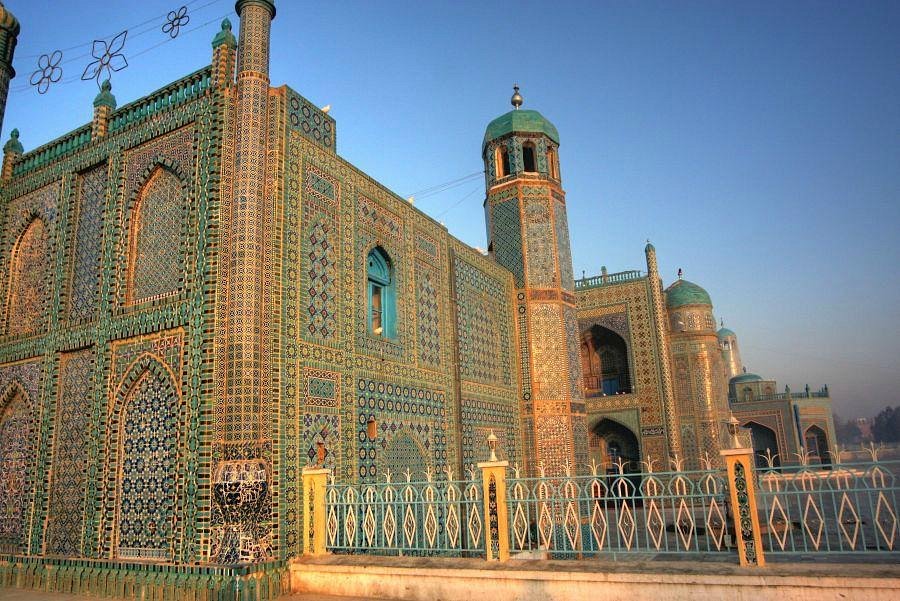
No exploration of Mazar-i-Sharif is complete without focusing on its spiritual centerpiece. The Blue Mosque is not just an architectural marvel; it is the beating heart of the city's identity. Its dazzling turquoise dome and minarets are visible from across the city, serving as a constant navigational and spiritual landmark.
The mosque complex is a masterpiece of Islamic architecture, featuring intricate tile work and calligraphy. The large courtyard becomes a communal space where the social and religious life of the city converges. It is a place for prayer, reflection, and community gathering.
Evening prayers draw large crowds, transforming the area into a scene of profound devotion and peaceful activity. For independent travelers and pilgrims alike, the mosque offers an oasis of calm. The site embodies the city's nickname, "The Noble Shrine," and its reputation for tolerance and spirituality.
This enduring symbol has witnessed the city's many transformations, from ancient times through empire, war, and changes in governance. Its continued prominence highlights the deep-rooted faith that defines much of Afghan culture, separate from the political tides that sweep through the region.
Mazar-i-Sharif functions as the primary commercial engine for northern Afghanistan. Its economy is a blend of traditional agriculture, transit trade, and light manufacturing. The city’s strategic location on the Silk Road corridor continues to define its economic fortunes, linking markets in Central Asia with those in South Asia.
The fertile plains surrounding the city, irrigated by the Balkh River, form a productive agricultural belt. This “breadbasket” supports a variety of crops that fuel both local consumption and trade. Cotton is a particularly significant cash crop, forming the foundation for local textile industries.
This agricultural output not only feeds the local population but also supplies processing industries within the city. The production of silk and cotton textiles leverages local raw materials, creating finished goods for sale in the bustling bazaars.
As a key trade gateway, Mazar-i-Sharif's economy is heavily dependent on its cross-border links. The city is a critical transit point for goods moving to and from Uzbekistan, Tajikistan, and beyond. The Hairatan border crossing with Uzbekistan, connected by a short railroad spur, is one of Afghanistan's most important commercial ports of entry.
The flow of goods through this northern corridor includes fuel, construction materials, foodstuffs, and consumer goods, making the city a vital logistics and distribution hub.
This transit role generates significant revenue through tariffs, transport services, and market activity. The city's bazaars, such as the famed Blue Mosque bazaar, are filled with goods from across Central Asia and beyond, reflecting its connected economy.
The social fabric of Mazar-i-Sharif is woven from its diverse ethnic groups. This diversity has historically contributed to a more cosmopolitan and tolerant atmosphere compared to some other regions of Afghanistan. The city's culture is a vibrant fusion of Persian, Turkic, and Central Asian influences.
The population is predominantly composed of Uzbeks, Tajiks, Turkmen, and Hazaras. This mix is reflected in the languages spoken, which include Dari (Persian), Uzbeki, and Turkmen. Each community contributes to the city's culinary, artistic, and musical traditions.
Traditional crafts such as carpet weaving, pottery, and embroidered textiles showcase this cultural synthesis. The city is also known for its poetry and music, maintaining a rich tradition of maqam performance. This cultural vibrancy is most visibly celebrated during the annual Nawroz (New Year) festival centered at the Blue Mosque.
Nawroz, marking the spring equinox, is the most significant cultural event of the year in Mazar-i-Sharif. The city becomes a national and regional focal point for celebrations. The Janda (flag-raising ceremony) at the Blue Mosque is the festival's iconic opening event, attracting hundreds of thousands of pilgrims and tourists.
For two weeks, the city pulses with an energy that highlights its unique position as a place of shared celebration amidst Afghanistan's often turbulent history. This festival underscores the city's enduring role as a cultural unifier.
Mazar-i-Sharif's political importance has fluctuated with the tides of Afghan history. As the capital of Balkh province, it is the administrative center for northern Afghanistan. Its governance has often reflected the balance of power between local militias, central governments, and international actors.
Following the Soviet withdrawal and the civil war of the 1990s, the city emerged as an independent power base under the control of Abdul Rashid Dostum. His administration, supported by neighboring Central Asian states, created a zone of relative stability and secular governance. This period saw policies unusual for Afghanistan at the time.
The city featured coeducational schools and permitted activities like public music and betting, setting it apart from the increasingly strict Taliban-controlled south.
This era cemented Mazar-i-Sharif's reputation as a more liberal and commercially open urban center. Its political autonomy, however, made it a constant target for the Taliban during their rise to power in the late 1990s.
The city has long been of paramount military importance. It served as the headquarters for the Afghan National Army's 209th Corps (Shaheen) and the Northern Zone Border Police. This made it the central command for Afghan government forces across several northern provinces.
Its airport has served both civilian and military purposes, including as a key logistics hub for NATO forces during the post-2001 mission. The city's capture has historically been a bellwether for control over northern Afghanistan, explaining the fierce battles fought over it in 1998, 2001, and 2021.
Mazar-i-Sharif presents a unique urban profile among Afghan cities. With 91% of its land built up, it has the highest urban density of any provincial capital in the country. This reflects its history as a concentrated trade and pilgrimage center, as well as more recent growth.
While the Blue Mosque dominates the city's skyline and identity, the surrounding urban fabric tells its own story. The city center features a mix of traditional single-story mud-brick buildings and more modern concrete structures. Broad avenues radiate from the shrine complex, lined with markets and shops.
Recent decades saw some development of modern infrastructure, including hotels, government buildings, and educational institutions. However, much of the city's growth has been organic and rapid, responding to population increases and its status as a refuge for those fleeing conflict in other regions.
The city's rapid projected growth—over 28,000 new residents annually—presents significant challenges. Strain on water resources, electricity provision, and waste management are ongoing concerns. The 2025 earthquake also highlighted vulnerabilities in building standards and infrastructure resilience outside the core historic areas.
Despite these challenges, the city's essential role as a regional hub ensures continued focus on its development, even under changing political administrations.
The Taliban’s capture of Mazar-i-Sharif on August 14, 2021, marked a profound shift in the city's modern trajectory. As the 25th provincial capital to fall in their offensive, its takeover signaled the imminent collapse of the Republic. Unlike the violent takeover in 1998, the 2021 seizure was largely peaceful, with government forces offering little resistance.
Under Taliban control, the city has experienced a period of relative stability, particularly when compared to more restive regions in southern Afghanistan. The Taliban administration has sought to maintain the city's function as a commercial and transit hub crucial for national revenue. However, significant social changes have been implemented, reversing many of the liberal policies of previous decades.
The administration has prioritized keeping trade routes open to Uzbekistan and Tajikistan, recognizing the economic necessity. The Blue Mosque remains open for worship, though the atmosphere and demographics of pilgrims may have shifted.
The change in governance has altered the city's international connections. While trade with immediate Central Asian neighbors continues, the loss of direct foreign aid and development projects has strained the local economy. The city's role as a logistics hub for NATO forces vanished overnight, impacting related service industries.
Despite political isolation, the pragmatic need for cross-border trade has preserved Mazar-i-Sharif's fundamental economic role as a gateway to Central Asia.
Engagement with neighboring countries like Uzbekistan focuses primarily on trade, electricity imports, and rail links. The future of major infrastructure projects initiated by the previous government, however, remains uncertain under the current regime.
For centuries, Mazar-i-Sharif has been a destination for pilgrims drawn to the Shrine of Ali. In more peaceful times, it also held potential for cultural tourism, appealing to those interested in Silk Road history and Afghan architecture. The current reality is complex, shaped by security and political considerations.
The Blue Mosque continues to be a powerful spiritual magnet. Domestic pilgrimage, especially during Nawroz, remains a significant activity. Independent travel reports from 2024 describe the mosque as a "pilgrimage oasis amid markets," noting the profound beauty of evening prayers. For many Afghans, a visit to the shrine remains a life goal.
The annual Nawroz celebrations, while potentially moderated, still represent the city's biggest annual gathering. The event showcases the enduring cultural traditions that transcend political changes. The mosque's maintenance and the preservation of its artifacts are of utmost importance to both the local population and the governing authorities.
International tourism to Afghanistan, including Mazar-i-Sharif, is extremely limited and fraught with challenges. Severe travel advisories from most governments, the lack of formal consular support, and security uncertainties deter all but the most determined independent travelers. The sector that once envisioned showcasing the city's history to the world is largely dormant.
However, the city's inherent attractions—its history, architecture, and position as a historic Silk Road city—ensure it remains a point of interest for future potential. Any revival of tourism would be entirely dependent on a significant and sustained improvement in the national security and political situation.
Looking ahead, Mazar-i-Sharif stands at a crossroads. Its geographic and economic advantages are permanent, but its development trajectory is heavily dependent on national stability and international engagement. The city's future will be shaped by how several key challenges are addressed.
The city's rapid population growth, with a projected 4.29% annual increase, will continue to strain resources. This growth is fueled by both natural increase and internal migration from less stable provinces. Managing this expansion within an arid environment poses a serious challenge.
The 2025 earthquake was a reminder of the region's seismic vulnerability, underscoring the need for improved building codes and disaster preparedness in future urban planning.
Mazar-i-Sharif's greatest strategic asset is its proximity and connectivity to Central Asia. Its long-term prosperity is tied to regional trade agreements, transport corridors, and energy projects. The city is a natural candidate for any future initiatives aiming to connect South Asia to Eurasian markets.
Potential rail links, energy pipelines, and cross-border economic zones could transform the city into a much larger commercial and logistics center, but this requires regional stability and international investment.
The degree to which the current administration can foster positive relations with its northern neighbors will be a major determinant of the city's economic future. Its role as a stable northern anchor for Afghanistan remains as crucial as ever.
Mazar-i-Sharif is a city of profound contrasts and enduring spirit. It is a place where deep spiritual devotion meets pragmatic cross-border trade. Its history is a microcosm of Afghanistan's recent decades—marked by episodes of relative liberalism, brutal conflict, and shifting governance. Through all these changes, its core identity has persisted.
The city’s significance rests on three immutable pillars: its status as a major pilgrimage site centered on the Blue Mosque, its position as the primary economic gateway between Afghanistan and Central Asia, and its role as the historic and administrative capital of the north. These pillars have ensured its survival and relevance through empires, wars, and political transformations.
Today, Mazar-i-Sharif navigates a new chapter under Taliban rule. While social freedoms have contracted, the city maintains a fragile stability that allows daily life and commerce to proceed. Its streets still lead to the breathtaking Blue Mosque, its markets still buzz with regional trade, and its people continue to embody the diverse tapestry of northern Afghanistan.
The city's projected growth to over 680,000 residents by 2025 speaks to its continued pull as a place of opportunity and refuge. Whether it can harness its strategic advantages for the broader prosperity of its inhabitants will depend on factors both within and beyond its control. One certainty remains: Mazar-i-Sharif will continue to stand as the resilient, complex, and indispensable heart of the Afghan north, a city whose story is forever intertwined with the fate of the nation itself.


Your personal space to curate, organize, and share knowledge with the world.
Discover and contribute to detailed historical accounts and cultural stories. Share your knowledge and engage with enthusiasts worldwide.
Connect with others who share your interests. Create and participate in themed boards about any topic you have in mind.
Contribute your knowledge and insights. Create engaging content and participate in meaningful discussions across multiple languages.
Already have an account? Sign in here
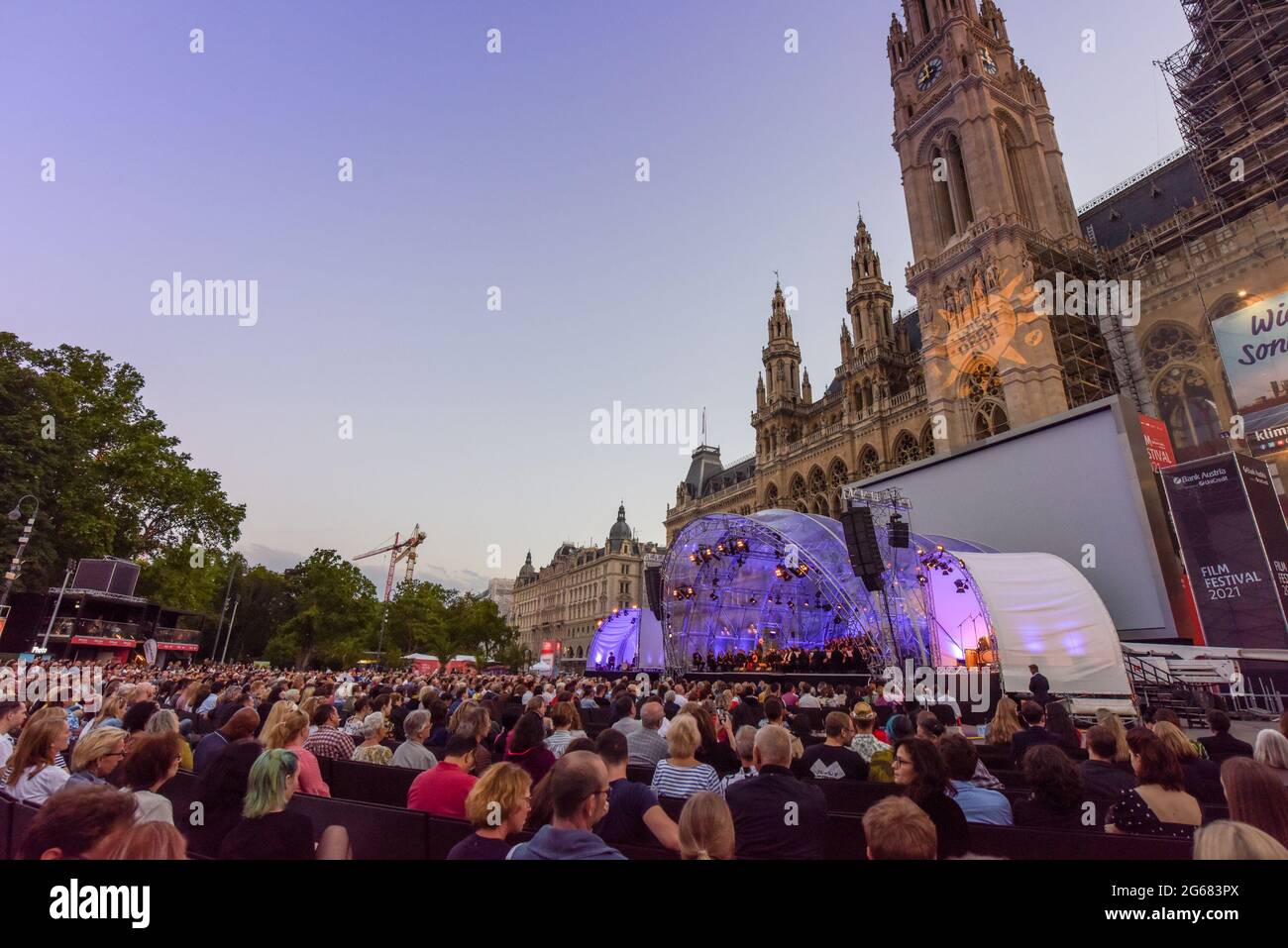
Explore Vienna's rich tapestry of history, culture, and innovation with our comprehensive guide. Uncover the city’s Roma...
View Board
Explore Cordoba, Spain: historic Mezquita, lively nightlife, and Andalusian cuisine await in this enchanting city. Plan ...
View Board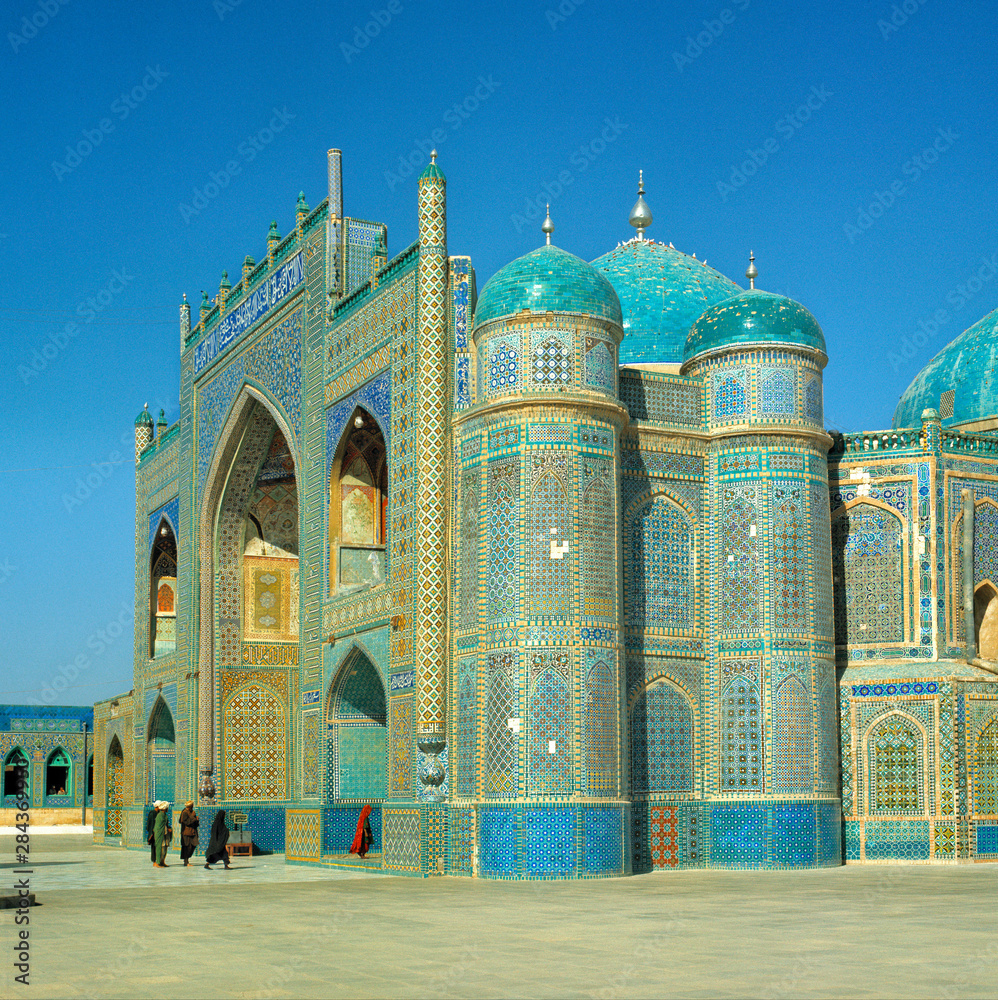
Discover the enchanting city of Mazar-i-Sharif, a historical and cultural gem in northern Afghanistan. Dive into its ric...
View Board
Discover Santiago de Compostela, the timeless pilgrimage capital. Explore its UNESCO-listed Old Town, marvel at the Cath...
View Board
Discover Muscat, Oman's vibrant capital, where ancient heritage meets modern charm, offering a unique blend of cultural ...
View Board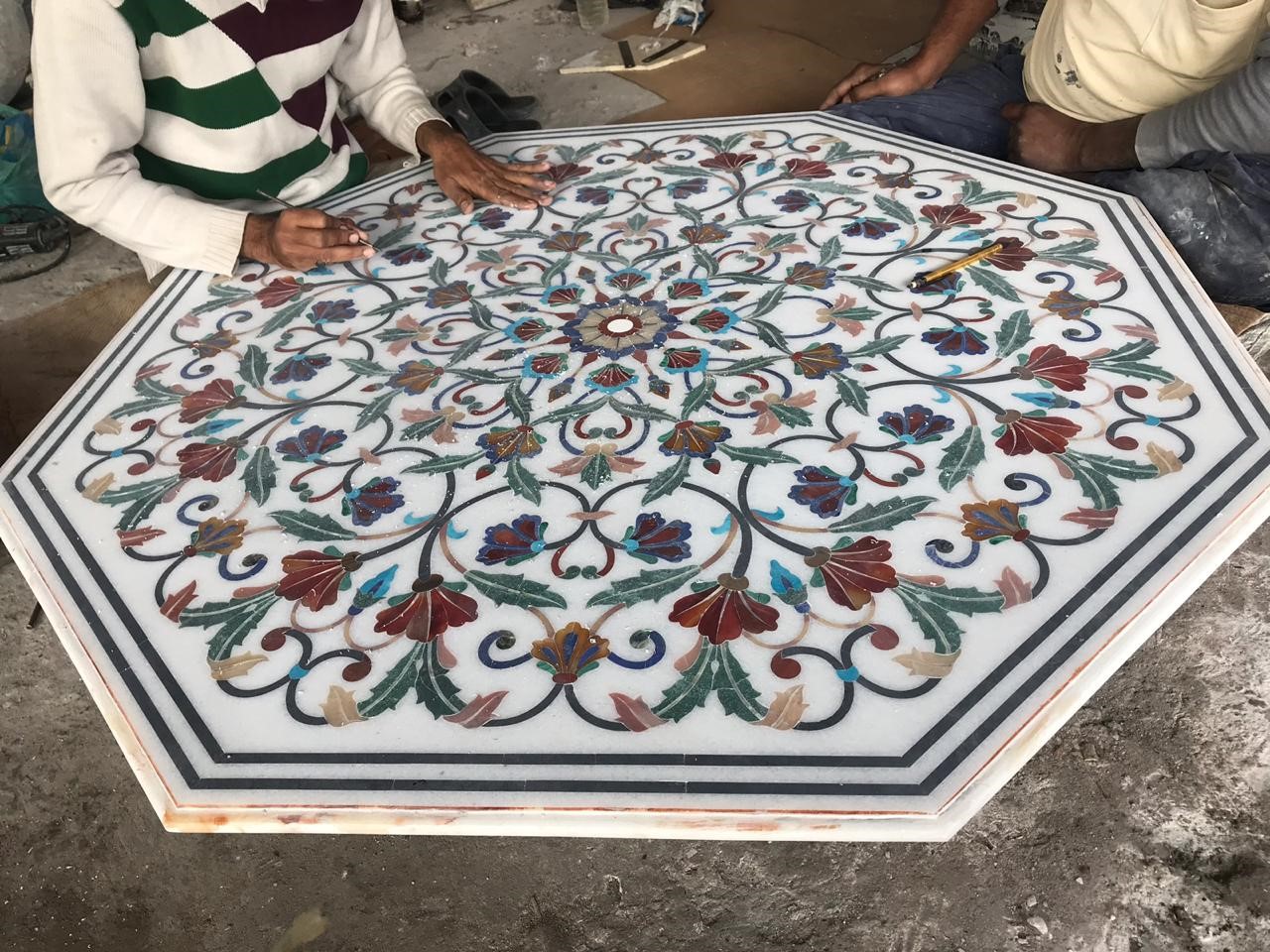
**Meta Description:** Discover Agra – home to the iconic Taj Mahal, Agra Fort & Mughal heritage. Explore historical ma...
View Board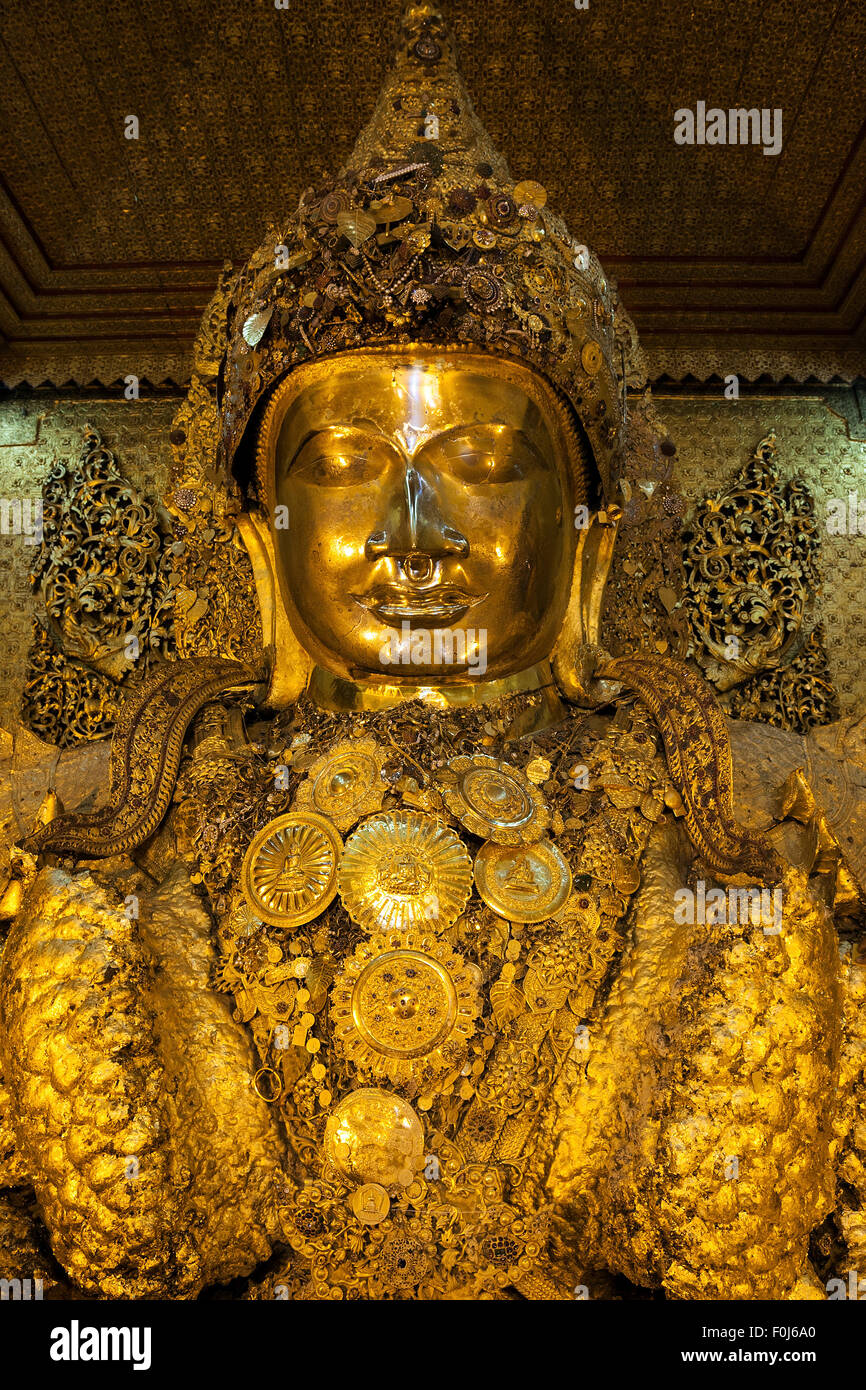
Mandalay, the former capital of Myanmar, is a city steeped in royal history and cultural heritage, featuring ancient tem...
View Board
Discover the captivating allure of Budapest, the heart of Central Europe, with our comprehensive guide. Explore its rich...
View Board
Explore Lima, the vibrant capital of Peru, where colonial heritage meets modern flair. Discover its rich history, stunni...
View Board
Discover Galle, a historical gem on Sri Lanka's southern coast, celebrated for its rich cultural heritage, iconic Galle ...
View Board
Discover the allure of Brașov, a Romanian gem nestled in the Carpathian Mountains, blending medieval charm with modern v...
View Board
Explore Skopje, North Macedonia's vibrant capital, where ancient Roman ruins, Ottoman bazaars, and modern landmarks blen...
View Board
Discover Sharjah, the jewel of the Eastern Frontier, where traditional charm meets modern innovation, rich culture, and ...
View Board
Discover the enchanting allure of Chiang Mai, Thailand's Rose of the North. Uncover its rich cultural heritage, vibrant ...
View Board
Explore the cultural vibrancy of Yogyakarta, the heart of Java, with its rich history dating back to the Mataram Sultana...
View Board
Explore the captivating allure of Dubrovnik, a historical gem on the Adriatic Coast. Discover its rich tapestry of cultu...
View Board
Discover Yangon’s rich history, colonial architecture, and cultural vibrancy. Explore Myanmar’s largest city, blending t...
View Board
Explore Lisbon's Moorish castles, Age of Discovery monuments, and UNESCO World Heritage sites. Start your historic journ...
View Board
Explore the vibrant cultural tapestry of Bandung, Indonesia, nestled in the lush hills of West Java. Discover its rich h...
View Board
Discover Sofia, the vibrant heart of the Balkans, where ancient history and modernity intertwine seamlessly. Explore a c...
View Board
Comments