Film Industry Economics: Understanding the Complex Landscape
The film industry economics landscape is evolving rapidly, shaped by digital transformation, global market shifts, and changing consumer behaviors. With the global motion picture market projected to grow from $51.7 billion in 2024 to $78.64 billion by 2029, understanding this complex ecosystem is crucial for stakeholders. This article explores the key drivers, challenges, and trends defining the modern film industry.
The Global Film Market: Growth and Projections
The global film industry is experiencing significant growth, driven by streaming platforms and digital consumption. The broader movies and entertainment market is expected to expand from $101.33 billion in 2024 to $201.55 billion by 2033, reflecting a CAGR of 7.94%. This growth underscores the industry's resilience and adaptability in a post-pandemic world.
Key Market Statistics
- Global motion picture market: $51.7 billion (2024) to $78.64 billion (2029)
- Broader entertainment market: $101.33 billion (2024) to $201.55 billion (2033)
- Global E&M revenues: Near $3 trillion (2024), forecasted to hit $3.5 trillion by 2029
Regional Contributions
The United States remains a dominant force in the film industry, contributing significantly to global revenues. In 2024, the US film industry supported 856,000 jobs and generated an economic impact of $102 billion. Meanwhile, India leads in film production, with over 2,500 films annually, showcasing the diversity and vibrancy of global cinema.
Recent Developments and Challenges
The film industry has faced numerous challenges in recent years, from the COVID-19 pandemic to economic slowdowns and shifting consumer preferences. Despite these hurdles, the industry has shown remarkable resilience and innovation.
Box Office Trends
Global box office revenues declined by 8% in 2024, partly due to China's 24% drop amid economic slowdown. However, projections indicate a rebound, with revenues expected to exceed $34 billion in 2025. The US domestic box office reached $3.53 billion by June 2025, following a $8.57 billion total in 2024.
Production Levels and Incentives
Production levels fell globally by 20% and in the US by 40% in Q2 2024 post-strikes. Hollywood spending dropped to $11.3 billion, 20% below 2022 levels. To counteract this, California expanded film tax credits to $750 million effective July 2025, aiming to retain productions and boost local economies.
Independent Film Production
Independent film production is on the rise, driven by incentives like the UK's 40% tax credit for independents. This trend highlights the growing importance of diverse and innovative content in the global film landscape.
Industry Structure and Workforce Dynamics
The film industry encompasses various sectors, including production, distribution, exhibition, and ancillary markets like streaming. The workforce is heavily freelance-based, facing an official unemployment rate of 8.6%, likely higher due to the gig nature of many roles.
COVID-19 Impact and Recovery
The COVID-19 pandemic slashed production by 40% in 2020, but the industry has shown signs of recovery. However, the decoupling of production surges from box office performance in 2024 indicates a shifting landscape where digital platforms play an increasingly vital role.
Non-Digital Formats and Consumer Spending
Despite the digital shift, non-digital formats still claim 61% of consumer E&M spending in 2024. This highlights the enduring appeal of traditional cinema experiences, even as streaming platforms gain prominence.
Emerging Trends and Future Outlook
The film industry is witnessing several emerging trends that are reshaping its future. From the rise of streaming platforms to the impact of production incentives, these trends offer both opportunities and challenges for industry stakeholders.
Streaming and Digital Shift
On-demand platforms like Netflix and Disney+ are driving revenue through original content and global distribution. The growth of social video ads is also notable, with a 20% increase in 2025. These trends underscore the importance of digital strategies in the modern film industry.
Production Incentives and Offshoring
Countries like Canada are gaining an edge due to a weak currency and stable incentives. Potential US tariffs under new political leadership could accelerate the outflow of productions from California, highlighting the need for competitive incentives to retain local film industries.
Regional Dynamics and Market Growth
Emerging markets like Egypt have doubled their film output, while China is boosting domestic production despite a box office slump. The average US ticket price is $9.85, with approximately 3.1 billion tickets sold domestically in 2022. These regional dynamics showcase the diverse and evolving nature of the global film market.
In conclusion, the film industry economics landscape is complex and multifaceted, shaped by global trends, regional dynamics, and technological advancements. Understanding these factors is crucial for navigating the challenges and opportunities that lie ahead.
Technological Innovations Reshaping Film Production
The film industry is undergoing a technological revolution that is transforming every stage of production. From pre-production to post-production, advancements in technology are enhancing efficiency, creativity, and cost-effectiveness. These innovations are not only changing how films are made but also how they are distributed and consumed.
Virtual Production and CGI Advancements
Virtual production techniques, such as those used in "The Mandalorian," are becoming increasingly prevalent. These methods leverage real-time rendering and LED volume stages to create immersive environments, reducing the need for costly on-location shoots. Additionally, advancements in computer-generated imagery (CGI) are allowing filmmakers to create more realistic and complex visual effects, enhancing the overall cinematic experience.
Artificial Intelligence and Machine Learning
Artificial intelligence (AI) and machine learning are playing significant roles in the film industry. AI is being used for script analysis, predicting box office success, and even generating script ideas. Machine learning algorithms are also employed in video editing and color grading, streamlining post-production processes and reducing costs.
High-Resolution and Immersive Technologies
The adoption of 4K and 8K resolution technologies is becoming standard in film production. These high-resolution formats provide superior image quality, enhancing the viewing experience. Furthermore, immersive technologies such as virtual reality (VR) and augmented reality (AR) are being explored for interactive storytelling and marketing campaigns.
The Role of Streaming Platforms in the Film Industry
Streaming platforms have revolutionized the film industry, offering new avenues for content distribution and consumption. These platforms have not only changed how audiences watch films but also how films are produced and financed. The rise of streaming has led to a shift in the traditional film industry model, with significant implications for all stakeholders.
Original Content and Exclusive Releases
Streaming giants like Netflix, Amazon Prime, and Disney+ are investing heavily in original content. This trend has led to a surge in high-quality productions that might not have found a home in traditional theatrical releases. Exclusive releases on streaming platforms are also becoming more common, attracting top-tier talent and offering diverse storytelling opportunities.
Global Distribution and Accessibility
One of the most significant advantages of streaming platforms is their global reach. Films can now be distributed worldwide simultaneously, breaking down geographical barriers and reaching audiences in remote areas. This global distribution model has also made films more accessible to diverse audiences, fostering a more inclusive film industry.
Impact on Traditional Cinema
The rise of streaming platforms has had a profound impact on traditional cinema. While theaters still play a crucial role in the film industry, the shift towards digital consumption has led to a decline in box office revenues. However, this has also spurred innovations in the theatrical experience, such as IMAX, 4DX, and other immersive technologies, to attract audiences back to cinemas.
Economic Challenges and Opportunities in the Film Industry
The film industry faces a myriad of economic challenges, from fluctuating box office revenues to the high costs of production. However, these challenges also present opportunities for innovation and growth. Understanding the economic landscape is crucial for stakeholders to navigate the complexities of the industry effectively.
Fluctuating Box Office Revenues
Box office revenues have been volatile in recent years, influenced by factors such as the COVID-19 pandemic, economic slowdowns, and shifting consumer preferences. In 2024, global box office revenues declined by 8%, with China experiencing a 24% drop. However, projections indicate a rebound, with revenues expected to exceed $34 billion in 2025.
High Production Costs and Budget Management
The cost of producing films has risen significantly, with high-budget films often requiring investments of hundreds of millions of dollars. Effective budget management is crucial to ensure profitability. Studios are increasingly turning to co-productions and international partnerships to share costs and mitigate financial risks.
Government Incentives and Tax Credits
Governments around the world are offering incentives and tax credits to attract film productions. For instance, California expanded its film tax credits to $750 million in 2025 to retain productions. Similarly, the UK offers a 40% tax credit for independent films, encouraging local and international filmmakers to shoot in the country. These incentives play a vital role in supporting the film industry and boosting local economies.
Diversity and Inclusion in the Film Industry
The film industry is increasingly recognizing the importance of diversity and inclusion. From on-screen representation to behind-the-scenes roles, efforts are being made to create a more inclusive and equitable industry. This shift is not only a moral imperative but also a strategic one, as diverse stories and perspectives resonate with global audiences.
On-Screen Representation
On-screen representation has become a focal point in the film industry. Audiences are demanding more diverse stories and characters that reflect the richness of human experiences. Films like "Black Panther" and "Crazy Rich Asians" have demonstrated the commercial success of diverse storytelling, paving the way for more inclusive content.
Behind-the-Scenes Diversity
Efforts to increase diversity behind the scenes are also gaining traction. Initiatives to support women directors, writers, and producers are being implemented by major studios and independent organizations. Programs such as the Sundance Institute's Women at Sundance and the Geena Davis Institute on Gender in Media are working to address gender disparities in the industry.
Global Perspectives and Cultural Exchange
The film industry is a powerful medium for cultural exchange. International co-productions and collaborations are fostering a greater understanding and appreciation of diverse cultures. Films like "Parasite" and "Roma" have showcased the universal appeal of stories that transcend cultural boundaries, highlighting the importance of global perspectives in cinema.
The Future of Film Festivals and Awards
Film festivals and awards play a crucial role in the film industry, serving as platforms for discovering new talent, celebrating artistic achievements, and promoting cultural exchange. However, the landscape of film festivals and awards is evolving, influenced by technological advancements and changing industry dynamics.
Virtual and Hybrid Film Festivals
The COVID-19 pandemic accelerated the shift towards virtual and hybrid film festivals. Platforms like Sundance, Cannes, and Toronto International Film Festival (TIFF) have embraced digital formats, making festivals more accessible to global audiences. This trend is likely to continue, offering a blend of in-person and virtual experiences.
The Role of Awards in the Digital Age
Awards such as the Academy Awards, Golden Globes, and BAFTAs continue to hold significant prestige in the film industry. However, the digital age has brought new challenges and opportunities. Social media and streaming platforms have amplified the reach and impact of these awards, making them more influential in shaping audience preferences and industry trends.
Emerging Trends in Film Festivals
Emerging trends in film festivals include a greater focus on diversity, sustainability, and innovation. Festivals are increasingly highlighting films that address social and environmental issues, as well as those that push the boundaries of storytelling and technology. These trends reflect the evolving priorities and values of the film industry and its audiences.
In conclusion, the film industry is navigating a complex and dynamic landscape, shaped by technological advancements, economic challenges, and evolving audience preferences. Understanding these factors is crucial for stakeholders to thrive in this ever-changing environment.
The Impact of Globalization on Film Industry Economics
The film industry has become increasingly globalized, with productions, distributions, and audiences spanning across borders. This globalization has brought both opportunities and challenges, reshaping the economic landscape of the industry. Understanding these dynamics is essential for stakeholders to navigate the complexities of the global film market.
Cross-Border Co-Productions and Financing
Cross-border co-productions have become a strategic approach for filmmakers to share costs, access new markets, and leverage diverse talent. Countries like Canada, the UK, and Australia offer attractive incentives for international co-productions, fostering collaboration and innovation. These partnerships not only reduce financial risks but also enhance the cultural richness of films.
Global Audience Trends and Preferences
The globalization of the film industry has led to a more diverse and fragmented audience base. Streaming platforms have played a significant role in this shift, making films accessible to global audiences. Understanding regional preferences and cultural nuances is crucial for filmmakers to create content that resonates with diverse viewers. For instance, the success of films like "Parasite" and "Crouching Tiger, Hidden Dragon" highlights the universal appeal of culturally rich storytelling.
Challenges of Global Distribution
While globalization offers numerous opportunities, it also presents challenges in terms of distribution and marketing. Navigating different regulatory environments, cultural sensitivities, and market dynamics can be complex. However, advancements in digital distribution and social media marketing are helping filmmakers overcome these challenges, enabling them to reach global audiences more effectively.
Sustainability and Environmental Considerations in Film Production
The film industry is increasingly recognizing the importance of sustainability and environmental responsibility. From reducing carbon footprints to adopting eco-friendly production practices, the industry is making strides towards a more sustainable future. These efforts not only benefit the environment but also resonate with audiences who prioritize eco-conscious consumption.
Green Production Practices
Green production practices are gaining traction in the film industry. Studios and production companies are implementing measures to reduce waste, conserve energy, and minimize carbon emissions. Initiatives such as the Green Production Guide and the Albert Consortium provide resources and guidelines for sustainable filmmaking. These practices include using renewable energy sources, reducing single-use plastics, and adopting digital workflows to minimize paper waste.
The Role of Technology in Sustainable Filmmaking
Technology is playing a crucial role in promoting sustainable filmmaking. Advancements in virtual production and digital effects are reducing the need for physical sets and location shoots, thereby lowering the environmental impact. Additionally, cloud-based collaboration tools are streamlining production processes, reducing the need for travel and physical resources.
Audience Demand for Eco-Conscious Content
Audiences are increasingly demanding eco-conscious content that reflects their values and concerns. Films that address environmental issues and promote sustainability are gaining popularity. Documentaries like "An Inconvenient Truth" and "Before the Flood" have raised awareness about climate change, inspiring audiences to take action. This trend highlights the importance of aligning film content with global sustainability goals.
The Future of Film Industry Economics: Trends and Predictions
The film industry is poised for continued evolution, driven by technological advancements, changing consumer behaviors, and global economic trends. Understanding these future trends is crucial for stakeholders to stay ahead of the curve and capitalize on emerging opportunities.
The Rise of Interactive and Immersive Storytelling
Interactive and immersive storytelling is set to revolutionize the film industry. Technologies like virtual reality (VR), augmented reality (AR), and interactive filmmaking are creating new avenues for audience engagement. Platforms like Netflix's "Bandersnatch" and VR film festivals are pioneering this trend, offering audiences a more personalized and immersive viewing experience.
The Growing Influence of Data Analytics
Data analytics is becoming an indispensable tool in the film industry. From predicting box office success to optimizing marketing strategies, data-driven insights are helping studios make informed decisions. Advanced analytics tools are also being used to understand audience preferences, tailor content, and enhance the overall viewing experience. This trend underscores the importance of leveraging data to drive innovation and growth.
The Evolution of Film Financing Models
The film financing landscape is evolving, with new models emerging to support independent and diverse filmmaking. Crowdfunding platforms like Kickstarter and Indiegogo are democratizing film financing, allowing filmmakers to bypass traditional funding channels. Additionally, blockchain technology is being explored for transparent and decentralized financing, offering new opportunities for investment and collaboration.
Conclusion: Navigating the Complex Landscape of Film Industry Economics
The film industry economics landscape is complex and multifaceted, shaped by a myriad of factors including technological advancements, globalization, sustainability efforts, and evolving audience preferences. Navigating this landscape requires a deep understanding of these dynamics and a strategic approach to leveraging opportunities and mitigating challenges.
Key Takeaways for Stakeholders
- Embrace technological innovations such as virtual production, AI, and data analytics to enhance efficiency and creativity.
- Leverage globalization through cross-border co-productions and global distribution strategies to access new markets and diverse audiences.
- Prioritize sustainability by adopting green production practices and aligning content with eco-conscious values.
- Adapt to changing audience preferences by exploring interactive storytelling, immersive technologies, and data-driven content creation.
- Diversify financing models through crowdfunding, blockchain, and international partnerships to support independent and diverse filmmaking.
The Path Forward
The future of the film industry is bright, with numerous opportunities for growth and innovation. By staying abreast of emerging trends, embracing new technologies, and prioritizing sustainability and inclusivity, stakeholders can navigate the complexities of the industry and thrive in this ever-evolving landscape. The key to success lies in adaptability, creativity, and a deep understanding of the global film market dynamics.
In conclusion, the film industry economics landscape is a dynamic and exciting field, offering endless possibilities for those who are willing to embrace change and innovate. As the industry continues to evolve, stakeholders who remain agile and forward-thinking will be well-positioned to capitalize on the opportunities that lie ahead, shaping the future of cinema for generations to come.
Film Market Trends 2025: Reshaping Global Cinema
The global film market is undergoing a profound transformation. Fueled by rising digital consumption and shifting audience habits, the industry is navigating a complex landscape of growth and disruption. Understanding current film market trends is essential for creators, distributors, and investors alike.
The broader film and video market is projected for significant expansion. This growth is driven by the insatiable demand for video content across social media, streaming platforms, and mobile devices. The distinction between traditional cinema and digital video is becoming increasingly blurred.
Global Film Market Size and Projections
Current market valuations reveal a robust and diverse industry. The outlook points toward steady growth, though the pace varies significantly between different market segments. Some areas are experiencing explosive expansion while others mature.
Broad Film and Video Market Valuation
The expansive film and video market represents a colossal segment of the global economy. This category encompasses everything from major studio releases to user-generated content.
The global film and video market is valued at USD 328.49 billion in 2025, projected to reach USD 417.99 billion by 2029 at a 6.2% CAGR.
This substantial growth is primarily attributed to the rise of digital platforms. The ease of access to content on smartphones and tablets has revolutionized consumption patterns globally.
Movie Production and Distribution Focus
A narrower view focusing specifically on movie production and distribution tells a different story. This segment demonstrates more modest growth expectations for the near future.
The global movie production and distribution market stands at $65.7 billion in 2025. It is expected to see a modest 0.6% growth that year, with a 1.1% CAGR from 2020-2025.
This indicates a period of stabilization and consolidation for traditional studio models. The intense competition from new media forms is impacting growth rates in the core industry.
Motion Picture Industry Growth
The motion picture industry itself shows a strong rebound in a key metric. This reflects a healthy recovery in theatrical and ancillary revenue streams.
The motion picture industry is expected to grow from $51.7 billion in 2024 to $56.37 billion in 2025 at a 9.0% CAGR.
This impressive growth rate highlights a post-pandemic resurgence in consumer spending on entertainment. The allure of the big-screen experience remains powerful.
The Remarkable Rebound in Film Production
Global film production has not just recovered from pandemic lows; it has soared to new heights. The number of films being produced worldwide signals a vibrant and resilient creative industry.
Record-Breaking Production Numbers
The data from recent years illustrates a dramatic V-shaped recovery. After a severe downturn, production activity surged past pre-pandemic levels.
Global film production reached a historic high in 2023 with 9,511 films. This represents a 68% rebound from the 2020 pandemic low of 5,656 films. It also sits 2% above the 2019 pre-pandemic level of 9,328 films.
This surge demonstrates the industry's capacity for rapid adaptation and recovery. Filmmakers and studios have successfully navigated the challenges posed by global shutdowns.
Anticipated Continued Growth
The momentum from 2023 is expected to continue. Early indicators suggest that 2024 will maintain or exceed this record-breaking pace.
Further data for 2024 is anticipated in 2026, but the trend is clearly positive. The underlying drivers of content demand, particularly from streaming services, support ongoing production growth. The era of content scarcity appears to be over.
Geographical Shifts in Film Production Power
The global map of film production is being redrawn. Traditional centers of cinematic power are being challenged by emerging markets with massive output and growing influence.
The Rise of Asian Cinema Giants
Asia has firmly established itself as the epicenter of global film production volume. Countries like India and China are leading this charge with staggering output.
- India continues to dominate, producing over 2,500 films annually, largely driven by its prolific Bollywood and regional industries.
- China has surged, producing approximately 800 films, overtaking both Japan and the United States for the first time.
- Japan maintains a strong presence with 676 films, showcasing its enduring cinematic culture.
This shift underscores the globalization of content creation. Audiences worldwide are increasingly embracing stories from diverse cultures and perspectives.
Emerging Markets and Regional Surges
Beyond the major players, other regions are experiencing significant growth. These emerging markets are contributing to the diversification of global storytelling.
Markets like Egypt have seen their output nearly double, highlighting a renaissance in regional cinema. This growth is often supported by local streaming platforms seeking original content for their subscribers.
The rise of these markets challenges the long-standing dominance of Hollywood. It creates a more multipolar and competitive global film landscape.
Box Office Revenue Trends and Forecasts
Despite the growth of streaming, the theatrical box office remains a vital indicator of the industry's health. Current projections show a steady recovery and future growth.
Global Box Office Recovery
The theatrical market is on a clear upward trajectory after the disruptions of recent years. Audiences are returning to cinemas, driven by blockbuster releases and event films.
Global box office revenues are forecasted to exceed $34 billion in 2025, up from $33 billion in 2024. They are projected to reach $41.5 billion by 2029.
This steady climb indicates a renewed appreciation for the shared cinematic experience. Theatrical distribution continues to be a cornerstone of film monetization.
Shifting Market Shares and Local Hits
A significant trend is the declining share of US studios in the global marketplace. This reflects the growing power of local productions in key territories.
US studios' global box office share fell from over 60% pre-pandemic to 51.3% in 2024. This decline is not due to falling US revenues but rather the explosive growth of local films.
In markets like India, Brazil, and China, domestically produced films are increasingly outperforming Hollywood blockbusters. This trend empowers local filmmakers and caters to specific cultural tastes.
Technological Innovation in Film Production
Technology is fundamentally reshaping how films are created, distributed, and consumed. From pre-visualization to final delivery, new tools are enhancing creativity while introducing significant cost pressures. These technological advances are central to current film market trends.
The Rise of Virtual Production
Virtual production techniques, popularized by LED volume stages, are becoming more accessible. This technology allows filmmakers to visualize complex scenes in real-time, blending physical and digital elements seamlessly.
The use of 3D previsualization and motion capture has moved from niche visual effects to mainstream production tools. Directors can now explore scenes and camera angles in a digital environment long before principal photography begins. This reduces costly on-set changes and accelerates the entire production pipeline.
Advances in Camera and Capture Technology
Camera technology continues to evolve, pushing the boundaries of image quality and flexibility. High-resolution formats are becoming the new standard for professional production.
- 4K and beyond acquisition is now commonplace, even for streaming content demanding high visual fidelity.
- Autonomous drones and robotic camera systems enable complex shots with greater precision and safety.
- Lightweight, high-performance cameras allow for more dynamic and intimate cinematography.
These tools democratize high-end filmmaking but also raise audience expectations for production value. The line between blockbuster and independent film visuals is increasingly blurred.
Post-Production and Visual Effects Evolution
The post-production landscape is being transformed by cloud computing and artificial intelligence. Render farms are moving to the cloud, enabling smaller studios to access computational power once reserved for majors.
AI-assisted tools are streamlining tasks like rotoscoping, color grading, and even script analysis, potentially reducing labor costs but also raising questions about creative jobs.
This technological arms race, however, contributes to rising production costs. Maintaining a competitive edge requires continuous investment in the latest software and hardware.
The Dominance of Mobile and Social Video Consumption
A seismic shift in viewer habits is challenging traditional distribution models. The rise of mobile and social media as primary content platforms is a defining trend. This change directly impacts where audiences spend their time and how films must be marketed.
Mobile-First Viewing Habits
The substantial rise in mobile video consumption is undeniable. Smartphones and tablets are now the primary screens for a massive global audience, particularly among younger demographics.
This shift necessitates changes in content formatting and storytelling. Vertical video, shorter runtimes, and attention-grabbing openings are becoming more important. Platforms are optimizing their interfaces and compression algorithms specifically for mobile data streams.
Social Media's Erosion of Traditional Viewing Time
Social media platforms are no longer just for communication; they are dominant entertainment hubs. These platforms command billions of daily video hours, directly competing with traditional TV and streaming services for audience attention.
Social media integration is now a non-negotiable component of film marketing. Talent interviews, behind-the-scenes footage, and viral clip campaigns are orchestrated primarily across platforms like TikTok, Instagram, and YouTube.
The fragmentation of attention has made it harder and more expensive to launch a new film or series. Marketing budgets must now span a fractured digital landscape.
Impact on Content Strategy and Formats
The dominance of short-form, algorithmically driven content is influencing feature filmmaking. Pacing, hook design, and even narrative structures are adapting to audiences accustomed to rapid-fire social video.
This environment also creates opportunities. A viral moment on social media can propel a niche film to global recognition overnight. Filmmakers and studios are learning to craft content that can live across multiple formats, from a two-hour feature to a fifteen-second clip.
Regional Market Shifts and Local Content Surge
The global film landscape is becoming less Hollywood-centric. Audiences are embracing stories from their own cultures and languages, driving a surge in local content. This regionalization is one of the most significant film market trends of the decade.
Asia-Pacific Leads Global Growth
The Asia-Pacific region is the engine of growth for both production and box office. Markets like India and China are not just large; they are developing sophisticated, self-sustaining cinematic ecosystems.
In 2025, China's Ne Zha 2 grossed an astonishing $2.2 billion by May, showcasing the sheer scale of domestic blockbuster potential. Similarly, India's film industry consistently produces local hits that outperform Hollywood imports across the subcontinent.
Africa: The Fastest-Growing Region
While North America dominated the film and video market share in 2024, Africa is identified as the fastest-growing region looking ahead. This growth is fueled by improving infrastructure, a young population, and the rapid spread of mobile internet.
Nollywood (Nigeria) continues to be a powerhouse, but other African nations are expanding their output. Stories from the continent are finding audiences both locally and within the global diaspora through streaming platforms.
The Strength of Local Narratives
The success of local films is not merely a matter of volume but of cultural resonance. Films that reflect local realities, humor, and social issues are outperforming generic international fare.
- Brazil's I’m Still Here winning the Best International Feature Oscar in 2025 is a testament to the global acclaim achievable by regional cinema.
- European markets continue to support robust local film industries through cultural funding and quota systems.
- Streaming services like Netflix and Amazon are investing heavily in local language originals to capture these engaged audiences.
This trend represents a healthy diversification of global culture. It provides more opportunities for diverse storytellers and challenges the notion of a single, monolithic film culture.
Financial Pressures and Competitive Dynamics
The industry's financial model is under strain from multiple directions. Soaring production costs, fragmenting revenues, and new competitors are squeezing traditional studios. Navigating these cost pressures is a central challenge for the modern film business.
The Rising Cost of Production
Creating premium content for a discerning global audience is increasingly expensive. Competition for top talent, cutting-edge visual effects, and exclusive intellectual property drives budgets upward.
Production costs for TV and films continue rising amid falling revenues, intensifying competition from social video platforms.
This cost-revenue mismatch forces studios to be more selective. The era of "spending to win" on streaming subscriber growth is giving way to a focus on profitability and cost control.
The Streaming Paradox and Margin Compression
The shift to SVOD streaming has eroded traditional pay-TV audiences and revenue. While creating new distribution channels, streaming has also raised studio costs for direct-to-consumer services and thinned overall margins.
Investing billions in content to attract subscribers is a costly strategy with uncertain long-term returns. Many studios are now re-evaluating their streaming ambitions, looking for partnerships or licensing deals to monetize their libraries more efficiently.
Competition from Social Video Platforms
The most intense competition no longer comes solely from other film studios. Social platforms command a staggering share of daily viewer attention and advertising revenue.
These platforms offer a nearly infinite stream of user-generated and creator-led content for free. For younger audiences, the choice is often between a paid streaming service and the endless, algorithmically-curated scroll of social video. This environment makes customer acquisition and retention for traditional film products more difficult and expensive than ever.
The Streaming Era and Distribution Models
The rise of streaming platforms has fundamentally rewritten the rules of film distribution. These services have shifted power dynamics and altered how audiences discover and consume content. Navigating the streaming landscape is central to modern film strategy.
Subscription Video on Demand (SVOD) Evolution
The initial gold rush for SVOD subscribers has matured into a more complex phase. Major studios now operate their own direct-to-consumer platforms, creating a fragmented marketplace for viewers.
This competition has led to a content arms race, driving up production costs. However, the saturation of the market is prompting a strategic shift toward profitability over pure subscriber growth. Consolidation through mergers and a renewed focus on licensing content are emerging as key trends.
Theatrical Windows and Hybrid Releases
The traditional exclusive theatrical window has been permanently shortened or eliminated for many films. The pandemic accelerated the adoption of day-and-date releases, where a film debuts in theaters and on streaming simultaneously.
- Shortened theatrical windows are now standard, with many major releases hitting streaming platforms within weeks.
- Hybrid release strategies allow studios to maximize revenue across different audience segments.
- This model provides consumer choice but continues to be a point of contention with theater chains.
The success of a film is now measured by a combination of box office earnings and streaming performance metrics. This includes viewership hours, subscriber acquisition, and retention rates.
The Role of Independent and Niche Platforms
While giants like Netflix and Disney+ dominate, there is growing space for specialized streaming services. These platforms cater to specific genres, languages, or cultural interests, serving audiences underserved by mainstream options.
This specialization allows independent filmmakers to find dedicated audiences for their work without competing directly with blockbuster content. It represents a vital channel for diversity and artistic expression in the digital age.
These niche platforms often operate on smaller budgets, relying on curated libraries and strong community engagement. They prove that in a crowded market, a focused strategy can be more sustainable than a broad one.
The Future Outlook for the Film Market
Looking ahead, the film industry stands at a crossroads defined by both opportunity and challenge. The post-pandemic reorganization is settling, revealing a new normal for content creation and consumption. The future points toward a more globalized, fragmented, and technologically driven industry.
Continued Box Office Recovery and Growth
The box office recovery is expected to continue its steady ascent. The enduring appeal of the communal theatrical experience, especially for event films, ensures cinemas will remain a cornerstone of the industry.
Projections indicating box office revenues reaching $41.5 billion by 2029 suggest sustained growth. This growth will be increasingly driven by international markets, particularly in Asia and Africa, where cinema-building is still expanding.
Modest Growth in Core Production Segments
While the broader video market grows rapidly, the core movie production and distribution segment will see more measured expansion. The 1.1% CAGR forecast reflects a mature market adapting to new competitive pressures.
Profitability will become a greater focus than sheer volume of output. Studios will likely produce fewer, but higher-quality and more targeted, films to maximize their return on investment in a crowded attention economy.
Adaptation to Technological and Social Shifts
The industry's future hinges on its ability to adapt to relentless technological change. This includes harnessing AI for efficiency, embracing new distribution technologies like AR/VR, and creating content optimized for evolving social platforms.
The most successful players will be those who can balance artistic integrity with data-driven audience insights. They will build flexible business models that can pivot as consumer habits and technologies continue to evolve at a rapid pace.
Key Challenges and Strategic Imperatives
Navigating the next decade will require confronting several persistent challenges head-on. Strategic clarity and operational agility will separate the industry leaders from the rest.
Managing Soaring Production Costs
The relentless increase in production costs is arguably the most significant threat to profitability. From A-list talent salaries to cutting-edge visual effects, the price of creating premium content is steep.
Studios must innovate in production technology and logistics to control expenditures. This includes greater use of virtual production to reduce location costs and more efficient pre-visualization to minimize expensive reshoots.
Competing for Audience Attention
The battle for viewer time is fiercer than ever. Films are not just competing with other films or TV shows; they are competing with video games, social media, and a nearly infinite supply of online content.
Creating must-see "event" cinema and compelling marketing campaigns that break through the noise is essential. The window to capture audience interest is shorter than ever before.
This requires a deep understanding of audience demographics and sophisticated use of data analytics to target marketing spend effectively. Building strong, recognizable brands around franchises or specific genres can provide a competitive advantage.
Intellectual Property and Franchise Management
In a risk-averse climate, proven intellectual property (IP) remains a safe bet for major investments. The success of sequels, reboots, and established franchises underscores the value of pre-awareness.
- However, over-reliance on existing IP can lead to creative stagnation and audience fatigue.
- The key challenge is balancing franchise management with the development of original, breakout hits.
- Nurturing new talent and original ideas is crucial for the long-term health of the industry.
The most successful studios will maintain a portfolio approach, investing in both safe franchise extensions and calculated risks on original content.
Conclusion: Synthesizing Global Film Market Trends
The global film market is a dynamic ecosystem defined by powerful, interconnected trends. The industry has successfully rebounded from the pandemic, reaching new heights in production volume and setting the stage for steady growth. However, the landscape has been permanently altered by technological disruption and shifting audience behaviors.
The most significant takeaway is the unstoppable force of globalization and regionalization. The dominance of Hollywood is being challenged by vibrant local industries in Asia, Africa, and Latin America. Audiences worldwide are embracing stories that reflect their own cultures and experiences, creating a richer, more diverse global cinema.
Technologically, the industry is grappling with a dual reality. Virtual production and other advances offer incredible creative tools but contribute to rising costs. Meanwhile, the dominance of mobile and social video consumption forces a rethink of content format, marketing, and distribution strategies for a fragmented audience.
Financially, the model is under pressure. The shift to streaming has created new opportunities but also thinner margins and intense competition. Studios must navigate cost pressures while investing in the high-quality content necessary to stand out. The future will belong to those who can balance artistic ambition with financial discipline, leveraging data and technology to connect with audiences in a crowded digital world.
In conclusion, the film industry is not fading; it is evolving. The core desire for powerful storytelling and shared experiences remains stronger than ever. The path forward requires agility, a global perspective, and a unwavering commitment to quality. By embracing change and focusing on the enduring magic of cinema, the industry can continue to captivate audiences for generations to come.
Sound Design in Cinema: The Art of Immersive Storytelling
From the earliest synchronized "talkies" to today's object-based immersive audio, sound design in cinema has evolved into a sophisticated art form that shapes how audiences experience stories. This craft involves creating, recording, editing, and mixing all non-musical audio elements to enhance emotional impact and realism.
The Evolution of Sound Design in Film
The journey of cinematic sound design began with groundbreaking experiments in the early 20th century. By 1929, approximately 75% of films were produced as "talkies," marking a rapid industry shift from silent films to synchronized sound. This transformation reshaped both production practices and audience expectations.
Early Innovations: From Silence to Synchronized Sound
The 1920s saw the film industry adopt synchronized sound technologies, moving away from silent films accompanied by live music. Innovations like sound-on-film and sound-on-disc systems paved the way for the modern cinematic experience. These early developments laid the foundation for more complex audio techniques in later decades.
The Rise of the Sound Designer
The term "sound designer" gained prominence in the late 1970s, thanks to visionaries like Walter Murch, who worked on Apocalypse Now. This shift recognized sound as a creative element rather than just a technical aspect of filmmaking. Sound designers began to shape narratives through carefully crafted audio landscapes.
Key Milestones in Cinematic Sound
Several technological advancements have defined the evolution of sound design in cinema. These milestones highlight how audio innovation has continually enhanced storytelling.
Multi-Channel Sound: The Dolby Revolution
The introduction of Dolby Stereo in the 1970s revolutionized cinematic sound. This technology enabled immersive surround sound experiences, becoming a standard in major film releases. It allowed filmmakers to create more dynamic and engaging audio environments, pulling audiences deeper into the story.
Object-Based Audio: The Future of Immersive Sound
Modern cinema embraces object-based immersive audio formats like Dolby Atmos and DTS:X. Unlike traditional channel-based systems, these formats treat sounds as discrete "objects" in a 3D space. This innovation provides unparalleled flexibility in mixing and playback, allowing sound designers to craft more realistic and immersive experiences.
The Creative Process Behind Sound Design
Sound design in cinema is a collaborative process involving multiple stages, from production sound capture to final mixing. Each step contributes to the overall audio experience, ensuring that every sound element supports the narrative.
Production Sound and Foley Artistry
High-quality production sound captured on set forms the backbone of cinematic audio. However, Foley artists play a crucial role in enhancing realism. They recreate everyday sounds—like footsteps, rustling clothes, or breaking glass—in controlled studio environments. This meticulous work ensures that every audio detail aligns with the visual storytelling.
Dialogue Editing and ADR
Clear and impactful dialogue is essential for audience engagement. Automated Dialogue Replacement (ADR) allows filmmakers to re-record lines in post-production, ensuring consistency and clarity. Dialogue editors work closely with directors to maintain the emotional tone and authenticity of performances.
Current Trends Shaping Sound Design
The landscape of sound design in cinema continues to evolve, driven by technological advancements and changing audience expectations. Several key trends are shaping the future of this craft.
Immersive Audio and Streaming Challenges
With the rise of streaming platforms, sound designers must now create multiple audio mixes to meet different format requirements. A film might require stereo, 5.1, 7.1, and Dolby Atmos versions to ensure compatibility across theaters and home viewing environments. This complexity demands careful planning and execution.
The Impact of AI on Sound Design
Emerging AI-assisted tools are transforming sound design workflows. These tools can automate tasks like noise reduction, dialogue isolation, and even Foley generation. While they offer efficiency gains, they also spark debates about creative control and the future role of sound professionals.
Conclusion: The Power of Sound in Storytelling
Sound design in cinema is more than just technical execution—it's an art form that enhances emotional resonance and audience immersion. From early synchronized sound experiments to today's object-based audio, the evolution of sound design continues to redefine how stories are told on screen.
In the next part of this series, we'll explore the tools and techniques used by sound designers, as well as the collaborative process behind creating iconic cinematic audio experiences.
The Tools and Techniques of Modern Sound Design
Sound design in cinema relies on a sophisticated arsenal of tools and techniques that have evolved alongside technological advancements. From field recording to digital audio workstations (DAWs), these tools empower sound designers to craft immersive auditory experiences that complement visual storytelling.
Field Recording and Sound Libraries
High-quality sound begins with pristine recordings. Sound designers often capture field recordings—real-world sounds recorded on location—to ensure authenticity. These recordings are then meticulously edited and layered to create rich, dynamic soundscapes. Additionally, sound libraries provide a vast repository of pre-recorded effects, from ambient noises to specialized Foley sounds, which can be manipulated to fit specific scenes.
Digital Audio Workstations (DAWs)
Modern sound design in cinema heavily relies on Digital Audio Workstations (DAWs) such as Pro Tools, Nuendo, and Reaper. These software platforms allow sound designers to edit, mix, and manipulate audio with precision. Features like multi-track editing, real-time effects processing, and automation enable the creation of complex soundscapes that synchronize perfectly with visual elements.
- Pro Tools: Industry standard for audio post-production, offering advanced editing and mixing capabilities.
- Nuendo: Preferred for its robust surround sound and immersive audio features.
- Reaper: Known for its flexibility and cost-effectiveness, popular among independent filmmakers.
Sound Synthesis and Processing
Sound designers often employ synthesis and audio processing to create unique and otherworldly sounds. Techniques such as granular synthesis, frequency modulation, and convolution reverb allow for the manipulation of audio in ways that can evoke specific emotions or enhance fantastical elements in a film. Plugins like iZotope RX and Waves Audio provide powerful tools for noise reduction, sound enhancement, and creative audio manipulation.
The Collaborative Process in Sound Design
Creating the perfect auditory experience in cinema is a collaborative effort involving various specialists. Each role contributes uniquely to the final sound mix, ensuring that every audio element aligns with the director's vision and enhances the narrative.
The Role of the Supervising Sound Editor
The supervising sound editor oversees the entire sound post-production process. They work closely with the director to establish the creative direction for the film's audio. This involves planning the sound design approach, coordinating with other sound department members, and ensuring that all audio elements are cohesive and support the storytelling.
Dialogue and ADR Specialists
Dialogue is a critical component of any film, and dialogue editors ensure that every line is clear and impactful. They clean up production audio, removing unwanted noise and enhancing clarity. Automated Dialogue Replacement (ADR) specialists re-record lines in controlled studio environments to maintain consistency and improve audio quality, especially in scenes where on-set sound capture was challenging.
Foley Artists and Sound Effects Designers
Foley artists are the unsung heroes of sound design, recreating everyday sounds that bring scenes to life. From footsteps to the clinking of glasses, their work adds a layer of realism that immerses audiences in the film's world. Meanwhile, sound effects designers create and manipulate sounds to enhance dramatic moments, whether it's the roar of a dinosaur in Jurassic Park or the hum of a lightsaber in Star Wars.
Re-Recording Mixers
The final step in the sound design process involves the re-recording mixers, who balance and blend all audio elements into the final mix. They ensure that dialogue, sound effects, and music work harmoniously, creating a seamless auditory experience. This process often involves multiple iterations and fine-tuning to achieve the desired emotional impact.
Iconic Examples of Sound Design in Cinema
Certain films stand out for their groundbreaking use of sound design, setting new standards and inspiring future generations of sound artists. These examples highlight the power of audio in enhancing storytelling and creating unforgettable cinematic experiences.
Apocalypse Now: The Birth of the Sound Designer
Walter Murch's work on Apocalypse Now is often cited as a turning point in the recognition of sound design in cinema. Murch's innovative use of layered sounds, from the whirring of helicopter blades to the distant echoes of warfare, created an immersive auditory experience that transported audiences into the heart of the Vietnam War. His pioneering techniques earned him the first-ever "sound designer" credit, cementing his legacy in the field.
Star Wars: Creating a Galaxy of Sound
Ben Burtt's sound design for Star Wars revolutionized the way sound effects were created and used in cinema. Burtt employed a mix of field recordings, synthesized sounds, and creative manipulation to craft iconic audio elements like the hum of lightsabers and the roar of TIE fighters. His work not only enhanced the film's futuristic setting but also set a new benchmark for science fiction sound design.
Jurassic Park: Bringing Dinosaurs to Life
Gary Rydstrom's sound design for Jurassic Park showcased the power of audio in creating believable, larger-than-life creatures. By blending animal recordings with synthesized elements, Rydstrom crafted the distinctive roars and movements of the film's dinosaurs. His innovative approach earned him an Academy Award and demonstrated how sound design could make the impossible feel real.
The Future of Sound Design: Emerging Technologies
The landscape of sound design in cinema is continually evolving, driven by advancements in technology and changing audience expectations. Several emerging trends are poised to shape the future of this craft, offering new possibilities for creativity and immersion.
Immersive Audio Formats
The adoption of immersive audio formats like Dolby Atmos and DTS:X is transforming the way sound is experienced in cinemas and homes. These formats allow sound designers to place audio elements in a three-dimensional space, creating a more engaging and realistic experience. As these technologies become more widespread, they will continue to redefine the boundaries of cinematic sound design.
AI and Machine Learning
Artificial Intelligence (AI) and machine learning are beginning to play a significant role in sound design. AI-powered tools can automate tasks such as noise reduction, dialogue isolation, and even the generation of Foley sounds. While these advancements offer efficiency gains, they also raise questions about the future role of sound professionals and the balance between automation and creative control.
Remote Collaboration and Cloud-Based Workflows
The rise of remote collaboration and cloud-based workflows has transformed the sound design process. Tools like Avid Cloud Collaboration and Soundly allow teams to work together seamlessly, regardless of their physical location. This shift has been accelerated by the global pandemic, highlighting the importance of flexible and efficient workflows in modern film production.
Virtual Reality and 360-Degree Audio
As virtual reality (VR) and 360-degree video become more prevalent, sound designers are exploring new ways to create immersive audio experiences. Spatial audio techniques, such as binaural recording and ambisonics, allow for a more realistic and engaging sound environment in VR. These innovations are pushing the boundaries of what is possible in sound design, offering exciting opportunities for future storytelling.
Conclusion: The Enduring Impact of Sound Design
Sound design in cinema is a dynamic and ever-evolving field that plays a crucial role in shaping the audience's experience. From the early days of synchronized sound to the cutting-edge technologies of today, sound designers have continually pushed the boundaries of creativity and innovation. As new tools and techniques emerge, the future of sound design promises even more immersive and engaging cinematic experiences.
In the final part of this series, we will delve into the challenges and opportunities facing sound designers in the modern film industry, as well as the importance of sound design in enhancing accessibility and inclusivity in cinema.
Challenges and Opportunities in Modern Sound Design
The field of sound design in cinema faces a unique set of challenges and opportunities in today's rapidly evolving film industry. From technological advancements to shifting audience expectations, sound designers must navigate a complex landscape while pushing the boundaries of creativity.
Balancing Creativity and Technical Constraints
One of the primary challenges in sound design is balancing artistic vision with technical limitations. Sound designers must work within the constraints of budget, time, and available technology while striving to create immersive and impactful audio experiences. This often requires innovative problem-solving and a deep understanding of both creative and technical aspects of sound.
Meeting the Demands of Multiple Delivery Formats
With the rise of streaming platforms and home entertainment systems, sound designers must now create multiple audio mixes to meet various format requirements. A single film may need stereo, 5.1 surround, 7.1 surround, and Dolby Atmos versions to ensure compatibility across different viewing environments. This complexity demands careful planning and execution to maintain the integrity of the original sound design.
- Theatrical releases often prioritize immersive formats like Dolby Atmos.
- Streaming platforms require standardized mixes that adhere to specific loudness guidelines.
- Home entertainment systems may necessitate downmixed versions for optimal playback.
Addressing Accessibility and Inclusivity
Accessibility is an increasingly important consideration in sound design in cinema. Sound designers must ensure that their work is inclusive, providing options for audiences with hearing impairments. This includes creating audio descriptions for visually impaired viewers and ensuring that dialogue remains clear and intelligible for those with hearing difficulties. Additionally, the use of subtitles and closed captions must be carefully synchronized with the audio to enhance the viewing experience.
The Role of Sound Design in Enhancing Emotional Impact
Sound design is a powerful tool for evoking emotions and deepening audience engagement. By carefully crafting audio elements, sound designers can amplify the emotional resonance of a film, making it more memorable and impactful.
Creating Atmosphere and Mood
The use of ambient sounds and atmospheric effects plays a crucial role in setting the mood of a film. Whether it's the eerie silence of a horror scene or the bustling noise of a crowded city, these elements help to immerse audiences in the film's world. Sound designers use a combination of field recordings, synthesized sounds, and creative processing to craft unique atmospheric experiences that enhance the narrative.
Enhancing Tension and Suspense
Sound design is particularly effective in building tension and suspense. Techniques such as dynamic silence, sudden sound bursts, and subtle audio cues can create a sense of anticipation and unease. For example, the iconic shower scene in Psycho relies heavily on sound design to amplify its terrifying impact. By manipulating audio elements, sound designers can guide the audience's emotional response and heighten the dramatic effect of key scenes.
Supporting Character Development
Sound can also be used to deepen character development and convey subtext. The way a character's footsteps sound, the tone of their voice, or the ambient noises associated with their environment can all provide insights into their personality and emotional state. For instance, the distinct sound of Darth Vader's breathing in Star Wars instantly conveys his menacing presence and mechanical nature, adding depth to his character without the need for dialogue.
The Business of Sound Design: Industry Insights
Understanding the business side of sound design in cinema is essential for aspiring sound professionals. From networking and collaboration to navigating industry standards, sound designers must be well-versed in both creative and professional aspects of the field.
Building a Career in Sound Design
Breaking into the field of sound design requires a combination of technical skills, creative talent, and industry connections. Many sound designers start their careers as assistant sound editors or Foley artists, gaining hands-on experience and building a portfolio of work. Networking with industry professionals, attending film festivals, and participating in workshops can also provide valuable opportunities for career advancement.
Collaborating with Directors and Producers
Effective collaboration is key to success in sound design. Sound designers must work closely with directors, producers, and other members of the post-production team to ensure that the audio aligns with the film's vision. This involves clear communication, a willingness to iterate and refine, and a deep understanding of the director's creative goals. Building strong working relationships can lead to repeat collaborations and a reputation for excellence in the industry.
Staying Current with Industry Trends
The field of sound design is constantly evolving, with new technologies and techniques emerging regularly. Staying current with industry trends is essential for sound professionals who want to remain competitive. This can involve attending industry conferences, participating in online forums, and continuously updating technical skills. Organizations such as the Cinema Audio Society (CAS) and the Motion Picture Sound Editors (MPSE) provide valuable resources and networking opportunities for sound designers.
The Future of Sound Design: Innovations and Beyond
The future of sound design in cinema is bright, with numerous innovations on the horizon that promise to further enhance the auditory experience. From advancements in immersive audio to the integration of artificial intelligence, these developments are set to redefine the boundaries of what is possible in sound design.
Advancements in Immersive Audio
Immersive audio formats like Dolby Atmos and DTS:X are becoming increasingly prevalent in both theatrical and home entertainment settings. These formats allow sound designers to create three-dimensional audio environments that envelop the audience, providing a more engaging and realistic experience. As these technologies continue to evolve, they will offer even greater creative possibilities for sound designers.
The Impact of Artificial Intelligence
Artificial Intelligence (AI) is poised to revolutionize the field of sound design. AI-powered tools can automate time-consuming tasks such as noise reduction, dialogue isolation, and even the generation of Foley sounds. While these advancements offer significant efficiency gains, they also raise important questions about the role of human creativity in the sound design process. Sound designers will need to strike a balance between leveraging AI tools and maintaining their artistic vision.
Virtual Reality and Interactive Audio
The rise of virtual reality (VR) and interactive media presents exciting opportunities for sound designers. In VR, sound plays a crucial role in creating a sense of presence and immersion. Techniques such as binaural audio and ambisonics allow for a more realistic and engaging sound experience, enhancing the overall impact of VR content. As VR technology continues to advance, sound designers will play an increasingly important role in shaping these immersive environments.
Conclusion: The Enduring Power of Sound in Cinema
Sound design in cinema is a dynamic and essential aspect of filmmaking that has evolved significantly over the past century. From the early days of synchronized sound to the cutting-edge technologies of today, sound designers have continually pushed the boundaries of creativity and innovation. Their work enhances storytelling, evokes emotions, and immerses audiences in the cinematic experience.
As we look to the future, the field of sound design is poised for even greater advancements. Emerging technologies such as immersive audio, artificial intelligence, and virtual reality offer exciting new possibilities for sound professionals. However, the core principles of sound design—creativity, collaboration, and a deep understanding of storytelling—will remain unchanged.
In conclusion, sound design in cinema is more than just a technical process; it is an art form that enriches the audience's experience and brings stories to life. As technology continues to evolve, sound designers will play an increasingly vital role in shaping the future of cinema, ensuring that the power of sound remains a cornerstone of the filmmaking process.
Film Restoration Projects: Preserving Cinema's Legacy
Film restoration projects are vital in safeguarding the rich history of cinema. As the global film restoration services market is projected to reach $1.3 billion by 2033, growing at a 10% CAGR, the importance of these initiatives cannot be overstated. This article delves into the significance, techniques, and recent advancements in film restoration, highlighting how they contribute to preserving cinematic heritage for future generations.
The Importance of Film Restoration
Film restoration is more than just a technical process; it is a cultural imperative. Films are not merely entertainment but also historical documents that reflect societal values, trends, and events. By restoring degraded films, we ensure that these cultural artifacts remain accessible and relevant.
Preserving Cultural Heritage
Governments and organizations worldwide recognize films as essential heritage assets. For instance, nations like India, China, and Japan are investing heavily in restoration projects to maintain their cultural identity. The Asia Pacific region is leading this charge with a 9.2% CAGR, driven by robust government support and a booming film industry.
Meeting Modern Demand
The resurgence of interest in classic films among younger audiences has fueled the demand for restoration. Streaming platforms and home entertainment systems require high-quality digital versions of these films, making restoration projects more critical than ever. The market's growth is further propelled by advancements in AI-powered restoration software and cloud-based platforms.
Key Players in Film Restoration
The film restoration market is a blend of major firms and specialized providers. Some of the key players include:
- MTI Film: Known for its innovative digital restoration techniques.
- L'Immagine Ritrovata: A leader in traditional film restoration methods.
- Prime Focus Technologies: Pioneering AI-driven restoration solutions.
- The Criterion Collection: Renowned for its high-quality film restorations and distributions.
Recent Developments
The film restoration landscape has seen significant advancements in recent years:
- 2020: Introduction of AI-powered restoration software, revolutionizing the efficiency and quality of restoration processes.
- 2022: Adoption of cloud-based platforms, enabling remote collaboration and faster project completion.
- 2023: Partnerships between archives and restoration firms, fostering a collaborative approach to preservation.
- 2024: Launch of new specialized facilities, equipped with state-of-the-art technology for high-resolution scanning and color correction.
Techniques in Film Restoration
Film restoration involves a variety of techniques, each tailored to address specific issues in degraded films. These techniques can be broadly categorized into traditional and digital methods.
Traditional Film Restoration
Traditional restoration techniques focus on physical repair and chemical processes. These include:
- Film Cleaning: Removing dirt, dust, and debris from the film surface.
- Repairing Tears and Splices: Mending physical damage to the film strip.
- Color Correction: Restoring the original color balance of the film.
Digital Film Restoration
Digital restoration leverages advanced technology to enhance and preserve films. Key techniques include:
- High-Resolution Scanning: Converting analog films into high-quality digital formats.
- AI-Driven Tools: Utilizing machine learning algorithms to automate and improve restoration processes.
- Digital Color Grading: Enhancing and correcting colors digitally for a more vibrant and accurate representation.
Applications of Film Restoration
Film restoration serves a wide range of applications, each contributing to the preservation and accessibility of cinematic history.
Movie Archives
Film archives are the primary beneficiaries of restoration projects. These archives house vast collections of films, many of which are in urgent need of preservation. Restored films are stored in controlled environments to prevent further degradation.
Film Distribution
Restored films are often re-released in theaters or distributed through streaming platforms. This not only generates revenue but also introduces classic films to new audiences. The Criterion Collection, for example, is renowned for its high-quality restorations and distributions.
Cultural Heritage Protection
Film restoration plays a crucial role in protecting cultural heritage. By preserving films, we safeguard the stories, traditions, and historical events they depict. This is particularly important for films that document significant cultural or historical moments.
Niche Uses
Beyond mainstream applications, film restoration also serves niche markets. These include educational institutions, research organizations, and private collectors who require high-quality versions of specific films for study or personal enjoyment.
Conclusion
Film restoration projects are essential for preserving the legacy of cinema. With the global market projected to reach $1.3 billion by 2033, the importance of these initiatives is clear. From traditional techniques to cutting-edge digital solutions, film restoration ensures that our cinematic heritage remains accessible and vibrant for future generations.
In the next part of this article, we will explore the technological advancements driving film restoration, the challenges faced by restoration experts, and the future prospects of this vital industry.
Technological Advancements in Film Restoration
The field of film restoration has witnessed remarkable technological advancements in recent years. These innovations have not only improved the quality of restored films but also made the process more efficient and accessible. From AI-powered restoration software to cloud-based platforms, technology is revolutionizing the way we preserve cinematic history.
AI-Powered Restoration Software
Artificial Intelligence (AI) has emerged as a game-changer in film restoration. AI algorithms can analyze and repair damaged film frames with unprecedented accuracy. These tools can automatically detect and correct issues such as scratches, dust, and color fading, significantly reducing the time and effort required for manual restoration.
One notable example is the use of AI in restoring classic films. In 2020, AI-powered software was introduced, enabling the restoration of films that were previously considered beyond repair. This technology has opened new possibilities for preserving and revitalizing old and damaged films.
Cloud-Based Platforms
The adoption of cloud-based platforms in 2022 has further streamlined the film restoration process. These platforms allow restoration experts to collaborate remotely, share resources, and access advanced tools from anywhere in the world. This has not only accelerated project completion but also facilitated international cooperation in preservation efforts.
Cloud-based solutions also offer scalable storage and processing capabilities, making it easier to handle large volumes of film data. This is particularly beneficial for major restoration projects that involve extensive digitization and enhancement of film archives.
High-Resolution Scanning and Digital Tools
High-resolution scanning is another critical advancement in film restoration. This technique involves converting analog films into high-quality digital formats, capturing every detail and nuance of the original film. Digital tools then enhance these scans, correcting colors, removing imperfections, and restoring the film to its former glory.
The introduction of specialized facilities in 2024 has further bolstered these efforts. These facilities are equipped with state-of-the-art scanning and digital restoration tools, ensuring that films are preserved with the highest possible quality.
Challenges in Film Restoration
Despite the significant advancements in technology, film restoration is not without its challenges. Restoration experts face numerous obstacles, from physical degradation of films to financial constraints. Understanding these challenges is crucial for developing effective strategies to overcome them.
Physical Degradation of Films
One of the most significant challenges in film restoration is the physical degradation of films. Over time, films can suffer from various forms of damage, including:
- Vinegar Syndrome: A chemical reaction that causes film to shrink and become brittle.
- Color Fading: The loss of original color due to chemical breakdown.
- Scratches and Tears: Physical damage to the film strip.
Addressing these issues requires a combination of traditional and digital techniques, as well as a deep understanding of film chemistry and preservation methods.
Financial Constraints
Film restoration is a costly endeavor, requiring significant investment in technology, expertise, and resources. Many restoration projects struggle with financial constraints, particularly those involving lesser-known or independent films. Securing funding and sponsorships is often a major hurdle for preservation efforts.
However, the growing recognition of films as cultural heritage assets has led to increased government and organizational support. Nations like India, China, and Japan are investing heavily in restoration projects, recognizing their importance in preserving cultural identity.
Technological Limitations
While technology has greatly advanced the field of film restoration, it is not without its limitations. AI-powered tools, for example, may struggle with highly degraded films or those with unique artistic qualities. Additionally, the digital restoration process can be time-consuming and resource-intensive, requiring specialized expertise.
To overcome these challenges, restoration experts often employ a hybrid approach, combining traditional techniques with digital tools. This ensures that the unique characteristics and artistic integrity of the original film are preserved.
Notable Film Restoration Projects
Several notable film restoration projects have demonstrated the power and importance of preservation efforts. These projects not only revive classic films but also introduce them to new audiences, ensuring their continued relevance and appreciation.
The Restoration of "Metropolis" (1927)
One of the most famous film restoration projects is the restoration of Fritz Lang's "Metropolis" (1927). This iconic silent film was thought to be lost in its complete form until a nearly complete print was discovered in Argentina in 2008. The restoration process involved extensive digital and manual techniques to repair damaged frames, correct colors, and reconstruct missing scenes.
The restored version of "Metropolis" was premiered in 2010, receiving widespread acclaim for its fidelity to the original vision. This project highlighted the importance of international collaboration and the potential of digital restoration techniques.
The Restoration of "The Wizard of Oz" (1939)
Another notable example is the restoration of "The Wizard of Oz" (1939). This beloved classic underwent a comprehensive digital restoration in 2013, involving high-resolution scanning, color correction, and digital enhancement. The restored version was released in theaters and on home entertainment platforms, introducing the film to a new generation of viewers.
The success of this project demonstrated the commercial viability of film restoration, as well as its role in preserving cultural heritage. The restored version of "The Wizard of Oz" continues to be a popular choice for film enthusiasts and scholars alike.
The Restoration of "Lawrence of Arabia" (1962)
The restoration of "Lawrence of Arabia" (1962) is another landmark project in the field of film preservation. This epic film underwent a meticulous restoration process in 2012, involving the repair of damaged film negatives, digital enhancement, and color correction. The restored version was released in theaters and on Blu-ray, receiving critical acclaim for its stunning visual quality.
This project underscored the importance of preserving films in their original format, as well as the potential of digital tools to enhance and revitalize classic cinema. The restored version of "Lawrence of Arabia" remains a testament to the power of film restoration.
The Future of Film Restoration
The future of film restoration looks promising, with continued advancements in technology and growing recognition of its cultural significance. As the global film restoration services market is projected to reach $1.3 billion by 2033, the industry is poised for significant growth and innovation.
Emerging Technologies
Emerging technologies, such as machine learning and blockchain, are expected to play a crucial role in the future of film restoration. Machine learning algorithms can further enhance the accuracy and efficiency of restoration processes, while blockchain technology can ensure the authenticity and provenance of restored films.
Additionally, advancements in virtual reality (VR) and augmented reality (AR) may open new possibilities for immersive film experiences, allowing audiences to engage with restored films in innovative ways.
Increased Collaboration and Partnerships
The future of film restoration will also be shaped by increased collaboration and partnerships between archives, restoration firms, and cultural organizations. These collaborations can facilitate the sharing of resources, expertise, and funding, ensuring that more films are preserved and accessible to audiences worldwide.
Governments and organizations are recognizing the importance of film preservation, leading to increased support and investment in restoration projects. This trend is expected to continue, driving the growth and innovation of the film restoration industry.
Expanding Market Segments
The film restoration market is expanding beyond traditional applications, with new segments emerging to meet diverse needs. These include:
- Educational Institutions: Using restored films for academic research and teaching.
- Research Organizations: Analyzing films for historical and cultural studies.
- Private Collectors: Preserving films for personal enjoyment and investment.
These expanding market segments are creating new opportunities for restoration experts and firms, further driving the growth and innovation of the industry.
In the final part of this article, we will explore the impact of film restoration on cultural heritage, the role of government and organizational support, and the future prospects of this vital industry.
The Impact of Film Restoration on Cultural Heritage
Film restoration plays a pivotal role in preserving cultural heritage, ensuring that the stories, traditions, and historical events depicted in films are not lost to time. As the global film restoration services market grows, so does its impact on cultural preservation and identity.
Preserving Historical Narratives
Films serve as historical documents, capturing the essence of different eras and societies. Restoring these films allows us to preserve these narratives for future generations. For example, newsreels and documentaries from the early 20th century provide invaluable insights into significant historical events, such as wars, political movements, and social changes.
By restoring these films, we ensure that their historical content remains accessible and accurate. This is particularly important for educational purposes, as restored films can be used in schools and universities to teach students about history in a engaging and immersive way.
Maintaining Cultural Identity
Films are a reflection of cultural identity, showcasing the unique traditions, values, and artistic expressions of different societies. Restoring films from various cultures helps maintain this identity and promotes cultural diversity. For instance, the restoration of classic Bollywood films has played a crucial role in preserving India's rich cinematic heritage.
Governments and cultural organizations worldwide are recognizing the importance of film preservation in maintaining cultural identity. Countries like China and Japan have launched extensive restoration projects to safeguard their cinematic history, ensuring that their cultural narratives are not lost.
The Role of Government and Organizational Support
The success of film restoration projects often hinges on the support of governments and cultural organizations. These entities provide the necessary funding, resources, and expertise to ensure that restoration efforts are successful and sustainable.
Government Initiatives
Many governments have established initiatives to support film restoration. These initiatives often include funding programs, tax incentives, and partnerships with restoration firms. For example, the European Union has launched several programs to preserve Europe's cinematic heritage, providing grants and resources to restoration projects.
In the United States, the National Film Preservation Board works to identify and preserve films that are culturally, historically, or aesthetically significant. This board collaborates with archives, studios, and restoration experts to ensure that these films are restored and accessible to the public.
Cultural Organizations and Archives
Cultural organizations and film archives play a vital role in film restoration. These entities often house vast collections of films and have the expertise to handle delicate restoration processes. For example, the British Film Institute (BFI) has been at the forefront of film preservation, restoring and digitizing numerous classic films.
Partnerships between archives and restoration firms have become increasingly common. These collaborations leverage the strengths of both parties, with archives providing access to original film materials and restoration firms offering advanced technological solutions. This synergy has led to the successful restoration of many iconic films.
Case Studies: Successful Film Restoration Projects
Several film restoration projects stand out for their innovation, impact, and success. These case studies highlight the potential of restoration efforts and the importance of preserving cinematic history.
The Restoration of "Napoleon" (1927)
Abel Gance's "Napoleon" (1927) is a landmark in silent cinema, known for its innovative techniques and epic scale. The film underwent a comprehensive restoration by the British Film Institute and photographer Kevin Brownlow. This project involved reconstructing the original version, which included multiple camera techniques and a complex score.
The restored version of "Napoleon" was premiered in 2016, receiving widespread acclaim for its fidelity to Gance's original vision. This project demonstrated the importance of meticulous research and collaboration in film restoration.
The Restoration of "The Red Shoes" (1948)
The restoration of "The Red Shoes" (1948) by Michael Powell and Emeric Pressburger is another notable example. This Technicolor classic underwent a digital restoration by the UCLA Film & Television Archive and The Film Foundation. The process involved high-resolution scanning, color correction, and digital enhancement to revive the film's vibrant colors and intricate details.
The restored version was released in 2009, introducing a new generation of audiences to this cinematic masterpiece. This project highlighted the potential of digital tools in preserving the artistic integrity of classic films.
The Restoration of "Shoah" (1985)
Claude Lanzmann's "Shoah" (1985) is a monumental documentary about the Holocaust, spanning over nine hours of footage. The restoration of this film was a complex and sensitive process, involving the repair of damaged film negatives and the enhancement of audio quality. The United States Holocaust Memorial Museum and Yad Vashem collaborated on this project, ensuring that the film's historical and emotional impact was preserved.
The restored version of "Shoah" was released in 2013, serving as a powerful educational tool and a testament to the importance of preserving historical documents. This project underscored the role of film restoration in maintaining the memory of significant historical events.
Challenges and Future Prospects
While film restoration has made significant strides, it continues to face challenges that must be addressed to ensure its long-term success. However, the future prospects of this industry are promising, with advancements in technology and increased support from governments and organizations.
Addressing Financial and Technological Challenges
Financial constraints remain a significant challenge in film restoration. Securing funding for restoration projects can be difficult, particularly for lesser-known or independent films. To overcome this, restoration experts are exploring innovative funding models, such as crowdfunding, partnerships, and sponsorships.
Technological limitations also pose challenges, particularly in the restoration of highly degraded films. However, advancements in AI-powered tools and digital enhancement techniques are continually improving the accuracy and efficiency of restoration processes. These technologies are expected to play a crucial role in addressing these challenges.
The Future of Film Restoration
The future of film restoration is bright, with several trends and developments shaping its trajectory. These include:
- Increased Use of AI and Machine Learning: These technologies will further enhance the accuracy and efficiency of restoration processes, making it possible to restore films that were previously considered beyond repair.
- Expansion of Digital Platforms: The growth of streaming platforms and digital archives will create new opportunities for restored films to reach global audiences.
- Greater Collaboration and Partnerships: Increased collaboration between archives, restoration firms, and cultural organizations will facilitate the sharing of resources and expertise, driving the success of restoration projects.
- Emerging Market Segments: New applications for restored films, such as virtual reality experiences and interactive educational tools, will expand the market and create new revenue streams.
As the global film restoration services market is projected to reach $1.3 billion by 2033, the industry is poised for significant growth and innovation. This growth will be driven by the increasing recognition of films as cultural heritage assets and the continued advancements in restoration technology.
Conclusion: The Enduring Legacy of Film Restoration
Film restoration is a vital endeavor that ensures the preservation of cinematic history and cultural heritage. From the restoration of iconic classics like "Metropolis" and "The Wizard of Oz" to the preservation of historical documents like "Shoah", restoration projects play a crucial role in maintaining our collective memory and identity.
The advancements in technology, such as AI-powered restoration software and cloud-based platforms, have revolutionized the field, making it possible to restore films with unprecedented accuracy and efficiency. However, challenges such as financial constraints and technological limitations remain, requiring innovative solutions and increased support from governments and cultural organizations.
As we look to the future, the prospects of film restoration are promising. With the global market projected to grow significantly, driven by the increasing demand for preserved films and the expansion of digital platforms, the industry is set to thrive. The continued collaboration between archives, restoration firms, and cultural organizations will further drive this growth, ensuring that our cinematic heritage is preserved for generations to come.
In conclusion, film restoration is not just about repairing old films; it is about safeguarding our cultural legacy and ensuring that the stories, traditions, and historical events depicted in these films remain accessible and relevant. As technology continues to advance and support for restoration projects grows, the future of film preservation looks brighter than ever, promising a rich and vibrant cinematic heritage for years to come.
The Evolution of Film Preservation Techniques
From the silent era to the current golden age of cinema, films have been a cornerstone of cultural expression and entertainment. However, as we enter the digital age, preserving these vital pieces of our cinematic heritage remains a monumental task. Film preservation techniques continue to evolve, blending traditional photochemical methods with cutting-edge digital and spectroscopic analysis. This article delves into the various strategies employed today to ensure the durability and accessibility of future cinematic treasures.
The Challenges Facing Film Preservation
Films, particularly those made before the prevalence of polyester base, are inherently fragile. Cellulose nitrate films, once widely used, are extremely flammable and susceptible to self-decomposition, releasing toxic gases and leaving behind a brittle residue. While cellulose acetate, which replaced nitrate, is considerably less flammable, it still suffers from "vinegar syndrome," a process that leads to severe shrinkage and warping. Polyester film emerged in the latter half of the twentieth century as a more stable alternative, promising longevity far beyond the lifespan of earlier celluloid materials.
However, these preservation challenges extend beyond the inherent fragility of the films themselves. With the rise of digital cinema, there is a pressing need to address the potential obsolescence of digital formats over time. Traditional film stocks are not subject to the same risks as older storage media that may become obsolete due to technological shifts or data corruption. This dual focus on both analog and digital preservation methods underscores the multifaceted nature of the preservation challenge.
Innovative Preservation Methods: Spectroscopy and Non-Invasive Analysis
Recent advancements in analytical chemistry have provided a powerful toolset for film preservation. Spectroscopic techniques, specifically mid-infrared (mid-IR), near-infrared (near-IR), and Raman spectroscopy, have proved invaluable in identifying film bases and assessing their degradation states. These non-invasive methods enable archivists to analyze cellulose nitrate, acetate, and polyester films directly within archives without causing damage.
Near-IR spectroscopy, for instance, has been instrumental in quantifying acetylation levels in acetate films, thus facilitating early detection of 'vinegar syndrome.' This diagnostic capability is essential in predicting and managing the deterioration of cellulose acetate, one of the more chemically unstable film types. Similarly, mid-IR and Raman spectroscopy offer detailed chemical profiles, allowing for comprehensive assessments of film composition and condition without the need for invasive sampling.
The application of these spectroscopic tools extends beyond identification and diagnosis. By providing precise, non-destructive analysis, these technologies enable timely intervention and conservation efforts. For example, knowing the extent of acetate degradation allows archivists to develop targeted preservation strategies, such as controlled storage conditions or chemical stabilizers. Such insights are crucial in prolonging the life span of valuable cinematic heritage.
Photochemical vs. Digital Preservation: A Balancing Act
The evolution of preservation techniques brings us to an interesting crossroads, where photochemical and digital methods coexist, each with its unique set of advantages and limitations. Photochemical restoration involves repairing and reprocessing original film elements, ensuring that the film retains its inherent materiality and aesthetic qualities. Techniques such as film duplication onto safer carriers and chemical stabilization are fundamental in maintaining these unique properties.
On the other hand, digital restoration offers unprecedented precision and flexibility. High-resolution scans and advanced image processing tools make it possible to remove scratches, stabilize colors, and correct other visual flaws without altering the original source material. However, digital formats are subject to rapid obsolescence and technological changes, necessitating regular migrations to maintain data integrity.
This dual approach highlights the importance of hybrid strategies, where traditional photochemical methods are complemented by robust digital backups. Polyester film serves as an exemplary medium in this context, with proper storage conditions capable of lasting over a century. By outputting digital restorations back onto polyester film, archivists can safeguard valuable content against the risks of digital decay while retaining the original film's authenticity.
Grants and Preservation Projects: Preserving Diverse Cinematic Heritage
The preservation of cinema's rich tapestry requires sustained effort and dedicated resources. Organizations such as the National Film Preservation Foundation (NFPF) and The Film Foundation play pivotal roles in supporting restoration and archival projects. In 2025, significant preservation initiatives included grants aimed at restoring experimental films, home movies, and vintage Hollywood productions. These efforts underscore the commitment to maintaining a diverse and comprehensive representation of cinematic history.
For example, the restoration of avant-garde works and early color processes not only enriches our historical understanding but also highlights the creativity and innovation of early filmmakers. Projects like these ensure that diverse voices and artistic visions are preserved for future generations. The NFPF and The Film Foundation’s annual grants serve as a testament to the enduring value of film heritage and the critical need for continued support.
Conclusion: Balancing Tradition and Innovation
As the fields of film preservation continue to evolve, the balance between traditional photochemical methods and modern analytical techniques becomes ever more nuanced. Advances in spectroscopic analysis provide robust tools for diagnosing and managing film degradation, while hybrid preservation strategies help mitigate the risks of digital obsolescence. Through the concerted efforts of archivists, researchers, and funding bodies, we can preserve the cinematic legacy for years to come.
From the celluloid relics of yesteryear to the digital assets of today, film preservation remains a dynamic and crucial endeavor. By embracing both traditional and innovative approaches, we ensure that the magic of cinema endures as a testament to human creativity and imagination.
Achieving Sustainable Preservation through Portable Spectroscopy
The adoption of portable near-infrared (near-IR) spectrometers has revolutionized the way archivists monitor and manage the condition of film materials in situ. These portable instruments offer a cost-effective and efficient solution, balancing the need for detailed, non-destructive analysis with practical constraints faced by archives. The ability to perform real-time analysis on-site reduces the risk of further damage during sample collection and accelerates decision-making processes for intervention measures.
Portable spectroscopy tools can quickly assess the quality of film bases, identify degradation patterns, and provide quantitative data on key parameters such as acetylation levels and cellulose decomposition rates. For instance, researchers from the University of Milan and Cineteca Nazionale in Rome have successfully implemented mobile spectroscopy units in numerous archival settings. This approach enables archivists to monitor multiple collections simultaneously, allowing for more comprehensive and proactive conservation planning.
The integration of these portable instruments further supports the development of predictive maintenance models. By tracking degradation rates and trends over time, archivists can implement targeted interventions before significant damage occurs. This not only extends the lifespan of film collections but also optimizes resource allocation by focusing efforts on the most at-risk materials.
Hybrid Strategies Ensuring Long-Term Accessibility
The decline in the number of operational analog film restoration laboratories underscores the importance of developing hybrid preservation strategies. The remaining three major labs in the United States, along with a few others worldwide, face increasing pressure to adapt to the changing technological landscape. Archivists are exploring ways to combine photochemical and digital methods to create redundancies and improve long-term accessibility.
Digital migrations often involve scanning and storing high-resolution film frames in digital formats. However, to protect against data loss and technological obsolescence, these digital files are frequently backed up onto more stable carriers, such as polyester film. Polyester film not only provides a long-lasting physical medium but also maintains the visual and tactile qualities of the original film. This strategy offers a hybrid solution that leverages the strengths of both photochemical and digital preservation practices.
Moreover, hybrid strategies can enhance public engagement and accessibility. Digitally restored films can be made available online, while physical prints remain a crucial source for high-quality exhibition and educational purposes. This dual approach ensures that films retain their integrity while also being accessible to a broader audience. The use of digital surrogates can facilitate research and education, supporting academic studies and public interest in film history.
Community and Grant Support Driving Innovation
The ongoing support from organizations such as the National Film Preservation Foundation (NFPF) and The Film Foundation is essential in driving innovation and sustaining preservation efforts. These grants not only fund the restoration and preservation of specific films but also support educational programs, training initiatives, and collaborative research projects. By providing financial assistance to a wide array of institutions and filmmakers, these foundations ensure that diverse cinematic heritage is preserved.
Collaborative efforts are particularly significant in addressing the preservation needs of niche and avant-garde filmmakers whose contributions might otherwise be overlooked. For example, grants from the NFPF and The Film Foundation have enabled the preservation of experimental films and early Hollywood promotional materials. These projects highlight the broader commitment to maintaining a comprehensive representation of film history, including underrepresented narratives and pioneering innovations.
In addition to financial support, these organizations often provide technical expertise and resources to help archives develop best practices for preservation. Workshops, seminars, and online resources facilitate knowledge sharing among professionals in the field, fostering a community-driven approach to preservation. This collaborative spirit is crucial in navigating the complex challenges of film conservation.
Educational Outreach and Accessible Resources
To support both professional and amateur enthusiasts in their preservation efforts, there has been a growing availability of educational outreach and accessible resources. Online tutorials, manuals, and glossaries have become essential tools for maintaining film preservation practices. Institutions such as New York University’s Moving Image Archiving and Preservation program offer specialized courses and training programs tailored to both novice and experienced archivists.
These resources cover everything from basic film handling techniques to advanced digital restoration methods. They provide clear, step-by-step guides and offer insights into the latest preservation technologies. The availability of such materials helps ensure that knowledge disseminated across the profession, reducing the potential for errors and promoting best practices.
Furthermore, user-friendly interfaces and accessible documentation make it easier for individuals to learn and apply preservation techniques. Whether through online courses, video tutorials, or written guides, these resources empower a wider audience to participate in the preservation of film heritage. This democratization of knowledge enhances the overall effectiveness of preservation efforts by building a more informed and engaged community of professionals and enthusiasts.
Looking Forward: A Comprehensive Approach
The future of film preservation lies in a multifaceted approach that combines traditional methods with cutting-edge technologies. The integration of spectroscopic analysis, hybrid preservation strategies, grants, and educational resources creates a robust framework for ensuring the long-term accessibility and preservation of cinematic heritage. As we move forward, the collaboration between archivists, researchers, and funding bodies will be crucial in overcoming the challenges posed by digital obsolescence and physical degradation.
The continued development of non-invasive analytical tools, such as portable spectroscopy, will play a vital role in providing real-time insights into the health of film collections. By leveraging these tools alongside hybrid preservation strategies, we can address the complex challenges of maintaining cinematic treasures for future generations. With sustained support and innovative solutions, the preservation of film history can thrive, ensuring that the magic and artistry of cinema endure.
Looking Forward: A Comprehensive Approach Continued
The challenges facing film preservation are complex but solvable with the right combination of traditional and innovative techniques. As technology continues to advance, the preservation of cinema must evolve alongside it. The integration of spectroscopic analysis, hybrid preservation strategies, and community support forms a robust framework that can withstand the pressures of obsolescence and degradation.
The transition to digital formats is inevitable in many aspects of filmmaking, but it does not negate the need for preserving the original analog materials. Polyester film remains a reliable medium with the potential to last well over a century, offering a durable backup for digital surrogates. By combining digital preservation with analog outputs, archivists can create a resilient system that maximizes the strengths of both methods.
Innovative techniques such as the use of portable spectroscopy are not only enhancing the accuracy of condition assessments but also empowering archivists to act proactively. Early detection of degradation allows for timely interventions, such as cold storage, controlled environments, and the application of chemical stabilizers. These proactive measures significantly reduce the risk of irreversible damage to valuable film assets.
The Role of Technology in Film Preservation
Technology plays a central role in modern film preservation. Advanced scanning and imaging technologies, coupled with machine learning algorithms, are improving the efficiency and accuracy of restoration processes. Machine learning, in particular, is being used to automate tasks such as noise reduction, color correction, and grain removal, which were previously time-consuming and labor-intensive. These technological advancements are not only streamlining the restoration process but also improving the quality of digital surrogate materials.
Moreover, cloud-based storage solutions are becoming increasingly popular in archiving large volumes of digital assets. While these solutions introduce new challenges, such as cybersecurity threats and data migration issues, they also offer unprecedented scalability and accessibility. Archives can store vast amounts of data securely and easily access it from anywhere in the world, breaking down geographical barriers to preservation.
Collaboration and Research Driving Progress
The success of film preservation initiatives relies heavily on collaboration and research. Collaborative networks like the Society for Motion Picture and Television Engineers (SMPTE) and the International Federation of Film Archives (FIAF) bring together experts from various disciplines to share knowledge, develop standards, and conduct joint research projects. These collaborations foster innovation and ensure that preservation practices remain up-to-date with the latest scientific and technological advancements.
Research endeavors such as those funded by the Academy of Motion Picture Arts and Sciences and other academic institutions are crucial in advancing the field. These projects investigate novel preservation methods, explore the long-term effects of different storage conditions, and study the chemical behavior of various film bases. By providing rigorous scientific validation for preservation techniques, these research efforts enhance our ability to protect and preserve cinema heritage accurately.
Educational Initiatives for Future Preservation Professionals
The education of a new generation of preservation professionals is paramount to the sustainability of film preservation. Programs such as the Moving Image Archiving and Preservation Master of Arts (MA) program at New York University (NYU) are at the forefront of this effort. These programs equip students with a comprehensive understanding of both traditional and modern preservation techniques, preparing them to tackle the evolving challenges in the field.
The curriculum typically includes courses on film chemistry, digital preservation, archival management, and hands-on workshops in film handling and restoration. Students gain practical experience through internships at major film studios, archives, and restoration facilities. These immersive experiences provide insights into the real-world applications of preservation techniques and prepare graduates to navigate the complex landscape of film conservation.
The Role of Community Engagement and Public Awareness
Beyond professional education, public engagement is critical in preserving cinematic heritage. Initiatives such as film festivals, workshops, and online campaigns raise awareness about the importance of film preservation and educate the public about how they can contribute to the cause. These events not only promote film culture but also foster a sense of community and shared responsibility for protecting our cultural legacy.
Engaged communities can provide valuable support through donations, volunteer work, and advocacy. Crowdfunding platforms, for example, can offer a way to mobilize public funds for specific preservation projects. Additionally, public schools and universities can incorporate film preservation into their curriculums, ensuring that future generations grow up with an appreciation for and understanding of cinema’s rich history.
Conclusion: Ensuring the Enduring Legacy of Cinema
The preservation of film history is a collective endeavor that requires the collaboration of archivists, researchers, filmmakers, educators, and the public. As technology continues to advance and film materials face new challenges, the principles of comprehensive, collaborative, and technologically informed preservation will remain at the heart of our efforts.
By embracing the full spectrum of preservation techniques—from analog film to digital surrogates, from spectroscopic analysis to hybrid strategies—we can ensure that the magic and artistry of cinema continue to inspire and captivate future generations. The future of film preservation is bright, and with continued dedication and innovation, we can protect this invaluable cultural heritage for generations to come.
The enduring legacy of cinema lies in the careful and conscientious preservation of its myriad forms and expressions. Through rigorous scientific inquiry, technological integration, community involvement, and educational outreach, we are poised to safeguard this rich and diverse cinematic tapestry for centuries to come.
The Silent Film Era: The Golden Age of Hollywood
The Silent Film Era was a period in movie history that spanned from the early years of the motion picture industry until the advent of synchronized dialogue in feature films, beginning with "The Jazz Singer" in 1927. This era is often associated with silent movies, which relied solely on visual storytelling without sound. From 1895 to 1930, silent films played a significant role in shaping cinema as one of the most influential art forms and entertainment industries of the 20th century.
The Beginnings: Early Motion Pictures
The origins of the cinematic medium can be traced back to the late 19th century when Thomas Edison’s Kinetoscope and the Lumière brothers’ Cinématographe were introduced. The Kinetoscope, invented by Edison in 1891, allowed viewers to see short films in peepshow style through a single viewer at a time. The Lumière brothers, Auguste and Louis, followed suit by premiering their Cinématographe in Paris in 1895, which was capable of recording, developing, printing, and projecting moving images in color. Their first film, "La Sortie des usines Lumière," (Workers Leaving the Lumière Factory) demonstrated the potential of cinema to document and entertain audiences.
The early films were short in duration, typically ranging from one to three minutes. They usually depicted everyday life, social activities, and simple narratives. Directors such as Georges Méliès began to experiment with special effects, creating fantastical tales that intrigued the public. Méliès, known for his innovative editing techniques, produced films like "A Trip to the Moon" (1902), which showcased his imagination and laid the groundwork for future film directors.
Evolution of Silent Films
As the demand for longer and more complex productions grew, filmmakers began to incorporate storylines that involved multiple characters and intricate plots. Directors like D.W. Griffith, recognized for his epic films such as "The Birth of a Nation" (1915) and "Intolerance" (1916), played crucial roles in advancing filmmaking technology and narrative structures. These films utilized new editing techniques, close-ups, and cross-cutting, which enhanced the storytelling capabilities of silent cinema.
In terms of content, silent films covered a wide range of genres including comedy, drama, action, and adventure. Comedies, popularized by actors like Buster Keaton and Charlie Chaplin, drew large audiences due to their physical humor and broad appeal. Actors like Rudolph Valentino became iconic figures, embodying the romantic and magnetic screen persona that captivated audiences. Dramas often dealt with historical events, social issues, and moral dilemmas, reflecting contemporary concerns while also providing escapism.
The development of film studios, particularly in Hollywood, further contributed to the evolution of silent cinema. Motion picture companies like Universal Pictures, Paramount Pictures, and Fox Films established themselves as major players, investing in elaborate production facilities and star personalities. Studios provided the infrastructure needed to produce high-quality films consistently, making Hollywood a center of innovation and creativity during this period.
Technological Advancements and Cultural Impact
Technologically, advancements in projection systems and film stock allowed for better quality screenings and longer films. Innovations like Technicolor, though not yet widely adopted, promised vibrant and lifelike visuals. Sound equipment was being developed, but it would take several years before practical solutions were implemented for syncing audio to film. During this time, silent films thrived, captivating audiences with their visual storytelling prowess.
Culturally, silent films had a profound impact on society. They reflected and shaped public opinion, promoting certain ideas and values. For example, many silent films dealt with social injustices and political issues, sparking conversations and debates among viewers. Additionally, these films often served as a form of mass entertainment, bringing people together in theaters across the United States and Europe.
Stars of the silent era became cultural icons, beloved by millions and influencing popular culture profoundly. Actors were revered not just for their performances but also for their personas projected through media. The star system, a hallmark of Hollywood, was solidified during this period. It was a collaborative effort between actors, producers, and studios to cultivate and promote specific celebrity identities, thereby enhancing the commercial success of films.
Conclusion
During its brief but transformative period, the Silent Film Era laid the foundation for modern cinema, establishing key narrative and technical elements that continue to influence the medium today. Its legacy can be seen in the enduring popularity of classic silents, preserved in film archives, and in the way directors and actors still draw inspiration from the visual language and emotional power of silent films. As we transition into the digital age, the Silent Film Era remains an essential chapter in the rich history of storytelling through moving images.
International Influence and Box Office Success
The Silent Film Era wasn’t confined to the United States; it influenced and was embraced by filmmakers and audiences around the world. European filmmakers such as Fritz Lang in Germany and Sergei Eisenstein in Russia were pivotal in pushing the boundaries of cinematic storytelling. In Germany, Lang directed "Metropolis" (1927), a science fiction epic that explored themes of class struggle and technological marvels, showcasing advanced filmmaking techniques and influencing future genre films.
In Russia, Eisenstein revolutionized the concept of montage, a technique that juxtaposed shots to convey meanings beyond individual images. His films, such as "Battleship Potemkin" (1925), utilized powerful sequences like the Odessa Steps scene to elicit strong emotions and ideological messages. Eisenstein’s work not only demonstrated the potential of editing to drive narrative but also highlighted the political and artistic significance of silent cinema.
European filmmakers were particularly successful in international markets. German Expressionist films like "Nosferatu" (1922) and "Dr. Mabuse, the Gambler" (1922) captivated global audiences with their Gothic aesthetics and complex narratives. These films often depicted psychological and moral struggles, resonating with moviegoers who were seeking deeper thematic explorations beyond surface-level entertainment.
Back in Hollywood, the rise of studio systems led to a surge in production efficiency and output. Studios like Paramount and Fox released numerous silent films each year, maintaining consistent box office success. Movies such as "The Kid" (1921) starring Charlie Chaplin and directed by King Vidor, and "The Phantom of the Opera" (1925) featured impressive sets and costumes and capitalized on the growing popularity of horror and romance genres.
Technical Innovations and Artistic Experimentation
The era was marked by rapid technical advancements that continually improved the cinematic experience. In 1924, the Movietone system was invented, allowing synchronized soundtrack recordings directly onto film, though sound synchronization remained challenging for a time. In 1928, Lee De Forest’s Phonofilm system debuted, offering a more reliable form of spoken dialogue and music interwoven into films.
Alongside these innovations, filmmakers experimented with various artistic techniques. Filmmakers like D.W. Griffith expanded shot compositions, utilizing close-ups, long takes, and intricate camera movements. They also innovated in lighting and set design, pushing the limits of visual storytelling. Griffith’s "Intolerance" (1916) was a groundbreaking epic that told the story of four historical eras, showcasing his mastery of visual narrative structure.
The use of special effects became increasingly sophisticated. Films like "The Hunchback of Notre Dame" (1923) utilized innovative makeup and miniatures to create realistic and fantastical scenes. In "The Lost World" (1925), the film explored prehistoric creatures using stop-motion animation techniques developed by Willis O’Brien, setting a precedent for future fantasy filmmaking.
Cultural Significance and Lasting Legacy
Despite the advent of talking pictures, silent films have left an indelible mark on cultural memory and appreciation. Many silent classics have been restored and re-released to new audiences through various film festivals and preservation initiatives. Organizations such as the Museum of Modern Art, the Library of Congress, and the National Film Preservation Foundation have worked tirelessly to preserve these works of art.
Film academies and educational institutions continue to teach and study silent film techniques and aesthetics, ensuring that knowledge of this era remains part of broader cinema education. Critics and scholars often reference silent films when discussing narrative theory, cinematography, and editing techniques that permeate contemporary filmmaking.
Furthermore, the influence of silent cinema can be seen in modern film adaptations. Movies like "Amélie" (2001), "The Artist" (2011), and "Pee-wee's Big Adventure" (1985) pay homage to the silent era, blending old techniques with modern storytelling. Such films not only entertain but also provide a deeper appreciation for the foundational elements of cinema.
Cultural events such as silent film screenings accompanied by live orchestras further celebrate and revitalize interest in silent cinema. These events often include special guests, behind-the-scenes panels, and educational talks, creating a rich environment for audience engagement and learning.
Challenges and Decline
The transition from silent to talkies posed significant challenges for both filmmakers and studios. Many actors found it difficult to adapt to the new format, leading to career shifts or declines in popularity. However, some actors, like Douglas Fairbanks Jr., successfully made the transition by emphasizing their charisma and screen presence.
Financially, the introduction of sound necessitated considerable investments in technology and infrastructure. Older silent stars like Rudolph Valentino found themselves marginalized, as new stars emerged who better suited the changing landscape of sound. Studios had to modernize their equipment and adapt to new production methods to stay competitive.
The Great Depressionacerbated these financial issues, leading to a decline in overall film production. This economic downturn coincided with the arrival of talking pictures, accelerating the shift away from silent film. Despite these challenges, the legacy of silent cinema continued to thrive through subsequent generations of filmmakers who incorporated silent styles and techniques into their work.
In conclusion, the Silent Film Era represents a fascinating intersection of technology, artistry, and cultural significance. Its influence extends far beyond the years of its dominance, continuing to shape and inspire the evolution of cinema. As silent films continue to captivate new audiences and receive critical acclaim, their importance in the cultural landscape remains undeniable.
Preservation Efforts and Rediscovery
Today, silent film preservation is an active field that involves both archival work and restoration efforts. Organizations like the Library of Congress, the British Film Institute, and the Museum of Modern Art hold extensive collections dedicated to preserving original footage, negatives, and alternate camera angles that can enhance understanding and enjoyment of these silent masterpieces. Technological advancements in digital restoration have made it possible to restore damaged prints and enhance their visual clarity, making silent films accessible to a wider audience.
Much of the silent film stock has degraded over time, necessitating careful restoration processes. Conservators use chemical treatments, cleaning, and stabilization techniques to protect the original film. Digital restoration methods include color correction, contrast enhancement, and the addition of missing frames. These technologies not only extend the life of the films but also bring them closer to their intended appearance.
Film festivals play a crucial role in the rediscovery and celebration of silent films. Events like the Silhouette Film Festival in Brussels, the San Francisco Silent Film Festival, and the annual TCM Classic Film Festival in Los Angeles showcase rarely seen silent films. These festivals often feature live piano, organ, or full orchestra accompaniments, enhancing the cinematic experience and drawing new viewers to the silent film genre.
Impact on Contemporary Cinema
The techniques and storytelling methods developed during the Silent Film Era continue to influence contemporary cinema. Many modern filmmakers study silent films to learn from their innovative approaches to pacing, composition, and visual storytelling. Directors like Quentin Tarantino and Steven Spielberg have openly cited silent cinema as a significant influence on their own work. Tarantino, known for his fast-paced editing and dramatic tension, draws heavily from the silent film tradition.
Another notable example is Christopher Nolan’s "Inception" (2010), which employs a complex narrative structure reminiscent of the cross-cutting and layered storytelling techniques used in silent epics like "Intolerance." The film's dream within dream sequence and non-linear plot have parallels in the montage and narrative complexity of silent films. Similarly, the slow-building tension and atmospheric storytelling in "Memento" (2000) can be traced back to the slow-burn narratives typical of silent melodramas.
Contemporary Adaptations and Homages
Contemporary directors often return to the themes and aesthetic pleasures of silent films through both direct adaptations and homages. For instance, Woody Allen’s "Hannah and Her Sisters" (1986) pays tribute to the romantic comedies of early cinema, while the music video for Björk’s "Hyperballad" (1997) combines dance and mime, echoing the style of silent performers.
More recently, films like "The Grand Budapest Hotel" (2014) by Wes Anderson draw clear parallels to silent comedy in their use of exaggerated gestures, expressive faces, and intricate, meticulously designed sets. Similarly, "Silent Movie" (1976) by Mel Brooks is a parody that explicitly references silent film conventions, making use of onscreen text and exaggerated acting styles.
Even documentaries can benefit from silent film techniques. The Oscar-winning documentary "Searching for Sugar Man" (2012) uses archival material, music, and narration to tell a compelling story without dialogue, much like a silent film. This approach enhances the emotional impact of the narrative, inviting viewers to connect more deeply with the subject matter.
Conclusion
The Silent Film Era may have ended over a century ago, but its influence continues to resonate in the world of cinema. From its pioneering techniques to its enduring storytelling methods, silent films remain a testament to the power of visual storytelling and the human capacity for innovation and creativity. As technology advances and film studies evolve, the silent film era offers a rich wellspring of inspiration that continues to shape and enrich modern cinema. Whether through preservation efforts, cultural events, or contemporary adaptations, the legacy of these silent masterpieces ensures their enduring relevance and continued appreciation.

Filmmaking and Technology: A Revolution in Visual Storytelling
The Evolution of Filmmaking
Filmmaking, a craft that has captured the imagination of people for over a century, is undergoing a profound transformation as technology continues to drive innovation and change. The journey of filmmaking has been a testament to human creativity, storytelling prowess, and technological advancement. From the early days of silent films to the advent of digital filmmaking and beyond, the medium has evolved significantly, thanks to groundbreaking technological developments that have transformed the way stories are told and experienced.
The history of filmmaking can be traced back to the 1890s when the Lumière brothers first invented cinematography, a device that could capture and project moving visuals. This was soon followed by the introduction of sound in the early 20th century, turning silent films into "talkies." This period, known as the "Golden Age of Hollywood," was characterized by the emergence of iconic movie stars and groundbreaking narratives. However, the real revolution in filmmaking didn't occur until the introduction of digital technology in the late 20th century.
In the 1990s, digital filmmaking began to gain traction, offering filmmakers unprecedented control over their projects. With technologies like high-definition (HD) cameras and digital editing software, filmmakers could experiment with colors, lighting, and sound at a level never before possible. The digital age marked a shift from the traditional film stock and film developing process, allowing for more efficient and cost-effective production. This period was significant in democratizing the film industry, enabling a broader range of filmmakers to share their stories with a wider audience.
By the 2000s, the adoption of digital technology had become widespread, with high-resolution cameras and sophisticated editing tools making it easier to produce high-quality films. The digital revolution also brought about a new era of visual effects and motion capture, revolutionizing how films were made and experienced. With the release of blockbusters like "Avatar" and "The Lord of the Rings," filmmakers could create immersive and visually stunning worlds that were previously beyond the realm of possibility.
Today, the landscape of filmmaking is dominated by cutting-edge technologies that continue to push the boundaries of creativity and storytelling. From virtual production setups, which allow filmmakers to shoot in real-time with virtual environments, to the growing use of artificial intelligence (AI) and machine learning in post-production, the future of filmmaking is as exciting as it is uncertain. These technological advancements are not just tools; they are enablers that open up new dimensions in visual storytelling, allowing filmmakers to explore complex narratives and emotions in ways that were once unimaginable.
Technological Advancements in Filmmaking
The rapid advancement in technology has brought about a myriad of tools and techniques that have transformed the filmmaking process. One of the most significant innovations is the high-definition (HD) cameras, which offer exceptional clarity and detail compared to traditional film. HD cameras provide filmmakers with the ability to shoot with higher resolution, allowing for more nuanced and realistic visual representations.
In addition to HD cameras, digital editing platforms likeFinal Cut Pro, Adobe Premiere, and Avid Media Composer have revolutionized the way films are edited. These software tools offer a range of features such as nonlinear editing, color correction, and audio mixing that were once the exclusive domain of professional post-production facilities. This democratization of post-production has made it possible for filmmakers to work on projects in a more streamlined and efficient manner, often allowing them to achieve professional-grade results from their own personal editing bays.
Another pivotal technology that has transformed the filmmaking process is digital intermediate (DI) workflows. In the past, films were processed through a chemical film laboratory, where the images had to be carefully balanced and color-graded. With DI, all of these adjustments can be made digitally, providing filmmakers with a greater degree of control and flexibility. DI allows for multiple color grades to be created and easily compared, offering a more precise final product that can be adjusted and refined until perfection is achieved.
Visual effects and motion capture have also played a critical role in modern filmmaking. Technologies such as motion capture systems, which record the physical movements of actors, have allowed filmmakers to create seamless and realistic digital creatures and environments. Visual effects software, like Autodesk Maya and Side Effects Houdini, empower artists to bring these digital creations to life, creating fantastical worlds and epic battles that once seemed impossible. The groundbreaking effects in films such as "Avatar" and "The Lion King" showcased the power of these tools and set new standards for visual storytelling.
Furthermore, the advent of green screen technology has changed the way films are shot. Instead of physically transporting actors to remote locations, green screens enable filmmakers to place actors in a studio and then replace the background digitally. This not only saves time and money, but it also provides filmmakers with the flexibility to shoot in any location without being constrained by the physical environment. With advanced compositing software such as Adobe After Effects, these backgrounds can be seamlessly integrated, creating a cohesive and convincing visual narrative.
Virtual production represents the cutting edge of technological innovation in filmmaking. This approach, pioneered by companies like Stagecraft, uses LED panels to create virtual sets that are directly integrated into the shooting process. With real-time camera movement and feedback, actors can perform as if they are in a real location, even though the environment is virtual. This technology has been used to great effect in films such as "The Mandalorian," where the use of virtual sets has allowed for immersive and dynamic storytelling without the limitations of physical sets.
Lastly, the integration of artificial intelligence (AI) and machine learning is increasingly being incorporated into the filmmaking process. AI can assist in tasks such as script analysis, shot selection, and even in the creation of original content. Machine learning algorithms can analyze vast amounts of data to identify patterns and make predictive analyses, which can be extremely useful in pre-production planning and during the editing process. Additionally, AI has the potential to revolutionize post-production by automating complex tasks and providing new tools for color grading, sound design, and even image analysis.
These technologies have not only streamlined the filmmaking process but have also opened up new avenues for creativity and experimentation. With the constant evolution of technology, the possibilities for visual storytelling continue to expand, paving the way for more innovative and captivating films in the years to come.
In conclusion, the evolution of filmmaking over the past century serves as a testament to human ingenuity and the power of technology to enhance human expression. From the early days of silent films to the digital age and beyond, each technological advancement has brought its own unique set of challenges and opportunities, pushing the boundaries of what is possible in visual storytelling. As we look to the future, the integration of emerging technologies like AI and virtual production will undoubtedly continue to transform the industry, opening up new dimensions in film that were once beyond the reach of even the most ambitious filmmakers.
The Impact of Technology on Filmmaking
The impact of technology on filmmaking is multifaceted, influencing every aspect of the production process, from pre-production to post-production. The introduction of digital cameras and editing software has not only streamlined the workflow but has also democratized access to filmmaking, making it more accessible to independent and amateur filmmakers who lacked the resources to work with traditional film stock and chemical processing techniques.
One of the most noticeable impacts of digital filmmaking is the increased efficiency and reduced costs associated with shooting and editing. Films produced digitally require less physical space and equipment, resulting in lower production budgets. Digital cameras offer a wider dynamic range, better low-light performance, and the ability to shoot long takes without the need for immediate processing or film development. This allows filmmakers to capture footage more freely and experiment with different shots and compositions without worrying about running out of film or incurring high costs.
Moreover, digital cameras come with built-in features such as color grading and lens correction options, which can be adjusted on the spot. This immediacy enables filmmakers to make real-time decisions during shoots, enhancing their ability to adapt and improve their work. The ability to shoot raw footage in RAW format also means that filmmakers retain much richer data, providing greater flexibility during post-production. Post-processing technologies like DaVinci Resolve offer powerful tools for color correction, allowing filmmakers to fine-tune their visuals with precision and creativity.
Editing tools have undergone significant advancements as well. With digital nonlinear editing systems, editors can manipulate clips in real time, making it easier to experiment with different pacing and structure. This has led to a renaissance in the art of editing, with filmmakers pushing the boundaries of storytelling through more dynamic and engaging cuts. The seamless integration of audio and video has also improved the overall quality of films, ensuring that soundtracks mix perfectly with visuals and enhancing the immersive experience for viewers.
Another key technology that has transformed filmmaking is visual effects (VFX). While VFX have been integral to Hollywood productions for decades, recent advances have pushed the envelope even further. Motion capture technology has evolved to capture subtle facial expressions and body movements with unprecedented accuracy, allowing for more lifelike performances by digital characters. Real-time rendering engines like NVIDIA Omniverse and Unreal Engine have enabled filmmakers to preview and iterate on their VFX in real time during production, reducing the time and effort required to create and integrate these effects.
The use of green screen technology has also become more sophisticated, with advancements in chroma keying and color correction techniques ensuring that backgrounds are more convincingly seamless. This combination of technology has led to more complex and elaborate visual scenes that can be filmed cost-effectively in controlled studio environments. Virtual production techniques, which utilize LED screens and real-time projection mapping, have become particularly popular in series and large-scale productions. The ability to create detailed virtual sets that can be dynamically altered during filming has enhanced the efficiency and flexibility of production, allowing filmmakers to adapt quickly to changes in the story or setting.
Furthermore, the rise of virtual production has blurred the lines between digital and practical effects, enabling a more integrated approach to filmmaking. This approach has not only saved time and resources but has also resulted in more visually cohesive and engaging scenes. For example, in the Marvel Cinematic Universe, the use of virtual production has allowed filmmakers to create expansive battle scenes and intricate set designs that would have been prohibitively expensive and logistically challenging to produce using traditional methods.
However, the adoption of technology in filmmaking comes with its own set of challenges. One major issue is the skills gap. As new technologies emerge, there is often a shortage of skilled professionals who can effectively use these tools. Training programs and workshops are becoming increasingly important, helping aspiring filmmakers acquire the necessary technical knowledge and practical skills to take full advantage of the latest technologies.
Another challenge is the environmental impact of producing films. The energy consumption required for advanced digital equipment and virtual production setups can be substantial. Filmmakers and production companies are increasingly looking to adopt sustainable practices, such as using renewable energy sources and reducing waste, to offset their environmental footprint. Innovations in sustainable lighting and energy management are also being developed to address this issue.
Despite these challenges, the benefits of integrating technology into filmmaking far outweigh the drawbacks. For indie filmmakers, access to affordable technology has opened up new creative possibilities, enabling them to produce high-quality films with limited resources. Digital tools have made it possible to experiment with different genres and narratives, pushing the boundaries of what is considered conventionally acceptable in mainstream cinema.
In conclusion, technology has had a profound impact on filmmaking, transforming every facet of the production process. From digital cameras and editing software to visual effects and virtual production, these advancements have made filmmaking more efficient, accessible, and creative. As technology continues to evolve, so too will the possibilities for visual storytelling. Filmmakers must embrace these tools while remaining mindful of the ethical and environmental considerations they present. The future of filmmaking will undoubtedly see further integration of cutting-edge technology, offering filmmakers a new canvas on which to paint their visions and captivate audiences in unprecedented ways.
The Future of Filmmaking
The future of filmmaking is a fascinating landscape filled with endless possibilities and challenges. As technology continues to advance at an unprecedented pace, the way we create, distribute, and consume films is likely to undergo even more transformative changes. Here are some of the trends and technologies that could shape the future of filmmaking:
Augmented Reality (AR)
One of the most exciting prospects for the future of filmmaking is the integration of Augmented Reality (AR). AR technology is already being used in various forms, from creating interactive experiences for users to enhancing previsualization and storyboarding processes. For instance, AR can allow filmmakers to create virtual sets and environments in real-time during the preproduction phase, enabling more accurate visualization of scenes and helping directors and producers make informed decisions. In the audience experience, AR can add a layer of interactivity, allowing viewers to engage with the film's world beyond the screen. Imagine a viewer using their smartphone or glasses to overlay additional information or animations onto the film, enhancing their viewing experience.
Virtual Reality (VR)
Virtual Reality (VR) represents another significant frontier in the evolution of filmmaking. VR technology can transport audiences into fully immersive experiences, blurring the line between the screen and reality. Films and movies can be experienced in a 360-degree, interactive environment, providing viewers with a visceral and all-encompassing sensory experience. This could be particularly transformative for genres such as horror, adventure, and fantasy, where the immersive nature of VR can heighten the emotional impact of the narrative. VR could also serve as a powerful tool for marketing and promotional activities, offering potential viewers a glimpse into the world of upcoming films before their full release.
Artificial Intelligence (AI) in Filmmaking
Artificial Intelligence (AI) is already being integrated into many aspects of the filmmaking process, and its potential implications are vast. AI can assist in scriptwriting by analyzing data to generate ideas, themes, and storylines. It can also help in the editing process by automatically spotting potential issues in the footage. In post-production, AI can automate tasks such as color grading, sound design, and video stabilization, freeing up valuable time for creative work. Furthermore, AI can be used to predict audience reactions based on historical data, aiding filmmakers in making decisions that align with market preferences.
Blockchain and Blockchain-Based Studios
Blockchain technology is gaining traction in industries ranging from finance to music, and its applications in filmmaking are beginning to emerge. Blockchain can enhance transparency and accountability in the film industry by tracking the ownership and distribution rights of films using decentralized ledgers. This could help resolve copyright disputes and ensure fair distribution and compensation for creators. Additionally, blockchain-based studios are experimenting with new financing models that involve crowdfunding and direct consumer investments, providing alternative funding sources for filmmakers.
Interactive Filmmaking
The concept of interactive filmmaking is becoming increasingly popular, combining elements of traditional storytelling with user-driven narratives. Interactive films can be accessed via apps, where viewers make choices that influence the plot or characters' destinies. This form of filmmaking encourages active engagement from the audience, fostering a more personal and participatory relationship with the content. Games like "Black Mirror: Bandersnatch" have already demonstrated the potential of interactive storytelling, showing that this paradigm shift can captivate audiences in innovative and unforgettable ways.
Quantum Computing
While still in its infancy, quantum computing holds enormous promise for revolutionary advancements in filmmaking. Quantum computers can process an exponentially larger amount of data faster than classical computers, making complex simulations and real-time rendering capabilities more feasible. Quantum computing could significantly reduce the time and resources required for creating highly complex visual effects and animations, paving the way for ultra-realistic and dynamic content. For example, simulating large-scale battles or natural phenomena like earthquakes or weather could be done in real-time, enhancing the authenticity and realism of cinematic portrayals.
Micro-budget Filmmaking
With the democratization of technology, micro-budget filmmaking is becoming more prominent. Affordable digital cameras, high-quality editing software, and online distribution channels have empowered countless filmmakers to produce high-quality content on modest budgets. Platforms like FilmFreeway and Subble are making it easier for independent filmmakers to pitch and distribute their work globally, reaching wider audiences without the need for extensive investment or traditional distribution networks. Micro-budget filmmaking is not only democratizing access to filmmaking but also fostering a diverse and innovative community of creators.
Ethical Considerations and Environmental Impact
As technology continues to play a larger role in filmmaking, ethical considerations and environmental impact become increasingly important. Filmmakers must be mindful of the environmental footprint of their productions, particularly those involving heavy reliance on digital effects and virtual production setups. Sustainable practices such as energy-efficient equipment, remote working, and eco-friendly materials can help minimize the negative impact of filmmaking. Additionally, ethical considerations surrounding data privacy, AI decision-making, and the portrayal of sensitive topics must be addressed to ensure responsible and inclusive storytelling.
In conclusion, the future of filmmaking is both exhilarating and challenging. Advances in technology are reshaping the industry, offering new opportunities for creativity, efficiency, and engagement. From augmented and virtual realities to AI and blockchain, these emerging technologies will continue to transform the way we create, distribute, and consume films. As filmmakers embrace these trends, they must also navigate the ethical and environmental considerations that come with their adoption. The future of filmmaking promises a vibrant and exciting landscape, where the fusion of technology and art will continue to captivate audiences and push the boundaries of visual storytelling.
Exploring the Evolution of Independent Film Movements
The world of cinema has long been a dynamic canvas for creative expression. Throughout its history, the independent film movement has emerged as a powerful counterpoint to mainstream cinema, pushing boundaries and spurring artistic innovation. These movements have often reflected societal changes, technological advancements, and shifts in cultural sensibilities, carving out a unique space for filmmakers seeking to break away from traditional studio constraints. In this exploration, we delve into the roots, impact, and ongoing evolution of independent film movements.
The Genesis of Independent Cinema
The origins of independent cinema can be traced back to the early 20th century. As the major Hollywood studios began to dominate the industry, the need for artistic freedom and creative control became a rallying cry for aspiring filmmakers. The studio system, with its rigid control over production, distribution, and exhibition, left little room for experimentation and personal storytelling. This tension laid the groundwork for the emergence of independent filmmaking as a rebellious act.
One of the earliest examples of an independent film movement can be seen in the German Expressionism of the 1920s. Filmmakers like Fritz Lang and F.W. Murnau broke away from Hollywood conventions, favoring highly stylized visuals and themes that delved into the psychological and existential. Their innovative work not only influenced filmmakers worldwide but also demonstrated the power of cinema as an art form.
The Rise of Post-War Independents
The aftermath of World War II saw significant shifts in global cinema. In Italy, the neorealist movement emerged as a response to the country's socio-economic struggles. Directors like Vittorio De Sica and Roberto Rossellini used non-professional actors and real locations to depict stories of ordinary people facing extraordinary challenges. This movement offered a raw, unfiltered glimpse into post-war realities, emphasizing authenticity over commercial appeal. Italian Neorealism inspired a generation of directors, impacting narrative styles and techniques in independent films worldwide.
Meanwhile, in the United States, filmmakers like John Cassavetes began to challenge the glossy facades of Hollywood by focusing on gritty, realistic storytelling. Cassavetes’ "Shadows" (1959) is often heralded as a cornerstone of the American independent film movement, characterized by improvisational acting and a focus on personal, character-driven narratives. This period marked a move towards films that reflected authentic human experiences, aided by the advent of more affordable film technology, which lowered the barriers to entry for passionate auteurs.
The New Hollywood: Transforming the Industry
The 1960s and 1970s ushered in a period known as the New Hollywood era, where the lines between independent and mainstream cinema began to blur. Disillusioned with formulaic studio productions, a new wave of directors sought to bring a fresh perspective to American cinema. Filmmakers like Martin Scorsese, Francis Ford Coppola, and Dennis Hopper infused their projects with a personal touch, often tackling controversial subject matter and experimenting with style and narrative.
During this period, films such as "Easy Rider" (1969) and "Taxi Driver" (1976) achieved both critical acclaim and commercial success, proving that independent-minded films could thrive in the mainstream. This era not only catalyzed a seismic shift in the kinds of stories being told but also demonstrated that audiences were hungry for films that resonated on an emotional and intellectual level.
The Modern Independent Film Renaissance
As we moved into the late 20th century, the landscape of independent cinema underwent further transformation, largely driven by technological advancements. The introduction of digital filmmaking made it easier and more cost-effective for filmmakers to create and distribute their work, sparking a renaissance in independent film production. Festivals such as the Sundance Film Festival and Cannes Film Festival became critical platforms for showcasing these films, providing exposure and distribution opportunities that had once been difficult to secure.
The 1990s saw the emergence of directors like Quentin Tarantino and the Coen Brothers, whose films straddled the line between independent innovation and commercial viability. Tarantino's debut film, "Reservoir Dogs" (1992), showed the world that independent cinema could be stylistically bold and wildly entertaining. The Coen Brothers, with films like "Fargo" (1996), demonstrated a unique flair for blending dark humor with crime drama, captivating audiences and critics alike.
The democratization of filmmaking tools continued into the 21st century, allowing a new generation of storytellers to enter the fray. Diverse voices from different backgrounds brought fresh perspectives, enriching the independent film landscape further. The stories told through independent films became more inclusive, diverse, and representative of the myriad experiences that define the human condition.
In the subsequent segments of this article, we will further dissect how independent film movements have continued to mature in the digital age, addressing the challenges and opportunities they face today, and their cultural significance in a fast-evolving entertainment environment. Stay tuned for the unfolding narrative of independent cinema’s complex yet fascinating journey.
The Impact of Technology on Independent Film
The dawn of the digital age brought unprecedented changes to the world of independent film. These technological shifts democratized filmmaking, empowering creators who previously lacked the resources to bring their visions to life. As digital cameras, editing software, and online platforms became more accessible, a new wave of independent filmmakers emerged, eager to tell stories that defied traditional conventions.
One of the most significant technological advancements was digital video. The transition from film to digital not only lowered production costs but also allowed for greater experimentation with style and narrative form. Directors could shoot longer and more complex scenes without the worry of exorbitant film costs. This freedom led to a surge in creativity, as filmmakers could now capture spontaneous moments and explore unconventional storytelling.
The internet also played a transformative role, particularly in the realms of distribution and audience engagement. Platforms such as YouTube, Vimeo, and later Netflix and Amazon Prime offered indie filmmakers unprecedented access to global audiences. This shift was profound: no longer were independent filmmakers reliant solely on film festivals or niche art theaters to find their viewership. Instead, they could connect directly with audiences worldwide, bypassing traditional gatekeepers and marketing their work through social media and online communities.
Film Festivals: The Indie Launchpad
Film festivals have long been a beacon for independent cinema, providing a crucial platform for new voices to emerge. Events like the Sundance Film Festival, founded in 1978, and the Toronto International Film Festival have become key gateways for independent filmmakers. These festivals offer opportunities for exposure, networking, and distribution deals, effectively acting as a launchpad for promising films and filmmakers.
The impact of Sundance, in particular, has been monumental in the indie film scene. Known for its support of groundbreaking cinema, Sundance has propelled numerous independent films into the spotlight. Iconic films such as "Sex, Lies, and Videotape" (1989), which won the Palme d'Or at Cannes as well, marked a turning point, showing that independent films could achieve both critical acclaim and commercial success.
Film festivals not only provide a space for films to be seen but also foster community among filmmakers. Aspiring directors, producers, and writers can engage with peers and industry veterans, exchanging ideas and forming collaborations that can propel careers. This communal aspect of film festivals has helped sustain the independent film movement, encouraging the cross-pollination of ideas and techniques that enrich the industry as a whole.
Diversity and Representation in Independent Film
Recent years have seen a heightened focus on diversity and representation in the realm of independent cinema. Unlike mainstream Hollywood, which has traditionally been slow to diversify, the independent film scene has often been at the forefront of telling stories from varied perspectives. This commitment to inclusivity has resulted in films that address underrepresented communities, pressing social issues, and culturally specific narratives with authenticity and nuance.
Movements like OscarsSoWhite and the rise of social media activism have pushed the conversation on representation forward. Independent filmmakers have responded by engaging with a wider array of voices, both in front of and behind the camera. The result is a more inclusive film landscape that offers a multiplicity of viewpoints and experiences. Films like Barry Jenkins' "Moonlight" (2016), which won the Academy Award for Best Picture, underscore the power of authentic representation in storytelling and the ability of independent cinema to influence broader cultural conversations.
The Evolving Business Model of Independent Film
The business model of independent cinema has also seen substantial evolution. As traditional revenue streams like theatrical releases and DVD sales have dwindled, indie filmmakers have had to adapt their strategies for funding and distribution. Crowdfunding platforms like Kickstarter and Indiegogo have become essential tools, allowing filmmakers to rally direct support from audiences invested in their projects.
Additionally, strategic partnerships with streaming services have become increasingly important. Platforms such as Netflix, Amazon Prime, and Hulu have invested heavily in original content, providing independent filmmakers with new avenues for distribution and funding. This symbiotic relationship benefits both the filmmakers, who gain access to wider audiences and resources, and the platforms, which enhance their libraries with diverse and compelling stories.
Despite these opportunities, challenges remain. The sheer volume of content available on streaming platforms and online channels can make it difficult for individual projects to stand out. Moreover, the quest for funding continues to be a significant hurdle, requiring filmmakers to be not only creative in their storytelling but also entrepreneurial in their approach to financing and distribution.
The Future of Independent Film
Looking ahead, the future of independent cinema is both promising and uncertain. The ongoing advancements in technology suggest that storytelling will continue to evolve, with virtual reality, augmented reality, and artificial intelligence offering exciting new possibilities. These innovations could transform how stories are told and experienced, paving the way for even more immersive and interactive forms of cinema.
Furthermore, global connectivity ensures that independent voices from obscure corners of the world can find an audience. As cultural barriers continue to break down, independent films with universal themes and local nuances will likely resonate across borders, enhancing cross-cultural understanding and appreciation.
However, the independent film movement must navigate a rapidly changing landscape, where consumer media consumption habits are continuously evolving. As audiences become more discerning and their attention spans more limited, the challenge will be to maintain the authenticity and innovation that define independent cinema, while adapting to new expectations and platforms.
In the next segment of this article, we will explore the role of independent cinema in today's global world, its influence on mainstream Hollywood, and profiles of key figures shaping the movement today. Stay with us as we continue to unravel the intricate tapestry of contemporary independent film.
The Global Influence of Independent Cinema
Independent cinema is no longer confined to the borders of any particular country; it is a truly global phenomenon. Filmmakers from across the world contribute to this rich tapestry of storytelling, with each region offering its unique cultural perspectives and aesthetic sensibilities. As global connectivity increases, audiences are becoming more receptive to international cinema, expanding the reach and influence of independent films worldwide.
The success of films like "Parasite" (2019) by Bong Joon-ho, which became the first non-English language film to win the Best Picture Oscar, underscores the growing global appeal of independent films. South Korean cinema, with its thought-provoking narratives and innovative filmmaking, has become a dominant force in the international independent film scene. Similarly, filmmakers from countries such as Iran, India, and Mexico have gained recognition for their compelling stories that explore complex themes with cultural specificity.
This global exchange of ideas has enriched the world of independent film, fostering a diversity of voices that challenge conventional narratives and introduce audiences to different ways of life. Streaming platforms have played a significant role in this process, making it easier for viewers to access foreign films that might otherwise remain undiscovered.
Independent Film's Influence on Mainstream Hollywood
The relationship between independent cinema and Hollywood is complex and mutually influential. On one hand, indie films have traditionally served as an incubator for fresh talent and innovative storytelling techniques that Hollywood eventually adopts. Many acclaimed directors, actors, and writers got their start in indie films before making the leap to larger mainstream projects. Their transition often infuses Hollywood with newfound creativity and narrative depth.
On the other hand, the increasing crossover appeal of independent films has compelled Hollywood studios to embrace more unconventional storytelling. Recognizing the audience's appetite for originality and authenticity, major studios and distributors have begun to back projects with indie sensibilities. This blurring of lines has led to a new category of films sometimes dubbed "indie blockbusters"—movies that carry the ethos of independence but achieve mainstream success.
Films like "Get Out" (2017), directed by Jordan Peele, exemplify this crossover success. Peele's debut feature, which blends horror with social commentary, resonated with critics and audiences alike, earning multiple Academy Award nominations and cementing itself as a landmark of modern genre filmmaking. Such films highlight the power of independent cinema's influence, proving that audiences are hungry for stories that push boundaries and provoke thought.
Profiles of Key Figures Shaping the Movement Today
Several key figures continue to shape and define the independent film landscape today. These directors, producers, and innovators challenge norms and champion the spirit of creative independence, ensuring the movement remains vibrant and forward-thinking.
Ava DuVernay is a formidable force in modern independent cinema. Known for her work on films like "Selma" (2014) and the documentary "13th" (2016), DuVernay uses her platform to advocate for inclusion and diversity, both in front of and behind the camera. Her company, Array, is dedicated to amplifying the voices of women and people of color, providing essential resources and support for marginalized filmmakers.
Barry Jenkins has also emerged as a potent voice in contemporary indie film. After gaining widespread acclaim for "Moonlight" (2016), Jenkins continues to explore complex themes of identity and belonging. His commitment to nuanced storytelling and his ability to capture the subtleties of human emotion have made him a beacon of authenticity in the industry.
Lastly, the work of Greta Gerwig, with films like "Lady Bird" (2017) and "Little Women" (2019), has highlighted the potential of indie films to tackle universal themes with a distinct personal touch. Gerwig's films resonate for their witty dialogue, layered characters, and astute observations on family and society. These key figures, among many others, continue to inspire a new generation of filmmakers, propelling the movement forward.
The Enduring Legacy of Independent Film Movements
As we reflect on the evolution and impact of independent film movements, their enduring legacy becomes clear. Beyond their cinematic contributions, these movements have altered the very fabric of the film industry by championing diversity, authenticity, and innovation. They remind us that the power of storytelling lies in its ability to transcend boundaries and connect us to the shared tapestry of human experience.
The trajectory of independent film is a testament to the resilience and adaptability of filmmakers who strive to share their unique visions with the world. Despite challenges posed by a rapidly changing industry, the indomitable spirit of independent cinema continues to thrive, offering fresh perspectives and challenging the status quo.
In conclusion, the evolution of independent film movements is a story of transformation, resilience, and boundless creativity. These movements have not only enriched the cinematic landscape but have also left an indelible mark on culture and society as a whole. As technology advances and the global landscape continues to shift, the future of independent cinema promises to be just as vibrant, diverse, and meaningful as its storied past.

Ray Dolby : Le Génie du Son Qui a Réduit le Bruit
L'histoire de l'audio et du cinéma moderne a un nom indissociable : Ray Dolby. Cet ingénieur américain de génie a révolutionné notre écoute et notre vision du monde en inventant le système de réduction du bruit pour les bandes magnétiques. Fondateur des célèbres Laboratoires Dolby, il a posé les bases des technologies sonores qui définissent aujourd'hui les expériences cinématographiques et musicales.
Sa quête d'une pureté sonore parfaite a conduit à des innovations monumentales, du Dolby Stereo au son surround. Son héritage technologique est présent dans chaque salle de cinéma, dans chaque système audio domestique, faisant de son nom un synonyme mondial de qualité audio supérieure. Cet article explore le parcours, les inventions et l'impact durable de ce pionnier.
Jeunesse et Formation d'un Inventeur Américain
Ray Milton Dolby naît le 18 janvier 1933 à Portland, en Oregon. Dès son plus jeune âge, il montre une fascination profonde pour la technologie et la musique. Cette passion précoce pour le son et les mécanismes préfigure déjà son destin extraordinaire.
Il développe ses compétences techniques en travaillant sur divers projets électroniques. Son talent est tel qu'il est recruté par la société Ampex alors qu'il n'est encore qu'au lycée. Cette expérience précoce dans l'industrie naissante de l'enregistrement sera fondatrice pour ses futures innovations.
Des Études d'Ingénierie à une Thèse de Doctorat
Ray Dolby obtient un baccalauréat ès sciences en ingénierie électrique de l'Université Stanford en 1957. Sa soif de connaissances le pousse immédiatement vers de nouveaux horizons académiques. Il bénéficie de prestigieuses bourses, dont une bourse Marshall, pour poursuivre ses études au Royaume-Uni.
Il intègre le Pembroke College de l'Université de Cambridge pour y étudier la physique. C'est là qu'il obtient son doctorat (PhD) en 1961, consolidant ses bases théoriques. Cette formation d'excellence, à cheval entre l'ingénierie pratique et la physique fondamentale, forge l'esprit analytique qui caractérisera toutes ses inventions futures.
La combinaison unique d'une expérience industrielle précoce chez Ampex et d'une formation théorique poussée à Cambridge a fourni à Dolby l'arsenal intellectuel parfait pour ses futures révolutions audio.
Les Premières Réalisations et l'Invention Fondatrice
Avant même de fonder son empire, Ray Dolby contribue de manière significative à une innovation majeure du XXe siècle. Lors de son emploi chez Ampex, il participe activement au développement du premier enregistreur vidéo professionnel à bande magnétique. Cette expérience cruciale lui donne une maîtrise inégalée des technologies d'enregistrement.
Peu après son doctorat, il accepte un poste de conseiller technique pour l'Organisation des Nations Unies (ONU) en Inde, entre 1963 et 1965. Sa mission consiste à améliorer les équipements scientifiques dans les laboratoires locaux. Cette immersion dans un contexte aux ressources limitées aiguise sans doute son sens de l'innovation pragmatique et efficace.
La Genèse du Système de Réduction de Bruit Dolby
De retour au Royaume-Uni en 1965, Ray Dolby fonde Dolby Laboratories dans un petit bureau londonien. La motivation première est claire : résoudre un problème universel qui gâche l'expérience d'écoute : le souffle et le bruit de fond des bandes magnétiques audio.
Il invente alors le système Dolby A, une technologie de réduction de bruit révolutionnaire. Le principe, breveté en 1969, est ingénieux : il compresse le signal audio pendant l'enregistrement et le ré-expanse à la lecture, réduisant ainsi le bruit de fond sans affecter la qualité du son original. Cette innovation n'est pas une simple amélioration, mais un bond technologique quantique.
- Réduction du bruit jusqu'à 10 dB dans les bandes de fréquences critiques.
- Amélioration spectaculaire de la dynamique et de la clarté sonore.
- Adoption rapide par les studios d'enregistrement professionnels du monde entier.
L'Expansion et le Déménagement aux États-Unis
Le succès du système Dolby A auprès des professionnels est immédiat et retentissant. Les plus grands studios de musique classique et de production cinématographique, comme Decca et RCA, l'adoptent pour ses performances inégalées. Le nom Dolby devient rapidement le gold standard de la qualité audio professionnelle.
Face à cette croissance rapide et pour se rapprocher du cœur de l'industrie cinématographique mondiale, Ray Dolby prend une décision stratégique. En 1976, il déplace le siège global de Dolby Laboratories à San Francisco, en Californie. Ce déménagement marque le début d'une nouvelle ère d'expansion et d'innovation.
C'est depuis ce nouveau quartier général que Dolby va orchestrer la révolution du son au cinéma. L'entreprise passe du statut de fournisseur de technologie pour professionnels à celui d'acteur majeur façonnant l'expérience culturelle de millions de spectateurs. La marque devient peu à peu familière au grand public.
Du Son Professionnel au Succès Grand Public
Ray Dolby comprend que sa technologie peut bénéficier à tous, pas seulement aux ingénieurs du son. Il développe alors le système Dolby B, une version simplifiée et abordable de son système de réduction de bruit. Cette innovation est intégrée aux cassettes audio compactes (Compact Cassettes).
L'impact sur le marché de la musique est colossal. Le Dolby B permet enfin aux cassettes, jusque-là réputées pour leur mauvaise qualité sonore, de rivaliser sérieusement avec les vinyles. Il démocratise une écoute de haute qualité et contribue de manière décisive à l'âge d'or de la cassette dans les années 1970 et 1980.
- Amélioration radicale de la fidélité sonore des cassettes.
- Adoption massive par les fabricants de magnétophones et de baladeurs.
- Le logo Dolby devient un symbole de qualité pour les consommateurs.
Le système Dolby B a été l'un des facteurs clés du succès planétaire de la cassette audio, transformant un support médiocre en un standard grand public de qualité.
La première partie de la vie de Ray Dolby pose donc les bases d'un empire technologique. De son éducation d'excellence à l'invention fondatrice du système de réduction de bruit Dolby NR, chaque étape a construit sa légende. Son déménagement à San Francisco ouvre la voie à la prochaine révolution : la conquête du son au cinéma et l'invention de l'expérience surround, qui fera l'objet de la partie suivante.
La Révolution Dolby au Cinéma et l'Ère du Son Surround
Après avoir conquis le monde de la musique enregistrée, Ray Dolby et ses laboratoires se tournent vers une nouvelle frontière : le cinéma. Le son dans les salles obscures des années 1970 est souvent de mauvaise qualité, monophonique et souffrant de nombreux parasites. Dolby voit là une opportunité immense d'appliquer ses technologies pour transformer l'expérience du spectateur.
En 1975, la sortie du film « Nashville » de Robert Altman marque un tournant historique. C'est le premier long métrage à utiliser le procédé sonore Dolby Stereo. Bien qu'il ne s'agisse pas encore d'un son multicanal complet, cette innovation démontre le potentiel d'une bande-son améliorée et ouvre la voie à des réalisations plus ambitieuses.
Star Wars et l'Explosion du Son Surround
La révolution devient galactique en 1977 avec la sortie de « Star Wars » de George Lucas. Le film utilise une version enrichie du système Dolby pour créer une expérience sonore spatialisée immersive. Pour la première fois, les spectateurs entendent les vaisseaux spatiaux les dépasser et les lasers les encercler.
Le succès planétaire du film impose le Dolby Stereo comme nouveau standard cinématographique. Les exploitants de salles doivent s'équiper, et les studios réclament cette technologie pour leurs productions. Dolby devient synonyme de spectacle audio de haute technologie.
- 1977 : Star Wars popularise le son surround au grand public.
- 1978 : « Grease » et « Superman » consolident l'adoption par Hollywood.
- Augmentation majeure de la fidélité et de la dynamique des bandes-son.
Le succès de Star Wars a été le déclencheur qui a convaincu toute l'industrie cinématographique que le son de qualité était un élément essentiel, et non optionnel, du succès d'un film.
Innovations Techniques et Systèmes Multicanal
Ray Dolby ne se repose jamais sur ses lauriers. Lui et ses ingénieurs poursuivent le développement de systèmes audio de plus en plus sophistiqués. L'objectif est clair : reproduire le plus fidèlement possible l'ambiance sonore naturelle et plonger le spectateur au cœur de l'action.
Cette quête aboutit à la création de formats emblématiques comme le Dolby Surround, le Dolby Stereo SR (Spectral Recording) et plus tard le Dolby Digital. Chaque itération apporte des améliorations en termes de dynamique, de réduction de bruit et de capacité à gérer des canaux audio supplémentaires.
Le Dolby Digital et la Révolution Numérique
En 1992, avec le film « Batman, le défi », Dolby introduit une avancée majeure : le Dolby Digital. Ce système représente le passage au tout-numérique pour le son au cinéma. Il utilise un codage audio compressé (AC-3) permettant d'inclure jusqu'à six canaux audio discrets sur la pellicule du film.
La configuration 5.1 canaux devient la norme : trois canaux avant (gauche, centre, droit), deux canaux surround arrière, et un canal dédié aux basses fréquences (le .1). Ce saut technologique offre une précision spatiale et une puissance jamais atteintes auparavant dans les salles de cinéma.
- Son entièrement numérique avec une fidélité parfaite.
- Configuration standardisée 5.1 canaux pour une immersion totale.
- Intégration dans les supports grand public comme le DVD.
Reconnaissance, Honneurs et Héritage Industriel
L'impact colossal des inventions de Ray Dolby lui vaut les plus hautes distinctions. Son parcours est jalonné de récompenses prestigieuses qui attestent de sa contribution unique à la technologie et à la culture populaire. Il détient au cours de sa vie environ 50 brevets américains, un chiffre qui témoigne de son intensité inventive.
En 1989, il est admis au très sélectif Temple de la renommée des inventeurs américains (National Inventors Hall of Fame), aux côtés de figures comme Thomas Edison. Cette reconnaissance consacre son statut de pionnier dont les travaux ont changé l'industrie du divertissement.
La Médaille Nationale de Technologie
Le point culminant de sa reconnaissance nationale arrive en 1997. Le Président des États-Unis, Bill Clinton, lui remet personnellement la médaille nationale de Technologie et d'Innovation. C'est la plus haute distinction honorifique du pays pour les réalisations technologiques.
Cette médaille récompense officiellement l'ensemble de son œuvre, et en particulier l'invention et le développement des systèmes de réduction de bruit Dolby. C'est un hommage à un homme dont le travail a amélioré la qualité sonore de pratiquement toutes les bandes magnétiques produites dans le monde.
Lors de la cérémonie, la citation officielle salue Ray Dolby pour avoir « considérablement amélioré l'expérience sonore dans le divertissement en créant des technologies de traitement du son qui sont devenues la norme mondiale ».
Ray Dolby reçoit également de nombreux doctorats honorifiques et des prix d'ingénierie tout au long de sa carrière. Ces honneurs multiples soulignent l'admiration que lui portent à la fois ses pairs, l'industrie et le monde académique.
Dolby Laboratories : Une Entreprise en Évolution Permanente
Sous la direction visionnaire de son fondateur, Dolby Laboratories ne cesse de croître et de se diversifier. L'entreprise passe d'un fournisseur de technologie audio pour cinéma à un acteur majeur dans une multitude de secteurs. Son succès repose sur une combinaison unique d'innovation de rupture et de stratégie de licencing astucieuse.
Le modèle économique de Dolby est particulièrement efficace. Les laboratoires inventent et développent les technologies, puis en licencient l'utilisation aux fabricants d'électronique, aux studios et aux chaînes de cinéma. Cette approche permet une diffusion massive et rapide de ses standards à l'échelle mondiale.
La Diversification vers de Nouveaux Marchés
À partir des années 1990 et 2000, Dolby étend son influence bien au-delà du cinéma. Ses technologies sont intégrées dans la télévision, les ordinateurs personnels, les consoles de jeux vidéo et, plus tard, les smartphones. Chaque domaine bénéficie de la recherche fondamentale en psychoacoustique menée par l'entreprise.
Une étape cruciale est franchie en 2005, lorsque Dolby Laboratories entre en Bourse (NYSE : DLB). Cette introduction marque une nouvelle phase de maturité et d'expansion pour l'entreprise, lui donnant les ressources nécessaires pour investir massivement dans la recherche et développement.
- Expansion dans la télévision haute définition (Dolby Digital Plus).
- Intégration dans les jeux vidéo pour une immersion sonore réaliste.
- Développement de technologies pour la musique en streaming et le contenu mobile.
Ray Dolby, l'Homme au-delà de la Technologie
Derrière l'image publique de l'inventeur génial se cachait un homme décrit par ses proches comme humble, curieux et extrêmement concentré. Ray Dolby était avant tout un résolveur de problèmes, animé par une passion profonde pour la qualité sonore et l'expérience d'écoute.
Il possédait une capacité rare à lier la compréhension technique la plus pointue aux besoins concrets des artistes et du public. Sa philosophie était que la technologie doit être au service de l'émotion et de la narration, et ne jamais s'interposer entre l'œuvre et son auditeur.
Une Passion pour la Musique et la Philanthropie
Ray Dolby était un mélomane averti et un fidèle spectateur de l'opéra de San Francisco. Cette sensibilité artistique a directement influencé son travail. Ses systèmes étaient conçus pour préserver l'intégrité des performances musicales, des nuances les plus subtiles aux crescendos les plus puissants.
Son engagement philanthropique était notable, notamment dans les domaines de la science et de la médecine. Avec son épouse Dagmar, il a fait des dons importants à des institutions comme l'Académie des sciences de Californie et l'Université de Cambridge, contribuant ainsi à former la prochaine génération de scientifiques.
« Il est rare qu'une personne fasse une contribution qui change le monde. Ray Dolby a fait exactement cela. Son héritage se reflète dans chaque film que nous voyons, dans chaque musique que nous écoutons. » – déclaration de sa famille après son décès.
Les deux premières parties de cette biographie ont retracé l'ascension de Ray Dolby, de ses premières inventions à la transformation du cinéma mondial. La troisième et dernière partie explorera les dernières années de sa vie, l'héritage de ses technologies après son décès, et l'avenir de l'empire Dolby dans un paysage numérique en constante évolution.
Les Dernières Années de l'Inventeur et Son Décès
Ray Dolby reste activement impliqué dans la direction de son entreprise jusqu'à un âge avancé, supervisant personnellement des projets de recherche stratégiques. Malgré un diagnostic de la maladie d'Alzheimer au début des années 2010, sa passion pour l'innovation et le son reste intacte. Il cesse ses activités opérationnelles mais continue d'inspirer ceux qui poursuivent sa vision.
Ray Dolby s'éteint le 12 septembre 2013 à son domicile de San Francisco, des suites d'une leucémie, à l'âge de 80 ans. Sa mort, survenue l'année suivante, représente une perte immense pour le monde de la technologie et du divertissement. Les hommages affluent du monde entier, célébrant l'héritage d'un homme qui a littéralement changé notre manière d'entendre les films et la musique.
« Ray Dolby était un véritable visionnaire dont les contributions à la technologie audio ont façonné l'industrie du divertissement pendant des décennies. Son nom est synonyme d'excellence et d'innovation, et son influence résonnera pour les générations à venir. » – Déclaration de Dolby Laboratories.
En son honneur, l'Académie des arts et des sciences du cinéma décerne à titre posthume à Ray Dolby un Oscar d'honneur, reconnaissant ses contributions techniques révolutionnaires à l'industrie du film. Cette distinction prestigieuse scelle son statut de figure légendaire du septième art.
Héritage Éternel : L'Influence Omnipotente de Dolby
L'influence de Ray Dolby sur notre culture sonore quotidienne est littéralement omniprésente et souvent sous-estimée. Chaque fois qu'un consommateur écoute une musique sans craindre le bruit de fond, chaque fois qu'un spectateur est enveloppé par la bande-son d'un blockbuster, c'est l'héritage de Dolby qui opère. Sa vision a insidieusement défini notre norme de qualité audio collective.
Dans le Cinéma et la Télévision
Le format Dolby Atmos, introduit en 2012, représente l'aboutissement ultime de cette quête d'immersion. Il transcende la notion traditionnelle de canaux audio pour introduire le concept d'"objets audio" des entités sonores individuelles pouvant être placées avec une précision extrême dans un espace tridimensionnel autour du spectateur. C'est la plus grande révolution du son au cinéma depuis l'arrivée du multicanal.
Plus de 5 000 salles de cinéma dans le monde sont aujourd'hui équipées de Dolby Atmos, et le format a été adopté par les principaux studios. Dans le domaine de la télévision, les technologies comme Dolby Vision (HDR) et Dolby Audio transforment l'expérience domestique, amenant une qualité cinématographique dans les salons.
Dans la Haute Fidélité et le Jeu Vidéo
L'industrie de la haute fidélité a été totalement transformée par les standards Dolby. Les technologies de réduction de bruit ont permis des amplifications plus silencieuses, tandis que les codecs comme Dolby TrueHD offrent une résolution audio ultime sur les supports Blu-ray. Pour les joueurs, le Dolby Atmos pour les jeux vidéo offre un avantage compétitif et immersif crucial, permettant de localiser des pas ou des tirs avec un réalisme effrayant.
Dolby Laboratories Aujourd'hui : Innovation Continue
Après le décès de son fondateur, Dolby Laboratories n'a pas perdu son élan innovant. L'entreprise, toujours cotée en bourse sous le symbole DLB, continue de repousser les frontières du son et de l'image sous la direction de successeurs visionnaires qui perpétuent la philosophie de Ray Dolby : améliorer l'expérience, pas seulement la technologie.
Conquérir de Nouveaux Territoires
La recherche et développement se poursuivent à un rythme effréné. Les laboratoires investissent massivement dans des domaines comme l'audio spatial pour la réalité virtuelle et augmentée, la personnalisation du son pour les écouteurs, et les technologies de conférence téléphonique de qualité studio. L'objectif est de garantir que l'avance technologique Dolby reste pertinente dans un monde où les écouteurs sont la nouvelle enceinte.
- Dolby.io : Une plateforme de développeurs pour intégrer des API audio et vidéo de qualité professionnelle dans des applications.
- Dolby Voice : Une solution de conférence téléphonique qui réduit le bruit et isole la parole, devenue cruciale pour le télétravail.
- Dolby Cinema : Une expérience premium combinant Dolby Vision et Dolby Atmos dans des salles design dédiées.
Le Nom Dolby : Un Symbole Culturel Universel
« Dolby » est bien plus qu'une marque déposée ; c'est un substantif et un adjectif entré dans le langage courant. On parle de « son Dolby » pour évoquer une qualité audio supérieure, même quand la technologie spécifique n'est pas présente. Ce statut est le résultat d'un demi-siècle de cohérence, d'excellence et de confiance.
Le logo Dolby, avec sa double lettre D, est l'un des logos les plus reconnus au monde, apparu sur des milliards d'appareils électroniques, d'affiches de films et de supports média. Il représente une promesse : celle d'une expérience sonore et visuelle fidèle à l'intention de l'artiste, débarrassée des imperfections techniques.
Dolby a réussi l'exploit rare de devenir à la fois un standard industriel incontournable ET une marque grand public synonyme de qualité supérieure. Cette dualité est le cœur de son succès pérenne.
Conclusion : Le Symphoniste de la Technologie Moderne
Le parcours de Ray Dolby est une symphonie parfaite d'innovation, de persévérance et de vision. D'un jeune homme passionné travaillant dans un garage, il a bâti un empire technologique dont l'influence résonne dans chaque recoin de la culture moderne. Son œuvre fondamentale a été de rendre l'invisible – le bruit parasite – obsolète, pour révéler la pureté du son et de l'image.
Il a compris avant tout le monde que la qualité technique n'était pas une fin en soi, mais un véhicule pour l'émotion et la narration. Ses inventions n'étaient pas de simples gadgets, mais des passerelles vers des expériences plus immersives et authentiques. En démocratisant l'excellence audio, il a élevé les standards de toute une industrie et enrichi la vie de milliards de personnes.
Points Clés à Retenir sur Ray Dolby
- Inventeur du système de réduction de bruit (Dolby NR), révolutionnant l'audio sur bande magnétique.
- Pionnier du son surround au cinéma, avec un rôle clé dans le succès de films comme Star Wars.
- Fondateur de Dolby Laboratories, une entreprise devenue un géant des technologies audio-visuelles.
- Détenteur d'environ 50 brevets et récipiendaire de la médaille nationale de Technologie des États-Unis.
- Son héritage, porté par des technologies comme Dolby Atmos et Dolby Vision, continue de définir l'avenir du divertissement.
Ray Dolby nous a quittés, mais sa résonance est éternelle. Chaque fois que le silence d'une salle de concert est capturé avec perfection, chaque fois qu'un spectateur sursaute au son d'un effet qui l'encercle, l'esprit de l'inventeur est présent. Il a offert au monde le cadeau d'une écoute plus fine et d'une vision plus éclatante, rappelant que dans les détails techniques les plus pointus se niche souvent la plus grande magie. Son nom, comme le son qu'il a purifié, restera toujours net, clair et puissant.

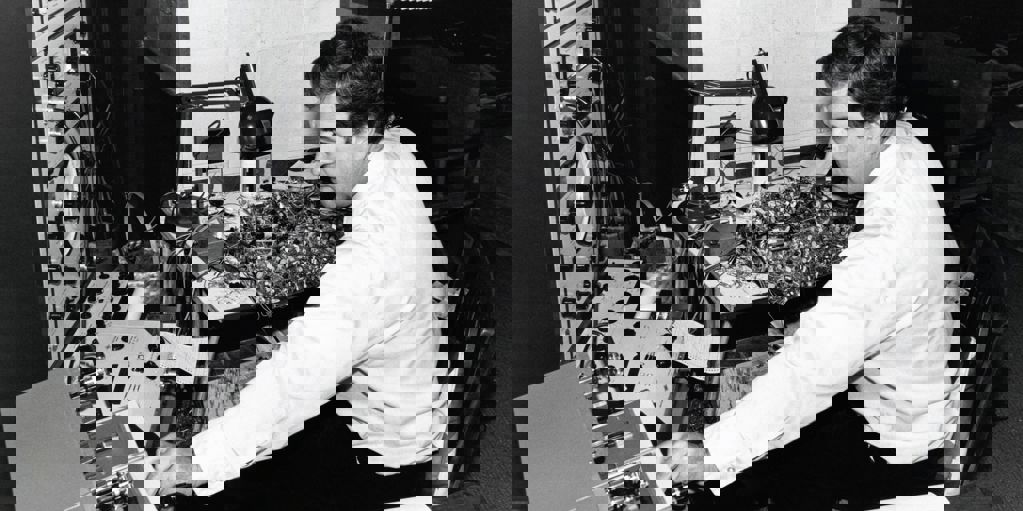
Pioneers of Film Making: The Visionaries Who Shaped Cinema
The birth of cinema is a tale woven with innovation, artistry, and the audacious dreams of pioneers who dared to imagine a world caught in motion. These individuals, often working with limited resources and an endless supply of creativity, laid the foundations for what we now recognize as one of the most influential art forms of modern times. Their contributions go beyond mere technical advancements; they crafted the narrative and visual language of film, transforming the medium into a vehicle for storytelling, social commentary, and artistic expression.
The Dawn of Motion Pictures
The history of film begins in the late 19th century, a period rife with technological breakthroughs. Among the luminaries of this era was Thomas Edison, whose laboratory made significant contributions to the development of motion picture technology. Edison, along with his assistant William Kennedy Laurie Dickson, invented the Kinetoscope, an early motion picture exhibition device that allowed individual viewing of short films through a peephole. Although Edison often receives the lion's share of credit, it was Dickson's ingenuity that brought the technical details to life, paving the way for more elaborate cinematographic innovations.
Concurrently, across the Atlantic, the Lumière brothers, Auguste, and Louis, in France, were crafting their own cinematic marvel. They introduced the Cinématographe in 1895, a lightweight, hand-cranked device that functioned as both a camera and projector. The Lumières were instrumental in establishing some of the first public film screenings, notably the showing of their film "La Sortie de l'Usine Lumière à Lyon," widely regarded as one of the first true motion pictures. This marked an essential transition—from personal viewing devices to shared cinematic experiences, laying the groundwork for cinema as a communal cultural activity.
Early Innovators and Storytellers
While technological advances were indispensable, content quickly became king in the burgeoning film industry. Georges Méliès, a former magician, recognized the film's potential to transcend reality and transport audiences to fantastical worlds. His film, "Le Voyage dans la Lune" (A Trip to the Moon) in 1902, exemplified this vision. Méliès mastered the art of special effects, utilizing techniques such as double exposure and time-lapse to create his cinematic illusions. His imaginative storytelling and visual creativity expanded the scope of narrative possibilities in film, setting a precedent for future filmmakers to explore the fantastical.
Meanwhile, in the United States, Edwin S. Porter emerges as a trailblazer in narrative storytelling with his groundbreaking work on films like "The Great Train Robbery" (1903). This film, notable for its innovative use of cross-cutting and complex narrative structure, demonstrated the power of film editing in shaping the viewer's perception of time and sequence. By weaving together multiple storylines into a cohesive whole, Porter established conventions of continuity and montage that remain fundamental to film editing today.
Establishing Cinematic Language
The early 20th century saw the emergence of filmmakers who further refined the cinematic language through composition, framing, and editing techniques. D.W. Griffith, often hailed as the 'Father of Film Narrative,' was instrumental in advancing these elements. His 1915 epic, "The Birth of a Nation," although controversial, showcased sophisticated cinematic techniques such as close-ups, cross-cutting, and tracking shots. Griffith's contributions to cinematic form and grammar were pivotal in defining and standardizing the storytelling techniques used in narrative films throughout the 20th century.
In Europe, directors like Sergei Eisenstein were developing their own cinematic philosophies. Eisenstein’s theory of montage emphasized the power of juxtaposing images to generate meaning beyond the sum of individual shots. His film "Battleship Potemkin" (1925) is particularly renowned for its innovative use of montage, specifically in the famous Odessa Steps sequence. Eisenstein’s work highlighted the potential of editing not only as a narrative device but as a tool for emotional and intellectual engagement with audiences.
These early filmmakers laid the groundwork for a diverse range of cinematic styles and techniques, from Méliès’ magical spectacles to Griffith’s narrative complexities and Eisenstein’s dynamic montages. Together, they shaped film into a medium capable of capturing the depth and complexity of the human experience. As we delve into the next chapter of film history, we'll explore how these foundations were built upon by subsequent generations of filmmakers who expanded the boundaries of cinema even further.
The Advent of the Studio System and the Rise of Iconic Filmmakers
As cinema transitioned from its early experimental phase to a burgeoning industry, the establishment of the studio system in Hollywood during the 1920s and 1930s marked a pivotal era in filmmaking. This period saw the rise of a centralized system that enabled mass production and distribution of films, facilitating the creation of a globally dominant entertainment industry. During this time, several visionary directors emerged, leaving behind indelible marks on the cinematic landscape.
One such filmmaker was Charlie Chaplin, whose genius lay not only in his comedic timing but also in his ability to weave profound social commentary into his films. Chaplin's iconic character, "The Tramp," became a vehicle for exploring themes of poverty, class struggles, and the human condition. His films, such as "City Lights" (1931) and "Modern Times" (1936), artfully blend humor with poignant narratives, demonstrating cinema's capacity to entertain while delivering introspective messages.
Simultaneously, German Expressionist cinema was shaping the future of visual storytelling with its emphasis on stylized sets, chiaroscuro lighting, and psychological themes. Directors like F.W. Murnau and Fritz Lang were at the forefront of this movement. Murnau's "Nosferatu" (1922) introduced audiences to the horror genre with its eerie, shadow-laden visuals, while Lang's "Metropolis" (1927) combined stunning production design with a futuristic vision that questioned the societal impact of technology. These films were not only artistic achievements but also cultural commentaries that resonated with audiences on multiple levels.
In the United States, the introduction of sound in cinema with the release of "The Jazz Singer" in 1927 marked another groundbreaking moment. The ability to synchronize dialogue and music with film revolutionized storytelling, giving rise to a new generation of filmmakers who mastered this novel medium. Among them was Alfred Hitchcock, whose pioneering work in suspense and tension turned him into a master of the thriller genre. Films like "Psycho" (1960) and "Rear Window" (1954) showcased Hitchcock’s deft manipulation of sound, composition, and pacing to evoke psychological intrigue, creating a template for countless filmmakers who followed.
The Golden Age of Hollywood and Global Cinema
The 1940s and 1950s, often celebrated as the Golden Age of Hollywood, was marked by the production of classics that solidified the visual and narrative norms of traditional cinema. Directors such as Orson Welles, with his innovative masterpiece "Citizen Kane" (1941), redefined storytelling methodologies. Welles’ use of deep focus cinematography and non-linear narrative structures were revolutionary, offering audiences an intricately layered tale that explored themes of ambition, legacy, and the elusive nature of truth.
Simultaneously, the world of cinema was expanding beyond Hollywood's boundaries. Italian Neorealism, spearheaded by directors like Roberto Rossellini and Vittorio De Sica, emerged as a powerful movement in post-World War II Italy. This style emphasized the harsh realities of everyday life, using non-professional actors and location shooting to capture the struggles and resilience of ordinary people. De Sica’s "Bicycle Thieves" (1948) is a poignant exploration of poverty and dignity, and its influence can be seen in subsequent realist movements across the globe.
Across the globe, Akira Kurosawa was transforming the landscape of Japanese cinema with his distinctive storytelling and dynamic visual style. His film "Rashomon" (1950) introduced a then-novel narrative technique that presented multiple perspectives of the same event, challenging audiences to question objective truth. Kurosawa’s influence extended far beyond Japan, inspiring filmmakers worldwide and establishing him as a bridge between Eastern and Western cinematic traditions.
The New Wave and the Auteur Theory
The mid-20th century witnessed the rise of the French New Wave, a movement characterized by its rejection of traditional filmmaking conventions in favor of personal storytelling and innovative techniques. Directors such as François Truffaut and Jean-Luc Godard experimented with disjointed narratives, jump cuts, and on-location shooting. Truffaut’s "The 400 Blows" (1959) and Godard’s "Breathless" (1960) emphasized the auteur theory, championing the notion that a director’s personal vision should shine through every aspect of their films.
The influence of the New Wave extended across borders, planting seeds for innovative styles like the British New Wave and the American New Hollywood movement of the late 1960s and 1970s. Filmmakers such as Martin Scorsese, Francis Ford Coppola, and Stanley Kubrick emerged during this period, each bringing a distinct voice and challenging the status quo with bold narratives and complex characters. Scorsese’s gritty urban landscapes, Coppola’s epic storytelling, and Kubrick’s meticulous visual compositions showcased the limitless possibilities of cinema as an artistic medium.
These diverse waves and movements set the stage for a period of experimentation and introspection, broadened the horizons of cinematic language, and connected disparate cultures through a shared love of storytelling. As we continue exploring the evolution of film, the contributions of these pioneers remind us of cinema's enduring power—a medium where technology, art, and humanity intersect to create magic on screen.
The Digital Revolution and the Globalization of Cinema
The advent of digital technology in the late 20th and early 21st centuries revolutionized every aspect of filmmaking, from production and editing to distribution and exhibition. This transformation democratized the filmmaking process, enabling independent filmmakers to create and distribute their work with unprecedented ease and affordability. As a result, the global cinema landscape experienced a seismic shift, providing a platform for diverse voices to challenge the homogeneity previously dominated by Hollywood narratives.
Visionaries like James Cameron and George Lucas spearheaded the technological advancements that define contemporary cinema. Cameron’s groundbreaking use of computer-generated imagery (CGI) in "Avatar" (2009) redefined the visual experience of movies, blending photorealistic animated scenes with live-action footage to create immersive worlds. Similarly, Lucas’s work on the "Star Wars" prequels showcased the potential of digital effects and high-definition cameras, setting a new industry standard.
Meanwhile, the rise of international cinema has expanded the breadth of stories and styles available to global audiences. The success of films like Ang Lee's "Crouching Tiger, Hidden Dragon" (2000) and Bong Joon-ho's "Parasite" (2019) demonstrated the universal appeal of non-English-language films, highlighting the power of culturally specific storytelling to resonate across different societies. These films not only exemplify masterful direction and narrative but also serve as powerful vehicles for social and cultural discourse.
Expanding the Narrative Horizons
As cinema continues to evolve in the digital age, the narrative horizons of film are expanding at an unprecedented pace. With the diversification of streaming platforms, filmmakers from underrepresented backgrounds have found new opportunities to tell their stories, challenging the traditional gatekeepers of the industry. This evolution is reflected in the work of contemporary filmmakers like Ava DuVernay, Barry Jenkins, and Taika Waititi, whose films explore themes of identity, race, and belonging, resonating with audiences hungry for fresh perspectives.
Ava DuVernay’s "Selma" (2014) and "13th" (2016) are exemplary in their poignant examination of historical and contemporary issues related to racial inequality in America. DuVernay’s work underscores the importance of film as a medium for education and activism, using cinematic storytelling to highlight systemic injustices and inspire change.
Barry Jenkins’ "Moonlight" (2016), a quietly poignant exploration of masculinity and identity, earned critical acclaim for its lyrical narrative and innovative storytelling. Jenkins’ work, characterized by its emotional depth and nuanced portrayal of marginalized communities, exemplifies the potential of cinema to foster empathy and understanding.
Simultaneously, directors like Taika Waititi have utilized humor and genre-blending to address complex social issues. Waititi’s film "Jojo Rabbit" (2019) uses satire to explore themes of hate, ignorance, and redemption, showcasing the power of comedy to provoke thought and reflection.
The Future of Filmmaking
As we look toward the future of filmmaking, it's clear that the industry is poised for continued transformation driven by technological advancements and changing audience preferences. The rise of virtual reality (VR) and augmented reality (AR) presents thrilling possibilities for immersive storytelling, offering audiences new ways to engage with and experience narratives.
Moreover, the increasing embrace of diversity and inclusion within the industry promises a broader range of stories that reflect the multifaceted nature of human experience. Emerging technologies such as AI-generated scripts and virtual production techniques are poised to reshape the creative process, allowing filmmakers to push the boundaries of their craft in innovative ways.
However, amidst these technological and cultural shifts, the essence of filmmaking remains unchanged. At its core, cinema continues to be a powerful medium for human connection—a way to bridge cultural divides, provoke introspection, and evoke emotional responses. The pioneers of filmmaking laid the groundwork for a medium that has the potential to educate, entertain, and inspire, and today's filmmakers continue to build upon this legacy.
In celebrating the contributions of cinema's pioneers and acknowledging the triumphs of contemporary filmmakers, we recognize that film is a living art form, ever-evolving and forever rooted in the timeless pursuit of storytelling. The journey from the silent films of the Lumière brothers to the boundary-pushing works of modern visionaries is a testament to the power of imagination and innovation. As cinema continues to grow, it will undoubtedly captivate new generations, ensuring its place as a vital component of global culture for years to come.