

Explore Any Narratives
Discover and contribute to detailed historical accounts and cultural stories. Share your knowledge and engage with enthusiasts worldwide.
The world of cinema is a vast and dynamic landscape, shaped not only by filmmakers and audiences but also by a crucial intermediary: the film critic. Critics serve as both gatekeepers and guides, offering interpretations, critiques, and evaluations that influence how movies are perceived and consumed. Their role extends beyond mere opinion-sharing; critics contribute to the cultural discourse surrounding films, shaping industry trends, audience expectations, and even the artistic choices of filmmakers themselves.
This article explores the multifaceted role of critics in cinema, examining their impact on the film industry, their relationship with audiences and creators, and the evolving nature of criticism in the digital age.
The tradition of film criticism dates back to the early 20th century when cinema was still in its infancy. As films evolved from short, mute reels to feature-length narratives, critics emerged to analyze and critique this burgeoning art form. Early film critics were often journalists or literary figures who saw potential in cinema beyond mere entertainment. Their writings helped legitimize film as an art form and shaped early discussions about aesthetics, storytelling, and the power of the medium.
The mid-20th century marked the golden age of film criticism, with critics like Pauline Kael, Andrew Sarris, and Roger Ebert gaining prominence. Their insightful, passionate, and sometimes controversial reviews influenced audiences and filmmakers alike. Publications such as Cahiers du Cinéma and The New York Times became essential reading for cinephiles, elevating film criticism to a respected discipline.
One of the primary roles of critics is to serve as tastemakers, helping audiences navigate the overwhelming abundance of films released each year. By offering informed opinions, critics can steer viewers toward hidden gems or caution them against disappointing experiences. In this sense, critics act as filters, separating the exceptional from the mediocre.
Beyond evaluating a film's quality, critics delve into its deeper meanings, themes, and techniques. They analyze cinematography, editing, performances, and narrative structure, providing readers with a richer understanding of the film. This analytical role helps audiences appreciate the artistry behind cinema and encourages more thoughtful engagement with the medium.
Critics also serve as watchdogs, holding filmmakers and studios accountable for their creative choices. By challenging clichés, lazy storytelling, or unethical practices, critics push the industry toward higher standards. Their critiques can inspire filmmakers to take risks, refine their craft, or reconsider problematic aspects of their work.
While the power of critics varies depending on the film and its target audience, their reviews can significantly impact a movie’s box office performance. Positive reviews from respected critics can generate buzz and attract audiences, while negative critiques may deter viewers. However, this influence is not absolute—blockbusters often succeed despite poor reviews, relying on marketing and franchise loyalty instead.
Critics play a pivotal role in film festivals and awards seasons. Their endorsements can elevate indie films into award contenders, shaping the trajectory of a movie’s reception. A rave review from a prominent critic at Cannes, Sundance, or Venice can turn an obscure project into a critical darling, opening doors for wider distribution and recognition.
The concept of critical consensus—where a majority of critics agree on a film’s merits—can affect both audience perception and industry decisions. Films celebrated by critics often enjoy prolonged cultural relevance, while those panned may fade into obscurity. However, dissenting voices within criticism remind us that art is subjective, and diversity of opinion is essential.
The dynamic between critics and filmmakers has historically been complex—sometimes adversarial, sometimes symbiotic. Some directors dismiss critics as irrelevant, while others value their insights. Legendary filmmakers like Alfred Hitchcock and Martin Scorsese have publicly clashed with critics, whereas others, such as Quentin Tarantino, engage actively with critical discourse.
In some cases, critics have directly influenced filmmakers by championing certain styles or movements. The French New Wave, for instance, was partially shaped by critics-turned-directors like François Truffaut and Jean-Luc Godard, who applied their theoretical knowledge to practical filmmaking. This blurring of lines between critic and creator highlights the profound impact criticism can have on cinema itself.
Film critics occupy a unique space within cinema, shaping how movies are understood, discussed, and remembered. From guiding audiences to influencing filmmakers, their contributions are invaluable to the artistic and commercial vitality of the medium. In the next part of this article, we will explore the evolution of film criticism in the digital era, the rise of amateur critics, and the challenges facing professional reviewers today.
Continue reading in Part Two, where we examine how the internet has democratized criticism—and whether this shift has enriched or diluted the discourse around film.
The rise of the internet has dramatically transformed the landscape of film criticism, democratizing access to reviews and altering the way audiences engage with cinema. Gone are the days when a handful of elite critics dominated the conversation—today, anyone with an internet connection can share their thoughts on films, from professional journalists to casual moviegoers. This shift has led to both exciting opportunities and complex challenges for critics and the industry alike.
With platforms like YouTube, Letterboxd, and social media, amateur critics have gained unprecedented influence. Content creators such as Red Letter Media, Lindsay Ellis, and Chris Stuckmann have cultivated massive followings, often reaching audiences far larger than traditional print critics. These voices bring fresh perspectives, humor, and accessibility, making film analysis more inclusive.
However, the proliferation of amateur criticism has also led to concerns about quality control. Unlike professional critics, who often have formal training and editorial oversight, amateur reviewers operate with varying levels of expertise. While some offer insightful commentary, others prioritize entertainment or sensationalism over critical depth, blurring the line between analysis and clickbait.
As digital platforms rise, traditional film criticism faces significant challenges. Many print publications have downsized or eliminated their arts sections, leaving veteran critics without stable platforms. The rapid-fire nature of online discourse has also shortened the lifespan of critical analysis, with hot takes often overshadowing nuanced, long-form reviews.
Despite these hurdles, some critics have successfully adapted by embracing digital mediums. Figures like A.O. Scott (The New York Times) and Angelica Jade Bastién (Vulture) have transitioned to online platforms, maintaining relevance through podcasts, video essays, and social media engagement. The key to survival in this new era lies in versatility—critics must now be writers, commentators, and multimedia creators.
Algorithms on streaming platforms and social media increasingly dictate what films gain traction, often sidelining critical opinions. Netflix and Amazon prioritize user ratings over professional reviews, while YouTube’s recommendation engine favors controversial takes and hyperbolic reactions. This shift has led to a growing divide between what critics praise and what general audiences consume.
For example, blockbusters like The Marvels (2023) or Transformers films frequently dominate the box office despite lukewarm reviews, while critically acclaimed indie movies struggle to find an audience. The rise of "audience scores" on sites like Rotten Tomatoes has further intensified this disconnect, creating a bifurcated landscape where commercial success and artistic recognition often diverge.
Studios have learned to weaponize the review cycle to control narratives around their films. By imposing strict review embargoes—especially for big-budget tentpoles—they can delay negative press until after opening weekends, ensuring strong initial box office performance. This tactic has led to growing skepticism among audiences, who now question whether early buzz is organic or manufactured.
Similarly, the rise of "press junkets" and influencer marketing has blurred ethical boundaries. Critics invited to exclusive screenings may feel pressure to offer favorable reviews to maintain access, while studios increasingly court social media influencers whose opinions may lack depth but carry immense reach.
The relationship between critics and fandom has grown increasingly contentious in recent years. Franchise devotees often rally against negative reviews, accusing critics of being out of touch or ideologically biased. The backlash against Star Wars: The Last Jedi (2017) and Captain Marvel (2019) showcased how toxic fan reactions can overshadow critical discourse.
This hostility has real-world consequences: some critics, particularly women and people of color, face targeted harassment for voicing dissenting opinions. The polarization of criticism—where films are either "flawless masterpieces" or "complete failures"—leaves little room for nuanced discussion, discouraging honest appraisal.
For decades, Western critics dominated global film discourse, often overlooking or misrepresenting non-English-language cinema. However, streaming platforms like MUBI, Criterion Channel, and global Netflix releases have broadened access to international films, prompting a more diverse critical conversation.
Critics like Bong Joon-ho (who cited Martin Scorsese’s praise as pivotal for Parasite’s success) have highlighted how cross-cultural appreciation can elevate underrepresented voices. Meanwhile, non-Western critics—such as India’s Baradwaj Rangan or Brazil’s Carlos Aguilar—are gaining prominence, offering perspectives that challenge Eurocentric norms in film analysis.
With globalization comes the responsibility of understanding cultural nuances. Critics reviewing foreign films must navigate differences in storytelling traditions, historical context, and sociopolitical subtext—missteps can lead to reductive or even offensive critiques. The controversy surrounding Western reviews of RRR (2022), which some dismissed as "over-the-top" without grasping its Telgu cinema roots, exemplifies this tension.
As the media landscape evolves, so too must the role of critics. Here are key trends shaping the future of the field:
In response to the fast pace of online discourse, some critics are doubling down on in-depth analysis. Video essays (e.g., Nerdwriter, Every Frame a Painting) and podcasts (The Big Picture, Blank Check) allow for richer exploration of themes, while Substack newsletters offer critics financial independence outside traditional media.
With studios prioritizing streaming exclusives, critics face new dilemmas. Should a film’s direct-to-streaming release affect its evaluation? How do critics assess films designed for at-home viewing versus theatrical experiences? These questions will grow more pressing as streaming becomes the norm.
The strict divide between "objective" and "subjective" criticism is dissolving. Modern critics increasingly acknowledge their biases, opening discussions about how identity influences interpretation. This honesty fosters more authentic engagement with readers, who no longer expect—or want—pretenses of total impartiality.
The digital revolution has democratized film criticism, but not without trade-offs. While more voices than ever can participate, the sheer volume of content makes it harder for discerning perspectives to stand out. The next installment of this article will explore the ethical responsibilities of critics, the role of activism in criticism, and whether the very definition of a "film critic" needs reimagining.
Continue to Part Three, where we examine how critics navigate political and social issues, the rise of "anti-critics," and the enduring importance of criticism in an algorithm-driven world.
As film criticism evolves in the digital era, it faces existential questions about its purpose and responsibilities. Should critics remain detached observers, or do they have a duty to engage with social and political issues? How does one navigate the blurred line between critique and activism without alienating audiences? And what does it truly mean to be a film critic in an age where algorithms often dictate cultural consumption?
For decades, traditional criticism prized objectivity—the idea that reviews should be impartial judgments of artistic merit. Today, critics increasingly acknowledge that total objectivity is impossible. Personal experiences, cultural backgrounds, and political beliefs inevitably shape how one interprets art. The shift toward transparency—where critics openly discuss their perspectives—creates more honest engagement with readers.
However, transparency must not devolve into self-indulgence. A critique of Christopher Nolan’s Oppenheimer (2023) that spends more time analyzing the critic’s feelings about nuclear physics than the film itself risks alienating audiences. The challenge lies in balancing personal insight with rigorous analysis.
The monetization of criticism—through sponsorships, Patreon, or studio-sponsored events—raises ethical dilemmas. When a YouTube critic praises a Netflix film after attending a lavish premiere, can their review be trusted? Unlike journalism, few formal guidelines exist for disclosure in criticism, leading to murky conflicts of interest.
Some independent critics now adopt transparency policies, disclosing affiliations or rejecting perks that compromise integrity. Yet with media conglomerates largely controlling access (think Disney press screenings or Warner Bros. junkets), maintaining impartiality grows increasingly difficult.
Modern critics increasingly treat films as cultural artifacts reflecting—or challenging—social norms. Reviews of Moonlight (2016) or Everything Everywhere All at Once (2022) often examine how these films advance representation for marginalized communities. This approach expands criticism beyond aesthetics into discussions of systemic inequity in Hollywood.
However, this shift sparks debates: Is a critic’s primary duty to assess artistic quality, or should they advocate for social progress? When The Woman King (2022) received praise for its depiction of African warriors but criticism for historical inaccuracies, it highlighted tensions between artistic license and ethical accountability.
Discussions of race, gender, and politics in criticism often trigger fierce backlash. The term "woke" has been weaponized to dismiss critiques that highlight problematic tropes—for instance, critiques of white savior narratives in Green Book (2018). Some argue activism dilutes criticism; others counter that ignoring social context fosters complacency.
The reality is that all criticism inherently reflects values. Even a seemingly neutral review of cinematography carries assumptions about what constitutes "good" filmmaking. The question isn’t whether critics should engage with politics—it’s how to do so thoughtfully.
A growing segment of audiences now openly rejects professional criticism, favoring nostalgia-driven content like YouTube’s "Everything Wrong With..." or channels that champion "underrated" genre films. This anti-intellectual strain argues that critics overanalyze and undervalue pure entertainment.
Films like Morbius (2022) or Fast X (2023) inspire ironic fan movements that celebrate "bad" cinema as transcendent fun. While playful, this trend risks conflating contrarianism with critical thinking.
Streaming platforms increasingly rely on data to greenlight projects, favoring familiar IP over originality. Critics who champion risky, auteur-driven films (e.g., The Zone of Interest) clash with algorithms engineered to maximize watch time through fan service. The result? A widening gap between what’s popular and what’s critically acclaimed.
With social media amplifying conspiracy theories (e.g., claims that Disney "forces" diversity into films), critics find themselves combating misinformation alongside offering analyses. Fact-checking promotional narratives—like debunking exaggerated budgets reported by studios—has become an unexpected part of the job.
The rise of AI-generated reviews threatens to flood platforms with hollow, algorithmic mimicry of criticism. Meanwhile, studios experiment with AI tools for scriptwriting and editing, raising existential questions: Can AI truly critique art made by machines? Will human critics become relics in an automated industry?
Beyond shaping current discourse, critics serve as archivists of cinematic history. Roger Ebert’s writings introduced new generations to classics; Martin Scorsese’s work with film preservation underscores criticism’s role in safeguarding cultural heritage. In an era of disposable streaming content, thoughtful criticism ensures significant films aren’t forgotten.
The best criticism fosters dialogue, transforming passive viewing into active engagement. Platforms like Letterboxd thrive by blending social media with criticism, proving audiences still crave substantive discussion—just in new formats.
Legendary critics like Manny Farber or Susan Sontag proved criticism could itself be an art form—lyrical, innovative, and boundary-pushing. Today’s critics channel this spirit through video essays, podcasts, and hybrid creative works that redefine what criticism can be.
The role of the critic cannot be reduced to thumbs-up/thumbs-down judgments or SEO-friendly hot takes. At its best, criticism is:
As cinema transforms—through AI, streaming, and globalization—criticism must evolve without sacrificing its core mission: deepening our understanding of why films matter. Whether through TikTok videos or academic treatises, the critic’s voice remains essential—not as the final word, but as a spark for endless conversation.
The lights may dim in theaters, but the dialogue critics ignite continues long after the credits roll. In defending nuance, celebrating originality, and holding power to account, criticism doesn’t just reflect culture—it helps shape it, one frame at a time.



Your personal space to curate, organize, and share knowledge with the world.
Discover and contribute to detailed historical accounts and cultural stories. Share your knowledge and engage with enthusiasts worldwide.
Connect with others who share your interests. Create and participate in themed boards about any topic you have in mind.
Contribute your knowledge and insights. Create engaging content and participate in meaningful discussions across multiple languages.
Already have an account? Sign in here
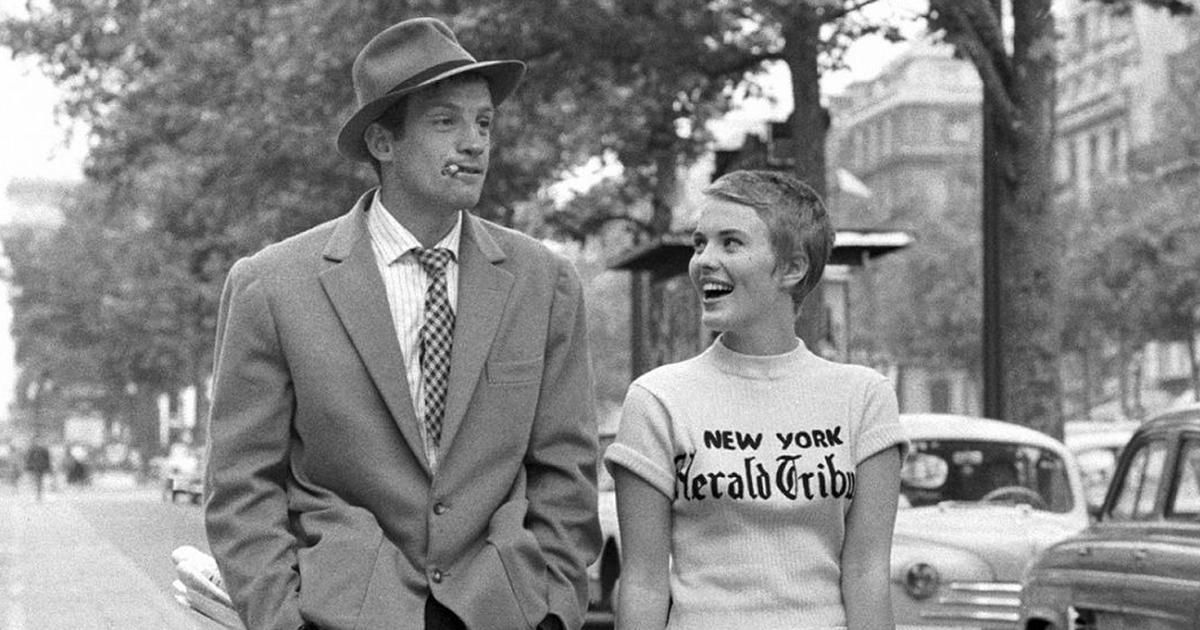
Explore the French New Wave, a revolutionary film movement that transformed cinema. Discover its origins, key filmmakers...
View Board
Explore the enduring legacy of classic silent films! Discover their innovations, iconic stars, and lasting influence on ...
View Board
Explore the timeless appeal of the Western film genre! From classic cowboys to modern neo-Westerns, discover why this ad...
View Board
Explore the silent film era, Hollywood's golden age. Discover its origins, key innovations, stars, and the transition to...
View Board
Explore the latest on women in film: breaking boundaries, redefining cinema. Discover key statistics, challenges, and tr...
View Board
Explore the cultural timeline of movies that defined generations, from Baby Boomers to Millennials. Discover the films t...
View Board
Explore the debate around historical accuracy in films. Discover how filmmakers balance factual fidelity with narrative,...
View Board
Latin America's cinematic identity, forged in the fires of cultural imperialism and resistance, has produced a century-l...
View Board
Explore the fascinating evolution of cinema, from its silent beginnings with Edison and Lumière to the Golden Age of Hol...
View Board
Explore CGI's transformative impact on cinema! From early pixelated graphics to photorealistic worlds, discover how comp...
View Board
Explore the captivating evolution of science fiction films! From silent shorts to modern blockbusters, discover how sci-...
View Board
Uncover the secrets of cinematic Easter eggs! Explore hidden jokes, visual clues, and narrative gems in your favorite mo...
View Board
Explore the devastating global impact of film piracy. Understand the economic losses, geographical hotspots, and latest ...
View Board
Discover the alluring charm of Lochana Jayakodi, aka Lochi! Explore the journey of this talented Sri Lankan YouTuber, da...
View Board
Navigate the 2026 film awards season with our comprehensive guide! Discover the major ceremonies, leading contenders lik...
View Board
Explore Connor Franta's incredible journey, from a high school YouTube vlogger to a successful entrepreneur, author, and...
View Board
Explore the career of James Stephanie Sterling, the sharp-witted critic behind The Jimquisition. From Konami feuds to wr...
View Board
Discover Hbomberguy, the British left-wing YouTuber & video essayist. Explore his political commentary, gaming analysis,...
View Board
Discover how Casey Neistat revolutionized vlogging! From HBO to YouTube superstar, explore his creative journey, entrepr...
View Board
Explore the evolution of queer cinema, from early experimental films to modern LGBTQ+ masterpieces. Discover key milesto...
View Board
Comments