

Explore Any Narratives
Discover and contribute to detailed historical accounts and cultural stories. Share your knowledge and engage with enthusiasts worldwide.
In the fast-evolving landscape of 2025 technology trends, one enigmatic term has surfaced: Ritsarnt-Liki-O-8hsayros-ths-an8rwpinhs-e3eli3hs. Despite extensive research, this string remains undeciphered, sparking curiosity about its origins and potential significance. Could it be a cipher, a transliteration error, or a placeholder for an emerging tech concept? As we explore this mystery, we’ll also highlight the real trends shaping the future, from spatial computing to post-quantum cryptography.
The term Ritsarnt-Liki-O-8hsayros-ths-an8rwpinhs-e3eli3hs appears to be a garbled or encoded phrase. Searches across tech databases, research papers, and industry reports yield no credible results, suggesting it may not correspond to any known technology, company, or framework. This lack of clarity raises questions:
Without verifiable sources, the term remains an unsolved puzzle. However, its emergence aligns with the rapid pace of tech advancements in 2025, where new concepts often surface before gaining widespread recognition.
Even if Ritsarnt-Liki-O-8hsayros-ths-an8rwpinhs-e3eli3hs lacks a clear definition, its appearance reflects broader trends in emerging technologies. The tech industry thrives on innovation, and unexplained terms can sometimes precede groundbreaking developments. For example:
If Ritsarnt-Liki-O-8hsayros-ths-an8rwpinhs-e3eli3hs is tied to any of these domains, it could represent a niche subfield or experimental project. Until more data emerges, we can only speculate—but the conversation itself underscores the dynamism of 2025 tech trends.
While the mystery term remains unresolved, several verified trends are dominating discussions in 2025. These innovations offer tangible insights into where technology is headed:
Spatial computing is revolutionizing industries by overlaying digital information onto the physical world. Applications include:
According to Gartner, new compute technologies like optical and neuromorphic chips will emerge by the late 2020s, driving energy-efficient spatial computing solutions.
With quantum computing on the horizon, PQC is becoming essential. Key developments include:
Gartner predicts that by 2029, quantum advances will render traditional asymmetric cryptography unsafe, making PQC adoption critical.
As AI integrates deeper into business and society, AI governance frameworks like Gartner’s TRiSM (Trust, Risk, and Security Management) are gaining traction. Key stats:
Companies are prioritizing ethical AI to avoid legal pitfalls and build consumer trust.
While Ritsarnt-Liki-O-8hsayros-ths-an8rwpinhs-e3eli3hs remains a mystery, its emergence highlights the importance of staying informed about real, actionable trends. From spatial computing to PQC, the technologies shaping 2025 offer clear opportunities for businesses and innovators.
In Part 2, we’ll dive deeper into quantum computing, AIOps, and multi-cloud resilience, providing a roadmap for navigating the year’s most impactful advancements.
Quantum computing remains one of the most transformative 2025 tech trends, with companies like Microsoft, IBM, and Google pushing the boundaries of what’s possible. Unlike classical computers, quantum systems leverage qubits to perform complex calculations at unprecedented speeds. However, challenges such as error rates, high costs, and talent shortages continue to hinder widespread adoption.
Microsoft’s Majorana 1 chip represents a significant leap forward in quantum computing. This chip utilizes topological qubits, which are more stable and less prone to errors than traditional qubits. The potential applications are vast:
With up to 1 million qubits potentially fitting on a palm-sized chip, the scalability of quantum computing is becoming a reality. This advancement could revolutionize industries that rely on complex data processing.
Despite these breakthroughs, quantum computing faces several hurdles:
Addressing these challenges will be crucial for quantum computing to transition from experimental labs to real-world applications.
AIOps (Artificial Intelligence for IT Operations) is reshaping how businesses manage their IT infrastructure. By leveraging machine learning and automation, AIOps can predict and prevent incidents before they occur, reducing downtime and improving efficiency.
The adoption of AI in IT operations is accelerating. According to recent studies:
AIOps is not just about automation; it’s about enhancing decision-making with data-driven insights. By analyzing vast amounts of IT data, AI can identify patterns and anomalies that human operators might miss.
Implementing AIOps offers several advantages:
As businesses continue to digitalize, the role of AIOps will only grow, making it a critical component of modern IT strategies.
In 2025, multi-cloud strategies are becoming the norm as organizations seek to enhance resilience and mitigate risks. By distributing workloads across multiple cloud providers, businesses can avoid vendor lock-in and improve disaster recovery capabilities.
One of the key trends in multi-cloud adoption is the rise of Disaster Recovery as a Service (DRaaS). This approach allows businesses to quickly recover from outages and data losses by leveraging cloud-based backup solutions. Key statistics highlight its importance:
DRaaS is particularly valuable for industries where uptime is critical, such as healthcare, finance, and e-commerce.
To maximize the benefits of multi-cloud, organizations should consider the following strategies:
By adopting these strategies, businesses can build resilient IT infrastructures that are capable of withstanding disruptions and adapting to changing demands.
As we’ve explored, the tech landscape in 2025 is defined by rapid innovation and transformative trends. From quantum computing to AIOps and multi-cloud resilience, these advancements are reshaping industries and creating new opportunities.
In Part 3, we’ll conclude with a look at the broader implications of these trends, including their impact on workforce dynamics, regulatory landscapes, and global competition. Stay tuned for a comprehensive wrap-up of the year’s most pivotal developments.
The rapid adoption of AI-driven technologies in 2025 is not just reshaping industries—it’s fundamentally altering the workforce. As automation takes over routine tasks, the demand for highly skilled professionals who can manage, interpret, and innovate with AI is skyrocketing. This shift presents both challenges and opportunities for businesses and employees alike.
One of the most pressing issues in today’s tech landscape is the skills gap. According to industry reports:
Businesses that fail to address this gap risk falling behind. The key to success lies in continuous learning initiatives that empower employees to adapt to evolving technological demands.
As AI and automation become more embedded in workflows, traditional job roles are evolving into hybrid positions that blend technical and strategic skills. For example:
These roles highlight the growing need for interdisciplinary expertise, where technical knowledge intersects with ethical, legal, and business acumen.
With great technological power comes great responsibility. As AI, quantum computing, and spatial computing advance, governments and organizations are grappling with the need for robust regulatory frameworks to ensure these technologies are used ethically and safely.
The push for AI governance has gained significant traction in 2025. Key developments include:
By 2027, Gartner predicts that 80% of IT contracts lacking responsible AI clauses will fail to deliver intended outcomes. This underscores the importance of integrating governance into AI strategies from the outset.
The shift to multi-cloud environments has intensified concerns around data privacy and cybersecurity. With data distributed across multiple platforms, businesses must navigate:
Organizations that prioritize proactive cybersecurity measures will be better positioned to mitigate risks and maintain customer trust.
In 2025, the competition for technological dominance is fiercer than ever. Nations and corporations are vying to lead in critical areas such as quantum computing, AI, and post-quantum cryptography. This race is not just about innovation—it’s about economic power, national security, and geopolitical influence.
Several regions and companies are at the forefront of this competition:
The outcomes of this race will shape the future of global innovation, influencing everything from trade policies to technological sovereignty.
While competition drives progress, collaboration is equally crucial. Many of the most significant breakthroughs in 2025 have emerged from:
By fostering a culture of open innovation, the tech industry can tackle complex challenges more effectively and ensure that advancements benefit society as a whole.
As we’ve explored throughout this series, 2025 is a pivotal year for technology. From the enigmatic Ritsarnt-Liki-O-8hsayros-ths-an8rwpinhs-e3eli3hs to the tangible advancements in quantum computing, AIOps, and multi-cloud resilience, the landscape is both exciting and complex. Here are the key takeaways:
The mystery of Ritsarnt-Liki-O-8hsayros-ths-an8rwpinhs-e3eli3hs serves as a reminder that technology is constantly evolving, often in unpredictable ways. Whether this term represents a cipher, a placeholder, or an emerging concept, its very existence underscores the need for curiosity, adaptability, and forward-thinking in the tech industry.
As we move forward, businesses and individuals alike must stay informed, embrace change, and leverage the opportunities presented by these transformative trends. The future of technology is not just about the tools we create—it’s about how we use them to build a smarter, more resilient, and more equitable world.





Your personal space to curate, organize, and share knowledge with the world.
Discover and contribute to detailed historical accounts and cultural stories. Share your knowledge and engage with enthusiasts worldwide.
Connect with others who share your interests. Create and participate in themed boards about any topic you have in mind.
Contribute your knowledge and insights. Create engaging content and participate in meaningful discussions across multiple languages.
Already have an account? Sign in here

Last news about Tech Week from 17/11/2025 to 23/11/2025
View Board
Last news about Tech Week from 21/04/2025 to 27/04/2025
View Board
Discover the top AI and tech trends of 2025, from agentic AI to healthcare breakthroughs and cybersecurity advancements....
View Board
Last news about Tech Week from 10/11/2025 to 16/11/2025
View Board
Last news about Tech Week from 28/04/2025 to 04/05/2025
View Board
Last news about Tech Week from 05/05/2025 to 11/05/2025
View BoardLast news about Tech Week from 24/11/2025 to 30/11/2025
View Board
Last news about Tech Week from 03/11/2025 to 09/11/2025
View Board
# Sayak Chakraborty: A Comprehensive Profile of a Tech Innovator ## Meta Description "Explore the inspiring journey of ...
View Board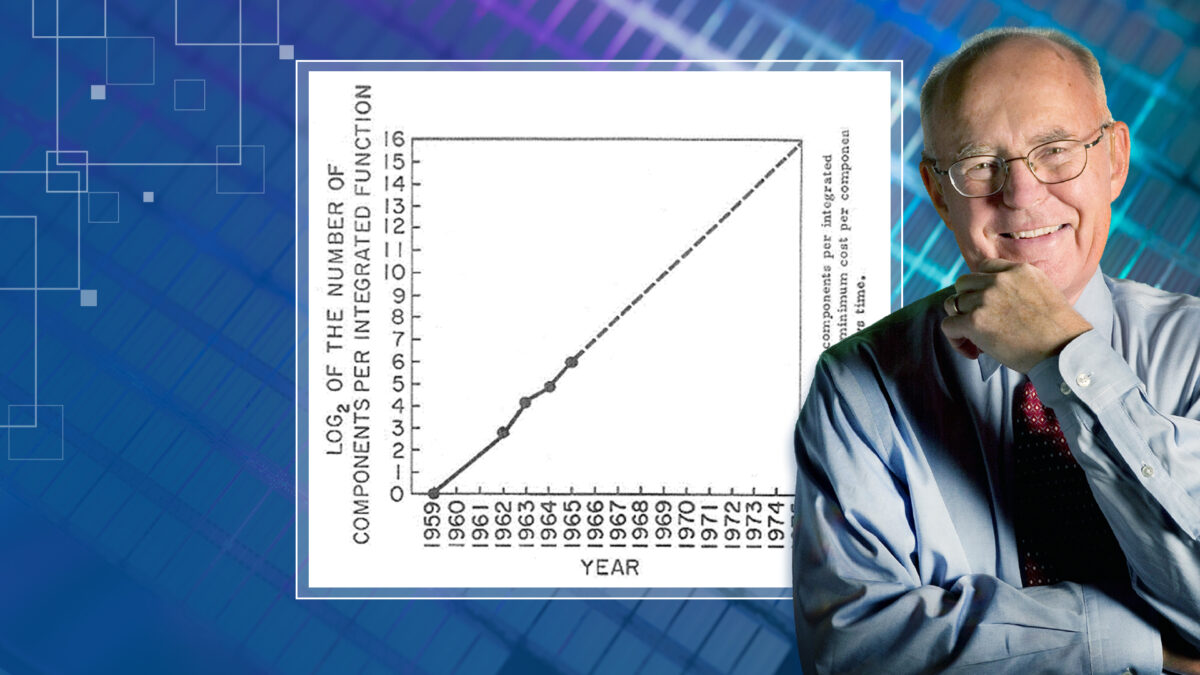
Discover how Moore's Law has driven computing evolution for decades, its challenges, and future innovations like quantum...
View Board
Last news about Tech Week from 23/12/2024 to 29/12/2024
View Board
Erfahren Sie, wie Quantencomputing die Consumer Electronics revolutioniert – von Cloud-Diensten bis zu integrierten Quan...
View Board
Discover the top content creation and web design trends for 2025, from AI-driven personalization to immersive AR/VR expe...
View Board
Last news about Tech Week from 01/12/2025 to 07/12/2025
View Board
Meta Description Explore the extraordinary life of Alastair Aiken, a visionary leader in tech, AI, and philanthropy. Dis...
View Board
Last news about Tech Week from 08/12/2025 to 14/12/2025
View Board
Nvidias 20 Mrd. USD Deal mit Groq revolutioniert den KI-Chipkrieg. Entdecken Sie, wie dieser strategische Coup die Infer...
View Board
Discover the groundbreaking impact of Theta, a revolutionary blockchain-based platform transforming video streaming. Exp...
View Board
The open AI accelerator exchange in 2025 breaks NVIDIA's CUDA dominance, enabling seamless model deployment across diver...
View Board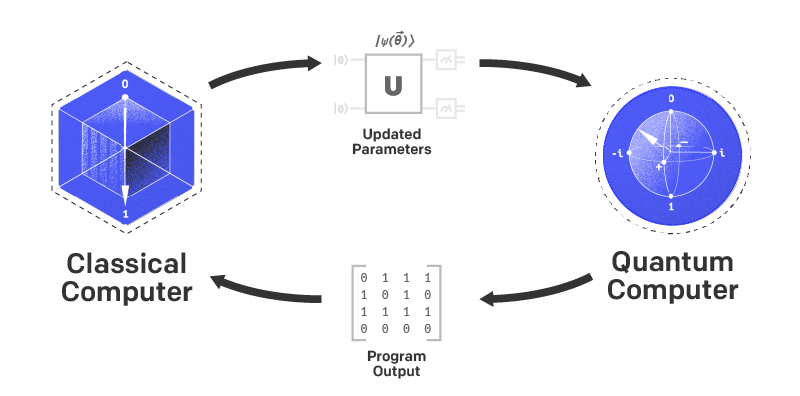
Explore the transformative potential of quantum computing, a cutting-edge technology shaping the future of data processi...
View Board
Comments