
Explore Any Narratives
Discover and contribute to detailed historical accounts and cultural stories. Share your knowledge and engage with enthusiasts worldwide.
Muscat, the capital and largest city of Oman, stands as a testament to the nation's rich heritage and ambitious future. Nestled along the Gulf of Oman, this Beta-level global city seamlessly blends ancient charm with modern dynamism. With a population integrated into Oman's 5.35 million (as of October 2025), Muscat is a vibrant hub of trade, tourism, and cultural exchange.
Known for its low-lying whitewashed architecture, Muscat's skyline is a unique sight, shaped by decades of preservation efforts. The city's strategic location near the Straits of Hormuz has made it a pivotal port for centuries, attracting settlers from Persia, Balochistan, and beyond. Today, under Sultan Haitham bin Tarik's Vision 2040, Muscat is evolving, balancing its storied past with a forward-looking urban vision.
Muscat's geography is as striking as its history. Backed by the Hajar Mountains, the city stretches along the Arabian Sea, offering breathtaking coastal views. The urban landscape is defined by its traditional architecture, with buildings rarely exceeding 40 meters in height—a regulation introduced in the 1970s by Sultan Qaboos to preserve the city's aesthetic and cultural identity.
The Muscat Governorate is a melting pot of cultures, reflecting its historical role as a trading hub. Persians, Balochs, and Sindhis have all left their mark, contributing to the city's diverse demographic fabric. This multicultural influence is evident in Muscat's cuisine, language, and daily life, making it a microcosm of Oman's broader cultural landscape.
As part of Oman's 5.35 million population (October 2025 estimate), Muscat is the heart of the nation's economic and social activity. The city's growth has been carefully managed to maintain its unique character while accommodating modern needs. Recent developments, such as the relaxation of building height restrictions, signal a new era of urban expansion, driven by Vision 2040—a strategic plan aimed at diversifying Oman's economy and enhancing its global standing.
Muscat's economy is deeply rooted in trade and commerce, a legacy of its historic role as a port city. Today, the economy is diversified, with key sectors including petroleum, liquefied natural gas (LNG), and port activities. The Port of Sultan Qaboos and the Port of Sohar are critical to Oman's trade, facilitating the movement of goods across the Gulf of Oman and beyond.
The discovery of oil in the 1960s transformed Muscat's economic fortunes. Under the leadership of Sultan Qaboos, who ascended in 1970, the city underwent rapid modernization. Infrastructure projects, educational reforms, and healthcare advancements propelled Muscat into the modern era, while careful planning ensured the preservation of its cultural heritage.
Sultan Haitham bin Tarik, who succeeded Sultan Qaboos in 2020, has continued this legacy with Vision 2040. This ambitious plan aims to reduce Oman's dependence on oil by fostering sectors such as tourism, renewable energy, and technology. Key projects under Vision 2040 include:
These initiatives are not just about economic growth; they reflect a commitment to sustainable urban development, ensuring that Muscat remains a livable, vibrant city for future generations.
Muscat's appeal as a tourist destination is on the rise. In 2024, the city welcomed a record 5.3 million visitors, marking a 3.2% increase from the previous year. This growth is a testament to Oman's efforts to position itself as a premier destination for cultural and eco-tourism.
The city's attractions are as diverse as its history. From the Sultan Qaboos Grand Mosque, a masterpiece of Islamic architecture, to the bustling Muttrah Souq, Muscat offers a rich tapestry of experiences. The Royal Opera House, opened in 2011, stands as a symbol of Oman's cultural renaissance, hosting world-class performances in a stunning setting.
Muscat is home to a plethora of landmarks that reflect its deep-rooted heritage and modern aspirations:
These landmarks, along with Muscat's pristine beaches, such as Qurum Beach, and natural wonders like the Bimmah Sinkhole, make the city a versatile destination for travelers seeking both relaxation and adventure.
Oman is a conservative country with deep-rooted Islamic traditions. Visitors to Muscat are expected to adhere to local customs and dress codes. Modest attire is essential, with recommendations including:
During the holy month of Ramadan, visitors should be particularly mindful of local practices. Eating, drinking, or smoking in public during daylight hours is prohibited and can result in fines.
Despite its conservative values, Oman is known for its warm hospitality. Visitors to Muscat will find the locals welcoming and eager to share their culture. English is widely spoken, making communication easy for international travelers. The official language, however, is Arabic, and learning a few basic phrases can go a long way in showing respect and appreciation for the local culture.
Muscat's time zone is UTC+4, and the currency is the Omani Rial (OMR). The city's infrastructure is modern and well-developed, with a range of accommodations from luxury hotels to budget-friendly options, catering to all types of travelers.
Muscat is more than just the capital of Oman; it is a city where tradition and modernity coexist. From its historic forts and souqs to its cutting-edge urban developments, Muscat offers a unique blend of experiences that cater to both the curious traveler and the astute investor. Under the guidance of Vision 2040, the city is poised to become a global leader in sustainable urban growth, cultural preservation, and economic diversification.
As Muscat continues to evolve, it remains a beacon of Omani heritage and a testament to the nation's ambitious vision for the future. Whether you're drawn by its rich history, stunning landscapes, or vibrant cultural scene, Muscat promises an unforgettable journey into the heart of the Middle East.
For decades, Muscat's skyline remained remarkably low-rise due to strict building height regulations introduced in the 1970s. These rules, implemented by Sultan Qaboos, preserved the city's traditional aesthetic but limited urban expansion. However, under Sultan Haitham bin Tarik's Vision 2040, these restrictions are being relaxed to accommodate sustainable high-rise developments.
The shift marks a pivotal moment in Muscat's urban planning. The goal is to attract foreign investment while maintaining the city's cultural identity. As the mayor of Muscat noted, this approach ensures "controlled modernization", balancing heritage with progress. The result? A skyline that will soon feature iconic structures like Muscat's first skyscraper in the Al Khuwair Downtown project.
Vision 2040 is driving several transformative projects that will redefine Muscat's urban landscape:
These projects are not just about infrastructure; they represent a strategic shift toward economic diversification. By fostering sectors like tourism, real estate, and technology, Muscat is positioning itself as a competitive player in the global market.
Muscat's coastline is dotted with some of the most pristine beaches in the Middle East. Qurum Beach, a popular spot for both locals and tourists, offers golden sands and clear waters ideal for swimming and picnicking. For those seeking a more secluded experience, Yiti Beach provides a tranquil retreat with its untouched shoreline and dramatic cliffs.
Beachgoers should note Oman's conservative dress codes. While bikinis are permitted at private resort pools, public beaches require modest attire. This respect for local customs ensures a harmonious experience for all visitors.
Beyond its beaches, Muscat is gateway to Oman's stunning wadis (valleys) and sinkholes. One of the most famous is the Bimmah Sinkhole, a natural limestone formation filled with turquoise water. Locals believe it was created by a meteorite, adding a touch of mystery to its beauty. Visitors can swim in its refreshing waters or simply marvel at the surrounding rock formations.
Another must-visit is Wadi Shab, located about a two-hour drive from Muscat. This scenic wadi features emerald-green pools, waterfalls, and caves, accessible via a short hike. The journey through the wadi is an adventure in itself, with opportunities for cliff jumping and exploring hidden caves.
Oman is one of the few countries in the Middle East where wild camping is not only allowed but encouraged. Muscat's surrounding areas offer numerous spots for camping under the stars, from desert dunes to mountain plateaus. Popular locations include:
For adventure enthusiasts, Muscat offers a range of outdoor activities:
Muscat's culinary landscape is a reflection of its multicultural history. Omani cuisine is rich in flavors, with dishes that blend Arabian, Persian, and Indian influences. A must-try is Shuwa, a slow-cooked lamb or goat dish marinated in spices and wrapped in banana leaves. Another staple is Majboos, a spiced rice dish typically served with meat or fish.
For a true taste of Oman, visit local eateries like Bait Al Luban or Kargeen Caffe, where traditional dishes are served in a rustic setting. Don't miss out on Omani halwa, a sweet, gelatinous dessert flavored with rosewater, saffron, and nuts—a perfect end to any meal.
Muscat's dining scene is not limited to traditional fare. The city boasts a growing number of international restaurants, offering everything from Italian and Japanese to Lebanese and Mexican cuisine. High-end establishments like The Restaurant at Al Bustan Palace provide fine dining experiences with panoramic views of the Gulf.
For those seeking a modern twist on Omani flavors, Ubhar at the Royal Opera House offers a contemporary take on local ingredients. The restaurant's menu is a testament to Oman's culinary evolution, blending tradition with innovation.
Coffee holds a special place in Omani culture, and Muscat's coffee houses are social hubs where locals and visitors alike gather. Omani coffee (qahwa) is typically served with dates and is a symbol of hospitality. The preparation and serving of coffee are steeped in tradition, often accompanied by the burning of frankincense to enhance the experience.
Modern cafes are also gaining popularity, particularly in areas like Al Khuwair and Qurum. These spots offer a blend of local and international coffee styles, catering to the city's diverse population. Whether you prefer a traditional qahwa or a latte, Muscat's coffee scene has something for everyone.
Muscat's public transportation system is limited, but several options make navigating the city convenient:
For those planning to venture outside Muscat, a 4x4 vehicle is recommended, especially for desert or mountain excursions. Oman's roads are well-maintained, making self-driving a viable option for adventurous travelers.
The ideal time to visit Muscat is during the winter months, from November to March, when temperatures range between 20°C to 28°C (68°F to 82°F). This period offers pleasant weather for outdoor activities and sightseeing.
Summer, from June to August, can be extremely hot, with temperatures often exceeding 40°C (104°F). However, this is also when Muscat's beaches and indoor attractions, like museums and malls, become popular escapes from the heat.
To make the most of your trip to Muscat, keep these tips in mind:
By embracing Muscat's blend of tradition and modernity, visitors can enjoy a seamless and enriching travel experience.
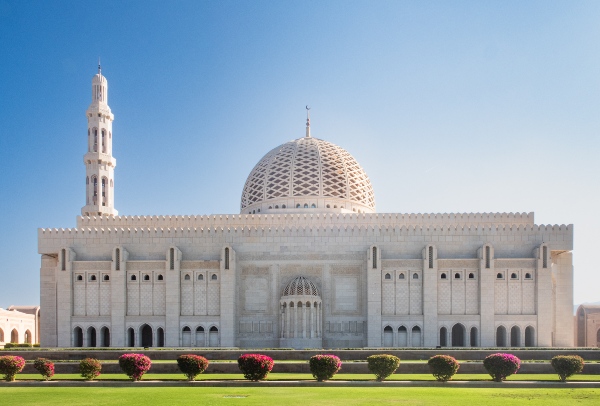
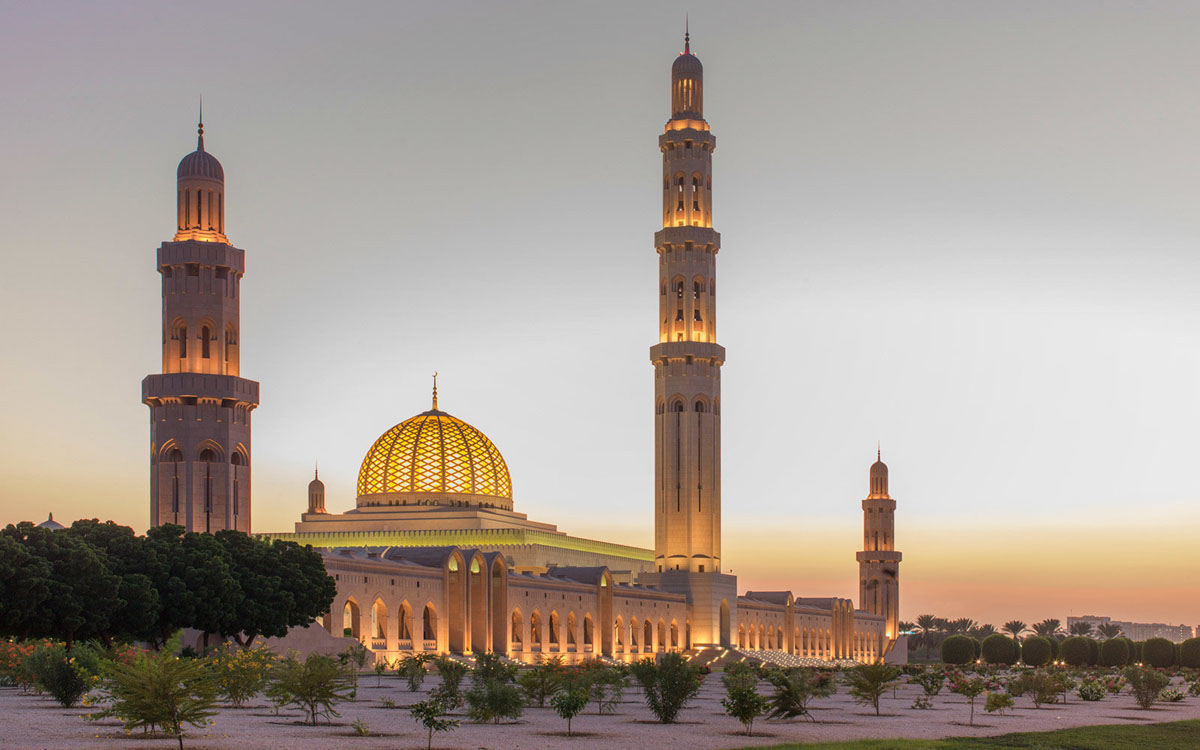
No visit to Muscat is complete without exploring the Sultan Qaboos Grand Mosque, one of the most magnificent religious sites in the Middle East. Completed in 2001, this architectural marvel can accommodate 20,000 worshippers and is renowned for its stunning features:
Visitors are welcome outside of prayer times, but modest dress is mandatory. Women should cover their hair, arms, and legs, while men should avoid shorts and sleeveless shirts. The mosque's serene ambiance and intricate design make it a highlight of any Muscat itinerary.
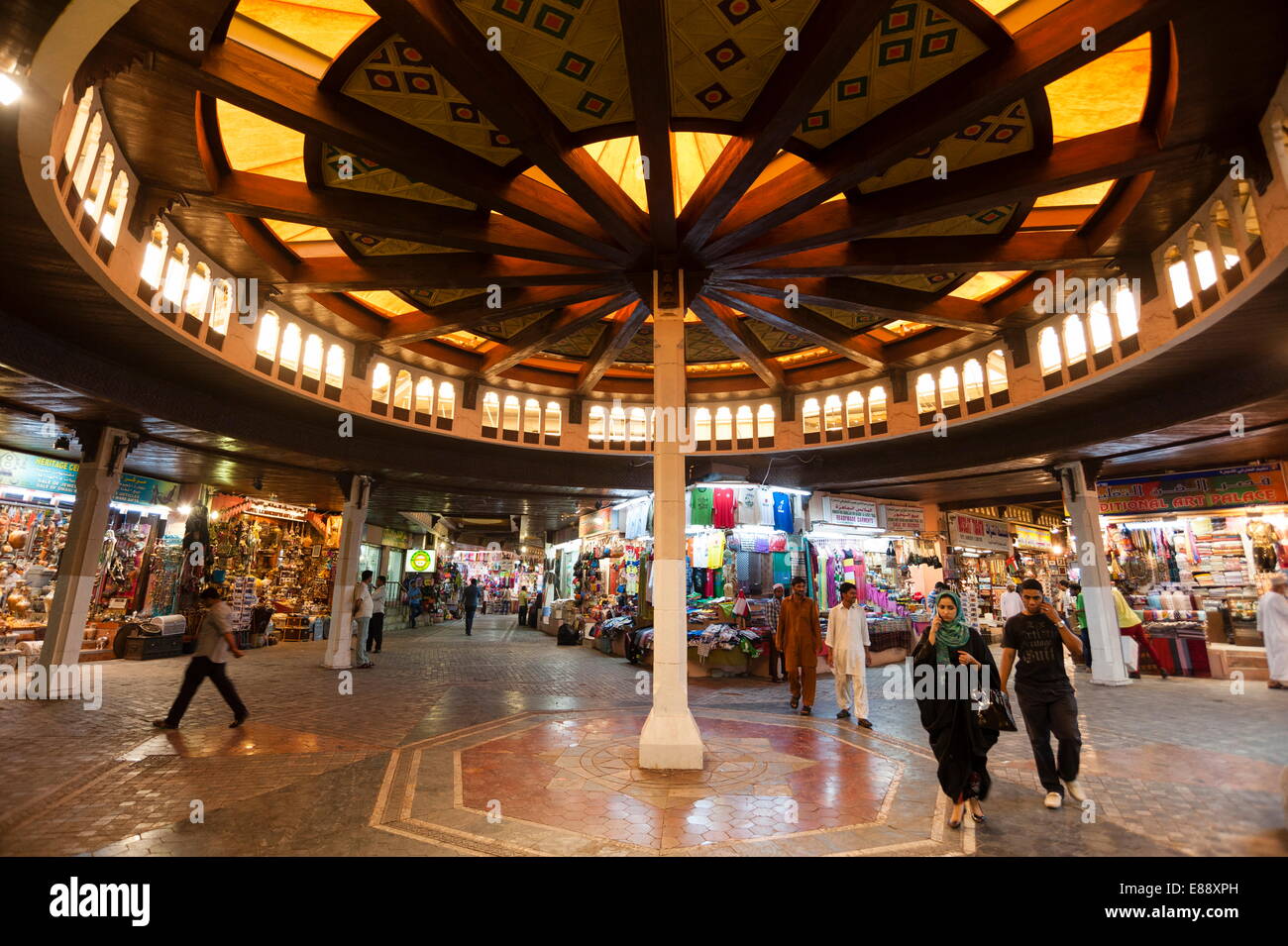
Step into the Muttrah Souq, one of the oldest marketplaces in the Arab world, and experience the vibrant heart of Muscat's trading heritage. This bustling bazaar, located near the Muttrah Corniche, offers a sensory overload of sights, sounds, and scents. Key attractions include:
The souq is also a great place to sample Omani street food, such as shuwa wraps and fresh dates stuffed with almonds. Bargaining is expected, so don't hesitate to negotiate prices—it's all part of the experience!
Muscat's forts and museums offer a glimpse into Oman's rich history, from its ancient maritime traditions to its modern-day achievements. Notable sites include:
These landmarks not only preserve Oman's past but also educate visitors on the country's journey from a regional trading power to a modern nation.
The Royal Opera House Muscat, inaugurated in 2011, is a symbol of Oman's commitment to the arts. Designed by a team of international architects, the opera house blends Islamic architecture with contemporary design, featuring:
The Royal Opera House is more than just a performance venue; it's a testament to Muscat's growing reputation as a cultural hub in the Middle East.
For those seeking modern amenities, City Centre Muscat is the city's premier shopping and entertainment destination. This sprawling mall features:
The mall is a popular spot for both locals and tourists, offering a cool respite from Muscat's heat while providing a taste of the city's contemporary lifestyle.
One of the most anticipated developments under Vision 2040 is Al Khuwair Downtown, a project set to redefine Muscat's urban landscape. Designed by Zaha Hadid Architects, this 3.3 million sq m development will include:
This project exemplifies Muscat's shift toward sustainable urban development, blending cutting-edge design with the city's cultural heritage.
Muscat is increasingly focusing on eco-tourism, promoting responsible travel that preserves Oman's natural landscapes. Key initiatives include:
These efforts ensure that Muscat's natural wonders remain unspoiled for future generations while providing visitors with unique, eco-conscious experiences.
Vision 2040 places a strong emphasis on sustainability, with Muscat leading the way in green urban development. Key projects include:
By integrating sustainability into its growth plans, Muscat is setting a benchmark for eco-friendly urban development in the region.
Muscat is a city of contrasts, where ancient traditions seamlessly blend with modern aspirations. From the grandeur of the Sultan Qaboos Grand Mosque to the cutting-edge designs of Al Khuwair Downtown, the city offers a unique journey through time. Its pristine beaches, rugged wadis, and vibrant souqs provide endless opportunities for exploration, while its commitment to sustainability ensures a responsible and forward-thinking approach to growth.
Under the guidance of Vision 2040, Muscat is not just preserving its heritage but also embracing innovation. The city's economic diversification, cultural renaissance, and eco-friendly initiatives position it as a model for sustainable urban development in the Middle East. With record-breaking tourist arrivals and ambitious infrastructure projects, Muscat is rapidly becoming a must-visit destination for travelers seeking authenticity and modernity.
Whether you're drawn by the allure of Omani hospitality, the thrill of outdoor adventures, or the promise of a city on the rise, Muscat delivers an unforgettable experience. As the capital of Oman, it stands as a testament to the nation's past, present, and future—a place where the echoes of history resonate alongside the hum of progress. Plan your visit to Muscat and discover a city that truly embodies the spirit of timeless innovation.


Your personal space to curate, organize, and share knowledge with the world.
Discover and contribute to detailed historical accounts and cultural stories. Share your knowledge and engage with enthusiasts worldwide.
Connect with others who share your interests. Create and participate in themed boards about any topic you have in mind.
Contribute your knowledge and insights. Create engaging content and participate in meaningful discussions across multiple languages.
Already have an account? Sign in here

Discover Muscat, Oman's vibrant capital, where ancient heritage meets modern charm, offering a unique blend of cultural ...
View Board
Discover the enchanting city of Salalah, Oman, a captivating blend of natural beauty and rich cultural heritage. This ar...
View Board
Explore Skopje, North Macedonia's vibrant capital, where ancient Roman ruins, Ottoman bazaars, and modern landmarks blen...
View Board
Explore Lima, the vibrant capital of Peru, where colonial heritage meets modern flair. Discover its rich history, stunni...
View Board
Explore the captivating allure of Dubrovnik, a historical gem on the Adriatic Coast. Discover its rich tapestry of cultu...
View Board
Discover Sharjah, the jewel of the Eastern Frontier, where traditional charm meets modern innovation, rich culture, and ...
View Board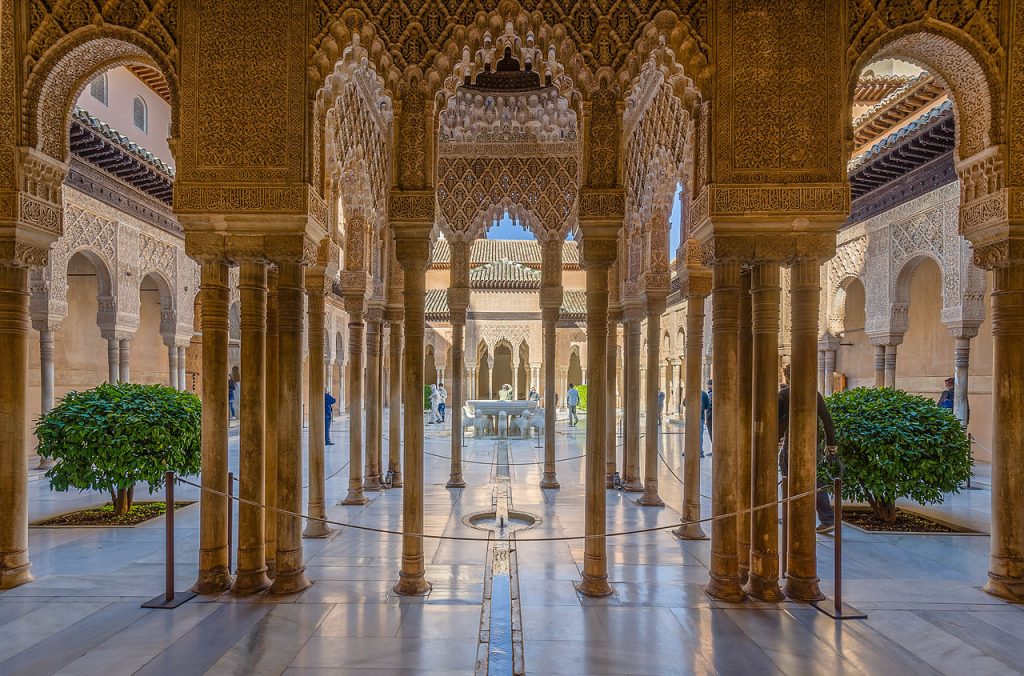
**Meta Description:** Discover Granada—Spain’s jewel where the Alhambra dazzles, flamenco pulses through Sacromonte, a...
View Board
Discover Marrakech, a city where history and vibrant culture blend into modernity, offering a rich tapestry of sights, s...
View Board
Discover the enchanting allure of Chiang Mai, Thailand's Rose of the North. Uncover its rich cultural heritage, vibrant ...
View Board
Explore Tehran, the vibrant heart of Iran, where ancient history meets modernity. Discover its rich cultural tapestry, d...
View Board
Discover the allure of Brașov, a Romanian gem nestled in the Carpathian Mountains, blending medieval charm with modern v...
View Board
Discover the captivating allure of Braga, Portugal's City of Archbishops, where over two millennia of history blend seam...
View Board
Explore Cordoba, Spain: historic Mezquita, lively nightlife, and Andalusian cuisine await in this enchanting city. Plan ...
View Board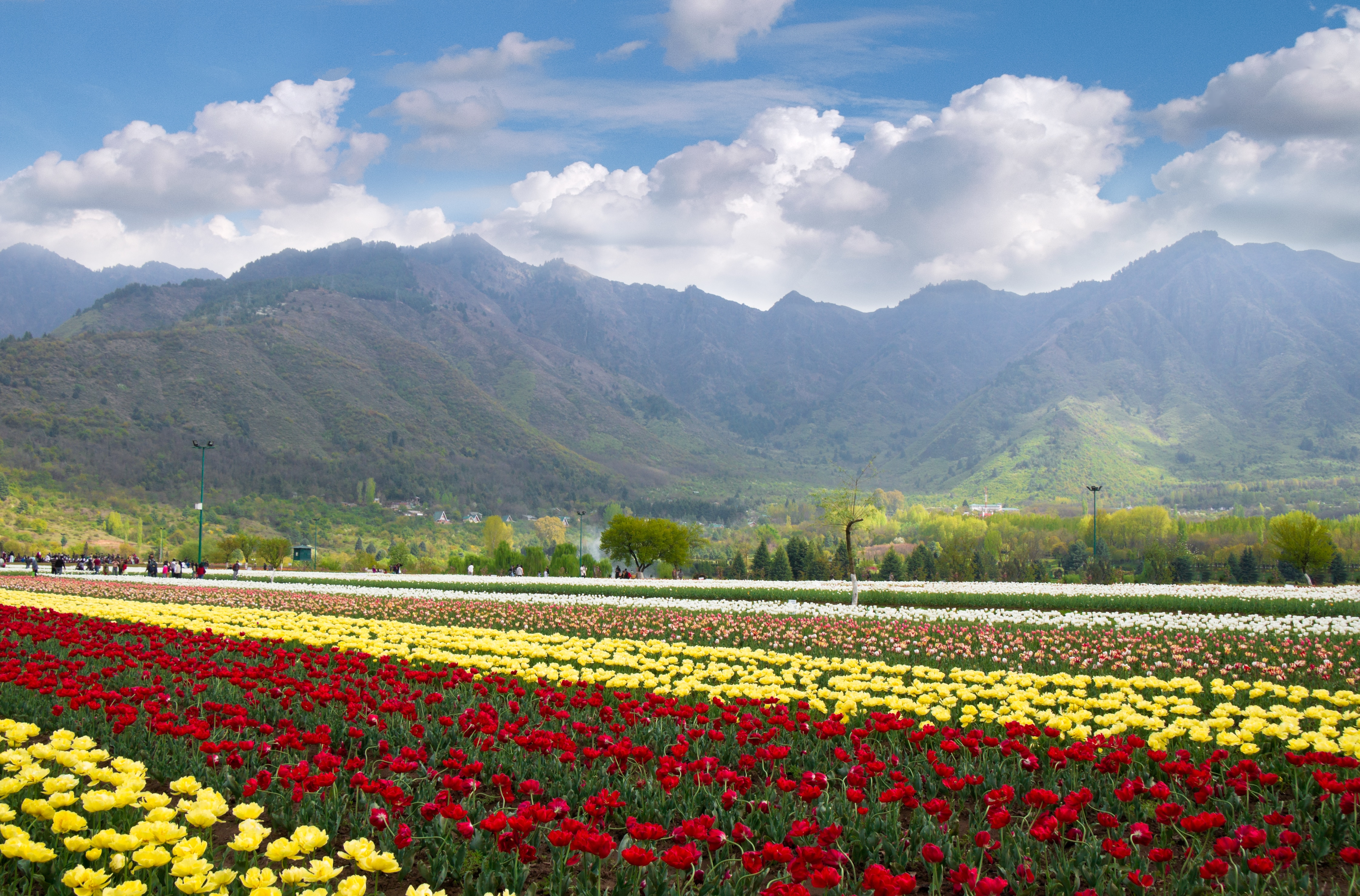
Explore Srinagar, the jewel of Kashmir, with its serene Dal Lake, Mughal gardens, and vibrant old city. Discover housebo...
View Board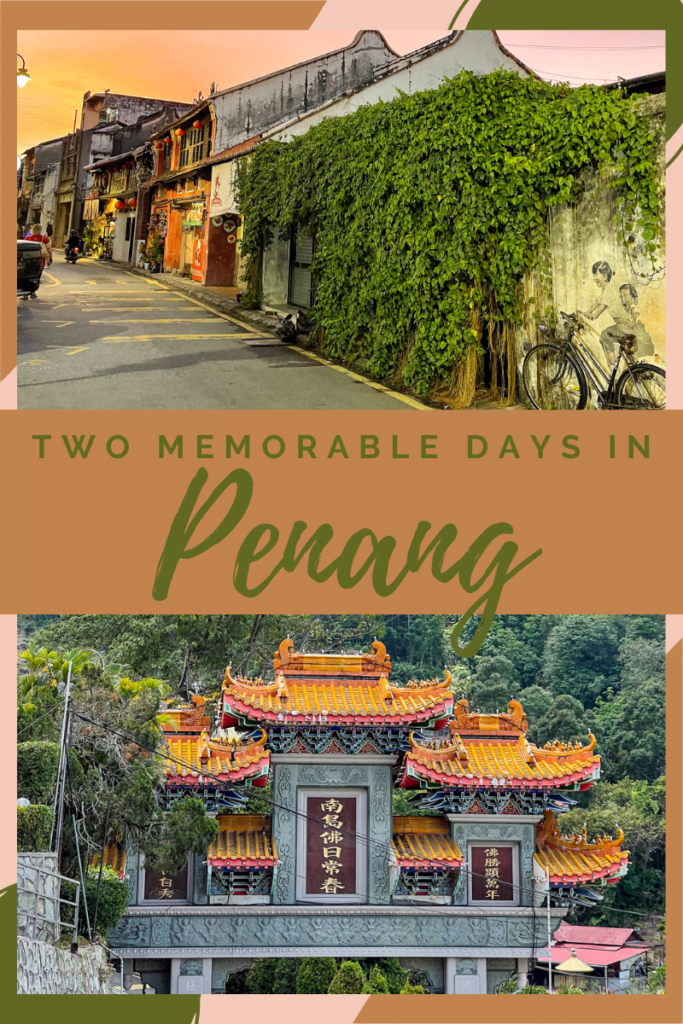
Dive into Penang's enchanting blend of history and culture in our comprehensive guide. Explore this Malaysian island's r...
View Board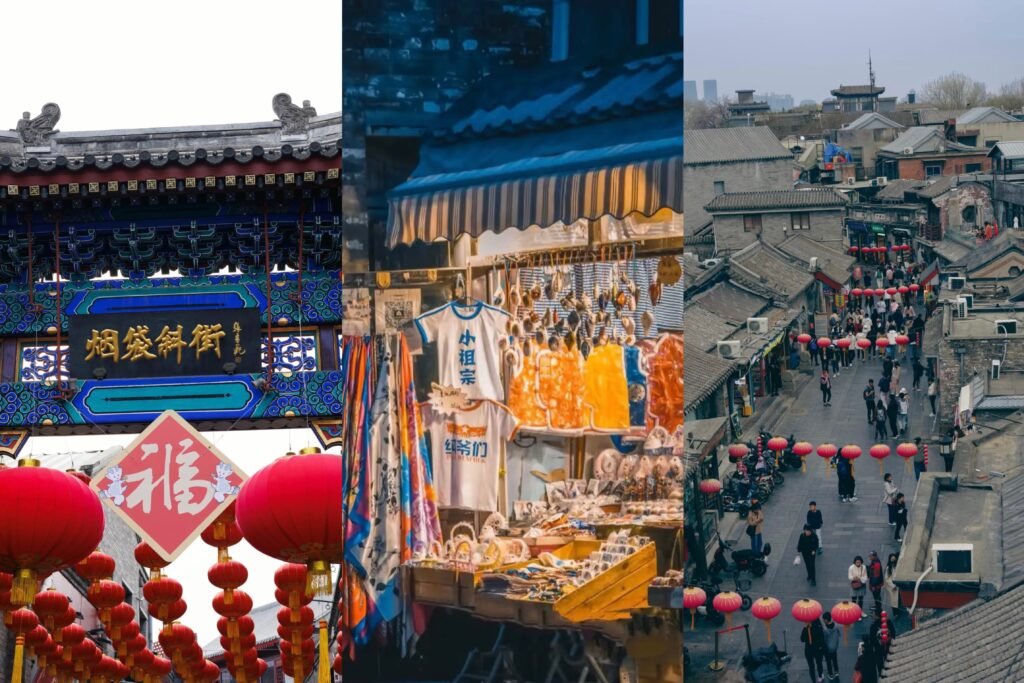
**Meta Description:** Explore Beijing’s rich blend of ancient history and modern energy—home to the Great Wall, Forbid...
View Board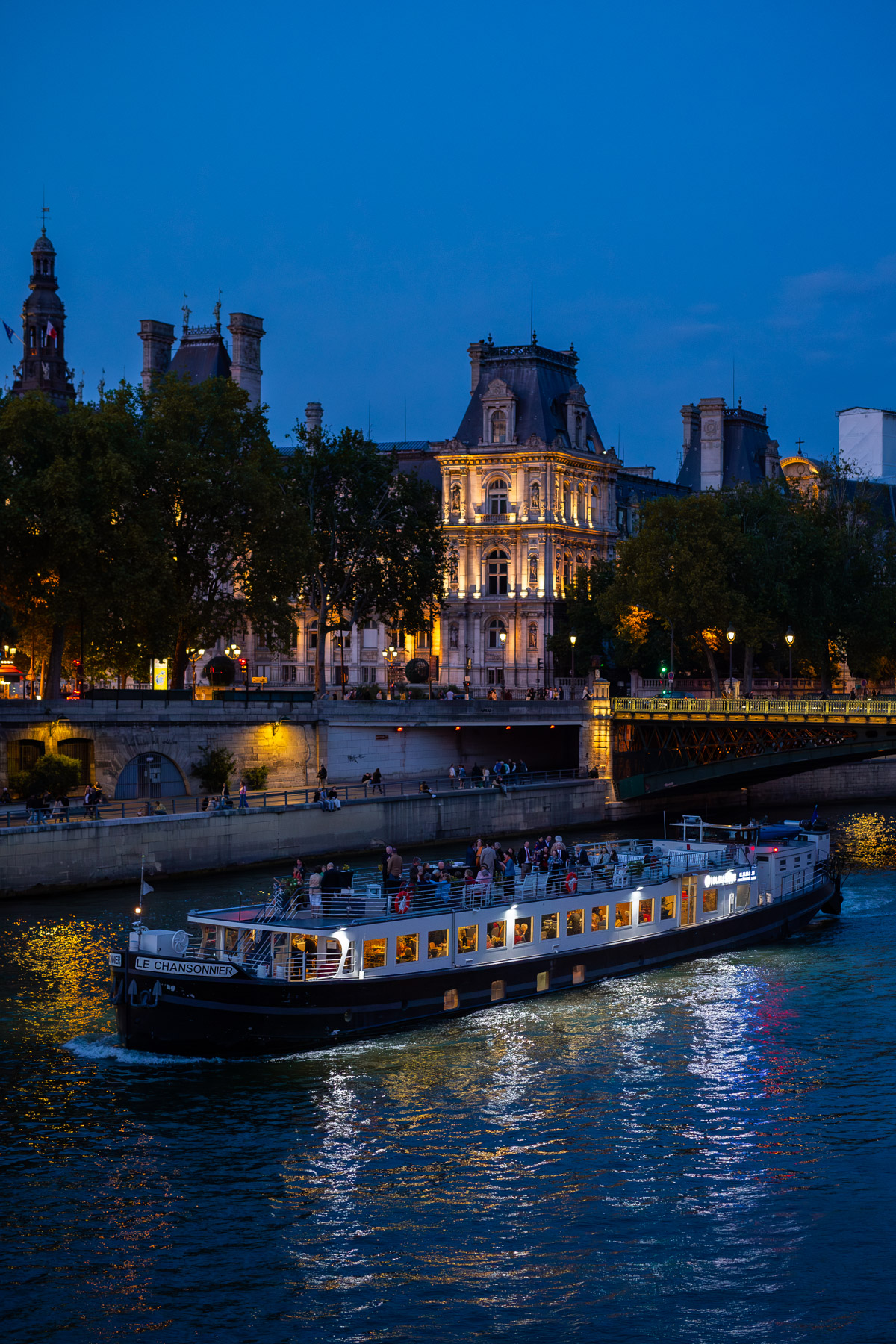
**Meta Description:** Explore Paris, the timeless City of Light—its iconic landmarks like the Eiffel Tower, hidden gem...
View Board
Discover Yangon’s rich history, colonial architecture, and cultural vibrancy. Explore Myanmar’s largest city, blending t...
View Board
Mandalay, the former capital of Myanmar, is a city steeped in royal history and cultural heritage, featuring ancient tem...
View Board
Discover the enchanting city of Bangkok, a melting pot of ancient traditions and modern innovation, where historic templ...
View Board
Comments