Explore Any Narratives
Discover and contribute to detailed historical accounts and cultural stories. Share your knowledge and engage with enthusiasts worldwide.
Cleisthenes of Athens, born around 570 BCE, is renowned as the architect of Athenian democracy. His groundbreaking reforms in 508–507 BCE reshaped governance, shifting power from aristocratic clans to citizens based on residence. This transformation laid the foundation for one of history's most influential political systems.
Cleisthenes hailed from the aristocratic Alcmaeonid family, a prominent clan in ancient Athens. His grandfather, Cleisthenes of Sicyon, was a tyrant, and his family played a pivotal role in Athenian politics. Despite his noble lineage, Cleisthenes' early life was marked by political turmoil and exile.
In 525–524 BCE, Cleisthenes served as the chief archon, the highest magistrate in Athens. However, his political career was interrupted when the tyrant Hippias exiled him. Cleisthenes returned to Athens in 508 BCE, following the Spartan intervention that ousted Hippias, setting the stage for his historic reforms.
One of Cleisthenes' most significant reforms was the reorganization of Athens into 10 tribes based on demes, or local residence areas. This change broke the dominance of the traditional four Ionian tribes, which were tied to kinship and aristocratic clans. By basing tribes on residence rather than family ties, Cleisthenes promoted a more inclusive and democratic system.
The new tribal system consisted of 139 demes, which were distributed across the city, coast, and inland areas. This reorganization diluted the power of factional groups, such as the coastal Alcmaeonids and the inland Pisistratids, fostering a more balanced and representative governance structure.
Cleisthenes also reformed the Boule, the Council of 500, to include 50 members from each of the 10 tribes. These members were selected by sortition, or random selection, which ensured broader citizen participation and reduced the influence of aristocratic elites.
The Boule played a crucial role in the Athenian government, preparing legislation and overseeing the day-to-day administration of the city. By expanding the Boule to 500 members, Cleisthenes ensured that a wider range of citizens had a voice in the governance process.
To further safeguard democracy, Cleisthenes introduced the practice of ostracism. This allowed citizens to vote to exile potential tyrants or individuals deemed threats to the democratic system. Ostracism was a powerful tool for maintaining political stability and preventing the rise of authoritarian rule.
The process of ostracism involved citizens writing the name of the individual they wished to exile on a pottery shard, or ostrakon. If a sufficient number of votes were cast against a particular individual, they would be exiled from Athens for a period of ten years.
Cleisthenes' reforms were partly motivated by his opposition to tyranny. His family, the Alcmaeonids, had a long history of opposing the tyrannical rule of Pisistratus and his sons. After Pisistratus' death, his son Hippias continued to rule tyrannically until Cleisthenes, with the aid of the Delphi Oracle and Spartan King Cleomenes I, helped expel him in 510 BCE.
Cleisthenes' reforms were designed to prevent the re-emergence of tyranny and to ensure that power was distributed more equitably among the citizens of Athens. By breaking the dominance of aristocratic clans and promoting broader citizen participation, Cleisthenes laid the groundwork for a more democratic and inclusive political system.
In his power struggle against the noble Isagoras, who was elected archon in 508 BCE, Cleisthenes allied himself with the demos, or common people. This alliance was crucial in securing the support needed to implement his reforms and to counter the influence of the aristocratic elites.
Cleisthenes' partnership with the demos reflected his commitment to political equality and representation. His reforms emphasized the principle of isonomia, or political equality, which was a cornerstone of Athenian democracy. By building on the earlier laws of Solon, Cleisthenes created a system that balanced the interests of different social groups and promoted a more inclusive and participatory governance structure.
Cleisthenes' reforms had a profound and lasting impact on Athenian democracy. His reorganization of the tribal system, expansion of the Boule, and introduction of ostracism laid the foundation for a political system that would endure for centuries. The principles of political equality and citizen participation that Cleisthenes championed became central to the Athenian democratic tradition.
The reforms of Cleisthenes also influenced the development of democratic institutions in other Greek city-states and beyond. His emphasis on inclusive governance and the distribution of political power served as a model for later democratic systems, both in ancient times and in the modern era.
In recent years, there has been a renewed interest in Cleisthenes' reforms as a model for inclusive governance. Scholars and political theorists have cited his tribal reorganization and the use of sortition as examples of innovative approaches to democratic representation. The practice of sortition, in particular, has seen a revival in modern citizen assemblies, where random selection is used to ensure diverse and representative participation.
Cleisthenes' legacy continues to be a subject of study and debate among historians and political scientists. His role in the origins of democracy is widely recognized, and his reforms are seen as a crucial turning point in the development of political thought and practice. As discussions on the nature and future of democracy continue, Cleisthenes' contributions remain a vital part of the conversation.
Cleisthenes' reforms were secured in 506 BCE after Athens successfully repelled a Spartan-Boeotian-Chalcidian invasion. This military victory demonstrated the viability and strength of the new democratic system, further solidifying Cleisthenes' legacy as the father of Athenian democracy.
In conclusion, Cleisthenes of Athens played a pivotal role in the development of democracy. His reforms, which included the reorganization of tribes, the expansion of the Boule, and the introduction of ostracism, laid the foundation for a more inclusive and participatory political system. Cleisthenes' commitment to political equality and his opposition to tyranny continue to inspire discussions on governance and democracy to this day.
The political landscape of Athens was dramatically altered when Hippias, the tyrant son of Pisistratus, was overthrown in 510 BCE. This event was facilitated by a combination of internal dissent and external pressure, particularly from the Spartan king Cleomenes I. Cleisthenes, who had been exiled by Hippias, saw an opportunity to return to Athens and implement his vision for a more democratic governance system.
Upon his return, Cleisthenes faced significant opposition from Isagoras, a noble who was elected archon in 508 BCE. Isagoras represented the interests of the aristocratic elites who were resistant to Cleisthenes' reforms. This power struggle set the stage for a series of political maneuvers that would ultimately lead to the establishment of Cleisthenes' democratic reforms.
Recognizing the need for broader support, Cleisthenes formed an alliance with the demos, the common people of Athens. This strategic partnership was crucial in countering the influence of the aristocratic elites and securing the necessary backing for his reforms. By aligning himself with the demos, Cleisthenes demonstrated his commitment to political equality and representation.
The alliance with the demos also reflected Cleisthenes' understanding of the shifting political dynamics in Athens. He recognized that the traditional power structures, dominated by aristocratic clans, were no longer sustainable. Instead, he sought to create a system that would empower a broader segment of the population and promote greater political participation.
One of the most significant aspects of Cleisthenes' reforms was the reorganization of the tribal system. He replaced the traditional four Ionian tribes, which were based on kinship, with 10 new tribes based on residence. This change was designed to break the dominance of aristocratic clans and promote a more inclusive and representative governance structure.
The new tribal system was composed of 139 demes, which were local residence areas distributed across the city, coast, and inland regions. This reorganization diluted the power of factional groups, such as the coastal Alcmaeonids and the inland Pisistratids, fostering a more balanced and equitable political system.
Cleisthenes also reformed the Boule, the Council of 500, to include 50 members from each of the 10 tribes. These members were selected by sortition, or random selection, which ensured broader citizen participation and reduced the influence of aristocratic elites. The Boule played a crucial role in the Athenian government, preparing legislation and overseeing the day-to-day administration of the city.
By expanding the Boule to 500 members, Cleisthenes ensured that a wider range of citizens had a voice in the governance process. This reform was a key component of his efforts to promote political equality and representation, and it laid the foundation for a more democratic and inclusive political system.
To further safeguard democracy, Cleisthenes introduced the practice of ostracism. Ostracism was a powerful tool for maintaining political stability and preventing the rise of authoritarian rule.
The process of ostracism involved citizens writing the name of the individual they wished to exile on a pottery shard, or ostrakon. If a sufficient number of votes were cast against a particular individual, they would be exiled from Athens for a period of ten years. This practice was a key component of Cleisthenes' efforts to protect the democratic system from internal threats.
Cleisthenes' reforms were designed to promote political equality and representation. By breaking the dominance of aristocratic clans and promoting broader citizen participation, he laid the groundwork for a more democratic and inclusive political system. The principle of isonomia, or political equality, was a cornerstone of Athenian democracy and a key component of Cleisthenes' reforms.
The reorganization of the tribal system and the expansion of the Boule were particularly significant in promoting political equality. These reforms ensured that a wider range of citizens had a voice in the governance process and that the interests of different social groups were represented. This commitment to political equality was a defining feature of Cleisthenes' legacy.
Cleisthenes' reforms had a profound and lasting impact on Athenian democracy. The principles of political equality and citizen participation that Cleisthenes championed became central to the Athenian democratic tradition.
The reforms of Cleisthenes also influenced the development of democratic institutions in other Greek city-states and beyond. His emphasis on inclusive governance and the distribution of political power served as a model for later democratic systems, both in ancient times and in the modern era. The legacy of Cleisthenes' reforms continues to be a subject of study and debate among historians and political scientists.
Cleisthenes' reforms have had a lasting impact on the development of democratic systems. His emphasis on political equality, citizen participation, and the distribution of political power has served as a model for later democratic systems, both in ancient times and in the modern era. The principles of Athenian democracy, as established by Cleisthenes, continue to influence political thought and practice today.
In recent years, there has been a renewed interest in Cleisthenes' reforms as a model for inclusive governance. The practice of sortition, in particular, has seen a revival in modern citizen assemblies, where random selection is used to ensure diverse and representative participation.
The use of sortition, or random selection, in modern citizen assemblies is a testament to the enduring relevance of Cleisthenes' reforms. This practice has been adopted in various contexts to promote greater political participation and representation. By using random selection, modern citizen assemblies aim to ensure that a diverse range of voices is heard and that the interests of different social groups are represented.
The revival of sortition in modern governance is a reflection of the ongoing relevance of Cleisthenes' ideas. His commitment to political equality and representation continues to inspire discussions on the nature and future of democracy. As political systems evolve and adapt to new challenges, the principles established by Cleisthenes remain a vital part of the conversation.
In conclusion, Cleisthenes of Athens played a pivotal role in the development of democracy. Cleisthenes' commitment to political equality and his opposition to tyranny continue to inspire discussions on governance and democracy to this day.
Cleisthenes remains one of the most influential figures in the history of democracy. His reforms transformed Athens from a city dominated by aristocratic clans into a citizen-led democracy. The principles he established—political equality, inclusive governance, and mechanisms to prevent tyranny—continue to resonate in modern political discourse.
The reorganization of Athens into 10 residence-based tribes broke the power of kinship-based elites and created a more equitable system. This model of tribal reorganization is still studied as an early example of inclusive governance. Cleisthenes’ vision ensured that political power was distributed across diverse geographic and social groups.
Cleisthenes is widely regarded as the "father of Athenian democracy" for his transformative reforms that shifted power to citizens.
Cleisthenes’ reforms did not emerge in a vacuum. They built on earlier attempts by Solon and Peisistratus to address social and political inequalities. However, Cleisthenes took these efforts further by institutionalizing mechanisms that prioritized citizen participation over aristocratic dominance.
The expulsion of Hippias in 510 BCE created a power vacuum, allowing Cleisthenes to ally with the demos against nobles like Isagoras. This alliance enabled him to implement reforms that balanced the interests of common citizens with those of the elite. His system emphasized isonomia (political equality) while preserving essential institutions like the Assembly.
The principles established by Cleisthenes offer valuable lessons for contemporary governance. Modern democracies grapple with similar challenges: balancing representation, preventing elite domination, and fostering inclusive participation. Cleisthenes’ use of sortition and geographic redistribution of power has inspired modern experiments in citizen assemblies.
For example, the 500-member Boule selected by random lottery demonstrated that governance could function effectively without professional politicians. This approach is gaining traction in countries exploring alternatives to traditional representative systems. Cleisthenes proved that structured randomness could enhance fairness and accountability.
Cleisthenes of Athens reshaped the political landscape of his time, creating a system that prioritized citizen sovereignty over aristocratic privilege. His reforms established a framework for democracy that influenced millennia of political thought. From the 10 tribes to the Boule of 500, each element was designed to ensure broad participation and prevent concentration of power.
Today, his ideas continue to inform debates on electoral reform, deliberative democracy, and anti-corruption measures. The enduring relevance of Cleisthenes’ work underscores a fundamental truth: inclusive governance is not merely a modern concept but a timeless ideal. As societies navigate complex political challenges, the lessons of Cleisthenes remain a vital guide.
In examining Cleisthenes’ legacy, we find not just the origins of Athenian democracy, but a blueprint for balancing liberty, equality, and civic engagement—a legacy that continues to inspire.


Your personal space to curate, organize, and share knowledge with the world.
Discover and contribute to detailed historical accounts and cultural stories. Share your knowledge and engage with enthusiasts worldwide.
Connect with others who share your interests. Create and participate in themed boards about any topic you have in mind.
Contribute your knowledge and insights. Create engaging content and participate in meaningful discussions across multiple languages.
Already have an account? Sign in here

Explore Themistocles: Athens' strategist who repelled Persia at Salamis, championed naval power, and shaped Western demo...
View Board
Discover the rise and fall of Hippias of Athens, a tyrant whose rule shaped Athenian democracy. Explore key events, poli...
View Board
Discover how Solon the Great Lawgiver transformed Ancient Athens with revolutionary reforms, laying the foundation for d...
View Board
Discover the intriguing legacy of Aeschines, a distinguished yet often overshadowed orator from classical Athens. This a...
View Board
Phocion: The Athenian Statesman and Strategist Introduction Phocion the Young (ca. 402–317 BC), also known simply as P...
View Board
Explore the ambitious and tumultuous reign of Agis IV, the young Spartan king who endeavored to transform Sparta through...
View Board
Explore the enduring legacy of Emperor Vespasian, the architect of stability and reconstruction in ancient Rome. This ar...
View Board
Demosthenes: The Greatest Ancient Greek Orator Introduction Demosthenes (Demóstenes, or Δημόστηνος) was a prominent At...
View Board
Discover the legacy of Lycurgus, the eminent orator of Ancient Athens, whose eloquence and influential reforms shaped th...
View Board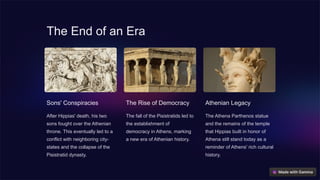
Explore the enigmatic legacy of Hippias, the notorious tyrant of Athens, in this captivating article. Delve into his ris...
View Board
Discover Lucius Licinius Crassus, Rome’s forgotten orator and statesman. Explore his pivotal role in law, rhetoric, and ...
View Board
"Explore Nicias: Athenian general whose strategies shaped the Peloponnesian War. Discover his triumphs, influence, and t...
View Board
Discover the remarkable story of Claudius, Rome's most unlikely emperor, who rose to power despite physical disabilities...
View Board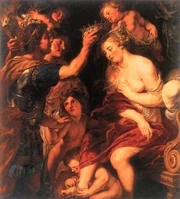
Roxana: The Enigmatic Queen of Alexander the Great The Intriguing Life of Roxana In the vast empires and epic tales of...
View Board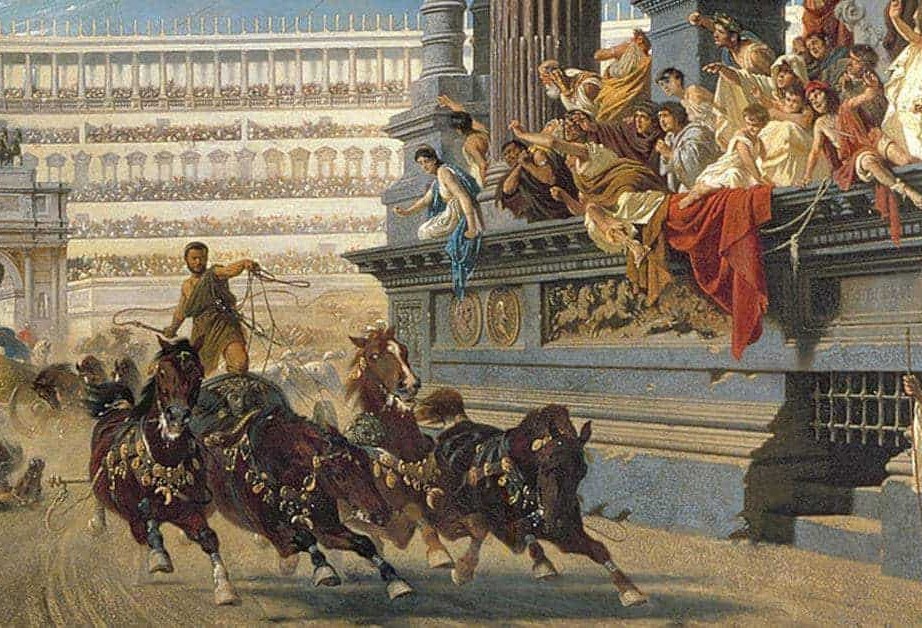
Discover the remarkable life of Byzantine Empress Theodora, from her rise to power to her lasting legal reforms. Explore...
View Board
Explore the life of Antipater, Ancient Macedon's unsung strategist, who played a crucial role in the Macedonian Empire's...
View Board
Discover the enigmatic life of Aspasia of Phocis, an influential yet overlooked figure in ancient history. Unveil her su...
View Board
Explore the pivotal role of Sextus Afranius Burrus, Rome's Praetorian Prefect, in maintaining imperial stability during ...
View Board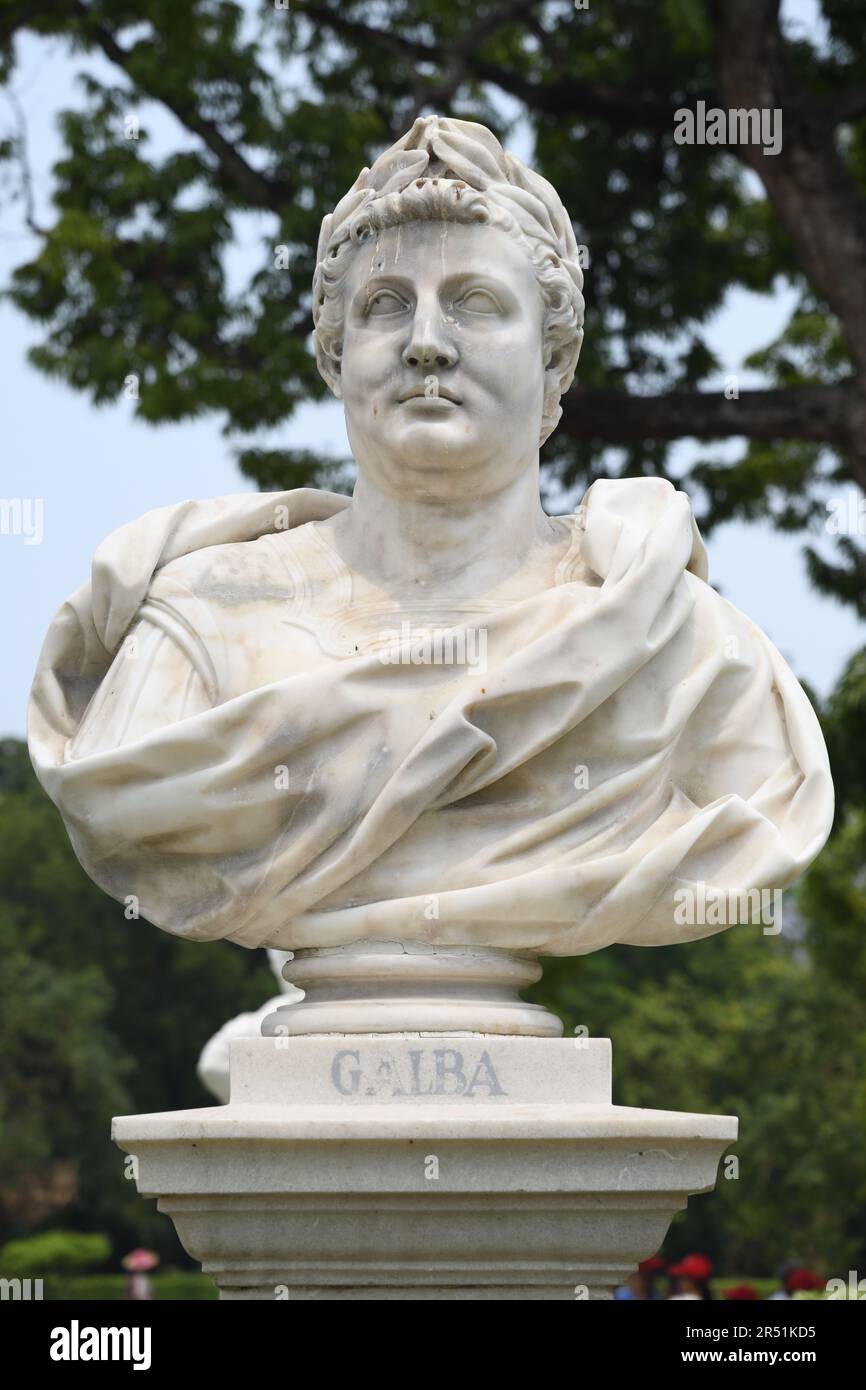
Explore the tumultuous reign of Servius Sulpicius Galba in Roman history, from his rise amidst political chaos to his sw...
View Board
Discover the untold story of Marcus Vipsanius Agrippa, the mastermind behind the foundation of the Roman Empire. From hu...
View Board
Comments