
Explore Any Narratives
Discover and contribute to detailed historical accounts and cultural stories. Share your knowledge and engage with enthusiasts worldwide.
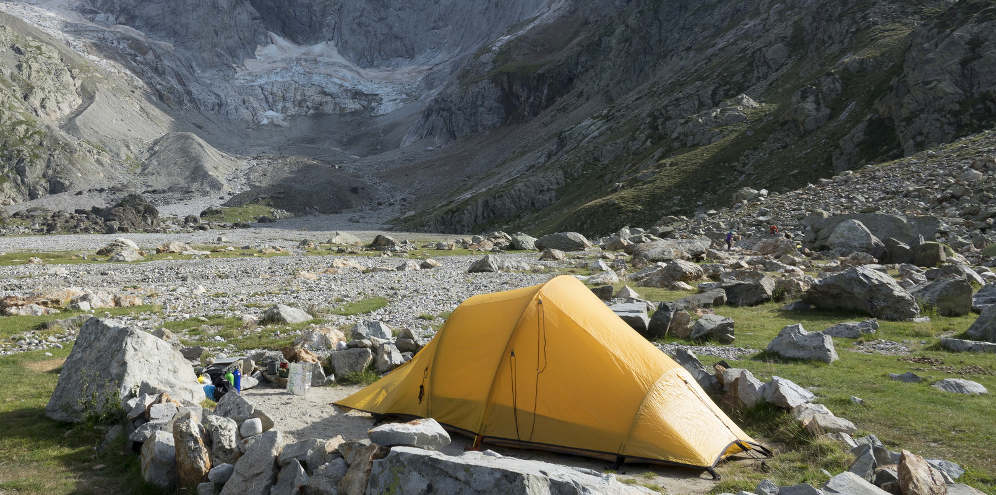
Camping sauvage, or wild camping, refers to the immersive practice of setting up camp in undeveloped natural areas. This activity stands in stark contrast to staying at organized, designated campsites with amenities. Understanding the legal framework and environmental ethics is crucial for anyone interested in this form of outdoor adventure.
A critical first step is distinguishing camping sauvage from the similar practice of bivouacking. These two terms are often used interchangeably, but they describe fundamentally different activities with distinct legal implications.
Bivouacking is a lightweight, temporary form of outdoor shelter. It is typically practiced by hikers, trekkers, and alpinists who need to stop for a single night during a multi-day expedition. The setup is minimal, usually from sunset to sunrise, and the goal is to move on the next morning.
Legally, bivouacking is often permitted under a principle of tolerance. It is generally allowed wherever it is not explicitly prohibited. This makes it a practical necessity for long-distance trail enthusiasts.
In contrast, camping sauvage involves settling in one location for multiple nights. Practitioners often travel by vehicle, such as a camping car, van, or car, and carry more substantial equipment. This extended stay is the key differentiator from a simple bivouac.
The legal distinction is paramount. Wild camping operates under the opposite principle: it is forbidden everywhere it is not explicitly permitted. This fundamental rule shapes how and where you can practice it.
France has a relatively permissive approach to camping sauvage compared to some European neighbors, but it is governed by a clear set of regulations. The foundational rule comes from French decree R*111-41.
According to the 2015 decree, camping is authorized on all land where it is not specifically prohibited, provided the camper has permission from whoever has use of the land.
This means the default is not necessarily "illegal," but it is highly conditional. You must always seek authorization when on private property and be acutely aware of the many areas where it is outright forbidden.
Understanding the restrictions is the most important part of planning a safe and legal trip. Camping sauvage is explicitly forbidden in several types of locations to protect the environment, public safety, and private property.
While the focus is often on France, regulations vary significantly across Europe. Switzerland presents an interesting case study with its own nuanced approach to camping sauvage.
There is no overarching federal law in Switzerland that explicitly bans wild camping outside of specific protected zones. However, authority is delegated to the cantonal (regional) and municipal levels. These local authorities frequently impose their own restrictions.
On private land, the rule is simple: camping depends entirely on the property owner's consent. The Swiss distinction between a temporary bivouac and extended wild camping is also clear, with bivouacking being generally more accepted.
Before delving into more detailed preparations, every aspiring practitioner of camping sauvage must internalize core principles. These guidelines ensure the activity remains sustainable and respectful.
Adhering to these principles not only keeps you within the law but also helps preserve natural areas for future generations of outdoor enthusiasts. The privilege of wild camping comes with a significant responsibility.
Moving from theory to practice requires careful preparation. Successful camping sauvage hinges on selecting the right location, carrying appropriate gear, and practicing impeccable discretion. Your goal should be to have a minimal impact on the natural environment.
Always plan your stops before dusk to ensure you have enough light to set up camp safely and discreetly. Avoid areas with high visibility from roads or popular trails. The best wild camping spots are those where you can truly blend in with nature.
The right equipment makes the difference between a miserable night and a memorable adventure. Since you are far from facilities, self-sufficiency is key. Your gear should be lightweight, durable, and chosen with the specific environment in mind.
Locating a spot for camping sauvage is an art. Use topographic maps to identify flat, dry ground away from obvious hazards. Look for clearings in wooded areas or sheltered spots that are not in a valley bottom where cold air settles.
Crucially, you must verify the legal status of the land. If it is private property, you must seek permission. Public land requires checking for local ordinances. A good rule is to camp on durable surfaces like rock, gravel, or dry grass, avoiding fragile vegetation.
The appeal of camping sauvage is its connection to pristine nature, which comes with a responsibility to protect it. Even a single camper can cause lasting damage if not careful. The core principle is to leave no trace of your presence.
Ecological studies show that it can take over a decade for compressed vegetation from a single tent pitch to fully recover in alpine environments.
This statistic underscores the importance of careful site selection and the Leave No Trace ethos. Every action, from where you walk to how you dispose of wastewater, has an ecological consequence.
Responsible campers take deliberate steps to minimize their impact. This goes beyond just picking up litter. It involves a holistic approach to your interaction with the environment.
France's network of protected areas is vast and magnificent, but it comes with strict regulations. With 16 national parks and 52 regional natural parks, understanding the rules for each is non-negotiable. These areas are designated for their exceptional ecological or landscape value.
In the majority of these parks, camping sauvage is strictly prohibited to protect sensitive habitats. However, bivouacking is often tolerated or formally permitted under specific conditions to support long-distance hiking. The key is to research the specific park's regulations before you go.
While both are protected, the rules can differ. National parks, like the Vanoise or the Pyrenees, typically have a highly protected core zone where all camping is forbidden. Bivouacking may be allowed in a peripheral zone, but only for one night near a mountain refuge or specified area.
Regional Natural Parks (Parcs Naturels Régionaux) are generally more flexible, as they aim to balance conservation with human activity. They often have designated areas for bivouacking. You should always check the official website for the specific park you plan to visit for the most accurate and current information.
Beyond the parks, other designations carry heavy restrictions. These include Natura 2000 sites, UNESCO World Heritage sites, and biological reserves. Camping sauvage is almost always forbidden in these areas due to their extreme ecological sensitivity.
Ignoring these restrictions can result in significant fines and cause irreversible damage to fragile ecosystems. Your commitment to checking these designations on a map is a critical part of responsible trip planning.
For many, camping sauvage is synonymous with van life or travelling with a camping car. This mode of travel offers comfort and mobility but presents its own set of legal and ethical challenges. The visibility of a vehicle makes discretion more difficult.
Parking overnight is often regulated separately from tent camping. Many municipalities prohibit sleeping in vehicles on public streets or in certain parking areas. The best practice is to use designated aires de camping-car (campervan areas) or seek explicit permission to park on private land.
When wild camping with a vehicle, your impact is magnified. It is essential to adopt a set of ethical guidelines to maintain positive relations with locals and authorities.
Following these guidelines helps ensure that wild camping with a vehicle remains a viable option for responsible travelers and does not lead to increased restrictions from local communities.
For those who seek a more rustic experience than a commercial campground but want to ensure they are on the right side of the law, France offers an excellent alternative: the farm campsite (aire naturelle). These sites provide a perfect middle ground for enjoying nature responsibly.
Farm campsites are small, privately-run sites typically located on agricultural land. They are regulated and must be declared to the local town hall. They offer a more authentic, back-to-nature feel while providing basic facilities and guaranteeing your stay is legal.
Opting for a designated farm campsite removes the uncertainty of camping sauvage. You have explicit permission from the landowner and the local authorities. This allows you to relax and enjoy your stay without worrying about being asked to move on.
By law, these aires naturelles can typically accommodate up to 6 camping shelters or 20 campers, ensuring a small-scale, intimate experience.
Utilizing these sites supports local farmers and promotes sustainable tourism. It is a responsible choice that aligns with the spirit of outdoor adventure while respecting regulations.
While the freedom of camping sauvage is alluring, ignoring the rules carries real consequences. Enforcement varies by region, but penalties can be severe. Understanding the risks is part of being a prepared and ethical outdoor enthusiast.
Authorities, including forest rangers, police, and municipal agents, patrol protected areas. Illegal camping can result in on-the-spot fines, which can be substantial. In some cases, particularly egregious violations or repeat offenses, equipment may be confiscated.
The financial cost of illegal camping can quickly ruin a trip. Fines are not uniform and depend on local regulations and the specific infringement.
Beyond fines, the most significant consequence is the damage to the reputation of the outdoor community. Widespread disrespect for the rules leads to stricter regulations and the closure of areas for everyone.
Proper planning is the foundation of a successful and legal wild camping experience. Reliable information is your most important piece of gear. Several key resources should be consulted before you depart.
Always start with official sources. Local tourist offices and town halls (mairies) have the most current information on municipal bylaws. For national and regional parks, their official websites provide detailed maps showing zones where bivouacking is permitted or prohibited.
Modern technology provides excellent tools for the responsible camper. The following resources can help you navigate the complex legal landscape.
Cross-referencing information from multiple sources is the best practice. Do not rely on a single blog post or anecdote from a previous year, as regulations change.
The growing popularity of camping sauvage and van life presents both opportunities and challenges for sustainable tourism. Increased pressure on natural areas makes responsible practices not just a personal choice, but a collective necessity.
There is a noticeable trend toward stricter enforcement in highly trafficked areas due to issues like littering and overcrowding. The future of this activity depends on today's campers adhering to the highest standards of environmental ethics.
The outdoor community must be proactive in self-policing and education. Sharing knowledge about Leave No Trace principles and specific local laws helps protect the places we love.
Consider joining or supporting conservation organizations that work to maintain trail systems and protect natural habitats. Advocate for the creation of more designated low-impact camping areas, like farm campsites, to provide sustainable alternatives.
The core principle remains unchanged: we are visitors in nature. Our goal should be to pass through an area leaving it untouched for the next person and for the wildlife that calls it home.
Camping sauvage offers an unparalleled sense of freedom and connection to the natural world. It is a practice rooted in simplicity, self-reliance, and awe for the wilderness. However, this freedom is a privilege that is directly tied to our responsibility as stewards.
The key takeaways for any practitioner are clear and non-negotiable. First, understand and respect the critical legal distinction between bivouacking and extended wild camping. Second, know the specific regulations of your destination, especially concerning protected areas. Third, always follow the Leave No Trace principles without exception.
By choosing to camp responsibly, you help ensure that these wild spaces remain open and vibrant for future generations. You become part of a community that values adventure without arrogance, and exploration without exploitation.
The ultimate success of a wild camping trip is measured not by the photos you take, but by the absence of trace you leave behind. Plan meticulously, tread lightly, and immerse yourself fully in the profound quiet and beauty that responsible camping sauvage can provide. The mountains, forests, and coasts are waiting—respect them, and they will reward you with memories that last a lifetime.


Your personal space to curate, organize, and share knowledge with the world.
Discover and contribute to detailed historical accounts and cultural stories. Share your knowledge and engage with enthusiasts worldwide.
Connect with others who share your interests. Create and participate in themed boards about any topic you have in mind.
Contribute your knowledge and insights. Create engaging content and participate in meaningful discussions across multiple languages.
Already have an account? Sign in here
Discover Windhoek, Namibia's captivating capital, and experience its unique blend of African tradition and European char...
View Board
L'expérimenter au grand air : Le camping-car, unealternative ludique et indépendante en voyage Qu'est-ce qu'un camping-...
View Board
Découvrez les merveilles du camping dans les Pyrénées, une destination idéale pour les amoureux de la nature et du plein...
View Board
Découvrez les bienfaits des excursions nature dans cet article captivant. Voyagez à travers des destinations incontourna...
View Board
Découvrez les merveilles naturelles du Massif Central, un paradis pour les randonneurs situé au cœur de la France. Explo...
View Board
Découvrez les plages cachées du monde dans notre guide ultime pour échapper à la foule et embrasser la tranquillité. Exp...
View Board
Découvrez le Vercors, un écrin naturel époustouflant en Auvergne-Rhône-Alpes. Entre paysages sauvages, biodiversité spec...
View Board
Exploration de la Réunion : Découvrez Ses Trésors Naturels La exploration de la Réunion révèle une destination unique, m...
View Board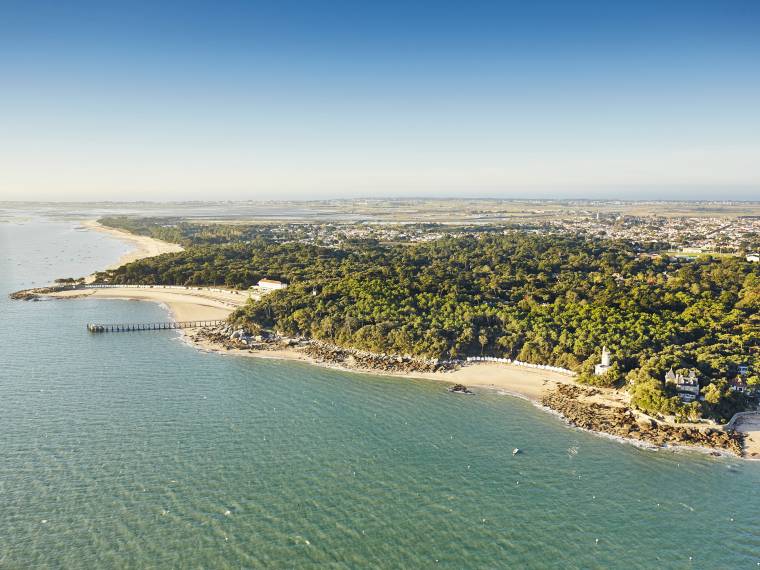
Balade en Vendée : découvrez les plages, marais, forêts et villages pittoresques de ce territoire varié, entre nature pr...
View Board
Découvrez Mykonos, l'île des vents et des plages paradisiaques. Explorez ses moulins emblématiques, ses eaux cristalline...
View Board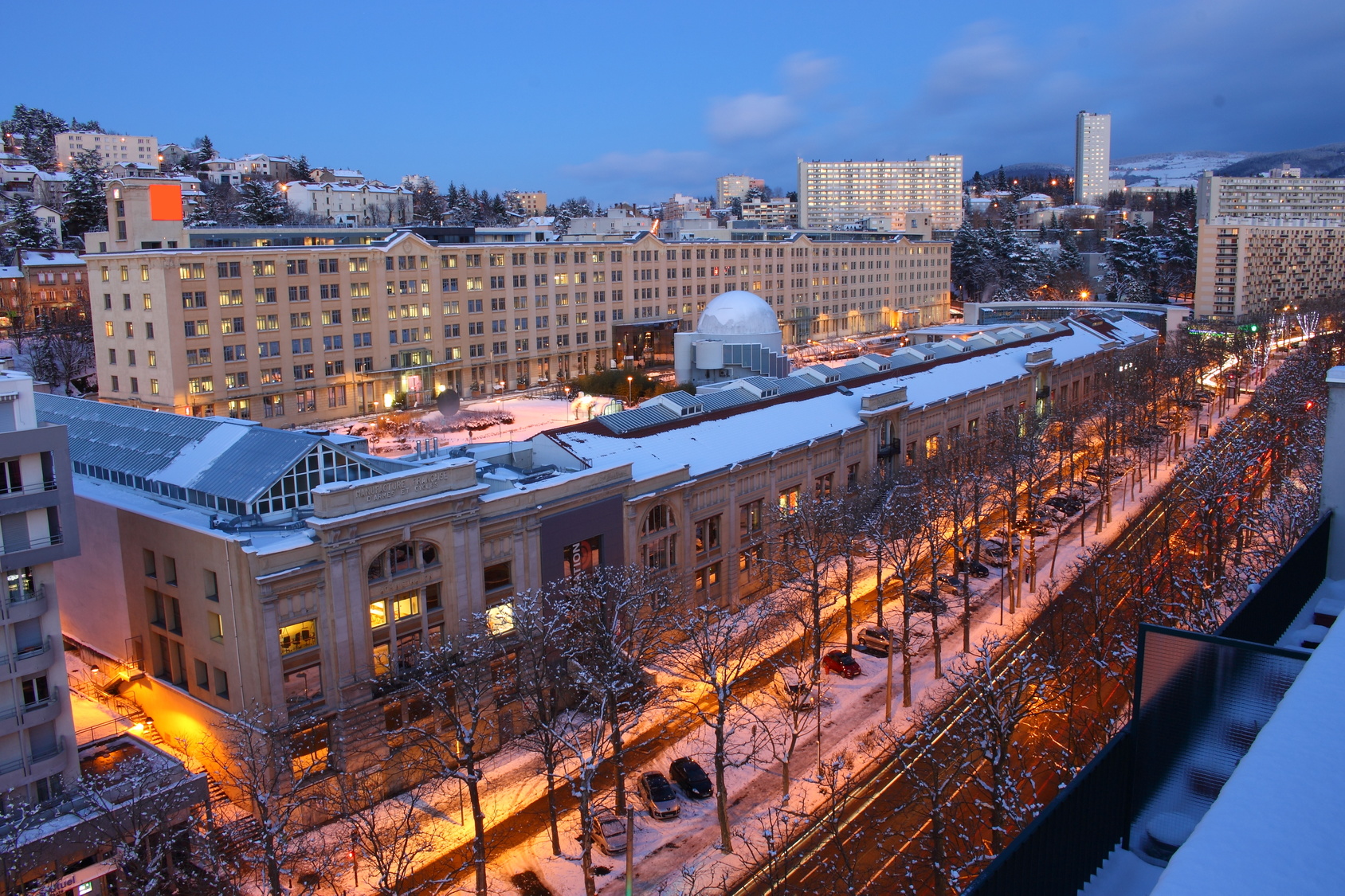
Découvrez l'Auvergne, une région riche en paysages variés, culture et gastronomie. Explorez ses volcans, gorges, vignobl...
View Board
Découvrez Paro, la perle du Bhoutan nichée au cœur de l'Himalaya. Explorez ses paysages époustouflants, ses trésors cult...
View Board
Découvrez Manali, un paradis niché dans la vallée de Kullu, idéal pour les amoureux de nature et d'aventure. Explorez se...
View Board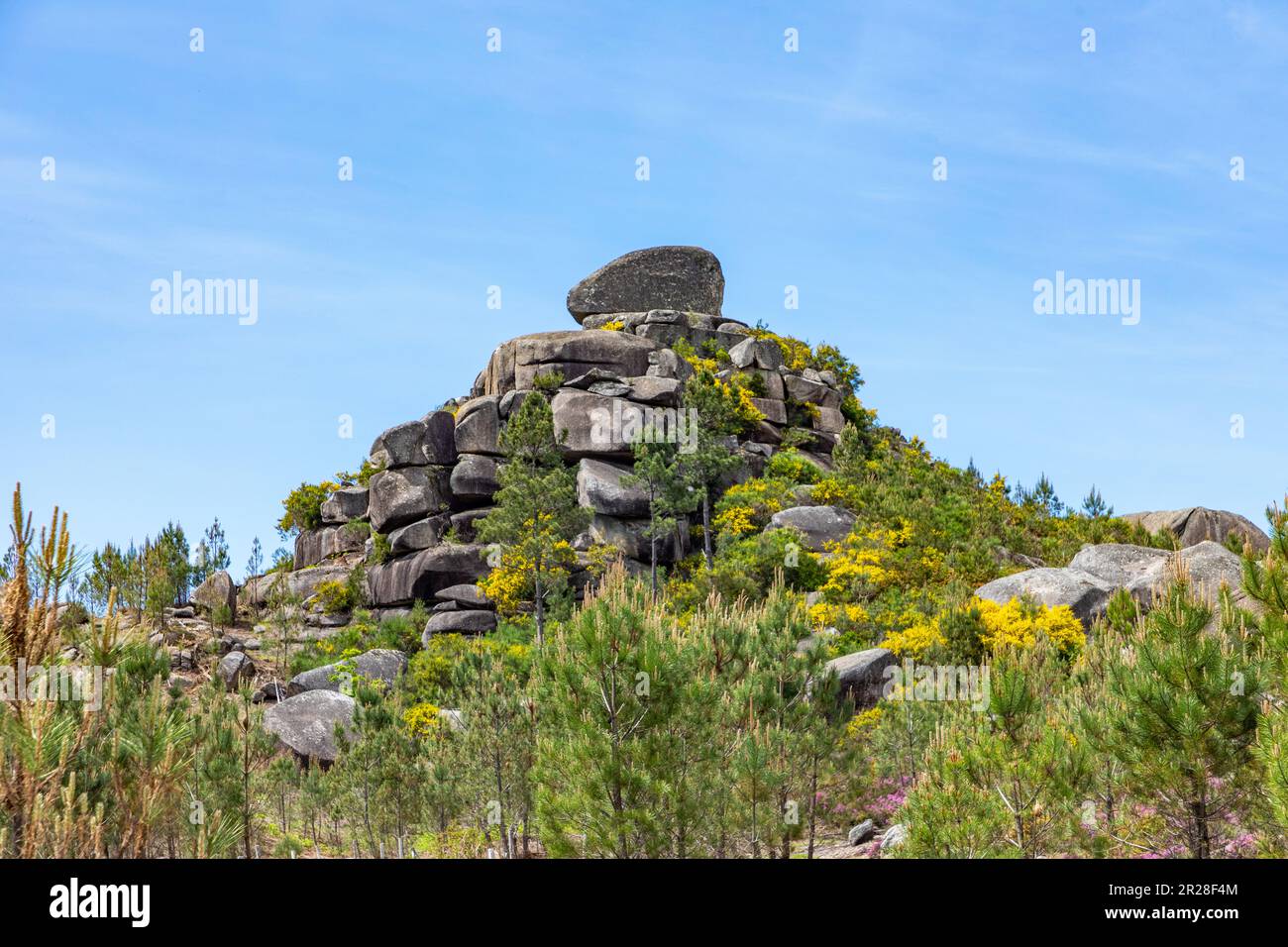
Explore Braga, Portugal's ancient gem! Discover historic landmarks, vibrant culture, and 2025 European Capital of Cultur...
View Board
Découvrez Valence, joyau de la Drôme niché entre montagnes et histoire, où charme authentique, scène culturelle dynamiqu...
View Board
Découvrez Katmandou, la capitale népalaise fascinante nichée dans une vallée historique. Entre temples spirituels, march...
View Board
Découvrez Dharamshala, le refuge spirituel niché dans l'Himachal Pradesh, Inde. Explorez sa riche culture tibétaine, ses...
View Board
Discover 2025's top sustainable travel trends: carbon-neutral trips and regenerative tourism. Learn to journey responsib...
View Board
**Meta Description:** Découvrez la Nouvelle-Calédonie, paradis du Pacifique : plages de sable blanc, lagon UNESCO, cul...
View Board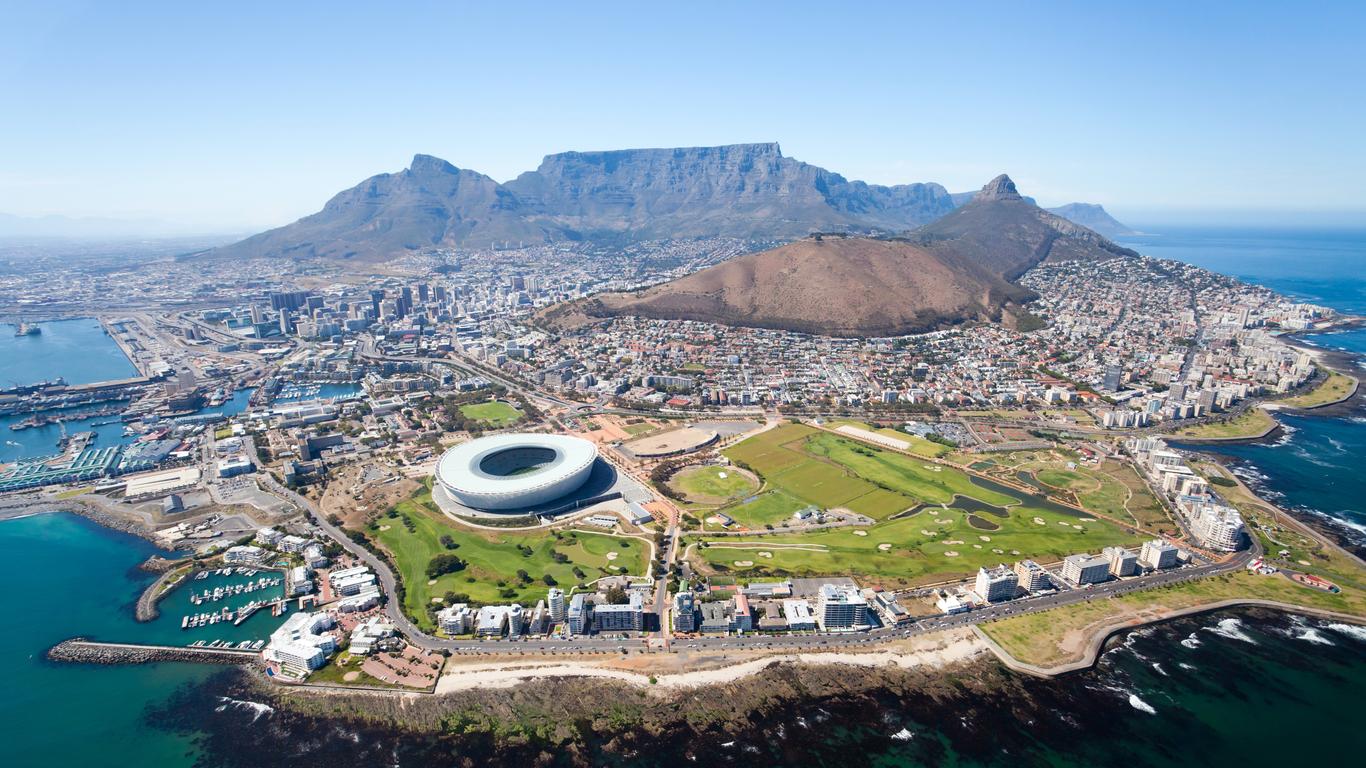
Découvrez la magie de Cape Town, la perle sud-africaine! Explorez ses époustouflantes merveilles naturelles comme la Mon...
View Board
Comments