Camping Sauvage: The Ultimate Guide to Wild Camping
Camping sauvage, or wild camping, refers to the immersive practice of setting up camp in undeveloped natural areas. This activity stands in stark contrast to staying at organized, designated campsites with amenities. Understanding the legal framework and environmental ethics is crucial for anyone interested in this form of outdoor adventure.
Defining Camping Sauvage and Bivouacking
A critical first step is distinguishing camping sauvage from the similar practice of bivouacking. These two terms are often used interchangeably, but they describe fundamentally different activities with distinct legal implications.
What is Bivouacking?
Bivouacking is a lightweight, temporary form of outdoor shelter. It is typically practiced by hikers, trekkers, and alpinists who need to stop for a single night during a multi-day expedition. The setup is minimal, usually from sunset to sunrise, and the goal is to move on the next morning.
Legally, bivouacking is often permitted under a principle of tolerance. It is generally allowed wherever it is not explicitly prohibited. This makes it a practical necessity for long-distance trail enthusiasts.
What is Camping Sauvage?
In contrast, camping sauvage involves settling in one location for multiple nights. Practitioners often travel by vehicle, such as a camping car, van, or car, and carry more substantial equipment. This extended stay is the key differentiator from a simple bivouac.
The legal distinction is paramount. Wild camping operates under the opposite principle: it is forbidden everywhere it is not explicitly permitted. This fundamental rule shapes how and where you can practice it.
The Legal Framework for Wild Camping in France
France has a relatively permissive approach to camping sauvage compared to some European neighbors, but it is governed by a clear set of regulations. The foundational rule comes from French decree R*111-41.
According to the 2015 decree, camping is authorized on all land where it is not specifically prohibited, provided the camper has permission from whoever has use of the land.
This means the default is not necessarily "illegal," but it is highly conditional. You must always seek authorization when on private property and be acutely aware of the many areas where it is outright forbidden.
Areas Where Wild Camping is Prohibited
Understanding the restrictions is the most important part of planning a safe and legal trip. Camping sauvage is explicitly forbidden in several types of locations to protect the environment, public safety, and private property.
- Woods, forests, and classified nature reserves: These protected areas are particularly sensitive ecosystems.
- Public roads and highways: Camping is prohibited for obvious safety reasons.
- Seashores and coastal areas: These zones are often protected to preserve fragile coastal ecosystems.
- Near water sources: It is illegal within 200 meters of drinking water catchment points.
- Protected heritage sites: Prohibition applies within 500 meters of classified monuments, parks, and gardens.
- Private land without owner authorization: Trespassing laws apply strictly.
- Municipal parks and areas designated by local authorities: Always check local urban planning schemes (PLU).
Regulations in Switzerland and Europe
While the focus is often on France, regulations vary significantly across Europe. Switzerland presents an interesting case study with its own nuanced approach to camping sauvage.
There is no overarching federal law in Switzerland that explicitly bans wild camping outside of specific protected zones. However, authority is delegated to the cantonal (regional) and municipal levels. These local authorities frequently impose their own restrictions.
On private land, the rule is simple: camping depends entirely on the property owner's consent. The Swiss distinction between a temporary bivouac and extended wild camping is also clear, with bivouacking being generally more accepted.
Essential Principles for Responsible Practice
Before delving into more detailed preparations, every aspiring practitioner of camping sauvage must internalize core principles. These guidelines ensure the activity remains sustainable and respectful.
- Leave No Trace: This is the golden rule. You must leave the camping location exactly as you found it, or even cleaner.
- Seek Local Authorization: Always contact local town halls or check regional park websites for the most current rules.
- Respect Timing Restrictions: Bivouacking is for nighttime; setting up camp during the day is often prohibited.
- Understand Fire Regulations: Campfires are frequently forbidden to prevent forest fires. Use a portable stove instead.
Adhering to these principles not only keeps you within the law but also helps preserve natural areas for future generations of outdoor enthusiasts. The privilege of wild camping comes with a significant responsibility.
Practical Tips for Successful Wild Camping
Moving from theory to practice requires careful preparation. Successful camping sauvage hinges on selecting the right location, carrying appropriate gear, and practicing impeccable discretion. Your goal should be to have a minimal impact on the natural environment.
Always plan your stops before dusk to ensure you have enough light to set up camp safely and discreetly. Avoid areas with high visibility from roads or popular trails. The best wild camping spots are those where you can truly blend in with nature.
Gear Essentials for a Comfortable Night
The right equipment makes the difference between a miserable night and a memorable adventure. Since you are far from facilities, self-sufficiency is key. Your gear should be lightweight, durable, and chosen with the specific environment in mind.
- Shelter: A lightweight tent, bivvy bag, or a well-equipped campervan. Choose a model with a low-profile, muted color to remain unobtrusive.
- Sleeping System: A high-quality sleeping bag rated for the expected temperatures and an insulated sleeping pad for comfort and warmth from the ground.
- Cooking: A portable gas stove is essential. Open fires are often prohibited and pose a significant wildfire risk.
- Navigation: A reliable GPS device, a physical map, and a compass as a backup. Know your exact location at all times.
- Water and Waste: Carry sufficient water or a proven filtration system. Bring bags to carry out all your trash, including biodegradable waste.
Finding a Suitable and Legal Spot
Locating a spot for camping sauvage is an art. Use topographic maps to identify flat, dry ground away from obvious hazards. Look for clearings in wooded areas or sheltered spots that are not in a valley bottom where cold air settles.
Crucially, you must verify the legal status of the land. If it is private property, you must seek permission. Public land requires checking for local ordinances. A good rule is to camp on durable surfaces like rock, gravel, or dry grass, avoiding fragile vegetation.
Understanding the Ecological Impact
The appeal of camping sauvage is its connection to pristine nature, which comes with a responsibility to protect it. Even a single camper can cause lasting damage if not careful. The core principle is to leave no trace of your presence.
Ecological studies show that it can take over a decade for compressed vegetation from a single tent pitch to fully recover in alpine environments.
This statistic underscores the importance of careful site selection and the Leave No Trace ethos. Every action, from where you walk to how you dispose of wastewater, has an ecological consequence.
Minimizing Your Environmental Footprint
Responsible campers take deliberate steps to minimize their impact. This goes beyond just picking up litter. It involves a holistic approach to your interaction with the environment.
- Waste Disposal: Pack out all trash, including food scraps and toilet paper. Do not burn or bury waste.
- Human Waste: Where no facilities exist, bury solid waste in a cathole 6-8 inches deep at least 200 feet from water sources.
- Soap and Hygiene: Use biodegradable soap sparingly and wash yourself and dishes at least 200 feet away from lakes and streams.
- Respect Wildlife: Observe animals from a distance. Store food securely to avoid attracting them to your camp.
Navigating Protected Natural Areas in France
France's network of protected areas is vast and magnificent, but it comes with strict regulations. With 16 national parks and 52 regional natural parks, understanding the rules for each is non-negotiable. These areas are designated for their exceptional ecological or landscape value.
In the majority of these parks, camping sauvage is strictly prohibited to protect sensitive habitats. However, bivouacking is often tolerated or formally permitted under specific conditions to support long-distance hiking. The key is to research the specific park's regulations before you go.
Rules in National Parks versus Regional Parks
While both are protected, the rules can differ. National parks, like the Vanoise or the Pyrenees, typically have a highly protected core zone where all camping is forbidden. Bivouacking may be allowed in a peripheral zone, but only for one night near a mountain refuge or specified area.
Regional Natural Parks (Parcs Naturels Régionaux) are generally more flexible, as they aim to balance conservation with human activity. They often have designated areas for bivouacking. You should always check the official website for the specific park you plan to visit for the most accurate and current information.
Other Protected Designations
Beyond the parks, other designations carry heavy restrictions. These include Natura 2000 sites, UNESCO World Heritage sites, and biological reserves. Camping sauvage is almost always forbidden in these areas due to their extreme ecological sensitivity.
Ignoring these restrictions can result in significant fines and cause irreversible damage to fragile ecosystems. Your commitment to checking these designations on a map is a critical part of responsible trip planning.
Camping Sauvage with a Vehicle
For many, camping sauvage is synonymous with van life or travelling with a camping car. This mode of travel offers comfort and mobility but presents its own set of legal and ethical challenges. The visibility of a vehicle makes discretion more difficult.
Parking overnight is often regulated separately from tent camping. Many municipalities prohibit sleeping in vehicles on public streets or in certain parking areas. The best practice is to use designated aires de camping-car (campervan areas) or seek explicit permission to park on private land.
Ethical Van Camping Practices
When wild camping with a vehicle, your impact is magnified. It is essential to adopt a set of ethical guidelines to maintain positive relations with locals and authorities.
- Avoid Residential Areas: Do not park overnight in villages or residential neighborhoods. Seek out industrial areas or large, quiet parking lots with permission.
- No External Set-Up: Avoid setting up chairs, tables, or awnings outside your vehicle. This signals a temporary stop, not an established camp.
- Manage Resources: Be self-sufficient with water and power. Do not drain your waste water (grey water) onto the ground.
- Arrive Late, Leave Early: Minimize your time parked to reduce your impact and visibility.
Following these guidelines helps ensure that wild camping with a vehicle remains a viable option for responsible travelers and does not lead to increased restrictions from local communities.
Farm Campsites: A Regulated Alternative
For those who seek a more rustic experience than a commercial campground but want to ensure they are on the right side of the law, France offers an excellent alternative: the farm campsite (aire naturelle). These sites provide a perfect middle ground for enjoying nature responsibly.
Farm campsites are small, privately-run sites typically located on agricultural land. They are regulated and must be declared to the local town hall. They offer a more authentic, back-to-nature feel while providing basic facilities and guaranteeing your stay is legal.
Benefits of Choosing a Farm Campsite
Opting for a designated farm campsite removes the uncertainty of camping sauvage. You have explicit permission from the landowner and the local authorities. This allows you to relax and enjoy your stay without worrying about being asked to move on.
- Legal Security: You are camping with full authorization, eliminating the risk of fines.
- Basic Amenities: Most offer access to fresh water, simple toilet facilities, and sometimes a place to empty chemical toilets.
- Local Experience: Staying on a farm often provides a unique opportunity to connect with local producers and rural life.
- Environmental Management: These sites are designed to handle waste properly, protecting the surrounding land.
By law, these aires naturelles can typically accommodate up to 6 camping shelters or 20 campers, ensuring a small-scale, intimate experience.
Utilizing these sites supports local farmers and promotes sustainable tourism. It is a responsible choice that aligns with the spirit of outdoor adventure while respecting regulations.
Consequences and Legal Risks of Ignoring Rules
While the freedom of camping sauvage is alluring, ignoring the rules carries real consequences. Enforcement varies by region, but penalties can be severe. Understanding the risks is part of being a prepared and ethical outdoor enthusiast.
Authorities, including forest rangers, police, and municipal agents, patrol protected areas. Illegal camping can result in on-the-spot fines, which can be substantial. In some cases, particularly egregious violations or repeat offenses, equipment may be confiscated.
Potential Penalties and Fines
The financial cost of illegal camping can quickly ruin a trip. Fines are not uniform and depend on local regulations and the specific infringement.
- Camping in a prohibited zone (like a nature reserve or protected forest) can lead to the highest fines, often exceeding several hundred euros.
- Camping without permission on private land can result in fines for trespassing.
- Lighting an illegal campfire in a high-risk area, especially during dry seasons, can lead to massive penalties due to the extreme fire danger.
- Leaving trash or damaging vegetation can also incur additional fines on top of a camping violation.
Beyond fines, the most significant consequence is the damage to the reputation of the outdoor community. Widespread disrespect for the rules leads to stricter regulations and the closure of areas for everyone.
Essential Resources for Planning Your Trip
Proper planning is the foundation of a successful and legal wild camping experience. Reliable information is your most important piece of gear. Several key resources should be consulted before you depart.
Always start with official sources. Local tourist offices and town halls (mairies) have the most current information on municipal bylaws. For national and regional parks, their official websites provide detailed maps showing zones where bivouacking is permitted or prohibited.
Recommended Tools and Apps
Modern technology provides excellent tools for the responsible camper. The following resources can help you navigate the complex legal landscape.
- IGN Maps (Institut Géographique National): The gold standard for topographic maps in France, essential for identifying terrain and property boundaries.
- Park Official Websites: Always check the "Practical Information" or "Regulations" section of the specific park you are visiting.
- Specialized Forums and Associations: Organizations like the French Federation of Hiking (FFRandonnée) provide guidelines and updates.
- Apps for Campervans: Apps like Park4Night can show designated areas for overnight parking, though user-generated content should be verified against official rules.
Cross-referencing information from multiple sources is the best practice. Do not rely on a single blog post or anecdote from a previous year, as regulations change.
The Future of Wild Camping and Sustainability
The growing popularity of camping sauvage and van life presents both opportunities and challenges for sustainable tourism. Increased pressure on natural areas makes responsible practices not just a personal choice, but a collective necessity.
There is a noticeable trend toward stricter enforcement in highly trafficked areas due to issues like littering and overcrowding. The future of this activity depends on today's campers adhering to the highest standards of environmental ethics.
Promoting Responsible Practices
The outdoor community must be proactive in self-policing and education. Sharing knowledge about Leave No Trace principles and specific local laws helps protect the places we love.
Consider joining or supporting conservation organizations that work to maintain trail systems and protect natural habitats. Advocate for the creation of more designated low-impact camping areas, like farm campsites, to provide sustainable alternatives.
The core principle remains unchanged: we are visitors in nature. Our goal should be to pass through an area leaving it untouched for the next person and for the wildlife that calls it home.
Conclusion: Embracing Freedom with Responsibility
Camping sauvage offers an unparalleled sense of freedom and connection to the natural world. It is a practice rooted in simplicity, self-reliance, and awe for the wilderness. However, this freedom is a privilege that is directly tied to our responsibility as stewards.
The key takeaways for any practitioner are clear and non-negotiable. First, understand and respect the critical legal distinction between bivouacking and extended wild camping. Second, know the specific regulations of your destination, especially concerning protected areas. Third, always follow the Leave No Trace principles without exception.
By choosing to camp responsibly, you help ensure that these wild spaces remain open and vibrant for future generations. You become part of a community that values adventure without arrogance, and exploration without exploitation.
The ultimate success of a wild camping trip is measured not by the photos you take, but by the absence of trace you leave behind. Plan meticulously, tread lightly, and immerse yourself fully in the profound quiet and beauty that responsible camping sauvage can provide. The mountains, forests, and coasts are waiting—respect them, and they will reward you with memories that last a lifetime.


Siem Reap: Gateway to the Ancient Wonders of Cambodia
Introduction
Siem Reap, a small yet bustling city located in northwestern Cambodia, serves as the primary gateway to one of the world's most awe-inspiring archaeological sites: Angkor Archaeological Park. This mesmerizing city, with its combination of historical allure and vibrant street life, has become a favorite destination for travelers embarking on a journey through Southeast Asia. Known for its proximity to the ancient temple complex of Angkor Wat, Siem Reap encapsulates a perfect blend of splendid antiquity, colonial charm, and modern conveniences.
A Glimpse into Siem Reap's History
The history of Siem Reap is intricately tied to that of the Angkor region. The city rose to prominence due to its strategic location near Angkor, the heart of the Khmer Empire from the 9th to the 15th centuries. Angkor was a flourishing metropolis, renowned for its architectural and artistic achievements, depicted through the massive monuments and temples that still stand today.
During the colonial period, particularly in the late 19th century, Siem Reap began to modernize under French influence, leading to the development of its infrastructure and emergence as a pivotal regional center. The colonial legacy can still be seen today in the French-style architecture scattered throughout the city.
The Angkor Experience
For most visitors, the highlight of Siem Reap is undoubtedly Angkor Archaeological Park, which stretches over 400 square kilometers and encompasses scores of ancient temples, including the iconic Angkor Wat, Bayon Temple, and Ta Prohm. Angkor Wat, a UNESCO World Heritage Site, is the largest religious monument in the world and a symbol of Cambodia's historical grandeur. Its sheer scale and intricate bas-reliefs depicting scenes from Hindu mythology leave a lasting impression on all who visit.
While Angkor Wat commands the most attention, exploring beyond this iconic structure reveals an intricate network of other temples, each with its unique architectural style and historical significance. Bayon Temple is cherished for its enigmatic smiling stone faces, while Ta Prohm is famous for the giant trees and sprawling roots enveloping its stones, offering a surreal, almost mystical appearance.
Siem Reap Today: A Tapestry of Culture and Community
Beyond the archaeological marvels, Siem Reap itself has much to offer. It has evolved into a vibrant city brimming with cultural and culinary experiences. The Old Market area and Pub Street are popular spots to immerse oneself in the local atmosphere, featuring a lively mix of bustling markets, art galleries, and eateries serving delectable Cambodian cuisine. Street food is prevalent, and a visit wouldn’t be complete without tasting traditional dishes like Amok, a fragrant coconut milk and curry-based preparation typically made with fish.
Siem Reap's cultural landscape is complemented by its array of cultural shows and performances that showcase traditional Khmer dance and music. The city's openness to cultural exchange is evident through its numerous museums, including the Angkor National Museum, which provides a deeper understanding of Cambodia's rich archaeological legacy.
Stay tuned for more insights and discover what makes Siem Reap a must-visit destination for any traveler seeking a journey through time.

Exploring Windhoek: The Enchanting Capital of Namibia
Exploring Windhoek: The Enchanting Capital of Namibia
Windhoek, the vibrant capital city of Namibia, serves as both the cultural and economic heart of the country. With its unique blend of African tradition and European influence, Windhoek is a city that captivates its visitors with an unparalleled charm. As you walk through its streets, the harmonious mix of colonial German architecture and modern buildings set against a backdrop of beautiful landscapes tells a compelling story of transformation and growth.
A Glimpse into the History of Windhoek
Historically, Windhoek plays a significant role in Namibia's past. The city was originally inhabited by the pastoral Herero and Nama people. The establishment of Windhoek as a European city began with Jonker Afrikaner, a leader of the Oorlam people, who established a settlement here in the early 19th century due to its strategic location and natural springs. The name 'Windhoek' itself is believed to derive from "Winterhoek," referring to the Winterhoek Mountains in South Africa, the homeland of Jonker Afrikaner.
The city's colonial past is integral to its identity. In 1890, Major Curt von François of the Imperial German Army officially founded Windhoek as a colonial capital. It soon grew under German colonial rule, which is evident in many of its historical buildings such as the Alte Feste (Old Fortress), Christuskirche, and the railway station, all of which are key attractions for visitors today.
Windhoek's Rich Cultural Tapestry
Windhoek is characterized by its diverse cultural heritage, reflected in its population makeup and cultural expressions. It serves as a melting pot of ethnicities including the Ovambo, Kavango, Herero, Nama, and Damara, among others. This diversity is celebrated in Windhoek through various cultural festivals and the lively marketplace at the Katutura township, which translates to "The place where we do not want to live." Despite its name, Katutura is a vibrant suburb pulsating with life, offering a rich cultural experience to those who visit.
The cultural vibe in Windhoek is further amplified through music, dance, and art. Street vendors selling handcrafted jewelry, textiles, and wooden sculptures exhibit the artisan skills passed through generations. Meanwhile, contemporary art galleries showcase modern Namibian art that speaks volumes of the country's new awakening post-independence.
The Urban Pulse of Windhoek
As the primary urban center of Namibia, Windhoek offers a bustling cityscape juxtaposed with serene natural surroundings. The city's infrastructure reflects its colonial heritage while also offering modern amenities essential for a thriving urban environment. Windhoek's skyline, while not as towering as some global cities, features a mix of classical Germanic architecture with modern buildings that define its unique character.
Renowned for its cleanliness, Windhoek's streets are lined with cafes, shops, and restaurants catering to both locals and tourists. It is advisable to explore on foot, as this is the best way to experience its vibrant atmosphere. The central business district is packed with an assortment of boutiques and craft stores perfect for souvenir hunting. The Maerua Mall and Grove Mall stand out as modern shopping complexes that offer international brands and entertainment options.
Beyond shopping and dining, Windhoek’s nightlife offers a range of experiences from exclusive clubs to low-key pubs showcasing live local music. Traditional Namibian cuisine, infused with a touch of colonial and international influences, can be enjoyed at various eateries across the city, making dining in Windhoek a delightful journey through flavors.
Amidst its modern urban vibe, Windhoek also offers numerous green spaces and parks such as the delightful parliament gardens which provide the perfect spot for picnics and leisurely strolls.
As Namibia's capital city, Windhoek is not merely a political or economic hub. It is a city that presents its past, present, and future through vibrant experiences, diverse people, and an undying spirit of adventure that invites you to explore all its dimensions. From its historical heritage to modern-day urban experiences, Windhoek is a city that narrates the story of a nation striving towards unity and progress.
Nature and Wildlife Around Windhoek
While Windhoek itself is a bustling urban center, it is also a gateway to the diverse natural wonders that Namibia offers. Just a short drive away from the city, you will find tranquil landscapes and game reserves that provide a stark contrast to city life. The Daan Viljoen Game Reserve, located on the outskirts of Windhoek, is a popular spot for day trips and short safari experiences. It offers visitors the opportunity to witness Namibia's unique wildlife, including springboks, zebras, and a variety of bird species, all set against the stunning backdrop of rolling hills and plains.
The reserve is also a haven for hikers, offering well-marked trails where visitors can immerse themselves in the scenic environment. Exploring these trails, you'll be treated to breathtaking vistas and the soothing sounds of nature, far removed from the urban bustle of Windhoek. For those seeking a more adventurous encounter with wildlife, guided tours and safaris are available, ensuring a safe yet thrilling experience.
The Architectural Marvels: A Testament to History
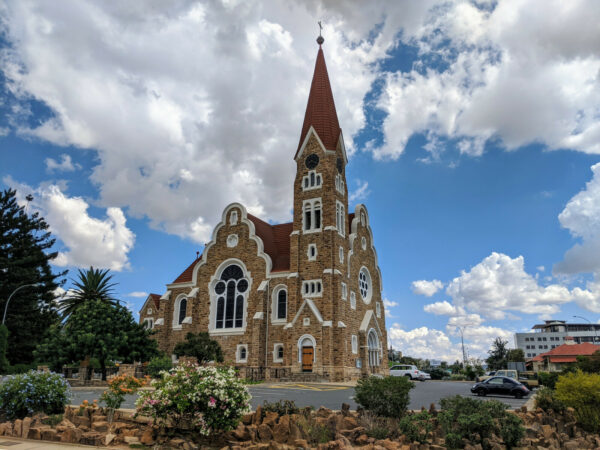
Windhoek's architectural landscape is a captivating blend of historical and modern elements. At the heart of the city lies the Christuskirche, a Lutheran church and one of Windhoek's most iconic landmarks. Constructed in the early 20th century, this German architectural masterpiece with its stained-glass windows and quaint clock tower stands as a symbol of Windhoek's colonial past.
Nearby, the Alte Feste or Old Fortress is another historic structure worth visiting. Originally built by the Germans as a military headquarters, it now houses the National Museum of Namibia. The museum offers a fascinating glimpse into Namibia's history and independence movement, providing context to the nation's rich cultural and political landscape. Another modern architectural highlight is the Independence Memorial Museum, which presents Namibia's journey from colonization to independence.
As you traverse the city, you'll notice an eclectic mix of building designs ranging from art deco influences to minimalist contemporary styles. This architectural diversity not only enriches the city's aesthetic appeal but also tells the story of its evolution over time.
Events and Festivals: Celebrating Windhoek’s Vibrancy
Windhoek is a city that knows how to celebrate, and there are numerous events and festivals throughout the year that highlight its vibrant culture. Windhoek’s annual Oktoberfest is a nod to its German colonial past, drawing locals and tourists alike to enjoy traditional German beers, foods, and music in a lively atmosphere. This dynamic celebration is a testament to the city’s ability to blend cultural influences into unique experiences.
Another notable event is the Windhoek Show, held annually in September. It is Namibia’s premier trade and agriculture show, showcasing the country’s diverse agricultural produce, crafts, and innovations. The event is a window into Namibia's economic landscape and a celebration of local enterprise and ingenuity.
The city also hosts the Windhoek Jazz Festival, an annual event that brings together local and international artists in a fusion of global and Namibian sounds. The festival reflects Windhoek's growing status as a cultural hub, attracting music lovers to its enthralling performances and electric vibe.
Windhoek’s Commitment to Sustainable Development
As Windhoek continues to grow, the city is increasingly focused on sustainable development practices to ensure a harmonious balance between urbanization and environmental conservation. Initiatives like integrated urban planning, public transportation expansion, and renewable energy projects highlight Windhoek's commitment to a sustainable future. The city's efforts in water recycling and waste management demonstrate a proactive approach to resource management, a critical issue given the region's arid climate.
This forward-thinking approach to sustainability is not only vital for the city’s development but sets an example for other urban centers in similar environments. Windhoek’s commitment to sustainability is evident in its urban planning initiatives, which strive to create green spaces and eco-friendly infrastructure as the city continues to expand.
Conclusion
Windhoek is more than just the capital city of Namibia; it is an enchanting destination where history, culture, and nature coexist in harmony. From its diverse cultural tapestry to its historic architecture, and from its vibrant festivals to its breathtaking natural surroundings, Windhoek offers a unique experience to every visitor. Whether you are exploring its urban pulse, venturing into the surrounding wild landscapes, or immersing yourself in local traditions, Windhoek is a city that promises adventure, discovery, and a deepened appreciation for Namibia's rich heritage.
Whether it is your first time or a return visit, Windhoek stands ready to share its stories and its spirit with you. In every corner, this remarkable city invites exploration and leaves an indelible mark on its visitors, making it a must-visit destination for travelers seeking to experience the dynamic heart of Namibia.