



The Enduring Power and Legacy of Classic Silent Films
The era of classic silent films represents the foundational chapter of cinema. Spanning from the mid-1890s to the late 1920s, these films established the visual language of storytelling we know today. Despite being called "silent," these movies were vibrant events with live music and sound effects. Today, renewed preservation and restoration efforts are bringing these pioneering works to new audiences.
Defining the Silent Film Era
Classic silent films are motion pictures created without synchronized recorded dialogue or sound. The period is traditionally dated from cinema's commercial birth in the mid-1890s through the late 1920s. The commercial transition to synchronized sound accelerated dramatically after the release of The Jazz Singer in 1927.
A Symphony of Sight and Sound
It is a common misconception that silent film screenings were quiet. In reality, they were rarely silent. Exhibitions featured rich, live accompaniment to guide the audience's emotions. This created a unique and immersive theatrical experience for early moviegoers.
- Live Musical Accompaniment: Pianists, organists, or full orchestras provided scores.
- Narrators and Sound Effects: Live commentators or Foley artists sometimes enhanced the action.
- Cultural Event: Each screening was a unique performance, blending film and live art.
The Technical and Artistic Foundations of Cinema
The silent era was a period of explosive innovation. Filmmakers rapidly evolved from recording simple events to crafting complex narratives. They developed the core techniques that define cinematic grammar even now.
From Novelty to Narrative
Early cinema grew from magic-lantern shows and brief photographic experiments. The desire to tell stories drove technical and artistic progress at an incredible pace. Films like Edwin S. Porter's The Great Train Robbery (1903) demonstrated early narrative continuity and editing.
By the 1920s, filmmakers were masters of visual metaphor. Sergei Eisenstein's Battleship Potemkin (1925) perfected montage theory. This editing technique uses the collision of images to create intellectual and emotional impact.
The Rise of the Star and Studio System
The silent era created the modern film industry's structure. Charismatic performers like Charlie Chaplin and Mary Pickford became international celebrities. Major studios were established to manage production, distribution, and exhibition.
A key example of filmmakers seeking control was the 1919 formation of United Artists by Chaplin, Pickford, Douglas Fairbanks, and D.W. Griffith.
This move signaled the artistic and economic power that directors and stars could wield. The foundations laid in the 1910s and 1920s still influence Hollywood today.
The Tragic Loss and Hopeful Restoration of Silent Film
A sobering reality of film history is the fragile nature of early materials. A substantial majority of silent-era films are considered lost. This is due to the instability of nitrate film stock and decades of neglect.
The Nitrate Problem and Preservation Race
The original film stock used for silent movies was nitrate-based. This material is highly flammable and chemically unstable. It can decay, shrink, or even combust if not stored in perfect conditions. Many films were simply discarded after their theatrical run.
Film preservation has become a critical mission for archives worldwide. Over the last several decades, heroic efforts have recovered, restored, and re-released countless titles. These projects ensure that this vital cultural heritage is not lost forever.
Modern Restoration and Exhibition Trends
Today, classic silent films are experiencing a renaissance. Archives and festivals are using digital tools to breathe new life into old prints. Audiences are rediscovering these works through new screenings and streaming platforms.
- 4K Digital Restoration: High-resolution scans remove damage and reveal stunning visual detail.
- Newly Commissioned Scores: Contemporary composers create modern musical accompaniments.
- Increased Visibility: Restorations of works by Griffith, Murnau, Chaplin, and Keaton now reach wider publics.
This renewed activity has prompted fresh critical reassessment. It proves the timeless power of pure visual storytelling.
The Art of Visual Storytelling in Silent Cinema
Silent film architecture relied entirely on a powerful and expressive visual language. Without spoken dialogue, filmmakers developed sophisticated techniques to convey plot, character, and emotion. This emphasis on mise-en-scène and physical performance remains a cornerstone of cinematic craft.
Mastering Mime and Pantomime
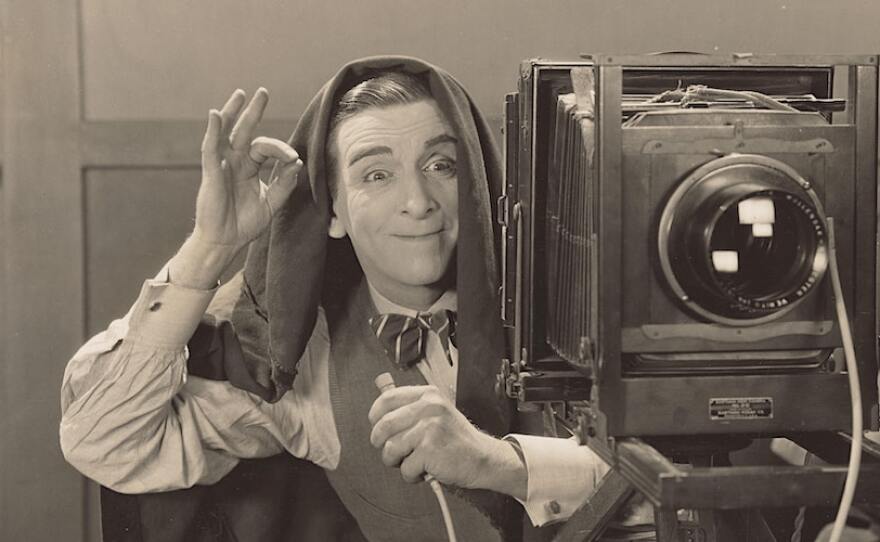
Actors in the silent era communicated through exaggerated gestures and facial expressions. This art of pantomime required immense skill to make characters understandable and relatable. Performers like Charlie Chaplin and Lillian Gish perfected this visual acting style.
Their performances could convey complex emotional states without a single spoken word. This style demanded a clarity and purity of expression that continues to influence actors and directors today.
The Crucial Role of Intertitles
Intertitles were the text cards inserted into the film to display dialogue, narration, or explanatory text. They were a vital narrative tool, providing essential information that the images alone could not. The design and wording of these cards were an art form in themselves.
- Dialogue Titles: Represented spoken lines between characters.
- Expository Titles: Set the scene, described time jumps, or provided context.
- Artistic Design: Often featured decorative borders and stylized fonts to enhance the film's mood.
Filmmakers had to carefully balance the use of intertitles to avoid interrupting the visual flow. The most effective silent films used them sparingly and strategically.
The Diverse Genres of the Silent Screen
The silent era was not a monolithic period but a rich tapestry of genres and styles. Filmmakers around the world explored a wide range of stories, from epic dramas to intimate comedies. This genre diversity demonstrates the medium's rapid artistic maturation.
Slapstick Comedy and Physical Mastery
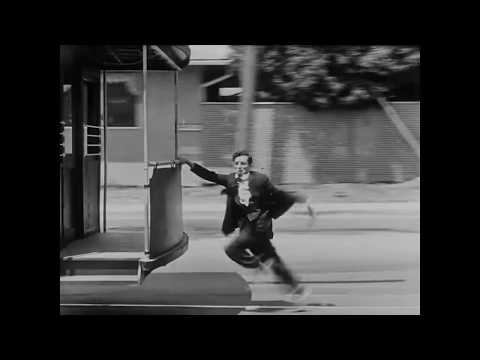
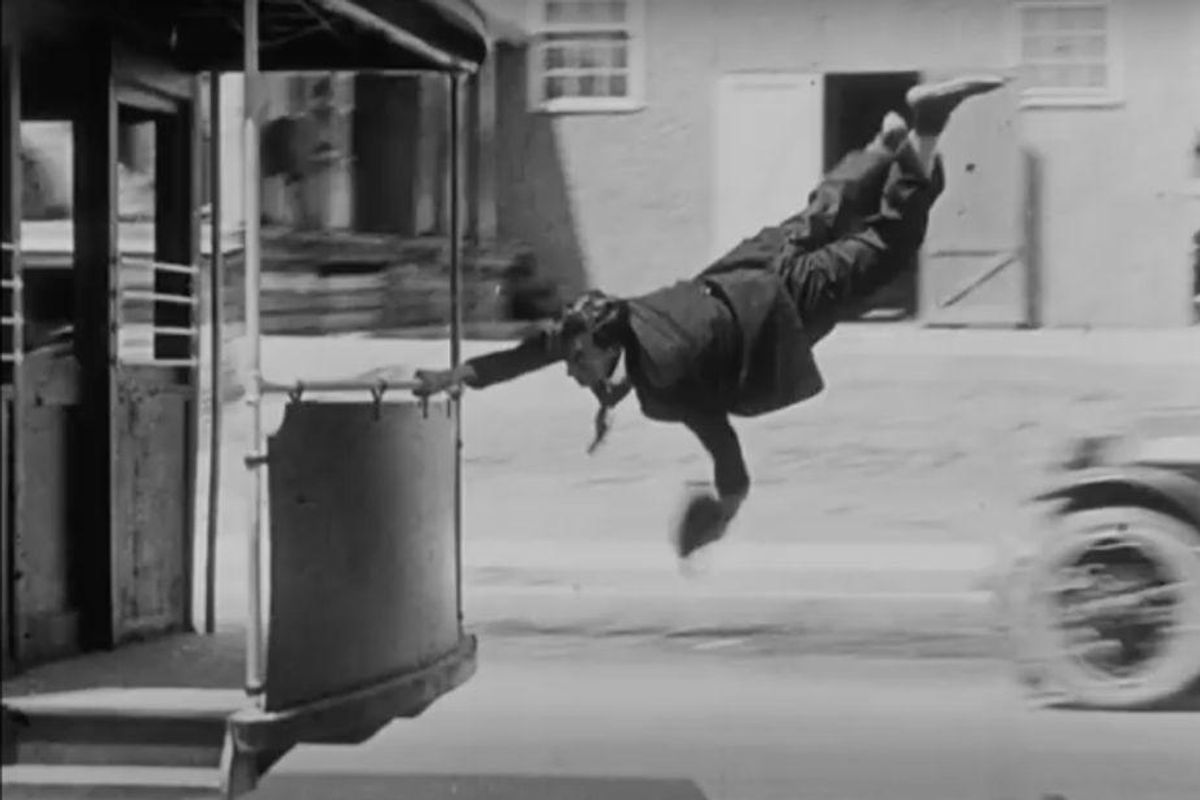
Silent comedy produced some of the era's most enduring and beloved stars. The lack of sound amplified the focus on visual gags, elaborate stunts, and precise timing. Comedians like Buster Keaton, Harold Lloyd, and Charlie Chaplin became international icons.
Films like Keaton's The General (1926) and Lloyd's Safety Last! (1923) combined breathtaking physical comedy with genuine emotional depth.
Their work remains hysterically funny and technically brilliant, a testament to their innovative spirit.
German Expressionism and Horror
In Germany, filmmakers developed a distinct style known as Expressionism. This approach used distorted sets, dramatic lighting, and surreal imagery to express internal, psychological states. It was a radical departure from realistic depiction.
Masterpieces like The Cabinet of Dr. Caligari (1920) and F.W. Murnau's Nosferatu (1922) established the visual vocabulary of cinematic horror. Their influence can be seen in everything from Universal's monster movies to modern psychological thrillers.
Epics, Melodramas, and Literary Adaptations
The silent screen was also a venue for grand spectacle and sweeping emotion. D.W. Griffith's Intolerance (1916) set a new standard for epic scale with its massive sets and intricate parallel storytelling. Melodramas explored themes of love, sacrifice, and social strife with intense visual passion.
- National Cinemas: Countries like the Soviet Union produced revolutionary epics like Battleship Potemkin.
- Literary Prestige: Adapting classic novels gave films cultural credibility and complex narratives.
- Global Flows: Films were exported worldwide, creating a shared visual culture while also reflecting national identities.
The Socioeconomic Impact of Silent Movies
Silent film history is deeply intertwined with major social and economic changes in the early 20th century. The rise of cinema reshaped urban leisure, created new professions, and became a powerful global industry. It was a truly transformative mass medium.
A New Mass Entertainment Industry
Cinema grew from a novelty fairground attraction into a dominant form of entertainment. The development of the nickelodeon made movies accessible to the working class. With tickets costing just 5 to 25 cents, movies became a weekly habit for millions.
This rapid audience growth fueled the construction of elaborate movie palaces in the 1920s. These grand theaters offered an opulent escape and cemented film's place at the center of popular culture.
Employment and Cultural Shifts
The film industry became a significant source of employment. Beyond the actors and directors on screen, it required a vast behind-the-scenes workforce. This included carpenters, electricians, writers, and costume designers.
Crucially, the demand for live musical accompaniment provided steady work for thousands of musicians in theaters across the globe. The cinema also influenced fashion, language, and social norms, making it a powerful agent of cultural change.
The Inevitable Transition to Synchronized Sound
The silent era did not end abruptly but transitioned over several years. The technological and commercial shift to "talkies" began in the mid-1920s and was largely complete by 1929-1930. This transformation was one of the most disruptive in entertainment history.
Technological Breakthroughs
Two main competing systems drove the sound revolution: sound-on-disc and sound-on-film. Warner Bros.' Vitaphone system (sound-on-disc) was used for The Jazz Singer (1927). Ultimately, sound-on-film systems like Fox Movietone and RCA Photophone proved more reliable and became the standard.
These technologies solved the complex problem of synchronizing recorded sound with projected images. Their adoption required theaters to invest heavily in new projection and sound equipment.
Transforming an Art Form and Industry
The arrival of sound had profound effects on every aspect of filmmaking. Acting styles shifted from broad pantomime to a more naturalistic delivery suited for the microphone. Directors had to adapt to the constraints of noisy cameras housed in soundproof booths.
- New Production Demands: Scripts became dialogue-heavy, and studios built soundstages.
- International Markets: Sound films initially created a language barrier, disrupting the global export of Hollywood movies.
- Career Endings: Some silent stars with heavy accents or unsuitable voices saw their careers decline.
Despite the challenges, the public's embrace of sound was immediate and decisive. It marked the definitive end of one artistic epoch and the beginning of another.
Contemporary Rediscovery and Silent Film Revival
The 21st century has witnessed a remarkable silent film revival, driven by digital technology and renewed scholarly interest. These pioneering works are no longer seen as primitive relics but as vibrant, essential cinema. This renaissance is making silent films more accessible than ever before.
Archive Discoveries and Digital Restoration
Film archives worldwide are engaged in a continuous search for lost treasures. Remarkable discoveries still occur in basements, attics, and foreign archives. Each find adds a new piece to the puzzle of film history, sometimes recovering films once thought gone forever.
Modern digital restoration tools perform miracles on damaged nitrate prints. Archivists use digital scanning to stabilize flickering images, remove scratches, and recreate original color tinting. This painstaking work allows audiences to see these films with a clarity unseen since their initial release.
- 4K and 8K Scanning: Captures incredible detail from original film elements.
- Software Correction: Algorithms fix tears, jitter, and chemical decay.
- Historical Accuracy: Researchers work to reconstruct authentic versions, including correct projection speeds and intertitle sequences.
Programming and Audience Engagement
The exhibition of silent films has evolved into a dynamic cultural event. Major film festivals now regularly program silent classics with live orchestral accompaniment. This tradition recreates the original theatrical experience for modern viewers.
Events like the Pordenone Silent Film Festival and screenings at venues like the Hollywood Bowl attract thousands of cinephiles. These performances demonstrate the enduring power of the live cinema experience.
Streaming services and specialty Blu-ray labels have also become crucial distribution channels. They offer high-quality restorations with multiple score options, bringing silent cinema directly into homes worldwide.
Modern Scholarship and Evolving Perspectives
Academic study of classic silent films has moved far beyond auteurism and canonical works. Contemporary scholarship employs new critical frameworks to re-examine the era. This research reveals a more complex and globally interconnected film history.
Interdisciplinary and Global Approaches
Scholars now explore silent cinema through lenses of gender studies, race, and colonialism. This interdisciplinary approach uncovers previously marginalized narratives and contributions. It challenges the long-held, Anglo-centric view of film history.
Research into transnational silent cinema highlights the fluid exchange of stars, techniques, and styles across borders. This perspective shows that film culture was global from its very beginnings, with influences flowing between Europe, Asia, and the Americas.
Pedagogy and Cinematic Influence
Filmmakers and educators consistently point to the silent era as essential training. The discipline of visual storytelling required in silent films teaches fundamental cinematic principles. Many contemporary directors consciously reference silent-era techniques in their work.
- Visual Economy: Silent film teaches how to convey maximum information with minimal elements.
- Physical Performance: Modern actors study silent performance to enhance their physical expressiveness.
- Editing Rhythms: The innovative editing patterns developed in the 1920s continue to influence action and comedy sequencing today.
Directors like Pixar's Pete Docter and live-action filmmakers like Michel Hazanavicius (The Artist) openly credit silent cinema as a major influence on their visual style and narrative approach.
Essential Silent Films for Modern Viewers
For those new to silent cinema, certain films provide a perfect entry point. These works showcase the artistic heights and technical innovation of the era. They remain powerfully entertaining and emotionally resonant.
Foundational Narrative and Technical Milestones
Several key films demonstrate the rapid evolution of film language. The Great Train Robbery (1903) is essential for understanding early narrative structure. D.W. Griffith's The Birth of a Nation (1915) is a controversial but technically groundbreaking film that demonstrated feature-length storytelling's potential.
Battleship Potemkin (1925) remains the pinnacle of expressive editing with its legendary Odessa Steps sequence. F.W. Murnau's Sunrise (1927) represents the peak of silent visual poetry, utilizing the camera with unparalleled fluidity.
Masterpieces of Genre and Performance
The silent era produced definitive works in every genre. For comedy, Buster Keaton's The General (1926) combines impeccable timing with breathtaking stunts. Fritz Lang's Metropolis (1927) set the standard for science fiction with its visionary production design.
- Horror: The Cabinet of Dr. Caligari (1920) and Nosferatu (1922) established horror's visual grammar.
- Romance/Drama: Sunrise (1927) and Chaplin's The Gold Rush (1925) blend pathos and comedy.
- Epic: Intolerance (1916) showcases ambition on a colossal scale.
The Jazz Singer (1927) is essential viewing as the film that signaled the commercial shift to sound, despite being largely a silent film with synchronized musical sequences.
The Enduring Legacy and Conclusion
The legacy of classic silent films is woven into the very fabric of modern cinema. The visual vocabulary established between 1895 and 1929 remains the foundation of how stories are told on screen. Their influence is both timeless and immediate.
A Living Art Form
Silent cinema is not a dead artifact but a living, breathing art form. The ongoing preservation efforts by institutions like the Library of Congress and the British Film Institute ensure its survival. Each new restoration invites a fresh interpretation and a new audience.
The collaboration between modern composers and archivists creates a dialogue between past and present. These new scores allow silent films to speak to contemporary sensibilities while honoring their original spirit.
Final Takeaways
The story of silent film is one of incredible innovation against technical limitations. It is a history of global artistic exchange and the creation of a universal visual language. Most importantly, it is a testament to the power of images to convey the full spectrum of human emotion.
- Visual Primacy: Silent film reaffirms that cinema is, first and foremost, a visual art.
- Artistic Innovation: Constraints fueled creativity, leading to breakthroughs in editing, acting, and cinematography.
- Cultural Heritage: These films are a priceless record of 20th-century life, fashion, and social mores.
- Accessible Art: With modern restorations and streaming, these masterpieces are available to all.
In an age of dense dialogue and complex sound design, the purity of silent cinema offers a unique and powerful experience. It reminds us that the most profound stories are often told not with words, but with a look, a gesture, and a beautifully composed image. The silent era's pioneering spirit continues to inspire filmmakers to push the boundaries of what is possible, proving that these foundational films are as vital today as they were a century ago.







Comments