The Silent Film Era: The Golden Age of Hollywood
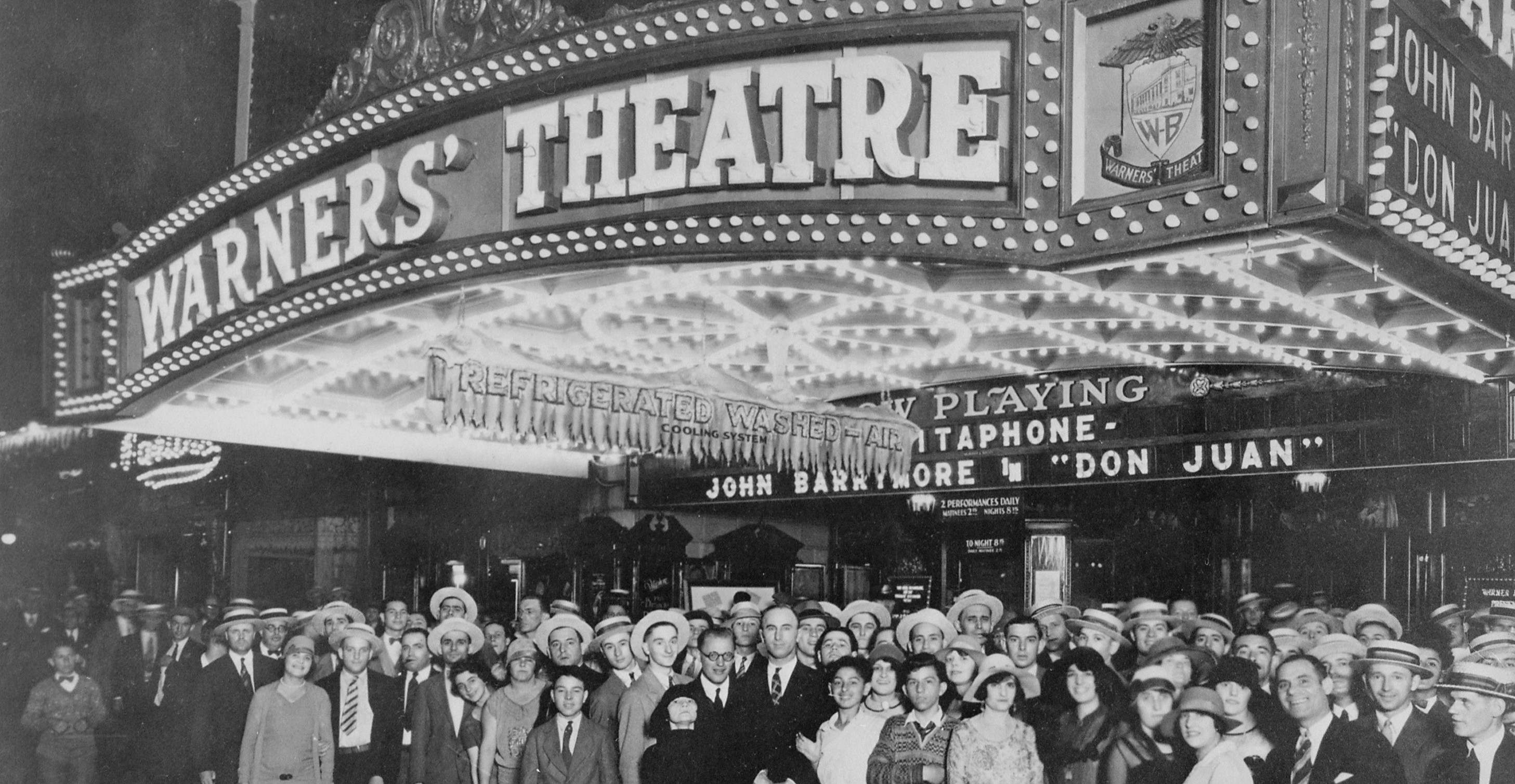
The Silent Film Era was a period in movie history that spanned from the early years of the motion picture industry until the advent of synchronized dialogue in feature films, beginning with "The Jazz Singer" in 1927. This era is often associated with silent movies, which relied solely on visual storytelling without sound. From 1895 to 1930, silent films played a significant role in shaping cinema as one of the most influential art forms and entertainment industries of the 20th century.
The Beginnings: Early Motion Pictures
The origins of the cinematic medium can be traced back to the late 19th century when Thomas Edison’s Kinetoscope and the Lumière brothers’ Cinématographe were introduced. The Kinetoscope, invented by Edison in 1891, allowed viewers to see short films in peepshow style through a single viewer at a time. The Lumière brothers, Auguste and Louis, followed suit by premiering their Cinématographe in Paris in 1895, which was capable of recording, developing, printing, and projecting moving images in color. Their first film, "La Sortie des usines Lumière," (Workers Leaving the Lumière Factory) demonstrated the potential of cinema to document and entertain audiences.
The early films were short in duration, typically ranging from one to three minutes. They usually depicted everyday life, social activities, and simple narratives. Directors such as Georges Méliès began to experiment with special effects, creating fantastical tales that intrigued the public. Méliès, known for his innovative editing techniques, produced films like "A Trip to the Moon" (1902), which showcased his imagination and laid the groundwork for future film directors.
Evolution of Silent Films
As the demand for longer and more complex productions grew, filmmakers began to incorporate storylines that involved multiple characters and intricate plots. Directors like D.W. Griffith, recognized for his epic films such as "The Birth of a Nation" (1915) and "Intolerance" (1916), played crucial roles in advancing filmmaking technology and narrative structures. These films utilized new editing techniques, close-ups, and cross-cutting, which enhanced the storytelling capabilities of silent cinema.
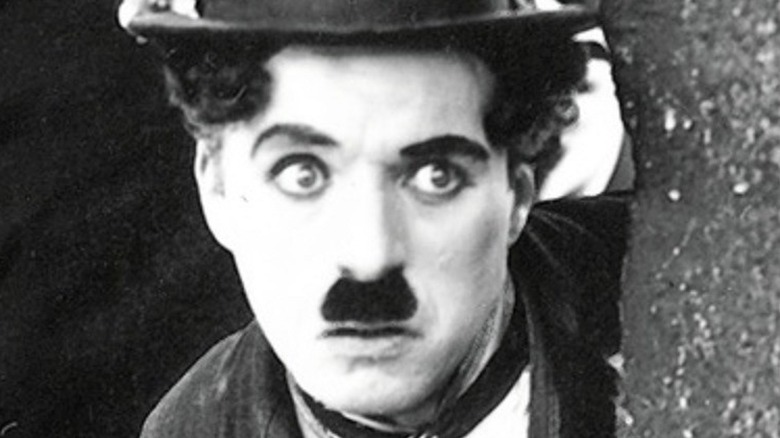
In terms of content, silent films covered a wide range of genres including comedy, drama, action, and adventure. Comedies, popularized by actors like Buster Keaton and Charlie Chaplin, drew large audiences due to their physical humor and broad appeal. Actors like Rudolph Valentino became iconic figures, embodying the romantic and magnetic screen persona that captivated audiences. Dramas often dealt with historical events, social issues, and moral dilemmas, reflecting contemporary concerns while also providing escapism.
The development of film studios, particularly in Hollywood, further contributed to the evolution of silent cinema. Motion picture companies like Universal Pictures, Paramount Pictures, and Fox Films established themselves as major players, investing in elaborate production facilities and star personalities. Studios provided the infrastructure needed to produce high-quality films consistently, making Hollywood a center of innovation and creativity during this period.
Technological Advancements and Cultural Impact
Technologically, advancements in projection systems and film stock allowed for better quality screenings and longer films. Innovations like Technicolor, though not yet widely adopted, promised vibrant and lifelike visuals. Sound equipment was being developed, but it would take several years before practical solutions were implemented for syncing audio to film. During this time, silent films thrived, captivating audiences with their visual storytelling prowess.
Culturally, silent films had a profound impact on society. They reflected and shaped public opinion, promoting certain ideas and values. For example, many silent films dealt with social injustices and political issues, sparking conversations and debates among viewers. Additionally, these films often served as a form of mass entertainment, bringing people together in theaters across the United States and Europe.
Stars of the silent era became cultural icons, beloved by millions and influencing popular culture profoundly. Actors were revered not just for their performances but also for their personas projected through media. The star system, a hallmark of Hollywood, was solidified during this period. It was a collaborative effort between actors, producers, and studios to cultivate and promote specific celebrity identities, thereby enhancing the commercial success of films.
Conclusion
During its brief but transformative period, the Silent Film Era laid the foundation for modern cinema, establishing key narrative and technical elements that continue to influence the medium today. Its legacy can be seen in the enduring popularity of classic silents, preserved in film archives, and in the way directors and actors still draw inspiration from the visual language and emotional power of silent films. As we transition into the digital age, the Silent Film Era remains an essential chapter in the rich history of storytelling through moving images.
International Influence and Box Office Success
The Silent Film Era wasn’t confined to the United States; it influenced and was embraced by filmmakers and audiences around the world. European filmmakers such as Fritz Lang in Germany and Sergei Eisenstein in Russia were pivotal in pushing the boundaries of cinematic storytelling. In Germany, Lang directed "Metropolis" (1927), a science fiction epic that explored themes of class struggle and technological marvels, showcasing advanced filmmaking techniques and influencing future genre films.
In Russia, Eisenstein revolutionized the concept of montage, a technique that juxtaposed shots to convey meanings beyond individual images. His films, such as "Battleship Potemkin" (1925), utilized powerful sequences like the Odessa Steps scene to elicit strong emotions and ideological messages. Eisenstein’s work not only demonstrated the potential of editing to drive narrative but also highlighted the political and artistic significance of silent cinema.
European filmmakers were particularly successful in international markets. German Expressionist films like "Nosferatu" (1922) and "Dr. Mabuse, the Gambler" (1922) captivated global audiences with their Gothic aesthetics and complex narratives. These films often depicted psychological and moral struggles, resonating with moviegoers who were seeking deeper thematic explorations beyond surface-level entertainment.
Back in Hollywood, the rise of studio systems led to a surge in production efficiency and output. Studios like Paramount and Fox released numerous silent films each year, maintaining consistent box office success. Movies such as "The Kid" (1921) starring Charlie Chaplin and directed by King Vidor, and "The Phantom of the Opera" (1925) featured impressive sets and costumes and capitalized on the growing popularity of horror and romance genres.
Technical Innovations and Artistic Experimentation
The era was marked by rapid technical advancements that continually improved the cinematic experience. In 1924, the Movietone system was invented, allowing synchronized soundtrack recordings directly onto film, though sound synchronization remained challenging for a time. In 1928, Lee De Forest’s Phonofilm system debuted, offering a more reliable form of spoken dialogue and music interwoven into films.
Alongside these innovations, filmmakers experimented with various artistic techniques. Filmmakers like D.W. Griffith expanded shot compositions, utilizing close-ups, long takes, and intricate camera movements. They also innovated in lighting and set design, pushing the limits of visual storytelling. Griffith’s "Intolerance" (1916) was a groundbreaking epic that told the story of four historical eras, showcasing his mastery of visual narrative structure.
The use of special effects became increasingly sophisticated. Films like "The Hunchback of Notre Dame" (1923) utilized innovative makeup and miniatures to create realistic and fantastical scenes. In "The Lost World" (1925), the film explored prehistoric creatures using stop-motion animation techniques developed by Willis O’Brien, setting a precedent for future fantasy filmmaking.
Cultural Significance and Lasting Legacy
Despite the advent of talking pictures, silent films have left an indelible mark on cultural memory and appreciation. Many silent classics have been restored and re-released to new audiences through various film festivals and preservation initiatives. Organizations such as the Museum of Modern Art, the Library of Congress, and the National Film Preservation Foundation have worked tirelessly to preserve these works of art.
Film academies and educational institutions continue to teach and study silent film techniques and aesthetics, ensuring that knowledge of this era remains part of broader cinema education. Critics and scholars often reference silent films when discussing narrative theory, cinematography, and editing techniques that permeate contemporary filmmaking.
Furthermore, the influence of silent cinema can be seen in modern film adaptations. Movies like "Amélie" (2001), "The Artist" (2011), and "Pee-wee's Big Adventure" (1985) pay homage to the silent era, blending old techniques with modern storytelling. Such films not only entertain but also provide a deeper appreciation for the foundational elements of cinema.
Cultural events such as silent film screenings accompanied by live orchestras further celebrate and revitalize interest in silent cinema. These events often include special guests, behind-the-scenes panels, and educational talks, creating a rich environment for audience engagement and learning.
Challenges and Decline
The transition from silent to talkies posed significant challenges for both filmmakers and studios. Many actors found it difficult to adapt to the new format, leading to career shifts or declines in popularity. However, some actors, like Douglas Fairbanks Jr., successfully made the transition by emphasizing their charisma and screen presence.
Financially, the introduction of sound necessitated considerable investments in technology and infrastructure. Older silent stars like Rudolph Valentino found themselves marginalized, as new stars emerged who better suited the changing landscape of sound. Studios had to modernize their equipment and adapt to new production methods to stay competitive.
The Great Depressionacerbated these financial issues, leading to a decline in overall film production. This economic downturn coincided with the arrival of talking pictures, accelerating the shift away from silent film. Despite these challenges, the legacy of silent cinema continued to thrive through subsequent generations of filmmakers who incorporated silent styles and techniques into their work.
In conclusion, the Silent Film Era represents a fascinating intersection of technology, artistry, and cultural significance. Its influence extends far beyond the years of its dominance, continuing to shape and inspire the evolution of cinema. As silent films continue to captivate new audiences and receive critical acclaim, their importance in the cultural landscape remains undeniable.
Preservation Efforts and Rediscovery
Today, silent film preservation is an active field that involves both archival work and restoration efforts. Organizations like the Library of Congress, the British Film Institute, and the Museum of Modern Art hold extensive collections dedicated to preserving original footage, negatives, and alternate camera angles that can enhance understanding and enjoyment of these silent masterpieces. Technological advancements in digital restoration have made it possible to restore damaged prints and enhance their visual clarity, making silent films accessible to a wider audience.
Much of the silent film stock has degraded over time, necessitating careful restoration processes. Conservators use chemical treatments, cleaning, and stabilization techniques to protect the original film. Digital restoration methods include color correction, contrast enhancement, and the addition of missing frames. These technologies not only extend the life of the films but also bring them closer to their intended appearance.
Film festivals play a crucial role in the rediscovery and celebration of silent films. Events like the Silhouette Film Festival in Brussels, the San Francisco Silent Film Festival, and the annual TCM Classic Film Festival in Los Angeles showcase rarely seen silent films. These festivals often feature live piano, organ, or full orchestra accompaniments, enhancing the cinematic experience and drawing new viewers to the silent film genre.
Impact on Contemporary Cinema
The techniques and storytelling methods developed during the Silent Film Era continue to influence contemporary cinema. Many modern filmmakers study silent films to learn from their innovative approaches to pacing, composition, and visual storytelling. Directors like Quentin Tarantino and Steven Spielberg have openly cited silent cinema as a significant influence on their own work. Tarantino, known for his fast-paced editing and dramatic tension, draws heavily from the silent film tradition.
Another notable example is Christopher Nolan’s "Inception" (2010), which employs a complex narrative structure reminiscent of the cross-cutting and layered storytelling techniques used in silent epics like "Intolerance." The film's dream within dream sequence and non-linear plot have parallels in the montage and narrative complexity of silent films. Similarly, the slow-building tension and atmospheric storytelling in "Memento" (2000) can be traced back to the slow-burn narratives typical of silent melodramas.
Contemporary Adaptations and Homages
Contemporary directors often return to the themes and aesthetic pleasures of silent films through both direct adaptations and homages. For instance, Woody Allen’s "Hannah and Her Sisters" (1986) pays tribute to the romantic comedies of early cinema, while the music video for Björk’s "Hyperballad" (1997) combines dance and mime, echoing the style of silent performers.
More recently, films like "The Grand Budapest Hotel" (2014) by Wes Anderson draw clear parallels to silent comedy in their use of exaggerated gestures, expressive faces, and intricate, meticulously designed sets. Similarly, "Silent Movie" (1976) by Mel Brooks is a parody that explicitly references silent film conventions, making use of onscreen text and exaggerated acting styles.
Even documentaries can benefit from silent film techniques. The Oscar-winning documentary "Searching for Sugar Man" (2012) uses archival material, music, and narration to tell a compelling story without dialogue, much like a silent film. This approach enhances the emotional impact of the narrative, inviting viewers to connect more deeply with the subject matter.
Conclusion
The Silent Film Era may have ended over a century ago, but its influence continues to resonate in the world of cinema. From its pioneering techniques to its enduring storytelling methods, silent films remain a testament to the power of visual storytelling and the human capacity for innovation and creativity. As technology advances and film studies evolve, the silent film era offers a rich wellspring of inspiration that continues to shape and enrich modern cinema. Whether through preservation efforts, cultural events, or contemporary adaptations, the legacy of these silent masterpieces ensures their enduring relevance and continued appreciation.







Comments