


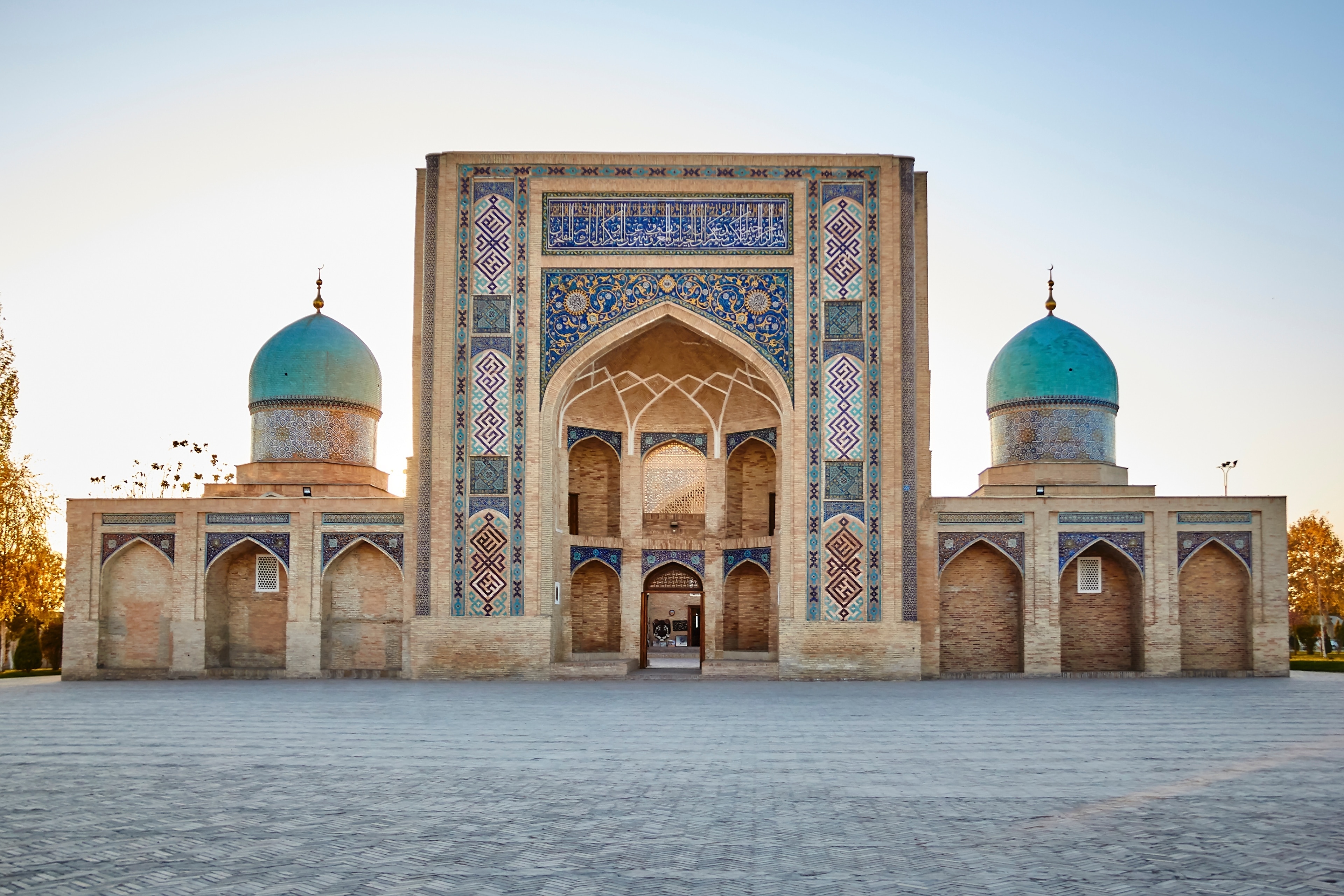
Tashkent: Discover 2200 Years of Silk Road History
The city of Tashkent stands as a monumental testament to Central Asia's rich and layered past. As the capital of Uzbekistan, it is a metropolis where ancient history and modern ambition converge seamlessly. With a documented history spanning over two millennia, Tashkent offers a unique journey through time. This article explores its profound historical narrative and its contemporary significance as a regional hub.
The name Tashkent itself reveals deep roots, meaning "Stone City" from Turkic and Persian origins. Its strategic location on the legendary Silk Road forged a destiny of commerce, conquest, and cultural exchange. Today, it is a vibrant political and economic center proudly celebrating its heritage while driving toward the future.
The Ancient Foundations of Tashkent
The story of Tashkent begins in antiquity, long before its current name was established. Archaeological evidence and early written records paint a picture of a significant early settlement. This foundation set the stage for its future prominence on the cross-continental trade routes.
Early Settlements and Names
The earliest written mentions of a city on this site date to the 2nd century AD. Ancient records refer to it by various names, including Dzhadzh, Chachkent, Shashkent, and Binkent. These early references underscore its long-standing importance in the region. By the 4th and 5th centuries, a distinct urban center had begun to form.
Excavations have uncovered artifacts from this era, such as bronze mirrors and early coins. These finds confirm the area's development as a node of commerce and culture. The territory was part of the Chach State under Turkic governance by the 6th-7th centuries AD.
The Arab Conquest and Islamic Influence
A pivotal transformation occurred with the arrival of Arab forces in the 8th century. Initial conquest attempts in 713 AD were unsuccessful. However, a decisive battle in 751 AD between Arab and Chinese armies solidified Arab control over the region.
This victory marked a turning point, embedding Islamic culture and architecture into the city's fabric for centuries to come.
This era left indelible monuments, some of which survive today. The renowned Khast Imam Ensemble traces its spiritual lineage back to this period of Islamic consolidation. The city began its evolution into a major center of trade, craft, and religious scholarship.
Tashkent in the Medieval Era
The medieval period was defined by dramatic cycles of destruction and rebirth. Tashkent flourished as a commercial hub only to face near-total devastation. Its resilience through these trials highlights its enduring strategic value.
Architecture and Urban Layout
By the 9th and 10th centuries, Tashkent had matured into a major trade and craft center. Its urban plan was characteristic of Silk Road cities. A fortified citadel formed the core, protected by strong walls and gates.
The city was divided into key districts. The inner city, or Shakhristan, was a bustling area of markets and residences. It later became the site of the famous Chorchu bazaar. Surrounding suburbs, known as Rabad, expanded the city's footprint and economic activity.
The Mongol Cataclysm and Rebirth
In 1219, catastrophe struck with the arrival of Genghis Khan and his Mongol armies. The city was conquered and utterly destroyed, suffering massive population loss. This event marked one of the darkest chapters in its long history.
Yet, Tashkent's story did not end there. Under subsequent powerful dynasties, the city was rebuilt and revived. The Timurids, led by Amir Temur (Tamerlane), recognized its value in the 14th century. He transformed it into a key fortress and administrative center of his expansive state.
The Imperial Russian Transformation
The 19th century ushered in a new and transformative chapter with the arrival of Imperial Russia. This period reshaped the city's physical layout, economy, and demographics. The Russian conquest of Tashkent in 1865 set the stage for profound change.
Old Town Versus New Town
The Russian administration made a decisive urban planning choice. They constructed a "New Town" distinctly separate from the indigenous "Old Town". The Anchor canal was dug to physically and symbolically divide the two sections.
- The Old Town retained its traditional character, with narrow lanes, mosques, and homes of artisans and merchants.
- The New City emerged as an industrial and administrative center, built amid gardens and fields with European-style architecture.
This duality created a city of two parallel worlds. Tashkent became the capital of Russian Turkestan, amplifying its political significance. The arrival of the Trans-Caspian Railway in 1889 accelerated its growth, linking it to global markets.
Soviet Era and the 1966 Earthquake
The Soviet period following the 1917 Revolution continued the city's expansion. Tashkent was declared capital of the Turkestan Autonomous Soviet Socialist Republic. After a brief interlude as capital of the Uzbek SSR in Samarkand, the capital returned to Tashkent for good in 1930.
The city grew explosively, becoming the fourth-largest city in the entire Soviet Union by the 1960s. World War II triggered another shift, as factories and workers were evacuated from western Russia and Ukraine to Tashkent. This influx further diversified its population and industrial base.
A catastrophic earthquake in 1966 devastated vast swathes of the city, destroying over 30,000 homes.
This disaster led to a massive, union-wide reconstruction effort. Tashkent was rebuilt as a model Soviet city with broad avenues, expansive parks, and monolithic apartment blocks. This modern urban fabric still defines many parts of the city today.
Tashkent's Role as the Capital of Independent Uzbekistan
Since Uzbekistan declared independence on September 1, 1991, Tashkent has fully embraced its role as the nation's capital. The city has become the undisputed center of political power, economic reform, and international diplomacy. This era marked a significant departure from its Soviet past and a return to its Central Asian identity.
The post-independence period has been characterized by ambitious modernization projects. New government buildings, business centers, and infrastructure have reshaped the skyline. Yet, this development has occurred alongside a dedicated effort to preserve and celebrate the city's ancient heritage.
Political and Economic Hub
As the capital, Tashkent is home to all major government institutions, including the presidential residence and the Oliy Majlis (Supreme Assembly). This concentration of power makes it the engine driving national policy and economic strategy. The city generates a significant portion of the country's GDP.
Key industries headquartered in Tashkent include finance, telecommunications, and transportation. The establishment of special economic zones has attracted foreign investment. Major international corporations have chosen Tashkent for their regional headquarters, cementing its status as a business gateway to Central Asia.
Cultural and Religious Renaissance
Independence sparked a profound cultural and religious revival. The Soviet policy of state atheism was abandoned, allowing for a public reconnection with Islamic traditions. This led to the restoration and reopening of many historic mosques and madrassas that had been closed or repurposed.
The Khast Imam Square complex became a symbol of this renaissance, housing priceless relics like the Uthman Quran, one of the world's oldest existing Qur'anic manuscripts.
This period also saw a resurgence in the celebration of Uzbek language, music, and art. Museums expanded their collections, and traditional crafts experienced a renewed interest. Tashkent reestablished itself as the guardian of the nation's cultural soul.
Modern Tashkent: Tourism and Urban Development
In recent decades, Tashkent has emerged as a growing destination for international tourism. The government has actively promoted the city's unique selling points: its Silk Road history, Soviet-era architecture, and modern amenities. A strategic master plan outlines development goals through the year 2045.
The city offers a diverse experience for visitors, from exploring ancient landmarks to enjoying contemporary parks and cafes. Infrastructure improvements, including a modern metro system and renewed international airport, have made the city more accessible than ever. Tourism is now a key pillar of the local economy.
Key Attractions and Landmarks
Tashkent's attractions provide a tangible timeline of its complex history. Visitors can witness layers of the past coexisting with the present. The city successfully blends its roles as an open-air museum and a dynamic capital.
- Chorsu Bazaar: Located in the Old Town, this iconic blue-domed market is a vibrant hub of commerce and culture, offering everything from spices to traditional crafts.
- Tashkent Metro: Renowned for its stunningly decorated stations, each with a unique theme, the metro is an attraction in itself, often called an "underground palace."
- Amir Timur Museum: Dedicated to the great conqueror, this museum celebrates the Timurid era with exhibits of historical artifacts and art.
- Independence Square: The city's main square is a vast public space symbolizing Uzbek sovereignty, featuring monuments, fountains, and government buildings.
The 2045 Master Plan and Sustainable Growth
The government's ambitious Tashkent City Master Plan 2045 aims to guide sustainable urban development for the next quarter-century. The plan focuses on balancing economic growth with environmental responsibility and quality of life.
Key objectives include improving public transportation, creating green spaces, and modernizing utilities. A major goal is to manage the city's rapid population growth, which is projected to exceed 3.5 million residents in the coming years. The plan emphasizes smart city technologies to enhance efficiency.
This forward-thinking approach ensures that Tashkent's development is strategic rather than haphazard. It seeks to preserve the city's unique historical character while equipping it for the challenges of the 21st century.
Tashkent's Enduring Historical Legacy
The historical legacy of Tashkent is not merely a subject for textbooks; it is woven into the very fabric of the city. Its 2,200-year documented history provides a deep well of cultural significance. Major anniversaries, like the 2200th-anniversary celebration in 2009, are events of national pride.
Tashkent's story is a microcosm of Central Asian history, marked by the rise and fall of empires. From the Chach State to the Russian Empire and the Soviet Union, each era left an indelible mark. This legacy is carefully preserved in museums, archives, and restored monuments across the city.
A Tapestry of Cultural Influences
The city's culture is a rich tapestry woven from Turkic, Persian, Arab, Mongol, Russian, and Soviet threads. This blend is evident in everything from its architecture and cuisine to its language and traditions. Tashkent has long been a melting pot of civilizations.
This diversity is a source of strength and uniqueness. It has fostered a population known for its hospitality and resilience. The city's ability to absorb external influences while maintaining its core identity is a testament to its enduring spirit.
Archaeology and Ongoing Research
Archaeological work continues to uncover new layers of Tashkent's past. Excavations on the site of the ancient settlement of Ming-Urik and other locations provide fresh insights. Each discovery helps historians refine the timeline of the city's development and its interactions with neighboring regions.
Ongoing research confirms Tashkent's role as a critical node on the Great Silk Road, facilitating not just trade but also the exchange of ideas, technologies, and artistic styles between East and West.
Universities and research institutes in Tashkent are at the forefront of Central Asian historical studies. They ensure that the city's profound legacy is not only preserved but also continuously studied and understood by future generations.
Tashkent's Role in Regional Connectivity and Diplomacy
In the 21st century, Tashkent has reestablished its historical role as a vital crossroads. The city serves as a key hub for diplomacy and economic cooperation in Central Asia. Uzbekistan's "open doors" foreign policy has positioned its capital as a neutral ground for international summits and negotiations.
Tashkent hosts numerous embassies, consulates, and offices of international organizations. This diplomatic presence facilitates dialogue on regional security, trade, and cultural exchange. The city actively participates in organizations like the Shanghai Cooperation Organisation (SCO), strengthening its regional influence.
Transportation and Logistics Hub
Modern Tashkent is rebuilding its Silk Road legacy through advanced infrastructure. The city's international airport serves as a major aviation gateway for the region. New railway links and highway projects enhance connectivity with neighboring countries like Kazakhstan, Kyrgyzstan, and Tajikistan.
- Turkestan-Syr Darya Railway: Enhances north-south trade routes across Central Asia.
- Tashkent International Airport: Recently modernized to handle increasing passenger and cargo traffic.
- Logistics Centers: Special zones developed to streamline cargo handling and customs procedures.
These developments aim to position Tashkent as the primary logistics hub in Central Asia. Efficient transportation networks are crucial for attracting foreign investment and boosting international trade.
Education, Science, and Innovation in Tashkent
Tashkent has long been recognized as the educational heart of Uzbekistan. The city boasts the country's highest concentration of universities, research institutes, and technical colleges. This academic infrastructure plays a vital role in driving national development and innovation.
Major institutions include the National University of Uzbekistan, Tashkent State Technical University, and the University of World Economy and Diplomacy. These centers of learning attract students from across the country and the broader Central Asian region. They are crucial for cultivating the next generation of leaders, engineers, and entrepreneurs.
Research and Development
The city is home to the Academy of Sciences of the Republic of Uzbekistan, which coordinates scientific research across various fields. Priorities include agricultural science, medicine, information technology, and renewable energy. Research and development (R&D) is seen as essential for economic diversification.
Initiatives like the "Digital Tashkent" project aim to transform the city into a center for tech innovation, fostering startups and attracting IT talent.
International partnerships with universities and tech companies from South Korea, Japan, and Europe are expanding the city's research capabilities. These collaborations focus on addressing both local challenges and global issues.
Cultural Life and Modern Identity
The cultural scene in Tashkent is a vibrant blend of tradition and modernity. The city offers a rich calendar of events, from classical music performances at the State Conservatory to contemporary art exhibitions. This dynamic cultural life reflects the evolving identity of a city honoring its past while embracing the future.
Traditional crafts, such as ceramics, embroidery, and miniature painting, are celebrated and kept alive by master artisans. Simultaneously, a thriving community of modern artists, filmmakers, and musicians draws inspiration from global trends. Tashkent's cultural institutions serve as bridges between these different worlds.
Museums, Theaters, and Public Spaces
Tashkent's cultural infrastructure is impressive, featuring dozens of museums, theaters, and galleries. Key institutions preserve and display the nation's artistic and historical heritage for both citizens and tourists.
- State Museum of History of Uzbekistan: Houses over 250,000 artifacts tracing the country's history from antiquity to the present.
- Alisher Navoi Opera and Ballet Theater: A stunning architectural landmark hosting world-class performances.
- Broadway (Saligokh Street): A popular pedestrian zone filled with artists, cafes, and street performers, emblematic of modern urban life.
Public parks and fountains, such as those in Independence Square, provide spaces for recreation and community gatherings. These green lungs are integral to the quality of life in the bustling metropolis.
Conclusion: Tashkent's Journey Through Time
Tashkent's story is a remarkable narrative of resilience, adaptation, and enduring significance. From its origins as a Silk Road oasis to its current status as the capital of an independent nation, the city has consistently played a pivotal role in Central Asia. Its history is a layered tapestry reflecting the influence of countless cultures and empires.
The city has weathered invasions, earthquakes, and profound political transformations. Each challenging chapter was met with a determined spirit of rebirth. The reconstruction after the 1966 earthquake and the renaissance following independence in 1991 are testaments to this unwavering resilience.
Key Historical Takeaways
Several key themes define Tashkent's historical journey and shape its contemporary identity. Understanding these elements is crucial to appreciating the city's unique character.
- Crossroads of Civilization: For over two millennia, Tashkent has been a meeting point for trade, ideas, and cultures between East and West.
- Architectural Palimpsest: The city's urban landscape displays layers of history, from ancient ruins to Soviet modernism and contemporary glass towers.
- Political Pivot: Its strategic importance made it a prized possession for empires, from the Mongols to the Russians, and now the heart of an independent state.
- Cultural Synthesis: Tashkent has mastered the art of absorbing external influences while nurturing a distinct Uzbek identity.
Tashkent's celebration of its 2,200-year documented history is not just about the past; it is a declaration of a proud and continuous identity that informs its future ambitions.
The Future of Tashkent
Looking ahead, Tashkent faces the dual challenge of modernization and preservation. The Master Plan 2045 outlines a vision for sustainable growth, improved infrastructure, and enhanced global connectivity. The city aims to become a smart, green, and prosperous metropolis while safeguarding its unparalleled cultural heritage.
As Uzbekistan continues to open up to the world, Tashkent stands as its confident and welcoming face. It is a city that invites exploration, offering visitors a chance to walk through centuries of history on a single street. Its story is a powerful reminder of the enduring spirit of human civilization.
In conclusion, Tashkent is more than just a capital city; it is a living chronicle of Central Asia. Its journey from the ancient city of stone to a modern beacon of progress offers invaluable insights into the region's past and a hopeful glimpse into its future. For historians, travelers, and investors alike, Tashkent remains an essential and fascinating destination.







Comments