
Bagan: A Living Legacy of Myanmar's Past
The Enchanting Heritage of Bagan
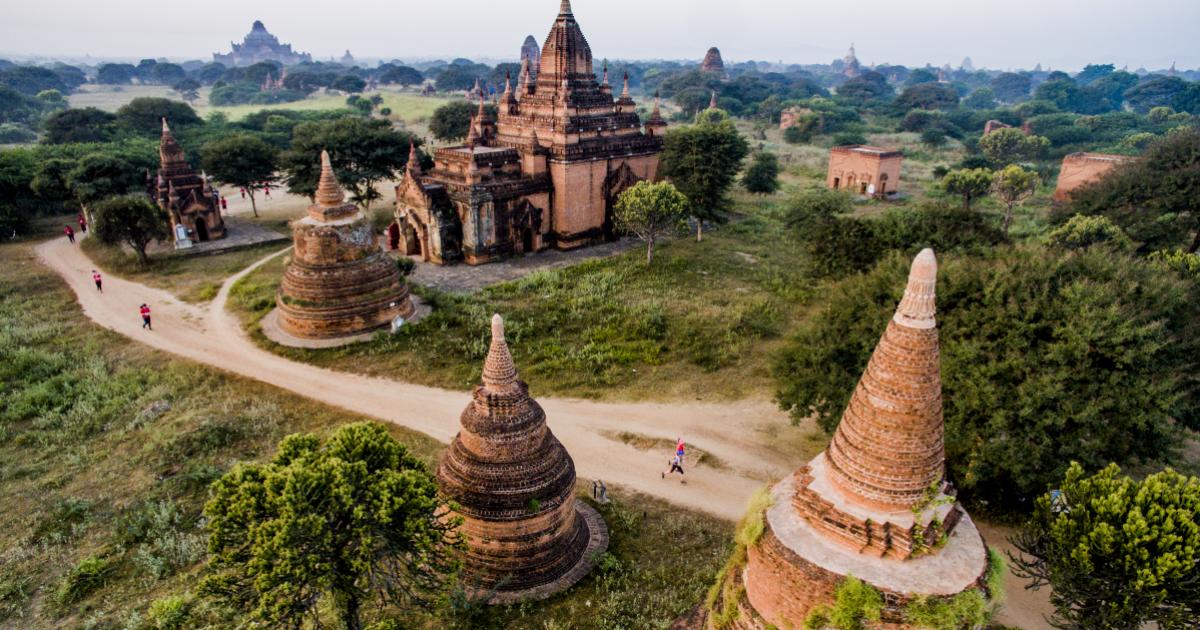
Bagan, also spelled Pagan, is a sprawling archaeological site located in central Myanmar (formerly Burma). This ancient city, once the capital of the powerful Pagan Empire, is renowned for its vast collection of Buddhist temples, pagodas, and monasteries spread across a vast landscape. Nestled along the banks of the river Irrawaddy, Bagan offers a unique and captivating journey through the region’s rich history.
The ruins of Bagan cover an area of approximately 25 square miles (64 square kilometers) and are home to more than 2,200 pagodas, temples, and monasteries, many of which have survived earthquakes and centuries of abandonment. The largest and most famous of these structures includes Ananda Temple, which dates back to the early 11th century and remains a significant symbol of the site’s religious and cultural significance.
Ancient History and Cultural Significance
The history of Bagan spans over a millennium, with the earliest known settlements dating back to around the 6th century AD. It was during the reign of King Kyansittha in the 11th century that Bagan began to flourish as the capital of the unified Pagan Kingdom.
The Pagan Empire lasted until the late 13th century when it was sacked by the Mongols under Kublai Khan. Despite this setback, Bagan continued to be an important center of Buddhist practice and learning. Today, the site remains a living testament to the culture and religion of the past, attracting thousands of visitors each year who come to marvel at the ancient architecture and explore the rich history encapsulated within the walls of these historic structures.
Pilgrimages and Travel
For many travelers and pilgrims, visiting Bagan is not merely a sightseeing tour but a spiritual experience. The sunrise and sunset are particularly magical times to visit the sites, casting a warm and golden hue across the sprawling plains of temples and monuments. Each temple carries its own story and significance, making them fascinating destinations for both tourists and scholars alike.
To reach Bagan, one typically flies into Mandalay or Naypidaw, both major cities in Myanmar, and then travels by car or bus to the site. Visitors can spend several days exploring the area to get a comprehensive view of the ancient structures, many of which are open for public viewing or require admission fees for entry into specific areas.
Architectural Marvels and Iconic Temples
The architectural style of Bagan temples combines various elements from earlier Burmese styles with local influences, resulting in a unique blend of aesthetic and spiritual significance. These structures are built using traditional Burmese brick and decorated with intricate sculptures and carvings that tell stories from Buddhist mythology and history.
Key features of the Bagan temples include:
Ananda Temple
- Date of Construction: Early 11th century
- Significance: One of the oldest and most famous temples, dedicated to Buddha
- Architecture: Four equal sides, each containing a main entrance and numerous small stupas
- Sculptures: Intricate carvings depicting scenes from the life of Buddha and Buddhist deities
Htilominlo Temple:
- Date of Construction: 1218 AD
- Significance: Named after King Htilominlo of the Pagan Dynasty
- Architecture: Known for its large spire and richly decorated exterior
- Highlights: Intricate sculptures and murals inside the temple
Shwezigon Pagoda:
- Date of Construction: Around 1090 AD
- Significance: Often referred to as Burma’s equivalent of the Egyptian pyramids due to its resemblance
- Architecture: Pyramid-shaped structure topped with a gilded stupa
- Features: A sacred site associated with the Buddha and housing relics
Mandalay Palace Paya:
- Date of Construction: 1784 AD
- Significance: Built during the time of King Bodawpaya as part of the Royal Palace complex
- Architecture: Reflects Shan-Burmese architectural style with brick walls and terracotta tiles
- Features: Includes various halls and pavilions adorned with sculptures and paintings
Visitors can also explore less popular yet equally fascinating structures such as Dhammayangyi Temple, with its massive sandstone blocks, and Dhammayazika Pagoda, known for its ornate frescoes depicting the life of the Buddha.
Cultural Practices and Local Life
Bagan’s local community plays a vital role in preserving the historical significance of these ancient structures. Villagers in the surrounding area continue to live in harmony with the legacy of their ancestors, maintaining simple lifestyles that reflect traditional practices and beliefs. Local monks, or bhikkhus, are integral to daily life, conducting rituals and teaching in the temples and monasteries.
Cultural festivals like the Bagan Hot Air Balloon Festival, held annually during the full moon of Tabaung (mid-April), attract international participants and highlight the region’s vibrant cultural tapestry. The festival involves hot air balloon rides over the temples, adding an additional layer of excitement and celebration to the already storied landscape.
Conservation Efforts and Sustainable Tourism
With the increasing attention placed on Bagan’s cultural heritage, conservation efforts have become paramount. UNESCO has recognized the site as a World Heritage Site, prompting significant initiatives aimed at protecting and restoring the buildings. Various organizations work collaboratively to preserve the structures, ensuring they stand the test of time.
Sustainable tourism practices are also encouraged to minimize environmental impact. This includes reducing plastic waste, promoting eco-friendly transportation options (such as bicycles), and supporting local businesses that follow sustainable practices. Visitors are encouraged to adopt responsible behaviors, contributing to the ongoing preservation of this invaluable historical site.
The ongoing commitment to conservation and the promotion of sustainable tourism ensures that future generations can continue to appreciate and learn from the remarkable history embedded in Bagan’s temples and monuments.
In the following part of this article, we will delve deeper into the specific challenges faced in the conservation efforts and the impact of modernization on Bagan’s historical integrity. We will also explore the significance of cultural preservation and the role of local communities in maintaining their heritage. Stay tuned!
Challenges in Conservation Efforts
Bagan faces a myriad of challenges in its conservation efforts, primarily stemming from the natural hazards it encounters, including frequent earthquakes and the effects of climate change. The loose construction materials used in building these ancient structures make them susceptible to damage during seismic activity. In recent decades, several significant earthquakes have caused substantial structural damage, necessitating urgent restoration work.
Another pressing issue is the encroachment of vegetation, which threatens the stability and appearance of these ancient edifices. Without proper management, trees and shrubs can grow roots that destabilize the ground, leading to cracks and collapses. Efforts to control this growth involve periodic manual removal and the application of herbicides to prevent re-growth. However, these methods must be carefully managed to avoid causing further harm to the delicate structures.
Erosion is also a significant concern, particularly on the slopes of pagodas and temples where water can lead to soil loss and instability. Measures such as reinforced retaining walls and the installation of drainage systems help mitigate this problem. Furthermore, regular monitoring and maintenance are essential to identifying weak spots early and addressing them promptly.
Modernization and Its Impact
The rapid pace of modernization poses another challenge to the historical integrity of Bagan. As Myanmar emerges from decades of isolation, there is an increasing demand for development that can bring economic growth and improve the quality of life for its citizens. While these initiatives aim to uplift the region, they can inadvertently pose risks to the cultural heritage of Bagan.
The construction of roads and buildings near the archaeological sites, for instance, can disrupt the historical context and visual aesthetics of the area. Urban sprawl threatens to encroach upon the buffer zones around the temples, potentially compromising their preservation. To address these issues, local authorities and international heritage organizations are implementing strict guidelines and regulations to ensure that new developments do not undermine the cultural significance of Bagan.
The juxtaposition of old and new in Bagan is evident even in individual structures. Renovations to restore some temples often involve modern techniques and materials, which can sometimes be controversial among preservationists who fear they might detract from the original architecture. Balancing the need for restoration with respect for historical authenticity is a delicate process that requires careful consideration.
Community Engagement and Preservation Initiatives
The active involvement of the local community is crucial to the preservation efforts in Bagan. Villagers and monks not only rely on the sites for their livelihood but also play a key role in upholding the traditions and values associated with these historical landmarks. Training programs are being conducted to educate community members on the importance of conservation and sustainable practices.
One such initiative involves the establishment of village committees responsible for maintaining the cleanliness and upkeep of the archaeological site. These committees organize regular cleanup drives and patrols to ensure that the surroundings remain pristine. Additionally, there are educational programs targeting schoolchildren to instill a sense of pride and responsibility towards their cultural heritage.
Furthermore, partnerships between local authorities and international organizations support these efforts by providing funding, expertise, and resources. Projects funded through collaborative endeavors often include community-Based tourism initiatives that generate income while fostering a sense of ownership and stewardship among locals.
Involving the community also helps in addressing challenges such as vandalism. Local residents are trained to recognize signs of unauthorized access or damage, allowing for prompt reporting and intervention. This collaborative approach ensures that both preservation goals and community needs are met, creating a sustainable model for the future.
Cultural Preservation and Educational Outreach
Preserving the cultural legacy of Bagan involves not only physical preservation but also the transmission of knowledge and traditions to future generations. Educational programs play a vital role in achieving this objective. Schools in the surrounding areas incorporate Bagan’s history and cultural significance into their curricula, ensuring that students are exposed from an early age to the rich tapestry of their heritage.
Workshops and training sessions are organized for artisans and craftsmen to pass down traditional skills related to temple architecture and artistry. Master craftsmen work alongside apprentices, teaching them how to carve intricate designs, mold bricks, and paint frescoes. These skills are crucial for restoring and maintaining the many ancient structures within Bagan.
Documentation and digitization projects are also underway to preserve valuable records and artifacts. Photographs, drawings, and digital scans capture details of the temples and surrounding areas, creating comprehensive archives for researchers, educators, and enthusiasts alike. These efforts not only aid in research but also serve as educational tools, allowing individuals from around the world to virtually explore Bagan’s cultural treasures.
The importance of engaging with the broader academic community cannot be overstated. International collaborations bring together experts from various disciplines to contribute to ongoing research and analysis. Seminars, conferences, and publication of scholarly works help disseminate knowledge and foster a deeper understanding of Bagan’s significance in the broader context of Asian and world history.
In conclusion, the preservation of Bagan’s cultural heritage is an ongoing and multifaceted endeavor that requires the concerted efforts of community members, local authorities, international organizations, and the academic community. By working together, these groups can ensure that future generations can continue to appreciate the magnificent history and cultural richness of this ancient site.
To be continued...
The Future of Bagan: Challenges and Hope
Despite the numerous challenges, the future of Bagan holds promise. Continued efforts in conservation, sustainable tourism, and community engagement offer hope for preserving this unparalleled cultural heritage. As Myanmar transitions to a more open and economically vibrant nation, the global spotlight on Bagan increases, bringing attention and resources to ensure its longevity.
Collaborative initiatives between local and international partners are critical in addressing the multifaceted issues facing Bagan. For example, partnerships with UNESCO, the World Monuments Fund, and other heritage organizations provide financial and technical support for preservation projects. These collaborations often involve community-driven approaches that empower local stakeholders to take an active role in shaping the future of Bagan.
One promising development is the implementation of sustainable tourism practices. Eco-friendly initiatives, such as guided tours led by local residents, promote authentic experiences and reduce the negative impact of mass tourism. Programs that support local artisans and craftspeople help sustain traditional skills, offering economic benefits while preserving cultural heritage.
Governance and Policy Frameworks
Effective governance and policy frameworks are essential to managing the complexities of preserving Bagan. The Myanmar government, recognizing the site’s significance, has established the Bagan Archaeological Zone Administration, which oversees the conservation and management of the archaeological site. This administration works closely with international partners to develop comprehensive plans that balance the needs of preservation with those of local communities and visitors.
Regulations are put in place to manage visitor numbers, controlling the flow of tourists to prevent overcrowding and damage. Guidelines for appropriate behavior and interaction with the sites are also disseminated, educating visitors on how to respect and protect the cultural heritage. Additionally, efforts to enhance security measures aim to safeguard against theft, vandalism, and natural disasters.
Education and Awareness Campaigns
Educational campaigns and awareness programs have been launched to inform both local and international audiences about the importance of Bagan’s preservation. These initiatives include public lectures, documentary films, and online resources that highlight the historical and cultural significance of the site. Social media platforms and educational institutions play significant roles in spreading awareness and encouraging global participation in conservation efforts.
Youth empowerment programs are especially important in inspiring the next generation of custodians of Bagan. These programs engage young people in hands-on preservation activities, fostering a sense of pride and responsibility toward their cultural heritage. Summer camps, workshops, and internships provide opportunities for students to learn from experienced conservation professionals and contribute to ongoing projects.
Conclusion and Final Thoughts
Bagan stands as a testament to the rich cultural heritage of Myanmar, embodying the spirit of a civilization that has endured for centuries. Through a combination of community engagement, sustainable practices, and international collaboration, there is a collective effort to ensure that this legacy continues to thrive. As the world pays increasing attention to Bagan, the site becomes a beacon of hope for the preservation of cultural treasures around the globe.
The future of Bagan is not just about maintaining the physical structures; it is about sustaining the cultural narratives and traditional practices that define its essence. By fostering a sense of shared responsibility among all stakeholders, both local and global, Bagan can continue to inspire and educate future generations, ensuring that the lessons of the past are never forgotten.
Explore More: If you wish to delve deeper into the history and cultural significance of Bagan, you can visit the official websites of the Myanmar Ministry of Hotels and Tourism and the Bagan Archaeological Zone Administration. Additionally, reading scholarly articles and participating in virtual tours available through heritage organizations can provide a richer understanding of this magnificent archaeological site.
Bagan invites you to become part of its enduring story—a story filled with discovery, reflection, and admiration for human creativity and resilience.






Comments