Dubrovnik: A Historical Gem on the Adriatic Coast
Nestled on the southern coast of Croatia and basking in the azure hues of the Adriatic Sea, Dubrovnik is a city that exudes an irresistible allure. Known as the "Pearl of the Adriatic," this historic city is a trove of cultural, architectural, and natural wonders. Dubrovnik's splendid medieval walls encapsulate not just its ancient spirit, but a vibrant history that weaves through its narrow streets and majestic structures, offering a unique blend of past and present.
Dubrovnik holds a magnetism that draws history enthusiasts and casual tourists alike. A walk through the city is akin to stepping through pages of history, embodying a myriad of stories that unfold with every corner turned. From its founding, thriving maritime prowess, to its status as a UNESCO World Heritage site, Dubrovnik is a testament to resilience and tenacity.
The Birth and Blossoming of Dubrovnik
The origins of Dubrovnik, once known as Ragusa, are steeped in legend and lore. Founded in the 7th century by refugees from the nearby Roman city of Epidaurum, modern-day Cavtat, Dubrovnik soon evolved into a prominent city-state. Initially, it existed under Byzantine protection, which helped shape its strategic and economic landscape.
In the Middle Ages, Dubrovnik thrived as an influential maritime city, connecting East and West through the Adriatic Sea. With a strategic position coupled with astute diplomacy, it became a crucial trading hub, establishing strong ties with the Mediterranean and beyond. The city's governing autonomy, known as the Republic of Ragusa, was established in the 15th century and lasted until 1808. This republic was a beacon of diplomacy and commerce, notorious for its savvy navigations through complex international relations, maintaining peace, and prosperity in volatile times.
Exploring the Walls: Defenders of History
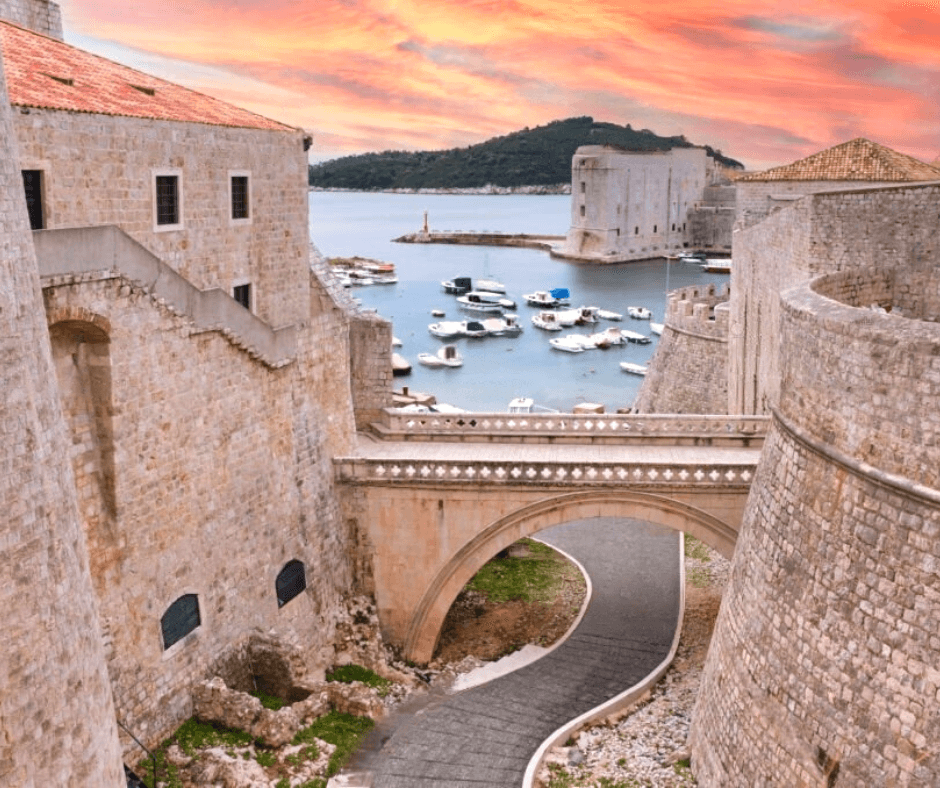
The imposing City Walls of Dubrovnik are arguably its most recognizable feature. Originally constructed between the 11th and 17th centuries, these fortifications stretch for nearly two kilometers. The walls were a formidable barrier against potential sieges, reinforced by a series of towers and bastions that played essential roles in the defense of the city. Walking along these walls offers a panoramic view of Dubrovnik's exquisite terracotta roofs and the expansive blue of the Adriatic.
The walls are interspersed with fortresses, such as the Bokar Fortress, the oldest preserved fortification of its kind in Europe. Designed to protect the Pile Gate, it stands as a testament to medieval military architecture. Another notable structure is the Lovrijenac Fortress, perched upon a rocky cliff, often celebrated as "Dubrovnik's Gibraltar." This fortress was critical in defending the city from Venetian incursions, whose expansive empire viewed Ragusa as both adversary and potential conquest.
The Heart of the Old Town
Inside the embrace of the city walls lies Dubrovnik's Old Town, a pedestrian marvel full of Baroque and Renaissance buildings. Its streets, laid with white limestone, reflect a wealth of history in its intricate architecture. At the heart of the Old Town is Stradun, the main thoroughfare, which acts as the lifeline of daily city buzz and a connector of cultural stops.
Stradun is an exemplary illustration of urban transformation and resilience, rebuilt with homogeneity after the catastrophic earthquake of 1667 that left much of Dubrovnik in ruins. Despite the city's vulnerability to natural calamities and sieges, its architectural resilience shines through with intact structures like the Sponza Palace, which once served as a customs house and now is the home to carefully preserved Dubrovnik archives.
Just steps away is the Rectors Palace, blending Gothic, Renaissance, and Baroque styles. It once served as the seat of the Republic's Rector and today functions as a cultural history museum, sharing the insights into the political narrative and life in the Republic of Ragusa.
Dubrovnik’s religious heritage is equally captivating, with iconic landmarks like Dubrovnik Cathedral, dedicated to the Assumption of the Virgin Mary. This imposing structure stands on the foundations of older sacred buildings dating back to the 7th century, showcasing a rich history intertwined with faith.
A Center of Culture and Innovation
Aside from its architectural splendors, Dubrovnik has long been acknowledged as a nucleus of culture, education, and science. The city was among the pioneers of the abolition of slavery in Europe, demonstrating its progressiveness and humanistic values, with a formal decree in 1418 prohibiting the trade. This foresight and humanity extend into the arts, with the city birthing illustrious poets, playwrights, and scholars.
The renowned playwright Marin Držić, often compared to Shakespeare, found his roots in Dubrovnik. His comedy and drama pieces resonate with creative expression, leaving an enduring legacy. The city is also the birthplace of Ruđer Bošković, an esteemed physicist and astronomer, whose work significantly contributed to scientific thought.
As one delves into the streets of Dubrovnik, this journey is a continuous discovery of its profound legacy, an entrancing blend of history and culture, inviting visitors to explore further and unravel its mysteries. As this article moves to its continuation, the intrigue of Dubrovnik's modern stories and its embrace of tourism and preservation efforts await. The next section will further illuminate how this historic gem continues to thrive in the current era and its endeavors to maintain its unique heritage for future generations.
Dubrovnik’s Renaissance: From War to Peace
Dubrovnik’s rich tapestry of history took a turbulent turn at the end of the 20th century during the Croatian War of Independence. The Siege of Dubrovnik in 1991 was a significant event that tested the resilience of this historic city. The bombardment left severe damage and indelible scars on its ancient walls and cultural monuments, yet the spirit of Dubrovnik emerged unbroken.
Acknowledging the city's profound historical and cultural significance, global efforts were swiftly marshaled following the siege to aid in its restoration. Under the watchful gaze of UNESCO and alongside local architects, craftsmen embarked on a mission to meticulously restore the damaged areas. This restoration became not only a testimony to the resilient spirit of Dubrovnik’s people but also a stellar example of successful heritage conservation.
The dedication to preserving the old while rebuilding the new played a pivotal role in Dubrovnik’s resurgence as a cultural crown jewel of the Adriatic. Over the years, Dubrovnik has elegantly transitioned from a city affected by conflict to one of peace and prosperity, attracting countless visitors worldwide seeking to delve into its historical riches and vibrant culture.
The Role of Tourism: Opening Doors to the World
Today, Dubrovnik thrives as one of Europe's premier tourist destinations. The stark beauty of its medieval walls, gleaming in the Mediterranean sun, draws tourists seeking the unique charm of an ancient world where history and modernity coexist. The city's capacity to transform itself into a global tourism hub is a narrative of adaptability and preservation, strategically balancing the influx of visitors with protecting its cultural heritage.
Guided tours through its historic sites reveal the lesser-known stories and anecdotes of its storied past. Expert local guides regale tourists with tales of noble families, fascinating myths, and the city's diplomatic feats, infusing life into the stones that stand testament to Dubrovnik’s enduring legacy.
Cultural tourism in Dubrovnik takes on a multidimensional form. Beyond its architectural sites, the city vibrates with festivals such as the Dubrovnik Summer Festival, an iconic cultural event celebrating theatre, music, and art. Since 1950, artists from around the world have converged on Dubrovnik during this festival, turning its streets and squares into stages for vibrant performances. This festival is not just entertainment but an integral aspect of Dubrovnik's cultural tapestry, connecting global narratives with local traditions.
Moreover, the city caters to modern tourists by interlacing its historical grandeur with contemporary luxury. Sophisticated accommodation options nestled within its ancient edifices offer panoramic views of the Adriatic, seamlessly blending the charm of antiquity with modern comfort. Local culinary experiences delight visitors with traditional Dalmatian flavors, ensuring that the magic of Dubrovnik's heritage is both a visual and sensory experience.
Cinematic Enchantment: Dubrovnik on the Screen
Dubrovnik's cinematic appeal has transcended time, finding new life and renewed fame through film and television. Its well-preserved historical architecture and stunning landscapes have made it a favored filming location for many productions, most notably the acclaimed television series "Game of Thrones." The series showcased Dubrovnik as the majestic city of King’s Landing, propelling it into the spotlight and kindling the interest of a diverse and global audience.
Game of Thrones-themed tours have since become a leading tourist attraction, drawing fans eager to explore filming locations such as Fort Lovrijenac and the Jesuit Staircase, where notable scenes unfolded. The city has leveraged this fame to enhance its tourism sector further, creating a bridge between its ancient allure and modern pop culture.
Dubrovnik’s ability to adapt to contemporary cultural trends is embedded in its strategy to preserve its core identity while embracing new narratives, an approach that has significantly enhanced its global cultural footprint. Filmmakers and tourists alike are magnetized to Dubrovnik’s amalgamation of historical beauty and its visionary approach to hospitality.
Safeguarding the Future: Challenges and Conservation
While embracing the global spotlight, Dubrovnik faces the ongoing challenge of preserving its captivating allure amidst heavy tourist traffic. The delicate balance between fostering economic growth through tourism and preserving its erected history is a continual negotiation.
In recent years, Dubrovnik has proactively addressed these challenges by implementing sustainable tourism measures. Initiatives include limiting the number of cruise ships allowed per day and encouraging tourism outside of the peak summer season to manage crowds effectively. The city has engaged in active dialogue with international organizations to develop conservation strategies that ensure the preservation of its rich cultural heritage for future generations.
Furthermore, Dubrovnik cultivates a tight-knit community of historians, archaeologists, and preservationists who work diligently to safeguard its historical legacy. This collaborative approach underscores the city's commitment to long-term sustainability and cultural stewardship, ensuring that its historical sites remain not just points of tourism but living parts of its community and history.
Dubrovnik: A Timeless Legacy
Dubrovnik stands today as a shining example of a city that has embraced its past while navigating the demands of the contemporary world. Every stone tells a story; each courtyard echoes with distant voices, blending seamlessly with the bustling city that thrives within the ancient walls.
The romance of its setting, the intricacy of its history, and the warmth of its people create an atmosphere quintessentially Dubrovnik—a city where the old and the new harmoniously coexist. As this article proceeds to its third part, we will explore further the undiscovered paths of this captivating city, delve into its future aspirations, and reflect on the continuing journey of Dubrovnik’s timeless legacy on the Adriatic coast.
Exploring Dubrovnik’s Hidden Corners
While the grand vistas and celebrated landmarks of Dubrovnik often steal the spotlight, the city’s hidden corners hold an equally captivating tale. Away from the bustling main streets, intimate alleyways and quiet nooks provide a deeper glimpse into the soul of Dubrovnik. These lesser-known paths, like secrets whispered through time, invite exploration and discovery beyond the conventional tourist trails.
Wandering through the labyrinthine backstreets of the Old Town, visitors might stumble upon charming secluded squares or hidden chapels like St. Ignatius Church, renowned for its awe-inspiring Baroque architecture. These peaceful areas offer a contemplative escape from the crowds, where the echoes of distant history resonate within their aged facades.
The Gundulić Square morning market is another gem, where local vendors display a vibrant array of fresh produce and handmade goods. It's a place where the aroma of local delicacies mingles with the melodies of daily life, offering a taste of Dubrovnik’s day-to-day vibrancy that is both authentic and inviting.
Another hidden treasure lies beneath the city’s streets—a complex network of subterranean tunnels from World War II, which now house museums and exhibitions. These spaces offer insight into the modern history of Dubrovnik, shedding light on the lesser-known chapters of its storied past, illustrating the resilience through epochs of both peace and turmoil.
Embracing the Natural Beauty
Dubrovnik’s allure extends beyond its rich historical and cultural fabric, unfurling into breathtaking natural scenery just waiting to be explored. The magnificent Adriatic Sea, with its crystal-clear waters, offers numerous opportunities for coastal excursions. From kayaking along the city walls to taking a boat ride to the nearby Elaphiti Islands, the azure expanse invites adventure and relaxation alike.
Lokrum Island, a mere stone's throw from Dubrovnik, is a verdant oasis that affords a mix of history, legend, and lush landscapes. Allegedly cursed by Benedictine monks, this island is steeped in mythology and intrigue. Visitors can wander through its botanical gardens, discover ruins of a medieval monastery, or simply bask along its serene coastline.
Dubrovnik’s natural beauty is further complemented by the Dinaric Alps, offering hiking trails with panoramic vistas that encapsulate both the city and the tranquil sea. An ascent of Mount Srđ rewards climbers with unparalleled views of Dubrovnik’s terracotta rooftops nestled alongside the shimmering water—an arresting sight that anchors the heart and rejuvenates the soul.
Each element of Dubrovnik’s natural landscapes presents an opportunity to step away from the cobbled streets and immersed in a different aspect of the city’s multifaceted charm, fostering a holistic experience that speaks to both its beauty and bounty.
Dubrovnik: Looking Towards the Future
In its essence, Dubrovnik represents a city of progress; it is not merely resting on its historical laurels but striving towards future innovation and vibrancy. The city has expressed aspirational endeavors to remain a beacon of cultural and historical preservation while embracing modernity and sustainable tourism practices.
The Dubrovnik Development Agency, in collaboration with international stakeholders, has propelled efforts to engage young local entrepreneurs and innovators in enhancing the city’s digital landscape. Programs encouraging startups and tech-centric businesses aim to broaden the economic base of Dubrovnik, fostering a dynamic new era of economic diversity within the ancient city walls.
Furthermore, Dubrovnik is investing in academic partnerships and hosting international conferences, fortifying its standing as not just a tourist draw, but a cultural and intellectual hub. These initiatives reflect the city's priority in nurturing future generations who understand the delicate balance between heritage and innovation, ensuring a sustainable future that honors the legacy of the past.
Reflecting on Dubrovnik’s Timeless Appeal
As one reflects on the entirety of Dubrovnik’s offerings, the picture that emerges is that of an everlasting dialogue between its striking past and promising future. It is a city where history walks hand in hand with progress, where the whispers of ancient times intermingle with the footsteps of modern wanderers.
Dubrovnik's charm lies not in any singular narrative but within its tapestry of experiences—an intricate mosaic that unites the grandeur of historic edifices, the tranquility of nature, and the vibrancy of cultural festivities. It invites visitors to lose themselves in its enchanting ethos, creating memories that linger long after the journey has ended.
Ultimately, as Dubrovnik continues to captivate with its allure, the city remains a place where both the adventures of yesterday and dreams of tomorrow are embraced, illustrating a perpetual journey etched into the heart of the Adriatic. Dubrovnik is more than just a destination; it is an enduring story—a testament to the spirit of resilience and a beacon of timeless wonders that beckons to be discovered anew.

Siem Reap: Gateway to the Ancient Wonders of Cambodia
Introduction
Siem Reap, a small yet bustling city located in northwestern Cambodia, serves as the primary gateway to one of the world's most awe-inspiring archaeological sites: Angkor Archaeological Park. This mesmerizing city, with its combination of historical allure and vibrant street life, has become a favorite destination for travelers embarking on a journey through Southeast Asia. Known for its proximity to the ancient temple complex of Angkor Wat, Siem Reap encapsulates a perfect blend of splendid antiquity, colonial charm, and modern conveniences.
A Glimpse into Siem Reap's History
The history of Siem Reap is intricately tied to that of the Angkor region. The city rose to prominence due to its strategic location near Angkor, the heart of the Khmer Empire from the 9th to the 15th centuries. Angkor was a flourishing metropolis, renowned for its architectural and artistic achievements, depicted through the massive monuments and temples that still stand today.
During the colonial period, particularly in the late 19th century, Siem Reap began to modernize under French influence, leading to the development of its infrastructure and emergence as a pivotal regional center. The colonial legacy can still be seen today in the French-style architecture scattered throughout the city.
The Angkor Experience
For most visitors, the highlight of Siem Reap is undoubtedly Angkor Archaeological Park, which stretches over 400 square kilometers and encompasses scores of ancient temples, including the iconic Angkor Wat, Bayon Temple, and Ta Prohm. Angkor Wat, a UNESCO World Heritage Site, is the largest religious monument in the world and a symbol of Cambodia's historical grandeur. Its sheer scale and intricate bas-reliefs depicting scenes from Hindu mythology leave a lasting impression on all who visit.
While Angkor Wat commands the most attention, exploring beyond this iconic structure reveals an intricate network of other temples, each with its unique architectural style and historical significance. Bayon Temple is cherished for its enigmatic smiling stone faces, while Ta Prohm is famous for the giant trees and sprawling roots enveloping its stones, offering a surreal, almost mystical appearance.
Siem Reap Today: A Tapestry of Culture and Community
Beyond the archaeological marvels, Siem Reap itself has much to offer. It has evolved into a vibrant city brimming with cultural and culinary experiences. The Old Market area and Pub Street are popular spots to immerse oneself in the local atmosphere, featuring a lively mix of bustling markets, art galleries, and eateries serving delectable Cambodian cuisine. Street food is prevalent, and a visit wouldn’t be complete without tasting traditional dishes like Amok, a fragrant coconut milk and curry-based preparation typically made with fish.
Siem Reap's cultural landscape is complemented by its array of cultural shows and performances that showcase traditional Khmer dance and music. The city's openness to cultural exchange is evident through its numerous museums, including the Angkor National Museum, which provides a deeper understanding of Cambodia's rich archaeological legacy.
Stay tuned for more insights and discover what makes Siem Reap a must-visit destination for any traveler seeking a journey through time.

A Journey Through Zanzibar City: The Historical Jewel of the Indian Ocean
A Journey Through Zanzibar City: The Historical Jewel of the Indian Ocean
Perched on the edge of the African continent, Zanzibar City shines as a vibrant, historical gem located on the island of Unguja, the largest of the Zanzibar Archipelago in the Indian Ocean. Known for its rich blend of cultures, architectural wonders, and a storied past rooted in trade and politics, Zanzibar City is a must-visit destination for history buffs and travelers seeking a truly unique experience.
The Heartbeat of Zanzibar: Stone Town
At the core of Zanzibar City lies the UNESCO World Heritage site, Stone Town. Notably famous for its narrow winding streets, bustling bazaars, and intricately carved wooden doors, Stone Town offers a glimpse into the city’s storied past. A wander through these streets feels like stepping back in time, a magical journey where Arabian, Persian, Indian, and European influences converge.
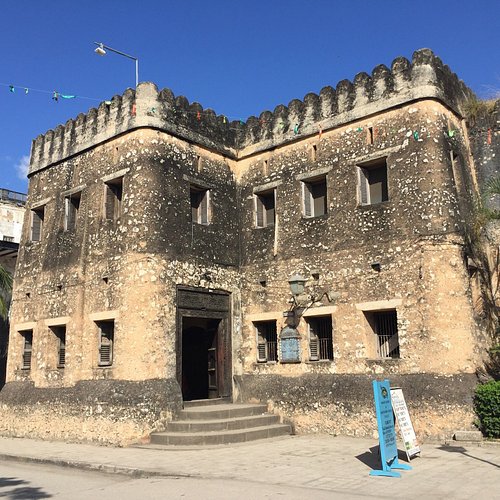
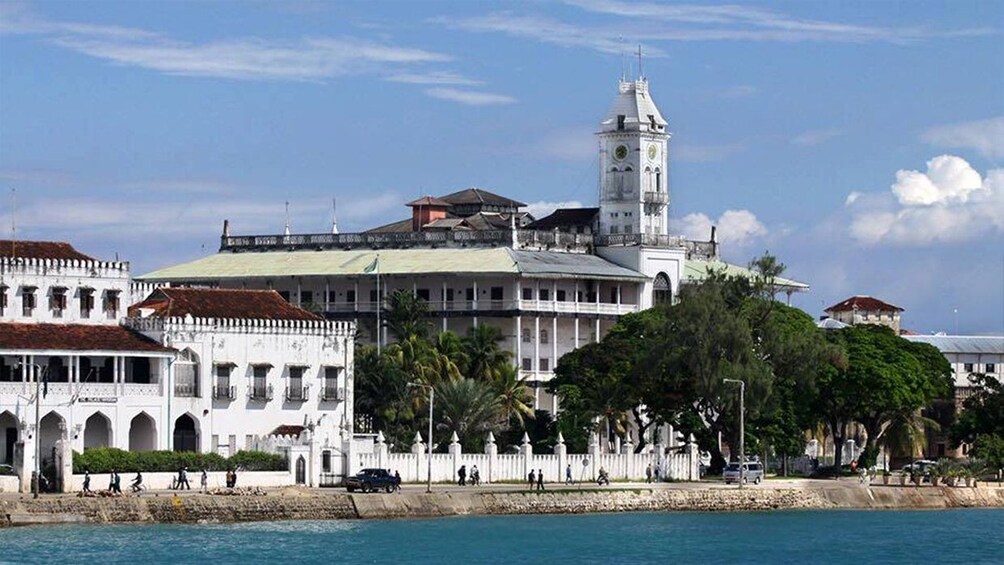
Stone Town is known not only for its architectural splendor but also for its atmospheric vibe. Visitors can explore the House of Wonders, the largest and tallest building of Stone Town, notable for being the first building in Zanzibar to have electricity and an elevator. Meanwhile, the Old Fort, sitting majestically by the seafront, speaks of an era that echoes battles and skirmishes from the time when Omani Arabs ruled the island.
A Melting Pot of Cultures
The history of Zanzibar City is a rich tapestry woven together by diverse cultures that have settled through the ages. Originally a part of the Swahili Coast, it saw a fusion of Bantu speakers and Arab traders as early as the 9th century. The island became a central hub in the Indian Ocean trade network, dealing in spices such as cloves, and ivory, and tragically, played a pivotal role in the slave trade.
The Omani Arabs' subsequent rule of the island left a lasting impact, most evident in the architectural designs and the Islamic cultural practices observed today. With the establishment of the Omani sultanate in the 19th century, Zanzibar flourished as a political and commercial capital, attracting traders and settlers from far and wide to its shores. The city's cosmopolitan spirit remains alive as residents celebrate ethnicity, religion, and language diversity harmoniously.
Culinary Delights and Festive Spirits
The vibrant culture of Zanzibar City is equally matched by its rich culinary offerings. The "Spice Island" lives up to its name with its flavorful cuisine that tantalizes the taste buds—an aromatic blend of Indian, Arabic, and African gastronomic traditions. Visitors can relish the signature Zanzibari dishes such as Biryani, influenced by Indian spices, and Urojo, a tangy soup often referred to as Zanzibar mix.
Those venturing to Zanzibar City are also in for a treat with its lively festivals. The annual Zanzibar International Film Festival (ZIFF) is an iconic event celebrating African cinema, bringing together filmmakers, artists, and enthusiasts from across the globe. Additionally, the Sauti za Busara music festival garners regional attention, showcasing the vibrant musical heritage of East Africa, featuring musicians who ignite the streets with dynamic rhythms and dance.
Preservation and Future Directions
As a city steeped in history, preservation is pivotal to Zanzibar City’s future. Organizations and local government bodies work to conserve its architectural and cultural heritage, ensuring that the charm and authenticity of Stone Town and other historical sites remain intact amidst the tides of modernization. Recent restoration projects have been diligent in preserving the Sultanate and colonial-era buildings, continually drawing tourists eager to explore its fascinating past.
In more recent years, Zanzibar City has seen enhancements in infrastructure, efforts to balance conservation with the growing needs of its inhabitants and visitors. This synergy provides an optimistic outlook for the future, aligning developmental aspirations with the preservation of cultural heritage. With tourism as a cornerstone of its economy, the city's focus remains on sustainable growth that celebrates its unique identity.
Stay tuned for the second part of our article as we delve deeper into the vibrant art, music, and contemporary social dynamics that make Zanzibar City a captivating intersection of past and future.
The Artistic Soul of Zanzibar City
Art in Zanzibar City is an expression of its cultural melting pot. The city’s art scene beautifully blends traditional Swahili influences with contemporary styles, creating an eclectic visual landscape that captivates both locals and tourists alike. Walking through Stone Town reveals numerous galleries and craft shops, where one can find intricate hand-carved woodwork, vibrant Tinga Tinga paintings, and delicate local textiles. Each piece tells a story deeply rooted in the island's heritage, serving as a testament to the artistic talent that flourishes in the city.
Local artists often find inspiration in their surroundings, their works vividly capturing the daily life, landscapes, and seascapes of Zanzibar. Artisans employ age-old techniques passed down through generations, while also embracing modern trends to keep their creations relevant. The city’s annual art exhibitions and markets are a great opportunity to explore this fusion firsthand, marked by a lively exchange of ideas and creativity.
A Musical Haven
Music is the beating heart of Zanzibar City—a vital aspect of its cultural identity and community spirit. The island’s music heritage is as diverse as its history, with Taarab as one of its most distinctive musical forms. Taarab music, a unique blend of Swahili, Arabic, and Indian influences, employs traditional instruments such as the oud, qanun, and tabla to create melodious tunes that resonate within the city's walls.
In addition, the annual Sauti za Busara festival has become a significant cultural event, positioning Zanzibar as a premier music destination in Africa. With performances along the picturesque waterfront and amidst the historic venues of Stone Town, the festival attracts artists from across Africa, offering a rich showcase of live performances that celebrate the continent's musical diversity. The festival not only provides a platform for established artists but also nurtures emerging talents, ensuring the continuation of the vibrant musical tradition.
Educational and Social Initiatives
While Zanzibar City's allure is globally recognized, it is also home to a community that prioritizes education and social development. Institutions such as the State University of Zanzibar and various vocational training centers play a pivotal role in shaping the city’s future by providing education to the youth. These institutions emphasize the importance of preserving cultural heritage while also promoting the skills necessary for thriving in a globalized world.
Numerous non-governmental organizations actively work to address social challenges, empowering communities through programs aimed at improving health, education, and economic opportunities. Initiatives that focus on women's empowerment, in particular, have gained momentum, leveraging the city’s rich cultural tapestry to inspire social change and development. These programs reflect a commitment to balancing progress with cultural integrity, ensuring that Zanzibar City remains an inclusive society for all its inhabitants.
Tourism and Economic Impact
Zanzibar City stands as a beacon for tourism, with visitors drawn by its historical sites, cultural richness, and natural beauty. The economic impact of tourism is substantial, providing livelihoods for countless residents and fostering a service sector that underscores the city’s hospitality. From charming boutique hotels in Stone Town to inclusive eco-friendly resorts at the island’s beaches, tourism infrastructure continuously evolves to meet and exceed expectations.
The influx of visitors has also spurred the growth of local businesses, providing ample opportunities for entrepreneurs and artisans alike. Street markets and food stalls thrive, offering tourists an immersive experience into the daily life of Zanzibaris. The symbiotic relationship between tourism and the local economy exemplifies how the city capitalizes on its heritage to create sustainable economic pathways.
The Path Forward
As Zanzibar City maneuvers through the 21st century, balancing modernization with heritage preservation remains at the forefront of its agenda. Initiatives focused on sustainable development and environmentally conscious practices are being integrated into tourism and urban planning strategies. The aim is to protect the island's natural and cultural resources, preserving the city’s allure for future generations.
Efforts by both government entities and community leaders to engage and involve the local populace ensure that any development reflects the needs and aspirations of those who call Zanzibar City home. There is a collective understanding that the key to successful growth lies in nurturing the city's identity while embracing innovation and forward-thinking practices.
In Conclusion
Zanzibar City’s unique blend of history, culture, and modernity makes it an extraordinary destination that continues to captivate the imaginations of all who visit. As the city progresses, it remains committed to preserving its rich heritage while opening its arms to the opportunities and challenges of the future. Whether you are exploring its historic cobblestone streets, savoring its culinary delights, or immersing yourself in its artistic and musical cultures, the heartbeat of Zanzibar City is sure to leave an indelible mark on your soul.