


Mandalay: Heartbeat of Myanmar's Royal Past
Introduction
Mandalay, once the vibrant capital of Myanmar during the reigns of King Mindon and King Thibaw, is now a bustling city steeped in royal history and cultural heritage. Nestled along the Irrawaddy River, it serves as a gateway to the ancient temples, palaces, and stunning landscapes of central Myanmar. This city, often referred to as the "City of Palaces," was founded by King Mindon in 1857 and has since evolved into a dynamic urban center while preserving its rich historical legacy.
The Founding of Mandalay
At the height of the Konbaung Dynasty, King Mindon recognized the vulnerability of the capital Ava due to its proximity to China and decided to construct a new royal capital. In 1857, he chose a strategic location on the west bank of the Irrawaddy River, not far from where Sagaing, another historical city, stood. Mindon's rationale was to ensure the security of the kingdom and to provide it with easy access to rice fields and transportation along the river.
Historic Significance
Mandalay stands as a testament to the grandeur of the late Burmese monarchy. The royal city's architecture reflects the zenith of Burmese craftsmanship, blending traditional styles with modern innovations. The walls surrounding Mandalay City were built between 1857 and 1860, featuring massive fortifications with watchtowers at regular intervals. Inside these walls, the city was laid out in a grid pattern with residential quarters, administrative buildings, and religious centers, all meticulously planned according to Pali canon principles.
Palaces and Temples
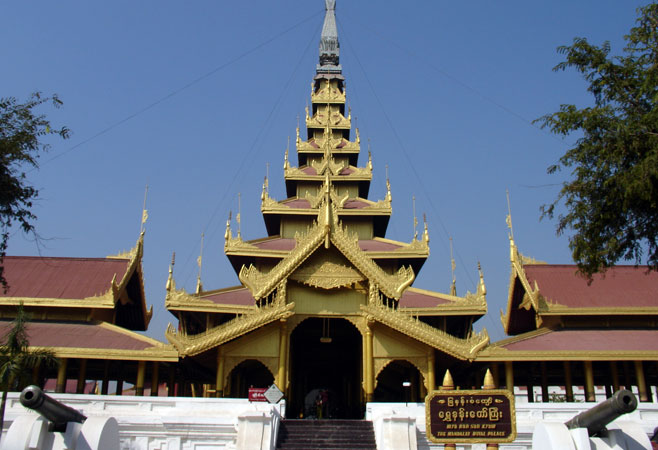
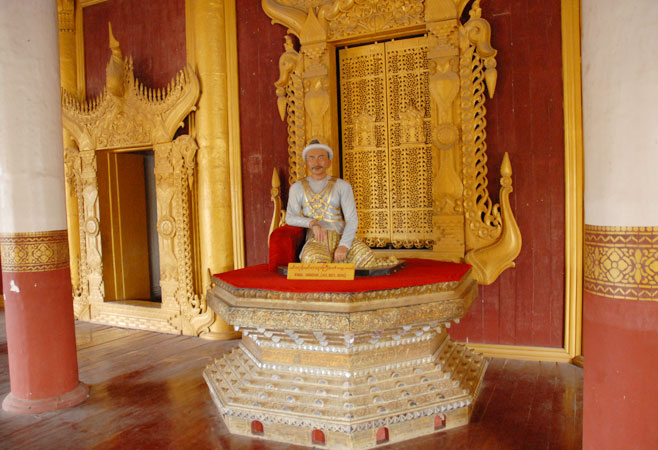
At the heart of Mandalay lies the most iconic structure, the Royal Palace. Commissioned by King Mindon and completed in 1859, the palace served as the residence for the royal family and as a ceremonial center until the British annexation of Upper Burma in 1886. The palace complex consists of several major structures, including the Mandalay Palace Hall, the Throne Hall, and the Audience Hall, each adorned with intricate carvings, paintings, and artifacts that reveal the magnificence of Burmese art.
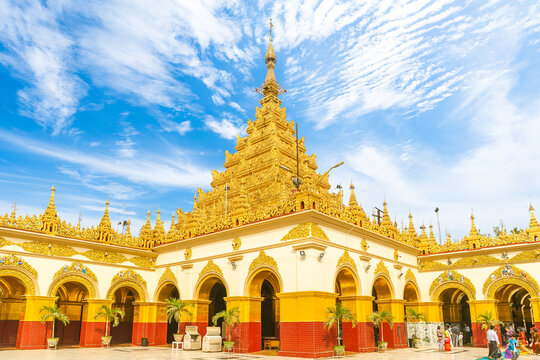
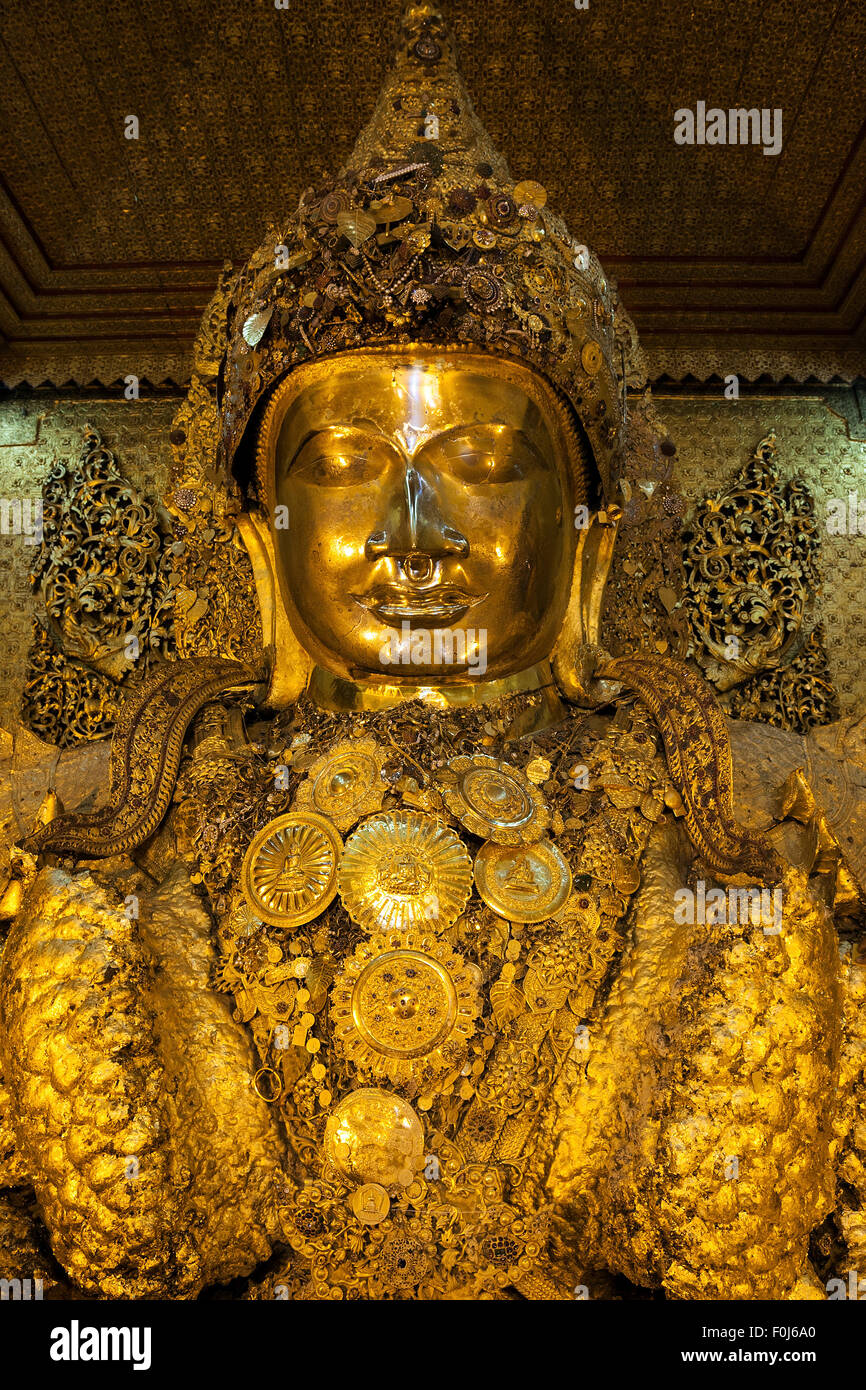
Besides the Royal Palace, numerous monasteries dot the cityscape. One of the most revered is Mahamuni Pagoda, home to the Mahamuni Buddha image, one of Myanmar's holiest Buddhist relics. Thousands of worshippers visit this pagoda annually to pay their respects, rubbing their foreheads against the gold-leafed statue for good luck and blessings. Another significant temple is Kuthodaw Pagoda, known for its intricate stupa adorned with beautifully carved marble slabs that form the world's largest book, the Wesak Chedi.
Cultural Legacy
The cultural heritage of Mandalay is deeply rooted in its traditions, art, and literature. The city was a hub for scholars, poets, and artists who contributed significantly to Burmese culture. Traditional performing arts such as puppet shows and theatrical performances continue to thrive here today. Additionally, the city is renowned for its silk weaving and lacquer work, both of which have been practiced for centuries and are still celebrated through local arts and crafts workshops.
Economic Vitality
In contemporary times, Mandalay has continued to play a vital role in Myanmar's economy. It is home to several industries, including textiles, manufacturing, and tourism. The city's proximity to natural resources, agriculture, and mineral wealth has made it a key economic center. The trade routes that connect Mandalay to other parts of Myanmar, as well as its port facilities, contribute to the city's bustling commerce.
Challenges and Transformation
While Mandalay has seen significant growth and modernization, it also faces challenges related to urbanization and sustainable development. The rapid expansion of the city puts pressure on its infrastructure and environment. Efforts are underway to preserve historical sites while also promoting urban planning that can accommodate the growing population without losing the charm and heritage of Mandalay.
One notable challenge is the preservation of its historical architecture. Many structures, especially those within the Royal Palace compound, continue to deteriorate due to age and neglect. Restoration projects initiated by both the Burmese government and international organizations aim to revive the former glory of these sites, ensuring they remain integral to Mandalay's identity.
Conclusion
Mandalay remains a city where history, culture, and daily life interweave seamlessly. From its strategic foundation to its rich tapestry of architecture and art, Mandalay embodies the soul of Myanmar's past and present. As it continues to evolve, Mandalay maintains its unique place as a living museum, offering visitors a profound insight into the history and heritage of Myanmar.
Parklife and Recreation
Mandalay's numerous parks are key to providing residents and tourists with green spaces to unwind and enjoy nature. Notable among them is Kwenaw Park, located within the historic city walls, which offers a tranquil escape amidst lush gardens and walking paths. Another popular spot is Mingalar Taung Nyunt Park, where visitors can engage in sports activities like golfing, tennis, and yoga classes. These parks serve not only as recreational areas but also as sites for community events and cultural festivals, fostering a sense of community and continuity with past traditions.
Sports and Recreation
Mandalay has a vibrant sports culture, reflected in its numerous sporting venues and events. One such venue is BIBI Stadium, which hosts major football matches, cricket games, and other competitive events. Sports clubs like Mandalay Yoma FC, a popular football team, have garnered significant popularity both locally and internationally. These sporting events not only promote physical health but also foster a sense of community spirit and national pride.
Ancient Markets and Street Life
Street life in Mandalay is vibrant and colorful, reflecting the city's rich commercial and social fabric. The Shwesandaw market, also known as the Sunset Market, is a bustling hub where locals buy fruits, vegetables, and household goods. The market is complemented by street vendors selling traditional snacks and drinks, creating a sensory feast for all visitors. Other significant markets include Mahabandaw Market, popular for its handicrafts and souvenirs, and Mandalay Central City Market, known for its wide variety of electronic goods and clothing.
Tourism Infrastructure
Mandalay plays a crucial role in Myanmar’s tourism industry. Tourists are drawn to the city for its numerous attractions, including the Golden Rock, the Sagaing Hill Monasteries, and the Inle Lake region nearby. To cater to the growing number of tourists, the city has developed a network of accommodations ranging from luxury hotels to budget-friendly guesthouses. Cultural tours, organized visits to ancient sites, and culinary experiences are widely available, ensuring that visitors have a rich and fulfilling experience in Mandalay.
Education and Research
Mandalay is also an educational center, home to several institutions of higher learning. The University of Mandalay, established in 1947, is one of Myanmar's oldest universities and a vital contributor to the country's education system. Other notable educational institutions include Mandalay Technological University and Mandalay Institute of Arts and Culture. These institutions offer a wide range of disciplines from engineering and sciences to liberal arts and humanities, playing a crucial role in shaping the future leaders and professionals of Myanmar.
Culinary Delights
The cuisine of Mandalay is a delightful blend of flavors and ingredients. Street food vendors offer a variety of dishes like mohinga (fish soup), htin-thuk (meat fritters), and samantha (mango sticky rice). Restaurants in Mandalay serve a range of traditional Burmese dishes, as well as some modern fusion cuisines that incorporate international flavors. The marketplaces and night bazaars are excellent places to sample local delicacies and street foods, providing a taste of Mandalay's diverse culinary culture.
Mental Health and Wellness
With increasing awareness of mental health, Mandalay is witnessing the rise of wellness centers and meditation spaces. Organizations like the Meditation Centre of Mandalay offer courses and retreats based on Theravada Buddhism, providing locals and visitors alike with opportunities for spiritual rejuvenation. Mental health clinics and support groups are also becoming more prominent, addressing the psychological well-being of the city's residents.
Community Events and Festivals
Regular community events and festivals are integral to Mandalay's social calendar, fostering social cohesion and celebrating local traditions. The most significant event is the Thingyan Festival, or Burmese New Year, which culminates in the Water Festival celebrated by throwing water on oneself and others to cleanse the sins of the previous year. Other festivals include the Magha Puja, celebrating the conversion of the Buddha's first five disciples, and the annual Maha Myazedi Pagoda Festival in November, which commemorates the construction of a huge sandstone obelisk in 1568.
Tourist Attractions: Beyond the Royal Palace
Besides the Royal Palace, Mandalay offers many other tourist attractions that showcase the city's rich cultural and historical heritage. The Mingun Bell, the largest ringing bell in the world, stands as a testament to the architectural prowess of earlier dynasties. Visitors can also explore the Mingun Pahtodawgyi temple, a vast stupa left unfinished until this day, offering stunning views of the surrounding landscapes. The Zegyo Market is a vibrant bazaar where one can find a myriad of handicrafts and local products.
Healthcare Facilities
To maintain public health, Mandalay is home to several healthcare facilities that cater to the needs of its residents and visitors. The Mandalay General Hospital provides comprehensive medical services, while private hospitals like the Myanmar Heart Center offer specialist care. The city's healthcare infrastructure has been improving over the years, thanks to both local initiatives and international aid organizations, ensuring better access to quality healthcare services.
Transportation and Connectivity
Mandalay's strategic location makes it a crucial transportation hub connecting various regions of Myanmar. The city has an international airport, providing direct flights to major cities in Myanmar and Southeast Asia. Public transport systems, including buses, taxis, and ride-hailing services, connect travelers efficiently between the city and surrounding towns. The Mandalay Train Station is a significant railway junction, facilitating travel to other parts of Myanmar.
Future Prospects and Projects
Mandalay's future prospects are promising, with ongoing projects aiming to enhance its economic and social potential. The government has initiated several urban renewal projects to improve the city's infrastructure, including the expansion of roads and public utilities. Plans for a smart city initiative aim to integrate technology into urban development, enhancing civic amenities and services. Additionally, efforts are being made to promote sustainable tourism practices, ensuring that the city's unique charm and heritage are preserved for generations to come.
Conclusion
Mandalay stands as a city that gracefully transitions between the past and the present. Its rich historical roots, coupled with its modern-day vitality, make it a fascinating place to explore. Whether through its imposing palaces, vibrant markets, or lush parks, Mandalay invites visitors and residents alike to appreciate and celebrate its enduring heritage and dynamic future.
Conservation Efforts and Sustainability
Mandalay's conservation efforts are aimed at preserving its rich cultural and natural heritage while ensuring sustainable development. Local and international organizations, including UNESCO, have played significant roles in promoting responsible conservation practices. The restoration of the Royal Palace, the restoration of the palace library, and the refurbishment of the Mahamuni Buddha image are just a few examples of ongoing efforts to protect historic sites. These projects not only restore the physical structure but also educate the public about the cultural significance of these heritage sites.
Sustainability initiatives have also gained momentum in Mandalay. Renewable energy projects, such as solar energy installation in public buildings and residential areas, are being promoted to reduce carbon emissions and dependence on fossil fuels. Urban greening programs have been introduced to increase the city's green cover, promoting air quality and reducing urban heat islands. These initiatives reflect Mandalay's commitment to balancing development with environmental stewardship.
Cultural Exchange and Tourism Development
Mandalay's strategic position as a gateway to the heartland of Myanmar makes it an ideal destination for cultural exchange programs. Educational exchanges, student exchanges, and cultural delegations contribute to strengthening ties between Mandalay and other cities globally. These exchanges not only promote cultural understanding and mutual respect but also facilitate the sharing of best practices in governance, education, and tourism management.
Tourism development in Mandalay is another key area of focus. Efforts are being made to improve visitor experiences while ensuring that the economic benefits of tourism are distributed equitably. Sustainable tourism practices, such as eco-tourism and community-based tourism, are being encouraged to create jobs and improve the livelihoods of local communities. Initiatives like the Mandalay Tourist Information Center provide visitors with comprehensive information about cultural attractions, accommodation options, and local experiences.
Technological Advancements and Modernization
As Mandalay embraces technological advancements, it has seen significant modernization across various sectors. Smart city technologies are being implemented to enhance the efficiency of public services, such as traffic management, waste disposal, and emergency response systems. Digital platforms and mobile applications are facilitating easier access to municipal services, providing citizens with real-time updates and information.
Education is also undergoing a digital transformation. Schools and universities are integrating technology into their curricula, preparing students for the demands of the 21st-century workforce. Online learning platforms and interactive multimedia resources are making education more accessible and engaging, bridging the gap between traditional and modern learning methods.
Challenges and Future Directions
Despite the strides made in several domains, Mandalay still faces numerous challenges. Rapid urbanization puts pressure on infrastructure, leading to issues such as traffic congestion, pollution, and overcrowding. Addressing these challenges requires a multi-pronged approach, involving collaborative efforts between the government, private sector, and civil society. Policies focusing on urban planning, sustainable infrastructure development, and community engagement can help mitigate these challenges.
Economic diversification is another critical area of focus. While the city's textile, manufacturing, and tourism sectors are strong, efforts are underway to explore new areas of economic activity. Agriculture, particularly organic farming, and the development of renewable energy sources are being encouraged as promising avenues for growth. These initiatives aim to create additional job opportunities and reduce reliance on traditional industries.
Conclusion
Mandalay continues to evolve, blending its historical richness with modernity, and serving as a model for sustainable urban development in Myanmar. With a forward-looking approach and continuous efforts to preserve its heritage, Mandalay stands poised to become a beacon of innovation and prosperity for years to come. By embracing sustainability, fostering cultural exchange, and leveraging technology, Mandalay is well-positioned to maintain its status as a vital heart of Myanmar's cultural and economic landscape.













Comments