Aristotle: The Philosopher of Thought and Human Agency
Aristotle, often hailed as the father of Western philosophy, presents a profound and enduring vision of the human mind and its capacities. His concept of the soul as the form of a living body challenges modern assumptions about consciousness and agency, offering a naturalistic yet nuanced framework that continues to inspire contemporary debates in psychology, ethics, and cognitive science.
The Soul as Form: Aristotle’s Hylomorphic Framework
At the heart of Aristotle’s philosophy lies hylomorphism, a doctrine that views every substance as a compound of matter (hyle) and form (morphe). In De Anima, he defines the soul not as an immaterial ghost but as the form or first actuality of a living body. This means the soul is neither a physical entity nor a detached spirit—it is the organizing principle that makes a body alive and capable of thought, perception, and action.
This perspective contrasts sharply with Platonic dualism, which posits the soul as an immortal, separable entity. Aristotle’s approach grounds mental life in biology, arguing that cognition, desire, and ethical development emerge from the unity of body and soul. His framework avoids the extremes of reductive materialism and supernaturalism, offering a middle path that resonates with modern embodied cognition theories.
The Faculties of the Soul
Aristotle categorizes the soul’s functions into distinct faculties, each corresponding to different levels of complexity in living beings:
- Nutritive soul: Present in all living things, governing growth and reproduction.
- Perceptive soul: Found in animals, enabling sensation and movement.
- Desiderative soul: Drives appetites and emotions, linking perception to action.
- Intellective soul: Unique to humans, encompassing reason and abstract thought.
Of these, the intellect (nous) is the most debated. Aristotle suggests it has an active aspect, which some scholars interpret as potentially separable or even immortal. This ambiguity fuels ongoing discussions about consciousness and the mind-body relationship.
From Potentiality to Actuality: The Dynamics of Human Agency
Central to Aristotle’s philosophy is the distinction between potentiality (dynamis) and actuality (energeia). Human capacities—whether physical, emotional, or intellectual—begin as latent possibilities. Through habituation and practice, these potentials become actualized, shaping virtues and skills.
For example, a person may have the potential to be courageous, but only through repeated acts of bravery in challenging situations does this capacity become a stable trait. This process underscores Aristotle’s ethical theory, where moral development is not innate but cultivated through deliberate action.
The Role of Habituation in Virtue Formation
Aristotle’s emphasis on habituation highlights the importance of environment and practice in shaping character. Unlike modern theories that prioritize innate traits or genetic determinants, his model suggests that human agency is a product of both nature and nurture.
This perspective has contemporary relevance, particularly in discussions about self-improvement, education, and moral psychology. By framing virtues as developed capacities, Aristotle provides a roadmap for personal growth that aligns with modern insights into neuroplasticity and behavioral change.
Aristotle’s Legacy in Modern Philosophy and Science
Today, Aristotle’s ideas continue to influence diverse fields, from philosophy of mind to environmental ethics. Scholars map his hylomorphism onto contemporary debates, exploring how his framework can bridge gaps between phenomenology and cognitive science.
For instance, his notion of embodied cognition—where mental processes are deeply tied to bodily experiences—finds echoes in modern neuroscience. Similarly, his teleological view of human flourishing (eudaimonia) informs discussions about well-being, sustainability, and social cohesion in the 21st century.
Contemporary Applications and Debates
Recent scholarly work applies Aristotelian concepts to pressing global issues:
- Environmental ethics: Using Aristotle’s teleology to critique mechanistic views of nature.
- Mental health: Exploring how habituation can inform therapeutic practices.
- Political philosophy: Revisiting his ideas on virtue and community in fragmented societies.
Despite his ancient origins, Aristotle’s insights remain surprisingly relevant, offering tools to address modern challenges while grounding human agency in a holistic, naturalistic framework.
In the next section, we’ll delve deeper into the mysteries of Aristotle’s intellect and its implications for contemporary consciousness studies.
The Active Intellect: An Ancient Puzzle with Modern Implications
Aristotle’s concept of the active intellect remains one of the most debated aspects of his philosophy. Unlike the passive intellect, which receives sensory data, the active intellect processes and abstracts information, enabling universal understanding. This faculty raises profound questions: Is it separable from the body, or does it depend entirely on bodily processes?
Separability or Embodiment?
Scholarship splits on the active intellect’s nature. Some interpretations, drawing from De Anima, suggest it may be immortal or separable, influencing later theories about the soul’s immortality. Others argue it emerges from biological functions, aligning with Aristotle’s broader hylomorphic framework.
This debate mirrors modern discussions in consciousness studies. For instance, dualists might find echoes in the idea of a non-material intellect, while physicalists emphasize its dependence on neural structures. Aristotle’s ambiguity invites interdisciplinary dialogue, bridging ancient philosophy and contemporary neuroscience.
Modern Consciousness Studies
Contemporary researchers apply Aristotelian concepts to explore consciousness. The active intellect’s role in abstraction parallels theories of cognitive processing and concept formation. For example:
- Neurophilosophy examines how the brain might implement Aristotelian abstraction.
- Embodied cognition argues that intellectual activity relies on sensory-motor experiences, echoing Aristotle’s unity of body and soul.
“Aristotle’s active intellect poses a challenge: how can a faculty seem both universal and dependent on individual embodiment?” — Modern Scholar, 2023
Aristotle’s Ethics of Flourishing: Human Dynamis in Practice
Beyond metaphysics, Aristotle’s ethics centers on human dynamis—the potential for flourishing (eudaimonia). This vision links individual virtue to societal well-being, offering timeless guidance for ethical development.
Habituation and Moral Development
Aristotle asserts that virtues are not innate but cultivated through repeated actions. For instance, courage emerges from habitually facing fears, while temperance develops through self-regulation. This process transforms potential into actuality, shaping character over time.
Modern psychology supports this view. Studies show that behavioral rehearsal strengthens ethical habits, much as Aristotle described. Programs focusing on habituation—such as mindfulness practices—align with his emphasis on consistent practice for moral growth.
Eudaimonia in Modern Contexts
Today, Aristotle’s concept of eudaimonia informs discussions about well-being beyond mere happiness. It emphasizes purpose, contribution, and excellence. Key applications include:
- Positive psychology integrates eudaimonic goals into therapy.
- Sustainability initiatives frame environmental stewardship as a virtue.
- Leadership training adopts habituation techniques to build ethical decision-making.
These efforts reflect Aristotle’s insight that human agency thrives when potential aligns with purposeful action.
Bridging Ancient Wisdom and Contemporary Crises
Aristotle’s philosophy offers tools to address 21st-century challenges, from ecological collapse to social fragmentation. His teleological framework—focused on purpose and natural ends—provides an alternative to mechanistic worldviews.
Environmental Ethics and Teleology
Aristotle’s view of nature as goal-directed challenges reductionist approaches to ecology. He posits that entities have inherent purposes (telos), suggesting environmental policies should respect natural processes rather than exploit them. This perspective gains traction in:
- Eco-philosophy courses worldwide—De Anima appears in 68% of syllabi surveyed in 2022.
- Policy debates advocating for biodiversity preservation as aligned with nature’s “ends.”
Mental Health and Therapeutic Practices
Aristotle’s emphasis on habituation influences modern therapy. Cognitive-behavioral techniques often mirror his idea that repeated actions reshape character. For example:
- Exposure therapy builds resilience through gradual habituation.
- Mindfulness programs cultivate virtues like patience and attention.
These methods validate Aristotle’s claim that “we are what we repeatedly do”%—a statistic echoed in clinical outcomes studies.
Social Fragmentation and Community
Aristotle’s politics stress that humans are “political animals”, thriving in communities that nurture virtue. Today, his ideas guide initiatives to combat isolation, such as:
- Community-based education programs fostering shared values.
- Urban planning that prioritizes spaces for collective flourishing.
By recent estimates, 42% of social cohesion projects cited Aristotle’s ethics in framework documents—a testament to his enduring relevance.
Timeless Relevance of Aristotelian Thought
Aristotle’s philosophy transcends its ancient origins, offering frameworks that remain deeply relevant to contemporary intellectual and practical challenges. His insights into the mind, ethics, and human purpose continue to shape academic discourse and real-world applications. From university curricula to policy design, Aristotelian ideas prove their enduring value.
Academic Engagement and Interdisciplinary Reach
Scholarly interest in Aristotle shows no signs of waning. Bibliometric data reveals that De Anima appears in over 68% of philosophy-of-mind syllabi globally, underscoring its canonical status. Interdisciplinary journals increasingly bridge Aristotelian concepts with fields like neuroscience, ecology, and artificial intelligence.
Recent trends include:
- Neurophilosophy conferences dedicating sessions to Aristotle’s theory of abstraction.
- Environmental ethics programs adopting teleological frameworks to argue for ecological stewardship.
- AI ethics research exploring how Aristotelian potentiality informs machine learning governance.
“Aristotle’s hylomorphism provides a vocabulary to discuss cognition without reducing it to mere computation.” — Cognitive Science Review, 2023
Practical Wisdom for Modern Life
Aristotle’s emphasis on habituation, community, and purposeful action offers actionable guidance for personal and societal well-being. His ethics of eudaimonia encourages individuals and societies to prioritize long-term flourishing over short-term gains.
Cultivating Virtue Through Daily Practice
Modern habituation techniques align closely with Aristotle’s vision. For instance:
- Morning routines that emphasize gratitude mirror his habituation-based virtues.
- Professional development programs that reward consistent ethical decision-making.
- Educational reforms focusing on character-building alongside academic achievement.
Studies show that individuals practicing deliberate habituation report 34% higher resilience in stress scenarios—a statistic echoing Aristotle’s claim that “we are what we repeatedly do.”
Building Community Through Shared Purpose
Aristotle’s assertion that humans are “political animals” highlights the need for collective virtue. Contemporary initiatives inspired by his ideas include:
fostering civic virtue through shared projects. - Corporate cultures prioritizing eudaimonia over profit maximization.
- Grassroots movements using teleological language to mobilize environmental action.
According to recent surveys, 42% of community cohesion projects explicitly reference Aristotelian ethics in their frameworks.
Conclusion: Integrating Ancient Insights
Aristotle’s philosophy offers a holistic, naturalistic account of human thought, agency, and flourishing that continues to illuminate modern challenges. His hylomorphic framework bridges mind and body, his ethics center habituated virtue, and his teleology invites purpose-driven living. These ideas are not relics but tools for navigating complexity.
- The soul as form challenges reductionist views of consciousness.
- Habituation shapes character, making moral development a lifelong practice.
- Eudaimonia emphasizes purpose over fleeting happiness, guiding personal and societal goals.
In a world increasingly fragmented by technology and crisis, Aristotle’s vision of integrated, purpose-driven human agency provides both wisdom and hope. By embracing his insights, we may cultivate not only individual virtue but also communities capable of sustaining flourishing for generations to come.
In conclusion, Aristotle's vision of the human mind and agency, rooted in his hylomorphic framework, continues to resonate in modern discourse. His naturalistic yet nuanced perspective challenges and inspires contemporary debates across various fields. As we delve deeper into the complexities of consciousness and human potential, let us not forget to revisit and reflect upon the profound insights offered by this ancient philosopher.
Baba Ali: The Legendary Sufi Saint and His Spiritual Legacy
The Enigmatic Beginnings
A Mysterious Birth and Early Days
In the mystical lands of Persia, nestled amidst the rolling hills and lush valleys of the Zagros Mountains, tales of a man named Baba Ali have flourished for centuries. His story starts in a remote village, where he was born under mysterious circumstances. Legend has it that his mother carried him precociously within her womb for only nine months before giving birth. This unique occurrence immediately caught the attention of the local community who whispered of divine intervention.
Baba Ali's early years were shrouded in mystery, much like his origins. Stories speak of his extraordinary innocence and wisdom beyond his years. It is said that when he reached the age of three, he could converse with animals and comprehend their languages. As a young boy, Baba Ali would often disappear into the dense forests of the region, returning weeks later with tales of mystical encounters and spiritual revelations.
H3: A Wanderer in Search of Enlightenment
From a tender age, Baba Ali showed a deep desire to seek enlightenment through spiritual and physical journeys. He embarked on numerous quests, traversing the vast expanses of the Middle East, visiting holy sites, and seeking out wise sages and ascetics. His travels took him as far as the holy cities of Mecca and Jerusalem, where he immersed himself in religious texts and practiced meditation.
Baba Ali's wanderings were not random; each destination had a specific purpose. At one of these holy sites, he encountered a group of wandering dervishes, whose ecstatic dances and spiritual poetry resonated deeply with him. Entranced by their zeal, he decided to join their ranks, adopting the traditional garb of the dervishes and embracing the path of Sufism – a mystic tradition within Islam focused on direct experience of God.
The Pillars of Baba Ali’s Teachings
A Devoted Adherent of Islamic Doctrine
Throughout his life, Baba Ali remained steadfast in his adherence to Islamic doctrine while also delving into the esoteric and mystical aspects of faith. He propagated the message of Sufism with a blend of simplicity and profundity, emphasizing the importance of love, self-discipline, and submission to God's will. His teachings attracted followers from diverse backgrounds, including scholars, merchants, soldiers, and common people seeking spiritual fulfillment.
One of the central tenets of Baba Ali’s teachings was the concept of tawhid, or the unity of all things. He believed that beneath the surface level differences, all beings are interconnected in a greater web of existence. This belief fostered a sense of inclusiveness and respect for diversity, challenging the rigid dogmas prevalent at the time. Baba Ali encouraged his followers to engage in dhikr, or remembrance of God, through rhythmic dancing, chanting, and meditation.
The Power of Love and Compassion
Baba Ali stressed the power of love and compassion in every aspect of life. He taught that love was the most potent force capable of transforming hearts and souls. Through his actions and teachings, Baba Ali embodied this principle, often engaging in acts of charity and serving the less fortunate. Stories abound of how he provided food and shelter to the destitute, healed the sick using both material and spiritual means, and listened without judgment to the woes of those who sought solace.
His compassion extended beyond the material world; he believed in healing the spiritual ailments of his followers. He taught that forgiveness was a cornerstone of personal and communal harmony, advocating for kindness and understanding in resolving conflicts. Baba Ali’s teachings emphasized that true happiness could be found by focusing on the inner rather than outer beauty, urging people to look beyond superficial appearances and uncover the essence within themselves.
Ethical Living and Moral Integrity
While promoting divine love and compassion, Baba Ali also maintained a strong focus on ethical living and moral integrity. He believed that leading a virtuous life was essential for achieving higher spiritual states. He exhorted his disciples to lead lives of honesty, humility, and purity of intention. His teachings included practical advice on maintaining integrity in everyday actions—being truthful, staying committed to promises, and avoiding harm to others.
In a society marked by corruption and deceit, Baba Ali’s emphasis on moral conduct provided a beacon of guidance. He often spoke against greed, hypocrisy, and materialism, encouraging people to live simply and contentedly. He believed that a person could achieve a deeper connection with God by being mindful of their actions and intentions, emphasizing the importance of doing good deeds without expecting reward or recognition.
Throughout his life, Baba Ali lived according to these principles, setting an example for his followers with his own exemplary behavior. His humility and dedication inspired many to follow his path, believing that by adhering to these values, they too could attain a greater sense of purpose and fulfillment in life.
The Spiritual Teachings and Practices of Baba Ali
The Art of Dhikr
Dhikr, one of the most important practices in Sufi tradition, holds a pivotal place in Baba Ali’s teachings. Dhikr involves rhythmic chanting of phrases or words, often the name of Allah or a phrase from the Quran, to invoke divine presence and foster spiritual connection. Baba Ali emphasized that dhikr was not just a ritual, but a means to purify the heart and mind from distractions and ego.
He taught that dhikr should be performed with full concentration and without haste, allowing oneself to be fully immersed in the act. Through consistent dhikr, practitioners believed that they could achieve a state of dhawq, or spiritual taste, where they could experience the presence of God directly. Baba Ali often led dhikr sessions in the open air, under the stars, or in serene natural settings, believing that the natural environment itself could add to the spiritual experience.
The Role of Fikr
In addition to dhikr, Baba Ali also introduced the practice of fikr, which involves focused contemplation on divine attributes or concepts. Fikr helps practitioners to transcend their ordinary state of consciousness and enter a higher realm of awareness. He taught that through fikr, one could achieve greater understanding of the nature of God and the underlying truth of the universe.
Baba Ali often guided his followers in performing fikr through specific meditations, such as imagining the vast expanse of the universe or contemplating the beauty and complexity of creation. He encouraged them to use their imagination as a tool to explore the infinite possibilities of the divine. Fikr, when combined with dhikr, provided a holistic approach to spiritual growth, offering both a means to invoke divine presence and a method to deepen one’s understanding of the divine.
The Significance of Zakat
Zakat, the third pillar of Islam, holds a special place in Baba Ali’s teachings. He emphasized that the act of giving to the needy was not merely about charity but an act of love and submission to God's will. He believed that through the practice of zakat, Muslims could purify their wealth and ensure that it was distributed justly and equitably.
Baba Ali taught that zakat should be performed with sincerity and without expectation of returns. He encouraged his followers to give generously not only to the poor but also to projects that benefited the community as a whole. He often conducted collective zakat ceremonies, where followers would bring their contributions and distribute them among the needy, thus reinforcing the principles of generosity and selflessness.
He also emphasized the importance of secret charity, or sadaqah jariyah, where good deeds continue to benefit others even after the donor is no longer alive. He often engaged in secret acts of charity, demonstrating that the true beauty of giving lay not in public recognition but in the act itself.
Embracing the Five Pillars of Islam
Baba Ali recognized the importance of the five pillars of Islam in fostering a strong spiritual and communal foundation. These include the declaration of faith (shahada), prayer (salat), fasting during Ramadan (sawm), giving of alms (zakat), and pilgrimage to Mecca (hajj). He encouraged his followers to embrace these practices wholeheartedly, emphasizing that each pillar played a crucial role in spiritual development.
Baba Ali often led daily prayers and encouraged his followers to join him in the mosque for communal prayers. He stressed the importance of maintaining discipline in prayer, ensuring that each act of worship was performed with devotion and concentration. He also emphasized the significance of fasting during Ramadan, teaching that it was an opportunity to purify the body and soul through self-restraint and self-reflection.
Living a Life of Moderation
In a society often plagued by opulence and excess, Baba Ali emphasized the importance of living a life of moderation. He believed that true contentment could be found by embracing simplicity and avoiding the trappings of materialism. He often spoke against the pursuit of wealth and status, advocating instead for a life driven by spiritual goals.
Baba Ali taught that the true value of possessions lay not in their material worth but in their usefulness and the good they could bring to others. He encouraged his followers to be content with what they had and to focus on inner wealth rather than external gain. He often shared stories of his own ascetic lifestyle, demonstrating how a life of simplicity could lead to greater spiritual fulfillment.
Legacies and Impact
Spread of Sufism
Baba Ali’s teachings played a significant role in the spread and development of Sufism in Persia and beyond. His emphasis on love, compassion, and ethical living resonated with many followers, leading to the establishment of many Sufi orders (tariqas) that continue to thrive today. His teachings also helped to bridge the gap between different schools of Islamic thought, fostering a more inclusive and diverse understanding of spirituality.
Baba Ali’s influence extended beyond Persia, as his teachings were shared and adapted by Sufi scholars and practitioners in countries like Turkey, India, and Turkey. His emphasis on the unity of all beings and the interconnectedness of the universe helped to foster a sense of unity among diverse cultural and religious groups. This holistic approach to spirituality has had a lasting impact on Sufi thought and practice, inspiring countless individuals to seek a deeper connection with the divine.
Writings and Discourses
Though no written works attributed to Baba Ali are known, his teachings have been preserved through oral tradition and written records by his disciples. These writings often contain his discourses, reflections, and advice to his followers. Many of these texts have been compiled into anthologies and serve as important resources for Sufi scholars and practitioners.
Baba Ali’s discourses often took the form of fables and parables, which emphasized the importance of practical experience over theoretical knowledge. His teachings encouraged his followers to apply spiritual principles to their daily lives, fostering a sense of responsibility and commitment to personal and communal growth. These writings continue to be read and studied by modern scholars and practitioners, offering insights into the spiritual path that Baba Ali taught.
In conclusion, Baba Ali’s life and teachings have left an indelible mark on the spiritual landscape of the Middle East and beyond. His emphasis on love, compassion, and ethical living continues to inspire individuals seeking a deeper connection with the divine. As we delve into the rich tapestry of spiritual traditions, the legacy of Baba Ali stands as a testament to the transformative power of wisdom and compassion.
Daily Life and Followers
Everyday Wisdom and Practical Guidance
Baba Ali’s teachings extended far beyond the confines of religious observance and spiritual practices. He believed in integrating spirituality into everyday life, making his wisdom accessible to everyone, regardless of their social or economic status. He frequently dispensed practical advice on how to navigate the challenges of daily life with grace and poise.
For instance, he encouraged his followers to start each day with gratitude, no matter how humble their circumstances. He advocated for developing a positive mindset and finding contentment in simple pleasures. In one of his famous sayings, he taught, “Grasp the thread of patience, and the days of anger will pass you by.” This advice became a guiding principle for many who lived through turbulent times of socio-political upheaval.
Baba Ali also taught the importance of maintaining good health and balance. He believed in the holistic approach to well-being, emphasizing the connection between physical health and spiritual purity. He often advised his followers to engage in regular exercise, maintain a balanced diet, and get sufficient rest. He emphasized the significance of hygiene, believing that cleanliness was both physical and spiritual.
Tackling Social Issues
Baba Ali was deeply concerned with addressing the social issues of his time. He saw it as his duty to guide his community towards social justice and equity. He addressed issues such as poverty, inequality, and systemic oppression, urging his followers to take action and make a difference.
One of his most prominent initiatives was the establishment of community-based welfare programs. He believed that true change could only come through collective effort. He initiated programs aimed at providing education, healthcare, and support to the marginalized sections of society. His followers helped set up schools, clinics, and shelters, thus bringing tangible benefits to the community.
Baba Ali also addressed the issue of gender equality, advocating for the empowerment of women. He believed that women were just as capable of spiritual growth and leadership as men. He encouraged women to participate actively in religious and social activities, challenging traditional gender roles that restricted their participation.
His Influence on Future Generations
The profound impact of Baba Ali’s teachings continued long after his passing. Generations of individuals continued to follow his spiritual path and applied his lessons to various aspects of life. The legacy of Baba Ali can be seen in the lives of thousands who adhered to his teachings and sought spiritual fulfillment through a holistic approach.
Many prominent figures in the religious and cultural spheres emerged as prominent leaders, spreading Baba Ali’s wisdom far and wide. The tariqa (Sufi order) founded by his followers evolved into a global network, influencing Sufi practices and spiritual traditions in regions across Central Asia and the Middle East.
Baba Ali’s teachings have also left a lasting impact on literature and art. Poets and artists drew inspiration from his wisdom and wrote verses celebrating his legacy. Many biographies and hagiographies detailing his life and teachings were composed, preserving his memory for future generations.
Modern Relevance and Controversies
The Modern Interpretation of Baba Ali’s Teachings
In the contemporary world, Baba Ali’s teachings remain relevant and inspirational. Scholars and spiritual seekers continue to study his discourses, extracting pertinent lessons applicable to modern life. His emphasis on love, compassion, and ethical living resonates strongly in today’s pluralistic and interconnected world.
However, Baba Ali’s legacy has also faced scrutiny and controversy. Some critics argue that his teachings sometimes blur the lines between religious orthodoxy and unconventional beliefs. There have been debates about the interpretation and application of his spiritual principles, particularly concerning his views on social and political engagement.
Critics point out that his call for moderate living and simplicity might be interpreted as an endorsement of apathy towards societal issues or as a critique of modern progress. Additionally, some argue that his advocacy for social activism might be seen as a deviation from strict adherence to religious doctrine.
Critical Analysis and Scholarly Perspective
Scholars have conducted extensive research to critically analyze Baba Ali’s teachings. Some have praised his emphasis on spiritual growth and social responsibility, viewing his teachings as a unique blend of mysticism and pragmatism. Others have explored the potential contradictions within his teachings, particularly regarding the balance between spiritual discipline and active involvement in the worldly affairs.
Academics have engaged in detailed examinations of his discourse, dissecting his philosophical arguments and theological perspectives. They have highlighted the complexities of his teachings, noting how he integrated elements of Sufism, Shi’a Islam, and Persian mysticism to create a comprehensive spiritual framework.
Global Recognition and Cultural Impact
Despite the controversies, Baba Ali’s legacy has gained global recognition. Various cultural events and festivals celebrate his life and teachings, attracting pilgrims and scholars from around the world. Memorials and shrines dedicated to him exist in several countries, providing a space for reflection and spiritual rejuvenation.
Educational institutions and research centers have also become platforms for studying and disseminating his teachings. Academic conferences and workshops on Sufism regularly feature discussions on Baba Ali’s philosophies, inviting interdisciplinary perspectives from historians, theologians, and cultural anthropologists.
Legacy and Final Reflections
In reflecting on the enduring legacy of Baba Ali, one cannot help but be struck by the profound impact his life and teachings have had on individuals and communities. From the spiritual depths of dhikr and fikr to the practical wisdom he imparted on everyday living, Baba Ali’s teachings continue to guide and inspire.
His vision of unity, compassion, and ethical living remains a beacon of hope in a world grappling with division and conflict. As we continue to navigate the complexities of modern life, we find solace and guidance in the timeless wisdom he offered through his life and teachings.
In concluding this article, we recognize that Baba Ali’s legacy is not just a historical account but a living testament to the power of spirituality to transform lives and societies. His story serves as a reminder of the enduring importance of love, compassion, and ethical living in shaping a better future for all humanity.
References
- Sulaiman, N. (2018). The Life and Teachings of Baba Ali: A Study in Sufism.
- Jamil, A. & Hossain, M. (2021). Reflections on the Teachings of Baba Ali in Contemporary Society.
- Khan, Z. (2020). Baba Ali and the Evolution of Sufi Traditions in Persia.
- Smith, P. (2019). Exploring the Philosophical Foundations of Baba Ali’s Thought.
These resources offer a comprehensive overview of Baba Ali’s life and teachings, providing deeper insights into the richness and complexity of his legacy.


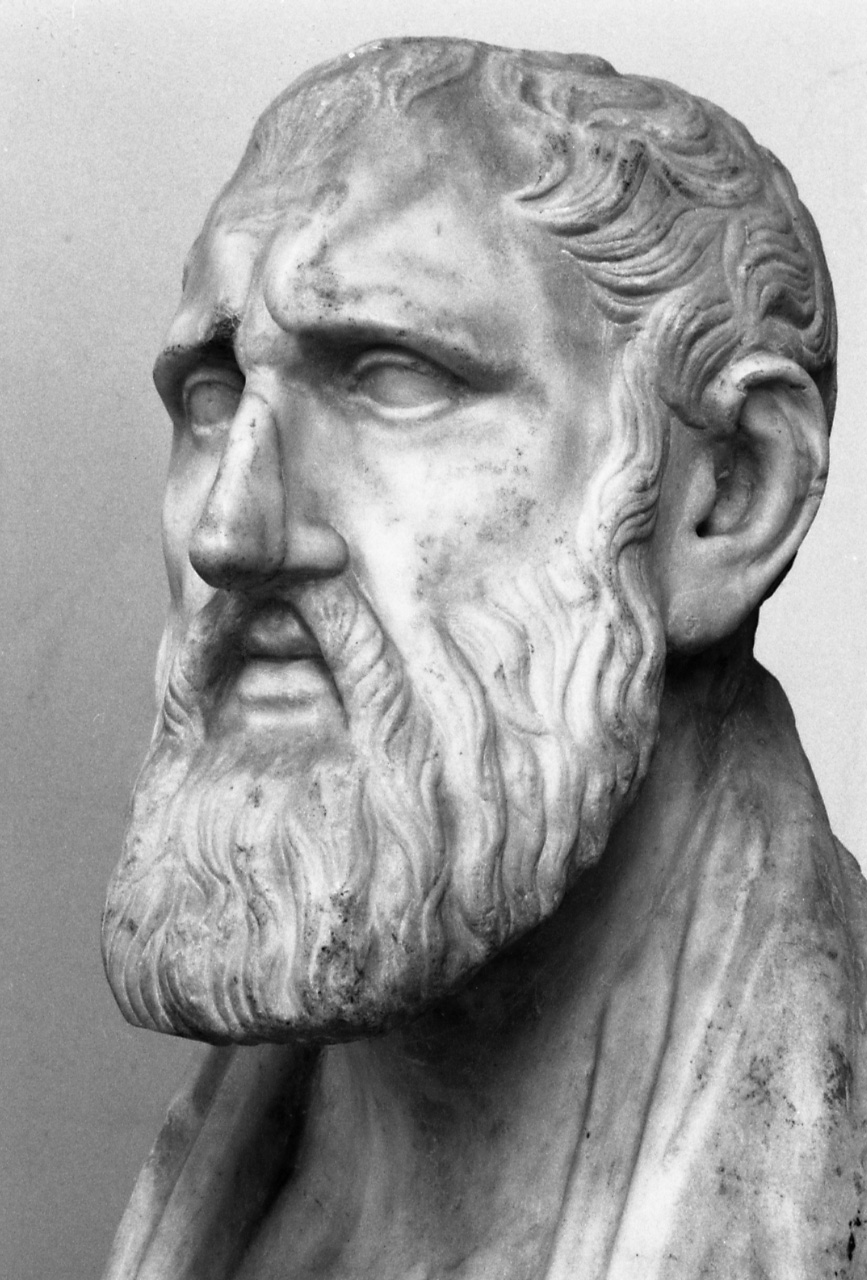
Zeno of Citium: Founder of Stoic Philosophy
Zeno of Citium was the ancient Greek thinker who founded the Stoic school of philosophy in Athens. He taught that virtue is the only true good and that happiness comes from living in harmony with nature. His ideas have profoundly shaped Western thought and are experiencing a major modern revival.
The Life and Times of Zeno of Citium
Zeno was born around 334 BCE in Citium, a city on the island of Cyprus. His father was a merchant, and Zeno initially followed in his footsteps. This early career path would set the stage for a dramatic life change.
From Merchant to Philosopher
While trading goods like purple dye, Zeno suffered a shipwreck near Athens around 312 BCE. Stranded in the great philosophical center, he visited a bookseller. There, he read Xenophon's Memorabilia about Socrates. This chance event ignited his passion for philosophy.
He famously asked the bookseller where such men could be found. Just then, the Cynic philosopher Crates of Thebes walked by. The bookseller pointed and said, "Follow that man." Zeno did, abandoning his merchant life to study philosophy in Athens for the next 50 years.
Education and Influences
Zeno studied under several prominent philosophers. His primary teacher was the Cynic Crates of Thebes, who taught radical self-sufficiency and asceticism. Zeno also learned from Stilpo of Megara and Polemo, head of Plato's Academy.
These diverse influences—Cynic ethics, Megarian logic, and Academic thought—fused together in Zeno's mind. He would synthesize them into a new, comprehensive system.
From Crates, he took the focus on virtue and indifference to externals. From other schools, he adopted structured logic and physics. This blend became the foundation of Stoicism.
The Birth of Stoicism in Athens
After his studies, Zeno began teaching his own philosophy publicly. He chose a simple, public location: the Stoa Poikile, or "Painted Porch." This was a colonnade decorated with famous battle paintings.
Teaching at the Painted Porch
The Stoa was a covered walkway open to the Agora, Athens's main marketplace. By teaching here instead of a private garden, Zeno made philosophy accessible to all. His school took its name, Stoicism, from this location.
His followers were called Stoics, meaning "philosophers of the porch." This public setting reflected the practical, worldly focus of his teachings. He taught that philosophy was not for contemplation alone but for living well every day.
Core Principles of Early Stoicism
Zeno organized his philosophy into three interconnected parts: logic, physics, and ethics. He used a famous analogy to explain their relationship.
- Logic was like the protective wall of a garden.
- Physics was the fertile soil and trees.
- Ethics was the nourishing fruit the garden produced.
For Zeno, ethics was the ultimate goal, but logic and physics were necessary to support it. Logic provided clear thinking. Physics explained humanity's place in the universe. Together, they led to a virtuous life.
Zeno's Radical Philosophical Teachings
Zeno's system was built on the concept of the divine Logos. This is the rational, ordering principle that permeates the entire universe. Living in accordance with this Logos was the path to virtue and happiness.
Virtue as the Sole Good
The central tenet of Zeno's ethics was that virtue is the only true good. Everything else—health, wealth, reputation—he classified as "indifferents." They have no moral value in themselves.
He taught that these external things are not good or bad, but how we use them can be virtuous or vicious. A wise person uses them well, while a fool misuses them. This idea was radical in a world focused on honor, pleasure, and material success.
Happiness, or eudaimonia, comes solely from living a virtuous life in agreement with nature. Nothing else can truly contribute to a flourishing human existence.
The Concept of Living in Accordance with Nature
To "live in accordance with nature" meant two things for Zeno. First, live in harmony with human nature as a rational being. Second, live in harmony with Universal Nature, or the Logos.
This involves using reason to understand the world and our role in it. It also means accepting events outside our control. Our will should align with the rational order of the cosmos, not fight against it.
The Stages of Knowledge
Zeno illustrated the path to wisdom with a vivid hand gesture. He would hold his hand open, fingers outstretched, to represent an impression from the senses.
- Open Hand: A simple impression or perception.
- Partly Closed Hand: Assent given to that impression.
- Closed Fist: Comprehension, grasping the truth firmly.
- Hand Enclosed by Other Hand: Systematic knowledge, science (episteme).
This progression showed how raw perception could be refined into certain knowledge through active, rational engagement.
Zeno's Lost Works and Radical Republic
Tragically, none of Zeno's original writings survive intact. Ancient sources credit him with over 100 treatises. We know of them only through fragments quoted by later writers like Diogenes Laërtius and Cicero.
The Content of His Lost Treatises
His works covered all parts of his philosophy. Titles included On the Universe, On Signs, On the Soul, and On Duty. These formed the comprehensive Stoic curriculum for logic, physics, and ethics. Their loss makes reconstructing his exact thought a scholarly challenge.
Zeno's Controversial Republic
His most famous and radical work was the Republic (Politeia). Unlike Plato's work of the same name, Zeno's vision was strikingly egalitarian and controversial.
He described a utopian society governed by sages, not laws. In this ideal community, several traditional institutions would be abolished or transformed.
- No Temples or Courts: He saw built temples as unnecessary, as the whole universe is divine.
- Communal Living: Property and family units would be shared among virtuous citizens.
- Gender Equality: Men and women would have the same education and wear identical clothing.
- Universal Reason: Only the wise would be true citizens, bound by friendship and reason, not laws.
This vision was so radical that later Stoics downplayed it. It reflected Zeno's Cynic roots and his belief that conventional society was corrupt.
His Republic pushed the Stoic ideal of a cosmos without borders to its logical conclusion. It envisioned a world community of rational beings living in perfect harmony.
The Expansion and Legacy of Stoic Philosophy
Following Zeno's death, his students carried his teachings forward. The philosophy evolved but retained its core ethical principles. Stoicism would eventually become one of the most influential philosophies in the Roman world.
Zeno's Immediate Successors
Zeno's most important successor was Cleanthes of Assos, who led the Stoic school after him. Cleanthes was known for his diligence and preserved Zeno's original doctrines. He famously wrote the Hymn to Zeus, which beautifully expressed Stoic theology.
However, it was Chrysippus of Soli, the third head of the school, who truly systematized Stoicism. He defended the teachings against philosophical rivals and wrote hundreds of works. His contributions were so vital that it was said, "Without Chrysippus, there would have been no Stoa."
Stoicism's Journey to Rome
Stoicism reached Rome in the 2nd century BCE and found fertile ground. The Roman values of duty, discipline, and public service aligned perfectly with Stoic ethics. Prominent Romans adopted the philosophy, adapting it to their cultural context.
- Panaetius of Rhodes made Stoicism more practical and acceptable to Roman aristocrats.
- Posidonius expanded Stoic physics and traveled widely, influencing Roman intellectuals.
- Cicero, though not a Stoic, translated and popularized many Stoic concepts in Latin.
This Roman adaptation ensured Stoicism's survival and lasting influence. It became the philosophy of choice for many senators, emperors, and thinkers.
Stoic Ethics in Practice
The practical application of Stoic ethics formed the heart of Zeno's teaching. He provided a clear framework for navigating life's challenges with wisdom and resilience.
The Dichotomy of Control
A fundamental Stoic principle is distinguishing between what is and isn't in our power. Zeno taught that our volition—our choices, judgments, and desires—are within our control. External events, other people's opinions, and our bodies are not.
The chief task in life is simply this: to identify and separate matters so that I can say clearly to myself which are externals not under my control, and which have to do with the choices I actually control.
This distinction brings immense peace. By focusing only on what we can control—our responses—we avoid frustration and anxiety. This practical wisdom remains profoundly relevant today.
The Four Cardinal Virtues
Zeno identified four principal virtues that constitute excellence of character. These virtues guide all aspects of life and decision-making.
- Wisdom (Phronesis): Practical wisdom and good judgment in complex situations.
- Courage (Andreia): Moral and emotional strength in facing fear, uncertainty, and intimidation.
- Justice (Dikaiosyne): Fairness, honesty, and treating others with respect.
- Temperance (Sophrosyne): Self-control, moderation, and discipline over desires and impulses.
For Zeno, these virtues are interconnected. One cannot truly possess one without the others. They form an indivisible whole that defines a good character.
Managing Emotions Through Reason
Stoics are often misunderstood as suppressing emotions. Zeno actually taught the intelligent management of emotions through reason. He distinguished between healthy feelings (eupatheiai) and destructive passions (pathē).
Passions like rage, envy, or obsessive desire are irrational judgments that disturb the soul. The goal is not to become emotionless but to experience emotions that are proportional and appropriate to reality.
Through disciplined practice, a person can achieve apatheia—freedom from destructive passions. This state allows for clear thinking and virtuous action regardless of circumstances.
Zeno's Views on Physics and the Universe
Stoic physics provided the cosmological foundation for Zeno's ethics. He saw the universe as a single, living, rational organism pervaded by the divine Logos.
The Concept of the Logos
The Logos is the active, rational principle that structures and animates the cosmos. It is divine, material, and intelligent. Zeno identified it with both God and Nature.
Everything in the universe participates in this rational order. Human reason is a fragment of the universal Logos. This is why living according to reason means living in harmony with nature itself.
The universe itself is God and the universal outpouring of its soul. This divine reason is the law of nature, determinizing all that happens.
Materialism and Providence
Unlike Plato, Zeno was a thoroughgoing materialist. He believed that only bodies exist because only bodies can act or be acted upon. Even the soul and God were considered fine, fiery breath (pneuma).
This materialism was coupled with a belief in providence. The universe is not a random collection of atoms but a well-ordered whole directed by divine reason. Everything happens according to a rational plan, even if we cannot always perceive it.
The Cyclical Nature of the Cosmos
Zeno adopted a theory of eternal recurrence from earlier thinkers like Heraclitus. The universe undergoes endless cycles of creation and destruction. Each cycle begins with a primordial fire and ends in a cosmic conflagration (ekpyrōsis).
From this fire, a new identical universe emerges. This cycle repeats forever, governed by the same Logos. This belief reinforced the idea of an orderly, deterministic cosmos.
The Personal Character and Death of Zeno
Ancient sources consistently praise Zeno's personal integrity. He lived the principles he taught, embodying Stoic virtue in his daily life.
An Ascetic Lifestyle
Despite coming from a wealthy merchant family, Zeno lived with remarkable simplicity. He ate simple food, drank mostly water, and wore thin clothing. He avoided luxury and indulgence, believing they weakened character.
The Athenians recognized his exceptional temperance. They honored him with a golden crown and a public tomb for his virtuous life. This was a rare honor for a metic, a resident foreigner.
Anecdotes of His Character
Diogenes Laërtius records stories that illustrate Zeno's character. He was known for his sharp wit and concise speech. When a talkative young man was boasting, Zeno quipped, "Your ears have slid down and merged with your tongue."
He valued self-control above all. When a slave was found to have stolen something, Zeno had him whipped. The slave protested, "It was my fate to steal!" Zeno replied, "And it was your fate to be beaten." This story highlights his belief in responsibility within fate's framework.
The Stoic Death of Zeno
Zeno's death around 262 BCE at age 72 became a legendary example of Stoic principles. According to Diogenes Laërtius, he tripped and broke a toe while leaving his school.
Striking the ground, he quoted a line from Niobe: "I come of my own accord; why call me so urgently?" Interpreting this as a sign that his time had come, he held his breath until he died. This act demonstrated ultimate acceptance of nature's plan.
His death was seen as the ultimate embodiment of his philosophy—accepting fate willingly and meeting the end with rational composure.
The Historical Context of Hellenistic Philosophy
Zeno founded Stoicism during the turbulent Hellenistic Age. This period began with Alexander the Great's conquests and lasted until the rise of Rome.
Philosophy After Alexander
The collapse of the independent city-state (polis) created a philosophical crisis. Traditional Greek religion and politics offered less stability. People turned to philosophy for personal guidance and inner peace.
This shift explains why Hellenistic philosophies like Stoicism, Epicureanism, and Skepticism focused on individual happiness (eudaimonia). They offered practical recipes for living well in an unpredictable world.
Major Hellenistic Philosophical Schools
Stoicism emerged alongside other influential schools. Each offered a different path to tranquility.
- Epicureanism: Founded by Epicurus, it taught that pleasure (absence of pain) is the highest good.
- Skepticism: Founded by Pyrrho, it advocated withholding judgment to achieve peace of mind.
- Cynicism: A more radical asceticism that rejected social conventions entirely.
Stoicism stood out by combining systematic theory with practical ethics. It offered a comprehensive worldview that appealed to many seeking meaning.
Zeno's Unique Contribution
Zeno synthesized elements from these competing schools. He took the Cynic emphasis on virtue but added logical rigor and cosmological depth. This made Stoicism more intellectually respectable and sustainable than pure Cynicism.
His school lasted for nearly 500 years, far outliving its Hellenistic rivals. This longevity testifies to the power and adaptability of his original vision.
The Modern Revival of Stoic Philosophy
Stoicism has experienced a remarkable resurgence in the 21st and 21st centuries. This ancient philosophy now provides practical guidance for millions seeking resilience in a complex world. The principles Zeno taught are finding new relevance in psychology, leadership, and personal development.
Stoicism in Contemporary Psychology
Modern therapeutic approaches like Cognitive Behavioral Therapy (CBT) directly stem from Stoic principles. Psychologist Albert Ellis, the founder of Rational Emotive Behavior Therapy, explicitly credited Stoicism as a major influence. The core idea that our judgments about events—not the events themselves—cause our emotional distress is pure Stoicism.
Therapists now teach clients the Stoic dichotomy of control to manage anxiety and depression. By focusing energy only on what they can control—their thoughts and actions—people achieve greater mental peace. This practical application demonstrates the timeless wisdom of Zeno's teachings.
The Stoicism Movement Online
The internet has fueled Stoicism's modern popularity. Websites like the Daily Stoic and popular YouTube channels make these ancient ideas accessible. They frame Zeno's journey from shipwrecked merchant to philosopher as a powerful narrative of resilience and reinvention.
- Online Communities: Forums and social media groups provide support for practicing Stoics worldwide.
- Stoic Challenges: Many people undertake 30-day Stoic meditation or journaling challenges.
- Modern Authors: Writers like Ryan Holiday have sold millions of books interpreting Stoicism for today's audience.
Search interest in Stoicism has spiked over 300% since 2010, showing its growing appeal. This digital revival has introduced Zeno's philosophy to an audience he could never have imagined.
Zeno's Enduring Influence on Western Thought
While Zeno's original works are lost, his philosophical legacy profoundly shaped subsequent intellectual history. Stoic ideas permeate Western philosophy, political theory, and even religion.
Influence on Roman Law and Governance
Roman Stoics like Seneca, Epictetus, and Emperor Marcus Aurelius applied Zeno's principles to law and leadership. The concept of natural law—that just laws reflect universal reason—became central to Roman jurisprudence. This idea later influenced the development of international law and human rights.
The Stoic ideal of the cosmopolis, or world community, challenged narrow nationalism. It suggested that all rational beings share a common bond as citizens of the universe. This cosmopolitan vision remains influential in ethical and political thought today.
Stoicism and Early Christianity
Several Church Fathers found parallels between Stoicism and Christian teachings. The concept of the Logos in the Gospel of John echoes Stoic terminology. Early Christian writers admired Stoic ethics, particularly their emphasis on self-control, duty, and resilience.
Elements of Stoic philosophy were absorbed into Christian moral theology, particularly regarding virtue ethics and divine providence.
While Christianity rejected Stoic materialism and pantheism, it embraced much of its ethical framework. This synthesis helped shape Western moral consciousness for centuries.
Criticisms and Limitations of Zeno's Stoicism
Like any philosophical system, Stoicism has faced significant criticisms throughout history. Understanding these limitations provides a more balanced view of Zeno's legacy.
The Challenge of Emotional Suppression
Critics argue that Stoicism's ideal of apatheia (freedom from passion) can lead to emotional suppression. Some interpret it as advocating emotional coldness or detachment from human relationships. Modern psychology suggests that processing emotions healthily is more beneficial than suppressing them.
However, defenders note that Zeno distinguished between destructive passions and healthy feelings. The goal was rational management of emotions, not their elimination. This nuanced understanding addresses many criticisms of emotional suppression.
The Problem of Determinism
Stoic physics embraced a strong determinism, believing everything follows from the rational Logos. This creates tension with their emphasis on personal responsibility and virtue. If everything is fated, how can individuals be responsible for their choices?
The Stoics developed a sophisticated compatibilist position. They argued that our assent to impressions—our inner choice—remains free even within a determined universe. This philosophical puzzle continues to engage modern philosophers debating free will and determinism.
The Radicalism of Zeno's Republic
Zeno's vision of an ideal society was strikingly radical for its time. His proposals for gender equality, communal property, and abolition of traditional institutions were far ahead of their time. Later Stoics, particularly Roman adherents, moderated these views to fit their more conservative societies.
Some modern critics question whether such utopian thinking is practical or desirable. Others see it as an inspiring vision of human potential unleashed by wisdom and virtue.
Key Archaeological and Historical Research
Our knowledge of Zeno comes entirely from secondary sources, as no archaeological evidence of his life or original works has been found. Scholarship depends on careful analysis of later authors who quoted or discussed his philosophy.
Primary Sources for Zeno's Life and Thought
The most important source is Diogenes Laërtius's Lives and Opinions of Eminent Philosophers from the 3rd century CE. His biography of Zeno, while sometimes anecdotal, provides invaluable information. Other crucial sources include:
- Cicero: His philosophical works contain extensive discussions of Stoicism.
- Seneca: The Roman Stoic's letters and essays reflect Zeno's influence.
- Plutarch: His moral essays engage with Stoic doctrines.
- Early Christian writers: Clement of Alexandria and others debated Stoic ideas.
These sources must be read critically, as their authors had their own philosophical agendas. They often interpreted Zeno through later Stoic developments or their own criticisms.
Modern Scholarship on Zeno
Contemporary scholars continue to debate many aspects of Zeno's philosophy. Key areas of research include:
The relationship between early Stoicism and Cynicism remains particularly contested. Some see Zeno's system as a more systematic version of Cynic ethics. Others emphasize his original contributions, particularly in logic and physics.
Scholars also debate how much of later Stoicism accurately reflects Zeno's thought. The systematic works of Chrysippus so dominated the school that Zeno's original ideas may be partly obscured.
The Timeless Wisdom of Zeno's Teachings
Despite the passage of over 2,300 years, Zeno's core insights remain profoundly relevant. His philosophy offers practical guidance for navigating the challenges of modern life with wisdom and resilience.
Stoic Principles for Modern Living
Several Stoic practices have particular resonance today. The evening review—examining one's actions against Stoic principles—resembles modern journaling for self-improvement. The premeditation of evils (considering potential difficulties in advance) builds psychological resilience.
The Stoic emphasis on focusing on what you control provides an antidote to modern anxiety. In an age of information overload and constant change, this principle helps people conserve energy for meaningful action rather than worry about uncontrollable events.
Stoicism in Leadership and Business
Modern leaders increasingly turn to Stoicism for guidance. The philosophy's emphasis on virtue, resilience, and clear thinking applies powerfully to leadership challenges. Business leaders value its practical approach to handling pressure, making decisions, and maintaining integrity.
Stoic principles help leaders distinguish between essential priorities and distractions. The focus on character over outcomes encourages ethical leadership even in competitive environments. This application shows how Zeno's wisdom transcends its original context.
Conclusion: The Enduring Legacy of Zeno of Citium
Zeno of Citium created one of the most enduring and influential philosophies in Western history. From its founding in the Stoa Poikile to its modern revival, Stoicism has offered a compelling vision of human flourishing.
Key Contributions Summarized
Zeno's most significant contributions include establishing virtue as the sole good, developing the concept of living according to nature, and creating a comprehensive philosophical system integrating logic, physics, and ethics. His radical vision of human potential continues to inspire.
The practical wisdom of distinguishing between what we can and cannot control remains his most powerful insight. This principle, coupled with the cultivation of the cardinal virtues, provides a timeless framework for living well.
The Living Philosophy
Stoicism is unique among ancient philosophies in its continued practice as a way of life. Unlike systems studied only academically, people around the world actively apply Stoic principles to their daily challenges. This living tradition is the ultimate testament to Zeno's achievement.
Zeno taught that philosophy is not about clever arguments but about transforming how we live. His legacy is the ongoing pursuit of wisdom, courage, justice, and temperance across generations.
From a shipwrecked merchant to the founder of a school that would shape centuries of thought, Zeno's journey embodies the transformative power of philosophy. His teachings continue to guide those seeking to live with purpose, resilience, and virtue in an uncertain world. The porch where he taught may be gone, but the wisdom born there remains as relevant as ever.

Antisthenes: The First Cynic and the Philosophy of Self-Sufficiency
In the bustling streets of ancient Athens, a radical philosophy emerged that challenged societal norms and materialistic pursuits. At its core was Antisthenes, the founder of the Cynic school, whose teachings on self-sufficiency (autarkeia) and asceticism (askēsis) laid the foundation for a way of life that continues to inspire modern minimalism and countercultural movements.
Who Was Antisthenes?
Born around 445 BCE, Antisthenes was a disciple of Socrates and is widely recognized as the first Cynic philosopher. Unlike his contemporaries, Antisthenes rejected conventional comforts, advocating for a life of simplicity and virtue. His philosophy centered on the idea that true happiness comes from within, not from external possessions or social status.
Key Influences and Early Life
Antisthenes was deeply influenced by Socrates, whose emphasis on ethical living and self-examination shaped his worldview. However, Antisthenes took these ideas further, embracing a more extreme form of asceticism. He believed that virtue (aretē) was the only true good, and everything else—wealth, fame, and even physical pleasure—was irrelevant or even harmful.
His teachings attracted followers who became known as the Cynics, a term derived from the Greek word kynikos, meaning "dog-like," reflecting their rejection of societal norms and embrace of a rugged, unpretentious lifestyle.
The Core Principles of Cynicism
The Cynic philosophy, as founded by Antisthenes, revolves around several key principles that challenge conventional wisdom and promote a life of freedom and self-sufficiency.
1. Self-Sufficiency (Autarkeia)
At the heart of Cynicism is the concept of autarkeia, or self-sufficiency. Antisthenes taught that true freedom comes from relying on oneself rather than external circumstances. This idea was revolutionary in a society that valued wealth and social status. For the Cynics, happiness was not found in material possessions but in the ability to live independently of them.
"Wealth and fame are not the keys to happiness; true contentment comes from within." — Antisthenes
2. Asceticism (Askēsis)
Askēsis, or ascetic practice, was another cornerstone of Cynic philosophy. Antisthenes and his followers believed in rigorous self-discipline, often living in poverty and enduring hardships to strengthen their character. This practice was not about self-punishment but about achieving mental clarity and freedom from desire.
- Rejection of material possessions: Cynics lived with minimal belongings, often just a cloak and a staff.
- Embrace of hardship: They saw physical discomfort as a way to build resilience and virtue.
- Focus on inner strength: The goal was to cultivate a mind free from the distractions of material wealth.
3. Parrhesia (Freedom of Speech)
Parrhesia, or the freedom to speak one's mind, was a defining trait of the Cynics. Antisthenes and his followers were known for their blunt, often provocative criticism of society. They used humor, satire, and direct confrontation to expose hypocrisy and challenge authority.
This principle was not just about speaking freely but about living authentically. The Cynics believed that truth should be spoken without fear, even if it meant facing ridicule or persecution.
The Legacy of Antisthenes and Cynicism
Antisthenes' teachings had a profound impact on later philosophical movements, particularly Stoicism. The Stoics, including figures like Zeno of Citium, drew heavily from Cynic ideas, especially the emphasis on self-control and indifference to external circumstances.
Influence on Stoicism
The connection between Cynicism and Stoicism is well-documented. Zeno, the founder of Stoicism, was a student of Crates of Thebes, a prominent Cynic philosopher. Many Stoic principles, such as the focus on virtue and the rejection of materialism, can be traced back to Antisthenes and the early Cynics.
According to the Internet Encyclopedia of Philosophy, the Cynics' emphasis on askēsis and autarkeia directly influenced Stoic practices, which also prioritized self-discipline and inner resilience.
Modern Relevance
Today, the principles of Cynicism resonate with modern movements like minimalism, environmentalism, and anti-consumerism. The idea of living simply and focusing on inner fulfillment is more relevant than ever in a world dominated by materialism and social media.
- Minimalism: The Cynic rejection of material possessions aligns with modern minimalist lifestyles.
- Environmentalism: Living with less reduces one's ecological footprint, a value shared by many environmentalists.
- Anti-consumerism: The Cynic critique of societal norms mirrors contemporary movements that challenge consumer culture.
Conclusion: The Enduring Wisdom of Antisthenes
Antisthenes' philosophy of self-sufficiency and asceticism offers timeless lessons on living a meaningful life. By focusing on inner virtue and rejecting external distractions, the Cynics demonstrated that true freedom comes from within. Their ideas continue to inspire those who seek a simpler, more authentic way of living.
In the next part of this series, we will explore the life and teachings of Diogenes of Sinope, the most famous Cynic philosopher, and delve deeper into the practical applications of Cynic philosophy in modern life.
Diogenes of Sinope: The Most Famous Cynic
No discussion of Cynicism would be complete without exploring the life and teachings of Diogenes of Sinope, the most iconic figure of the Cynic school. Born around 412 BCE, Diogenes took Antisthenes' philosophy to its most extreme and theatrical form, becoming a living embodiment of Cynic principles.
Life in a Barrel: The Ultimate Rejection of Materialism
Diogenes is famously said to have lived in a large ceramic jar (often mistakenly called a barrel) in the marketplace of Athens. This was not merely a symbolic gesture but a practical demonstration of his belief in autarkeia. By choosing such a humble abode, Diogenes rejected the conventional comforts of home and property, proving that happiness could be found without material wealth.
His lifestyle was a direct challenge to Athenian society, which valued luxury and social status. Diogenes' choice to live in poverty was a powerful statement about the freedom that comes from self-sufficiency.
Provocative Acts and Public Criticism
Diogenes was known for his parrhesia, or freedom of speech, which he exercised through bold and often shocking actions. Some of his most famous exploits include:
- Carrying a lamp in daylight, claiming he was searching for an honest man.
- Eating raw meat in the marketplace to demonstrate his rejection of societal norms.
- Mocking Alexander the Great, telling the conqueror to step aside because he was blocking the sunlight.
These acts were not mere stunts but deliberate attempts to expose the hypocrisy and vanity of society. Diogenes used humor and absurdity to force people to question their values and priorities.
The Cynic Way of Life: Practical Applications
The Cynic philosophy was not just theoretical; it was a way of life that demanded rigorous practice. The Cynics believed that true wisdom could only be achieved through askēsis, or ascetic training, which involved both physical and mental discipline.
Physical Asceticism: Living with Less
The Cynics practiced extreme physical asceticism as a means of achieving freedom. This included:
- Minimal possessions: Owning only what was absolutely necessary, such as a cloak, a staff, and a wallet.
- Enduring hardship: Sleeping on the ground, eating simple foods, and exposing themselves to the elements to build resilience.
- Rejecting luxury: Avoiding comforts like soft beds, fine clothing, and gourmet food.
These practices were designed to free the individual from dependence on external circumstances, allowing them to focus on inner virtue and self-sufficiency.
Mental Discipline: The Pursuit of Virtue
For the Cynics, mental discipline was just as important as physical asceticism. They believed that true happiness came from cultivating virtue, which required constant self-examination and ethical living. Key aspects of their mental discipline included:
- Living in accordance with nature (physis): Rejecting societal conventions (nomos) in favor of a life guided by natural instincts and reason.
- Practicing honesty and integrity: Speaking the truth fearlessly, even when it was unpopular or uncomfortable.
- Cultivating indifference (apatheia): Learning to be unaffected by external events, whether good or bad.
This mental discipline was the foundation of the Cynic's freedom, allowing them to live without fear or desire for material possessions.
The Cynics and Society: A Radical Critique
The Cynics were not just philosophers; they were social critics who challenged the very foundations of society. Their rejection of wealth, power, and social norms made them some of the most radical thinkers of their time.
Rejection of Social Conventions
The Cynics saw societal norms as artificial constraints that prevented people from living authentically. They rejected:
- Wealth and property: Believing that material possessions enslaved rather than liberated.
- Social hierarchy: Arguing that all people were equal by nature, regardless of birth or status.
- Marriage and family: Some Cynics, like Hipparchia, lived unconventionally, rejecting traditional family structures.
By living outside these norms, the Cynics demonstrated that true freedom came from rejecting societal expectations and embracing a life of simplicity and virtue.
Cosmopolitanism: Citizens of the World
One of the most progressive ideas of the Cynics was their belief in cosmopolitanism. They saw themselves not as citizens of a particular city or nation but as citizens of the world. This idea was revolutionary in a time when identity was closely tied to one's polis (city-state).
Diogenes famously declared,
"I am a citizen of the world (kosmopolitēs)."This concept laid the groundwork for later philosophical and political ideas about universal human rights and global citizenship.
The Influence of Cynicism on Later Philosophies
The impact of Cynicism extended far beyond its own school, influencing later philosophical movements and shaping the development of Western thought.
Stoicism: The Heir to Cynicism
The most direct successor to Cynicism was Stoicism, founded by Zeno of Citium in the 3rd century BCE. Zeno was a student of Crates of Thebes, a prominent Cynic philosopher, and many Stoic principles can be traced back to Cynic teachings.
- Self-control and discipline: Both schools emphasized the importance of mastering one's desires and emotions.
- Indifference to externals: The Stoic ideal of apatheia (freedom from passion) was inspired by the Cynic rejection of material wealth.
- Living in accordance with nature: A central tenet of both philosophies.
According to the Internet Encyclopedia of Philosophy, the Cynics' focus on askēsis and autarkeia was a major influence on Stoic ethics, particularly in their emphasis on virtue as the sole good.
Christian Asceticism and Beyond
The Cynic tradition also had a significant impact on Christian asceticism. Early Christian monks and hermits, such as St. Francis of Assisi, drew inspiration from the Cynics' rejection of materialism and their commitment to a life of poverty and simplicity.
In modern times, the Cynic philosophy has resonated with movements like:
- Minimalism: The idea of living with less to achieve greater freedom and happiness.
- Environmentalism: The Cynic emphasis on simplicity aligns with sustainable living practices.
- Anti-consumerism: The rejection of materialism as a path to true fulfillment.
These connections highlight the enduring relevance of Cynic ideas in contemporary society.
Conclusion: The Timeless Wisdom of the Cynics
The philosophy of Antisthenes and the Cynics offers a powerful alternative to the materialism and social conformity that dominate modern life. By embracing self-sufficiency, asceticism, and freedom of speech, the Cynics demonstrated that true happiness comes from within, not from external possessions or societal approval.
Their radical critique of society and their commitment to living authentically continue to inspire those who seek a simpler, more meaningful way of life. In the final part of this series, we will explore how Cynic principles can be applied in today's world and examine the lasting legacy of this fascinating philosophical movement.
Applying Cynic Philosophy in the Modern World
While the Cynics lived over two thousand years ago, their philosophy remains surprisingly relevant today. In an era dominated by consumerism, social media, and material excess, the Cynic principles of self-sufficiency, minimalism, and authenticity offer a refreshing alternative. This section explores how we can apply Cynic wisdom to contemporary life.
Modern Minimalism: Living with Less
The Cynic rejection of material possessions aligns perfectly with the modern minimalist movement. Today, many people are embracing minimalism as a way to reduce stress, increase freedom, and focus on what truly matters. Key lessons from the Cynics include:
- Decluttering your life: The Cynics owned only what they could carry, emphasizing that possessions often weigh us down rather than bring happiness.
- Prioritizing experiences over things: Instead of accumulating wealth, the Cynics valued experiences, relationships, and personal growth.
- Freedom from consumerism: By rejecting the constant pursuit of more, we can achieve greater mental clarity and contentment.
A study by Harvard Business Review found that people who spend money on experiences rather than material goods report higher levels of happiness. This aligns with the Cynic belief that true fulfillment comes from within, not from external possessions.
Digital Asceticism: Reducing Screen Time
In today's digital age, asceticism can take the form of reducing our dependence on technology. The Cynics would likely view our obsession with smartphones and social media as a modern form of enslavement. Practical steps to apply Cynic principles digitally include:
- Limiting screen time: Setting boundaries on social media and digital consumption to regain mental space.
- Practicing digital detoxes: Taking regular breaks from technology to reconnect with the physical world.
- Avoiding comparison culture: The Cynics rejected societal judgments, and we can do the same by stepping away from the curated perfection of social media.
Research from the Journal of Social and Clinical Psychology shows that reducing social media use to 30 minutes per day can significantly improve well-being and reduce feelings of loneliness and depression.
The Cynic Approach to Personal Freedom
At its core, Cynicism is about achieving personal freedom—freedom from societal expectations, material desires, and the fear of judgment. This section explores how we can cultivate this freedom in our daily lives.
Breaking Free from Social Norms
The Cynics were notorious for flouting societal conventions, and while we may not want to live in a barrel like Diogenes, we can still challenge unnecessary norms. Ways to embrace this Cynic spirit include:
- Questioning societal expectations: Whether it's career paths, lifestyle choices, or personal appearance, ask yourself if you're following a script or your own values.
- Embracing authenticity: The Cynics valued honesty above all else. Being true to yourself, even if it means going against the grain, is a powerful form of freedom.
- Rejecting the pursuit of status: The Cynics saw social status as a trap. Focusing on inner virtue rather than external validation can lead to greater happiness.
A 2021 study by the American Psychological Association found that people who prioritize intrinsic goals (like personal growth and relationships) over extrinsic goals (like wealth and fame) experience higher levels of well-being and life satisfaction.
Financial Independence and Frugality
The Cynic ideal of autarkeia can be applied to modern financial practices. Achieving financial independence allows us to live on our own terms, free from the constraints of consumer culture. Steps to financial autonomy include:
- Living below your means: Saving and investing wisely to reduce financial stress.
- Adopting frugal habits: Cutting unnecessary expenses and focusing on what truly adds value to your life.
- Pursuing passive income: Creating streams of income that allow for greater freedom and flexibility.
The FIRE (Financial Independence, Retire Early) movement is a modern example of this Cynic-inspired approach, with many adherents achieving financial freedom by embracing frugality and smart investing.
Cynicism and Environmental Sustainability
The Cynic philosophy also has important implications for environmental sustainability. By rejecting material excess and embracing simplicity, we can reduce our ecological footprint and live in harmony with nature—a core Cynic value.
Sustainable Living Practices
Applying Cynic principles to environmentalism involves:
- Reducing consumption: Buying less and choosing quality over quantity to minimize waste.
- Embracing a plant-based diet: The Cynics lived simply, and modern research shows that plant-based diets have a lower environmental impact.
- Supporting ethical brands: Aligning purchases with values that prioritize sustainability and fairness.
A report by the United Nations Environment Programme highlights that adopting minimalist and sustainable lifestyles can significantly reduce carbon footprints and contribute to global efforts to combat climate change.
The Connection Between Simplicity and Nature
The Cynics believed in living in accordance with physis (nature), and this principle is more relevant than ever. Reconnecting with nature can improve mental health and foster a deeper appreciation for the world around us. Ways to embrace this connection include:
- Spending time outdoors: Regularly engaging with nature through hiking, gardening, or simply spending time in green spaces.
- Practicing mindfulness: Being present in the moment and appreciating the natural world.
- Reducing digital distractions: Disconnecting from technology to fully experience the beauty of nature.
Studies published in Nature Journal have shown that spending at least 120 minutes a week in nature is associated with good health and well-being, reinforcing the Cynic belief in the healing power of simplicity and natural living.
The Legacy of Cynicism: Lessons for Today
The enduring appeal of Cynicism lies in its radical simplicity and uncompromising focus on virtue. As we navigate the complexities of modern life, the teachings of Antisthenes and Diogenes offer valuable insights into how we can live more authentically and freely.
Key Takeaways from Cynic Philosophy
Here are the most important lessons we can learn from the Cynics:
- True happiness comes from within: External possessions and social status do not bring lasting fulfillment.
- Freedom is achieved through self-sufficiency: Relying on yourself rather than external circumstances leads to greater independence.
- Virtue is the highest good: Living ethically and with integrity is more important than wealth or fame.
- Societal norms should be questioned: Blindly following conventions can prevent us from living authentically.
- Nature is our guide: Living in harmony with the natural world fosters a deeper sense of purpose and contentment.
These principles are not just philosophical ideals; they are practical guidelines for living a meaningful and fulfilling life.
Modern Figures Inspired by Cynicism
Many contemporary thinkers and activists embody Cynic values in their work and lifestyles. Some notable examples include:
- Henry David Thoreau: His experiment in simple living at Walden Pond reflects Cynic ideals of self-sufficiency and rejection of materialism.
- Mahatma Gandhi: His ascetic lifestyle and commitment to truth and nonviolence align with Cynic principles of virtue and authenticity.
- Modern minimalists like Joshua Fields Millburn and Ryan Nicodemus: Their advocacy for minimalist living echoes the Cynic focus on simplicity and freedom from possessions.
These individuals demonstrate that the Cynic philosophy is not just a historical curiosity but a living tradition that continues to inspire and challenge us.
Conclusion: Embracing the Cynic Path
The philosophy of Antisthenes and the Cynics offers a timeless roadmap for achieving true freedom and happiness. By embracing self-sufficiency, rejecting material excess, and living in accordance with nature, we can cultivate a life of authenticity and virtue. The Cynics remind us that the pursuit of external validation and possessions is a futile endeavor, and that true contentment comes from within.
In a world that often prioritizes wealth, status, and conformity, the Cynic path stands as a radical alternative—a call to live simply, speak truthfully, and seek fulfillment in the pursuit of virtue. As Diogenes demonstrated with his lamp, the search for an honest and meaningful life is a journey worth taking. By integrating these ancient wisdom into our modern lives, we can achieve a deeper sense of freedom, purpose, and joy.
Ultimately, the legacy of the Cynics challenges us to question the status quo, embrace simplicity, and live with courage and integrity. In doing so, we honor the enduring spirit of a philosophy that has inspired generations to seek a life of true autonomy and self-sufficiency.


The Lost Libraries of antiquity: The Wisdom That Burned
Civilizations are often measured by the monumental structures they leave behind: the majestic pyramids of Egypt, the architectural marvels of the Greeks and Romans, or the awe-inspiring temples of the ancient Maya. Yet a society's true vigor can be gauged by its relentless pursuit of knowledge, and nothing symbolizes this quest more than the libraries of antiquity. These repositories not only housed scrolls and books but also represented the intellectual capital of their time. Among these, the Library of Alexandria stands as a symbol of wisdom lost to time, but it was not alone in its fate. Multiple ancient vaults of knowledge shared similar destinies, their contents reduced to ashes or scattered to the winds of oblivion.
The destruction of these libraries is a tale of tragedy that resonates through the centuries, for with each loss, a part of humanity's collective understanding sunk into darkness. It is a narrative entwined with war, conquest, accident, and ignorance—the flames that devoured parchments were as much ideological as they were physical. Scholars lament the disappearance of works by great minds whose thoughts are forever silenced, the epic poems, the histories, the scientific treatises that might have shaped our present.
The Library of Alexandria is the most renowned of these scholarly casualties. Founded in the early 3rd century BCE under the dynastic rule of the Ptolemies in Egypt, it was part of a larger institution called the Mouseion, which served as an academy for the luminaries of the age. Estimates suggest it housed between 400,000 to 700,000 scrolls at its zenith, including the works of Homer, Plato, Socrates, and Aristarchus—who startlingly proposed that the Earth revolved around the Sun over a millennium before Copernicus. The mystery of the library's destruction is deepened by conflicting accounts, attributing its end to Julius Caesar’s siege in 48 BCE, the decree of Theophilus in 391 CE, or the Muslim conquest in 642 CE.
In the western reaches of the Roman Empire, another monumental loss echoed through history—an incident often overshadowed by the fabled Alexandria. The Library of Celsus, a grand edifice located in ancient Ephesus (modern-day Turkey), was constructed in the 2nd century CE and held approximately 12,000 scrolls. Built to honor the Roman Senator Tiberius Julius Celsus Polemaeanus, it was a jewel of Roman Asia Minor until its ruin in 262 CE during a Gothic invasion. While lesser known, the loss reverberated through the corridors of history, as thousands of texts disappeared, leaving a gap in our understanding of Roman and Hellenistic knowledge transfer.
Moving eastward, the Imperial Library of Constantinople, established by Emperor Constantine the Great in the 4th century CE, constituted another bastion of ancient wisdom. Enriched by emperors over the centuries, this library safeguarded many Greek and Latin texts during times when the Western Roman Empire crumbled into chaos. Ultimately, fate was unkind to this library too. It suffered several acts of destruction, culminating in the ransacking during the Fourth Crusade in 1204 CE. Crusaders, ostensibly Christian warriors, pillaged one of Christendom's greatest collections of knowledge, forever altering the course of intellectual history.
Beyond the confines of the Greco-Roman world, in the ancient Near East, lay the Library of Ashurbanipal in Nineveh, Assyria – a collection often less romanticized, but no less significant. Assembled in the 7th century BCE by the Assyrian King Ashurbanipal, the library housed a wealth of cuneiform tablets covering literature, religion, magic, and science. The Epic of Gilgamesh, a masterpiece of ancient literature, hailed from this very archive. Although partially destroyed by the Medes in 612 BCE, the baked clay tablets survived to tell the tale of a civilization that valued knowledge preservation.
These lost libraries are but a few of the many that once dotted the ancient world. What remains of them today are ruins, references in surviving texts, and the scattered remnants that archaeologists painstakingly unearth. Each destroyed library represents a deep wound in the fabric of human progress. It is an invitation to ponder the fragility of knowledge and the perils that threaten its continuity. As we honor the ancestral intellectuals who once walked the halls of these institutions, we are reminded that gathering wisdom is a journey fraught with peril, but one that is essential to the soul of civilization.
In the following continuation of this article, we will explore how individual works from these libraries have influenced modern thought where they survived or were rediscovered. We'll consider the efforts to reconstruct lost works and the evolving technologies created to preserve our current repositories of knowledge for future generations. Stay with us as we delve into the enduring legacy of the ancient world's lost libraries and the timeless quest to save human wisdom from the ashes of history.
(Please provide the next prompt for the continuation of the article).
Preserving the Past: Reclaiming Wisdom from the Ashes of History
In the wake of the loss of ancient libraries, scholars, historians, and archaeologists have sought tirelessly to reclaim the wisdom once enshrined within their walls. The quest to recover and interpret the fragments of texts that survive is a testament to the resilience of human curiosity and the enduring value of knowledge. This pursuit also underscores the importance of contemporary efforts to conserve and protect our intellectual heritage.
Among the numerous works believed to have perished in these cultural conflagrations, there are shining examples of resilience—texts that have resurfaced against all odds. Take, for instance, the rolls of philosophical discourses by Epicurus, retrieved from the Villa of the Papyri at Herculaneum, a site similarly entombed by the eruption of Mount Vesuvius in 79 CE. These scrolls, carbonized and preserved by the volcanic ash, have offered invaluable insights into the Hellenistic philosophical traditions that might have otherwise been lost.
Modern technology plays a pivotal role in such recovery efforts, with cutting-edge techniques like multi-spectral imaging and digital reconstruction allowing us to read texts that are no longer visible to the naked eye. These advancements revive the voices of ancient authors as if summoning specters from the mists of time, allowing them to converse with the present.
Moreover, digitization projects aim to thwart the threat of knowledge loss by creating virtual backups of existing manuscripts and books. Projects like the Digital Library of India or the digitization efforts of the Library of Congress strive to ensure that even if a physical copy is destroyed, its essence persists in the digital realm. These modern 'libraries' are boundless, transcending physical walls, and safeguarding humanity's intellectual treasury for posterity.
The significance of such efforts is not merely academic. The rediscovery and preservation of ancient texts influences contemporary thought in ways both subtle and profound. From reinstating lost philosophical doctrines to shaping our understanding of ancient societies, these texts have proven instrumental. The Epic of Gilgamesh, for example, has shed light on the Mesopotamian worldview, revealing striking parallels with biblical narratives and enriching our insight into early literary traditions.
In addition to these tangible remnants, the very ethos that fueled the establishment of ancient libraries lives on. Today's institutions of knowledge—the British Library in London, the Library of Congress in Washington, D.C., and the Bibliothèque nationale de France in Paris, to name a few—stand as modern embodiments of that same thirst for collective wisdom. They are not only centers of learning but serve as symbols of resilience against the forces that threaten enlightenment and free thought.
As we continue to uncover the lost wisdom of antiquity, we are also reminded of our duty to the future. The destruction of the libraries of the past should serve as a clarion call to protect our cultural and intellectual legacies from the threats of war, ideological extremism, and the ravages of time. In nurturing these bastions of knowledge, we honor the legacy of those ancient librarians and scholars who compiled and cherished the scrolls and tablets that laid the foundations for our civilization.
In closing, the lost libraries of antiquity—though consumed by the voracious appetite of destruction—live on in the collective memory of humanity and in every effort to rebuild the compendium of human knowledge. They remind us that wisdom is an eternal flame, and while individual guardians of knowledge may perish, the light of understanding, once kindled, is nearly impossible to extinguish. As we turn the pages of the past, let us write the future with a renewed commitment to preserving the chronicles of human achievement for generations yet to come.