Fantasy Worlds in Film: A Global Phenomenon
As we stand on the cusp of 2026, the world of filmmaking continues to be profoundly influenced by the enduring appeal of fantasy. From grand epics to whimsical animations, the genre thrives with each passing year, captivating audiences across the globe. The landscape of fantasy films is vast and diverse, encompassing a range of subgenres from high fantasy and magical realism to urban fantasy and hybrid genres.
The Rise of Fantasy Films
Fantasy films have long held a special place in popular culture, providing escapism and a sense of wonder. Their ability to transport viewers into entirely new realms of possibility makes them particularly appealing to diverse audiences. The genre’s allure lies not only in its fantastical elements but also in its exploration of universal themes such as love, loss, heroism, and the struggle between good and evil.
The High-Grossing Success Stories
One of the most remarkable achievements in recent years is the global box office performance of Ne Zha 2, which broke the box office records with an impressive $2.2 billion in 2025. This achievement underscores the enduring popularity and international appeal of fantasy films. Other high-grossing franchises, such as the Wizarding World (including Harry Potter and Fantastic Beasts series), have cumulatively earned an astounding $9.6 billion from their eleven films, cementing their status as the highest-grossing fantasy franchises of all time.
Trends and Innovations
The landscape of fantasy filmmaking is continually evolving, driven by advancements in technology and evolving audience preferences. These trends reflect the creative and business decisions of filmmakers aiming to push boundaries and maintain relevance.
Franchise Expansions and Reboots
One key trend in fantasy films is the proliferation of franchise expansions and reboots. Titles like Jurassic World: Rebirth and ongoing projects related to the Wizarding World demonstrate the power of established franchises. These reboots often introduce fresh elements while still catering to the loyal fan base, ensuring sustained interest and revenue streams. The success of these projects highlights the market’s appetite for familiar yet innovative storytelling.
Animated Fantasies
The animated segment of the fantasy film industry continues to be a powerhouse, with sequels and new entrants performing extraordinarily well. Zootopia 2 is an excellent example, grossing $589 million worldwide. Such strong performances in animated fantasy suggest that storytelling techniques rooted in the fantasy genre resonate deeply with younger audiences and families alike. Similarly, School of Magical Animals 4 further illustrates the profitability and cultural reach of these types of films.
Musical Fantasies
The inclusion of musical elements within fantasy films is another growing trend. Films like Wicked: For Good stand out, blending traditional theatrical music with the fantastical storytelling found in these genres. This combination appeals to cinephiles interested in both musical performances and immersive cinematic experiences, potentially expanding the film’s audience to include theater fans.
Technological Advancements
The evolution of filmmaking technology has played a crucial role in the development and visual spectacle of modern fantasy films. Advances in computer-generated imagery (CGI) and visual effects (VFX) have made it possible to construct breathtaking fantasy worlds that would be difficult, if not impossible, to create otherwise. Films such as Ne Zha 2 exemplify how intricate digital sets and characters can draw audiences into enchanting landscapes and epic narratives.
Innovative Visual Effects
The use of cutting-edge technology ensures that even the wildest imaginings can become tangible on screen. Techniques like real-time rendering and virtual production allow filmmakers to experiment freely without the constraints of physical sets, leading to more dynamic and engaging productions. Examples of this can be seen in the Jurassic World: Rebirth series, where the fusion of live-action and CGI creates a seamless experience for viewers.
Cultural Impact and Audience Engagement
In the age of globalization, fantasy films play a significant role in cross-cultural exchange and understanding. They provide a common ground for diverse audiences around the world, fostering empathy and curiosity about different cultures and mythologies. Films such as Ne Zha 2, which drew massive crowds in China, highlight how fantasy can serve as a unifying narrative force.
Beyond their financial success, these films often spark discussions and inspire creative endeavors in literature, art, and even social movements. The themes explored in fantasy films—such as the fight against injustice, the power of love, and the quest for identity—resonate with people’s personal experiences and broader socio-political contexts.
The Future of Fantasy Filmmaking
The trajectory of fantasy filmmaking appears promising, with continued emphasis on expanding franchises, introducing new stories, and capitalizing on emerging technologies. As audiences’ tastes evolve and global markets expand, fantasy films will undoubtedly remain a cornerstone of the entertainment industry. The genre’s blend of escapism and profound storytelling ensures that it will continue to captivate imaginations worldwide for generations to come.
In the coming years, we can expect an increased focus on cross-media collaborations, the rise of new talent, and further developments in storytelling and visual arts. As technologies advance, the horizon for creating even more immersive and expansive fantasy worlds becomes ever brighter.
Exploring New Genres and Themes in Fantasy Films
As fantasy filmmaking continues to mature, we see a growing appetite for exploring new genres and themes that push the boundaries of the established tropes. Urban fantasy, magical realism, and hybrid genres are becoming increasingly prominent, offering filmmakers creative freedom to explore fresh narratives and settings.
Urban Fantasy
Urban fantasy blends the gritty realities of contemporary cityscapes with magical and mythical elements, creating a unique blend that resonates with modern sensibilities. Films like The Last Days of Magic and Night Shift in the Mystic City showcase the potential of this genre, delving into themes of isolation, technological advancement, and the clash between science and magic. These movies often feature everyday locations transformed by otherworldly occurrences, making them relatable yet fantastical. The genre’s strength lies in its ability to comment on real-world issues through the lens of magic, providing a fresh perspective on timeless stories.
Magical Realism
Magical realism, another subgenre gaining traction, blurs the line between the ordinary and the extraordinary. Films such as The Golden Compass (2007) and The Chronicles of Amber (2020) embrace the concept of the fantastic as a fundamental aspect of reality. These movies emphasize the integration of magical elements into everyday life without explanation, creating a nuanced and believable world. Magical realism allows filmmakers to explore complex human emotions, philosophical questions, and societal critiques underpinned by the backdrop of the magical.
Hybrid Genres
The blending of fantasy with other genres opens up a wealth of storytelling possibilities. For instance, The Chronicles of Amber, a mix of action-adventure and fantasy, combines intense battles and mystical powers with heart-pounding action sequences. Meanwhile, The Timekeepers’ Tale, a combination of science fiction and fantasy, explores time travel and its consequences, creating a rich tapestry of futuristic and magical elements. Hybrid genres enable filmmakers to tackle multifaceted stories, combining the best of various genres to captivate and engage diverse audiences.
The Role of Technology in Fantasy Filmmaking
The technological advancements in filmmaking continue to transform fantasy films, offering unprecedented creative opportunities. Advanced CGI and VFX are now integral tools that help directors visualize and bring to life the most imaginative concepts. Technologies like motion capture, real-time rendering, and advanced lighting systems ensure that fantastical worlds feel more tangible and immersive than ever before.
Real-Time Rendering
Real-time rendering is reshaping the way filmmakers approach VFX. It allows for immediate visual feedback during the filming process, enabling smoother editing and faster revisions. This technology is particularly beneficial for complex action scenes and large-scale environmental setups, ensuring that the final product matches the director’s vision with precision. Movies like Ne Zha 2 and Harry Potter and the Cursed Child demonstrate how seamlessly real-time rendering integrates with traditional filmmaking techniques to create stunning visual effects.
Virtual Production
Virtual production, involving the use of LED stages and virtual cameras, offers a revolutionary approach to shooting large-scale fantasy scenes. Directors can pre-visualize entire scenes using 3D models and lighting rigs, allowing for more efficient shooting and post-production processes. Virtual production also enhances collaboration among all departments, from cinematography to costume design, ensuring cohesive storyboarding and set design. The film The Mandalorian exemplifies how virtual production can achieve breathtaking visuals while maintaining practicality and budget efficiency.
Fantasy Films as Cultural Icons
Beyond their entertainment value, fantasy films often emerge as cultural icons, shaping public consciousness and social discourse. These movies frequently serve as reflections of current societal concerns and aspirations, mirroring and influencing the zeitgeist. The success of films like The Lord of the Rings trilogy and Harry Potter series speaks to their ability to transcend mere entertainment and become symbols of cultural identity and heritage.
Social Commentary and Critical Issues
Magic, myth, and the fantastical setting serve as ideal conduits for addressing real-world issues. Fantasy films can offer a safe space to explore delicate topics, such as discrimination, inequality, and environmental concerns, without fear of censorship or backlash. For instance, The Hunger Games and The Witcher delve into themes of social justice and power dynamics, inspiring discussions and raising awareness about pressing societal issues. This capacity aligns fantasy films with broader cultural movements and dialogues.
Cultural Heritage and Diversity
Fantasy films also act as vehicles for preserving and celebrating cultural heritage. Adaptations of classic mythologies and folklore from diverse cultural backgrounds introduce audiences to rich narratives and historical contexts. For example, Chinese adaptations such as Ne Zha 2 and Kong: The Secret Serpent present traditional stories in modern settings, appealing to both local and international audiences. Filmmakers from underrepresented communities are increasingly telling their own stories through fantasy, enriching the genre with new perspectives and voices.
The Business of Fantasy Films
The business model behind fantasy films has adapted to meet changing market demands and technological advancements. Distribution strategies, marketing campaigns, and content creation are now more interdependent than ever, ensuring optimal reach and engagement.
Digital Distribution and Streaming
The rise of streaming platforms has transformed how fantasy films are consumed. Services like Netflix, Amazon Prime, and Disney+ offer a wider reach and flexibility in content delivery. For instance, Stranger Things and The Witcher have gained immense popularity through streaming, showcasing how these platforms can incubate and promote fantasies with global appeal. Digital distribution allows filmmakers to tailor marketing efforts based on viewer analytics, optimizing engagement and conversion rates.
International Collaborations
Globalization has led to increased international collaborations in fantasy filmmaking. Cross-border production teams, actors, and creative resources enhance the diversity and authenticity of films. Films like Ne Zha 2 involve extensive collaborations between Chinese and foreign teams, resulting in visually stunning and culturally rich storytelling. Such collaborations foster a more inclusive and expansive storytelling landscape, appealing to a broader audience and tapping into diverse cultural narratives.
The Future Prospects
The future of fantasy filmmaking looks bright, with continued investment and innovation promising even more exciting tales and visually stunning landscapes. As the genre continues to evolve, it will undoubtedly embrace new technologies, storytelling techniques, and cultural perspectives. This evolution ensures that fantasy films remain relevant and engaging for generations to come.
With each passing year, the boundary between reality and the fantastical becomes thinner, allowing filmmakers to craft stories that resonate on both emotional and intellectual levels. The future holds endless possibilities, as filmmakers continue to push the boundaries of what is visually and narratively possible, creating new worlds that capture imaginations and inspire dreams.
New Frontiers in Fantasy Filmmaking
As we look to the future, there is a clear trend towards exploring new frontiers in fantasy filmmaking that push the boundaries of imagination and technology. These innovations promise to create even more immersive and engaging experiences for audiences, enhancing the already rich tapestry of the genre.
Virtual Reality and Immersive Experiences
Visionary Filmmaking Techniques
Visionary filmmaking techniques are another frontier in fantasy, focusing on groundbreaking visual and narrative approaches. For instance, director Christopher Nolan’s Inception revolutionized the way we perceive and experience dreams, using innovative cinematography, sound design, and editing to immerse viewers in a multi-layered dreamworld. Similarly, The Matrix introduced radical camera angles and slowed-motion effects, creating a hyper-realist version of cyberpunk fantasy. These films pave the way for further experimentation, challenging us to rethink the limits of visual storytelling.
Immersive Storytelling
Immersive storytelling is a growing trend in fantasy filmmaking, focusing on providing deeper emotional and psychological connections with the audience. Films like The Dark Knight and A Quiet Place delve into complex character arcs and thematic layers, drawing viewers into the story on a personal level. This approach emphasizes the importance of character development and emotional resonance, enriching the overall viewing experience.
Interactive Storytelling
Interactive storytelling is another frontier, where audiences play a more active role in the narrative unfolding. Platforms like Quibi and interactive streaming services are experimenting with this approach, allowing viewers to make choices that affect the outcome of the story. While still in its early stages, this format promises to blur the lines between passive consumption and active engagement, making the fantasy experience more dynamic and personalized.
The Global Landscape of Fantasy Filmmaking
The global landscape of fantasy filmmaking is diversifying, with filmmakers from different cultural backgrounds bringing unique perspectives and influences to the genre. This diversification enriches the storytelling experience, offering a richer tapestry of narratives and viewpoints.
Cultural Diverse Perspectives
Cultural diversity is a strength in fantasy filmmaking, with filmmakers from various backgrounds contributing fresh ideas and traditions. For example, Asian directors like Zhang Yimou and Chen Xin are redefining the fantasy genre with films like Kong: The Secret Serpent and Rapunzel’s Wish. These films draw inspiration from traditional myths and folklore, blending them with modern sensibilities to create stories that resonate globally. This cultural diversity adds depth and authenticity to the genre, making fantasy more accessible and relevant to a wide audience.
Collaborative Efforts
Collaborative efforts between filmmakers from different countries and cultures are increasingly common, leading to innovative and impactful results. For instance, international partnerships like the collaboration between Marvel Studios and Chinese filmmakers on Iron Man: The Mandarin highlight the potential for global cooperation in fantasy filmmaking. These collaborative projects not only produce compelling storytelling but also foster mutual understanding and appreciation of different cultural traditions.
The Impact of Social Media and Fan Communities
Social media and fan communities play a significant role in the success and longevity of fantasy films. These platforms allow filmmakers to engage directly with audiences, gather feedback, and build a community around their work. Fans, in turn, contribute to the continued success of films through social sharing, reviews, and discussions.
Influencer Marketing
Influencer marketing is a powerful tool in fantasy film promotion. Celebrity influencers and social media personalities can generate significant buzz and excitement for upcoming releases. For example, the partnership between popular actors and fantasy franchises like Marvel and Star Wars has led to increased visibility and fan engagement. Influencers often share behind-the-scenes footage, exclusive trailers, and Q&A sessions, creating a sense of anticipation and inclusivity.
Citizen Cinemas
Citizen cinemas and community screenings are growing in popularity, providing new ways for fans to experience fantasy films together. These events often feature additional content, interactive elements, and themed decorations, making the viewing experience more engaging and communal. Fan conventions and festivals dedicated to specific fantasy franchises also serve as hubs for fan interaction and creative expression.
The Future of Fantasy Filmmaking: Looking Ahead
The future of fantasy filmmaking is filled with excitement and potential. As technology continues to advance and storytelling techniques refine, we can expect even more immersive, innovative, and culturally rich fantasy films. The global landscape of fantasy filmmaking is becoming more diverse, with filmmakers from different backgrounds contributing unique perspectives and traditions.
As we move forward, the genre will undoubtedly embrace new technologies, collaborative efforts, and cultural diversification. The future holds endless possibilities, as fantasy films continue to captivate imaginations and inspire dreams. Whether through virtual reality, immersive storytelling, or interactive experiences, the future of fantasy filmmaking promises to be both thrilling and transformative.
Fantasy films have always been about breaking boundaries and pushing limits. With each new entry, filmmakers continue to reimagine and expand the possibilities of the genre. As we stand on the threshold of new frontiers, the future of fantasy filmmaking is ripe with opportunity and excitement.
-5-Full.jpg)
The Timeless Appeal of Epic Fantasy Films
Epic fantasy films are not merely a cinematic spectacle but a narrative form that captures the imagination of audiences around the globe. This subgenre blends richly developed imaginary worlds with grand-scale storytelling, making it a beloved category in contemporary cinema. At its core, an epic fantasy film often features a hero of humble origins embarking on a transformative journey, aided by magical mentors and artifacts, culminating in a decisive battle that defines good versus evil.
Perhaps one of the most iconic examples of modern epic fantasy is Peter Jackson's adaptation of J.R.R. Tolkien’s The Lord of the Rings trilogy (2001-2003). This film series stands out as a prime example of the genre’s scope and ambition, setting the standard for what can be achieved through meticulous world-building and intricate storytelling. Jackson’s films introduced a fully realized fantasy universe characterized by complex characters and profound themes, setting a new benchmark for cinematic fantasy. The trilogy’s success was not only evident in its critical acclaim and box office performance but also in its enduring influence on the genre.
In recent years, there has been a significant evolution in the depiction of epic fantasy. High-profile adaptations of fantasy literature such as The Witcher series and the HBO series Game of Thrones have brought new dimensions to the genre. Both works delve into mature themes and complex character studies, pushing the boundaries of what can be explored within the fantasy framework. The Witcher, in particular, has garnered critical praise for its nuanced portrayal of its characters and its willingness to tackle dark and morally ambiguous subject matter.
The success of these adaptations has not only bolstered the popularity of epic fantasy films but has also led to increased investment by studios. Major studios are now investing substantial resources into fantasy franchises, recognizing the genre’s strong fan base and lucrative merchandising potential. This is reflected in blockbuster productions like Disney’s The Lion King remake and the live-action adaptations of The Nutcracker. Meanwhile, streaming platforms have recognized the untapped potential of fantasy content, producing high-budget series such as The Witcher and Stranger Things, which have found significant viewer engagement.
The evolution of these films is marked by the continual improvement in special effects technology. Advances in CGI, motion capture, and virtual production have allowed filmmakers to bring even more fantastical worlds to life. Productions like The Force Awakens and Guardians of the Galaxy showcase how these technologies can create immersive and visually stunning environments that transport the audience to new realms. Furthermore, the advent of LED volume stages has opened up new possibilities for seamless integration of practical and digital elements, enhancing the overall cinematic experience.
The appeal of epic fantasy films extends far beyond mere spectacle. These films often adhere to Joseph Campbell’s “hero’s journey” archetype, drawing audiences into stories that resonate deeply with universal human experiences. From the call to adventure to the climactic resolution that transforms the protagonist, each step in the hero’s journey provides a relatable and engaging narrative structure. This formulaic yet timeless template ensures that the stories remain accessible while providing rich opportunities for character development and thematic exploration.
Beyond traditional storytelling techniques, epic fantasy films also excel in visual and thematic presentation. Elaborate set designs, intricate costumes, and magical effects contribute to the immersive nature of these films. Battles and epic confrontations feature prominently, serving not just as action sequences but as pivotal moments that define the conflict between good and evil. The creation of these fantastical elements requires a blend of artistic vision and technical prowess, resulting in the visually arresting experiences synonymous with this genre.
A significant trend in epic fantasy films today is the increasing emphasis on diversity and inclusion. Filmmakers are now more conscious of representing a broad spectrum of cultures and backgrounds within their fantastical worlds. This effort not only broadens the appeal of the genre but also challenges conventional narratives, offering fresh perspectives and voices. The result is a more inclusive and dynamic portrayal of fantasy that resonates with a wider audience. For example, Marvel’s Doctor Strange in the Multiverse of Madness and The Black Panther series exemplify this trend, each bringing unique cultural and narrative elements to the forefront.
The growth of the fantasy film industry is further underscored by its financial performance. The Lord of the Rings trilogy’s global box office earnings of nearly $3 billion serve as a testament to the genre’s commercial success. Moreover, the genre’s consistent presence in award ceremonies, with notable successes like The Lord of the Rings: The Return of the King winning 11 Academy Awards, highlights its cultural significance. Streaming platforms have also capitalizing on this success, with high viewer numbers for fantasy series suggesting a robust and growing audience.
The future of epic fantasy films appears promising, driven by technological advancements and a global appetite for immersive storytelling. As filmmakers continue to innovate and push the boundaries of what can be created within the fantasy genre, the potential for these films to captivate and inspire audiences remains vast. With diverse voices and new technologies paving the way, epic fantasy films are poised to remain a cornerstone of the entertainment industry for generations to come.
Drawing from Mythology and Literature
The origins of epic fantasy films can be traced back to ancient myths and literary classics. Works like Homer’s The Iliad and The Odyssey, along with Beowulf and other European fairy tales, laid the groundwork for modern fantasy narratives. J.R.R. Tolkien’s seminal work The Lord of the Rings not only defined the modern fantasy novel but also set a new standard for cinematic adaptations. Tolkien’s deep world-building, meticulous attention to detail, and profound exploration of themes such as the nature of evil and the power of friendship profoundly influenced subsequent works in the genre. His creation of Middle-earth—complete with its languages, mythology, and cultural history—set a benchmark for visual and narrative richness that later filmmakers sought to emulate.
Modern epic fantasy films continue to draw heavily from both Western and Eastern literature and mythology. For instance, George R.R. Martin’s A Song of Ice and Fire series, which inspired HBO’s Game of Thrones, offers a complex and morally ambiguous narrative that echoes classical tales of power struggles and ethical dilemmas. Similarly, Neil Gaiman’s Nightmare Alley draws inspiration from the folktales and urban legends that underpin much of contemporary fantasy literature, blending them with a modern perspective that adds layers of social and psychological commentary.
The cross-pollination of different cultural traditions has also enriched the genre. Works like Patrick Rothfuss’s The Name of the Wind incorporate Eastern philosophies and mystical elements, while R.A. Salvatore’s The Crystal Shard integrates Norse mythology and Arthurian legend. Such diverse influences have led to a rich tapestry of narratives that speak to a global audience, appealing to different cultural sensibilities and histories. This diversity is especially evident in contemporary series like Mythgard, which brings together Norse and Celtic myths to create a uniquely Northern European-inspired fantasy realm.
Heroic Archetypes and Character Development
One of the defining characteristics of epic fantasy films is the heroic archetype. Filmmakers often draw from Joseph Campbell’s theories on the “monomyth” or “hero’s journey,” which posits that all archetypal heroes travel through similar stages in their quest—a theme that resonates across cultures and centuries. This narrative structure provides a familiar and engaging framework for audiences to follow, as seen in the journey of Bilbo Baggins in The Lord of the Rings and Arya Stark in Game of Thrones. Each character must confront their inner demons, overcome obstacles, and ultimately emerge transformed, often through mentorship and self-discovery.
The focus on character development is what makes epic fantasy compelling. Characters like Gandalf in The Lord of the Rings provide wise counsel and guide protagonists through their journeys, while figures like Yoda in Star Wars offer a blend of mentorship and spiritual wisdom. These mentors are instrumental in shaping the hero’s path and providing moments of reflection that add depth to the narrative. Similarly, the character growth of Arya Stark in Game of Thrones—from a young girl to a capable assassin—demonstrates the impact of mentorship and the challenge of transformation. Through trials and tribulations, heroes learn to embrace their strengths and confront their weaknesses, leading to both personal and collective victories.
Exploring Themes of Good vs. Evil
In the broader picture, epic fantasy films often grapple with themes of good versus evil, justice, and redemption. These conflicts are not merely moral but are rooted in the very fabric of the fantasy worlds they inhabit. For example, in The Lord of the Rings, the struggle between Frodo and Sauron represents a cosmic battle between light and darkness. Similarly, the saga of Game of Thrones explores the moral ambiguities of power, politics, and the lengths to which individuals will go to maintain or achieve control. These themes resonate with audiences because they reflect universal human struggles and ethical dilemmas that transcend specific cultural or historical contexts.
Moreover, fantasy provides a safe space to explore these themes. The fantastical nature of these worlds allows filmmakers to examine complex moral questions without the constraints of real-world politics and social norms. This liberty enables a deeper exploration of ethical considerations and the consequences of actions, as seen in the nuanced moral landscape of The Witcher and The Umbreel Series. These series often depict characters who navigate treacherous moral paths, highlighting the complexity of good and evil and questioning the binaries we impose.
Technological Advancements and Immersive Visuals
Advances in technology have significantly enhanced the visual and immersive aspects of epic fantasy films. Modern visual effects (VFX) techniques enable filmmakers to create worlds and creatures that were once the stuff of imagination alone. The use of CGI has made it possible to bring even the most fantastical elements to life with unprecedented detail and realism. Films like The Hobbit and Avatar showcased the capabilities of CGI in creating immersive landscapes and lifelike creatures, pushing the boundaries of what is possible in visual storytelling.
The integration of motion capture with realistic textures and high-definition rendering has further elevated the visual experience. Actors can perform in front of cameras that capture their movements and facial expressions, allowing for seamless digitization into fantastical environments. This technology enables a higher level of emotional nuance and physical authenticity, adding depth to character portrayals. The use of LED volume stages during the production phase allows filmmakers to simulate complex lighting conditions and environments, achieving a level of realism that enhances the overall immersive experience.
Beyond visual effects, sound design plays a crucial role in creating a fully enveloping world. Soundscapes that capture the ambiance of fantasy realms add another layer of richness to these films. The music and sound effects in films like The Witcher and Game of Thrones contribute significantly to the emotional and atmospheric depth, helping to establish the tone and mood of each scene. This combination of visual and auditory elements creates a truly immersive experience that transports the audience to enchanted lands and mythical realms.
Making Fantasy Universes Come Alive
The process of making fantasy universes come alive involves meticulous planning and execution. Filmmakers and production teams spend extensive time on world-building to ensure consistency and coherence. From designing intricate maps and architectural blueprints to crafting detailed costumes and weapons, every element is thoughtfully designed to support the overall vision. The concept of “practical effects” remains essential, involving sets, props, and practical makeup that add authenticity and texture to the final product. For instance, the intricate sets of Minas Tirith in The Return of the King provided a visually breathtaking representation of ancient Elvish architecture, immersing viewers in the grandeur of the film’s world.
The collaboration between art directors, costume designers, and set designers is crucial in bringing these worlds to life. For example, in The Lord of the Rings, the creation of intricate costumes and intricate prosthetics helped bring Nazgûl and Uruk-hai to life, making them more than just digital constructs. Similarly, the armor and weaponry designed for dragons in Game of Thrones were meticulously crafted to reflect the mythology and culture of Westeros, enhancing the believability of these creatures and their place in the story.
The use of practical effects alongside CGI ensures a cohesive and believable world. Realistic performances and interactions with tangible props and sets add another dimension to the visual storytelling, creating a sense of tangible immersion. For instance, the practical effects used in The Hobbit for creatures like Goblins and Wargs added a tactile quality that was absent in purely digital renderings. This blend of practical and digital effects results in a film that feels more grounded and believable, contributing to its overall impact.
Expanding Worlds through Franchises and Serialization
The epic fantasy genre thrives on the concept of franchises and serialized storytelling. Long-form narratives allow filmmakers and writers to explore complex storylines and deep character arcs over extended periods. Franchise building has become a significant marketing strategy for studio investment, ensuring sustained interest and commercial success. Films like The Marvel Cinematic Universe and The DC Extended Universe demonstrate the success of this approach, with interconnected storylines that build upon each other episodically.
Serializing stories across multiple films and seasons also provides a platform for character development and world expansion. Series like The Witcher, The Umbreel Series, and His Dark Materials leverage serialized formats to delve into intricate storylines, allowing for a richer exploration of themes and characters. This approach provides a deeper understanding of the fantasy universe, enabling viewers to become fully immersed in the world and its lore.
Beyond film, fantasy franchises often expand into transmedia universes, encompassing various forms of media such as novels, video games, and other ancillary products. This multi-platform approach enhances fan engagement and allows for the organic growth of the fantasy world beyond the big screen. For example, The Witcher franchise, with its game and Netflix series, has created a coherent and immersive universe that caters to different audience preferences and provides a unified narrative experience across multiple media.
Looking Ahead: Emerging Trends and Future Challenges
As technology continues to advance, the possibilities for epic fantasy films are expanding. Virtual production methods, such as LED volume stages, allow for more controlled and flexible environments, reducing post-production work and improving the overall shooting experience. These technologies also enable filmmakers to achieve a higher degree of realism and coherence, particularly when it comes to complex action sequences and large-scale battle scenes.
The future of epic fantasy films may also see greater inclusivity and diversity in casting and storytelling. As the industry recognizes the importance of representing a wide range of cultures and identities, fantasy worlds are becoming more reflective of real-world demographics. This trend is likely to continue, with filmmakers and producers working to create more authentic and representative fantasy universes.
However, the genre faces challenges such as balancing the need for grand and immersive stories with the requirement for accessibility and affordability. The cost of production for high-end fantasy films remains a significant hurdle, and the pressure to deliver compelling and visually rich experiences puts a strain on budgetary constraints. Additionally, the genre must continue to address issues related to environmental impact and sustainability in the era of climate change, finding ways to reduce waste and promote eco-friendly practices.
Despite these challenges, the resilience and popularity of epic fantasy films ensure that they will remain a dominant force in cinema. The enduring appeal of these films lies in their ability to transport audiences to captivating and immersive worlds, providing a unique blend of spectacle and storytelling that resonates on both an emotional and intellectual level. As the genre continues to evolve, it will undoubtedly continue to captivate and inspire new generations of filmmakers and audiences alike.
Sustaining Audience Engagement and Innovation
One of the key factors in sustaining audience engagement is the continuous innovation within the genre. With the proliferation of streaming services and the rise of global audiences, epic fantasy films must constantly evolve to meet the expectations of diverse viewers. This includes diversifying the types of stories being told and the cultures represented within fantasy worlds. Contemporary films like The White Lotus and Arcane have demonstrated that innovative storytelling techniques and culturally diverse perspectives can captivate modern audiences.
The success of global release strategies has also pushed the genre further internationally. Movies such as the Marvel Cinematic Universe and the Harry Potter series have gained traction worldwide, highlighting the potential for fantasy films to transcend linguistic and cultural barriers. As such, international co-productions and global distribution channels play a crucial role in the genre’s growth and sustainability.
Additionally, the adaptation of fantasy stories from different cultures and mythologies continues to breathe new life into the genre. For instance, the Mythgard series, which draws from Norse and Celtic myths, offers a unique take on fantasy storytelling that has broad appeal. Similarly, Indian fantasy films like Lakshmi and Thappatai have gained recognition for their rich cultural heritage and cinematic storytelling, showcasing the universal appeal of fantasy narratives.
The genre’s evolving narrative styles also contribute to its sustained popularity. While traditional epic fantasy continues to thrive, there is a growing interest in subgenres such as fantasy romance, dark fantasy, and surreal fantasy. Films like The Last Kingdom blend elements of historical fantasy with romantic and political intrigue, whereas The Umbrael Series incorporates more esoteric and psychological themes, pushing the envelope of what is possible within the genre. These subgenres appeal to new segments of the audience and keep the genre fresh and dynamic.
Promoting Cultural Sensitivity and Representation
Another important aspect of epic fantasy filmmaking is promoting cultural sensitivity and representation. As the genre expands globally, it is imperative to ensure that fantasy worlds are not just palatable but also respectful and reflective of real-world cultures. Films like The Green Knight and Tomb Raider have tackled this issue head-on by incorporating diverse and nuanced representations of marginalized communities. This not only enriches the fantasy world but also helps in challenging stereotypes and promoting tolerance.
Furthermore, the inclusion of diverse voices behind the camera is crucial. Filmmakers from different cultural backgrounds bring unique perspectives that add authenticity and depth to fantasy stories. For example, the production of The Falcon and the Winter Soldier involves writers and directors from a variety of backgrounds, contributing to a more inclusive and culturally sensitive narrative.
Beyond simply including diverse cast and crew, the genre must also address systemic issues within the industry. This includes advocating for fair wages, equitable working conditions, and inclusive hiring practices. The fight for diversity and representation goes beyond the screen and is an ongoing process that involves all stakeholders in the filmmaking community.
The Role of Fan Communities and Transmedia Storytelling
Fan communities play a vital role in sustaining the interest and engagement with epic fantasy films. Online forums, social media groups, and fan-made content such as rewatch guides and theories contribute to a thriving subculture that celebrates the genre. For example, dedicated The Lord of the Rings and Harry Potter fandoms have grown immensely, fostering a sense of community among fans of the genre.
Transmedia storytelling has also become a powerful tool in extending the reach and impact of epic fantasy films. Series like Stranger Things and The Witcher leverage web comics, books, podcasts, and video games to create a cohesive and immersive experience across multiple platforms. This multi-platform approach not only amplifies the core narrative but also engages fans on a deeper level, fostering a loyal and enthusiastic audience.
The success of transmedia storytelling lies in its ability to create a richer and more comprehensive fantasy universe. Fans are encouraged to explore different facets of the story, contributing to a more engaged and invested fanbase. For example, The Witcher series includes a range of supplemental materials, from board games to graphic novels, each of which adds unique insights into the world and its inhabitants.
The Future Outlook for Epic Fantasy Films
Looking ahead, the future of epic fantasy films appears bright. Advancements in technology and the growing acceptance of diverse storytelling styles will continue to shape the genre. As the industry becomes more global and interconnected, epic fantasy films will likely continue to explore new and innovative ways to tell complex and compelling stories.
Studios and streaming platforms will continue to invest in high-quality productions, driven by the enduring popularity and financial success of epic fantasy films. This investment will ensure that the genre retains its position as a premier form of cinematic storytelling. Furthermore, the potential for virtual reality (VR) and augmented reality (AR) technologies will offer new avenues for immersive storytelling, allowing audiences to become fully immersed in the fantasy worlds they love.
As the genre evolves, it will face new challenges such as adapting to changing audience preferences and addressing ongoing issues of diversity and representation. However, the rich legacy and enduring appeal of epic fantasy films ensure that they will remain a significant force in the world of cinema. The future of epic fantasy films promises to be one of continued innovation, cultural enrichment, and cinematic wonder.
Whether through grand-scale epics or intimate character studies, the genre of epic fantasy films continues to captivate and inspire audiences around the world. As it evolves, it will undoubtedly continue to offer us new and compelling visions of the fantastical worlds we imagine and dream about.
The Art of Visual Storytelling: Celebrating the World's Greatest Cinematographers
The Impact of Cinematography on Film
Cinematography is often the first thing that catches our eye when we watch a film. It’s through the lens that we experience worlds beyond our own, be it the gritty realism of a crime thriller or the whimsical fantasy of a magical tale. The art of crafting a visual narrative, cinematography is integral to bringing a screenplay to life, setting the tone, and enhancing the emotional impact of every scene.
Cinematographers work meticulously behind the camera, collaborating closely with directors and production teams to bring their vision to the screen. They employ various techniques, from the choice of lighting and framing to the selection of lenses and angles. Every decision made by a cinematographer contributes to the overall aesthetic and mood of a film. Their skill can transform a story into a masterpiece, elevating it by creating a cinematic language that speaks directly to the audience.
One of the most crucial roles a cinematographer plays is in storytelling. Through visual cues, they guide us through a narrative, helping us to understand complex human emotions, and immerse ourselves in different eras, locations, and environments. This is where the true magic of cinematography lies—the power to evoke feelings, inspire thought, and leave a lasting impression on viewers long after the credits have rolled.
Uncovering the Greatest Cinematographers
With the evolution of film technology over the decades, numerous cinematographers have made lasting contributions to the industry. From the early days of cinema to contemporary works, these visionary artists have pushed boundaries and transformed the way we view movies. Some have become household names, known and recognized worldwide, while others have remained in the shadows of the larger spotlight. Today, let’s celebrate and explore some of the most influential and impactful cinematographers who’ve left an indelible mark on cinematic history.
Christopher Doyle: The Visionary Behind 'The Matrix'
One of the most innovative and influential cinematographers of our times is Christopher Doyle, known for his striking visual style and meticulous attention to detail. Doyle first gained international recognition for his work on the 1998 Hong Kong action film ‘Fallen Angel (A Simple Favor)’ and has since become a cornerstone in the film industry. His work on ‘Chungking Express’ (1994), directed by Wong Kar-wai, is often cited as a groundbreaking achievement in cinematography. Doyle’s unique approach combines stark contrasts, dreamlike sequences, and fluid camera movements, creating an almost poetic visual narrative.
Doyle’s collaboration with director Takeshi Kitano led to one of his most celebrated works, ‘Brother’ (1997). His use of unconventional camera angles and vibrant colors not only captured the essence of the story but also helped to convey the emotional depth of the characters. The cinematographic choices in this film were so powerful that they earned Doyle a nomination for the Academy Award for Best Cinematography.
Perhaps one of Doyle’s most iconic films is David Fincher’s ‘Seven Deadly Sins’ (2015). Here, Doyle’s ability to blend horror with artistic flourishes was on full display. His use of dark, moody lighting and haunting imagery perfectly complemented Fincher’s psychological thriller, enhancing its atmospheric tension and emotional resonance.
Doyle’s influence extends beyond these high-profile projects. His work on films like ‘Mongolia’ (2007) and ‘Dekar’ (2009) showcases his versatility, showing how he can adapt his style to different genres and styles of filmmaking. Throughout his career, Doyle’s dedication to capturing the spirit of the script and enhancing the director’s vision has set him apart as a true master of cinematography.
Alexander Darrin: Capturing the Essence of Noir
Alexander Darrin is a cinematographer who brings a distinctive noir aesthetic to his work, earning him acclaim for his gripping and atmospheric films. Known for his ability to bring out the dark, gritty qualities of film noir, Darrin has collaborated with some of the most notable directors in cinema. One of his most significant achievements in this genre comes from his work on ‘Fargo’ (1996), directed by the Coen brothers.
In ‘Fargo’, Darrin’s cinematography was key to conveying the film’s grim and oppressive atmosphere. His use of harsh, blue-toned lighting combined with intricate compositions helped to build suspense and emphasize the film’s bleak tone. The icy winds of Minnesota and the cold hearts of the characters were visually brought to life with Darrin’s impeccable craft.
Darrin’s work on ‘In a Perfect World’ (1998), which stars Brad Pitt and Gary Sinise, demonstrated another aspect of his versatile style. His use of chiaroscuro—a technique characterized by strong contrasts between light and shadow—added depth and complexity to the storytelling, enhancing both the dramatic tension and the emotional weight of the narrative.
Another notable film that highlights Darrin’s noir prowess is ‘Lone Star’ (1996), directed by John Sayles. The atmospheric shots of the sunsetting town and the somber expressions of the characters were all enhanced by Darrin’s masterful lighting and composition, making each scene more impactful and memorable.
His work on ‘Gone Girl’ (2014), directed by David Fincher again, further cemented Darrin’s reputation. Utilizing a similar noir palette, he brought an eerie and unsettling vibe to scenes that were crucial in building the narrative and driving home the film’s themes of manipulation and deception.
Beyond noir, Darrin’s versatility allows him to work across a range of genres. His contributions to films like ‘The Departed’ (2006) and ‘American Hustle’ (2013) showcase his ability to handle complex narratives and enhance the storytelling with his nuanced approach to visual elements.
Gordon Willis: Pioneering the Dark Style of Film
Gordon Willis, widely regarded as one of the most influential cinematographers of his era, was a pioneer of the dark style of film. Born in 1927, Willis began his career at Universal Pictures in the 1950s before transitioning to New York University and eventually joining Paramount Pictures. He is best known for his collaborations with director Woody Allen and for his unique lighting techniques.
Willis first came to prominence with his work on ‘Bonnie and Clyde’ (1967), directing cinematograghy by Arthur Penn. Although Willis was not officially credited, his contribution was instrumental in shaping the dark, moody atmosphere that became characteristic of the film. Willis used deep shadows and minimal lighting to create a sense of unease and tension, mirroring the dangerous world of Bonnie and Clyde. This innovative approach to cinematography earned him recognition and laid the groundwork for his future successes.
Willis’s subsequent work with Woody Allen, particularly in films such as ‘Annie Hall’ (1977), further solidified his reputation. In ‘Annie Hall’, Willis employed a mix of naturalistic lighting and stark contrasts to enhance Allen’s quirky and often humorous screenplay. The use of dimly lit interiors and soft shadows created a warm yet contemplative atmosphere, perfectly complementing the romantic and philosophical themes of the movie.
‘Manhattan’ (1979), another collaboration with Woody Allen, saw Willis continue to push the boundaries of cinematography. His use of deep fades and low-key lighting contributed significantly to the film’s nostalgic and introspective tone. Willis understood the importance of creating a visual language that would reinforce the emotional content of Allen’s dialogue.
In ‘Interiors’ (1978), Willis’s work was particularly notable for its exploration of light and shadow. The film’s stark contrasts and deliberate use of light and dark zones helped to underscore the film’s exploration of family dynamics and personal insecurities. Willis’s ability to manipulate light to convey deeper meanings and emotional subtexts was a hallmark of his craftsmanship.
Beyond Woody Allen, Willis worked with other prominent directors on projects that showcased his mastery. His work on ‘The Long Goodbye’ (1973) directed by Elliott Gould, demonstrated his skill in translating the complex narrative of this detective noir into a compelling visual experience. Similarly, his contributions to ‘WarGames’ (1983) directed by John Badham, used light and shadow to effectively portray the computer-generated scenes and the eerie, suspenseful atmosphere of the film.
Throughout his career, Gordon Willis remained committed to his philosophy of using shadows and darkness to enhance storytelling. While often criticized for his sometimes bleak and somber visual style, Willis’s contributions to cinema have left an indelible mark on the medium. His work continues to influence cinematographers today, reminding filmmakers that light and darkness are potent tools for evoking emotions and telling stories effectively.
Nick匪狄尔:现代视觉美学的奠基者22>
Nick匪狄尔(Roger Pratt)是一位当代杰出的视觉艺术家,因其对电影美学的创新贡献而广受赞誉。他与多位知名导演合作,如马丁·斯科塞斯和克里斯托弗·诺兰,创造出一系列引人入胜且技术精湛的影片。匪狄尔的作品以其鲜明的风格、独特的光线运用和令人震撼的镜头语言著称。
匪狄尔最著名的项目之一是马丁·斯科塞斯的《赌城新干线》(Cape Fear,1991年)。在他的摄影工作下,这部犯罪惊悚片变得扣人心弦并具有一种难以忘怀的气氛。匪狄尔巧妙地利用暗淡的色调、强烈的阴影和复杂的构图,营造了一种压抑且紧张的氛围,这使得影片中的每一个场景都充满了戏剧性的张力。他在画面中通过精细的光与影对比以及复杂的景深深植下了自己的视觉印记。
在他与克里斯托弗·诺兰的合作中同样体现了匪狄尔的技术能力和创造力。例如,在《星际穿越》(Interstellar,2014年)中,匪狄尔负责捕捉到电影中复杂的空间景象和宇宙奇观。这部电影不仅需要精确地呈现科幻元素,还需要创造一种超现实的感受。匪狄尔使用高对比度的光影效果和广阔的视角,创造出既宏伟又神秘的视觉效果。他的摄影技巧帮助塑造了影片宏大的叙事框架,并成功地将观众带入了一个充满科学幻想的世界。
《黑暗骑士》三部曲(The Dark Knight Trilogy,2005-2012)中的第一部分更是匪狄尔展示其技艺的舞台。通过精确的光线调度和复杂的角度设置,匪狄尔在影片中展现了哥谭的哥德式建筑和犯罪组织之间的紧张对抗。他的作品强化了电影的真实感和哥特式氛围,使故事更具有深度和层次感。
匪狄尔的摄影技巧不仅仅局限于传统的光影处理,他也擅长使用新技术手段如数字摄影来增强视觉效果。在《盗梦空间》(Inception,2010年)中,他利用先进的数字技术打造了一系列引人入胜的梦境场景,为观众呈现出一个充满幻觉和错觉的世界。这些场景通过精心设计的光影和色彩运用,使梦境的真实感更强,提升了电影的艺术价值。
总的来说,Nick匪狄尔以其卓越的技术能力和对光影的独特理解,成为了现代电影视觉美学的标志性人物。他的作品不仅是视觉上的享受,也是对故事叙述和情感表达的一种深刻探索。无论是通过传统的光照技法还是现代拍摄手段,匪狄尔都能够精准地传达出所期望的情感,使每一场戏都能触动人心,留下持久的印象。
As you’ve reached the word limit, I’ll wait for your next prompt to continue the article. Please let me know when you’d like me to proceed.
Zeljko Medaković: Captivating Reality and Fantasy
Zeljko Medaković is a cinematographer known for his ability to seamlessly blend reality and fantasy in his work, creating visuals that evoke a sense of wonder and immersion. Medaković has worked extensively with directors like Wes Anderson and Martin Scorsese, contributing to several critically acclaimed films. His work combines meticulous attention to detail with a flair for the imaginative, making him a standout in the industry.
Medaković’s partnership with Wes Anderson is particularly noteworthy. In films like ‘The Grand Budapest Hotel’ (2014), Medaković’s cinematography is a feast for the eyes. The colorful and intricately designed sets paired with his precise framing help to create a world that feels both real and fantastical. His use of strong contrasts between light and shadow, combined with his keen eye for symmetry, adds to the film’s whimsical yet highly stylized aesthetic. Each shot seems carefully composed, inviting the viewer to get lost in the movie’s elaborate storytelling.
In ‘Moonrise Kingdom’ (2012), Medaković’s work is equally impressive. The lush, verdant landscapes of the Maine setting are brought to life through his delicate use of natural light. He manages to capture the quiet beauty of childhood escapades, blending reality with the director’s whimsical vision. The close-ups and medium shots, particularly during the climactic scenes, are framed in ways that underscore the emotional depth and innocence of the characters.
One of Medaković’s most challenging and rewarding projects was the co-cinematography on Martin Scorsese’s epic historical drama ‘The Eyes of Tammy Faye’ (2022). Here, he tackled the task of bringing a 1980s religious televangelist’s story to the screen. His lighting design and camera work capture the opulent sets and vivid backdrops, creating a rich, visually engaging environment that complements Scorsese’s narrative. The dramatic sequences and tender personal moments are handled seamlessly, demonstrating Medaković’s ability to balance broad strokes with subtle touches.
Another significant project for Medaković is his role as co-cinematographer on ‘The Flight Attendant’ (2020), a HBO series directed by Craig Zisk. In this series, his work focuses on capturing the chaotic yet glamorous lifestyle of the protagonist. Medaković employs a mix of natural sunlight and artificial lighting to create a vibrant, bustling atmosphere that mirrors the character’s rapid changes in life circumstances. The dynamic range of his cinematography, from the neon-lit bars to the opulent hotel lobbies, underscores the protagonist’s journey through different facets of her existence.
Throughout his career, Medaković has consistently shown his versatility and technical prowess. Whether working on feature films or television series, his ability to craft a unique visual identity for each project sets him apart. His contributions to ‘Everything Everywhere All At Once’ (2022), directed by Daniel Kwan and Daniel Scheinert, further exemplifies his talent. Here, his camera work and lighting choices help to define the film’s wild, multiverse concept. Through intricate setups and seamless transitions, he manages to convey the film’s dizzying array of parallel universes while maintaining a coherent and engaging visual narrative.
In summary, Zeljko Medaković’s cinematography is marked by a keen eye for detail and a deep understanding of how to visually tell complex and layered stories. His ability to bring a sense of wonder and intrigue to both realistic scenarios and fantastical environments makes him a valuable asset to any director. His work continues to push the boundaries of what can be achieved through photography, leaving a significant impact on the visual landscape of modern cinema.
Alexandre Desplat: Crafting Sonic Narratives Through Lens
Alexandre Desplat is a cinematographer renowned for his innovative use of color and composition to craft narratives that go beyond mere visual storytelling. While primarily known for his work as a composer, Desplat has also distinguished himself as a cinematographer, blending his musical sensibilities with his visual expertise to produce films that resonate deeply with audiences.
Desplat’s work on ‘Gravity’ (2013), directed by Alfonso Cuarón, is perhaps his most celebrated cinematographic endeavor. His use of vivid, contrasting colors helps to create an immersive, nearly hyper-realistic environment. The vastness of outer space coupled with the claustrophobic confines of the spacecraft are vividly captured. Desplat’s lens choices and framing contribute to the tense and awe-inspiring atmosphere, enhancing the psychological and emotional impact of the film’s narrative.
In ‘A Most Violent Year’ (2014), co-directed by Cuarón and Desplat, Desplat uses a muted color palette to depict the harsh and grim realities of small-town America. His work here focuses on the intricate, almost claustrophobic details that mirror the protagonists’ lives. The lighting is stark and often dim, reflecting the characters’ internal struggles. This approach serves to heighten the tension and the film’s thematic depth. Desplat’s careful consideration of each frame enhances the narrative without overt manipulation, making the entire viewing experience profoundly immersive.
Similarly, his work on ‘The Shape of Water’ (2017), also directed by Cuarón, is a testament to his ability to blend beauty with emotion. Desplat’s use of rich, saturated colors and lush textures creates a fairy-tale-like setting that contrasts sharply with the darker, more mysterious undertones of the story. Close-ups of the underwater scenes and detailed shots of the mythical amphibious creature add to the film’s enchanting atmosphere. His cinematography complements the musical score to create a cohesive sensory experience, emphasizing the film’s themes of love and acceptance.
Desplat’s work on ‘Mother! (2017)’ directed by Darren Aronofsky, demonstrates his versatility in handling more abstract narratives. His framing and use of shadow play contribute to the film’s eerie and suspenseful tone. The lighting in ‘Mother!’ is often harsh and intense, accentuating the film’s psychological intensity. Desplat’s meticulous composition helps to create a sense of unease and anticipation throughout the film, reinforcing Aronofsky’s exploration of primal fears and inner conflicts.
In ‘Mary Poppins Returns’ (2018), Desplat’s cinematography brings to life the magical and whimsical world of London. His use of vibrant colors and sweeping vistas captures the charm and charmlessness of this beloved Disney film. The contrast between the mundane aspects of the protagonist’s everyday life and the fantastical elements of the story is beautifully balanced. Desplat’s work here reflects his talent for creating an authentic visual representation of the characters’ emotional journeys.
Desplat’s most recent projects, like ‘The Little Stranger’ (2014) and ‘The Lighthouse’ (2019), showcase his ability to adapt to different genres and narrative styles. Each film requires a unique visual approach, and Desplat adeptly handles these diverse challenges. His work on these projects not only reinforces his technical proficiency but also his ability to emotionally connect with the audience through his visual storytelling.
Overall, Alexandre Desplat’s work as a cinematographer is characterized by his thoughtful use of color, composition, and lighting. His ability to create a coherent and evocative visual narrative elevates each film he works on, making him a standout figure in the industry. By merging his musical sensibilities with his cinematographic skills, Desplat crafts a holistic experience that goes far beyond the visual, touching the viewers on a profound level.
As the article reaches its character limit, I will continue the discussion in the next section. Please let me know when you’re ready for me to proceed further.
Sheri Bennett: Lighting the Way to Emotionally Intense Films
Sheri Bennett is a cinematographer whose work shines a light on the emotional underpinnings of films, often infusing narratives with a sense of vulnerability and authenticity. Bennett has gained critical acclaim for her work on projects like ‘The Handmaiden’ (2016), directed by Park Chan-Wook, and ‘Lady Macbeth’ (2015), directed by Joanna Hogg. Her talent for creating intimate, deeply personal films has earned her a significant presence in the independent film scene.
In ‘The Handmaiden,’ Bennett’s cinematography is central to the film’s intricate narrative and sensual atmosphere. Set in early 20th-century Korea, the film requires a delicate balance between period accuracy and thematic depth. Bennett’s use of natural light and shadow in the dimly lit interiors of the Korean landscapes creates an atmosphere that is both mysterious and captivating. The close-up shots of Kim Tae-ri, the lead actress, are particularly telling, capturing the nuances of her character’s emotions and motivations with unerring precision. Bennett’s composition highlights the interplay between beauty and corruption, seamlessly blending the erotic and the ethical.
Bennett’s work on ‘Lady Macbeth’ is similarly masterful, showcasing her ability to create an atmosphere steeped in tension and psychological complexity. Set in a rural English village, the film’s visuals are stark and raw, reflecting the characters’ inner turmoil. Bennett’s use of harsh, natural light in the moody landscapes and tight, intimate frames emphasizes the claustrophobic nature of the story. The close-ups of Anya Taylor-Joy’s performance, particularly in the climactic scenes, are breathtaking in their clarity and intensity. Bennett’s careful attention to texture and color palette helps to ground the supernatural elements in a believable and visceral reality.
In ‘Monsieur Automatique’ (2015), Bennett worked with director Olivier Assayas, crafting a visual narrative that explores themes of isolation and disconnection. Her cinematography here is both intimate and expansive, capturing the emotional landscape of Isabelle Huppert’s character with subtlety and depth. The film’s blend of modern urban decay and personal introspection is underscored by Bennett’s use of practical lighting and natural settings. Her framing and composition help to create a sense of detachment, mirroring the character’s emotional distance from her surroundings.
Bennett’s recent work on ‘Portrait of a Lady on Fire’ (2019), adapted from Chantal Thomas’ novel and directed by Céline Sciamma, further highlights her technical and creative prowess. The film’s setting in pre-revolutionary France necessitated a period-specific aesthetic, and Bennett’s cinematography achieves this with great finesse. Her use of soft, natural light and rich, detailed backgrounds helps to establish the film’s nostalgic and romantic tone. The intimate, hand-held camera work and close-ups highlight the characters’ evolving relationships and the emotional complexity of their interactions.
In ‘Under the Skin’ (2013), Bennett’s collaboration with director Jonathan Glazer is notable for its experimental and surreal elements. Her use of unconventional camera angles and atmospheric lighting effectively conveys the protagonist’s strange and unsettling experiences. The film’s ethereal quality is accentuated by Bennett’s subtle use of long exposures and soft, diffuse lighting, creating an almost otherworldly atmosphere. The close-ups of the lead actress’s performance are particularly striking, underscoring the character’s alienation and emotional disorientation.
Beyond her work in film, Bennett has also made significant contributions to television. Her cinematography on shows like ‘True Detective’ (season 2) has received critical praise for its atmospheric and often haunting visuals. Her scenes of New Orleans are particularly memorable, their muted and desolate beauty creating a poignant backdrop for the complex narrative.
Overall, Sheri Bennett’s work as a cinematographer is marked by her ability to capture the emotional core of each film she works on. Her technical skill, combined with a sensitivity to the nuances of performance and storytelling, results in films that resonate deeply with audiences. Whether illuminating the dark underpinnings of human psychology or capturing the beauty of a character’s emotional journey, Bennett’s cinematography is a vital component of the films she brings to life.
Brian Kelley: Mastering the Art of Cinematic Atmosphere
Brian Kelley is a cinematographer who excels at mastering the art of cinematic atmosphere, often transforming even the most ordinary settings into places of profound emotion and mystery. Kelly’s work spans a wide range of genres, from dramas to thrillers, but his unique style and technical finesse make him a standout in the industry.
One of Kelly’s most notable films is ‘Black Swan’ (2010), directed by Darren Aronofsky. Kelly’s cinematography for this psychological thriller is a marvel of atmospheric tension and emotional depth. The intense choreographed dance sequences are beautifully captured, with Kelley’s use of sharp, high-contrast lighting juxtaposed against dark, moody backgrounds to create a sense of dread. The tight, handheld camera work adds to the film’s relentless intensity, immersing the audience in the protagonist’s deteriorating mental state.
Kelly’s work on ‘Nocturnal Animals’ (2016), directed by Tom Ford, is particularly striking. Ford’s personal project explores themes of love, betrayal, and vengeance, and Kelly’s cinematography enhances this complex narrative through its subtle yet powerful use of color and lighting. The film’s visual palette shifts dramatically, from the vibrant, sun-drenched images of the 70s setting to the muted, shadowy scenes of the present day. Kelly’s careful attention to texture and composition creates a seamless transition that enhances the emotional impact of each scene.
In ‘Manchester by the Sea’ (2016), Kelly’s cinematography supports the film’s somber and melancholic tone. His use of soft, diffused lighting and rich, moody colors helps to capture the film’s sense of loss and isolation. The intimate close-ups of Casey Affleck’s performance are particularly effective, with Kelley’s framing highlighting the character’s emotional pain and resignation. The sweeping shots of the coastal landscape serve to emphasize the vast emptiness of the protagonist’s grief, adding depth to the film’s narrative.
Another notable project for Kelly is his work on ‘The Lobster’ (2015), directed by Yorgos Lanthimos. This surreal black comedy challenges conventions and explores themes of conformity and loneliness. Kelly’s cinematography in this film is as experimental as the narrative itself. His use of muted colors and distorted framing creates a sense of disorientation and unease, enhancing the film’s absurdist tone. The close-up shots of Colin Farrell’s performance are particularly effective, with Kelley’s lighting and composition highlighting the character’s inner turmoil.
Kelly’s work on ‘Birdman’ (2014), directed by Alejandro González Iñárritu, is also celebrated. His cinematography for this ensemble piece is a tour de force, capturing the frenzied energy and chaotic nature of the theater setting. The use of continuous takes and hand-held cameras adds to the film’s immersive quality, making the audience feel part of the action. Kelly’s careful attention to the actors’ reactions and the fast-paced editing contribute to the film’s sense of urgency and immediacy.
In ‘Trolls World Tour’ (2020), Kelly’s use of digital cinematography brings to life the colorful and animated world of the trolls. His work here involves a blend of practical and digital techniques, creating a vibrant and engaging visual experience. While it is a more straightforward animation film, Kelly still manages to add depth and emotional nuance through his camera work and lighting choices.
Overall, Brian Kelly’s cinematography is characterized by a meticulous attention to detail and a keen understanding of how to create an atmospheric and emotionally resonant film environment. Whether working on a drama, thriller, or animated feature, Kelly’s ability to capture the essence of a story through visual storytelling is a hallmark of his skill as a cinematographer. His work continues to impress and inspire, pushing the boundaries of cinematic innovation.
In conclusion, these remarkable cinematographers not only shape the visual aesthetics of films but also significantly influence the overall storytelling process. Their technical prowess and creative vision have left an indelible mark on contemporary cinema, making their contributions essential to the rich tapestry of visual storytelling. As the industry continues to evolve, it’s clear that the role of the cinematographer will remain crucial in ensuring that films not only look beautiful but also resonate deeply with audiences on an emotional level.
Through their individual styles and collaborative efforts, these cinematographers have helped to define the visual language of cinema, continually reminding us of the power of light, shadow, and framing to convey complex narratives and evoke powerful emotions.


Filmmaking and Technology: A Revolution in Visual Storytelling
The Evolution of Filmmaking
Filmmaking, a craft that has captured the imagination of people for over a century, is undergoing a profound transformation as technology continues to drive innovation and change. The journey of filmmaking has been a testament to human creativity, storytelling prowess, and technological advancement. From the early days of silent films to the advent of digital filmmaking and beyond, the medium has evolved significantly, thanks to groundbreaking technological developments that have transformed the way stories are told and experienced.
The history of filmmaking can be traced back to the 1890s when the Lumière brothers first invented cinematography, a device that could capture and project moving visuals. This was soon followed by the introduction of sound in the early 20th century, turning silent films into "talkies." This period, known as the "Golden Age of Hollywood," was characterized by the emergence of iconic movie stars and groundbreaking narratives. However, the real revolution in filmmaking didn't occur until the introduction of digital technology in the late 20th century.
In the 1990s, digital filmmaking began to gain traction, offering filmmakers unprecedented control over their projects. With technologies like high-definition (HD) cameras and digital editing software, filmmakers could experiment with colors, lighting, and sound at a level never before possible. The digital age marked a shift from the traditional film stock and film developing process, allowing for more efficient and cost-effective production. This period was significant in democratizing the film industry, enabling a broader range of filmmakers to share their stories with a wider audience.
By the 2000s, the adoption of digital technology had become widespread, with high-resolution cameras and sophisticated editing tools making it easier to produce high-quality films. The digital revolution also brought about a new era of visual effects and motion capture, revolutionizing how films were made and experienced. With the release of blockbusters like "Avatar" and "The Lord of the Rings," filmmakers could create immersive and visually stunning worlds that were previously beyond the realm of possibility.
Today, the landscape of filmmaking is dominated by cutting-edge technologies that continue to push the boundaries of creativity and storytelling. From virtual production setups, which allow filmmakers to shoot in real-time with virtual environments, to the growing use of artificial intelligence (AI) and machine learning in post-production, the future of filmmaking is as exciting as it is uncertain. These technological advancements are not just tools; they are enablers that open up new dimensions in visual storytelling, allowing filmmakers to explore complex narratives and emotions in ways that were once unimaginable.
Technological Advancements in Filmmaking
The rapid advancement in technology has brought about a myriad of tools and techniques that have transformed the filmmaking process. One of the most significant innovations is the high-definition (HD) cameras, which offer exceptional clarity and detail compared to traditional film. HD cameras provide filmmakers with the ability to shoot with higher resolution, allowing for more nuanced and realistic visual representations.
In addition to HD cameras, digital editing platforms likeFinal Cut Pro, Adobe Premiere, and Avid Media Composer have revolutionized the way films are edited. These software tools offer a range of features such as nonlinear editing, color correction, and audio mixing that were once the exclusive domain of professional post-production facilities. This democratization of post-production has made it possible for filmmakers to work on projects in a more streamlined and efficient manner, often allowing them to achieve professional-grade results from their own personal editing bays.
Another pivotal technology that has transformed the filmmaking process is digital intermediate (DI) workflows. In the past, films were processed through a chemical film laboratory, where the images had to be carefully balanced and color-graded. With DI, all of these adjustments can be made digitally, providing filmmakers with a greater degree of control and flexibility. DI allows for multiple color grades to be created and easily compared, offering a more precise final product that can be adjusted and refined until perfection is achieved.
Visual effects and motion capture have also played a critical role in modern filmmaking. Technologies such as motion capture systems, which record the physical movements of actors, have allowed filmmakers to create seamless and realistic digital creatures and environments. Visual effects software, like Autodesk Maya and Side Effects Houdini, empower artists to bring these digital creations to life, creating fantastical worlds and epic battles that once seemed impossible. The groundbreaking effects in films such as "Avatar" and "The Lion King" showcased the power of these tools and set new standards for visual storytelling.
Furthermore, the advent of green screen technology has changed the way films are shot. Instead of physically transporting actors to remote locations, green screens enable filmmakers to place actors in a studio and then replace the background digitally. This not only saves time and money, but it also provides filmmakers with the flexibility to shoot in any location without being constrained by the physical environment. With advanced compositing software such as Adobe After Effects, these backgrounds can be seamlessly integrated, creating a cohesive and convincing visual narrative.
Virtual production represents the cutting edge of technological innovation in filmmaking. This approach, pioneered by companies like Stagecraft, uses LED panels to create virtual sets that are directly integrated into the shooting process. With real-time camera movement and feedback, actors can perform as if they are in a real location, even though the environment is virtual. This technology has been used to great effect in films such as "The Mandalorian," where the use of virtual sets has allowed for immersive and dynamic storytelling without the limitations of physical sets.
Lastly, the integration of artificial intelligence (AI) and machine learning is increasingly being incorporated into the filmmaking process. AI can assist in tasks such as script analysis, shot selection, and even in the creation of original content. Machine learning algorithms can analyze vast amounts of data to identify patterns and make predictive analyses, which can be extremely useful in pre-production planning and during the editing process. Additionally, AI has the potential to revolutionize post-production by automating complex tasks and providing new tools for color grading, sound design, and even image analysis.
These technologies have not only streamlined the filmmaking process but have also opened up new avenues for creativity and experimentation. With the constant evolution of technology, the possibilities for visual storytelling continue to expand, paving the way for more innovative and captivating films in the years to come.
In conclusion, the evolution of filmmaking over the past century serves as a testament to human ingenuity and the power of technology to enhance human expression. From the early days of silent films to the digital age and beyond, each technological advancement has brought its own unique set of challenges and opportunities, pushing the boundaries of what is possible in visual storytelling. As we look to the future, the integration of emerging technologies like AI and virtual production will undoubtedly continue to transform the industry, opening up new dimensions in film that were once beyond the reach of even the most ambitious filmmakers.
The Impact of Technology on Filmmaking
The impact of technology on filmmaking is multifaceted, influencing every aspect of the production process, from pre-production to post-production. The introduction of digital cameras and editing software has not only streamlined the workflow but has also democratized access to filmmaking, making it more accessible to independent and amateur filmmakers who lacked the resources to work with traditional film stock and chemical processing techniques.
One of the most noticeable impacts of digital filmmaking is the increased efficiency and reduced costs associated with shooting and editing. Films produced digitally require less physical space and equipment, resulting in lower production budgets. Digital cameras offer a wider dynamic range, better low-light performance, and the ability to shoot long takes without the need for immediate processing or film development. This allows filmmakers to capture footage more freely and experiment with different shots and compositions without worrying about running out of film or incurring high costs.
Moreover, digital cameras come with built-in features such as color grading and lens correction options, which can be adjusted on the spot. This immediacy enables filmmakers to make real-time decisions during shoots, enhancing their ability to adapt and improve their work. The ability to shoot raw footage in RAW format also means that filmmakers retain much richer data, providing greater flexibility during post-production. Post-processing technologies like DaVinci Resolve offer powerful tools for color correction, allowing filmmakers to fine-tune their visuals with precision and creativity.
Editing tools have undergone significant advancements as well. With digital nonlinear editing systems, editors can manipulate clips in real time, making it easier to experiment with different pacing and structure. This has led to a renaissance in the art of editing, with filmmakers pushing the boundaries of storytelling through more dynamic and engaging cuts. The seamless integration of audio and video has also improved the overall quality of films, ensuring that soundtracks mix perfectly with visuals and enhancing the immersive experience for viewers.
Another key technology that has transformed filmmaking is visual effects (VFX). While VFX have been integral to Hollywood productions for decades, recent advances have pushed the envelope even further. Motion capture technology has evolved to capture subtle facial expressions and body movements with unprecedented accuracy, allowing for more lifelike performances by digital characters. Real-time rendering engines like NVIDIA Omniverse and Unreal Engine have enabled filmmakers to preview and iterate on their VFX in real time during production, reducing the time and effort required to create and integrate these effects.
The use of green screen technology has also become more sophisticated, with advancements in chroma keying and color correction techniques ensuring that backgrounds are more convincingly seamless. This combination of technology has led to more complex and elaborate visual scenes that can be filmed cost-effectively in controlled studio environments. Virtual production techniques, which utilize LED screens and real-time projection mapping, have become particularly popular in series and large-scale productions. The ability to create detailed virtual sets that can be dynamically altered during filming has enhanced the efficiency and flexibility of production, allowing filmmakers to adapt quickly to changes in the story or setting.
Furthermore, the rise of virtual production has blurred the lines between digital and practical effects, enabling a more integrated approach to filmmaking. This approach has not only saved time and resources but has also resulted in more visually cohesive and engaging scenes. For example, in the Marvel Cinematic Universe, the use of virtual production has allowed filmmakers to create expansive battle scenes and intricate set designs that would have been prohibitively expensive and logistically challenging to produce using traditional methods.
However, the adoption of technology in filmmaking comes with its own set of challenges. One major issue is the skills gap. As new technologies emerge, there is often a shortage of skilled professionals who can effectively use these tools. Training programs and workshops are becoming increasingly important, helping aspiring filmmakers acquire the necessary technical knowledge and practical skills to take full advantage of the latest technologies.
Another challenge is the environmental impact of producing films. The energy consumption required for advanced digital equipment and virtual production setups can be substantial. Filmmakers and production companies are increasingly looking to adopt sustainable practices, such as using renewable energy sources and reducing waste, to offset their environmental footprint. Innovations in sustainable lighting and energy management are also being developed to address this issue.
Despite these challenges, the benefits of integrating technology into filmmaking far outweigh the drawbacks. For indie filmmakers, access to affordable technology has opened up new creative possibilities, enabling them to produce high-quality films with limited resources. Digital tools have made it possible to experiment with different genres and narratives, pushing the boundaries of what is considered conventionally acceptable in mainstream cinema.
In conclusion, technology has had a profound impact on filmmaking, transforming every facet of the production process. From digital cameras and editing software to visual effects and virtual production, these advancements have made filmmaking more efficient, accessible, and creative. As technology continues to evolve, so too will the possibilities for visual storytelling. Filmmakers must embrace these tools while remaining mindful of the ethical and environmental considerations they present. The future of filmmaking will undoubtedly see further integration of cutting-edge technology, offering filmmakers a new canvas on which to paint their visions and captivate audiences in unprecedented ways.
The Future of Filmmaking
The future of filmmaking is a fascinating landscape filled with endless possibilities and challenges. As technology continues to advance at an unprecedented pace, the way we create, distribute, and consume films is likely to undergo even more transformative changes. Here are some of the trends and technologies that could shape the future of filmmaking:
Augmented Reality (AR)
One of the most exciting prospects for the future of filmmaking is the integration of Augmented Reality (AR). AR technology is already being used in various forms, from creating interactive experiences for users to enhancing previsualization and storyboarding processes. For instance, AR can allow filmmakers to create virtual sets and environments in real-time during the preproduction phase, enabling more accurate visualization of scenes and helping directors and producers make informed decisions. In the audience experience, AR can add a layer of interactivity, allowing viewers to engage with the film's world beyond the screen. Imagine a viewer using their smartphone or glasses to overlay additional information or animations onto the film, enhancing their viewing experience.
Virtual Reality (VR)
Virtual Reality (VR) represents another significant frontier in the evolution of filmmaking. VR technology can transport audiences into fully immersive experiences, blurring the line between the screen and reality. Films and movies can be experienced in a 360-degree, interactive environment, providing viewers with a visceral and all-encompassing sensory experience. This could be particularly transformative for genres such as horror, adventure, and fantasy, where the immersive nature of VR can heighten the emotional impact of the narrative. VR could also serve as a powerful tool for marketing and promotional activities, offering potential viewers a glimpse into the world of upcoming films before their full release.
Artificial Intelligence (AI) in Filmmaking
Artificial Intelligence (AI) is already being integrated into many aspects of the filmmaking process, and its potential implications are vast. AI can assist in scriptwriting by analyzing data to generate ideas, themes, and storylines. It can also help in the editing process by automatically spotting potential issues in the footage. In post-production, AI can automate tasks such as color grading, sound design, and video stabilization, freeing up valuable time for creative work. Furthermore, AI can be used to predict audience reactions based on historical data, aiding filmmakers in making decisions that align with market preferences.
Blockchain and Blockchain-Based Studios
Blockchain technology is gaining traction in industries ranging from finance to music, and its applications in filmmaking are beginning to emerge. Blockchain can enhance transparency and accountability in the film industry by tracking the ownership and distribution rights of films using decentralized ledgers. This could help resolve copyright disputes and ensure fair distribution and compensation for creators. Additionally, blockchain-based studios are experimenting with new financing models that involve crowdfunding and direct consumer investments, providing alternative funding sources for filmmakers.
Interactive Filmmaking
The concept of interactive filmmaking is becoming increasingly popular, combining elements of traditional storytelling with user-driven narratives. Interactive films can be accessed via apps, where viewers make choices that influence the plot or characters' destinies. This form of filmmaking encourages active engagement from the audience, fostering a more personal and participatory relationship with the content. Games like "Black Mirror: Bandersnatch" have already demonstrated the potential of interactive storytelling, showing that this paradigm shift can captivate audiences in innovative and unforgettable ways.
Quantum Computing
While still in its infancy, quantum computing holds enormous promise for revolutionary advancements in filmmaking. Quantum computers can process an exponentially larger amount of data faster than classical computers, making complex simulations and real-time rendering capabilities more feasible. Quantum computing could significantly reduce the time and resources required for creating highly complex visual effects and animations, paving the way for ultra-realistic and dynamic content. For example, simulating large-scale battles or natural phenomena like earthquakes or weather could be done in real-time, enhancing the authenticity and realism of cinematic portrayals.
Micro-budget Filmmaking
With the democratization of technology, micro-budget filmmaking is becoming more prominent. Affordable digital cameras, high-quality editing software, and online distribution channels have empowered countless filmmakers to produce high-quality content on modest budgets. Platforms like FilmFreeway and Subble are making it easier for independent filmmakers to pitch and distribute their work globally, reaching wider audiences without the need for extensive investment or traditional distribution networks. Micro-budget filmmaking is not only democratizing access to filmmaking but also fostering a diverse and innovative community of creators.
Ethical Considerations and Environmental Impact
As technology continues to play a larger role in filmmaking, ethical considerations and environmental impact become increasingly important. Filmmakers must be mindful of the environmental footprint of their productions, particularly those involving heavy reliance on digital effects and virtual production setups. Sustainable practices such as energy-efficient equipment, remote working, and eco-friendly materials can help minimize the negative impact of filmmaking. Additionally, ethical considerations surrounding data privacy, AI decision-making, and the portrayal of sensitive topics must be addressed to ensure responsible and inclusive storytelling.
In conclusion, the future of filmmaking is both exhilarating and challenging. Advances in technology are reshaping the industry, offering new opportunities for creativity, efficiency, and engagement. From augmented and virtual realities to AI and blockchain, these emerging technologies will continue to transform the way we create, distribute, and consume films. As filmmakers embrace these trends, they must also navigate the ethical and environmental considerations that come with their adoption. The future of filmmaking promises a vibrant and exciting landscape, where the fusion of technology and art will continue to captivate audiences and push the boundaries of visual storytelling.
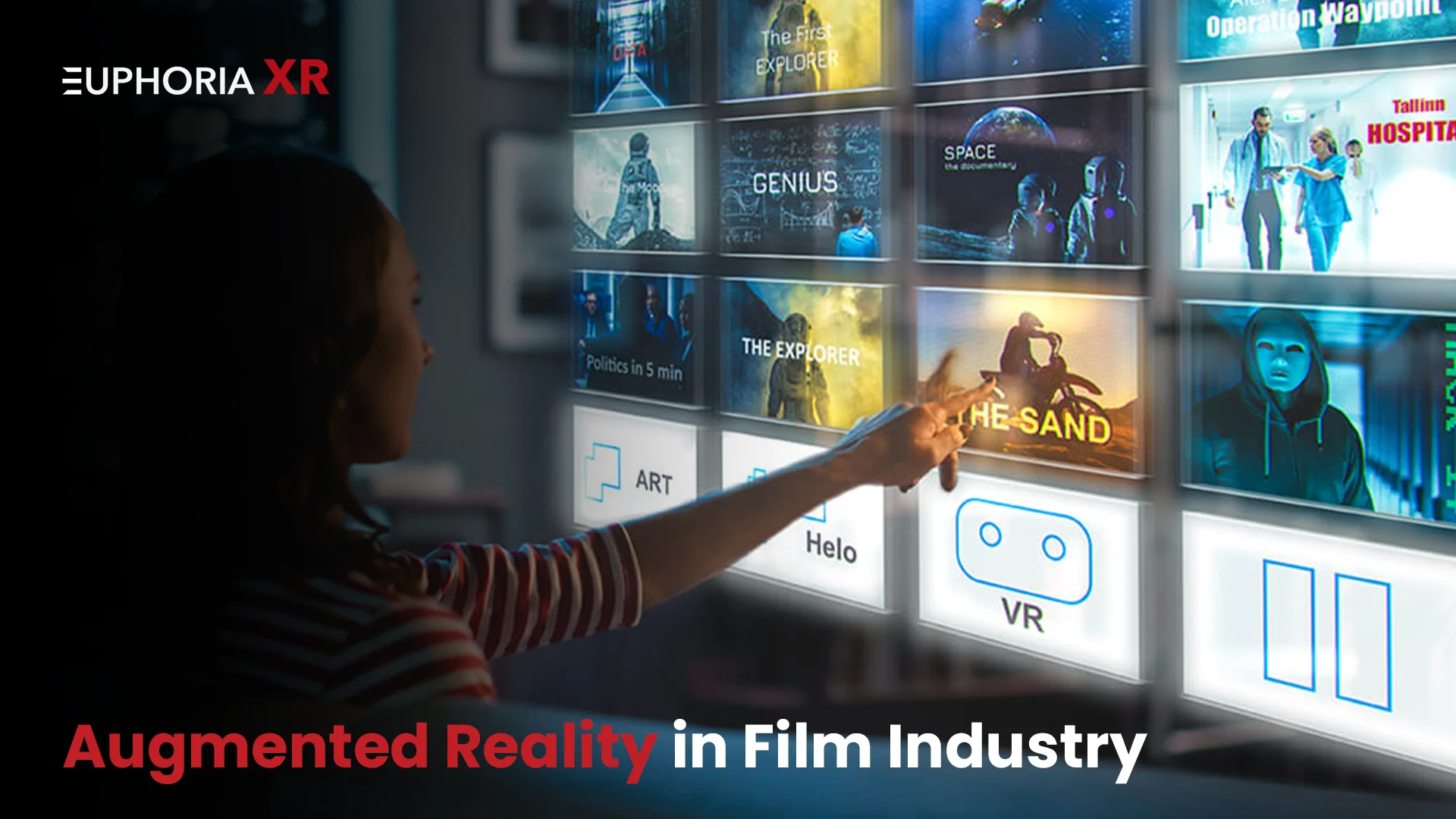
The Film Production Process: From Concept to Screen
Introduction
The film production process is a complex, multi-stage journey that transforms a simple idea into a cinematic experience. It involves creativity, technical expertise, and meticulous planning to ensure the final product resonates with audiences. Whether it's a blockbuster or an independent film, the production follows a structured path that can be broken down into distinct phases. In this first part of our in-depth exploration, we will cover the initial stages of film production, from development to pre-production.
1. Development: Bringing the Idea to Life
The film production process begins with **development**, where the seed of an idea is nurtured into a viable script. This stage involves several key steps:
Concept and Story Creation
Every film starts with a concept—a unique premise, an adaptation of existing material (such as a book or true story), or even an original screenplay. Writers, directors, and producers collaborate to shape the story, ensuring it has strong characters, compelling conflicts, and a clear narrative arc.
Writing the Script
Once the concept is solidified, the next step is writing the screenplay. Screenplays go through multiple drafts, incorporating feedback from producers, script consultants, and sometimes test readers. A well-structured script includes:
- **Dialogue** – Natural and character-driven.
- **Scene descriptions** – Detailed enough to visualize but flexible for creative interpretation.
- **Pacing and structure** – Ensures the story flows cohesively.
Some films also use treatments—a summarized version of the script—to pitch the idea to studios or investors before full development.
Securing Rights and Financing
If the film is based on existing intellectual property (e.g., a novel, comic book, or real-life event), securing the rights is crucial. Producers negotiate with authors, estates, or publishers to obtain legal permission.
Simultaneously, **financing** must be secured. This can come from:
- **Studio funding** – Major studios finance their own productions.
- **Independent investors** – Private financiers or production companies.
- **Crowdfunding** – Platforms like Kickstarter for smaller projects.
- **Government grants** – Available in some countries to support local filmmakers.
Once funding is confirmed, the project moves into **pre-production**.
2. Pre-Production: Planning Every Detail
Pre-production is where the film truly begins to take shape. Every logistical and creative decision is made in this phase to ensure a smooth shooting process.
Assembling the Crew
A film’s success depends on its crew. Key roles include:
- **Director** – Oversees creative vision and execution.
- **Producer** – Manages budgeting, scheduling, and logistics.
- **Cinematographer (DP)** – Designs the visual look of the film.
- **Production Designer** – Creates sets and overall aesthetic.
- **Casting Director** – Finds and hires actors.
Casting the Actors
Casting is a meticulous process. Auditions, callbacks, and chemistry reads help determine the perfect actors for each role. Established stars may be approached directly, while newcomers might go through extensive tryouts.
Scouting Locations
Whether filming on-location or in a studio, every setting must be chosen to match the story’s needs. Location scouts assess factors like:
- Permits and regulations.
- Lighting and sound conditions.
- Logistics (transportation, accommodations, etc.).
Some films use **soundstages** and **green screens** for controlled environments, while others rely entirely on real-world locations.
Designing Sets and Costumes
The **production designer** and their team create the film’s visual world by:
- Sketching and constructing sets.
- Choosing props and decorations.
- Collaborating with the **costume designer** to define each character’s look.
Historical films require extensive research to ensure authenticity, while fantasy and sci-fi films demand imaginative, original designs.
Storyboarding and Shot Lists
To visualize scenes before shooting, directors and cinematographers use **storyboards**—illustrated panels depicting key moments. A **shot list** is then created, detailing camera angles, movements, and lighting for each scene. This ensures efficiency on set.
Scheduling and Budgeting
A detailed **shooting schedule** breaks down each day’s scenes, optimizing time and resources. The budget accounts for:
- Salaries (cast and crew).
- Equipment rentals (cameras, lighting, sound).
- Post-production costs (editing, VFX, music).
Efficient scheduling prevents delays and budget overruns.
Conclusion of Part One
The film production process requires meticulous planning from the very beginning. The **development** stage transforms an idea into a script, while **pre-production** prepares every element for filming. In the next part, we will dive into the **production phase**, where cameras roll and the director brings the vision to life on set.
(To be continued...)
3. Production: Lights, Camera, Action!
The **production phase** is the most visible and dynamic part of making a film—this is when the script comes to life through principal photography. The director, actors, and crew work tirelessly to capture every scene while managing logistics, technical challenges, and creative adjustments.
The Shooting Process
Filming a movie is rarely done in chronological order. Instead, scenes are shot based on location availability, actor schedules, and cost efficiency. A typical day on set includes:
- **Call Time:** The cast and crew arrive, often before sunrise.
- **Blocking:** The director and actors rehearse movements and positioning.
- **Lighting Setup:** The cinematographer and gaffers adjust lighting for each shot.
- **Rehearsal:** A final run-through before filming begins.
- **Takes:** Multiple versions of a scene are shot until the director is satisfied.
The Role of the Director
The **director** must balance artistic vision with practicality, ensuring:
- **Performance quality:** Guiding actors to deliver compelling performances.
- **Visual consistency:** Maintaining the film’s look across different shooting days.
- **Problem-solving:** Adapting to weather delays, technical mishaps, or scheduling conflicts.
Large productions may use **second units** to film action sequences, establishing shots, or less dialogue-heavy scenes separately to save time.
Working with the Cast
Actors must remain in character despite long hours, repetitive takes, and sometimes extreme conditions. Key considerations include:
- **Continuity:** Ensuring hairstyles, costumes, and props match in every shot.
- **Emotional consistency:** Maintaining performance intensity across takes.
- **Health and safety:** Stunt coordination and on-set medics handle physical risks.
Method actors may stay in character throughout filming, while others switch modes between takes.
Technical Execution: Camera, Sound, and Effects
The **cinematographer (director of photography, DP)** is responsible for:
- **Camera movement:** Using dollies, steady cams, or drones for dynamic shots.
- **Lighting techniques:** High-key, low-key, or naturalistic lighting sets the film’s tone.
- **Lens choices:** Wide-angle for landscapes, tight shots for intimacy.
The **sound team** captures clean dialogue and ambient noise, minimizing interference (e.g., wind, traffic). Some films use **practical effects**—real explosions, makeup, or puppetry—while others rely on **CGI**, which is added in post-production.
Challenges During Production
Despite thorough planning, issues often arise:
- **Weather disruptions:** Rain, wind, or extreme heat can halt outdoor shoots.
- **Equipment failures:** Cameras, lights, or sound recorders may malfunction.
- **Creative differences:** Directors and producers might clash over scenes.
- **Budget constraints:** Unexpected costs (e.g., additional shooting days) can strain finances.
A skilled production team anticipates problems and adapts quickly.
4. Post-Production: Crafting the Final Product
Once filming wraps, the project enters **post-production**, where raw footage is transformed into a polished film. This phase includes editing, visual effects, sound design, and more.
Editing the Film
The **editor** assembles scenes in a coherent sequence, working closely with the director. Key tasks include:
- **Selecting the best takes** for performance and technical quality.
- **Pacing adjustments:** Tightening slow scenes or expanding emotional moments.
- **Temporal structure:** Non-linear narratives (e.g., flashbacks) are finalized here.
Modern editing uses digital tools like **Avid Media Composer** or **Adobe Premiere Pro**, allowing frame-by-frame precision.
Visual Effects (VFX) and CGI
VFX artists enhance or create elements that couldn’t be filmed practically:
- **Digital environments:** Cities, space, or fantasy worlds.
- **Character animation:** Fully CGI creatures or de-aging actors.
- **Enhancements:** Removing wires, adding blood, or altering backgrounds.
Films like *Avatar* or *The Lord of the Rings* rely heavily on VFX, while others use subtle touches to heighten realism.
Sound Design and Mixing
Sound is 50% of the cinematic experience. The **sound team** handles:
- **ADR (Automated Dialogue Replacement):** Re-recording lines in a studio for clarity.
- **Foley art:** Creating custom sound effects (footsteps, rustling clothes).
- **Score and soundtrack:** Composers and music supervisors integrate original music or licensed tracks.
In the final **mix**, dialogue, music, and effects are balanced to optimize emotional impact.
Color Grading
Colorists adjust hues, contrast, and saturation to:
- Establish mood (e.g., cold blues for thrillers, warm tones for romances).
- Ensure visual consistency across different shooting conditions.
- Create stylistic looks (e.g., the teal-and-orange palette in action films).
Test Screenings and Reshoots
Before finalizing the film, test audiences provide feedback on:
- Pacing and clarity.
- Emotional engagement.
- Unintended confusion or plot holes.
If necessary, **reshoots** address major issues, though they can be costly.
Conclusion of Part Two
Production and post-production are where a film’s vision becomes tangible. The **shooting phase** demands precision and adaptability, while **post-production** refines every detail into a cohesive story. In the final section, we’ll explore distribution, marketing, and the film’s journey to audiences worldwide.
(To be continued...)
5. Distribution and Marketing: Bringing the Film to Audiences
After months (or sometimes years) of hard work, the completed film enters the crucial phase of reaching its audience. Distribution and marketing strategies can make or break a film's success, no matter its quality. This stage involves intricate planning, negotiations, and creative promotional tactics.
Choosing the Distribution Strategy
Filmmakers must decide how their movie will reach viewers, with options including:
Theatrical Release
- Traditional cinema distribution remains the most prestigious path
- Requires securing deals with theater chains
- Blockbusters often get wide releases (2,000+ screens)
- Independent films may start with limited releases (art house theaters)
Streaming Platforms
- Netflix, Amazon Prime, Disney+, and others have become major players
- Includes original productions and acquired films
- Some films get hybrid releases (theater + streaming simultaneously)
Video on Demand (VOD)
- Allows viewers to rent or purchase digitally
- Includes platforms like iTunes, Google Play, Vudu
- Ideal for mid-budget films without massive marketing budgets
Television and Cable
- Premium channels (HBO, Showtime) still acquire film rights
- Basic cable and syndication provide secondary revenue streams
Film Festivals: The Launching Pad
Festivals serve multiple important functions:
- Premieres: Sundance, Cannes, Toronto, and Venice can generate buzz
- Awards consideration: Critical acclaim helps with Oscar campaigns
- Distribution deals: Many films find buyers at festivals
- Audience testing: Live reactions help refine marketing approaches
Notable success stories include:
- "Little Miss Sunshine" (Sundance 2006)
- "Get Out" (Sundance 2017)
- "Parasite" (Cannes 2019)
Marketing and Promotion
A film's marketing campaign typically includes:
Trailers and Teasers
- Carefully edited to generate excitement without spoilers
- First trailer often releases 6-12 months before premiere
- Television spots ramp up closer to release date
Press Junkets and Interviews
- Cast and crew participate in media tours
- Includes talk shows, magazine features, podcast appearances
- Helps build personal connections with potential viewers
Social Media Campaigns
- Official accounts on Twitter, Instagram, TikTok
- Behind-the-scenes content and interactive posts
- Influencer partnerships to reach niche audiences
Merchandising
- For blockbusters: toys, clothing, video games
- Novelty items can increase brand recognition
- Collectibles build long-term fan engagement
The Business Side: Deals and Negotiations
Distribution involves complex financial arrangements:
- Minimum Guarantees: Upfront payments from distributors
- Profit Participation: Backend deals for creatives
- Territory Rights: Often sold country-by-country
- Ancillary Rights: Airlines, military bases, educational markets
Streaming has introduced new models:
- Acquisition fees versus licensing deals
- Algorithm-driven promotion affecting discoverability
- Data transparency issues between platforms and creators
6. Exhibition and Audience Reception
When the film finally reaches viewers, its journey enters its most critical phase - does it connect with audiences?
The Theatrical Experience
Despite streaming growth, theaters remain important because:
- Big-screen impact for visually stunning films
- Shared audience reactions enhance comedies/horror
- The "event" factor drives opening weekends
- Premium formats (IMAX, Dolby Cinema) command higher ticket prices
Box Office Performance Metrics
Industry professionals monitor several key indicators:
- Opening weekend gross (important for franchise films)
- Holdover performance (indicates word-of-mouth)
- Per-theater averages (for limited releases)
- International versus domestic performance
A film's budget-to-box-office ratio determines its success:
- Blockbusters need 2-3x budget to break even (counting marketing)
- Indies can profit with modest returns if costs were controlled
Critical Reception and Awards
Reviews and accolades influence:
- Long-term reputation and legacy
- DVD/streaming performance after theatrical run
- Career trajectories for cast and crew
Major awards (Oscars, Golden Globes) provide:
- Marketing boosts ("Academy Award Winner" tags)
- Increased home video sales
- Higher licensing fees from streaming services
Home Entertainment and Longevity
After theatrical run, films generate revenue through:
- Physical media (Blu-ray, DVD, 4K)
- Digital purchases and rentals
- Cable and streaming licensing deals
- Library acquisitions by platforms needing content
Cult films often find success:
- Midnight screenings and revival houses
- Anniversary rereleases
- Merchandise and fan conventions
7. The Future of Film Production
The industry continues evolving with new technologies and viewing habits:
Technological Advancements
- Virtual Production (LED walls replacing green screens)
- AI-assisted previsualization and editing
- High frame rate and immersive formats
- Blockchain for rights management and financing
Changing Business Models
- Shorter theatrical windows
- Direct-to-consumer streaming by studios
- Interactive and branching narrative films
- Microbudget filmmaking with professional results
Globalization of Content
- International co-productions becoming more common
- Streaming making foreign language films more accessible
- Local stories finding worldwide audiences
- Competition for international talent increasing
Sustainability Initiatives
- Carbon-neutral productions
- Virtual location scouting reducing travel
- Reusable set construction materials
- Digital script distribution eliminating paper waste
Conclusion: The Never-Ending Cycle
The film production process is a remarkable blend of art and commerce, creativity and logistics. From that first spark of an idea to the final screening in theaters or living rooms around the world, each phase requires specialized skills and passionate collaboration.
As audiences, we typically only see the finished product - the two-hour story unfolding on screen. But behind every frame lies countless hours of problem-solving, artistic choices, and technical wizardry. Understanding this complex process helps us appreciate films not just as entertainment, but as monumental human achievements.
The industry's future promises even more innovation while facing new challenges. Yet one thing remains constant: the power of storytelling to move, inspire, and connect us across cultures and generations. Whether through traditional cinema, streaming platforms, or formats yet to be invented, the art of filmmaking will continue evolving while staying true to its fundamental mission - to tell great stories well.

The Rise and Reign of Hollywood Blockbusters: A Deep Dive
Hollywood blockbusters are not just movies; they are cultural phenomena. These films often dominate the global box office, set trends in cinema, and capture the public's imagination in ways that reverberate across generations. Their allure is undeniable, and their impact is widespread. But what defines a blockbuster, and how did Hollywood come to perfect this unique form of entertainment? Let us explore the rise and enduring reign of the blockbuster era, delving into its history, defining features, and significance in modern cinema.
The Origins of the Blockbuster Phenomenon
The term "blockbuster" has its origins in World War II, initially referring to bombs capable of destroying entire city blocks. This sense of scale and impact was later adopted by the film industry to describe movies that achieved exceptional financial success. The modern blockbuster as we know it began to take shape in the 1970s with the release of Steven Spielberg’s "Jaws" in 1975. With its groundbreaking use of high-tension storytelling, special effects, and a marketing campaign that set the standard for future releases, "Jaws" was not only a monetary triumph but also managed to create a shimmering appeal that kept audiences returning to theaters repeatedly.
Building on Spielberg’s success, George Lucas ushered in a new age for Hollywood with the release of "Star Wars" in 1977. Its vast universe, innovative special effects, and memorable characters cemented the franchise as a pillar of modern pop culture. "Star Wars" didn't just attract audiences; it created an unprecedented fan base that demanded sequels, merchandise, and everything in between. It was clear that the blockbuster had found a firm footing, capturing the imaginations of people worldwide while virtually guaranteeing large returns on investment.
Characteristics of a Hollywood Blockbuster
Hollywood blockbusters are typically characterized by certain key elements aimed at enhancing their appeal and ensuring their success:
1. **Big Budgets* A primary characteristic of a blockbuster is its hefty production budget, which is frequently in the hundreds of millions of dollars. The investment is often poured into high-quality special effects, renowned directors, and star-studded casts to ensure that the product is both visually stunning and attractive to a wide audience.
2. **Spectacular Visuals and Special Effects* Blockbusters often feature cutting-edge technology and advanced special effects. These visual spectacles demand to be experienced on the big screen, backing the notion that these films are events rather than mere movies.
3. **Strong Marketing Strategies* Successful blockbusters possess extensive marketing campaigns. Promotional efforts include trailers, posters, talk show appearances, tie-in merchandise, and social media buzz. The anticipation building phase itself becomes a part of the experience, turning releases into major events.
4. **Broad Appeal* Blockbusters are crafted to cater to a wide audience, with stories that offer universal themes like love, bravery, and sacrifice. They often incorporate action-packed sequences that require minimal cultural context, ensuring that the films resonate with audiences worldwide.
5. **The Sequel Factor* Successful blockbusters often spawn sequels, prequels, or reboots. This has allowed a multiplicity of universes to flourish, such as those seen in "Transformers," "Marvel Cinematic Universe," and "The Lord of the Rings," creating a lasting legacy and extending the life of the original installment.
Impact on the Film Industry and Broader Culture
Blockbusters have not only reshaped the film industry but have also had a significant influence on broader cultural trends. On the business side, the repeated success of blockbusters has increasingly concluded financial seasons, with major studios hence relying heavily on their blockbuster releases for substantial profit margins. This focus on profitability has shifted the way films are financed and produced, often leading to decreased financial support for smaller, independent films that may lack the mass appeal of a blockbuster.
Culturally speaking, blockbusters frequently intersect with the zeitgeist of their time, often reflecting or shaping public sentiment, technological advancements, or sociopolitical climates. They serve to bridge generational gaps, drawing in viewers of all ages and backgrounds. Iconic lines or scenes from these movies become part of our vernacular, family discussions, and even benchmarks in the future production of films.
However, the dominance of blockbusters can also prompt skepticism among cinephiles and critics, who argue that an over-reliance on these films may overshadow the artistic diversity and creativity typically associated with the art form of cinema. Some express concerns that the prioritization of spectacle over substance may dilute the broader cultural significance that film can achieve as a medium of rich storytelling and expression.
In conclusion, the rise of Hollywood blockbusters represents a fascinating evolution of the film industry. While there are arguments on both sides regarding their cultural and artistic impact, their continued popularity indicates a potent and lasting appeal that resonates with audiences across the globe. The narratives, characters, and groundbreaking effects common among blockbusters not only reflect the era in which they were created but also ensure their place as cornerstones of cinematic history. The next steps for blockbusters will include adapting to ever-changing audience expectations, technological advances, and cultural dynamics, ensuring they remain relevant and influential in the enduring saga of Hollywood filmmaking.
Technological Advancements Shaping Blockbusters
The evolution of technology has played an integral role in shaping the landscape of Hollywood blockbusters. From the groundbreaking stop-motion animation seen in earlier films to today’s photorealistic CGI, the advancement in visual effects has been pivotal in increasing the allure of big-budget films. One of the earliest notable advancements was the introduction of digital effects in the 1990s, with James Cameron's "Terminator 2: Judgment Day" marking a significant milestone for the industry. It successfully blended practical and digital effects, pushing the boundaries of what could be depicted on screen.
Following this success, films such as "Jurassic Park" and "The Matrix" continued to raise the bar by introducing audiences to lifelike dinosaurs and revolutionary visual sequences that engrossed viewers and sparked imagination worldwide. This commitment to increasingly refined and realistic simulations has been one of the driving forces behind the enduring appeal of modern blockbusters. By the 2000s, a shift toward fully digital environments and characters was clearly evident in the likes of the "Star Wars" prequels and "The Lord of the Rings" trilogy, demonstrating the potential of CGI to rival practical effects in creating immersive universes.
Further advancements have been pronounced with the rise of 3D and IMAX technologies, redefining the movie-going experience in the late 2000s. James Cameron's "Avatar" exemplified this leap, with its expansive alien world of Pandora offering new perspectives on what cinematic spectacle could achieve. By transporting audiences into the screen with unprecedented depth and scale, Avatar shattered box-office records and set a new benchmark for blockbuster filmmaking.
The Streaming Era: A New Challenge for Blockbusters?
With the advent of streaming platforms such as Netflix, Amazon Prime, and Disney+, Hollywood’s blockbuster model is facing fresh challenges. These services provide a wide array of content at the touch of a button, creating a new kind of competition for traditional theatrical releases. This change has pushed studios to reconsider their strategies, causing a reevaluation of how blockbusters are developed and marketed in a digital age. While streaming offers easy access and convenience, the cinema experience still holds its unique allure, especially for visual spectacles that demand the fullest sensory engagements.
A notable trend stemming from the streaming era is the rise in blockbuster-style productions tailored directly for digital platforms. These films often carry a grand scope similar to their theatrical counterparts, yet they bypass cinemas altogether, going straight into viewers’ homes. Examples include Netflix’s "The Irishman," which featured high-profile directors and casts while embracing both the epic scale and accessibility that modern audiences favor.
Despite this shift toward home entertainment, there remains something distinctly irreplaceable about the collective experience of watching a blockbuster on the big screen. The pandemic-induced disruptions highlighted the desire for shared experiences, and as cinemas reopen, large-scale films like "F9: The Fast Saga" and "No Time to Die" have proven that theatrical releases continue to generate significant interest.
Cultural Representation and Diversification
The modern blockbuster is not simply about seismic effects and sweeping storytelling but is progressively becoming a platform for more inclusive representation. These films are increasingly reflecting the diverse cultures and perspectives that define contemporary audiences. The past few years have seen Hollywood taking strides toward inclusion and representation, as exemplified by movies such as "Black Panther," which celebrated African cultures within a superhero narrative, amassing both critical acclaim and commercial triumph. Its success resonated strongly, demonstrating that films centered around diverse narratives could find significant success without compromising artistic vision or commercial viability.
Similarly, films such as "Wonder Woman" and "Crazy Rich Asians" have played crucial roles in shifting the perception of how women and different ethnic communities are portrayed in mainstream cinema. These films not only empower underrepresented groups by providing examples of positive representation but also reflect changing audience expectations.
However, the road toward diversity is still in its infancy, and many argue that considerable work remains. Representation behind the camera is also crucial, and efforts are being directed at creating a more inclusive pipeline of talent as directors, writers, and producers. The industry, led by forward-thinking creatives and studios, is gradually recognizing the diverse audiences it serves and the rich stories that demand to be told.
The Future of Hollywood Blockbusters
As the film industry continues to evolve, so too does the blockbuster. Emerging technologies like virtual reality (VR) and augmented reality (AR) are poised to offer new dimensional experiences, transporting audiences into realms that were previously confined to imaginations. New filming techniques, such as those involving LED walls and real-time rendered environments seen in "The Mandalorian," herald further transformations. These innovations promise to revolutionize how stories are told, posing intriguing possibilities for the future of cinematic engagement.
While the prevailing template of the blockbuster will likely persist, with large budgets, high stakes, and global reach, the depth and complexity of stories continue to expand. Originality and diversity of content will be essential in addressing the waning patience of audiences for formulaic narratives and maintaining the freshness that keeps cinema alive.
In conclusion, Hollywood blockbusters stand as a testament to both the incredible creative capabilities and cultural influences of film. As our technology, societies, and expectations continue to evolve, these films will need to innovate and adapt, finding ways to surprise and delight audiences while retaining the magic that originally positioned them as cinematic juggernauts. Whether this is through new technologies, more precise representation, or completely reimagined business models, one thing remains certain: the blockbuster will endure, overcoming challenges as it continues to capture the hearts of generations to come.
The Globalization of Blockbuster Cinema
As Hollywood blockbusters have matured, their scope of influence has expanded beyond American shores, embracing a global audience and, in turn, being shaped by international perspectives. This globalization of cinema has been crucial in the growth of the blockbuster model, with an increasing portion of box office revenue generated from international markets. The importance of catering to diverse audiences has prompted studios to consider cultural sensibilities and interests when crafting their films.
For example, franchises like "Fast & Furious" have succeeded by incorporating international locations, actors, and multicultural elements within their narratives, broadening their appeal. Similarly, "The Avengers" franchise deftly combines universal themes with specific cultural nuances, making it a global favorite. The business model has been adjusted accordingly, with strategic release dates and marketing campaigns tailored to various countries, ensuring optimal reception and performance worldwide.
Conversely, the global demand for high-quality entertainment has sparked increased opportunities for co-productions between Hollywood and other film industries. China's rapidly growing market has been particularly influential, with collaborations such as "The Great Wall" and "Warcraft" showcasing a fusion of Hollywood expertise with local storytelling—an approach that benefits both industries by pooling resources and expanding potential audiences.
Influence and Criticism: A Double-Edged Sword
Despite their popularity, Hollywood blockbusters have not been immune to criticism. While they wield significant influence in filmmaking and entertainment, their dominance has faced charges of perpetuating specific industry issues. Critics argue that the prioritization of profit over artistic innovation can lead to formulaic storytelling, repetition, and a lack of risk-taking in mainstream cinema. The tendency to rely on remakes, reboots, and extended universes is often cited as stifling originality and limiting opportunities for new narratives to grace the silver screen.
Furthermore, some blockbusters have been critiqued for perpetuating stereotypes or superficial representations, raising concerns over cultural sensitivity and authenticity. This has led to fierce debates over the responsibility of big studios to accurately reflect diverse narratives rather than succumbing to reductive archetypes that persist in popular culture.
That said, it is crucial to recognize that blockbusters are not a monolith. The evolution and diversification of blockbusters have allowed them to embrace critical discourse constructively. By acknowledging these criticisms, the industry is presented with the opportunity to grow and adapt, developing films that resonate with audiences on a more profound level while continuing to entertain.
The Audience's Role in Shaping Blockbusters
An undeniable aspect of the blockbuster phenomenon is the active role audiences have played in shaping its trajectory. With unprecedented access to digital platforms and social media, audiences today possess the tools to influence blockbuster production in previously unimaginable ways. Social media platforms allow fans to express their views passionately and candidly, providing filmmakers with real-time feedback that can shape future storytelling directions.
Case in point: the power of fandom in reviving franchises has been demonstrated by the ReleaseTheSnyderCut campaign, which successfully brought a director’s preferred version of "Justice League" to light. This new dynamic emphasizes the need for studios to engage with their fanbases actively, acknowledging that audiences can no longer be passive consumers of content but active participants in the narrative journey.
Moreover, fan theories, discussions, and critiques create vibrant communities that keep enthusiasm alive between releases, while also providing insights into what resonates most with the public. Engaging audiences through virtual and augmented reality experiences, interactive promotions, and mobile applications can also strengthen connections, creating a more immersive and dynamic entertainment ecosystem centered around blockbuster films.
Conclusion: Blockbusters at the Crossroads of Innovation and Tradition
Looking ahead, the blockbuster genre stands at a crucial crossroads. The foundation laid by cinematic giants such as "Jaws," "Star Wars," and "Avatar" continues to shape the ambitions of filmmakers worldwide. Still, the future promises to bring changes driven by technology, shifting cultural attitudes, and evolving audience expectations that will prompt both challenges and exciting opportunities.
To maintain their relevance and vitality, blockbusters must ultimately balance their historic foundations with innovation. Embracing new creative voices, diversifying representations, and utilizing advanced technologies will play integral roles in ensuring these films remain integral to both the cinematic landscape and broader popular culture. Simultaneously, maintaining a commitment to storytelling craftsmanship and respecting the intelligence of global audiences will be essential in navigating this landscape.
In their essence, blockbusters have always thrived by transporting audiences to realms of wonder, escapism, and adventure—a testament to the enduring power of human imagination. As cinema continues to evolve, so too will the blockbuster genre, charting a course that reflects both time-honored traditions and forward-looking innovations, securing their place as a cornerstone of global entertainment in an ever-changing world.



The Transformative Impact of CGI in Cinema
In the world of cinema, few technological advancements have left as significant a mark as computer-generated imagery, commonly known as CGI. Initially met with skepticism, CGI has remarkably transformed the film industry, radically altering how stories are told and experienced. From the early days of clunky, digital effects to today's breathtakingly realistic virtual environments and characters, CGI has revolutionized everything from Hollywood blockbusters to independent film making.
The Genesis of CGI
The journey of CGI in cinema traces back to the late 1960s and 1970s, a period of pioneering experimentation. One of the earliest uses of CGI was in the 1973 movie "Westworld," which featured a digitized effect simulating a robot's point of view. However, it wasn't until the 1980s that CGI began to gain traction, with ground-breaking films like "Tron" (1982) that showcased digital environments. While crude by today's standards, these initial efforts paved the way for CGI's acceptance and evolution.
The leap into the mainstream occurred in 1991 with "Terminator 2: Judgment Day." Directed by James Cameron, the film introduced the world to the awe-inspiring T-1000, a liquid metal villain brought to life through the innovative use of CGI. This film demonstrated CGI's ability to create realistic, never-before-seen characters, setting a new standard for visual effects in cinema.
Enhancing Storytelling Through CGI
One of the most significant impacts of CGI is its ability to enhance storytelling. By creating environments and characters that are either impossible or prohibitively expensive to film practically, CGI provides filmmakers with the tools to bring fantastical stories to life. This has been particularly evident in genres reliant on visual spectacle, such as science fiction, fantasy, and superhero films.
The "Lord of the Rings" trilogy is a prime example of this transformative impact. Peter Jackson, the director, utilized CGI extensively to create the expansive landscapes of Middle-earth and bring creatures like Gollum to life with startling authenticity. Similarly, the Marvel Cinematic Universe has, over the last two decades, demonstrated the potential of CGI to craft cohesive and immersive worlds, filled with larger-than-life heroes and villains.
Beyond spectacle, CGI also allows for nuanced storytelling through subtle visual enhancements. In more subdued films, CGI can be used to create realistic backgrounds, alter settings, and augment practical effects without drawing attention, thus preserving the narrative's integrity and immersiveness. This subtle use of CGI is a testament to its versatility and importance in contemporary filmmaking.
Reviving and Resurrecting Characters
One of CGI's more controversial impacts is its ability to recreate and even resurrect actors on screen. This use of visual effects taps into the nostalgia of audiences, offering filmmakers a unique way to connect with viewers through the familiar faces of beloved characters. A notable example is "Rogue One: A Star Wars Story," which digitally resurrected the late Peter Cushing's Grand Moff Tarkin, utilizing cutting-edge CGI to bring the character back in a pivotal role.
While technically impressive, this practice also poses ethical questions about consent and the potential for misuse, illustrating the fine balance between innovation and respect for legacy. Reanimated performances that blur the line between reality and digital creation continue to spark debate within the industry and among audiences.
Challenges and Criticisms of CGI
Despite its many benefits, CGI is not without its critics. Some argue that an over-reliance on computer-generated effects can lead to a lack of authenticity in visual storytelling, resulting in overly polished and emotionally sterile films. This criticism has been particularly directed at films where CGI overshadows practical effects or where it lacks integration with the live-action components, leading to a jarring viewing experience.
Filmmakers like Christopher Nolan and Quentin Tarantino have voiced concerns over excessive CGI, advocating instead for practical effects, traditional filming methods, and in-camera techniques. They emphasize the palpable texture and realism achievable through these methods, which, when combined judiciously with CGI, can create a more compelling and emotionally engaging cinematic experience.
Additionally, the high costs associated with CGI can create financial pressures on filmmakers and studios, which may lead to budget constraints impacting other critical aspects of film production, such as scripting, acting, and set design. These challenges underscore the need for balance and creativity in the use of CGI to ensure it serves the story rather than becoming the spectacle itself.
As CGI continues to evolve, its role in cinema remains a subject of ongoing discussion and exploration. In the next part of the article, we will delve deeper into how CGI is reshaping the future of filmmaking, its influence on animation and visual effects industries, and the ethical considerations that accompany this powerful technology.
CGI and the Future of Filmmaking
As technology advances at an unprecedented rate, the future of filmmaking is poised to be more entwined with CGI than ever before. Innovations in computational power, artificial intelligence, and rendering techniques are pushing the boundaries of what is visually possible, enabling filmmakers to create increasingly detailed and complex cinematic worlds.
Advancements such as real-time rendering, often associated with video game technology, are making their way into film production, allowing directors and crews to visualize CGI elements during the filming process itself. This integration streamlines the filmmaking workflow, facilitates greater creativity on set, and reduces the reliance on post-production processes. As this technology matures, filmmakers will benefit from a more iterative and organic creative process, bringing more intuitive and interactive storytelling experiences to audiences.
Additionally, developments in artificial intelligence and machine learning are opening new possibilities for CGI. AI-driven tools can assist in automating labor-intensive elements of CGI production, such as character rigging and background generation, allowing artists to focus on the more creative aspects of digital filmmaking. Moreover, AI can enhance motion capture processes, producing more natural and authentic character movements, pushing the boundaries of lifelike CGI performances.
The Influence of CGI on Animation
CGI has profoundly influenced the animation industry, transforming both its content and its creation process. Animated films like Pixar's "Toy Story," the first entirely computer-generated feature film, marked a pivotal moment for CGI in animation. Its release in 1995 revolutionized the industry and set new standards for storytelling, visual aesthetics, and emotional engagement in animated films.
Since then, almost every major animated film has utilized CGI to some extent. Pixar, DreamWorks, and Disney have continued to push the medium forward with increasingly sophisticated CGI techniques, creating visually stunning movies with global appeal. Films like "Frozen," "Inside Out," and "How to Train Your Dragon" demonstrate the ability of CGI to enhance traditional animation values while taking advantage of dynamic, three-dimensional storytelling.
The advent of CGI has not only improved the visual quality of animated films but has also democratized animation, making it more accessible to independent creators and smaller studios. With affordable software and hardware, filmmakers now have the tools to create high-quality CGI content without the enormous budgets previously required, expanding the diversity of voices and stories in animation.
Ethical Considerations and CGI
While the technological achievements of CGI are impressive, they come with a set of ethical considerations that filmmakers and industry professionals must negotiate. Notably, the digital resurrection of deceased actors or the use of CGI to alter or replace performances raises questions about consent, artistic integrity, and the moral rights of performers.
These concerns underscore the necessity of clear guidelines and agreements among filmmakers, actors, and estates to ensure that CGI is used responsibly and respectfully. These guidelines should address issues like actor likeness rights and the depiction of characters in scenarios that align with the actor’s previous roles and persona.
Furthermore, the potential for CGI to mislead audiences raises questions about authenticity and truthfulness in visual media. Deepfake technology, a sophisticated form of CGI, can create hyper-realistic digital replicas of individuals, sparking concerns about misinformation and privacy. As this technology becomes more widespread, the film industry will need to consider how to implement ethical practices to protect individuals and maintain public trust.
Environmental Impacts of CGI
An often overlooked aspect of CGI production is its environmental impact. While CGI can reduce the need for physical sets and on-location shooting, thus potentially lowering the carbon footprint of a production, it is also resource-intensive in terms of energy consumption. Rendering CGI scenes requires significant computational power, often relying on extensive server farms that can consume vast amounts of electricity.
To address these environmental concerns, the film industry is exploring more sustainable practices in CGI production. Innovations such as cloud-based rendering can optimize resource usage, and studios are investing in energy-efficient computing technologies. Additionally, the industry is recognizing the importance of promoting green practices not just in CGI but across all stages of film production.
As the capabilities and applications of CGI continue to expand, its impact on the film industry will undoubtedly deepen. Balancing the artistic and technical possibilities of CGI with ethical and ecological considerations will be crucial as filmmakers navigate the challenges and opportunities presented by this powerful tool. In the final part of this article, we will explore how CGI is shaping audience expectations and the evolving nature of cinematic storytelling in an increasingly digital age.
Shaping Audience Expectations
The integration of CGI into filmmaking has significantly shaped audience expectations, redefining what is considered visually impressive and achievable on screen. Viewers today are much more discerning, often demanding visual effects that are seamless and indistinguishable from reality. This shift has prompted filmmakers to continually push the envelope, striving not only for more spectacular visuals but also for greater synchronization between CGI and traditional filmmaking techniques.
In genres like science fiction, fantasy, and action, the expectation for breathtaking special effects has become a staple, setting a bar that filmmakers worldwide aim to meet or surpass. This trend is evident in major franchises like the Marvel Cinematic Universe and "Star Wars," where CGI is essential for crafting the iconic, expansive universes that fans expect. The pressure to deliver high-quality CGI has consequently elevated the role of visual effects teams, making them indispensable in the filmmaking process.
Yet, this technological marvel presents an ironic challenge: as CGI becomes more advanced and pervasive, audiences are also yearning for authenticity and emotional resonance in films. Filmmakers are tasked with ensuring that the heart of the story and character development isn't eclipsed by the technical prowess of CGI. Finding the right balance between compelling CGI and a well-crafted narrative is crucial to maintaining viewer engagement and delivering meaningful cinematic experiences.
The Evolving Nature of Cinematic Storytelling
CGI has not only influenced the aesthetics of films but has also profoundly changed the way stories are constructed and told. With CGI, filmmakers can envisage entire worlds and scenarios that defy physical limitations, introducing new narrative possibilities and complexities. This ability fosters innovative storytelling methods, encouraging directors to experiment with narrative structures and visual styles.
Virtual reality (VR) and augmented reality (AR), although still in their nascent stages within cinema, are promising frontiers for CGI's role in storytelling. These cutting-edge technologies provide immersive experiences, allowing audiences to engage with film narratives on a personal level. By placing viewers inside the story, VR and AR blur the lines between passive viewing and active participation, offering the potential to revolutionize the cinematic experience.
Moreover, the rise of streaming platforms and the demand for diverse content have given CGI a broader canvas to explore. With episodes and films released directly to digital platforms, there is a growing appetite for visually innovative content that can capture attention in a highly competitive market. CGI’s adaptability makes it a valuable asset in creating unique offerings tailored to specific audiences or storytelling needs.
The Journey Ahead
The future of CGI in cinema is as boundless as the imaginations it fuels. As technology continues to evolve, so too will the methods by which stories are crafted and shared, driven by the inexhaustible potential of CGI. Future advancements are likely to perfect the integration of CGI with augmented reality, enabling more dynamic interaction between actors and digital environments during production.
Furthermore, as CGI capabilities expand, there is potential not only for more grandiose visual storytelling but also for deeper emotional engagement through lifelike digital characters and detailed environments that resonate with audiences on a human level. The combination of sophisticated CGI and innovative storytelling could forge new paths for cinema, redefining genres and creating new ones altogether.
Ultimately, the challenge for filmmakers lies in leveraging CGI to enhance, rather than overshadow, the narratives they endeavor to tell. As the industry moves forward, it will be vital to strike a balance between technological wonder and human storytelling. This synergy will ensure that even as the digital landscape of cinema grows, it remains rooted in the timeless art of storytelling—a pursuit driven by imagination, emotion, and the shared experiences that bind us all to the world of film.
In closing, as we witness CGI shaping the present and future of cinema, it is crucial to consider both its potential and its pitfalls. By embracing the blend of traditional film practices with digital enhancements, filmmakers will continue to captivate, inspire, and evolve the cinematic experience for generations to come.


The Evolution of Movie Stunts: A Thrilling Chronicle
From the silent era's spectacular daring feats to today's CGI-enhanced spectacles, the evolution of movie stunts is a thrilling narrative of innovation and risks that have captivated audiences for over a century. Film stunts have not only evolved alongside the advancements in cinematic technology but have also played a pivotal role in shaping the way stories are told on the silver screen.
The Dawn of Stunts: The Silent Cinema Era
The roots of movie stunts can be traced back to the early 20th century, during the silent cinema era. This period was marked by a fascination with human ingenuity and physical prowess, where performers took center stage. Daredevils became the first stunt performers, exhibiting their skills in films like Safety Last! (1923), where Harold Lloyd precariously dangled from a clock tower. These early feats were performed without safety nets or technological aids, relying solely on the performers' physical talents and an overabundance of courage.
The Golden Age: The Emergence of Stunt Professionals
As the film industry matured during the 1930s and 1940s, the demand for more thrilling and complex action sequences led to the emergence of dedicated stunt professionals. This era saw the rise of iconic stuntmen such as Yakima Canutt, who is best known for his work on the legendary chariot race in Ben-Hur (1959). Canutt and others of his ilk transformed the field into a respected craft, introducing new techniques and safety standards that would lay the groundwork for future generations. The profession continued to grow in prestige as actors and studios recognized the importance of skilled stunt work in successful storytelling.
The 1970s and 1980s: Innovation and Spectacle
The technological advances during the 1970s and 1980s revolutionized movie stunts, allowing for greater realism and spectacle. This era is famously represented by films such as the James Bond series, where larger-than-life stunts became a hallmark. The incorporation of machines and vehicles into stunts added layers of thrill, with car chases and explosive sequences becoming staples in action cinema. The increasing complexity of stunts necessitated the development of new safety measures and specialized equipment, making stunts both safer and more audacious than ever before.
The Late 20th Century: The Rise of Computer-Generated Imagery
The late 20th century heralded the advent of computer-generated imagery (CGI), fundamentally altering how stunts were conceived and executed. Films like Terminator 2: Judgment Day (1991) and The Matrix (1999) seamlessly blended physical stunts with digital effects, creating visually spectacular sequences that were previously unimaginable. Stunt departments began collaborating closely with visual effects teams, combining human physicality with digital prowess to produce thrilling narratives that kept audiences on the edge of their seats.



Iconic Film Director Collaborations: Crafting Cinematic Magic
In the realm of cinema, individual genius is often lauded, but seldom does it operate in isolation. The collaborative nature of filmmaking is one of its defining characteristics, where visionary directors join forces with a team of talented professionals to create cinematic experiences that captivate audiences worldwide. Among the myriad collaborations that occur, some stand out for their innovation, synergy, and lasting impact on the art form. This article delves into the enchanting world of film director collaborations, exploring how these creative partnerships have contributed to the magic of cinema.
The Director and Cinematographer: Painting with Light and Shadow
One of the most vital alliances in filmmaking is the relationship between the director and the cinematographer. This dynamic duo is responsible for translating the script into visual storytelling, shaping the film's tone, mood, and atmosphere. A prime example of this collaboration is the partnership between Alfonso Cuarón and Emmanuel Lubezki. Their work on films such as "Gravity" and "Children of Men" exemplifies their ability to blend technical prowess with artistic vision, resulting in visually stunning and emotionally resonant films.
Similarly, the collaboration between Quentin Tarantino and Robert Richardson has consistently pushed the boundaries of visual storytelling. Their work on films like "Kill Bill" and "Once Upon a Time in Hollywood" highlights the importance of a shared vision, where bold and inventive camera work complements Tarantino’s distinctive narrative style. Through these partnerships, directors and cinematographers redefine the possibilities of cinematic expression.
Director and Screenwriter: Crafting the Narrative
The collaboration between a director and a screenwriter is foundational to the storytelling process. Together, they shape the script's narrative arc, character development, and dialogue. A notable example is the creative partnership between the Coen Brothers, Joel and Ethan. Known for their unique blend of dark humor and unconventional storytelling, the brothers function as both directors and screenwriters. Their films, such as "Fargo" and "No Country for Old Men," showcase their seamless integration of script and direction, creating a coherent and engaging narrative universe.
Another successful pairing is the longstanding partnership between Christopher Nolan and his brother, Jonathan Nolan. Their collaboration on films like "The Prestige," "The Dark Knight Trilogy," and "Interstellar" illustrates how a shared creative vision can culminate in complex, thought-provoking narratives. The synergy between the Nolans' scriptwriting and Christopher's directorial execution results in films that are both intellectually stimulating and emotionally compelling.
The Director and Composer: Setting the Emotional Tone
Music has the power to evoke emotions, and the collaboration between a director and a composer is crucial in setting the emotional tone of a film. This partnership crafts an auditory experience that complements and enhances the visual storytelling. One of the most enduring director-composer collaborations is that between Steven Spielberg and John Williams. Their work together on films like "Jaws," "E.T. the Extra-Terrestrial," and "Schindler’s List" has produced some of the most memorable film scores in cinema history. Williams' ability to translate Spielberg's vision into emotive soundscapes has been instrumental in the success and memorability of these films.
Similarly, the collaboration between Tim Burton and Danny Elfman has defined the sound of Burton's whimsical and darkly fantastical worlds. Films like "Edward Scissorhands" and "The Nightmare Before Christmas" are elevated by Elfman's hauntingly beautiful scores, which perfectly echo Burton's unique visual style. Their partnership exemplifies how music and image can intertwine to create a rich, immersive cinematic experience.
In conclusion, the magic of film often arises from the harmonious blending of creative forces. The collaborations between directors and key team members such as cinematographers, screenwriters, and composers are integral to the creation of memorable cinema. These partnerships are not just functional; they are the crucibles of innovation, where diverse talents converge to breathe life into a director's vision. As we continue to explore this theme, the next part of the article will delve into other significant collaborations that have shaped the film industry, demonstrating the power of teamwork in the art of filmmaking.