Dionysos: The Enigmatic God of Wine, Wildness, and Revelry
L'Origine de Dionysos
Dionysos, l'un des principaux dieux de la mythologie grecque, est généralement présenté comme le dieu du vin, mais bien plus encore qu'une simple divinité viticole. Ses origines sont plongées dans les mythes les plus anciens de l’Antiquité, où il apparaît sous divers noms et formes au fil de l'évolution de la légende.
Connu également sous les noms d'Osiris d'Égypte ou de Tammuz pour ses fonctions liées aux plantes et à la fertilité, Dionysos est souvent décrit comme fils d'Zeus, le chef des Olympiens, et d'une déesse mortelle nommée Sémélé. Ces racines familiales hybrides donnent un aperçu de son statut unique parmi les dieux grecs : il est à la fois dieu et homme, incarnant la dualité entre le divin et l’humain.
Cette hybridité est récurrente dans la représentation de Dionysos, qui est souvent associé à des concepts opposés, comme la raison et l’irrépressible pulsion, la sobriété et la drunkenness, la culture et la nature sauvage. Cette dichotomie est visible dans sa fonction de régulateur de la civilisation et de la barbare.
Dans son ensemble, Dionysos se décline en plusieurs aspects essentiels, chacun reflétant une facette différente de sa personnalité complexe. Il est le messager des déesses des Ménades (les nymphes furies), il représente la nature féconde des vignes et il incarne la transformation grâce à son pouvoir de métamorphose.
Les Fonctions et Pouvoirs de Dionysos
Le rôle principal de Dionysos dans la mythologie grecque est celui de démiurge, créateur et défenseur des arts et des joies de la vie, particulièrement à travers son attribut principal : le vin. Le vin, en tant que produit de la vigne, est associé à la joie, à la danse et à la créativité, tout en symbolisant aussi la transformation et la libération.
En tant que dieu du vin, Dionysos est souvent représenté en train de cueillir des raisins ou tenant une cruche de vin. Bien que son aspect soit souvent jovial et festif, c'est aussi un dieu redoutable lorsqu'il est en colère. Sa capacité à provoquer la transe, l’ivresse et la folie collective fait de lui une force à considérer avec prudence. Il peut donner naissance aux démons du vin, qui peuvent suggérer destruction et désordre.
Outre son rôle de dégustateur du vin, Dionysos est lié à la danse et à la musique. Il est souvent accompagné de Bacchante (les déesses de son culte) qui dansent en une frénésie sauvage qui peut mener à l’extase et à l’apaisement. Cet aspect ludique et rituel de Dionysos rend hommage à sa capacité à rassembler les gens autour d’un point commun et à apporter chaleur et ébullition à la société.
Dans son statut de dieu des fêtes, Dionysos est souvent associé aux baccantes, ces femmes qui dansaient et faisaient la fête autour de lui. Ces fêtes étaient souvent marquées par des cérémonies orgiaques (dans leur acception mythologique, non sexuelle). Ces cultes sont caractérisés par leur exubérance et leur absence complète de tabous, tout comme la nature même de Dionysos.
Il existe aussi une autre dimension moins connue de Dionysos : son rôle de juge des morts. Dans certaines mythes antiques, notamment ceux provenant de la culture pré-hellénique, Dionysos jouait un rôle important dans la transition du monde des vivants vers celui des morts, ce qui ajoute une couche philosophique complexe à sa personnalité.
Les Mythes Associés à Dionysos
Judith, l’histoire de la jeune vierge grecque dédiée à Athéna, est captivante et complexe. Dionysos apparaît comme un protecteur inconscient : alors que Judith est punie par Athéna pour avoir voulu utiliser des mensonges contre Athéna pour faire avouer à Zeus des déviances de leur union, Dionysos la sauve d’une mort triste et malheureuse, tout autant que celle de son fiancé.
Ce mythe met en lumière l’importance de Dionysos en tant qu’agent de protection et de salut, bien que cela ne vienne pas toujours de manières directes ou prévisibles. À travers cette intrigue, on peut voir comment Dionysos intervient subrepticement et de manière inattendue pour intervenir sur l’ordre des choses.
Ailleurs, dans le mythe des Titans, Dionysos joue un rôle significatif lorsqu’il affronte Cronos, le roi des Titans, dans l’enfer. Bien que les Titans soient traditionnellement des forces opposées à Zeus et aux autres dieux olympiens, Dionysos apparaît ici en tant qu’allié lointain, défendant l’Ordre bien que ne partageant pas les mêmes aspirations ni même les mêmes valeurs.
Finalement, le mythe du théâtre donne un autre regard sur le personnage de Dionysos : il est souvent présenté comme le fondateur de l'art dramatique en Grèce antique. Lorsque le roi Thespis introduit le rôle du tragédien, Dionysos est souvent invoqué comme le protecteur des dramaturges et des acteurs. Ce mythe souligne le lien sacré entre Dionysos et l’activité théâtrale, enjolivant sa dualité entre le divin et la performance humaine.
Dans cette série de mythes, Dionysos apparaît comme un personnage mystérieux et complexe, capable de faire passer des rôles aussi variés qu'allié contre adversaire, créateur d'art dramatique contre destructeur du bon ordre. Sa capacité à naviguer entre ces différents rôles révèle des aspects multiples de sa personnalité.
La Culture et l'Art Associés à Dionysos
La culture autour de Dionysos est en grande partie liée à ses rituels et cérémonies, qui sont souvent associés à des festivités et des réunions collectives dans des lieux appelés bacchants. Ces lieux étaient souvent situés à proximité des vignobles ou des bois, où les adorateurs du dieu pourraient se laisser aller dans un état de transe et d’extase collective. Les bacchants étaient des groupes de participants qui pratiquaient des rituels de chant, de danse, et parfois de sacrifice, en particulier lors de fêtes consacrées à Dionysos.
Les baccantes, comme nous l'avons mentionné précédemment, étaient les femmes qui dansaient et faisaient la fête autour de Dionysos. Elles représentaient souvent la puissance de la nature et la fécondité, tout en démontrant la transe et l’extase. Des représentations artistiques montrent souvent les baccantes en liesse, souvent dans un état de transe ou de fièvre rituelle. Ces rites étaient souvent interprétés comme une sorte de retour aux origines, où la distinction entre l'homme et la nature était amoindrie.
La danse et la musique, essentielles aux cérémonies de Dionysos, étaient souvent accompagnées de chorégraphies complexes et de tambourins vibrants appelés tympāni. Les performances théâtrales, en particulier celles présentant des œuvres tragiques, étaient souvent consacrées au dieu, montrant ainsi une connexion profonde entre l'art dramatique et la culte de Dionysos.
De nombreux objets rituels ont été retrouvés dans les fouilles archéologiques liées à Dionysos. Ces objets incluent des masques, des vases décorés avec des scènes de bacchantes et des instruments musicaux. Par exemple, le célèbre Masque de Agamele, découvert dans le sanctuaire de Dionysos à Dion en Macédoine, est illustré de Danseuses de Dionysos, illustrant la beauté et la passion de la divinité.
Ces rituels, bien que souvent excitants et evenementiels, avaient également une fonction éducative. Ils enseignaient les valeurs de l'unité de la communauté, l'acceptation des différences, et la transcendance de la douleur et de la souffrance par l'extase collective. Les mythes et les histoires contés pendant ces cérémonies contribuaient également à maintenir la cohésion sociale et à transmettre les traditions orales.
Les Representations Artistiques de Dionysos
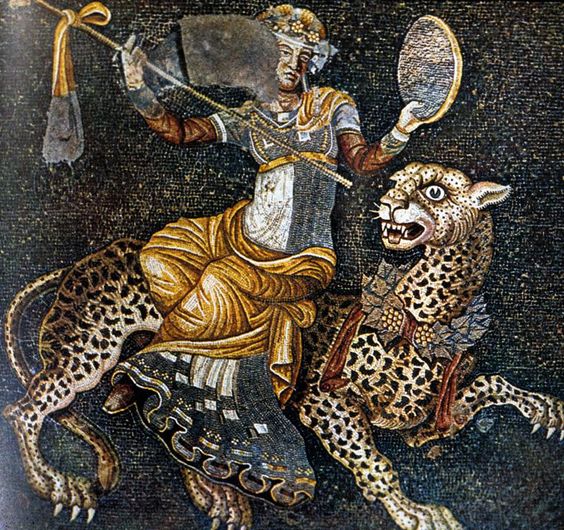
Dans la sculpture antique, Dionysos est souvent représenté avec son attribut emblématique : un cornemuse (cornemuse) ou une cruche de vin. Parfois, il est aussi vu habillé en vêtement coloré avec une toge drapée sur l'un de ses épaules, un attribut courant parmi les divinités grecques pour représenter l'affranchissement des contraintes sociales. Les peintures murales et autres images antiques montrent aussi bien le dieu ivre que le dieu joyeux et danseur. Dans l'art, Dionysos est souvent entouré de baccantes dans des postures de transe et de dance, reflétant la fluidité et l’extase qu’il inspirait.
Certaines sculptures de Dionysos ont des caractéristiques féminines, mettant en lumière la dualité entre masculinité et féminité chez le dieu. Par exemple, la statue de Dionysos que l'on peut voir à Rome est souvent interprétée comme un mélange de féminité et de masculinité, reflétant ses origines hybrides. Cette représentation met en évidence la complexité de sa personnalité, en mettant en avant son côté ambigu et non conventionnel.
Les artistes antiques ont également utilisé plusieurs techniques pour représenter l’état d’extase de Dionysos. Certaines sculptures montrent des postures exagérées et des expressions faciales qui traduisent un état de transe, tandis que d'autres utilisent des couleurs vives pour augmenter l’impact sensoriel de l'image. Les mosaïques et les fresques montraient souvent Dionysos entouré de baccantes dans une atmosphère de joie et de liberté totale.
L'hommage pictural à Dionysos était également présent non seulement dans des œuvres religieuses, mais aussi dans des compositions artistiques privées. Des peintures et des sculptures de Dionysos pouvaient être trouvées dans les villas aristocratiques où les habitants avaient accès à ces représentations pour inspirer la dévotion ou simplement apporter une note festive à l'intérieur de leur maison.
L'Influence Culturelle de Dionysos
La légende de Dionysos a eu une influence profonde sur la culture occidentale, influençant de nombreux domaines, allant de l'art et de la littérature à la psychologie et à la sociologie. Comme nous l'avons mentionné précédemment, Dionysos est souvent représenté comme un modèle de transformation et de métamorphose, mettant en lumière l'idée que la douleur et la souffrance peuvent finalement apporter la guérison et l'extase. Cette idée est fréquemment explorée dans la psychanalyse contemporaine, notamment par Carl Jung qui l'a utilisé pour comprendre les processus de transformation personnelle.
Comme dans les mythes grecs, la transcendance de Dionysos a été intégrée dans les traditions religieuses modernes. C'est pourquoi vous verrez encore aujourd'hui des cérémonies qui célèbrent la nature, la vitalité et l'extase. Les traditions comme Pâques orientale, qui célèbre la résurrection, sont souvent comparées à la résurrection de Dionysos à la naissance du printemps. De même, les rites de passage initiatiques dans de nombreuses cultures prennent souvent inspiration de la légende de Dionysos, utilisant des rituels similaires pour aider les individus à traverser des périodes de changement et de croissance intérieure.
Au-delà des rituels religieux, l'influence de Dionysos sur la culture moderne se manifeste dans la littérature et l'art contemporains. Des écrivains comme Friedrich Nietzsche ont écrit sur Dionysos comme un symbole de la pulsion irrationnelle et de l'énergie creative. Dans la fiction, Dionysos continue d’être utilisé pour représenter la bataille entre la raison et l'impulsion, ou encore pour symboliser une transformation fondamentale et profonde.
En conclusion, Dionysos demeure une figure fascinante et complexe dans la mythologie grecque, avec une influence persistante sur de nombreux aspects de notre culture. Son culte et ses rituels continuent d'être étudiés et admirés, offrant un cadre unique pour comprendre la nature de la spiritualité, de la transformation et de l'art de vivre.
Le Symbolisme et l'Interprétation Moderne de Dionysos
Dans le contexte moderne, Dionysos continue d’occuper une place particulière dans la culture populaire et intellectuelle. De nombreuses œuvres d'art, de films et de littérature modernes en font référence à différentes manières, souvent pour incarner des thèmes comme la transformation, la transcendance et la libération.
Inspirations artistiques récentes, comme les films "Orgy of Bacchus" (1934) et plus récemment "The Neon Demon" de Nicolas Winding Refn, explorent la thématique du sacrifice et de l'extase collective, souvent en lien avec l'industrie de la modes et le milieu de l'art. Ces œuvres mettent en scène des personnages en proie à des expériences similaires à celles des bacantes, soulignant la continuité du mythe et son application moderne.
L'esprit de Dionysos est également palpable dans la culture musicale, notamment dans les genres comme le rock et le hip-hop, qui souvent glorifient la liberté et la transgression. Comme l'explique le musicien David Bowie dans ses paroles : "We're the wild ones," on peut voir une hommage non seulement à l'intrépidité du personnage, mais aussi à sa capacité à transgresser les normes établies, une caractéristique fondamentale de Dionysos.
Dans le contexte sociopolitique, Dionysos a souvent été utilisé comme un symbole de rébellion et de transformation politique. Des mouvements révolutionnaires et des contestations sociales ont parfois invoqué le mythe de Dionysos pour représenter la nécessité d'aller au-delà des structures existantes. Les chants de révolte et les spectacles publics qui glorifient la spontanéité et la liberté peuvent être vus comme une incarnation moderne de cette figure mythologique.
La psychanalyse contemporaine, en particulier à travers des travaux comme ceux de Julia Kristeva, explore les aspects de Dionysos dans le contexte de la subjectivité humaine. Kristeva utilise l'image de Dionysos pour décrire une forme de désinhibition et de libération émotionnelle qui transcende les structures linguistiques et sociales, soulignant la nécessité d'une rupture pour l'expansion psychologique.
Dionysos dans la Littérature Contemporaine
De nombreuses littératures contemporaines explorent le personnage complexe de Dionysos à travers des personnages fictifs ou des personnages historiques. Un exemple significatif est le roman "Moi, Falstaff" de Marcel Proust, où la figure de Falstaff est décrite comme étant possédée par une essence semblable à celle de Dionysos, caractérisée par une joie sans fin et une liberté de comportement irrépressibles.
Plus récemment, le roman "Revelation" de Margaret Atwood utilise des références à Dionysos pour explorer le thème de la transformation religieuse et du rétablissement communautaire après des temps de chaos. Par exemple, l’héroïne du roman cherche activement à recréer les rituels associés à la divinité, reflétant ainsi son désir de communion collective et de transcendance.
La poésie contemporaine a également souvent évoqué Dionysos, soulignant sa capacité à incarner la nature des sentiments humains les plus basiques et les plus complexes. Des poètes comme Allen Ginsberg, dans "Howl", ont utilisé des éléments du mythe pour exprimer leur propre désillusionment face aux normes sociales et leur quête de vérité personnelle.
Conclusion
Tout au long de l'histoire, Dionysos a gardé un attrait indéfectible pour les auteurs et les artistes, tant dans les arts plastiques que dans la littérature et la musique. Il continue de nous offrir des perspectives uniques sur la nature humaine, la transcendance et la transformation. Sa capacité à transcender les normes sociales et les structures traditionnelles continue d'inspirer et de faire réfléchir sur le rôle que jouent nos propres pulsions et désirs dans nos vies.
Sa présence continue dans nos cultures nous rappelle constantement que la beauté et la libération peuvent naître de la transe et de la transformation, que ce soit à travers la danse, les rites cultuels ou simplement la libération de nos propres inhibitions.
Ainsi, bien que l'ère antique se soit éloignée depuis longtemps, Dionysos demeure un symbole vivant de l’essence de la beauté et de l’extase dans la culture humaine.
Références:
- Nietzsche, F. (1872). La Gène et le Démon.
- Kristeva, J. (1980). Semeiotike. Tavariqtikai prostiri.
- Proust, M. (1913). Moi, Falstaff.
- Atwood, M. (2003). Revelation.
- Ginsberg, A. (1956). Howl.


Discover Braga: Portugal's Historic and Cultural Gem
Braga, Portugal's oldest city, is a captivating destination where ancient history meets modern innovation. Established over two millennia ago as the Roman city of Bracara Augusta, it is now the nation's third-largest urban center. This vibrant city in the Minho region offers a unique blend of profound religious heritage, a dynamic university atmosphere, and a forward-looking cultural vision.
Braga's Rich Historical Legacy and Identity
The foundation of Braga dates back to around 16 BC, making its history a central part of its identity. As the capital of the Roman province of Gallaecia, it was a pivotal administrative and economic hub. This deep-rooted past is palpable throughout the city, earning it the evocative nickname, the "Rome of Portugal."
From Ancient Capital to Modern Hub
Today, Braga has successfully transformed into a major inland hub for northern Portugal. It is a recognized center for entrepreneurship and technology, while still serving as an important stop on the Portuguese Way of the Camino de Santiago. The city skillfully balances its prestigious past with a progressive, energetic present.
Key Landmarks and Architectural Marvels
Visitors to Braga are greeted by an impressive collection of historical monuments that chart the city's long and varied history. These sites are not just tourist attractions; they are the living heart of the community.
Braga Cathedral: The Oldest in Portugal
The Braga Cathedral, or Sé de Braga, is the country's oldest cathedral, with construction beginning in the 11th century. Its architecture is a fascinating tapestry, exhibiting styles from Romanesque to Baroque due to centuries of additions and renovations. The cathedral complex houses royal tombs and a significant Sacred Art Museum.
Bom Jesus do Monte Sanctuary
Perhaps the most iconic image of Braga is the Bom Jesus do Monte Sanctuary. This celebrated pilgrimage site is famous for its stunning Baroque stairway that climbs the hillside. The intricate zigzagging stairs, with their thematic fountains, chapels, and sculptures, represent a powerful spiritual journey and offer breathtaking views.
The Historic Center and Largo da Sé
The pedestrianized historic center is a delight to explore, centered around lively squares like the Largo da Sé. Here, visitors can admire medieval streets, charming cafes, and the preserved tower of the ancient Braga Castle. This area pulsates with the daily life of the city.
Braga 2025: Portuguese Capital of Culture
A defining chapter in Braga's contemporary story is its designation as the Portuguese Capital of Culture for 2025. The ambitious "Braga'25" program officially launched on January 25th with spectacular events, including concerts by fado star Mariza and artist Kim Gordon, as well as dazzling drone shows.
This year-long cultural celebration is a massive undertaking, involving 180 local, 50 national, and 40 international partners. With a budget of €13.5 million, the initiative aims to decentralize culture across all 37 parishes of the municipality. The city's goal is to increase cultural spending to 8% of the municipal budget by 2027.
The Braga'25 program represents a strategic investment in the city's future, positioning it as a leading European cultural destination.
Highlight Events and International Recognition
The city has already hosted prestigious international events like ARTECH 2025 and the Eurocities 2025 conference, highlighting its commitment to urban innovation and digital arts. This aligns with Braga's growing reputation as a center for creative and technological convergence.
Braga's Demographic and Urban Profile
Understanding Braga's current dynamics requires a look at its population and layout. As of 2023, the municipality has a population of 201,583, making it the seventh-largest municipality in Portugal. The city's density is significant, with approximately 962 inhabitants per square kilometer.
After a period of decline in the 20th century, Braga experienced revitalization from the 1980s onward. This was driven by rural-to-urban migration and immigration, particularly from Brazil. This growth spurred substantial infrastructure development and cemented its status as a key northern urban center.
- Municipal Population (2023): 201,583
- Total Area: 183.40 km²
- Population Density: ~962/km² (2011 data)
- Urban Rank in Portugal: 3rd Largest
The Religious Heart of Portugal: Faith and Festivals
The spiritual significance of Braga is deeply woven into the cultural fabric of Portugal. Its long-standing role as an archbishopric has earned it the title of the country's religious capital. This devotion is most spectacularly displayed during its world-renowned festivals and within the walls of its many churches and sanctuaries.
Holy Week: A Spectacle of Devotion
Braga's Holy Week celebrations are among the most elaborate in the Iberian Peninsula, attracting approximately 100,000 visitors annually. The city transforms into a vast open-air theater of faith, with solemn processions winding through the historic streets. The air fills with incense and the sound of sacred music, creating an unforgettable atmosphere.
A distinctive feature of these celebrations are the ornate temporary street altars, known as "Passos." These intricately decorated installations depict scenes from the Passion of Christ and are focal points for prayer and reflection. The combination of ancient ritual and profound community participation makes this event a cornerstone of Braga's identity.
A City of Churches and Pilgrimage
Beyond the cathedral and Bom Jesus, Braga is dotted with significant religious sites. The Sanctuary of Sameiro, a major Marian shrine, and the Igreja de Santa Cruz are just two examples of the city's rich ecclesiastical architecture. These sites are not only places of worship but also key landmarks on the spiritual map of northern Portugal.
As a crucial stop on the Portuguese Way of the Camino de Santiago, the city has welcomed pilgrims for centuries. This constant flow of travelers has enriched Braga's culture, making it a crossroads of faith and tradition. The pilgrim's shell symbol is a common sight, signaling the city's enduring connection to this ancient journey.
Academic and Technological Innovation in Braga
Braga's gaze is firmly fixed on the future, driven by a robust academic and technological sector. The city has successfully carved out a reputation as a center for innovation, balancing its historical prestige with a dynamic, forward-thinking economy. This transformation is largely powered by its youthful population and world-class institutions.
The University of Minho: An Engine of Growth
The University of Minho, founded in 1973, has been a catalyst for the city's modern development. With campuses in Braga and the nearby city of Guimarães, it is renowned for its schools of engineering, sciences, and arts. The university fosters a strong culture of interdisciplinary research and collaboration with industry.
This academic powerhouse attracts thousands of students from across Portugal and internationally, injecting a vibrant, youthful energy into the city. The presence of the university has been instrumental in attracting technology companies and research centers, creating a thriving ecosystem of innovation.
Braga as a Tech and Startup Hub
Building on its academic strengths, Braga has emerged as a significant hub for technology and entrepreneurship. The city is home to the International Iberian Nanotechnology Laboratory (INL), a leading cross-border research organization. This presence has helped to position Braga at the forefront of cutting-edge scientific advancement.
- International Iberian Nanotechnology Laboratory (INL): A premier research center in nanoscience.
- Tech Parks and Incubators: Supporting a growing community of startups and tech firms.
- Digital Innovation: The city actively promotes smart city initiatives and digital transformation.
This focus on technology and innovation ensures that Braga is not only preserving its past but is also actively building its future as a competitive and modern European city.
Urban Regeneration and Sustainable Development
In recent decades, Braga has undertaken significant efforts to reinvent its urban landscape. The focus has shifted towards creating a more sustainable, inclusive, and livable city for its residents and visitors. These regeneration projects respect the city's history while embracing contemporary design and functionality.
Revitalizing the Urban Core
A key success story has been the pedestrianization of the historic city center. By limiting vehicle access, the city has reclaimed its public spaces for people, enhancing the quality of life and boosting local commerce. Squares like Praça da República have become vibrant social hubs filled with cafes and cultural activity.
Current major projects include the East End revitalization and the development of a new Urban Innovation District. These initiatives aim to transform underutilized areas into modern, mixed-use neighborhoods that combine housing, business, and green spaces. The goal is to create a more connected and efficient urban environment.
Commitment to Sustainability and Green Spaces
Braga's urban planning prioritizes environmental sustainability and the well-being of its citizens. The city is increasing its network of parks, gardens, and cycling paths to promote a healthier lifestyle. This green infrastructure provides essential lungs for the city and enhances its aesthetic appeal.
The integration of sustainability into urban development is a core principle for Braga's future growth, ensuring resilience and a high quality of life.
These efforts are part of a broader strategy to position Braga as a model of sustainable urban living in Portugal. The city's participation in networks like Eurocities underscores its commitment to sharing best practices and implementing innovative solutions to urban challenges.
The Vibrant Cultural Scene Beyond 2025
While the Braga'25 designation is a major highlight, the city's cultural life is a year-round phenomenon. A diverse array of festivals, artistic collaborations, and culinary traditions ensure that there is always something happening in Braga.
Major Annual Festivals and Events
The most famous celebration is the Festas de São João in June, a vibrant street party honoring St. John the Baptist. The city erupts with music, traditional dance, and the scent of grilled sardines. A charming tradition involves playfully hitting strangers on the head with soft plastic hammers or releasing illuminated paper balloons into the night sky.
Other key events include the Braga em Risco illustration festival and the Convergências program, which fosters artistic dialogue between Portugal and Galicia. These events attract both local families and international visitors, creating a festive and inclusive atmosphere.
Collaborations with National Institutions
Braga's cultural prestige is amplified through strategic partnerships with leading national institutions. Collaborations with the National Theater Dona Maria II and the Serralves Foundation bring world-class exhibitions and performances to the city. These partnerships ensure that Braga's residents have access to a high caliber of artistic programming without needing to travel to Lisbon or Porto.
The city regularly features renowned international artists, such as pianist Maria João Pires and choreographer Meg Stuart. This demonstrates Braga's ambition to be not just a regional cultural center, but a player on the international stage.
Culinary Delights and the Vinho Verde Region
The gastronomic experience in Braga is a highlight for any visitor, deeply rooted in the traditions of the Minho region. The city's location places it at the heart of the Vinho Verde wine region, influencing both its cuisine and its social culture. Meals here are a celebration of fresh, local produce and time-honored recipes.
Traditional Minho Cuisine
Braga's restaurants and traditional "tascas" offer hearty and flavorful dishes. Classics include Rojões à Moda do Minho (marinated pork cubes), Bacalhau à Braga (codfish prepared in the local style), and Papas de Sarrabulho (a rich pork and blood stew). Freshly baked pão de ló sponge cake and the famous Pudim Abade de Priscos (a rich, port wine-infused caramel pudding) are essential desserts.
These dishes are often enjoyed in a convivial, family-style atmosphere, reflecting the warm hospitality of northern Portugal. Exploring the city's food markets, like the Mercado Municipal, provides a direct connection to the local farmers and artisans who supply these ingredients.
The Vinho Verde Wine Experience
No culinary journey in Braga is complete without tasting Vinho Verde, or "green wine." This unique wine is typically young, light, slightly fizzy, and low in alcohol, making it incredibly refreshing. While "green" refers to its youthful character, not its color, the region also produces excellent white, red, and rosé varieties.
- Wine Tours and Tastings: Numerous quintas (wine estates) around Braga offer tours and tastings.
- Perfect Pairings: Vinho Verde pairs excellently with the region's seafood, grilled meats, and light appetizers.
- Cultural Significance: Wine production is a centuries-old tradition integral to the local economy and social life.
This connection to the Vinho Verde region makes Braga a perfect base for food and wine enthusiasts looking to explore the authentic flavors of Portugal.
Living in Braga: Quality of Life and Modern Amenities
Beyond its tourist appeal, Braga is increasingly recognized as an excellent place to live, work, and study. The city offers a high quality of life at a more accessible cost than Portugal's larger coastal metropolises. This balance attracts a diverse mix of students, professionals, families, and retirees.
Cost of Living and Real Estate
Compared to Lisbon and Porto, Braga offers more affordable housing options, from historic apartments in the center to modern developments in the expanding suburbs. The overall cost of living, including dining and services, is generally lower, allowing for a comfortable lifestyle. This affordability is a key factor in its growing popularity among both Portuguese nationals and international residents.
Braga combines the amenities of a major city with the manageable scale and community feel of a smaller town, offering an attractive lifestyle proposition.
The city's ongoing urban regeneration projects are also enhancing its livability, creating new public spaces, improving transportation links, and adding modern residential and commercial facilities to complement its historic charm.
Education and Healthcare
The presence of the University of Minho provides world-class higher education and drives innovation. The city also boasts a strong network of public and private primary and secondary schools. For healthcare, Braga is served by the state-run Braga Hospital and several modern private clinics, ensuring comprehensive medical services for residents.
This robust infrastructure in education and health, combined with the city's safety and cleanliness, makes it a particularly attractive destination for families. The blend of historical environment and modern facilities provides a unique setting for raising children.
Planning Your Visit to Braga: Travel Essentials
Braga is well-connected and easy to navigate, making it an ideal destination for a short break or a longer exploration of the Minho region. Understanding the practicalities of travel will help you make the most of your visit to this captivating city.
Getting to and Around Braga
Braga is efficiently served by Francisco Sá Carneiro Airport (OPO) in Porto, which is approximately a 50-minute drive or a short train ride away. Regular trains and buses connect Braga directly to Porto, Lisbon, and other major Portuguese cities. The train station is conveniently located near the city center.
Within the city, the historic core is best explored on foot. For longer distances, Braga has a reliable and affordable local bus network. Taxis and ride-sharing services are also readily available. For maximum flexibility to visit surrounding areas like Guimarães or the Peneda-Gerês National Park, renting a car is recommended.
Best Time to Visit and Accommodation
The ideal time to visit Braga depends on your interests. The summer months (June-September) offer warm weather and major festivals like São João, but also larger crowds. Spring (April-May) and autumn (October-November) provide milder temperatures and fewer tourists, perfect for sightseeing.
- For Religious Events: Visit during Holy Week (March/April) for an unparalleled cultural experience.
- For Culture: 2025 is a standout year due to the Braga'25 Capital of Culture program.
- For Good Weather & Festivals: June is excellent for the São João festivities.
Accommodation options range from charming guesthouses and boutique hotels within the historic center to larger, modern hotels on the city outskirts. It is advisable to book well in advance during major festivals and the peak summer season.
Conclusion: The Enduring Allure of Braga
Braga stands as a city of remarkable duality, where ancient Roman foundations support a dynamic, forward-looking urban community. It is a place where the sacred and the secular, the historic and the innovative, exist in a harmonious and vibrant balance. From its spiritual resonance as the "Rome of Portugal" to its growing status as a hub for technology and culture, Braga offers a deeply authentic Portuguese experience.
A City Poised for the Future
The designation as Portuguese Capital of Culture for 2025 is not an isolated event but a catalyst for long-term transformation. The investments in cultural infrastructure, urban regeneration, and sustainable development are shaping a city ready for the 21st century. Braga is confidently stepping onto a wider European stage while preserving the unique character that defines it.
Whether you are drawn by its profound history, its stunning Baroque architecture, its lively festivals, its innovative spirit, or its delectable cuisine and wines, Braga delivers a rich and multifaceted journey. It invites visitors to look beyond Portugal's coastal giants and discover the beating heart of the Minho region.
Braga is more than just a destination; it is an experience that engages all the senses. It is the echo of Gregorian chant in a centuries-old cathedral, the lively beat of drummers during São João, the crisp taste of a young Vinho Verde on a sunny terrace, and the inspiring atmosphere of a university lecture hall. This city, with its over 2,000 years of history and its eyes firmly on the future, promises lasting memories and a compelling reason to return. To visit Braga is to understand a fundamental part of Portugal's soul and to witness a city proudly writing the next chapter of its extraordinary story.


Sulaymaniyah: A Historical and Cultural Gem
The Ancient Origins
Sulaymaniyah, located in northern Iraq, is a city steeped in history and culture. With roots dating back millennia, Sulaymaniyah has been a focal point of strategic and cultural significance over the centuries. The name itself is derived from King Solomon (or Sulayman in Arabic), who according to Islamic tradition, brought magical lamps to build mosques during his travels. While Sulayman’s connection to the area may be more legendary than factual, it adds a layer of mystique to this historic city.
The earliest known evidence of habitation in Sulaymaniyah dates back to the 2nd millennium BCE, specifically to the Neo-Assyrian Empire. Archaeological findings at nearby sites such as Shalamish and Chalara demonstrate the presence of ancient settlements and fortifications. Sulaymaniyah later became part of the Kurdish region known as Kurdistan, which was inhabited by various groups including the Kurds, Arabs, and Zazas.
During the Parthian period (247 BCE – 224 CE) and the Sassanid era (224–651 CE), Sulaymaniyah was an important administrative center and trade hub. The city was often a crossroads for travelers and merchants, facilitating exchange between Persia, Mesopotamia, and the Levant. Its strategic location along the Tigris River made it a crucial link in the Silk Road, the ancient network of trade routes connecting East Asia with the Mediterranean world.
The city's prominence grew during the medieval period under Arab Caliphs and later Mongol rule. The Ilkhanate governorate of Sulaymaniyah in the 13th century saw significant architectural developments, including mosques and caravanserais designed to accommodate traders. This period also marked the spread of Islam and the establishment of educational institutions, further cementing Sulaymaniyah’s prominence in the region.
Battlefield to Cradle of Civilization
In the early decades of the Ottoman Empire, Sulaymaniyah experienced periodic conflict between various tribal and regional powers, including Ottomans, Safavids, and local Kurdish emirs. However, despite these tumultuous times, the city maintained its significance as a center of commerce and learning.
The late 19th and early 20th centuries witnessed changes in Sulaymaniyah's political landscape. After the collapse of the Ottoman Empire following World War I, Sulaymaniyah fell under the jurisdiction of the British Mandate of Mesopotamia. During this period, Sulaymaniyah saw improvements in infrastructure, education, and healthcare. The British authorities invested in building schools, hospitals, and public buildings, laying the groundwork for modern Sulaymaniyah.
The establishment of the Republic of Iraq in 1921 led to further changes and consolidation of Sulaymaniyah's position within the nation. Throughout the 20th century, the city underwent rapid urbanization and industrial development, particularly after the discovery of oil in the Kirkuk region and subsequent oil boom. These economic factors fueled growth and attracted new residents, transforming Sulaymaniyah from a small market town into a bustling metropolis.
Today, Sulaymaniyah stands as a vibrant cultural and historical city, reflecting various influences from its long and storied past. Its rich heritage continues to shape the city's identity and remains a source of pride for its inhabitants.
Economic Pillars and Cultural Flourishing
Over the centuries, Sulaymaniyah has developed into a thriving economic center, relying primarily on agriculture, oil, and tourism. The fertile lands surrounding the city, nourished by the nearby rivers, have provided a stable agricultural base. Orchards producing pomegranates, olives, and almonds, coupled with livestock farming, have been integral to the local economy since ancient times. Additionally, the city's strategic location facilitates trade and commerce, drawing merchants from neighboring regions.
Oil discoveries in the Kirkuk and Slemania governorates have had a profound impact on Sulaymaniyah's economy. Although Sulaymaniyah itself does not directly host major oil fields, the city functions as a logistics hub, processing crude oil and refining products. This sector has contributed significantly to job creation and urban development. The rise of oil exports and related industries has bolstered government revenue, enabling investments in infrastructure and social services.
Tourism is another major economic driver, with Sulaymaniyah boasting numerous attractions, both natural and cultural. The city's central mosque, Imam Reza Shrine, and other religious structures attract pilgrims and visitors seeking spiritual experiences. The surrounding mountains offer excellent opportunities for outdoor activities like hiking and mountain biking, while the city provides a mix of modern amenities and traditional charm. Various festivals and events, such as the annual Sulaimaniya International Film Festival, draw international attention and foster cultural exchange.
Cultural institutions play a pivotal role in Sulaymaniyah’s ongoing development. Libraries, museums, and arts organizations provide a platform for preserving and promoting Kurdish culture and language. The Sulaimaniya Library, one of the largest libraries in the Middle East, houses an extensive collection of books, manuscripts, and historical documents. Similarly, the Sulaimaniya Museum showcases artifacts and exhibits that highlight the diverse history and heritage of the region.
Traditional crafts and artisanry remain vital components of Sulaymaniyah’s cultural identity. Weavers and tailors continue to produce high-quality textiles and garments, which are not only sought after locally but also exported internationally. Pottery, metalwork, and wood-carving are other art forms that have endured, each with distinctive styles influenced by local traditions and historical periods.
Education has always been a cornerstone of Sulaymaniyah’s societal fabric. Universities and colleges, such as the University of Sulaimani and Salahaddin University-Sulaimani, have produced generations of scholars and professionals. These institutions not only conduct cutting-edge research but also offer programs in various fields, including medicine, engineering, and humanities. This emphasis on education and intellectual pursuits continues to drive progress and innovation within the city.
Despite its achievements, Sulaymaniyah still faces challenges. Economic disparity, environmental concerns, and geopolitical tensions pose ongoing issues. Yet, the resilience and spirit of Sulaymaniyah’s people ensure that the city moves forward, embracing opportunities for improvement while maintaining its rich cultural tapestry.
Modern Challenges and Future Prospects
In recent decades, Sulaymaniyah has grappled with economic disparities. While the city’s oil-based industries and agricultural sectors thrive, income inequality persists among different socioeconomic groups. Efforts are being made to diversify the economy through initiatives aimed at promoting small and medium enterprises (SMEs), digital tech startups, and sustainable tourism. Local businesses and entrepreneurs are increasingly focusing on innovation and sustainability, leveraging the city’s natural resources and cultural assets.
Sustainability has become a key priority, as cities worldwide face the impacts of climate change and environmental degradation. Sulaymaniyah has implemented several green initiatives, including the planting of thousands of trees in parks and along the Tigris River, enhancing green spaces and combating pollution. The city also promotes renewable energy projects, such as solar panels, to reduce its carbon footprint.
Geopolitical tensions continue to affect Sulaymaniyah, particularly due to its proximity to disputed territories and border zones. Conflict in neighboring areas periodically disrupts trade and travel, posing security risks. However, Sulaymaniyah’s strategic importance as a bastion of Kurdish autonomy and cultural pride serves as a counterweight to these challenges. The city’s political leaders and civil society organizations work tirelessly to maintain stability and foster dialogue with regional stakeholders.
Cultural preservation remains a critical concern, especially as globalization and urbanization pressures threaten traditional customs and local practices. NGOs and community groups are actively involved in documenting and safeguarding intangible cultural heritage, such as folk music, dance, and storytelling. These efforts aim to ensure that future generations can connect with their roots and appreciate the unique contributions of Sulaymaniyah’s diverse communities.
Looking ahead, Sulaymaniyah aspires to become a model of sustainable urban development. Plans are underway to revitalize historic districts, improve public transportation, and enhance infrastructure. The goal is to create a livable city that combines modern amenities with a deep-rooted sense of cultural heritage. Public consultation processes are ensuring that community voices guide these developments, fostering inclusivity and participatory governance.
While Sulaymaniyah faces significant hurdles, it embodies remarkable adaptability and perseverance. The city’s trajectory towards a brighter future is marked by continuous efforts to balance tradition and progress, ensuring that Sulaymaniyah retains its unique place as a beacon of history, culture, and modernity.
Culinary Delights and Festivals
Sulaymaniyah’s culinary scene reflects the diverse influences of its history and cultural heritage. The city’s cuisine is a delightful fusion of Kurdish, Arab, and Persian flavors. Traditional dishes such as kubeh (kabuli lentil dumplings) and polow (rice cooked with various ingredients like vegetables or lamb) are staples at family gatherings and festive occasions. Restaurants serving kebabs, shawarma, and other Middle Eastern favorites cater to a wide array of tastes.
Local markets are bustling hubs where fresh produce, meat, and spices fill the air with enticing aromas. The bustling Sarbaz Market, known for its vibrant atmosphere and affordable prices, attracts both locals and visitors. Here, shoppers can find everything from aromatic herbs and spices to handmade ceramics and textiles. During harvest seasons, farmers sell their bountiful crops directly to customers.
Festivals and celebrations form a central part of life in Sulaymaniyah. Perhaps the most notable is the Nowruz Festival, marking the beginning of spring. This ancient celebration combines rituals and traditions passed down through generations, such as cleaning homes and visiting ancestors’ graves. Families gather to share meals, exchange gifts, and engage in playful activities, highlighting the community's bond.
The Sulaimaniya International Film Festival, held annually, celebrates the cinematic arts, bringing together filmmakers, actors, and audiences from around the world. Featuring both international and local films, the festival provides a platform for cultural exchange and creativity. Similar cultural events include the Sulaymaniyah International Book Fair and the Sulaimaniya Folk Dance Festival, both of which draw participants and spectators interested in performing arts and literature.
Music, poetry, and storytelling are also valued forms of cultural expression in Sulaymaniyah. Traditional Kurdish music, characterized by its unique instruments like the santur (hammered dulcimer) and zurna (double reed wind instrument), thrives in cafes, street corners, and performance venues. Poets recite verses inspired by nature, love, and the complexities of life, often accompanied by live music. Storytelling sessions, often held in cafes or community centers, pass down historical narratives and oral traditions from one generation to the next.
Religious observances, such as Ramadan, add another layer of depth to the city’s cultural calendar. During this month-long fasting period, families and friends come together for iftar (the breaking of the fast) and tarawih prayers. Mosques and community centers host events that promote unity and shared faith. Eid al-Fitr, marking the end of Ramadan, features elaborate prayers, delicious sweets, and community feasts that symbolize joy and gratitude.
Community and Sports
Community bonds in Sulaymaniyah are strong, often reinforced through sports and recreational activities. Football is particularly popular, with numerous clubs and teams competing in local leagues and tournaments. Matches are eagerly followed, and stadiums are filled with enthusiastic fans. Basketball, volleyball, and swimming are other sports widely enjoyed, especially among younger generations.
The Sulaymaniyah Sports Committee organizes various competitions and events throughout the year, promoting athletic development and community engagement. Schools and universities actively participate in sports day events, fostering teamwork, discipline, and healthy competition. Sports teams also serve as important social groups, offering support networks and recreational outlets for residents.
Cultural and sporting events often converge, such as the annual Sulaymaniyah Marathon, which combines physical endurance with the city’s scenic beauty. Participants run through picturesque landscapes, past historic landmarks, and vibrant neighborhoods, showcasing Sulaymaniyah’s diversity and活力.马拉松比赛不仅促进了体育活动,还加强了城市的精神和文化认同感。
除了运动活动,社区服务也是促进团结的重要方式。非政府组织、慈善机构以及志愿者团体在各种社区项目中发挥了重要作用。这些组织提供教育辅导、医疗服务、职业培训等服务,帮助解决贫困和社会不平等问题。例如,教育支持项目帮助贫困家庭的孩子获得更好的教育机会,而卫生诊所则为偏远地区的居民提供医疗援助。
A Final Reflection and Invitation
As we look back at the rich tapestry of Sulaymaniyah’s history and forward to its potential, it becomes clear that the city’s future is both promising and challenging. Sulaymaniyah’s journey from its ancient origins to its present-day status as a vibrant cultural and economic center underscores its resilience and adaptability.
To visitors and potential newcomers, Sulaymaniyah offers a unique blend of historical significance and contemporary dynamism. The city’s warm welcome, friendly residents, and rich cultural offerings make it an inviting destination for those seeking a deeper understanding of the Middle East’s cultural heritage.
Sulaymaniyah’s enduring legacy lies not just in its storied past but in its continued growth and progress. As it navigates the complexities of modernization and globalization, the city remains deeply connected to its roots, preserving its unique identity while embracing a bright and dynamic future.


Phgh-Istorias-Myrwn: Ancient Greek Bee-History of Myrrh
Introduction to Phgh-Istorias-Myrwn
Phgh-Istorias-Myrwn is a term that appears to originate from Ancient Greek, specifically from the phonetic rendering of "φῆγῐ́-ἱστορίας-μύρων" (phēgí-istorías-mýrōn). This phrase can be interpreted as "Bee-History of Myrrh" or "Bee-Inspired Narrative of Myrrh." The term is a fascinating blend of natural history, etymology, and cultural significance, offering a unique glimpse into ancient Greek traditions and their understanding of the natural world.
Etymology and Origins
Breaking Down the Term
The term Phgh-Istorias-Myrwn can be broken down into three distinct parts:
- Phēgí (φῆγί): The vocative form of "phḗgē," meaning "bee" or "drone."
- Historías (ἱστορίας): The genitive form of "historía," meaning "inquiry," "research," or early "history/narrative."
- Mýrōn (μύρων): The genitive plural of "mýron," meaning "myrrh," the aromatic resin.
Historical Context
In ancient Greek tradition, historía originated as "inquiry" or "knowledge from investigation." This concept evolved from the works of Herodotus in the 5th century BCE, whose Histories blended rational inquiry with narratives, distinct from myths like Homer's Odyssey. Myrrh, a prized resin, was used in medicine, anointing, and rituals, while bees symbolized industriousness in Greek lore, linking to natural histories of substances.
Cultural Significance
Bees in Greek Lore
Bees held a significant place in Greek mythology and culture. They were often associated with industriousness, community, and even divinity. For example, in Aristophanes' works and Aristotle's natural histories, bees are frequently mentioned for their role in pollination and honey production.
Myrrh in Ancient Texts
Myrrh, on the other hand, was a valuable commodity in ancient times. It was used in various contexts, including religious rituals, medicinal purposes, and as a gift. In biblical texts, myrrh is mentioned as one of the gifts brought to Jesus by the Magi, highlighting its importance and value.
Historiography and Natural History
Evolution of Historiography
Historiography, the study of how history is written, has its roots in ancient Greek traditions. The term historía combined with gráphō (writing) signifies the systematic recording and interpretation of past events. This practice started with the Greeks, who sought to distinguish between myths and evidence-based narratives.
Natural Histories
The concept of a "bee-history of myrrh" could evoke Hellenistic natural histories, such as those written by Theophrastus on plants. These texts often blended observational data with symbolic interpretations, where bees might represent knowledge-gathering and myrrh could symbolize the essence of natural substances.
Modern Relevance and Trends
Digital and Academic Trends
In modern historiography, there is a strong emphasis on reinterpretation with new evidence, such as DNA analysis of artifacts. However, there are no current trends specifically tied to the phrase Phgh-Istorias-Myrwn. The term remains an etymological curiosity, potentially useful in educational pieces on Greek historiography and natural histories.
Wellness and Aromatherapy
While the term itself may not have modern academic discourse, myrrh has seen a revival in wellness practices, particularly in aromatherapy. This resurgence highlights the enduring significance of natural substances in contemporary culture.
Conclusion of Part 1
In this first part, we have explored the etymology, cultural significance, and historical context of Phgh-Istorias-Myrwn. The term offers a unique window into ancient Greek traditions, blending natural history with etymological studies. In the next part, we will delve deeper into the specific texts and archaeological findings related to this fascinating phrase.
Ancient Texts and References
Herodotus and the Father of History
Herodotus, often referred to as the "Father of History," played a pivotal role in shaping the concept of historía. His works, written in the 5th century BCE, marked a significant departure from mythological narratives. Herodotus' Histories were among the first to employ a systematic approach to recording events, blending rational inquiry with storytelling.
In the context of Phgh-Istorias-Myrwn, Herodotus' works provide a framework for understanding how natural substances like myrrh and symbols like bees were integrated into historical narratives. His methodical approach to documenting the natural world set a precedent for future historiographers.
Theophrastus and Natural Histories
Theophrastus, a student of Aristotle, is renowned for his contributions to natural history. His works, such as Enquiry into Plants, delve into the properties and uses of various plants and resins, including myrrh. Theophrastus' detailed observations and classifications offer valuable insights into how ancient Greeks perceived and utilized natural substances.
The concept of a "bee-history of myrrh" aligns with Theophrastus' approach to natural history. His writings often combined empirical data with symbolic interpretations, where bees could represent the gathering of knowledge and myrrh could symbolize the essence of natural substances.
Archaeological Findings and Papyri
Byzantine Glosses and Paleographic Studies
The term Phgh-Istorias-Myrwn may have its roots in Byzantine glosses or paleographic studies of ancient papyri. These texts often contain marginal notes and annotations that provide additional context and interpretations of the main text. Byzantine scholars were known for their meticulous efforts in preserving and interpreting ancient Greek manuscripts.
Paleographic studies, which focus on the analysis of ancient handwriting, can offer valuable insights into the origins and meanings of obscure terms like Phgh-Istorias-Myrwn. These studies often involve the examination of papyri and other ancient documents to uncover hidden meanings and historical contexts.
Perseus Digital Library and Archival Searches
The Perseus Digital Library is a valuable resource for researchers and scholars interested in ancient Greek texts and etymologies. This digital archive contains a vast collection of Greek and Latin texts, along with tools for linguistic and historical analysis. Researchers can use the Perseus Digital Library to explore the origins and meanings of terms like Phgh-Istorias-Myrwn.
Further archival searches, such as those conducted in the Perseus Digital Library, can provide additional context and insights into the term. These searches may uncover previously unknown references or interpretations, shedding new light on the historical significance of Phgh-Istorias-Myrwn.
Symbolism and Interpretations
Bees as Symbols of Knowledge
In ancient Greek culture, bees were often associated with knowledge, industriousness, and community. The symbolism of bees as knowledge-gatherers is particularly relevant to the concept of Phgh-Istorias-Myrwn. Bees were seen as diligent workers, collecting nectar and pollen to produce honey, much like scholars gathering information to create historical narratives.
The connection between bees and knowledge is further emphasized in the works of ancient Greek philosophers and poets. For example, Aristophanes and Aristotle frequently referenced bees in their writings, highlighting their role in the natural world and their symbolic significance.
Myrrh as a Symbol of Essence
Myrrh, a prized resin in ancient times, was used in various contexts, including religious rituals, medicinal purposes, and as a gift. Its symbolic significance is deeply rooted in its properties and uses. Myrrh was often associated with purification, healing, and the essence of natural substances.
In the context of Phgh-Istorias-Myrwn, myrrh can be seen as a symbol of the essence of historical narratives. Just as myrrh was used to preserve and honor the dead, historical narratives seek to preserve and honor the past, capturing its essence and significance.
Modern Interpretations and Applications
Educational Pieces and SEO
In modern times, the term Phgh-Istorias-Myrwn can be used in educational pieces to explore the intersections of natural history, etymology, and cultural significance. These pieces can provide valuable insights into ancient Greek traditions and their understanding of the natural world.
From an SEO perspective, the term can be leveraged to create engaging and informative content. By incorporating keywords like "ancient Greek history," "natural history," and "etymology," content creators can attract a wider audience interested in these topics.
Wellness and Aromatherapy
While the term Phgh-Istorias-Myrwn may not have direct modern applications, the use of myrrh in wellness practices, particularly in aromatherapy, highlights its enduring significance. Myrrh is known for its therapeutic properties, including its ability to promote relaxation, reduce stress, and enhance overall well-being.
The revival of myrrh in contemporary wellness practices underscores the timeless appeal of natural substances. By exploring the historical context of myrrh, we can gain a deeper appreciation for its modern applications and benefits.
Conclusion of Part 2
In this second part, we have delved deeper into the specific texts, archaeological findings, and symbolic interpretations related to Phgh-Istorias-Myrwn. In the final part, we will conclude our exploration with a summary of key insights and the enduring significance of this fascinating phrase.
Key Insights and Historical Context
Summarizing the Etymological Journey
The exploration of Phgh-Istorias-Myrwn reveals a rich tapestry of linguistic, cultural, and historical elements. The term, derived from Ancient Greek, encapsulates the interplay between bees (phēgí), historical inquiry (historías), and myrrh (mýrōn). This combination reflects the ancient Greek fascination with natural history and symbolic narratives.
Understanding the etymology of Phgh-Istorias-Myrwn provides a deeper appreciation for how ancient cultures perceived and documented the natural world. The term serves as a bridge between mythological storytelling and empirical observation, highlighting the evolution of historical writing.
Herodotus and the Evolution of Historical Writing
Herodotus' contributions to historiography cannot be overstated. His works marked a transition from myth-based narratives to evidence-based historical accounts. This shift is crucial in understanding the context of Phgh-Istorias-Myrwn, as it represents a blend of natural observation and narrative tradition.
The Histories of Herodotus provide a framework for interpreting how terms like Phgh-Istorias-Myrwn might have been used in ancient texts. By examining Herodotus' methods, we gain insight into the broader context of Greek historiography and its emphasis on inquiry and documentation.
Cultural and Symbolic Significance
The Role of Bees in Ancient Greek Culture
Bees held a prominent place in ancient Greek society, symbolizing industriousness, community, and knowledge. The inclusion of phēgí in Phgh-Istorias-Myrwn underscores the importance of bees as metaphors for gathering and preserving knowledge. This symbolism is evident in various Greek texts, from philosophical works to poetic compositions.
The association of bees with historical inquiry suggests a parallel between the diligent work of bees and the meticulous efforts of historians. Both involve collecting, processing, and preserving valuable information, whether it be nectar for honey or facts for historical narratives.
Myrrh: A Substance of Ritual and Medicine
Myrrh's significance in ancient cultures extends beyond its practical uses. As a resin employed in religious rituals, medicinal practices, and as a gift, myrrh embodied themes of purification, healing, and honor. In the context of Phgh-Istorias-Myrwn, myrrh represents the essence of historical narratives—preserving and honoring the past.
The use of myrrh in ancient texts often carried symbolic weight, reflecting its value in both material and spiritual contexts. This dual significance enriches our understanding of how natural substances were integrated into cultural and historical narratives.
Modern Applications and Educational Value
Integrating Ancient Concepts into Contemporary Education
The study of terms like Phgh-Istorias-Myrwn offers valuable educational opportunities. By exploring the intersections of etymology, natural history, and cultural symbolism, students and enthusiasts can gain a deeper understanding of ancient Greek traditions. This knowledge fosters a greater appreciation for the origins of historical writing and the role of natural elements in human culture.
Educational content focusing on Phgh-Istorias-Myrwn can be optimized for SEO by incorporating relevant keywords such as ancient Greek history, etymology of historical terms, and natural history in antiquity. These keywords enhance the visibility of educational materials, making them accessible to a broader audience.
Wellness and the Revival of Ancient Practices
While Phgh-Istorias-Myrwn itself may not have direct modern applications, the revival of myrrh in contemporary wellness practices highlights the enduring relevance of ancient knowledge. Myrrh's therapeutic properties, including its use in aromatherapy and natural medicine, demonstrate the timeless connection between nature and human well-being.
By examining the historical context of myrrh, we can better appreciate its modern applications. This historical perspective enriches our understanding of natural substances and their role in promoting health and wellness.
Conclusion: The Enduring Legacy of Phgh-Istorias-Myrwn
Summarizing Key Takeaways
The exploration of Phgh-Istorias-Myrwn has unveiled several key insights:
- Etymological Richness: The term combines elements of bees, historical inquiry, and myrrh, reflecting the ancient Greek approach to natural history.
- Cultural Symbolism: Bees and myrrh carry deep symbolic meanings, representing knowledge-gathering and the essence of historical narratives.
- Historical Context: The works of Herodotus and Theophrastus provide a framework for understanding the term's significance in ancient historiography.
- Modern Relevance: While the term itself remains obscure, its components—bees and myrrh—continue to hold value in education and wellness practices.
Final Thoughts
The term Phgh-Istorias-Myrwn serves as a fascinating lens through which we can explore the intersections of language, history, and culture. Its etymological journey from ancient Greek texts to modern interpretations highlights the enduring legacy of historical inquiry and the natural world. By delving into such terms, we not only uncover the past but also enrich our present understanding of human knowledge and tradition.
As we conclude this exploration, it is evident that Phgh-Istorias-Myrwn is more than a mere phrase—it is a testament to the ancient Greek pursuit of understanding and preserving the world around them. This pursuit continues to inspire and inform our own efforts to document, interpret, and appreciate the complexities of history and nature.
Exploring O-Omhros-O-My8ikos-Poihths-ths-Arxaias-Elladas: Greece's Cultural Heritage in 2025
Greece, a land steeped in history and culture, continues to captivate the world with its rich heritage. In 2025, the country stands as the world's top cultural heritage destination, boasting 18 UNESCO World Heritage Sites that span millennia. From the ancient ruins of Mycenae to the Byzantine monasteries of Meteora, Greece's cultural tapestry is as diverse as it is profound. This article delves into the significance of O-Omhros-O-My8ikos-Poihths-ths-Arxaias-Elladas, exploring the recent developments, key facts, and the enduring allure of Greece's cultural heritage.
The Significance of Greece's Cultural Heritage
Greece's cultural heritage is a testament to its enduring legacy. The country's 18 UNESCO World Heritage Sites are a blend of ancient, classical, Byzantine, and Orthodox Christian influences. These sites not only attract millions of tourists but also serve as a bridge connecting the past with the present. The Acropolis of Athens, the Meteora monasteries, and the ancient city of Mycenae are just a few examples of the architectural and historical marvels that define Greece's cultural landscape.
UNESCO World Heritage Sites in Greece
Greece's UNESCO World Heritage Sites are a testament to its rich history. These sites include:
- Acropolis of Athens: A symbol of ancient Greek civilization.
- Meteora: A stunning complex of monasteries perched atop rock formations.
- Mycenae: An ancient city dating back to the 15th century BC.
- Delphi: The sanctuary of Apollo, once considered the center of the world.
- Rhodes: A medieval city with a rich history.
Cultural Tourism and Economic Impact
Heritage tourism is a significant contributor to Greece's economy. In 2024, it generated €20 billion, supporting jobs in hospitality, retail, and the arts. The country's cultural heritage sites are not just historical landmarks but also vital economic assets that drive local economies and foster cultural exchange.
Recent Developments in Greek Cultural Heritage
Greece's commitment to preserving and promoting its cultural heritage is evident in the recent developments and initiatives undertaken by the Ministry of Culture. These efforts aim to enhance the visitor experience, protect historical sites, and ensure the sustainable management of cultural resources.
Restoration and Conservation Projects
In September 2025, the Ministry of Culture completed the restoration of the Churches of Saint Anna and Christ Pantocrator in Veria. This project is part of a broader initiative that has seen over €25 million invested in the Imathia region since 2019. These restoration efforts are crucial for preserving Greece's architectural heritage and ensuring that future generations can appreciate these historical treasures.
Cultural Routes Network
A significant development in 2025 is the launch of the cultural routes network, funded by a €50 million EU Recovery and Resilience grant. This initiative aims to connect thematic heritage itineraries across various regions, promoting regional connectivity and enhancing the visitor experience. The cultural routes network is a testament to Greece's commitment to integrating its cultural heritage into broader economic and social development strategies.
European Heritage Days 2025
The European Heritage Days, held on September 28, 2025, were a highlight of Greece's cultural calendar. The Acropolis Museum hosted free events focused on the Erechtheion, with the theme "Architectural heritage - bridging past and future." These events included sold-out tours and free evening access, attracting thousands of visitors and showcasing the enduring appeal of Greece's cultural heritage.
The Cultural Charter of Development and Prosperity
The Greek Ministry of Culture has launched the “Cultural Charter of Development and Prosperity”, a comprehensive plan that runs until 2030. This charter aims to integrate heritage protection, museum upgrades, and urban links to sites like Byzantine Anchialos for economic growth and job creation. The charter is a strategic framework that underscores the importance of cultural heritage in driving sustainable development and prosperity.
Key Objectives of the Cultural Charter
The Cultural Charter of Development and Prosperity has several key objectives:
- Heritage Protection: Ensuring the preservation and conservation of Greece's cultural heritage sites.
- Museum Upgrades: Enhancing the visitor experience through modernized museum facilities.
- Urban Links: Connecting cultural sites with urban centers to promote economic growth.
- Job Creation: Supporting local economies through cultural tourism and related industries.
Investment in Cultural Infrastructure
Greece's commitment to its cultural heritage is further evidenced by the €1.3 billion national cultural investment program, the largest in the country's history. This program, funded by EU NSRF/RRF funds, aims to open 28 new museums by 2028 and allocate €100 million for projects in Thessaly, including the ancient city of Demetrias. These investments are crucial for preserving Greece's cultural heritage and ensuring its continued relevance in the modern world.
Challenges and Opportunities in Cultural Heritage Management
While Greece's cultural heritage is a source of national pride and economic benefit, it also faces several challenges. Overtourism, climate change, and urbanization are significant threats that require careful management and innovative solutions. The Greek Ministry of Culture is actively addressing these challenges through various initiatives and strategies.
Overtourism and Sustainable Strategies
Overtourism is a pressing issue for popular sites like the Acropolis and Santorini. The influx of visitors can lead to erosion and damage to historical structures. To mitigate these effects, the Ministry of Culture has allocated over €25 million for restorations and sustainable strategies. These efforts include visitor management plans, conservation projects, and the promotion of lesser-known cultural sites to distribute tourist traffic more evenly.
Climate Change and Heritage Preservation
Climate change poses a significant threat to Greece's cultural heritage. Rising temperatures, increased rainfall, and extreme weather events can accelerate the deterioration of ancient structures and artifacts. The Heritage Site Management Field School in Athens, held in June 2025, focused on training participants to address these threats. The field school emphasized the importance of climate-resilient management practices and the role of indigenous knowledge in heritage preservation.
European Days of Conservation-Restoration 2025
The European Days of Conservation-Restoration 2025 highlighted the importance of preserving Greece's antiquities. This event brought together experts, conservators, and policymakers to discuss best practices and innovative techniques for heritage conservation. The focus on conservation and restoration underscores Greece's commitment to safeguarding its cultural heritage for future generations.
Conclusion
Greece's cultural heritage is a testament to its rich history and enduring legacy. The country's 18 UNESCO World Heritage Sites, recent developments in heritage management, and the Cultural Charter of Development and Prosperity underscore the importance of preserving and promoting Greece's cultural treasures. While challenges like overtourism and climate change pose significant threats, the Greek Ministry of Culture is actively addressing these issues through innovative strategies and substantial investments. As the world's top cultural heritage destination in 2025, Greece continues to inspire and captivate visitors from around the globe.
Living Heritage: Traditions and Innovations in Modern Greece
Beyond its monumental sites, Greece's living heritage plays a vital role in preserving cultural identity. In 2025, UNESCO recognized four new elements of Greece's Intangible Cultural Heritage, including the beloved Karagiozis shadow theater. These traditions, passed down through generations, offer a dynamic counterpoint to static archaeological sites, creating a holistic cultural experience for visitors and locals alike.
The Revival of Traditional Greek Arts
The Greek government has prioritized the preservation of traditional arts through targeted initiatives. The 2025 Melina Mercouri Prize, awarded by UNESCO and Greece, celebrated projects that safeguard cultural landscapes using indigenous knowledge. This award highlights Greece's commitment to protecting not just physical sites but also the living traditions that give them meaning.
Key traditional arts receiving renewed attention include:
- Byzantine icon painting in monasteries like Meteora
- Folk music and dance festivals across regional villages
- Traditional pottery techniques in Sifnos and Crete
- Shadow theater performances featuring Karagiozis
Innovative Cultural Routes Connecting Past and Present
The €50 million EU-funded cultural routes network represents Greece's most ambitious heritage connectivity project to date. These thematic itineraries link:
- Ancient trade paths with modern market towns
- Byzantine pilgrimage routes to active monasteries
- Mythological sites with contemporary art installations
One standout route follows the journey of O-Omhros-O-My8ikos-Poihths-ths-Arxaias-Elladas, connecting literary landmarks with archaeological sites mentioned in ancient texts. This approach creates immersive experiences that appeal to both history enthusiasts and casual travelers.
Archaeological Discoveries Reshaping Greece's Historical Narrative
Ongoing excavations continue to uncover Greece's hidden past. In 2025, archaeologists made significant discoveries that challenge existing historical narratives and attract global scholarly attention.
Recent Excavation Highlights
Notable findings from 2024-2025 include:
- A well-preserved 4th-century BC mosaic in Pella depicting mythological scenes
- An ancient shipwreck off the coast of Kasos with intact amphorae
- A Byzantine-era workshop in Thessaloniki with rare fresco fragments
These discoveries not only enrich our understanding of ancient Greek civilization but also create new tourism opportunities. The Ministry of Culture has developed specialized archaeological tours that allow visitors to witness ongoing excavations at select sites.
Technology in Archaeological Preservation
Greece is leveraging cutting-edge technology to document and preserve its archaeological treasures. Innovative methods include:
- 3D laser scanning of fragile ruins
- AI-assisted reconstruction of damaged artifacts
- Virtual reality experiences at major museums
The Acropolis Museum's digital restoration project allows visitors to see how the Parthenon sculptures originally appeared in full color—a revelation that has changed public perception of ancient Greek art.
Economic Impact: How Heritage Tourism Transforms Local Communities
Heritage tourism's €20 billion annual contribution to Greece's economy extends far beyond major attractions. Smaller communities are experiencing revitalization through cultural tourism initiatives that create sustainable livelihoods.
Case Studies of Heritage-Led Development
Several regions demonstrate how cultural heritage drives economic transformation:
- Veria, Central Macedonia: The €25 million restoration of Byzantine churches has revitalized the local tourism sector, with visitor numbers increasing by 40% since 2022.
- Meteora, Thessaly: The €100 million investment in infrastructure has created 300 new jobs in hospitality and guided services.
- Monemvasia, Peloponnese: Despite being listed among Europe's most endangered sites, targeted conservation efforts have increased cultural tourism revenue by 25% in 2025.
Challenges in Balancing Tourism and Preservation
While heritage tourism brings economic benefits, it also presents challenges that require careful management:
- Seasonal overcrowding at popular sites
- Environmental strain on fragile ecosystems
- Cultural commodification risks
The Ministry of Culture's sustainable tourism strategy includes measures like:
- Implementing timed entry systems at major sites
- Developing off-season cultural programs
- Promoting lesser-known heritage destinations
The Role of Education in Heritage Preservation
Greece recognizes that long-term heritage preservation requires investing in education and professional training. The country has become a global leader in heritage management education through innovative programs.
Heritage Management Field Schools
The Heritage Site Management Field School in Athens, held annually since 2021, has trained over 500 professionals from 30 countries. The 2025 program focused on:
- Climate change adaptation for archaeological sites
- Digital documentation techniques
- Community engagement strategies
Participants gain hands-on experience at sites like the Temple of Bassae, which has been under protective tenting since 1987 due to its fragile condition.
University Programs and Research Initiatives
Greek universities are expanding their heritage-related offerings:
- The University of Athens launched a new MA in Digital Cultural Heritage
- The Aristotle University of Thessaloniki established a research center for Byzantine studies
- The University of Crete developed a program on Minoan civilization preservation
These academic initiatives ensure a steady pipeline of skilled professionals to manage Greece's cultural resources. International collaborations, such as the partnership with the Getty Conservation Institute, bring global expertise to local preservation challenges.
International Recognition and Collaborations
Greece's cultural heritage efforts have gained international acclaim, fostering valuable collaborations that enhance preservation capabilities and global visibility.
UNESCO Partnerships and Awards
The 2025 Melina Mercouri Prize not only honored Greek conservation projects but also strengthened Greece's position as a leader in cultural heritage management. The prize, named after the famous Greek actress and politician, recognizes innovative approaches to:
- Integrating indigenous knowledge in conservation
- Developing sustainable tourism models
- Promoting cultural diversity
Greece's collaboration with UNESCO extends to joint initiatives like the World Heritage Marine Programme, which protects underwater cultural heritage in the Mediterranean.
European Union Support and Funding
The European Union remains a crucial partner in Greece's heritage preservation efforts. Beyond the €50 million cultural routes funding, EU programs support:
- Cross-border heritage projects with Balkan countries
- Digital preservation initiatives through Horizon Europe
- Youth employment programs in cultural sectors
The European Heritage Label has been awarded to several Greek sites, including the Ancient Theatre of Epidaurus, recognizing their European significance and promoting transnational cultural dialogue.
Looking Ahead: Greece's Cultural Heritage in the Next Decade
As Greece approaches 2030, its cultural heritage strategy evolves to address emerging challenges while capitalizing on new opportunities. The Cultural Charter of Development and Prosperity provides a roadmap for the next five years, with ambitious goals that include:
- Opening 28 new museums by 2028
- Achieving carbon-neutral operations at all major heritage sites
- Developing 10 new cultural routes annually
The integration of O-Omhros-O-My8ikos-Poihths-ths-Arxaias-Elladas into modern cultural narratives ensures that Greece's ancient literary and artistic traditions remain vibrant and relevant. Through innovative preservation techniques, sustainable tourism practices, and international collaborations, Greece is positioning itself as a global model for cultural heritage management.
The challenges ahead—from climate change to overtourism—are significant, but Greece's proactive approach and substantial investments demonstrate a commitment to preserving its cultural legacy for future generations. As the world's top cultural heritage destination, Greece continues to inspire through its remarkable ability to bridge ancient traditions with modern innovations.
Digital Transformation: Revolutionizing Access to Greek Cultural Heritage
The digital revolution has transformed how the world engages with Greece's cultural treasures. In 2025, the country has embraced cutting-edge technologies to make its heritage more accessible than ever before, breaking down geographical barriers and creating immersive experiences that appeal to global audiences.
Virtual Reality and Augmented Reality Experiences
Greece's museums and archaeological sites are leading the way in digital innovation. The Acropolis Museum now offers a virtual reality tour that allows visitors to explore the Parthenon as it appeared in 438 BC, complete with vibrant colors and missing elements. This experience has increased visitor engagement by 60% since its launch in 2024.
Other notable digital initiatives include:
- Augmented reality guides at Delphi that bring ancient oracles to life
- 360-degree virtual tours of Meteora's inaccessible monasteries
- Interactive holograms of ancient philosophers at the Ancient Agora
Online Archives and Digital Preservation
The Greek Ministry of Culture has digitized over 1 million artifacts and documents, creating one of the world's most comprehensive online cultural archives. This digital repository includes:
- High-resolution scans of ancient manuscripts
- 3D models of archaeological finds
- Historical photographs and maps
This initiative not only preserves fragile artifacts but also makes them accessible to researchers and enthusiasts worldwide. The National Archaeological Museum's online collection received 2.3 million virtual visits in 2025 alone.
The Economic Multiplier Effect of Cultural Heritage
Greece's cultural heritage sector creates a powerful economic multiplier effect that extends far beyond direct tourism revenue. The €20 billion annual contribution generates secondary economic benefits that transform local communities and national industries.
Job Creation Across Multiple Sectors
The heritage economy supports diverse employment opportunities:
- 35,000 direct jobs in museums and archaeological sites
- 50,000 indirect jobs in hospitality and retail
- 12,000 specialized positions in conservation and digital preservation
Notably, the restoration projects in Veria created 400 new jobs in 2025, reducing local unemployment by 18%. These positions range from skilled artisans to digital content creators, demonstrating the diverse career paths enabled by cultural heritage.
Stimulating Related Industries
Cultural tourism catalyzes growth in complementary sectors:
- Traditional crafts experience a 45% revenue increase from tourist demand
- Local agriculture benefits from farm-to-table experiences at heritage sites
- Transportation networks expand to connect cultural routes
The €1.3 billion cultural investment program has particularly benefited small businesses, with 70% of contracts awarded to local enterprises in 2025.
Climate Change: The Greatest Threat to Greece's Heritage
While Greece's cultural heritage faces numerous challenges, climate change represents the most urgent and complex threat. Rising temperatures, extreme weather events, and sea-level rise are accelerating the deterioration of ancient sites at an alarming rate.
Specific Climate Threats to Key Sites
Different regions face distinct climate-related challenges:
- Coastal sites like Delphi and Epidaurus suffer from erosion and salt damage
- Mountainous monasteries in Meteora experience increased landslide risks
- Urban archaeological sites in Athens face heat stress and pollution
A 2025 study revealed that 60% of Greece's UNESCO sites are at high risk from climate impacts, with some structures deteriorating 30% faster than previous estimates.
Innovative Climate Adaptation Strategies
Greece is implementing pioneering solutions to protect its heritage:
- Smart monitoring systems that track structural integrity in real-time
- Climate-resilient materials for restoration projects
- Vegetation management programs to prevent wildfire damage
The Temple of Bassae serves as a test case for these innovations, with its protective tenting system now incorporating climate control technology to regulate temperature and humidity.
Community Engagement: The Human Dimension of Heritage Preservation
Greece recognizes that sustainable heritage preservation requires active community participation. Local engagement programs ensure that cultural sites remain relevant to contemporary society while fostering a sense of ownership among residents.
Education and Outreach Programs
Initiatives connecting communities with their heritage include:
- School adoption programs where students "adopt" local monuments
- Intergenerational workshops teaching traditional crafts
- Community archaeology projects involving residents in excavations
The "Heritage in Our Hands" program reached 15,000 students in 2025, creating a new generation of cultural ambassadors.
Volunteer Conservation Efforts
Volunteer programs play a crucial role in heritage preservation:
- 4,000 volunteers participated in cleanup and maintenance activities
- 200 community groups monitor local heritage sites
- Digital volunteer initiatives transcribe ancient texts online
These grassroots efforts not only preserve cultural sites but also strengthen social cohesion and local pride.
International Best Practices: What Greece Can Learn and Share
As a global leader in cultural heritage management, Greece both adopts international best practices and shares its expertise with other nations. This exchange of knowledge enhances preservation efforts worldwide.
Lessons from Global Heritage Management
Greece has successfully implemented strategies from other countries:
- Italy's visitor management systems for crowded sites
- Japan's earthquake-proofing techniques for ancient structures
- UK's digital preservation standards for archives
The Heritage Site Management Field School incorporates these international approaches into its curriculum, creating a global standard for heritage education.
Greece's Contributions to Global Heritage
Greece shares its expertise through various international platforms:
- UNESCO training programs on Mediterranean heritage
- EU-funded knowledge exchange with Balkan countries
- Collaborative research projects with Middle Eastern nations
The 2025 Melina Mercouri Prize has become a model for recognizing indigenous knowledge in conservation, inspiring similar awards in other regions.
Conclusion: The Enduring Legacy and Future of Greek Cultural Heritage
Greece's cultural heritage stands as a testament to human creativity and resilience across millennia. From the ancient verses of O-Omhros-O-My8ikos-Poihths-ths-Arxaias-Elladas to the digital innovations of 2025, Greece continues to bridge past and present in remarkable ways. The country's 18 UNESCO World Heritage Sites, vibrant living traditions, and groundbreaking preservation techniques create a cultural ecosystem that is both profoundly ancient and dynamically modern.
The economic impact of heritage tourism—generating €20 billion annually—demonstrates that cultural preservation and economic development can go hand in hand. However, challenges like overtourism and climate change require ongoing innovation and international cooperation. Greece's proactive approach, including the €1.3 billion cultural investment program and pioneering climate adaptation strategies, positions the country as a global leader in sustainable heritage management.
As we look to the future, Greece's cultural heritage will continue to evolve through digital transformation, community engagement, and international collaboration. The Cultural Charter of Development and Prosperity provides a visionary roadmap for preserving this legacy while ensuring it remains accessible and meaningful to future generations. In an increasingly globalized world, Greece's cultural heritage serves not just as a national treasure but as a universal inspiration—a living connection to our shared human story that continues to captivate, educate, and unite people across continents and centuries.
The story of O-Omhros-O-My8ikos-Poihths-ths-Arxaias-Elladas and Greece's cultural heritage is far from static; it is a dynamic narrative that grows richer with each discovery, each restoration, and each new generation that engages with its timeless wonders. As Greece continues to write new chapters in this extraordinary cultural journey, the world watches, learns, and remains endlessly inspired by the cradle of Western civilization.
Manama : Perle du Golfe entre Tradition et Modernité
Introduction
Manama, capitale du Bahreïn, est une ville fascinante où se mêlent histoire millénaire et dynamisme contemporain. Située sur les rives du golfe Persique, cette métropole vibrante offre un mélange unique de traditions arabes et d’innovations architecturales. Que vous soyez attiré par ses sites historiques, ses centres commerciaux luxueux, sa scène gastronomique ou son ambiance nocturne animée, Manama a tout pour séduire les voyageurs.
Histoire et Culture de Manama
Un héritage millénaire
Fondée il y a plus de 4 000 ans, Manama est l’une des villes les plus anciennes de la région. Son nom proviendrait du terme arabe « Al-Manāmah », qui signifie « lieu de repos ». Au fil des siècles, la ville a été influencée par différentes civilisations, notamment les Perses, les Portugais et les Britanniques. Aujourd’hui, elle incarne parfaitement le mélange entre culture arabe traditionnelle et influences internationales.
Le Fort de Bahreïn, classé au patrimoine mondial de l’UNESCO, est un témoignage majeur de cette riche histoire. Ce site archéologique abrite les vestiges de la civilisation Dilmun, vieille de plus de 5 000 ans. Les visiteurs peuvent y découvrir des anciennes palmeraies, des tombes royales et des inscriptions gravées dans la pierre, offrant un voyage dans le temps.
Une culture vibrante
Manama est également un centre culturel dynamique. Le Musée national de Bahreïn est un incontournable pour comprendre l’histoire et le patrimoine du pays. Ses expositions variées présentent des artefacts anciens, des manuscrits islamiques et des reconstitutions de maisons traditionnelles bahreïnies.
Le quartier de Muharraq, autrefois capitale du Bahreïn, est un autre lieu chargé d’histoire. Ses ruelles étroites et ses maisons traditionnelles en corail offrent un contraste saisissant avec les gratte-ciel de la ville moderne. Ne manquez pas la Maison du Coran, un musée consacré aux écrits islamiques, ou le Centre culturel Sheikh Ebrahim, un espace dédié aux arts et à la poésie.
Architecture et Paysages Urbains
Gratte-ciel et projets futuristes
Manama est célèbre pour son skyline impressionnant, dominé par des tours ultramodernes. Le Bahrain World Trade Center, avec ses éoliennes intégrées, est un symbole de l’engagement du pays envers les énergies renouvelables. Non loin de là, la Tour des Finances de Bahreïn (BFH) offre une vue panoramique sur la ville et le golfe.
Parmi les projets les plus ambitieux figure la Bahrain Bay, une zone en développement qui abrite des résidences de luxe, des hôtels cinq étoiles et des espaces publics animés. Le Pont Sheikh Khalifa bin Salman, reliant Manama à l’île de Muharraq, est également une prouesse architecturale à ne pas manquer.
Mosquées et lieux de culte
La mosquée emblématique de la ville est la Grande Mosquée Al-Fateh, l’une des plus grandes au monde. Son dôme en fibre de verre et ses lustres somptueux en font un chef-d’œuvre d’architecture islamique. Les visiteurs non-musulmans peuvent la découvrir grâce à des visites guidées.
Manama abrite également d’autres lieux de culte impressionnants, comme l’église Sacré-Cœur, un symbole de la diversité religieuse du pays, et le temple hindou de Krishna, témoignant de la présence d’une importante communauté indienne.
Gastronomie et Vie Nocturne
Une cuisine riche en saveurs
La gastronomie à Manama reflète la diversité culturelle de la ville. Les plats traditionnels comme le machboos (riz épicé avec de la viande ou du poisson), le muhammar (riz sucré) et les halawet el-jibn (desserts à base de fromage) sont à goûter absolument.
Le quartier d’Adliya est un haut lieu culinaire, avec ses nombreux restaurants servant des spécialités locales et internationales. Ne manquez pas le Café Lilou, un établissement fusionnant cuisine française et influences moyen-orientales, ou encore Masso, réputé pour ses recettes libanaises.
Scène nocturne animée
Manama est réputée pour sa vie nocturne dynamique, l’une des plus animées du Golfe. Les bars et clubs du quartier d’Al Juffair attirent une clientèle locale et internationale. Le Bushido Lounge, avec son ambiance chic entre restaurant et boîte de nuit, est très prisé.
Pour une soirée plus détendue, promenez-vous sur la Corniche de Manama, où vous pourrez profiter de la brise marine et des vues sur les bateaux traditionnels, les dhows, qui sillonnent les eaux turquoise du golfe.
La ville accueille également des événements culturels tout au long de l’année, tels que le Bahrain International Music Festival ou le Spring of Culture, mettant en lumière des artistes locaux et internationaux.
Shopping et Expériences Uniques
Marchés traditionnels et centres commerciaux
Pour une immersion dans la culture locale, explorez le Souk de Manama, où vous trouverez des épices odorantes, des tissus chatoyants et des bijoux artisanaux. Le secteur des perles, un héritage précieux de l’histoire bahreïnie, est particulièrement intéressant.
Les amateurs de shopping moderne ne seront pas en reste avec des centres commerciaux comme City Centre Bahrain ou le Moda Mall, abritant des marques de luxe et des boutiques haut de gamme.
Excursions en dehors de la ville
Si vous souhaitez échapper à l'agitation urbaine, partez en excursion vers le Circuit international de Bahreïn, où se tient chaque année le Grand Prix de Formule 1. Les amoureux de la nature pourront également explorer les réserves naturelles du pays, comme les arbres de vie solitaires du désert ou les plages immaculées de Al Dar Islands.
Manama est une ville aux multiples facettes, où chaque visite révèle de nouvelles surprises. Préparez votre voyage et découvrez pourquoi cette capitale du Golfe séduit tant les visiteurs du monde entier.
...
>Exploration des quartiers de Manmanah
Le quartier de Juffair : entre modernité et divertissement
Juffair est l'un des quartiers les plus dynamiques de Manama, connu pour son ambiance cosmopolite et sa vie nocturne animée. Ce secteur abrite de nombreux restaurants internationaux, bars branchés et hôtels de luxe. Le quartier est particulièrement apprécié par les expatriés et les touristes en quête de divertissement. La marina de Juffair, avec ses yachts luxueux, offre une vue imprenable sur le golfe et constitue un lieu idéal pour une promenade en fin de journée.
Parmi les attractions majeures de Juffair, on trouve le Bahrain National Museum, qui propose des expositions fascinantes sur l'histoire et la culture du pays. Le quartier abrite également plusieurs centres commerciaux modernes, comme le Dana Mall, où les visiteurs peuvent trouver des boutiques de marques internationales et des restaurants variés.
Le quartier de Seef : shopping et divertissement
Seef est un autre quartier incontournable de Manama, réputé pour ses centres commerciaux haut de gamme et ses espaces de divertissement. Le Seef Mall est l'un des plus grands centres commerciaux du pays, offrant une multitude de boutiques, de restaurants et de cinémas. Le quartier abrite également le Bahrain Bay, un projet immobilier prestigieux qui combine résidences de luxe, hôtels cinq étoiles et espaces publics modernes.
Seef est également connu pour son ambiance familiale, avec des parcs et des espaces verts où les habitants et les visiteurs peuvent se détendre. Le Seef Park est un lieu populaire pour les pique-niques et les promenades en famille, offrant une vue magnifique sur la skyline de Manama.
Les activités et loisirs à Manama
Sports et activités nautiques
Manama offre de nombreuses possibilités pour les amateurs de sports et d'activités nautiques. Les eaux du golfe Persique sont idéales pour la plongée sous-marine, le snorkeling et la pêche. Plusieurs clubs nautiques proposent des excursions en mer, des cours de plongée et des locations d'équipement pour profiter pleinement des activités aquatiques.
Pour les amateurs de sports terrestres, la ville dispose de plusieurs terrains de golf, de clubs de tennis et de centres sportifs modernes. Le Royal Golf Club est l'un des plus prestigieux du pays, offrant un parcours de golf de classe mondiale avec une vue imprenable sur le golfe.
Culture et événements
Manama est une ville riche en événements culturels et artistiques. Le Bahrain International Music Festival attire chaque année des artistes internationaux et des amateurs de musique du monde entier. La ville accueille également des expositions d'art contemporain, des festivals de cinéma et des spectacles de théâtre tout au long de l'année.
Le Bahrain National Theatre est un lieu culturel majeur, proposant des représentations théâtrales, des concerts et des spectacles de danse. Les amateurs d'art peuvent également visiter les nombreuses galeries d'art de la ville, comme la Al Riwaq Art Space, qui expose des œuvres d'artistes locaux et internationaux.
Les environs de Manama
L'île de Muharraq : un voyage dans le temps
À quelques minutes de Manama, l'île de Muharraq offre un contraste saisissant avec l'effervescence de la capitale. Cette île historique est un véritable musée à ciel ouvert, avec ses maisons traditionnelles en corail, ses ruelles étroites et ses marchés animés. Muharraq est également connue pour son artisanat traditionnel, notamment la fabrication de perles, une activité qui a fait la renommée du Bahreïn pendant des siècles.
Parmi les sites incontournables de Muharraq, on trouve la Maison de Sheikh Isa Bin Ali, une résidence historique qui offre un aperçu de la vie quotidienne au XIXe siècle. Le Musée de la Perle est un autre lieu fascinant, retraçant l'histoire de la plongée perlière dans la région.
Le désert et les réserves naturelles
Pour une expérience hors des sentiers battus, les visiteurs peuvent explorer les paysages désertiques qui entourent Manama. Le Désert de Sakhir est un lieu idéal pour des excursions en 4x4, des balades à dos de chameau ou des séances d'observation des étoiles. La réserve naturelle d'Al Areen Wildlife Park abrite une variété d'animaux sauvages, dont des oryx arabes et des gazelles, dans un cadre préservé.
Les amateurs d'aventure peuvent également visiter les monts de Jebel Al Dukhan, le point culminant du Bahreïn, offrant des vues panoramiques sur le désert et le golfe. Ces excursions permettent de découvrir une facette différente du pays, loin de l'agitation urbaine de Manama.
Conseils pratiques pour les visiteurs
Transport et déplacements
Manama dispose d'un réseau de transport public bien développé, comprenant des bus et des taxis. Les visiteurs peuvent également louer une voiture pour explorer la ville et ses environs à leur rythme. Il est important de noter que la conduite à Bahreïn se fait à droite, et que les routes sont généralement bien entretenues.
Pour les déplacements en ville, les taxis sont une option pratique et abordable. Il est recommandé de négocier le prix de la course avant de monter dans un taxi non équipé d'un compteur. Les applications de transport comme Uber et Careem sont également disponibles à Manama.
Hébergement et restauration
Manama offre une large gamme d'options d'hébergement, des hôtels cinq étoiles aux établissements plus économiques. Les quartiers de Juffair et Seef concentrent la plupart des hôtels haut de gamme, tandis que le centre-ville propose des options plus abordables.
En matière de restauration, la ville regorge de restaurants proposant des cuisines du monde entier. Les visiteurs peuvent déguster des plats traditionnels bahreïnis dans des restaurants locaux ou opter pour des établissements internationaux proposant des menus variés. Il est conseillé de réserver à l'avance pour les restaurants les plus populaires, surtout en haute saison.
Manama est une destination qui ne manquera pas de surprendre et d'émerveiller ses visiteurs. Avec son mélange unique d'histoire, de culture et de modernité, la capitale du Bahreïn offre une expérience inoubliable à tous ceux qui la découvrent.
Trésors cachés et expériences authentiques à Manama
Les perles culturelles moins connues
Au-delà des sites touristiques majeurs, Manama recèle des joyaux culturels méconnus qui valent le détour. Le Qal'at al-Bahrain Site Museum, situé à proximité du célèbre fort, offre une fascinante plongée archéologique avec ses artefacts restaurés et ses explications détaillées sur les différentes couches civilisationnelles découvertes sur le site. Peu fréquenté par les touristes, ce musée intimiste permet une véritable immersion dans la riche histoire du pays.
Dans le quartier d'Adliya, la Maison de la Culture et des Arts propose des expositions temporaires d'artistes contemporains du Golfe ainsi que des ateliers créatifs ouverts au public. Ce centre discret est particulièrement apprécié pour son ambiance chaleureuse et son approche accessible de l'art moderne moyen-oriental.
L'héritage perlier : une tradition vivante
Bahreïn fut autrefois le cœur de l'industrie perlière mondiale, avant la découverte du pétrole. Aujourd'hui, quelques passionnés perpétuent cette tradition. Dans le vieux Manama, le modeste atelier d'Abdulla Al-Sada permet aux visiteurs de rencontrer l'un des derniers plongeurs-perliers traditionnels. Ce maître artisan partage avec passion son savoir-faire ancestral lors de démonstrations captivantes.
Pour une expérience plus immersive, on peut participer à une excursion en dhow (bateau traditionnel) sur les anciens bancs de perles. Ces sorties éducatives, organisées par des opérateurs locaux, expliquent le processus de plongée historique et permettent même d'essayer l'équipement traditionnel utilisé par les plongeurs.
Gastronomie de rue et saveurs locales
Les incontournables des échoppes traditionnelles
Le petit-déjeuner à la bahreïnienne se découvre dans les nombreuses boulangeries traditionnelles du souk. Les khubz ragag (crêpes fines croustillantes) et les balaleet (vermicelles sucrés-salés) sont des spécialités matinales à ne pas manquer. La Bake & More, une boulangerie discrète près du souk de Manama, prépare ces délices depuis des décennies selon des recettes inchangées.
Pour le déjeuner, les échoppes de machboos de poisson autour du port de pêche offrent une authentique expérience culinaire. Le Haji Gahwa, un café-restaurant familial, sert des plats traditionnels dans une ambiance décontractée, avec vue sur les activités du port. Leur machboos samak (riz au poisson épicé) préparé avec les prises du jour est considéré comme l'un des meilleurs de la ville.
La scène caféinée de Manama
La culture du café occupe une place centrale dans la société bahreïnie. Les maisons de café traditionnelles comme le Al-Mahara servent le qahwa (café arabe) selon des rituels ancestraux, accompagné de dattes et parfois de halva. Ces établissements simples sont des lieux de socialisation où les visiteurs sont toujours accueillis avec chaleur.
En contraste total, Manama développe une scène de cafés artisanaux modernes. Le Crust & Crema dans le quartier de Juffair propose des méthodes de préparation innovantes (chemex, aeropress) avec des grains venus du monde entier, créant un pont original entre tradition et modernité.
Vie quotidienne et immersion locale
Marchés et shopping d'appoint
Le marché aux poissons de Manama est une expérience sensorielle inoubliable. Tôt le matin, les pêcheurs déchargent leurs prises qui sont aussitôt vendues aux enchères dans une ambiance animée. Même sans acheter, observer ce spectacle vivant offre un aperçu du rythme de vie local. À côté, des restaurants préparent le poisson fraîchement acheté pour les clients.
Le marché aux fruits et légumes central, moins fréquenté par les touristes que le souk, permet de découvrir les produits locaux comme les dattes khalas, les grenades Qatifi et les agrumes bahreïnis. Les marchands y sont souvent ravis d'échanger avec les visiteurs curieux sur leurs produits.
Pratiques religieuses et ouvertures
L'expérience du vendredi à Manama est particulière, marquée par la prière collective et le calme relatif des rues. Plusieurs mosquées comme la mosquée Al-Khamis, l'une des plus anciennes de la région, acceptent les visiteurs non-musulmans en dehors des heures de prière moyennant une tenue appropriée.
Les minorités religieuses de Manama célèbrent également ouvertement leurs cultes. La fréquentation d'une messe à l'église catholique sacré-cœur ou d'un office au temple Krishna permet d'apprécier la diversité religieuse unique du Bahreïn dans le monde arabe.
Conseils pour une immersion réussie
Étiquette et coutumes locales
Comprendre les codes culturels locaux enrichira considérablement votre séjour. Lors d'invitation dans une maison bahreïnie, il est d'usage d'apporter un petit présent (des dattes premium ou des pâtisseries sont toujours appréciés). On ôte ses chaussures avant d'entrer, et on accepte toujours le café offert - le refuser serait impoli.
Pour les vêtements, une tenue modeste est recommandée, surtout lors de visites de sites religieux. Les hommes éviteront les shorts courts et les femmes privilégieront des épaules couvertes et des jupes ou pantalons sous le genou en public. Ces précautions montrent le respect des traditions locales.
Langue et communication
Si l'anglais est largement parlé dans les zones touristiques, apprendre quelques phrases en arabe bahreïni crée immédiatement des connexions. "Marhaba" (bonjour), "Shukran" (merci) et "Inshallah" (si Dieu le veut) ouvriront bien des portes et provoqueront souvent des sourires de surprise et d'appréciation.
Les Bahreïnis sont réputés pour leur hospitalité. N'hésitez pas à engager la conversation avec des commerçants ou des habitants - ces échanges spontanés sont souvent les moments les plus mémorables d'un voyage à Manama.
Événements annuels à ne pas manquer
Fêtes traditionnelles
Visiter Manama lors du Ramadan est une expérience unique. Les nuits s'animent après le coucher du soleil, avec des marchés spéciaux et des festins nocturnes. Les hôtels organisent des iftars (repas de rupture du jeûne) somptueux ouverts à tous, où l'on peut goûter une variété exceptionnelle de spécialités locales.
Le Muharram (nouvel an islamique) et l'Eid al-Fitr (fête marquant la fin du Ramadan) transforment également la ville avec des décorations, des festivités et une ambiance particulièrement joyeuse. Ces périodes offrent un aperçu privilégié des traditions familiales bahreïnies.
Festivals modernes
Le Bahrain International Airshow (janvier) attire des passionnés d'aviation du monde entier avec ses spectacles aériens époustouflants. En février, le Bahrain Food Festival célèbre la diversité gastronomique du pays avec des démonstrations culinaires et des dégustations.
Pour les amateurs d'art, le Bahrain Art Week (novembre) montre le meilleur de la création contemporaine régionale, avec des expositions disséminées dans toute la ville, y compris dans des lieux insolites comme des maisons traditionnelles restaurées.
Derniers conseils avant le départ
La meilleure période pour visiter Manama s'étend d'octobre à avril, lorsque les températures sont plus clémentes. Prévoir des vêtements légers mais couvrants, un chapeau et des lunettes de soleil pour se protéger du soleil intense.
Pour les souvenirs authentiques, les perles certifiées bahreïnies, les épices du souk ou les produits artisanaux en palme tressée sont d'excellents choix. Évitez les antiquités authentiques dont l'exportation est strictement réglementée.
Enfin, gardez toujours à l'esprit que Manama se découvre autant par ses sites que par ses rencontres. Prenez le temps de flâner, d'accepter les invitations impromptues à partager un café ou un repas, et laissez-vous surprendre par cette capitale du Golfe où traditions et modernité cohabitent avec harmonie.

Découverte de la Camargue : Un Road Trip Inoubliable
La Camargue est une région envoûtante du sud de la France, située entre les bras du delta du Rhône et les rives de la mer Méditerranée. Renommée pour sa biodiversité exceptionnelle, ses vastes étendues sauvages, et son riche patrimoine culturel, la Camargue est une destination de rêve pour tous les amateurs de nature et d'aventure. Ce road trip en Camargue vous promet une expérience unique, remplie de découvertes fascinantes et de paysages à couper le souffle.
Jour 1 : En route vers Arles, la porte d’entrée de la Camargue
Votre aventure commence à Arles, une ville au charme intemporel, où le passé romain rencontre l'élégance provençale. Labellisée "Ville d'Art et d'Histoire", Arles est le point de départ idéal pour explorer la Camargue. Flânez dans ses ruelles pavées pour découvrir les arènes d'Arles, inscrites au patrimoine mondial de l'UNESCO, le théâtre antique, et l'église Saint-Trophime avec son magnifique cloître.
Ne manquez pas de visiter les Alyscamps, une nécropole unique en son genre, et la fondation Vincent Van Gogh qui rend hommage au célèbre peintre qui a trouvé l'inspiration dans cette ville. Pour une pause gourmande, direction le marché provençal d’Arles, où vous pourrez déguster des spécialités locales telles que les anchoïades et les tapenades. Pour terminer la journée en beauté, profitez d'un dîner dans l'un des nombreux cafés et restaurants qui bordent la Place du Forum.
Jour 2 : Immersion dans le cœur sauvage de la Camargue
En quittant Arles, préparez-vous à entrer dans le territoire sauvage de la Camargue, réputé pour ses paysages époustouflants. En chemin, arrêtez-vous au Parc Naturel Régional de Camargue, un vaste espace protégé riche en biodiversité. C’est ici que vous pourrez observer les célèbres chevaux blancs et les taureaux noirs de Camargue, ainsi qu’une multitude d’oiseaux, particulièrement les flamants roses qui peuplent les marais salants.
Partez à pied ou à vélo pour explorer les nombreux sentiers balisés qui traversent cette réserve naturelle. Une balade en 4x4 ou à cheval peut également vous offrir une rencontre plus proche avec la faune locale. L’après-midi, ralliez les Salins de Giraud pour admirer les paysages surréels des salines roses et profiter d’une visite guidée qui vous révélera les secrets de la production de sel en Camargue.
Jour 3 : Saintes-Maries-de-la-Mer, le village des traditions camarguaises
Le troisième jour de votre périple vous conduit à Saintes-Maries-de-la-Mer, le cœur spirituel de la Camargue. Ce village, célèbre pour son pèlerinage des Gitans en mai, est imprégné de traditions et de légendes. Visitez l'église fortifiée des Saintes-Maries, un lieu de culte incontournable, et grimpez sur son toit pour une vue panoramique exceptionnelle sur la mer et les paysages environnants.
Prenez le temps de flâner le long des plages de Saintes-Maries-de-la-Mer. Si le temps le permet, un après-midi de farniente au soleil ou une baignade dans la mer Méditerranée seront les bienvenus. En soirée, ne manquez pas de goûter à la cuisine camarguaise dans un restaurant local typique, en savourant un gardianne de taureau ou des tellines, ces petits coquillages du littoral, accompagnés d’un verre de vin rosé local.
Ainsi s’achève la première partie de ce road trip en Camargue, une aventure riche en découvertes et en sensations. Restez à l'écoute pour la suite de ce périple inoubliable au cœur de cette terre sauvage et préservée.
Jour 4 : Aigues-Mortes, la cité médiévale fortifiée
Poursuivons notre exploration de la Camargue en direction d’Aigues-Mortes, une ville chargée d'histoire et de mystère. Ancien port maritime durant le règne de Saint Louis, Aigues-Mortes se distingue par ses remparts impressionnants qui encerclent encore la vieille ville. Commencez votre visite par une promenade sur le chemin de ronde, qui offre une vue imprenable sur les marais salants environnants, ainsi que sur le massif des Cévennes.
En pénétrant dans la ville, laissez-vous séduire par ses ruelles pittoresques, ses places animées, et ses nombreuses échoppes artisanales. Ne manquez pas la visite de la Tour de Constance, un vestige médiéval emblématique, d'où vous pourrez imaginer les récits des chevaliers du passé. A l'heure du déjeuner, prenez place dans un des nombreux restaurants qui proposent des spécialités régionales, telles que la brandade de morue ou le fougasse sucré d’Aigues-Mortes.
Jour 5 : Découverte des Marais du Vigueirat et de la Faune Camarguaise
À l’aube de ce cinquième jour, dirigez-vous vers les Marais du Vigueirat, un site exceptionnel de préservation de la biodiversité camarguaise. Cet espace naturel protégé est un paradis pour les ornithologues amateurs et les amoureux de la nature. Plusieurs sentiers sont aménagés pour permettre aux visiteurs de découvrir la diversité de la flore et de la faune locales dans le respect de l'environnement.
Accompagné d'un guide naturaliste, engagez-vous dans une promenade didactique pour observer les nombreuses espèces d'oiseaux qui peuplent la région, dont les emblématiques flamants roses mais aussi les cigognes et les hérons. Vous aurez également la chance de croiser des castors, des tortues cistudes, et même des renards si la chance vous sourit.
Après cette immersion en pleine nature, profitez d'une pause détente avant de reprendre la route vers votre prochaine destination. Vous pourrez vous arrêter dans une manade, ces élevages typiques de la région, pour en apprendre davantage sur l’élevage du taureau camarguais et la vie des gardians, les célèbres « cowboys » de la Camargue.
Jour 6 : Le charme des étangs et les plages de Praia
Direction le petit village de Port-Saint-Louis-du-Rhône et ses environs pour ce sixième jour de voyage. Vous serez accueilli par les étangs, les rivières et le front de mer qui caractérisent cette partie de la Camargue. La plage Napoléon est une étape incontournable pour ceux qui cherchent à s'évader dans un cadre naturel préservé, loin de l'agitation des grandes stations balnéaires.
Profitez d'une matinée de détente au bord de la mer, où la baignade et les activités nautiques vous procureront un moment de plaisir sous le soleil méditerranéen. En après-midi, partez pour une excursion en bateau sur le Rhône, où vous pourrez admirer les paysages variés de la Camargue vue depuis le fleuve.
La journée peut se conclure par une dégustation de fruits de mer frais dans l'un des restaurants de fruits de mer réputés de la région, accompagnée bien sûr d'un verre de vin blanc local. Cette journée aux saveurs maritimes et aux paysages splendides est la promesse d'un road trip mémorable en Camargue.
Ce deuxième volet de votre aventure camarguaise vous a permis de découvrir des lieux riches en histoire et en nature, avec un bel équilibre entre culture et détente. La suite de ce périple vous réserve encore des surprises et des paysages d’une rare beauté. Restez avec nous pour la troisième et dernière partie de ce voyage extraordinaire en Camargue.
Jour 7 : L'Authenticité Provençale à Tarascon
Pour la septième journée de votre road trip en Camargue, prenez la direction de Tarascon, une ville qui incarne parfaitement l'authenticité provençale avec son patrimoine historique et ses traditions locales. Nichée sur les rives du Rhône, Tarascon est dominée par son imposant château datant du XVe siècle. Cette forteresse bien conservée vous plonge dans l'époque médiévale, avec ses tours massives et ses salles empreintes de mystère.
En déambulant dans les ruelles de Tarascon, vous découvrirez de charmantes maisons anciennes et des places ombragées qui semblent figées dans le temps. Ne manquez pas de visiter l'église Sainte-Marthe, qui abrite les reliques de la sainte éponyme. Profitez également de votre passage pour vous immerger dans les coutumes locales en visitant les marchés, où les producteurs locaux proposent une variété de produits frais et artisanaux, allant des huiles d’olive aux savons parfumés.
L'après-midi, détendez-vous dans les jardins paisibles de la ville ou, pour les plus aventureux, partez à la découverte des Alpilles toutes proches, où des randonnées offrent des vues imprenables sur la vallée du Rhône et au-delà.
Jour 8 : Le charme pittoresque de Bellegarde et Beaucaire
Votre voyage en Camargue se poursuit vers Bellegarde, un village charmant situé à mi-chemin entre Arles et Nîmes. Ici, le temps semble s'être arrêté et l'atmosphère est propice à la détente. Commencez votre visite par une balade le long du Canal du Rhône à Sète, parfait pour une promenade en boucle ou à vélo sous le chant des cigales.
Poursuivez votre route vers Beaucaire, une ville voisine nichée sur les rives du Rhône. Beaucaire est connue pour sa foire médiévale qui a lieu chaque été, ainsi que pour ses joutes nautiques traditionnelles. Ne manquez pas le Château de Beaucaire, qui offre non seulement une plongée dans l’histoire mais aussi un panorama saisissant sur la région.
Explorez les rues animées et arrêtez-vous pour une pause gourmande dans l'un des cafés pittoresques de la ville où les spécialités locales, telles que la fougasse ou l'anchoïade, sauront ravir vos papilles. Les amateurs de vin pourront également profiter d'une dégustation dans l'un des vignobles environnants, où la tradition viticole est ancrée depuis des générations.
Jour 9 : Réflexions et Départ
Alors que ce road trip touche à sa fin, profitez de cette dernière journée pour revisiter vos coups de cœur ou explorer certaines des routes moins fréquentées de la région. Si le timing le permet, un détour par Nîmes et ses célèbres monuments romains tels que les Arènes ou la Maison Carrée peut s'avérer être une belle conclusion à votre voyage.
Prenez le temps de réfléchir aux nombreuses découvertes et moments inoubliables que ces terres camarguaises vous ont offerts. Qu’il s’agisse des beautés sauvages observées aux Marais du Vigueirat, de la richesse historique des villes visitées, ou de l’accueil chaleureux des habitants rencontrés en chemin, chaque instant a contribué à rendre ce road trip en Camargue unique.
Avant de reprendre la route vers votre prochaine destination, faites une dernière halte pour savourer les paysages, respirer l'air chaud imprégné d'arômes méditerranéens et remplir vos poumons de l'essence d'une région authentique et précieuse.
Cette aventure au cœur de la Camargue s'achève ici, mais les souvenirs que vous emportez avec vous continueront à susciter l'envie de revenir explorer encore plus de ces terres fascinantes. Que ce soit pour les flamants roses, les traditions vivantes ou la cuisine savoureuse, la Camargue est une destination qui reste à jamais gravée dans les esprits et les cœurs.


Discovering Hanoi: A Tapestry of History and Modernity
Nestled in the northern part of Vietnam, Hanoi is a city that vividly narrates its history through its ancient architecture, cultural landmarks, and bustling streets. As the capital of Vietnam, Hanoi has long been at the heart of the country's politics, culture, and history. This vibrant city offers a fascinating blend of the traditional and the contemporary, making it a unique destination for tourists and scholars alike.
A Glimpse into Hanoi’s Historical Background
Hanoi's history dates back over a thousand years to its founding in 1010 under the name Thang Long. The city, whose name means "Ascending Dragon," served as the center of power for various empires and dynasties. Its rich history is reflected in the city's architecture, which tells the stories of bygone eras through its buildings, temples, and monuments.
The city has seen many rulers, from the Chinese to the French, each leaving indelible marks on its culture and identity. The impact of colonialism is particularly noticeable in the French Quarter, where French-style villas and tree-lined boulevards transport visitors back to the days of colonial rule. The Hanoi Opera House, a striking structure reminiscent of Paris’ Palais Garnier, stands as a testament to this era.
The Cultural Melting Pot of Hanoi
Hanoi is often characterized as Vietnam’s cultural heart. This is not only due to its historical significance but also its status as a melting pot of diverse influences. The city’s culture is a harmonious blend of East and West, where traditional Vietnamese customs coexist with Western modernity.
One of the most evident expressions of Hanoi’s cultural wealth is its cuisine. The city is a haven for food lovers, offering a variety of street foods and local delicacies. Pho, a fragrant noodle soup with herbs and meats, is perhaps its most famous dish, attracting both locals and tourists. Bun Cha, famously enjoyed by former U.S. President Barack Obama, is another must-try that captures the essence of Hanoi’s culinary scene.
Hanoi is also home to numerous traditional arts, such as water puppetry. This age-old art form brings stories from Vietnamese folklore to life, fascinating audiences with its colorful performances accompanied by traditional music. The Thang Long Water Puppet Theatre offers a window into this enchanting world, preserving an essential part of the nation's intangible heritage.
Architectural Wonders of the Old and New Hanoi
The architectural landscape of Hanoi serves as a living museum, offering insights into different periods in Vietnam's history. The city's Old Quarter, with its narrow streets and bustling markets, retains the charm of an authentic Vietnamese town. This area, with its historical buildings and maze-like layout, draws tourists who are eager to explore and experience traditional Vietnamese culture firsthand.
Among the key historical sites is the Temple of Literature, an ancient Confucian temple dedicated to scholarly pursuits. Founded in 1070, it became Vietnam's first national university, and today it stands as a serene oasis amidst the city's urban hustle, drawing visitors interested in ancient Vietnamese education and architecture.
The Ho Chi Minh Mausoleum is another significant landmark, serving as the final resting place of the revered Vietnamese leader. Visitors flock to pay their respects to Ho Chi Minh, a figure who remains central to Vietnam's modern history. The mausoleum complex also includes the former leader’s stilt house and a museum dedicated to his life and legacy.
Contrasting with these historical sites is the modern face of Hanoi, seen in its rapid urban development. Skyscrapers and contemporary structures define the expanding skyline, catering to the city's growing business and commercial demands. This juxtaposition of old and new offers an intriguing visual narrative of a city embracing its future while respecting its past.
In essence, Hanoi stands as a testament to resilience and adaptation, where history and modernity coexist in a harmonious dance. Whether one is traversing its ancient streets or indulging in its culinary delights, Hanoi promises an experience that engages both the past and the present in a seamless tapestry of sights, sounds, and flavors. As one delves deeper into this enigmatic city, the rich layers of Hanoi's history and culture unfold, offering endless narratives waiting to be explored.
The Vibrant Streets and Markets of Hanoi
The pulse of Hanoi can be felt most palpably in its streets and markets, where life unfolds in an unfiltered, vibrant display. The bustling arteries of the city, such as Hang Gai and Hang Dao, teeming with locals and tourists alike, paint a vivid picture of daily life in Hanoi. These streets, part of the famed Old Quarter, are known for their "36 streets" — each traditionally dedicated to different trades, from silk and jewelry to herbs and even religious objects.
A highlight of Hanoi’s market culture is the Dong Xuan Market, a sprawling complex that has been a staple of the city since 1889. As the largest market in Hanoi, it offers everything from fresh produce and exotic spices to clothing and souvenirs. Wandering through its bustling aisles, visitors are treated to a sensory overload of sights and smells, providing a front-row seat to the hustle and bustle that defines Hanoi’s local trade scenes.
Adding to the allure are the night markets, which spring to life after sunset, illuminating the streets with vibrant lights and energetic vendor calls. These markets not only serve as shopping destinations but also as social hubs, where people gather to enjoy street performances and mouth-watering street food under the stars. It’s here that one truly appreciates the communal and lively spirit that characterizes Hanoi.
Exploring the Lakes and Green Spaces
Beyond its energetic streets, Hanoi offers a surprising serenity in its numerous lakes and parks. These green spaces provide a welcome escape from the city's frenetic pace, offering residents and visitors a place for reflection and relaxation. Hoan Kiem Lake, located in the heart of Hanoi, is undoubtedly the most iconic. According to legend, the lake is home to a mystical turtle that once aided an emperor, adding an air of enchantment to this picturesque spot.
Bordering Hoan Kiem Lake is Ngoc Son Temple, sitting on a small islet linked by the scarlet-colored The Huc Bridge. This temple is a significant cultural and historical site, honouring national heroes and scholars, and offers stunning views of the lake and the surrounding area. Walking around Hoan Kiem Lake early in the morning reveals yet another facet of Hanoi's vibrant societal fabric, with locals practicing tai chi, jogging, or simply enjoying a leisurely stroll.
West Lake, the largest freshwater lake in Hanoi, provides another natural retreat from urban life. Its vast expanse of water is surrounded by upscale restaurants, cafes, and residences, making it a popular spot for expatriates and locals alike. Visitors can rent boats or bicycles to explore the area or simply sit by the water’s edge to watch the sunset, experiencing the tranquil side of Hanoi.
Hanoi's Festivals and Traditional Celebrations
The cultural tapestry of Hanoi is also richly embroidered with festivals and traditional celebrations that highlight the city's vibrant spirit. Tet, the Vietnamese Lunar New Year, is perhaps the most significant celebration, marking the arrival of spring and a new lunar year. During this time, the city comes alive with colorful decorations, special markets, and a general sense of festivity and renewal. Streets are adorned with peach blossoms and kumquat trees, symbols of prosperity and good fortune, while families prepare special meals and pay respects to their ancestors.
Another remarkable celebration is the Mid-Autumn Festival, known as Tet Trung Thu. This festival, traditionally a children’s holiday, features vibrant lantern processions, lion dances, and mooncakes filled with lotus seeds or green bean paste. Hanoi's streets, particularly those near the Old Quarter, are enchanted with glowing lanterns, turning the city into a parade of colors and joy.
These festivals offer visitors an unforgettable glimpse into Vietnamese traditions and the communal lifestyle of Hanoi’s residents. They highlight the importance of family, community, and cultural heritage, values that resonate deeply within the Vietnamese ethos.
The Role of Art and Education in Hanoi
Hanoi's role as an educational and artistic hub cannot be understated. The city hosts numerous universities, making it a center for learning and innovation. Vietnam National University, one of the largest in the country, draws students from across Vietnam and beyond, contributing to the city's youthful vibe and intellectual vigor.
Artistically, Hanoi is a thriving epicenter for contemporary and traditional art. Galleries such as the Vietnam National Museum of Fine Arts offer remarkable displays of both ancient and modern art pieces, while the numerous private art galleries scattered across the city showcase the burgeoning talent and creativity of Vietnamese artists. The city’s dynamic art scene, coupled with its rich history, makes it a perfect canvas for exploring both traditional and avant-garde expressions.
The interweaving of education and art enriches Hanoi's cultural fabric, making it a continuously evolving narrative of tradition meeting modernity. This unique blend positions Hanoi not just as a city of historical significance but as a living, breathing capital poised for future innovations while steeped in its cultural roots. As the sun sets over its bustling streets and tranquil lakes, Hanoi stands as a testament to Vietnam's past, present, and future all coalesced into one.
Hanoi's Excursion Opportunities: Gateway to Natural and Cultural Marvels
While Hanoi itself is a treasure trove of history and culture, its strategic location makes it a perfect gateway to a plethora of spectacular excursions. Travelers looking to explore beyond the city find themselves in proximity to some of Vietnam's most captivating natural and cultural sites.
A short journey from the city lies the mystical landscape of Ha Long Bay, a UNESCO World Heritage Site famous for its emerald waters and thousands of towering limestone islands topped with rainforests. Visitors can embark on cruises that weave through the bay's serene waters, offering a chance to explore hidden caves and grottoes, or simply relax on the deck while soaking in the breathtaking scenery.
Another notable excursion is to the ancient capital of Hoa Lu in the Ninh Binh province. Known as 'Ha Long Bay on Land,' this area features dramatic karst landscapes and meandering rivers, offering more adventures to nature enthusiasts. Visitors can explore the remnants of Vietnam's ancient dynasties, paddle through the scenic Trang An grottoes, or trek the limestone peaks of Mua Cave for panoramic views of the surrounding countryside.
For those interested in culture and tradition, the Perfume Pagoda offers a spiritually enriching experience. Nestled into limestone mountains, this vast complex of Buddhist temples and shrines can be reached by a peaceful boat ride followed by a hike or cable car ride, offering insight into Vietnam's religious practices and natural beauty.
Transportation and Accessibility in Hanoi
Navigating Hanoi can be an adventure in itself, as the city's transportation landscape is diverse and bustling. The motorbike is the quintessential mode of transport, zipping through the city's busy streets and narrow alleys, a living symbol of Hanoi's frenetic pace. For visitors, riding or renting a motorbike offers an exhilarating way to experience the city, though caution and proper licensing are advised.
Public transportation in Hanoi is primarily provided via buses, which serve routes all over the city. It's an economical choice for those wanting to see more of Hanoi or needing to travel longer distances within the capital. However, the language barrier and crowded nature of the buses can sometimes be a challenge for foreign visitors.
With Vietnam's ongoing economic development, the city has also seen improvements and expansion in its transportation infrastructure, including the introduction of a metro system designed to ease congestion. Taxi services and ride-sharing apps further aid in navigating the city comfortably and efficiently, providing tourists with flexible travel options.
For those journeying beyond the city limits, Hanoi is well-served by an array of transportation options, including intercity buses and trains. The capital's Noi Bai International Airport connects Hanoi to numerous international destinations, making it a major entry point for travelers exploring Northern Vietnam.
Hanoi's Economic Landscape and Future Outlook
Hanoi's transformation over the past few decades is encapsulated not only in its evolving cityscape but also in its dynamic economic growth. As a center of political power and administration, Hanoi has benefited from significant investments in infrastructure and development. This growth is reflected in the burgeoning business districts, home to both local and international companies leveraging Hanoi as a launchpad into Southeast Asia.
Despite being modernized, Hanoi has retained a significant portion of its traditional industries, such as handicrafts and local markets, which continue to contribute to its economy. The city's Old Quarter plays a crucial role in this, drawing tourists who support local artisans and vendors by purchasing traditional Vietnamese goods.
Looking towards the future, Hanoi continues to embrace modernization while grappling with the challenges of rapid growth, including traffic congestion and urbanization. There is a concerted effort to balance development with sustainable practices, aiming to preserve Hanoi's cultural heritage and environment amidst expansion.
The rise of Hanoi as a destination for both tourism and business reflects its ability to adapt and thrive while maintaining its cultural identity. This delicate balancing act underscores Hanoi's outlook as one that embraces global influences while cherishing its rich historical roots.
Conclusion: Hanoi, A City of Endless Exploration
Hanoi is a city that captivates hearts and minds with its rich history, vibrant culture, and dynamic evolution. It invites visitors to delve deep into its multifaceted identity, from exploring ancient streets and sampling exquisite cuisine, to engaging with its thriving arts scene and picturesque landscapes. Whether you're a history buff, culinary enthusiast, or nature lover, Hanoi offers a plethora of experiences waiting to be discovered.
The essence of Hanoi lies in its unique ability to bridge the past with the present, offering glimpses into ancient traditions while bustling with modernity. It stands as a microcosm of Vietnam’s broader narrative, showcasing the resilience, richness, and vibrancy of the nation.
As one departs from Hanoi, the memories of its enchanting streets, captivating landmarks, and warm-hearted people linger, enticing travelers to return and continue the exploration of this ever-evolving city. In every corner of Hanoi, there’s a story waiting to be told, a lesson to be learned, and a memory to be made, making it a city of endless exploration and wonder.


Thimphu: The Enchanting Capital of Bhutan
Introduction to Thimphu
Nestled in the heart of the Eastern Himalayas, Thimphu, the capital city of Bhutan, stands as a beacon of the country's unique blend of tradition and modernity. Thimphu is not just the administrative heart of Bhutan; it is a rich tapestry of culture, spirituality, and breathtaking landscapes that captivate every visitor. Unlike the bustling capitals typical of other nations, Thimphu is a tranquil city where time seems to flow at its own leisurely pace, and the harmony between nature and urban development is meticulously preserved.
A City Without Traffic Lights
One of the most fascinating aspects of Thimphu is its lack of traffic lights. Remarkably, it is one of the few capitals in the world that do not rely on traffic signals to regulate the flow of vehicles. Instead, this serene city employs the services of traffic policemen who guide the ever-increasing flow of cars with graceful hand signals. This unusual feature is emblematic of Thimphu’s commitment to maintaining its unique charm amidst the pressures of modernization.
Cultural Landmarks and Architecture
Thimphu is home to several significant cultural and architectural landmarks that offer a glimpse into Bhutan’s hidden treasures. The Tashichho Dzong, a majestic fortress and monastery, stands as both the seat of the government and the central hub of the country's religiosity. This impressive structure is particularly striking in the evening when it is brilliantly illuminated, casting its reflection on the Wang Chhu River.
Another notable feature of the city's landscape is the Buddha Dordenma Statue. Standing 169 feet tall, this massive statue of Buddha, perched on a hill overlooking the city, is an awe-inspiring sight. Constructed with the dual intention of celebrating peace and prosperity, it holds thousands of smaller Buddha statues within it, symbolizing the city's spiritual depth.
A Fusion of Tradition and Modernity
What sets Thimphu apart from other capital cities is its seamless integration of ancient tradition with modern amenities. The city thrives on a sustainable development model that emphasizes Gross National Happiness over the common pursuit of economic wealth. This philosophy drives policies that put the well-being of its citizens at the forefront, balancing the benefits of development with environmental preservation and cultural heritage conservation.
The local markets in Thimphu are a testament to this unique cultural ethos. Take a stroll through the bustling Norzin Lam Street, where modern shops hang traditional hand-crafted textiles, handmade jewelry, and other local goods. The Weekend Market, open from Friday to Sunday, is another vibrant space, offering everything from organic produce to aromatic spices and traditional crafts. It's a meeting point that brings together people from various walks of life — tourists, farmers, and artisans — in a lively celebration of Bhutanese culture.
Festivals and Celebrations
Festivals in Thimphu are not merely celebrations; they are vital threads in the cultural fabric of the city. The annual Thimphu Tshechu, a religious festival, is a vibrant showcase of traditional Bhutanese music, dance, and spiritual rituals, attracting thousands of locals and visitors alike. This festival is characterized by the colorful mask dances performed by monks — each dance a symbolic representation of Bhutanese legends and spiritual teachings.
Another captivating celebration is the Royal Highland Festival, held in the picturesque surroundings beyond Thimphu. This festival underscores Bhutan's rich pastoral traditions and rural lifestyles, featuring yak races and demonstrations of traditional skills that have been passed down through generations.
As the capital city continues to evolve, Thimphu remains deeply rooted in its cultural legacy and spiritual practices, ensuring that both locals and tourists can experience its captivating allure. With every visit and every corner turned, Thimphu reveals another layer of its enchanting story, making it a truly extraordinary destination.
Stay tuned for the next parts of this in-depth exploration of Thimphu, where we will delve into its natural wonders, culinary delights, and the continuing influence of Bhutanese tradition on Thimphu’s modern life.
The Natural Beauty and Surroundings of Thimphu
Beyond its urban charm, Thimphu is enveloped by the pristine beauty of the Bhutanese Himalayas, offering a sanctuary for nature lovers and adventurers alike. The lush green hills and serene landscapes are integral to the city's tranquil ambiance, providing numerous opportunities for outdoor exploration and reflection.
A popular destination is the Jigme Dorji National Park, which lies not far from the city. As Bhutan's largest protected area, this sprawling realm of natural beauty hosts an incredible array of biodiversity. Here, the magnificent snow leopard, the elusive red panda, and vibrant bird species make their home among the dense forests, glacial rivers, and alpine meadows. The park is a testament to Bhutan's commitment to preserving its rich natural heritage.
Those seeking an adventurous trek can embark on the trail to Tango Monastery, situated on the slopes above the city. This journey through lush pine forests offers a peaceful escape and culminates in a visit to the revered monastery, where tranquility reigns and the air is filled with the sound of monks chanting.
Culinary Delights of Thimphu
Thimphu's culinary scene is an exciting fusion of traditional Bhutanese flavors and international influences, creating a gastronomic tapestry that delights every palate. The traditional cuisine is dominated by the unmistakable presence of chili and cheese. Those who venture into local eateries can expect to be served ema datshi, the national dish, characterized by its spicy mix of chilies and tangy cheese. This iconic dish exemplifies the Bhutanese fondness for heat and hearty flavors.
Alongside traditional dishes, Thimphu is home to a burgeoning selection of cafes and restaurants that offer a range of international cuisines. In recent years, the capital has witnessed a growth in dining options where passionate chefs merge Bhutanese ingredients with global cooking techniques, thus crafting innovative dishes that celebrate the best of both worlds.
For those wishing to delve deeper into Bhutanese culinary traditions, roaming through the Weekend Market is a must. Here, vendors sell an array of fresh produce, locally sourced ingredients like red rice, and unique spices, providing an authentic taste of Bhutan's agricultural bounty.
Art and Craft: A Tapestry of Creativity
Artisanship is a vibrant thread weaving through the heart of Thimphu. The city serves as a vital center for the preservation and propagation of traditional Bhutanese arts and crafts. The National Institute for Zorig Chusum, often referred to as the "painting school," plays a crucial role in this endeavor. Here, students immerse themselves in the revered 13 traditional Bhutanese arts, which include painting, sculpture, woodcarving, and weaving.
These centuries-old arts are not only taught but are integral to maintaining Bhutan's cultural identity. Visitors to Thimphu can witness firsthand the dedication and skill of artisans at work, crafting everything from intricate thangka paintings to beautifully woven textiles. Shops throughout the city sell these handmade crafts, offering an opportunity to take home a piece of Bhutanese culture.
The craft bazaar in the city is a vibrant and colorful venue where local artisans showcase their work. From hand-woven textiles to carved wooden masks and traditional Bhutanese boots, the offerings reflect the rich tapestry of Bhutan's cultural and artistic heritage.
Preserving the Legacy of Thimphu
As Thimphu strides forward into the future, it remains steadfast in its efforts to preserve and protect its cultural and natural legacy. The harmony between tradition and development is central to the city's ethos. With rising global interest in Bhutan as a unique travel destination, Thimphu is conscious of maintaining a sustainable tourism model that respects its cultural values and environmental integrity.
The visitor experience in Thimphu is designed to be more than just a glimpse into Bhutanese life; it's intended to offer a genuine connection with the people and traditions. Through community-based tourism initiatives and cultural exchanges, visitors are encouraged to immerse themselves in the ways of life that make Thimphu so unique.
In aligning with the Gross National Happiness philosophy, which places well-being above mere economic measures, Thimphu stands as a model for intentional living and community-centric development. It’s a city that demonstrates how reverence for tradition and care for the environment can coexist with thoughtful progress.
The continued success of Thimphu as the bustling yet serene capital lies in its unwavering commitment to these principles, ensuring that generations to come will have the opportunity to experience its inimitable charm. Journeying through Thimphu, one can’t help but feel the deep interconnection between its people, its land, and its enduring cultural heritage. Stay tuned as we delve further into the vibrant life and urban tapestry of Thimphu in the next segment of this exploration.
Community Life in Thimphu
At the heart of Thimphu's charm is the sense of community that permeates every aspect of city life. This spirit of togetherness is manifested in the daily interactions among residents and the shared experiences that define the social fabric. In Thimphu, communities gather in a network of neighborhoods, each with its own unique character and vibrancy.
The role of community centers, which dot the city, is central in fostering a sense of belonging and encouraging social cohesion. These centers host a variety of activities ranging from sports and cultural events to educational workshops, catering to all ages and interests. Here, residents come together not only to partake in collective pursuits but also to support one another in times of need, demonstrating the intrinsic value placed on family and community in Bhutanese culture.
Education and Innovation
Education in Thimphu reflects the city's forward-looking vision while honoring its rich cultural legacy. Thimphu is home to several prominent educational institutions that are pivotal in shaping the future of the nation. The Royal University of Bhutan and several secondary schools focus on providing comprehensive education that merges traditional wisdom with modern curricula, thus preparing students to contribute meaningfully to society.
Moreover, Thimphu is witnessing a burgeoning interest in innovation and entrepreneurship among its youth. A growing number of young Bhutanese are embracing technology and creativity, leading to the establishment of innovative startups that strive to blend traditional values with modern solutions. Tech hubs and co-working spaces in the city are becoming incubators for these ideas, fostering an environment where the entrepreneurial spirit can thrive.
The Influence of Buddhism in Daily Life
Buddhism is woven into the very essence of life in Thimphu, influencing daily routines, social norms, and the worldview of its residents. The ubiquitous presence of prayer flags fluttering in the breeze, the rhythmic hum of prayers emanating from monasteries, and the serene faces of monks and nuns are poignant reminders of the spiritual depth that underlies everyday life.
The teachings of Buddhism emphasize impermanence, compassion, and mindfulness, offering a spiritual framework that guides interactions and behaviors. Rituals and pilgrimages, temple visits, and meditation practices are integral to the rhythm of life, offering individuals the opportunity to reflect and find balance amidst the complexities of the modern world.
The significance of Buddhism is also evident in the architectural layout of Thimphu. Dzongs (fortress monasteries) and chortens (stupas) are not only places of worship but also serve as communal spaces that encourage public gatherings and spiritual exchanges. This religious influence is mirrored in the protective deities and symbolic motifs that adorn homes and public buildings, embodying spiritual protection and continuity.
Thimphu: A City of Transitions
As Thimphu navigates the dynamics of tradition and development, it stands as a city of transitions, embracing transformation while seeking to retain its core values. The challenge lies in managing this delicate balance as modernization introduces new lifestyles and aspirations.
In recent years, modernization has brought about changes in consumption patterns, social dynamics, and technological adoption. The younger generation, in particular, finds itself at the intersection of global influences and traditional norms, negotiating identities in a rapidly changing world.
Yet, Thimphu continues to remain grounded in its emphasis on preserving culture and fostering well-being, a testament to Bhutan’s broader philosophy. This approach is evidenced in urban planning considerations that promote green spaces, in policy initiatives aimed at sustainable development, and in the cultural preservation efforts embraced by both public and private sectors.
Conclusion: Thimphu's Enduring Allure
Thimphu, a city where ancient traditions coexist harmoniously with the pulse of modern life, offers a vision of hope for those seeking a more balanced way of living. It’s a place where cultural vibrancy, natural beauty, spirituality, and innovation come together to create a unique mosaic that captures the imagination and inspires the soul.
As we have explored, from its commitment to cultural preservation and environmental stewardship to its celebration of community bonds and educational aspirations, Thimphu exemplifies a model of development that is centered on the well-being of its citizens.
For travelers and residents alike, the city remains a source of endless discovery and inspiration. Whether visiting Thimphu for the first time or returning to uncover its deeper layers, there is always something new to learn and appreciate. Thimphu's enduring allure is evident in its ability to remain true to itself while embracing change, creating a sanctuary that resonates deeply with all who experience it. It stands not only as the heartbeat of Bhutan but also as a testament to the possibilities of living with authenticity and purpose in a rapidly evolving world.
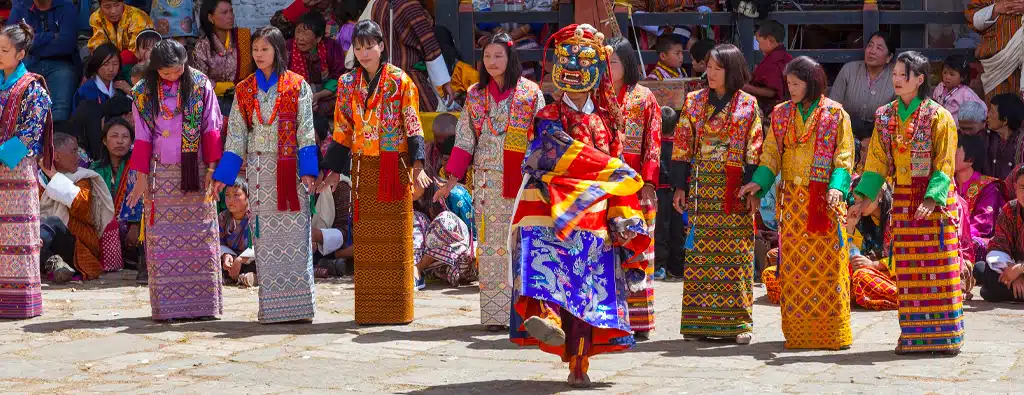
Discovering Dili: A Historical and Cultural Journey
Nestled along the northern coast of Timor Island, Dili, the vibrant capital of East Timor, or Timor-Leste, embodies a rich tapestry of cultural heritage and historical significance. As the largest city in the nation's youngest country in Southeast Asia, Dili stands as a testament to endurance and cultural diversity, having lived through centuries of colonialism, conflict, and now ever-growing development and modernization.
The Historical Tapestry of Dili
Dili's history is deeply intertwined with the broader historical arc of Timor-Leste, stretching back hundreds of years to an era of Portuguese exploration and colonization. This small yet historically dense city began its colonial chapter in 1520 when Portuguese explorers made their way to Timor Island, drawn by the lure of valuable sandalwood and potential Christian converts. Ultimately, the arrival of the Portuguese would significantly influence Dili's architecture, religious make-up, and cultural identity.
Over time, Dili evolved into a significant center for trade and administration, serving as the capital of the Portuguese Timor colony. For centuries, the influences in Dili were predominantly Portuguese, and the city was characterized by its colonial architecture, including impressive churches and government buildings. However, the city also faced challenges; it was a hub in the sometimes turbulent power dynamics in the region, balancing relationships and opposition with neighboring Indonesia, once a Dutch colony itself.
The Indonesian Occupation
The year 1975 marked a turning point for Dili as East Timor declared its independence from Portugal on November 28, only to face military invasion by Indonesia nine days later. This invasion led to the annexation of East Timor as Indonesia's 27th province—an action never recognized by the United Nations. During the occupation, which lasted until 1999, Dili became a focal point for resistance movements and a place marked by turmoil and repression. The city’s streets were often witness to the struggles between Indonesian authorities and Timorese independence activists.
The Santa Cruz massacre on November 12, 1991, was one of the most notorious episodes in Dili during the occupation. A peaceful procession of thousands of mourners marching from the Motael Church to the Santa Cruz Cemetery, in memory of a pro-independence activist, was met with violent suppression by Indonesian troops. The massacre was so significant that it catapulted East Timor into international prominence, galvanizing global support for the country’s bid for independence.
Path to Independence and Peace
The path to full independence for East Timor, and with it, Dili, was fraught with challenges but driven by immense determination. In 1999, a UN-backed referendum was held, in which the East Timorese people overwhelmingly voted for independence from Indonesia. The aftermath, however, saw violent reprisals from anti-independence militias, leading to widespread destruction in Dili. The international community quickly responded, and the arrival of peacekeeping forces helped restore order, paving the way for East Timor to achieve official independence on May 20, 2002, with Dili as its proud capital.
Today, as East Timor continues to strengthen its democratic governance, Dili has emerged as a symbol of resilience and renewal, portraying an intriguing mix of historical heritage and modern ambition. With peace largely restored, the city now reflects a hopeful spirit that is both palpable and infectious among its citizens and the many visitors it attracts yearly.
Exploring Cultural Dili
Beyond its historical importance, Dili thrives as a cultural hub. It is a city where modernity meets tradition, offering a unique blend of culture that is deeply rooted in the traditions of Timorese tribes and the legacy of Portuguese colonialism. Visitors to Dili can explore a myriad of churches, markets, and museums that reflect this intricate cultural tapestry. A prime example is the Cathedral of Immaculate Conception, a landmark showcasing Portuguese architectural influences.
Moreover, the city's cultural scene is vibrant with local art, music, and cuisine. Festivals and cultural events play a crucial role in the community, where traditional dances, such as the likurai, are performed to express deep-seated emotions and to tell the stories of Dili's people.
Dili’s food scene is equally diverse, providing a fusion of flavors that reflects its historic heritage. Whether you're indulging in a plate of fresh seafood by the ocean or sampling local delicacies from a street vendor, the cuisine is a vital part of experiencing Dili, offering culinary delights that range from traditional Timorese dishes to Portuguese-inspired fare.
As we delve deeper into the modern aspects and evolving identity of Dili, it becomes clear that this city is alive with stories waiting to be told and explored, from its streets echoing the footsteps of its historical past to the bustling vibrancy of its present-day culture. In the following sections, we will explore the development and societal evolution of Dili, focusing on its present-day contributions to the nation of Timor-Leste and its burgeoning future. \[Continue...]
Dili in the Modern Era: Development and Growth
As the capital of one of the world's youngest nations, Dili finds itself at a pivotal juncture, transitioning from a past defined by colonial rule and conflict to a future characterized by growth and potential. The city's efforts in rebuilding its infrastructure, strengthening its institutions, and fostering economic development serve as critical components of its modern transformation.
Since its independence in 2002, Dili has been the focal point of Timor-Leste’s reconstruction efforts. Substantial investments have been made in improving the city's infrastructure, with particular attention given to roads, schools, and healthcare facilities. These improvements are part of a broader strategy to develop a robust foundation for economic growth and societal advancement.
Economic Ventures and Challenges
Dili plays a crucial role in Timor-Leste's economic landscape. The city acts as the central hub for governance, commerce, and trade within the country. In recent years, Dili has experienced an influx of both foreign aid and investment, aimed at fostering sustainable development and building a diversified economy. As the driving force behind the national economy, the city has witnessed steady growth in sectors such as agriculture, tourism, and, most notably, oil and gas.
The discovery and development of oil and gas fields in the Timor Sea have significantly impacted Dili's economy. Revenue from these resources has bolstered the national economy and funded crucial infrastructure projects. However, this reliance on a finite resource poses challenges, with economic diversification being critical to ensure future prosperity. As such, efforts are underway to expand the tourism sector, positioning Dili as a destination for travelers seeking to explore its cultural richness and natural beauty.
Tourism, although still developing, shows great promise. Dili's picturesque landscape, featuring pristine beaches and the striking backdrop of the surrounding mountains, offers unique potential for eco-tourism and cultural tourism. Moreover, the hospitality industry, though in its early stages, is slowly evolving, with new hotels, restaurants, and cultural tours springing up, aiming to cater to an increasing number of international visitors.
Social Progress and Education
Education has been prioritized in Dili’s development blueprint as a vital tool for empowering a new generation of Timorese leaders. Schools and universities are being equipped to provide quality education that fosters innovation and entrepreneurship. Educational initiatives focus on multiple critical areas, including technology, language proficiency, and vocational training, aiming to prepare students to compete in an increasingly globalized world.
Community organizations and international NGOs have taken active roles in educational outreach, creating programs that aim to improve literacy and skills among the city's youth. Through these efforts, Dili is nurturing a population that is not only well-educated but also motivated to contribute positively to the nation's future.
Civic Engagement and Governance
The path to independence has also shaped Dili's civic and political landscape. The city is a beacon of governance for Timor-Leste, housing essential government institutions and foreign embassies. Over the past two decades, Dili has made significant strides in strengthening its democratic institutions, reinforcing the principles of fair governance, transparency, and rule of law.
An engaged civil society is one of Dili's standout features, with non-governmental organizations, community groups, and activists playing pivotal roles in shaping public discourse. These groups focus on a variety of issues, ranging from human rights advocacy and environmental conservation to women's empowerment and cultural preservation.
Civic engagement in Dili reflects the city’s commitment to participatory governance, striving to create a society where everyone is heard and represented. This spirit of inclusion is vital as Dili moves forward, ensuring that all citizens contribute to and benefit from their nation's development.
An Optimistic Future for Dili
Despite the challenges faced, Dili exudes a spirit of resilience and optimistic determination. This optimism is rooted in its young population, vibrant culture, and the indomitable spirit of its people. As Timor-Leste continues on its journey of self-discovery and nation-building, Dili stands at the forefront as a representation of its aspirations.
The future promises more interconnectedness with the global community, with Dili establishing stronger ties through diplomacy, trade, and cultural exchange. The city's strategic location and cultural offerings position it as a pivotal player in the regional landscape, with opportunities for collaboration and partnership.
Moreover, as the capital evolves, there is a distinct commitment to preserving the rich heritage that defines Dili's unique identity. Urban development plans incorporate sustainable practices and cultural conservation, merging progress with tradition and ensuring that the city remains a bastion of history and culture.
In the forthcoming section, we will delve into the social fabric of Dili, exploring daily life in the city and the vibrant communities that contribute to its dynamic character, along with examining the initiatives that are shaping its future trajectory on the national and international stage. \[Continue...]
The Vibrant Social Fabric of Dili
Beyond the historical and economic dimensions, Dili thrives as a multifaceted community where social life plays a vital role in defining its essence. The city, with its kaleidoscope of influences, offers a snapshot of contemporary life in East Timor, balancing urban dynamism with timeless traditions. Social interactions in Dili are characterized by community spirit and vibrant local culture that underscore the daily lives of its residents.
Community Life and Traditions
The sense of community in Dili is palpable, rooted in the customs and traditions passed down through generations. Local communities often gather for cultural festivals and events that celebrate the unique mixture of indigenous traditions and the Portuguese colonial legacy. Such events foster camaraderie and unity among residents, and they often feature traditional music, dance, and cuisine. The “tais” market is one such place where this cultural vibrancy is on full display. Tais, traditional woven textiles, are renowned for their intricate designs and vibrant colors and serve as both cultural symbols and economic goods in the city.
Community gatherings also extend into religious practices, which are central to the social fabric of Dili. Catholicism, introduced during the Portuguese era, remains a dominant faith, and religious festivals such as Easter and Christmas are celebrated with much fervor. Such events often draw the community together, providing a forum for collective identity and mutual support.
Underpinning Society with Tradition and Change
Dili's society reflects a blend of tradition and change as it evolves in the 21st century. The younger generation, while deeply connected to their cultural roots, increasingly seeks new opportunities in education, technology, and entrepreneurship. Simultaneously, initiatives aimed at promoting gender equality and environmental sustainability are taking shape, driven by both local and international advocates.
A remarkable example is the rise of local youth-driven organizations that work towards ecological conservation and social justice. These groups are pivotal in shaping public attitudes and influencing policy changes to address issues such as gender-based violence and climate change, which are critical challenges for Dili and Timor-Leste more broadly.
Daily Life and Local Flavors
Daily life in Dili encompasses both the traditional and the modern. The city's markets bustle with activity, offering an array of local produce, fresh fish, and traditional handicrafts. Here, locals convene not just for trading goods but also for socializing, making these markets integral parts of community life. Street food stalls provide another snapshot of daily life, offering visitors the chance to sample Dili's culinary delights, from spicy curries and grilled meats to the ever-popular Portuguese-inspired pastries.
For those who prefer a contemporary vibe, Dili's cafes and restaurants express the evolving culinary culture. Here, traditional East Timorese ingredients might meet global cuisine influences, appealing to both locals and visitors seeking diverse culinary experiences. Moreover, coffee culture is burgeoning in Dili, with the beverage celebrated as a mainstay of local agriculture and daily life. Timorese coffee, renowned for its rich flavor, is both an export commodity and a symbol of national pride.
Future Trajectories and Global Engagement
As Dili continues to develop and mature, the city embraces its role on the international stage. Increasing global awareness about East Timor's rich cultural and natural assets contributes to Dili’s growing tourism potential, enhancing opportunities for economic and cultural exchanges. Moreover, the presence of international institutions and diplomatic missions within the city bolsters its identity as a global player.
Looking ahead, Dili's vision includes sustainable urban planning and infrastructure development aimed at creating a modern metropolis while safeguarding its cultural and natural heritage. There is a concerted focus on initiatives that promote renewable energy, eco-friendly buildings, and public transportation systems as a means to address urban challenges while adhering to sustainable practices.
Finally, Dili remains committed to strengthening democracy and upholding its motto “Unity, Action, Progress.” Through education, civic responsibility, and global partnerships, the city aspires to remain a beacon of resilience, offering hope and prosperity to its citizens.
Thus, Dili presents a narrative of a city that is constantly evolving, reinforced by its history and propelled by its ambitions. As East Timor’s capital, it represents hopes, aspirations, and a relentless drive toward progress, proving that even the smallest places can inspire significant change on the world stage. As it stands at this crossroads, Dili's ongoing journey promises to be as enlightening and compelling as its storied past.

